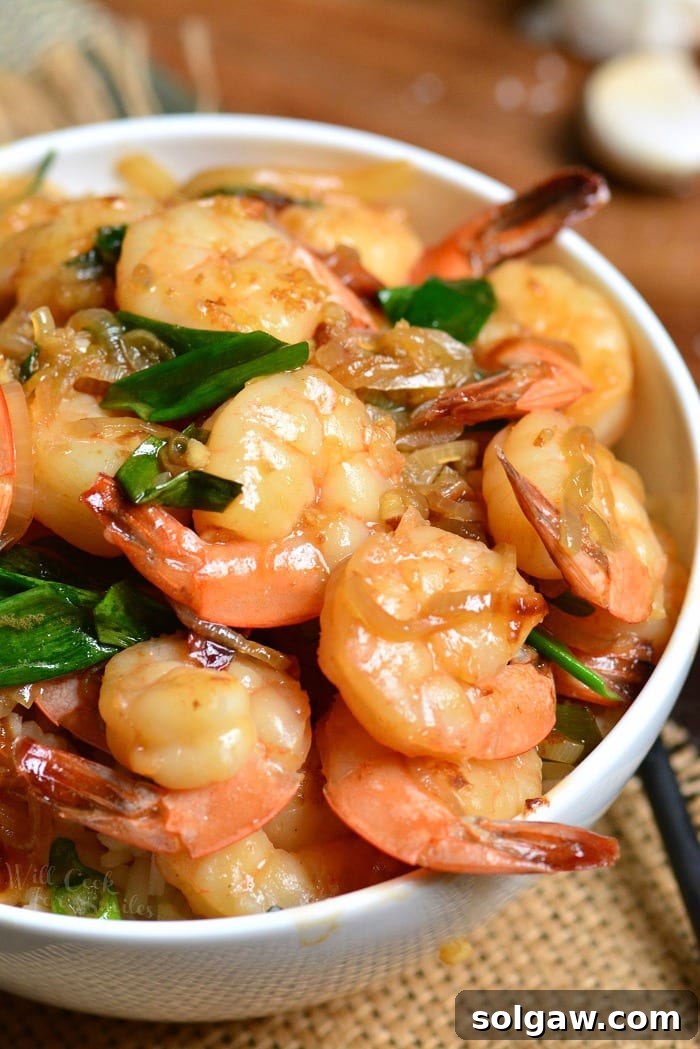
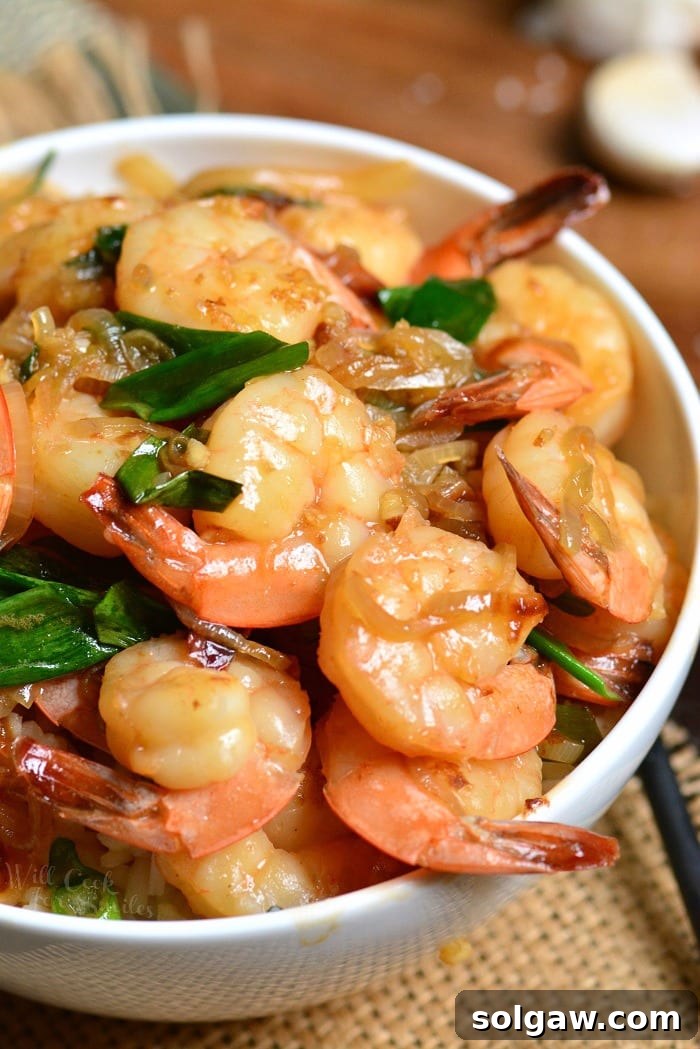
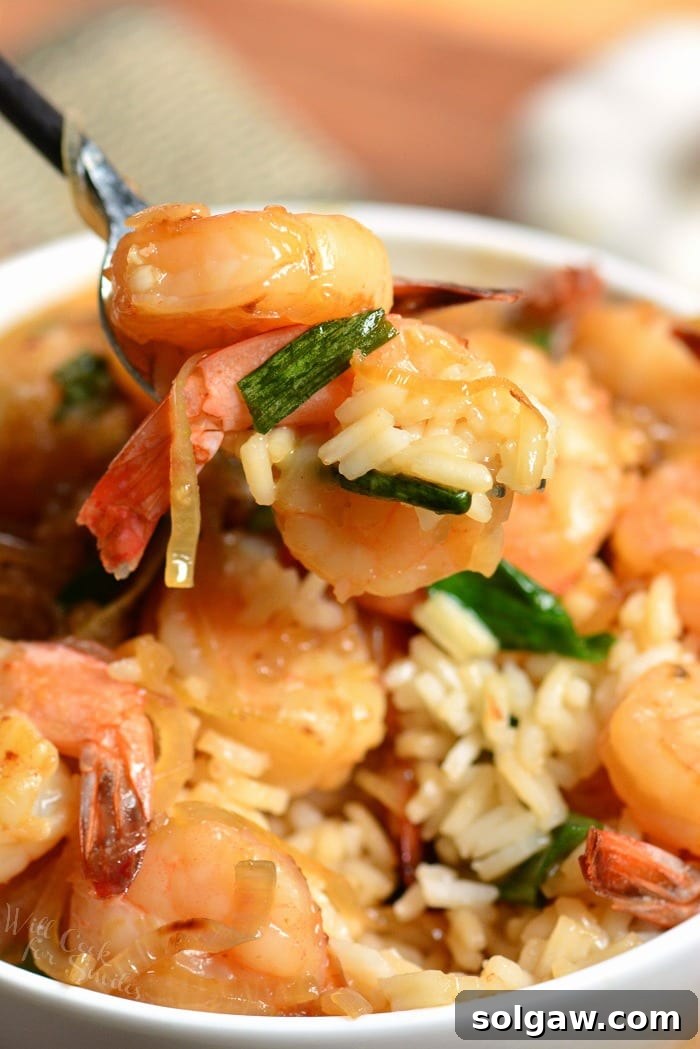
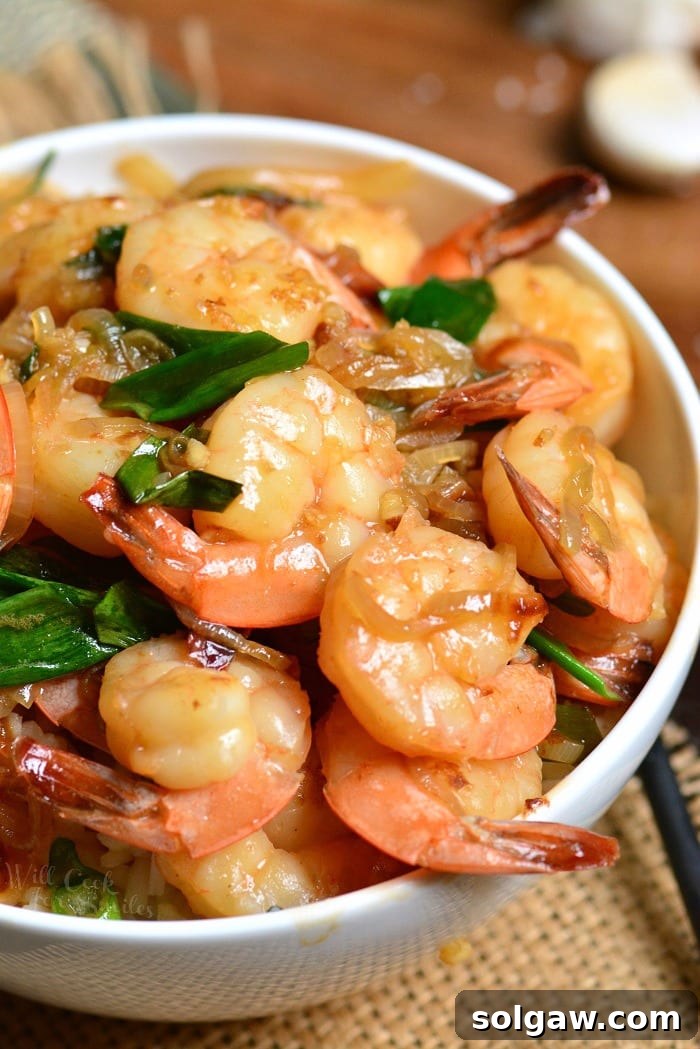
Welcome to your new favorite weeknight dinner: the Garlic Shrimp Rice Bowl! This dish is a culinary marvel, combining the lean, nutrient-dense power of shrimp with the satisfying heartiness of a customizable rice bowl. It’s not just a meal; it’s an experience that promises both incredible flavor and remarkable convenience, making it a true hero in any busy kitchen. Imagine plump, juicy shrimp coated in a glossy, savory-sweet garlic sauce, served over perfectly cooked rice – all ready in under 30 minutes. This recipe is designed to be effortlessly delicious, proving that healthy and quick meals don’t have to sacrifice taste.
What makes a rice bowl truly special is its incredible versatility. While our signature garlic shrimp shine when served over warm, fragrant jasmine rice, the beauty of this dish lies in its adaptability. Feeling like a healthier option? Easily swap jasmine rice for wholesome brown rice or protein-packed quinoa. Craving more greens? Fold in extra vibrant vegetables like crisp bell peppers or tender broccoli florets. Want to turn up the heat? A dash of sriracha or red pepper flakes can customize the sauce to your preferred spice level. This flexibility ensures that every bowl can be tailored to your mood, dietary needs, or whatever ingredients you have on hand.
The best part? This mouth-watering garlic shrimp rice bowl is engineered for speed, making it an ideal choice for busy weeknights when time is of the essence. From start to finish, you can have a gourmet-quality meal on the table in less than 30 minutes. The longest component of this dish is typically the rice preparation. However, with a little foresight, this time can be drastically reduced. If you prepare your rice ahead of time or even utilize leftover rice from the fridge, this entire recipe can come together in a remarkable 10 to 15 minutes. It’s fast food, elevated – fresh, healthy, and bursting with flavor, without compromising your precious evening hours.
Why You’ll Love This Garlic Shrimp Rice Bowl
This isn’t just another dinner recipe; it’s a solution for those chaotic evenings when you crave something wholesome and satisfying without spending hours in the kitchen. Here’s why this garlic shrimp rice bowl will quickly become a staple in your meal rotation:
- Unbeatably Fast: With a prep time of just 5 minutes and a cook time of 20 minutes (including rice!), you’re looking at a complete meal in under half an hour. Perfect for after-work dinners or quick lunches.
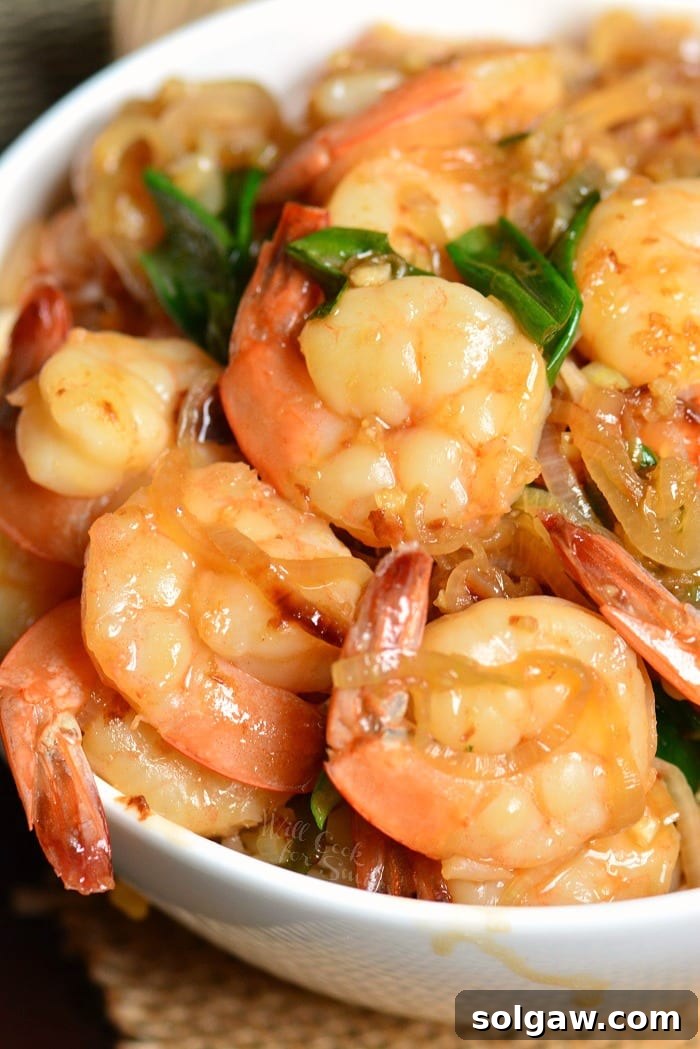
- Bursting with Flavor: The combination of sweet shallots, pungent garlic, and a perfectly balanced soy-honey-rice vinegar sauce creates an explosion of umami that’s both comforting and exciting. Each succulent shrimp is a tiny flavor bomb!
- Nutrient-Dense & Lean: Shrimp is an excellent source of lean protein, low in calories, and packed with essential vitamins and minerals like selenium, vitamin B12, and phosphorus. Paired with whole grains and fresh vegetables, this bowl offers a complete, healthy meal.
- Infinitely Customizable: This recipe provides a fantastic base, but it truly shines when you make it your own. Adjust the spice, add your favorite vegetables, or experiment with different grains – the possibilities are endless!
- Simple Ingredients, Big Impact: You don’t need exotic ingredients to create something extraordinary. Most items are pantry staples, easily found at any local grocery store.
Key Ingredients for the Perfect Bowl
Crafting the perfect garlic shrimp rice bowl starts with understanding the role each ingredient plays. Here’s a closer look at the stars of our show and how to get the most out of them:
Shrimp: Fresh, Frozen, and Preparation Tips
Shrimp is a fantastic protein choice for weeknight meals due to its quick cooking time and lean nutritional profile. While fresh shrimp always offers the best texture and flavor, it’s not always readily available or convenient. If you need to, using high-quality frozen shrimp is perfectly acceptable. The key to success with frozen shrimp is proper thawing: transfer them to the refrigerator the night before, or for a faster method, place them in a bowl under cold running water for 15-20 minutes until fully thawed. Once thawed, it’s crucial to pat them thoroughly dry with paper towels to ensure they sear beautifully and achieve that desirable slightly crispy exterior, rather than steaming in the pan.
For whole shrimp, whether fresh or frozen, it’s essential to peel and devein them. Peeling is straightforward, but deveining is often overlooked. The “vein” along the shrimp’s back is actually its digestive tract, and while not harmful to eat, it can sometimes be gritty and unappetizing. To devein, simply make a shallow cut along the back curve of the shrimp and use a paring knife or a toothpick to pull out the dark, stringy vein. This small step makes a big difference in the overall eating experience. Choose shrimp that are medium to large in size for the best presentation and texture in your rice bowl.
Shallots vs. Onion: The Sweet Aromatic Difference
There’s a specific, intentional reason for selecting shallots in this recipe: their distinctive flavor profile. Shallots are not simply small onions; they belong to the same family as garlic, chives, and leeks, and offer a much sweeter, more delicate, and slightly garlicky taste compared to a regular onion. This nuanced flavor complements the rich garlic sauce and the natural sweetness of the shrimp perfectly, adding a layer of sophisticated aromatic depth without overpowering the dish. For the best results, we highly recommend using a shallot if at all possible.
However, if shallots are unavailable, you do have options. A Vidalia onion makes a decent substitute due to its naturally sweeter and less pungent flavor compared to other onion varieties. Alternatively, you could use a small amount of leek, finely chopped, to bring in a similar mild sweetness. Even a very small amount of finely minced yellow or white onion can work in a pinch, but be mindful that the flavor will be sharper. Whichever you choose, ensure it’s thinly sliced to allow it to soften and caramelize quickly, releasing its aromatic goodness into the sauce.
The Flavorful Garlic Sauce: A Balance of Umami and Sweetness
The sauce is the heart of this shrimp rice bowl, bringing together a symphony of flavors that elevate the entire dish. It’s designed to be glossy, flavorful, and perfectly cling to every piece of shrimp and rice. Here’s a breakdown of its components:
- Chicken Stock (or Vegetable Broth): This forms the base of our sauce, providing a savory foundation. Using a good quality stock adds depth.
- Low Sodium Soy Sauce: Offers essential umami and saltiness. Opting for low-sodium allows you to control the seasoning better. For a gluten-free version, be sure to use tamari or certified gluten-free soy sauce.
- Honey: Balances the saltiness of the soy sauce with a touch of natural sweetness, contributing to the glossy texture and caramelized notes.
- Rice Vinegar: Adds a crucial bright, tangy element that cuts through the richness and enhances all the other flavors. Don’t skip this!
- Avocado Oil: Used for sautéing, it has a high smoke point and a neutral flavor, allowing the other ingredients to shine. Any neutral oil like canola or grapeseed oil can also be used.
- Cornstarch: This is our secret weapon for a beautifully thickened, glossy sauce. It ensures the sauce coats the shrimp perfectly and adheres to the rice, rather than just being watery. Remember to whisk it well into the cold liquid before heating to prevent lumps.
- Fresh Garlic Cloves: The star, of course! We call it “Garlic Shrimp” for a reason. Using freshly pressed or minced garlic is non-negotiable for that intense, aromatic kick. The quantity (4-6 large cloves) ensures the garlic flavor is prominent but not overwhelming.
Customizing Your Shrimp Rice Bowl
One of the true joys of a rice bowl is its incredible adaptability. This recipe is a fantastic starting point, but don’t hesitate to personalize it with your favorite vegetables and grains to create a meal that truly suits your taste and dietary preferences.
Vegetable Additions & Swaps for Enhanced Flavor and Nutrition
Adding more vegetables is an excellent way to boost the nutritional value and textural variety of your shrimp rice bowl. Whichever vegetables you choose, remember to cut them into thin slices or small florets to ensure even cooking and quick integration into the dish. You can cook your veggies to your preferred doneness – whether you like them tender-crisp or softer and fully integrated into the sauce.
- Bell Peppers: Red, yellow, or orange bell peppers add a delightful sweetness and vibrant crunch. Slice them thinly and add them with the shallots or slightly after for a brighter flavor.
- Snap Peas or Snow Peas: These offer a fantastic crisp texture and sweet, fresh flavor. Add them during the last minute or two of cooking the shrimp to retain their crunch.
- Carrots: Julienne or thinly slice carrots for a touch of sweetness and beautiful color. They can be added with the shallots to soften slightly.
- Broccoli: A powerhouse of fiber and nutrients, broccoli florets are perfect for soaking up that delicious garlic sauce. Steam or blanch them slightly before adding them to the pan with the shrimp for best results, or add raw florets earlier with the shallots if you prefer them softer.
- Cauliflower: Similar to broccoli, cauliflower florets are another healthy and versatile addition. They absorb flavors wonderfully and add a hearty texture.
- Spinach or Bok Choy: For quick-cooking greens, stir in a handful of fresh spinach or thinly sliced bok choy during the last minute of cooking until just wilted.
- Mushrooms: Sliced mushrooms (like cremini or shiitake) can add an earthy, umami depth. Sauté them before adding the shallots for optimal browning.
Grain Alternatives: Beyond Just Rice
While jasmine rice provides a wonderful aromatic base, there are numerous options to consider if you’re looking to substitute or diversify your grain. The best choice depends on your reason for substitution – whether it’s for health benefits, flavor profile, or texture.
- Healthier Rice Options: If you’re aiming for more fiber and nutrients, brown rice or even wild rice are excellent whole-grain alternatives to jasmine or white rice. They have a chewier texture and nutty flavor that complements the garlic shrimp beautifully.
- Other Whole Grains: For an even greater nutritional boost and different textures, consider:
- Quinoa: A complete protein, quick to cook, and offers a fluffy, slightly chewy texture.
- Farro: A hearty ancient grain with a nutty flavor and satisfying chewiness.
- Couscous: A quick-cooking, light, and fluffy pasta grain.
- Bulgur: Made from cracked wheat, it cooks quickly and has a delightful texture.
Each of these grains will absorb the sauce wonderfully and provide a different character to your rice bowl.
- Low-Carb Alternatives: If you’re looking to reduce carbohydrates, you can eliminate rice altogether and use extra vegetables, effectively turning it into a flavorful shrimp stir-fry. Another popular low-carb option is cauliflower rice, which mimics the texture of rice without the carbs.
- Pro Tip: Most grains, including rice and quinoa, can be prepared ahead of time and stored in the refrigerator, making this dish even quicker to assemble when you’re ready to cook!
Dietary Considerations
Is This Dish Gluten-Free? Making Smart Swaps
The good news is that this garlic shrimp rice bowl can easily be made gluten-free with a single, simple substitution. The only ingredient in the original recipe that typically contains gluten is soy sauce. Traditional soy sauce is brewed with wheat, making it unsuitable for those with celiac disease or gluten sensitivity.
To make this dish completely gluten-free, simply use gluten-free soy sauce. Most major grocery stores now carry gluten-free varieties, which are often labeled clearly. An even better alternative, if you can find it, is tamari. Tamari is a Japanese soy sauce that is naturally gluten-free (though always check the label, as some brands may contain trace amounts of wheat). Tamari often has a slightly richer and less salty flavor profile than regular soy sauce, which can enhance the overall taste of your garlic shrimp bowl. Always check labels for all ingredients, especially if you have severe gluten sensitivities.
Other Dietary Adjustments
This recipe is also quite flexible for other dietary needs:
- Low-Sodium: In addition to using low-sodium soy sauce, you can control the salt content by choosing low-sodium chicken or vegetable stock and reducing any additional salt in the dish.
- Dairy-Free: This recipe is naturally dairy-free, making it a great option for those with lactose intolerance or dairy allergies.
- Vegetarian/Vegan: While this recipe features shrimp, the sauce and vegetable components can be adapted for a plant-based diet. Substitute shrimp with pan-fried tofu, tempeh, or a mix of hearty mushrooms (like king oyster or portobello) for a delicious vegetarian or vegan rice bowl. Ensure you use vegetable broth instead of chicken stock, and verify all other ingredients are plant-based.
PIN THIS RECIPE FOR LATER
DID YOU MAKE THIS RECIPE? PLEASE leave a 🌟 star rating! Let me know how you liked it by leaving a 📝 comment below or share and tag me on social media @willcookforsmiles. DON’T FORGET to subscribe to my newsletter!
Garlic Shrimp Rice Bowl Recipe
Print
Pin
Rate
Main Course
American, Chinese
5 minutes
20 minutes
25 minutes
2
832kcal
Lyuba Brooke
Ingredients
Sauce:
- 3/4 cup chicken stock (can substitute vegetable broth)
- 3 tbsp low sodium soy sauce use GF soy or tamari if needed
- 2 tbsp honey
- 1 tbsp rice vinegar
- 2 tbsp avocado oil
- 1 tbsp cornstarch
- 4-6 large garlic cloves pressed
Rice Bowl:
- 1 lb shrimp peeled and deveined
- 1 large shallot thinly sliced
- 1 cup scallions chopped into 1-inch pieces
- 1 cup uncooked rice
Instructions
-
Begin by cooking your chosen rice (or grain) according to package instructions. This is typically the longest part of the preparation.
Tip: For an extra layer of flavor, consider cooking your rice in chicken or vegetable stock instead of plain water. Once the rice is approximately halfway cooked, you can start preparing the shrimp.
-
In a medium mixing bowl, combine all the sauce ingredients: chicken stock, low sodium soy sauce, honey, rice vinegar, avocado oil, cornstarch, and pressed garlic cloves. Whisk everything thoroughly until the cornstarch is fully dissolved and no lumps remain. Set the sauce aside for later use.
-
Place a large cooking pan or wok over medium heat. Add a splash of avocado oil (or other neutral oil) to the pan and allow it to heat up until shimmering.
-
Add the thinly sliced shallots to the hot pan. Sauté them gently for about 2-3 minutes, stirring occasionally, until they become translucent and start to turn a light golden brown. This brings out their natural sweetness.
-
Next, add the chopped scallions and the peeled, deveined, and patted-dry shrimp to the pan. Sauté the shrimp for about 1-2 minutes until they begin to turn opaque on one side. Flip the shrimp over to cook the other side.
-
Continue to sauté the shrimp for another minute or so until they are mostly pink and curled. Before adding the sauce, give it another quick stir as the cornstarch tends to settle at the bottom. Pour the whisked sauce directly into the pan with the shrimp and vegetables.
-
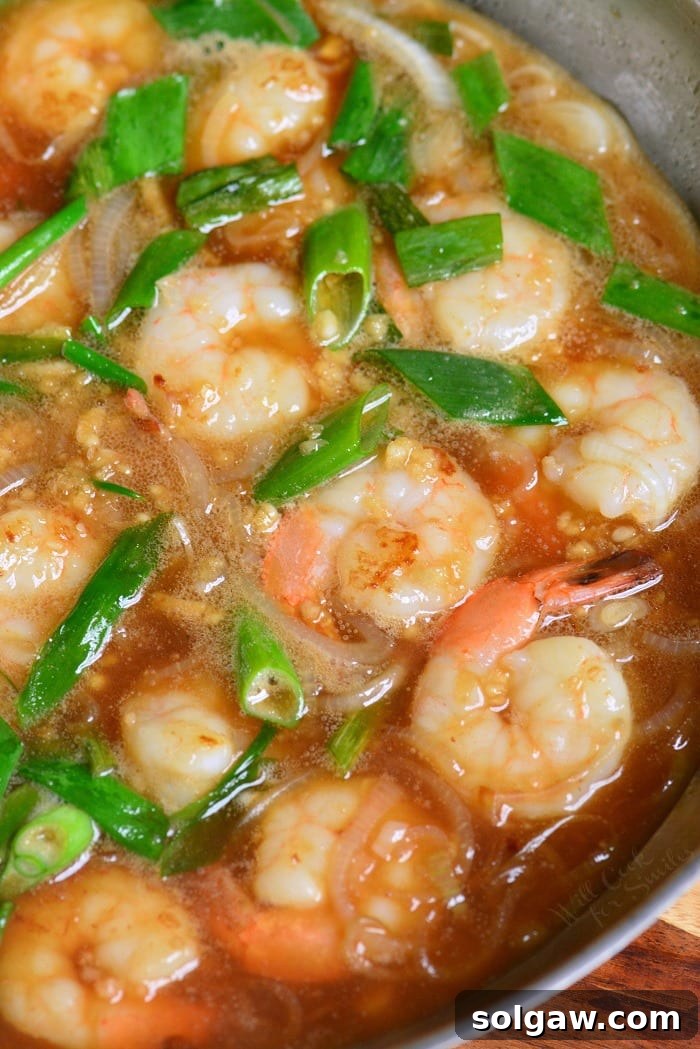
Stir continuously as the sauce begins to heat. Allow it to simmer gently for 1-2 minutes until it thickens into a glossy, luscious coating. Once the sauce reaches your desired consistency, remove the pan from the heat immediately to prevent overcooking the shrimp. Serve the garlic shrimp mixture generously over your prepared rice and enjoy!
Notes
Reheating Rice: Cooked rice tends to dry out in the refrigerator. When reheating, invigorate it by simply adding a splash of broth or water. You can reheat it in the microwave with a microwave-safe lid or plate covering the top, or gently on the stovetop over low heat until warmed through.
Storing Leftovers: Store any leftover shrimp and rice together in an airtight container in the refrigerator. It will remain fresh and delicious for 2-3 days.
Reheating Shrimp: I do not recommend reheating shrimp in a microwave, as it can easily become rubbery and tough. For best results, it’s far better to reheat leftover shrimp in a sauté pan over medium heat. Add a tiny splash of water or broth, and stir-fry quickly for just 1-2 minutes until heated through. This method preserves its tender texture and flavor.
Nutrition
Carbohydrates: 105g |
Protein: 59g |
Fat: 18g |
Saturated Fat: 1g |
Cholesterol: 571mg |
Sodium: 3313mg |
Potassium: 624mg |
Fiber: 3g |
Sugar: 20g |
Vitamin A: 500IU |
Vitamin C: 21.5mg |
Calcium: 407mg |
Iron: 7.4mg
Tried this recipe?
Mention @willcookforsmiles or tag #willcookforsmiles!
More Easy Shrimp Dinner Recipes To Try
If you’ve enjoyed the simplicity and incredible flavor of this Garlic Shrimp Rice Bowl, you’re in for a treat! Shrimp is truly a versatile ingredient that lends itself to a variety of quick and delicious meals. Explore these other fantastic shrimp recipes that are perfect for any night of the week:
- Cajun Shrimp and Rice: A hearty and flavorful dish with a spicy kick, perfect for those who love a bit of heat.
- Tropical Shrimp Rice Bowl: Escape to a culinary paradise with this vibrant bowl featuring exotic fruits and fresh flavors.
- Shrimp Scampi: A classic favorite, succulent shrimp bathed in a buttery garlic and white wine sauce, typically served over pasta.
- Shrimp Stir Fry: A quick, colorful, and highly customizable dish packed with fresh vegetables and an umami-rich sauce.
- Shrimp Fried Rice: A takeout favorite made easy at home, featuring flavorful rice, tender shrimp, and crisp vegetables.
Each of these recipes offers a unique twist on how to enjoy shrimp, ensuring your dinner menu remains exciting and delicious. Happy cooking!