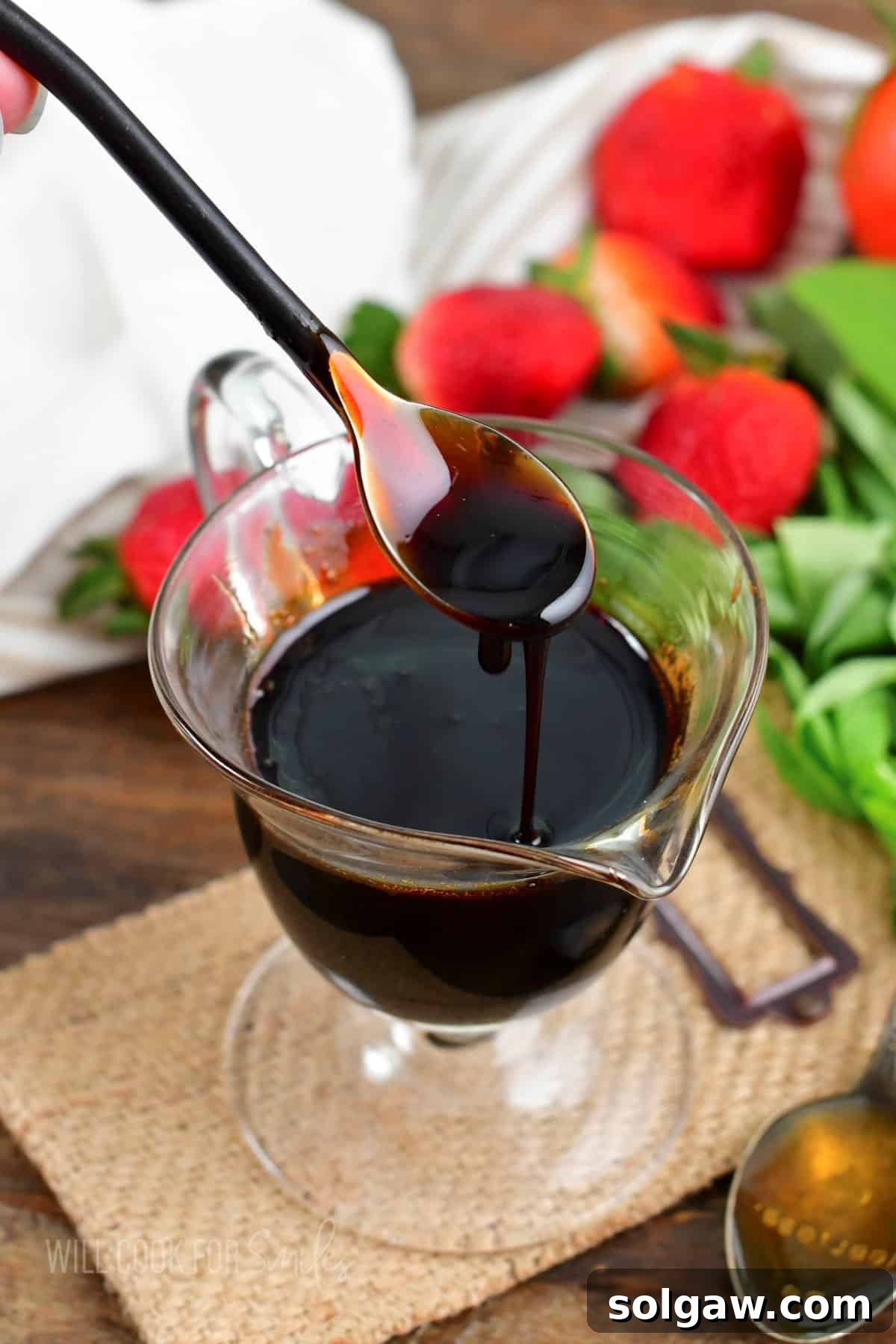
Unlock a world of sophisticated flavors with homemade balsamic glaze, a culinary marvel known for its bright, rich, tangy, and exquisitely sweet profile. This versatile reduction transforms ordinary dishes into gourmet experiences, offering a complex taste that perfectly balances the inherent tang of vinegar with a delightful sweetness. It’s this beautiful interplay of contrasting yet complementary flavors that makes balsamic glaze an indispensable condiment in any kitchen, elevating everything from savory meats to fresh fruits.
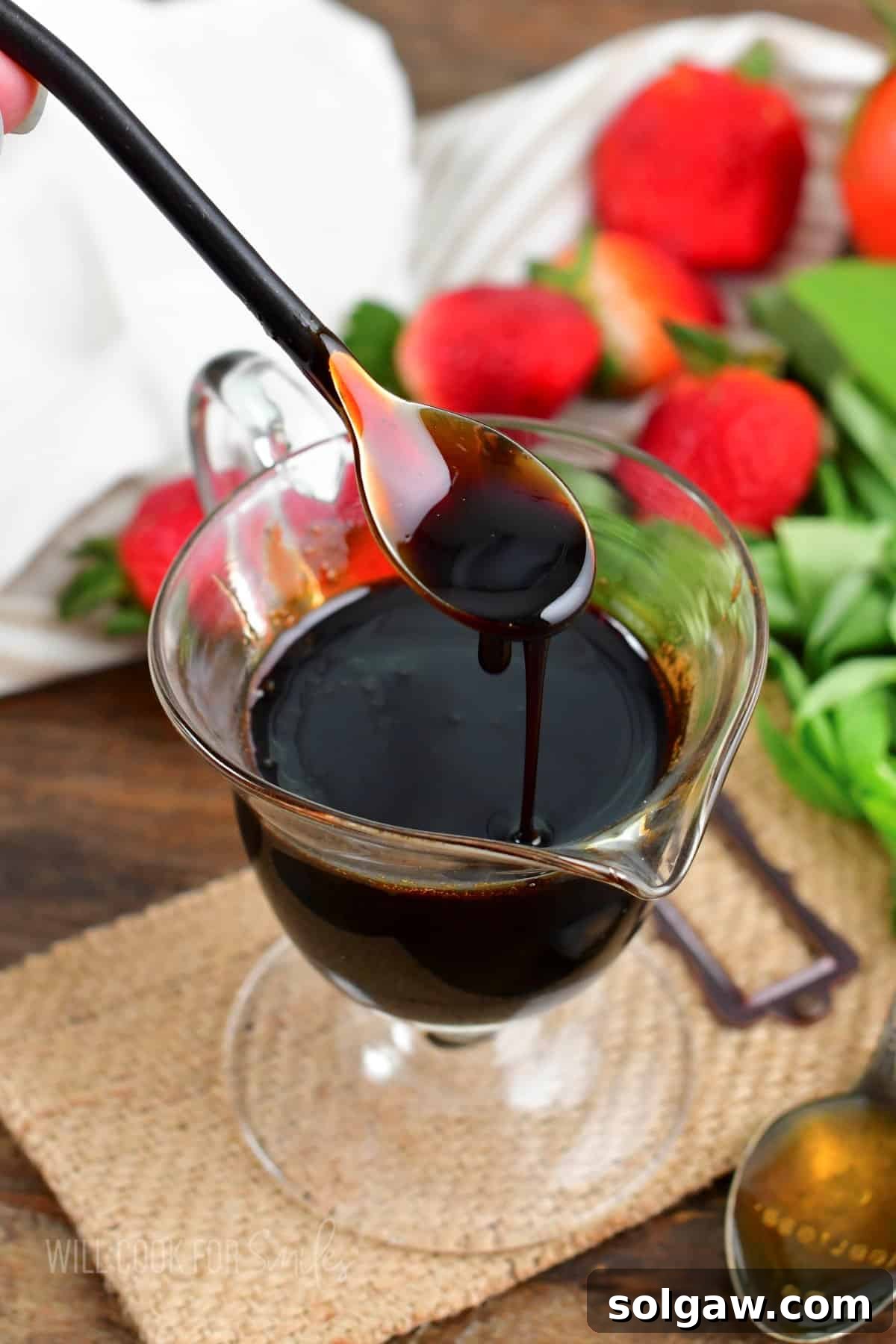
Why Craft Your Own Balsamic Glaze (Balsamic Reduction)?
While an array of balsamic glazes and reductions populate supermarket shelves, the allure of crafting your own at home presents compelling advantages that often outweigh the convenience of store-bought options. Choosing to make your own balsamic glaze allows for unparalleled control over quality, ingredients, and flavor, ensuring a superior product every time.
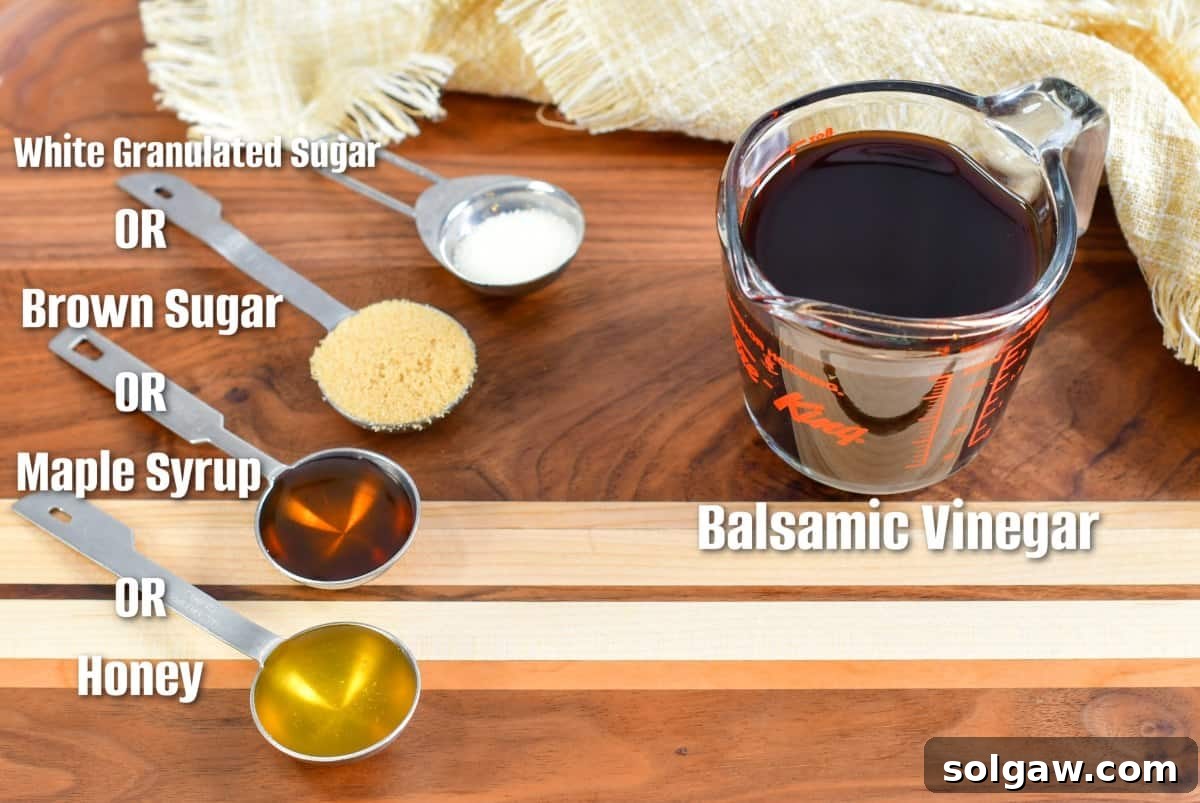
One of the primary reasons to embark on this simple culinary journey is the absolute purity of the **ingredients**. A homemade balsamic glaze typically requires just two core components: balsamic vinegar and a touch of sweetener. Without any added sugar, you’re looking at a single-ingredient masterpiece. This stark simplicity stands in contrast to many commercial glazes, which frequently contain a laundry list of additives such as thickeners, artificial flavors, caramel coloring, and excessive sugars to achieve a desired consistency and taste. By making it yourself, you eliminate these unnecessary extras, resulting in a cleaner, more authentic, and healthier condiment.
Furthermore, you gain **full control over the balsamic vinegar** itself. Balsamic vinegars are not all created equal; their quality and character vary dramatically, and these differences become profoundly apparent when the vinegar is reduced. From inexpensive table vinegars to artisanal, aged varieties, the spectrum is wide. Opting for a better quality balsamic vinegar, even a moderately priced one, will significantly enhance the depth and richness of your reduction. You have the power to select a vinegar free from undesirable additives, ensuring that the essence of your glaze is purely derived from the finest grape must. This level of ingredient transparency and quality assurance is rarely found in mass-produced alternatives, making homemade balsamic glaze a truly discerning choice for any food enthusiast.
Understanding Balsamic Vinegar: Choosing the Right Type for Your Glaze
Selecting the appropriate balsamic vinegar is crucial for achieving the perfect homemade balsamic glaze. It’s important to note that not all balsamic vinegars are suitable for reduction, especially the most premium and aged varieties. High-quality, genuinely aged balsamic vinegars, which can be quite costly, are often considered finishing vinegars and are NOT meant to be cooked or reduced. Heating these delicate vinegars can diminish their nuanced flavors and complex aromas, essentially wasting a precious ingredient. Traditional Balsamic Vinegar (D.O.P.) and certain Condimento Balsamico (I.G.P.) are examples of such exquisite vinegars that are best enjoyed drizzled fresh over dishes, preserving their integrity.
To navigate the world of balsamic vinegar, it’s helpful to understand its main grades:
- Tradizionale (Traditional Balsamic Vinegar – D.O.P.): This is the authentic, most prestigious balsamic vinegar, originating exclusively from the regions of Modena and Reggio Emilia, Italy. Made from cooked grape must and aged for a minimum of 12 to 25 years (or even longer) in a series of wooden barrels, it carries the “D.O.P.” (Denominazione d’Origine Protetta) designation. Tradizionale balsamic vinegar is incredibly rich, thick, syrupy, and boasts a profound, sweet-tart flavor profile. It is exceptionally expensive and should be reserved for finishing dishes, not for cooking or reducing into a glaze, as its delicate nuances would be lost.
- Condimento (Condiment Grade Balsamic Vinegar – I.G.P.): These vinegars, designated “I.G.P.” (Indicazione Geografica Protetta), offer a broader spectrum of quality and are generally more accessible. While still produced in Modena or Reggio Emilia, their production methods and aging periods are less stringent than Tradizionale. Condimento vinegars are made from grape must, often with the addition of wine vinegar, and aged for a shorter duration (typically 2-10 years). Their consistency and flavor can vary, but they are generally less viscous and complex than Tradizionale. This grade is often a good choice for making balsamic glaze, providing a balance of quality and affordability. When selecting, look for labels that list “grape must” as the primary, or ideally, only ingredient, to avoid unnecessary additives.
- Commercial Grade Balsamic Vinegar: This is the most common and widely available type, found in nearly every supermarket. These vinegars are produced quickly, often outside the traditional regions, and may contain a high percentage of wine vinegar, caramel coloring, and added sweeteners or thickeners to mimic the appearance and texture of true balsamic. They are thinner, more acidic, and less sweet than their more refined counterparts. However, for a simple balsamic glaze, a good quality commercial balsamic vinegar (ideally one that still lists grape must high in its ingredient list) can work well. It’s cost-effective and reduces beautifully, especially when a touch of sweetener is added to balance its acidity. Always read the nutritional labels and ingredient lists carefully. Look for options that prioritize grape must and avoid those with excessive additives.
For making balsamic glaze, a good quality Condimento or a reputable commercial-grade balsamic vinegar is usually the best choice. These vinegars offer a pleasant balance of flavor, acidity, and sweetness, and are robust enough to withstand the reduction process without losing their character. Aim for a vinegar that primarily lists grape must, or grapes, as its ingredient, ensuring a more natural and flavorful reduction.
Crafting Your Homemade Balsamic Glaze: Tips for Success
Making balsamic glaze, also known as balsamic reduction, is a surprisingly simple process that yields incredibly rewarding results. With just a few basic steps and a keen eye, you can transform ordinary balsamic vinegar into a thick, glossy, and intensely flavorful condiment. The key to success lies in gentle simmering and careful monitoring to achieve the ideal consistency and prevent burning.
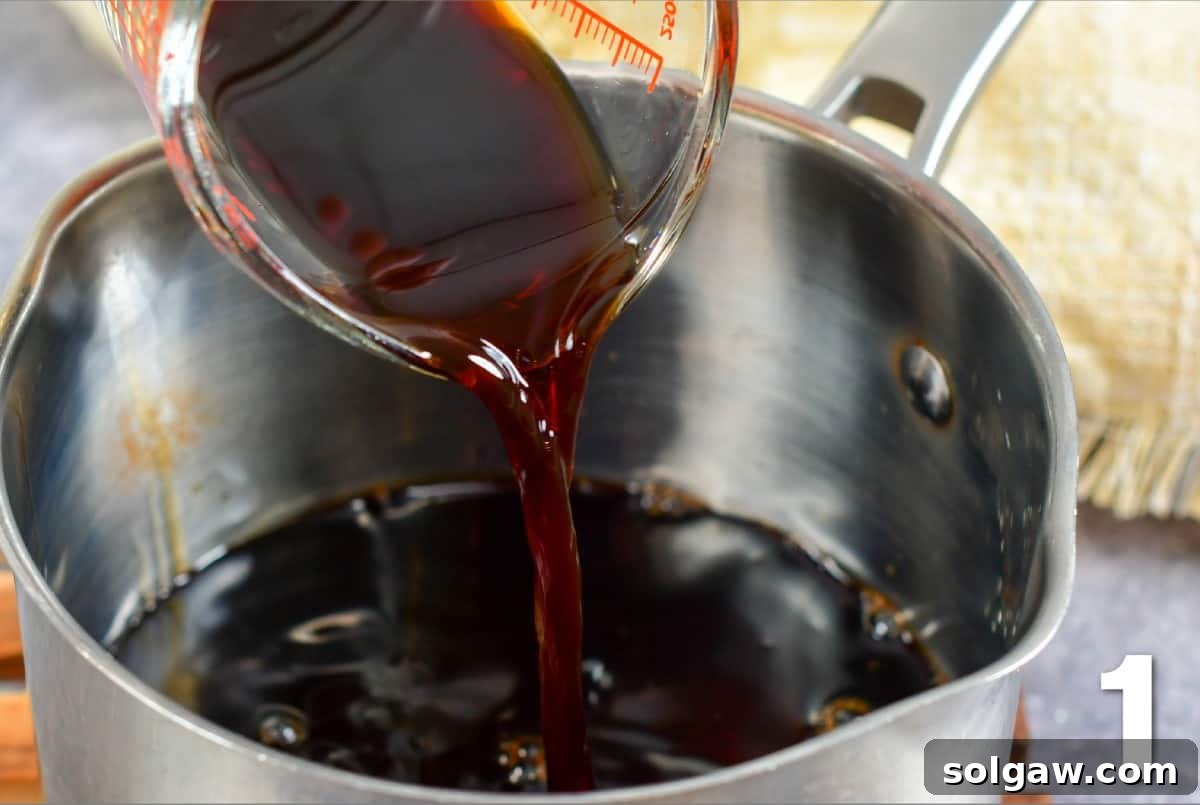
Start by pouring your chosen balsamic vinegar into a small to medium-sized saucepan. Select a pan that allows the vinegar enough surface area to simmer efficiently, but not so wide that it evaporates too quickly. Place the saucepan over medium heat and bring the vinegar to a gentle simmer. You’ll see small bubbles forming around the edges and eventually across the surface. Once simmering, reduce the heat to medium-low to maintain a gentle, consistent reduction, rather than a rolling boil. If you plan to add a sweetener, now is the ideal time to whisk it in, ensuring it fully dissolves into the warm vinegar.
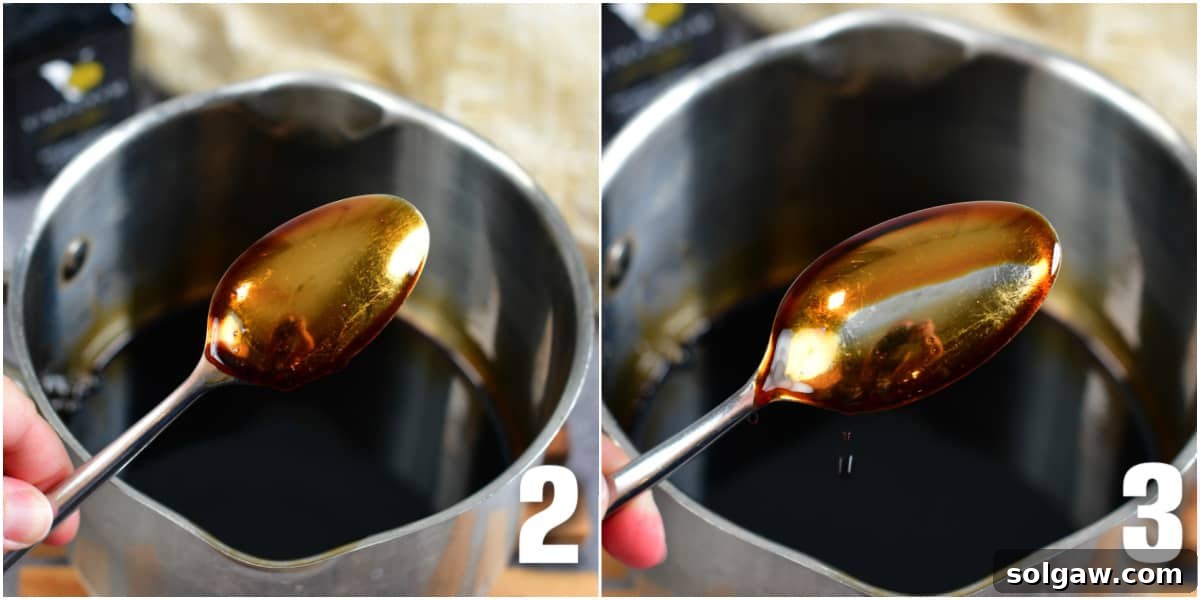
Allow the vinegar to simmer gently for approximately 5-8 minutes, stirring occasionally to prevent sticking and ensure even reduction. The goal is to reduce the volume of the vinegar to about one-half or one-third of its original amount, depending on your desired thickness. As it cooks, the vinegar will become noticeably darker and more syrupy. A crucial tip for achieving the perfect consistency is to remember that the glaze will continue to thicken significantly as it cools. Therefore, it’s best to remove it from the heat when it still appears slightly thinner than your target consistency. To test, dip a spoon into the reducing vinegar and lift it out. If it lightly coats the back of the spoon, it’s likely ready. If you wait until it’s perfectly thick in the pot, you risk ending up with a solid, unpourable glaze once it cools.
When it comes to sweeteners, you have several delicious options that can subtly alter the final flavor profile of your balsamic glaze. While many enjoy the pure tangy-sweetness of a glaze made solely from vinegar, a touch of sweetener can enhance its richness and balance the acidity, especially with commercial-grade vinegars. Brown sugar is a popular choice, contributing a molasses-like depth and a lovely caramel note. Honey offers a distinct floral sweetness and can make the glaze even more luscious. Maple syrup provides an earthy, robust sweetness, perfect for a slightly different character. For those seeking a keto-friendly option or wishing to reduce sugar intake, monk fruit sweetener or other sugar substitutes can be used. However, exercise caution with these, as they are often much sweeter than natural sugars; start with half the recommended amount and adjust to taste to avoid an overly sweet or artificial flavor. Experimentation with sweeteners allows you to tailor your homemade balsamic glaze to your personal preferences and the dishes you intend to pair it with.
Storing Your Homemade Balsamic Glaze
Proper storage is essential to maintain the quality and extend the shelf life of your homemade balsamic glaze. Once your glaze has reached the desired consistency and has cooled completely, transfer it to a glass jar. Ensure the jar has a secure, airtight lid to prevent air exposure, which can lead to oxidation and affect the glaze’s flavor and texture.
Store the sealed jar of balsamic glaze in the refrigerator. If you did not add any sugar during the reduction process, your glaze can be kept for an extended period, often for several months, thanks to the inherent acidity of the vinegar. If you did add sugar, the shelf life will be slightly shorter, but it will still remain fresh and delicious for several weeks. Over time, particularly if stored for longer durations, the glaze might thicken further in the refrigerator. If it becomes too thick to drizzle easily, simply allow it to come to room temperature for a bit, or gently warm it in a saucepan over very low heat with a tiny splash of water or balsamic vinegar until it regains a pourable consistency. Always use a clean spoon or utensil when serving to prevent contamination and prolong freshness.
Creative Ways to Enjoy Your Balsamic Glaze
The beauty of homemade balsamic glaze lies in its incredible versatility. Its sweet and tangy profile acts as a perfect counterpoint to a myriad of dishes, transforming everyday meals into extraordinary culinary delights. Here are some inspiring serving suggestions to make the most of your delicious balsamic reduction:
- Elevate Your Meats: Balsamic glaze pairs perfectly with virtually any protein. Drizzle it generously over grilled chicken, pan-seared steaks, roasted pork loin, or even lamb chops. Its rich flavor beautifully complements the savory notes of the meat, adding a gourmet touch. It also works wonders with seafood; try it over flaky salmon or delicate sautéed shrimp.
- Classic Appetizers: This glaze is a staple in Italian appetizers.
- Prosciutto and Melon: A delightful and effortless Italian classic. The saltiness of prosciutto, the sweetness of fresh melon (like cantaloupe or honeydew), and a drizzle of tangy balsamic glaze create a harmonious explosion of flavors.
- Classic Caprese Salad: A simple yet elegant salad featuring fresh tomatoes, creamy mozzarella, and vibrant basil leaves. A generous swirl of balsamic glaze ties all the fresh ingredients together, adding depth and a gourmet finish.
- Bruschetta: Toasted bread slices rubbed with garlic and drizzled with olive oil become the perfect canvas for a fresh tomato, onion, and basil topping. A final drizzle of balsamic glaze enhances the vibrant flavors and adds a desirable tang.
- Enrich Your Salads: Balsamic glaze can transform a simple salad into a culinary masterpiece. Beyond a traditional vinaigrette, the thicker consistency and concentrated flavor of the glaze cling beautifully to greens, fruits, and vegetables. Try it with a Balsamic Salmon Salad, or simply drizzle it over a mixed green salad with goat cheese, walnuts, and berries for an exquisite touch.
- Unexpected Fruit and Dessert Pairings: Don’t limit balsamic glaze to savory dishes! Its sweet-tart profile makes it an incredible companion to fruits and even desserts.
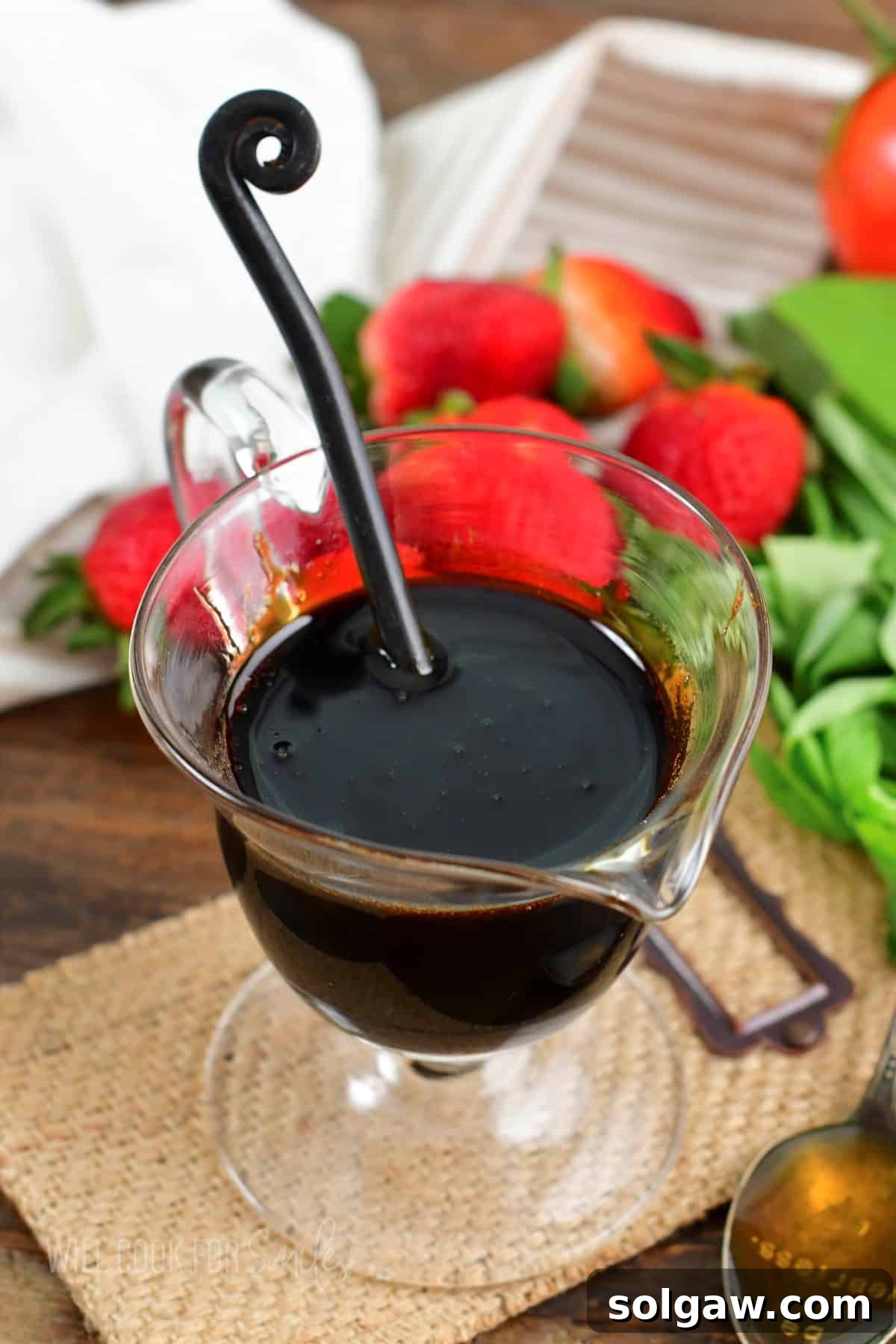
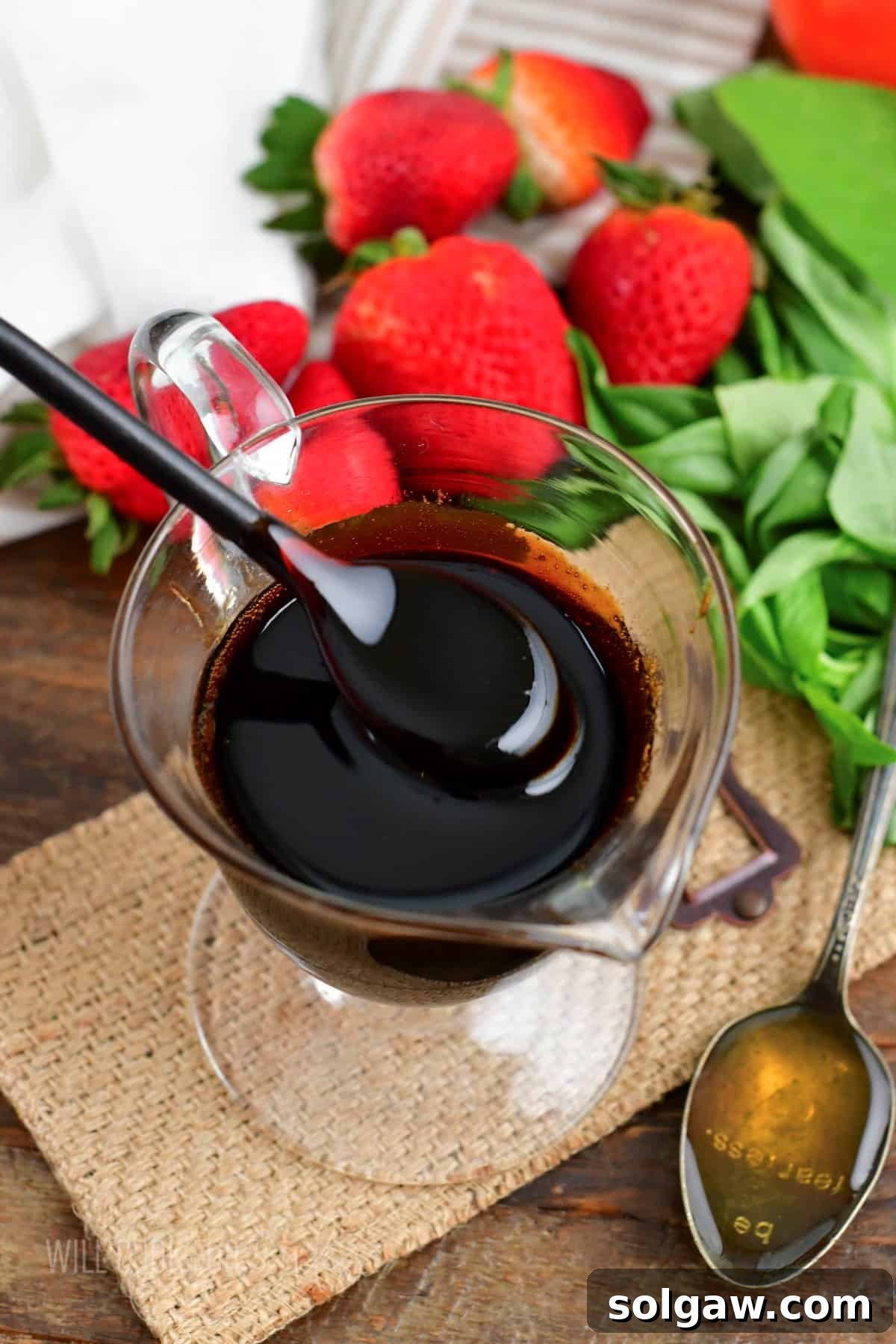
- Fresh Fruits: Strawberries are particularly heavenly with a light drizzle of balsamic glaze, enhancing their natural sweetness. It also works beautifully with figs, peaches, and berries.
- Desserts: For a sophisticated Italian dessert, serve a simple panna cotta with fresh strawberries and a touch of balsamico tradizionale (or your homemade glaze). It’s also fantastic over vanilla ice cream, plain yogurt, or even a cheesecake for an unexpected flavor twist.
- Beyond the Plate: Consider incorporating balsamic glaze into your breakfast or brunch. A delicate drizzle over avocado toast, scrambled eggs, or even ricotta pancakes can add an unexpected layer of flavor. It also makes a fantastic addition to cheese boards, paired with soft cheeses, crusty bread, and nuts.
PIN THIS RECIPE FOR LATER
DID YOU MAKE THIS RECIPE? PLEASE leave a 🌟 star rating! Let me know how you liked it by leaving a 📝 comment below or share and tag me on social media @willcookforsmiles. DON’T FORGET to subscribe to my newsletter!
Easy Homemade Balsamic Glaze Recipe
Balsamic glaze (also known as balsamic reduction) is a quick and easy reduction of balsamic vinegar, with an optional touch of sweetener. Requiring just 2 ingredients and about 15 minutes to make, this versatile condiment can enhance countless dishes.
Print Recipe
Pin Recipe
Condiment, Sauce
American, Italian
Gluten Free
15
minutes
15
minutes
8
(makes about 1/2 cup)
34
kcal
Lyuba Brooke
Ingredients
-
1
cup
balsamic vinegar -
1
tbsp
sweetener (e.g., brown sugar, honey, or maple syrup), optional
Instructions
-
Pour balsamic vinegar into a small saucepan and bring it to a gentle simmer over medium heat.
-
Once simmering, lower the heat to medium-low and allow it to continue simmering gently. If desired, whisk in your chosen sweetener until dissolved.
-
Let the vinegar simmer gently for 5-8 minutes, stirring occasionally. It should reduce to approximately 1/2 or 1/3 cup, depending on your preferred thickness.
-
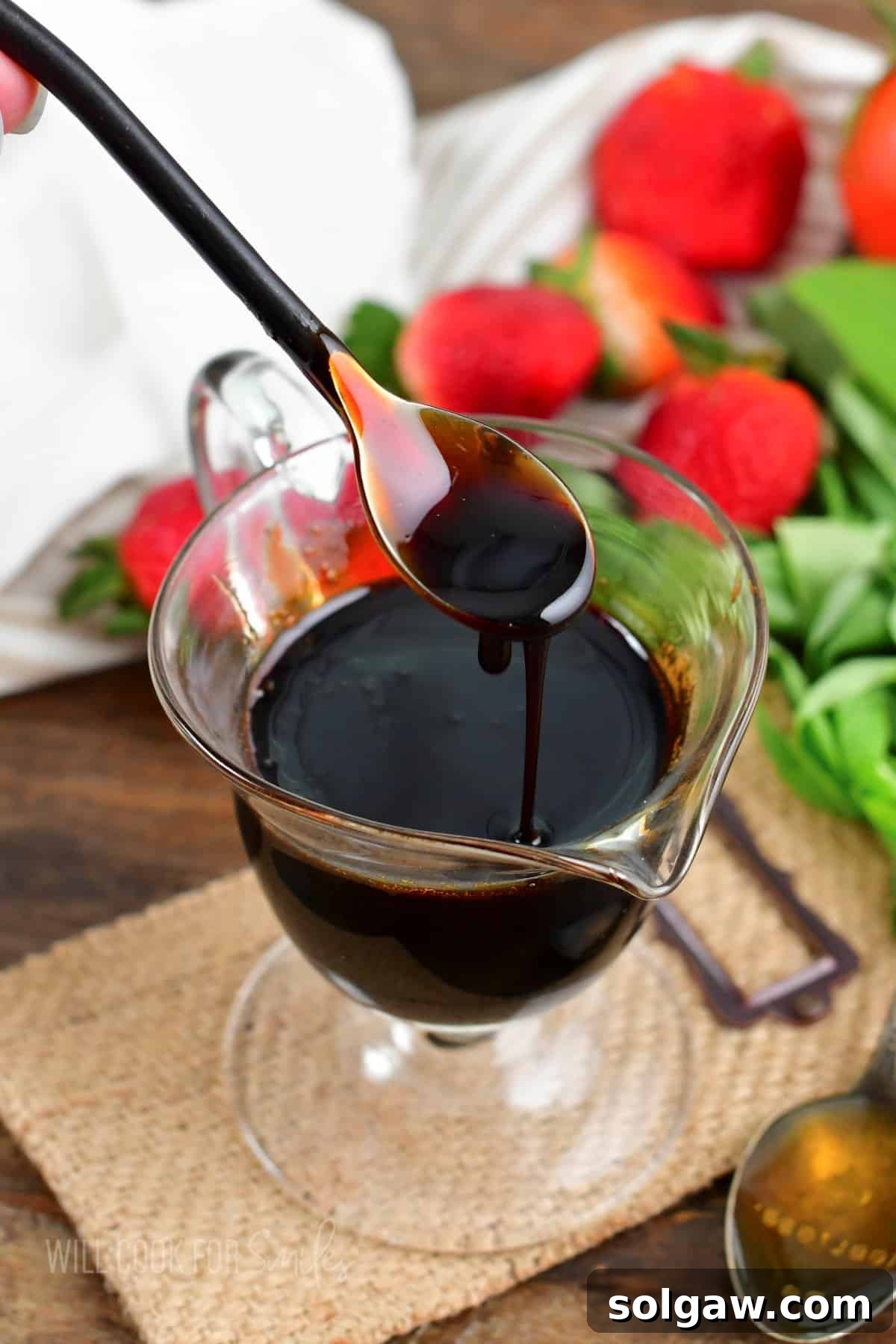
Test the consistency by dipping a spoon into the glaze; it should lightly coat the back of the spoon. Remember, it will continue to thicken as it cools! If it’s too thick while cooking, it will become solid when cold.
Storing:
-
Store the cooled balsamic glaze in a clean glass jar with an airtight lid in the refrigerator. It will last for months if no sugar was added, and several weeks if sugar was included.
Notes
Sweetener option: I often use brown sugar or honey for a classic taste, but maple syrup or agave nectar are also excellent choices. For a keto-friendly alternative, you can use monk fruit sweetener or another sugar substitute. When using sugar substitutes, be aware that they are often much sweeter than regular sugar, so start with half the amount called for and adjust to your taste.
Nutrition
Carbohydrates: 7g |
Protein: 0.2g |
Sodium: 8mg |
Potassium: 38mg |
Sugar: 6g |
Calcium: 10mg |
Iron: 0.2mg
Tried this recipe?
Mention @willcookforsmiles or tag #willcookforsmiles!