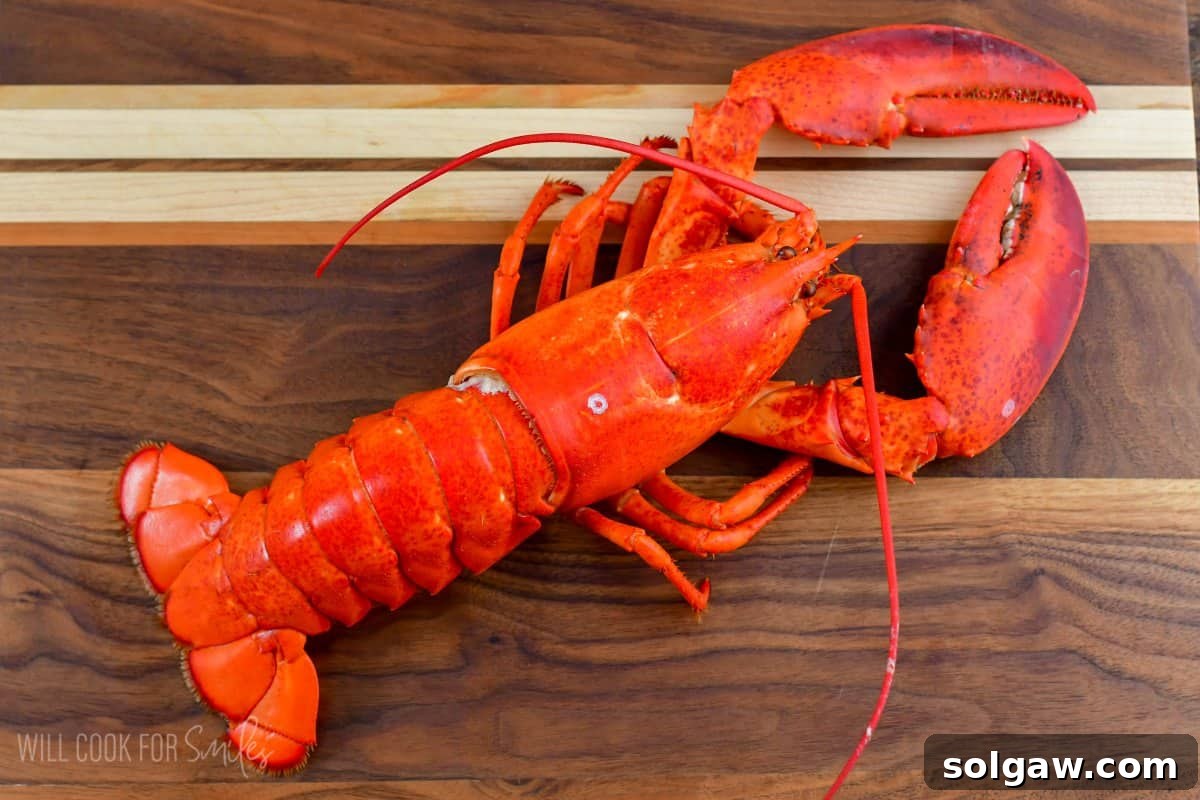
Embark on a culinary adventure with this comprehensive guide to perfectly boiling and enjoying whole lobster. As a coastal dweller, I’ve had the distinct pleasure of sourcing fresh seafood directly from local fishermen and seafood markets for years. This privilege has not only sharpened my skills in preparing exquisite dishes like lobster rolls and lobster pasta but has also provided invaluable insights from those who truly understand the ocean’s bounty. This article distills years of experience and local wisdom into an easy-to-follow method for boiling lobster, ensuring you achieve succulent, flavorful results every time.
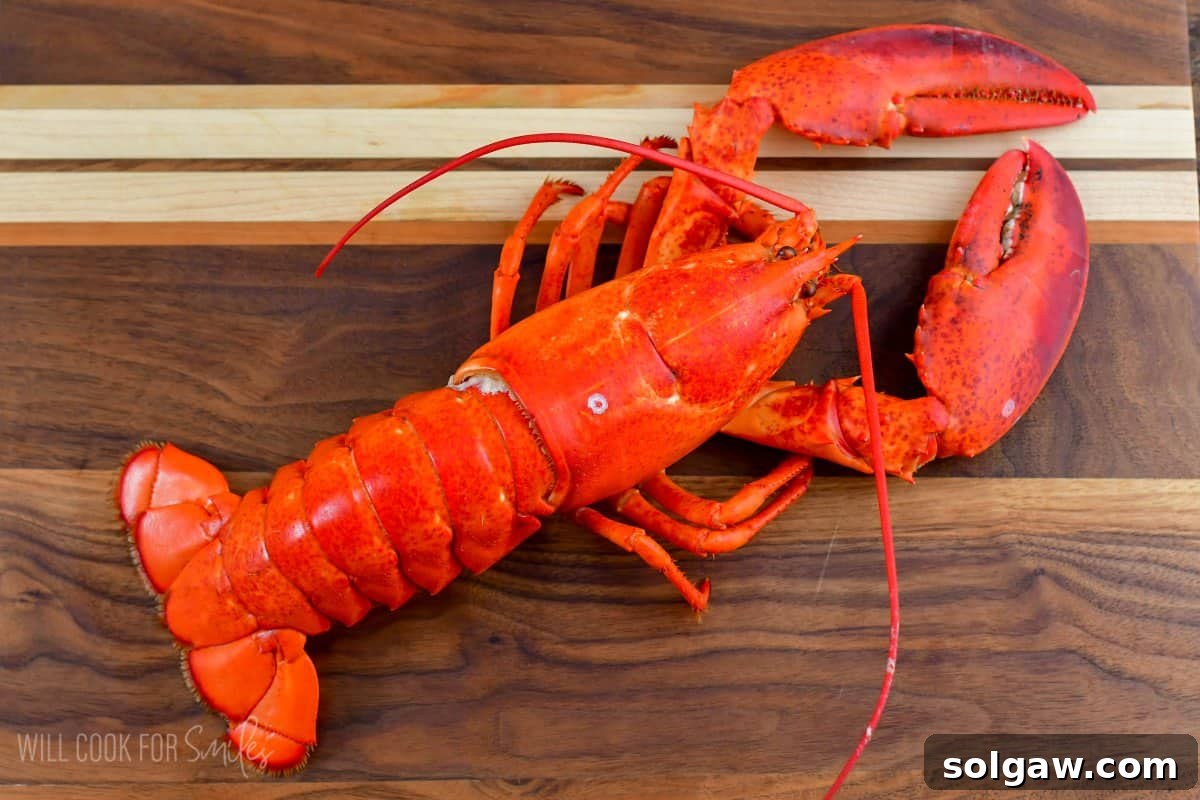
Cooking lobster at home might seem daunting, but with the right guidance, it’s an incredibly rewarding experience that brings a touch of gourmet luxury to your table. Boiling is one of the simplest and most effective ways to prepare whole lobster, preserving its natural sweetness and delicate texture. This guide will walk you through everything from selecting the freshest lobster to boiling it to perfection and even effortlessly breaking it down to extract every tender piece of meat. Get ready to impress your taste buds and your guests with a truly unforgettable seafood feast.
Important Notes on Buying Lobster
The secret to a truly spectacular lobster dish begins long before it hits the pot – it starts with selecting the freshest specimen. Here’s what you need to know when you’re at the market:
- Always buy live lobster: This is the most crucial rule. A lobster that isn’t alive before cooking can harbor harmful bacteria and will not yield the desirable firm, sweet meat. Ensure your lobster is lively and responsive when handled.
- Inspect the shell: Look for a vibrant, healthy-looking shell without any cracks, dull spots, or discoloration. These could indicate illness or poor handling. A healthy lobster should have both antennae long and actively moving.
- Cook on the same day: Lobster is best cooked immediately after purchase. While you can store it in the refrigerator for a few hours (preferably in an open paper bag or a box with damp newspaper, not in fresh water), plan to cook it the very day you bring it home to guarantee optimal freshness and flavor.
- Understand lobster varieties: There are two primary types of lobster available, and knowing the difference can significantly impact your dining experience.
- Cold Water Lobster: Sourced from the frigid waters of regions like Maine, Canada, New Zealand, Australia, and South Africa, these lobsters are highly prized. Their slow growth in cold environments contributes to meat that is exceptionally delicate, noticeably sweeter, and boasts a firm, authentic texture. While they often come with a higher price tag, the superior flavor and quality make them worth the investment for a truly gourmet experience.
- Warm Water Lobster: These lobsters hail from the warmer oceans around Florida, the Caribbean, and Latin American countries. While still enjoyable, they typically offer a less sweet and flavorful profile compared to their cold-water counterparts. The most significant difference lies in their texture; warm water lobster meat can be softer and sometimes even mushy, even when perfectly cooked, as it doesn’t firm up as well.
By keeping these tips in mind, you’ll be well on your way to choosing a premium lobster that promises a delicious culinary outcome.
Why Boil Lobster? The Benefits of This Classic Method
Among various cooking methods, boiling stands out as a preferred choice for whole lobsters, especially for beginners. Here’s why:
- Simplicity: It’s straightforward and requires minimal specialized equipment—just a large pot!
- Even Cooking: Submerging the lobster in boiling water ensures it cooks uniformly, from the tips of its claws to the end of its tail.
- Flavor Preservation: Boiling in seasoned water infuses the shell and meat with subtle flavor, while also locking in the lobster’s natural sweetness.
- Moist Meat: When cooked correctly, boiling yields incredibly moist, tender, and juicy lobster meat, preventing it from drying out, which can happen with other methods if not precisely timed.
- Effortless Cleanup: Compared to grilling or baking, boiling typically involves less mess in the kitchen.
While steaming is another popular and excellent option, boiling offers a slightly more robust cooking environment that can be more forgiving for those new to cooking whole crustaceans.
Essential Tips for Boiling a Whole Lobster
Achieving perfectly cooked lobster is simpler than you might think, especially with these insider tips:
- Humanely “Put it to Sleep”: For a more humane and less dramatic cooking process, place the live lobster in the freezer for approximately 20-30 minutes just before boiling. This gentle cold stun will render the lobster dormant, significantly reducing movement during transfer to the pot.
- Prepare the Perfect Cooking Water:
- Generous Pot Size: Use a pot large enough to completely submerge the lobster(s) without overcrowding. Overcrowding can lower the water temperature too quickly and result in uneven cooking.
- Optimal Seasoning: For a 1-2 pound lobster, add about 2 tablespoons of coarse sea salt and 1 tablespoon of whole peppercorns to the water. The salt is essential not just for flavor, but also to mimic the lobster’s natural briny habitat, helping to keep the meat tender. Peppercorns add a subtle, aromatic depth.
- Bring to a Rolling Boil, Then Reduce: First, bring the seasoned water to a vigorous, rolling boil over high heat. Once boiling, immediately reduce the heat to medium. This prevents the water from aggressively boiling over the pot’s rim, which can be messy and unsafe, while still maintaining sufficient heat for cooking.
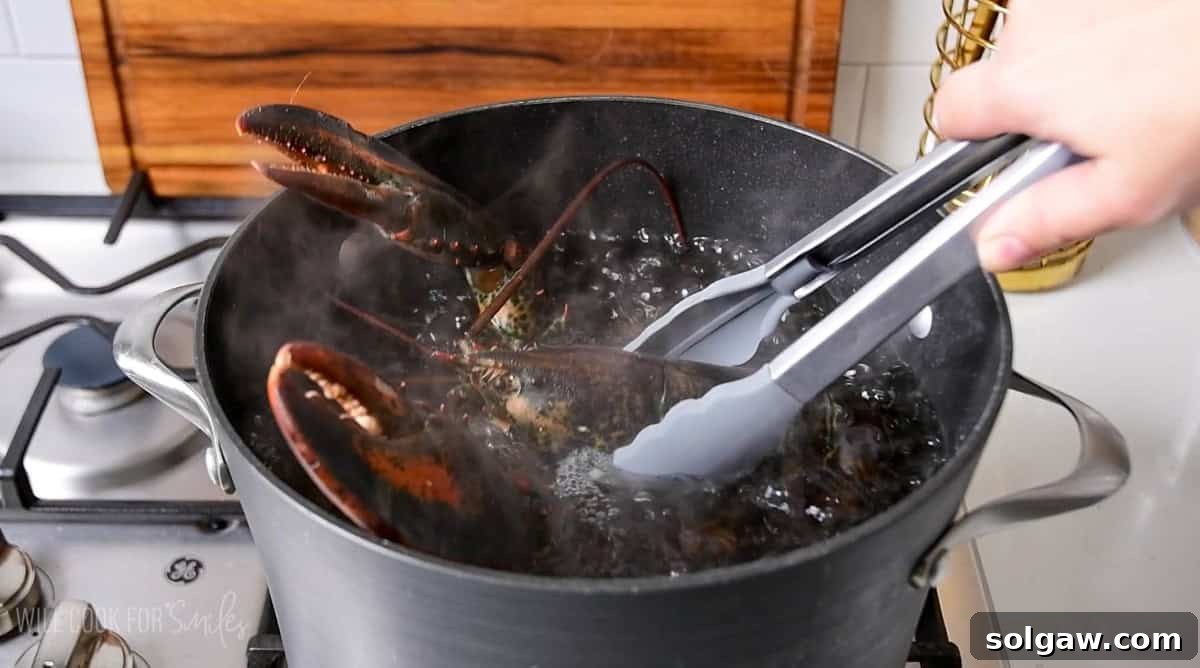
- Submerge and Cook: Carefully, using long metal tongs, grasp the lobster firmly by its body and submerge it headfirst into the simmering water. Quickly close the lid, but remember to leave a small crack. This crucial step allows steam to escape, preventing pressure buildup and ensuring a consistent cooking environment.
- Do Not Overcook: Overcooked lobster becomes tough and rubbery. Always refer to the cooking time guidelines below and monitor closely. The lobster’s shell should turn a vibrant, uniform red when done.
How Long to Cook a Whole Lobster?
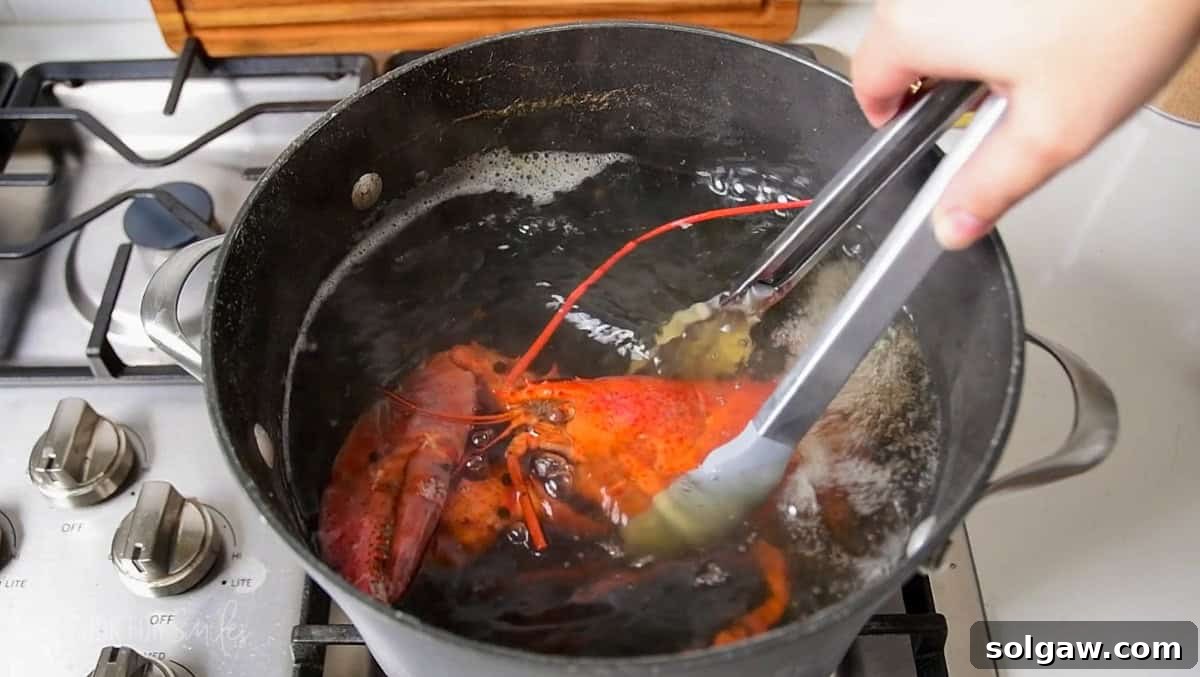
The cooking time for lobster is critical to achieving tender, juicy meat. A general rule of thumb is to cook lobster for approximately 10 minutes per pound. However, there’s a maximum cooking time to prevent rubbery meat. For larger lobsters (3-5 lbs), do not exceed 25 minutes. If you’re cooking multiple lobsters simultaneously, base your cooking time on the weight of the largest lobster in the pot, not the combined weight.
- 1 to 1 1/4 lb. lobster: Cook for 10-12 minutes
- 1 1/2 to 2 lb. lobster: Cook for 15-18 minutes
- 2 1/2 to 5 lb. lobster: Cook for 20-25 minutes
To check for doneness, look for a bright red shell. The antennae should also pull off easily. If in doubt, you can carefully remove a lobster, twist off a small leg, and if the meat is opaque and white, it’s ready. Remove the cooked lobster from the pot immediately using sturdy metal tongs, preferably silicone-coated, as wet lobsters can be quite slippery.
How to Break Down a Whole Lobster
Once your lobster is perfectly cooked, the next step is to efficiently extract its delicious meat. Don’t be intimidated; it’s quite simple with a few twists and cuts. Here’s a step-by-step guide:
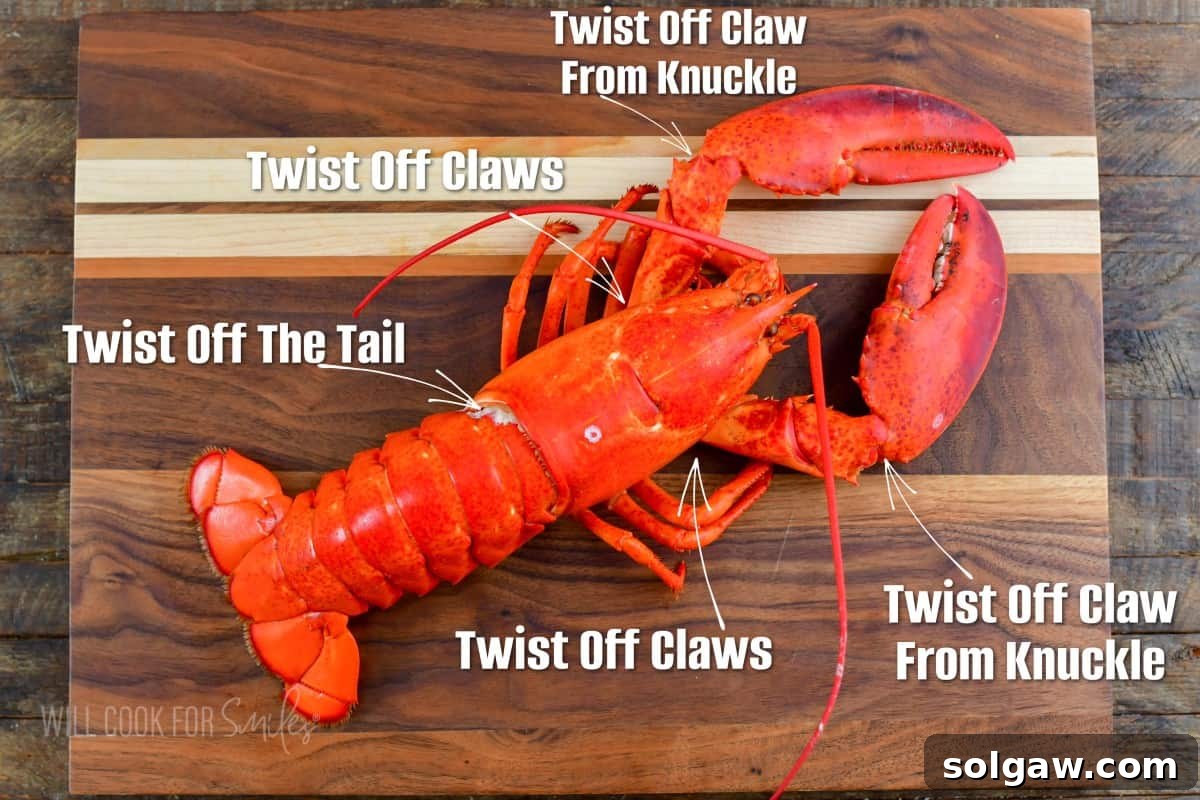
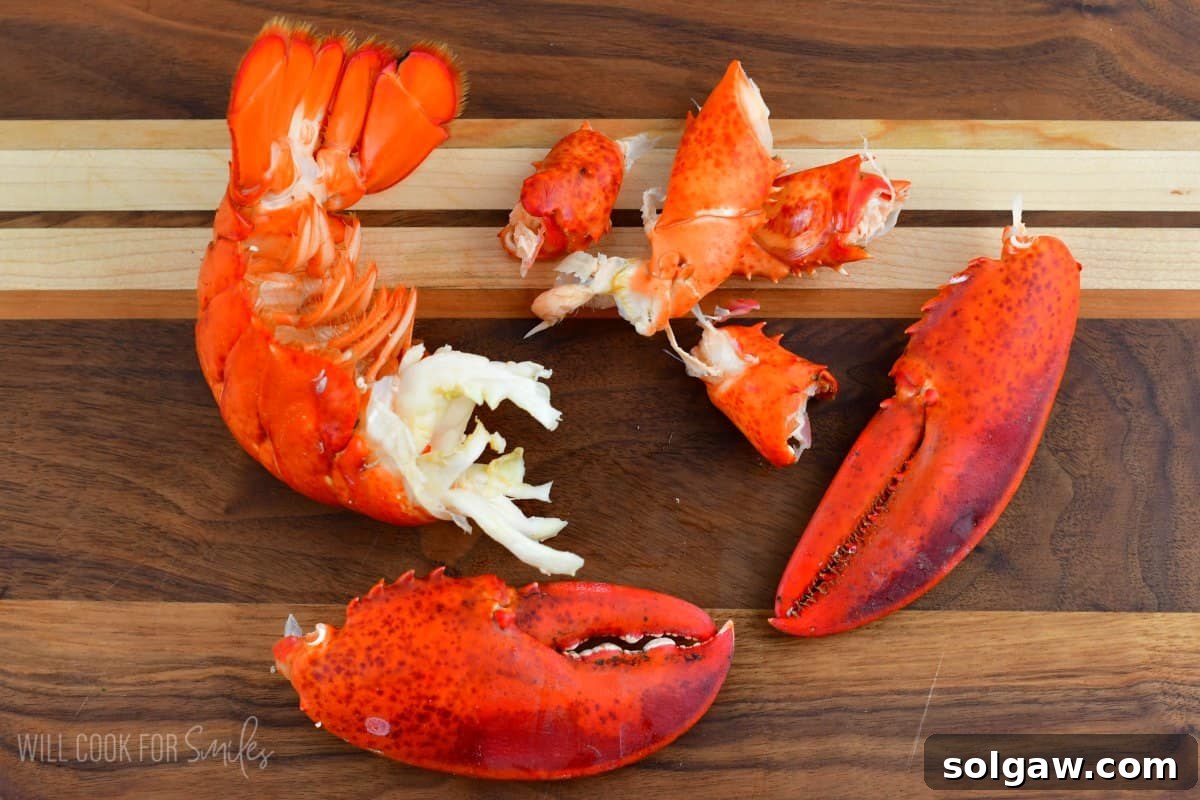
- Twist off the Tail: Hold the lobster’s body with one hand and the tail with the other. Give a firm twist and pull to separate the tail from the body. You might encounter some greenish-black matter (the tomalley, or liver/pancreas) or roe (eggs if it’s a female) near the connection point. This is edible for some, but you can simply rinse the tail end off with cold water if preferred.
- Twist off the Claws: Detach both large claws from the body by twisting them firmly where they connect.
- Separate Claw from Knuckle: Each claw has a smaller “knuckle” joint connecting it to the body. Twist the claw away from the knuckle to separate these two parts, as both contain delicious meat.
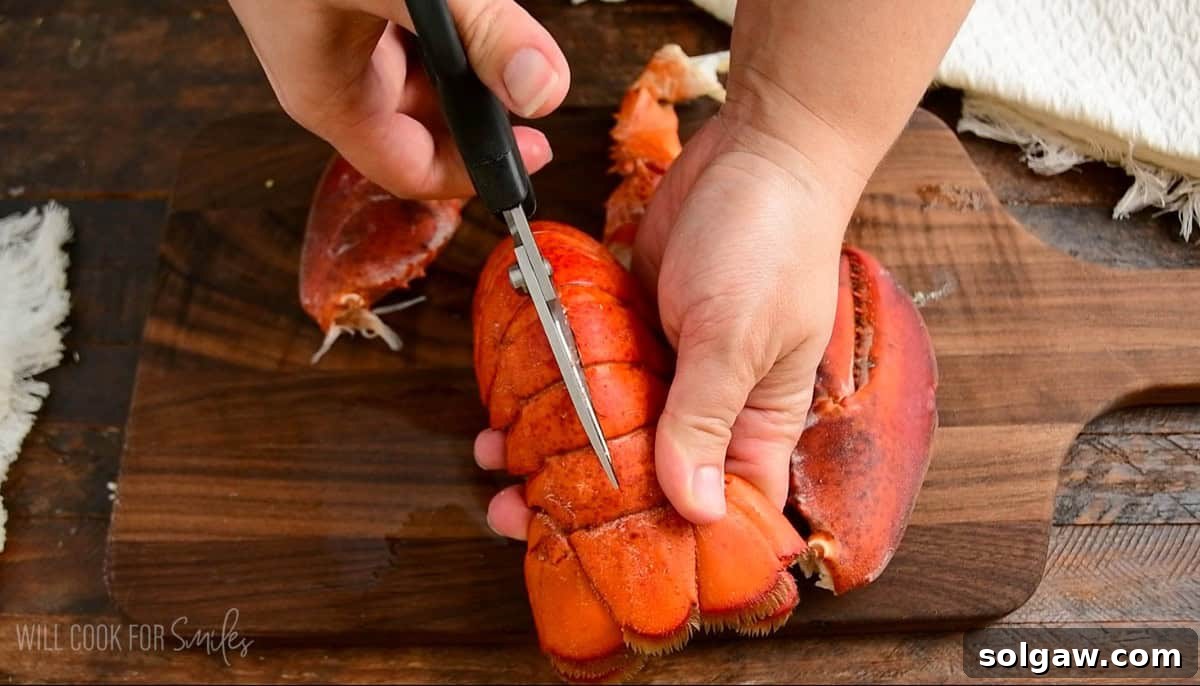
- Extract Tail Meat: Using sturdy kitchen shears, cut along the underside (softer part) of the lobster tail all the way down to the fan. Gently pry the shell open and pull out the entire tail meat in one piece. Make a small incision along the top of the tail meat to remove the dark vein, if present.
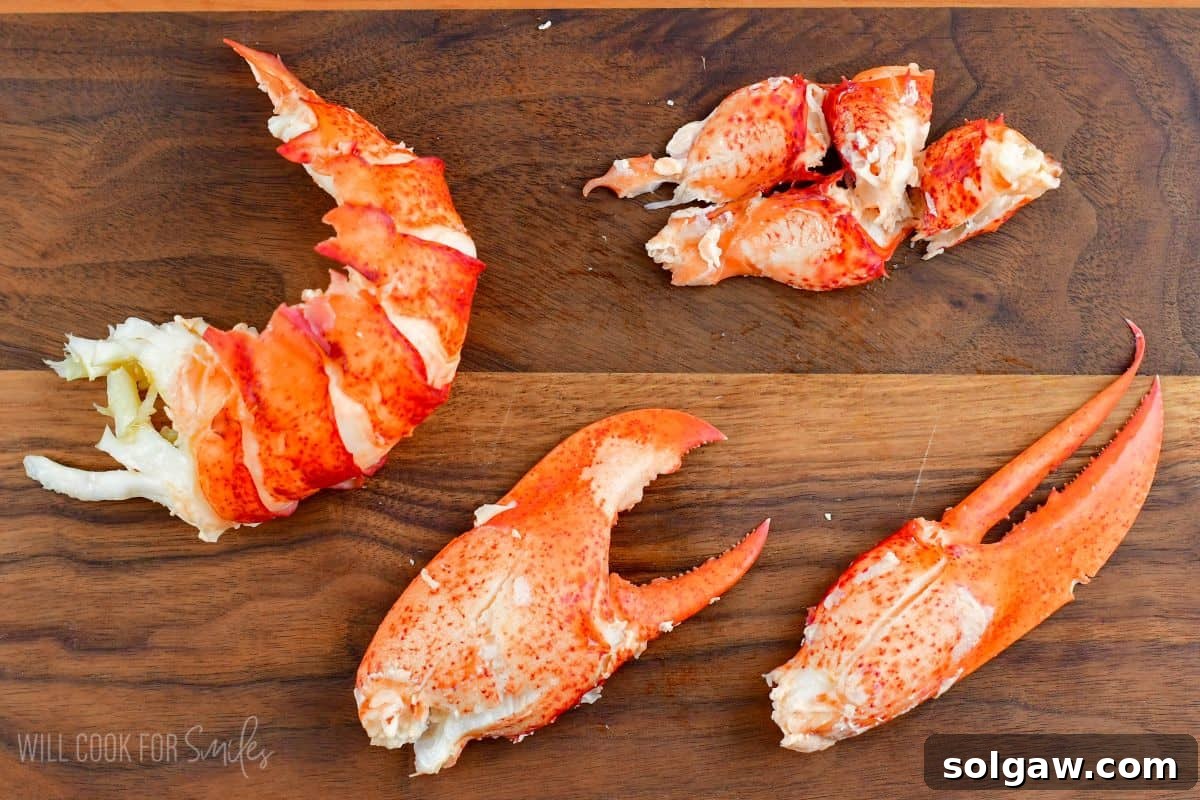
- Crack Knuckles and Claws: These parts have tougher shells. Use a lobster cracker or the nutcracker feature on some kitchen shears to carefully crack open the shells of the knuckles and claws. Work gently to avoid crushing the delicate meat. Once cracked, carefully pull the shell apart and extract the meat. Always check the extracted meat for any small pieces of shell that might have broken off.
- Don’t Forget the Legs: While small, the walking legs also contain a bit of sweet meat. You can suck the meat out or use a small pick to extract it.
With practice, you’ll become a pro at breaking down lobsters, ensuring no succulent morsel goes to waste.
Flavors to Pair with Lobster
Lobster’s naturally sweet and delicate flavor pairs wonderfully with a variety of ingredients that complement rather than overpower. Here are some classic and creative pairings:
- Butter and Lemon: These are the undisputed champions of lobster pairings. Warm melted butter, whether clarified or simply drawn, enhances the rich texture of the lobster meat, while a squeeze of fresh lemon brightens the flavor with a zesty tang.
- Aromatics and Herbs:
- Garlic: Minced or roasted garlic adds a savory, aromatic depth without being too aggressive. It’s fantastic in garlic butter for dipping.
- Mild Herbs: Fresh herbs like chives and parsley offer a clean, herbaceous note that truly complements seafood. They can be sprinkled over the cooked meat or mixed into melted butter.
- Tarragon: This anise-flavored herb is a match made in heaven for lobster. Its distinctive, slightly sweet, and peppery notes elevate the lobster’s natural taste. Fresh tarragon is always preferred.
- Spices for a Hint of Adventure:
- Smoked Paprika: Adds a subtle smokiness and a beautiful reddish hue, perfect for a richer flavor profile.
- Cayenne Pepper: For those who enjoy a little heat, a pinch of cayenne can provide a gentle kick without overwhelming the lobster’s delicate essence.
- Simplicity Reigns: Sometimes, the best approach is the simplest. A blend of high-quality melted butter, a touch of salt, and freshly cracked black pepper allows the inherent, exquisite flavors of the lobster to shine through unadulterated.
- Beyond the Plate – Versatile Dishes: Lobster meat is incredibly versatile and shines in numerous recipes beyond being served whole. Consider incorporating it into decadent dishes like lobster mac and cheese, creamy lobster risotto, elegant sandwiches, vibrant salads, or as a luxurious topping for crostini. The culinary possibilities are truly endless, limited only by your imagination!
Recipe: How To Cook A Whole Lobster (Boiling and Taking Apart)
This recipe ensures your lobster is cooked to tender perfection, ready to be savored.
Recipe Summary
Lobster offers a unique, mild flavor that is subtly sweet, delicate, and a touch briny. Its meat is firm yet tender, incredibly juicy, and possesses an almost buttery quality, making it a truly luxurious experience.
Details
- Course: Main Course
- Cuisine: American
- Diet: Gluten Free
- Prep Time: 10 minutes
- Cook Time: 15 minutes
- Freezer Time: 20 minutes (for humane stunning)
- Total Time: 45 minutes
- Author: Lyuba Brooke
Equipment
- Large pot with a lid
- Long metal tongs
- Kitchen shears
- Lobster crackers (note: some kitchen shears include a cracking tool in the middle)
Ingredients
- 1 whole lobster
- 2 tbsp coarse sea salt
- 1 tbsp peppercorns
- Water (enough to fully submerge the lobster)
Instructions
- Approximately 20-30 minutes before you plan to cook, place the live lobster into the freezer. This process humanely puts the lobster to sleep, minimizing movement during cooking.
- Fill a large pot with enough water to completely cover the lobster(s). Add the coarse sea salt and whole peppercorns to season the water. Bring the water to a rolling boil over high heat, then reduce the heat to medium to maintain a steady simmer and prevent boiling over.
- Using long metal tongs, grasp the lobster firmly by its body, in the middle. Carefully submerge the lobster into the simmering water. Immediately cover the pot with the lid, leaving a small crack to allow steam to escape. Allow the lobster to cook until its shell turns a bright, vibrant red. (Refer to the cooking time to weight ratio in the notes below for precise timing.)
- Once cooked, carefully remove the lobster from the pot using metal tongs. Silicone-coated tongs are preferable as wet lobster can be quite slippery.
Taking Out Lobster Meat:
- Twist off the tail from the body. You may see some greenish digestive content at the connection point; this can be rinsed off with cold water if desired.
- Twist off both claws from the sides of the body.
- Separate each claw from its knuckle by twisting it off.
- Using kitchen shears, cut along the entire underside of the tail. Gently pull the shell apart and carefully remove the tail meat. Make a small incision along the top of the tail meat to remove the digestive vein.
- Employ lobster crackers to crack open the tough shells of the knuckles and claws. Carefully pull the shell segments apart and extract the claw and knuckle meat. Thoroughly inspect the extracted meat to ensure no small pieces of shell remain.
Notes
As a general guideline, lobster typically cooks for about 10 minutes per pound. However, for larger lobsters weighing between 3 to 5 pounds, do not exceed a total cooking time of 25 minutes to prevent the meat from becoming tough. When cooking multiple lobsters at once, base your cooking time on the weight of the largest lobster in your pot, not the combined total weight.
- 1 to 1 1/4 lb. lobster – cook for 10-12 minutes
- 1 1/2 to 2 lb. lobster – cook for 15-18 minutes
- 2 1/2 to 5 lb. lobster – cook for 20-25 minutes
Serving Suggestions for Your Boiled Lobster
A beautifully cooked and broken-down lobster deserves to be presented and served with complementary sides that elevate the entire meal. Here are some ideas to complete your lobster feast:
- Classic Butter Dip: The most traditional pairing is simply a bowl of melted drawn butter. You can infuse it with garlic, lemon zest, or a pinch of fresh herbs like chives or parsley for an extra layer of flavor.
- Lemon Wedges: Always serve with fresh lemon wedges on the side. A squeeze of lemon juice can brighten the lobster meat and cut through the richness of the butter.
- Simple Green Salad: A light, crisp green salad with a vinaigrette dressing provides a refreshing contrast to the rich lobster.
- Corn on the Cob: Sweet corn, boiled or grilled, is a quintessential summer side that pairs wonderfully with seafood.
- Roasted Potatoes or Asparagus: Roasted vegetables like baby potatoes or asparagus spears, lightly seasoned with olive oil, salt, and pepper, are elegant and delicious companions.
- Coleslaw: A creamy or vinegar-based coleslaw offers a refreshing crunch and tangy flavor that complements lobster well.
- Artisan Bread: Crusty bread or rolls are perfect for soaking up any leftover butter or juices.
Arrange your lobster meat on a large platter with your chosen sides for a visually appealing and utterly delicious dining experience.
Common Mistakes to Avoid When Cooking Lobster
Even with the best intentions, a few missteps can detract from your lobster experience. Be mindful of these common errors:
- Buying Dead Lobsters: As emphasized, always ensure your lobster is alive and lively before cooking. A dead lobster spoils quickly and can pose health risks.
- Overcrowding the Pot: Stuffing too many lobsters into a small pot will drastically lower the water temperature, leading to undercooked or unevenly cooked lobster. Cook them in batches if necessary.
- Not Seasoning the Water: Plain water will yield bland lobster. A generous amount of salt is essential to enhance the lobster’s natural flavor and maintain its tender texture.
- Overcooking: This is arguably the most common mistake. Overcooked lobster becomes rubbery and tough. Stick to the recommended cooking times, based on the largest lobster’s weight, and use visual cues (bright red shell, easily removable antennae) to determine doneness.
- Ignoring the “Guts”: While some people dislike the tomalley (greenish paste) or roe (black/red eggs), they are edible and considered a delicacy by many. Don’t automatically discard them without trying, or at least understanding what they are.
- Not Having the Right Tools: Attempting to break down a lobster without kitchen shears or crackers can be frustrating and inefficient. Having the right tools makes the process much smoother.
By avoiding these pitfalls, you’ll ensure your efforts result in a perfectly cooked and enjoyable lobster meal every time.
Conclusion: Savor Your Perfectly Boiled Lobster
Cooking a whole lobster at home is a culinary delight that doesn’t have to be intimidating. By following these simple yet precise steps, from selecting the freshest cold-water specimen to mastering the boiling process and efficiently breaking it down, you’re now equipped to create a restaurant-quality meal in your own kitchen. The delicate sweetness and firm texture of properly boiled lobster are a testament to the beauty of fresh, simple ingredients handled with care.
Whether you choose to enjoy it with classic drawn butter and a squeeze of lemon, or venture into more adventurous flavor pairings, this guide provides the foundational knowledge for a truly memorable lobster experience. So, gather your ingredients, follow these tips, and prepare to indulge in the succulent splendor of perfectly boiled lobster. Happy cooking!