
The Ultimate Guide to Crafting Perfect Homemade Lobster Rolls
Embark on a culinary journey to the heart of New England with this comprehensive guide to making the most exquisite lobster rolls right in your own kitchen. While a whole, freshly cooked lobster undoubtedly offers the pinnacle of flavor and texture for this classic dish, we understand that accessibility and budget can vary. That’s why this guide also provides detailed instructions for utilizing convenient lobster tails, ensuring everyone can enjoy a taste of summer. Our goal is to equip you with all the tips and tricks needed to maximize the succulent meat from your lobster, whether whole or tail, guaranteeing a truly satisfying experience.

Creating truly exceptional lobster rolls begins with understanding your main ingredient. When working with whole lobsters, mastering the art of cooking and breaking them down is paramount. Lobster isn’t the most inexpensive protein, so it’s essential to extract every precious morsel of meat to ensure you get your money’s worth. This guide is packed with expert tips and detailed instructions on how to perfectly cook a lobster and efficiently harvest both the tail and claw meat, leaving no delicious bit behind. We’ll cover everything from the initial preparation to the final delicate separation of meat from shell, making the process approachable for even novice home cooks.
However, we recognize that not everyone has easy access to whole, live lobsters. For many, fresh or frozen lobster tails are a more readily available and often more economical option. While using tails might yield a slightly different texture and flavor profile, leaning closer to a shrimp roll in some aspects, the resulting dish will still be incredibly delicious and satisfying. We’ve included specific guidance on how to prepare and cook lobster tails to achieve the best possible outcome for your rolls, ensuring that convenience doesn’t compromise quality. Whether you choose the traditional whole lobster route or opt for the simplicity of tails, a delectable homemade lobster roll is well within reach.
Mastering the Whole Lobster: Cooking and Meat Extraction Techniques
Preparing a whole lobster can seem daunting, but with the right techniques, it becomes a straightforward process that rewards you with the freshest, most flavorful meat. These tips are designed to ensure both a humane preparation and maximum yield from your culinary investment.
- Humanely Chill Before Cooking: Approximately 20-30 minutes before you plan to cook your lobster, place it in the freezer. This gentle chilling process effectively puts the lobster into a dormant state, making the cooking process more humane and easier to handle.
- Season Your Boiling Water Generously: Just like pasta, lobster meat benefits immensely from being cooked in well-seasoned water. Add about 2 tablespoons of coarse sea salt and 1 tablespoon of whole peppercorns to your pot of boiling water. This infuses the lobster meat with flavor from the inside out, enhancing its natural sweetness.
- Ensure Full Submersion: Use long, sturdy metal tongs to carefully lower the lobster into the vigorously boiling water. It’s crucial that the lobster is completely submerged for even cooking. If you’re cooking multiple lobsters, ensure the pot is large enough to accommodate them without overcrowding.
- Vent the Pot: Once the lobster is in the pot, cover it with a lid. However, it’s important to leave a small crack or vent to allow steam to escape. This prevents the pot from boiling over and helps maintain a consistent cooking temperature.
- Allow Sufficient Cooling Time: After cooking, immediately remove the lobster from the hot water and place it on a clean surface to cool. It needs to cool down enough so you can handle it comfortably. Attempting to extract meat from a lobster that’s too hot is not only difficult but also risks burning yourself.
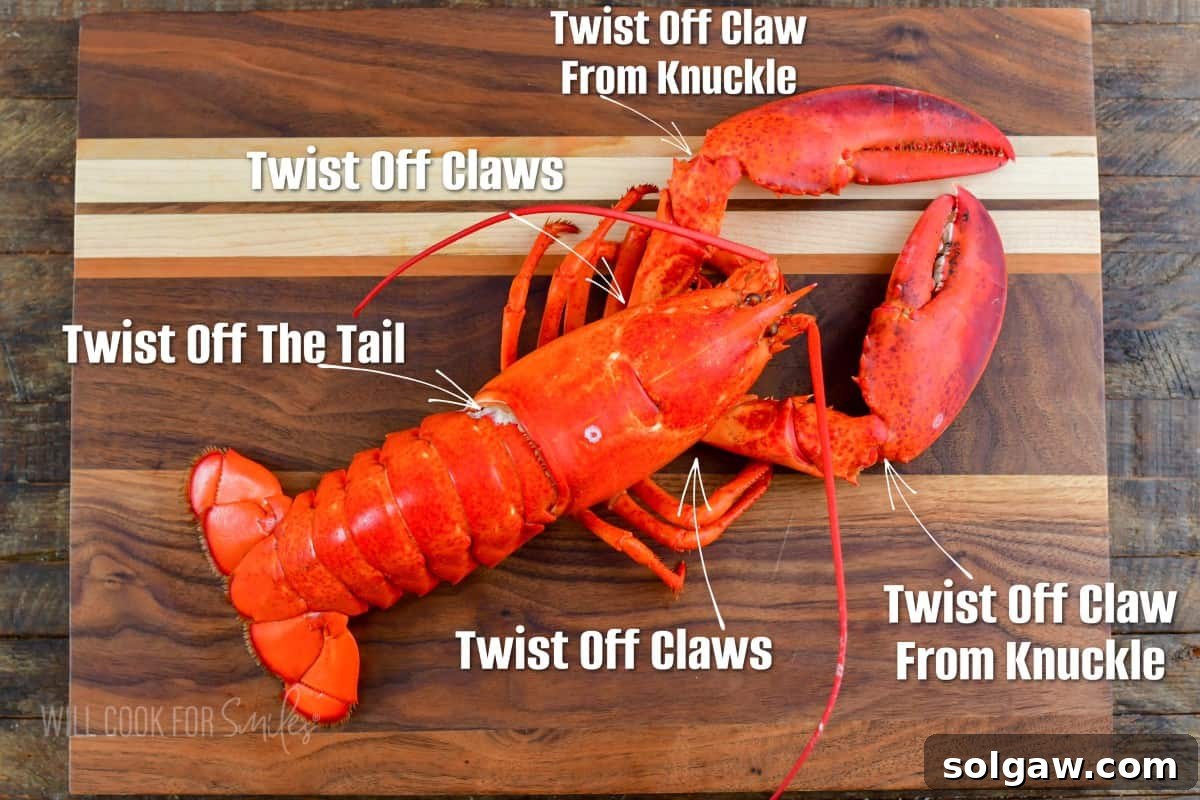
- Twist and Rinse the Tail: Once cooled, firmly twist off the tail from the body. You might encounter some stomach contents at the connection point, which is perfectly normal. Simply give the end of the tail a quick rinse under cold water to clean it. This ensures only pure lobster meat goes into your rolls.
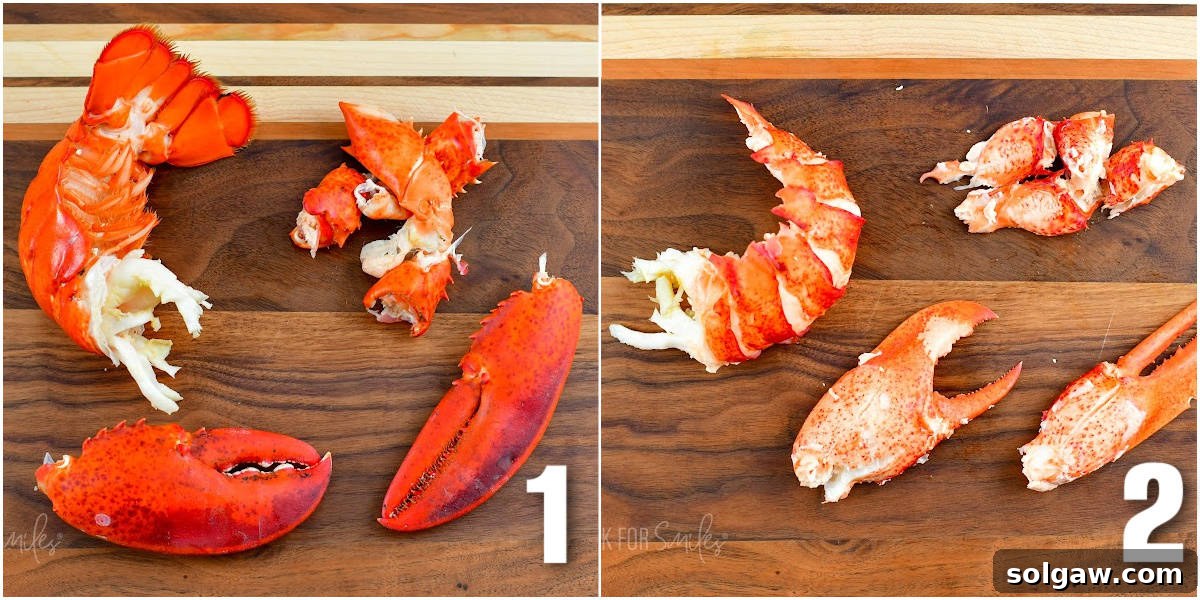
- Precision Tail Shell Removal: Using robust kitchen shears, carefully cut along the underside of the tail shell, all the way down to the fan. Once cut, apply some pressure to gently crack open the bottom of the tail. Then, carefully pull the shell apart to reveal the intact, luscious tail meat. Ensure you get every piece.
- Crack Those Claws and Knuckles: The claws and knuckles contain some of the sweetest and most tender lobster meat. Use a dedicated lobster cracker to break open their tough shells. PRO TIP: Many heavy-duty kitchen shears come with a cracker feature in the middle of their handles, which works wonderfully for this task.
- Thoroughly Check for Shell Fragments: After extracting all the meat, take a moment to meticulously go through it with your fingers. Even small, sharp pieces of shell can be unpleasant in a lobster roll. This step is crucial for a smooth and enjoyable eating experience.
Understanding Lobster Cooking Times for Optimal Tenderness
Achieving perfectly cooked lobster meat that is tender and succulent, not rubbery, depends heavily on precise timing. Overcooking is the most common mistake, so pay close attention to the clock and the lobster’s weight.
- As a general guideline, lobster requires approximately 10 minutes of cooking time per pound of weight. However, there’s an upper limit: do not exceed 25 minutes for larger lobsters weighing between 3 and 5 pounds. Overcooking them beyond this point will inevitably lead to tough, chewy meat.
- When cooking multiple lobsters simultaneously, it’s important to base your cooking time on the weight of the single largest lobster in the pot, rather than the combined weight. This ensures the biggest one is fully cooked, while the smaller ones will not be significantly overcooked if removed promptly.
- Here’s a quick reference for cooking durations:
- 1 to 1 1/4 pound lobster: Cook for 10-12 minutes
- 1 1/2 to 2 pound lobster: Cook for 15-18 minutes
- 2 1/2 to 5 pound lobster: Cook for 20-25 minutes (do not exceed 25 minutes)
To verify doneness, a cooked lobster will turn a vibrant red color, and the antennae should pull away easily. For absolute precision, an instant-read thermometer inserted into the thickest part of the tail should register between 135-140°F (57-60°C).
Crafting the Irresistible Lobster Salad for Your Rolls
The heart of a great lobster roll is its succulent, perfectly dressed lobster salad. This simple yet elegant mixture allows the natural sweetness of the lobster to shine, complemented by fresh, vibrant flavors and a touch of creamy richness. The key is balance and allowing the quality of your lobster to take center stage.
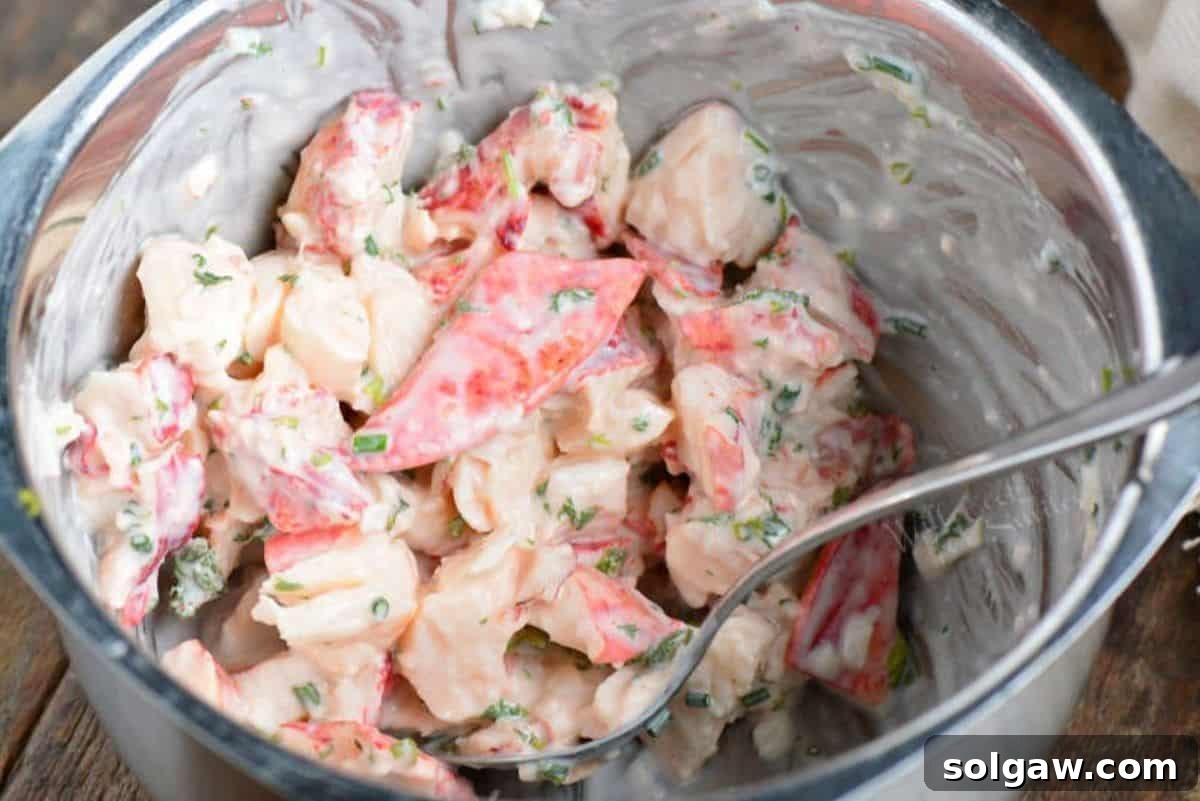
- Prepare Your Lobster Meat: Once you have successfully cooked and extracted all the precious lobster meat from the tails, claws, and knuckles, it’s time for a quick chop. Aim for bite-sized pieces; not too fine that it becomes mush, but small enough to fit comfortably in a bun and distribute flavors evenly. Place the chopped meat into a clean mixing bowl.
- Assemble the Flavorful Mayo Mixture: In the same bowl as your chopped lobster, or in a separate small bowl for easier mixing, combine your dressing ingredients. Squeeze in fresh lemon juice for a bright, zesty counterpoint to the richness of the lobster. Add good quality mayonnaise (adjusting the amount to your preference for creaminess), finely diced chives and fresh parsley for herbaceous notes, and a pinch of salt and freshly cracked black pepper. For a classic New England style roll, some people also like to add a small amount of finely diced celery for a subtle crunch and freshness. Gently mix everything together until the lobster meat is evenly coated. Be careful not to overmix, as this can break down the delicate texture of the lobster. Set the prepared lobster salad aside.
- Butter and Prep Your Buns: Preheat your oven broiler to a low setting. The choice of bun is crucial here; traditional lobster rolls use top-split, New England-style hot dog buns, which are ideal for holding the generous filling. Carefully brush both sides of each hot dog bun with melted salted butter. For an extra buttery experience, gently pull the buns apart slightly and brush some melted butter on the inside surfaces as well. This creates a golden, delicious crust when toasted.
- Broil for Golden Perfection: Arrange the buttered buns on a baking sheet. Place the baking sheet under the preheated broiler. IMPORTANT: Keep a very close eye on the buns! Broilers can brown items very quickly, and buns can go from perfectly golden to burnt in a matter of seconds. Position them far enough from the heating element to toast slowly and evenly, achieving a beautiful golden-brown color without scorching. This toasting adds essential texture and flavor to the roll.
- Assemble and Serve Immediately: Once the buns are warm and perfectly toasted, it’s time for the grand finale. Generously divide the creamy, flavorful lobster salad evenly among the warm, buttery rolls. Arrange the lobster meat high and proud in each bun. Serve your homemade lobster rolls immediately to enjoy them at their absolute best, perhaps with an extra lemon wedge on the side.

A Convenient Approach: Making Lobster Rolls with Tails
If whole lobsters are unavailable or you prefer a simpler preparation, lobster tails offer a fantastic alternative for delicious homemade lobster rolls. Widely available in the seafood section of most grocery stores, both fresh and frozen, tails provide a convenient way to enjoy this beloved dish.
- Thawing Frozen Lobster Tails: If you are using frozen lobster tails, the first crucial step is to thaw them completely. The best method is to transfer them from the freezer to the refrigerator 24 hours before you plan to cook them. For a quicker thaw, you can place the vacuum-sealed tails in a bowl of cold water for 30-60 minutes, changing the water every 15 minutes. Never use hot water, as this can begin to cook the lobster.
- Cooking Lobster Tails: Once thawed, prepare a pot of well-seasoned boiling water (as described for whole lobsters, using salt and peppercorns). Carefully submerge the lobster tails into the boiling water. The cooking time will depend on the size of the tails, generally ranging from 6-8 minutes. They are cooked when they turn bright red and the meat is opaque and firm. Immediately remove them from the water to prevent overcooking.
- Extracting Meat from Tails: After cooling, use kitchen shears to cut along the top center of the tail shell, from the wide end down to the fan. Gently crack the shell open and pull out the delicious meat in one piece. Inspect for any small shell fragments before chopping.
- Yield Equivalence: To substitute for a whole lobster, you will typically need about 4-5 lobster tails to yield the same amount of meat as a 1 1/2 to 1 3/4 pound whole lobster. This quantity is usually sufficient to make two generously filled lobster rolls, delivering that classic taste and texture you crave.

PIN THIS RECIPE FOR LATER
DID YOU MAKE THIS RECIPE? PLEASE leave a star rating! Let me know how you liked it by leaving a comment below or share and tag me on social media @willcookforsmiles. DON’T FORGET to subscribe to my newsletter!

Lobster Roll Recipe
★
★
★
★
Print Recipe
Pin Recipe
Rate This Recipe
Ingredients
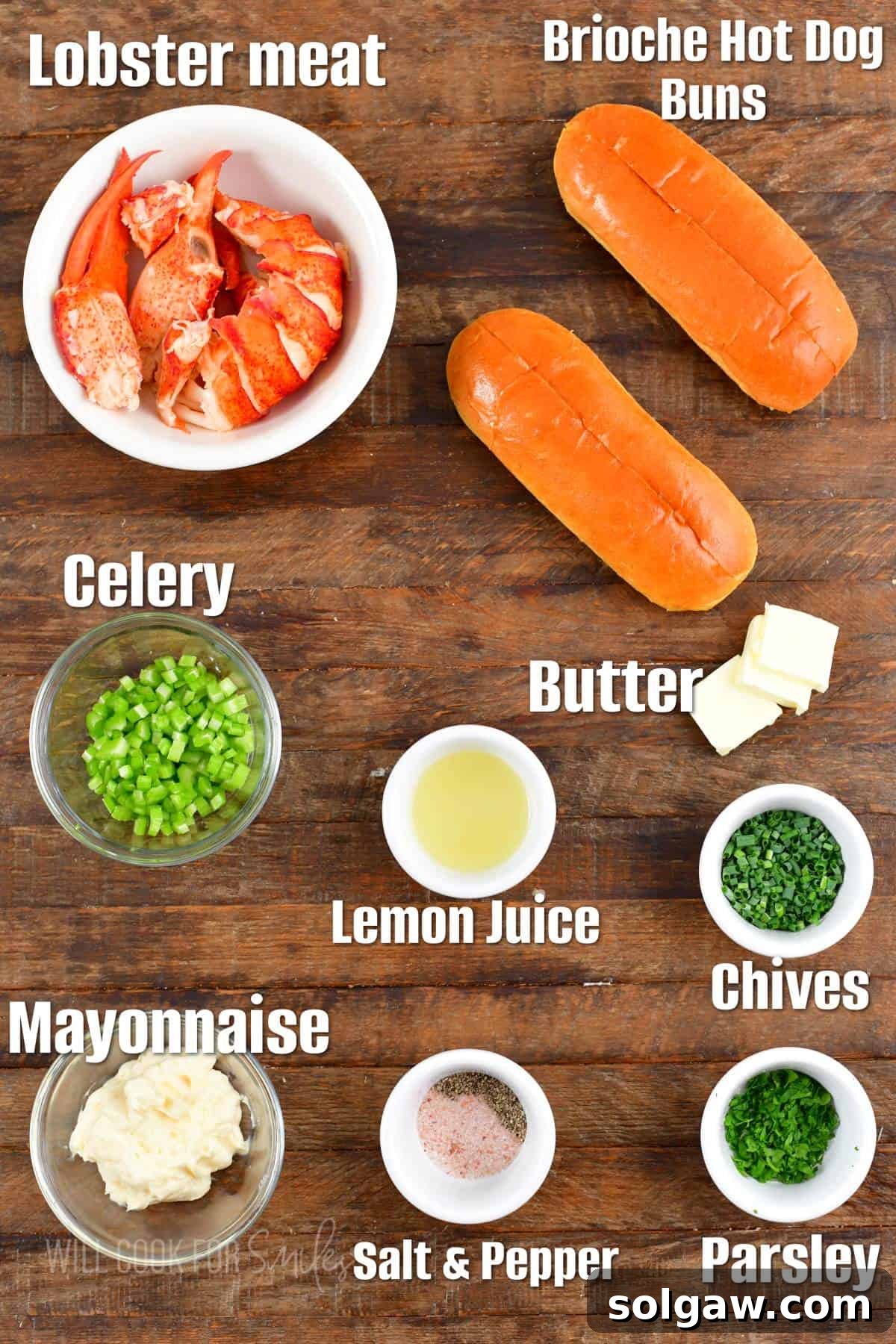
- 1 3/4 lb whole lobster (or 4 lobster tails or 1 lb cooked lobster meat)
- 1 tbsp fresh squeezed lemon juice
- 2 tbsp mayonnaise
- 1 tbsp diced chives
- 1/2 tbsp minced parsley
- 2 tbsp diced celery
- Salt, to taste
- Fresh cracked black pepper, to taste
- 2 hot dog buns (preferably top-split New England style)
- 1 tbsp salted butter, melted
Instructions
Cooking The Lobster:
- Bring a large pot of water to a rolling boil. Ensure the pot is large enough for the lobsters to be fully submerged. Season the water with about 2 tablespoons of coarse salt and 1 tablespoon of whole peppercorns. Reduce the heat slightly to maintain a strong but not overflowing boil.
- Carefully submerge the lobster into the boiling water using long metal tongs. Cover the pot with a lid, leaving a small crack to allow steam to escape. Let the lobster cook for approximately 16 minutes, or until it turns a vibrant bright red.
- Using silicone-coated metal tongs for better grip, carefully remove the cooked lobster from the pot and place it on a clean surface to cool enough for handling.
Extracting Lobster Meat:
- Once cooled, firmly twist off the lobster tail from the body. If you see stomach contents, simply rinse the edge of the tail under cold water.
- Twist off both claws from the sides of the lobster body.
- Separate the claw from the knuckle by twisting it off.
- Using kitchen shears, cut along the underside of the tail shell all the way down. Gently pull the shell apart and carefully remove the tail meat.
- Utilize lobster crackers to crack the tough shells of the knuckles and claws. Carefully pull the shell fragments apart and extract the claw and knuckle meat. Thoroughly inspect all the extracted meat to ensure no small pieces of shell remain.
Assembling Lobster Rolls
- Chop the cooked lobster meat into small, bite-sized pieces and transfer it to a mixing bowl.
- Add fresh lemon juice, mayonnaise, diced celery, diced chives, minced parsley, and a pinch of salt and fresh cracked black pepper to the lobster meat. Gently mix all ingredients together until the lobster is evenly coated. Set aside.
- Preheat your oven broiler to a low setting. Brush your hot dog buns generously with melted butter, ensuring both the outside and carefully separated inside surfaces are coated.
- Place the buttered buns on a baking sheet and toast them under the broiler until they are golden brown. Watch them carefully to prevent burning; move them further from the heat if they are browning too quickly.
- Evenly divide the creamy lobster salad among the warm, toasted rolls. Serve immediately for the best flavor and texture.
Video
Notes
- Using Lobster Tails Meat: For those without access to whole lobsters, purchase fresh or frozen lobster tails from the seafood department. If frozen, ensure they are thoroughly thawed before cooking. Cook lobster tails in seasoned boiling water for 6-8 minutes, depending on their size. Approximately 4-5 lobster tails will substitute for a 1 1/2-1 3/4 lb whole lobster, yielding enough meat for 2 delicious rolls.
- Storing: The prepared lobster salad can be made ahead of time. Store it in an airtight container in the refrigerator for up to 2 days. This allows you to assemble fresh rolls whenever you desire. Similarly, any leftover lobster salad can be stored in the refrigerator for up to 2 days; always use an airtight food storage container to maintain freshness.
Nutrition
Storage and Make-Ahead Tips for Your Lobster Rolls
To enjoy your homemade lobster rolls at their peak, understanding proper storage is key. While freshly assembled rolls are always best, you can certainly prepare components in advance to streamline your cooking process.
- Make Ahead Lobster Salad: The creamy lobster salad filling is an excellent component to prepare ahead of time. After mixing the cooked and chopped lobster meat with the mayonnaise, lemon, herbs, and seasonings, transfer it to an airtight food storage container. It can be safely stored in the refrigerator for up to 2 days. This allows you the flexibility to prepare the salad in advance and then simply toast your buns and assemble the rolls just before serving, ensuring a fresh and delightful experience.
- Handling Leftovers: If you find yourself with extra lobster salad after assembling your rolls, store it promptly in an airtight container in the refrigerator. It will remain fresh and delicious for up to 2 days. For the best quality, avoid storing already assembled lobster rolls, as the buns can become soggy. It’s always preferable to store the salad and toast fresh buns for each serving. Always ensure your storage containers have tight-fitting lids to prevent air exposure and maintain the freshness of the delicate lobster meat.
Frequently Asked Questions About Lobster Rolls
Here are answers to some common questions that arise when making delicious homemade lobster rolls:
- What is the difference between Maine style and Connecticut style lobster rolls?
The primary difference lies in the dressing. Maine-style lobster rolls are served cold with mayonnaise-based dressing (as described in this recipe), often with celery and herbs. Connecticut-style lobster rolls are served warm, with the lobster meat gently tossed in melted butter, without mayonnaise. Both are incredibly delicious and popular variations. - What should I serve with lobster rolls?
Classic accompaniments include coleslaw, potato chips, French fries, a simple green salad, corn on the cob, or even a cup of clam chowder. The light, fresh flavors of the roll pair well with crisp, savory sides. - Can I use pre-cooked lobster meat?
Yes, you can! If you buy pre-cooked, shelled lobster meat, simply chop it according to the recipe instructions and proceed with making the lobster salad. While freshly cooked whole lobster offers the ultimate flavor, good quality pre-cooked meat is a convenient alternative. Ensure it’s fresh and not overly processed for the best taste. - What kind of buns are best for lobster rolls?
Traditionally, top-split hot dog buns (also known as New England style buns) are used. These buns have flat sides, which allow them to be easily buttered and toasted in a pan or under a broiler until golden and crisp. Their structure is perfect for holding the generous lobster filling without falling apart. - How do I know if my lobster is fresh?
When buying live lobster, look for active, feisty lobsters that curl their tails when picked up. The shells should be hard. For tails or meat, look for bright, white flesh that is firm and has a fresh, ocean smell, not a strong “fishy” odor.
More Delicious Lobster Recipes to Explore
If you love lobster, don’t stop at just rolls! Here are some other fantastic lobster recipes to try:
- Lobster Mac and Cheese
- Lobster Pasta Recipe
- Broiled Lobster Tails Recipe
- Lobster Risotto Recipe
- Lobster Potato and Corn Chowder