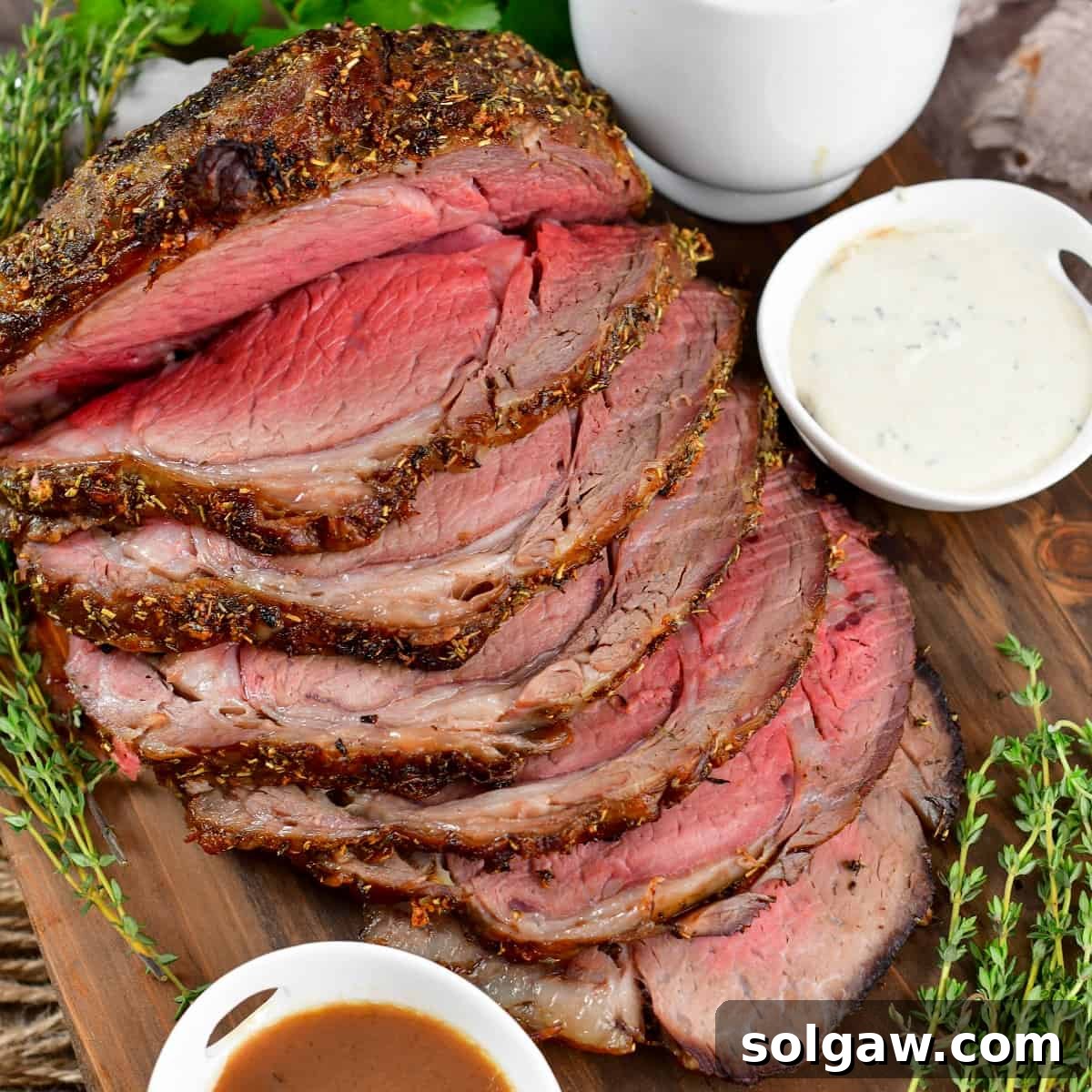
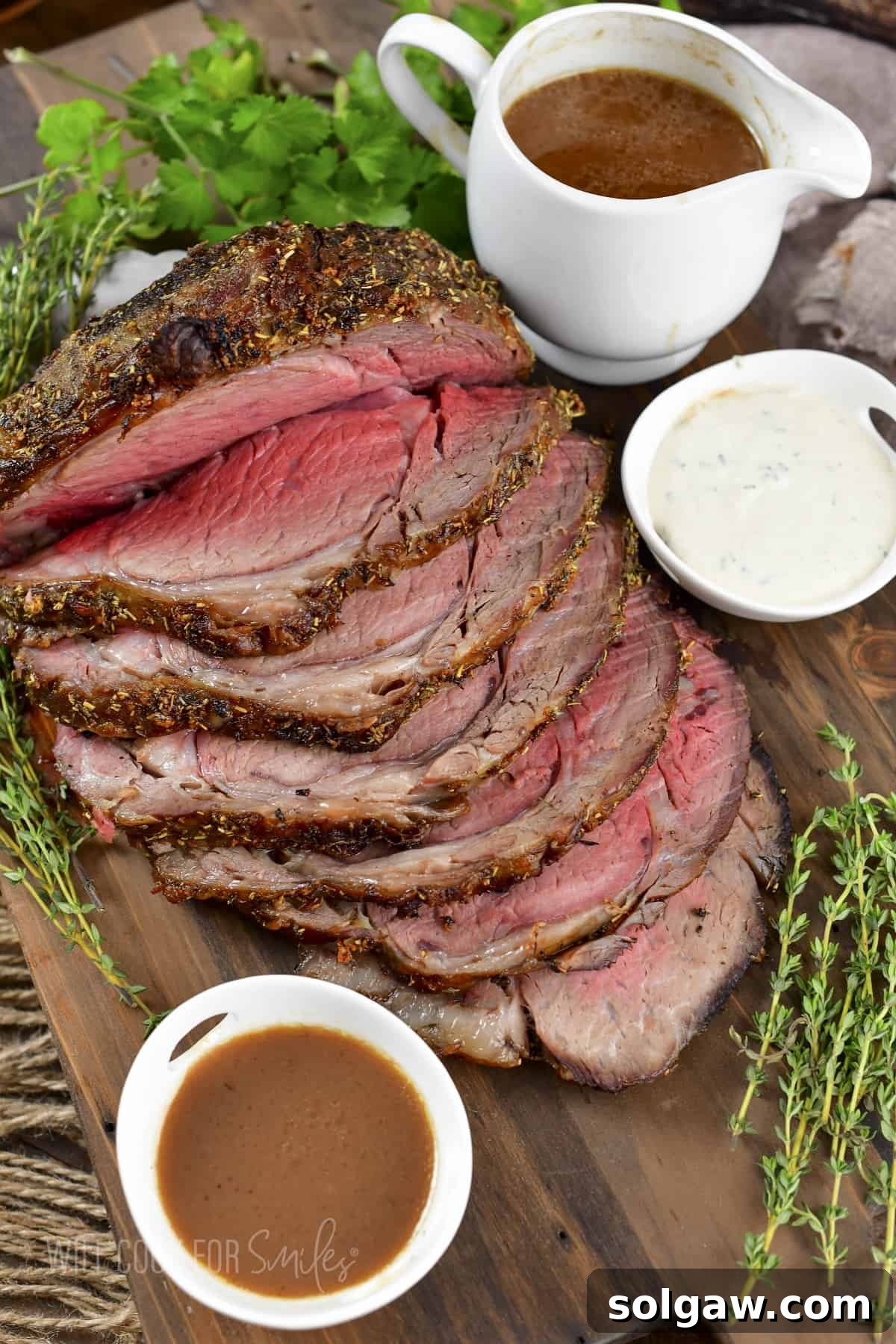
Transform your holiday dinners and special occasions into unforgettable feasts with a perfectly cooked Prime Rib. Often regarded as the crown jewel of roasts, a beautifully prepared Prime Rib, also known as a standing rib roast, promises a show-stopping centerpiece that is incredibly tender, juicy, and bursting with flavor. While the idea of tackling such an impressive cut of beef might seem daunting, rest assured that achieving restaurant-quality results at home is entirely within reach. With years of experience working with various beef cuts in professional kitchens, I’ve developed a straightforward, foolproof method that eliminates stress and guarantees a magnificent roast every time.
Featured Review
“I finally got the nerve up to try this dish! This recipe made it so easy and there was zero guesswork! My entire family (12 of us) absolutely LOVED how it turned out for our Christmas dinner!!!! ~Donna”
How to Choose the Best Prime Rib Roast
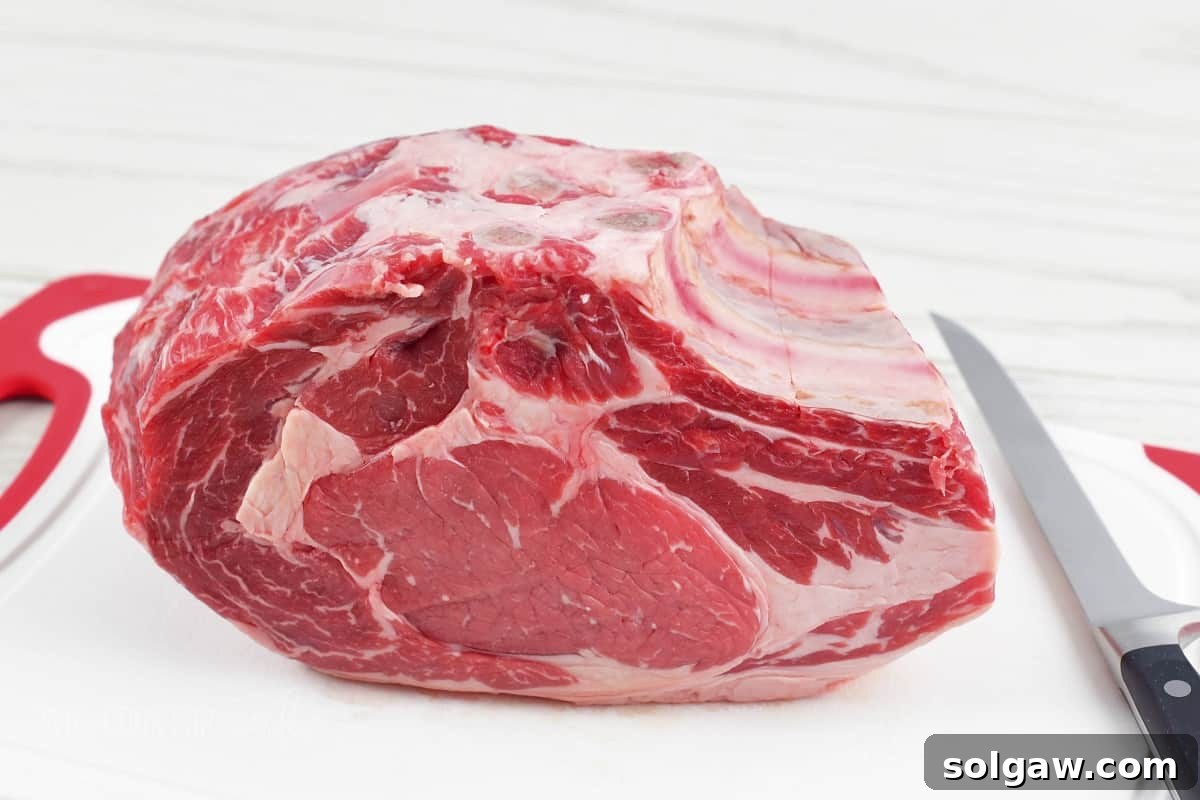
The journey to a perfect prime rib begins at the butcher’s counter. Knowing what to look for when selecting your beef is paramount, as the quality of your roast directly impacts the final taste and texture. Prime rib is also commonly referred to as a standing rib roast because it is traditionally cooked standing upright on its ribs, though it can also be prepared boneless.
Here’s what to keep in mind when purchasing your prime rib:
- Quality Matters Most: For truly exceptional results, invest in a high-quality cut of beef. Look for USDA Prime or Choice grades, which indicate superior marbling and tenderness. Remember, the better the initial meat, the better your final dish will be. “Prime rib” earned its name for a reason – it represents a prime cut of beef, deserving of a premium selection.
- Fat Cap: The fat cap, the layer of fat on top of the roast, is crucial for flavor and moisture. Aim to keep at least half of the fat cap on the steak. During the slow roasting process, this fat renders, basting the meat and keeping it incredibly tender and juicy. It also contributes significantly to the rich, savory flavor.
- Marbling: Inspect the meat for generous marbling – the small flecks of intramuscular fat distributed throughout the muscle. Marbling is key to a tender, flavorful, and moist prime rib, as it melts during cooking, enhancing both taste and texture. Good marbling indicates a succulent and delicious roast.
Prime Rib: Bone-On vs. Boneless (Which is Better?)
This is a common debate among home cooks and chefs alike. Based on extensive testing and experience, my personal recommendation leans towards a **boneless prime rib roast**. If your only option at the store is a bone-in roast, simply ask your butcher to remove the bones and tie the roast for you. They are usually happy to oblige.
Here’s why I advocate for removing the bone:
- Flavor and Tenderness: Contrary to popular belief, there’s little scientific evidence or noticeable difference in flavor and tenderness between bone-in and boneless prime rib. I’ve prepared both versions countless times, and the impact on the final succulence or taste has been negligible. The true drivers of flavor and tenderness are the quality of the meat, proper seasoning, and precise cooking techniques, not the presence of the bone during roasting.
- Superior Sear and Seasoning: A boneless roast allows you to achieve a beautiful, even sear and seasoning on all four sides of the meat. This all-around crust contributes to a more flavorful exterior and a satisfying texture contrast with the tender interior. With bones, certain sides are less exposed to direct heat, making an even crust harder to achieve.
- Effortless Carving: When it comes time to carve and serve your magnificent roast, you’ll still need to remove the bone from a bone-in prime rib. By removing it upfront, you streamline the carving process, making it much easier to achieve uniform, attractive slices, especially for guests.
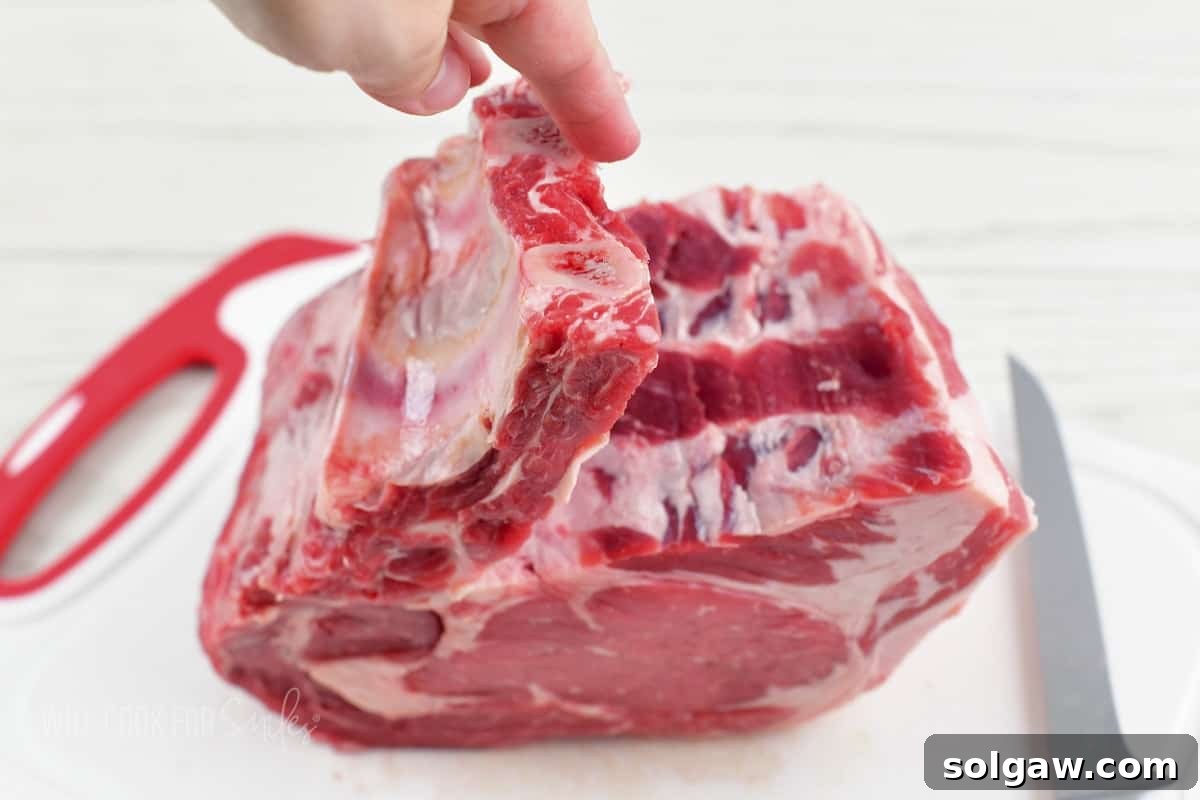
How to Expertly Remove the Bone from Prime Rib
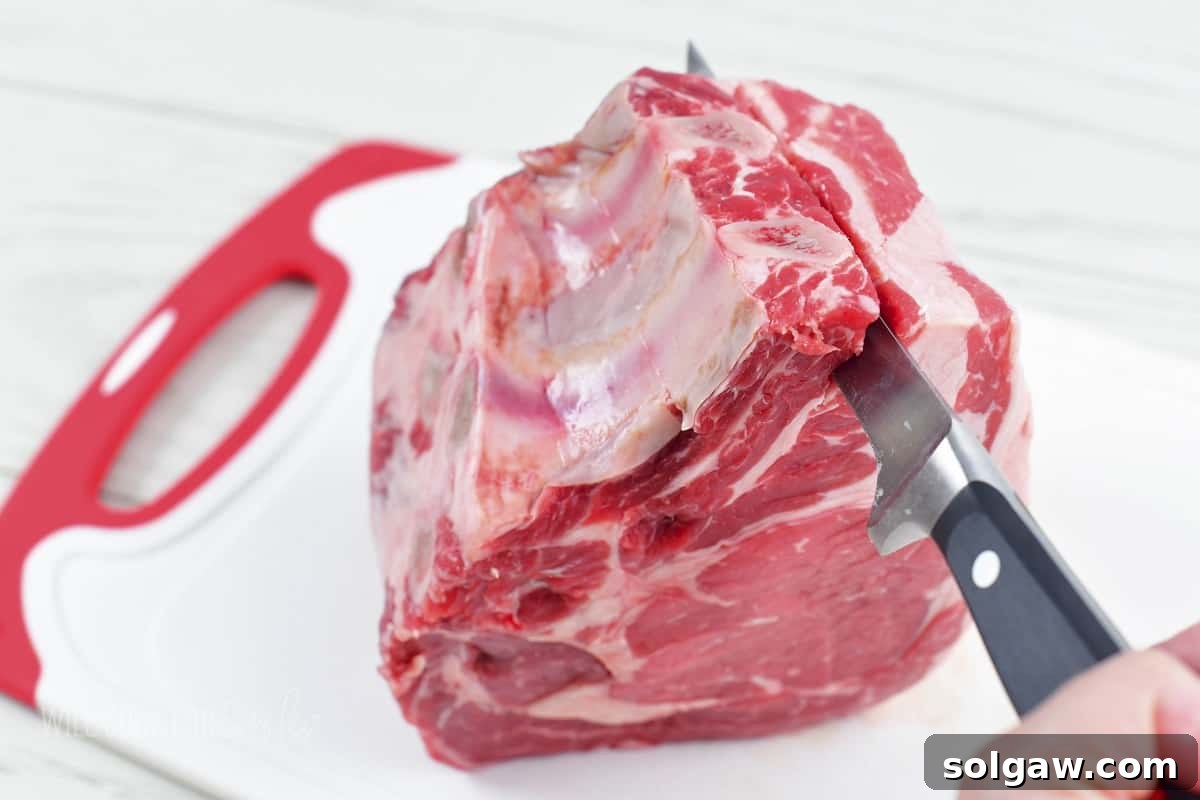
If you’ve purchased a bone-in prime rib and prefer to remove the bones yourself, it’s a straightforward process that grants you more control and ensures a perfectly prepared roast. Here’s how to do it:
- Position the Roast: Place the roast on a sturdy cutting board, setting it on its side so you can clearly see the natural curve of the rib bones. This orientation provides the best angle for precise cutting.
- Follow the Seam: Using a sharp boning or paring knife, carefully run the blade along the natural seam where the bone rack meets the meat. Allow the bone itself to guide your knife, ensuring you separate the bone without losing valuable meat.
- Stay Close to the Bone: Keep your knife as tight to the bones as possible. The goal is to detach the bones cleanly, not to trim away any meat attached to them. Slight resistance is normal; apply gentle, even pressure.
- Assist the Release: As you cut, slightly lift the roast away from the bones. This helps the bones release more easily from the meat without excessive sawing or tearing. Continue until the entire rack of bones is separated.
PRO TIP: Do not discard the separated rib bones! Place them at the bottom of your roasting pan. As the roast cooks, the bones will release additional juices and collagen, enriching the pan drippings. These drippings are perfect for making a savory au jus or can be saved to create a rich beef stock later.
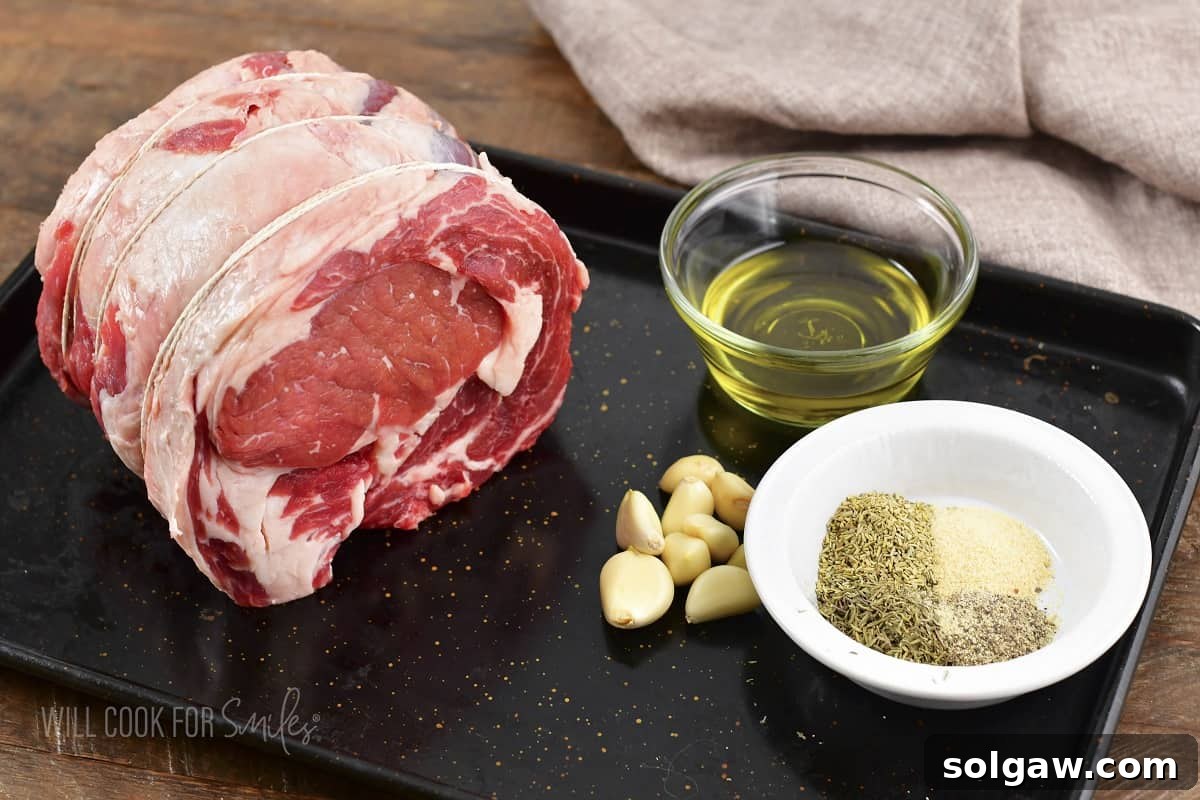
Crafting the Perfect Seasoning for Your Prime Rib
A simple yet powerful seasoning blend is all you need to elevate the natural richness of prime rib. For my signature roast, I prefer a robust wet rub that adheres beautifully to the meat, creating a fantastic crust and infusing every bite with aromatic flavors. This blend combines the richness of oil with fresh and dried herbs, along with essential seasonings.
My go-to seasoning mixture includes:
- Olive Oil: Or avocado oil, which serves as a binder for the herbs and spices, helps create a golden crust, and aids in transferring flavor into the meat.
- Fresh Pressed Garlic: Essential for a pungent, savory depth that perfectly complements beef.
- Dried Rosemary: Its piney, earthy notes are a classic pairing with rich cuts of beef, adding an aromatic complexity.
- Dried Thyme: Offers a delicate, slightly minty, and earthy flavor that harmonizes beautifully with rosemary and garlic.
- Coarse Salt: Crucial for dry brining and seasoning, it enhances the meat’s natural flavors and tenderizes it.
- Fresh Cracked Black Pepper: Adds a gentle warmth and aromatic bite.
- Garlic Powder: Provides an additional layer of garlic flavor, ensuring it penetrates deeply into the meat.
Essential Tips for Preparing Your Prime Rib for Roasting
The preparation steps before cooking are just as important as the cooking itself. These crucial actions ensure maximum flavor, tenderness, and a perfect crust. Planning ahead is key, as some of these steps are best done the day before your intended cooking time.
- Trim the Fat (Judiciously): While a generous fat cap is beneficial, an excessively thick layer might be too much. If you notice a very thick fat cap on the outside, you can trim off about half of it. It’s important not to remove all of it, as some fat is vital for keeping the prime rib incredibly juicy and tender during roasting.
- Score the Fat Cap: Before salting, take a sharp knife and score the remaining fat cap in a crisscross or diamond pattern. Make sure not to cut all the way through to the meat. This scoring helps the fat render more efficiently, allows the seasoning to penetrate deeper, and creates a beautifully crisp crust.
- Generous Dry Brining: This is a game-changer! The day before you plan to cook, generously rub the entire roast with coarse salt. Ensure you get into the scored cuts of fat, along the sides, and any crevices where the ribs might have separated. Dry brining draws moisture out of the meat, which then dissolves the salt and gets reabsorbed, seasoning the meat from within and tenderizing it by breaking down muscle fibers.
- Overnight Refrigeration: After salting, place the prime rib on a plate, cover it tightly with plastic wrap, and then with aluminum foil. Refrigerate it overnight, or for a minimum of 12 hours and up to 18 hours. This extended chill time allows the dry brine to work its magic, enhancing flavor and tenderness significantly.
Mastering the Art of Cooking Perfect Prime Rib
Achieving a perfectly cooked prime rib with a gorgeous crust and a tender, evenly cooked interior is simpler than you think. This method employs a reverse sear technique, starting high to crisp the exterior and then finishing low to gently bring the interior to your desired doneness.
- Bring to Room Temperature: This is a critical step for even cooking. Approximately 2-3 hours before you plan to cook, remove the prime rib from the refrigerator and let it sit at room temperature. This allows the internal temperature of the roast to rise slightly, ensuring it cooks more uniformly from edge to center.
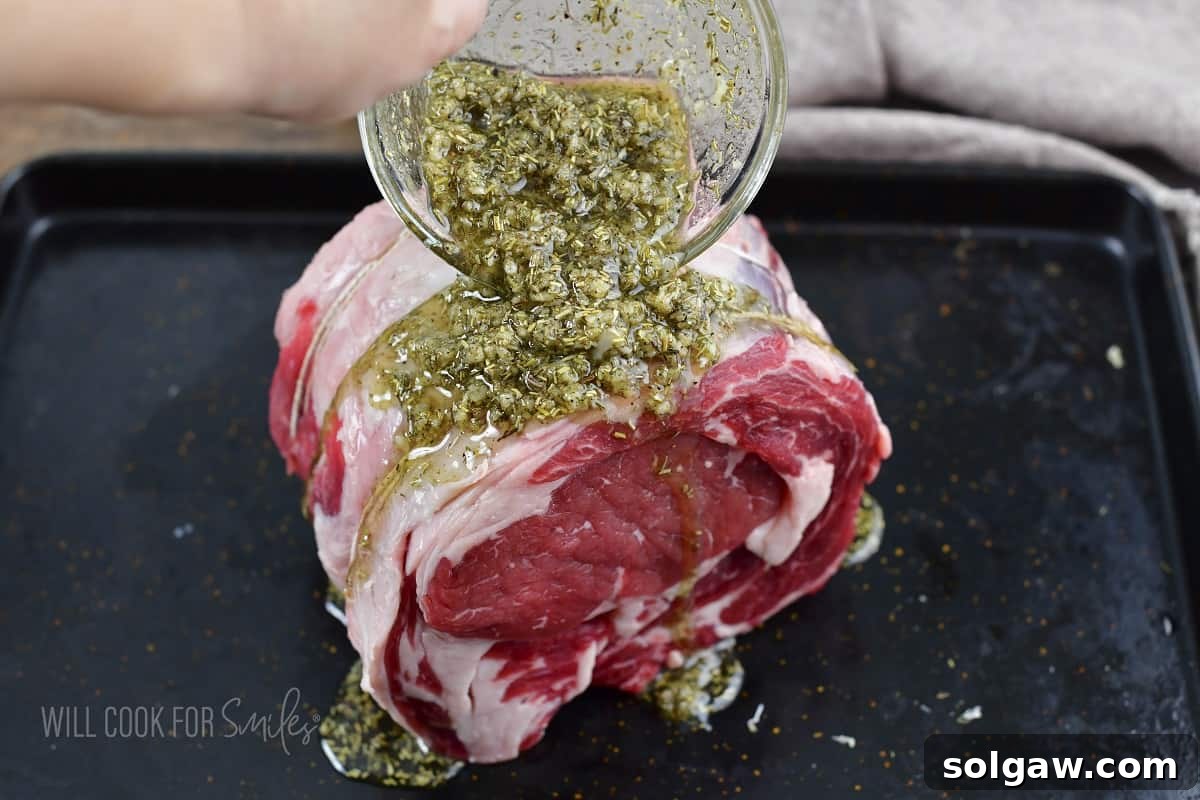
- Prepare the Seasoning Rub: In a small bowl, combine your wet rub ingredients: fresh pressed garlic, olive oil (or avocado oil), dried rosemary, dried thyme, fresh cracked black pepper, and garlic powder. Mix thoroughly until a paste forms. Remember, DO NOT add more salt at this stage, as the meat has already been dry-brined overnight.
- Apply the Rub: Place the dry-brined prime rib onto a rimmed baking sheet. Pour the wet rub over the meat and use your hands to generously rub the mixture all over, ensuring all sides are evenly coated. This creates a flavorful herb crust.
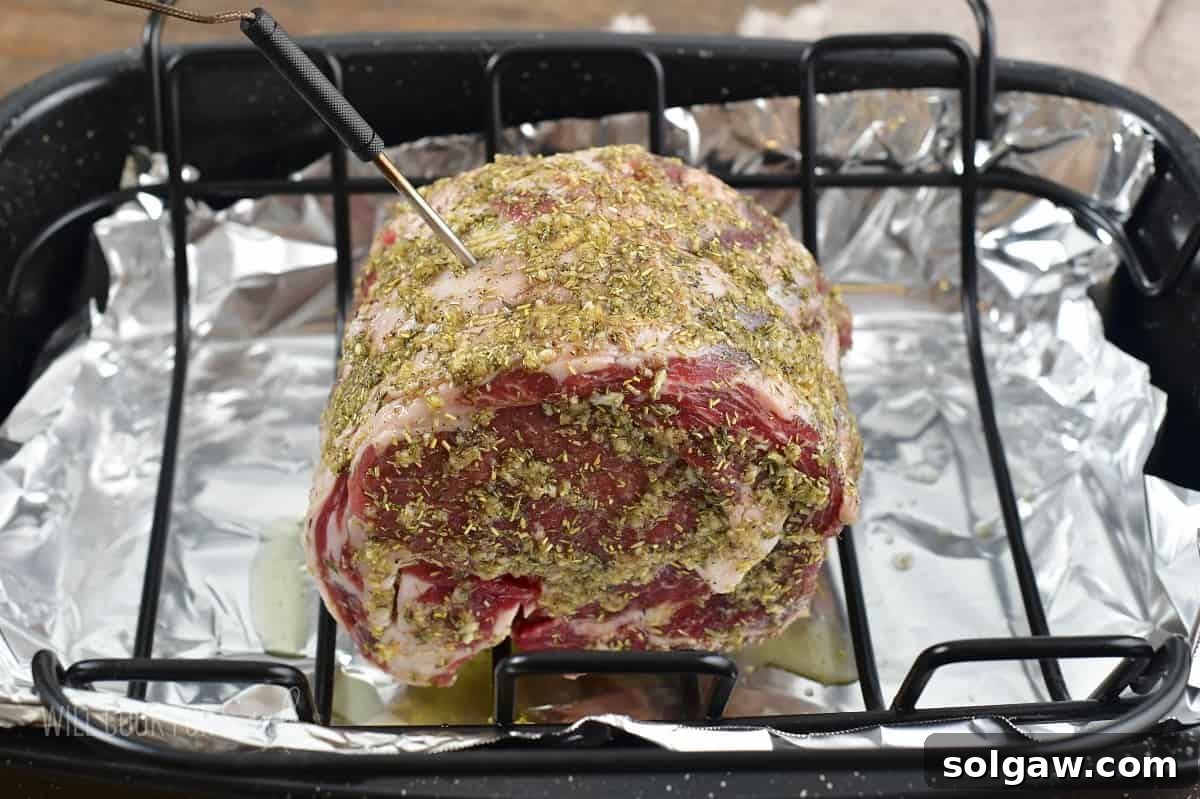
- Set Up for Roasting: Place the seasoned prime rib roast onto a wire rack inserted into a sturdy roasting pan. Lining the bottom of the pan with foil can make cleanup easier. Crucially, insert a leave-in meat thermometer into the thickest part of the meat, avoiding any bone. This allows you to continuously monitor the internal temperature without opening the oven door, which is essential for precise cooking.
- The Reverse Sear Process:
- Preheat your oven to a high temperature of 500°F (260°C).
- Once preheated, place the roasting pan with the prime rib into the oven. Cook at this high temperature for 15-20 minutes. This initial burst of high heat creates a beautiful, caramelized crust on the exterior, locking in juices and developing incredible flavor.
- After the initial searing, immediately lower the oven temperature to 250°F (120°C). Continue to cook the prime rib at this lower temperature until it reaches your desired internal doneness. This slow, gentle roasting ensures the interior cooks evenly and remains incredibly tender.
- Monitor with a Thermometer: Your leave-in thermometer is your best friend here. Continue roasting until the internal temperature reaches the low end of your preferred doneness level. For medium-rare, aim for approximately 120-125°F (49-52°C). Remember that the meat’s temperature will continue to rise a few degrees during resting due to carry-over cooking. My 4.5 lb. roast typically takes about 2 hours and 15 minutes to reach medium-rare using this method.
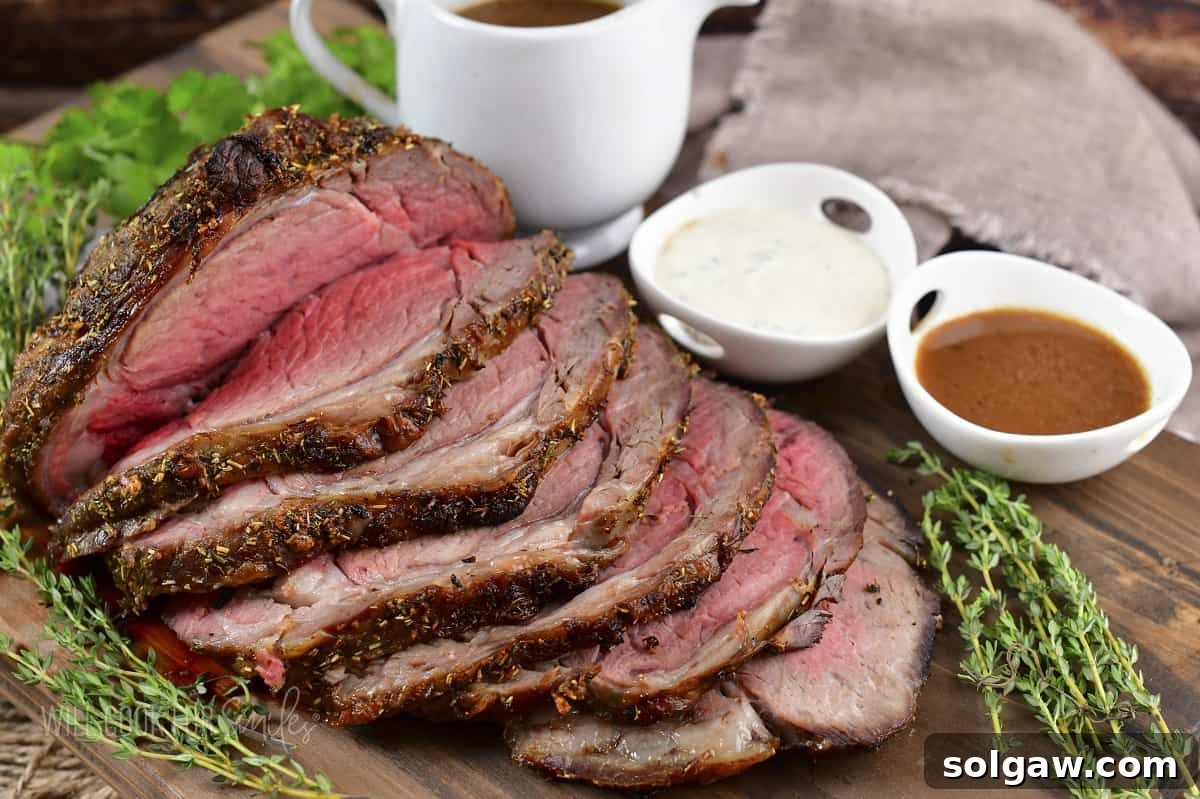
Ensuring Perfect Doneness: How to Tell if Prime Rib is Ready
Precision is key when cooking prime rib, and relying solely on cooking time can be misleading due to variations in roast size, shape, and oven calibration. The most reliable way to determine doneness is by using a meat thermometer.
- The Power of a Leave-In Thermometer: A leave-in meat thermometer is an invaluable tool. It allows you to monitor the internal temperature of the prime rib continuously without having to open the oven door. This prevents heat fluctuations and ensures a more consistent cooking environment.
- Manual Temperature Check: If you don’t have a leave-in thermometer, use an instant-read thermometer. To check, quickly remove the prime rib from the oven, insert the probe into the thickest part of the roast (avoiding bone), and take your reading. Close the oven door immediately to minimize heat loss and temperature drops.
- Understanding Carry-Over Cooking: Always remember that the internal temperature of the roast will continue to rise by several degrees (typically 5-10°F or 3-5°C) after it’s removed from the oven, especially during the resting period. This phenomenon is known as “carry-over cooking.” Therefore, you should pull the roast from the oven when it reaches about 5-10°F below your target final temperature.
Prime Rib Internal Temperature Chart (Pull from Oven)
Use these as guidelines for when to remove your prime rib from the oven, anticipating a few degrees of carry-over cooking:
- Rare: 115–120°F (46-49°C)
- Medium-Rare: 125–130°F (52-54°C)
- Medium: 135–140°F (57-60°C)
- Medium-Well: 145–150°F (63-66°C)
General Time-Per-Pound Chart (Cooking at 250°F)
While a thermometer is the most accurate indicator, these time guidelines can help you estimate your cooking duration when roasting at 250°F (120°C). Always confirm doneness with a reliable meat thermometer.
- For a medium-rare roast, a good rule of thumb is to estimate 30–35 minutes per pound.
- Keep in mind that smaller roasts tend to cook faster per pound than larger ones due to their surface area to volume ratio.
- Bone-in roasts may take slightly longer to cook than boneless versions.
- 4–5 lb. roast: approximately 2.5 to 3 hours
- 6–7 lb. roast: approximately 3 to 3.5 hours
- 8–9 lb. roast: approximately 4 to 4.5 hours
- 10–12 lb. roast: approximately 5 hours
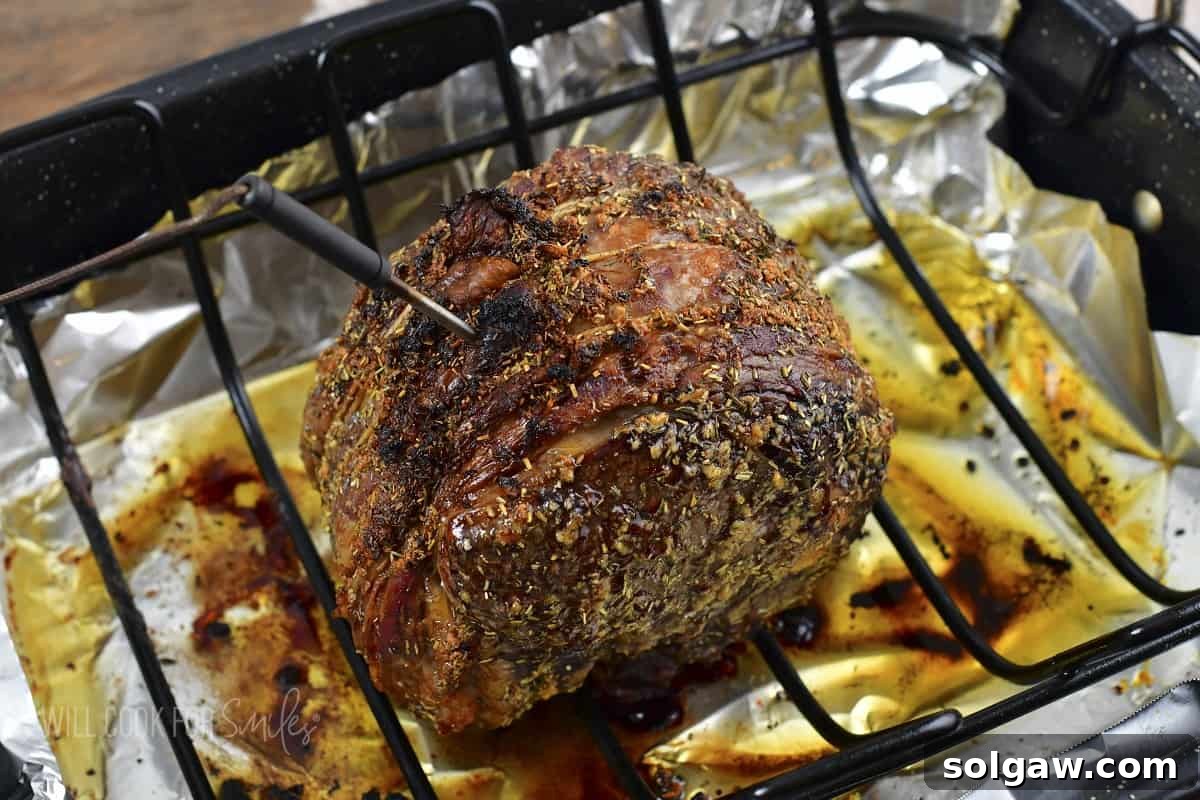
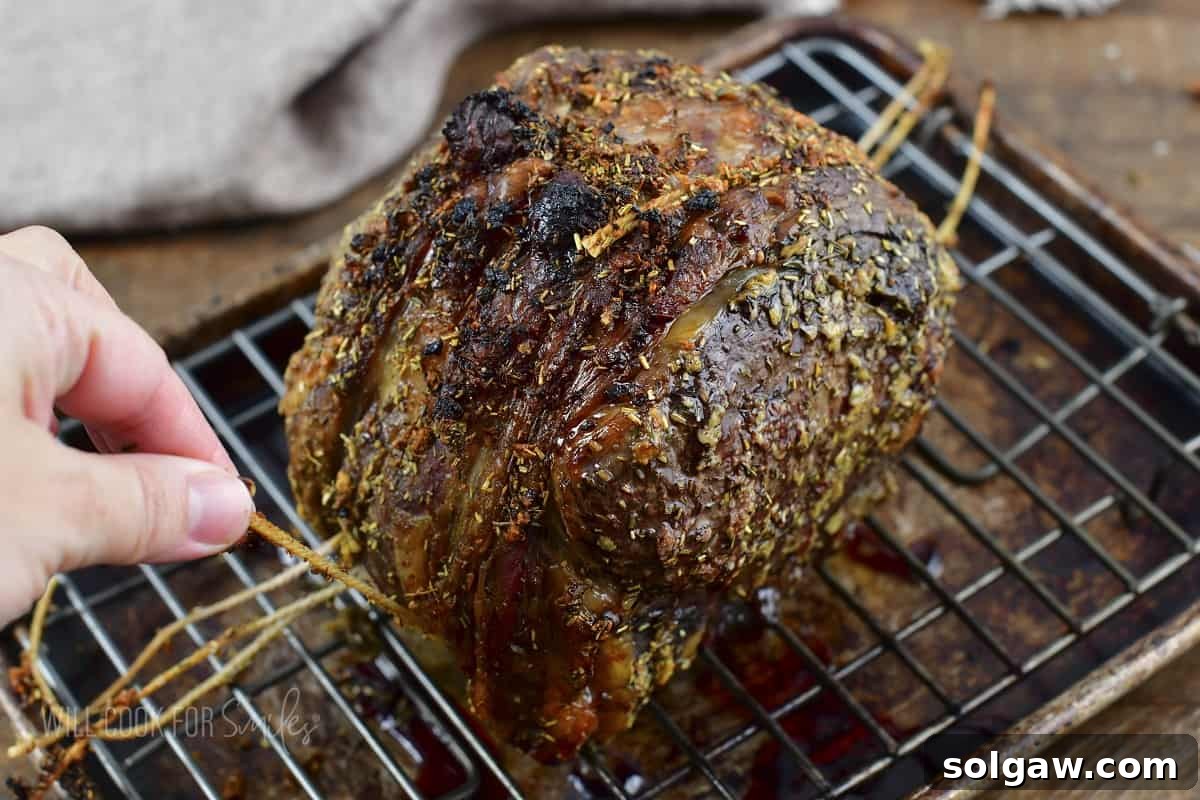
The Art of Carving Prime Rib for Maximum Juiciness
Once your prime rib reaches the desired internal temperature, resist the urge to cut into it immediately. The resting period is just as crucial as the cooking itself for ensuring a juicy and tender final product.
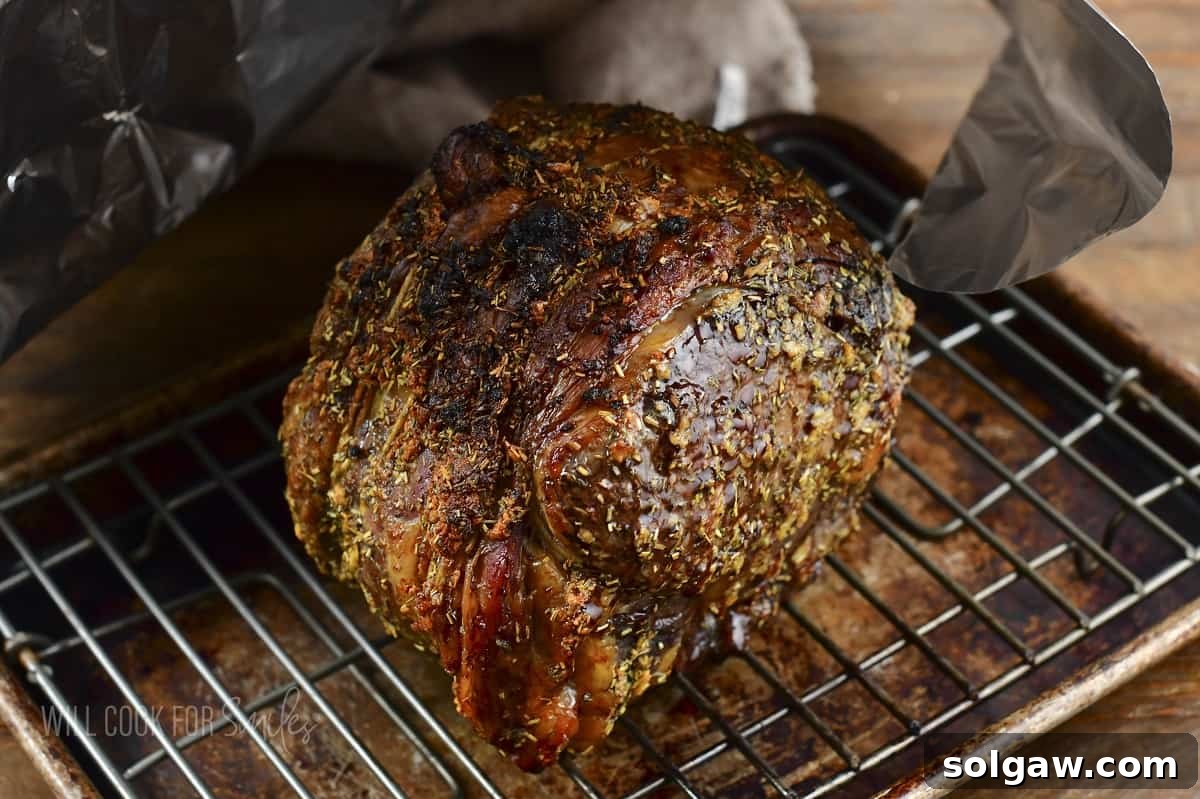
- Resting is Essential: After removing the prime rib from the oven, place it on a wire rack set inside a rimmed pan (to catch any precious juices). Carefully snip and remove any cooking twine. Loosely tent the roast with aluminum foil and let it rest for a minimum of 20 minutes, or even up to 30 minutes for larger roasts. This resting period allows the muscle fibers, which have tightened during cooking, to relax and reabsorb the juices that have migrated to the center of the roast. Cutting too soon will cause all those delicious juices to run out onto your cutting board, resulting in a drier roast.
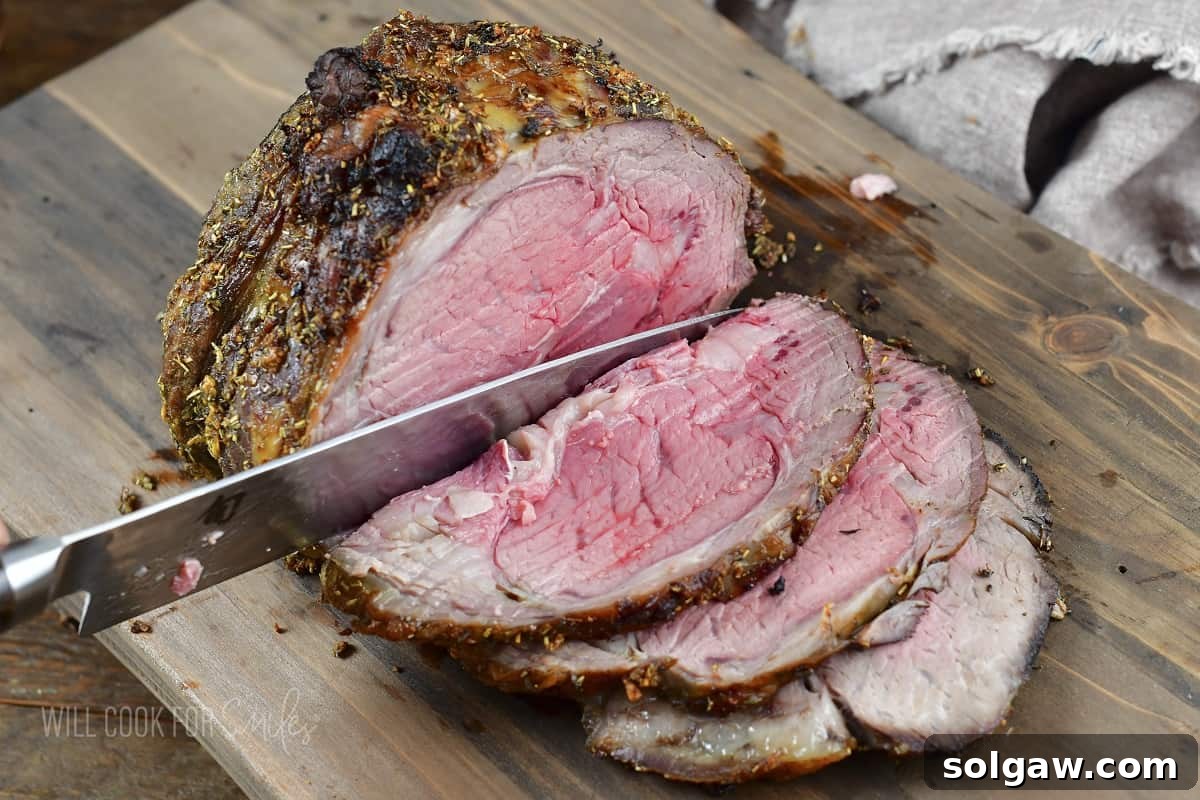
- Slice Against the Grain: Once rested, transfer the prime rib to a clean cutting board. Using a long, sharp carving knife, slice the prime rib against the grain. This is critical for tenderness, as it shortens the muscle fibers, making each bite easier to chew and more enjoyable.
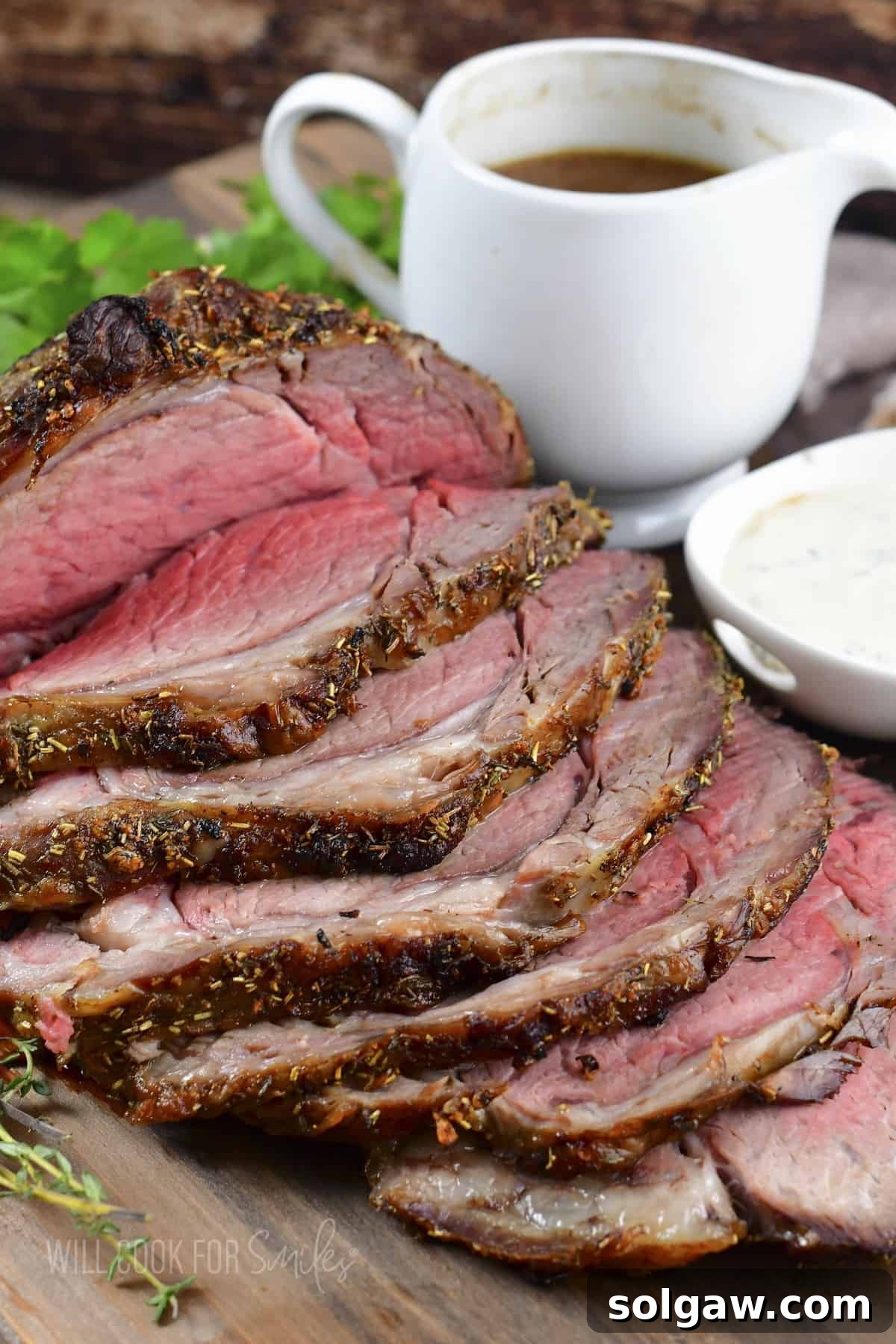
- Thickness Preference: Slice the prime rib into steaks that are about 1/2 an inch thick, which is a classic serving size. However, you can adjust the thickness based on personal preference or the type of dinner you’re serving – thicker slices for a hearty main course, or slightly thinner for a buffet-style meal.
How Much Prime Rib to Estimate Per Person?
Planning the right amount of prime rib per guest ensures everyone gets a satisfying portion without excessive waste. The estimation varies slightly depending on whether you choose a boneless or bone-in roast and the overall context of your meal.
- Boneless Prime Rib: For boneless prime rib, estimate 1/2 to 3/4 pound per person. For a grand holiday dinner with numerous side dishes and appetizers, 1/2 pound per person will likely be ample. If you’re hosting a lighter family dinner where the prime rib is the primary focus, aiming for 3/4 pound per person is a good idea. You also have the flexibility to carve thicker or thinner slices based on individual appetites and preferences.
- Bone-In Prime Rib: When purchasing a bone-in prime rib, account for the weight of the bones by estimating 3/4 to 1 pound per person. It’s always a good strategy to buy a little more than you think you’ll need. Having delicious leftovers for sandwiches or future meals is far better than running short!
Storing and Reheating Prime Rib Instructions
Proper storage and gentle reheating are essential to preserve the deliciousness of leftover prime rib. This ensures you can enjoy its tender, juicy qualities long after the initial meal.
- Storage: Allow any leftover prime rib to cool completely to room temperature before storing. Once cool, wrap it tightly in plastic wrap or place it in an airtight container. Stored correctly, prime rib will maintain its quality in the refrigerator for 3–4 days. For longer storage, slices can be individually wrapped and frozen for up to 3 months.
- Reheating: Prime rib can dry out quickly if reheated improperly. The key is gentle, even heat, making the oven the best method.
- Preheat your oven to a low temperature of 325°F (160°C).
- Arrange the prime rib slices in a small baking dish. Add a splash of beef broth, water, or even leftover au jus to the bottom of the dish to create a steamy environment and prevent drying.
- Cover the dish tightly with aluminum foil.
- Warm for approximately 10–15 minutes, or just until the meat is heated through. The goal is to bring it to temperature without further cooking it. This method helps maintain the meat’s tenderness and juiciness.
Elevate Your Prime Rib with Perfect Serving Suggestions
While prime rib steaks are magnificent on their own, pairing them with classic accompaniments can turn your meal into an extraordinary culinary experience. Here are some ideal serving suggestions to complete your prime rib feast:
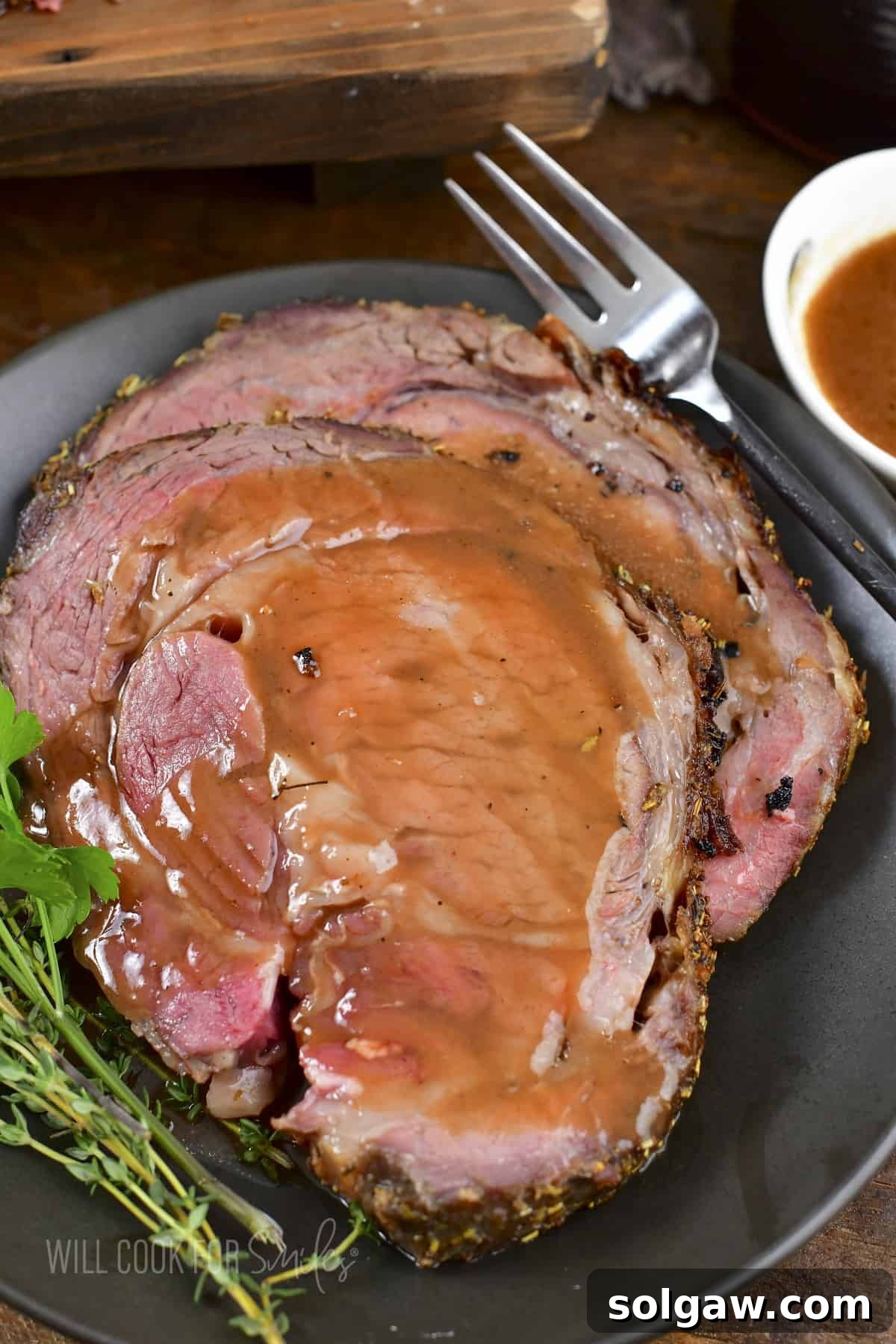
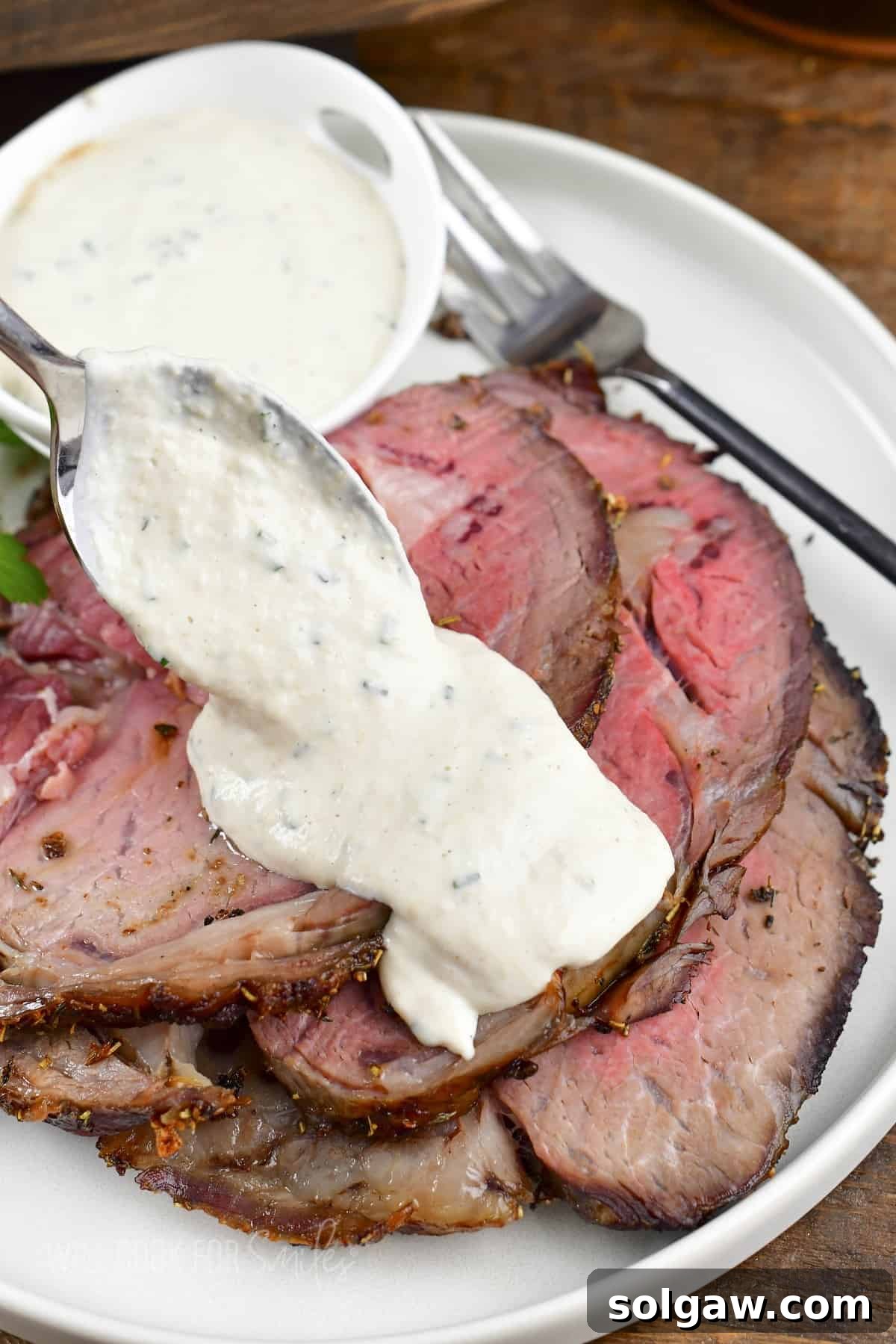
- Classic Sauces: Always serve prime rib with its natural pan juices, transformed into a rich Au Jus. For an extra kick, a creamy Horseradish Sauce provides a delightful contrast to the richness of the beef.
- Savory Vegetable Sides:
- Earthy sautéed mushrooms add depth.
- Bright and fresh Italian roasted asparagus offers a vibrant crunch.
- Tender sautéed green beans are a simple and satisfying choice.
- Sweet and savory Balsamic roasted carrots provide a touch of elegance.
- Hearty Potato Pairings:
- Creamy mashed potatoes are a comforting staple.
- Crispy roasted potatoes add texture.
- Rich and indulgent scalloped potatoes are always a crowd-pleaser.
- A cheesy hashbrown casserole offers decadent flavor.
- Don’t Forget the Bread: Warm, fluffy potato dinner rolls are perfect for soaking up every last drop of the flavorful sauces and juices, completing the ultimate prime rib experience.
Frequently Asked Questions About Prime Rib
To help you confidently prepare your prime rib, here are answers to some common questions:
What kind of roasting pan should I use for prime rib?
Any sturdy, heavy-duty, oven-safe roasting pan will work well. The most important feature is that it should be large enough to comfortably fit your prime rib roast and accommodate a wire rack. A rack is crucial because it elevates the meat, allowing hot air to circulate evenly around all sides of the roast. This promotes uniform cooking and helps create that desirable all-around crust. For larger cuts, a substantial roasting pan with a sturdy rack is recommended.
Do you cover prime rib while it cooks?
No, it’s generally recommended not to cover your prime rib while it cooks. Leaving the roast uncovered allows the surface to dry slightly during the initial high-heat sear, which is essential for developing a beautiful, crisp, and flavorful crust. Covering the meat would trap steam, leading to a steamed rather than roasted exterior, preventing the browning and caramelization that contributes so much to the prime rib’s appeal.
How long should prime rib rest before slicing?
A resting period of 20–30 minutes is ideal. Resting is a non-negotiable step that significantly impacts the juiciness and tenderness of your prime rib. During cooking, the muscle fibers contract and push juices to the center of the roast. Resting allows these juices to redistribute throughout the entire cut. If you slice into the roast too soon, those precious juices will simply run out onto your cutting board, leaving you with a drier, less flavorful piece of meat. Patience during resting will be rewarded with an incredibly juicy and tender prime rib.
What internal temperature should I aim for when cooking prime rib?
For a perfect medium-rare prime rib, you should aim to remove the roast from the oven when its internal temperature reaches 120–125°F (49-52°C). Remember the concept of “carry-over cooking” – the temperature will continue to rise by several degrees (typically 5-10°F or 3-5°C) as the roast rests. A reliable digital meat thermometer is the most accurate and reliable tool to achieve your preferred level of doneness, ensuring a consistently delicious prime rib every time.
PIN THIS RECIPE FOR LATER
If you’ve made this prime rib recipe and found the information helpful, please leave a 🌟 star rating! Let me know how you liked it by leaving a 📝 comment below as well. Don’t forget to subscribe to my newsletter for more delicious recipes!
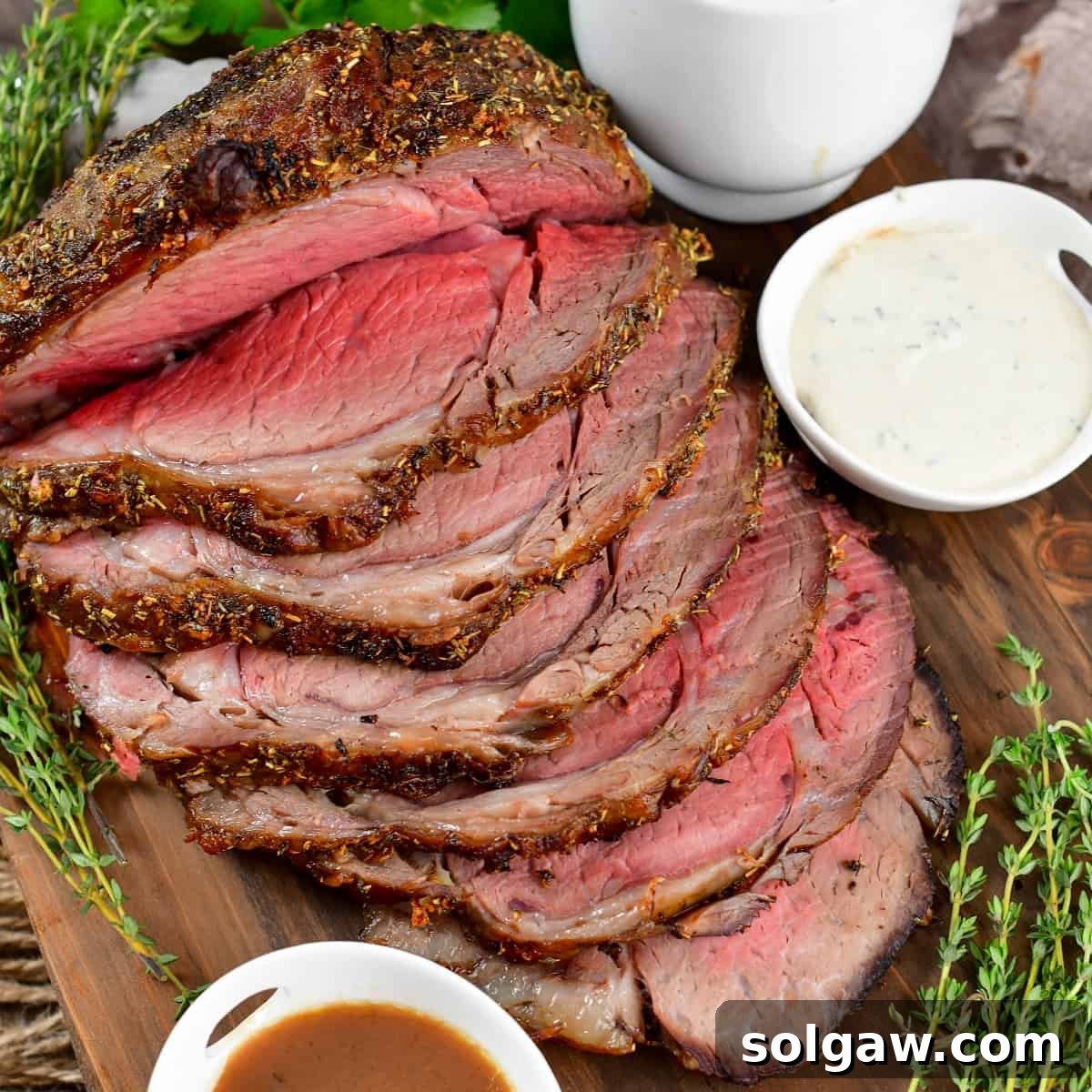
Perfect Prime Rib Recipe
Print Recipe
Pin Recipe
Ingredients
Prime Rib:
- 4.5 lbs prime rib roast
- 3-4 tbsp coarse salt (depending on the size of the meat)
Seasoning:
- 3-4 tbsp olive oil
- 8-10 garlic cloves (pressed)
- 2 tsp dried crushed rosemary
- 2 tsp dried thyme
- 1 tsp fresh cracked black pepper
- 1 tsp garlic powder
Instructions
Prepare Prime Rib:
-
Separate the ribs from the meat if your roast is bone-in. You can ask your butcher to do this for you, or perform it at home.
-
To Separate The Rib Bone:
Stand the prime rib on its cutting board, with the rib bone facing upwards. Using a sharp paring or boning knife, carefully slice along the natural seam between the rib bone and the meat. Try to stay as close to the bone as possible, following its natural curve.
TIP: Don’t discard the separated rib bones! Place them at the bottom of your roasting pan to add extra flavor to the pan drippings, or save them for making beef stock.
-
If your prime rib has a very thick fat cap, you can trim off about half of it, but not all. Some fat is essential to keep the prime rib tender and juicy. Score the remaining fat cap on top by making shallow slices in a crisscross pattern, being careful not to cut into the meat.
-
Generously rub the entire piece of meat all over with coarse salt. Ensure the salt gets into the scored fat cuts and along all sides where the ribs might have been separated. This is your dry brining step.
-
Use kitchen twine to tie the prime rib securely. Slide the twine under the roast, pull it tight, and make loops about an inch apart across the length of the roast. Depending on the size, you’ll need 3-5 ties.
-
Place the tied and salted prime rib on a plate, cover it tightly with plastic wrap and then aluminum foil. Refrigerate overnight, or for a minimum of 12 hours and up to 18 hours.
Cooking Prime Rib:
-
Make sure to pull the meat out of the refrigerator 2-3 hours before cooking and allow it to come to room temperature.
-
Preheat your oven to 500°F (260°C). Place a wire rack inside a roasting pan. You can line the bottom of the pan with foil for easier cleanup.
-
Since the meat was salted the day before, you won’t add more salt. Combine the pressed garlic, olive oil, dried rosemary, dried thyme, fresh cracked black pepper, and garlic powder in a bowl and mix thoroughly to create the wet rub.
-
Place the prime rib onto a rimmed baking sheet. Pour the wet rub over it and spread it evenly all over the meat, ensuring all sides are well coated.
-
Transfer the seasoned prime rib to the prepared roasting pan, placing it onto the wire rack. Insert a leave-in meat thermometer into the very center of the thickest part of the meat (avoiding any bone) to accurately track the internal temperature. If you don’t have one, you’ll need to remove the roast to check the temperature periodically.
-
Place the roasting pan into the preheated 500°F (260°C) oven and cook for 15-20 minutes to sear the exterior and create a crust. After searing, immediately lower the oven temperature to 250°F (120°C) and continue cooking until the roast reaches your desired internal temperature.
-
For a medium-rare prime rib, let it cook until the thermometer reads 120-125°F (49-52°C). For a medium doneness, aim for 130-135°F (54-57°C). Remember that the temperature will continue to rise by about 5-10°F during resting.
-
The exact cooking time varies greatly depending on the thickness and shape of your roast. For reference, my 4.5 lb. roast typically takes about 2 hours and 15 minutes to reach a medium-rare temperature. Relying on a meat thermometer is the most accurate way to determine doneness, rather than relying solely on time.
-
TIP: If you do not have a leave-in thermometer, take the prime rib out of the oven to measure internal temperature, and be sure to close the oven door immediately to prevent significant temperature drops inside the oven.
Carving Prime Rib:
-
Once the prime rib reaches its desired temperature, carefully remove it from the oven and transfer it to a cutting board. If you used cooking twine, cut it off the roast. Loosely tent the prime rib with aluminum foil and let it rest for about 20 minutes. This resting period is crucial for ensuring a juicy roast.
-
Using a long, sharp carving knife, slice the prime rib against the grain into steaks approximately 1/2 an inch thick. You can adjust the thickness slightly based on your preference or how many guests you’re serving.
Video
Nutrition Information
While there are many excellent main dish choices for holidays, such as roast beef and beef tenderloin, prime rib holds a special place as a beloved centerpiece for so many families. With this comprehensive guide, you’re now equipped to create a spectacular prime rib that will impress your guests and become a cherished part of your holiday traditions.
Originally published on Will Cook For Smiles in December 2022, this recipe has been updated to provide even more clarity and expert tips for your success.