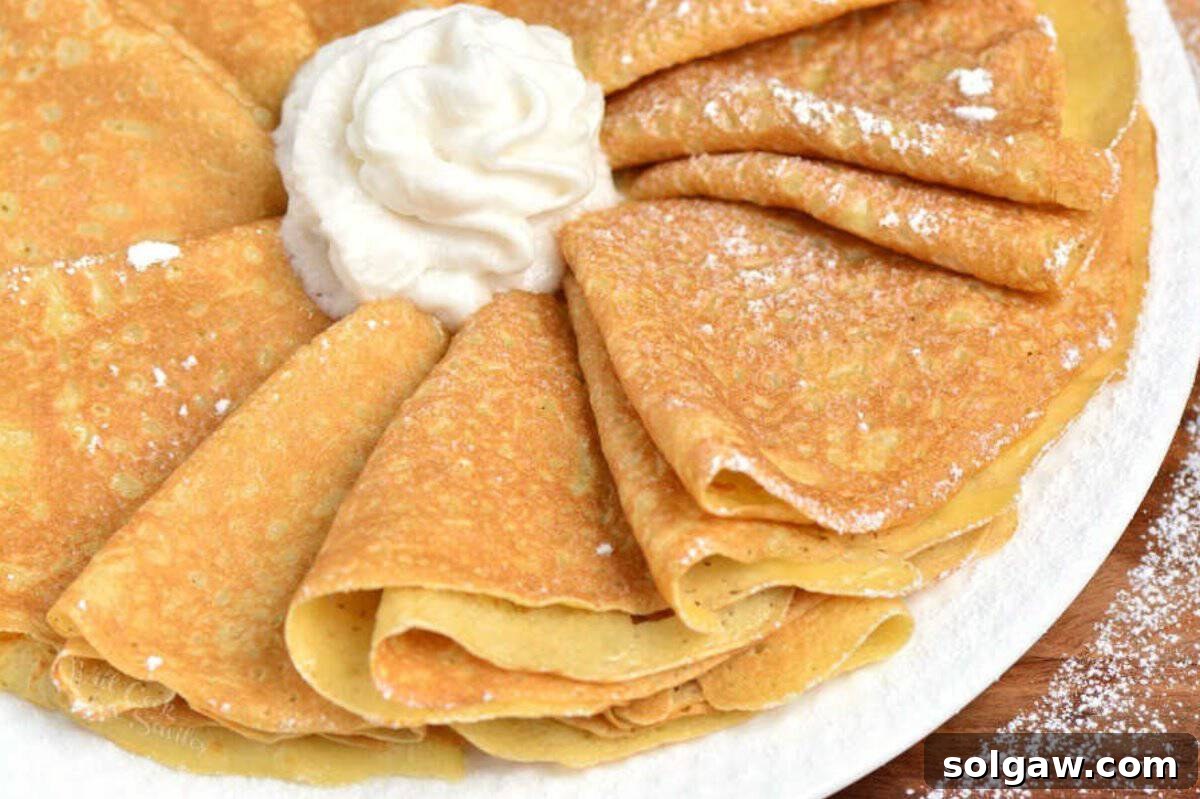
Delicate, thin, and endlessly versatile, crepes are a culinary marvel that effortlessly transitions from a sweet breakfast treat to a sophisticated dinner entree. Forget complicated techniques; these homemade crepes are crafted with just a few simple pantry staples, proving that extraordinary flavors can stem from humble beginnings. If you’ve ever yearned to recreate that authentic French cafe experience in your own kitchen, look no further. This definitive guide will walk you through making the softest, most buttery classic crepes, complete with a generations-old family secret that guarantees perfection every time. Prepare to embark on a delightful journey that will elevate your breakfast, brunch, dessert, or even dinner routine with these exquisite, easy-to-make thin pancakes.
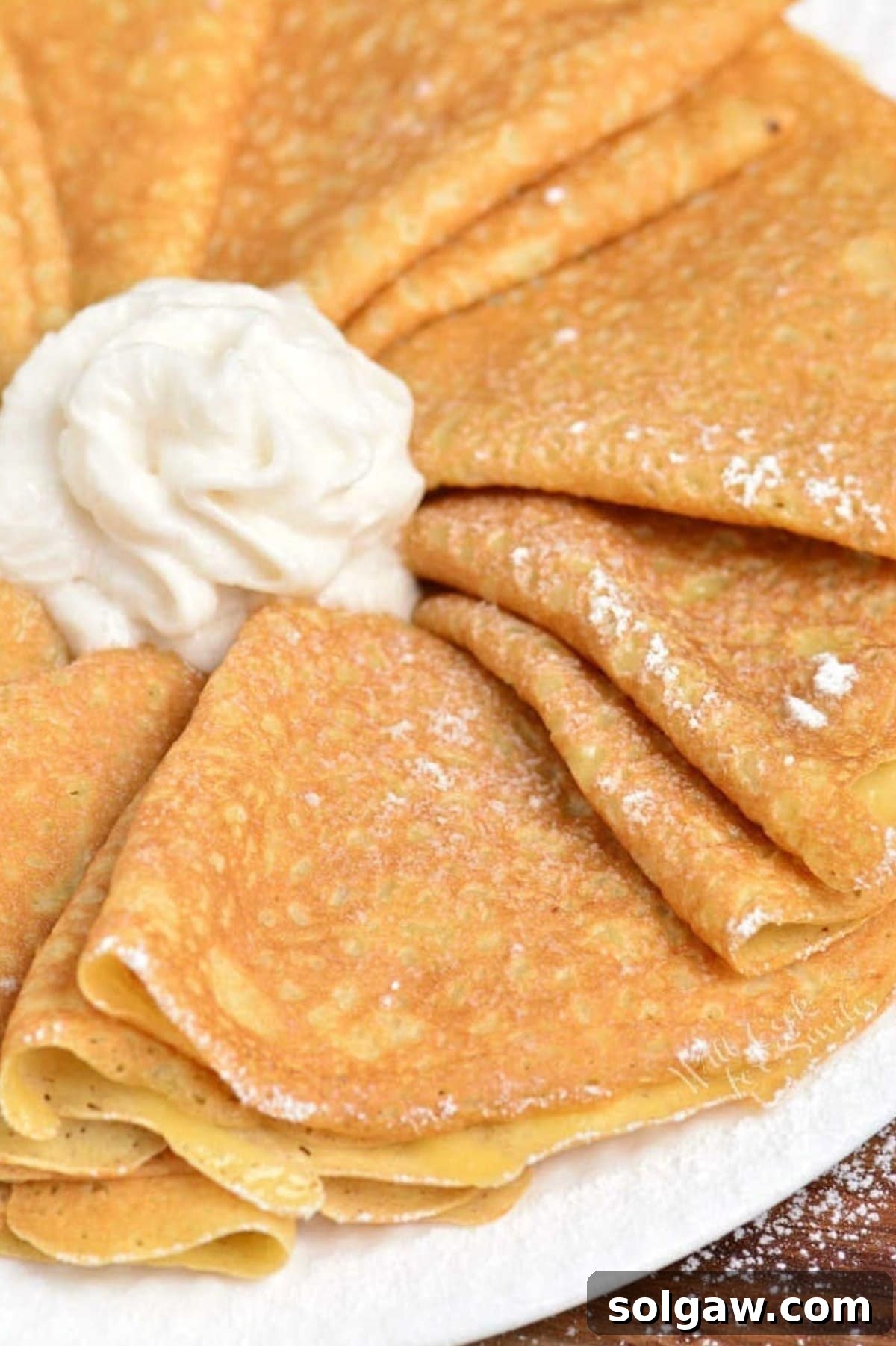
A Culinary Journey: The Origins of Crepes
The history of crepes is as rich and captivating as their flavor, tracing its roots back to the picturesque northwestern region of France known as Brittany (or Bretagne). Originally known as galettes, the earliest versions were often made from buckwheat flour and served as a staple for sustenance, particularly during leaner times. Over centuries, as wheat flour became more accessible, the sweet crepe we know today began to emerge, becoming an iconic symbol of French culinary tradition. Their popularity quickly transcended regional boundaries, spreading throughout France and eventually captivating palates worldwide. Today, crepes are not just a dish; they are an integral part of French culture, enjoyed at casual street stalls, elegant restaurants, and family tables, often celebrated on Chandeleur (Candlemas) as a sign of prosperity for the coming year. Their enduring appeal lies in their simple elegance and incredible adaptability, making them a beloved choice for any meal or occasion.
The Secret to Perfect Crepes: A Family Legacy
For me, crepes aren’t just a recipe; they are a cherished memory, a comforting taste of childhood. I vividly recall being barely two years old, standing on a stool beside my mother, ‘helping’ to whisk the batter almost every weekend. This particular recipe isn’t just one I learned; it’s a culinary heirloom, passed down through generations, from my great-grandmother to my mother, and now to me. It’s a testament to timeless simplicity and a single, remarkable secret ingredient: boiling hot water. While many classic crepe recipes advocate for resting the batter, our family trick of incorporating hot water immediately transforms the mixture, yielding crepes with an unparalleled delicate softness and a beautifully intricate, almost doily-like pattern. This addition seems to relax the gluten in the flour, preventing toughness and ensuring each crepe cooks up wonderfully pliable. The warmth of the batter also plays a special role, contributing to that distinctive tender texture and the subtle, buttery aroma that fills the kitchen, making these crepes truly extraordinary.
How To Make Crepes: A Step-by-Step Guide
Mastering the Batter: Ingredients and Preparation
Crafting the perfect crepe batter is simpler than you might imagine, relying on a foundational blend of common kitchen ingredients. The core trio consists of eggs, milk, and flour, each playing a crucial role in the final texture and flavor. Eggs provide structure and richness, binding the ingredients together to create a cohesive batter. Whole milk adds creaminess and helps achieve that signature tender consistency. All-purpose flour forms the body of the crepe, and its proper incorporation is key to avoiding lumps. Beyond these essentials, we add a touch of baking soda for a whisper of lift, brown sugar for a subtle sweetness and beautiful golden hue, and salt to balance the flavors. The real magic, however, comes from our special addition: very hot water.
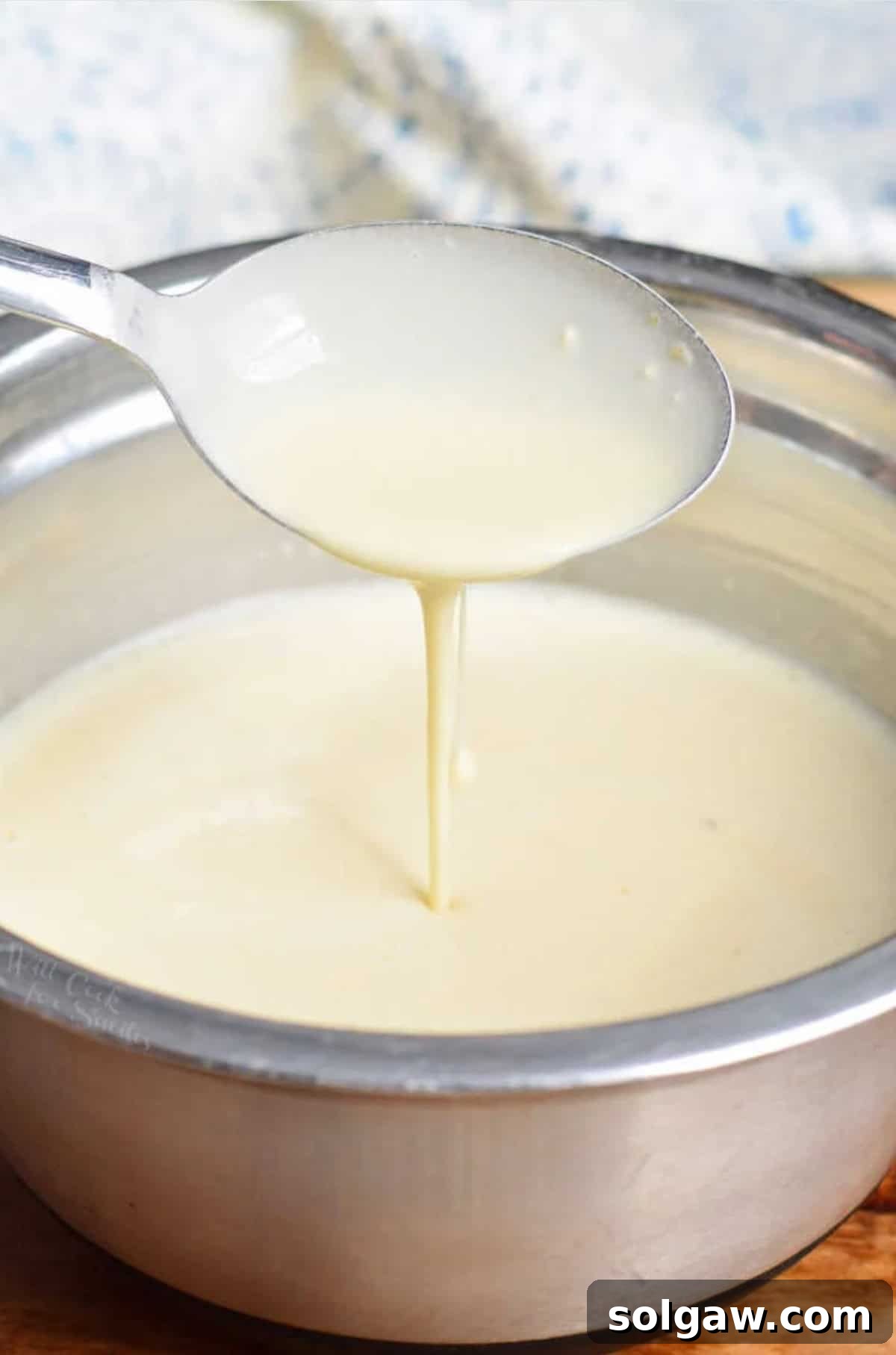
Begin by filling a small pot with about 3 cups of water and place it on the stove to heat. While the water comes to a boil, prepare your batter. In a large mixing bowl, whisk together the eggs, milk, and oil until perfectly smooth, ensuring a homogeneous base. Gradually sift in the dry ingredients – flour, baking soda, sugar, and salt – whisking continuously until no lumps remain. This step is vital for a silky batter. Once the water boils, remove it from the heat. Scoop a cup of hot water with a 1-cup measuring cup and slowly pour it into the batter while whisking gently yet thoroughly. Repeat this process with another cup of hot water, whisking until combined. Finally, add an additional 1/2 cup of hot water, whisking once more. This total of 2 1/2 cups of hot water thins the batter to the ideal consistency and, as our family secret suggests, contributes to the crepes’ signature softness and delicate, almost lacy appearance. The final batter should be noticeably thin, flowing smoothly off the whisk.
Cooking Crepes: The Art of the Thin Pancake
The true artistry of crepe-making comes alive in the pan. A high-quality nonstick pan is your best friend here, ideally an 8-inch omelet pan, which is perfect for creating individual serving sizes. Begin by preheating your pan over medium to medium-low heat. The exact temperature is crucial and may vary slightly depending on your stovetop, so don’t be afraid to adjust. You’ll know it’s ready when a drop of water sizzles and evaporates almost instantly. Lightly grease the pan with a pat of butter, using a paper towel or pastry brush to spread it evenly across the bottom and up the sides. This ensures easy release and contributes to a beautiful, golden finish.
TIP: The amount of batter you pour into the pan depends on its size and your desired crepe thickness. For an 8-inch omelet pan, a little less than 1/4 cup usually spreads perfectly to the edges.
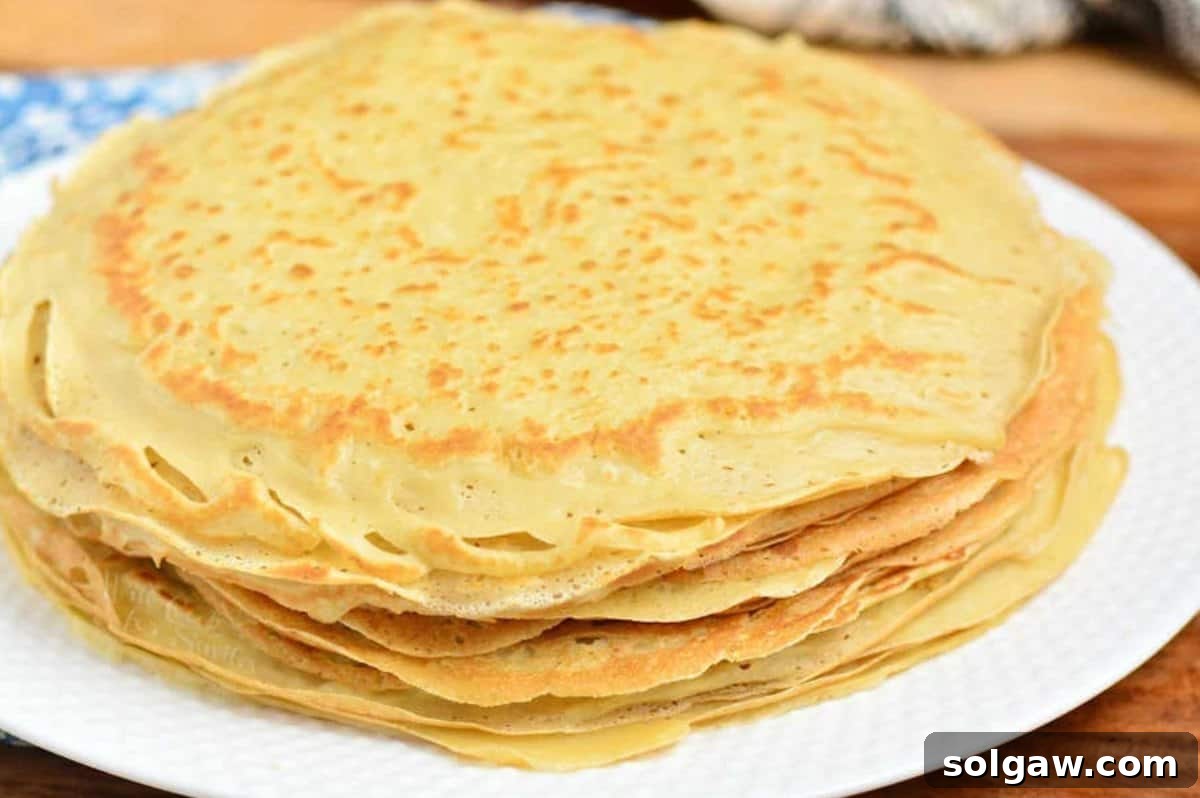
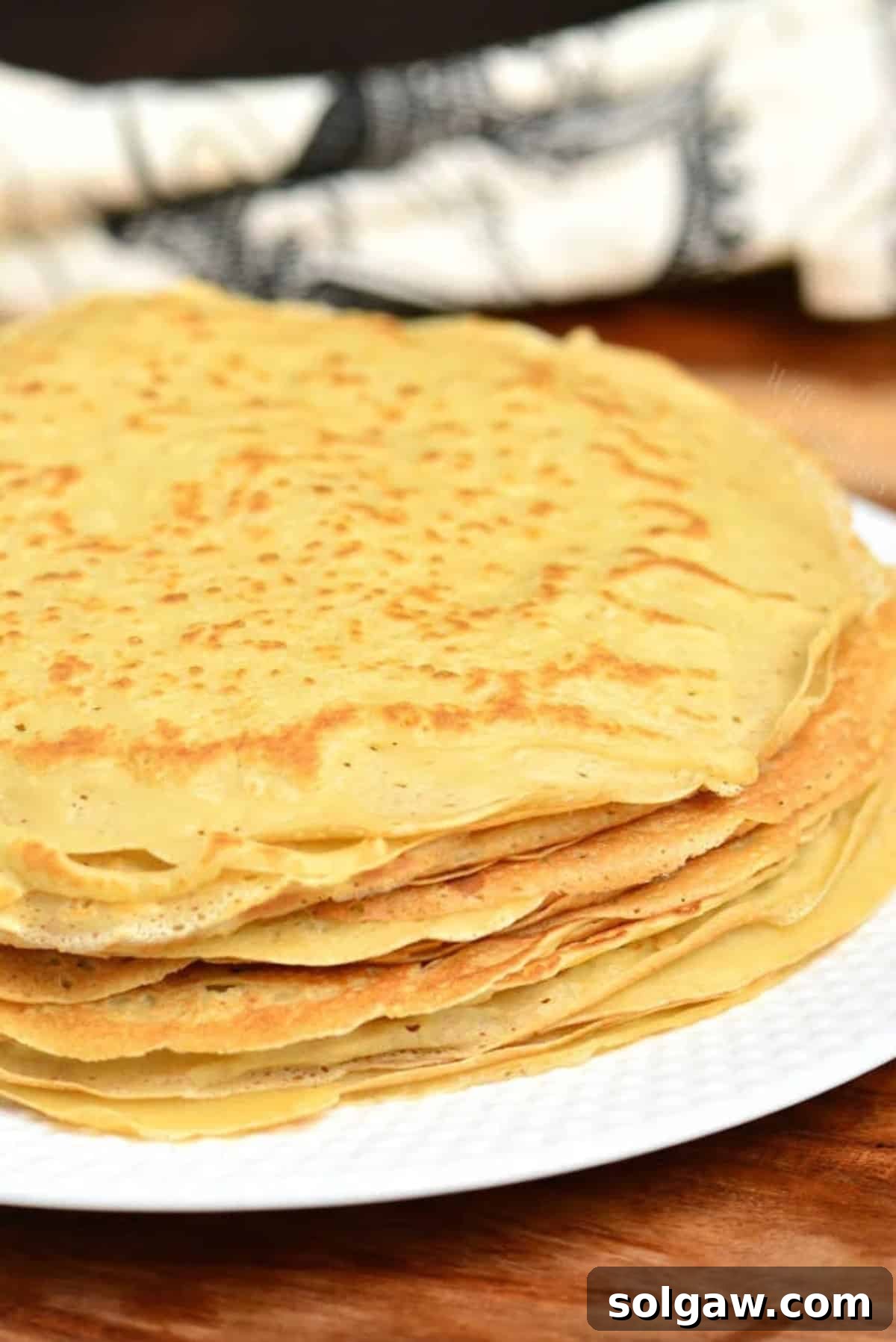
Now, for the pour: speed is key! Lift the hot pan from the burner. Pour a small amount of batter directly into the center. Immediately and swiftly, tilt and swirl the pan in a circular motion to spread the batter thinly and evenly across the entire surface. This rapid swirling creates the characteristic thinness of a crepe. Return the pan to the heat and cook for approximately 30-45 seconds, or until the edges begin to crisp and lift, and the surface appears dry with small bubbles. Using a thin spatula, carefully flip the crepe and cook for only about 10 more seconds on the second side. It will cook very quickly! Transfer the cooked crepe to a large plate. It’s perfectly fine to stack them one on top of the other; they won’t stick if properly cooked.
TIP: Before pouring each new crepe, give the batter a gentle stir to maintain consistency, and remember to lightly re-grease your pan with butter if needed between crepes.
With practice, you’ll develop a rhythm, and a beautiful stack of golden, tender crepes will soon emerge.
Endless Possibilities: Creative Crepe Fillings & Serving Ideas
One of the most enchanting aspects of crepes is their unparalleled versatility. They serve as a delicious canvas for an endless array of fillings, transforming from a simple snack to an elaborate meal. Whether your palate craves sweet or savory, there’s a crepe combination waiting to be discovered.
Sweet Sensations:
- Classic Berry Bliss: A timeless choice! Fill warm crepes with a medley of fresh seasonal berries like strawberries, blueberries, and raspberries. Dust generously with powdered sugar for an elegant touch. For an extra layer of indulgence, add a dollop of freshly whipped cream.
- Decadent Chocolate & Caramel: Elevate your dessert crepes by drizzling them generously with warm chocolate sauce and rich caramel. A sprinkle of chopped nuts or a scoop of vanilla ice cream can make this an unforgettable treat.
- Fruit Pie Fillings & Jams: Short on fresh fruit? Canned fruit pie fillings (cherry, apple, peach) or your favorite fruit jams and preserves make quick and delightful fillings.
- No-Bake Cheesecake Dream: For a truly luxurious experience, whip softened cream cheese with a hint of vanilla extract, powdered sugar, and a spoonful of creamy vanilla yogurt until smooth. Spread this luscious mixture onto a crepe, roll it up, and perhaps add a fresh fruit compote or chocolate shavings. Experiment with lemon zest, cocoa powder, or pumpkin spice for seasonal variations.
Savory Delights:
- Hearty Breakfast Crepes: Transform your breakfast by filling crepes with fluffy scrambled eggs and melted cheese. For a protein boost, add crispy bacon, breakfast sausage, or sautéed spinach and mushrooms. One egg per crepe is a good starting estimate.
- Gourmet Meat Fillings: Crepes aren’t just for breakfast! Create a satisfying main course by filling them with seasoned ground beef (cooked, of course), shredded rotisserie chicken, or even delicate sautéed shrimp or scallops. Consider topping a meat-filled crepe with a rich mushroom steak sauce or a creamy béchamel for an elevated dining experience.
- Seafood Extravaganza: For an elegant and sophisticated meal, fill crepes with perfectly cooked shrimp and tender scallops, topped with a creamy white wine sauce, perhaps with a touch of fresh dill, for a truly heavenly dish that feels like it came straight from a gourmet restaurant.
- Vegetarian Options: For a lighter, yet equally flavorful option, fill crepes with sautéed mushrooms, caramelized onions, spinach, and feta cheese. A vibrant pesto or a simple herb cream sauce would complement these beautifully.
The beauty of crepes lies in their adaptability. Don’t hesitate to get creative and experiment with your favorite ingredients to discover your perfect crepe combination!
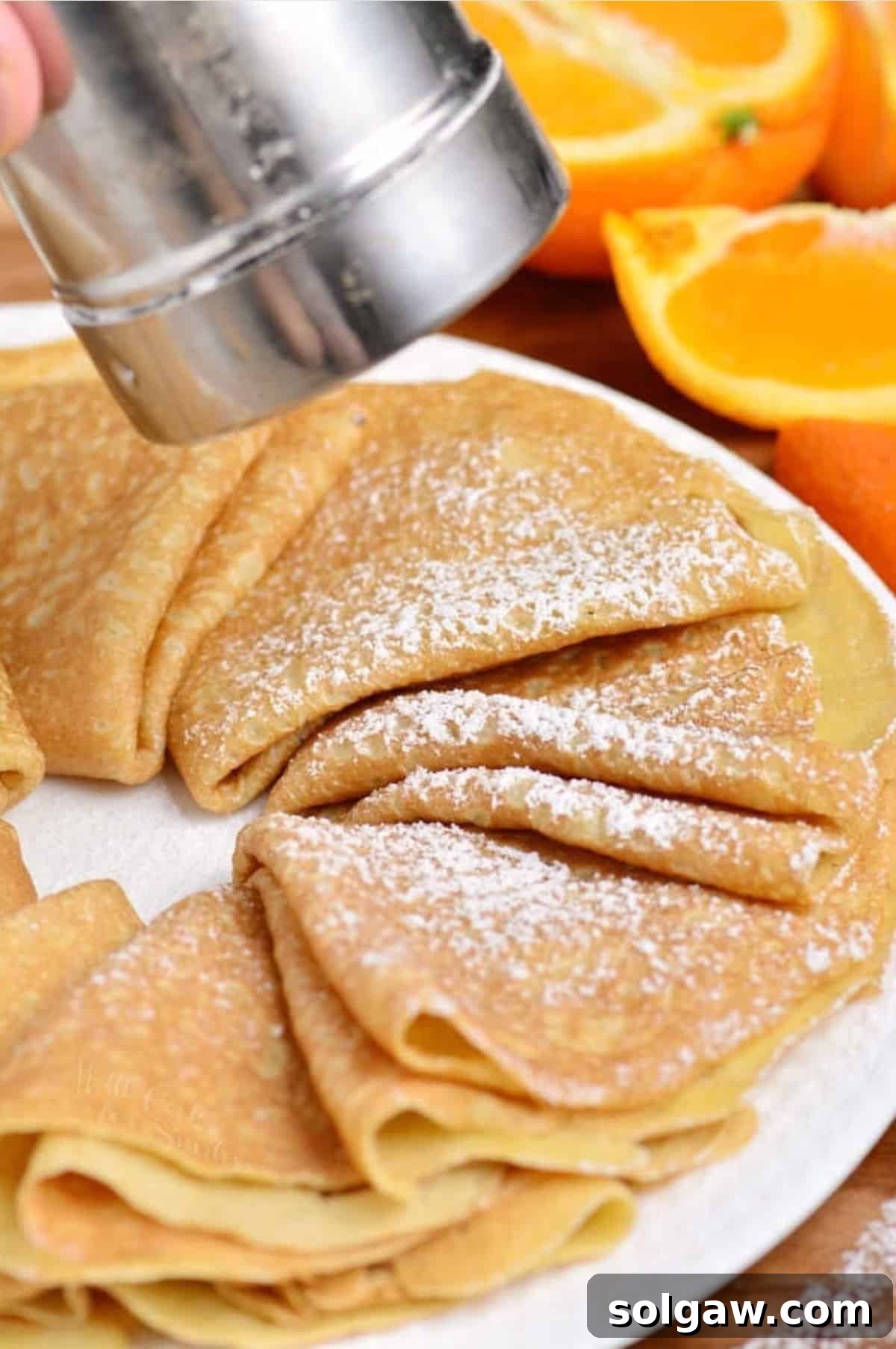
Storing and Reheating Your Homemade Crepes
One of the many conveniences of homemade crepes is their excellent make-ahead potential. Whether you’ve whipped up a large batch for a crowd or simply want to enjoy them throughout the week, proper storage ensures they remain fresh and delicious. Once your crepes have cooled completely, stack them neatly on a plate. To prevent drying out and maintain their delicate texture, wrap the stacked crepes tightly in plastic wrap or place them in an airtight container. Stored this way, they will keep beautifully in the refrigerator for 4-5 days. Remember to re-wrap them securely each time you remove a portion to ensure continued freshness.
When it’s time to enjoy your chilled crepes, reheating them is a breeze. If you find stacked, cold crepes a little tricky to separate, don’t force them. A quick pop into the microwave for just a few seconds (5-10 seconds for a stack of 2-3) will warm the top layers just enough to make them pliable and easy to peel apart without tearing. However, for the absolute best results, I highly recommend reheating crepes individually in a hot non-stick pan for just a few seconds per side. This method not only revives their warmth but also imparts a delightful, gentle crispness to the surface, a textural element that’s often lost with microwave reheating. The pan-reheated crepes maintain their delicate structure while regaining a fresh-from-the-pan appeal. Once warmed to your liking, they are ready to be filled with any sweet or savory creation your heart desires.

More Breakfast and Brunch Recipes
- Strawberry Crepes with Strawberry Mascarpone Cream
- Buttermilk Waffles
- Boston Cream Crepe Cake
- Buttermilk Pancakes
- French Toast
PIN THIS RECIPE
Classic Crepes Recipe
These thin, soft, and buttery crepes are made with only a few simple ingredients. Crepes are incredibly versatile and can be served for breakfast, dessert, dinner, or brunch with countless different fillings.
Print Recipe
Pin Recipe
Ingredients
- 3 large eggs
- 3/4 cup whole milk
- 1/4 cup vegetable oil or canola oil
- 2 cups all purpose flour*
- 1 tsp baking soda
- 1 tbsp brown sugar
- 1/2 tsp salt
- 2 1/2 cups hot water (boiling)
Instructions
-
Fill a small pot with about 3 cups of water and place it on heat. Let it come to a boil while you prepare the batter. Once boiling, remove from heat.
-
In a large mixing bowl, whisk together the eggs, milk, and oil until the mixture is smooth.
-
Add the flour, baking soda, brown sugar, and salt to the wet ingredients. Whisk thoroughly until all dry ingredients are evenly incorporated and no lumps remain.
-
Measure out 1 cup of the hot water. Slowly pour it into the batter while continuously whisking to ensure it combines smoothly.
-
Repeat this step with another cup of hot water, whisking until fully incorporated into the batter.
-
Add the final 1/2 cup of hot water to the batter and whisk. The batter should now be thin and pourable, indicating it’s ready for cooking.
-
Preheat a nonstick pan over medium to medium-low heat. The precise heat setting may vary slightly depending on your individual stove.
-
Lightly rub the bottom and sides of the pan with a small amount of butter to grease it.
-
TIP: The amount of batter you pour into the pan depends on the pan’s size and your desired crepe thickness. For an 8-inch omelette pan, a little less than 1/4 cup of batter is ideal, allowing it to spread almost to the edges.
-
Lift the pan from the burner. Pour the batter into the middle of the pan, then gently and quickly swirl the pan around to spread the batter thinly and evenly. Return the pan to the burner and cook for 30-45 seconds, or until the edges begin to lift. Flip the crepe and cook on the other side for only about 10 seconds.
-
Carefully remove the cooked crepe from the pan and place it on a large plate. Continue this process with the remaining batter until all crepes are cooked.
-
TIPS: Gently stir the batter before scooping out each new portion to ensure consistency. Lightly rub the pan with butter between cooking each crepe to prevent sticking.
-
It is perfectly fine to stack the cooked crepes one on top of the other; they will not stick.
Notes
- *Gluten Free Notes: You can very easily make these crepes gluten-free. Simply substitute regular all-purpose flour with a gluten-free 1:1 all-purpose flour blend. All other ingredients in this recipe should already be gluten-free, but always double-check your nutritional labels to be sure.
- Storing: Crepes are wonderful to make ahead of time and reheated for breakfast, lunch, dessert, or even a quick snack. To store, allow stacked crepes to cool completely. Then, cover them air-tight with plastic wrap or in a sealed container and refrigerate for up to 4-5 days. Ensure they are well-wrapped and re-wrap them securely after each use to maintain freshness.
Nutrition
Carbohydrates: 15g |
Protein: 3g |
Fat: 5g |
Saturated Fat: 3g |
Cholesterol: 36mg |
Sodium: 194mg |
Potassium: 49mg |
Sugar: 1g |
Vitamin A: 70IU |
Calcium: 24mg |
Iron: 1mg
Tried this recipe?
Mention @willcookforsmiles or tag #willcookforsmiles!
Originally published on Will Cook For Smiles in February 2019.
Conclusion: Savor the Simplicity of Homemade Crepes
With this cherished family recipe, you now have all the tools to create perfect, tender crepes right in your own kitchen. From their ancient French origins to their modern versatility, crepes offer a delightful culinary experience that is both simple to master and incredibly rewarding. Whether you serve them for a special brunch, a comforting weeknight dinner, or a decadent dessert, these homemade crepes are sure to become a cherished favorite. So gather your ingredients, embrace the joy of cooking, and savor every delicate bite of this timeless classic!