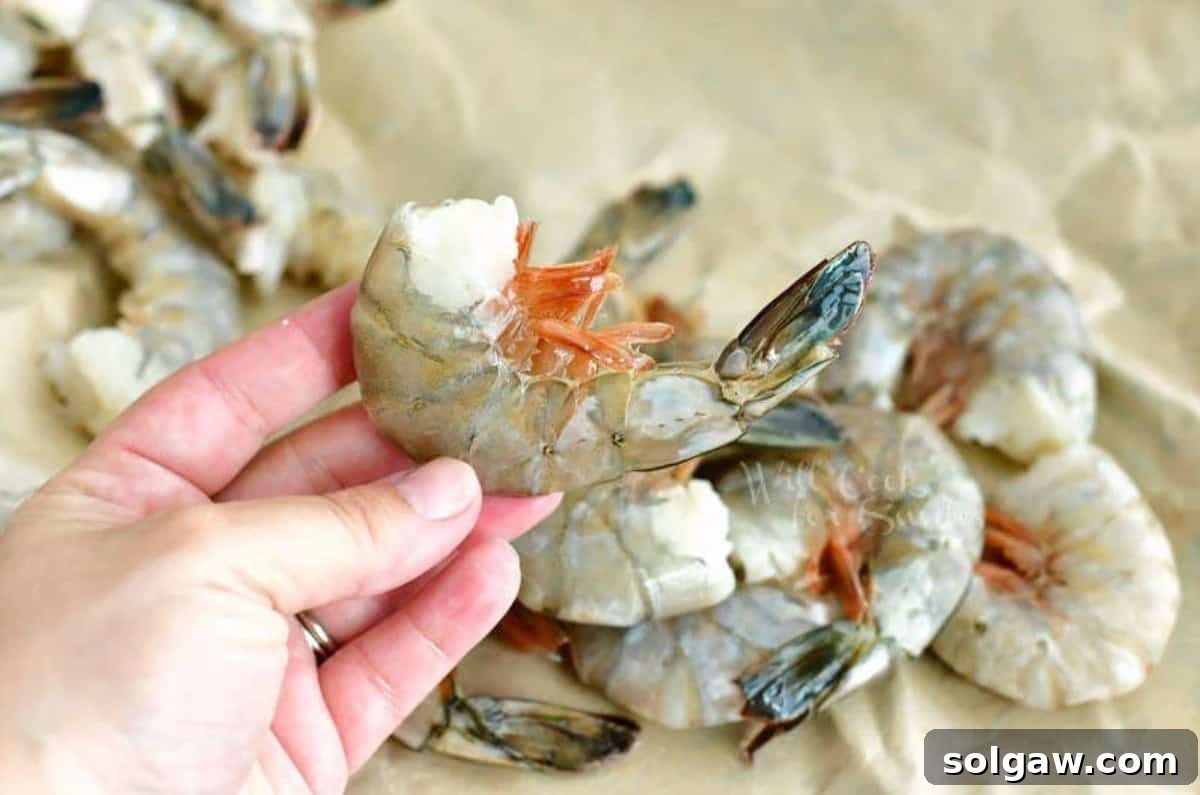
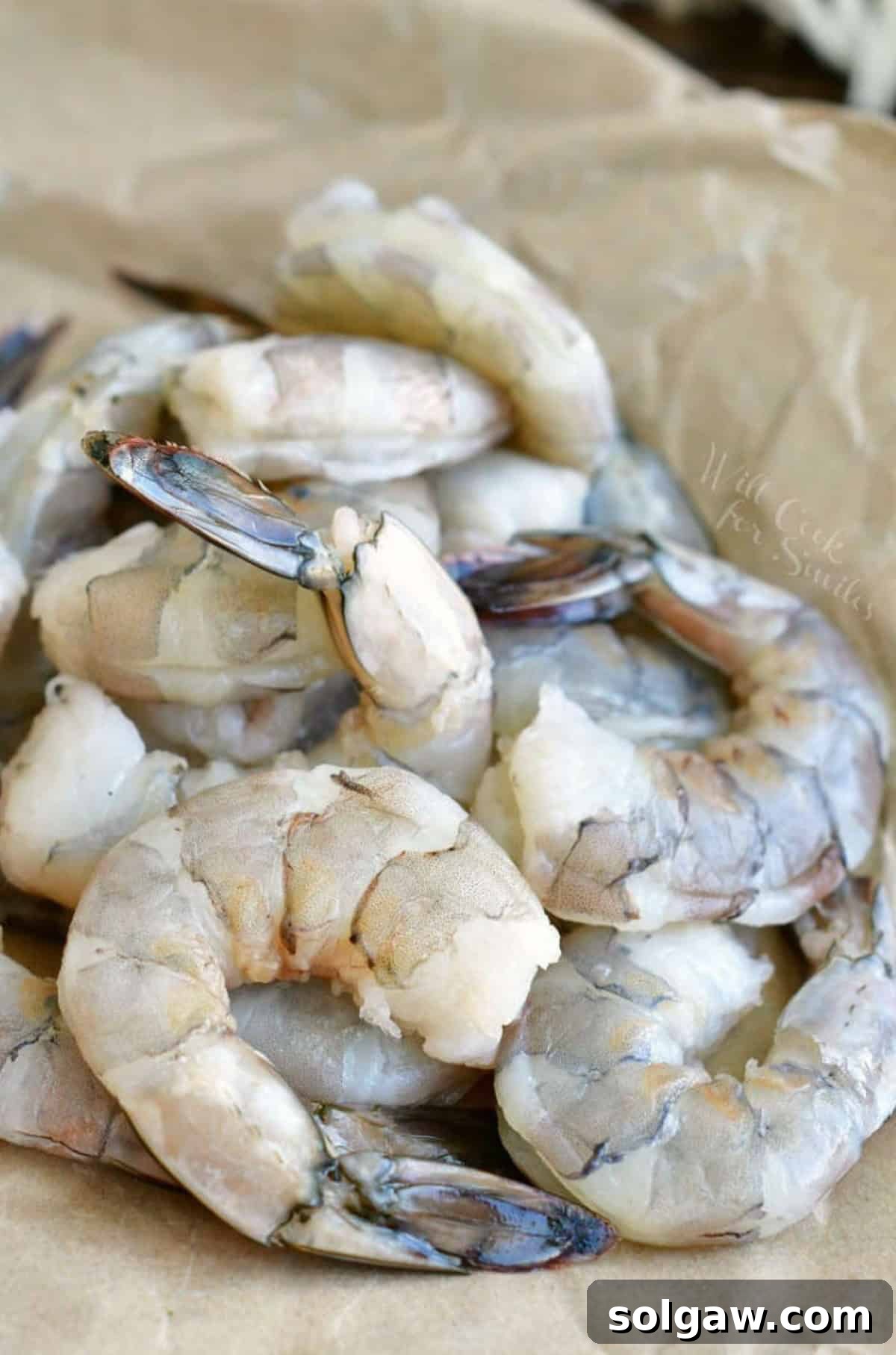
Mastering Shrimp Preparation: Your Guide to Effortless Peeling and Deveining
Are you tired of paying extra for pre-peeled and deveined shrimp at the seafood counter? Do you find the idea of preparing fresh shrimp intimidating? You’re not alone! Many home cooks shy away from whole shrimp, but I’m here to tell you that peeling and deveining shrimp is a surprisingly simple skill to master. With a little practice, you’ll gain confidence and appreciate the superior freshness and taste of shrimp you’ve prepared yourself.
For those who didn’t grow up near the coast or with a professional chef in the family, the sight of whole shrimp—with their hard, armor-like shells, tiny legs, and sometimes even their heads still attached—can certainly seem daunting. However, don’t let their appearance fool you. The process of cleaning shrimp is straightforward, quick, and immensely rewarding.
This comprehensive guide will walk you through every step, from selecting the freshest shrimp to efficiently peeling and deveining them. We’ll also explore why this crucial step is so important for taste and hygiene, and how to make the most of every part of the shrimp, including those often-discarded shells!
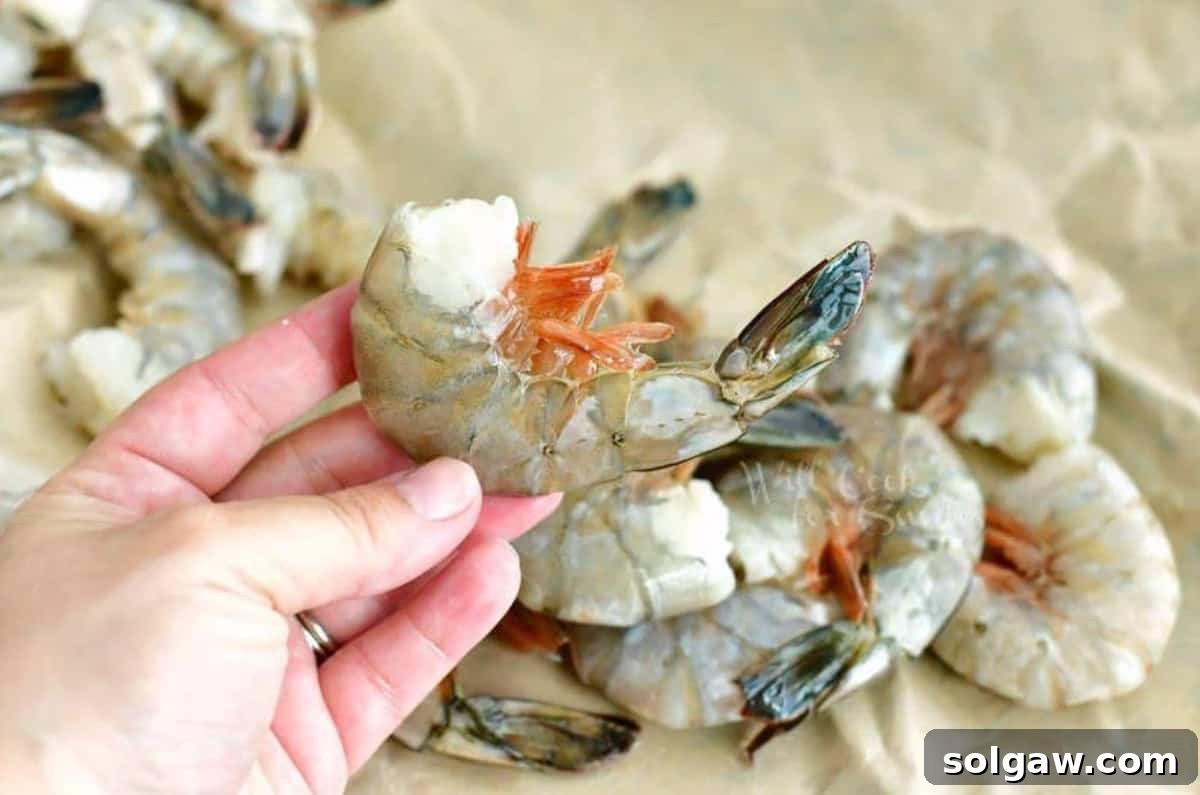
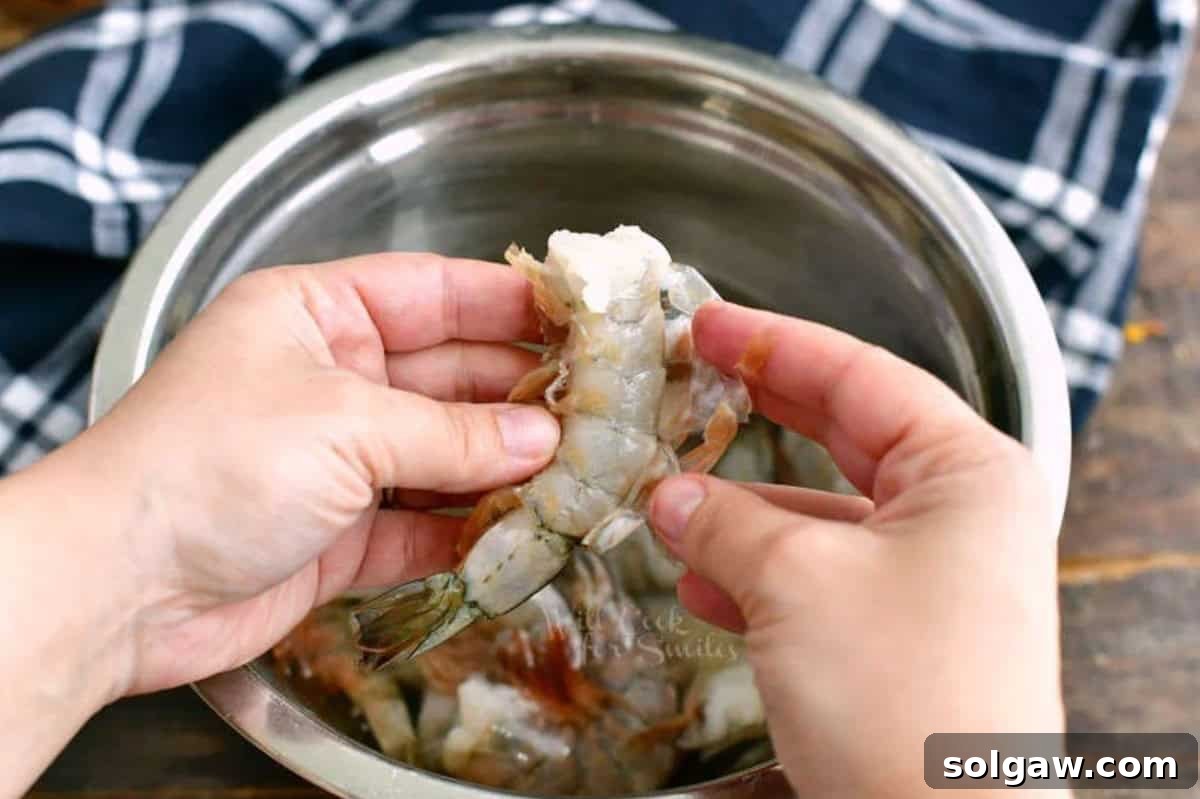
How to Peel and Devein Shrimp: A Step-by-Step Guide
Preparing shrimp at home not only saves you money but also ensures you’re working with the freshest possible ingredients. Follow these easy steps to get your shrimp ready for any recipe.
Step 1: Preparing Your Workspace and the Shrimp
- **Gather Your Tools:** You’ll need a small paring knife or a specialized shrimp deveiner tool, a bowl for the cleaned shrimp, and another bowl for the discarded shells and heads. Having a cutting board or a clean, non-slip surface is also helpful.
- **Rinse the Shrimp:** Before you begin, give your shrimp a quick rinse under cold water. This helps remove any loose debris.
- **Handle Cold:** It’s best to keep shrimp as cold as possible during preparation. Consider working in small batches or keeping a bowl of ice nearby to place the peeled shrimp into if you’re cleaning a large quantity.
Step 2: Removing the Head (If Present)
If your shrimp still have their heads attached, don’t fret! This is the easiest part of the process.
- **Grip Firmly:** Hold the shrimp body in one hand and the head in the other, right where it connects to the body.
- **Twist and Pull:** With a firm but gentle twisting motion, pull the head away from the body. It should come off easily. Place the heads in your discard bowl.
Many chefs prefer shrimp with heads on for certain dishes, especially for presentation or to make a rich seafood stock. However, for most home cooking, removing the head is standard practice.
Step 3: Peeling the Shell
The shrimp’s shell acts as its protective armor, but it’s designed to come off with minimal effort.
- **Start from the Legs:** Begin peeling the shell from the underside of the shrimp, where the tiny legs are located. This area is softer and provides a natural starting point.
- **Crack and Pull:** Gently crack the shell along the underside and work your way around the body. You might feel a slight resistance, especially with larger shrimp that tend to have tougher shells. Be assertive, but avoid tearing the delicate meat.
- **Tail On or Off?** You have the option to leave the tail segment of the shell on or remove it completely.
- **Tail On:** Leaving the tail on often makes for a beautiful presentation, particularly in dishes like shrimp cocktail or grilled shrimp skewers. It also provides a convenient handle for eating.
- **Tail Off:** For dishes like shrimp scampi, curries, or salads, removing the tail makes the shrimp much easier to eat and integrate into the dish. To remove the tail, simply pinch it firmly between your fingers and slide it off the end of the shrimp meat.
- **Discard Shells:** Place all removed shells into your discard bowl. Remember, these shells are a treasure trove of flavor and shouldn’t be thrown away! (More on this later).
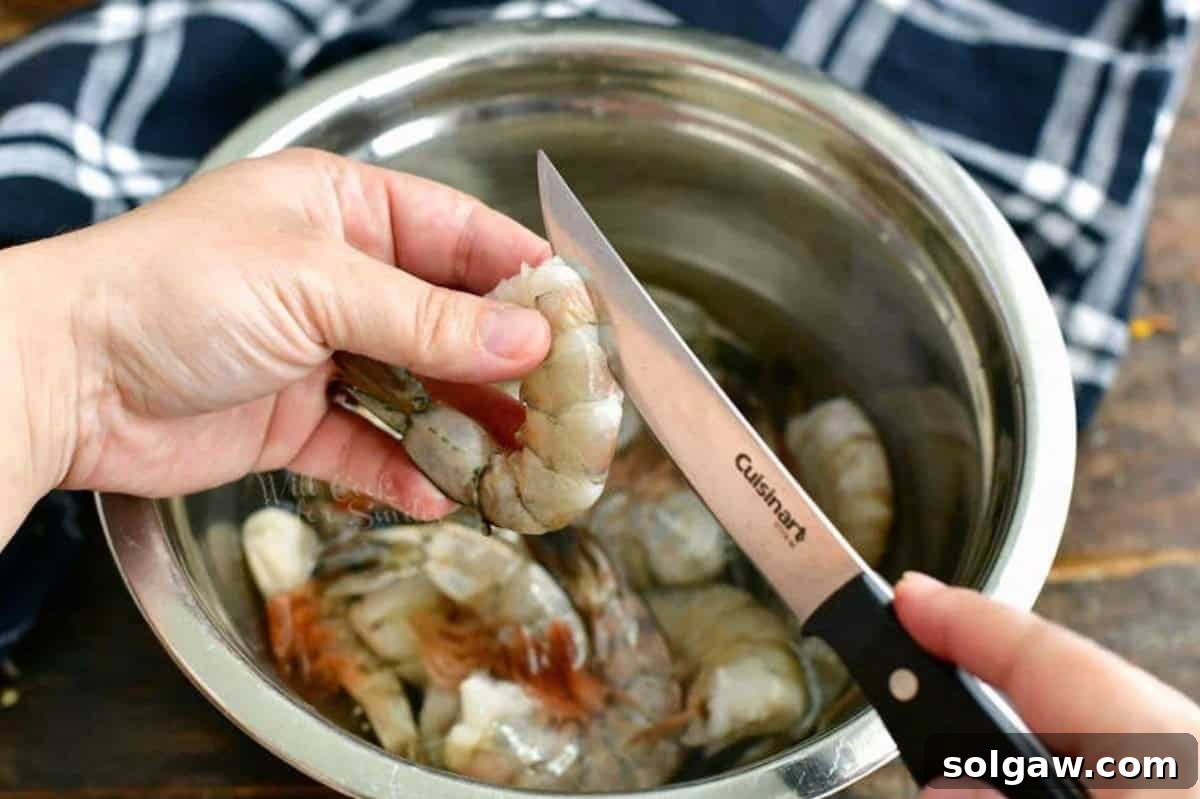
Step 4: Deveining the Shrimp
This step is often considered the most crucial for both aesthetics and hygiene. The “vein” is actually the shrimp’s digestive tract, and removing it significantly improves the eating experience.
- **Locate the Vein:** Hold the peeled shrimp with its back facing upwards. You’ll typically see a thin, dark line running along the back of the shrimp, just beneath the surface. This is the digestive tract.
- **Make a Shallow Cut:** Using a sharp paring knife or a shrimp deveining tool, make a very shallow incision along the top of the shrimp’s back, from the neck area down to the tail. The goal is to cut just through the top layer of flesh, exposing the vein without cutting too deeply into the meat.
- **Extract the Vein:** Once the vein is exposed, use the tip of your knife or your fingers to gently lift and pull it out. It might be a dark, long string or sometimes a thicker, more visible string.
- **What if there’s no visible vein?** Don’t worry if some shrimp don’t have a prominent or visible dark vein. This simply means they had little content in their digestive tract at the time of harvest. You still want to make the shallow cut and rinse the area, just in case.
- **Rinse Thoroughly:** After deveining, rinse each shrimp under a gentle stream of cold water. This washes away any remaining bits of the vein or other impurities. Place the cleaned shrimp into your clean bowl.
And there you have it! Your shrimp are now perfectly peeled and deveined, ready for cooking, marinating, or freezing.
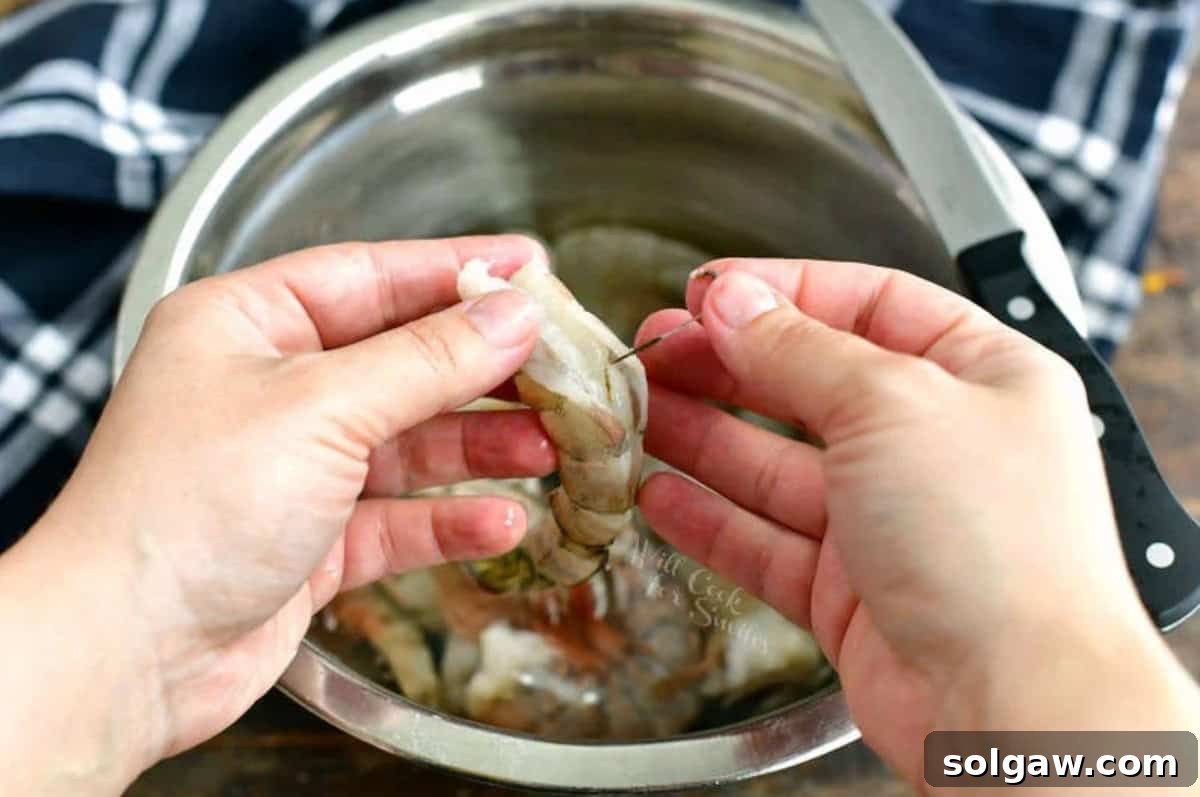
Why Is Peeling and Deveining Shrimp So Important?
You might have heard the old adage, “Leave the shell on for more flavor!” While shrimp shells *do* contribute flavor during cooking (especially in stocks), eating them with the digestive tract intact is generally not recommended. Here’s why:
- **Hygiene and Taste:** The dark “vein” is, in fact, the shrimp’s intestinal tract. Depending on what the shrimp ate before it was caught, this tract can be filled with gritty sand, mud, or other digestive contents. Eating this can result in an unpleasant gritty texture and a sometimes bitter or off-putting taste in your dish. Removing it ensures a cleaner, more palatable eating experience.
- **Aesthetics:** A dark vein running through a cooked shrimp can be visually unappealing, especially when serving guests. Cleaning the shrimp results in beautiful, uniformly colored, and pristine pieces of seafood.
- **Texture:** While the shell offers some protection, it doesn’t always provide the best texture for direct consumption in many dishes. Removing it allows the delicate shrimp meat to absorb flavors more effectively and cook more evenly.
While peeling and deveining a pound or two of shrimp can feel like a tedious task, it is undeniably a necessary step for optimal taste, texture, and enjoyment of your seafood meal. The effort truly pays off in the quality of your finished dish.
Maximizing Flavor: Don’t Discard Those Shrimp Shells!
One of the best chef’s secrets for elevating seafood dishes is to utilize shrimp shells. Instead of throwing them away, transform them into a rich, flavorful seafood stock!
**How to Make Shrimp Stock:**
Simply simmer the collected shrimp shells (and heads, if you removed them) in a pot with water, a few aromatics like onion, celery, carrots, and perhaps some parsley or peppercorns. Let it gently simmer for about 20-30 minutes, then strain. You’ll be left with a fragrant, deeply flavored broth that can be used immediately or frozen for later.
**Recipes That Benefit:**
This homemade shrimp stock is a game-changer for countless recipes. Use it as the base for:
- Creamy shrimp risotto
- Hearty shrimp gumbo or bisque
- Flavorful shrimp salads (use stock for dressing or poaching)
- Seafood paella or pasta sauces
- Any dish where you want to amplify that delicious, fresh shrimp essence.
Cooking Your Perfectly Cleaned Shrimp
Once your shrimp are peeled and deveined, they are incredibly versatile and cook remarkably fast. Regardless of your chosen method, shrimp typically takes only 3-5 minutes to cook to perfection. Larger shrimp might need an extra minute, while smaller varieties will cook even quicker.
Here are some popular ways to cook shrimp:
- **Stove-Top Sauté:** Quickly cook shrimp in a hot skillet with butter, garlic, and herbs for a fast and delicious meal. Try classics like Shrimp Alfredo or comforting Shrimp and Grits.
- **Grilling:** Shrimp takes beautifully to the grill, developing a lovely smoky flavor and char. Marinate them first for extra zest! Popular options include Cajun Grilled Shrimp, Cedar Plank Shrimp, or Spicy Grilled Shrimp.
- **Frying:** For a crispy treat, bread and fry your shrimp. This method is excellent for appetizers or a fun main course.
- **Baking:** Baking shrimp in the oven is a hands-off approach, perfect for sheet pan dinners or when you want to minimize oil.
Shrimp also shines in cold preparations and appetizers, such as a zesty Cajun Shrimp Dip or a refreshing Avocado Shrimp Salad.
What If You Still Prefer Shrimp in the Shell?
Sometimes, the aesthetic or traditional preparation calls for shrimp cooked in their shells, such as in a classic shrimp boil or a rich Paella. You can still enjoy the added flavor and presentation of shell-on shrimp without the grit of an uncleaned digestive tract.
- **Look for Pre-Deveined, Shell-On Shrimp:** Many grocery store seafood departments now offer shrimp that have been deveined but still retain their shells and heads (if desired). This is a convenient option if you want the shell-on experience without the extra prep work.
- **Devein Shell-On Shrimp at Home:** With a little finesse and the right tool, you can also devein shrimp at home while keeping the shell intact.
- **Use Kitchen Shears:** Acquire a pair of thin, sharp kitchen shears.
- **Cut Along the Back:** Carefully cut through the shell along the back of the shrimp, from just behind the head all the way to the tail. Make sure to cut through the thin layer of skin beneath the shell as well.
- **Remove the Vein:** Once the cut is made, the digestive tract will be exposed. Use the tip of your shears or a small knife to gently lift and remove the vein.
- **Rinse:** Rinse the shrimp thoroughly under cold running water to wash away any remaining impurities.
This method allows the shells to impart flavor during cooking while ensuring a clean and enjoyable bite.
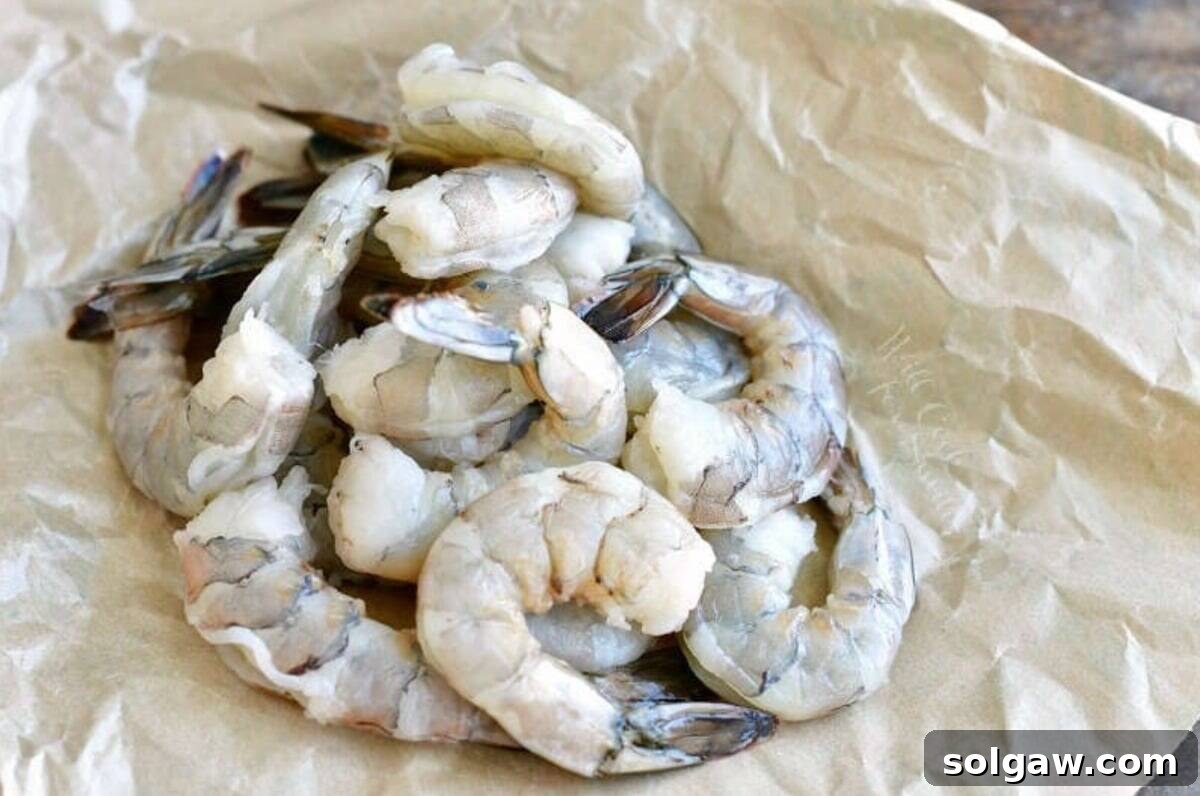
Common Mistakes to Avoid When Cleaning Shrimp
- **Cutting Too Deeply:** When deveining, a common mistake is cutting too deeply into the shrimp meat. A shallow cut is all that’s needed to expose the vein. Deep cuts can damage the shrimp’s structure and lead to overcooking in that area.
- **Not Rinsing Enough:** Insufficient rinsing after deveining can leave behind small bits of the digestive tract or sand, diminishing the cleaning effort. Always rinse thoroughly under cold water.
- **Over-Handling:** While shrimp cleaning requires a firm hand, try to avoid excessive squeezing or tearing, which can bruise the delicate meat.
- **Discarding Shells:** As mentioned, throwing away shells means missing out on incredible flavor for homemade stocks. Always save them!
Storing Your Cleaned Shrimp
Once peeled and deveined, shrimp are highly perishable. Proper storage is key to maintaining their freshness:
- **Refrigeration:** Place cleaned shrimp in a bowl, covered with ice or sealed in an airtight container, and refrigerate immediately. Use within 1-2 days for best quality.
- **Freezing:** For longer storage, arrange cleaned shrimp in a single layer on a baking sheet and freeze until solid. Then, transfer them to an airtight freezer-safe bag or container. This prevents them from sticking together. Shrimp can be frozen for up to 3-6 months. Thaw overnight in the refrigerator before use.
By following these steps and tips, you’ll soon be a shrimp-cleaning pro, enjoying fresher, tastier, and more economical shrimp in all your favorite recipes.
DID YOU MAKE THIS RECIPE? PLEASE leave a 🌟 star rating! Let me know how you liked it by leaving a 📝 comment below or share and tag me on social media @willcookforsmiles. DON’T FORGET to subscribe to my newsletter!
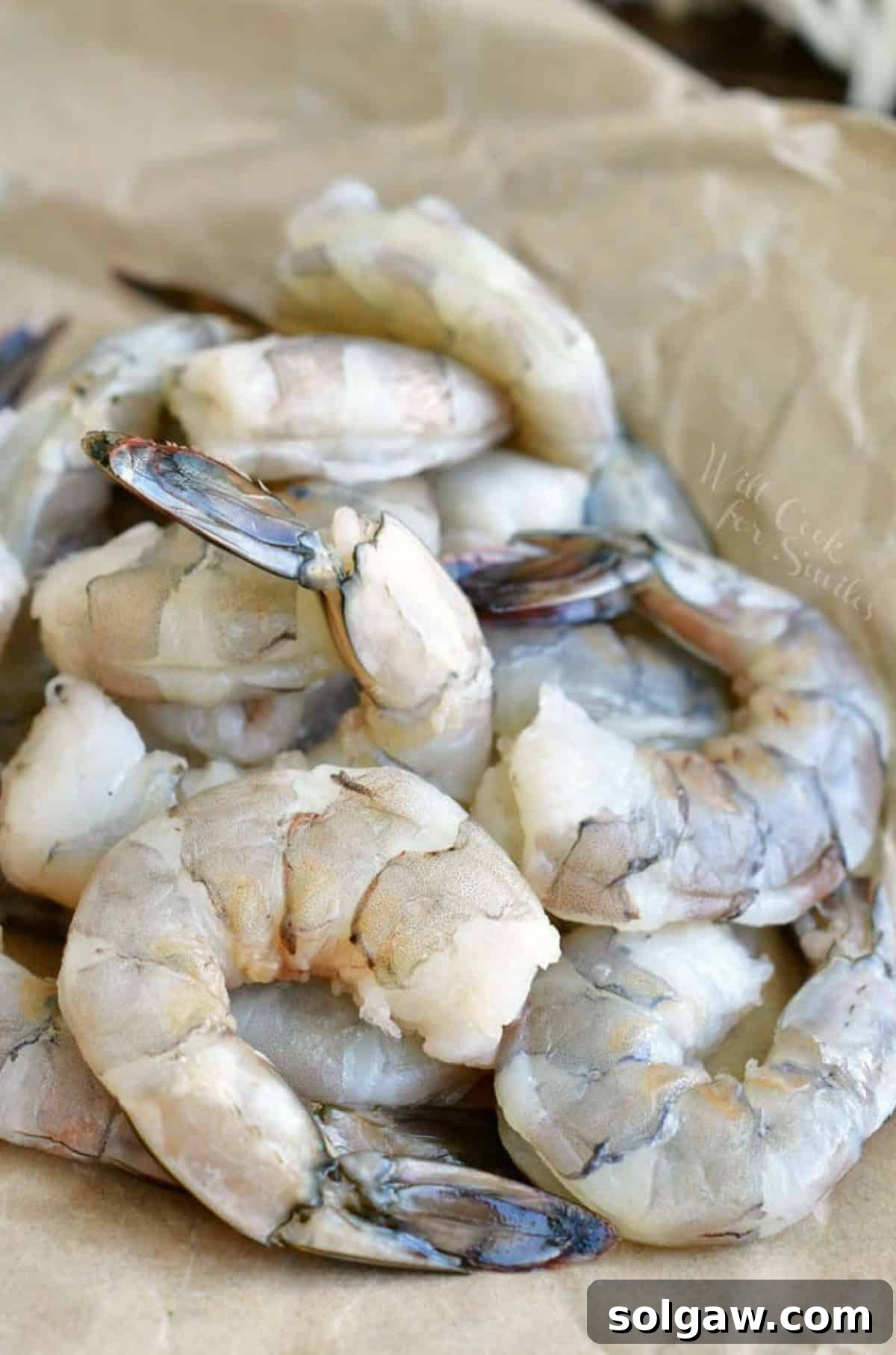
How To Peel and Devein Shrimp
Print Recipe
Pin Recipe
Equipment
- Paring knife
- Bowl for cleaned shrimp
- Bowl for cold water/discard
Ingredients
- 1 lb shrimp in shell (or any desired amount of fresh, uncleaned shrimp)
Instructions
To Peel The Shrimp:
- If the head is still attached, remove it. Grasp the shrimp body firmly in one hand and the head where it joins the body with the other. Use a gentle twisting motion to pull the head off the body.
- Begin peeling the shell from the underside of the shrimp, near the legs. Gently crack and pull the shell off the meat, working from the legs towards the tail. Be firm, as larger shrimp may have tougher shells.
- Decide whether to leave the tails on or remove them. Leaving tails on offers a nice presentation, but removing them makes shrimp easier to eat.
- If removing the tail, pinch the very end of the tail segment with your fingers and slide it off the shrimp meat.
To Devein Shrimp:
- Using a sharp paring knife or a small, thin knife, make a shallow slice along the back of the shrimp, just through the top layer of skin. This will expose the dark digestive tract (the “vein”).
- Once you see the dark string (which can vary in size and visibility), use the tip of your knife or your fingers to gently pull it out of the shrimp. If no vein is visible, simply rinse the cut area thoroughly with cold water.
- Rinse each cleaned shrimp under a gentle stream of cold water to wash away any remaining impurities. Your shrimp are now ready to cook or marinate.
Video
A video tutorial for peeling and deveining shrimp would typically appear here.
Notes
- **Cooking Shrimp:** Shrimp cooks very quickly, typically in 3-5 minutes, depending on its size and the cooking method. Avoid overcooking, as it can lead to tough, rubbery shrimp.
- **Keeping Shell On and Deveining:** If you wish to cook shrimp with the shell on, you can still devein them. Use thin kitchen shears to cut through the shell along the back of the shrimp, from neck to tail. Then, carefully remove the vein and rinse under cold water.
- **Shrimp Shells for Stock:** Don’t throw away the removed shrimp shells! They make an excellent, flavorful stock that can be used in risottos, soups, sauces, and other seafood dishes.
Nutrition
Tried this recipe?
Mention @willcookforsmiles or tag #willcookforsmiles!