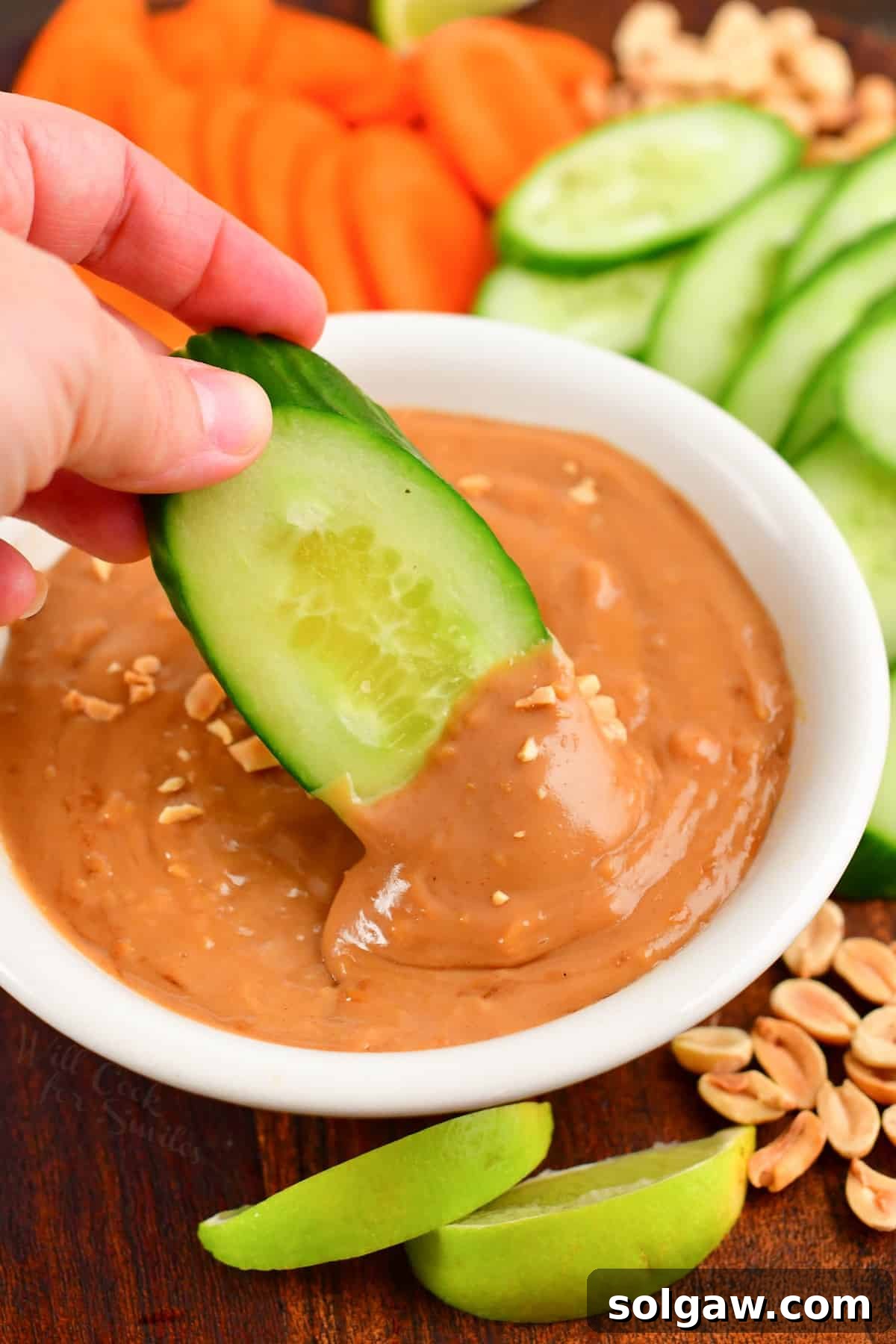
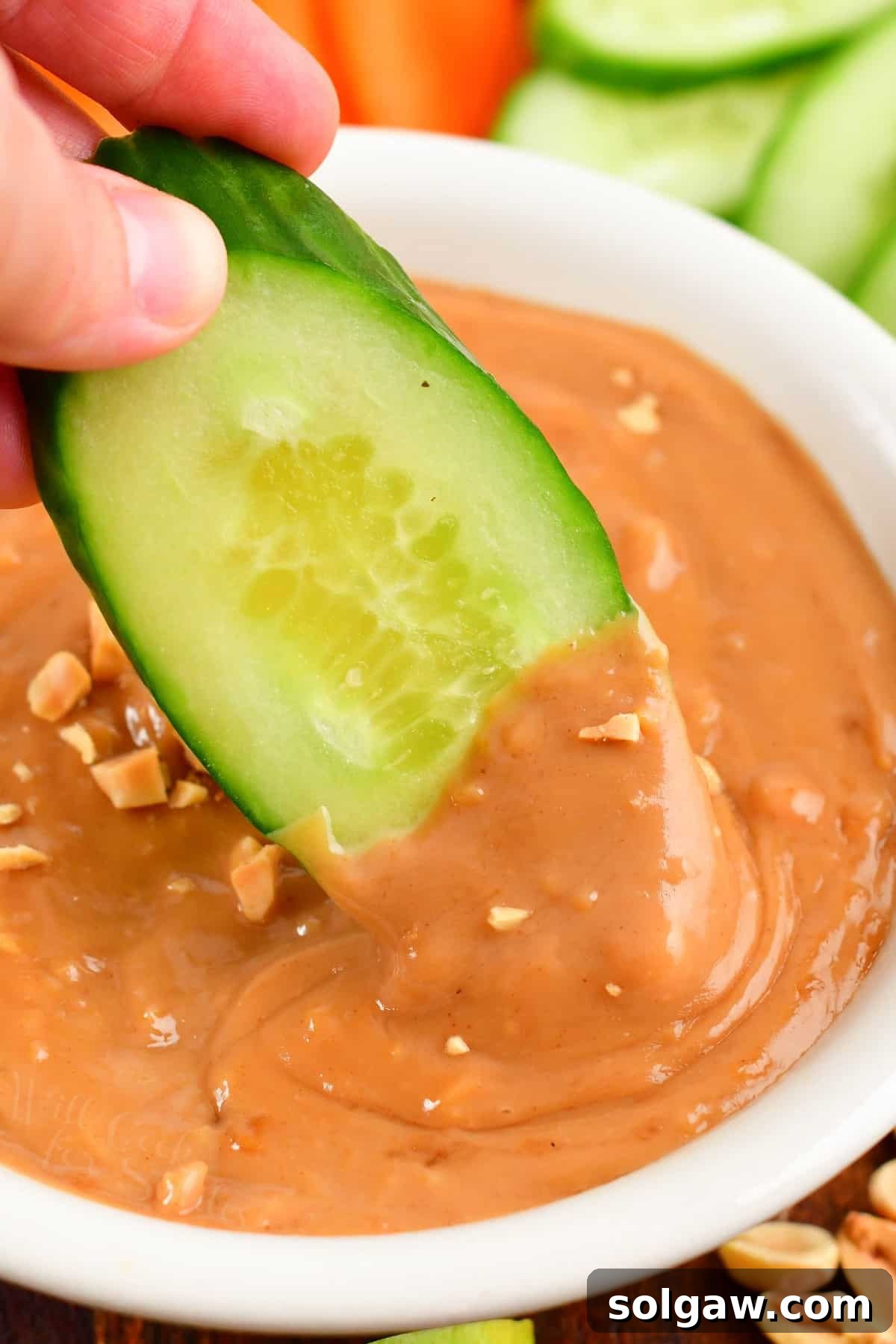
There are few condiments as universally beloved and incredibly versatile as a perfectly crafted peanut sauce. Its rich, creamy texture and harmonious blend of sweet, savory, tangy, and sometimes spicy notes make it an irresistible addition to countless dishes. While many might associate it primarily with Thai cuisine or the classic chicken satay, its applications stretch far beyond, transforming simple meals into extraordinary culinary experiences. If you’ve yet to discover the magic of homemade peanut sauce, prepare to embark on a delicious journey – because this easy recipe is about to become your new kitchen essential.
Easy Homemade Peanut Sauce: A Versatile Thai-Inspired Delight
Peanut sauce, often referred to as “satay sauce,” holds a cherished place in Southeast Asian culinary traditions, particularly in Thailand, Indonesia, and Malaysia. Traditionally, it’s made by grinding and roasting fresh peanuts, creating a deeply aromatic and textural base. However, our streamlined recipe embraces a “Western take” by utilizing creamy peanut butter, making it remarkably quick and simple to prepare without compromising on that authentic, complex flavor profile. This adaptation ensures that anyone, regardless of their culinary skill level, can whip up a batch of this exquisite sauce in just about 5 minutes.
Across Southeast Asia, you’ll find delightful regional variations, each boasting unique ingredient twists. Indonesian versions might incorporate candlenuts for extra richness, while Malaysian renditions could feature a bolder chili kick. Our recipe captures the essence of this beloved classic, delivering a creamy, subtly sweet yet savory sauce that’s both quick to make and bursting with a depth of flavor that will have you coming back for more.
The Irresistible Versatility of Peanut Sauce
Thinking peanut sauce is just for chicken satay? Think again! This smooth, rich, and perfectly balanced sauce is a culinary chameleon, capable of elevating a vast array of dishes. Its unique blend of nutty sweetness, tangy zest, and umami depth allows it to pair exquisitely with almost anything you can imagine. Its versatility is truly one of its greatest assets, making it a staple in many home kitchens.
Beyond the Skewer: Creative Ways to Enjoy Peanut Sauce
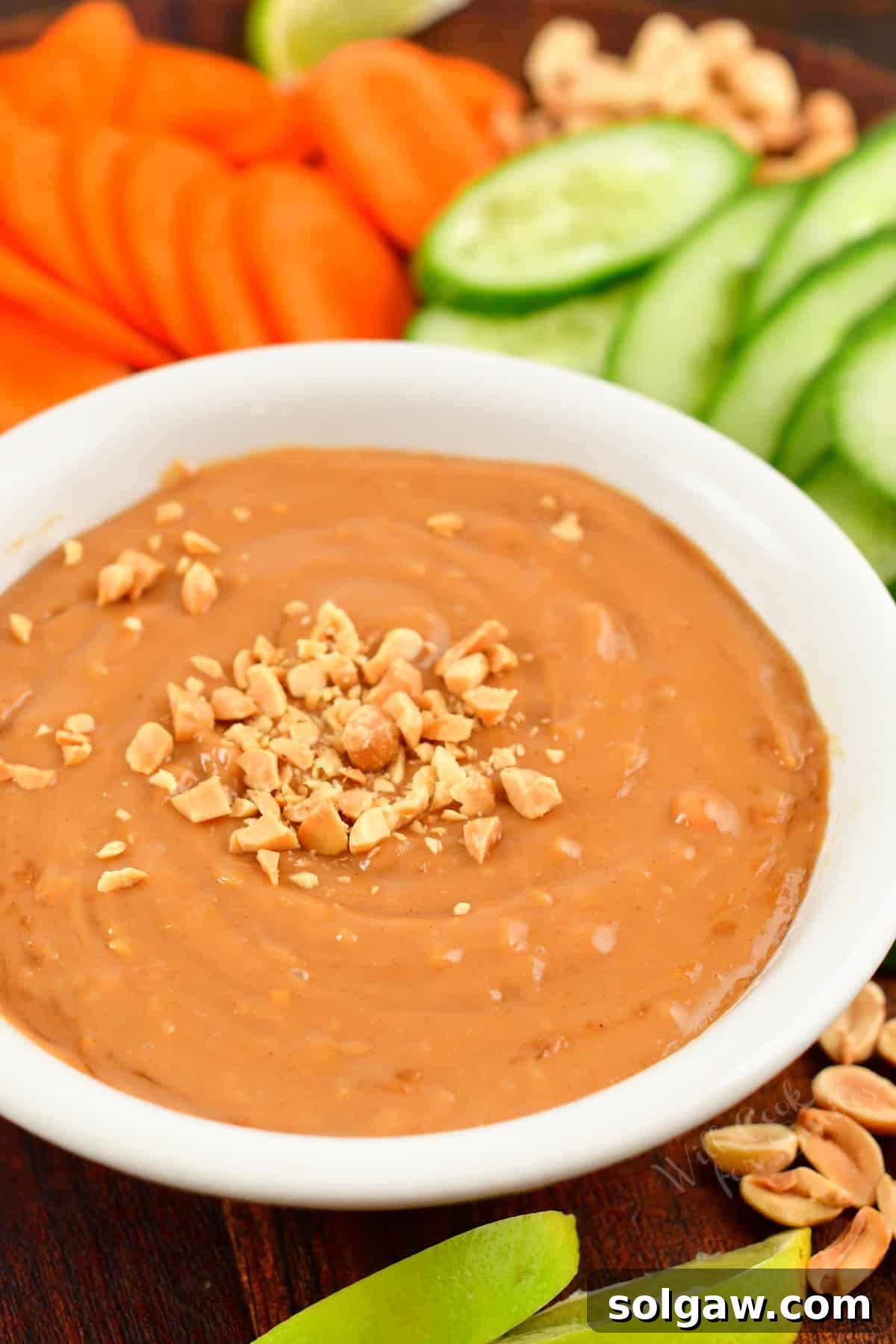
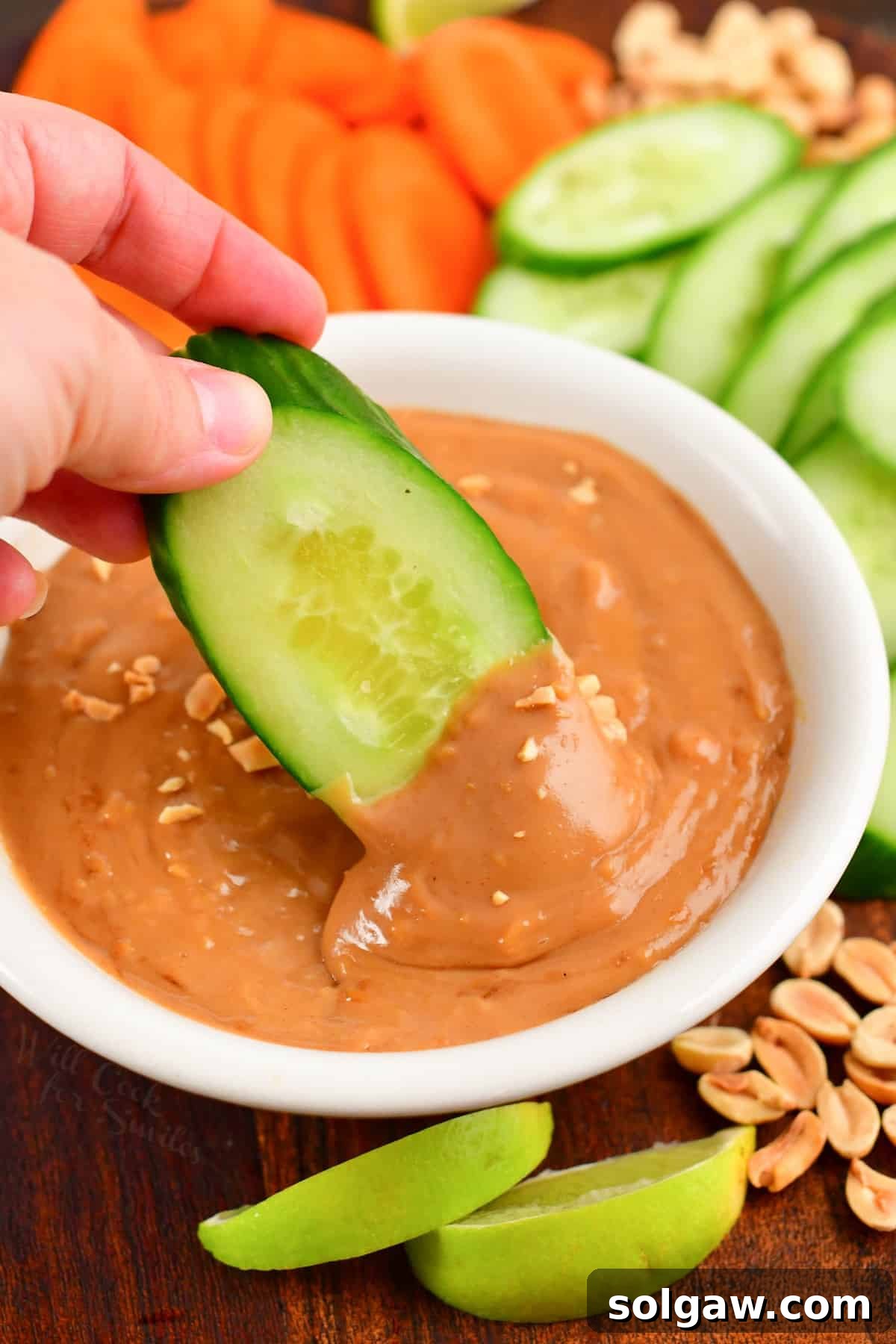
- A Perfect Dipping Companion: Transform your appetizer game! This sauce is an absolute dream for dipping fresh vegetables like crisp cucumber slices, crunchy carrots, vibrant bell peppers, or celery sticks. It also pairs beautifully with fresh Thai spring rolls, creating a delightful contrast between the fresh herbs and the rich sauce. Don’t forget crispy rice crackers or even simple breadsticks for an easy snack.
- Elevate Your Noodle Dishes: Whether you’re tossing it with warm noodles for a quick and satisfying meal or chilling it for a refreshing cold peanut noodle salad, the creamy sauce coats each strand perfectly, delivering an explosion of flavor in every bite. It’s an instant upgrade for leftover pasta or Asian-style noodles.
- The Ultimate Salad Dressing: For a lighter application, simply thin the sauce with an extra splash of coconut milk or water to achieve your desired consistency. It makes for an incredibly flavorful and unique salad dressing, especially delicious over Asian-inspired salads with grilled chicken, shrimp, or tofu and plenty of fresh greens.
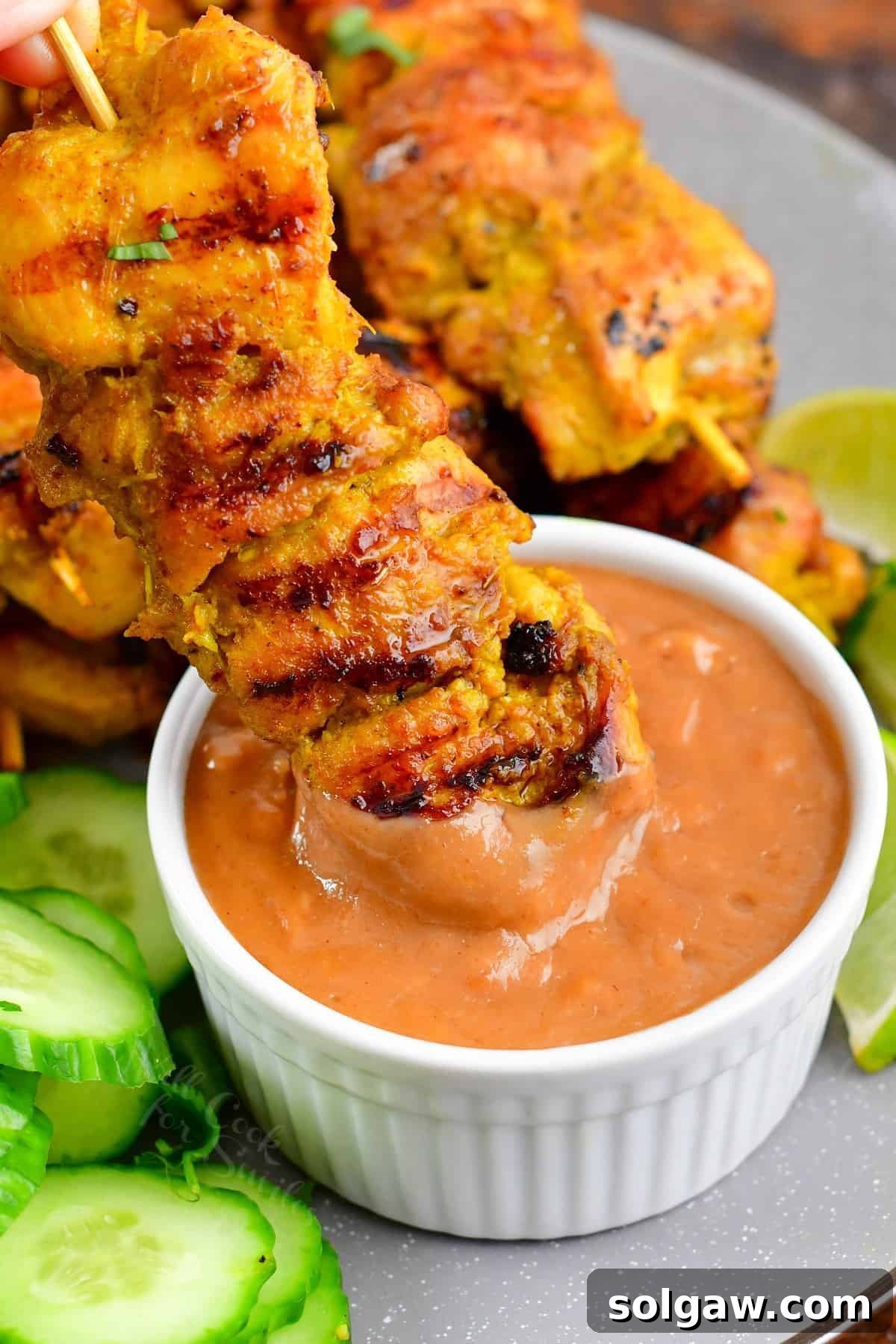
- Marinade Magic: Infuse incredible flavor into your proteins! Use this peanut sauce as a marinade for chicken, pork, beef, tofu, or shrimp before grilling, baking, or stir-frying. The tenderizing properties of the lime juice and the deep flavors of the sauce will create mouthwatering results. It’s the secret to truly succulent chicken satay.
- Lettuce Wraps and More: Spoon it into vibrant lettuce wraps with your favorite fillings for a fresh and crunchy meal. It’s also fantastic drizzled over grilled coconut shrimp, adding a layer of rich, tropical flavor.
- Stir-Fry Enhancer: A dollop of peanut sauce can take a simple stir-fry from good to gourmet. Stir it in at the end of cooking for a creamy, savory finish that binds all the ingredients together.
Crafting Your Perfect Peanut Sauce: A Simple Guide
This recipe is designed for maximum flavor with minimal effort, coming together in just a few minutes of active cooking. The key lies in combining quality ingredients and a gentle simmering process to allow the flavors to meld beautifully.
Essential Ingredients for an Authentic Flavor
While the beauty of this sauce lies in its simplicity, selecting the right ingredients can make a noticeable difference:
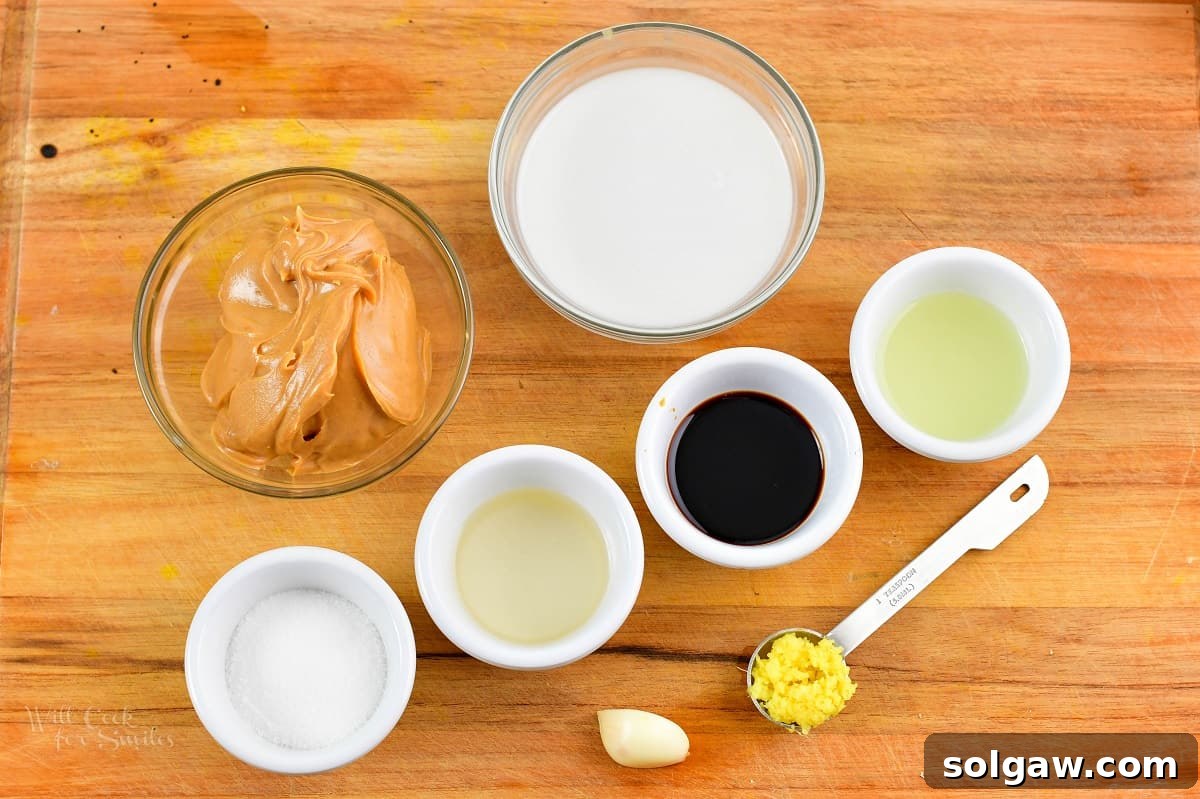
- Unsweetened Coconut Milk: Opt for full-fat coconut milk in a can for the richest, creamiest texture. Always remember to whisk the contents of the can vigorously as soon as you open it. Coconut milk naturally separates into a thick cream on top and a watery liquid below, and whisking ensures you get a homogenous mixture for a consistently smooth sauce.
- Creamy Peanut Butter: The star of the show! Choose a good quality, creamy peanut butter. Natural peanut butter (with just peanuts and salt) works wonderfully, but conventional creamy peanut butter is also fine. Avoid heavily sweetened or flavored varieties to control the sugar content yourself.
- Rice Vinegar: This adds a crucial tang that balances the sweetness and richness of the peanut butter. Don’t skip it, as it brightens the entire flavor profile.
- Low Sodium Soy Sauce: Provides the essential umami and saltiness. If you’re following a gluten-free diet, make sure to use a certified gluten-free soy sauce, tamari, or coconut aminos.
- Fresh Lime Juice: Freshly squeezed lime juice is non-negotiable! Its bright, zesty acidity elevates all the other flavors, adding a wonderful freshness that dried lime juice simply cannot replicate.
- Fresh Garlic and Ginger: These aromatics are fundamental to Southeast Asian cuisine. Freshly minced garlic and grated ginger provide a pungent warmth and depth that processed powders can’t match.
- White Granulated Sugar: A touch of sugar enhances the overall flavor, balancing the savory and tangy notes. You can adjust the amount to your preference or substitute with a liquid sweetener like honey or maple syrup if desired.
Step-by-Step Preparation
- Prepare Your Coconut Milk: As mentioned, canned unsweetened coconut milk naturally separates. Before measuring, give the entire contents of the can a thorough whisk until it is completely smooth and uniform. This prevents clumps and ensures a silky sauce.
- Combine All Ingredients: In a small to medium saucepan, combine the whisked coconut milk, creamy peanut butter, rice vinegar, low sodium soy sauce (or gluten-free alternative), fresh lime juice, minced garlic, grated fresh ginger, and granulated sugar.
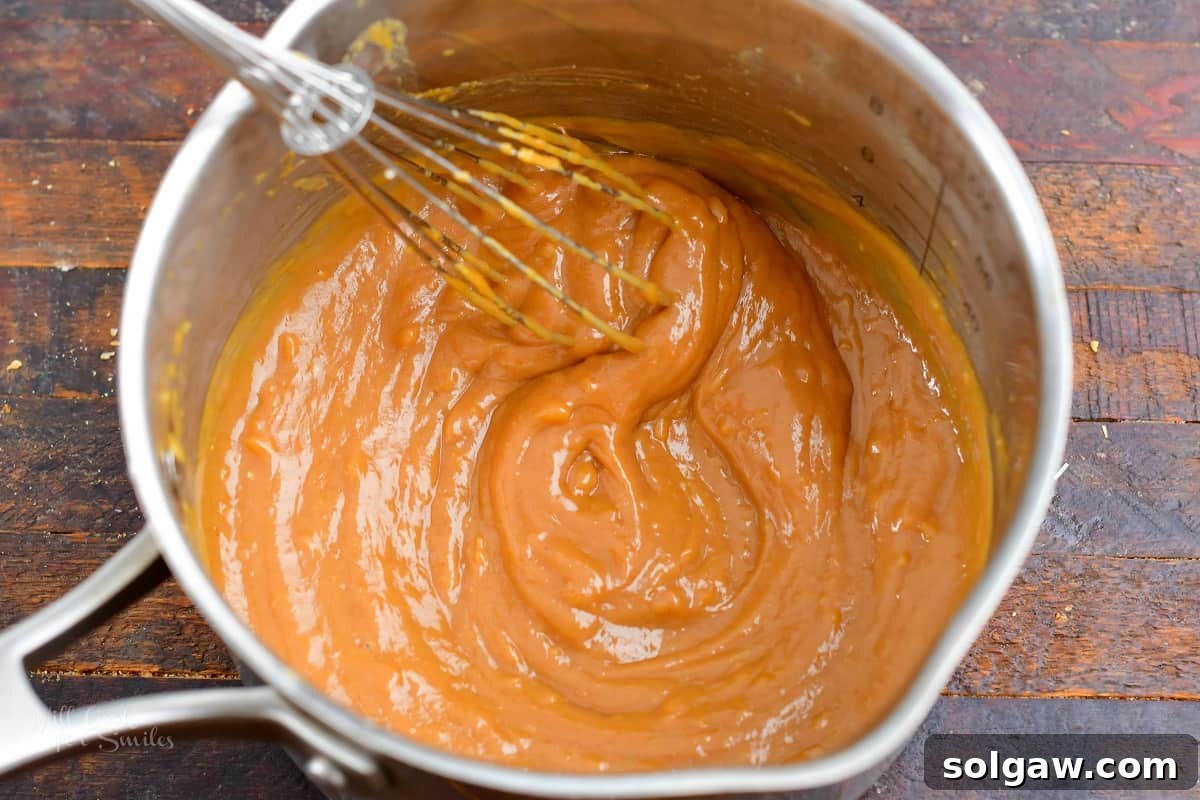
- Gently Heat and Whisk: Place the saucepan over medium-low to medium heat. Begin whisking all the ingredients together slowly but continuously. The goal is to gently warm the sauce and fully incorporate the peanut butter and other components, creating a perfectly smooth mixture. Keep whisking to prevent the peanut butter from sticking to the bottom or scorching.
- Simmer and Serve: Continue to heat and whisk until the sauce just begins to simmer, meaning you’ll see the first few small bubbles appear around the edges. As soon as it reaches this point, immediately remove the sauce from the heat. Overcooking can cause the sauce to become too thick or the oils to separate. Your delicious peanut sauce is now ready to be enjoyed!
Storing and Reheating Your Homemade Peanut Sauce
Making a batch of peanut sauce often means you’ll have leftovers, and proper storage is key to enjoying its fresh taste for days to come. Knowing how to store and reheat it correctly will ensure you can savor this versatile condiment whenever the craving strikes.
Storage Best Practices
- Refrigeration is Key: Any leftover peanut sauce must be stored in an airtight food storage container with a tight-fitting lid. It is crucial to keep this sauce in the refrigerator and never at room temperature, as it contains dairy (coconut milk can spoil) and other perishable ingredients.
- Shelf Life: When properly stored in the refrigerator, your homemade peanut sauce should remain fresh and delicious for up to one week. Always give it a sniff and a visual check before using it after a few days.
Reheating for Perfect Consistency
- Avoid the Microwave: While convenient for many foods, a microwave is not your friend when reheating peanut sauce. Uneven heating can cause the oils to separate aggressively and lead to a rubbery or unappetizing texture.
- Stovetop Method is Best: To reheat, simply transfer your leftover sauce to a small saucepan. Warm it gently over medium-low to low heat, whisking slowly and continuously. This even heating allows the sauce to come back to its creamy consistency without issues.
- Dealing with Oil Separation: It’s quite common for peanut sauce, especially those made with natural peanut butter, to experience some oil separation when cooled or reheated. If you notice the oils starting to separate, don’t fret! Simply whisk quickly and vigorously for a few seconds. This helps to emulsify the sauce back into its smooth, creamy state. If the sauce becomes too thick during reheating, add a small splash of water or coconut milk, a tablespoon at a time, until your desired consistency is achieved.
Peanut Sauce Recipe
Peanut Sauce is a simple and amazingly tasty condiment that is smooth, sweet, savory, and pairs perfectly with many dishes. All you need is a handful of simple ingredients like peanut butter, coconut milk, soy sauce, rice vinegar, lime juice, garlic, ginger, and a pinch of sugar, and about 5 minutes of your time!
Average Rating: 5 stars from 1 vote.
Print Recipe
Side Dish
Thai
2 minutes
3 minutes
5 minutes
8 (Makes a little over a cup)
140 kcal
Lyuba Brooke
Ingredients
- 1/2 cup unsweetened coconut milk
- 1/2 cup creamy peanut butter
- 2 tbsp rice vinegar
- 2 tbsp low sodium soy sauce (use gluten-free if needed)
- 2 tbsp fresh lime juice
- 1 garlic clove (minced)
- 1 tsp grated fresh ginger
- 1 tbsp white granulated sugar
Instructions
-
Coconut milk note: When you first open a can of unsweetened coconut milk, it will likely be separated into solids on top and liquids below. Make sure to scrape everything out of the can and whisk it thoroughly until it’s completely combined and smooth before measuring and using.
-
Combine all of the ingredients (whisked coconut milk, peanut butter, rice vinegar, soy sauce, lime juice, garlic, ginger, and sugar) in a medium saucepan. Start to whisk them together slowly over medium to medium-low heat. Continue whisking until the mixture is smooth and all ingredients are well combined.
-
Keep stirring slowly as you heat the sauce, just until it begins to simmer. As soon as the first bubbles appear around the edges of the pot, immediately remove the sauce from the heat to prevent over-thickening or oil separation. Serve warm or at room temperature.
Notes
Gluten-Free Option: This sauce can easily be made gluten-free by swapping out the low sodium soy sauce for certified gluten-free soy sauce, tamari, or even coconut aminos! Always check the labels, as many people don’t realize that traditional soy sauce contains wheat, making it unsuitable for a gluten-free diet.
Spice It Up: For those who love a bit of heat, consider adding 1/2 to 1 teaspoon of sriracha or chili garlic sauce along with the other ingredients. Taste and adjust to your preferred level of spiciness.
Added Texture: If you enjoy a bit of crunch, stir in a tablespoon or two of finely chopped roasted peanuts just before serving.
Nutrition
Calories:
140
kcal
|
Carbohydrates:
6
g
|
Protein:
5
g
|
Fat:
12
g
|
Saturated Fat:
5
g
|
Polyunsaturated Fat:
2
g
|
Monounsaturated Fat:
4
g
|
Sodium:
210
mg
|
Potassium:
158
mg
|
Fiber:
1
g
|
Sugar:
4
g
|
Vitamin A:
2
IU
|
Vitamin C:
2
mg
|
Calcium:
12
mg
|
Iron:
1
mg
Tried this recipe? Mention @willcookforsmiles or tag #willcookforsmiles!
More Thai-Inspired Recipes You Must Try
If you’ve fallen in love with the vibrant flavors of Thai cuisine through this peanut sauce, here are some other incredible recipes to explore:
- Thai Pineapple Fried Rice
- Khao Pad (Thai Fried Rice)
- Homemade Thai Green Curry Paste
- Creamy Green Chicken Curry
- Authentic Pad See Ew
Whipping up your own homemade peanut sauce is not just incredibly easy, but it opens up a world of culinary possibilities. From simple dips to sophisticated main courses, its rich, balanced flavor profile is sure to delight. So grab your ingredients, spend a few minutes at the stove, and prepare to elevate your everyday meals with this irresistible Thai-inspired condiment!