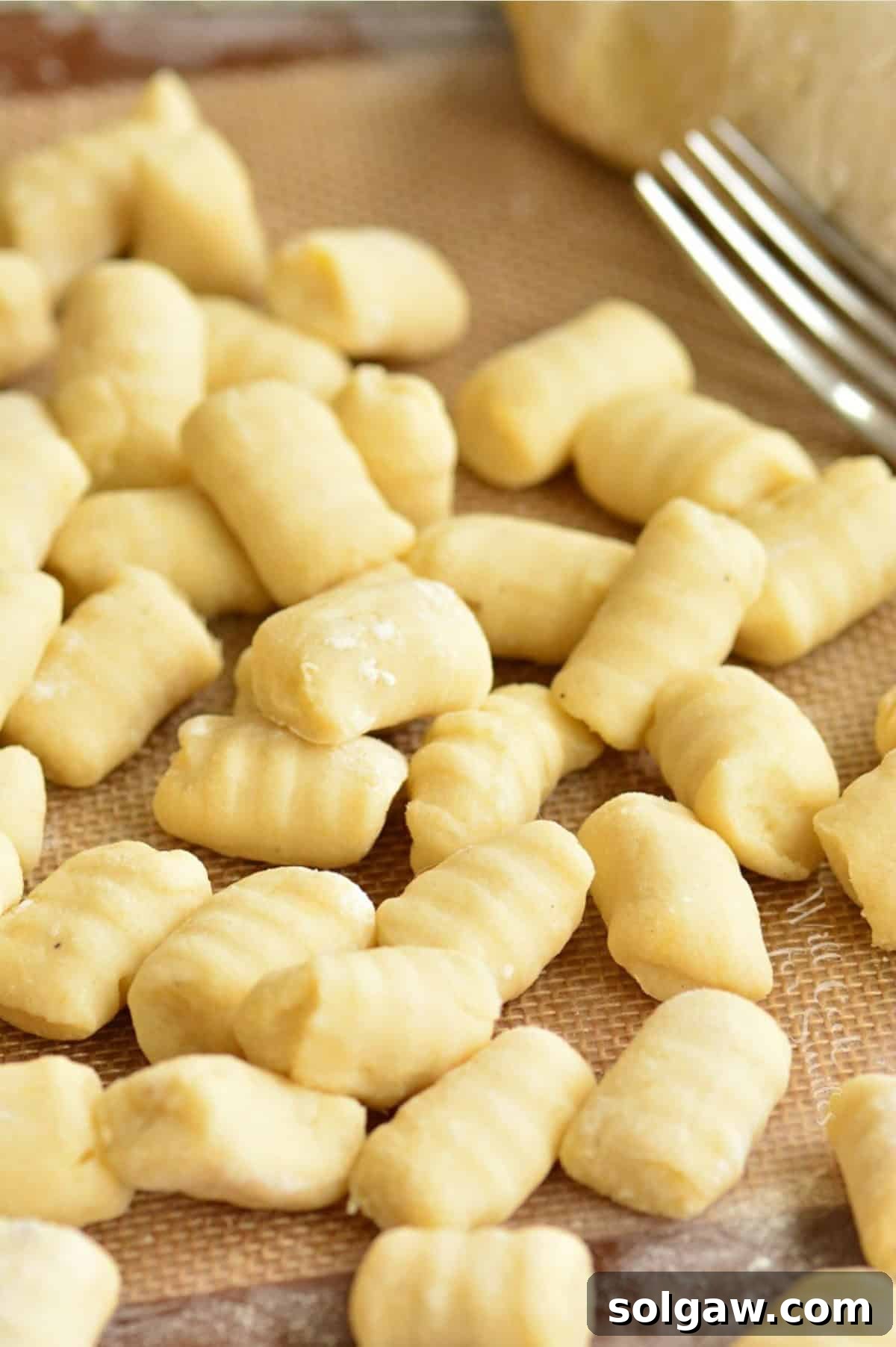
Gnocchi is far more than just pasta; it’s a testament to simple Italian comfort food, a culinary embrace that warms the soul. These delightful, soft, and pillowy dumplings, traditionally crafted from humble potatoes, offer an unparalleled texture and a canvas for an endless variety of dishes. Mastering the art of homemade gnocchi at home is a rewarding journey, opening doors to authentic Italian flavors right in your kitchen. This comprehensive guide will walk you through every step, from selecting the perfect potatoes to effortlessly freezing your extra batches for future quick meals.
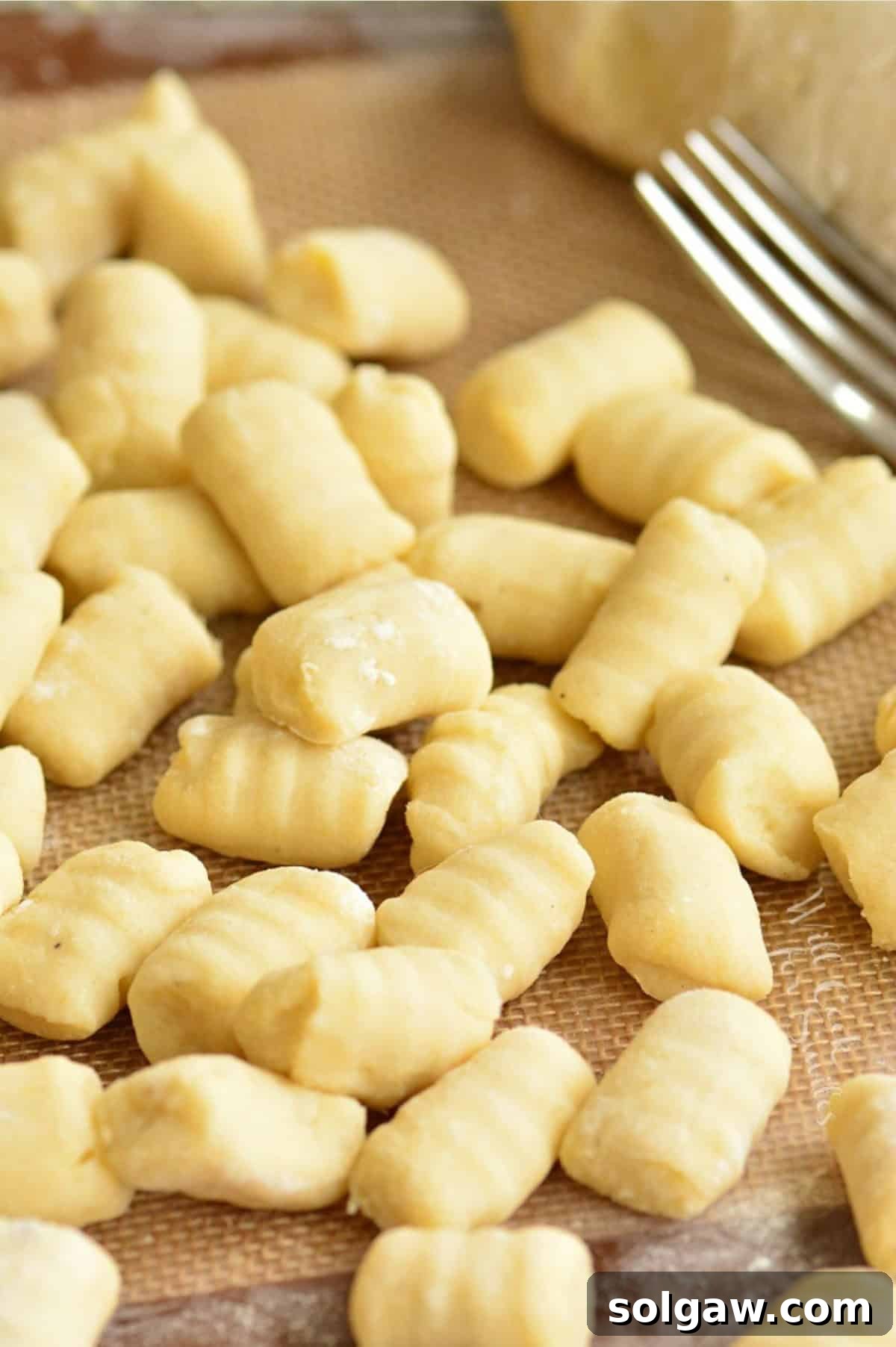
Table of Contents
The Allure of Homemade Gnocchi
Italy truly excels at creating culinary experiences that nourish both body and soul. Someday, the dream of traveling through Italy, tasting every regional delicacy and authentic version of the dishes we cherish here in the US, feels incredibly strong. While pizza, pasta, and fresh-baked breads are undoubtedly high on the list, gnocchi holds a uniquely special place.
There’s something profoundly comforting about gnocchi. It masterfully combines the best of two worlds, featuring potatoes, egg, and flour, making it wonderfully soft, light, and uniquely satisfying. It’s part delicate pasta and part hearty potato, a combination that is simply irresistible. This classic Italian dish offers a soft, pillowy texture paired with a delicate yet rich flavor that is incredibly fulfilling. Unlike heavier pasta varieties, perfectly made gnocchi feels airy and melts in your mouth, leaving you deeply satisfied without feeling overly full.
Beyond its delightful taste and texture, gnocchi’s true magic lies in its incredible versatility. It pairs beautifully with a vast array of sauces, from simple brown butter and sage to rich tomato-based ragus. It shines as a hearty addition to soups, bakes wonderfully in casseroles, and can even be elevated into sophisticated appetizers or wholesome side dishes. Keeping a batch of homemade gnocchi in your freezer is a smart move for any home cook, transforming busy weeknights into opportunities for a quick, gourmet-quality meal.
Essential Ingredients and Expert Tips
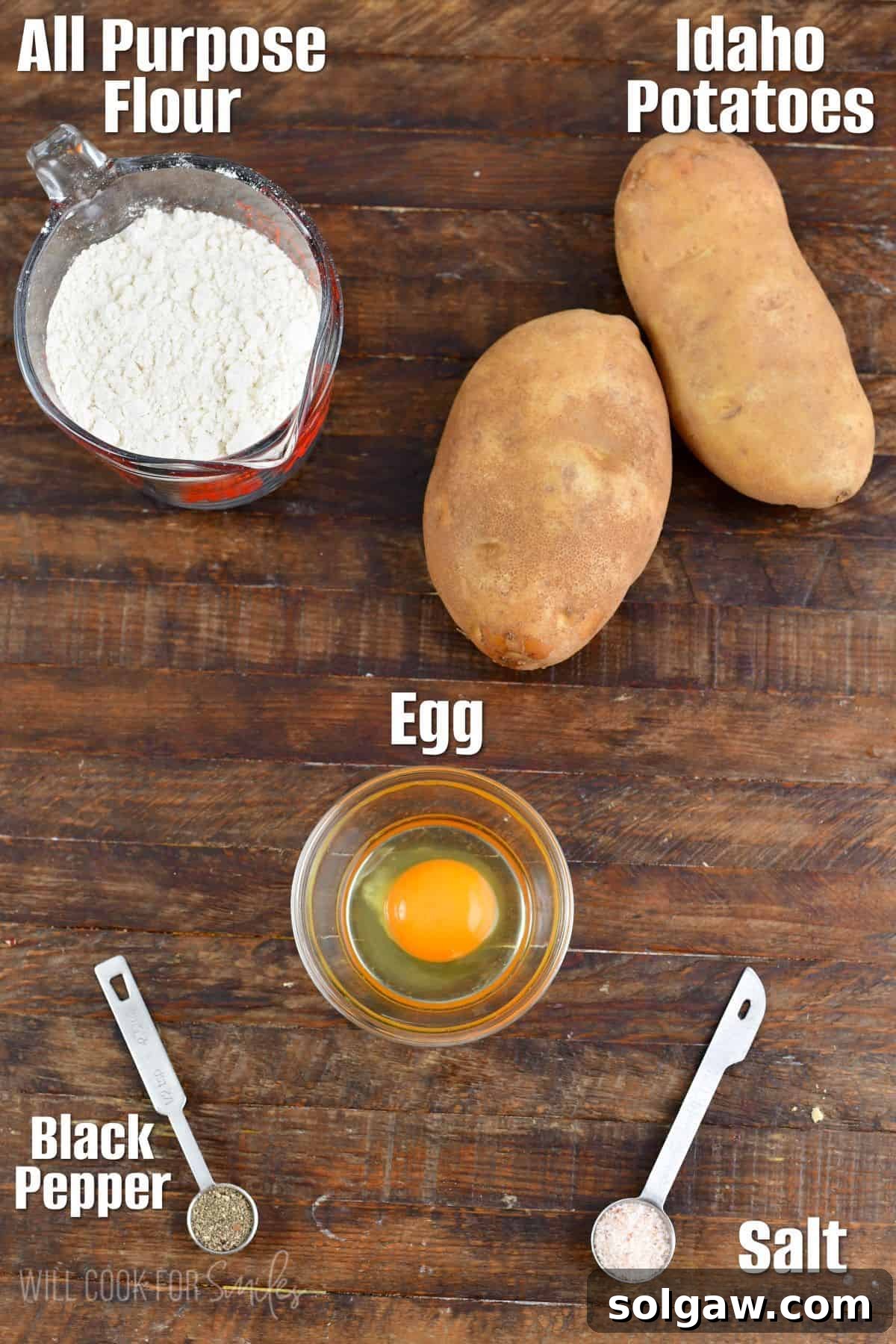
The Core Components for Perfect Gnocchi:
Idaho Potatoes (Russet Potatoes): The selection of potatoes is paramount for achieving the ideal gnocchi texture. For this recipe, it is crucial to use Idaho potatoes, also known as Russet potatoes. Some grocery stores might even label them as “baking potatoes.” These varieties are superior because of their high starch content and low moisture, which results in a fluffy, crumbly texture when cooked. This characteristic is vital for creating light and tender gnocchi that holds its shape without becoming dense or gummy. Avoid substituting them with waxy potato varieties, as these contain more moisture and less starch, making your gnocchi heavy and sticky. The ability of Russets to “fall apart” easily after boiling is exactly what we need for a smooth, lump-free dough.
All-Purpose Flour: Standard all-purpose flour works perfectly for traditional gnocchi, providing the necessary structure and binding properties. The key is to add just enough to form a cohesive dough without making it tough. If you are looking to make your gnocchi gluten-free, the good news is that it’s entirely possible with minimal impact on the final result. Opt for your favorite 1:1 gluten-free all-purpose flour blend. These blends are specifically designed to mimic the properties of regular wheat flour in baking and cooking, making them an equal substitute in this recipe. However, it’s important to steer clear of single-source flours like almond or coconut flour, as their unique textures and absorption rates are not suitable for gnocchi and can lead to a crumbly or overly sticky dough.
Seasoning: For seasoning your gnocchi dough, simplicity is best. A modest amount of salt and pepper is all you need. This subtle seasoning ensures that the gnocchi itself remains a neutral base, allowing it to seamlessly integrate into any dish and absorb the flavors of your chosen sauce or accompaniments. Over-seasoning the dough can limit its versatility, so a light touch is always recommended. This way, your homemade gnocchi can be dressed in a rich pesto, a vibrant marinara, or a delicate butter-sage sauce without any conflicting flavors.
Achieving Gnocchi Perfection: Top Tips for Best Results
Crafting perfect homemade gnocchi involves a few crucial techniques that can make all the difference between good and truly exceptional results. Pay close attention to these tips to ensure your gnocchi turns out light, fluffy, and full of flavor every time:
Boil Potatoes for Optimal Texture: While various cooking methods exist for potatoes, boiling them whole (or halved) is consistently the best approach for gnocchi. I’ve experimented with baking potatoes and using an Instant Pot, but boiling consistently yields the smoothest dough and the most desirable gnocchi texture. The even cooking and controlled moisture absorption from boiling are key to a tender interior that mashes perfectly without becoming overly dry or gummy.
Utilize Freshly Cooked Potatoes: The timing of potato preparation is critical. Always use freshly cooked, still-warm potatoes, not those that have been made ahead of time and cooled. Cold potatoes do not mash as effectively or as smoothly, leading to stubborn lumps in your gnocchi dough that are difficult to work out. Warm potatoes are more pliable and integrate much better with the flour and egg, ensuring a uniform, silky dough.
Ensure Ample Working Surface Area: Making gnocchi requires space. Before you begin, clear a large, clean work surface. You’ll need plenty of room to mash the potatoes, combine ingredients, knead the dough, and roll out the ropes before cutting them. A spacious area prevents overcrowding and makes the entire process more manageable and enjoyable.
Exercise Caution with Flour Quantity: This is perhaps the most critical tip for light gnocchi. Over-flouring is the quickest way to end up with dense, heavy, or tough gnocchi. The dough should be moist and pliable, but not overly sticky. Start with the recommended amount of flour and only add extra a tablespoon or two at a time to your work surface as you knead, just enough to prevent sticking. In most cases, you shouldn’t need more than an additional ¼ cup of flour beyond what is initially incorporated with the potatoes. Trust the feel of the dough; it should be soft and slightly tacky, not dry or stiff.
Rolling Gnocchi is Optional (Embrace “Rustic”!): Traditionally, gnocchi are rolled over a ridged board or the back of a fork to create grooves that hold sauce beautifully. However, this step is time-consuming and can be tedious, especially for a large batch. Many home cooks (myself included!) often opt to skip this step, simply cutting the dough into small, pillow-like pieces. These “rustic” gnocchi are just as delicious and equally adept at capturing sauce. Don’t feel pressured to roll every single piece if you’re short on time or patience – your sanity is more important!
Cook Immediately or Freeze Without Delay: Freshly made gnocchi is best cooked right away. Do not attempt to refrigerate uncooked homemade gnocchi for an extended period, as this will almost certainly end in disaster. The moisture in the potatoes will cause the gnocchi to become overly sticky and lose its shape. If you’re not cooking them immediately, your best option is to freeze them in batches. Uncooked gnocchi freezes exceptionally well, preserving their delicate texture and making them convenient for future meals (see detailed instructions below).
Step-by-Step Guide to Making Homemade Gnocchi
Follow these steps closely to create perfectly tender and delicious homemade gnocchi:
Preparing the Potatoes:
Begin by carefully peeling your Idaho potatoes. Remove any dark spots or eyes from the surface. Cut the peeled potatoes into halves or quarters of roughly equal size to ensure even cooking. Place them in a large pot, cover with cold water, and season generously with salt. You can also add a bay leaf for a subtle aromatic touch. Bring the water to a boil, then reduce the heat and simmer until the potatoes are fork-tender. It’s crucial not to overcook them to the point where they become waterlogged and mushy; they should be just tender enough to mash easily. Drain the potatoes thoroughly in a colander, shaking off any excess water. Transfer them immediately to a large bowl and mash each potato with a fork until it resembles small, coarse crumbs. Avoid over-mashing or using a food processor, as this can release too much starch and lead to gummy gnocchi. A ricer is also an excellent tool for achieving a fine, airy texture.
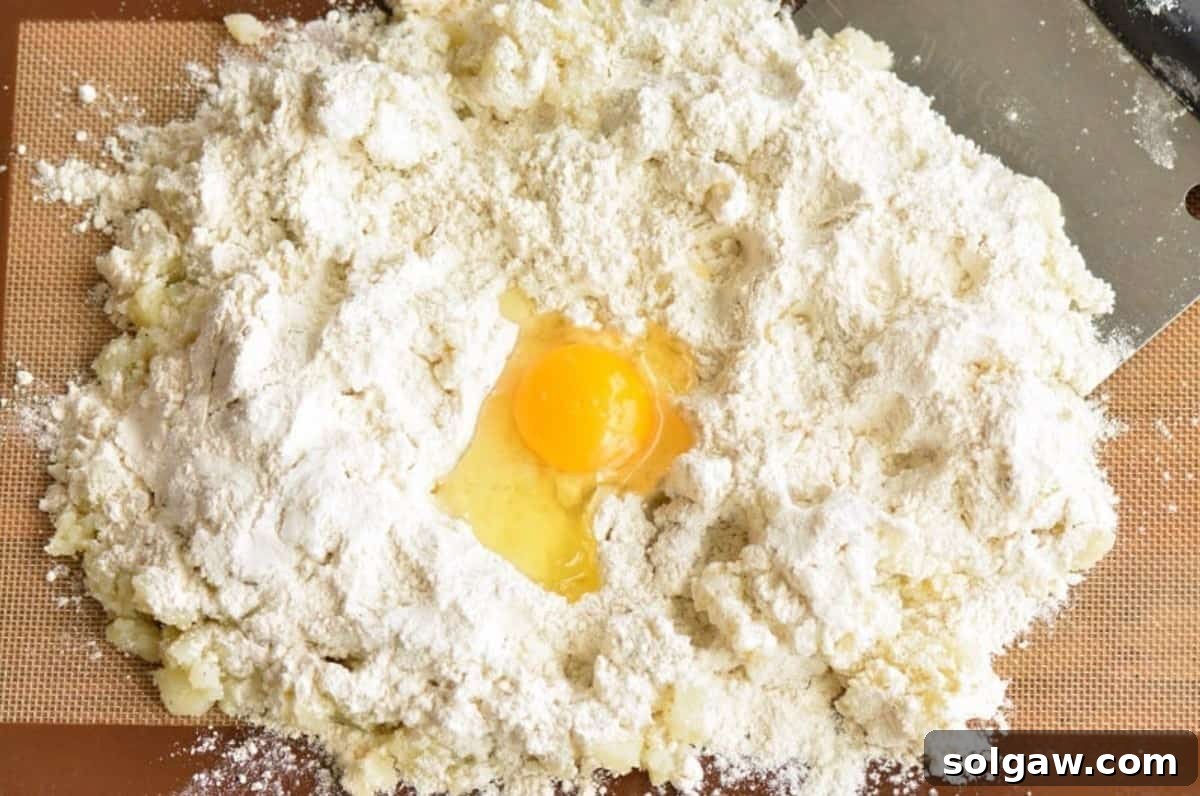
Once the mashed potatoes have cooled enough to be comfortably handled (they should still be warm), transfer them to your spacious, clean work surface. Form the mashed potatoes into a mound. Sprinkle the all-purpose flour, salt, and pepper evenly over the top of the potato mound. Create a well in the center of the potato and flour mixture, then crack the egg directly into this well. The egg acts as a binder, helping to bring the dough together.
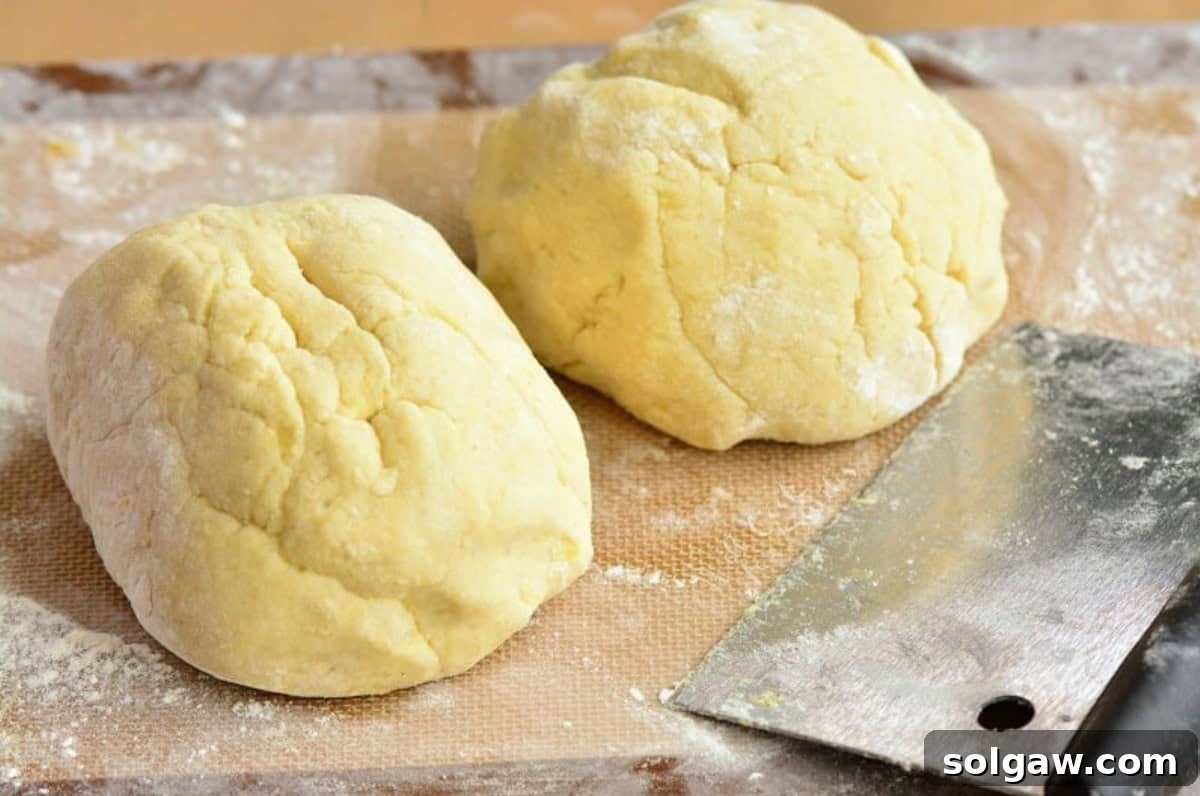
Using a pastry scraper or a wide metal spatula, gently work the flour, potatoes, and egg together. Start by folding the dry ingredients into the wet, gradually incorporating everything until a shaggy, cohesive mixture forms. Once partially combined, begin to knead the dough with your hands. Knead gently and sparingly, adding a small amount of extra flour to your work surface only if the dough feels excessively tacky. The goal is a smooth, moist, and slightly tacky dough that is no longer sticky. Remember, the less flour you incorporate, the lighter your gnocchi will be. Over-kneading develops gluten, which can make the gnocchi tough.
Shaping the Gnocchi:
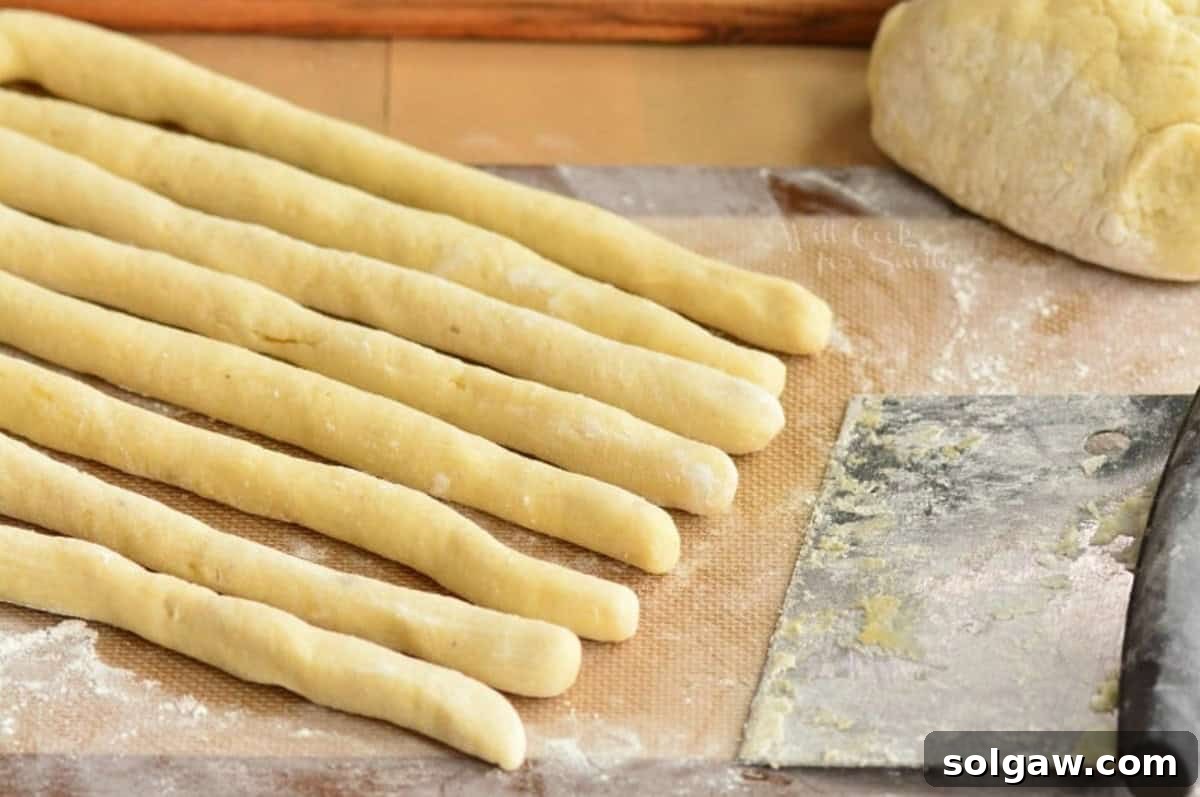
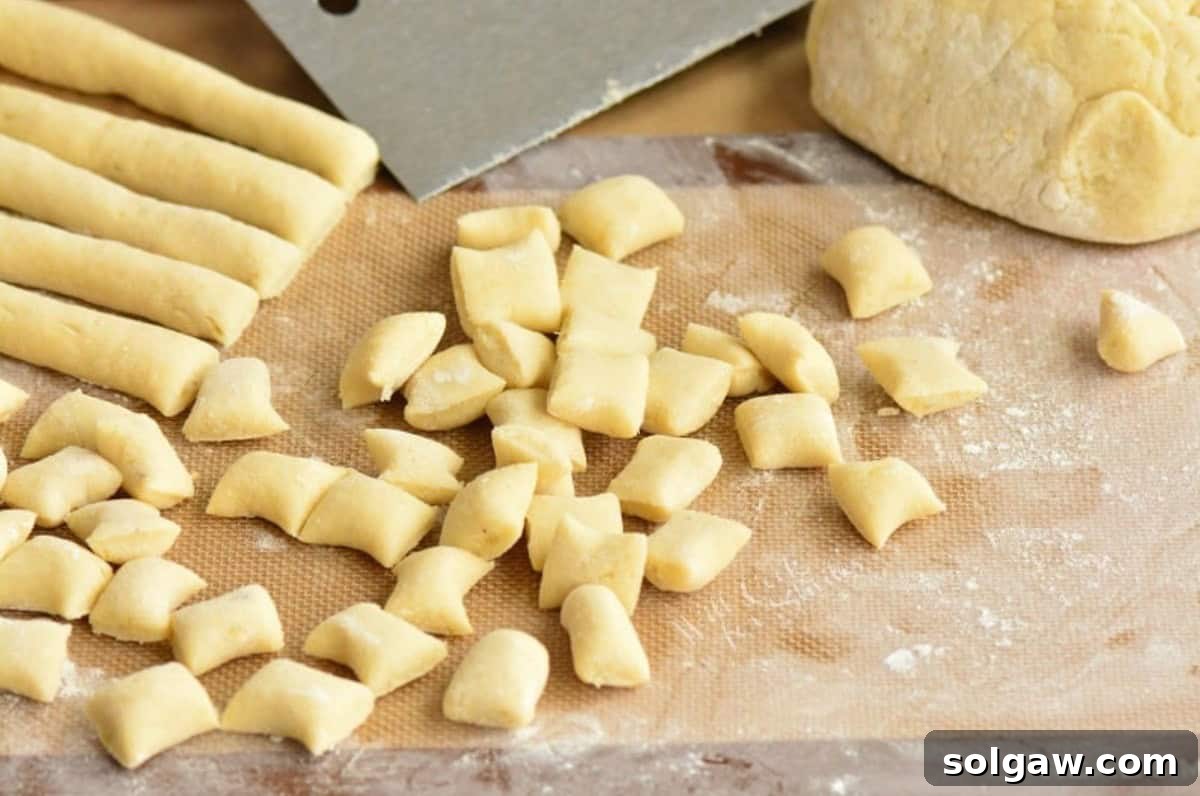
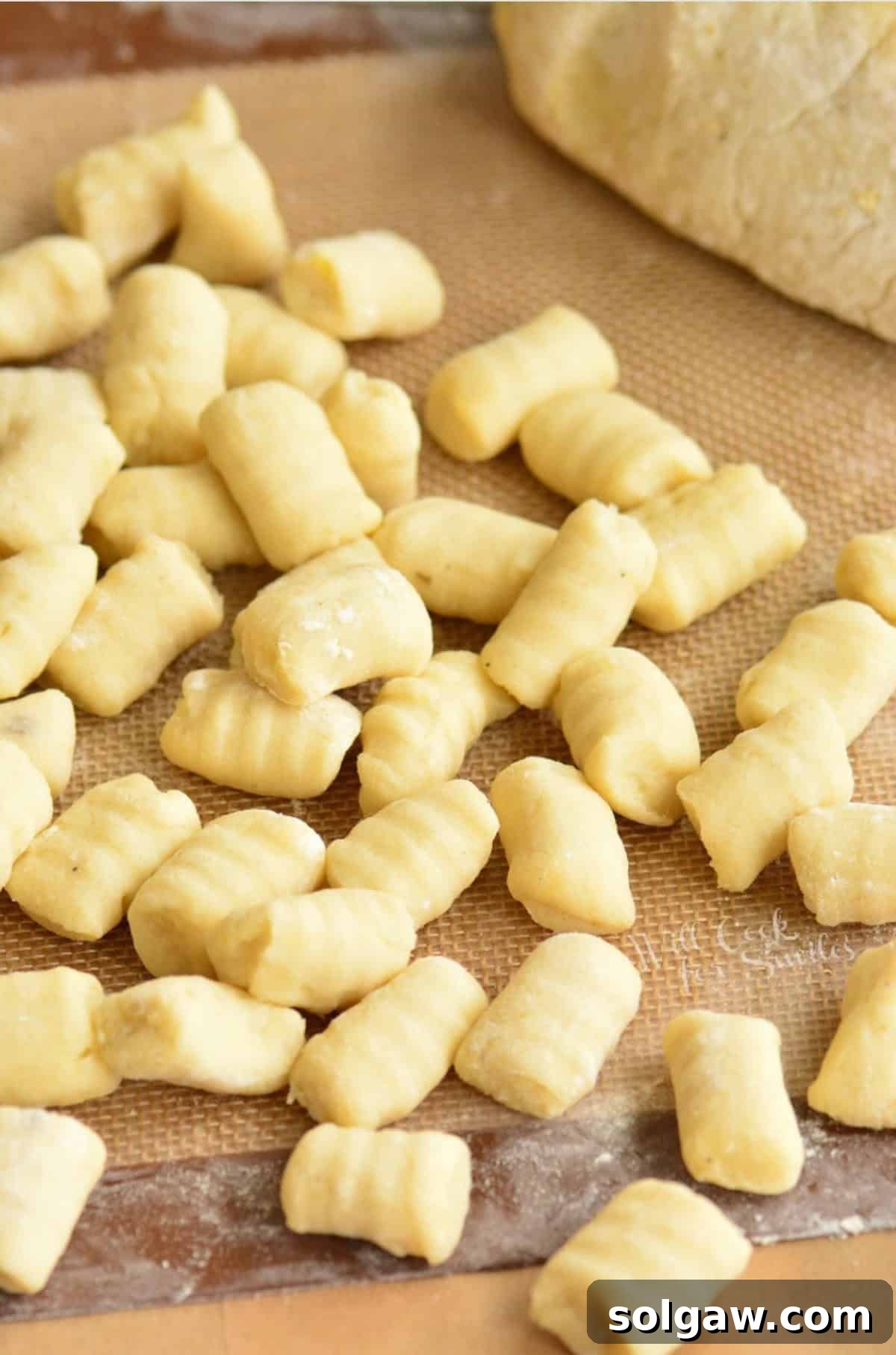
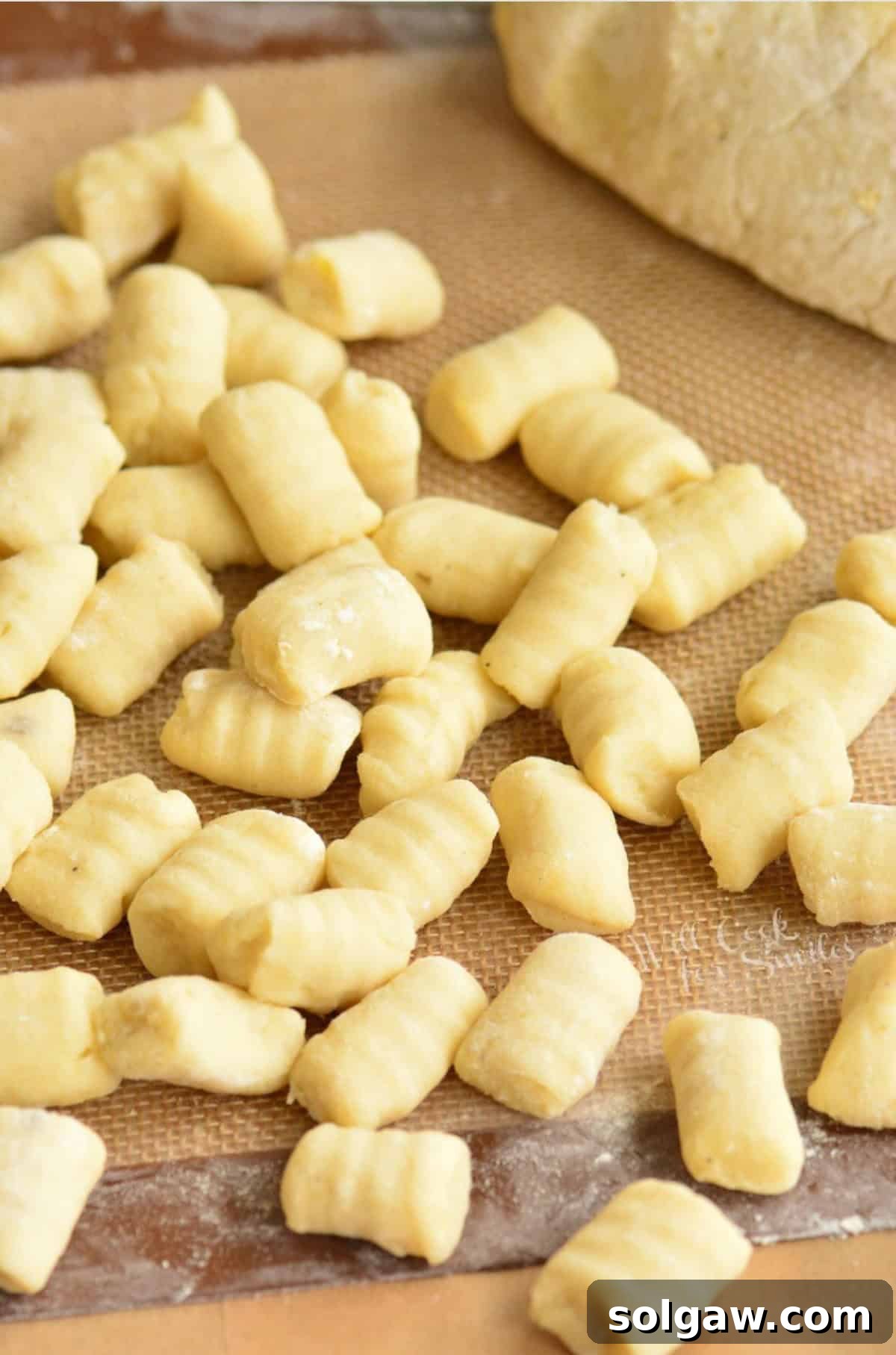
Divide the dough into several manageable pieces. Take one piece and gently roll it into a long, rope-like log, aiming for a thickness of about ½ inch. The key here is gentle handling to maintain the dough’s tender texture. Use a knife or a bench scraper to cut each rope into individual pieces, approximately ¾ inch in length. These small, soft pillows are perfectly delicious as they are.
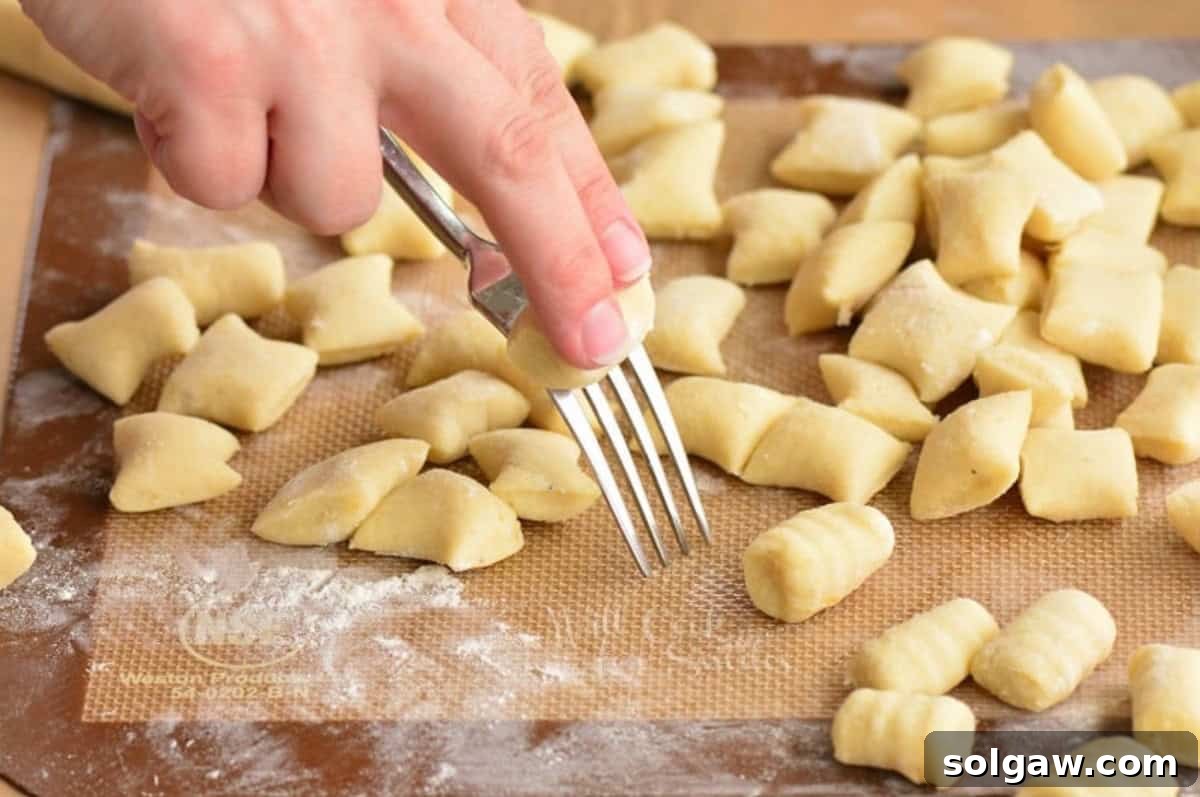
For a traditional touch, you can lightly roll each piece of gnocchi over the tines of a fork or a specialized gnocchi board to create ridges. These grooves are not just for aesthetics; they help the gnocchi hold onto sauce better. If you choose to roll them, apply minimal pressure; homemade gnocchi are very soft and delicate and can easily be flattened or damaged if handled too roughly.
Once shaped, your gnocchi is ready! You can either cook them immediately to enjoy their fresh flavor and tender texture, or you can freeze them for later convenience. Refer to the freezing instructions below for the best method to store your homemade culinary delights.
Knowing When Your Gnocchi Is Ready
Cooking gnocchi is a quick and simple process, but knowing exactly when they’re done is key to their tender texture. Here’s how to cook them to perfection:
Boiling Gnocchi:
Fill a large pot with generously salted water and bring it to a rolling boil. Carefully drop the desired amount of gnocchi into the boiling water, adding only a few pieces at a time to prevent them from sticking together and to maintain the water’s temperature. Do not overcrowd the pot. The gnocchi will initially sink to the bottom. As they cook, they will rise to the surface. Once they float, allow them to cook for approximately one additional minute to ensure they are fully cooked through. Use a slotted spoon or a spider strainer to gently remove the cooked gnocchi from the water. They are now ready to be tossed with your favorite sauce or prepared further.
Sautéing Gnocchi (Post-Boiling):
For an extra layer of flavor and a slightly crispy exterior, you can sauté your boiled gnocchi. This step adds a wonderful textural contrast. To do so, preheat a large non-stick pan over medium-high heat. Add a generous knob of butter (or olive oil for a dairy-free option) and allow it to melt and lightly brown. This is also an excellent opportunity to infuse additional flavors by adding aromatics such as minced garlic, finely chopped fresh herbs like sage or rosemary, or a pinch of red pepper flakes. Toss the freshly boiled gnocchi into the hot pan and sauté, stirring gently, until you see a beautiful golden-brown sear on the dumplings. This quick sauté not only enhances their taste but also gives them a delightful chewiness.
Freezing Gnocchi for Future Meals
One of the greatest advantages of making homemade gnocchi is how wonderfully the uncooked dumplings freeze. This makes it an ideal dish for meal prep, allowing you to enjoy fresh-ttasting gnocchi any night of the week with minimal effort. Here’s the best way to freeze your homemade gnocchi to preserve their quality:
Pre-Freezing on Trays:
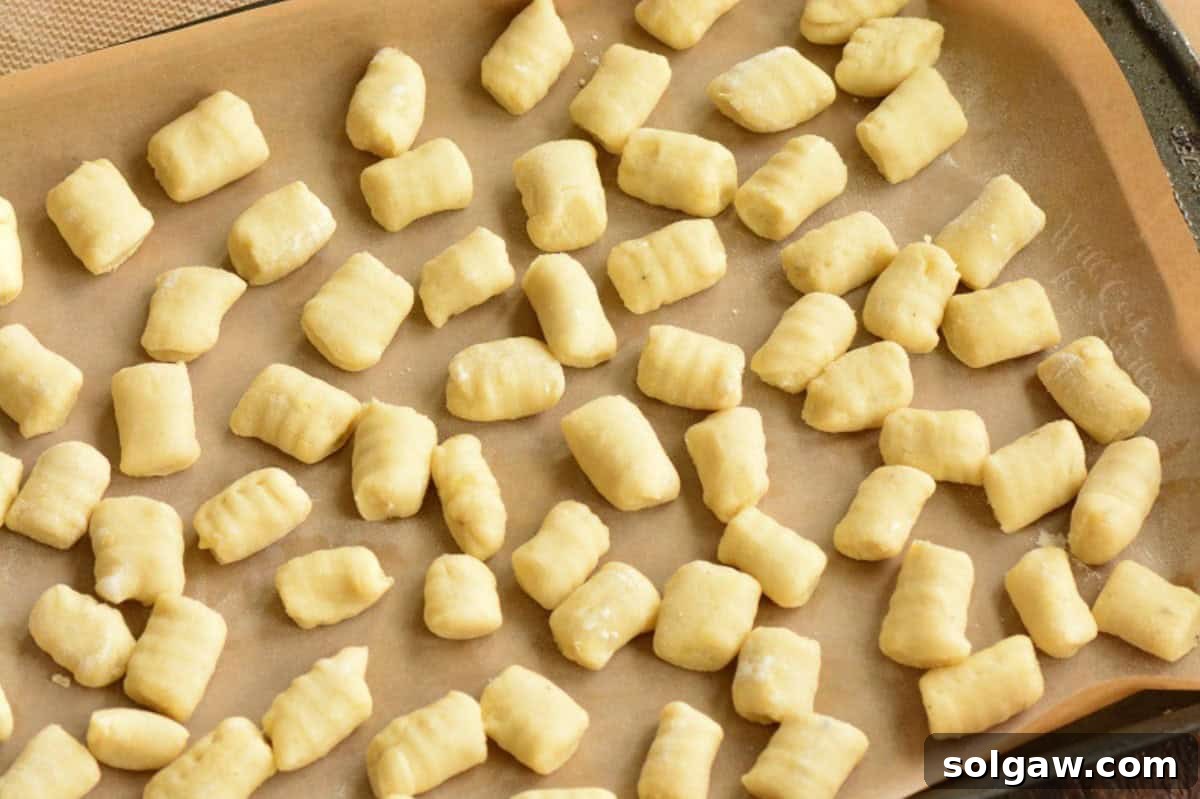
To prevent the gnocchi from sticking together in a large clump, you must flash-freeze them first. Line large cutting boards, baking sheets, or shallow trays with parchment paper. Lightly dust the parchment paper with a thin layer of all-purpose flour. Carefully spread out the uncooked gnocchi in a single, even layer, ensuring that no pieces are touching or crowding each other. This prevents them from freezing into a solid block. Transfer the trays to your freezer and allow the gnocchi to freeze completely, which typically takes about one to two hours. It’s helpful to set a timer so you don’t forget them.
Long-Term Storage:
Once the gnocchi are rock-solid frozen, they can be easily transferred for long-term storage. Gather the frozen gnocchi from the trays and portion them into freezer-friendly, heavy-duty zip-top bags or airtight containers. Label the bags with the date to keep track of freshness. Properly stored, frozen gnocchi can maintain their quality for up to two to three months.
Cooking Frozen Gnocchi:
The beauty of freezing gnocchi uncooked is that you don’t need to thaw them before cooking! Simply add the frozen gnocchi directly to a pot of boiling salted water. Cook them in the exact same manner as you would fresh gnocchi: they will float to the top when they are cooked. This makes for an incredibly convenient and quick meal solution on busy days.
Frequently Asked Questions About Gnocchi
Absolutely! Making gnocchi gluten-free is very achievable, and the difference in taste and texture is barely noticeable. To adapt this recipe, simply use a 1:1 gluten-free all-purpose flour blend as an equal substitute for regular all-purpose flour. These blends are specifically formulated to work similarly to wheat flour in most recipes. However, it’s crucial to avoid using single-ingredient gluten-free flours like almond or coconut flour, as their high fat or absorption properties will not yield the correct dough consistency for tender gnocchi. Always opt for a balanced blend.
For the lightest and fluffiest gnocchi, the ideal choice is Idaho (also known as Russet) potatoes. These are often labeled as “baking potatoes” in stores. Russet potatoes are preferred because they have a high starch content and a relatively low moisture content, which allows them to become soft, fluffy, and crumbly when cooked. This texture is essential for creating a light gnocchi dough that isn’t heavy or dense. Other potato varieties, such as Yukon Gold or red potatoes, tend to be waxy and contain more moisture, which can result in a gummy or sticky gnocchi texture. For adventurous cooks, you can certainly make variations like sweet potato gnocchi or even cauliflower gnocchi, but be sure to follow specific recipes tailored for those ingredients, as the moisture and starch content will differ significantly.
Gnocchi’s versatility means there are countless delicious ways to serve it! Here are some popular options:
- In Soups: Add cooked gnocchi to creamy tomato soups, chicken gnocchi soup, or hearty vegetable stews for a comforting and filling meal.
- Mixed with Sauce: Toss freshly cooked gnocchi with your favorite Italian sauces. Classic pairings include pesto, marinara, Alfredo, brown butter and sage, or a rich bolognese.
- Sautéed: After boiling, sauté gnocchi in butter or olive oil with aromatics like garlic, shallots, and fresh herbs (rosemary, thyme, sage) until lightly browned and slightly crispy. Add some grated Parmesan cheese for extra flavor.
- Baked Dishes: Layer gnocchi with sauce, vegetables, meats (like meatballs or sausage), and plenty of cheese, then bake until bubbly and golden. This creates a wonderfully hearty casserole.
- As a Side Dish or Appetizer: Simple gnocchi tossed with a light dressing or sautéed can serve as an elegant side or a delightful appetizer.
Expand Your Gnocchi Repertoire
Once you’ve mastered this classic homemade gnocchi recipe, you’ll discover a whole new world of culinary possibilities. Gnocchi is incredibly adaptable and can be featured in a wide array of comforting and delicious dishes. Explore these other easy gnocchi recipes to broaden your skills and delight your palate:
- Homemade Tomato Herb Gnocchi
- Easy Gnocchi With Butter Garlic and Parmesan
- Chicken Gnocchi Soup
- Tomato Soup with Gnocchi
- Meatball and Gnocchi Bake
PIN THIS RECIPE FOR LATER
DID YOU MAKE THIS RECIPE? Please leave a 🌟 star rating! Let me know how you liked it by leaving a 📝 comment below or share and tag me on social media @willcookforsmiles. DON’T FORGET to subscribe to my newsletter!
Homemade Gnocchi Recipe
Print Recipe
Pin Recipe
Dinner, Main Course
Italian
1 hour
20 minutes
1 hour 20 minutes
10 (makes about 200 pieces)
169kcal
Lyuba Brooke
Ingredients
- 2 lbs Idaho potatoes
- 2 cups all-purpose flour* (plus about 1/3 cup more for kneading and dusting surface)
- 1 egg
- Salt, to taste
- Pepper, to taste
- 1 bay leaf (optional, for boiling potatoes)
Instructions
- NOTE: You will need a large, clear work surface for preparing the gnocchi dough.
Prepare Gnocchi:
- Peel potatoes and remove any dark spots or eyes. Cut them in half and place them in a pot of cold water. Add a generous pinch of salt and a bay leaf (if using). Bring to a boil, then reduce heat and cook until fork-tender but not falling apart.
- Drain off all the water thoroughly and transfer the cooked potatoes into a large bowl. Mash each potato with a fork or a ricer until it forms small, coarse crumbs. Avoid over-mashing to prevent a gummy texture.
- Once the potatoes are cool enough to handle, but still warm, transfer them to your clean work surface. Form them into a mound.
- Sprinkle the 2 cups of flour, salt, and pepper over the potato mound. Create a well in the center and crack the egg into it.
- Using a pastry scraper or metal spatula, gently work the flour, potatoes, and egg together until just combined enough to knead.
- Lightly knead the dough with your hands. If the dough is too tacky, add a small amount of additional flour (a tablespoon at a time) to your work surface, kneading just until the dough is smooth, moist, and no longer excessively sticky. Do not add too much flour, or the gnocchi will be tough.
- Divide the dough into several workable pieces. Roll each piece into a long, rope-like log, about ½ inch thick. Cut each log into ¾-inch pieces.
- You can leave the gnocchi as small pillow shapes, or for a traditional design, gently roll each piece over the back of a fork or a gnocchi board. Be gentle, as the dough is soft.
- Cook the gnocchi immediately or freeze for later use.
Cooking Gnocchi:
- Bring a large pot of generously salted water to a boil. Drop the desired amount of gnocchi into the boiling water, a few at a time to prevent sticking.
- Once the gnocchi float to the top, cook for about 1 more minute. Remove them from the water with a slotted spoon.
- Mix the cooked gnocchi with your sauce of choice, or proceed to sauté them.
- Sauté Option: After boiling, you can sauté the gnocchi in butter. Preheat a pan over medium-high heat and melt butter. Add aromatics like garlic and fresh herbs if desired. Toss in the gnocchi and sauté until lightly browned and crispy.
Freezing Gnocchi:
- Line large cutting boards or baking sheets with parchment paper and lightly dust with flour. Spread out the uncooked gnocchi in a single, even layer, ensuring they do not touch.
- Freeze for about 1 to 2 hours, until completely frozen solid.
- Once frozen, transfer the gnocchi into freezer-friendly zip-top bags or airtight containers.
- Cooking Frozen Gnocchi: Do not thaw frozen gnocchi before cooking. Add them directly to boiling water and cook them the same way as fresh gnocchi (they will float when ready).
Notes
*Gluten-Free Notes: If you need to make your gnocchi gluten-free, use a 1:1 gluten-free all-purpose flour blend. This can be used as an equal substitute for regular all-purpose flour in this recipe. Avoid using almond or coconut flour.
Nutrition
Carbohydrates: 36g |
Protein: 5g |
Fat: 1g |
Saturated Fat: 1g |
Cholesterol: 16mg |
Sodium: 244mg |
Potassium: 411mg |
Fiber: 2g |
Sugar: 1g |
Vitamin A: 24IU |
Vitamin C: 5mg |
Calcium: 18mg |
Iron: 2mg
Tried this recipe?
Mention @willcookforsmiles or tag #willcookforsmiles!
Originally published on Will Cook For Smiles on August 17, 2014.