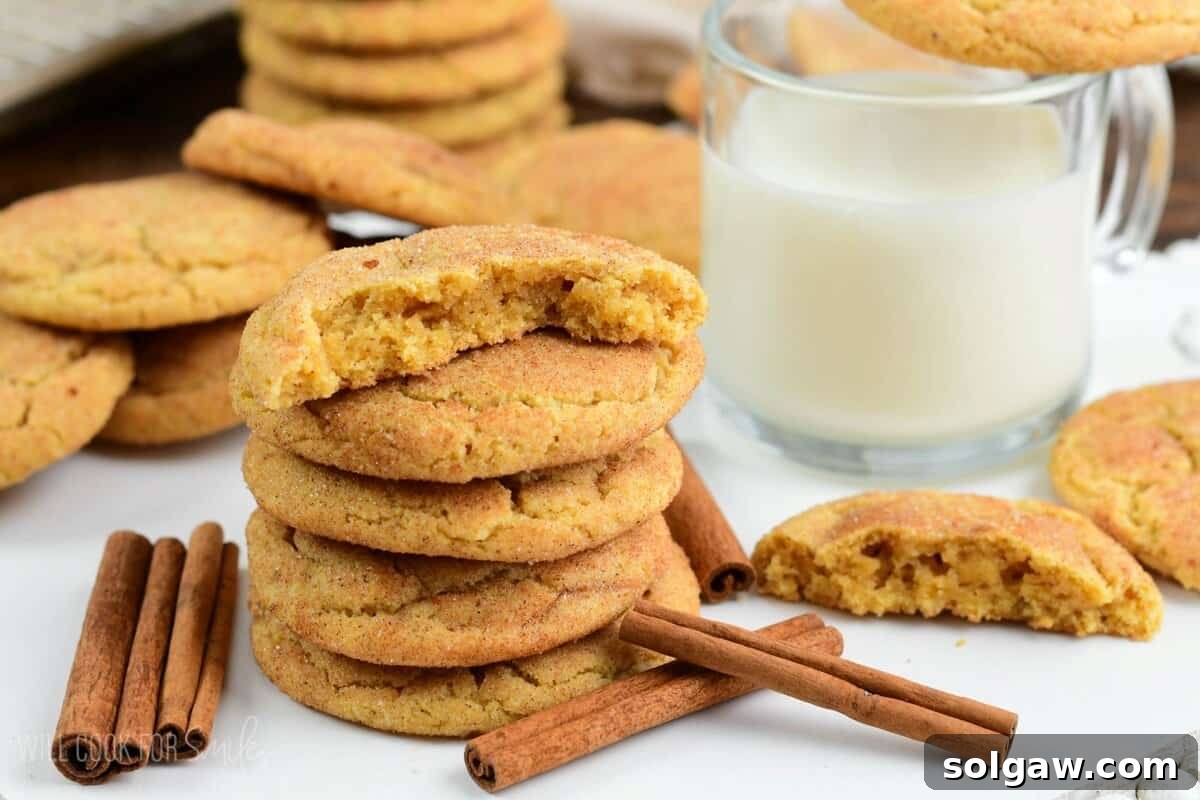
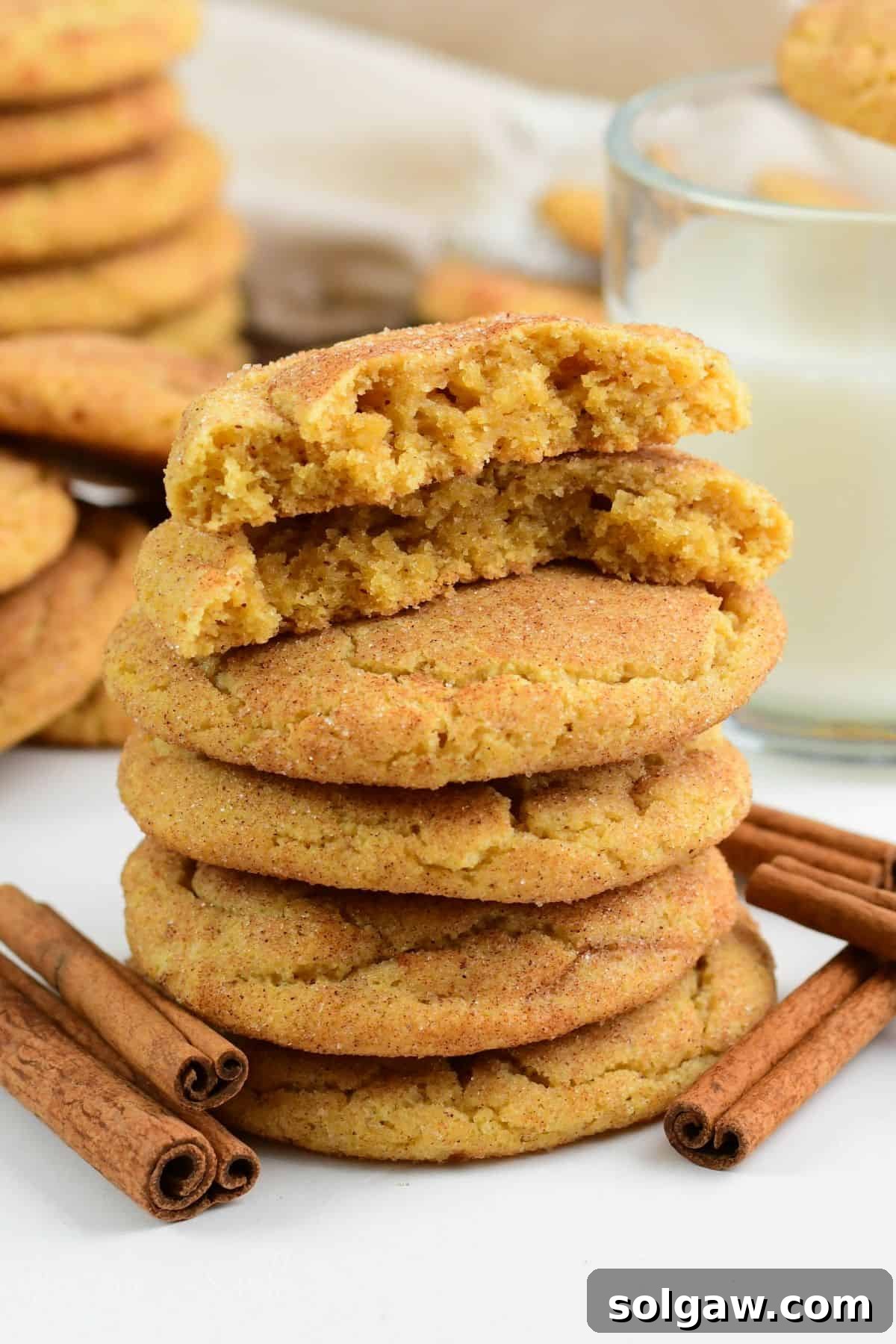
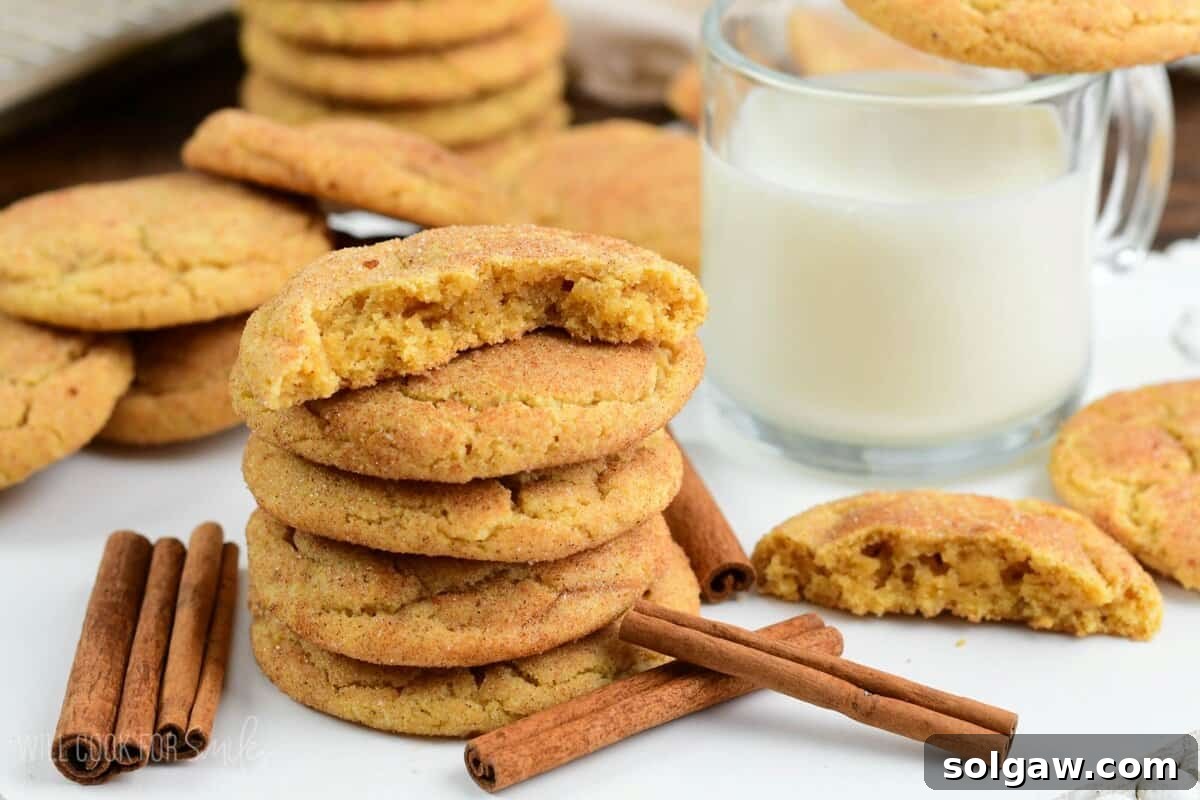
Unlock a new level of flavor and texture with these incredible Brown Butter Snickerdoodles. This simple yet transformative technique of browning butter adds a rich, nutty, and subtly caramel-like depth that elevates the classic cinnamon-sugar cookie to an unforgettable treat. Expect a chewier, denser texture with wonderfully crisp edges, making each bite a harmonious blend of sweetness and warmth. These cookies come together with surprising ease, fill your home with an intoxicating aroma as they bake, and are guaranteed to be a crowd-pleaser. The best part? They are freezer-friendly, so you can enjoy these delightful morsels anytime you crave them!
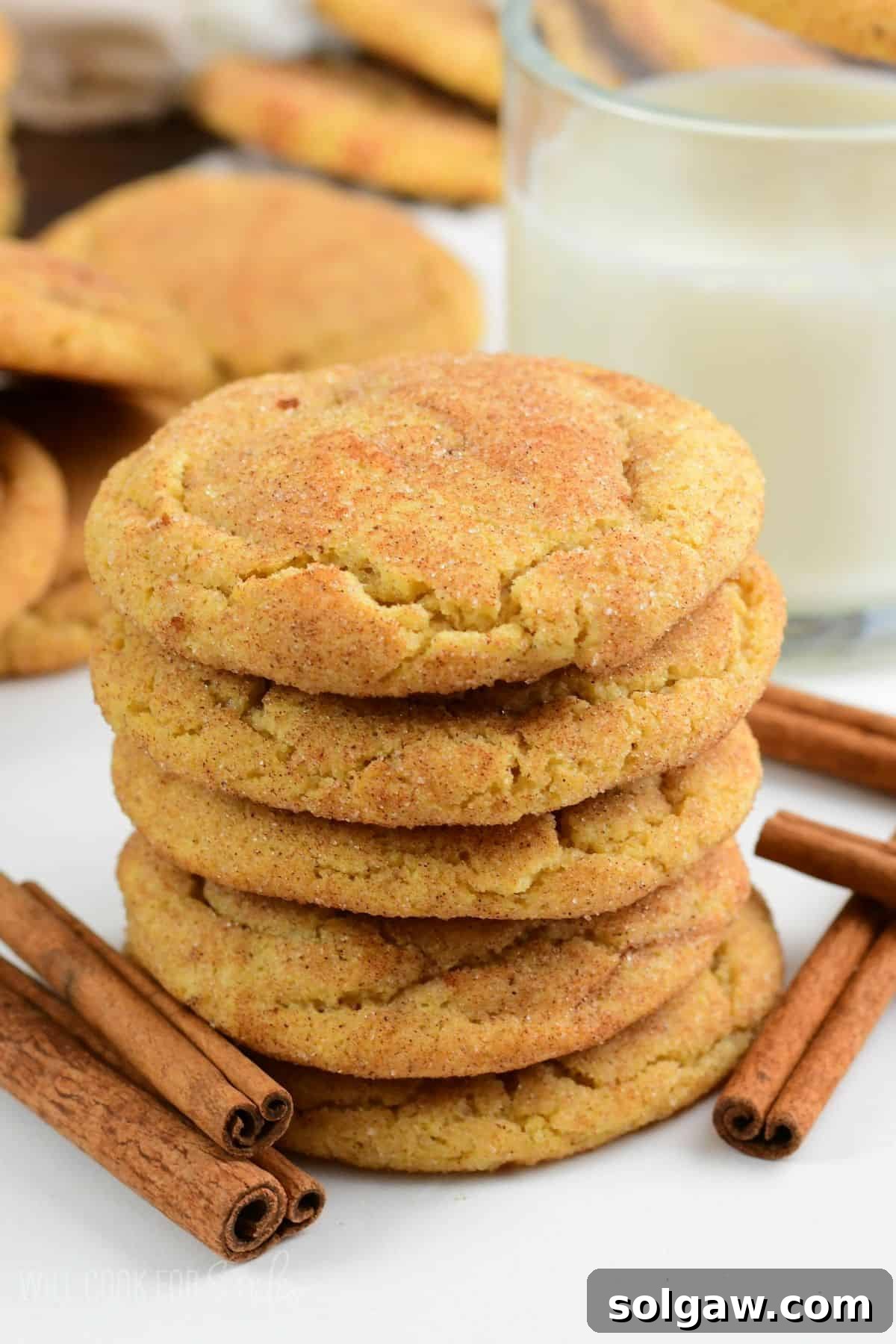
“You weren’t kidding about the snickerdoodles, that was one of the best cookies I’ve ever had!”
This heartwarming message from a friend perfectly encapsulates the magic of these Brown Butter Snickerdoodles. Their unique taste and texture consistently earn rave reviews, making them a standout in any cookie repertoire.
Why Brown Butter Makes All the Difference in Snickerdoodles
While traditional snickerdoodles rely on softened butter for richness and a delicate sweetness, browning the butter introduces an extraordinary dimension of flavor. This quick and easy step involves gently cooking butter until its milk solids toast and caramelize, transforming its simple dairy flavor into something profoundly complex and irresistible. The result is a nutty, toasty, and almost toffee-like essence that permeates every crumb of the cookie. This deep flavor profile pairs exquisitely with the bright, spicy notes of the cinnamon-sugar coating, creating a symphony of tastes that’s far superior to its classic counterpart.
Beyond flavor, browning butter also significantly impacts the cookie’s texture. As the butter browns, some of its water content evaporates, leading to a more concentrated fat that results in a denser, chewier cookie. This reduction in moisture helps create those coveted chewy centers and wonderfully crisp, slightly caramelized edges that make these snickerdoodles truly addictive. The dough itself takes on a slightly richer, golden hue, and the baking aroma becomes even more fragrant and inviting. It’s a simple swap – from soft butter to browned butter – that elevates a humble cookie into an extraordinary culinary experience. If you love the depth of flavor brown butter brings, you’ll also adore my other creations, like my popular Brown Butter Chocolate Cookies.
Key Ingredients, Helpful Tips, and Smart Substitutions for Perfect Snickerdoodles
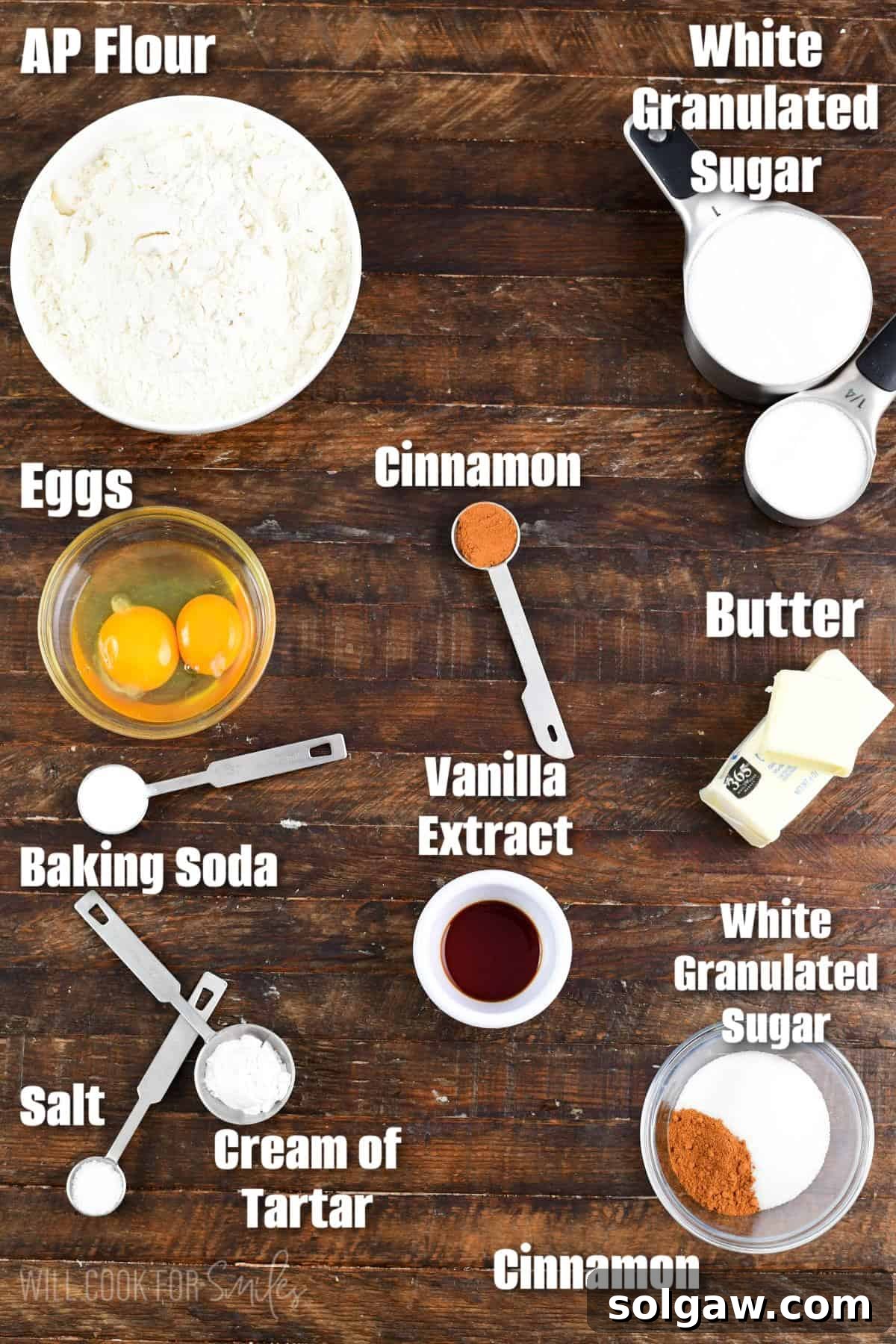
Crafting the perfect Brown Butter Snickerdoodle relies on understanding the role of each ingredient and applying a few key baking techniques. Here’s a breakdown of what you’ll need and how to get the best results:
- Unsalted Butter: Opt for unsalted butter to maintain precise control over the overall saltiness of your cookies. When browning butter, the starting temperature (cold or room temperature) makes little to no difference in the final result, so don’t worry about letting it soften beforehand. The browning process concentrates the butter’s flavor, creating the signature nutty base.
- Sugars: This recipe uses a combination of two sugars for optimal balance. White granulated sugar is crucial for sweetness, contributing to the crisp edges and the classic snickerdoodle texture. Light or dark brown sugar, on the other hand, adds moisture, ensuring a wonderfully chewy interior and a subtle molasses note that beautifully complements the warm, toasted flavor of the brown butter.
- Eggs (Room Temperature): Always use room temperature eggs. They incorporate more smoothly and evenly into the warm brown butter mixture, creating a more homogenous and emulsified dough. This leads to a better cookie structure and consistent texture throughout.
- All-Purpose Flour: Accuracy in measuring flour is paramount. To avoid dense, dry cookies, remember the “spoon and level” method: spoon the flour into your measuring cup until overflowing, then use a straight edge (like a knife) to level off the excess. Never scoop flour directly from the bag, as this can compact it and lead to using too much.
- Ground Cinnamon: Cinnamon is the heart of a snickerdoodle. This recipe includes cinnamon in both the cookie dough and the coating. If you’re a true cinnamon enthusiast, feel free to add an extra dash to the batter for a bolder spice. If you prefer a milder cinnamon presence, you can omit the teaspoon from the dough and rely solely on the generous coating.
- Cream of Tartar: This is a non-negotiable ingredient for authentic snickerdoodles. Cream of tartar provides the distinctive tangy flavor and contributes significantly to the chewy texture, preventing the cookies from becoming cake-like. It reacts with baking soda to give the cookies their characteristic lift and crinkled appearance.
- Baking Soda: Working in tandem with cream of tartar, baking soda ensures proper leavening, contributing to the cookies’ spread and rise, resulting in a perfectly soft and chewy outcome.
- Coarse Salt: Often overlooked, salt plays a vital role in baking. It balances the sweetness, enhances all the other flavors, and adds a subtle contrast that makes every bite more satisfying.
How to Make Brown Butter Snickerdoodles: A Step-by-Step Guide
Follow these detailed steps to create perfectly chewy and flavorful brown butter snickerdoodles:
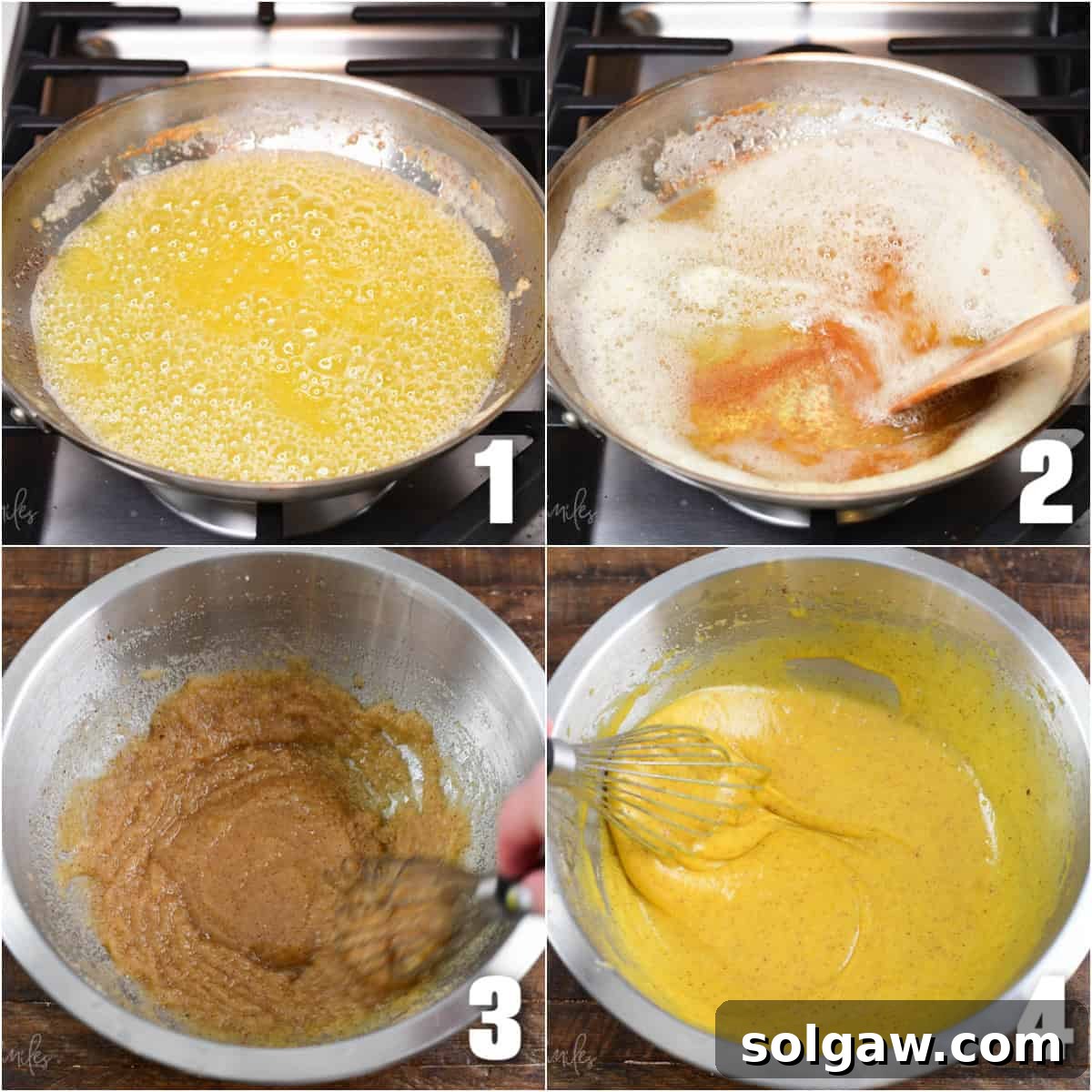
- Brown the Butter: Begin by melting your unsalted butter in a light-colored saucepan over medium heat. A light-colored pan allows you to monitor the color changes effectively. Stir the butter frequently as it melts. It will initially foam and bubble vigorously, then gradually quiet down and become foamy again. Continue stirring slowly. Soon, you’ll start to see small, amber-colored bits forming at the bottom of the pan, and a distinct, warm, nutty aroma will fill your kitchen. This is your cue! Immediately remove the pan from the heat and transfer the browned butter, along with all those flavorful toasted milk solids, into a large, heatproof mixing bowl. This stops the cooking process and prevents burning.
- Mix the Wet Ingredients: Into the warm browned butter, whisk in both white granulated and brown sugars until well combined. The warmth of the butter helps dissolve the sugar, creating a smooth base. Next, add the room temperature eggs and vanilla extract. Whisk vigorously for about 30 seconds to incorporate air into the mixture, which contributes to the cookies’ light yet chewy texture. Allow the mixture to rest for a few seconds, then whisk vigorously again for another 30 seconds. This aeration step is important for the final cookie texture.
- Combine Dry Ingredients: In a separate bowl (or directly into the wet mixture if you’re careful), whisk together the all-purpose flour, ground cinnamon, cream of tartar, baking soda, and coarse salt. Once combined, gradually add the dry mixture to the wet mixture. Use a rubber spatula to gently fold the ingredients together until they are just combined and no streaks of flour remain. Be careful not to overmix, as this can develop the gluten too much, leading to tough cookies.
- Chill the Dough: This step is crucial for texture and preventing excessive spreading. Cover the bowl with plastic wrap and place the cookie dough in the refrigerator for approximately 30 minutes. This short chill time allows the butter to firm up slightly and the flavors to meld, resulting in cookies that hold their shape better and have a superior chewiness. There’s no need to chill for longer; in fact, if you chill it for several hours or overnight, let the dough warm up on the counter for 10-15 minutes before proceeding, or it will be too firm to roll.
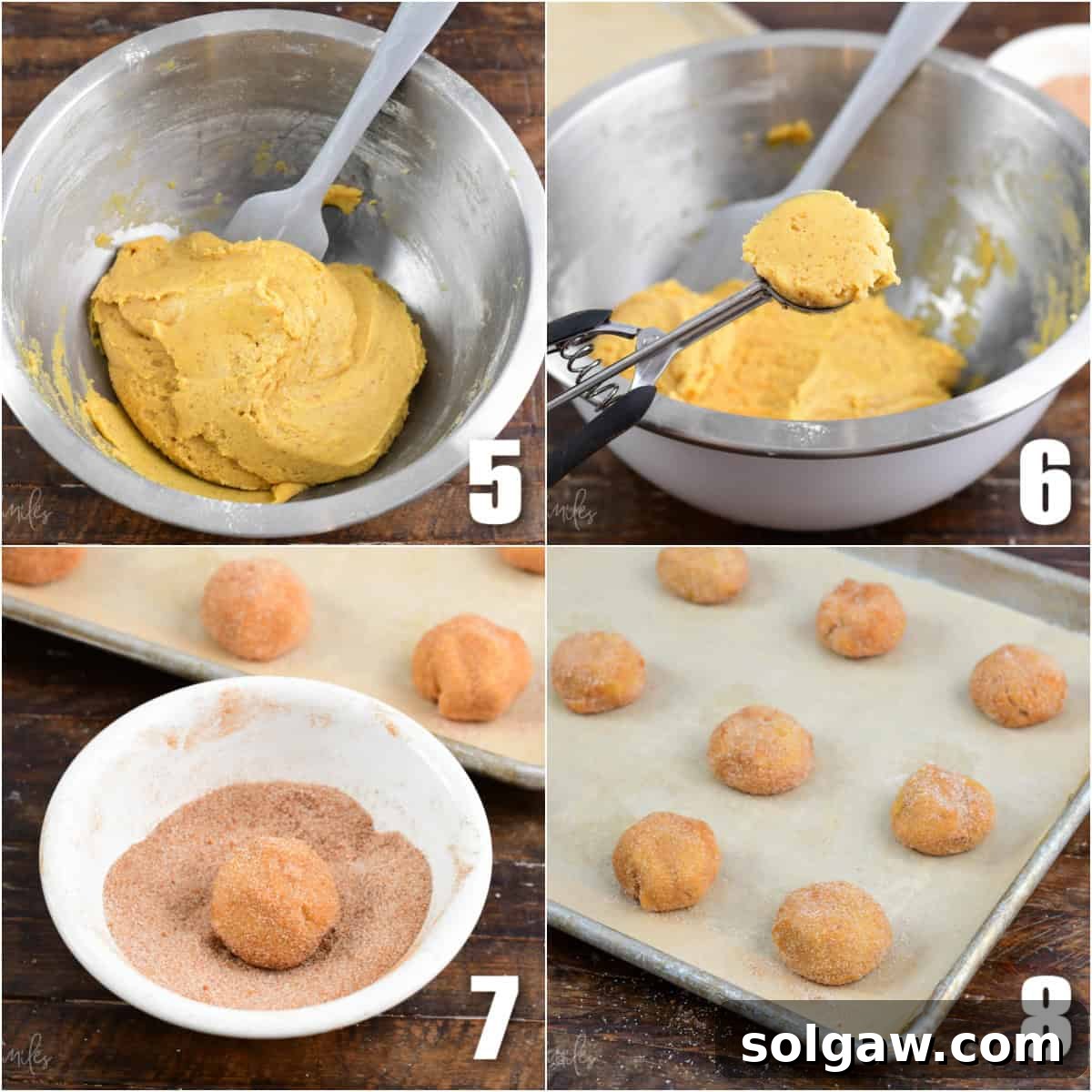
- Prepare Cinnamon-Sugar Coating and Roll: While the dough chills, preheat your oven to 375°F (190°C) and line a baking sheet with parchment paper. In a small, shallow bowl, whisk together the additional granulated sugar and ground cinnamon for the coating. Once the dough is chilled, use a cookie scoop (a #40 scoop, approximately 1½ tablespoons, is ideal for even portions) to portion out the dough. Roll each scoop of dough between your palms to form a smooth ball, then generously roll it in the cinnamon-sugar mixture, ensuring an even coating on all sides.
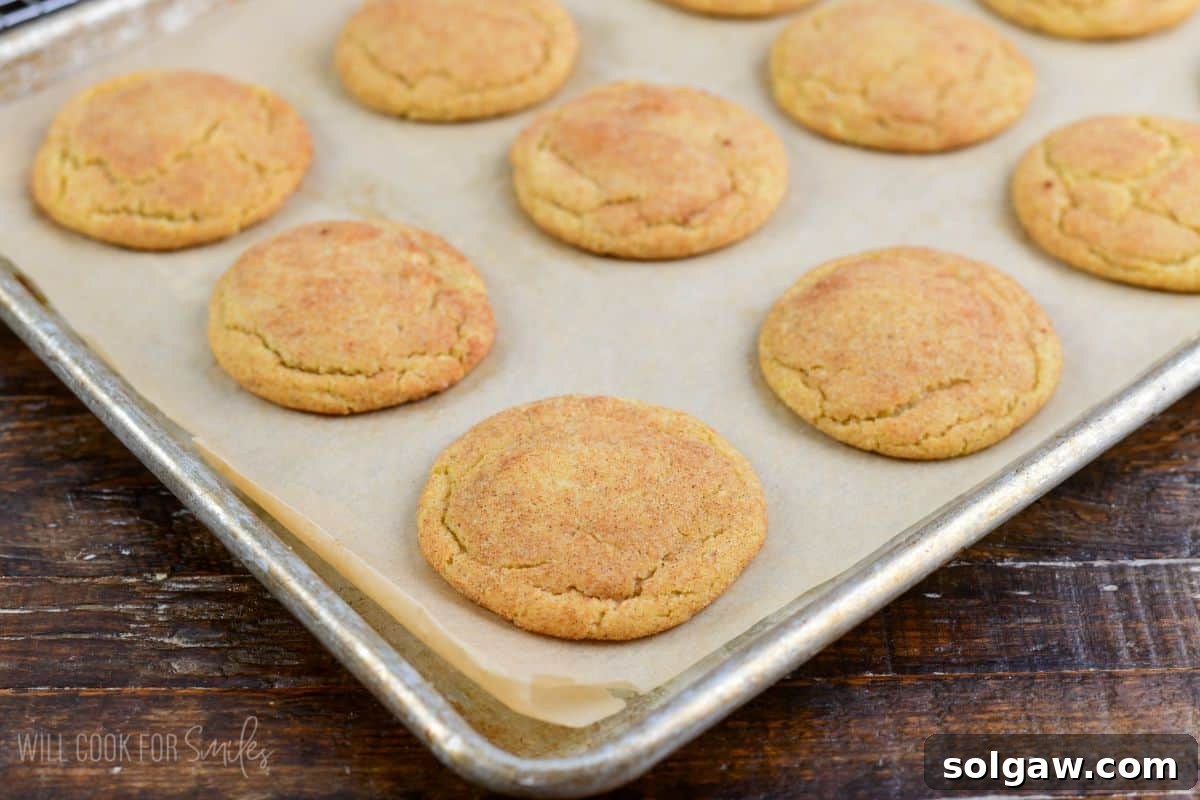
- Bake the Cookies: Place the coated dough balls onto the prepared baking sheets, leaving about 2 inches of space between each cookie to allow for spreading. Bake for 10-11 minutes, or until the edges are set and lightly golden brown, but the centers still appear soft and slightly puffy. You’ll notice some characteristic crinkling on the surface, which is exactly what you want!
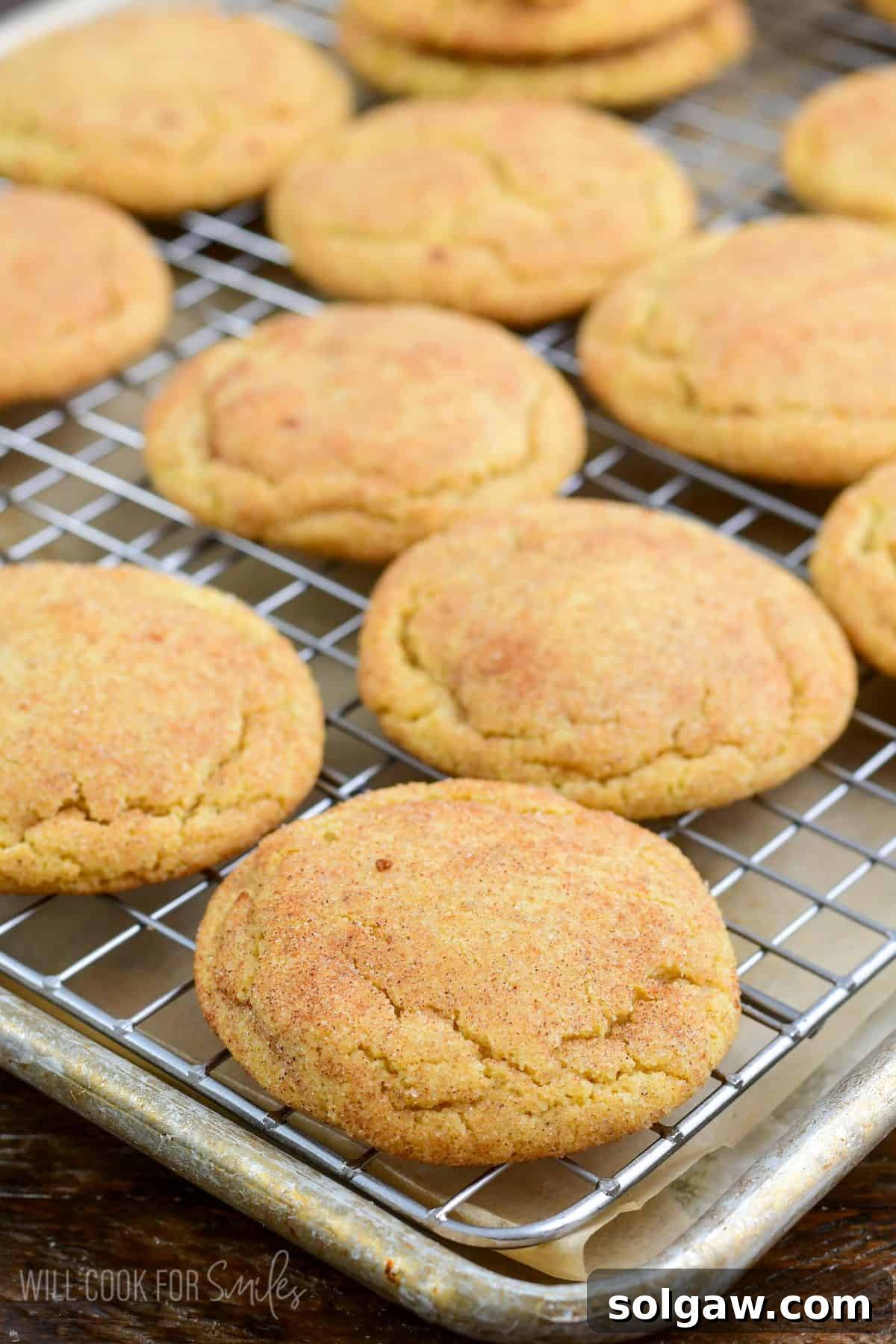
- Cool and Enjoy: Once baked, remove the cookies from the oven and let them rest on the hot baking sheet for about 5-10 minutes. This allows them to continue setting and firming up without becoming dry. After this initial cooling, carefully transfer the cookies to a wire rack to cool completely. While they are delicious cooled, there’s no judgment if you sneak one warm – just be careful, as they will be delicate!
Expert Tips for the Best Brown Butter Snickerdoodle Cookies
Achieving bakery-quality snickerdoodles is easy when you keep these crucial tips in mind:
- Master the Butter Browning Process: Browning butter is quick, typically taking only 3-5 minutes, but it requires your full attention. Do not walk away from the stove. Continuously stir and watch for the crucial transition from foamy to golden brown bits at the bottom of the pan, accompanied by that rich, nutty aroma. It can go from perfectly toasted to burnt very rapidly, so remove it from the heat as soon as you see those amber specs and smell the fragrance.
- Adhere to the Recommended Chill Time: The specified 30-minute chill time for the cookie dough is essential for optimal texture. This brief refrigeration allows the butter to re-solidify slightly, preventing the cookies from spreading too much in the oven and ensuring a delightfully chewy texture. I’ve tested these cookies extensively, both chilled and unchilled, and a short chill significantly improves the final chewiness and overall structure. Anything longer than 30-45 minutes might make the dough too firm to roll easily, requiring a brief warm-up on the counter.
- Avoid Overmixing the Dough: Once you add the flour and other dry ingredients, mix the dough only until they are just combined. Overmixing develops the gluten in the flour, which can lead to tough, dense cookies instead of the desired soft and chewy texture. Use a rubber spatula and fold gently until no dry streaks remain.
- Do Not Overbake Your Cookies: This is perhaps the most critical tip for chewy cookies. Remove the snickerdoodles from the oven when their edges are visibly set and lightly golden, but their centers still appear soft and slightly underbaked. The residual heat from the baking sheet will continue to cook them as they cool, leading to that perfect balance of crisp edges and wonderfully soft, chewy middles. Overbaked cookies will be dry and crumbly.
Storing and Freezing Brown Butter Snickerdoodle Cookies
These Brown Butter Snickerdoodles are wonderfully versatile when it comes to storage, allowing you to enjoy them fresh or save them for a future craving:
- Storing Baked Cookies: Once your snickerdoodles have cooled completely to room temperature, transfer them to an airtight container. Stored this way, they will remain delightfully soft and chewy for up to 3-5 days at room temperature. For optimal freshness, you can even place a slice of bread in the container with the cookies; the bread will absorb moisture, keeping the cookies soft.
- Freezing Unbaked Cookie Dough: For convenient future baking, you can prepare and freeze the cookie dough ahead of time. After you’ve formed and rolled the dough balls in the cinnamon-sugar coating, place them in a single layer on a baking sheet and freeze until they are completely solid (this usually takes about an hour). Once frozen, transfer the solid dough balls to a freezer-safe airtight container or a heavy-duty freezer bag. They can be stored for up to 2-3 months. When you’re ready to bake, simply place the frozen dough balls on a parchment-lined baking sheet and bake directly from frozen, adding an extra 1-2 minutes to the typical baking time.
- Freezing Baked Cookies: If you have leftover baked cookies or want to prepare a batch in advance, you can easily freeze them. Once the cookies are entirely cool, stack them between layers of parchment paper to prevent sticking. Place the stacked cookies in an airtight freezer container or a freezer bag. They will keep well in the freezer for up to 2 months. To enjoy, simply remove them from the freezer and let them thaw at room temperature for approximately 15-20 minutes. They’ll taste almost as fresh as the day they were baked!
Recipe FAQ: Brown Butter Snickerdoodles
Yes, absolutely! For *these* particular snickerdoodles, browning the butter is the key step that transforms them. It’s the magic ingredient that infuses them with a deep, nutty, and almost caramel-like flavor, along with a distinct chewy texture that you won’t achieve with softened butter. While you can make snickerdoodles with regular butter, they will be an entirely different cookie with a milder flavor and softer crumb. To experience the unique deliciousness of this recipe, brown butter is essential.
Cream of tartar is a non-negotiable ingredient for authentic snickerdoodles, defining their unique character. It provides the signature tangy flavor that balances the sweetness and reacts with baking soda to create the perfect leavening. This reaction contributes to the cookie’s characteristic soft, chewy interior with a slight bite, and helps achieve the desirable crinkled top, which is the hallmark of a true snickerdoodle.
Flat or excessively spread cookies are usually caused by a few common issues. The dough might have been too soft or warm before baking, or it wasn’t adequately chilled. Overmixing the dough can also contribute to spreading, as it develops gluten too much. This recipe accounts for mixing in a bowl, which generally reduces the likelihood of overmixing compared to stand mixers. Ensuring you chill the dough for the recommended 30 minutes will firm up the butter and help prevent excessive spreading, giving your cookies better structure.
Dry or hard snickerdoodles are typically the result of over-baking or incorrect ingredient ratios, most commonly too much flour. To prevent this, always set a timer and adhere to the specified baking time. It’s also beneficial to use an oven thermometer to ensure your oven is at the correct temperature. Most importantly, measure your ingredients precisely, especially the flour, using the spoon-and-level method to avoid adding excess. Remember, cookies continue to cook slightly on the hot baking sheet after being removed from the oven, so taking them out when they look slightly underdone in the center is key for a soft interior.
More Delicious Cookie Recipes You May Enjoy
If you’ve fallen in love with the soft, chewy texture and rich flavors of these Brown Butter Snickerdoodles, you’re sure to enjoy some of my other reader-favorite cookie recipes. Explore more delightful treats like my vibrant White Chocolate Cranberry Crinkle Cookies, classic Soft Sugar Cookies, or my comforting Soft Gingerbread Cookies. These Brown Butter Snickerdoodles are also an excellent addition to any holiday cookie platter, perfectly complementing seasonal favorites such as Eggnog Cookies and festive Rum Balls. Their warm, spiced flavor pairs beautifully with a variety of seasonal treats.
PIN THIS RECIPE FOR LATER
DID YOU MAKE THIS RECIPE? Please leave a 🌟 star rating! Let me know how you liked it by leaving a 📝 comment below or share and tag me on social media @willcookforsmiles. DON’T FORGET to subscribe to my newsletter!
Brown Butter Snickerdoodle Cookie Recipe
If you love a cookie that’s crispy at the edges, soft and chewy in the middle, and full of warm cinnamon flavor, these Brown Butter Snickerdoodle Cookies will be your new favorite. This recipe uses simple pantry ingredients like butter, sugar, eggs, cinnamon, and flour, elevated by the special technique of browning the butter.
Course: Cookies
Cuisine: American
Prep Time: 15 minutes
Cook Time: 10 minutes
Refrigerating time: 30 minutes
Total Time: 55 minutes
Servings: 24 cookies
Calories: 189 kcal
Author: Lyuba Brooke
Equipment
- Medium Cooking Pan
- Whisk
- Measuring cups and spoons
- Mixing bowl
- Baking sheets
- Wire rack
Ingredients
For the Cookies:
- 1 cup unsalted butter (2 sticks)
- 1 1/4 cup white granulated sugar
- 1/4 cup light or dark brown sugar
- 2 eggs, room temperature
- 2 tsp vanilla extract
- 3 cups all purpose flour
- 1 tsp ground cinnamon
- 2 tsp cream of tartar
- 1 tsp baking soda
- 1/2 tsp coarse salt
For rolling:
- 1/4 cup white granulated sugar
- 3 tsp ground cinnamon
Instructions
To Brown Butter:
- Chop butter and add it to a medium cooking pan. Heat the butter over medium heat until melted. The butter will bubble vigorously for the first minute or so, then settle and become foamy.
- Continue cooking, stirring slowly every few seconds to prevent burning. You will notice the butter darkening to a golden brown color and smell a distinct nutty aroma. Remove the pan from heat immediately when the butter is golden-browned and fragrant, before it gets too dark and burns. This usually takes about 3-5 minutes in total.
Making Cookie Dough:
- Transfer the browned butter, including all the browned bits, into a large, heatproof mixing bowl.
- Whisk in both white and brown sugars, along with the vanilla extract, until fully incorporated and smooth.
- Add the eggs and whisk vigorously for about 30 seconds until the mixture is smooth with no lumps. Let the mixture stand for a couple of minutes, then whisk vigorously again for another 30 seconds to incorporate air.
- Using a rubber spatula, stir in the flour, cinnamon, cream of tartar, salt, and baking soda until just combined and evenly incorporated. Be careful not to overmix.
- Place the cookie dough into the refrigerator for about 30 minutes. This chilling period is important for texture and preventing spread.
Baking Snickerdoodles:
- Preheat your oven to 375℉ (190°C) and line a baking sheet with parchment paper.
- In a shallow bowl, whisk together the granulated sugar and cinnamon for the coating.
- Use a cookie scoop (a #40, 1½ Tbsp. scoop works well) to get even amounts of cookie dough.
- Quickly roll each cookie dough ball to shape it, then generously coat it in the cinnamon-sugar mixture. Place the rolled cookies on the baking sheet about 2 inches apart.
- Bake for 10-11 minutes, until the edges are lightly golden and set, but the centers remain soft and slightly puffy.
- Remove the cookies from the oven and let them cool on the baking sheet for about 5-10 minutes. Then, transfer them to a wire rack to finish cooling.
Notes
- Storage: Store cooled cookies in an airtight container at room temperature for several days (up to 3-5 days).
- Freezing before baking: You can freeze rolled and cinnamon-sugar coated dough balls. Freeze them on a baking sheet until solid (about an hour), then transfer to an airtight container or bag. Bake directly from frozen, adding 1-2 minutes to the bake time.
- Freezing after baking: Cool baked cookies completely, then stack them with parchment paper in between each one. Freeze in a storage container or bag for up to 2 months. Thaw at room temperature for about 15-20 minutes before enjoying.
Nutrition
Calories: 189kcal | Carbohydrates: 27g | Protein: 2g | Fat: 8g | Saturated Fat: 5g | Polyunsaturated Fat: 0.4g | Monounsaturated Fat: 2g | Trans Fat: 0.3g | Cholesterol: 34mg | Sodium: 102mg | Potassium: 71mg | Fiber: 1g | Sugar: 15g | Vitamin A: 257IU | Vitamin C: 0.01mg | Calcium: 12mg | Iron: 1mg
Tried this recipe?
Mention @willcookforsmiles or tag #willcookforsmiles!