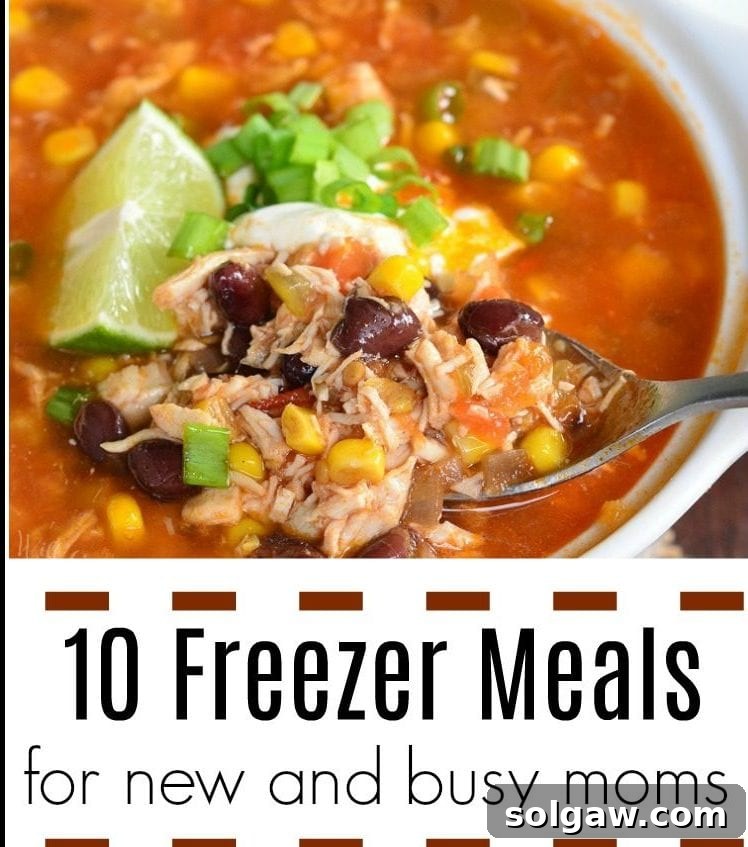
For new mothers navigating the beautiful chaos of newborn life, or busy parents juggling work, school runs, and endless to-do lists, the kitchen can often feel like a battleground rather than a sanctuary. The idea of preparing a nutritious, delicious meal from scratch every night can be daunting, if not impossible. This is where the magic of freezer meals comes in – a culinary lifesaver designed to ease your load and ensure your family is well-fed, even on the most demanding days.
Having recently experienced the anticipation of welcoming a new family member, I embarked on a mission to master the art of freezer meal prep. What started as a personal quest to stock my freezer for those initial weeks post-arrival has transformed into a passion for smart, efficient cooking. I’ve gathered not just a collection of my favorite freezer-friendly recipes, but also a wealth of practical advice, tips, and tricks to help you build your own stash of ready-to-eat comfort food. Join me as we explore how to transform your kitchen into a hub of make-ahead marvels, ensuring you always have a wholesome meal just minutes away.
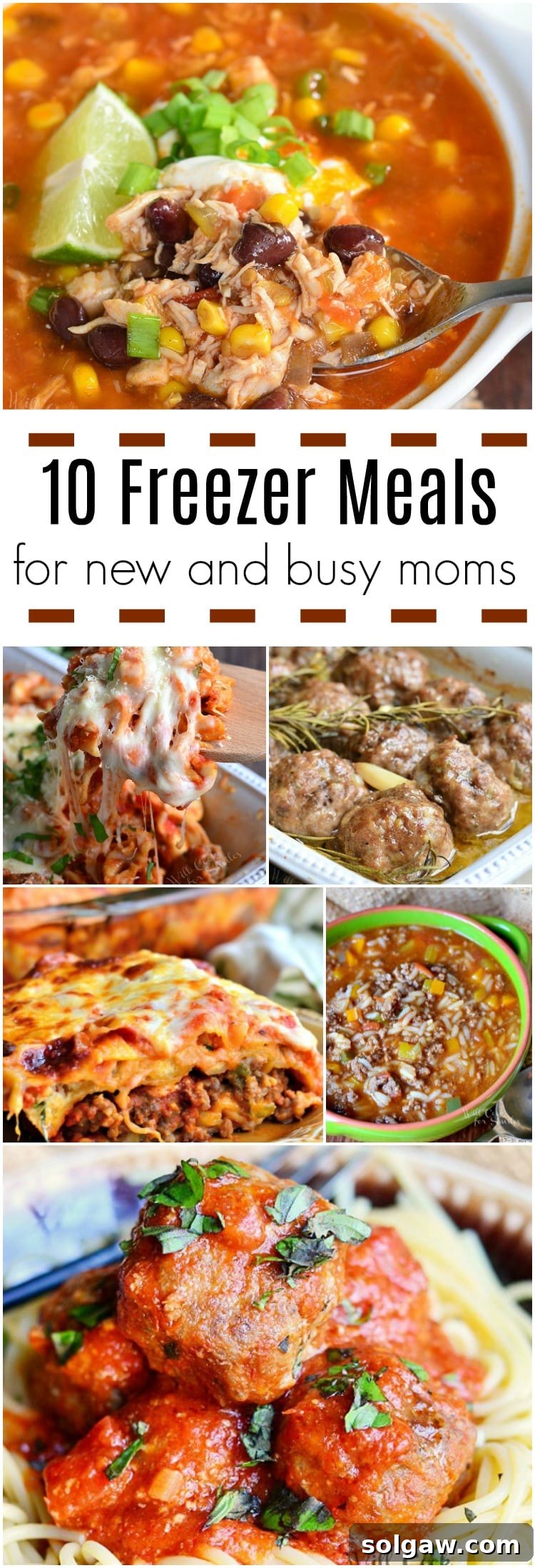
The Essential Guide to Freezer Meal Prep: Saving Time and Sanity
Why Embrace Freezer Meals? A Game-Changer for Busy Households
For years, when asked about freezing my recipes, my honest answer was, “I’m not much help – I don’t typically freeze meals.” Life, however, has a wonderful way of introducing new needs and priorities. As I entered my third trimester, the reality of impending sleepless nights and limited kitchen time became strikingly clear. The mission became simple yet crucial: stock the freezer to ensure nourishing meals would be readily available during the beautiful whirlwind that follows a new arrival.
This personal journey transformed me into a dedicated student of freezer meal prep. I devoured information, experimented with techniques, and meticulously researched which recipes truly shine after a stint in the deep freeze. My freezer is now a testament to this newfound wisdom, a treasure trove of ready-to-heat comfort. Now, I’m thrilled to share everything I’ve learned – from selecting the right containers to understanding which dishes are freezer superstars and which are better enjoyed fresh.
Embracing freezer meals offers a multitude of benefits beyond just convenience. It’s a powerful strategy for reducing food waste, saving money on groceries, and ensuring your family enjoys homemade, wholesome food even when time is scarce. Imagine coming home after a long day, knowing that a delicious, balanced dinner is just a reheat away, eliminating the stress of last-minute cooking or resorting to less healthy takeout options. Freezer meal prep empowers you to regain control over your meal planning, allowing you to spend less time in the kitchen and more time enjoying precious moments with your loved ones.
PIN IT if you LOVE IT!
Essential Tools for Successful Freezing: Choosing the Right Containers
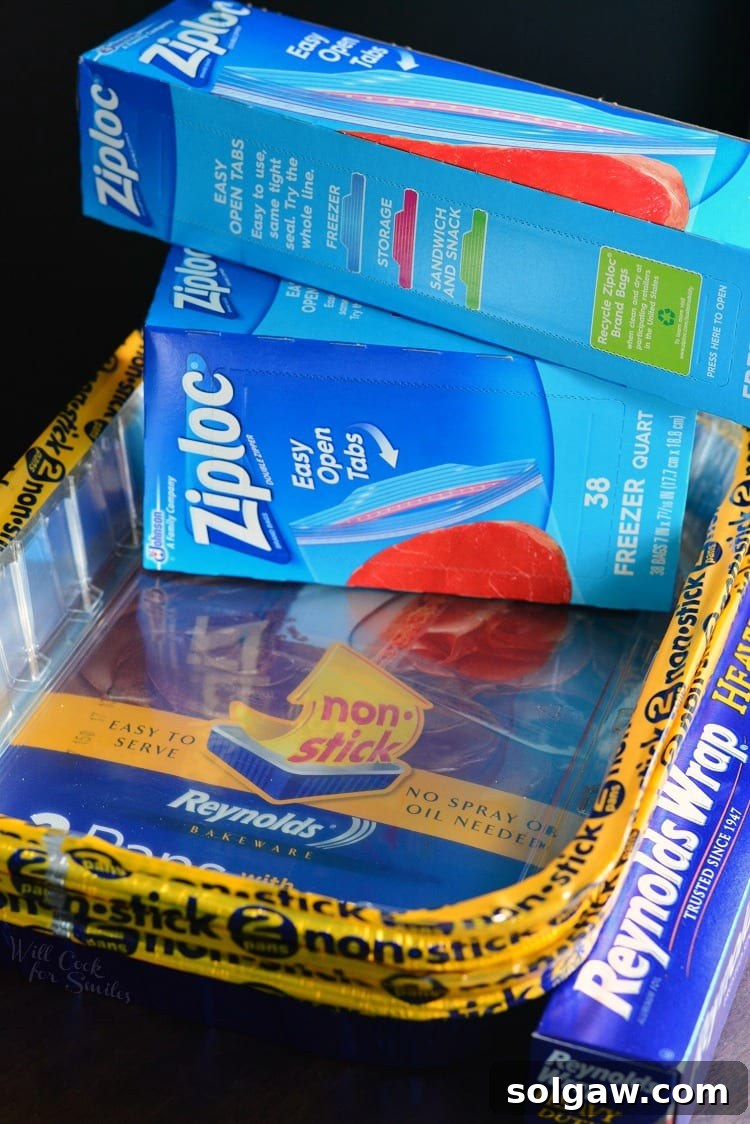
Selecting the appropriate containers is fundamental to successful freezer meal prep. Your primary goals are to prevent freezer burn, maximize freezer space, and ensure easy thawing. The two most effective options for home freezing are heavy-duty freezer bags and aluminum baking pans.
Heavy-Duty Freezer Bags: Ideal for Soups, Stews, and More
When opting for freezer bags, always choose the robust, heavy-duty varieties designed specifically for freezing. Avoid the thinner, slider-close bags typically used for sandwiches or snacks. The reason is simple: conventional slider bags are more prone to air leakage, which leads to dreaded freezer burn – the enemy of taste and texture. High-quality freezer bags provide a superior seal, protecting your food from ice crystals and preserving its flavor.
Freezer bags are incredibly versatile and perfect for a wide range of dishes, including:
- Soups, stews, and chilies (e.g., Chicken Tortilla Soup, White Turkey Chili)
- Cooked meats (shredded chicken, ground beef)
- Marinated raw meats (chicken breasts, burger patties)
- Cooked or raw meatballs (e.g., Roasted Garlic and Rosemary Baked Meatballs)
- Crockpot freezer meals (where ingredients are combined raw for later slow cooking)
Tips for using freezer bags: Always remove as much air as possible before sealing to prevent freezer burn. A simple trick is to partially seal the bag, then use a straw to suck out the remaining air before fully sealing. When freezing liquids, remember that they expand upon freezing, so leave about an inch of headspace to prevent bags from bursting. Lay liquid-filled bags flat to freeze; once solid, they can be stacked vertically to save space.
Aluminum Baking Pans: Perfect for Casseroles and Baked Dishes
For layered dishes like casseroles, lasagnas, and enchiladas, aluminum baking pans are your best friend. These disposable pans are convenient for direct oven reheating and eliminate the need for transferring food.
How to use aluminum pans: Assemble your casserole or enchiladas completely, right up to the point where the recipe calls for baking. Instead of putting it in the oven, cover it tightly with a layer of plastic wrap directly touching the food, followed by a layer of heavy-duty aluminum foil. This double-layer seal is crucial for preventing freezer burn. Ensure the pan is wrapped as tightly as possible to exclude air.
Portioning for Efficiency and Safety
Regardless of the container type, portioning your meals into smaller, manageable servings is a key strategy. Smaller portions cool and freeze much faster, which is vital for food safety. Rapid cooling minimizes the time food spends in the “danger zone” (between 40°F and 140°F / 4°C and 60°C), where bacteria multiply quickly. Faster freezing also helps maintain the food’s quality and extends its freezer shelf life. Plus, it makes thawing and reheating individual meals significantly more convenient.
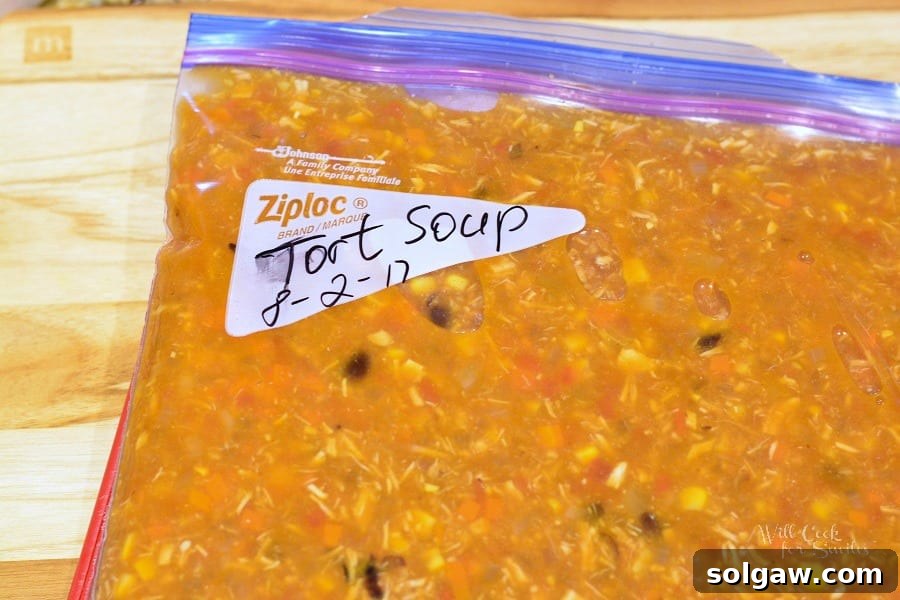
Mastering the Freezing Process: Cooling, Labeling, and Organization
Proper preparation before freezing is just as important as choosing the right container. These steps ensure food safety, quality, and easy retrieval later on.
Rapid Cooling for Food Safety
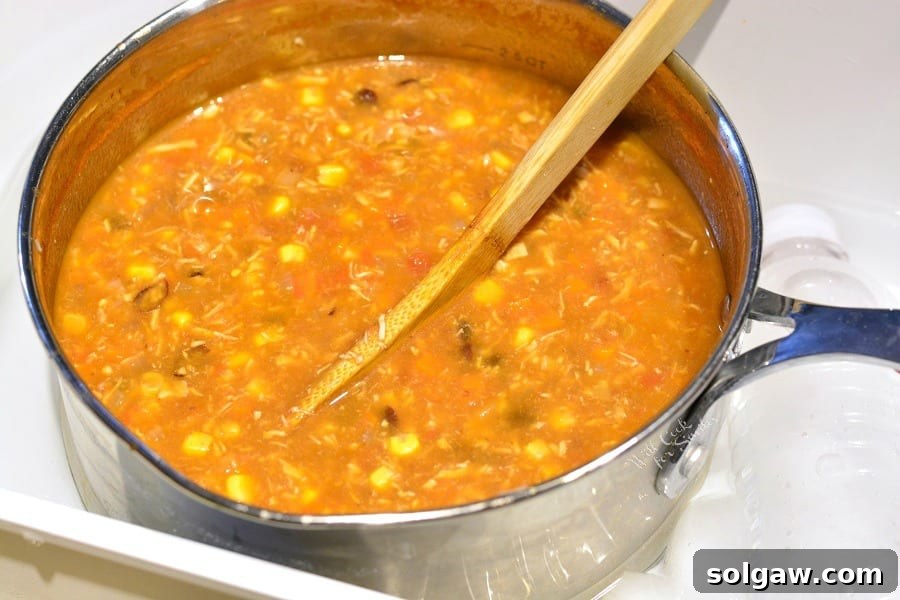
Before any cooked meal goes into the freezer, it absolutely must be cooled down as quickly as possible. This is a critical step to prevent the growth of harmful bacteria. The ideal method for rapid cooling is to divide the hot food into smaller portions and place these containers into a larger basin filled with ice and a little water. For soups and stews, stirring them periodically during the ice bath helps dissipate heat evenly and speeds up the cooling process. Never put hot food directly into the freezer, as it can raise the internal temperature of the freezer, potentially thawing other frozen items and creating a food safety hazard.
The Importance of Labeling and Dating
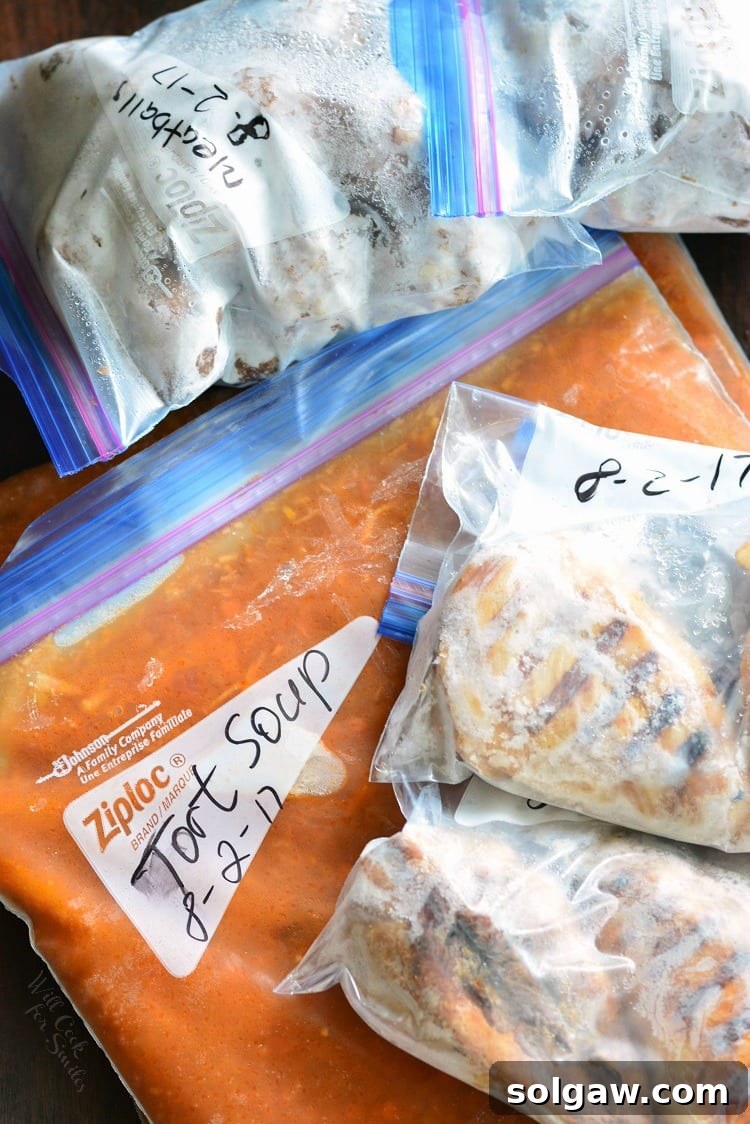
Once your dish has cooled completely and been portioned, the next vital step is to label it clearly. This might seem like a minor detail, but a well-stocked freezer can quickly become a mystery box without proper identification. Each label should include:
- The Dish Name: “Chicken Tortilla Soup,” “Italian Sausage Lasagna,” etc.
- The Date of Preparation: Essential for tracking freshness.
- Serving Size (Optional): Useful for individual portions.
- Reheating Instructions (Optional): A quick note on how to heat can be a lifesaver on a busy day.
Use a permanent marker and sturdy labels that won’t fall off in the cold. This simple practice ensures you always know what you have on hand, helps you rotate your stock effectively, and prevents anything from lingering past its prime.
Safe Thawing and Reheating Strategies
Just as freezing properly is key, so is thawing safely. The safest and most recommended method for thawing frozen meals is slowly, in the refrigerator, overnight. This allows the food to gradually come to a safe temperature, preventing rapid bacterial growth.
Alternative Thawing Methods (with caution):
- Cold Water Thawing: For quicker thawing, submerge sealed bags of food in cold tap water, changing the water every 30 minutes. Cook immediately after thawing.
- Microwave Thawing: Use the defrost setting and cook immediately after thawing, as some areas of the food may begin to cook.
Never thaw food at room temperature on the counter, as this allows bacteria to multiply rapidly. Once thawed, meals like casseroles can be baked directly in the oven. Soups, stews, and chilies can be transferred to a saucepan and gently reheated on the stovetop until piping hot throughout. Always ensure food reaches an internal temperature of 165°F (74°C) before serving.
Optimizing Shelf Life: How Long Do Freezer Meals Last?
While freezing preserves food, it doesn’t do so indefinitely. For best quality and flavor, it’s good to adhere to general guidelines for freezer storage. These times are for optimal quality; food will remain safe beyond these periods but may decline in texture or taste.
- Tomato/Vegetable Sauces: Up to 6 months
- Meatloaf (any type of meat): Up to 6 months
- Soups and Stews: 2-3 months
- Poultry and Meat Casseroles: Up to 6 months
- Cooked Poultry (no gravy): Up to 3 months
- Cooked Poultry (with gravy/sauce): 5-6 months
- Meatballs in Sauce: Up to 6 months
- Meatballs without Sauce: 3-4 months
- Baked Goods (breads, muffins): 2-3 months
- Uncooked Dough (pizza, cookie): 3-6 months
Foods to Avoid Freezing: Keeping Quality and Texture in Mind
While the freezer is a powerful tool, not all foods are created equal when it comes to standing up to the freezing and thawing process. Understanding these exceptions will help you avoid disappointment and ensure your meals are always delicious.
Delicate Dairy and Cream-Based Sauces
Cream-based sauces, especially those made with sour cream, yogurt, or heavy cream, are notorious for separating and developing a grainy, unappetizing texture upon thawing. The fat and water components tend to split, resulting in a curdled appearance. For best results, consider freezing the main components of a dish (e.g., a chicken and vegetable mixture for a creamy casserole) without the dairy. You can then whip up and incorporate the fresh cream sauce just before serving or reheating the thawed dish. If a recipe calls for dairy as a final garnish (like a dollop of sour cream on chili), simply omit it during freezing and add it fresh.
Rice-Based Dishes (with a caveat)
Many rice dishes, particularly those with a high liquid content (like some risottos or soups where rice is cooked directly in the broth), can become overly mushy and absorb too much liquid when frozen and thawed. The rice continues to cook and soften during the cooling process and often suffers a textural breakdown. If your recipe includes rice, it’s often better to cook and freeze the rice separately, or prepare fresh rice to mix in after the main dish has been thawed and reheated. This ensures the rice maintains its desired texture and doesn’t become waterlogged.
Certain Pastas, Especially Gluten-Free Varieties
Traditional pasta can sometimes become a bit soft after freezing and thawing, but certain gluten-free pastas pose an even greater challenge. Many brands and types of gluten-free pasta struggle to maintain their structural integrity even after simple reheating as leftovers, let alone surviving the freezer. The starches behave differently, leading to a mushy or crumbly consistency. However, some brands are proving to be exceptions. From my experience, Tinkyada brand brown rice pasta is a reliable choice. It holds up exceptionally well in pasta salads and reheats beautifully, making it a strong contender for inclusion in frozen casseroles. Always test a small portion of your chosen gluten-free pasta before committing a large batch to the freezer.
Other Foods to Generally Avoid Freezing:
- Leafy Greens: Lettuce, spinach, and other delicate greens become limp and watery after thawing.
- Raw Potatoes: Unless blanched first, raw potatoes can become mushy and discolored. Cooked potatoes, however, freeze well in many forms.
- Fried Foods: Tend to lose their crispiness and become soggy.
- Egg-Based Dishes: May become rubbery or separate, especially hard-boiled eggs or dishes with a high egg content.
- Mayonnaise-Based Salads: Mayonnaise can separate and become oily or watery.
Ready to dive deeper into the world of delicious, time-saving recipes? Don’t miss out on future culinary inspiration! Sign up for our email newsletter to get new recipes and exclusive tips delivered straight to your inbox.
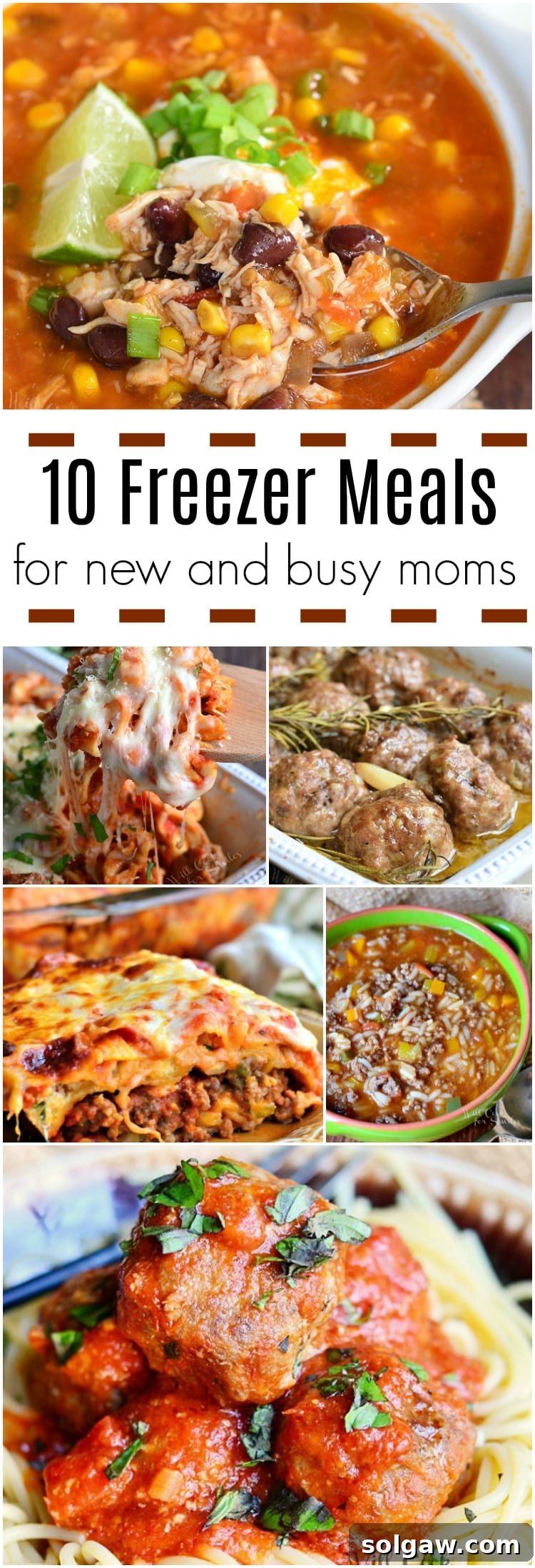
10 Great Meals to Freeze and Enjoy Later
Now that you’re equipped with the knowledge of how to freeze effectively, it’s time to stock your freezer with these incredibly delicious and freezer-friendly recipes. These dishes are specifically chosen for their ability to maintain flavor and texture after thawing and reheating, making your meal prep efforts truly rewarding.
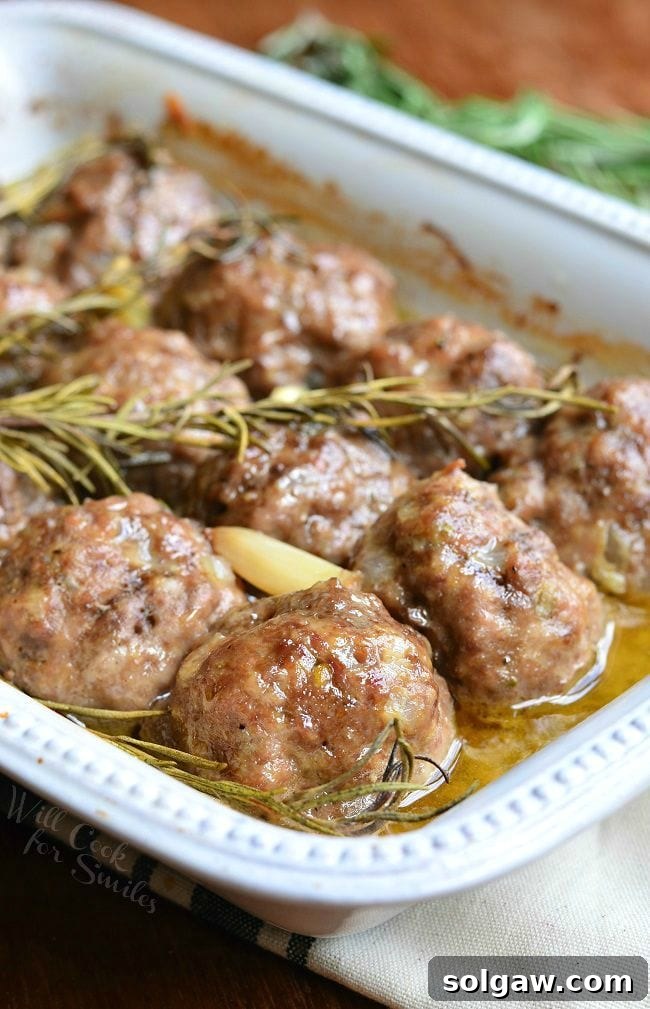
Roasted Garlic and Rosemary Baked Meatballs
These savory meatballs are fantastic for freezing, either cooked or raw. Freeze them in a single layer on a baking sheet before transferring to a freezer bag for easy portioning. Reheat directly in sauce or a casserole.
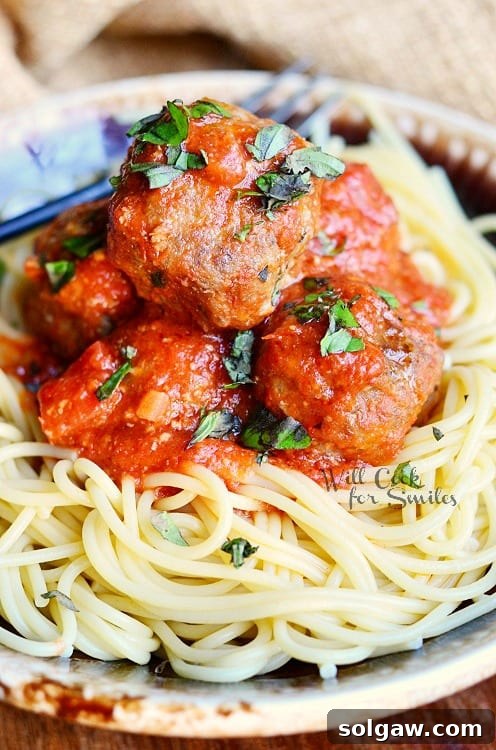
The BEST Meatballs
These versatile meatballs can be frozen with or without their sauce, offering flexibility for future meals. If freezing without sauce, add your favorite fresh sauce when reheating for optimal taste.
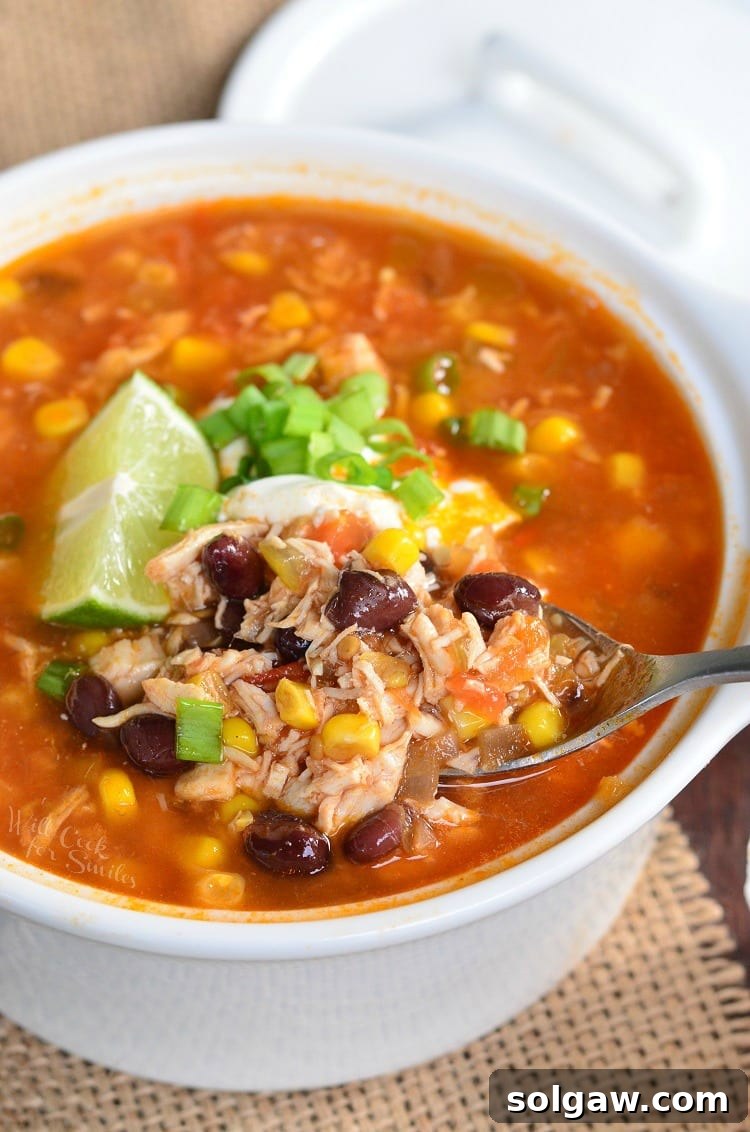
Chicken Tortilla Soup
Soups are freezer superstars! This hearty chicken tortilla soup freezes beautifully. Simply cool completely, then ladle into freezer bags, leaving headspace for expansion. Thaw and reheat for a comforting meal.
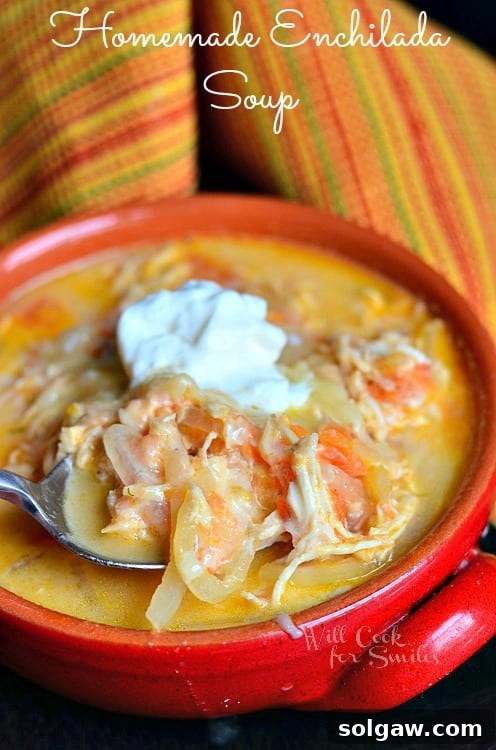
Homemade Chicken Enchilada Soup
For best results with this creamy soup, prepare it without the cream. Freeze the base, then add the cream after the soup has been thawed and reheated to maintain its smooth texture.
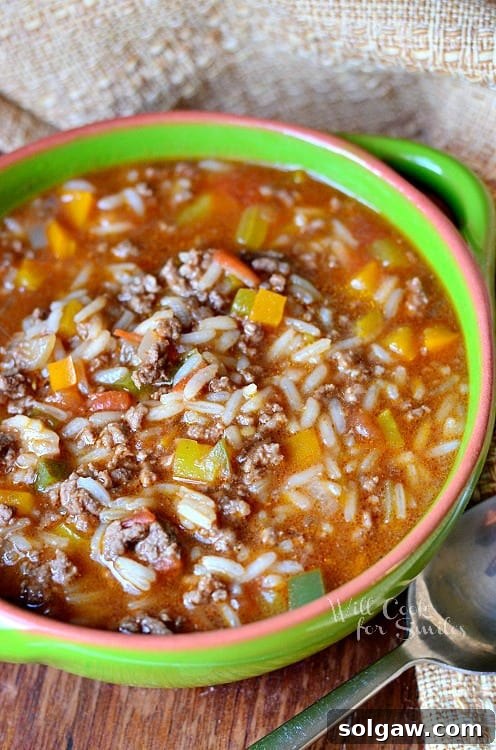
Stuffed Pepper Soup
This flavorful stuffed pepper soup is ideal for freezing. To prevent mushy rice, prepare the soup without it, then either freeze the rice separately or cook fresh rice to add when serving the reheated soup.
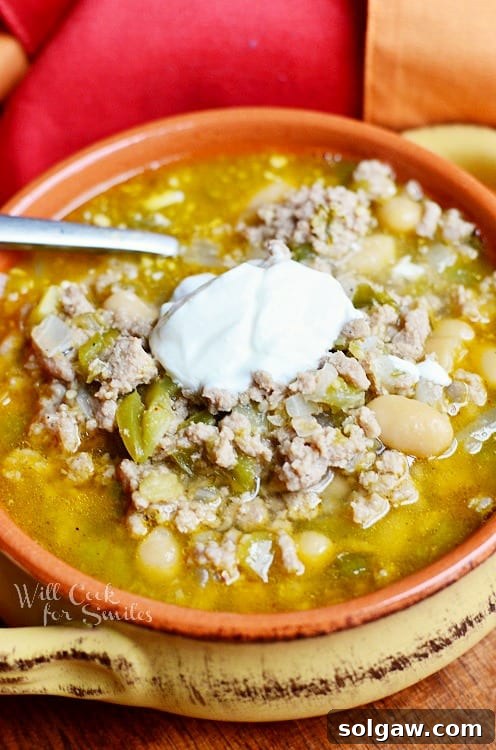
White Turkey Chili
Chili is a freezer staple! This hearty white turkey chili freezes exceptionally well. Portion into freezer bags or containers, thaw overnight, and gently reheat for a quick and satisfying meal.
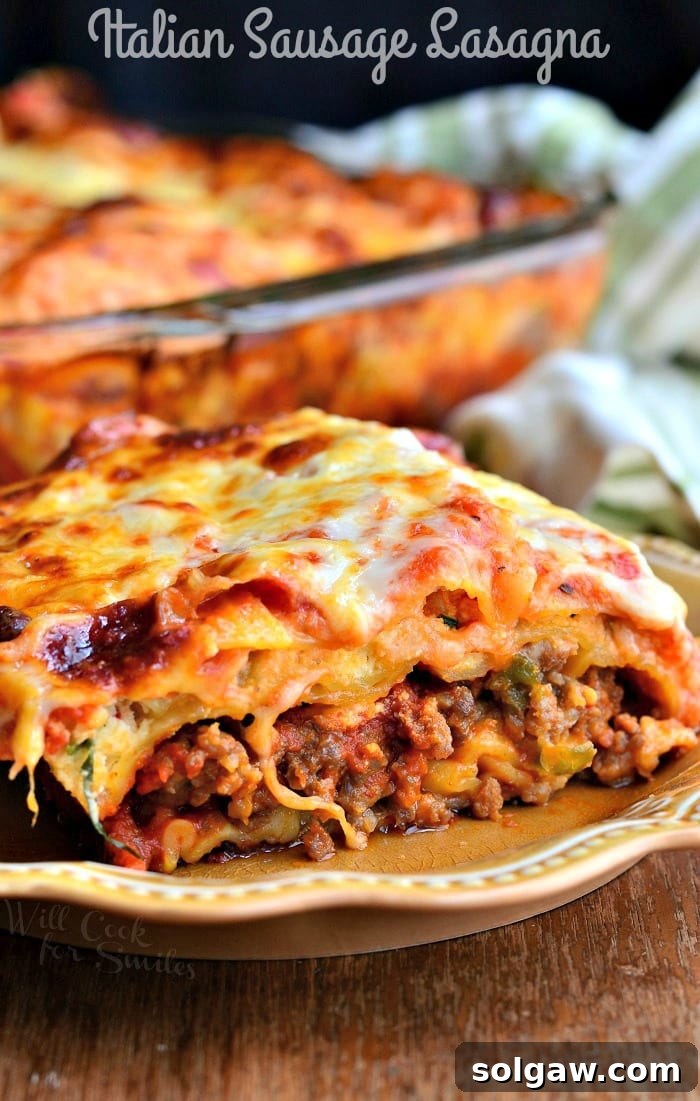
Italian Sausage Lasagna
Assemble this delicious lasagna entirely, up to the point of baking. Cover it tightly with plastic wrap and foil, then freeze. Thaw in the refrigerator before baking for a perfect family dinner.
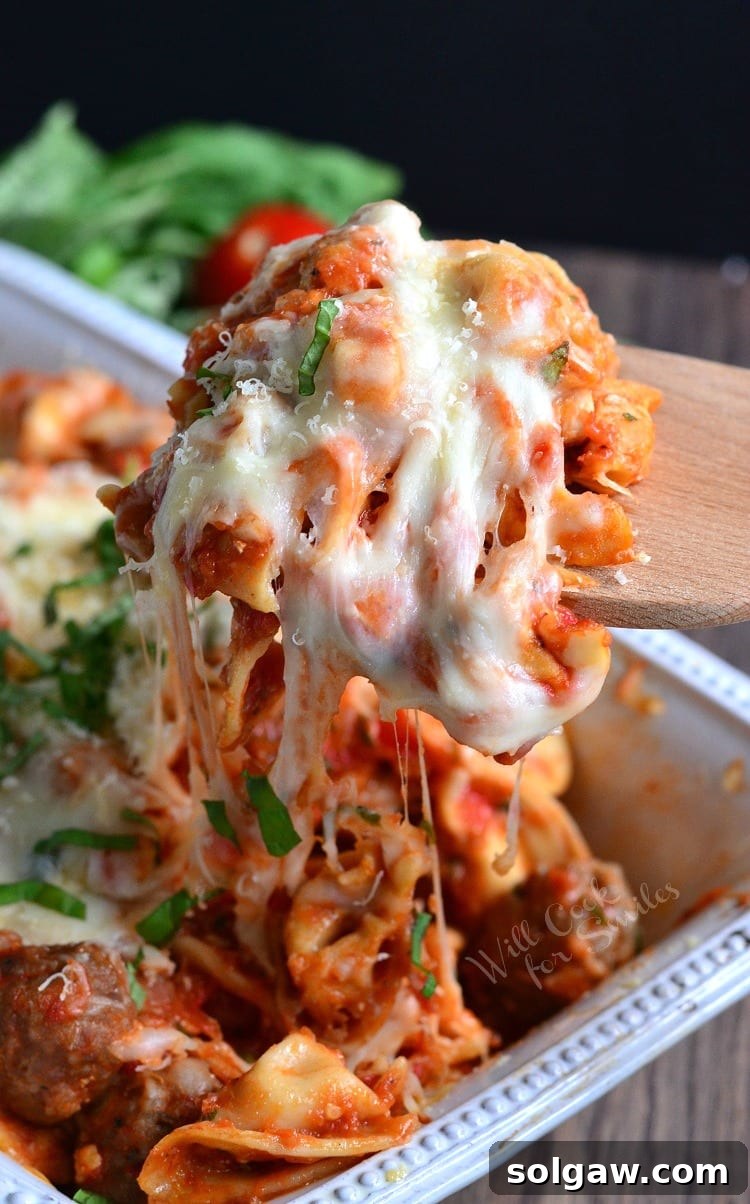
Four Cheese Chicken and Sausage Parmesan Tortellini Casserole
This comforting casserole is an excellent candidate for freezing. Prepare it up to the baking step, then wrap securely and freeze. Thaw and bake when you’re ready for a hearty meal.
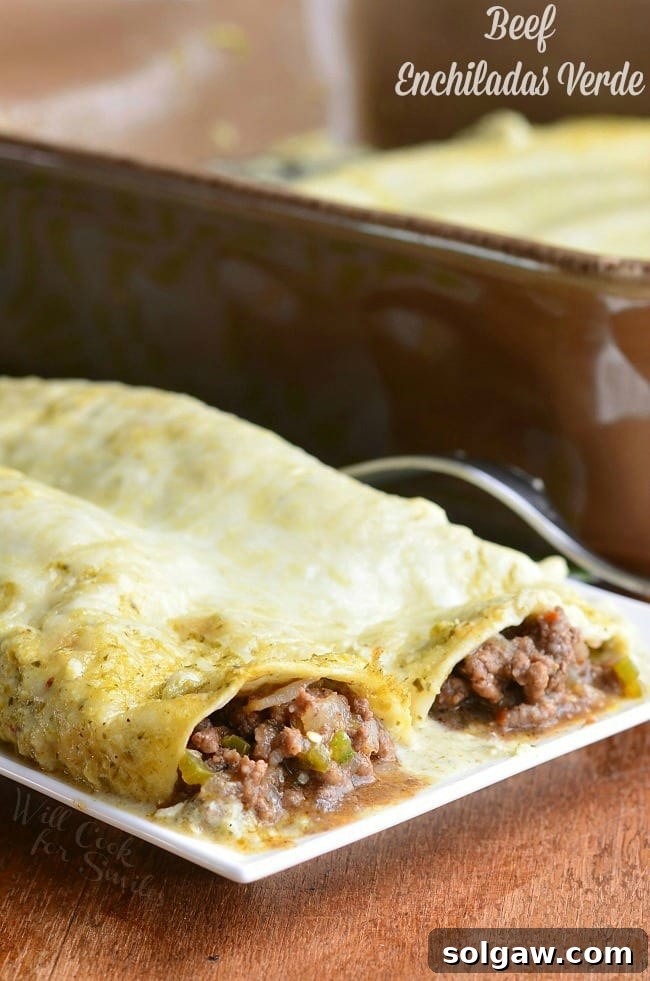
Beef Enchiladas Verde
Freeze these enchiladas without the sauce to prevent textural changes. Prepare the vibrant verde sauce after thawing and add it just before baking for a fresh, delicious finish.
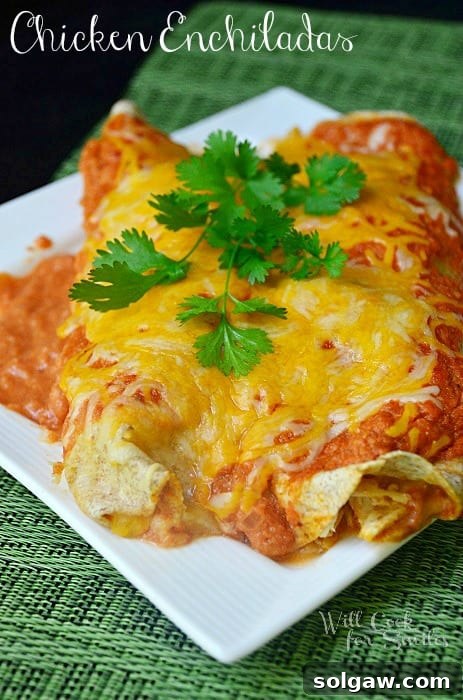
Chicken Enchiladas
These classic chicken enchiladas are perfect for make-ahead meals. Assemble them fully up to the baking step, then freeze. Once thawed, bake as usual for a quick and satisfying dinner.