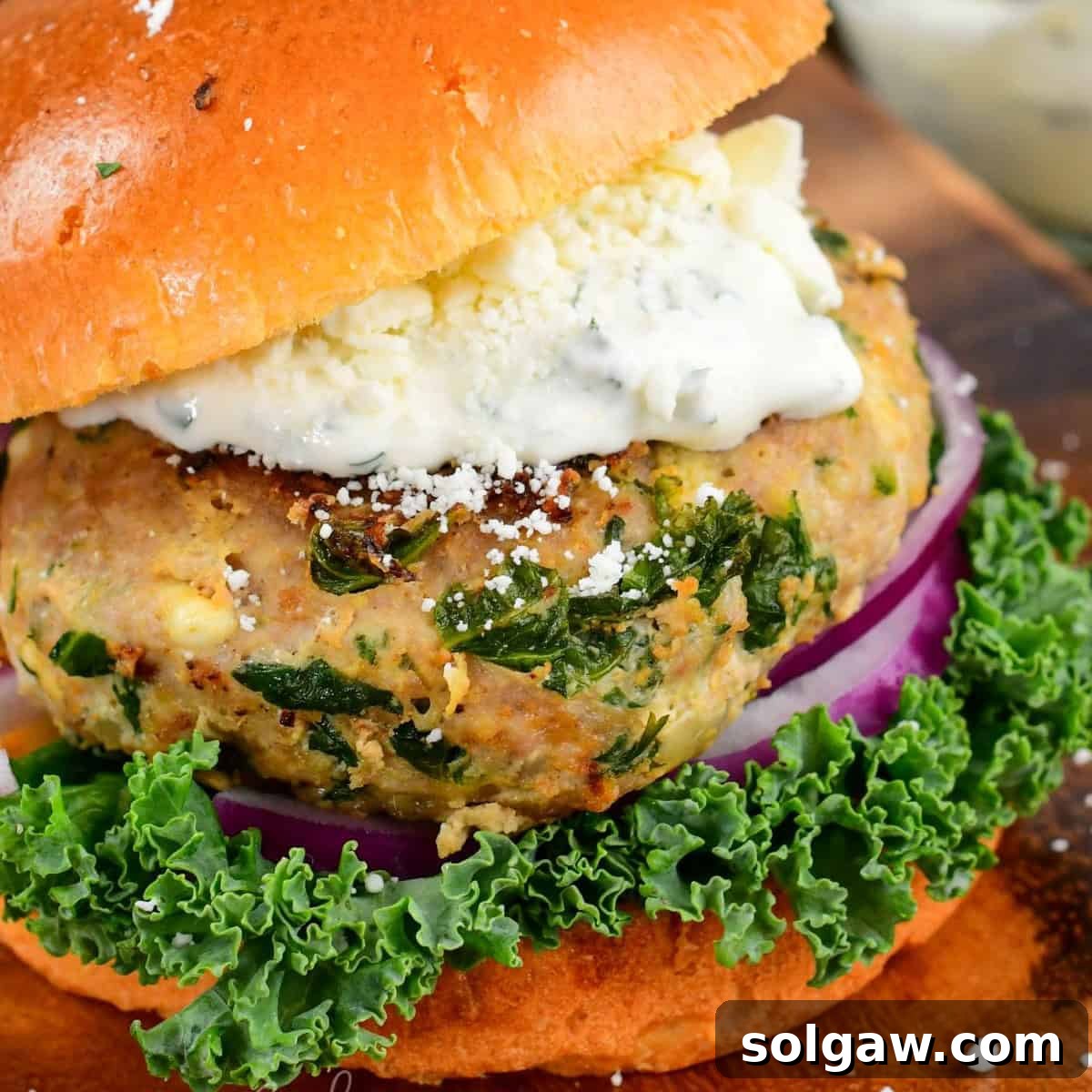
Crafting the Perfect Juicy Turkey Burgers: A Mediterranean Kale and Feta Delight
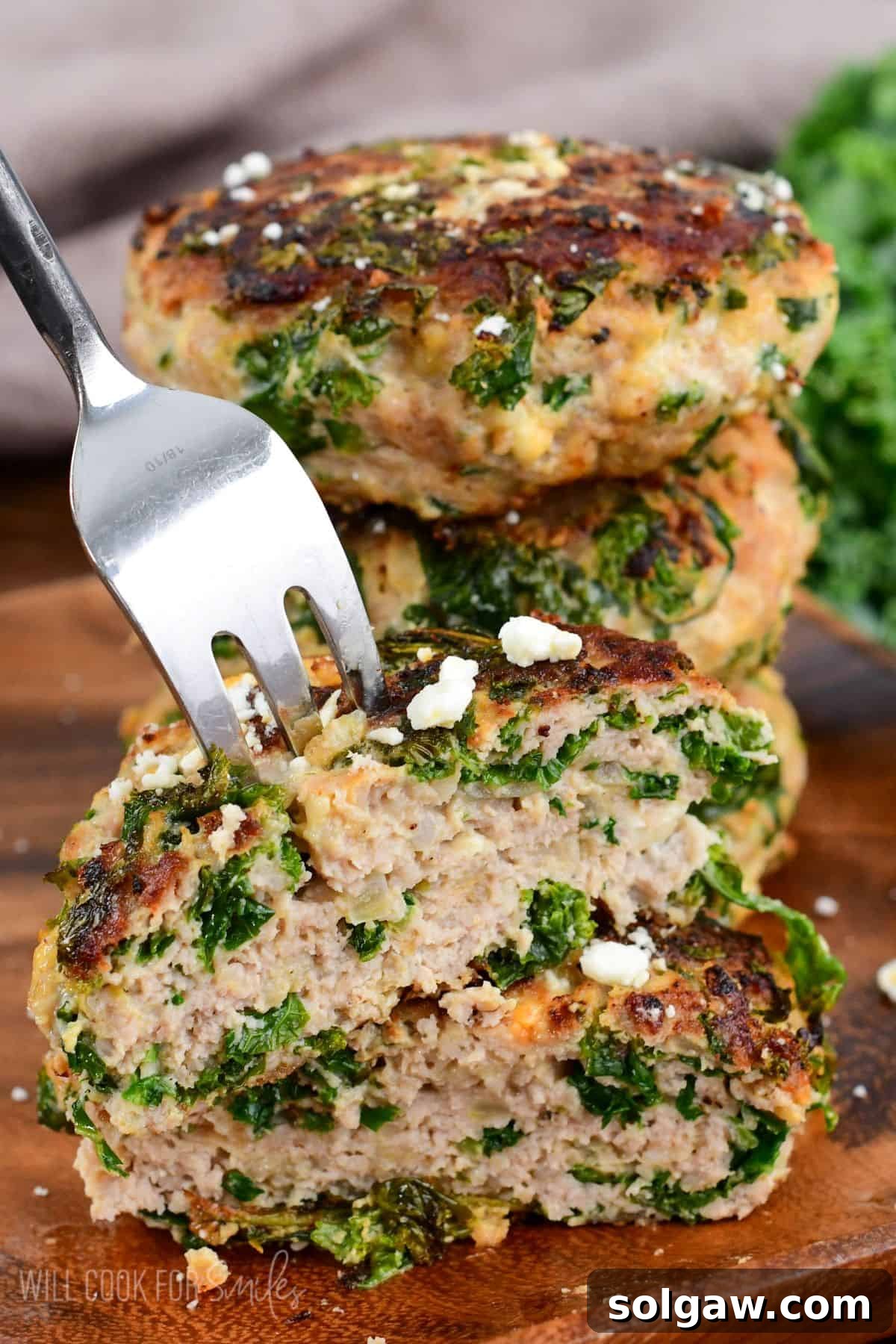
Many home cooks and restaurant-goers alike have experienced the disappointment of a dry, crumbly turkey burger. It’s a common culinary challenge, often leading people to shy away from this leaner alternative to beef. But what if I told you that a turkey burger could be incredibly juicy, tender, and bursting with flavor? Over years of experimentation and refining techniques, I’ve developed a recipe that transforms the humble ground turkey into a truly remarkable burger experience. Forget everything you thought you knew about bland turkey patties – these Kale and Feta Turkey Burgers are a game-changer, promising moisture, succulence, and a vibrant taste that will have you craving more. Get ready to impress your family and friends with a burger that redefines expectations.
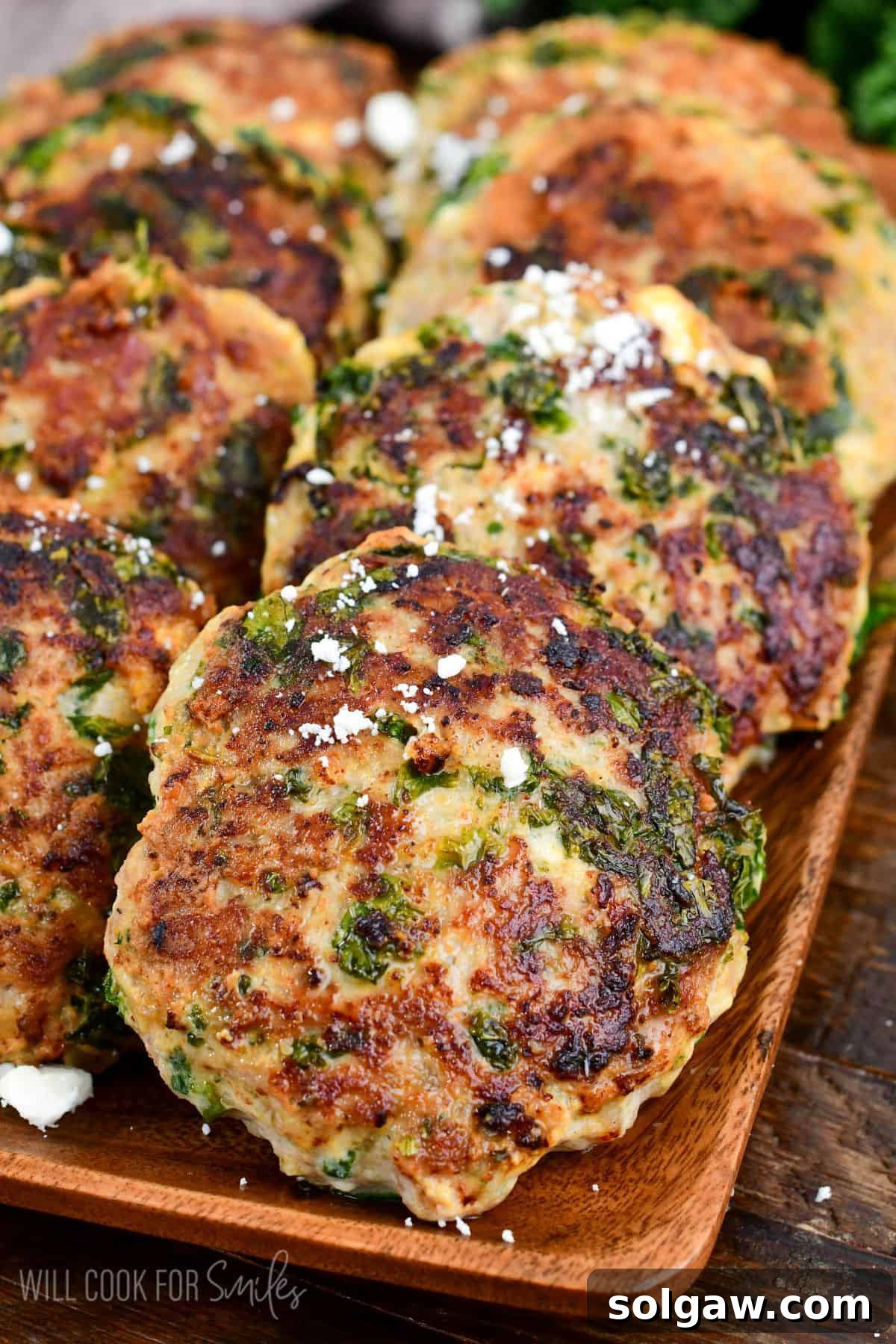
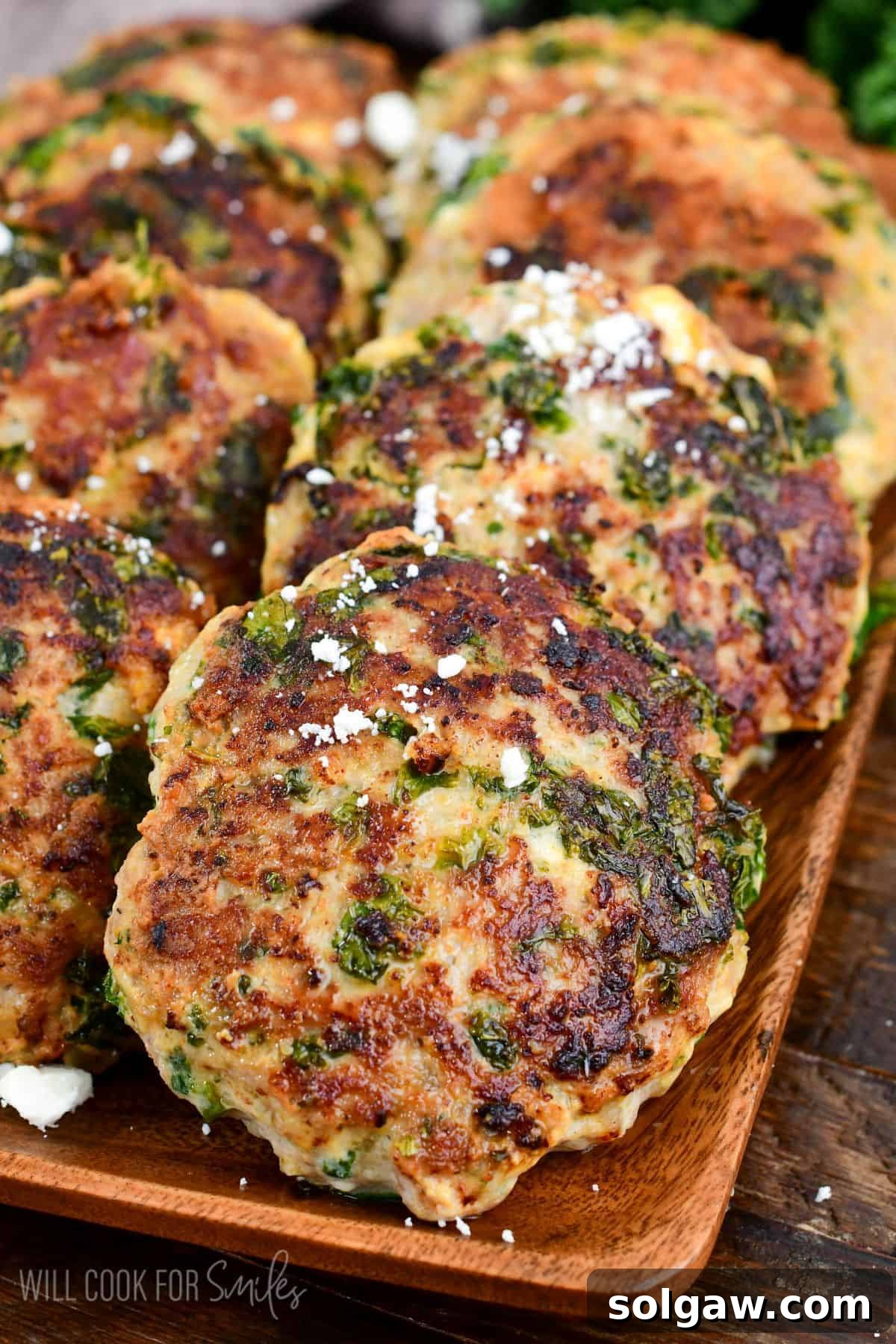
Turkey meat, known for its mild flavor, is often underestimated in its culinary versatility. While some might perceive its neutrality as a drawback, it’s actually its greatest strength! Ground turkey acts as a blank canvas, eagerly absorbing a wide array of spices and flavoring ingredients, allowing for endless creative combinations. This particular recipe harnesses the power of fresh kale and savory feta cheese, bringing a delightful Mediterranean-inspired twist to your burger night. These aren’t just any turkey burgers; they’re light, wonderfully moist, and infused with bright, herbaceous notes that elevate them far beyond the ordinary. The combination of earthy kale and tangy feta creates a harmonious flavor profile that is both comforting and exhilarating, proving that healthy eating can be incredibly delicious.
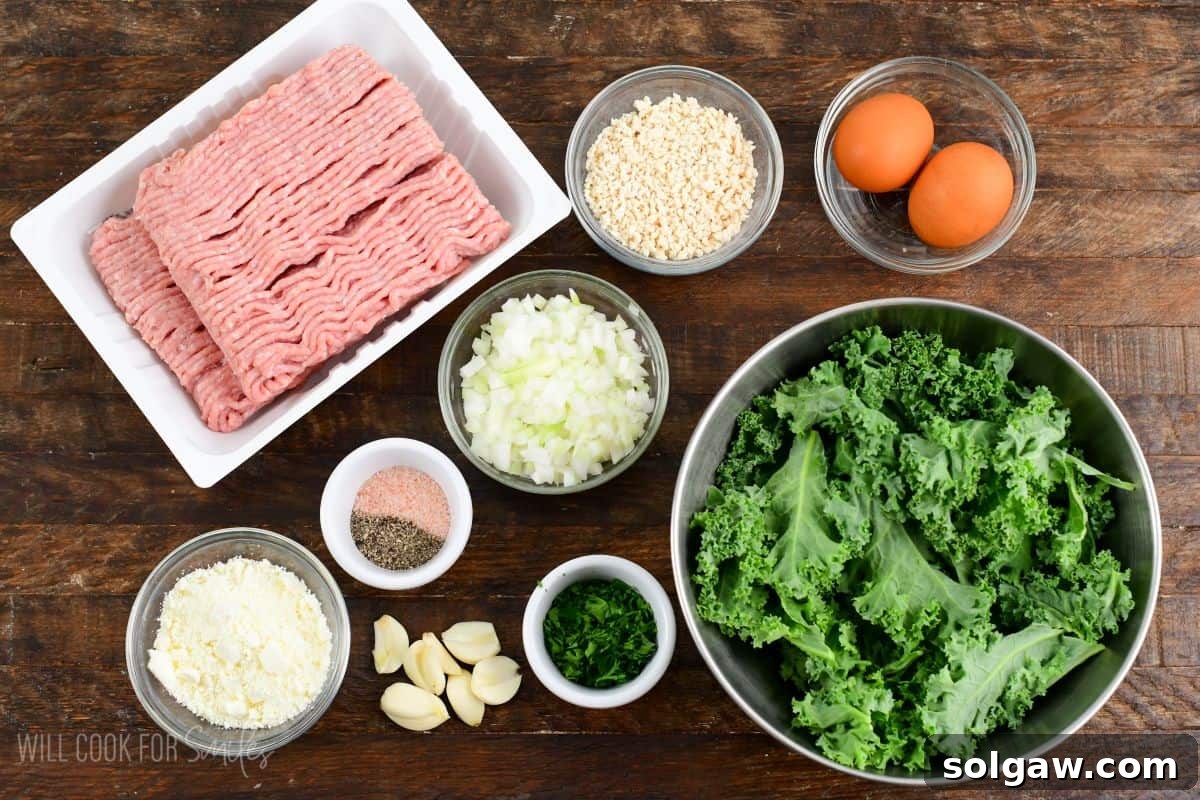
Important Ingredient Notes for the Best Turkey Burgers
Achieving the perfect turkey burger starts with selecting the right ingredients. Pay close attention to these key details before you head to the grocery store:
Ground Turkey: The Secret to Juiciness
DO NOT choose turkey meat that is too lean. This is perhaps the most critical piece of advice for juicy turkey burgers. While it might seem counterintuitive to opt for less lean meat when seeking a healthier alternative, fat is absolutely essential for moisture and flavor in burgers, especially those made with turkey. Extra-lean ground turkey, often labeled as 99% lean, lacks the necessary fat content to keep the patties tender and moist, inevitably resulting in a dry, dense texture. Instead, look for ground turkey with a meat-to-fat ratio of no leaner than 93% meat to 7% fat. This small percentage of fat makes a world of difference, ensuring your burgers remain succulent and enjoyable. The fat renders during cooking, basting the meat from within and preventing it from drying out. If you can find 85/15 or 90/10 ground turkey, those ratios will yield even juicier results for truly decadent burgers.
Feta Cheese: Choosing the Right Kind
For authentic Mediterranean flavor, stick to classic or “traditional” crumbled feta cheese. Avoid flavored feta varieties, as their added ingredients or seasonings can easily overpower or clash with the delicate balance of flavors in these turkey burgers. The goal is to let the distinct tang and saltiness of genuine feta shine through, complementing the kale and turkey without any unwanted distractions. If you can find a block of feta in brine, crumbling it yourself often provides a fresher taste and a more desirable texture than pre-crumbled options.
Kale: Freshness and Preparation
Fresh kale leaves are preferred for their texture and vibrant flavor. When preparing, ensure you remove the tough central stems before chopping the leaves into small, manageable pieces. This ensures even cooking and a pleasant texture throughout the burger. If using frozen kale, make sure it’s thoroughly thawed and squeezed dry to remove any excess water, which could otherwise make your burger mixture too wet.
Exciting Flavor and Ingredient Variations
While the Kale and Feta Turkey Burger recipe is fantastic as is, its versatility allows for numerous creative variations. Don’t hesitate to experiment and customize these burgers to suit your preferences or what you have on hand.
Cheese Alternatives for Bolder Flavors
If you’re seeking a more pronounced cheese flavor, consider substituting feta with other varieties. Gorgonzola cheese offers a sharp, pungent kick that pairs surprisingly well with turkey, adding a sophisticated depth. Alternatively, goat cheese provides a creamy, tangy profile that’s equally delicious. Be mindful that softer goat cheese may introduce a bit more moisture into the burger mixture. If you notice the mixture becoming too wet, simply add an extra tablespoon or so of panko breadcrumbs to help absorb the excess liquid and maintain the patty’s structure. Other options include shredded provolone for a milder melt, or a blend of Parmesan and Pecorino Romano for a salty, umami boost.
Exploring Different Greens and Vegetables
Kale is a fantastic choice, but many other leafy greens and finely chopped vegetables can be incorporated:
- Spinach: If using spinach, you’ll need a larger quantity, perhaps around 5 ounces, as it shrinks considerably more than kale when cooked. It’s crucial to sauté and then squeeze out any excess liquid from cooked spinach to prevent a soggy burger.
- Swiss Chard: Treat Swiss chard similarly to kale; remove the leaves from the tough stems and chop them finely before cooking. Its slightly bitter notes add a wonderful complexity.
- Other Vegetables: Finely diced bell peppers (any color), shredded zucchini (squeezed dry), or finely chopped mushrooms can add moisture, flavor, and extra nutrients. Sauté these vegetables before adding them to the burger mixture to soften them and enhance their taste.
Herb and Spice Swaps
To further explore the Mediterranean theme or venture into other culinary territories, consider these herb and spice additions:
- Mediterranean Blend: Add a pinch of dried oregano, a touch of fresh mint, or some dill for a more pronounced Greek flavor profile.
- Smoky Paprika: A teaspoon of smoked paprika can add a beautiful depth and color.
- Spicy Kick: A pinch of red pepper flakes or a dash of cayenne can introduce a pleasant heat.
- Lemon Zest: For an extra bright and fresh note, add the zest of half a lemon to the mixture.
Alternative Binders and Toppings
If you need a gluten-free option, ensure your panko breadcrumbs are certified gluten-free. For a different texture, some prefer crushed gluten-free crackers or even a small amount of cooked quinoa as a binder. When it comes to toppings, beyond the suggested feta cream sauce, consider:
- Tzatziki Sauce: A classic Greek yogurt-cucumber sauce offers a cool, refreshing contrast.
- Hummus or Baba Ghanoush: Spread a layer of creamy hummus or smoky baba ghanoush on your bun for an authentic touch.
- Pickled Red Onions: Their tangy crunch provides a wonderful counterpoint to the rich burger.
- Fresh Herbs: A generous handful of fresh mint, dill, or parsley as a topping amplifies the fresh flavors.
Cooking Methods: Pan-Frying vs. Grilling Your Turkey Burgers
Whether you prefer pan-frying for a crispy exterior or grilling for that smoky char, these turkey burgers can be cooked to perfection using either method. The key is to handle them gently, as turkey patties are softer than their beef counterparts.
Pan-Frying for a Golden Crust
Pan-frying is an excellent method for achieving a beautifully browned and slightly crispy crust while keeping the interior juicy. The recipe instructions below detail this method, but here are some additional tips:
- Even Heat Distribution: Ensure your pan is preheated over medium heat. Consistent heat is crucial for even cooking without burning the exterior before the inside is done.
- Adequate Oil: Don’t skimp on the oil. A couple of tablespoons of avocado oil (or another high smoke point oil) will prevent sticking and help achieve that desirable golden crust.
- Don’t Crowd the Pan: Cook burgers in batches if necessary. Overcrowding lowers the pan’s temperature and can lead to steaming rather than searing, resulting in less flavorful patties.
- Resist Pressing: Avoid pressing down on the burgers with your spatula. This squeezes out valuable juices and fat, leading to a drier burger.
Grilling the Turkey Burgers for a Smoky Flavor
Grilling adds an incredible smoky depth to turkey burgers. However, turkey burgers require a slightly different approach than beef burgers due to their delicate nature:
- Oil the Patties, Not the Grill: Instead of spraying the grill grates, lightly spray or brush the turkey patties themselves with oil on both sides. This prevents sticking without creating flare-ups on the grill, which can burn the surface of the delicate patties.
- Two Temperature Zones: If using a charcoal grill, create two temperature zones: one side with direct heat for searing and another with indirect heat for finishing. For gas grills, turn one burner to high and another to medium-low.
- Use a Vegetable Grilling Basket: Because turkey burgers are much softer and more prone to falling apart than beef hamburgers, a vegetable grilling basket with a finer grate is highly recommended. This provides better support, making it easier to flip the burgers without breaking them and preventing them from falling through the grates.
- Gentle Cooking: Place the oiled patties on the grill basket over medium heat. Cook the burgers for about 5-6 minutes per side, or until they reach an internal temperature of 165°F (74°C). Avoid flipping them too frequently.
- Initial Sear: You can start them over slightly higher heat for a quick sear (1-2 minutes per side) to develop grill marks, then move them to the cooler zone to cook through without drying out.
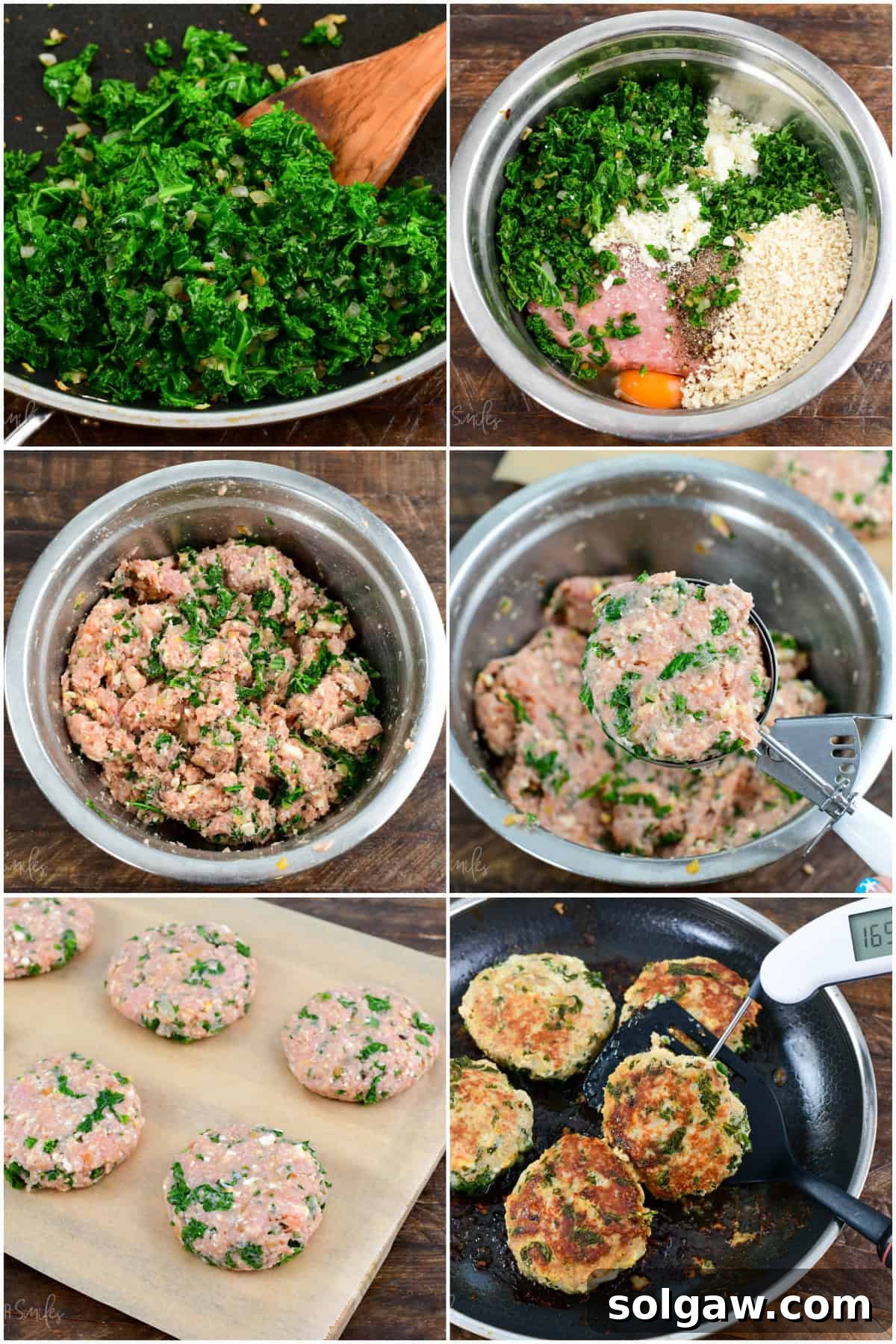
How to Ensure Your Turkey Burgers Are Perfectly Done
Properly cooked turkey is not just about taste; it’s also about food safety. Unlike beef, turkey should always be cooked to a specific internal temperature to eliminate harmful bacteria. Here’s how to check for doneness:
The Indispensable Meat Thermometer
The most reliable and trusted method to confirm your turkey burgers are done is by using a digital instant-read meat thermometer. These affordable kitchen tools are a must-have for anyone who regularly cooks meat. They take the guesswork out of cooking, ensuring both safety and optimal texture.
Accurate Thermometer Usage
To get the most accurate reading, lift the burger off the pan or grill. Carefully insert the thermometer probe through the side of the burger, pushing it until the tip reaches the very center of the patty. Avoid inserting it from the top down, as this can give a false reading if the probe goes too close to the hot surface of the pan or grill, or through a thinner part of the patty. Turkey burgers are safely cooked when they reach an internal temperature of 165°F (74°C).
The “Touch” Test (for Experienced Cooks)
For those with considerable experience cooking meats and burgers, a “touch” test can offer a general indication of doneness, though it should always be secondary to a thermometer for turkey. Gently press on the center of the burger patty with your finger or the back of a spoon to feel its firmness.
- If the burger still feels noticeably squishy and soft in the center, it’s likely not quite done and needs more cooking time.
- If it feels more firm and offers resistance to the touch, it is more likely to be cooked through.
Remember, this method is subjective and relies on prior experience, so always err on the side of caution and use a meat thermometer for poultry to guarantee safety and prevent undercooking.
PIN THIS RECIPE FOR LATER
DID YOU MAKE THIS RECIPE? PLEASE leave a 🌟 star rating! Let me know how you liked it by leaving the 📝 comment below or share and tag me on social media @willcookforsmiles. DON’T FORGET to subscribe to my newsletter!
Kale and Feta Turkey Burgers Recipe
Print
Pin
Rate
Ingredients
Turkey Burgers:
- 2 lbs ground turkey 93%-7% lean
- 2 large eggs
- 1/2 cup Panko bread crumbs (gluten-free if needed)
- 1/4 cup avocado oil (divided)
- 1/2 yellow onion (finely diced)
- 4-6 garlic cloves (minced)
- 5 oz kale leaves (about 3 oz without stems, chopped)
- 3/4 cup crumbled feta cheese
- 2 tbsp fresh minced parsley
- salt to taste
- black pepper to taste
Optional Feta Sauce:
- 1/2 cup sour cream
- 1/4 cup crumbled feta cheese
- 2 tbsp fresh minced parsley
- 1/2 tsp garlic powder
- 1/4 tsp salt (more or less to taste)
Instructions
-
Begin by preparing your vegetables: finely dice the yellow onion, mince or press the garlic cloves, and remove the kale leaves from their tough stalks before chopping them into small, uniform pieces.
-
Preheat a cooking pan over medium to medium-low heat. Add about two tablespoons of avocado oil. Sauté the diced onions until they are softened and golden brown, then add the minced garlic. Continue to sauté until the garlic is fragrant (about 30 seconds), then stir in the chopped kale.
-
Cook the kale mixture for a few minutes, stirring occasionally, until the kale has wilted and softened considerably. Once cooked, remove the pan from the heat and allow the mixture to cool slightly.
-
In a large mixing bowl, combine the ground turkey, cooked kale and onion mixture, eggs, Panko bread crumbs, crumbled feta cheese, and fresh minced parsley. Season generously with salt and black pepper to taste. Mix everything together gently but thoroughly until all ingredients are evenly combined. Be careful not to overmix, as this can lead to tough burgers.
-
For consistently sized patties, I recommend using an ice cream scoop with a release mechanism to portion out the meat mixture. This ensures even cooking.
-
Cover a baking sheet or a large cutting board with parchment paper. Shape the turkey burger patties, aiming for an even thickness, and lay them out on the prepared surface. Make a small indentation in the center of each patty with your thumb to prevent them from bulging in the middle during cooking.
-
Preheat a large cooking pan over medium heat and add the remaining avocado oil (about two tablespoons). Carefully place the burger patties into the pan, ensuring they are not touching each other to allow for proper searing. Let them sear for about a minute to develop a crust, then reduce the heat to medium-low. Cook turkey burgers for 6-8 minutes on each side, depending on their size and thickness, until cooked through and golden brown.
-
To check for doneness, lift one burger off the pan and insert a digital instant-read meat thermometer through the side, aiming for the very center of the patty. Turkey burgers should reach an internal temperature of 165°F (74°C).
-
For the optional Feta Sauce: In a small bowl, combine sour cream, crumbled feta cheese, fresh minced parsley, garlic powder, and salt. Mix until well combined. Taste and adjust seasoning as needed. Serve alongside the cooked turkey burgers.
Notes
Storing leftovers: To maintain freshness and quality, allow any leftover patties to cool completely before transferring them to an airtight food storage container. Store them in the refrigerator, where they will remain fresh and delicious for 4-5 days.
Reheating: Reheating turkey burgers properly ensures they remain moist and flavorful. You can easily reheat them in a microwave for a few seconds, just until they are heated through. Be careful not to overheat, as this can dry them out. Alternatively, for a slightly crisper texture, reheat your leftovers in a cooking pan over medium-low heat. To help retain moisture and ensure even heating, cover the pan with a lid while reheating. A small splash of water or broth added to the pan can also create steam, preventing dryness.