
Welcome to the ultimate guide for mastering the art of freezing meatballs! Whether you’re a busy parent, a meal-prepping enthusiast, or simply someone who loves the convenience of having delicious homemade food on hand, freezing meatballs is a culinary superpower you’ll want to harness. This comprehensive article will walk you through everything you need to know, from preparing the perfect basic meatball mixture to the best techniques for freezing them both cooked and uncooked, and finally, how to safely thaw and reheat them for a quick, satisfying meal.
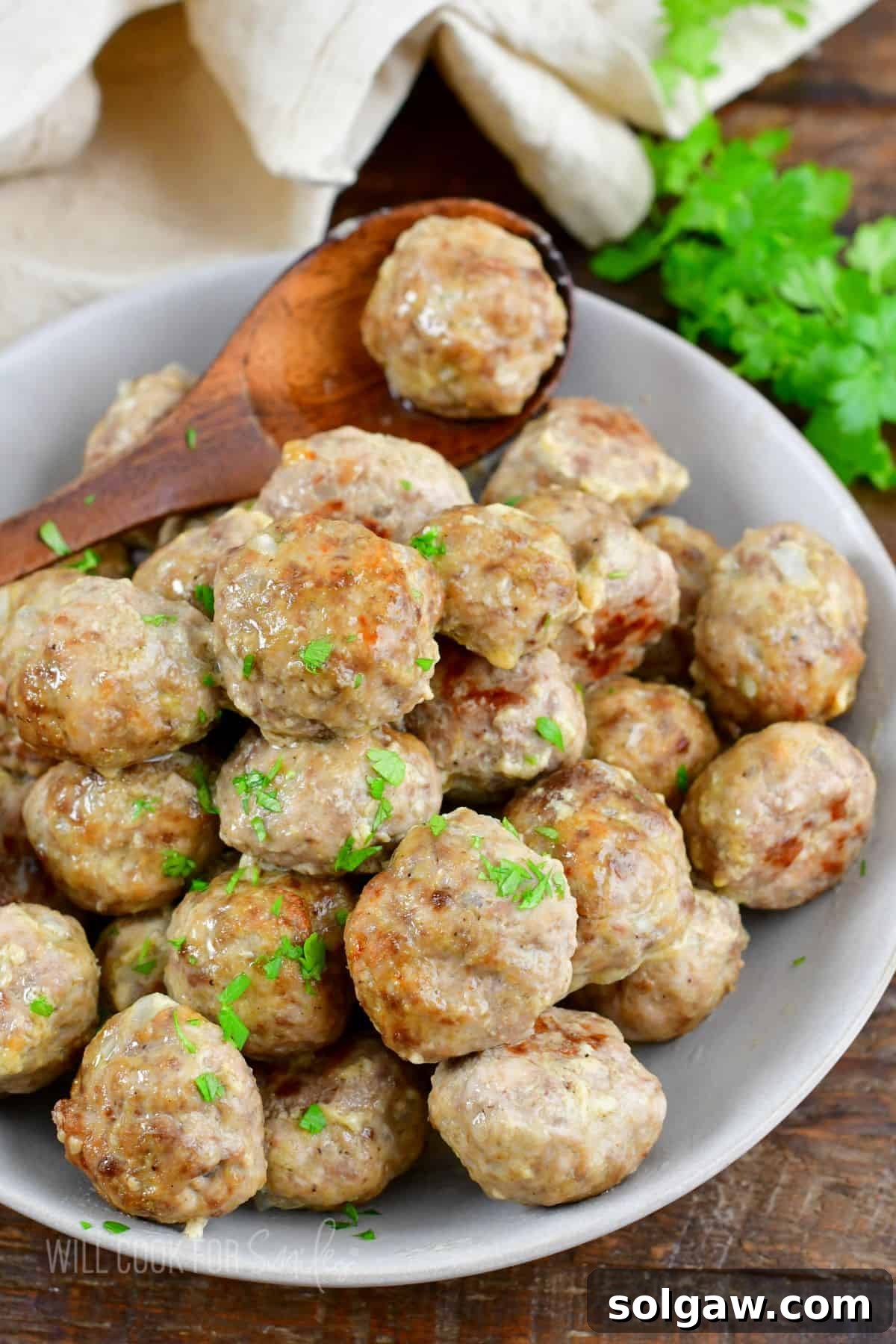
Why Freezing Meatballs is a Meal Prep Game-Changer
In today’s fast-paced world, finding quick and easy dinner solutions is a universal need. Juggling demanding careers, family responsibilities, and endless to-do lists often leaves little time for elaborate cooking. While takeout and ready-made meals offer convenience, they can quickly become expensive and less healthy than home-cooked alternatives. This is where the magic of freezer meals comes in, and homemade meatballs stand out as one of the most versatile and rewarding options.
Many home cooks frequently inquire about the freezer-friendliness of recipes, and for good reason! Meal prepping saves time, reduces food waste, and ensures you always have a nutritious option ready. Meatballs are exceptionally well-suited for freezing because they can be prepared in large batches, stored efficiently, and then transformed into a multitude of dishes with minimal effort later on. Imagine whipping up grape jelly cocktail meatballs for an impromptu appetizer or classic Italian meatballs with pasta in a matter of minutes – all thanks to your freezer stash!
Beyond convenience, freezing meatballs offers unparalleled versatility. You can customize them with various meats, including chicken, turkey, beef, pork, lamb, or even veal. The flavor possibilities are endless, allowing you to experiment with different herbs, spices, cheeses, and finely diced vegetables to complement any cuisine you desire. This adaptability makes them a true culinary MVP in any kitchen.
Furthermore, you have the flexibility to freeze meatballs with or without sauce. While freezing them in sauce might seem convenient, I personally recommend freezing them without sauce. This approach provides greater culinary freedom, allowing you to choose or create a fresh sauce that perfectly suits your mood or the specific meal you’re preparing when you’re ready to cook.
Freezing Cooked Meatballs: The Preferred Method for Ultimate Convenience
EXPERT TIP: Freezing cooked meatballs is often the most convenient method. They are easier to thaw and reheat, making weeknight dinners incredibly simple.
Step-by-Step Guide to Freezing Baked Meatballs:
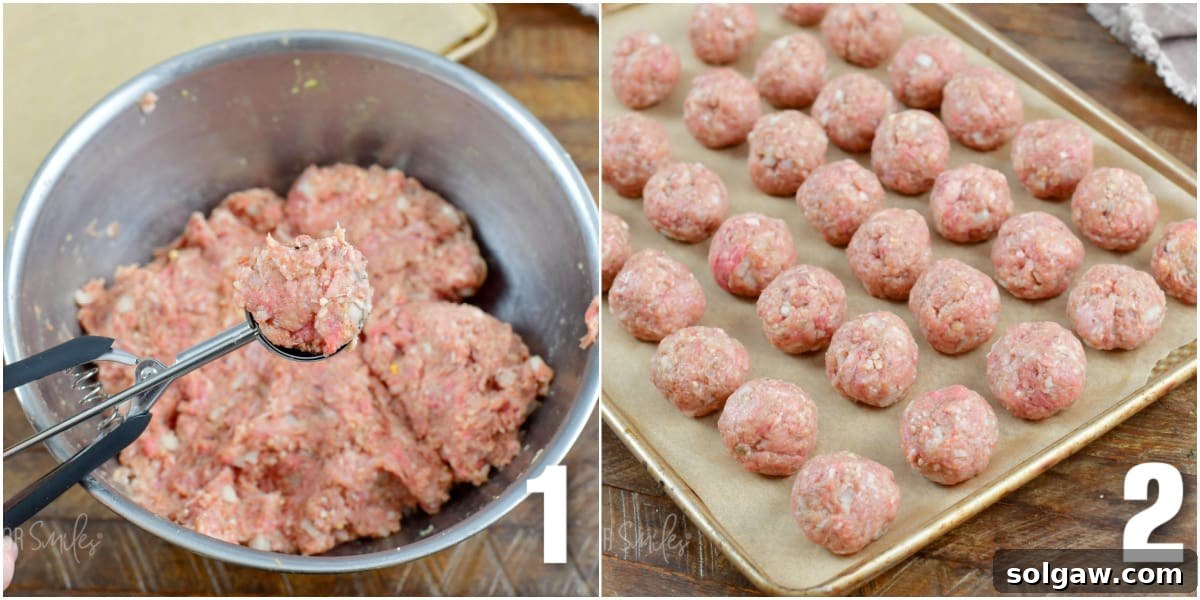
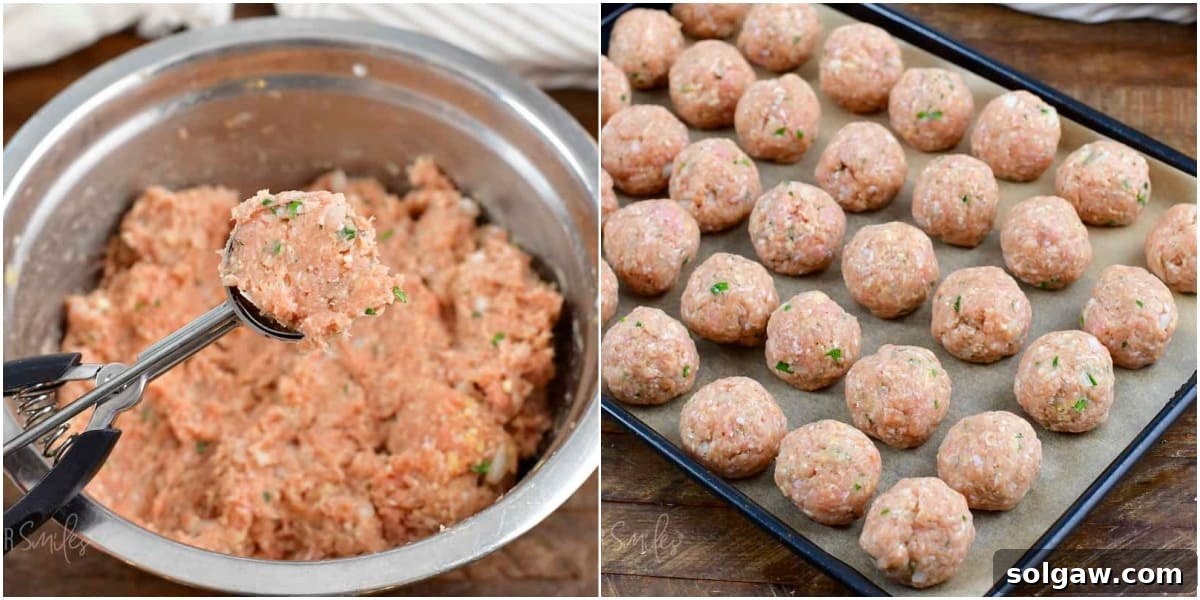
1: Prepare Your Meat Mixture: Begin by combining all your chosen ingredients for the meatball mixture. For consistent cooking and freezing, it’s crucial to scoop out even-sized meatballs. A cookie scoop is your best friend here, allowing you to create uniform portions. Choose the scoop size based on your preferred meatball dimensions.
2: Arrange for Baking: Gently place the shaped meatballs in a single layer on a baking pan. Ensure there’s a small amount of space between each meatball to allow for even cooking and browning.
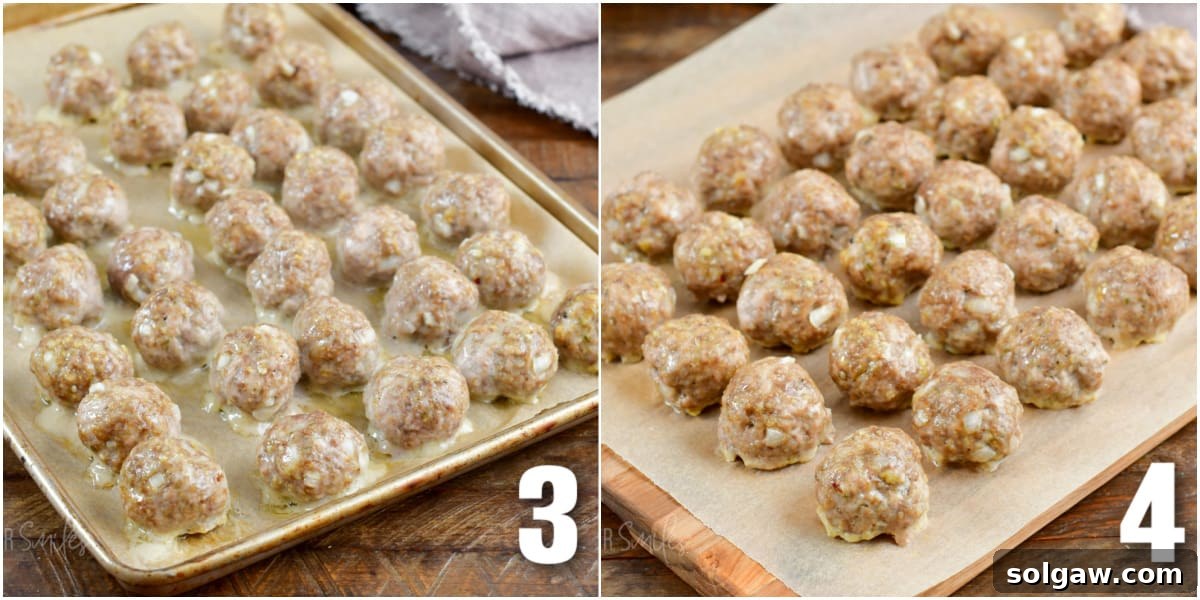
3: Bake to Perfection: Preheat your oven to 400°F (200°C). Bake the meatballs for approximately 18-22 minutes. The exact baking time may vary slightly depending on the size of your meatballs; larger meatballs will require a bit more time. Ensure they are cooked through.
4: Cool Completely: Once baked, transfer the cooked meatballs to a large cutting board lined with parchment paper. This parchment paper prevents sticking and makes cleanup easier. Allow the meatballs to cool down to room temperature completely. This step is crucial for preventing ice crystals and freezer burn.
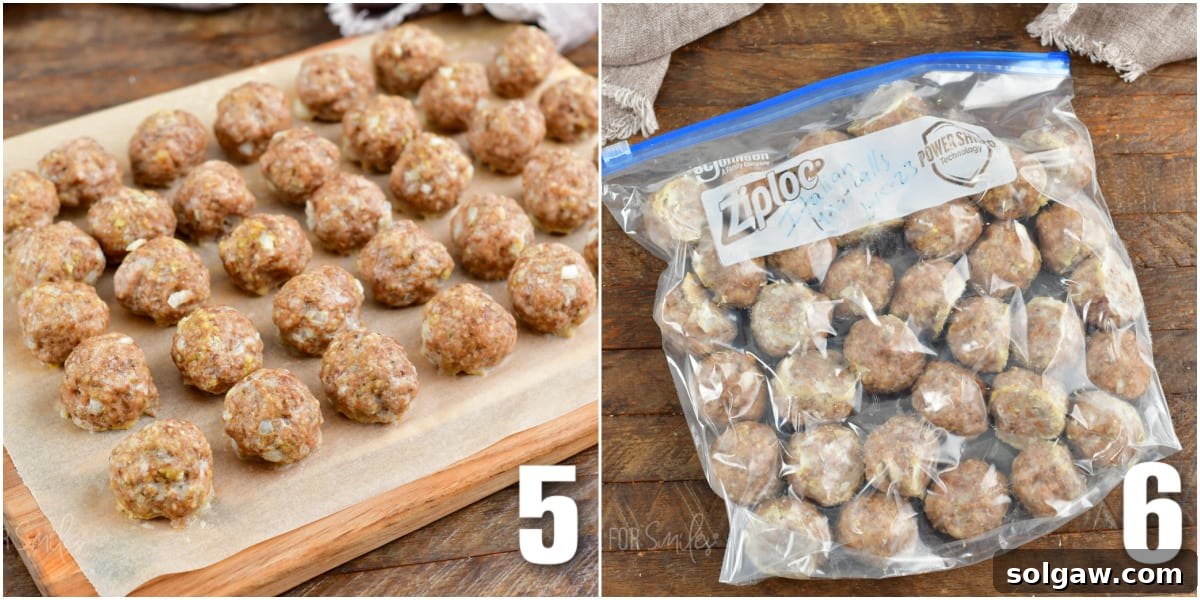
5: Flash Freeze Individually: Place the cutting board with the cooled meatballs into the freezer for approximately 2 hours. This process, known as flash freezing, prevents the meatballs from sticking together when stored in bags. Don’t forget to set a timer so you don’t over-freeze them on the board!
6: Store for Long-Term: Once the meatballs are firm and individually frozen, transfer them to freezer-safe bags. Press out as much air as possible before sealing the bags tightly. Don’t forget to label each bag with the date and contents. Return them to the freezer, where they can be stored for 2-3 months for optimal quality.
EXPERT TIP: While you can freeze meatballs with or without sauce, it’s generally best to avoid freezing meatballs in cream-based sauces. Many dairy products tend to separate and develop an unpleasant texture when frozen and thawed. For freezing with sauce, stick to tomato-based or clear, non-cream sauces.
EXPERT TIP 2: Similarly, flour-thickened sauces, like traditional gravy, do not freeze well either, as they can become gummy or separate. If you plan to freeze meatballs in a thickened sauce, consider using tapioca starch as a thickener, which holds up better to freezing.
Thawing and Reheating Cooked Meatballs for Speedy Suppers
Once you’re ready to enjoy your delicious frozen meatballs, proper thawing and reheating are key to maintaining their flavor and texture.
Safe Thawing Methods:
To thaw cooked meatballs, simply remove the freezer bag from the freezer and place it in the refrigerator. Depending on the size of the meatballs and the quantity in the bag, this process can take anywhere from a few hours to overnight. Slow thawing in the refrigerator is the safest method, ensuring even temperature distribution and preventing bacterial growth.
Reheating Options:
After thawing, your meatballs are ready to be integrated into your meal. You can easily prepare your favorite sauce separately and then simmer the thawed meatballs in the warm sauce for a few minutes until they are heated through. This ensures they absorb the fresh flavors of the sauce.
If you opted to freeze your meatballs already in a freezer-friendly sauce (like a tomato-based one), you can reheat the entire dish. Transfer the frozen or thawed meatballs and sauce to an oven-safe baking dish or a saucepan on the stove-top. To reheat on the stove, bring the mixture to a gentle simmer over medium heat, stirring occasionally, and cook for several minutes until piping hot throughout. Alternatively, bake them in the oven at 350°F (175°C) until thoroughly heated.
Freezing Uncooked Meatballs: An Alternative for Future Customization
EXPERT TIP: While freezing meatballs uncooked is certainly an option, it requires a bit more care during thawing and is generally not recommended if you used previously frozen ground meat. Always ensure you separate uncooked meatballs before thawing to prevent them from becoming one solid block.
Step-by-Step Guide to Freezing Raw Meatballs:
1: Prepare and Shape: Thoroughly prepare your meatball mixture, ensuring all ingredients are well combined. Use a cookie scoop to portion out the mixture into uniform meatballs, then quickly roll them into shape.
2: Flash Freeze Individually: Arrange the rolled, raw meatballs on a parchment paper-lined cutting board, leaving a bit of space between each one to prevent them from sticking together. Place the cutting board directly into the freezer for approximately 2 hours until the meatballs are completely frozen solid. Setting a timer is essential here.
3: Package for Storage: Once flash-frozen, transfer the raw meatballs into a freezer-friendly zip-top bag. Squeeze out excess air, label the bag with the date, and return it to the freezer. Uncooked meatballs can be stored for up to 2 months.
To Thaw Raw Meatballs:
Whether raw or cooked, meatballs should always be thawed slowly and safely in the refrigerator. To thaw raw meatballs, line a rimmed baking sheet or baking pan with parchment paper. Remove the bag of frozen meatballs from the freezer and immediately separate the individual meatballs onto the parchment paper. This prevents them from clumping together as they thaw.
Cover the baking sheet tightly with plastic wrap or aluminum foil to prevent air exposure and place it in the refrigerator. Allow the meatballs to thaw completely. Once thawed, cook them according to your recipe instructions, whether by baking, pan-frying, or simmering in sauce.
Crafting the Perfect Basic Meatballs: Essential Ingredients
The foundation of any great meal prep is a reliable basic recipe. Here are the key ingredients for delicious, versatile meatballs that freeze beautifully:
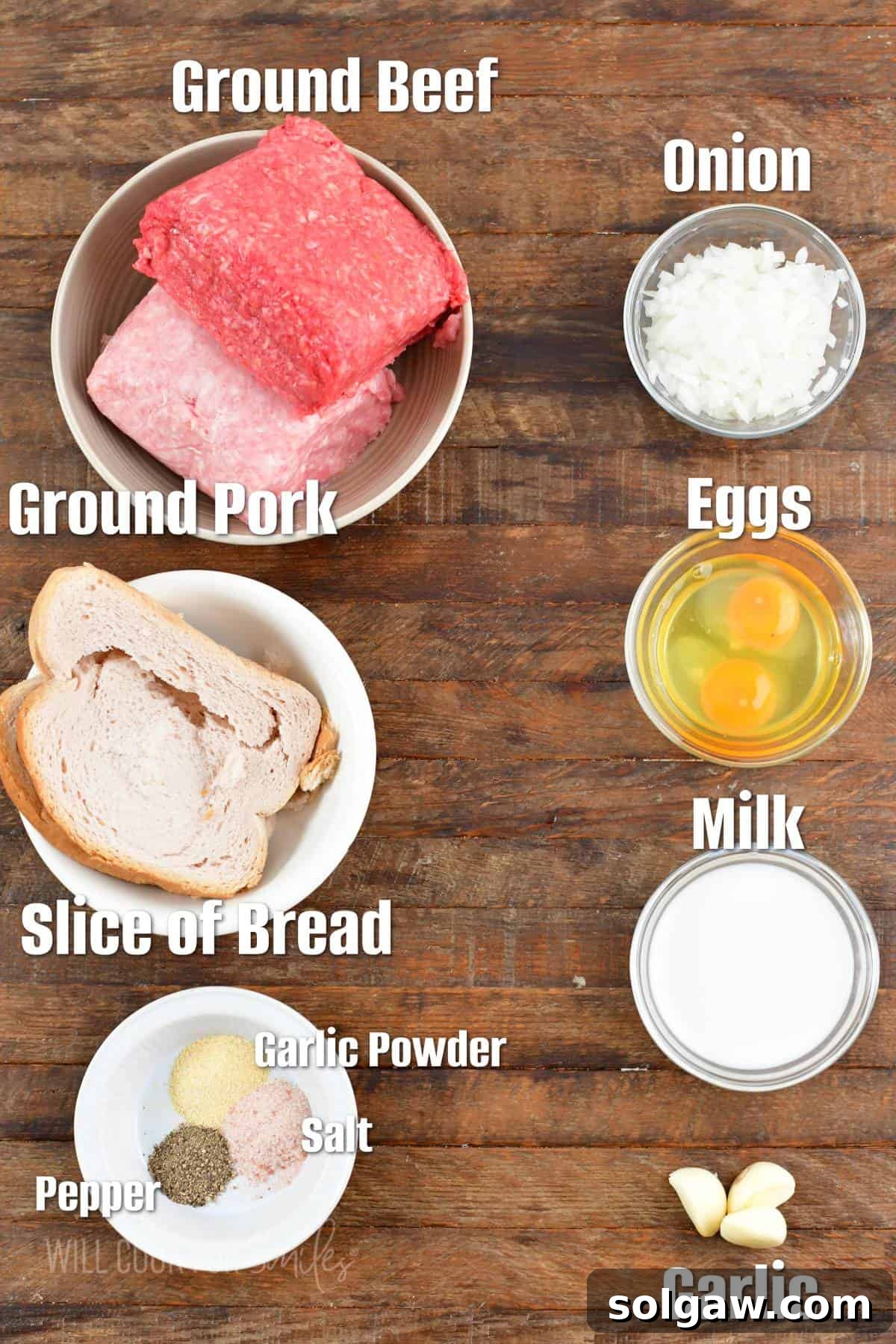
Meat: For incredibly juicy and tender beef meatballs, a combination of equal parts (e.g., 1 lb. ground beef and 1 lb. ground pork) is ideal. The pork adds richness and moisture. Alternatively, you can use 2 lbs. of ground chicken for lighter chicken meatballs, or 2 lbs. ground turkey for flavorful turkey meatballs. Experiment with lamb or veal for unique flavor profiles.
Onion: Finely minced yellow onion is a non-negotiable addition. It provides essential moisture, depth of flavor, and contributes to the tender texture of the meatballs.
Garlic: Always opt for fresh garlic. Pressing the cloves rather than mincing or grating them releases more of their aromatic oils, infusing your meatballs with robust flavor.
Soaked Bread: This is a secret ingredient for achieving tender, moist meatballs. Use a thick slice of bread and soak it in some milk. Before adding it to the meat mixture, be sure to squeeze out the milk and discard it. The bread acts as a binder and helps retain moisture. (Allergy Note: If needed, use gluten-free bread and milk alternatives or lactose-free milk to accommodate dietary restrictions.)
Seasoning: For a versatile basic meatball, simple seasonings are all you need: salt, freshly ground black pepper, and garlic powder. These enhance the natural flavors of the meat without overpowering them, allowing for later sauce customization.
Frequently Asked Questions About Freezing Meatballs
The beauty of meatballs lies in their adaptability! To complement a specific sauce or cuisine, you can infuse your meatball mixture with various herbs, seasonings, and cheeses. For example:
Italian Meatballs: Incorporate grated Parmesan cheese and Italian seasoning (oregano, basil, thyme) into the mixture. These meatballs are fantastic with classic marinara sauce, and you can even freeze them with tomato-based spaghetti sauce.
Swedish Meatballs: To achieve that signature flavor, add about 1/2 teaspoon of ground nutmeg, 1/2 teaspoon of white pepper, and 1/2 teaspoon of ground allspice to your meatball mixture. Remember not to freeze these with their traditional cream sauce, as dairy tends to separate upon thawing.
Thai Chili Meatballs: If you’re planning to serve your meatballs with a sweet Thai chili sauce, consider adding a finely minced fresh chili pepper or a pinch of crushed red pepper flakes to the mixture. Fresh cilantro and chopped chives can also elevate the flavor.
Feel free to explore and play with different herbs and seasonings to create unique flavor profiles that perfectly match your desired meal!
While both methods are possible, I personally recommend freezing cooked meatballs for ease and safety. Cooked meatballs are significantly easier to thaw and reheat, making meal prep much smoother. Uncooked meatballs, on the other hand, can be challenging to thaw without them sticking together, and they require separation before placing them in the refrigerator.
An important consideration is whether the ground meat you used was previously frozen. If you started with previously frozen ground meat for your meatball mixture, it’s always best practice to cook the meatballs thoroughly before freezing them. If you are certain you used fresh, never-frozen ground meat, then freezing them uncooked is a safe option.
You can freeze meatballs both with and without sauce, but the type of sauce is critical.
Sauces Not Suitable for Freezing: It is generally best to avoid freezing meatballs in creamy, emulsified, or flour-thickened sauces. These types of sauces tend to separate, become grainy, or change texture significantly after freezing and thawing. It’s much better to prepare and add these sauces fresh after the meatballs have thawed.
Sauces Excellent for Freezing: Tomato-based sauces (like marinara or spaghetti sauce), clear brothy sauces, sweet Thai chili sauce, teriyaki sauce, and other non-cream-based sauces typically freeze and thaw beautifully, retaining their texture and flavor.
For optimal quality, cooked meatballs can be stored in the freezer for 2-3 months. Uncooked meatballs should be used within 2 months. While they may remain safe to eat beyond these times, their quality in terms of taste and texture might start to decline.
Absolutely! Meatballs are incredibly forgiving and delicious with various types of ground meat. Feel free to use ground beef, pork, turkey, chicken, lamb, or veal. You can also create flavorful combinations, such as a mix of beef and pork, or turkey and chicken. The cooking times may vary slightly based on the fat content and type of meat, so always ensure they are cooked through to a safe internal temperature.
More Delicious Meatball Recipes to Inspire You
- Creamy Tomato Basil Meatballs
- Thai Sweet Chili Turkey Meatballs
- Italian Baked Chicken Meatballs
- Turkey Meatballs with Parmesan Cream Sauce
- Roasted Garlic Rosemary Baked Meatballs
PIN THIS RECIPE FOR LATER
DID YOU MAKE THIS RECIPE? Please leave a 🌟 star rating! Let me know how you liked it by leaving a 📝 comment below or share and tag me on social media @willcookforsmiles. DON’T FORGET to subscribe to my newsletter!
Basic Meatballs Recipe And Freezing Instructions
Print
Pin
Rate
Ingredients
Basic Meatball Recipe:
- 1 lb ground beef 85/15
- 1 lb ground pork
- 1 thick slice of bread
- 1/4 cup milk whole, reduced fat, or milk alternative
- 2 eggs
- 2-3 garlic cloves pressed
- 1/4 cup minced yellow onion
- 1 tsp garlic powder
- 1 tsp coarse salt more or less to taste
- 1/4-1/2 tsp black pepper more or less to taste
Instructions
-
Combine all ingredients, except for the soaked bread, in a large mixing bowl. Squeeze out the milk from the soaked bread slice and crumble the bread into the mixing bowl. Discard the squeezed milk. Mix the meatball mixture thoroughly until all ingredients are evenly incorporated.
-
Lightly grease your hands with cooking spray. To create uniform meatballs, use a cookie scoop (a #40 scoop works well, but you can adjust size as preferred). Aim for meatballs approximately 1 inch in diameter. Remember to adjust cooking times if making larger or smaller meatballs.
-
Arrange the meatballs on a parchment paper-lined, rimmed baking sheet, leaving a small space between each one.
-
Preheat your oven to 400°F (200°C) and bake for 18-22 minutes, depending on the size of the meatballs, until cooked through.
Freezing Cooked Meatballs:
-
Cover a large cutting board with parchment paper and lay the cooked meatballs out on the paper to cool completely to room temperature.
-
Once the meatballs are at room temperature, place the cutting board with meatballs into the freezer for about 2 hours for flash freezing. SET A TIMER!
-
Once the meatballs are frozen solid, divide them among freezer-safe bags, seal air-tight, label with the date, and place back in the freezer. Freeze for 2-3 months.
To Thaw Cooked Meatballs:
-
Remove the bag of frozen meatballs from the freezer and place it in the refrigerator to thaw. This process can take a few hours or overnight, depending on the size of the meatballs and the quantity in the bag.
To Freeze Raw Meatballs:
-
Prepare the meatball mixture and mix it very well. Use a cookie scoop to portion out the meatball mixture and quickly roll them into shape.
-
Place the rolled meatballs on a parchment paper-covered cutting board, ensuring you leave some space between each meatball.
-
Place the cutting board with the meatballs into the freezer for about 2 hours for flash freezing. SET THE TIMER! Once the meatballs are frozen solid, transfer them into a freezer-friendly zip-top bag, label with the date, and freeze for up to 2 months.
To Thaw Raw Frozen Meatballs:
-
Raw or cooked, meatballs need to be thawed slowly in the refrigerator. Line a rimmed baking sheet (or baking pan) with parchment paper. Take the bag of frozen meatballs out of the freezer and separate them onto the parchment paper.
-
Cover the baking sheet tightly to prevent air exposure and place it into the refrigerator for the meatballs to thaw slowly. Once thawed, bake or cook them on the stove-top according to your desired recipe.
Notes
If you’ve frozen meatballs with sauce already, you will just have to reheat the meatballs in sauce in the oven or in the pan on stove-top. To reheat them, bring meatballs in sauce to a simmer over medium heat and cook for a few minutes to heat through. Or, place them in a baking dish and reheat at 350°F (175°C) until hot throughout.
Nutrition
Tried this recipe?Mention @willcookforsmiles or tag #willcookforsmiles!