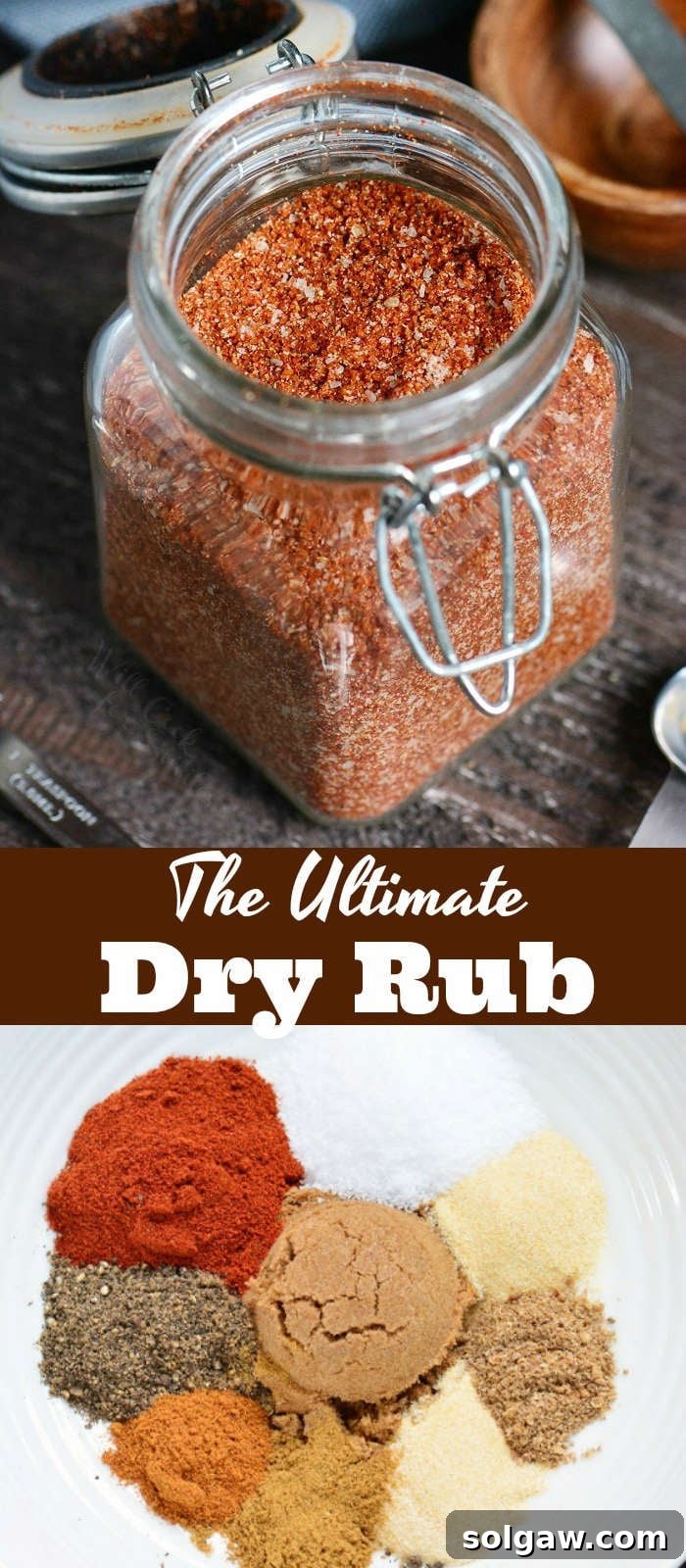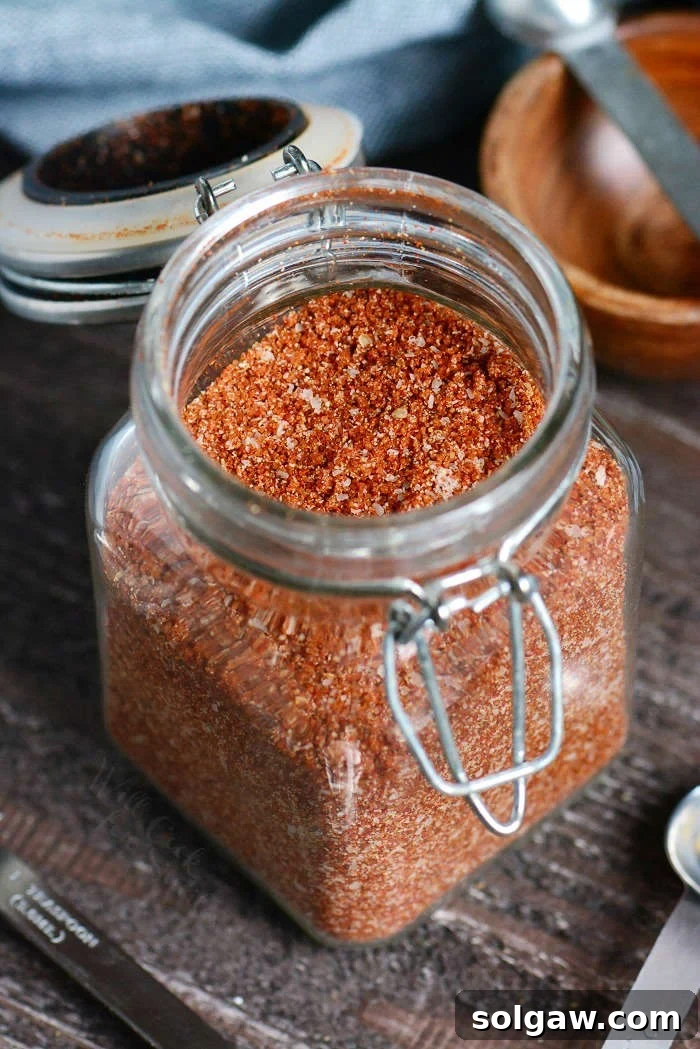
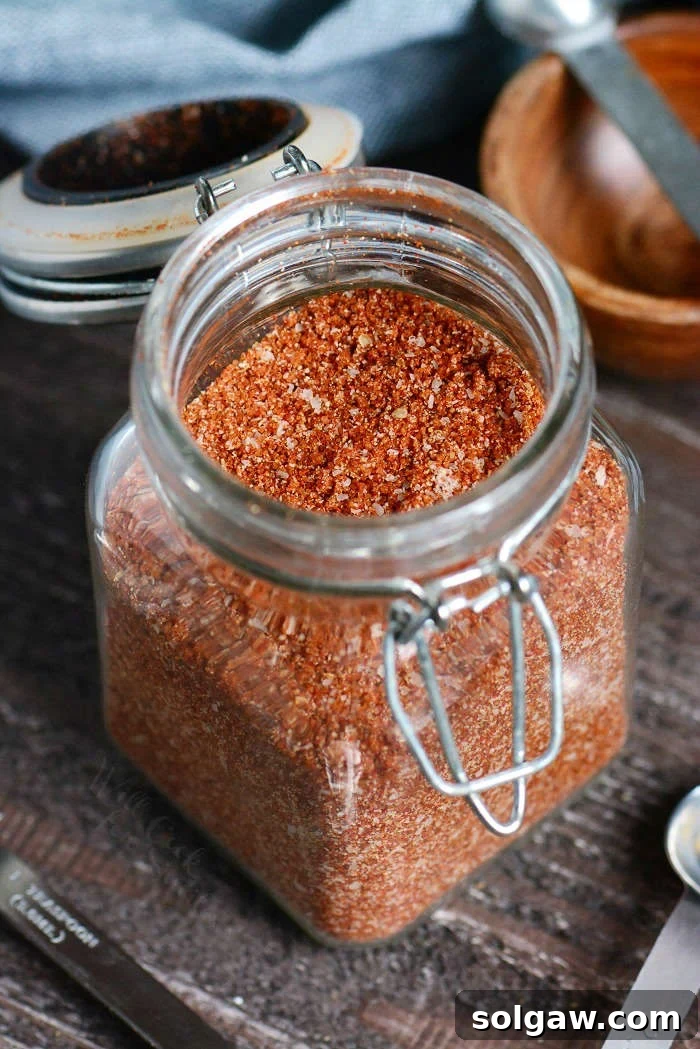
Discover the ultimate homemade dry rub recipe that will transform your grilling, smoking, and oven-cooked dishes into culinary masterpieces. This incredibly versatile spice blend is meticulously crafted to deliver an explosion of rich, savory, and perfectly balanced flavor to ribs, chicken, brisket, chicken wings, pork loin, and virtually any cut of meat you choose to prepare. Quick to mix, delightfully simple to use, and made with common pantry staples, it promises an amazing taste and an irresistible crust every single time. Elevate your home cooking with this indispensable secret weapon!
Prepare to impress your family and friends by deploying this phenomenal dry rub on a variety of dishes. It’s exceptional on crispy baked chicken wings, creating that coveted restaurant-quality texture and depth of flavor. Whether you’re aiming for a perfectly seared favorite steak on the grill or succulent slow-cooked pork, this blend is your go-to. Don’t limit its use to just meats; experiment by adding a surprising boost of flavor to side dishes, such as grilled potatoes, roasted vegetables, or even popcorn. Its versatility makes it a must-have in any kitchen.
The Ultimate Homemade Dry Rub: Your Go-To Flavor Enhancer
Dry rubs are an indispensable tool in the arsenal of any passionate home cook or BBQ enthusiast, offering a simple yet profound way to infuse meats with deep, complex flavors. But what precisely is a dry rub? At its core, it’s a carefully balanced mixture of dry ingredients—typically a combination of aromatic spices, herbs, and often sugar—designed to be applied directly to the surface of meat before it undergoes any form of cooking. This flavorful coating serves multiple purposes beyond just taste; it significantly contributes to the formation of a magnificent, crispy crust, often referred to as “bark,” particularly when grilling, smoking, or roasting.
The true beauty of a homemade dry rub lies in its convenience and transformative power. Unlike liquid marinades, which primarily tenderize and flavor the outermost layer of the meat while potentially hindering a good sear, dry rubs work by creating a concentrated layer of flavor that caramelizes and intensifies under heat. This process not only develops an irresistible crust but also aids in locking in the meat’s natural juices, ensuring a tender and moist interior. Choosing a dry rub means opting for a less messy, more efficient flavoring method that yields superior textural contrast and a rich, inviting aroma, without the extended waiting times often associated with liquid marination.
Crafting the Perfect Flavor Profile: Sweet, Savory, Spicy, and Beyond
The secret to an exceptional dry rub lies in achieving a harmonious blend of contrasting yet perfectly complementary flavors. A truly great rub should awaken your palate with a symphony of tastes, prominently featuring elements of **sweetness**, **savory depth**, and a satisfying **spicy kick**. Understanding the distinct role each component plays is paramount to mastering your own signature blend and achieving culinary perfection.
The Sweet Element: Caramelization and the Coveted Crust
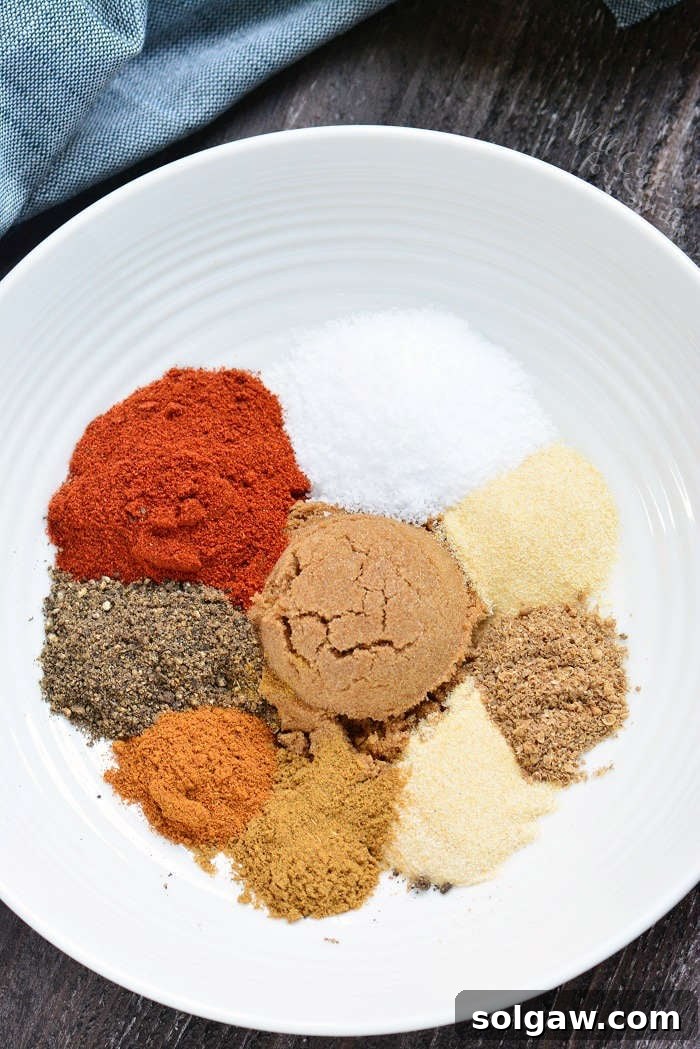
Sugar is not merely a sweetener in a dry rub; it’s a critical player responsible for creating that desirable, caramelized crust. Under the influence of heat, sugar undergoes a Maillard reaction, developing complex flavors and a beautiful, dark, glossy exterior. For the sweet base of this ultimate dry rub, dark brown sugar is highly recommended. Its rich, inherent molasses notes contribute an extra layer of earthy depth that becomes even more pronounced and sophisticated as it caramelizes, forming a delicious “bark” on your meat. While light brown sugar can be used as an alternative, dark brown sugar offers a more robust and complex flavor profile. Other options include turbinado sugar, which provides a coarser texture and subtle crunch, or even coconut sugar for a hint of tropical sweetness with a lower glycemic index, though these may subtly alter the final taste and appearance.
The Spicy Kick: Balancing Heat and Underlying Flavors
A carefully measured touch of heat adds an exciting dimension to any dry rub, invigorating the taste buds and cutting through the richness of the meat. For a clean, vibrant heat that enhances rather than overwhelms the other spices, cayenne pepper is the preferred choice in this recipe. Its focused piquancy integrates seamlessly, providing warmth without the sometimes-dominant or earthy undertones that certain chili powders can introduce. If cayenne pepper is not readily available, a good quality chili powder (ideally one that consists primarily of ground chilies rather than a heavily spiced blend) can serve as a suitable substitute, though you may need to adjust the quantity to achieve the desired heat level. For those who prefer a milder rub, the amount of cayenne can be easily reduced or even omitted entirely. Conversely, adventurous heat seekers might consider adding a pinch of red pepper flakes, smoked habanero powder, or even a tiny amount of ghost pepper powder for an intensely fiery experience.
The Savory Foundation: Building Depth with Aromatic Spices and Herbs
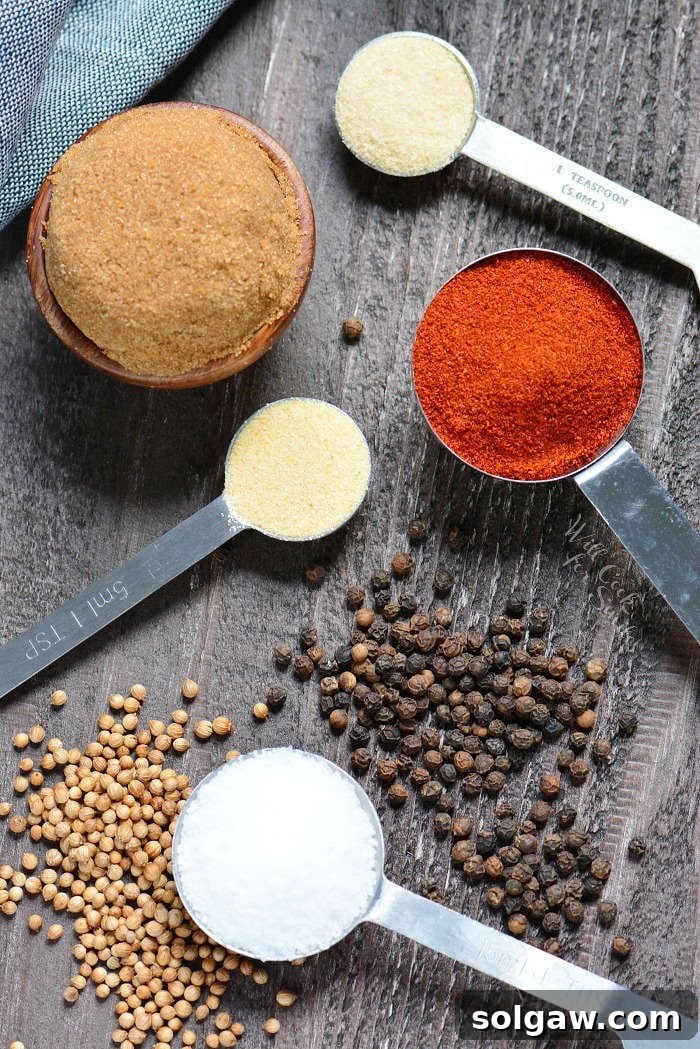
The savory elements form the foundational backbone of any truly great dry rub, providing the rich base upon which all other flavors are built. Essential “must-have” ingredients include coarse salt, which not only enhances every other flavor but also plays a crucial role in drawing out moisture and creating that initial adhesion for the rub. Freshly ground black pepper contributes a pungent warmth and subtle bite, a classic complement to any meat. Granulated garlic powder and onion powder are indispensable for their classic aromatic depth, offering a concentrated savory essence without adding any unwanted moisture that fresh garlic or onion would. These foundational spices provide a robust, earthy base that beautifully complements a wide spectrum of meats. To introduce further layers of complexity and aromatic richness, this recipe incorporates cumin, renowned for its warm, earthy, and slightly smoky notes, and ground coriander, which offers a bright, citrusy, and subtly sweet undertone. These spices work in concert to create a wonderfully aromatic and deeply savory profile.
The Paprika Paradox: Smoked vs. Sweet for Distinct Flavors
Paprika is a cornerstone ingredient in many dry rubs, contributing not only a vibrant reddish hue but also a distinct flavor that varies greatly by type. The choice between smoked paprika and regular (sweet) paprika is crucial and should depend heavily on your intended cooking method. When preparing meats in the oven, where natural smoke flavor is typically absent, smoked paprika is highly recommended. Its rich, intense smoky essence effectively mimics the deep, alluring flavors traditionally achieved on a grill or in a dedicated smoker, infusing your dish with that desirable BBQ character. However, if you’re cooking on a traditional charcoal or gas grill, or utilizing a smoker, where ample smoke flavor will naturally permeate the meat, regular sweet paprika can be used. In these scenarios, the objective of the paprika is primarily to add a mild, sweet pepper note and a beautiful red color without overwhelming the authentic smoky flavors developed during the cooking process. For those who enjoy an additional layer of spicy warmth, hot paprika offers another excellent alternative, adding both color and a noticeable kick.
PIN THIS RECIPE
Mastering the Art of Applying Dry Rub for Maximum Flavor
One of the most appealing aspects of using a dry rub is its straightforward application, which nonetheless yields profound and complex flavor profiles. Dry rubs are expertly designed to deliver intense, concentrated flavor directly to the meat’s surface, often eliminating the need for subsequent sauces or glazes. While you certainly can choose to add a finishing sauce after cooking for an extra layer of moisture, tang, or sweetness, a properly applied dry rub makes it entirely optional, allowing the inherent flavors of the meat and the expertly blended spices to truly shine as the star of your dish.
The process itself is remarkably simple, requiring just a few minutes of hands-on preparation before cooking. Once your custom spice blend is perfectly mixed and ready, you’re prepared to transform your chosen cut of meat. To ensure optimal and even coverage, begin by spreading your homemade dry rub onto a rimmed baking sheet or into a large, shallow bowl. This setup is ideal for handling the meat with ease and efficiently catching any excess rub, minimizing waste. Carefully place your meat into the prepared rub and then proceed to generously coat every single surface. Don’t be timid – aim for thorough coverage, gently massaging the rub into every nook, cranny, and crevice of the meat. This hands-on, tenderizing approach ensures maximum contact between the finely ground spices and the meat’s surface, promoting deeper flavor infusion, better adherence, and a more consistent, beautiful crust.
The Benefits of Resting: Unlocking Deeper Flavor Infusion
While rubbed meats can certainly be cooked immediately with excellent results, allowing them to rest in the refrigerator after application can significantly enhance the final flavor and tenderness. For larger cuts of meat such as beef brisket, pork shoulders, pork ribs, or even thicker chicken breasts, an overnight rest (typically 8-12 hours) is highly recommended. During this extended period, the salt within the dry rub begins to draw out some of the meat’s natural moisture through osmosis. This moisture then mixes with the spices, creating a flavorful brine that is subsequently reabsorbed by the meat. This cyclical process allows the spices to penetrate more effectively into the outer layers of the meat, resulting in a more deeply flavored and exceptionally tender product. Furthermore, the sugar in the rub has more time to adhere firmly, setting the stage for superior caramelization and bark development during cooking.
If time is a significant constraint, and an overnight rest isn’t feasible, don’t despair—you can still achieve fantastic results by cooking your rubbed meat right away. The immediate application and cooking process will still develop a wonderful, flavorful crust and impart excellent surface flavor, making for a delicious meal. However, for those seeking the absolute maximum flavor depth, enhanced tenderness, and a truly unforgettable eating experience, incorporating the resting period into your preparation routine is a step well worth the wait. Simply cover the rubbed meat loosely with plastic wrap or place it in an airtight container to prevent it from drying out during its refrigeration period.
Expert Tips for Making and Using the Best Dry Rub: Achieve Culinary Perfection
Crafting and successfully utilizing a dry rub involves a few key principles and expert insights that can dramatically elevate your cooking from merely good to truly extraordinary. Paying careful attention to these details will ensure your meats are always bursting with incredible flavor and boast an irresistible texture that will keep everyone coming back for more.
Prioritize Freshness: The Cornerstone of Potent Flavor
The quality and freshness of your individual spices directly impact the overall potency, aroma, and flavor of your finished dry rub. Always strive to use the freshest ingredients possible. Spices, much like other perishable items, gradually lose their vibrant aroma and flavor over time, especially once their jars have been opened and exposed to air. A general rule of thumb for optimal freshness is to replace ground spices every 6-9 months and whole spices every 1-2 years. To maximize the impact and aromatic intensity, consider grinding your own whole spices, such as black pepper, cumin, and coriander, just moments before mixing your rub. A dedicated spice grinder or even a small, thoroughly cleaned coffee grinder works wonderfully for this purpose. Freshly ground spices release significantly more volatile oils, resulting in a far more fragrant and flavorful rub that truly stands out in every bite.
Mixing Ahead vs. Freshly Made: Convenience Meets Potency
While it’s perfectly acceptable and highly convenient to prepare a larger batch of your dry rub ahead of time, mixing it fresh right before use can sometimes yield a slightly more vibrant and intense aroma. This difference stems from the fact that the delicate volatile oils in freshly ground spices haven’t had as much time to oxidize and diminish. However, for sheer efficiency, particularly when preparing for large gatherings or frequent grilling sessions, making a larger batch and storing it properly is a fantastic and time-saving option. Just remember to give your stored rub a vigorous shake or stir before each use to redistribute any settled ingredients and ensure an even burst of flavor.
Mastering Heat Management: Preventing Burnt Rub and Achieving Perfect Bark
One of the most common pitfalls when cooking with dry rubs, particularly on the grill or in a smoker, is burning the rub. The sugar component in the blend, while absolutely essential for achieving delicious caramelization and forming that coveted crispy crust, can easily char if exposed to excessive direct heat for too long. To skillfully prevent this and achieve a beautiful, delectable bark instead of a burnt exterior, always aim for indirect heat cooking whenever possible. For grilling, a great technique is to start by searing the meat over direct heat for a short period—just enough to develop some initial color and crust—then immediately move it to a cooler, indirect heat zone on the grill to finish cooking slowly. This strategic approach allows the rub to gradually caramelize rather than rapidly char, creating a wonderfully sticky, savory-sweet crust. When utilizing an oven, maintaining moderate temperatures and ensuring proper placement within the oven can help achieve similar, mouth-watering results. For smoking, the inherent “low and slow” approach is naturally conducive to perfect rub caramelization, yielding exceptional flavor and texture.
Optimal Storage Solutions for Your Homemade Dry Rub
To truly preserve the vibrant flavors, pungent aromas, and overall quality of your meticulously crafted homemade dry rub, proper storage is absolutely paramount. Incorrect storage methods can lead to your valuable spices quickly losing their potency and aromatic qualities, significantly diminishing the impact of your culinary efforts. Here are the best practices for keeping your dry rub fresh, potent, and ready for action whenever inspiration strikes:
Freezer Storage: The Ultimate Long-Term Solution
For maximum longevity and to ensure peak freshness, especially if you’ve prepared a generous batch of dry rub, storing it in the freezer is the most highly recommended method. The consistently cold environment of the freezer significantly slows down the natural oxidation process that causes spices to degrade and lose their flavor over time. To implement this effectively, transfer your dry rub into a high-quality zip-lock freezer bag. Before fully sealing the bag, make sure to press out as much air as possible, creating a near-vacuum seal. Minimizing air exposure is key to preserving the delicate volatile oils and complex aromas within your spice blend. Stored meticulously in this manner, your homemade dry rub can remain remarkably potent and flavorful for an extended period, often up to 12 months, making it an excellent strategy for efficient batch preparation and future convenience.
Pantry or Refrigerator Storage: Convenient Shorter-Term Options
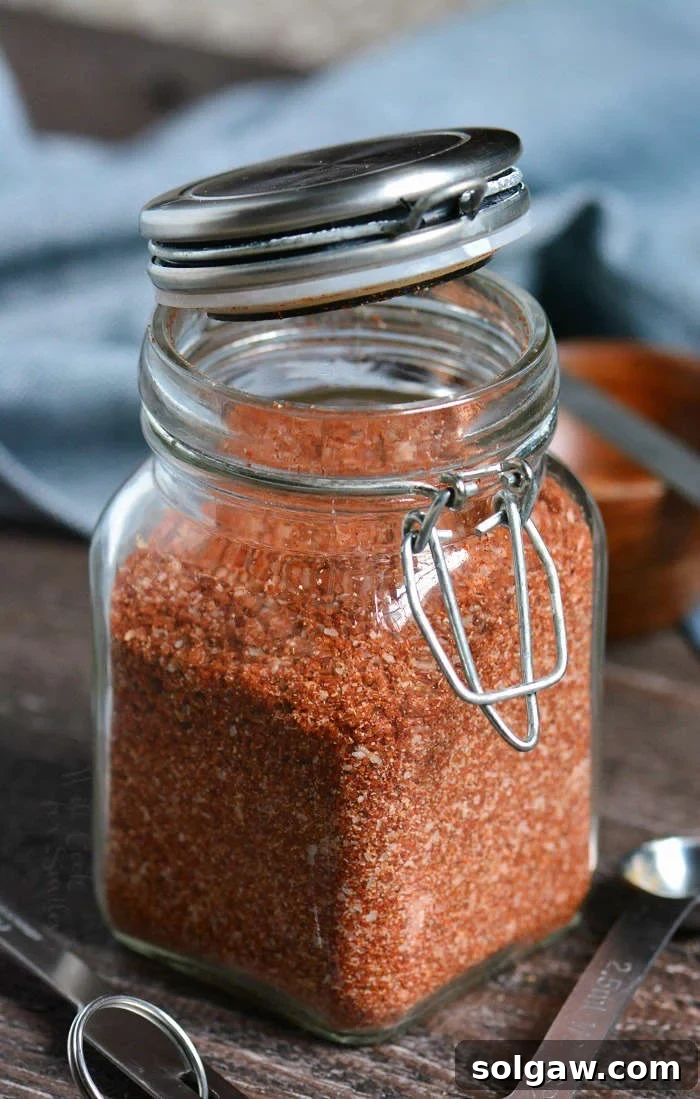
If you anticipate using your dry rub within a shorter timeframe, typically a few months, storing it in an airtight jar or container in a cool, dark place (such as a pantry cabinet, ideally situated away from direct sunlight or any heat-emitting appliances) or in the refrigerator will be sufficient. The critical factors here are “airtight” and “cool/dark” to protect the sensitive spices from damaging elements like light, air, and humidity, all of which are primary culprits in flavor degradation. While refrigeration can offer a slight extension in shelf life compared to a well-maintained pantry, for the majority of dry rubs, a dark, cool pantry environment is perfectly adequate for maintaining quality for up to 6 months. Regardless of the chosen location, always ensure the container is tightly sealed immediately after each use to minimize exposure.
Labeling and Dating: Your Essential Organizational Ally
Irrespective of your chosen storage method—be it freezer, pantry, or refrigerator—it is absolutely crucial to make it a consistent habit to accurately label and date your dry rub containers. This deceptively simple step serves as your indispensable organizational ally, ensuring you know precisely what blend you have on hand and, more importantly, when it was prepared. This proactive approach helps you to use your dry rub within its peak freshness window, guaranteeing you’re always cooking with the most vibrant, aromatic, and flavorful blend possible, thereby avoiding any guesswork or diminished culinary results.
Explore More Flavorful Recipes with Your New Dry Rub
Now that you’ve mastered the art of creating and expertly applying the ultimate homemade dry rub, it’s time to put your newfound skills and this incredible spice blend to the test with an array of even more delicious dishes. This exceptionally versatile rub pairs perfectly with a wide array of meats and complements various cooking styles, promising to elevate every meal. Here are some fantastic recipes that will allow your signature dry rub to truly shine, bringing vibrant flavors to your table:
BBQ Chicken Skewers: A delightful and easy way to infuse chicken with the smoky, savory, and subtly spicy notes of your rub, perfect for grilling season.
Southwest Baked Chicken: Transform ordinary oven-baked chicken into a vibrant, zesty, and deeply flavored meal using a generous application of this versatile dry rub.
Garlic Pork Loin: The rub adds a magnificent, flavorful crust and contributes profound, aromatic depth to tender, juicy pork loin, making it an instant family favorite.
Oven Baked Chicken: Achieve simple yet incredibly flavorful chicken that benefits immensely from a generous and even application of your perfectly balanced homemade rub.
Braised Short Ribs: While typically rich and saucy, an initial searing with your dry rub can create a beautiful crust and add an unexpected layer of complex flavor before braising.
Pepper Steak: Enhance the inherent peppery goodness and robust flavors of this classic dish with the aromatic depth and subtle heat from your custom blend.
The Ultimate Dry Rub
Print
Pin
Rate
Ingredients
- 4 tbsp dark brown sugar
- 4 tbsp smoked paprika can substitute regular paprika
- 2 tbsp coarse salt
- 1 tbsp ground black pepper
- 2 tsp garlic powder
- 2 tsp onion powder
- 1 tsp cumin
- 1 tsp ground coriander
- 1 tsp cayenne pepper
Instructions
-
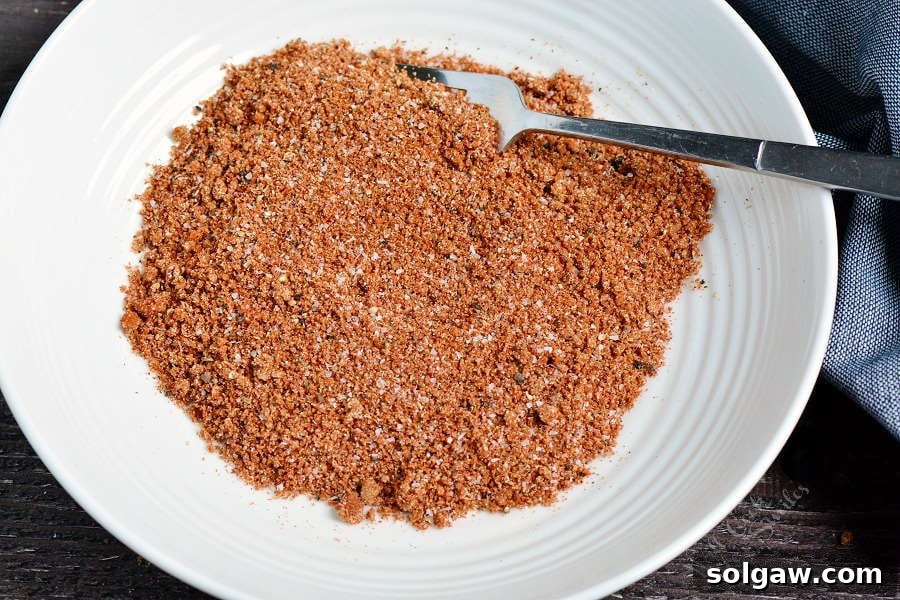
Combine all spices and herbs in a bowl and mix very well. For easier mixing, you can also combine them in a jar with a tight-fitting lid, close the lid, and shake vigorously until well combined.
-
This homemade dry rub can be used immediately after mixing to season your favorite meats, or it can be prepared ahead of time and stored for future use, maintaining its potency for up to 6 months.
-
To use: Begin by spreading the mixed dry rub evenly onto a rimmed baking sheet or into a large, shallow bowl. Choose a container that best accommodates the size of the meat you’re preparing. Place the meat into the rub and generously coat it on all sides, ensuring every surface, nook, and cranny is covered. Gently massage the dry rub into the meat, pressing it firmly to create a good adhesion and encourage flavor infusion.
-
To store: For optimal freshness and extended shelf life, transfer the dry rub into a zip-lock freezer bag. Press out as much air as possible before sealing the bag tightly and storing it in the freezer. This method keeps the rub fresh for up to 12 months. Alternatively, you can store the dry rub in an airtight jar in a cool, dark pantry or in the refrigerator for up to 6 months. Always label and date your containers for easy tracking of freshness.
Notes
Nutrition
Carbohydrates: 77g |
Protein: 7g |
Fat: 5g |
Saturated Fat: 1g |
Polyunsaturated Fat: 3g |
Monounsaturated Fat: 1g |
Sodium: 590mg |
Potassium: 994mg |
Fiber: 14g |
Sugar: 50g |
Vitamin A: 14682IU |
Vitamin C: 3mg |
Calcium: 186mg |
Iron: 9mg