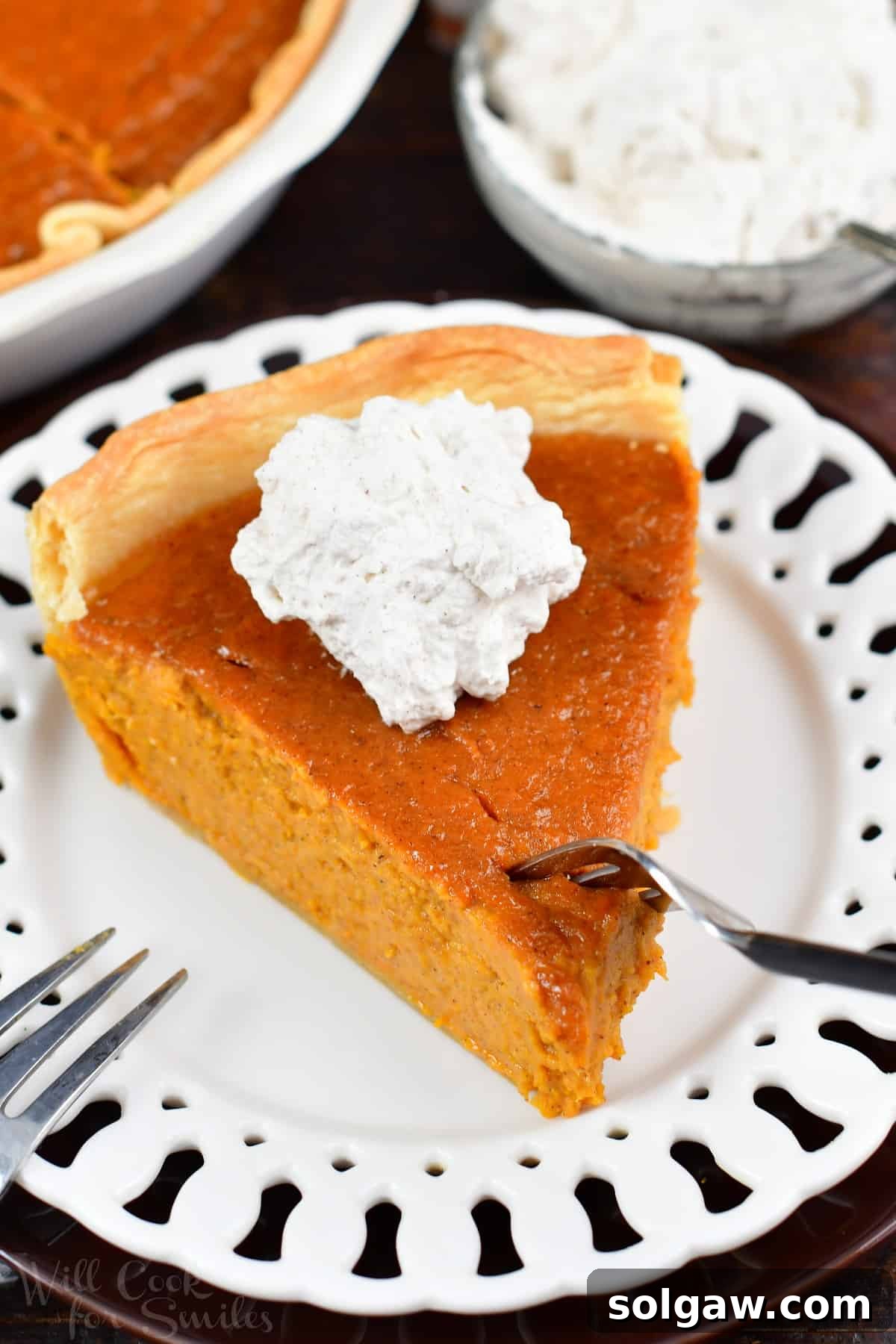
Indulge in the rich, silky, and utterly smooth delight of a perfectly crafted Sweet Potato Pie. This iconic Southern classic dessert, infused with a beautiful bouquet of warm, aromatic spices, is more than just a sweet treat; it’s a culinary cornerstone, especially during the fall season. Imagined as the undisputed centerpiece of your Thanksgiving spread or any festive gathering, this tried-and-true recipe promises to deliver an unforgettable taste that truly hits the spot every single time.
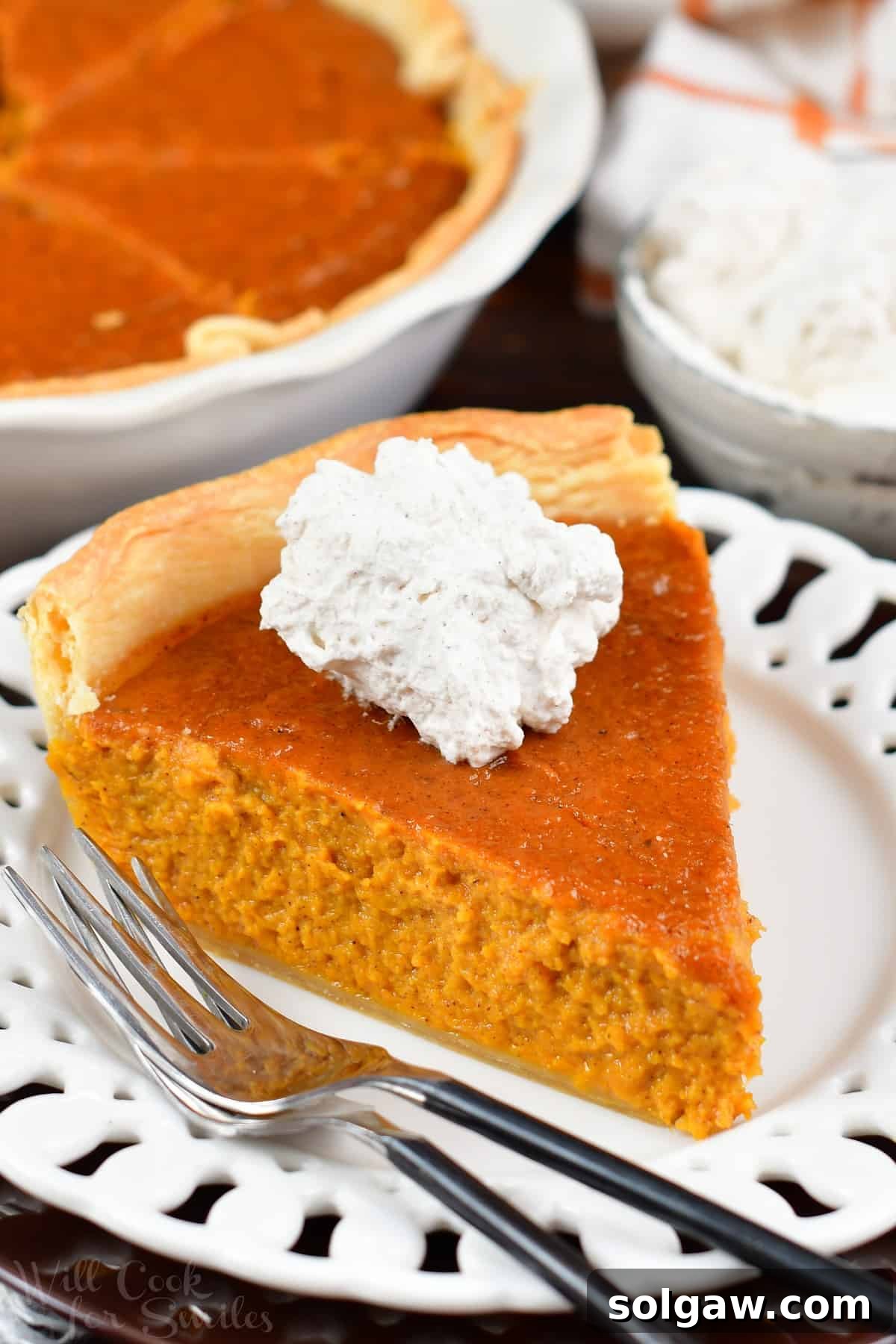
The Timeless Appeal of Sweet Potato Pie
There’s an undeniable charm in generational recipes, and this homemade sweet potato pie embodies that spirit perfectly. These culinary treasures are the very definition of “tried and true,” passed down through families, carrying stories and traditions within every bite. While the allure of new and innovative dessert creations is strong, there’s a profound comfort found in a classic slice of perfectly baked sweet potato pie. It’s more than just food; it’s a warm hug, a taste of nostalgia, and a cherished part of cultural heritage that resonates deeply with many, particularly in the Southern United States.
Each spoonful of this creamy, perfectly spiced pie transports you to a place of warmth and festivity. The harmonious blend of cinnamon, nutmeg, and a hint of ginger creates an aromatic experience that fills your kitchen and signals the arrival of the holiday season. The signature light and silky smooth consistency sets it apart, making it a truly exceptional dessert that’s comforting yet refined.
Sweet Potato Pie vs. Pumpkin Pie: What’s the Difference?
The perennial debate between sweet potato pie and its close cousin, Pumpkin Pie, is a topic many passionate bakers and dessert enthusiasts love to discuss. While they share several similarities, especially in their autumnal appeal and creamy texture, they are distinct enough to warrant their own dedicated fan bases. Both pies boast a beautiful, inviting color and a spice profile that often includes warming cinnamon and nutmeg.
However, the key difference lies in their fundamental character. Sweet potato pie is renowned for its distinctly lighter and silkier consistency. It often feels less dense on the palate, allowing the natural sweetness of the sweet potatoes to shine through more prominently. The texture is incredibly smooth, almost melting in your mouth, while still being rich and satisfying. Pumpkin pie, on the other hand, tends to be denser and has a more pronounced earthy flavor, often requiring more spice to achieve its signature taste. For many, sweet potato pie offers a subtly sweeter, more nuanced flavor, making it an irresistible choice.
Why Homemade Sweet Potato Pie is Always Best
In our fast-paced world, it can be tempting to simply pick up a pie from the grocery store bakery. It’s convenient, saves time, and requires minimal effort. However, when it comes to sweet potato pie, there’s a world of difference between a store-bought version and a lovingly made homemade one. I can confidently guarantee that none of those mass-produced pies will ever compare to the depth of flavor, the perfect silky texture, and the sheer satisfaction derived from this authentic, scratch-made sweet potato pie recipe.
Making it yourself allows you to control the quality of ingredients, ensuring fresh sweet potatoes, rich butter, and a generous blend of high-quality spices. The aroma alone as it bakes will transform your home, creating an atmosphere of warmth and anticipation that no pre-packaged dessert can replicate. The subtle nuances of flavor that come from freshly baked and mashed sweet potatoes, combined with real heavy cream and the perfect amount of seasoning, create a dessert that is truly unparalleled. It’s an experience, not just a meal.
How To Bake Sweet Potatoes for the Perfect Pie
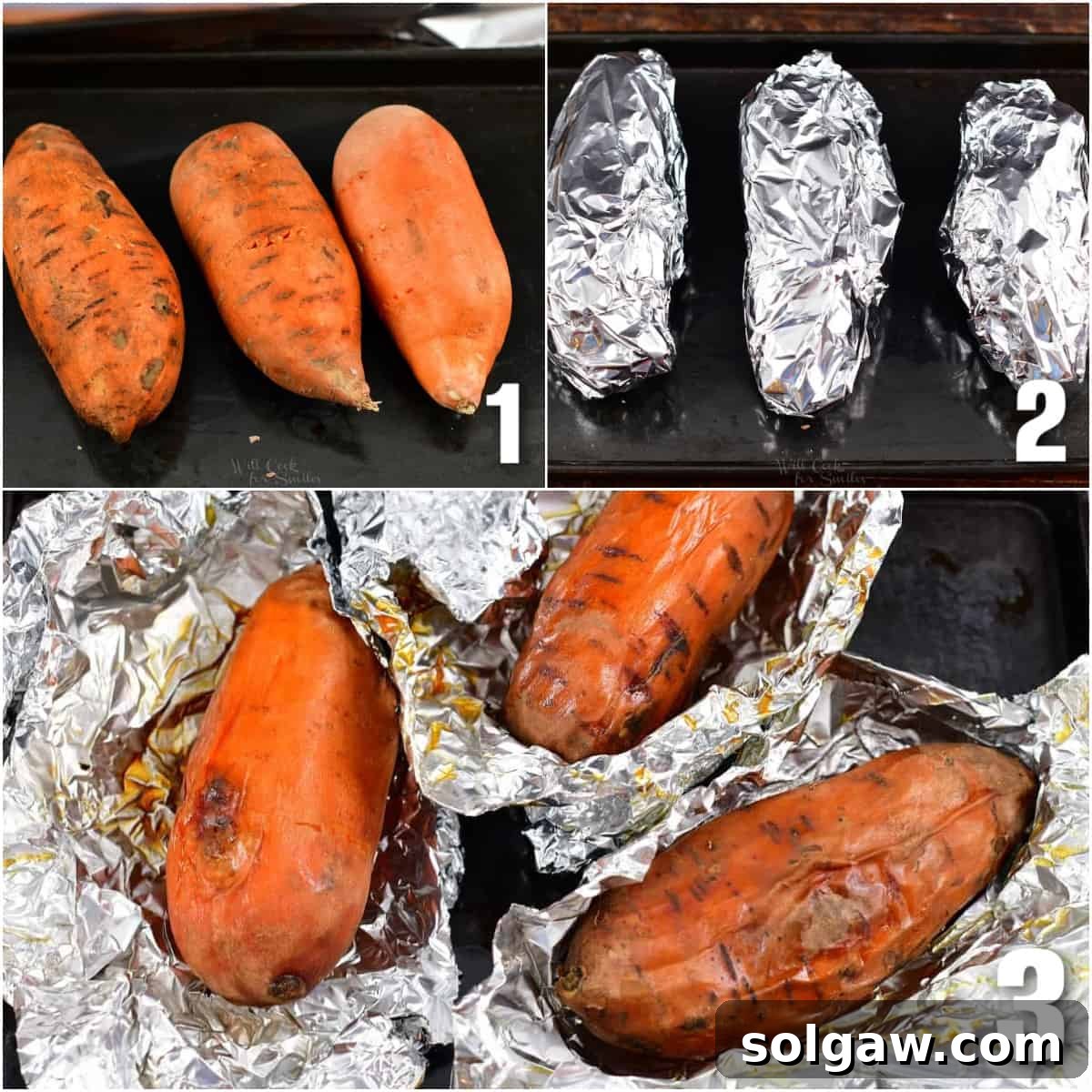
The foundation of any exceptional sweet potato pie begins with perfectly cooked sweet potatoes. While boiling is an option, baking is by far the superior method, as it concentrates their natural sugars and yields a drier, more intensely flavored puree essential for that signature silky texture.
- Preheat your oven to 400°F (200°C). This initial high temperature ensures the sweet potatoes cook thoroughly and caramelize beautifully.
- Select medium-sized sweet potatoes that are firm and free of blemishes. Wash and scrub them thoroughly under running water, then pat them completely dry.
- Poke a few holes in each potato with a fork, making sure to pierce both the top and bottom. This allows steam to escape during baking, preventing them from bursting.
- Wrap each sweet potato tightly in aluminum foil. This helps them steam in their own juices, keeping them moist and ensuring even cooking.
- Place the wrapped sweet potatoes on a baking sheet. This catches any potential drips and makes for easy transfer in and out of the oven.
- Bake for approximately 45-60 minutes. The exact baking time will vary depending on the size and thickness of your potatoes.
- To test for doneness, carefully unwrap the largest potato (it will be hot!) and pierce it with a fork. It should be completely fork-tender, with no resistance. If not, re-wrap and continue baking for another 10-15 minutes.
- Once baked, remove from the oven and allow them to cool completely. This not only makes them easier to handle but also helps to further dry out the flesh, preventing a watery pie filling. You can even bake them a day or two in advance and store them in the refrigerator until ready to use.
The Art of Par-Baking Your Pie Crust
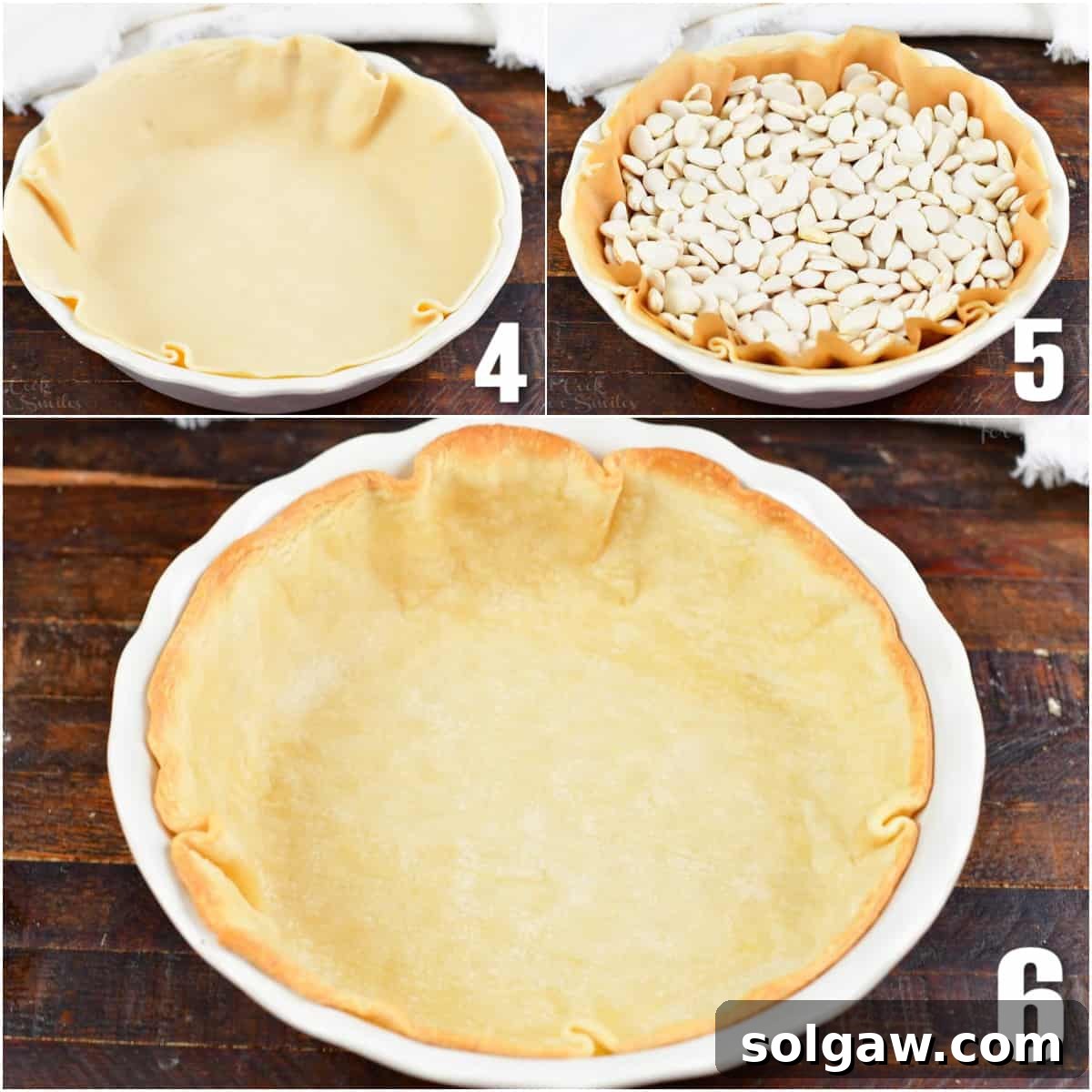
A flawless sweet potato pie requires a perfectly crisp, non-soggy crust. This is achieved through a technique called “par-baking” or “blind baking.” This crucial step ensures your pie crust is fully cooked and flaky, providing a delightful contrast to the creamy filling.
- Begin by lightly greasing your pie dish. This helps prevent sticking and makes it easier to remove slices later.
- If using store-bought refrigerated pie dough, gently unroll it. For homemade crust, roll it out to approximately 12 inches in diameter. This size typically provides enough dough to fit a standard 9-inch pie dish and allows for decorative crimping of the edges.
- Carefully transfer the rolled-out crust into your prepared pie dish. Gently press it into the bottom and sides, ensuring there are no air bubbles. Trim any excess dough, leaving about a half-inch overhang. You can then fold this overhang under and crimp the edges decoratively using your fingers or a fork.
- Once shaped, refrigerate the crust for at least 30 minutes, or while your sweet potatoes are baking. Chilling the dough before baking helps prevent shrinkage and maintains its shape.
- With your oven still preheated to 400°F (200°C) from baking the sweet potatoes, retrieve the chilled pie crust.
- Line the inside of the pie crust with a sheet of parchment paper. Make sure it extends up the sides and slightly over the crimped edges.
- Spread an even layer of pie weights or dried beans (about 1.5 to 2 cups) across the parchment paper, ensuring they fill the crust completely and press gently into the corners and sides. The weights prevent the crust from puffing up or bubbling during baking.
- Pre-bake the crust at 400°F (200°C) for 15 minutes.
- Carefully remove the pie dish from the oven. Allow it to cool for a few minutes until it’s comfortable to handle. Then, gather the edges of the parchment paper and gently lift out the pie weights or beans. Your crust is now par-baked and ready for the filling!
Crafting the Ultimate Sweet Potato Pie Filling

With your baked sweet potatoes cooled and your pie crust perfectly par-baked, it’s time to create the heart of this incredible dessert: the rich and flavorful filling. The secret to its signature silkiness lies in thorough mashing and blending.
- Lower your oven temperature to 350°F (175°C) in preparation for baking the finished pie.
- Once your baked sweet potatoes have cooled enough to handle comfortably, peel off their skins. The flesh should be soft and easily removed. Place the peeled sweet potatoes into a large mixing bowl.
- Using a potato masher, thoroughly mash the sweet potatoes until they are completely smooth and free of lumps. For an even silkier texture, you can pass them through a food mill or use an electric mixer.
- Add all the remaining ingredients for the pie filling to the mashed sweet potatoes: brown sugar, eggs, heavy whipping cream, melted unsalted butter, molasses, bourbon (if using), pure vanilla extract, ground cinnamon, ground ginger, ground nutmeg, allspice, and a pinch of salt.
- Using a hand-held electric mixer or a stand mixer with the whisk attachment, whisk the filling ingredients together until the mixture is completely smooth, lump-free, and well combined. Scrape down the sides of the bowl to ensure everything is incorporated. The goal is a uniform, creamy consistency.
- Carefully pour the smooth sweet potato filling into your prepared, par-baked pie crust. Gently tap the pie dish on the counter a few times to release any air bubbles and ensure the filling settles evenly.
- Place the filled pie dish onto a baking sheet. This provides stability, makes it easier to transfer, and catches any potential spills.
- To prevent the pie crust edges from browning too quickly, you can create a pie shield. Cut four strips of aluminum foil, each about 2-3 inches wide. Gently wrap these strips around the edge of the pie dish, covering the crimped crust. Alternatively, you can loosely cover the entire pie with a sheet of aluminum foil halfway through the baking process.
- Bake the sweet potato pie at 350°F (175°C) for 45-50 minutes. The pie is done when the edges are set and slightly firm, but the center still has a slight jiggle when gently shaken. Over-baking can lead to cracks in the filling.
- Once baked, carefully remove the pie from the oven and allow it to cool completely on a wire rack. This step is crucial for the filling to set properly.
- After it has cooled to room temperature, refrigerate the pie for 2-4 hours before serving. Chilling firmes up the filling, making for clean slices and a truly delightful texture.
Elevate Your Pie with Homemade Cinnamon Whipped Cream
While sweet potato pie is magnificent on its own, a cloud of homemade cinnamon whipped cream takes it to an entirely new level. It’s surprisingly simple to make and adds a touch of airy sweetness that complements the rich pie perfectly.
- For best results, ensure your heavy cream, mixing bowl, and whisk attachments are all very cold. Place your metal mixing bowl and whisk attachment in the freezer for 10-15 minutes before you begin.
- Pour the cold heavy cream into the chilled mixing bowl.
- Starting at low speed, begin whisking the cream with an electric mixer. Gradually increase the speed to high.
- As the cream begins to thicken, slowly pour in the granulated sugar and ground cinnamon.
- Continue beating on high speed until stiff peaks appear. This means that when you lift the whisk, the peaks of cream stand up firmly and hold their shape. Be careful not to over-beat, or the cream will turn grainy and eventually separate into butter.
- Keep the cinnamon whipped cream refrigerated in an airtight container until you are ready to serve. It’s best made no more than a day in advance for optimal freshness and texture.
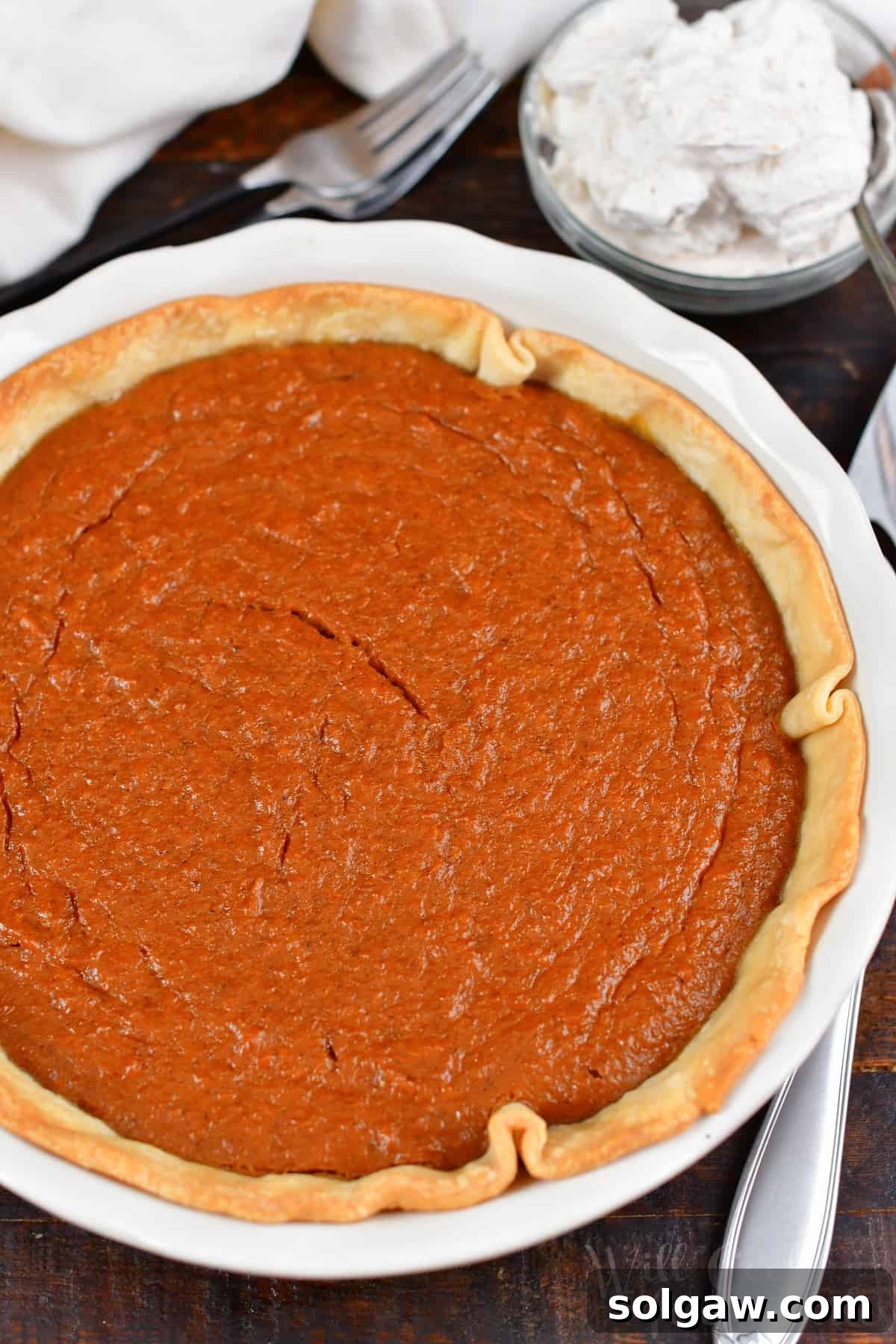
Storing and Freezing Your Sweet Potato Pie
Ensuring your delicious sweet potato pie stays fresh and flavorful for as long as possible is essential, especially if you’re making it ahead for a holiday or simply want to enjoy leftovers.
Storing the Pie in the Refrigerator:
Once your pie has cooled completely to room temperature, it must be stored in the refrigerator. Cover it tightly with plastic wrap, ensuring no air can get in to dry out the filling or crust. If you frequently bake pies, investing in a specialized pie storage container is a fantastic idea – they’re incredibly nifty and keep your pie perfectly protected. Properly stored, your sweet potato pie will remain fresh and delicious for 3-4 days in the refrigerator.
Freezing the Pie:
Sweet potato pie freezes exceptionally well, making it an excellent candidate for make-ahead holiday baking.
- If you plan to freeze the pie after baking, consider baking it directly in an aluminum baking pan. This allows for easy transfer to the freezer and prevents your good ceramic or glass pie dish from being tied up. Note that the baking time might be altered slightly (usually a few minutes less) when using aluminum.
- Bake the pie according to the recipe instructions and allow it to cool completely to room temperature on a wire rack. This step is crucial; freezing a warm pie can lead to condensation and ice crystals forming, compromising the texture.
- Once thoroughly cooled, wrap the pie airtight. First, use several layers of plastic wrap, making sure to cover every surface. Then, wrap it again tightly in aluminum foil for an extra layer of protection against freezer burn.
- For even more protection, you can place the wrapped pie into a large zip-top freezer bag, squeezing out as much air as possible.
- Label the package with the date of freezing. You can freeze sweet potato pie for up to 3 months.
- To thaw, transfer the frozen pie to the refrigerator and let it thaw slowly overnight. You can enjoy it chilled, or gently warm slices in the oven at a low temperature (around 300°F/150°C) until just heated through.
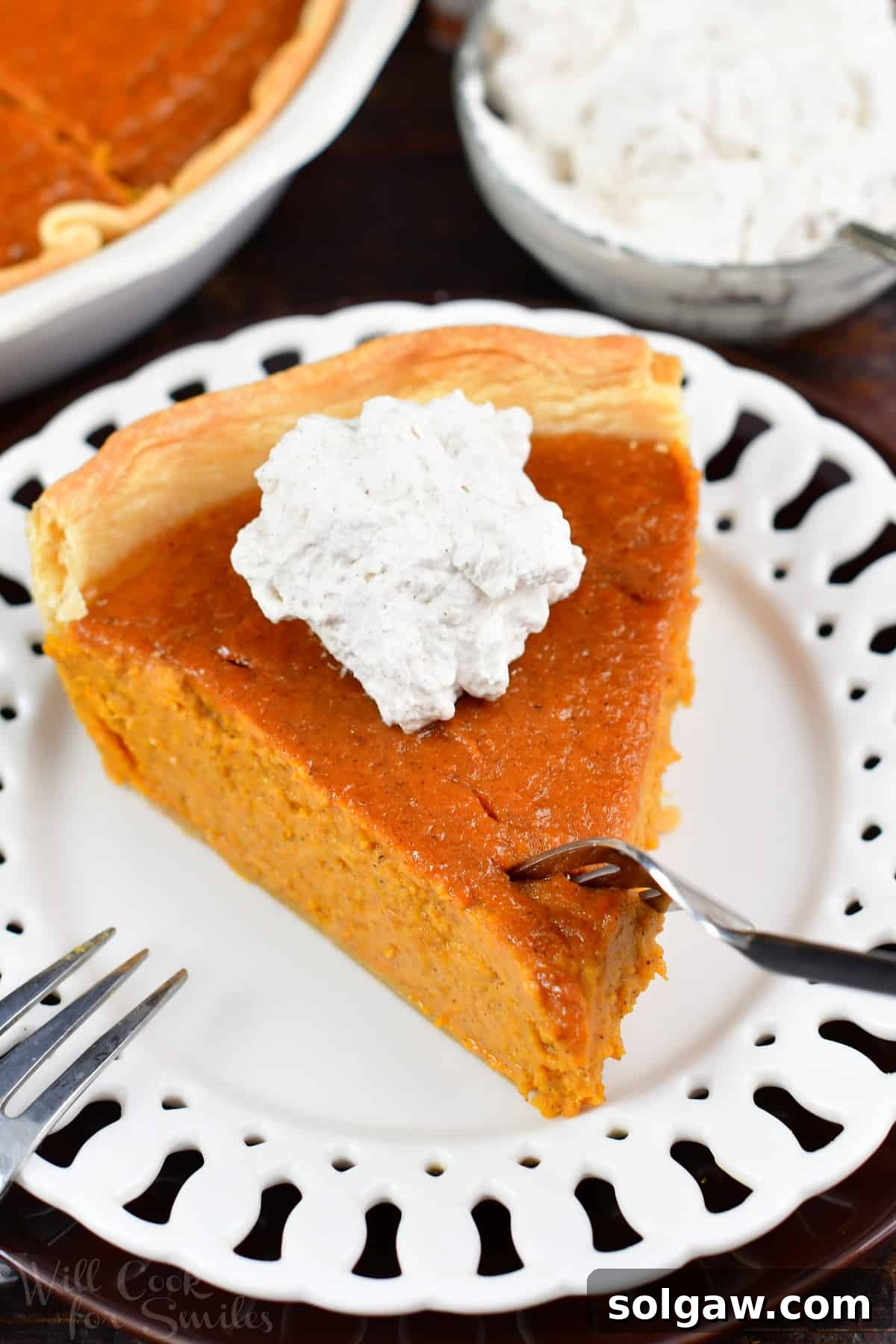
Sweet Potato Pie Recipe FAQs
Always opt for fresh sweet potatoes for your pie, never canned. Fresh sweet potatoes offer a superior flavor and texture that canned versions simply cannot replicate. Look for firm, healthy-looking sweet potatoes.
There are two primary ways to prepare fresh sweet potatoes for the pie: boiling or baking. While boiling is faster, I highly recommend baking them. Baking concentrates their natural sweetness and results in a drier, less watery puree, which is crucial for a perfectly silky pie filling. You can even bake them a day or two in advance and store them in the refrigerator, ready to be peeled and mashed when you’re ready to make your pie.
Baking sweet potatoes is unequivocally the best method for preparing them for a pie. When sweet potatoes are baked, their natural sugars caramelize and intensify, resulting in a much sweeter and more flavorful potato flesh. This process also yields a drier pulp, which is ideal for achieving that desirable silky-smooth pie filling without it becoming watery.
Boiling potatoes, on the other hand, tends to leach out some of their natural sugars and causes them to absorb more water. This can lead to a less sweet, more savory pie with a less rich sweet potato flavor and a potentially looser consistency. Boiling is a better method for savory applications like sweet potato cakes or soup, but for pie, baking is paramount.
It’s a common issue for pie crust edges to brown more quickly than the filling cooks, especially during longer baking times. If you notice your pie crust edges becoming too dark before the pie is fully set, there’s an easy solution to protect them.
Simply cut four strips of aluminum foil, each about 2-3 inches wide. Carefully and gently wrap these strips around the edge of the pie dish, covering the exposed crust. This foil shield will reflect heat away from the edges, preventing them from over-browning while allowing the rest of the pie to continue baking to perfection. Alternatively, you can use a reusable silicone pie crust shield.
While evaporated milk has historically been used in some sweet potato pie recipes, often due to availability issues (especially during wartime shortages), for the best flavor and a truly rich, creamy texture, heavy whipping cream is highly recommended. Heavy cream contributes a luxurious mouthfeel and a richer flavor that evaporated milk simply cannot match. If you desire the most authentic and decadent sweet potato pie, stick with heavy whipping cream.
The sweet potato pie is done when the edges are set and appear firm, but the very center still has a slight, subtle jiggle when you gently shake the pie dish. This slight movement in the center indicates that the custard is cooked through but not overcooked. It will continue to set as it cools. If you bake it until the center is completely firm, it’s likely over-baked and may crack during cooling.
More Irresistible Thanksgiving Dessert Recipes
Sweet potato pie is a showstopper, but if you’re looking to diversify your holiday dessert table or simply crave more delightful sweets, here are some other fantastic recipes:
- Vanilla Bean Cheesecake: A creamy, elegant dessert bursting with classic vanilla flavor.
- Pecan Crunch Sweet Potato Pie: An elevated take on the classic, featuring a delightful crunchy pecan topping.
- French Silk Pie: A rich, decadent chocolate cream pie that’s unbelievably smooth.
- Dutch Apple Pie: A comforting classic with a buttery crumble topping and perfectly spiced apples.
- Sweet Potato Cheesecake: For those who love both pie and cheesecake, this fusion offers the best of both worlds.
PIN THIS RECIPE FOR LATER
DID YOU MAKE THIS RECIPE? Please leave a 🌟 star rating! Let me know how you liked it by leaving the 📝 comment below or share and tag me on social media @willcookforsmiles. DON’T FORGET to subscribe to my newsletter!
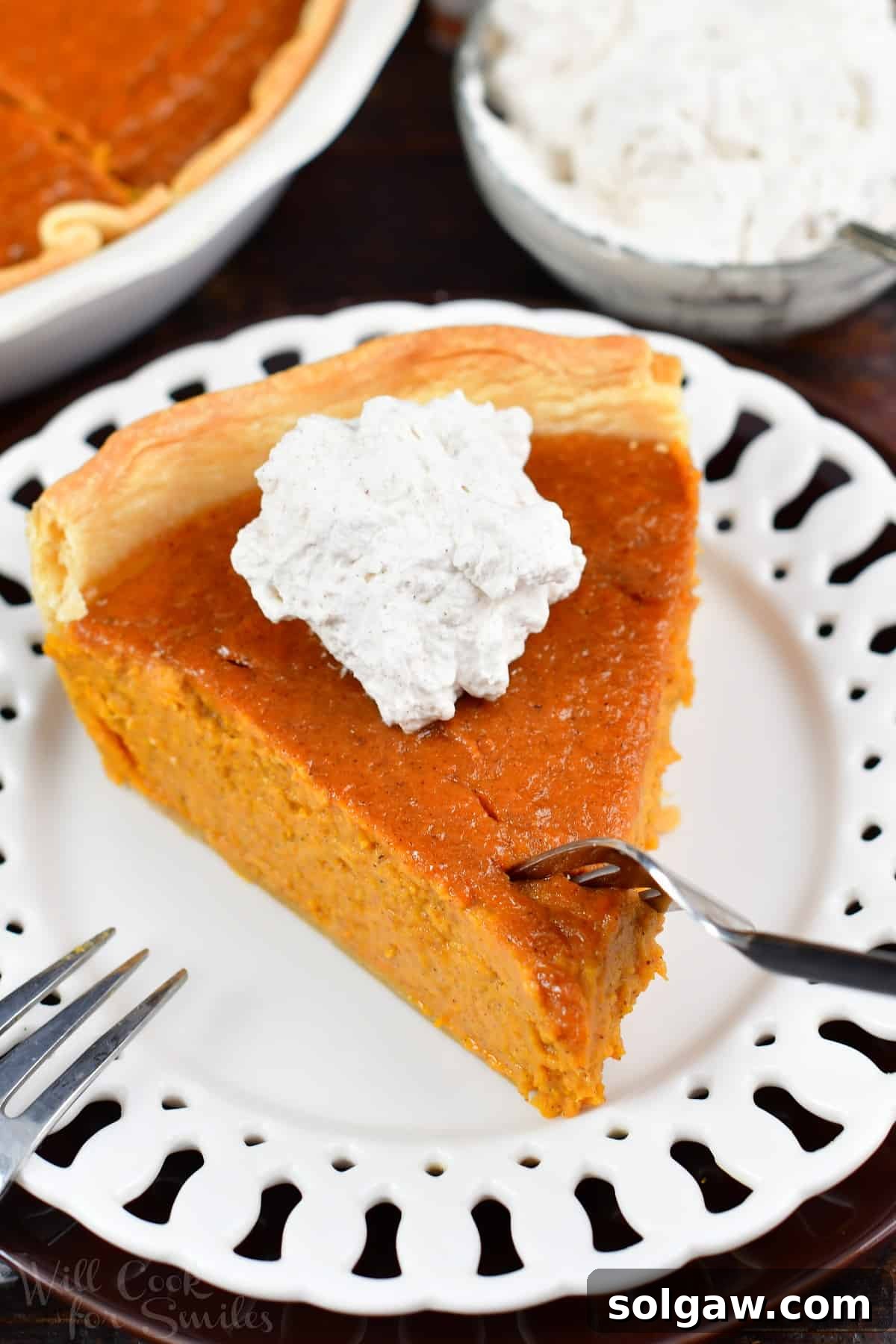
Classic Sweet Potato Pie Recipe
Rich, silky, and oh so smooth Sweet Potato Pie is made flavorful with a beautiful bouquet of warm spices and topped with homemade cinnamon whipped cream. This Southern classic is perfect for Thanksgiving or any fall celebration.
Print
Pin
Ingredients
- 1 sheet of pie crust (or homemade pie crust or a deep dish pastry shell)
Sweet Potato Pie Filling
- 1 1/2 lb sweet potatoes (approximately 2-3 medium sweet potatoes)
- 1/2 cup brown sugar
- 2 eggs
- 1 cup heavy whipping cream
- 4 tbsp unsalted butter, melted
- 2 tbsp molasses
- 2 tbsp bourbon (optional, enhances flavor)
- 1 tsp pure vanilla extract
- 1 1/2 tsp ground cinnamon
- 1/2 tsp ground ginger
- 1/4 tsp ground nutmeg
- 1/4 tsp allspice
- Pinch of salt
Cinnamon Whipped Cream (optional):
- 1 cup heavy whipping cream, very cold
- 1 tsp ground cinnamon
- 2 tbsp white granulated sugar
Instructions
Prepare the Crust:
- Grease the pie dish thoroughly. Place the pie crust over it, gently fitting it into the dish. Crimp the edges as desired.
- Refrigerate the pie crust while the sweet potatoes are baking, or for at least one hour if you’ve prepared the sweet potatoes ahead of time.
To Bake Sweet Potatoes:
- Preheat your oven to 400°F (200°C).
- Pierce each sweet potato several times with a fork. Wrap each potato tightly with aluminum foil.
- Place the wrapped potatoes on a baking sheet and bake for 45-60 minutes, or until they are completely fork-tender. The exact time will depend on the size of the sweet potatoes.
- Remove from the oven and let them cool until they are comfortable enough to handle.
Par-bake the Crust:
- Keep the oven temperature at 400°F (200°C) for par-baking the pie crust.
- Take the chilled pie crust out of the refrigerator. Line it with a sheet of parchment paper, ensuring it covers the bottom and extends up the sides.
- Spread an even layer of pie baking weights or dried beans (about a pound) over the parchment paper in the pie dish. Gently press them to ensure they fill the crust evenly, which prevents the crust from puffing up.
- Bake the pie crust for 15 minutes. Remove it from the oven and let it cool slightly. Carefully gather the corners of the parchment paper and lift out the pie weights or beans.
Prepare and Bake Sweet Potato Pie:
- Lower the oven temperature to 350°F (175°C).
- Peel the cooled sweet potatoes and place the flesh into a large mixing bowl.
- Using a potato masher, mash the sweet potatoes until they are completely smooth and lump-free.
- Add the remaining pie filling ingredients (brown sugar, eggs, heavy cream, melted butter, molasses, bourbon, vanilla extract, cinnamon, ginger, nutmeg, allspice, and salt) to the mashed sweet potatoes. Use a hand-held electric mixer to blend the filling until it is perfectly smooth and well combined.
- Pour the smooth pie filling into the prepared, par-baked pie crust. Place the pie dish onto a baking sheet.
- To prevent the crust edges from over-browning, you can cut 3-4 strips of aluminum foil (about 2-3 inches wide) and gently wrap them around the edge of the pie dish, covering the crust. Alternatively, loosely cover the entire pie with a sheet of aluminum foil halfway through the baking time.
- Bake the sweet potato pie for 45-50 minutes, or until the edges are set and firm, but the center still has a slight jiggle.
- Remove the pie from the oven and allow it to cool completely on a wire rack. Once cooled, refrigerate for 2-4 hours before slicing and serving to allow the filling to fully set.
For Cinnamon Whipped Cream:
- Ensure your heavy whipping cream, mixing bowl, and whisk attachments are very cold.
- Pour the cold heavy cream into the cold mixing bowl. Start whisking on low speed, gradually increasing to high speed.
- Slowly add the cinnamon and granulated sugar as the cream thickens. Continue beating until stiff peaks appear (stop as soon as they form to avoid over-beating).
- Keep the whipped cream refrigerated in an airtight container until ready to use. It’s best consumed within a day.
Recipe Video
A video tutorial for this recipe would typically be placed here, demonstrating key steps for visual guidance.
Notes
Essential Tips for the Best Sweet Potato Pie:
- Blind Bake Your Crust: Always pre-bake (or blind bake) the pie crust first. This crucial step guarantees a crispy, flaky, and thoroughly baked crust that won’t become soggy from the filling.
- Use Fresh Sweet Potatoes: For superior flavor and texture, use fresh sweet potatoes, never canned. The difference is truly remarkable.
- Bake the Sweet Potatoes: Baking the sweet potatoes rather than boiling them is key. Baking brings out their natural sugars, intensifying their sweetness and yielding a drier, silkier puree. Boiled sweet potatoes tend to lose flavor and absorb excess water, leading to a less vibrant pie.
- Choose Heavy Whipping Cream: Opt for heavy whipping cream over evaporated milk. While evaporated milk was historically used during shortages, heavy cream delivers a much richer, creamier, and more luxurious pie filling.
- Avoid Over-Baking: Be vigilant not to over-bake your pie! The filling should still have a slight “jiggle” in the very center when you remove it from the oven. It will continue to set as it cools. Over-baking can result in a dry texture and cause the pie’s surface to crack.
- Chill Thoroughly: Allow the pie to cool completely at room temperature, then refrigerate for at least 2-4 hours before serving. This ensures the filling is perfectly set for clean, beautiful slices.
Nutrition
Originally published on Will Cook For Smiles in November 2021.