Featured Comment
“
Just love potato pancakes, my family would eat several times a week if I would make them that often! Love the idea to freeze – will try that and always then have some on hand! Thank you for your recipes and tips!” ~Margosha
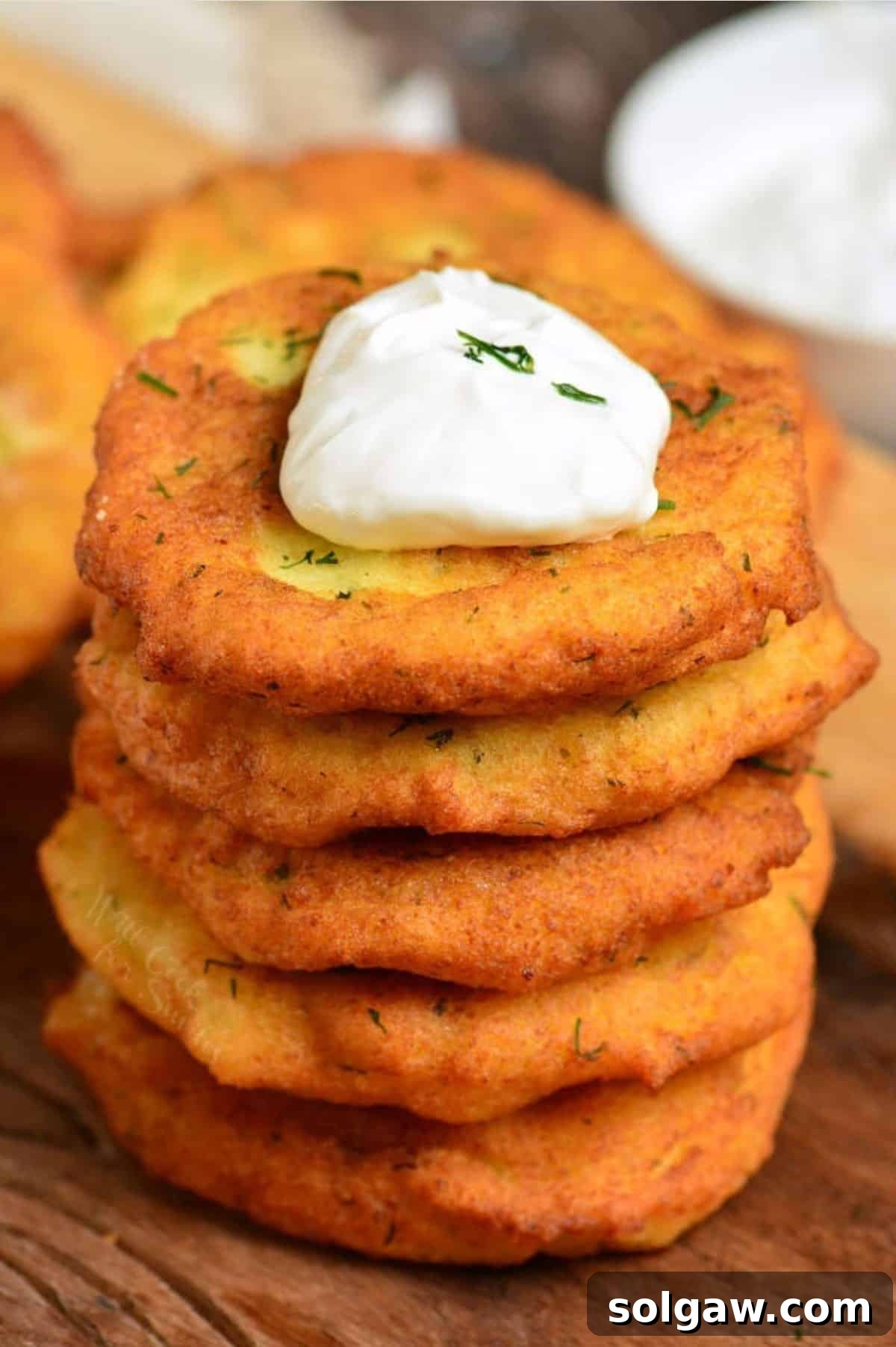
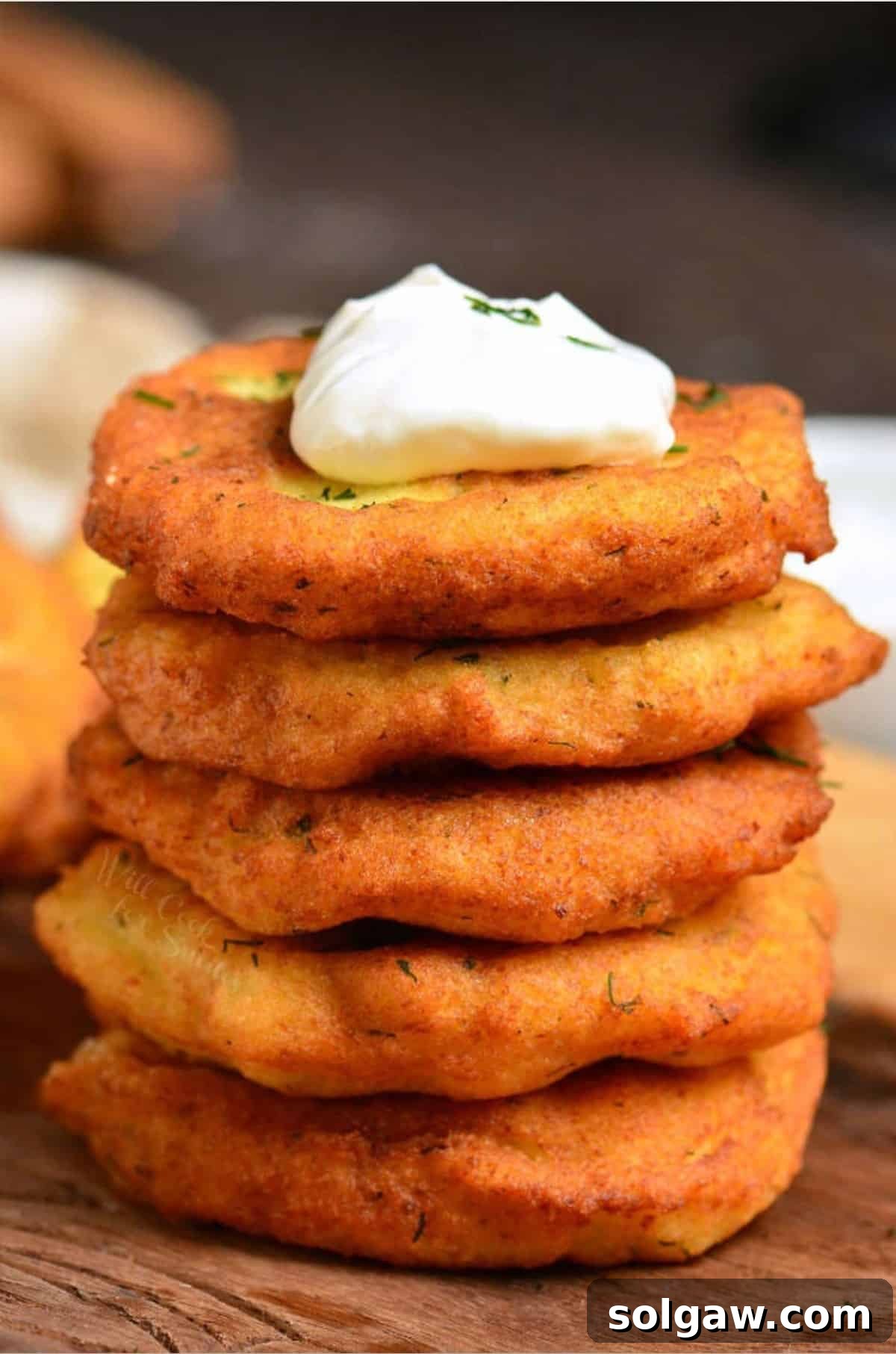
Welcome to the ultimate guide for crafting the most irresistibly crispy potato pancakes! Inspired by the cherished Russian-style “kартофельные оладьи” or “draniki (драники)” that graced my family’s table throughout my childhood, this recipe elevates a simple, comforting potato dish into a true culinary delight. Whether you call them Latkes, Rösti, or simply potato fritters, these golden-brown wonders are a universal symbol of warmth and homemade goodness. Best served fresh off the pan, piled high and generously topped with a dollop of cool sour cream and a sprinkle of fresh dill, they promise a taste of nostalgia and pure satisfaction.
Over countless batches and dedicated testing, I’ve uncovered the core secrets to achieving potato pancake perfection: mastering the potato texture and, most critically, managing its moisture and starch. The magic happens when you meticulously remove excess liquid while carefully preserving the potato’s natural starch. This often-overlooked starch acts as the foundational binder, ensuring your pancakes hold their shape beautifully and fry up with that coveted shatteringly crisp exterior, yielding to a wonderfully tender and fluffy interior. I’ve explored various grating methods, from the classic hand-grater to the efficiency of a food processor, and found that a finely processed texture consistently delivers the authentic, delicate European-style result we crave.
IMPORTANT: The undisputed key element to these perfect potato pancakes isn’t just the potato itself, but the precious potato starch that settles at the bottom after draining. Do not skip saving it!
Table of Contents
Ingredient Essentials and Smart Substitutions
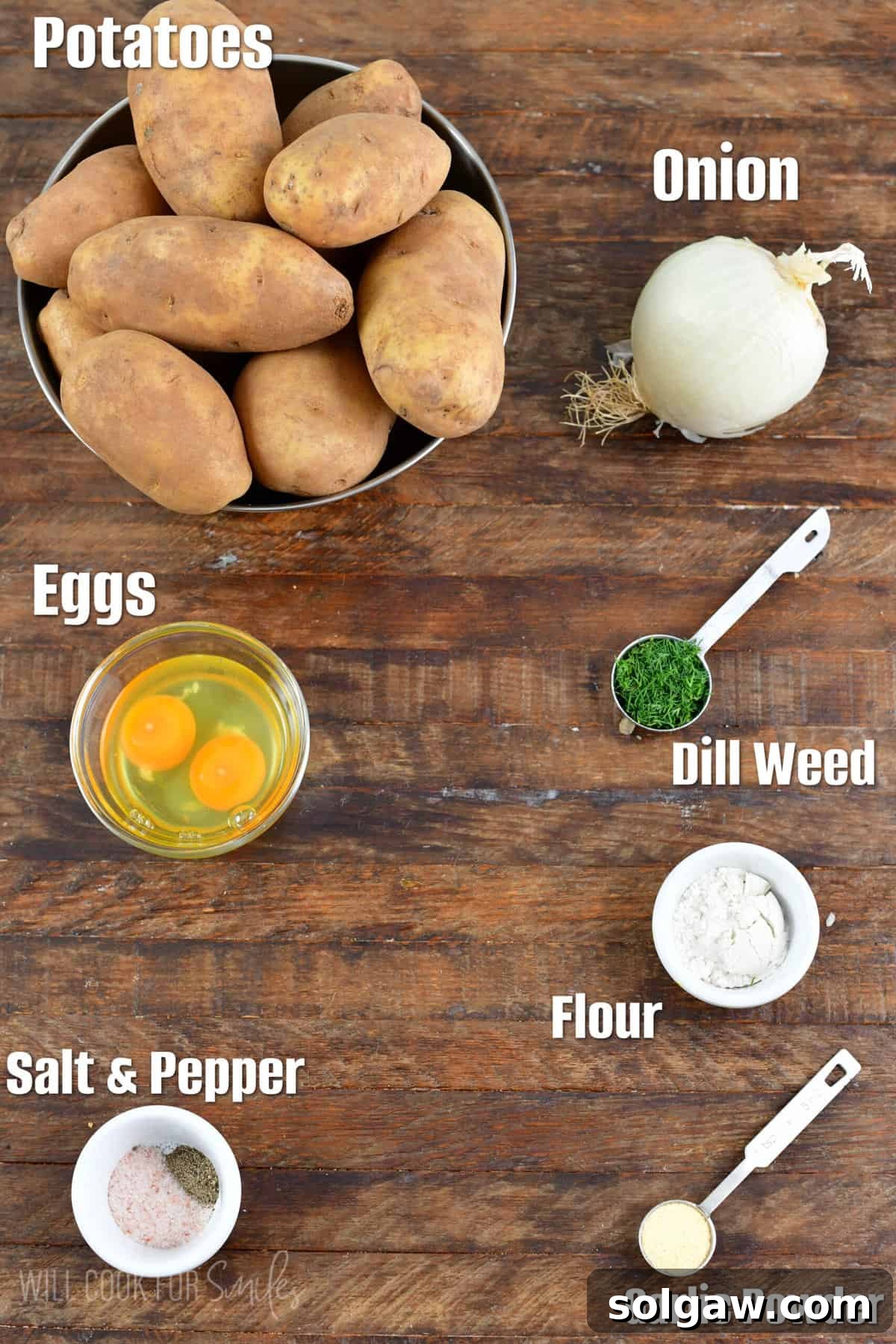
Crafting exceptional potato pancakes starts with quality ingredients. Here’s what you’ll need and how to make smart substitutions:
- Potatoes: For the absolute best potato pancakes, Idaho or Russet potatoes are your top choice. These varieties are renowned for their high starch content and fluffy texture once cooked, making them ideal for frying. Their crumbly nature ensures a tender interior, perfectly complementing the crispy exterior. Avoid waxy potatoes like red or Yukon Gold, as they hold too much moisture and won’t achieve the desired crispness.
- Onion: A white or yellow onion is preferred for its balanced flavor, which adds a subtle sweetness and aromatic depth without overpowering the potato. A Vidalia onion can also be used for a slightly sweeter profile. Finely grating or processing the onion is key to ensure it blends seamlessly into the batter.
- Flour: Standard all-purpose flour works wonderfully as a binder. If you’re looking to make gluten-free potato pancakes, simply swap it out for a 1:1 gluten-free all-purpose flour blend. Ensure your chosen blend is suitable for baking and frying to maintain the pancake’s structure.
- Eggs: Eggs serve as a crucial binding agent, helping the potato mixture hold together during frying. For those with dietary restrictions, an egg substitute like a flax egg (1 tablespoon ground flaxseed mixed with 3 tablespoons water, allowed to sit for 5 minutes) can work, though the final texture might be slightly more delicate.
- Dill Weed: Fresh dill weed provides an unparalleled bright, herbaceous note that is traditional and truly elevates the flavor of these potato pancakes. If fresh dill isn’t available, you can use dried dill in a pinch; however, remember that dried herbs are more concentrated, so use about half the amount (e.g., 1/2 teaspoon dried for 1 tablespoon fresh). Other fresh herbs like chives or parsley can also be added for variety.
- Garlic Powder, Salt, and Pepper: These seasonings are fundamental. Adjust salt and fresh cracked black pepper to your personal taste. Garlic powder provides a consistent, mellow garlic flavor without the added moisture or texture of fresh garlic.
Refer to the recipe card below for exact quantities and detailed instructions.
Step-by-Step Guide to Crispy Potato Pancakes
Achieving perfectly crispy potato pancakes is all about technique, especially when it comes to preparing the potatoes. Follow these steps carefully for the best results:
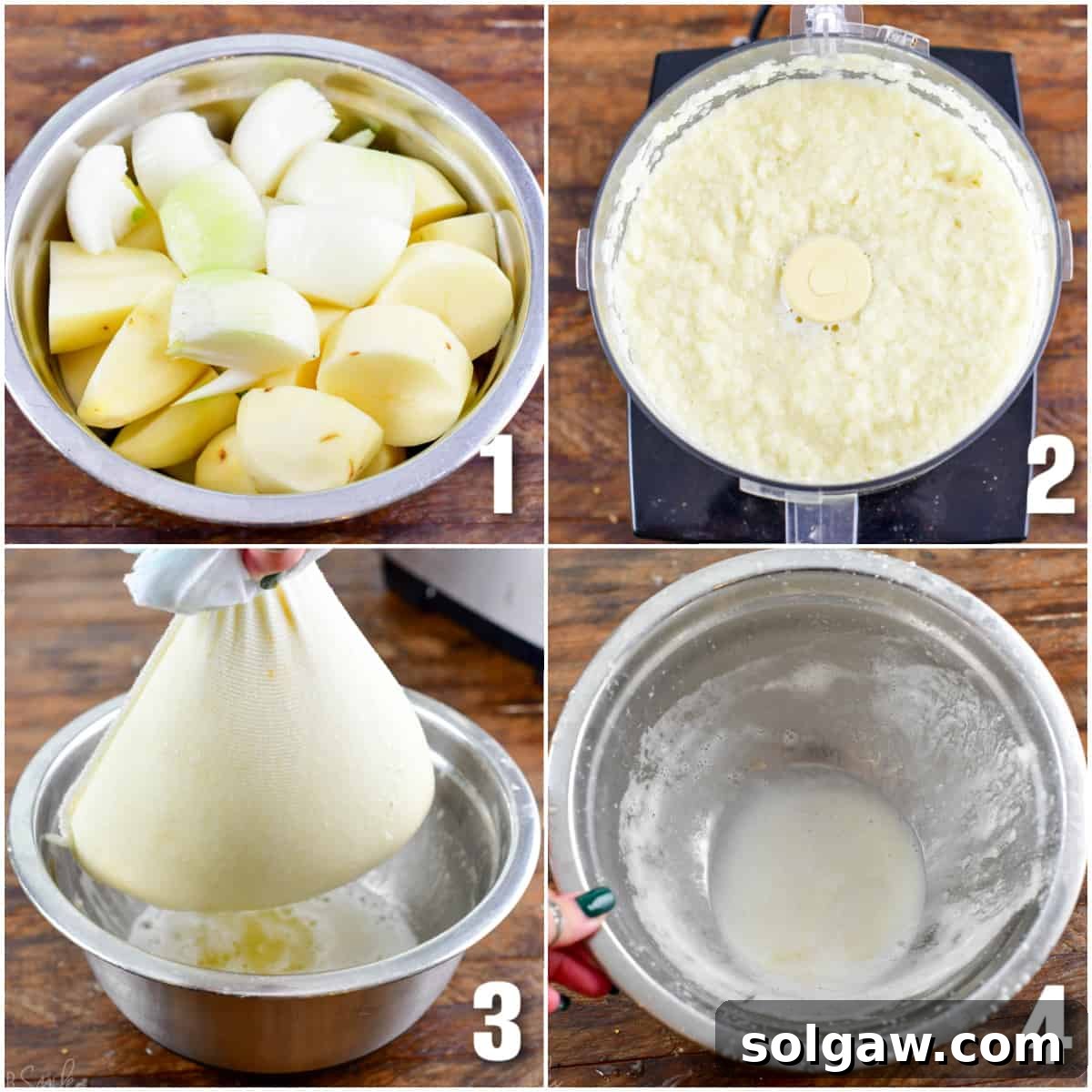
- Potato and Onion Preparation: Begin by thoroughly peeling both your potatoes and the medium onion. For the most traditional and finely textured potato pancakes, use a food processor. Cut the peeled potatoes and onion into smaller, manageable chunks and pulse them until they are very finely minced, with no large pieces remaining. Alternatively, a box grater on its super-fine side can achieve a similar result, though it requires more effort. If you prefer a slightly coarser, shredded texture, use the larger holes of your box grater for the potatoes, but still grate the onion finely to avoid large, raw pieces in the pancakes.
- The Critical Draining Step: Transfer the finely processed potato and onion mixture into a mesh strainer bag (like a nut milk bag or a specialized vegetable bag) or a fine mesh strainer generously lined with several layers of cheesecloth. Place this setup over a large mixing bowl. This is arguably the most crucial step for crispy pancakes: you must extract as much liquid as possible. Firmly press down on the mixture, squeezing and wringing it out until no more liquid drips. The dryer the potato mixture, the crispier your pancakes will be.
- Save the Starch (DO NOT DISCARD!): After the liquid has completely drained into the bowl, carefully discard the clear, watery liquid. At the bottom of the bowl, you will observe a layer of white, powdery residue. This is pure potato starch. It is vital that you do not discard this starch! Gently scrape it from the bottom of the bowl and set it aside. This natural starch acts as an exceptional binder and is key to the pancakes holding together and achieving their characteristic crispness.
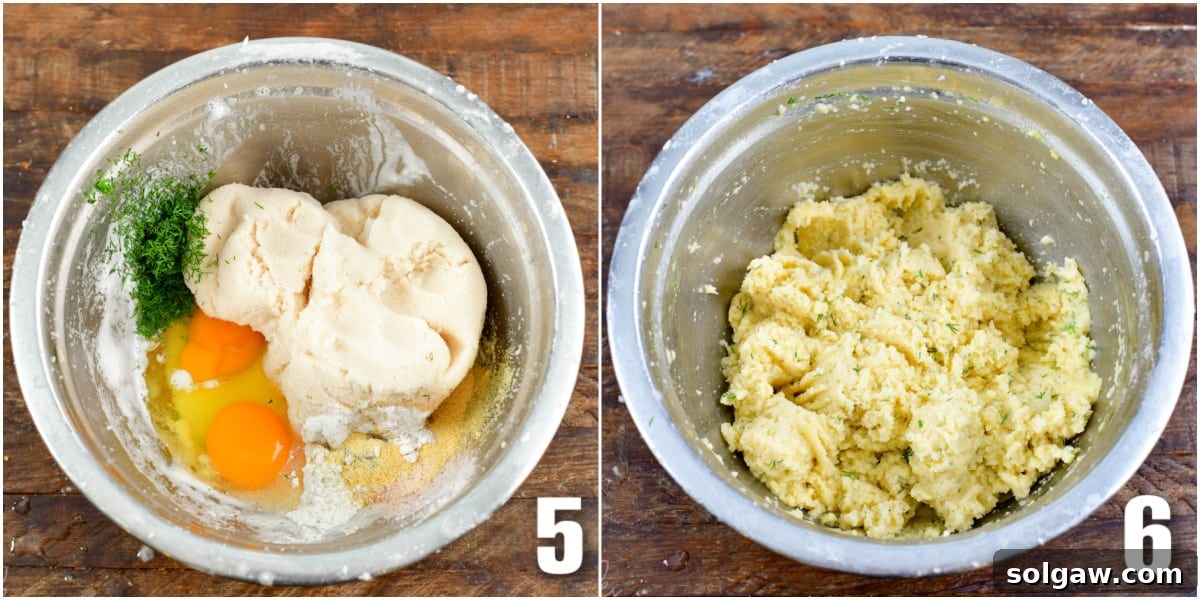
- Combine the Batter: In a separate, clean mixing bowl, combine the thoroughly squeezed potato and onion mixture with the reserved potato starch. Add the lightly beaten eggs, all-purpose flour, garlic powder, fresh minced dill weed, salt, and freshly cracked black pepper. Mix all ingredients thoroughly until they are well incorporated. The batter should feel soft and delicate, yet cohesive enough to form into patties without crumbling.
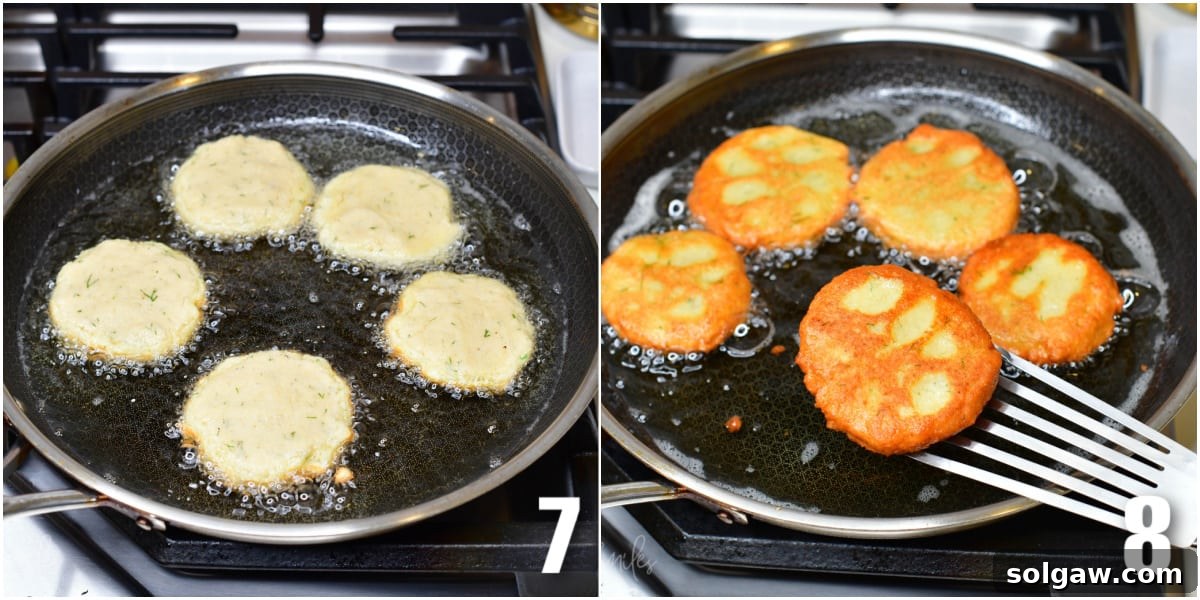
- Prepare for Frying: Pour your chosen high-heat cooking oil (vegetable, canola, or grapeseed oil work well) into a large, wide skillet or heavy-bottomed frying pan. You’ll want about 1/4 inch of oil, which is perfect for shallow frying, creating a beautiful golden crust without deep-frying. Heat the oil over medium to medium-low heat until it reaches approximately 350°F (175°C). If you don’t have a thermometer, test the oil by dropping a tiny amount of batter into it; it should immediately sizzle gently.
- Form and Fry the Patties: Gently scoop portions of the potato batter and form them into patties about 1/2 inch thick. The batter will be soft but should hold its shape. Handle them with care. Carefully slide each patty into the preheated hot oil. Do not overcrowd the pan; fry in batches to maintain consistent oil temperature and ensure even browning.
- Cook to Golden Perfection: Fry the potato pancakes for about 3-4 minutes per side, or until they turn a rich, golden-brown and are wonderfully crispy. Use a metal slotted spatula to carefully flip them.
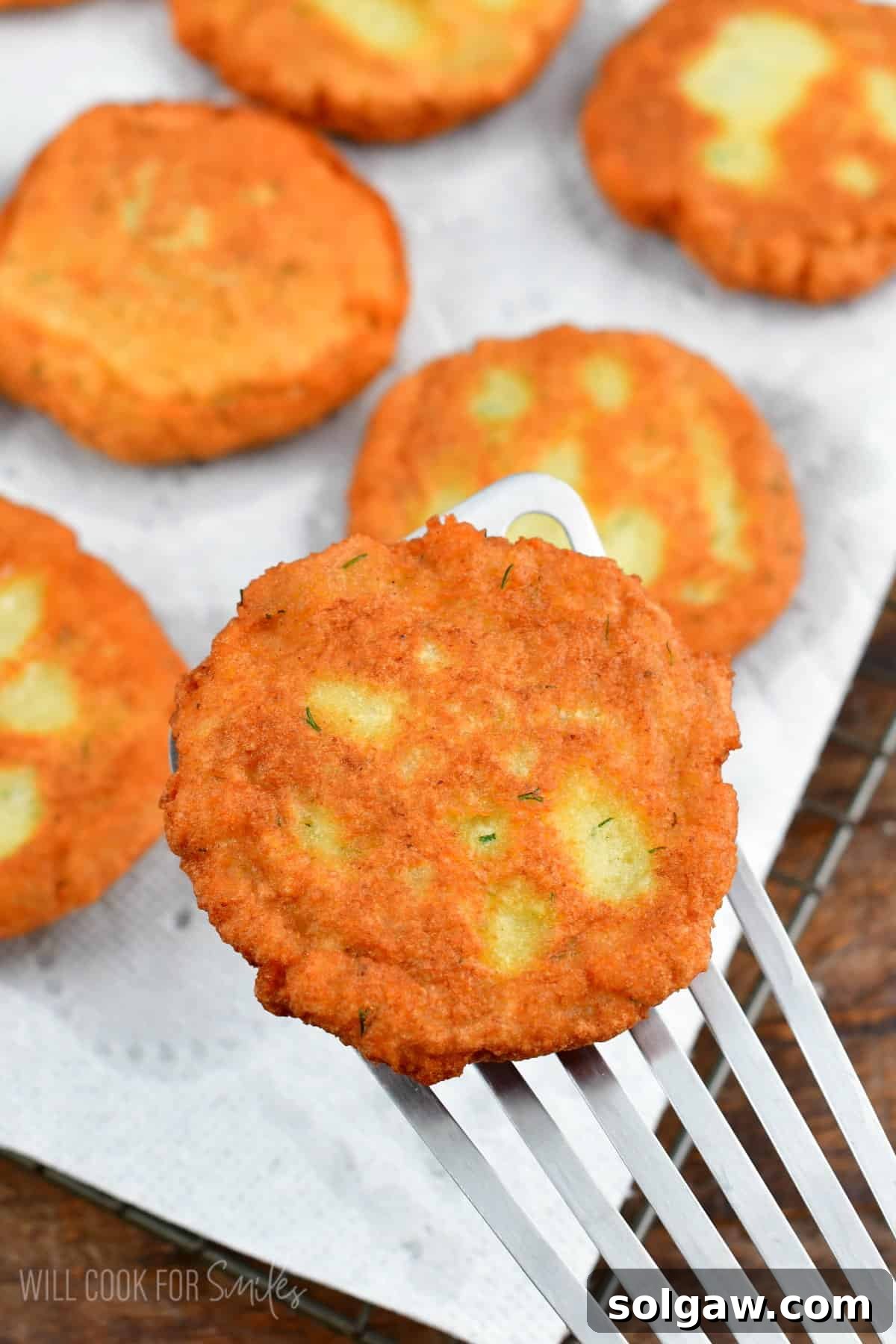
- Drain Excess Oil: Once cooked, remove the potato pancakes from the skillet using a metal slotted spoon or spatula, gently shaking off any excess oil. Transfer them to a plate lined with paper towels to absorb any remaining oil. This step is crucial for maintaining their crispness. Serve your homemade crispy potato pancakes immediately and enjoy!
Serving Suggestions and Delicious Pairings
The beauty of homemade potato pancakes lies not only in their incredible taste but also in their versatility. While traditionally enjoyed with classic toppings, don’t hesitate to get creative!
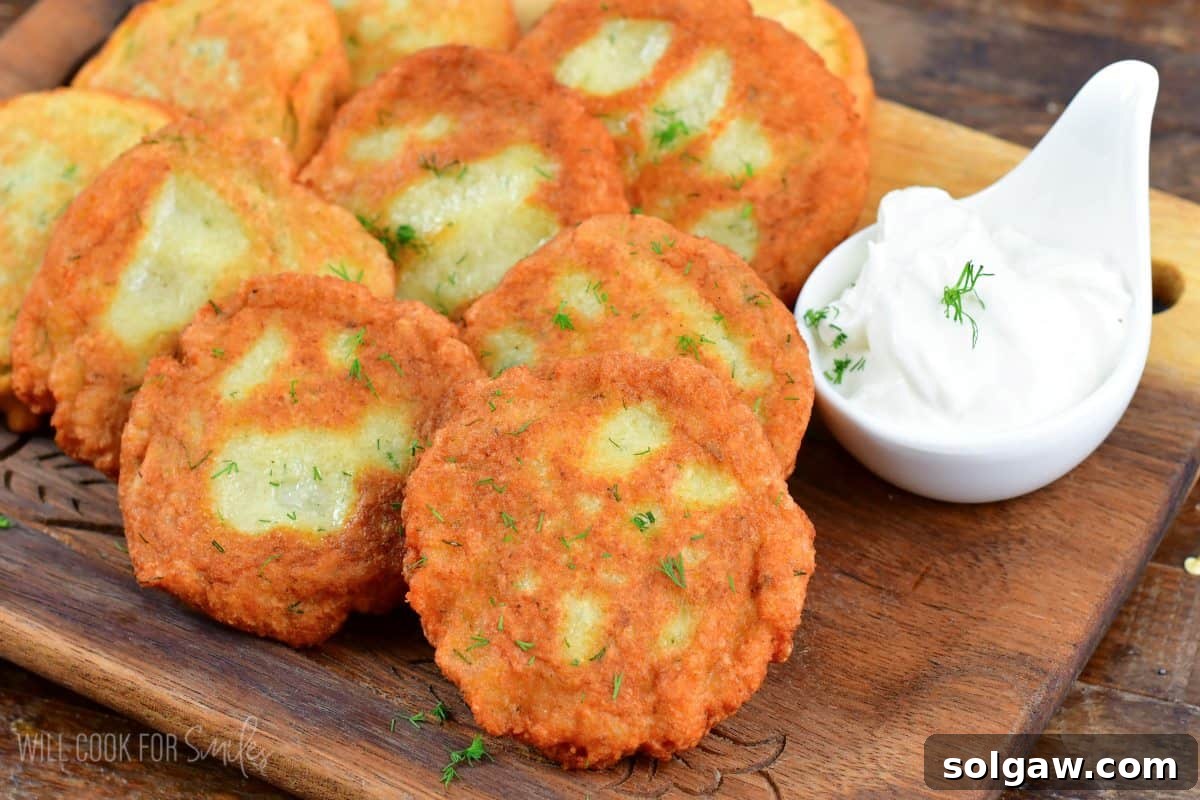
- The Classics: The most beloved and traditional way to serve potato pancakes is with a generous dollop of cool sour cream and a side of sweet applesauce. The tangy richness of sour cream and the fruity sweetness of applesauce offer a delightful contrast to the savory, crispy pancakes. You can elevate your sour cream by stirring in fresh chives, minced garlic, or a pinch of cayenne for a subtle kick.
- Hearty Breakfast or Brunch: Transform these crispy delights into a satisfying breakfast or brunch meal. Top each pancake with a spoonful of sour cream, a sprinkle of shredded cheddar cheese, and crumbled crispy bacon. They also make an excellent accompaniment to classic breakfast staples like scrambled eggs, sausage links, or a perfectly fried egg with a runny yolk.
- Savory Enhancements: For an indulgent treat, top your potato pancakes with smoked salmon (lox), a spoonful of crème fraîche, and a garnish of fresh dill or finely chopped chives. Capers are also a fantastic addition. For a richer, heartier option, consider pairing them with pulled pork, a dollop of flavorful gravy, or even a spoonful of caviar for a truly special occasion.
- Adventurous Dips: Beyond sour cream, experiment with other dipping sauces. A creamy homemade ranch dressing can add a zesty twist, while a sriracha mayo or even a simple Greek yogurt dip flavored with herbs and lemon juice could be surprisingly delicious.
- Side Dish Extraordinaire: These potato pancakes aren’t just for breakfast! They make an excellent side dish for roasted chicken, grilled fish, or a hearty stew. Their satisfying texture and flavor can complement a variety of main courses, adding a comforting homemade touch to any meal.
Expert Tips for Flawless Potato Pancakes
Achieving the perfect crispy potato pancake consistently involves a few key techniques. Keep these expert tips in mind for flawless results every time:
- Master Moisture Removal: This cannot be stressed enough: the single most important factor for crispy potato pancakes is removing as much liquid as possible from the grated or processed potatoes and onion. Excess moisture is the primary culprit behind soggy, falling-apart pancakes. Use a mesh bag or cheesecloth and squeeze with all your might until no more drips come out.
- Don’t Waste the Starch: After draining the potato liquid, allow it to sit undisturbed in the bowl for a few minutes. You’ll see a white, powdery layer settle at the bottom. This is potato starch, a natural binding agent. Carefully pour off the clear liquid, leaving the starch behind. Mix this saved starch back into your potato batter – it’s essential for structure and crispness!
- Optimal Oil Temperature is Key: For golden-brown and crispy pancakes, your oil needs to be hot enough but not smoking. The ideal temperature is around 350°F (175°C). If you don’t have a cooking thermometer, drop a tiny speck of batter into the hot oil. If it sizzles gently and immediately, it’s ready. If it just sits there, the oil isn’t hot enough, and your pancakes will absorb too much oil and be greasy. If it smokes violently, it’s too hot and will burn the outside before the inside cooks.
- Avoid Overcrowding the Pan: Frying too many potato pancakes at once will drop the oil temperature significantly, leading to uneven cooking and less crisp results. Fry in batches, leaving enough space between each pancake for the oil to circulate and maintain its heat.
- Handle with Care: The potato batter is naturally soft and delicate. When forming patties, be gentle but firm. A well-drained batter with the starch incorporated will hold its shape surprisingly well. If your pancakes are still falling apart, it’s usually a sign of insufficient liquid removal or not enough starch/binder; try adding a tiny bit more flour.
- Keep Cooked Pancakes Warm and Crispy: As you fry in batches, you’ll want to keep the finished pancakes warm without losing their crispness. Place a wire rack over a baking sheet and transfer cooked pancakes to it. Keep them in a preheated oven at a low temperature, around 200°F (95°C), while you finish frying the remaining batches. Avoid stacking them directly on a plate, as this traps steam and makes them soggy.
- Season Generously: Don’t be shy with salt and pepper! Potatoes love seasoning, and proper seasoning enhances all the other flavors. Taste your batter (before adding raw egg, or a very tiny cooked piece if unsure) to adjust as needed.
Storing, Freezing, and Reheating Your Pancakes
While potato pancakes are undeniably at their peak when served fresh and hot, they are surprisingly freezer-friendly and can be reheated beautifully to retain much of their original crispness. This makes them an excellent make-ahead option!
Before Storing: Always allow your cooked potato pancakes to cool completely to room temperature before storing them. This prevents condensation from forming and making them soggy.
- Refrigerator Storage: Place cooled leftover potato pancakes in an airtight container. To prevent them from sticking together and making them easier to reheat individually, layer them with sheets of parchment paper in between. They will keep well in the refrigerator for up to 3-4 days.
- Freezer Storage (Batch Freezing for Convenience): Freezing potato pancakes is a fantastic way to enjoy them anytime.
- Arrange the completely cooled potato pancakes in a single layer on a parchment-lined baking sheet.
- Freeze for about 1-2 hours, or until they are solid. This flash-freezing step prevents them from sticking together once bagged.
- Once individually frozen, transfer the solid pancakes to a freezer-safe zip-top bag or an airtight container. Remove as much air as possible from the bag to prevent freezer burn.
- Store in the freezer for up to 3 months. You can also portion them into several smaller bags for quick access.
Reheating Tips for Optimal Crispness:
- Oven (Recommended for Crispness): This is the best method to revive crispness. Preheat your oven to 375°F (190°C). Arrange the pancakes in a single layer on a baking sheet. Reheat for 8-10 minutes (if refrigerated) or 15-20 minutes (if frozen), flipping halfway, until heated through and crispy.
- Skillet: For a quick reheat, warm a lightly greased skillet over medium heat. Place the pancakes in the skillet and heat for a few minutes per side, pressing gently, until they are hot and crisp again.
- Air Fryer: An air fryer is excellent for quick and crispy reheating. Place pancakes in a single layer in the air fryer basket. Heat at 360°F (180°C) for 3-5 minutes (add a couple more minutes if frozen), checking frequently, until warmed through and crunchy.
- Avoid the Microwave: While convenient, the microwave will unfortunately make your potato pancakes soft, soggy, and mushy, sacrificing all the crisp texture you worked so hard to achieve. It’s best avoided for reheating.
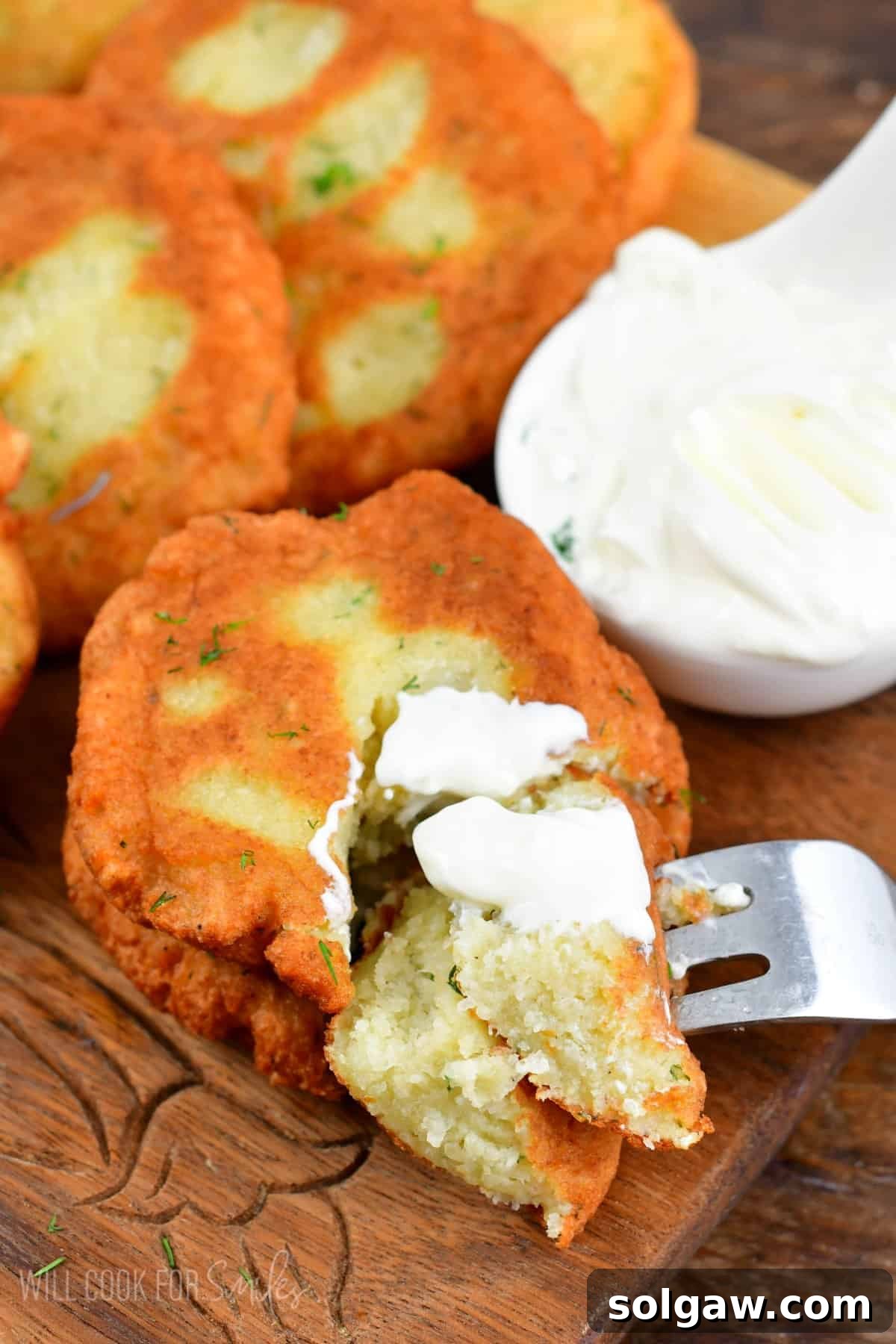
Frequently Asked Questions for Potato Pancakes
The most common reason for potato pancakes falling apart is insufficient binding. This usually means either you haven’t removed enough liquid from the grated potatoes and onions, resulting in a watery batter, or you’ve skipped the crucial step of adding the reserved potato starch back into the mixture. The starch acts as a powerful natural binder, alongside the eggs, to hold everything together. Ensure your potatoes are very dry, and never discard that precious potato starch!
Absolutely! You can definitely use a box grater, and the choice depends on your desired texture.
- For a shredded potato look with more bite and distinct potato strands, use the large grater side with the widest holes for the potatoes. However, always grate the onion on the fine side for better integration.
- To achieve a finer, more delicate texture similar to the European style, use the small shredding holes for both potatoes and onion. This yields a softer, almost mashed-potato-like interior.
- For the finest, almost pureed texture, similar to what a food processor produces, use the rough side of the grater where the holes protrude. This method will give you the most delicate and traditional potato pancakes.
Raw potatoes oxidize quickly when exposed to air, which causes them to turn gray. Therefore, potato pancake batter is best made fresh just before frying. If you need a short head start (up to 1-2 hours), you can grate and thoroughly squeeze the potatoes and onions. Store this mixture tightly covered in the refrigerator. However, wait to mix in the eggs, flour, and seasonings until you are ready to start frying. Mixing the entire batter too far in advance is not recommended.
Yes, while eggs are excellent binders, you can substitute them if needed for dietary reasons. Try using a flax egg (1 tablespoon ground flaxseed + 3 tablespoons water per egg, allowed to sit for 5 minutes) or a commercial egg replacer. Be aware that egg-free pancakes may be slightly more delicate and require even more meticulous draining of the potato mixture and potentially a bit more flour to ensure they hold together. Expect a subtle difference in texture.
Generally, plan on about 3 potato pancakes per person, especially if you’re serving them as part of a larger meal with other foods. This recipe yields approximately 12 pancakes. It scales very easily: simply double, triple, or quadruple all the ingredients as needed. For parties or larger gatherings, keep the cooked pancakes warm and crispy by placing them on a wire rack set over a baking sheet in a 200°F (95°C) oven while you continue to fry the remaining batches.
For frying potato pancakes, you need a neutral-flavored oil with a high smoke point. Excellent choices include vegetable oil, canola oil, grapeseed oil, or sunflower oil. These oils won’t impart any unwanted flavors and can withstand the heat required to get those pancakes perfectly golden and crispy.
Soggy pancakes are almost always due to too much moisture in the potato mixture, preventing them from crisping up. Greasy pancakes often result from oil that isn’t hot enough. When the oil is too cool, the pancakes absorb it instead of frying in it. Ensure you thoroughly drain the potatoes and maintain the oil temperature around 350°F (175°C).
PIN THIS RECIPE FOR LATER
DID YOU MAKE THIS RECIPE? Please leave a 🌟 star rating and let me know how you liked it by leaving a 📝 comment below! Share your delicious creations and tag us on social media #MyCrispyPancakes.
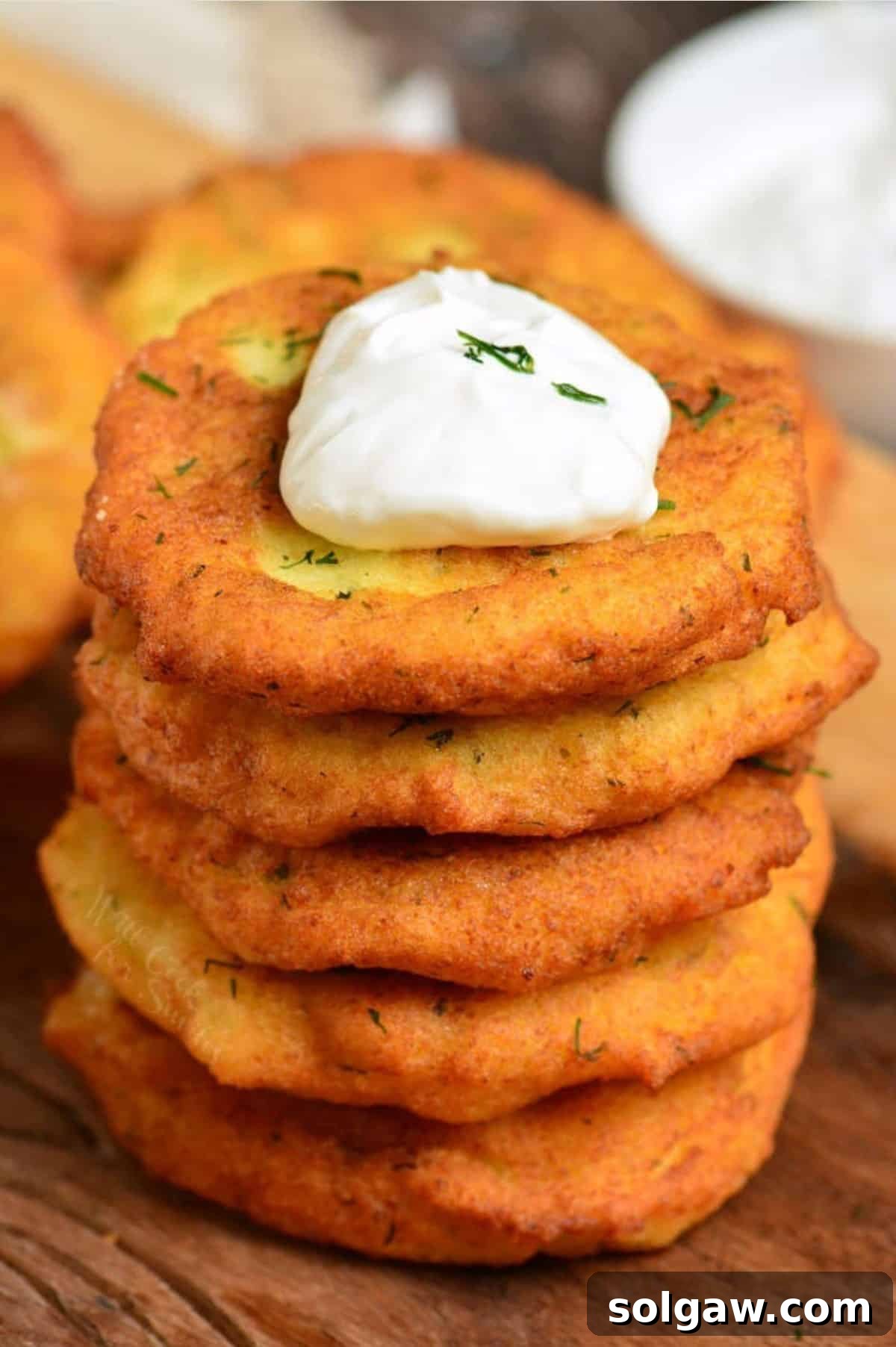
Perfectly Crispy Homemade Potato Pancakes
5 from 5 votes
🖨️Print Recipe
📌Pin Recipe
▶️ Watch Video
⭐ Rate This Recipe
Equipment
-
Food Processor (or a box grater)
-
Mesh Vegetable Bag or fine mesh strainer lined with cheesecloth
-
Metal Slotted Spatula
-
Large Skillet or Cooking Pan
-
Mixing bowls and spatulas
-
Measuring cups and spoons
-
Paper towels or a wire rack
Ingredients
- 3 lbs Idaho or Russet potatoes, peeled
- 1 medium white or yellow onion, peeled
- 2 large eggs, lightly beaten
- 2-3 tbsp all-purpose flour (or 1:1 gluten-free all-purpose flour for GF option)
- 1 tsp garlic powder
- 1 tbsp fresh minced dill weed (or 1/2 tsp dried dill)
- Pinch of salt, to taste
- Pinch of fresh cracked black pepper, to taste
- High-heat cooking oil (e.g., vegetable, canola, grapeseed) for frying
Instructions
-
1. Prepare Potatoes and Onions: Begin by peeling both the potatoes and the onion. For the best traditional European-style potato pancake texture, you’ll want a very fine consistency. You have two primary options for this: using a food processor or a box grater.
If using a food processor: Cut the peeled potatoes and onion into smaller chunks, then pulse them in the food processor until the mixture is very finely ground with no large pieces remaining. Be careful not to over-process into a complete liquid.
If using a box grater: Use the super-fine shredding side to grate both the potatoes and the onion. This method requires a bit more effort but yields a consistently fine texture. Alternatively, for a slightly coarser, shredded potato pancake, you can use the larger shredding holes for the potatoes, but still grate the onion finely.
Crafting the Perfect Potato Pancake Batter:
-
2. Drain Excess Liquid: Transfer the finely grated or pulsed potato and onion mixture into a fine mesh strainer set over a large mixing bowl. The goal here is to remove as much liquid as possible, which is crucial for crispy pancakes. To achieve this, firmly press down on the mixture with the back of a spoon or a clean hand. For an even more efficient draining process, consider placing the mixture into a mesh vegetable bag or a double layer of cheesecloth before placing it in the strainer and squeezing firmly.
-
3. Preserve the Potato Starch: Once the potato and onion mixture has been thoroughly drained, carefully pour off the clear liquid from the mixing bowl, but do not discard the white, powdery residue at the bottom. This is the precious potato starch, a natural binder that is absolutely essential for helping your potato pancakes hold together and achieve that coveted crispy exterior. Gently scrape the starch from the bottom of the bowl and set it aside with the drained potato mixture.
-
4. Combine Ingredients: Add the drained potato and onion mixture, along with the reserved potato starch, to a clean mixing bowl. Incorporate the lightly beaten eggs, all-purpose flour, garlic powder, fresh minced dill weed, salt, and fresh cracked black pepper. Mix thoroughly until all ingredients are well combined and the batter appears uniform. The mixture should feel soft and delicate yet hold together when gently pressed.
Frying Your Golden Potato Pancakes to Perfection:
-
5. Heat the Oil: Pour about 1/4 inch of high-heat cooking oil (such as vegetable, canola, or grapeseed oil) into a large, wide skillet or cooking pan. Heat the oil over medium to medium-low heat until it reaches approximately 350°F (175°C). If you don’t have a thermometer, test the oil by dropping a tiny bit of batter into it; it should sizzle gently and immediately. Avoid overcrowding the pan to maintain consistent oil temperature and ensure even browning.
-
6. Form and Fry Patties: Gently form the potato batter into patties approximately 1/2 inch thick. The batter will be soft, but a well-drained patty should hold its shape and slide off your hand easily. Carefully place the patties into the preheated hot oil. Fry for about 3-4 minutes on each side, or until they turn a beautiful golden-brown and are wonderfully crispy.
-
7. Drain and Serve: Once fried to perfection, remove the potato pancakes from the skillet using a metal slotted spatula to allow any excess oil to drip off. Transfer the cooked pancakes to a plate lined with paper towels to absorb any remaining oil, ensuring they stay crisp. Serve immediately with your favorite toppings.
-
8. Keep Warm (Optional): If frying in batches for a larger crowd, place the finished potato pancakes on a wire rack set over a baking sheet in a preheated oven at 200°F (95°C) to keep them warm and crispy until all batches are cooked.
Recipe Video (Optional)
Watch this space for an upcoming video tutorial demonstrating each step to create your perfect crispy potato pancakes!
Notes
- Ultimate Draining for Crispness: For truly exceptional crispness, the draining step is paramount. Employing a mesh vegetable bag or a sturdy double layer of cheesecloth to wring out the potato and onion mixture is significantly more effective than merely using a strainer. Squeeze as much liquid out as humanly possible!
- Gluten-Free Adaptation: These delicious potato pancakes are easily adaptable for gluten-free diets. Simply substitute the standard all-purpose flour with a 1:1 gluten-free all-purpose flour blend. Always verify that all other ingredients are naturally gluten-free.
- Customizing Texture with a Box Grater: The texture of your potato pancakes can vary depending on your grating method:
- For a shredded, rustic texture with more bite, use the large grater side for potatoes. Always grate the onion finely.
- For a finer, more traditional European-style texture, use the small shredding holes for both potatoes and onion.
- For the finest, almost pureed result, similar to a food processor, use the rough side of the grater with protruding holes.
- Flavor Variations: Feel free to experiment with additional seasonings! A subtle pinch of nutmeg beautifully complements potatoes. For a slight heat, add a dash of cayenne pepper. Fresh chives or finely chopped green onions can also be mixed in alongside the dill for an extra layer of fresh flavor.
Nutrition Information (per serving)
Carbohydrates: 67g |
Protein: 10g |
Fat: 2g |
Cholesterol: 81mg |
Sodium: 49mg |
Potassium: 1489mg |
Fiber: 4g |
Sugar: 3g |
Vitamin A: 120IU |
Vitamin C: 21.5mg |
Calcium: 63mg |
Iron: 3.5mg
Nutritional information is an estimate and may vary based on ingredients and preparation methods.
More Comforting Breakfast and Brunch Recipes
If these crispy potato pancakes have won your heart, you’ll love exploring more of our cozy, homemade breakfast and brunch favorites. Each recipe is designed for ease and maximum flavor:
- Classic Biscuits and Gravy: Indulge in a hearty, comforting classic with our rich sausage gravy poured over fluffy, tender biscuits. It’s the ultimate Southern comfort food that’s perfect for a substantial breakfast.
- Fluffy Buttermilk Pancakes: Start your slow weekend mornings right with a stack of our incredibly light and fluffy buttermilk pancakes. They’re simple to make and always a crowd-pleaser, perfect with your favorite syrup and fresh berries.
- Easy Frittata Recipe: For a versatile and elegant brunch option, try our fluffy frittata. Packed with your favorite vegetables, cheeses, and meats, it’s a savory and satisfying dish that’s great for feeding a crowd and uses up leftover ingredients.
- Loaded Baked Potato Breakfast Skillet: If you love potatoes, this skillet recipe is a must-try. It combines all the bold flavors of a loaded baked potato with breakfast essentials like eggs and bacon, cooked together in one pan for an incredibly satisfying meal.
- Savory Mashed Potato Cakes: Don’t let leftover mashed potatoes go to waste! Transform them into these delightful mashed potato cakes, pan-fried to golden perfection. They make an easy and delicious side dish for brunch or dinner, offering a different take on potato fritters.
Originally published on Will Cook For Smiles in March 2019.