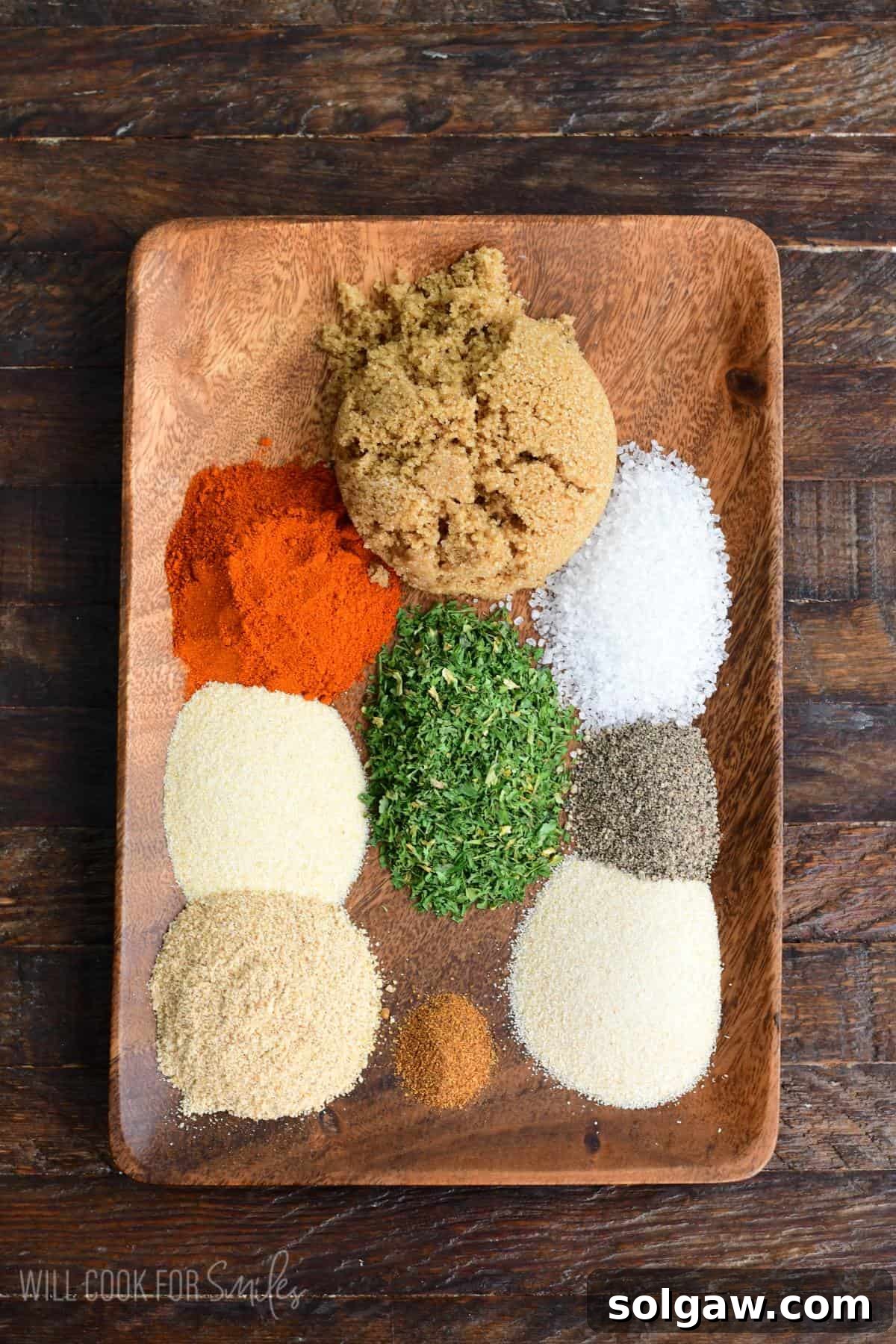
The Ultimate Homemade Pork Rub Recipe: Sweet, Savory, and Perfectly Spiced
Unleash unparalleled flavor on your next pork dish with this incredible homemade pork rub recipe. Crafting your own dry rub from scratch is a game-changer, offering complete control over ingredients, ensuring no artificial additives, and delivering a fresh, vibrant taste that pre-made seasonings simply can’t match. This carefully balanced blend combines the rich sweetness of brown sugar for that irresistible caramelized crust, a symphony of aromatic spices for deep flavor, and just a hint of cayenne pepper to awaken the palate with a gentle warmth. Whether you’re planning to grill, smoke, roast, or slow cook, this versatile pork seasoning is your secret weapon for achieving mouth-watering results every single time.
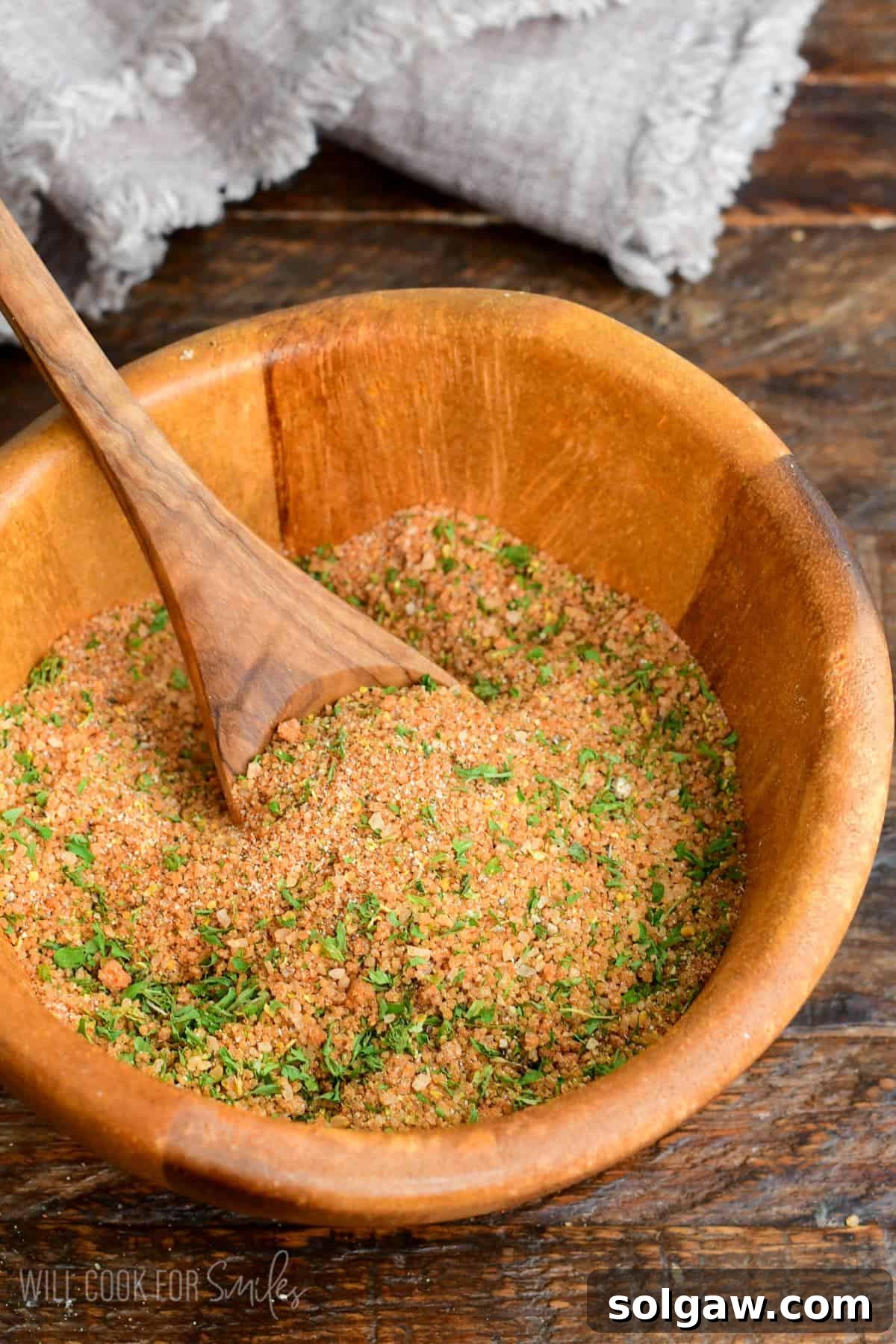
Why This Homemade Pork Rub Is a Game Changer for Your Barbecue
There’s a distinct advantage to preparing your own spice blends, and this sweet and savory pork rub embodies all of them. Beyond the sheer satisfaction of a DIY project, making your own seasoning ensures superior quality and flavor. Here’s why this particular pork rub stands out as the best for all your pork dishes:
- Uncompromised Quality: When you make your own dry rub, you dictate exactly what goes into it. This means no hidden preservatives, anti-caking agents, or artificial colors often found in commercial blends. You get pure, unadulterated flavor from fresh, high-quality spices, ensuring a healthier and more authentic taste experience.
- Perfect Flavor Balance: This recipe is meticulously designed to create a harmonious blend that perfectly complements pork. The brown sugar not only adds a delightful sweetness but also contributes to a beautiful, crispy, and caramelized exterior on your pork during cooking. This sweetness perfectly counteracts the savory depth provided by a thoughtful selection of aromatic spices, while a subtle touch of cayenne introduces a gentle, appealing warmth without overwhelming the natural taste of the meat. It’s a symphony of sweet, savory, and spicy that makes this the ultimate pork seasoning.
- Exceptional Versatility: This isn’t just a one-trick pony. This homemade pork rub is incredibly adaptable to various cooking methods and cuts of pork. It performs brilliantly whether you’re using indirect heat on a grill, smoking low and slow for tender pulled pork, roasting in the oven for a succulent roast, or slow cooking for ultimate juiciness. Its robust and well-rounded flavor profile is built to enhance a wide range of pork preparations, from ribs to chops.
- Cost-Effective and Convenient: While buying individual spices might seem like a larger upfront investment, a single batch of this rub costs significantly less than multiple store-bought options over time. Plus, having a jar of this ready-to-use seasoning on hand means you’re always just minutes away from elevating your next meal, saving you time and money.
Crafting the Perfect Flavor: Key Ingredients for Your Homemade Pork Rub
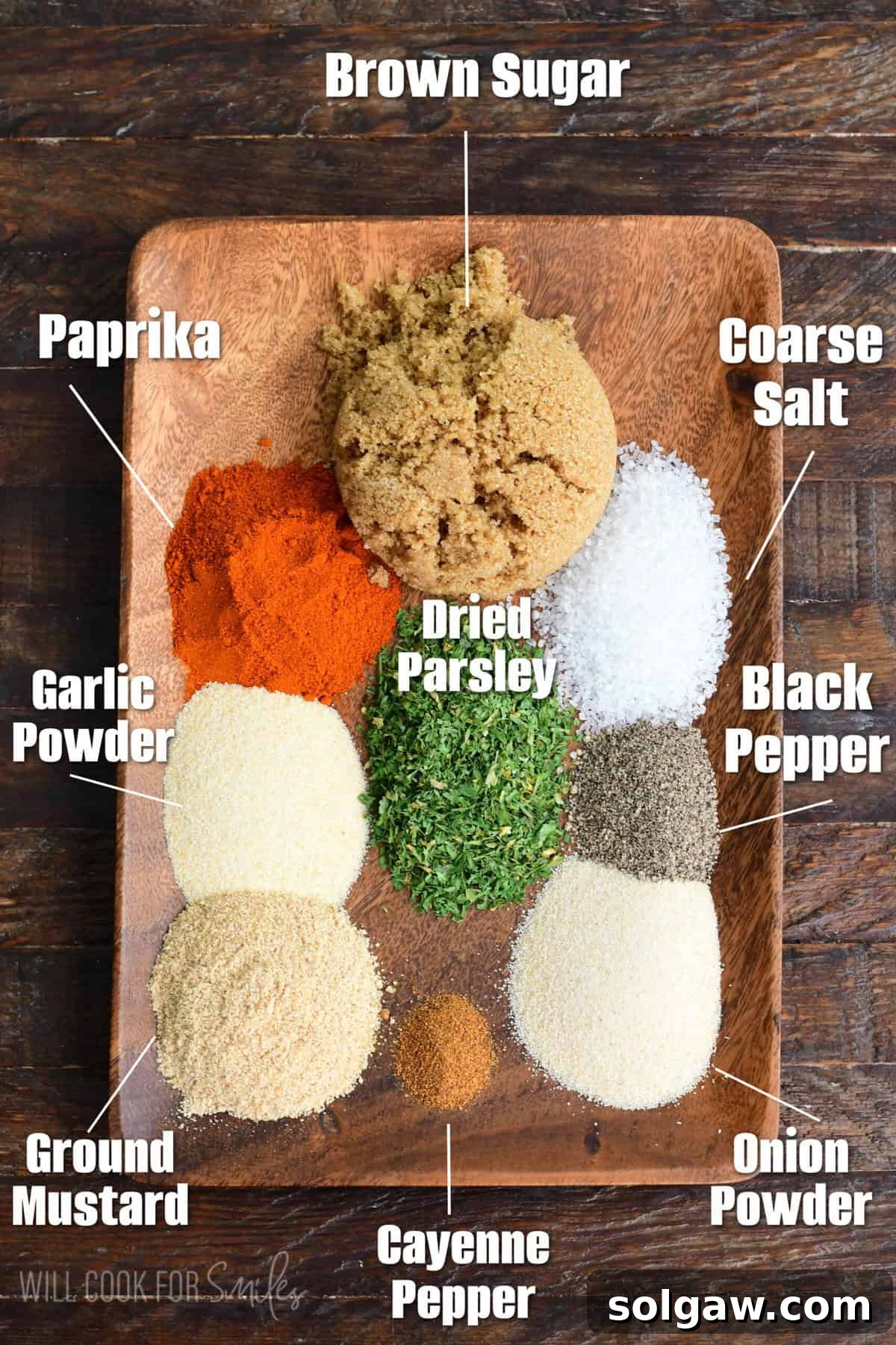
Every ingredient in this best pork rub recipe plays a crucial role in developing its signature sweet and savory profile. Understanding their individual contributions will help you appreciate the magic of this blend and how it transforms ordinary pork into an extraordinary meal:
- Brown Sugar: This is arguably the most critical ingredient for achieving that coveted, delicious crust on your pork. As it cooks, brown sugar caramelizes beautifully, forming a slightly crisp, sweet, and incredibly flavorful exterior that seals in moisture. This sweetness also helps to perfectly balance the stronger savory and spicy elements in the rub, creating a well-rounded taste. For optimal results, use light brown sugar, measured loosely (not packed), to ensure it blends smoothly and evenly.
- Paprika: Essential for both its vibrant red color and a mild, earthy flavor profile. Sweet paprika provides a gentle pepper note without any heat. If you’re aiming for an extra layer of smoky depth, which is highly recommended for barbecue or smoked pork, opt for smoked paprika. It imparts a beautiful, deep aroma that evokes the essence of slow-cooked perfection, making it ideal for a barbecue pork rub.
- Ground Mustard: Often overlooked in many rubs, ground mustard is a true powerhouse in pork seasonings. It introduces a tangy, pungent depth that cuts through the natural richness of pork, brightening the overall flavor profile and adding a distinct, desirable zing. It’s a classic pairing for pork for a reason, enhancing its inherent taste wonderfully.
- Dried Parsley: While subtle in flavor, dried parsley adds a crucial hint of herbaceous freshness that complements the robust spices. It contributes a gentle green note, making the rub feel more complex and well-rounded without dominating the other, more prominent flavors. It’s a quiet but essential player in this balanced blend.
- Onion Powder & Garlic Powder: These two are the foundational aromatics of almost any savory dish and are indispensable in a great pork rub. They provide an undeniable depth of umami and a savory backbone that is essential for a truly great seasoning blend. Using them in powder form ensures even distribution and intense flavor throughout the rub, permeating the meat thoroughly.
- Cayenne Pepper: For those who appreciate a kick, cayenne pepper provides a touch of heat that elevates the entire flavor experience. It’s designed to add warmth and a gentle lingering spice, enhancing the overall profile without overwhelming the natural taste of the pork. The beauty of a homemade rub is that you can easily adjust this to your personal preference – add more for a fiery rub, or reduce it for a milder, family-friendly version.
- Coarse Kosher or Sea Salt: Salt is more than just a basic seasoning; it’s a critical flavor enhancer and tenderizer. Coarse salt adheres well to the meat and slowly penetrates the fibers, drawing out the natural flavors of the pork and contributing to its juiciness. Using kosher or sea salt (rather than fine table salt) also ensures a better, more granular texture for the rub and helps prevent over-salting due to its larger crystal size.
- Black Pepper: Freshly ground black pepper offers a sharp, pungent kick and aromatic notes that are indispensable in savory spice blends. It adds another layer of warmth and complexity, complementing the other spices beautifully and providing a classic, familiar backbone to the rub.
Lyuba’s Expert Tip: When incorporating cayenne pepper into your homemade pork rub, always start with a smaller amount than you think you’ll need. Cayenne is significantly spicier than many other peppers and can quickly overpower a dish. You can easily add more to increase the heat level after tasting a small amount of the mixed rub (or a cooked piece of meat seasoned with it), but once it’s mixed in, you can’t take it out! It’s easier to build up the spice than to tone it down.
Simple Steps to Your Homemade Pork Rub
Creating this flavorful pork seasoning is incredibly straightforward and takes just a few minutes of your time. Precision in measurement and ensuring the freshness of your spices are key, but the process itself is wonderfully simple and requires no special equipment:
- Gather and Inspect Your Ingredients: Before you begin, lay out all your spices and ensure they are fresh. Stale spices will result in a dull, less impactful rub. Check expiration dates or, even better, give them a quick sniff – they should be aromatic and potent. If a spice smells flat or musty, it’s time to replace it.
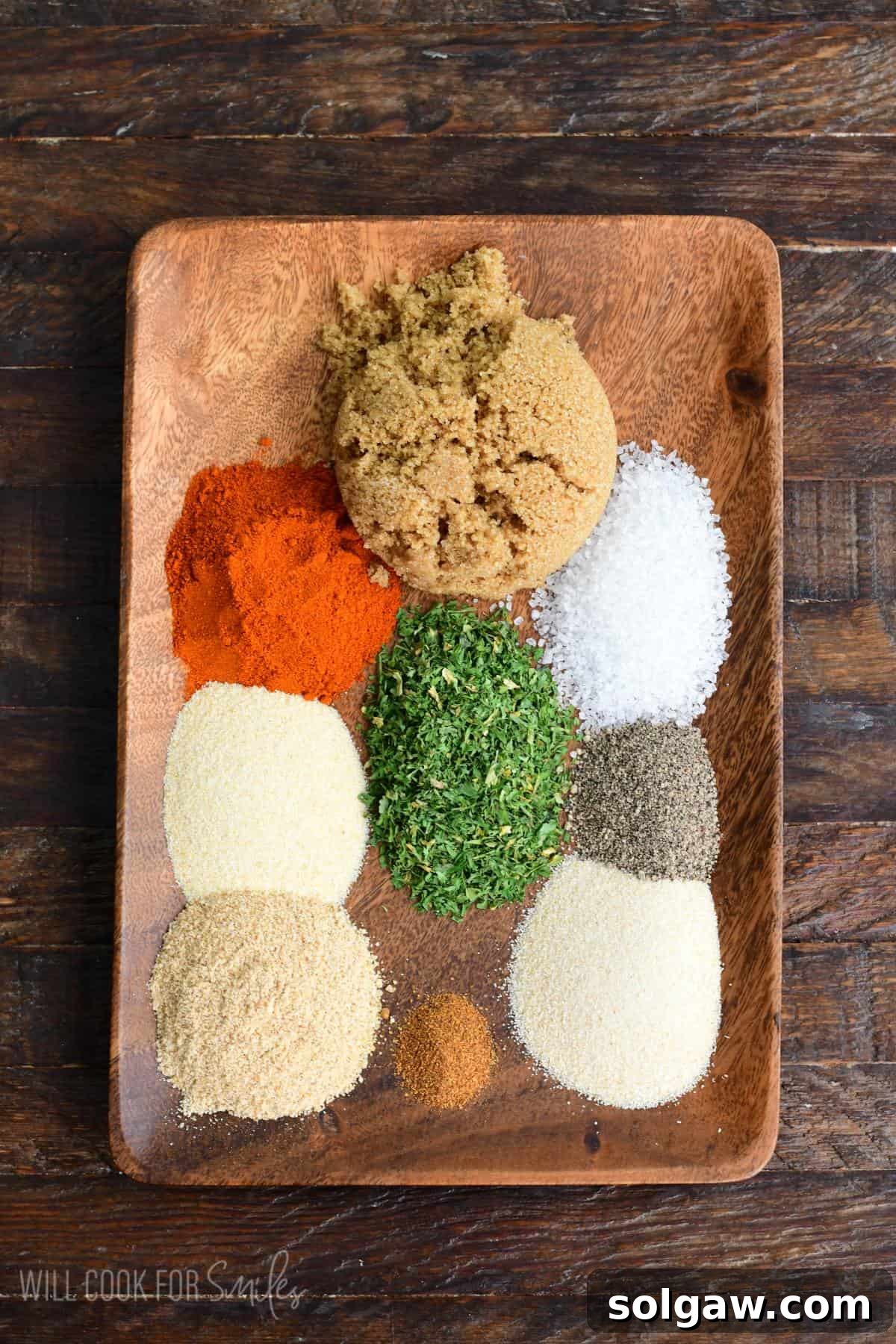
- Combine All Components: In a clean, completely dry glass jar with a tight-fitting lid (this is ideal for storage later), or a medium-sized mixing bowl, simply combine all the measured ingredients: brown sugar, paprika (sweet or smoked), ground mustard, dried parsley, onion powder, garlic powder, coarse kosher or sea salt, black pepper, and cayenne pepper.
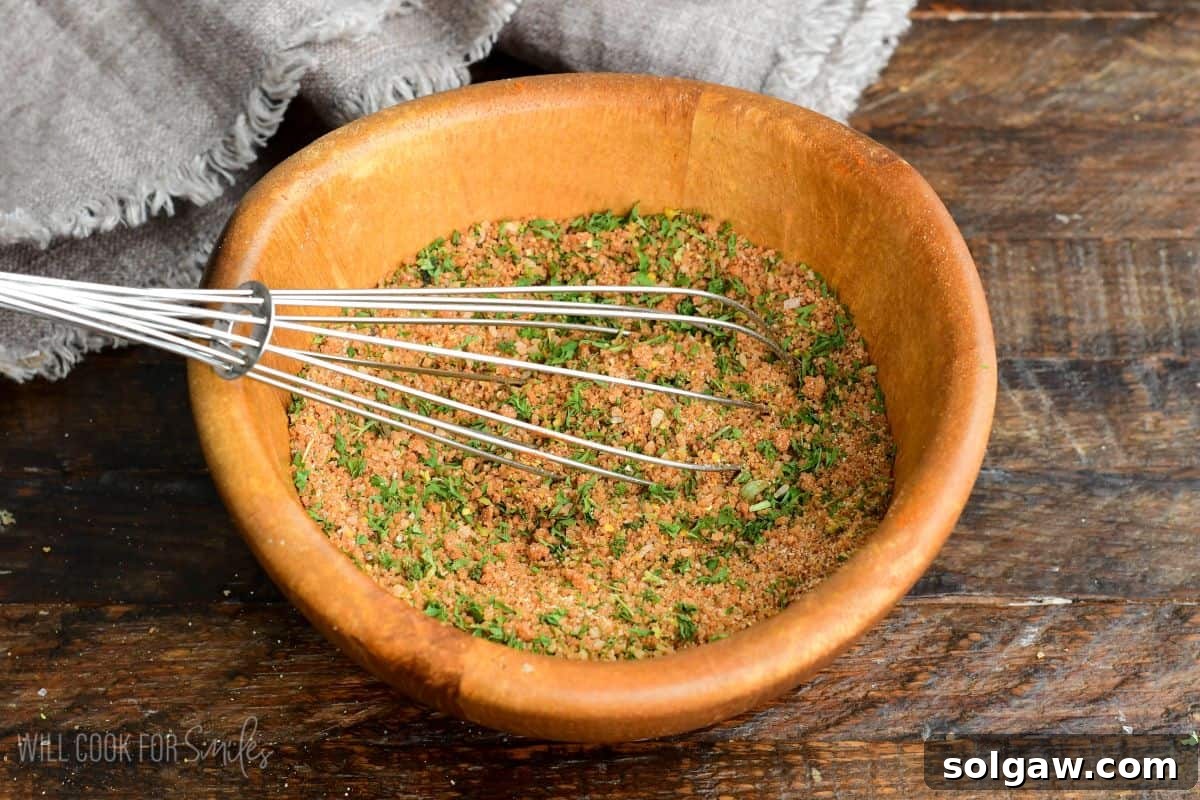
- Mix Thoroughly: If using a jar, close the lid tightly and shake vigorously for about 30-60 seconds, or until all ingredients are evenly distributed throughout the blend. If using a bowl, whisk everything together thoroughly with a dry whisk until no distinct layers or individual spice piles remain.
- Check for and Break Up Clumps: Brown sugar, especially if it’s been exposed to any humidity, has a natural tendency to clump together. After shaking or whisking, check the corners of the jar or bowl carefully. If you find any clumps, use a fork or the back of a spoon to break them up thoroughly and continue mixing until the rub is a uniform consistency. This ensures every gram of your pork gets the full, intended flavor profile.
- Store or Use Immediately: Your homemade pork rub is now perfectly blended and ready to use immediately on your favorite cut of pork or be stored for future culinary adventures! The fresh aroma alone will tell you it’s superior to anything store-bought.
This effortless preparation makes it incredibly easy to keep a fresh batch of the best pork rub on hand for any grilling, smoking, or roasting occasion.
Mastering the Art of Rub Application for Perfectly Flavored Pork
Applying the rub correctly is just as important as the quality of the rub itself. A generous and proper application ensures maximum flavor penetration, creates that fantastic “bark” or crust, and ultimately leads to a more delicious final product. Here’s how to get the best results every time:
- Prepare the Meat Properly: Before applying any seasoning, always pat your pork cut thoroughly dry with paper towels. Excess moisture on the surface of the meat can prevent the rub from adhering properly, and it can also hinder the formation of that desirable crispy crust during cooking. A dry surface allows the rub to stick better and caramelize more effectively.
- Apply Generously: Don’t be shy when sprinkling this dry rub liberally over all surfaces of your pork cut. Pork can handle a good amount of seasoning, and a generous coating ensures a rich flavor in every bite. The goal is to create an even, visible layer of spices across the entire surface.
- Pat, Don’t Rub (Yes, It’s a “Rub,” But This is Key!): This is a crucial distinction and a common mistake. While it’s called a “rub,” you actually want to *pat* the seasoning firmly into the meat rather than literally rubbing it. Gently press the spice blend onto the surface with your hands. This helps the spices adhere better to the meat fibers and prevents them from simply falling off during transfer or cooking. If you vigorously “rub” it in, you can inadvertently displace or remove some of the precious seasoning you’ve just applied.
- Allow to Rest (The Key to Deep Flavor and Tenderness): For optimal flavor penetration and to begin the tenderizing process, it’s highly recommended to let the meat sit with the rub applied for at least 30 minutes to an hour before cooking at room temperature. This brief resting period allows the salt to begin its work of drawing moisture to the surface and then reabsorbing it, carrying the flavors deeper into the meat. For an even deeper, more profound flavor, especially with larger cuts like pork shoulder or ribs, cover the meat loosely (e.g., with plastic wrap) and refrigerate it overnight (up to 24 hours). Even if you’re severely short on time, a quick 10-15 minute rest will still yield noticeably more delicious results compared to immediate cooking.
Versatile Uses for Your Homemade Pork Rub
This sweet and savory dry rub is incredibly versatile and will elevate nearly any pork dish you prepare, transforming it into a barbecue masterpiece. While expertly crafted to complement pork, its balanced flavor profile also makes it a fantastic addition to other meats, proving its worth as a true all-purpose seasoning:
- Pork Ribs: Whether you’re smoking them low and slow for fall-off-the-bone tenderness or grilling them to perfection, this rub creates an irresistible, flavorful bark and deep, complex taste on baby back, spare, or St. Louis-style ribs. It’s a must for any rib enthusiast.
- Pork Chops: Easily transform everyday pork chops into a gourmet meal. Simply apply the rub generously and then pan-sear, grill, or bake them for juicy, incredibly flavorful results with a delightful crust.
- Roasted Pork Tenderloin or Smoked Pork Tenderloin: The rub significantly enhances the delicate flavor of tenderloin, providing a beautiful, savory crust and aromatic depth whether roasted in the oven for a quick weeknight meal or smoked to tender perfection for a special occasion.
- Smoked Pork Shoulder or Pork Butt for Pulled Pork: This dry rub is absolutely ideal for creating unbelievably flavorful pulled pork. The sugar and spices form a fantastic, dark, and tasty bark during the long, slow cooking process, leading to succulent, shreddable meat bursting with sweet and savory notes.
- Even Chicken: Don’t limit yourself to pork! This versatile rub is also surprisingly delicious on chicken. Try it on chicken breasts, thighs, wings, or a whole roasted chicken for a delightful, flavor-packed twist on your poultry dishes.
- Game Meats: Its robust profile also pairs exceptionally well with various game meats, such as venison or wild boar, adding a complex and complementary flavor that stands up to richer textures.
Storing Your Homemade Pork Rub for Lasting Freshness and Flavor
Proper storage is absolutely crucial to maintain the potency, aroma, and vibrant flavor of your homemade dry rub. When stored correctly, your freshly made blend will remain fresh and vibrant for months, ready to enhance your next culinary creation. Here’s how to ensure its longevity:
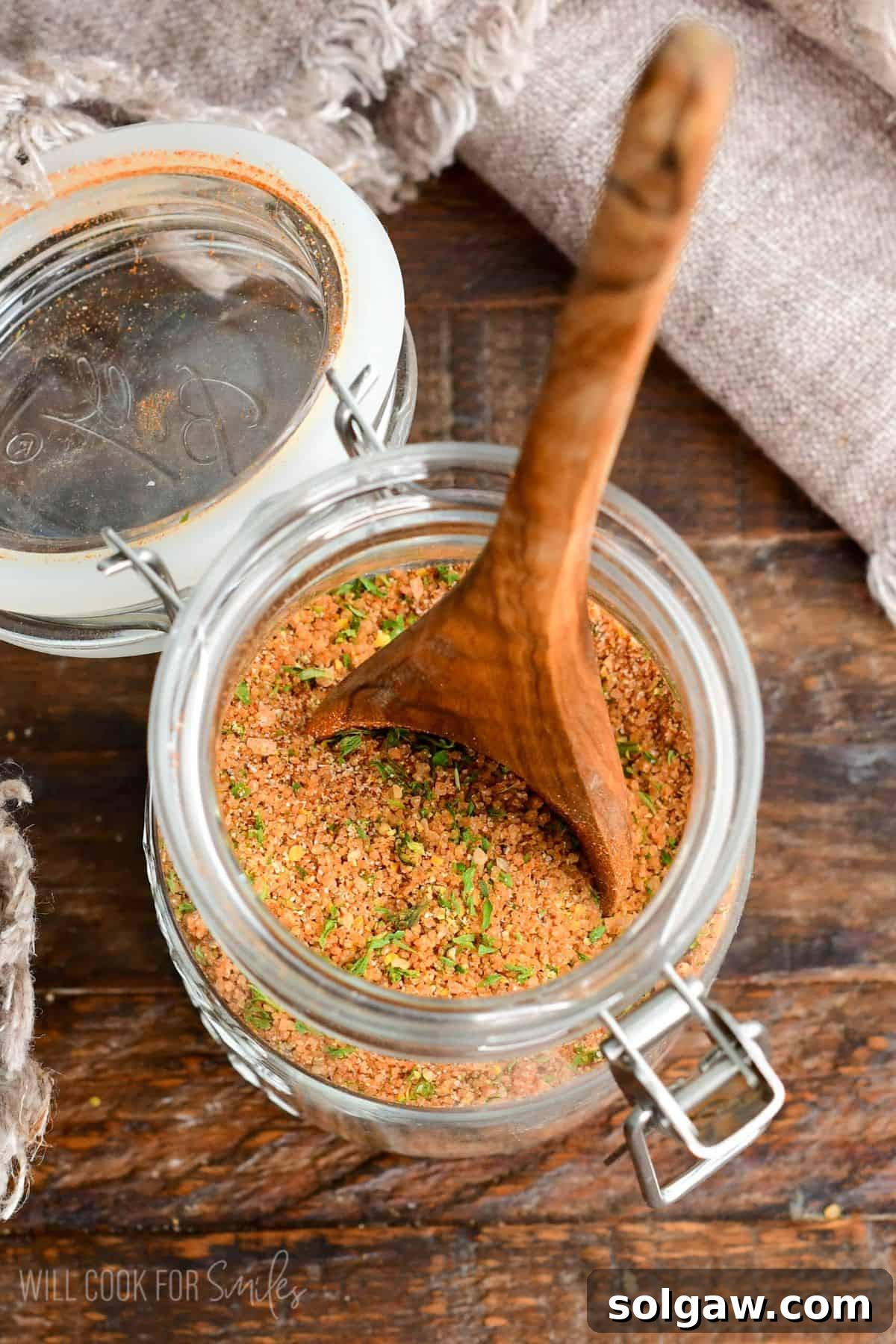
- Optimal Container Choice: Always store your pork rub in a sealed glass jar with a tight-fitting lid. Glass is the superior choice because it is non-reactive; it won’t absorb or impart any flavors from the spices, ensuring the rub maintains its integrity and purity. Avoid plastic containers, as they can sometimes leach odors or chemicals into spices over time, affecting their taste and quality.
- Ideal Storage Location: Find a cool, dry place away from direct heat and light. Your kitchen pantry, a dark cabinet, or a dedicated spice drawer are perfect spots. It’s imperative to avoid storing your rub near the stove, above appliances that generate heat (like a dishwasher or oven), or in direct sunlight, as heat and humidity are the greatest enemies of fresh spices. These conditions can cause spices to lose their potency rapidly, diminish their aromatic qualities, and even lead to clumping or spoilage.
- Understanding Longevity: While this homemade pork rub can technically stay good for up to 6 months when stored correctly, it is strongly recommended that it is best used within 3 months for optimal flavor and aroma. The potency of spices gradually diminishes over time, even in ideal storage conditions, so using them sooner rather than later guarantees the most impactful and vibrant taste in your dishes.
- Preventing Moisture-Related Clumping: Brown sugar, a key ingredient in this rub, is hygroscopic, meaning it readily absorbs moisture from the air. This natural tendency can lead to clumping in your spice blend if it’s exposed to humidity. Storing the rub in a truly dry environment and ensuring the jar is sealed tightly will significantly help prevent this. If clumping does occur despite your best efforts, don’t worry! Simply give the jar a good shake or use a fork to break up any solid bits. The flavor will still be perfectly intact and ready for use.
By diligently following these simple yet effective storage recommendations, you can enjoy the fantastic, fresh flavor of your homemade pork rub for an extended period, making it a convenient and indispensable staple in your kitchen. Always remember: fresh spices make for fresh flavors!
Frequently Asked Questions About Your Pork Rub Recipe
Here are answers to some common questions about making and using this delicious homemade pork seasoning, designed to help you get the most out of your culinary endeavors:
Can I make this rub without sugar?
Yes, you absolutely can omit the brown sugar if you’re looking for a keto-friendly or low-carb version of this dry rub. The blend of savory spices (paprika, mustard, garlic, onion, and cayenne) will still be incredibly flavorful and aromatic, providing an excellent seasoning base for your pork. However, it’s important to understand that removing the sugar will change two key aspects: the texture of the crust and the overall flavor balance. You won’t achieve the same beautiful caramelization and crispy exterior on your meat, as the sugar is responsible for that. Additionally, the sweet counterpoint that perfectly balances the savory and spicy notes will be absent, resulting in a more purely savory and spicy profile. While still delicious, it will be a distinctly different experience.
Can I use this on other meats besides pork?
Absolutely! While this rub was specifically formulated and balanced to complement the rich, often fatty flavor of pork, its well-rounded profile makes it surprisingly versatile for other proteins. It’s incredibly delicious on chicken, whether you’re grilling, roasting, or smoking chicken breasts, thighs, or even a whole bird. Many people also find it works wonderfully on beef, especially for cuts like brisket or short ribs, adding a unique sweet, savory, and slightly smoky dimension. Don’t hesitate to experiment with your favorite meats; you might discover a new go-to seasoning!
How long can I leave the rub on meat before cooking?
You have a good range of options for marinating your meat with this homemade pork rub. For excellent flavor, you can apply it generously right before cooking, and it will still impart a wonderful taste. For even deeper flavor penetration, which we highly recommend, it’s ideal to apply the rub up to 24 hours in advance. This longer resting period allows the salt to tenderize the meat and the complex flavors of the spices to meld deeply. If you are marinating for longer than 2 hours (or 1 hour in warmer kitchen temperatures during summer), it is absolutely crucial to refrigerate the meat to ensure food safety. As a general guideline, avoid marinating for longer than 24 hours, as the salt in the rub can begin to cure the meat too much, potentially altering its desired texture.
Why did my rub clump together?
Spice blends, especially those containing sugar or salt like this pork rub, can sometimes clump over time. This phenomenon typically occurs if the rub is exposed to moisture or stored in a humid environment. Brown sugar, in particular, is hygroscopic, meaning it readily absorbs moisture from the air. This absorbed moisture causes the individual granules to stick together, forming hard clumps. To prevent this, always store your rub in a tightly sealed, airtight glass jar in a cool, dry place away from any heat or humidity sources. If clumping does occur, don’t worry! It does not mean the rub is spoiled. Simply give the jar a good shake, or use a fork to break up any solid bits before using. The flavor will still be perfectly intact and ready to enhance your dish.
Can I turn this dry rub into a wet rub or paste?
Yes, you can absolutely and easily transform this dry rub into a wet rub or paste, which can be beneficial for certain cooking applications or to add an extra layer of moisture. To do this, simply mix the dry rub with a small amount of liquid until you reach your desired paste-like consistency. Excellent liquid options include apple cider vinegar (which adds a tangy kick), a neutral oil (like olive, vegetable, or grapeseed oil), apple juice for added sweetness, or even a bit of water. Start by adding a tablespoon of liquid at a time and mixing thoroughly. A wet rub can help the spices adhere even better to the meat, creating a very thick coating, and can also contribute to a moister final product, especially during long cooking processes like smoking or slow roasting.
Explore More Homemade Seasoning Blends to Elevate Your Cooking
Once you experience the incredible ease and superior flavor of making your own pork rub, you’ll undoubtedly be hooked on creating your own seasoning mixes! The benefits are undeniable and extend beyond just cost savings: you gain complete control over every ingredient, ensuring ultimate freshness, purity, and freedom from unwanted preservatives or mystery additives found in commercial blends. Expand your culinary repertoire and spice cabinet with these other fantastic homemade seasoning blends from my kitchen:
- Don’t miss the Ultimate Dry Rub, a truly versatile blend that’s perfect not only for ribs and chicken but also excels on beef brisket, succulent lamb, and a wide variety of roasted or grilled vegetables. It’s your all-in-one seasoning solution!
- Brighten up your dishes with a zesty and aromatic Lemon Pepper Seasoning, a light and vibrant blend that’s fantastic for chicken, delicate fish fillets, and crispy roasted potatoes. It adds a burst of fresh citrus and peppery warmth.
- For seafood lovers, my savory Blackened Seasoning is an absolute must-try. Specifically designed to create that irresistible, spicy, and smoky crust on salmon, shrimp, and other firm-fleshed fish, it brings a taste of the Louisiana bayou to your kitchen.
- And for a unique, all-purpose flavor booster that goes far beyond its name, try the Everything Bagel Seasoning. It’s surprisingly versatile and adds incredible texture and taste to so much more than just bagels – think eggs, avocado toast, salads, roasted vegetables, dips, or even popcorn!
PIN THIS RECIPE FOR LATER
DID YOU MAKE THIS RECIPE? Please leave a ⭐ star rating! Let me know how you liked it by leaving a 📝 comment below or share and tag me on social media @willcookforsmiles. DON’T FORGET to subscribe to my newsletter!
Homemade Pork Rub Recipe
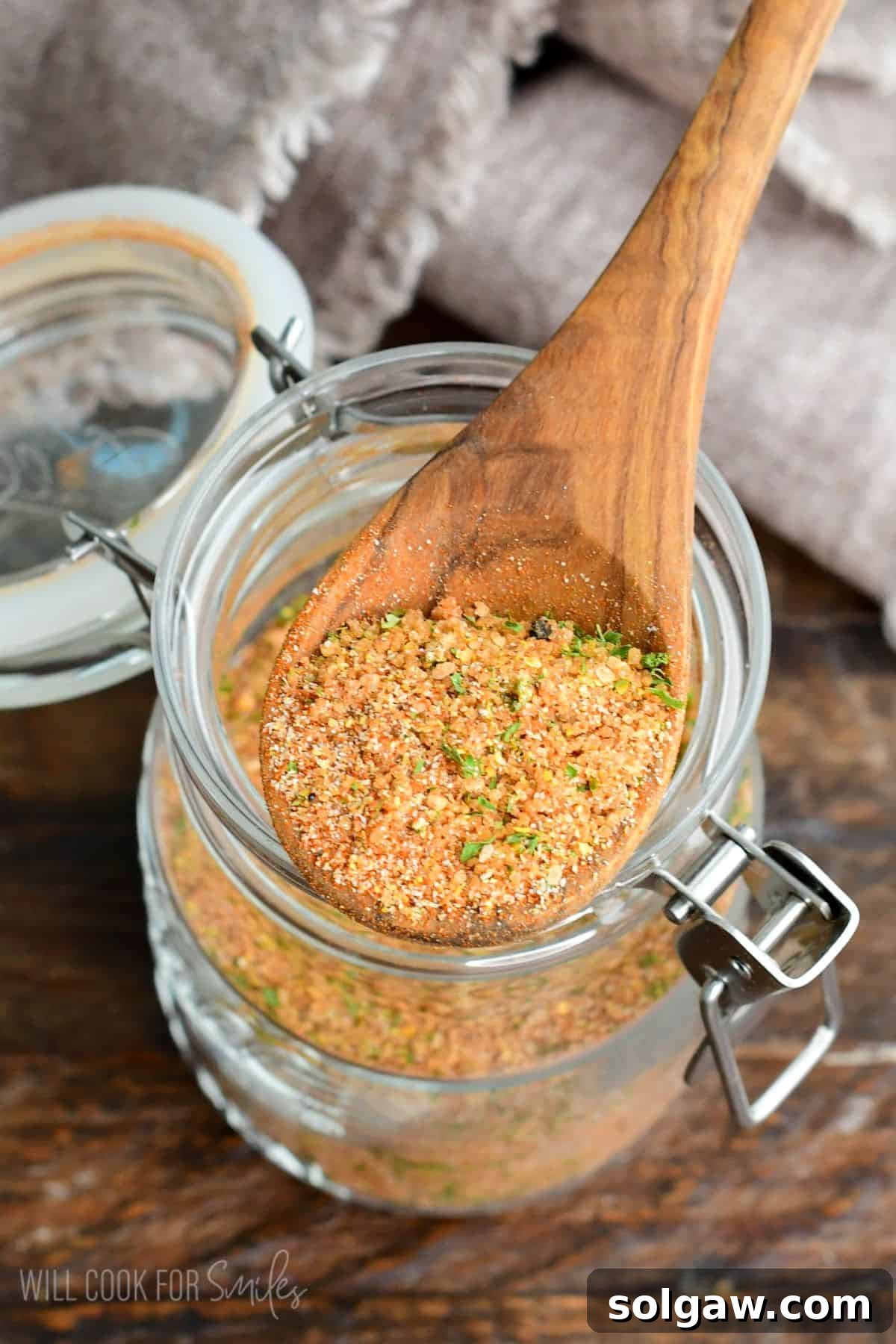
This homemade pork dry rub creates the perfect balance of sweet and savory flavors that complement pork perfectly with just the right amount of heat. Mix it up in 5 minutes and keep it on hand for ribs, pork chops, tenderloin, or pulled pork. It’s the best pork seasoning for any occasion!
Print Recipe | Pin Recipe | Rate This Recipe
Course: Appetizer, Condiment, Dinner, Main Course
Cuisine: American, Barbecue, Southern
Diet: Gluten Free
Prep Time: 5 minutes
Total Time: 5 minutes
Servings: 19 (makes a little over 1 cup of rub)
Calories: 33 kcal per serving
Author: Lyuba Brooke
Ingredients
- 1/2 cup light brown sugar (not packed)
- 2 Tbsp sweet or smoked paprika
- 2 Tbsp ground mustard
- 2 Tbsp dried parsley
- 1 1/2 Tbsp onion powder
- 1 1/2 Tbsp garlic powder
- 1 1/2 Tbsp coarse kosher or sea salt
- 2 tsp black pepper
- 1/2 tsp cayenne pepper (adjust to taste for desired heat)
Instructions
- Combine all the seasonings in a clean and completely dry glass jar with a tight-fitting lid. Ensure your jar is dry to prevent clumping.
- Close the lid tightly and shake well for 30-60 seconds until all ingredients are thoroughly mixed and evenly distributed.
- After shaking, check the corners and bottom of the jar to ensure no seasonings have clumped together, especially the brown sugar. If needed, use a dry fork to scrape and further mix the seasoning until it’s a uniform, consistent blend.
- Close the lid tight and your homemade pork rub is ready to use immediately or store for future use!
Recipe Notes
- Storing: Always store your dry rub seasoning in an airtight glass jar with a tight-fitting lid. Keep it in a cool, dry, and dark place, such as a pantry or cabinet, away from any heat sources like the stove or direct sunlight.
- Adjust Spice Level: Cayenne pepper can be quite spicy. It’s always best to start with a smaller amount (e.g., 1/4 tsp) and gradually add more if you desire greater heat, as you cannot remove it once it has been mixed into the blend.
- Yield: This recipe makes a little over 1 cup of dry rub. This quantity is typically sufficient for seasoning approximately two racks of pork ribs, four pork tenderloins, or one large 3-5 pound pork roast or pork shoulder.
- High Heat Warning: If you are grilling or searing your pork over high direct heat, monitor it closely. The sugar in the rub can caramelize quickly and may burn if left unattended, leading to a bitter taste. Adjust heat as necessary.
- Adjusting Batch Size: This homemade pork rub recipe is easily scalable. Feel free to double or triple the quantities if you wish to make a larger batch for frequent use or for gifts, or halve it if you only need a smaller amount for a single meal.
- Make it a Paste: For a thicker coating or to add extra moisture during cooking, you can easily transform this dry rub into a paste. Simply mix the desired amount of dry rub with a small amount of apple cider vinegar, a neutral oil (like olive or vegetable oil), or apple juice until you achieve a thick, spreadable consistency.
Nutrition Information
The following nutritional values are estimated per serving, based on approximately 19 servings per batch of rub:
- Calories: 33 kcal
- Carbohydrates: 7 g
- Protein: 1 g
- Fat: 0.4 g
- Saturated Fat: 0.04 g
- Polyunsaturated Fat: 0.1 g
- Monounsaturated Fat: 0.2 g
- Sodium: 555 mg
- Potassium: 53 mg
- Fiber: 1 g
- Sugar: 6 g
- Vitamin A: 390 IU
- Vitamin C: 0.5 mg
- Calcium: 15 mg
- Iron: 0.4 mg
Tried this recipe? Mention @willcookforsmiles or tag #willcookforsmiles!