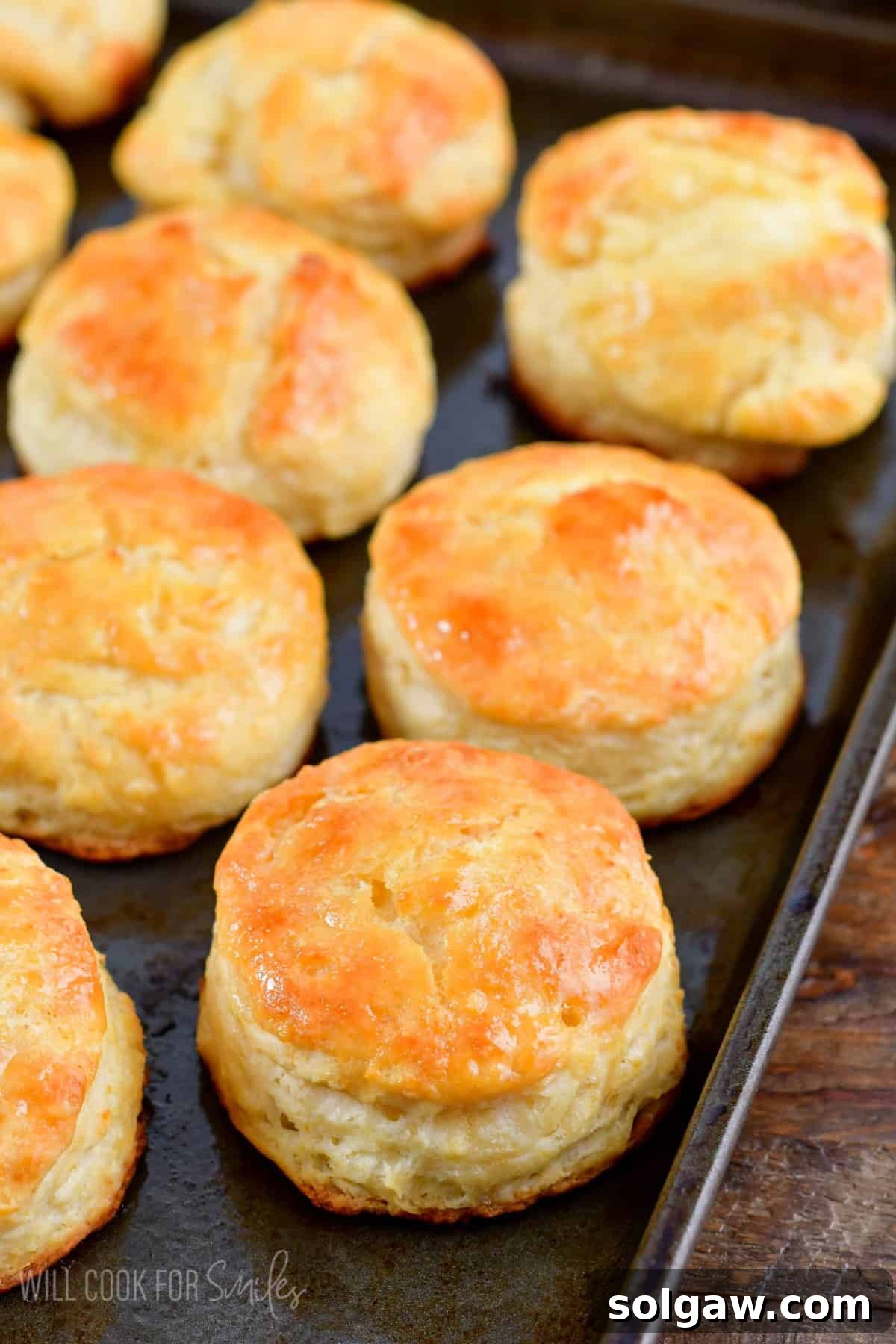
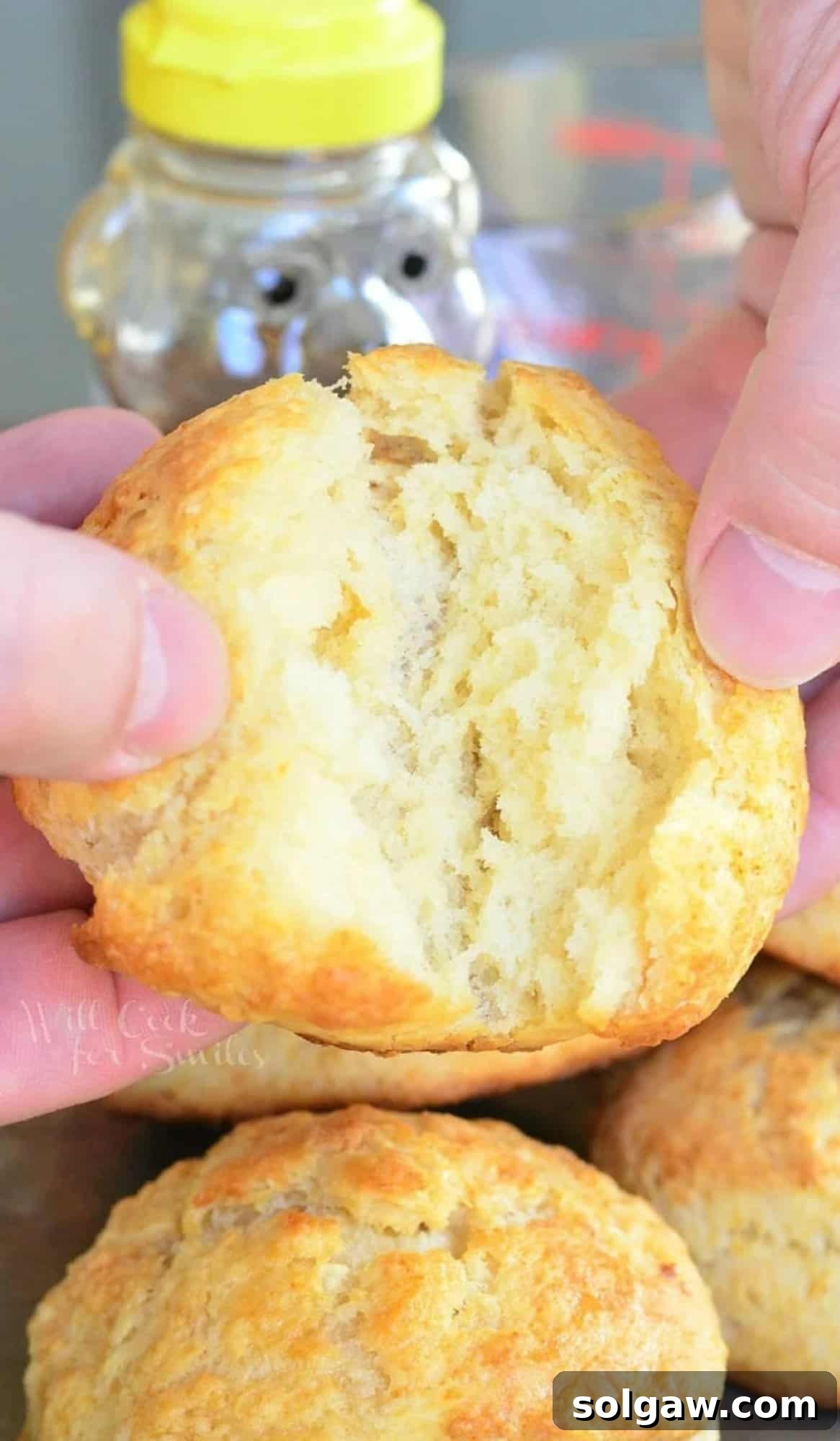
Welcome to the comforting world of homemade baking, where simple ingredients transform into irresistible delights. Among these cherished recipes, Honey Butter Biscuits stand out as a true culinary gem. These aren't just any biscuits; they are wonderfully soft, incredibly fluffy, and infused with a delicate sweetness from a luscious honey butter glaze. They are the quintessential addition to any holiday feast, a cherished family dinner, or simply a cozy weekend breakfast.
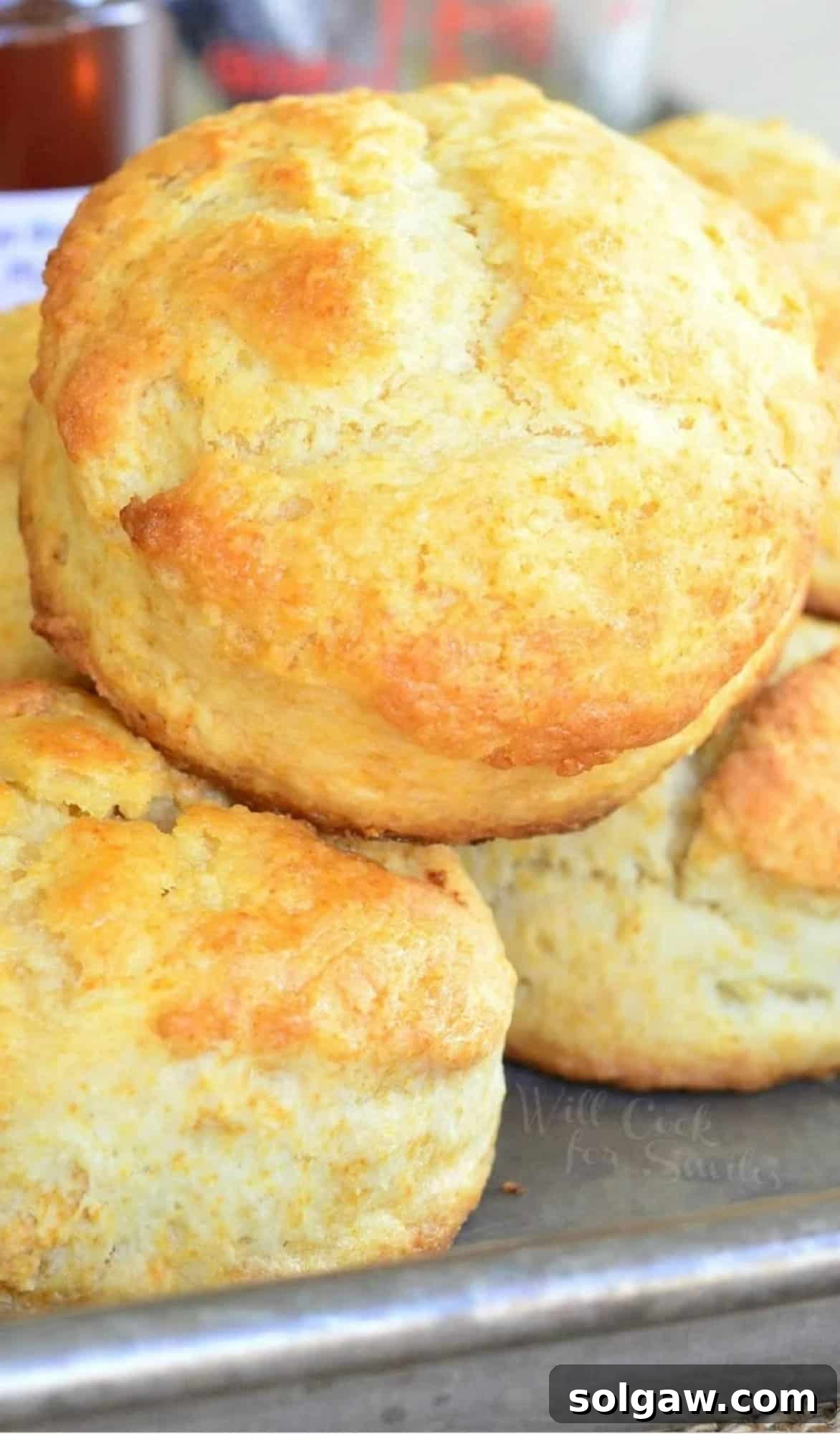
A Sweet Introduction to Honey Butter Biscuits
Imagine warm, tender biscuits, straight from the oven, with a golden-brown crust and a pillowy interior. Now, envision them glistening with a rich honey butter, melting into every crevice, creating a symphony of sweet and subtly salty flavors. That's the magic of these homemade Honey Butter Biscuits, and the best part? They remarkably come together in about half an hour from start to finish. Yes, really!
While I cherish a wide array of savory biscuit recipes, there's something uniquely special about these sweeter variations. The sweetness in this recipe is purposefully mild, designed to complement a broad spectrum of dishes without overpowering them. For those who adore the classic sweet and salty combination, a simple swap to salted butter will elevate those complex flavors, adding another delicious layer to each bite.
At their core, these are classic homemade biscuits, celebrated for their exceptional soft and fluffy texture. What sets them apart is the thoughtful integration of honey directly into the dough, providing a foundational sweetness. But the true indulgence comes from the honey and butter mixture brushed liberally over the biscuits not once, but twice – before and immediately after baking. This double dose seals in that mouthwatering, sweet, and incredibly buttery flavor that makes these biscuits utterly unforgettable.
Crafting the Perfect Honey Butter Biscuits
Creating these delightful biscuits is a straightforward process that yields impressive results. Follow these steps for flaky, tender biscuits every time.
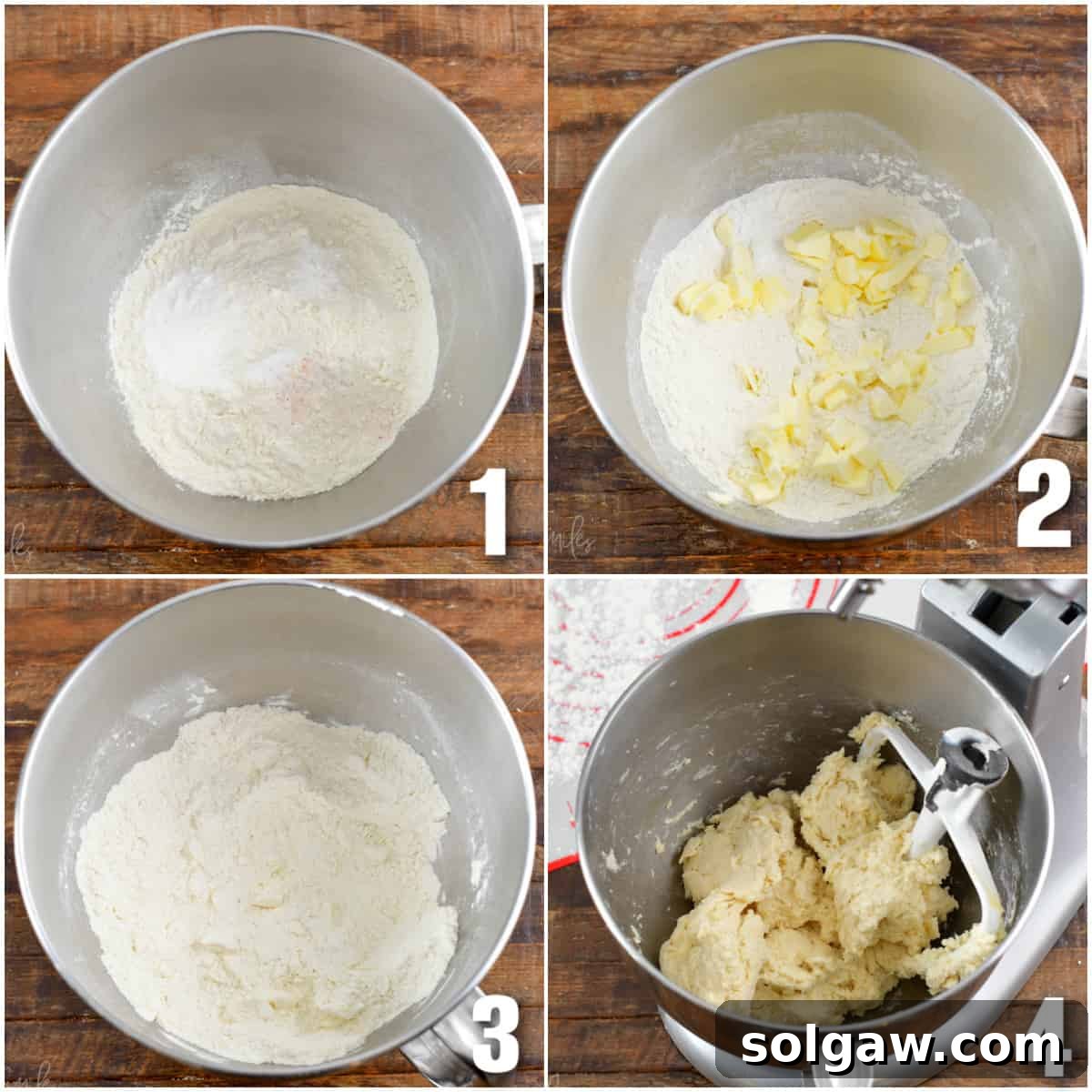
1. Get Ready: Begin by preheating your oven to a precise 425°F (220°C). While the oven warms, lightly grease a large baking sheet. This ensures your biscuits won't stick and will brown beautifully.
2. Combine Dry Ingredients: In the spacious bowl of an electric mixer (or a large mixing bowl if doing by hand), combine the all-purpose flour, baking powder, baking soda, and a dash of salt. Mix these dry ingredients on low speed for just a few seconds until they are thoroughly combined. This initial step ensures even distribution of the leavening agents.
3. Incorporate Cold Butter: Take your very cold butter and chop it into small, uniform pieces. Add these butter pieces to the flour mixture. Mix on low speed, either using your mixer or a pastry cutter, until the mixture resembles coarse crumbs. This is a crucial step for flaky biscuits; the cold butter creates steam pockets during baking, leading to that coveted layered texture.
4. Form the Dough: Pour in the honey and mix for a few seconds to distribute its sweetness. Next, introduce the cold buttermilk into the center of the mixture. Continue mixing on low speed until the ingredients are just combined. Avoid overmixing! The dough will be noticeably sticky, which is perfectly normal and desirable for soft biscuits.
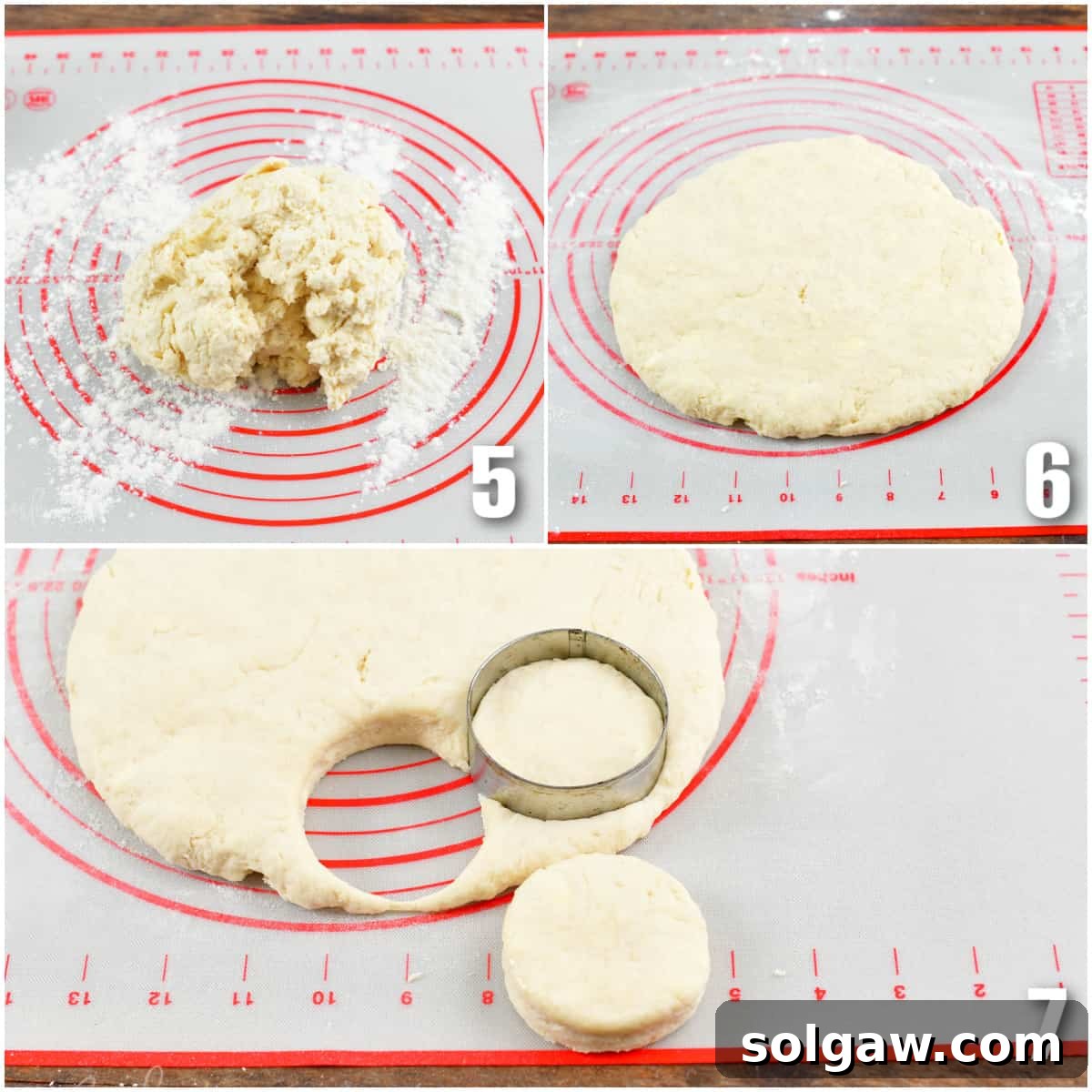
5. Knead Lightly and Shape: Transfer the sticky dough onto a lightly floured surface. Sprinkle a little more flour on top to prevent sticking. Knead the dough gently, just 5-6 times. The goal is to bring the dough together, not to develop gluten excessively. Then, pat the dough into a circular shape, about ½ inch thick.
6. Cut Biscuits: Using a 2 to 2½-inch diameter cookie cutter, press straight down into the dough to cut out your biscuits. Resist the urge to twist the cutter, as this can seal the edges and inhibit rise. Gather any dough scraps, gently rework them into a ball (kneading as little as possible to maintain tenderness), and pat them out again to cut more biscuits.
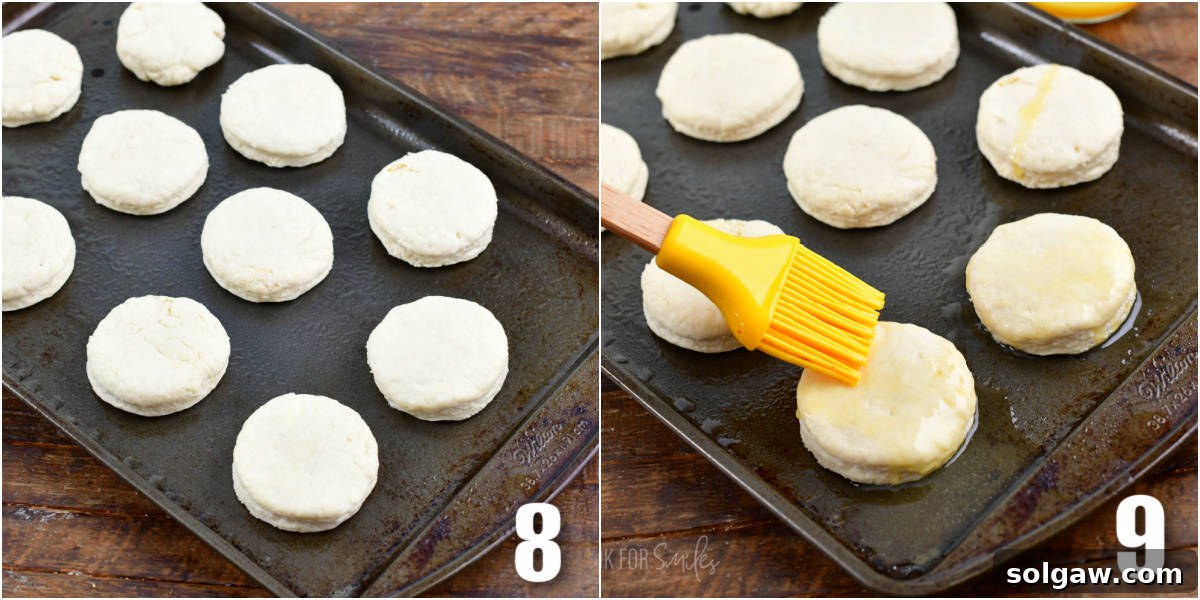
7. Prepare for Baking: Arrange the cut biscuits on your greased baking sheet, leaving about an inch of space between each one to allow for expansion. In a small bowl, whisk together the melted butter and honey for the topping. Using a pastry brush, generously coat the top of each biscuit with this delectable honey butter mixture.
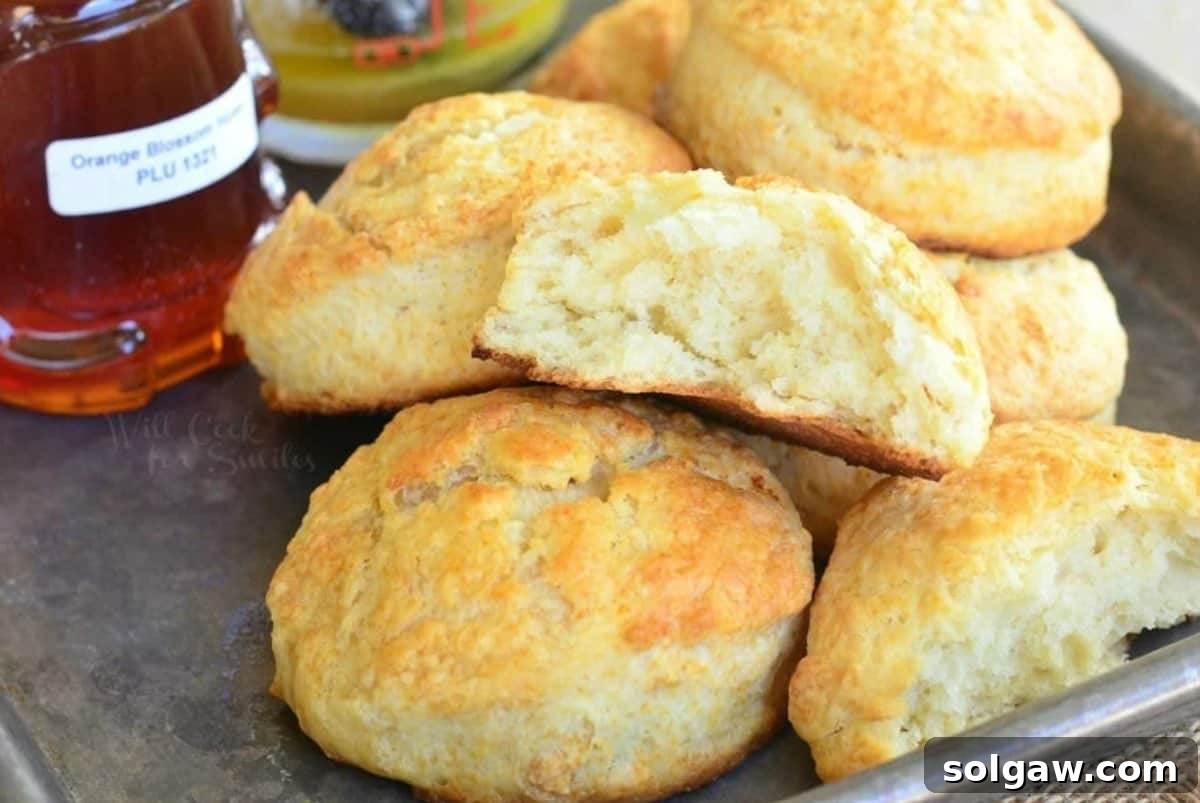
8. Bake to Golden Perfection: Transfer the baking sheet to your preheated oven. Bake for approximately 10-13 minutes. The exact time may vary slightly depending on the size of your biscuits and your oven's calibration. You're looking for biscuits that are beautifully raised and boast a golden-brown hue.
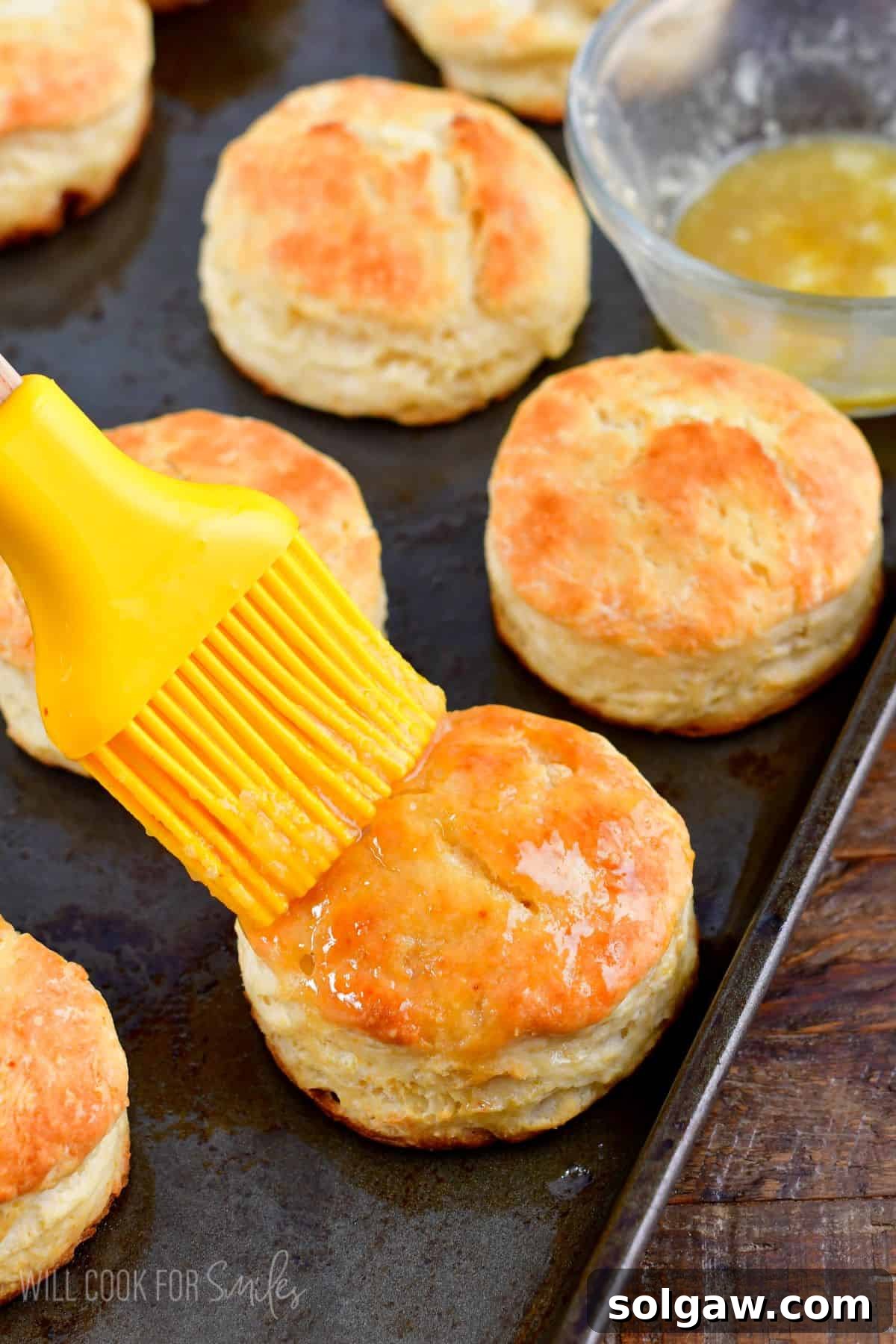
9. Final Honey Butter Glaze: The moment the biscuits emerge from the oven, while they are still piping hot, give them another lavish brush of the remaining honey butter mixture. This final touch truly seals in the moisture and enhances their sweet, buttery flavor. Serve warm and enjoy!
Essential Tips for Biscuit Perfection
Achieving truly excellent biscuits isn't just about following the recipe; it's about understanding a few fundamental principles. These tips will guide you to consistently bake light, flaky, and tender honey butter biscuits.
- Embrace the Cold: This is arguably the most crucial tip for exceptional biscuits. Ensure both your butter and buttermilk are as cold as possible. Cold butter, when it hits the hot oven, creates steam pockets that push the dough layers apart, resulting in those desirable flaky layers. Cold buttermilk also helps keep the dough cool, preventing the butter from melting prematurely.
- Don't Have Buttermilk? Here's a Quick Fix (Use in a Pinch!): While genuine buttermilk yields the best results, you can create a simple acidic milk mixture if you're in a bind. Combine 1 tablespoon of freshly squeezed lemon juice OR white vinegar with 1 cup of whole milk. Stir it gently and let it sit for about 5 minutes until it slightly curdles. While this substitute will work to activate the baking soda, remember it's NOT an equal substitute to real buttermilk and will not contribute to the flavor and texture quite as effectively. But it's a handy trick to have up your sleeve!
- The Golden Rule: Do NOT Over-Mix the Dough: Overworking biscuit dough is the quickest path to tough, dense biscuits. Flour contains gluten, and excessive mixing develops this gluten, making the biscuits chewy instead of tender. Mix only until the ingredients are just combined and the dough forms. A few gentle kneads (5-6 times) are all that's needed to bring the dough together before cutting.
- Master the Cookie Cutter Technique: For biscuits that bake evenly and rise uniformly, a cookie cutter (approximately 2 to 2½ inches in diameter) is your best friend. If you don't have one, a narrow drinking glass can serve as a substitute. Always make sure to slightly grease your cutter to prevent sticking. When cutting, press straight down into the dough without twisting. Twisting can seal the biscuit edges, hindering their ability to rise properly.
- Check Your Leavening Agents: Baking powder and baking soda are the workhorses of biscuit rise. They lose their potency over time. If your baking powder is more than 6 months old, it may have lost its active agents. To test baking powder, place a teaspoon in a small bowl and pour in about ½ cup of boiling water; if it bubbles vigorously, it's still good. For baking soda, add a teaspoon to a bowl with a few drops of vinegar; strong fizzing indicates it's active. If there's no reaction, it's time to replace them. Fresh leavening means light, airy biscuits!
Deep Dive into Ingredients and Clever Substitutions
Understanding the role of each ingredient is key to successful baking and opens the door to intelligent substitutions when needed.
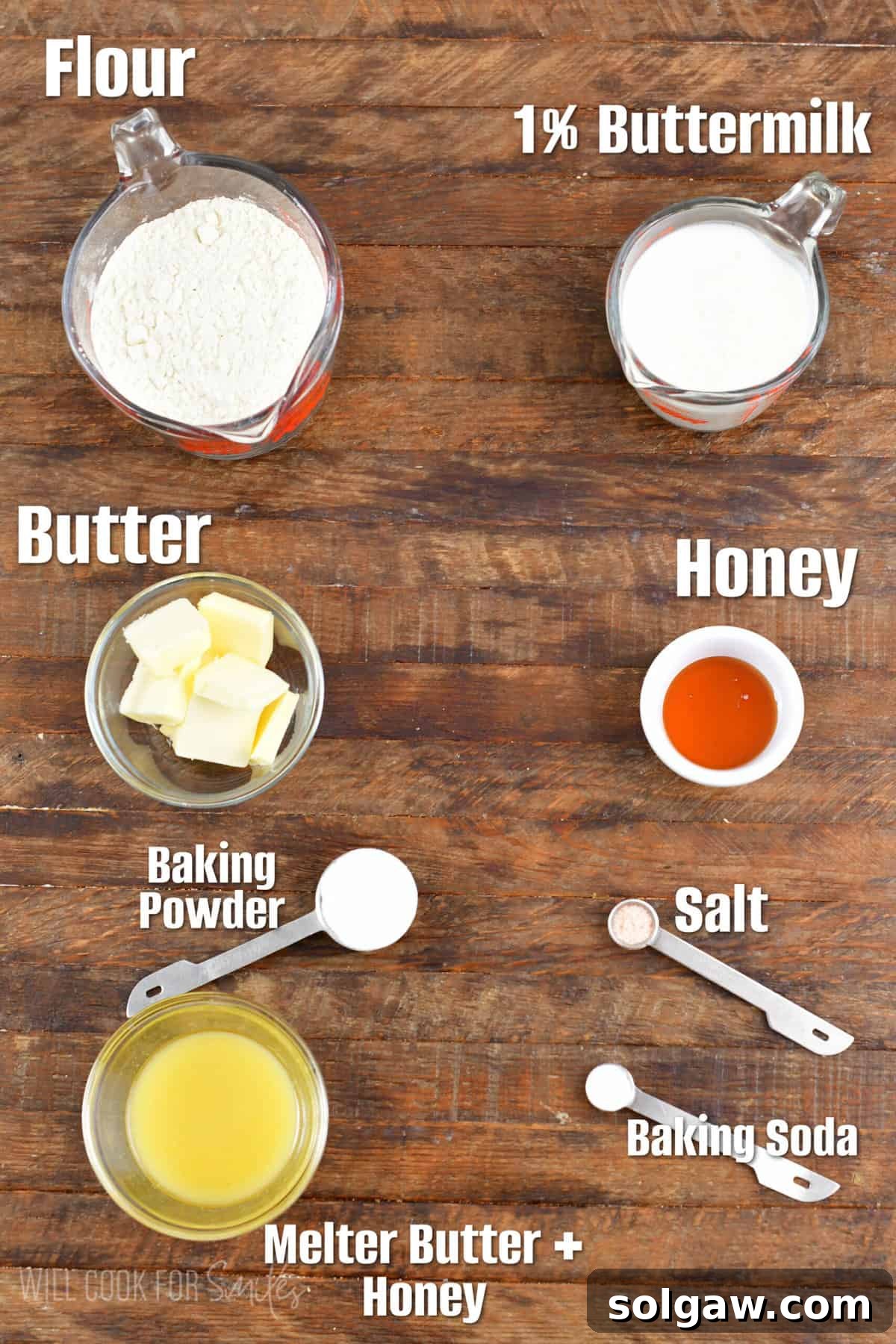
Flour: While standard all-purpose flour works wonderfully in this recipe, for an even lighter and more tender biscuit, consider using White Lily flour if it's available in your region. White Lily flour is a soft winter wheat flour with a lower protein content, which results in a more delicate crumb. Note: If you opt for White Lily flour, you'll need to add an extra 4 tablespoons to the recipe, as it's lighter and less dense than typical all-purpose flour.
Baking Powder and Baking Soda: These are your critical leavening agents. As mentioned in the tips, always ensure they are fresh and active. Both ingredients should ideally be used within 6 months of opening their containers for optimal performance. They work in tandem with the buttermilk to create the biscuit's signature rise and fluffy texture.
Buttermilk: For the ultimate soft and moist texture in your biscuits, 1% low-fat buttermilk is highly recommended. It provides the perfect balance of acidity and moisture without adding excessive fat. Crucially, ensure your buttermilk is cold – this contributes to keeping the butter solid in the dough, aiding in the flaky layers. While a homemade substitute can work in a pinch, it's worth noting that non-buttermilk substitutes never quite achieve the same depth of flavor and tender crumb as genuine buttermilk.
Butter: For the biscuit dough itself, cold unsalted butter is preferred. Unsalted butter gives you more control over the overall saltiness of the final product. However, if you're aiming to truly enhance that delicious salty-sweet combination, using cold salted butter in the dough is a fantastic option. For the honey butter topping, you'll use melted butter, as it needs to be easily brushable. The contrast of cold butter in the dough and melted butter for the topping is key to the biscuit's success.
Honey: The star sweetener of these biscuits! Any good quality liquid honey will work. For subtle variations, you might experiment with different types of honey, such as clover, wildflower, or even a slightly darker honey for a richer flavor profile. The honey is incorporated into both the dough and the final buttery glaze, ensuring its delightful aroma and taste permeate every bite.
Why Buttermilk is Your Biscuit Best Friend
Buttermilk plays a pivotal role in creating truly exceptional biscuits. It’s not just a fancy ingredient; it’s a scientific marvel in the baking world.
- The Perfect Rise: The acidity in buttermilk reacts with the baking soda, producing carbon dioxide gas. This gas creates tiny bubbles in the dough, which expand in the heat of the oven, leading to those wonderfully airy and fluffy biscuits. Without buttermilk (or another acidic agent), baking soda wouldn't fully activate, resulting in flatter biscuits.
- Tender Texture: Beyond the rise, buttermilk's acidity also works to tenderize the gluten in the flour. This means less gluten development and a more delicate, tender crumb that melts in your mouth, rather than a tough, chewy texture.
- Moisture and Flavor: Buttermilk adds a distinctive tang and depth of flavor that complements the sweetness of honey beautifully. Its liquid content provides necessary hydration without making the dough overly wet.
- Lower Fat Content: Interestingly, using low-fat buttermilk (like 1%) is often preferred over higher-fat buttermilk or whole milk for biscuits. The lower fat content of the buttermilk helps to balance the richness of the butter in the recipe, ensuring a soft, moist texture without making the biscuits heavy or greasy. It provides the crucial liquid and acidity without contributing unnecessary additional fat, allowing the butter to shine in its role of creating flakiness.
Storing Your Honey Butter Biscuits
To keep your delicious honey butter biscuits fresh and enjoyable for as long as possible, proper storage is key.
- Always store baked biscuits in an airtight container to prevent them from drying out or becoming stale.
- At room temperature, biscuits will maintain their quality for up to 2 days. However, this isn't recommended for humid environments, as they can spoil faster.
- For longer freshness, store biscuits in the refrigerator in an airtight container for up to 5 days.
- To reheat refrigerated biscuits, a quick zap in the microwave works wonders for a soft, warm result. For a slightly crisper exterior, you can warm them in a preheated oven at a low temperature (around 300°F / 150°C) for a few minutes.
- If you wish to store them for an extended period, freezing is an excellent option. Freeze cooled baked biscuits in an airtight food storage container or a heavy-duty zip-top freezer bag. Expel as much air as possible before sealing, label with the date, and they will stay fresh for up to 1 month.
Freezing Biscuits for Future Enjoyment
Freezing unbaked biscuits is a fantastic way to prepare ahead and have fresh, warm biscuits ready whenever a craving strikes!
- Preparation for Freezing: Prepare your biscuit dough according to the recipe instructions, right up until the point of cutting them out. Once cut, place the individual unbaked biscuits on a baking sheet lined with parchment paper. Ensure they are not touching each other.
- Initial Freeze: Transfer the baking sheet to the freezer and freeze the biscuits for up to 2 hours, or until they are solid. Setting a timer is helpful so you don't forget them!
- Long-Term Storage: Once frozen solid, transfer the biscuits into a heavy-duty zip-top freezer bag. Press out as much air as you can before sealing. Label the bag with the date. These frozen raw biscuits can be stored in the freezer for up to 3 months.
- Baking from Frozen: The beauty of freezing unbaked biscuits is that you don't need to thaw them! When you're ready to bake, simply place the frozen biscuits directly onto a lightly greased baking sheet. Preheat your oven to 425°F (220°C). Bake the frozen biscuits for approximately 15-18 minutes. This is typically about 5 minutes longer than the baking time for fresh biscuits. Keep an eye on them for that perfect golden-brown color and rise.
Serving Suggestions and Variations
Honey Butter Biscuits are incredibly versatile and can be enjoyed in many ways, beyond just being a holiday side dish. Their subtle sweetness makes them a delightful accompaniment to both sweet and savory meals.
- Breakfast & Brunch: Serve them warm with extra honey, fruit preserves, or a dollop of whipped cream for a decadent start to your day. They're also fantastic alongside scrambled eggs, bacon, or sausage for a balanced sweet and savory breakfast.
- Dinner Side: These biscuits are a natural fit for hearty stews, chili, fried chicken, or roasted meats. The touch of sweetness cuts through richer flavors beautifully.
- Dessert Twist: Split them open and fill with fresh berries and cream for a simplified strawberry shortcake.
Want to get creative? Try these simple variations:
- Cinnamon Swirl: Before cutting, sprinkle the rolled-out dough with a mixture of cinnamon and a touch of brown sugar.
- Citrus Zest: Add 1-2 teaspoons of orange or lemon zest to the dry ingredients for a bright, fresh flavor.
- Herby & Sweet: For a unique savory-sweet profile, finely chop a tablespoon of fresh rosemary or thyme and add it to the dough mixture.
More Biscuit Recipes To Explore
If you love biscuits as much as we do, you'll be thrilled to discover more delicious variations:
- Garlic Butter Parmesan Herb Biscuits
- Classic Buttermilk Biscuits
- Hearty Biscuits and Gravy
- Spicy Jalapeno Cheddar Biscuits
- Easy Southern Biscuits
PIN THIS RECIPE FOR LATER
DID YOU MAKE THIS RECIPE? Please leave a 🌟 star rating! Let me know how you liked it by leaving a 📝 comment below or sharing and tagging me on social media @willcookforsmiles. DON'T FORGET to subscribe to my newsletter!
Honey Butter Biscuits
Soft, fluffy biscuits made with honey for a touch of sweetness and brushed with a delectable honey butter glaze. Perfect for any occasion!
Prep Time: 15 minutes
Cook Time: 12 minutes
Total Time: 27 minutes
Yields: 10-12 biscuits, depending on size
Course: Side Dish
Cuisine: American
Author: Lyuba Brooke
Ingredients
For the Biscuits:
- 2 cups all-purpose flour (or 2 cups + 4 tbsp White Lily flour)
- 1 tablespoon baking powder
- ¼ teaspoon baking soda
- Dash of salt
- 5 tablespoons cold unsalted butter, cut into pieces
- 2 tablespoons honey
- 1 cup cold 1% low-fat buttermilk
- A little extra flour for kneading surface
For the Honey Butter Topping:
- 3 tablespoons salted butter, melted
- 2 tablespoons honey
Instructions
- Preheat your oven to 425°F (220°C) and lightly grease a large baking sheet.
- In a large bowl, combine the flour, baking powder, baking soda, and salt. Mix gently until well combined.
- Add the cold, chopped butter to the flour mixture. Using your hands or a pastry cutter, mix until the butter is incorporated and the mixture resembles coarse crumbs.
- Pour in 2 tablespoons of honey and mix for a few seconds.
- Add the cold buttermilk to the center of the mixture. Mix just until the dough comes together and is combined. The dough will be sticky.
- Transfer the sticky dough to a lightly floured surface. Sprinkle a little more flour on top. Knead the dough gently 5-6 times, then pat it into a circle approximately ½ inch thick.
- Using a 2 to 2½-inch cookie cutter, cut out the biscuits. Gather dough scraps, gently re-form (kneading minimally), and cut out any remaining biscuits.
- Place the biscuits on the prepared baking sheet, leaving about an inch of space between each.
- In a small bowl, whisk together the melted butter and 2 tablespoons of honey for the topping. Brush each uncooked biscuit generously with this honey butter mixture.
- Bake for 10-13 minutes, or until the biscuits are raised, golden brown, and cooked through. Baking time may vary depending on biscuit size and oven.
- Immediately upon removing the biscuits from the oven, brush them again with any remaining honey butter mixture. Serve warm and fresh.
Notes
- Keep everything cold: The secret to flaky biscuits is using very cold butter and buttermilk.
- Do not overmix: Overworking the dough will develop gluten, leading to tough biscuits. Mix just until combined.
- Cut straight down: When using a cookie cutter, press straight down without twisting to ensure a good rise.
- Check leavening agents: Ensure your baking powder and soda are fresh for optimal lift.
Nutrition
(Per Serving)
- Calories: 213 kcal
- Carbohydrates: 28g
- Protein: 3g
- Fat: 10g
- Saturated Fat: 6g
- Polyunsaturated Fat: 0.5g
- Monounsaturated Fat: 3g
- Trans Fat: 0.4g
- Cholesterol: 27mg
- Sodium: 82mg
- Potassium: 187mg
- Fiber: 1g
- Sugar: 8g
- Vitamin A: 319 IU
- Vitamin C: 0.04mg
- Calcium: 87mg
- Iron: 1mg
Tried this recipe?
Mention @willcookforsmiles or tag #willcookforsmiles!
This recipe was originally published on Will Cook For Smiles in March 2016, and has been updated and expanded for clarity and comprehensiveness.