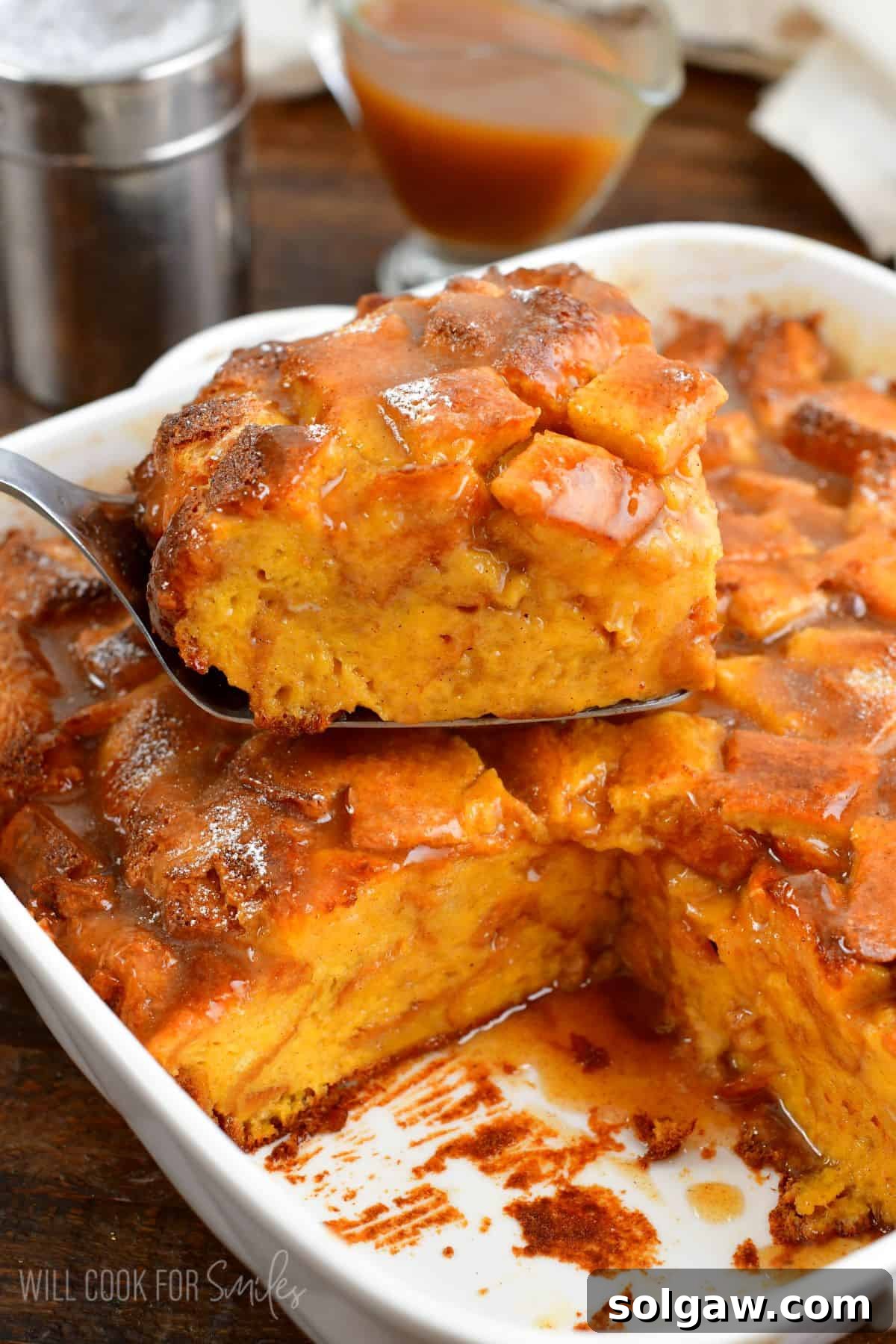
The Ultimate French Toast Casserole with Irresistible Sweet Buttery Syrup
Imagine waking up to the aroma of a freshly baked, warm, and comforting French toast casserole, ready to be devoured without the fuss of individual slices. This delightful French toast casserole transforms ordinary breakfast into an extraordinary culinary experience. Featuring tender pieces of day-old Brioche bread, generously soaked in a rich, sweet egg and milk custard, and baked to golden perfection, it’s a dish that promises both indulgence and convenience. Unlike versions made with denser breads, our chosen Brioche ensures every bite is incredibly soft, fluffy, and melts in your mouth, offering a luxurious texture that truly sets it apart.
Why This French Toast Casserole is a Must-Try
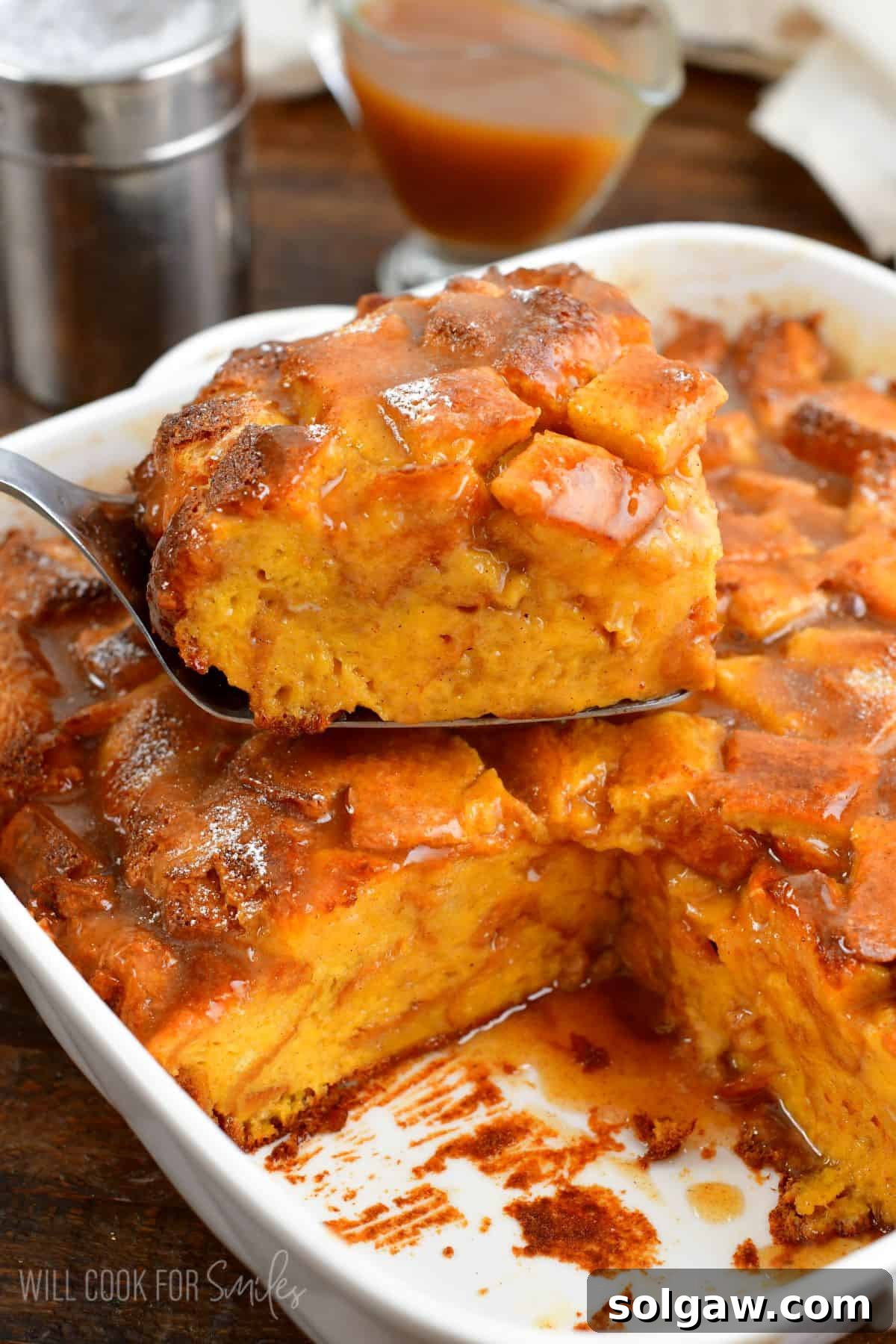
This baked French toast casserole isn’t just a meal; it’s an event, perfect for lazy weekend mornings, holiday brunches, or even a delightful weekday treat that can be prepared in advance. Its beauty lies in its simplicity and the profound comfort it delivers. The use of Brioche bread is a game-changer; its inherent sweetness and buttery richness elevate the entire dish, allowing it to soak up the creamy egg mixture like a dream. This results in a casserole that is less dense and far more luscious than those made with a French baguette. Each serving boasts an exquisite contrast: a wonderfully soft, moist interior crowned with a slightly crisp, golden-brown top. It’s truly one of my favorite sensations!
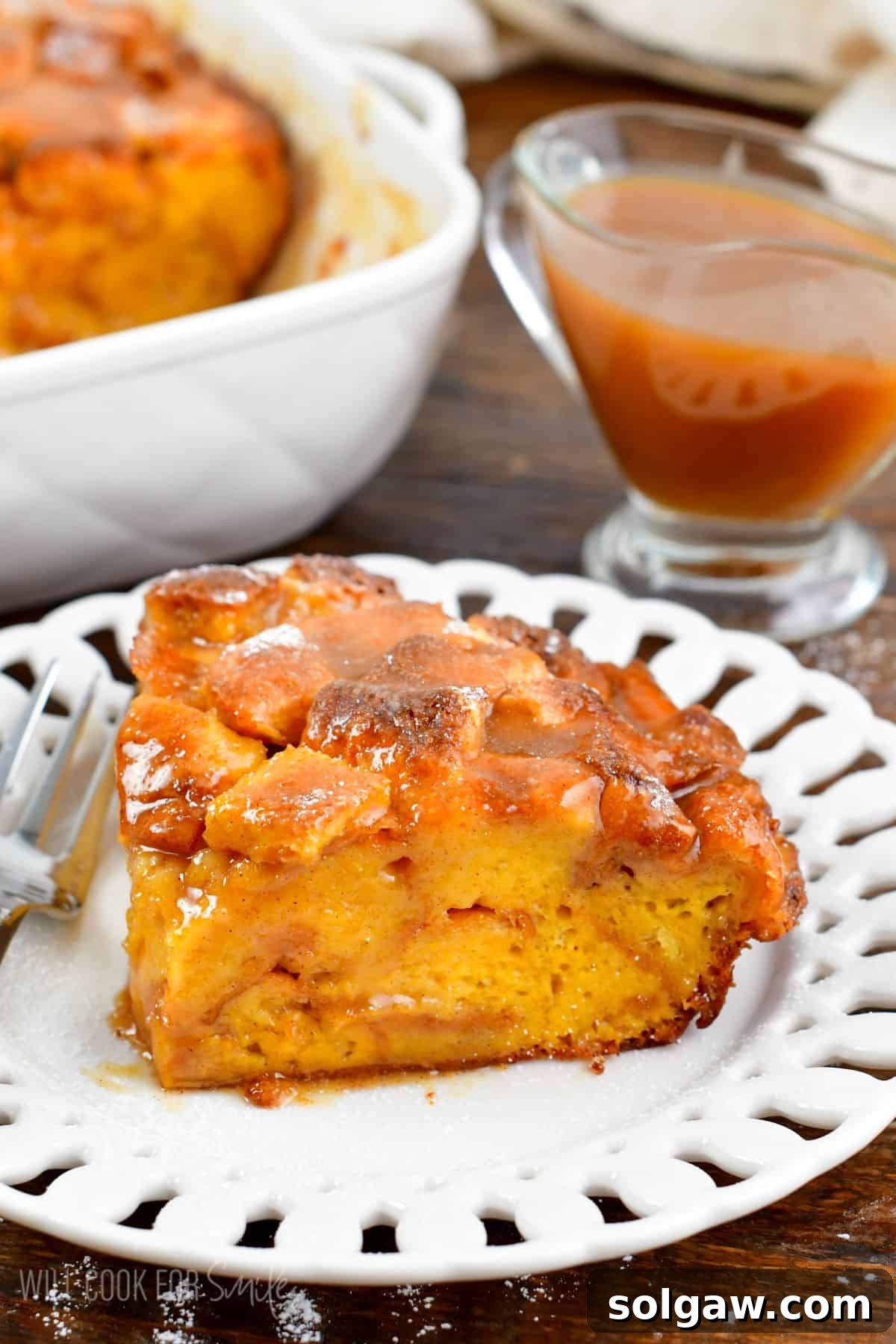
To truly take this French toast dish over the top, we introduce a heavenly sweet buttery syrup. This smooth, creamy, and wonderfully decadent syrup perfectly complements the casserole, infusing it with an extra layer of sweetness and richness. You can generously pour half of this golden elixir over the entire casserole straight out of the oven, allowing it to seep into every crevice, creating an even more flavorful experience. The remaining syrup can be warmed and served alongside individual slices, giving everyone the option to add more of that irresistible goodness to their plate. While the main idea is simple and comforting, remember that you can always customize your French toast casserole with different flavors and toppings to suit your taste, from fresh berries to a dusting of powdered sugar.
Key Ingredients and Smart Substitutions for Your Perfect French Toast Casserole
Crafting the perfect French toast casserole starts with understanding the role of each ingredient and knowing your options for substitutions. Here’s a breakdown to ensure your casserole is a success, even with dietary considerations.
Choosing the Best Bread for Perfect French Toast
- Brioche: Our Top Recommendation: Brioche is unequivocally the number one choice for this casserole. Its soft texture, inherent sweetness, and buttery richness make it absorb the egg custard beautifully, resulting in an incredibly tender and flavorful finished product. It contributes significantly to the casserole’s overall light and fluffy consistency.
- Challah: A Great Alternative: If Brioche isn’t readily available, Challah bread is an excellent substitute. It shares many characteristics with Brioche, including a soft crumb and a slightly sweet flavor, making it ideal for soaking up the custard and baking into a delicious French toast.
- French Baguette or Other Sturdy Breads: While Brioche and Challah are preferred for their texture, a French baguette can also be used. However, be aware that it will result in a denser casserole. The key with any bread is to ensure it is stale. Stale bread is crucial because it acts like a sponge, effectively soaking up the egg mixture without becoming overly mushy or falling apart during baking. This prevents a soggy casserole and ensures a delightful texture.
Crafting the Ideal Egg Custard for Rich Flavor
The egg custard is the heart of any French toast, providing moisture, richness, and flavor. For a truly luxurious and creamy egg mixture, we combine eggs, whole milk, heavy whipping cream, brown sugar, vanilla extract, and cinnamon as a base. This blend creates a wonderfully rich custard that permeates the bread. You can also opt for half and half instead of heavy whipping cream if you desire a slightly lighter, yet still creamy, consistency without sacrificing much flavor.
Navigating Dietary Alternatives: Dairy-Free & Gluten-Free Options
We understand that dietary needs vary, and delicious French toast casserole should be accessible to everyone. Here are some smart substitutions:
- Dairy-Free Options: To make this casserole dairy-free, you’ll need to make a few careful substitutions. Replace whole milk and heavy whipping cream with a good quality oat milk or almond milk. Remember that traditional Brioche bread contains dairy in the form of milk and butter, so it cannot be used for a dairy-free casserole. In this case, a French baguette might be an option, but it’s crucial to check the ingredient labels meticulously for any hidden dairy. Always double-check all bread labels to ensure they are completely dairy-free.
- Gluten-Free Options: For those avoiding gluten, using gluten-free bread is the key. Be mindful that many gluten-free breads can become quite crumbly when soaked, which might affect the casserole’s texture. Through extensive testing, my personal favorite is Schär Artisan White Bread. This particular brand holds up exceptionally well when soaked and baked in a casserole, providing a robust yet tender texture similar to traditional bread. Always ensure your chosen gluten-free bread is designed to withstand soaking for optimal results.
The Secret to Non-Soggy French Toast: How to Stale Bread Effectively
The quality of your French toast casserole heavily relies on the state of your bread. Using stale bread is paramount; it allows the bread to absorb the sweet egg custard without turning into a soggy mess. If your bread is too fresh, it will quickly disintegrate when soaked, leading to a mushy rather than fluffy casserole. Ideally, you can cut your bread into cubes and leave it out at room temperature for 24 hours to air dry. However, if you’re short on time, don’t fret – there’s a quick and easy oven method:
- Preheat your oven to a low 200°F (95°C).
- Cut your chosen bread (Brioche, Challah, or other) into uniform 1-inch cubes.
- Spread these bread cubes in a single, even layer on a large rimmed baking sheet. If you have a large amount of bread, you may need to use two baking sheets to avoid overcrowding.
- Place the baking sheet(s) into the preheated oven.
- Allow the bread cubes to harden and dry out for approximately 1.5 to 2 hours. This gentle heat will effectively stale the bread, preparing it perfectly for soaking without toasting or browning it. Once adequately staled, remove from the oven and let cool slightly before proceeding with the recipe.
A Detailed Guide to Making Your French Toast Casserole
With your bread perfectly staled, it’s time to assemble this delightful breakfast casserole. Follow these steps for a flawless result:
- Prepare Your Baking Dish: Begin by preheating your oven to 350°F (175°C). Lightly grease your chosen casserole dish. A 9×13 inch dish is ideal for a larger family or gathering, or a deep 9×9 inch dish works well for smaller portions. Once greased, pile all your stale bread cubes into the dish, ensuring they are spread as evenly as possible. Don’t forget any small crumbs; they help fill the gaps and absorb extra custard, contributing to a cohesive casserole.
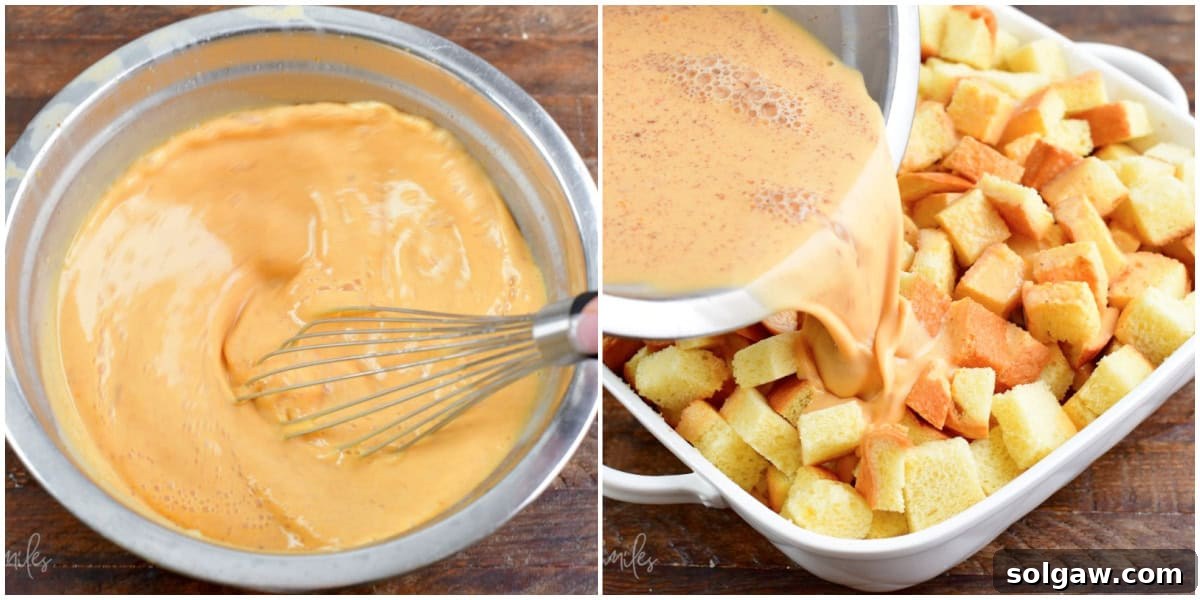
- Whisk the Egg Custard: In a large mixing bowl, combine the eggs, whole milk, heavy whipping cream (or half & half), brown sugar, ground cinnamon, and vanilla extract. Whisk this mixture thoroughly until it is completely smooth and all ingredients are well incorporated. There should be no streaks of egg white or undissolved sugar. This ensures every piece of bread receives an even coating of the rich custard.
- Soak the Bread: Gently and evenly pour the whisked egg mixture over all the bread cubes in the casserole dish. Once poured, use the back of a spoon or your clean hands to give the bread a gentle press all over. This action helps the bread cubes fully submerge and begin soaking up the luscious custard, which is essential for a moist and tender casserole. Allow it to sit for a few minutes to absorb before baking.
- Bake to Golden Perfection: Place the casserole into your preheated oven. Bake for approximately 45-50 minutes. The exact time may vary slightly depending on your oven and the size of your dish (a 9×9 inch dish might take closer to 50 minutes, while a 9×13 inch might be done at 45). You’ll know it’s ready when the top is beautifully golden brown and the center feels firm when gently pressed.
- Lyuba’s Expert Tip for Perfect Browning: If you notice the top of your casserole browning much faster than the center is baking through, a simple trick can save the day. Loosely place a sheet of aluminum foil over the top of the casserole dish. Do not seal it tightly; just let it rest gently. This clever technique will deflect direct heat from the top, preventing it from getting too dark, while still allowing the casserole to bake thoroughly from the inside out without significantly slowing down the cooking process.
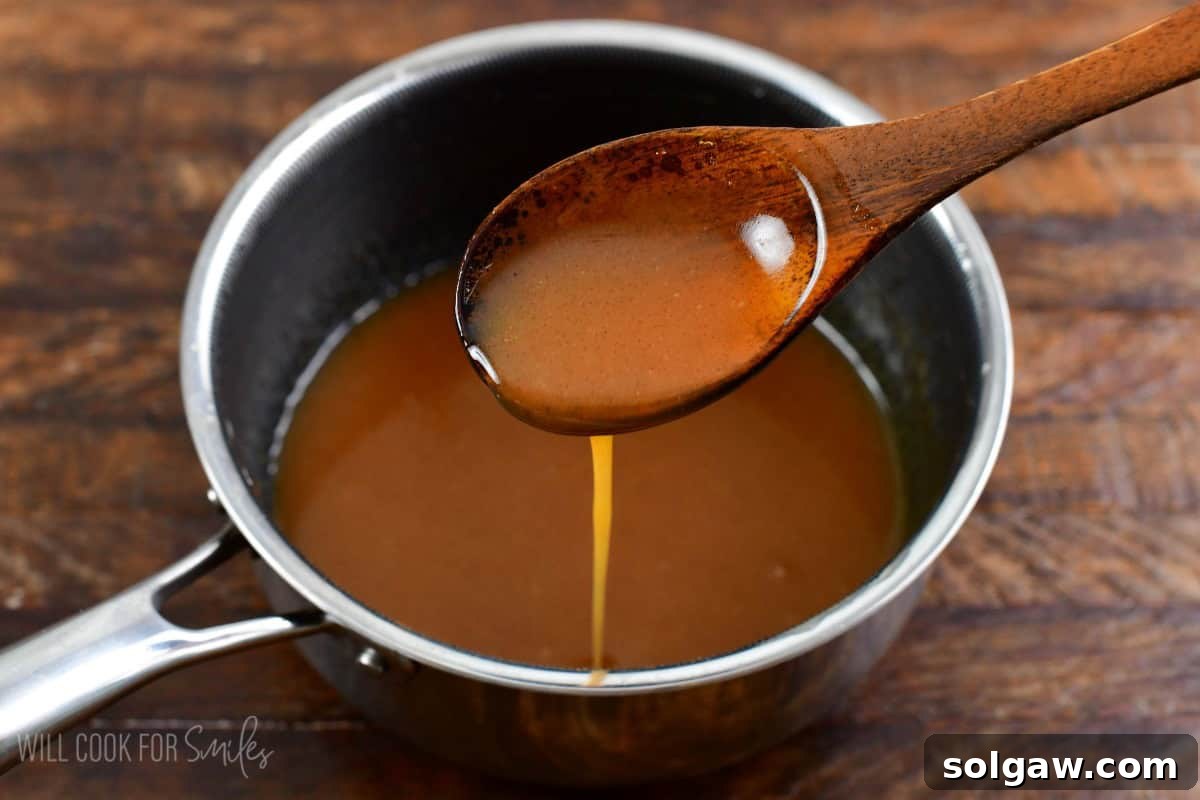
- Prepare the Sweet Buttery Syrup: While the casserole is baking, prepare the irresistible sweet buttery syrup. In a small saucepan over medium-low heat, melt the butter. Once melted, whisk in the powdered sugar until smooth. Bring the mixture to a gentle simmer, stirring occasionally, and let it cook for a couple of minutes to allow the sugar to fully dissolve and the flavors to meld. Next, whisk in the heavy whipping cream, cinnamon, and nutmeg. Continue to heat gently, ensuring the mixture warms through but do NOT let it come to a rolling boil, as high heat can cause the heavy whipping cream to separate or ‘break.’ Remove from heat and stir in the vanilla extract for a final touch of aroma and flavor.
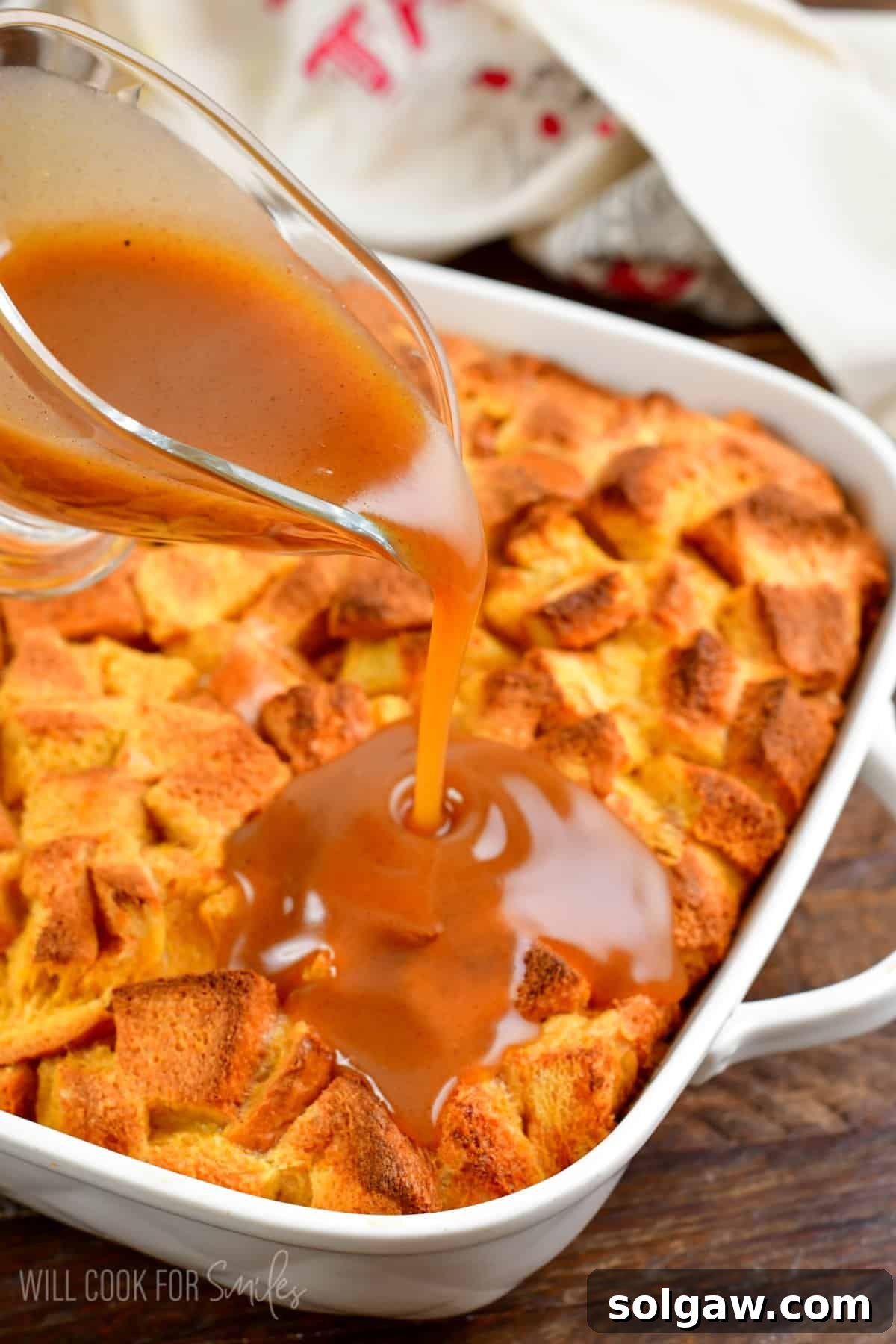
- Serve and Enjoy: Once the French toast casserole is baked and out of the oven, generously pour about half of the warm sweet buttery syrup evenly over the entire top of the casserole. Give it a few minutes to soak in and fully infuse the bread with its decadent sweetness. Save the remaining syrup to add to individual slices, allowing everyone to customize their sweetness level. For an extra touch, you can dust the casserole with a sprinkle of powdered sugar just before serving.
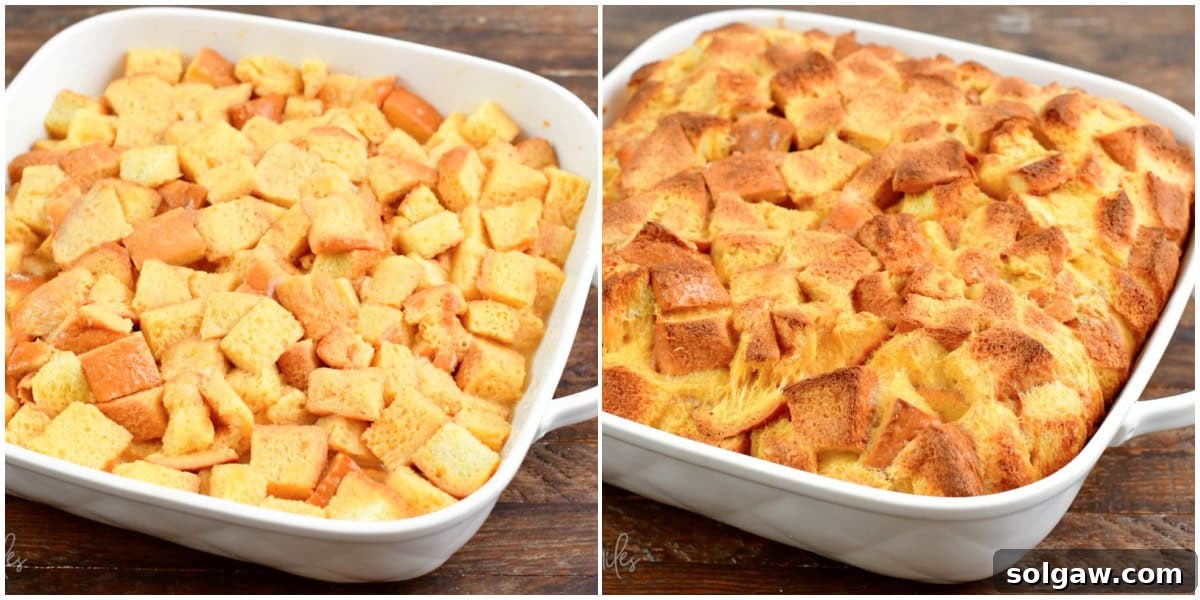
Ensuring Perfection: How to Tell When Your French Toast Casserole is Done
Knowing when your French toast casserole is perfectly baked through is key to achieving that ideal balance of soft interior and golden top. Here are two reliable methods to check for doneness:
- The Gentle Press Test: My go-to method is always to gently touch the very middle of the casserole. A casserole that hasn’t finished baking will feel noticeably jiggly and soft, almost squishy, similar to uncooked custard. As it bakes through, the center will firm up. When you gently press into it, it should feel firm yet yield slightly, indicating that the egg custard has set beautifully.
- Temperature Check with a Digital Thermometer: For absolute precision, especially if you’re new to baking casseroles, an instant digital thermometer is your best friend. Insert the thermometer into the very center of the French toast casserole. You’re aiming for an internal temperature between 170°F and 175°F (77°C-79°C). This temperature range ensures the eggs are fully cooked and safe to eat, while still retaining a moist and tender texture.
Storing and Reheating Your French Toast Casserole with Ease
One of the many benefits of this French toast casserole is how well it stores and reheats, making it perfect for meal prep or enjoying leftovers. Proper storage ensures continued freshness and deliciousness.
Storage Tips for Maintaining Freshness
Once your casserole has cooled to room temperature, you can easily store any leftovers directly in the original baking pan. It’s crucial to cover it air-tight to prevent it from drying out or absorbing refrigerator odors. Use plastic wrap, aluminum foil, or a lid specifically designed for your casserole dish. Stored correctly in the refrigerator, your French toast casserole will remain fresh and delicious for 3-4 days.
Best Ways to Reheat French Toast Casserole
Whether you’re warming up a single slice or an entire dish, there are convenient methods to bring your casserole back to its warm, comforting best:
- Individual Pieces (Microwave): For a quick reheat of individual servings, simply place a slice on a microwave-safe plate. Cover it loosely with a microwave-safe lid or damp paper towel to help retain moisture. Reheat for approximately 1 minute, adjusting the time based on the thickness and size of the piece, until warmed through.
- Large Amounts (Oven): If you need to re-heat a substantial portion or the entire leftover casserole, the oven is the best method to maintain its texture. Preheat your oven to a moderate 325°F (160°C). Place the casserole dish back into the oven and cover it relatively loosely with a sheet of aluminum foil. This helps to gently warm the casserole through without over-browning the top or drying out the bread. Bake for about 30 minutes, or until the center is thoroughly warm. If you prefer a slightly crisper top, you can remove the foil for the last 5-10 minutes of reheating.
Freezing French Toast Casserole for Future Enjoyment
Absolutely! Freezing French toast casserole is an excellent way to prepare ahead for busy mornings or unexpected guests. The key is to ensure it is BAKED first. This helps the structure hold up during freezing and thawing.
- Cool Completely: Allow the entire casserole to cool down to room temperature before attempting to freeze it. Freezing warm food can create ice crystals and affect the texture.
- Choose the Right Container: If you baked your casserole in an aluminum pan, it’s perfectly ready to go into the freezer as is. If you used a ceramic or glass casserole pan, it’s best to transfer the cooled casserole into an aluminum pan or cut it into individual servings and wrap them separately. This makes for easier portioning and thawing.
- Wrap Securely: To prevent freezer burn and maintain freshness, cover the casserole or individual portions air-tight with at least a couple of layers of aluminum foil, followed by plastic wrap.
- Label and Freeze: Clearly label the package with the date and contents. Freeze it for up to 3 months for best quality.
- Thawing and Reheating: When ready to enjoy, thaw the frozen casserole in the refrigerator for up to 24 hours. Once thawed, reheat it using the oven method described above (325°F / 160°C, covered with foil for about 30 minutes or until warm through), adding extra time if still slightly frozen in the center.
Planning Ahead: Can You Make French Toast Casserole in Advance?
Yes, absolutely! This French toast casserole is a fantastic make-ahead dish, perfect for holiday mornings, special brunches, or simply when you want to minimize morning fuss. Preparing it the night before allows the bread to thoroughly soak up the custard, leading to an even more flavorful and moist casserole.
- Assemble the Night Before: Follow all the preparation steps, from staling the bread to pouring the egg mixture over it in the casserole dish.
- Cover and Refrigerate: Once assembled, cover the casserole dish air-tight. You can use plastic cling wrap or the lid that often comes with casserole dishes.
- Store: Place the covered casserole in the refrigerator for up to 24 hours before you plan to bake it. This overnight soak is often favored by many, as it allows the flavors to deepen and the bread to become fully saturated.
- Baking from Cold: When ready to bake, remove the casserole from the refrigerator and bake uncovered per the instructions (350°F / 175°C). However, since the casserole starts cold, please note that it may take an additional 10-15 minutes (or even slightly longer) to bake through compared to baking it immediately. Keep an eye on it and use the doneness tests to ensure it’s cooked perfectly.
PIN THIS RECIPE FOR LATER
DID YOU MAKE THIS RECIPE? PLEASE leave a 🌟 star rating! Let me know how you liked it by leaving the 📝 comment below or share and tag me on social media @willcookforsmiles. DON’T FORGET to subscribe to my newsletter!
French Toast Casserole Recipe
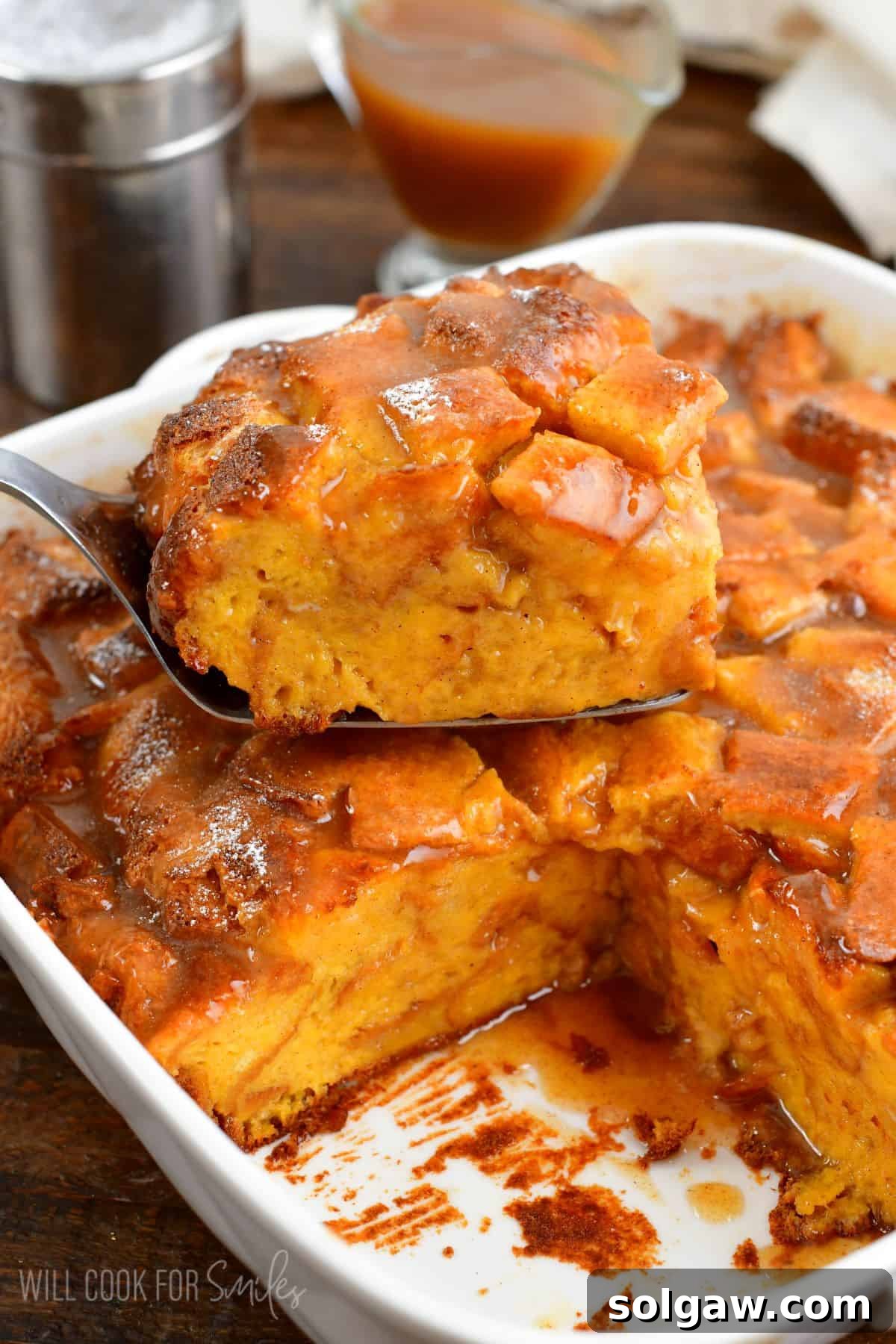
My baked French toast casserole is soft and fluffy with a beautiful crunchy top. This casserole features pieces of stale Brioche bread soaked with a sweet seasoned egg custard flavored with cinnamon and topped with an easy sweet butter syrup.
Average Rating: 5 stars from 6 votes
Print Recipe
Pin Recipe
Watch Video
Rate Recipe (Scroll to Comments)
Ingredients
- 1 lb Brioche loaf (stale, cut into 1-inch cubes)
- 10 large eggs
- 1 1/2 cups whole milk
- 1/2 cup heavy whipping cream (or half & half)
- 1/2 cup brown sugar, packed
- 1 1/2 tsp ground cinnamon
- 2 tsp vanilla extract
Sweet Butter Syrup:
- 1/2 cup unsalted butter
- 1 cup powdered sugar
- 1/2 cup heavy whipping cream
- 1 tsp ground cinnamon
- 1/2 tsp ground nutmeg
- 1 tsp vanilla extract
Optional Topping:
- 2 tbsp powdered sugar, for dusting
Instructions
How To Stale Bread (Choose one method):
- Cut bread into small, 1-inch cubes and spread the pieces evenly on a large baking sheet. Leave out at room temperature for about 24 hours to dry.
- OR (Quick Oven Method): Preheat oven to 200°F (95°C). Cut bread into cubes and spread on a large rimmed baking sheet. Place in the oven for about 1.5–2 hours until hardened. Remove and cool slightly.
French Toast Casserole Preparation:
- Preheat the oven to 350°F (175°C) and lightly grease a 9×13 inch casserole dish (or a deep 9×9 inch dish).
- Spread the stale bread cubes evenly in the prepared baking dish.
- In a large bowl, whisk together eggs, whole milk, heavy whipping cream, vanilla extract, brown sugar, and ground cinnamon until completely smooth and well combined.
- Pour the egg mixture evenly over the Brioche bread cubes. Gently press down on the bread to ensure all pieces are soaked thoroughly.
- Bake for 45-50 minutes (for 9×13 inch dish) or about 50 minutes (for 9×9 inch dish), or until the top is golden brown and the center is firm.
PRO TIP: If the top browns too quickly, loosely cover the casserole with aluminum foil to prevent over-browning while it finishes baking.
Sweet Butter Syrup Preparation:
- In a small saucepan over medium-low heat, melt the unsalted butter.
- Whisk in the powdered sugar. Bring to a gentle simmer, stirring occasionally, for a couple of minutes until sugar dissolves.
- Whisk in the heavy whipping cream, cinnamon, and nutmeg. Heat through gently, but do NOT bring to a rolling boil to prevent the cream from separating.
- Remove from heat and stir in the vanilla extract.
- Once the French toast casserole is baked, pour about half of the warm syrup over the top and let it soak in for a few minutes. Serve the remaining syrup alongside individual slices.
- Optionally, dust with powdered sugar just before serving.
Notes
- How To Check for Doneness: Gently press the center – it should feel firm but slightly yielding. For accuracy, an instant digital thermometer inserted into the center should read 170°F-175°F (77°C-79°C).
- Storage: Store cooled casserole in an air-tight container in the refrigerator for 3-4 days.
- Make Ahead: Assemble the casserole (up to the baking step), cover tightly, and refrigerate for up to 24 hours. Bake uncovered, adding 10-15 minutes to the bake time if starting from cold.
- Freezing: Bake and cool the casserole completely. Freeze in an aluminum pan, covered air-tight with foil and plastic wrap, for up to 3 months. Thaw in the refrigerator for 24 hours before reheating in the oven (325°F/160°C, covered, for 30+ minutes).
Nutrition Information (per serving)
Calories: 453 kcal | Carbohydrates: 40g | Protein: 10g | Fat: 28g | Saturated Fat: 16g | Cholesterol: 251mg | Sodium: 249mg | Potassium: 117mg | Sugar: 21g | Vitamin A: 1100IU | Calcium: 105mg | Iron: 1.1mg
Recipe Video
Craving More Breakfast & Brunch Delights? Explore These Recipes:
- Pumpkin French Toast
- Apple Pie Bread Pudding
- Pumpkin Bread Pudding with Homemade Caramel
- Overnight French Toast Bake
- Pecan Crusted French Toast
Originally published on Will Cook For Smiles in April 2019. This recipe has been updated and expanded for clarity and additional tips.