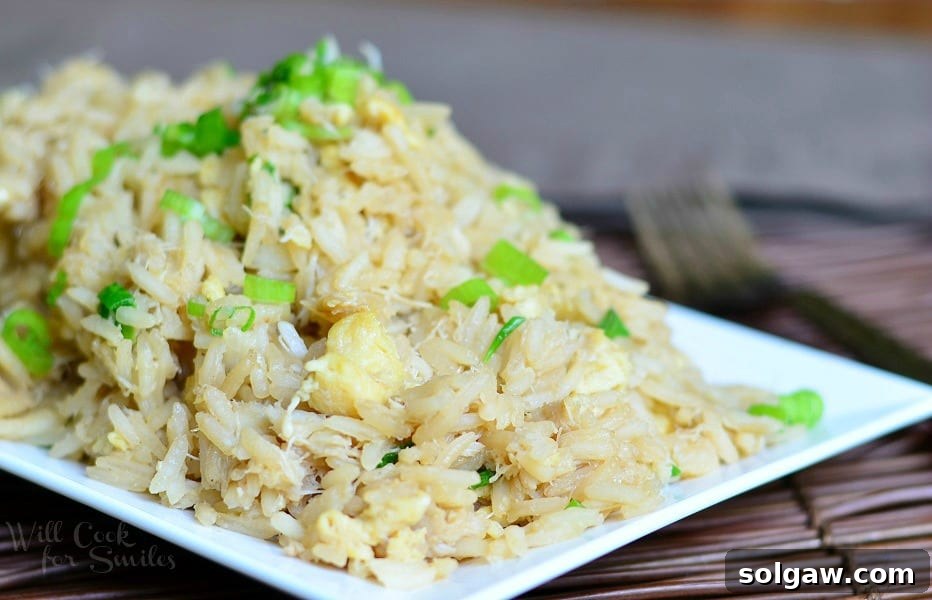
Authentic Thai Crab Fried Rice: Your Ultimate 30-Minute Weeknight Delight
Are you searching for a deliciously satisfying, yet incredibly easy weeknight dinner that can be on your table in under 30 minutes? Look no further! This spectacular Thai Crab Fried Rice recipe is packed with succulent lump crab meat and a symphony of authentic Thai flavors, making it a perfect choice for a quick, flavorful, and memorable meal.
The Irresistible Allure of This Crab Fried Rice
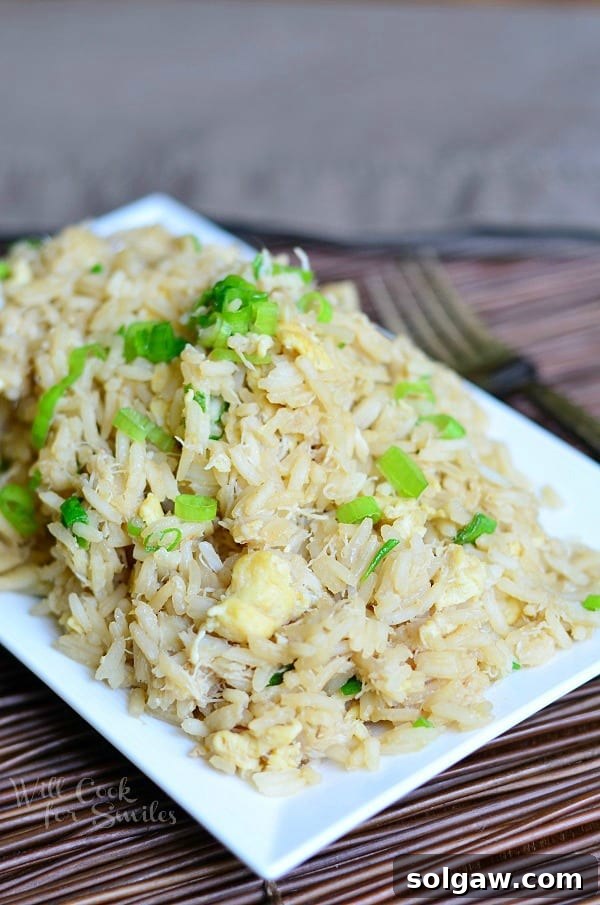
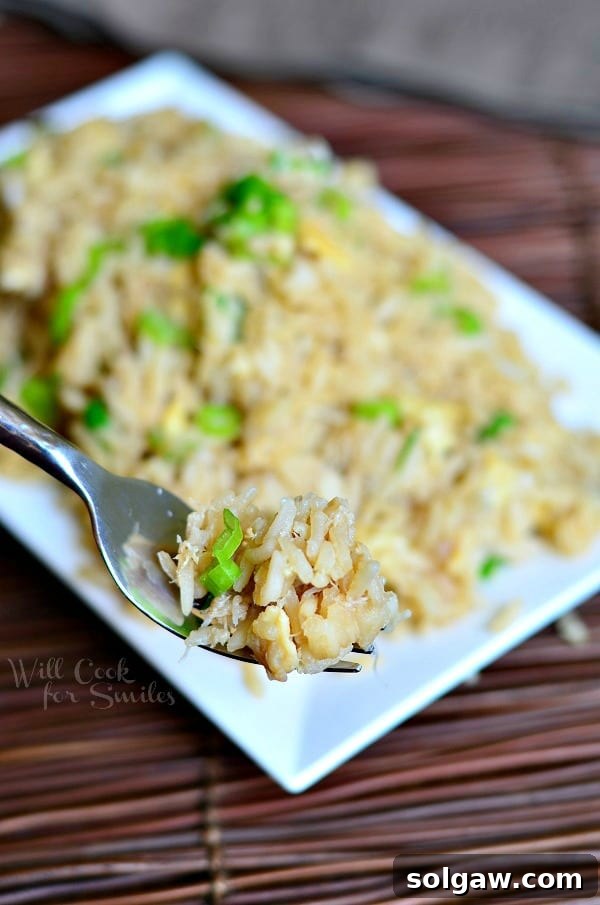
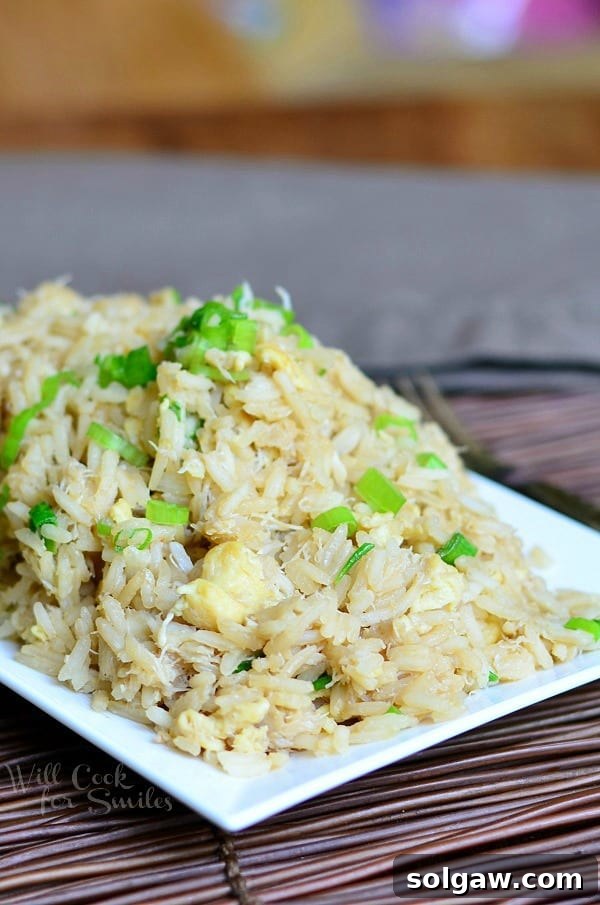
As an ardent lover of both Thai cuisine and fresh seafood, I can wholeheartedly say that this dish is a true culinary gem. What makes this particular fried rice recipe so exceptional is its elegant simplicity. The philosophy here is to allow the star ingredient—the pristine lump crab meat—to truly shine. We deliberately keep the additional ingredients minimal, foregoing an overload of vegetables or complex seasonings. This focused approach ensures that the natural sweetness and delicate texture of the crab remain the absolute highlight of every single bite.
The secret to an unforgettable crab fried rice lies in the quality of your crab. The fresher and higher quality the lump crab meat you can source, the more profound and delightful the flavor of your dish will be. This commitment to primary ingredient excellence, rather than masking flavors with excessive additions, is precisely what makes this simple fried rice so incredibly good and remarkably satisfying. It’s a dish so balanced and flavorful, you’ll undoubtedly find yourself adding it to your regular dinner rotation, enjoying it again and again.
Unlocking the Perfect Fried Rice Texture: The Importance of Your Rice
Achieving that ideal texture for homemade fried rice—where each grain is distinct, slightly chewy, and perfectly coated—hinges significantly on the type and preparation of your rice. The golden rule for best fried rice is to use day-old, cooked Jasmine rice. When rice is cooked and then chilled, it loses much of its moisture content. This reduced moisture is crucial; it prevents the rice from becoming clumpy, soggy, or sticky when stir-fried, allowing it to fry beautifully and absorb the savory sauces without becoming mushy.
However, if you find yourself with only freshly cooked rice, don’t let that deter you from making this incredible seafood fried rice. While it may result in a slightly moister dish, some individuals actually prefer this softer texture. If using fresh rice, a useful tip is to spread it thinly on a baking sheet and let it cool completely, or even air dry for an hour or two, before stir-frying. This helps to evaporate some of the excess moisture. I encourage you to try it both ways to discover your personal preference for the ultimate Thai crab fried rice experience.
Essential Preparatory Tips for a Flawless Dish
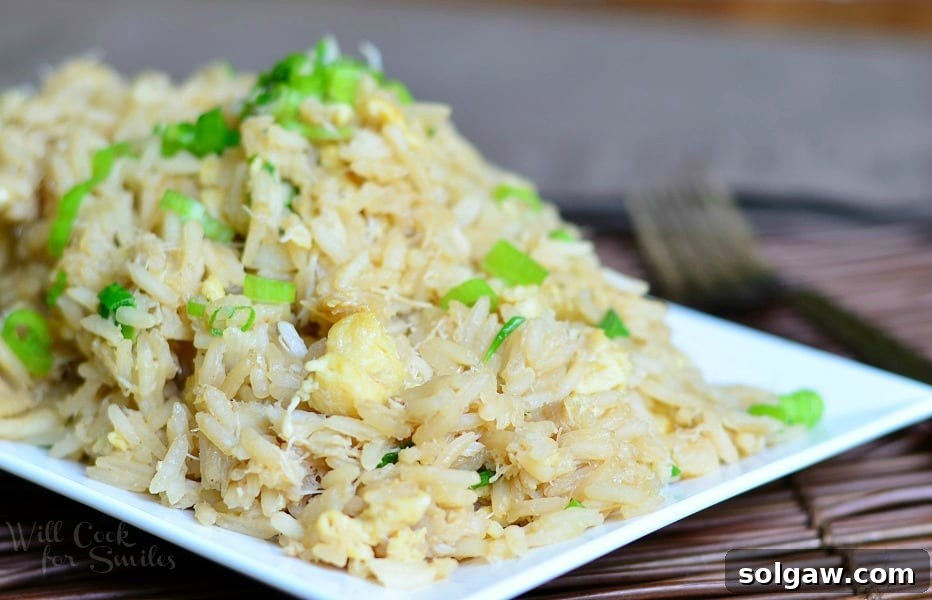
Before you dive into the delightful process of cooking this quick dinner, there is one non-negotiable step when preparing lump crab meat: you must meticulously inspect it for any shell particles. Despite the best efforts of processors, small fragments of shell can sometimes remain. Taking a few extra minutes to gently pick through the crab, little by little, ensures that every spoonful of your Thai crab fried rice is an uninterrupted moment of pure enjoyment, free from any unpleasant surprises. This small step makes a significant difference in the dining experience.
Key Ingredients and Their Impact
While this easy fried rice recipe celebrates simplicity, the quality and type of each ingredient are paramount to achieving its signature authentic Thai flavors. Let’s delve into what makes each component crucial:
- Lump Crab Meat: The undisputed star of the show. Lump crab meat consists of large, tender flakes with an exquisite sweet, ocean-fresh flavor. You can opt for fresh, pasteurized canned, or frozen varieties. Always ensure canned crab is thoroughly drained, and frozen crab is fully thawed and gently squeezed to remove excess water. The fresher the crab, the more it will elevate your seafood fried rice.
- Jasmine Rice: Known for its delicate fragrance and distinct, slightly sticky texture when cooked, Jasmine rice is the traditional foundation for Thai fried rice. Using day-old, chilled rice is key to preventing a mushy outcome.
- Low Sodium Soy Sauce: This staple provides the foundational umami and savory notes. Using a low sodium version gives you more control over the dish’s saltiness, allowing the other flavors to shine without being overwhelmed.
- Oyster Sauce: A cornerstone in Southeast Asian kitchens, oyster sauce contributes a unique savory, subtly sweet, and rich umami depth. Its distinct flavor profile is essential for achieving true Thai fried rice authenticity and should not be omitted.
- Fresh Lime Juice: A squeeze of fresh lime juice right at the end is a game-changer. It introduces a bright, zesty tang that cuts through the richness, balancing the savory elements and adding a refreshing lift characteristic of vibrant Thai cuisine.
- Garlic and Green Onion: These aromatic powerhouses form the savory base of the dish. Freshly minced garlic yields the most potent and delicious flavor. Green onions add a mild, fresh oniony bite and provide a visually appealing garnish.
- Eggs: Scrambled eggs not only add protein but also contribute to the classic fried rice texture and flavor, binding the ingredients together beautifully.
- White Pepper: Offering a milder, earthy heat compared to black pepper, white pepper is a traditional seasoning in many Asian dishes, providing a subtle warmth that complements the other flavors.
Mastering the Stir-Fry: Wok or Pan?
Traditionally, fried rice is prepared in a wok. The wok’s distinctive curved shape allows for incredibly even heat distribution and makes tossing ingredients effortless, which is vital for proper stir-frying. The intense heat of a well-seasoned wok creates that coveted “wok hei”—a smoky, aromatic flavor unique to perfectly stir-fried dishes. However, if a wok isn’t part of your kitchen arsenal, a large, heavy-bottomed skillet or a cast-iron pan can serve as excellent alternatives.
The key, regardless of your chosen cookware, is to heat your pan thoroughly before adding any ingredients. This high heat ensures that the rice fries rather than steams, contributing to that desired slightly crisp, separate grain texture. If you’re cooking a larger batch, consider working in smaller portions to maintain high heat and prevent overcrowding, which can lead to steaming and a soggy result. This technique is fundamental for creating exceptional quick fried rice.
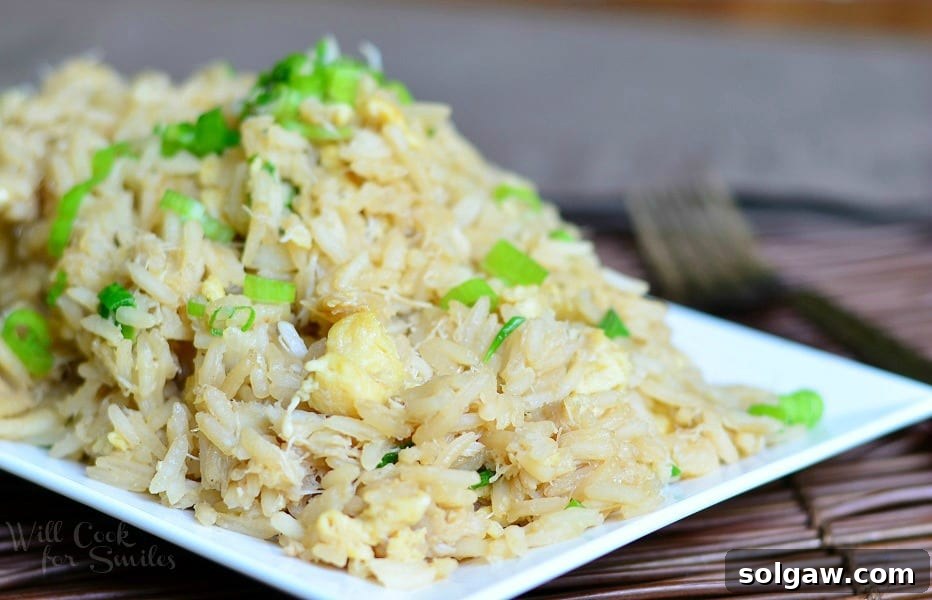
Crab Fried Rice Recipe
A delightful and easy fried rice dish featuring succulent lump crab meat and authentic Thai flavors, ready in under 30 minutes!
Prep Time: 5 minutes
Cook Time: 15 minutes
Total Time: 20 minutes
Servings: 4 servings
Course: Dinner, Main Course
Cuisine: American (with Thai Influence)
Author: Lyuba Brooke
Calories: 238 kcal per serving
Print Recipe |
Pin Recipe
Ingredients
- 3 cups cooked cold Jasmine rice (day-old is highly recommended!)
- 2 Tbsp vegetable oil
- 6 oz lump crab meat, thoroughly inspected for shells
- 2 large eggs
- 2 tsp low sodium soy sauce (for whisking with eggs)
- 1 Tbsp oyster sauce
- 3 garlic cloves, finely minced
- 2 Tbsp chopped green onion, plus additional for garnish
- 1/2 tsp white pepper
- 3 Tbsp low sodium soy sauce (for the rice mixture)
- 1 Tbsp fresh lime juice
Instructions
- In a small bowl, whisk the two eggs with the initial 2 teaspoons of low sodium soy sauce until uniformly blended. Set this mixture aside.
- Heat the vegetable oil in a large wok or a spacious, heavy-bottomed skillet over medium-high heat until it begins to shimmer, indicating it’s hot enough.
- Add the finely minced garlic to the hot oil and sauté for approximately 30 seconds. Cook until it releases a fragrant aroma, being careful to prevent it from burning, which can make it bitter.
- Gently add the meticulously picked lump crab meat to the wok. Sauté for just about one minute, allowing the crab to warm through and absorb the subtle garlic flavor.
- Introduce the cold, cooked Jasmine rice into the wok. Use your spatula or a wooden spoon to break up any clumps of rice and thoroughly incorporate it with the crab and garlic. Ensure the rice is evenly distributed across the cooking surface.
- Carefully push all the rice mixture to one side of the wok, creating a clear, empty space on the other side of the pan.
- Pour the whisked egg mixture into the empty section of the wok. Let it sit undisturbed for a moment, allowing it to cook and set until it’s almost fully cooked but still retains a slight moistness.
- Once the egg is nearly set, begin to scramble and incorporate it into the rice mixture. Break the egg into smaller pieces as you mix everything together until it’s evenly distributed throughout the fried rice.
- Stir in the oyster sauce, the remaining 3 tablespoons of low sodium soy sauce, and the white pepper. Mix vigorously to ensure every grain of rice is coated with the rich and savory sauce.
- Add the chopped green onion to the wok and toss everything together to combine, adding a fresh, aromatic touch.
- Finally, squeeze the fresh lime juice evenly over the entire dish. Give it one last thorough mix to distribute the bright, zesty flavor.
- Serve your freshly prepared Thai Crab Fried Rice immediately. Garnish with an additional sprinkle of fresh chopped green onion for extra color and freshness. Enjoy this truly delightful and quick dinner!
Approximate Nutrition Information (Per Serving)
Calories: 238kcal
Carbohydrates: 36g
Protein: 15g
Fat: 3g
Saturated Fat: 1g
Polyunsaturated Fat: 1g
Monounsaturated Fat: 1g
Trans Fat: 0.01g
Cholesterol: 100mg
Sodium: 1034mg
Potassium: 234mg
Fiber: 1g
Sugar: 0.4g
Vitamin A: 161IU
Vitamin C: 5mg
Calcium: 57mg
Iron: 1mg
Serving Suggestions and Creative Customizations
This exquisite Crab Fried Rice is a remarkably complete and satisfying meal all on its own, offering a perfect balance of protein, carbohydrates, and flavor. However, it also serves as a fantastic base for further culinary exploration and pairs beautifully with a range of accompaniments. Consider serving it alongside a refreshing cucumber salad, a simple clear soup, or some lightly steamed green vegetables to create a more balanced and expansive meal.
For those who appreciate a fiery kick, a sprinkle of fresh bird’s eye chilies (sliced thin) or a drizzle of your favorite chili oil can elevate the heat profile to your liking. While this recipe champions simplicity to ensure the delicate crab flavor takes center stage, don’t hesitate to customize it if you desire. A small handful of frozen peas or corn kernels can be added along with the rice for a burst of color and additional texture. For an extra layer of nutty depth, a few drops of toasted sesame oil can be drizzled over the dish just before serving. We highly recommend tasting the recipe as written first, however, to truly appreciate the pure and authentic Thai crab fried rice experience.
Beyond Taste: The Health Benefits of Crab Fried Rice
Beyond its incredibly delicious taste and remarkably quick preparation time, this Crab Fried Rice offers several notable nutritional advantages. Lump crab meat is an excellent source of lean protein, which is essential for muscle repair and growth. It’s also rich in vital vitamins and minerals, including Vitamin B12 (crucial for nerve function), selenium (a powerful antioxidant), and zinc (important for immune health), all while being naturally low in fat. Jasmine rice provides a readily available source of energy, fueling your body for daily activities. Furthermore, the fresh garlic and green onions contribute beneficial antioxidants and robust flavor without adding significant calories. This makes our Thai Crab Fried Rice not just a delightfully delicious dinner, but also a wholesome and nourishing choice.
Frequently Asked Questions About Our Crab Fried Rice
- Can I use frozen crab meat for this recipe?
- Absolutely! Frozen lump crab meat works well. Just ensure it is completely thawed before use and thoroughly drained to remove any excess moisture, which could make your fried rice soggy.
- What if I don’t have Jasmine rice on hand?
- While Jasmine rice is preferred for its fragrant aroma and optimal texture in Thai fried rice, you can certainly substitute it with other long-grain white rice varieties. The key is still to use cooked, chilled (day-old) rice for the best non-sticky fried rice texture.
- Can I add other vegetables to this fried rice?
- This particular recipe is crafted to highlight the delicate flavor of the crab. However, if you wish to incorporate vegetables, finely diced carrots, peas, or corn can be added along with the rice. Sauté them briefly before adding the rice to ensure they are tender-crisp.
- Is this recipe spicy?
- As written, this Thai Crab Fried Rice recipe is not spicy. Its flavor profile comes from the savory sauces, fresh garlic, and bright lime. If you enjoy heat, feel free to add a pinch of dried chili flakes during cooking or a dash of sriracha or fresh bird’s eye chilies as a topping.
- What kind of wok should I use?
- A carbon steel wok is ideal for stir-frying due to its excellent heat retention and responsiveness. However, a large, non-stick skillet or a cast-iron pan can also be used effectively, ensuring it’s heated sufficiently before you begin.
Discover More Asian-Inspired Culinary Adventures
Explore Other Fantastic Fried Rice Recipes from Fellow Food Bloggers:
Easy Fried Rice from Five Hearts Home
Easy Bacon Fried Rice from Best Recipe Box
Teriyaki Chicken Fried Rice from Wine & Glue
More Delicious Recipes From Will Cook For Smiles:
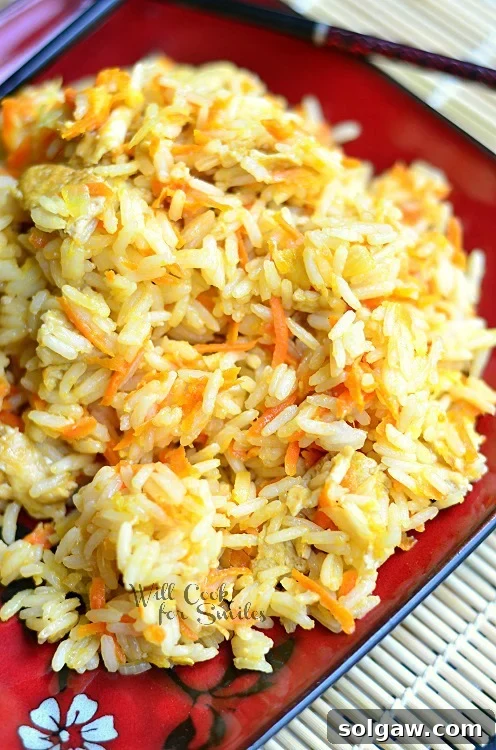
Khao Pad (Classic Thai Fried Rice)
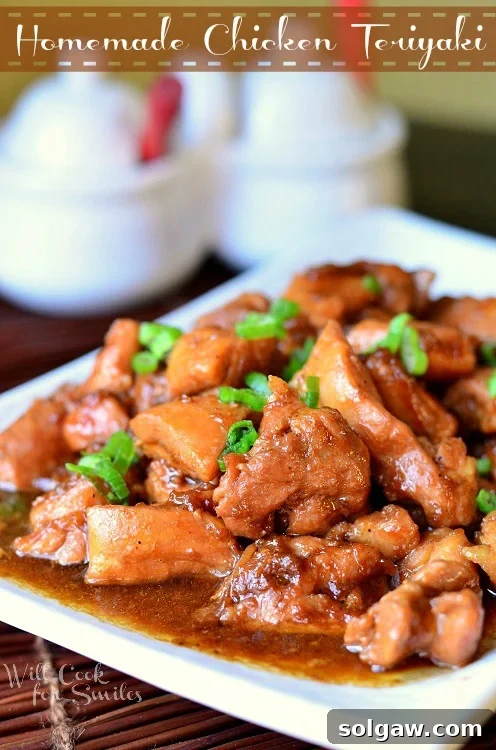
Homemade Chicken Teriyaki
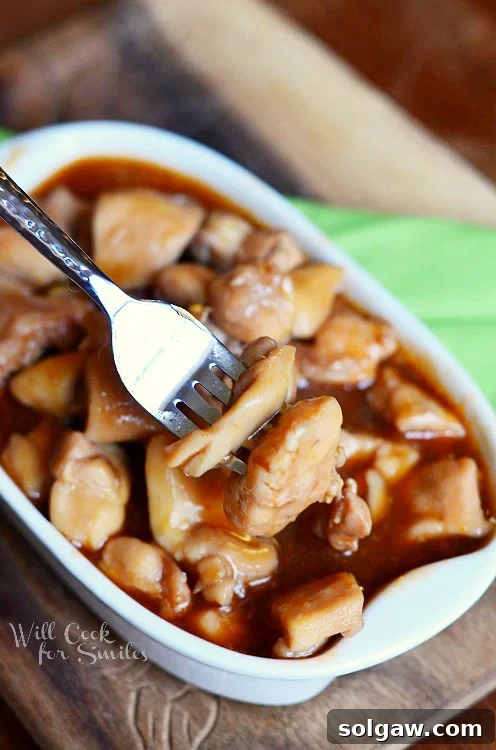
Sweet & Savory Bourbon Chicken
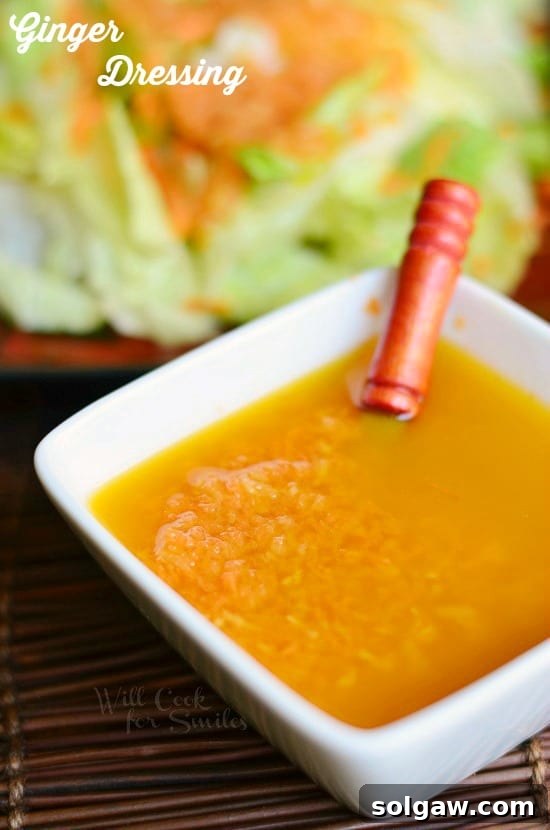
Zesty Homemade Ginger Dressing