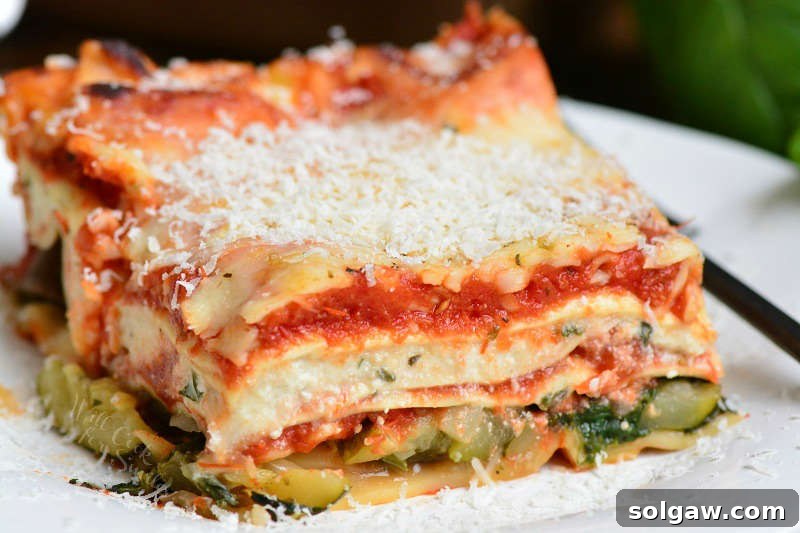
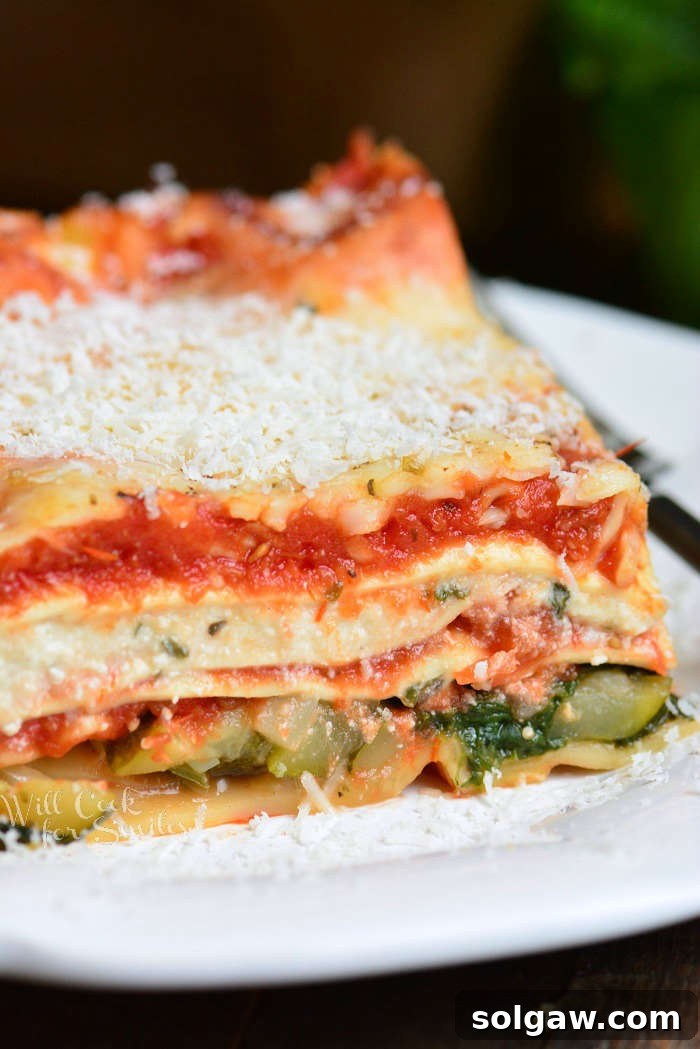
Indulge in Comfort: The Ultimate Homemade Vegetable Lasagna Recipe
There’s a certain magic that happens when fresh, wholesome vegetables meet rich marinara, creamy ricotta, and perfectly al dente pasta. This isn’t just a meal; it’s a celebration of flavors and textures, promising to be one of the most comforting vegetarian dinners you’ll ever create. Whether you’re a seasoned chef or just starting your culinary journey, this ultimate guide to crafting a delicious vegetable lasagna will empower you to create a dish that truly shines. It’s hearty, satisfying, and packed with nutrients, proving that you don’t need meat to make a memorable lasagna. In fact, many find this meatless version even more appealing, thanks to its vibrant medley of garden-fresh ingredients.
Why Vegetable Lasagna is a Fantastic Dinner Choice
For many, the mission to incorporate more vegetables into family meals can feel like an uphill battle. Yet, certain dishes effortlessly win over even the pickiest eaters. Vegetable lasagna is one such culinary triumph. It transforms humble vegetables into a luxurious, deeply flavorful experience that even dedicated meat-lovers won’t miss. The beauty of this dish lies in its robust nature; the carefully selected vegetables provide enough substance to make it incredibly comforting and profoundly filling, banishing any thoughts of a lighter, less satisfying meal.
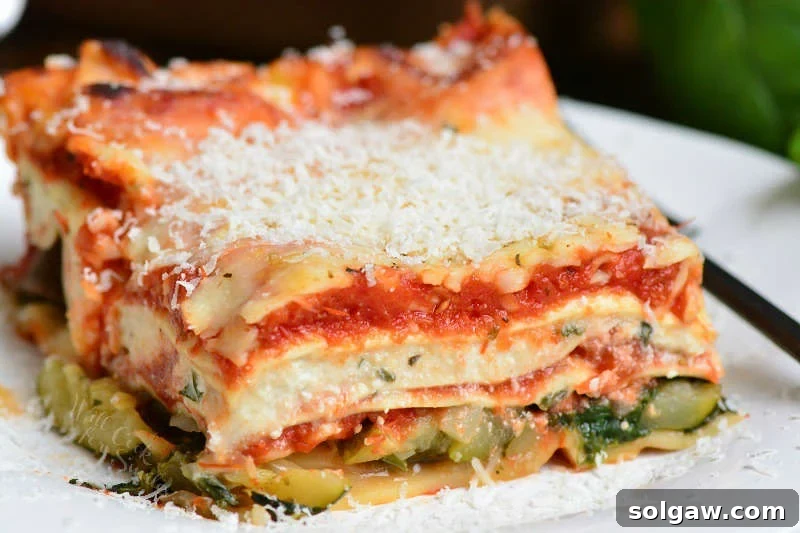
The core selection of vegetables for this lasagna — zucchini, mushrooms, onions, and spinach — are chosen for their ability to complement each other beautifully. Zucchini offers a delicate sweetness and tender texture, mushrooms provide an earthy, umami depth, onions lay a foundational aromatic layer, and spinach wilts down to add a touch of freshness and verdant color. Together, these ingredients create a harmonious blend that stands up wonderfully to the rich cheeses and tangy marinara sauce. But the true genius of vegetable lasagna is its boundless versatility. You are never limited to a fixed set of ingredients; rather, this recipe serves as a canvas for your creativity, inviting you to experiment with whatever fresh vegetables you have on hand, ensuring no two lasagnas are ever exactly the same.
Expanding Your Palate: More Vegetable Options for Lasagna
While our foundational vegetable blend is perfect, the world of vegetables offers endless possibilities to customize your lasagna. Embracing seasonality and personal preferences can elevate your dish to new heights. Here are some additional vegetables that integrate beautifully into a hearty lasagna:
- Yellow Squash: Similar to zucchini, yellow squash adds a subtle sweetness and soft texture.
- Bell Peppers: Red, yellow, or orange bell peppers contribute vibrant color and a sweet, slightly smoky flavor when sautéed.
- Carrots: Finely diced or shredded carrots add a touch of sweetness and extra nutrients.
- Broccoli & Cauliflower: These cruciferous vegetables, when blanched or lightly roasted, add a delightful bite and earthy notes.
- Eggplant: Sliced and roasted eggplant brings a rich, meaty texture and absorbency that works wonderfully.
- Asparagus: Cut into pieces, asparagus adds a fresh, slightly bitter contrast.
- Sweet Potatoes or Butternut Squash: For a sweeter, autumnal twist, thinly sliced or roasted cubes of these root vegetables can be a fantastic addition.
When incorporating a wider variety of vegetables, it’s essential to consider their individual cooking times and moisture content. For denser vegetables like carrots or squash, a brief pre-cook (steaming or roasting) might be beneficial to ensure they are tender in the final dish. Additionally, remember to adjust the overall quantity. If you’re using eight or nine different types of vegetables, you’ll naturally need less of each kind compared to when you’re only using four. The key is to create a balanced mix that doesn’t overpower the other layers of cheese and sauce, ensuring every forkful is a delight.
Mastering the Art of Vegetable Lasagna: A Step-by-Step Guide
Creating the perfect vegetable lasagna involves a few key steps, each contributing to the rich flavor and satisfying texture of the final dish. Precision in preparation and layering ensures a lasagna that’s not just delicious, but also holds its shape beautifully when served.
Preparing the Flavorful Vegetable Layer
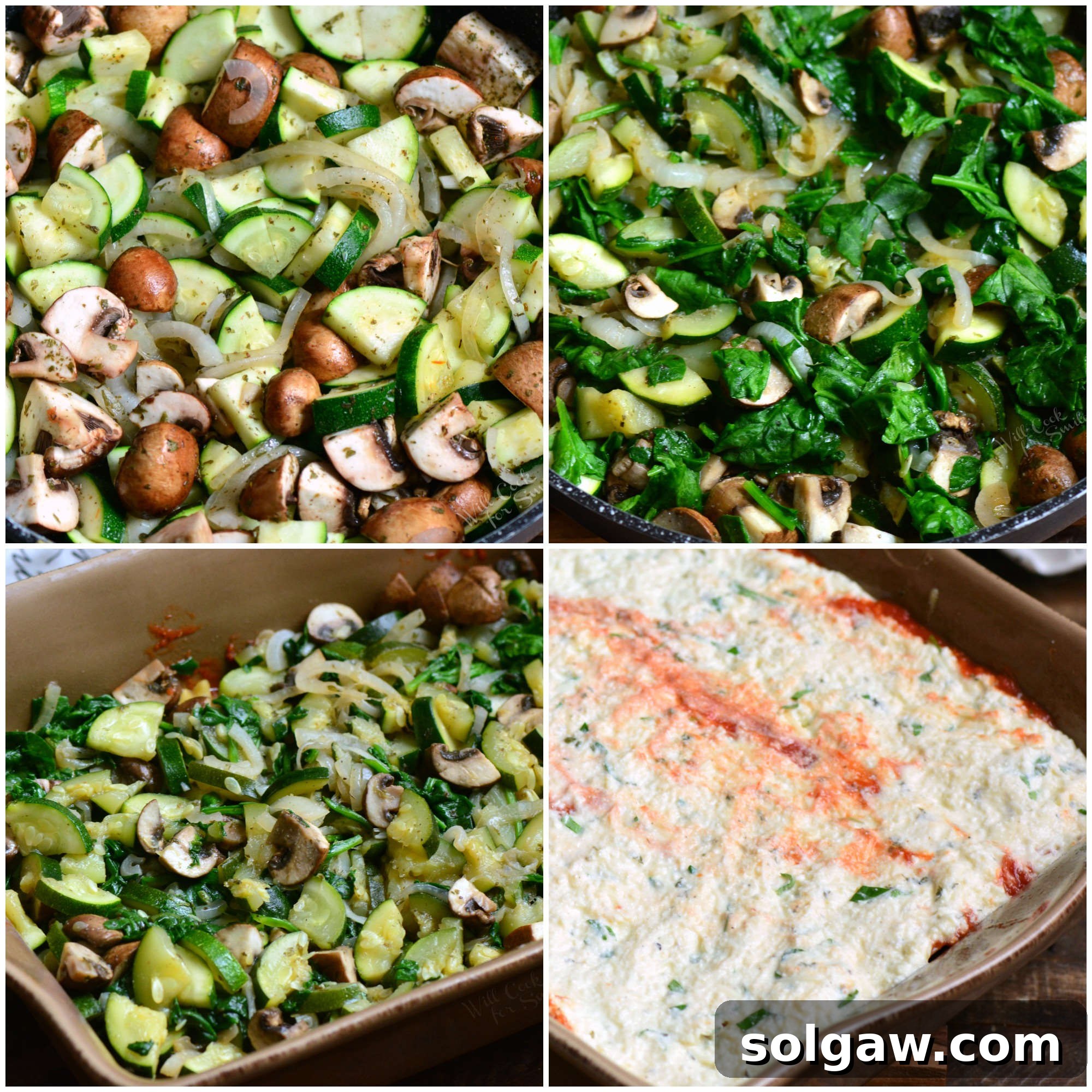
Begin by meticulously preparing your vegetables. Uniformly dice your onions, zucchini, and mushrooms; this ensures even cooking. Finely chop your fresh spinach, and have your garlic ready to be minced or pressed. In a large pan, heat two tablespoons of olive oil over medium heat. Start by sautéing the diced onions until they become translucent and fragrant, forming the aromatic foundation of your vegetable filling. Next, add the zucchini and mushrooms. Cook them down until they soften and begin to release their moisture, which is crucial for flavor development. Finally, stir in the chopped spinach and minced garlic. Cook just until the spinach wilts, which happens quickly. Season your vegetables generously during this cooking process with a tablespoon each of minced parsley and basil, a teaspoon of oregano, a teaspoon of garlic powder, and a good pinch of salt and pepper. Seasoning in layers builds depth of flavor. Once cooked, transfer the vegetables to a colander set over a bowl and allow them to drain thoroughly. This step is paramount: draining excess vegetable juices is essential to prevent your lasagna from becoming watery, ensuring a firm, well-structured dish. Press down gently on the vegetables to extract as much liquid as possible.
Crafting the Creamy Ricotta Layer
The ricotta layer is the heart of any good lasagna, providing a creamy, tangy contrast to the rich marinara and savory vegetables. In a medium bowl, combine 20 ounces of whole milk ricotta cheese, 1.5 cups of an Italian shredded cheese mix (such as mozzarella, provolone, parmesan), one large egg (which acts as a binder to prevent the ricotta from oozing out), two tablespoons of fresh minced basil, half a teaspoon of oregano, one tablespoon of fresh minced parsley, and a good seasoning of salt and fresh cracked black pepper. Mix all these ingredients until just combined. Be careful not to overmix, as this can make the ricotta too thin. Set this creamy mixture aside until you are ready to assemble your lasagna.
Choosing and Preparing Lasagna Noodles
When it comes to lasagna noodles, you generally have two main choices: traditional noodles that require pre-cooking, or “oven-ready” no-boil noodles. The packaging will clearly indicate which type you have. If your noodles require pre-cooking, bring a large pot of salted water to a rolling boil and cook them according to package directions until they are al dente (slightly firm to the bite). Drain them and rinse with cold water to prevent sticking, then lay them flat on a clean surface or parchment paper until assembly. If you opt for dry, oven-ready noodles, ensure that each noodle layer is completely covered by sauce and the moist vegetable and ricotta mixtures. This liquid is what allows the no-boil noodles to soften and cook through during baking, preventing a dry or crunchy lasagna.
The Art of Layering Lasagna: Building Flavor and Structure
Assembling the lasagna is where all your prepared components come together to create a masterpiece. It’s a systematic process that ensures every bite is balanced and delicious:
- Foundation Layer: Lightly grease a 9×13 inch casserole dish on the bottom and up the sides to prevent sticking. Spread about one cup of your favorite marinara sauce evenly over the bottom of the dish. This provides moisture for the first layer of noodles and prevents them from sticking.
- First Noodle & Vegetable Layer: Arrange lasagna noodles in a single, even layer over the sauce. Gently spread half of your cooked, drained vegetable mixture over the noodles. Distribute it as evenly as possible.
- Second Noodle & Sauce Layer: Place another layer of lasagna noodles over the vegetables. Spread about one and a half cups of marinara sauce generously over these noodles, ensuring good coverage, especially if using no-boil noodles.
- Ricotta Layer: Spoon half of the creamy ricotta mixture over the sauce layer. Using the back of the spoon, gently spread it into an even layer. Don’t worry if a little sauce mixes in; it only adds to the flavor.
- Repeat Layers: Place a third layer of lasagna noodles over the ricotta. Spread the remaining half of the vegetable mixture, followed by another layer of noodles, then the remaining ricotta mixture, and finally, the last of the marinara sauce, ensuring the top noodles are well-covered.
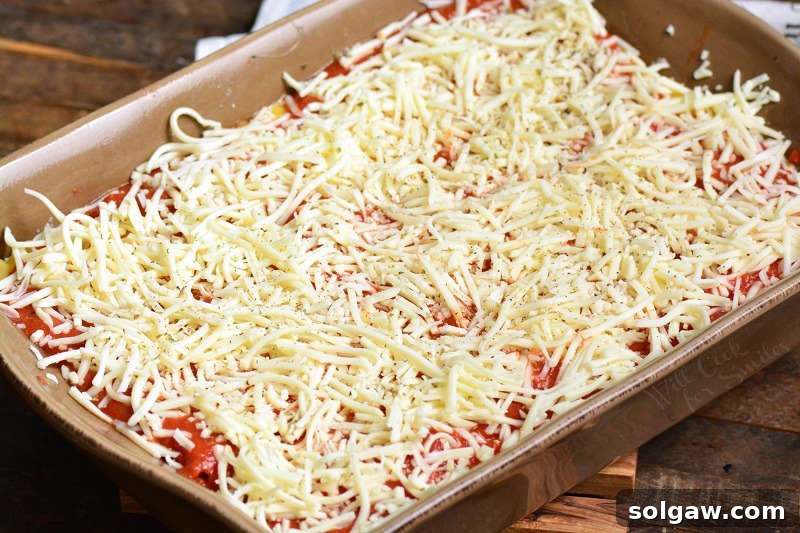
- Cheese Topping: Generously spread eight ounces of shredded Mozzarella cheese over the top layer of sauce, ensuring good coverage for that golden, bubbly crust. Sprinkle an additional teaspoon of oregano over the cheese for added aromatic flavor.
- Prepare for Baking: Lightly spray one side of a sheet of aluminum foil with cooking spray. Cover the lasagna dish with this foil, ensuring the oiled side is facing down and directly touching the cheese. This prevents the cheese from sticking to the foil as it bakes.
Baking Your Perfect Vegetable Lasagna
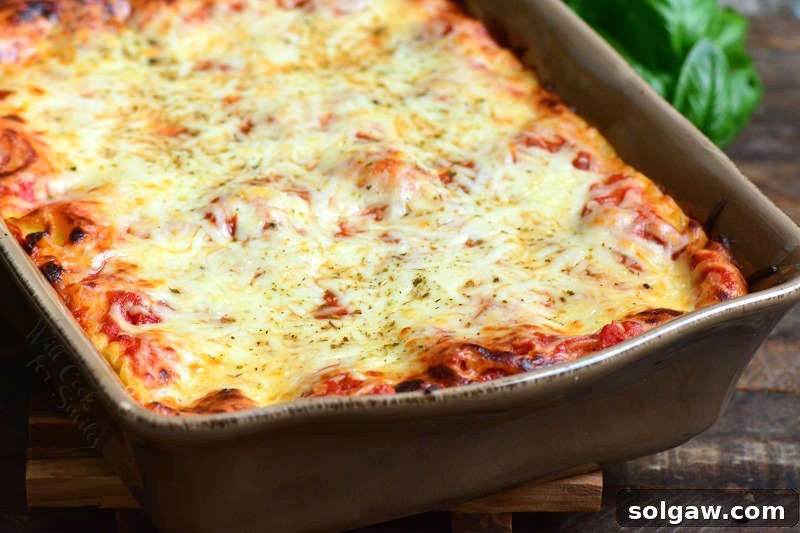
With your lasagna perfectly layered, it’s time for the magic to happen in the oven. Preheat your oven to 350°F (175°C). Place the covered lasagna dish into the preheated oven and bake for 45 minutes. The foil acts as a steam bath, allowing the noodles to cook through and the flavors to meld beautifully without the top layer burning. After 45 minutes, carefully remove the foil. Return the lasagna to the oven and continue baking for another 10-15 minutes, or until the cheese on top is melted, bubbly, and beautifully golden brown. Once baked, it’s crucial to let the lasagna rest for at least 15-20 minutes before slicing and serving. This resting period allows the layers to set, preventing a runny lasagna and ensuring clean, beautiful slices.
Planning Ahead: Make-Ahead & Freezing Options for Convenience
Vegetable lasagna is an ideal dish for meal prep, whether you want to get a head start on cooking or prepare a full meal for a later date. Its components hold up wonderfully, allowing you to enjoy a homemade meal even on your busiest days.
Make-Ahead Instructions for Refrigeration
Absolutely, you can prepare this lasagna ahead of time! This flexibility is one of its greatest advantages. You have two primary options for make-ahead preparation:
- Prepare Components Separately: Cook the vegetables according to the recipe and drain off any excess juices. Once cooled to room temperature, store them in an airtight container in the refrigerator for up to 2-3 days. Similarly, prepare the ricotta mixture and store it separately in an airtight container in the fridge. When you’re ready to assemble, simply layer the cold components as directed in the recipe. There’s no need to heat the vegetables before assembling.
- Assemble the Whole Lasagna: Prepare and assemble the entire lasagna up to the baking step. Once assembled, cover the dish tightly with a sheet of aluminum foil or cling wrap, ensuring it is as airtight as possible to prevent drying. Place it in the refrigerator. This assembled lasagna can be stored for no longer than one day before baking to ensure optimal freshness and food safety.
- To Bake Cold Prepared Lasagna: This is a crucial tip for preventing thermal shock to your casserole dish. When ready to bake, place the cold, assembled lasagna (still covered with foil) directly into a cold oven. Then, set the oven to preheat to 350°F (175°C). This allows the dish and its contents to gradually come up to temperature with the oven, reducing the risk of cracking the dish. Bake according to the recipe instructions, potentially adding an extra 10-15 minutes to the covered baking time since it’s starting from a colder temperature.
Freezing Instructions for Long-Term Storage
Lasagna freezes exceptionally well, making it a fantastic candidate for batch cooking. If you plan on freezing your lasagna, it’s highly recommended to use a disposable aluminum baking pan instead of a ceramic casserole dish. This prevents your valuable bakeware from being tied up and also handles temperature changes better during freezing and thawing. You can use one standard 9×13 inch aluminum pan or divide the recipe into two half-size pans for smaller portions.
- Prepare for Freezing: Assemble the lasagna according to the recipe, stopping just before the baking step. Do not bake it if you intend to freeze. First, wrap the entire pan tightly in plastic wrap, ensuring multiple layers to prevent freezer burn. Then, add another layer of heavy-duty aluminum foil. Label the package with the date and contents (e.g., “Vegetable Lasagna – [Date]”) and place it in the freezer.
- Storage Duration: Properly stored, homemade vegetable lasagna can last for up to 6 months in the freezer without a significant loss of quality.
- To Thaw Lasagna: For best results, plan ahead and transfer the frozen lasagna from the freezer to the refrigerator. Allow it to slow-thaw there for 10-12 hours, or ideally overnight. This gradual thawing helps maintain the integrity of the ingredients and prevents sogginess.
- To Bake Defrosted Lasagna: Once thawed, remove all plastic wrap. Cover the baking pan with a fresh sheet of aluminum foil. You can either place it into a cold oven and preheat as described for make-ahead refrigerated lasagna, or place it into a preheated oven at 350°F (175°C). Bake as directed in the recipe, but increase the initial covered baking time by an additional 10-15 minutes, as the lasagna will still be cold when entering the oven. Remove the foil for the last 10-15 minutes to allow the cheese to brown.
Reviving the Deliciousness: The Best Ways to Reheat Lasagna
One of the many joys of lasagna is how delicious it can be as leftovers. Reheating it properly ensures that every slice tastes just as good, if not better, than the first time around, preserving its comforting texture and rich flavors.
- Reheating Individual Slices (Microwave): For a quick and easy reheat of individual portions, the microwave is your best friend. Place a single slice on a microwave-safe plate. To prevent messy sauce splatters and ensure even heating, I highly recommend using a microwave plate cover. Heat on medium-high for 1-2 minutes, or until thoroughly hot, checking halfway through. The cover also helps to trap moisture, preventing the lasagna from drying out.
- Reheating Leftover Lasagna in the Baking Dish (Oven): If you have a larger portion or the entire baking dish of leftover lasagna, the oven is the superior method for reheating. This ensures even heating throughout and helps to crisp up the edges and cheese, mimicking its freshly baked glory. Cover the casserole dish tightly with aluminum foil. Place the covered baking dish into a cold oven, then set the oven to preheat to 350°F (175°C). This gradual heating process helps prevent thermal shock to your dish and ensures the lasagna heats evenly from the inside out. Reheat for about 30 minutes, or until the lasagna is heated through and the cheese is bubbly. If you desire a crispier top, remove the foil for the last 5-10 minutes of reheating.
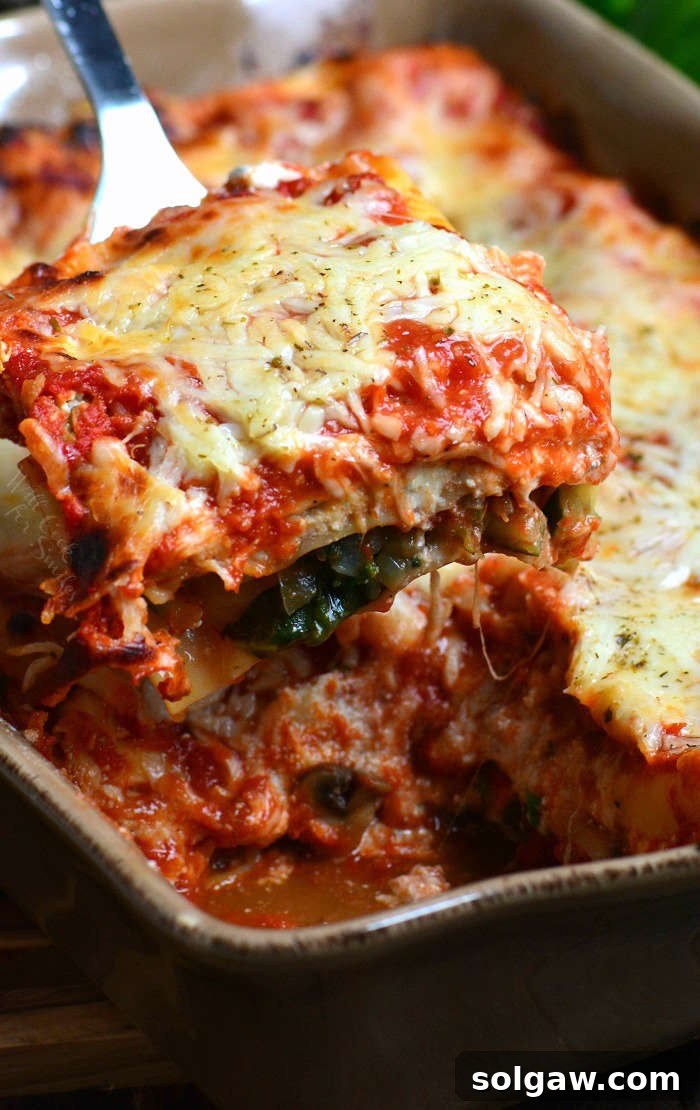
We hope you enjoy this fantastic Vegetable Lasagna recipe as much as we do! It’s a truly versatile and satisfying dish that brings warmth and flavor to any table. Don’t forget to connect with us and share your culinary creations!
Vegetable Lasagna Recipe
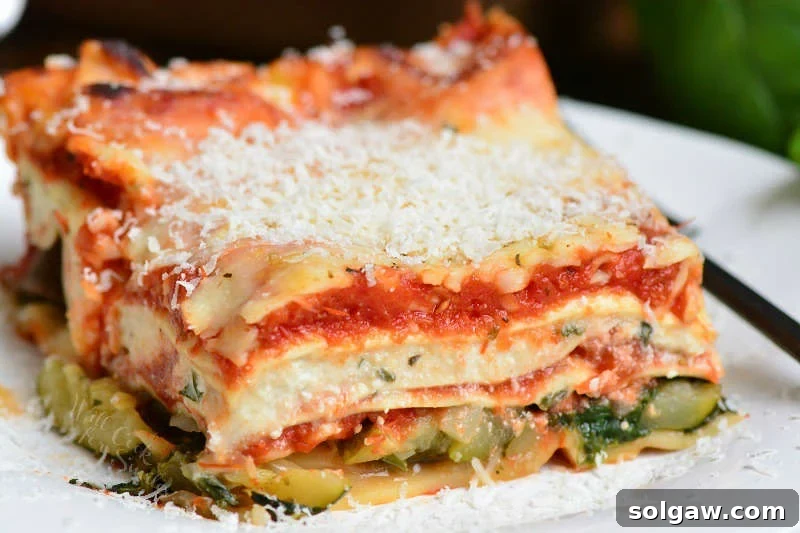
This Vegetable Lasagna is the most comforting vegetarian dinner you will ever try. It is made with layers of mixed vegetables, ricotta cheese, marinara sauce, lasagna noodles, and even more cheese. The combination of onions, zucchini, mushrooms, and spinach is perfect in a lasagna and goes so well with cheeses and simple marinara sauce.
Print
Pin
Rate
Ingredients
Vegetable Layer:
- 2 tbsp olive oil
- 1 Vidalia onion
- 16 oz zucchini (about 2 medium zucchini)
- 8 oz baby bella mushrooms
- 5 oz baby spinach
- 4 garlic cloves
- 1 tbsp minced parsley
- 1 tbsp minced basil
- 1 tsp oregano
- 1 tsp garlic powder
- salt
Ricotta Layer:
- 20 oz whole milk ricotta cheese
- 1 1/2 cups Italian shredded cheese mix
- 1 egg
- 2 tbsp minced basil
- 1/2 tsp oregano
- 1 tbsp minced parsley
- salt
- fresh cracked black pepper
Lasagna:
- 0.75 lb lasagna noodles
- 30 oz marinara sauce
- 8 oz shredded Mozzarella cheese
- 1 tsp oregano
Instructions
Vegetables:
-
Slice onions, chop mushrooms and zucchini into small cubes, and chop spinach. Peel garlic and press it into the pan when instructed.
-
Preheat a large cooking pan over medium heat and add oil. Sauté onions first until translucent, then add zucchini and mushrooms.
-
When zucchini and mushrooms have softened, add spinach and garlic to the pan, stir and cook until spinach is wilted. Season the vegetables generously with salt, pepper, garlic powder, and herbs.
-
Remove vegetables from the pan and drain off excess juice thoroughly in a colander. This step is critical to prevent a watery lasagna.
Ricotta Mixture:
-
In a medium bowl, mix all the ingredients for the ricotta layer until just combined. Set it aside until ready to use.
Assembling Lasagna:
-
Decide on lasagna noodles: either oven-ready (no-boil) or pre-cooked. If pre-cooking, boil them while vegetables cook, drain, and separate once cooled. If using dry no-boil noodles, ensure each layer of pasta is fully covered by sauce to soak up moisture during baking.
-
Lightly grease a 9×13 casserole dish. Spread about one cup of marinara sauce evenly over the bottom.
-
Layer lasagna noodles in one even layer over the sauce, then spread half of the cooked vegetable mixture over them.
-
Add another layer of lasagna noodles over the vegetables, and spread about one and a half cups of marinara sauce over these noodles.
-
Spoon half of the ricotta mixture all over the sauce and spread it into one even layer. (It’s okay if it mixes with the sauce a little.)
-
Top the ricotta with another layer of lasagna noodles. Repeat the layering process with the remaining vegetables and ricotta. For the very top layer, spread sauce evenly and generously over the final layer of noodles.
-
Spread shredded Mozzarella cheese over the top and sprinkle an additional teaspoon of oregano. Spray a sheet of aluminum foil with cooking spray and cover the lasagna dish with the foil, oiled side down.
-
Bake lasagna at 350°F (175°C) for 45 minutes, covered. Then, remove the foil and bake for another 10-15 minutes, or until golden and bubbly. Let rest for 15-20 minutes before serving.
Notes
Bake Cold Lasagna: To bake a refrigerated lasagna, place the unwrapped dish into a cold oven. Then, turn on the oven and allow both the dish and lasagna to preheat with the oven, baking according to recipe instructions with potentially 10-15 extra minutes of covered bake time.
Storing Leftovers: Store leftover lasagna in the refrigerator, covered airtight, for 3-4 days.
Nutrition
More Classic Italian Recipes to Elevate Your Dinner Table
If you’ve fallen in love with the comforting flavors of this vegetable lasagna, you’ll be delighted to explore more classic Italian dishes that bring warmth and deliciousness to your home. Each recipe is designed to be approachable yet incredibly satisfying.
- The Best Lasagna Recipe: For those who love a traditional, meaty lasagna, this recipe is a must-try.
- Italian Meatballs Recipe: Perfect for pairing with pasta or serving as a standalone appetizer.
- Eggplant Parmesan: Layers of tender eggplant, rich sauce, and melted cheese make for another fantastic vegetarian option.
- Baked Ziti: A beloved pasta bake, easy to assemble and always a crowd-pleaser.
- Stuffed Shells Recipe: Large pasta shells filled with a cheesy ricotta mixture and baked to perfection.