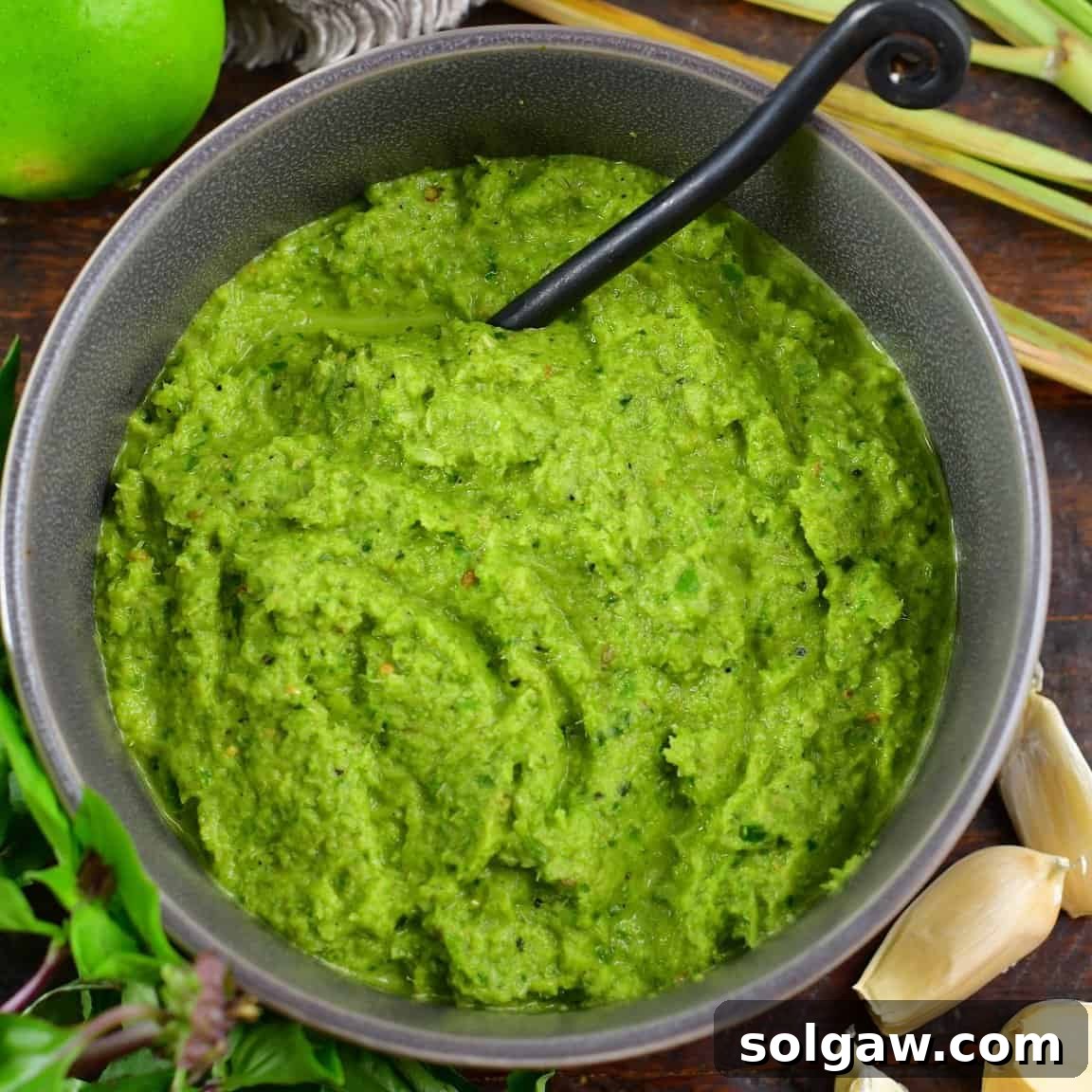
Unlock the secret to vibrant, authentic Thai cuisine by mastering your own homemade green curry paste. This essential ingredient forms the heart of countless beloved Thai dishes, delivering an unparalleled depth of flavor that store-bought varieties simply can’t match. When you craft your paste from scratch, you gain complete control over the spice level, tailoring it perfectly to your palate while ensuring a superior taste experience. Beyond the incredible flavor, making your own green curry paste is remarkably practical – it’s simple to prepare in advance and can be conveniently stored in your freezer, becoming a true weeknight dinner lifesaver.
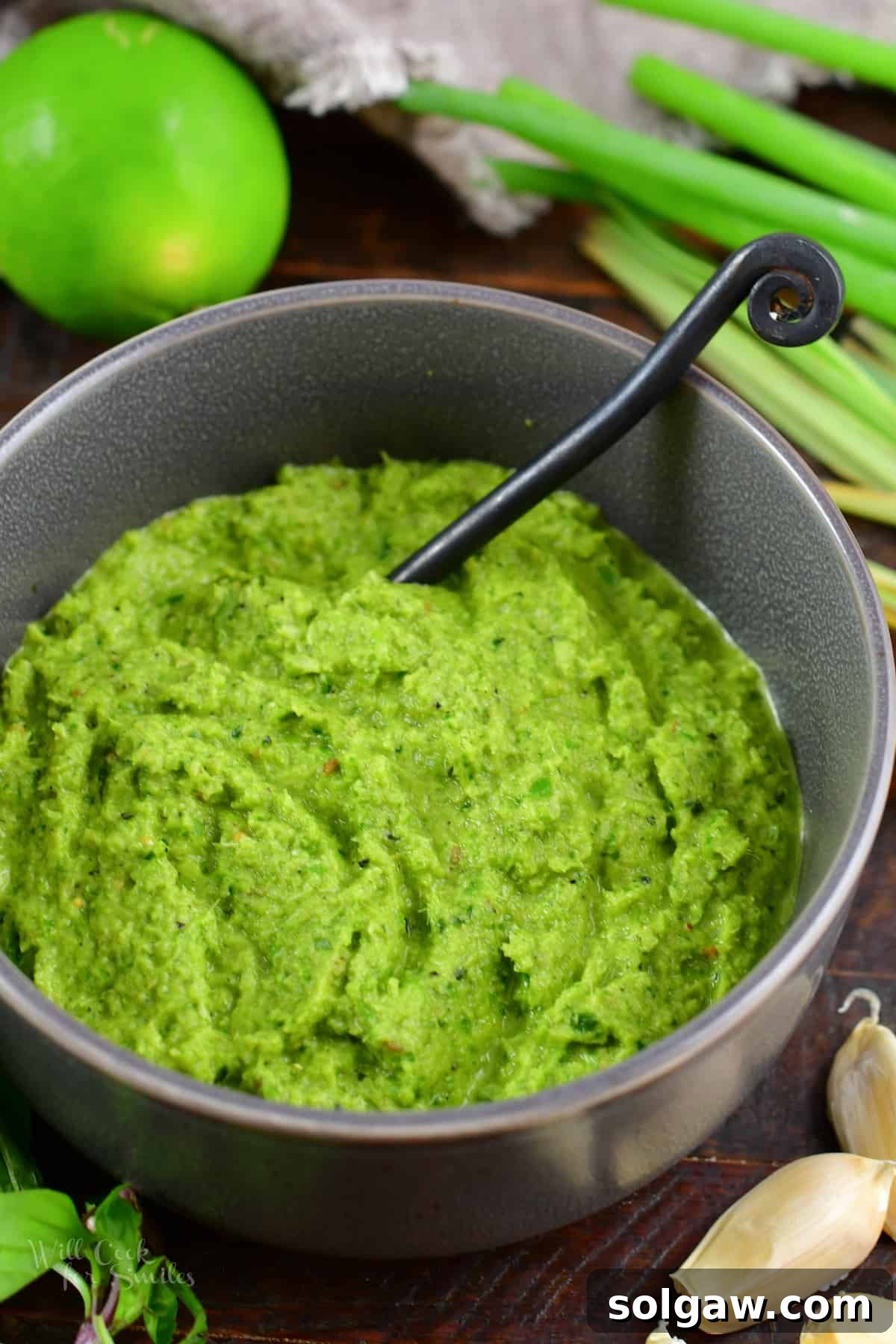
Why Homemade Green Curry Paste Transforms Your Thai Cooking
There are countless reasons to embrace the art of making your own green curry paste, and each bite will remind you why it’s worth the minimal effort. It’s not just a recipe; it’s an experience that elevates your cooking from good to extraordinary.
Unbeatable Freshness and Flavor
First and foremost, the flavor profile is utterly incomparable. The magic of homemade paste lies in the fresh, vibrant ingredients. Each component, from the fiery Thai chilies to the aromatic lemongrass and galangal, bursts with a brightness and complexity that simply cannot be replicated by mass-produced jars. Store-bought pastes often contain preservatives and lack the intensity of freshly ground herbs and spices. When you’re choosing each ingredient yourself, you’re curating a symphony of flavors that is truly superior.
Complete Customization and Dietary Control
Another significant advantage is the unparalleled control it offers. You become the master of your curry. Want it spicier? Add more Thai chilies. Prefer it milder? Adjust the quantity or remove the seeds. This level of customization extends beyond just heat. You can fine-tune the balance of sweet, sour, salty, and umami to perfectly suit your preferences. Furthermore, if you or your family have specific allergies, such as a shellfish allergy, you can easily substitute or omit ingredients like shrimp paste without compromising the overall quality, something impossible with pre-made options.
A Smart, Budget-Friendly Culinary Investment
Making your own paste is surprisingly economical. Most of the core ingredients are inexpensive, especially when sourced from local Asian markets, and they tend to keep well in the refrigerator. A single batch yields enough paste for several meals, offering significant savings compared to buying multiple jars of store-bought paste. This means restaurant-quality Thai food at a fraction of the price, right in your own kitchen.
Convenience and Time-Saving for Busy Lives
While it might seem like an extra step, homemade green curry paste is, in fact, a fantastic time-saver in the long run. One batch can be portioned out and stored in the freezer, ready to transform into a delicious meal whenever you need dinner fast. Imagine arriving home after a busy day, pulling a pre-made portion of this aromatic paste from the freezer, and having a flavorful Thai green curry on the table in minutes. Just remember to thaw it overnight in the refrigerator, and you’ll be set for a quick and satisfying meal like this green chicken curry the very next day. It truly is a weeknight dinner lifesaver!
Essential Ingredients for Authentic Green Curry Paste
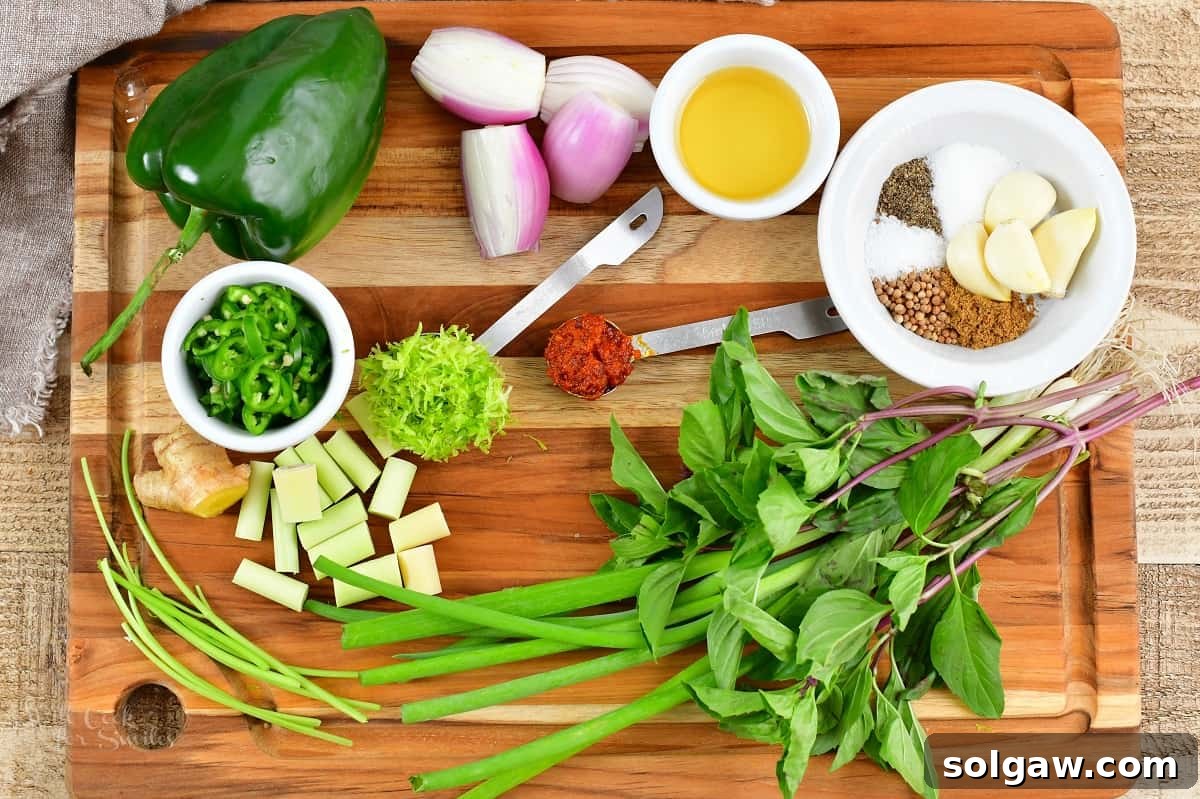
The magic of green curry paste lies in its unique blend of fresh aromatics and spices. While some substitutions are possible in a pinch, for the most authentic and vibrant flavor, I highly recommend seeking out these key ingredients at an Asian market. Their distinctive profiles are what give green curry its signature taste:
- Thai Chili Peppers: These are the backbone of the paste’s heat. Green Thai chilies are traditional, but you can adjust the quantity and type for your desired spice level.
- Thai Basil (or Holy Basil): Provides a sweet, peppery, slightly anise-like flavor that is crucial for green curry. Holy basil offers an even more pungent, spicy note.
- Galangal Root: Often mistaken for ginger, galangal has a sharper, more citrusy, and piney flavor that is fundamental to Thai cuisine.
- Lemongrass Stalks: The white, tender part of the stalk provides a bright, lemony, and floral aroma. While jarred lemongrass paste can be used as a last resort, fresh stalks (the white part, in water if jarred) offer far superior flavor.
- Cilantro: Essential for its fresh, earthy, and citrusy notes. Avoid substituting if possible, as it significantly contributes to the overall freshness.
- Shrimp Paste: A small but mighty ingredient, this fermented paste adds a deep umami flavor and saltiness. It’s very important for authenticity but should be omitted entirely for shellfish allergies.
- Shallots: Milder and sweeter than onions, they provide a subtle allium base.
- Garlic: A universal aromatic that adds depth and pungency.
- Lime Zest: Provides a bright, tangy counterpoint to the rich and spicy flavors. Fresh zest is paramount.
- Coriander Seeds & Ground Cumin: These dried spices add an earthy, warm aromatic complexity to the paste. Toasting the seeds lightly before grinding can enhance their flavor.
- Salt & Black Pepper: Basic seasonings that help balance and enhance all the other flavors.
- Peanut Oil: Used to help blend the ingredients into a smooth paste and carries the fat-soluble flavors.
- White Granulated Sugar: A touch of sweetness to balance the heat and acidity, typical in Thai cooking.
Understanding Galangal Root: The Heart of Thai Aromatics
Galangal root is an indispensable component of authentic green curry paste, contributing a distinctive citrusy, piney, and slightly peppery flavor that sets it apart from other ginger-like rhizomes. Unfortunately, finding fresh galangal can sometimes be a challenge outside of well-stocked Asian markets.
What it is: Galangal (specifically ‘Greater Galangal’) is a root from the ginger family, but its flavor profile is unique. It’s firmer, paler, and has a more pronounced aromatic and somewhat camphorous taste compared to ginger, which is spicier and sweeter. It’s widely used in Southeast Asian cuisines, particularly Thai and Indonesian.
Where to find it: Your best bet is always a local Asian grocery store. Look for firm, fresh roots, often found alongside other fresh herbs and chilies. If fresh is unavailable, you might find frozen sliced galangal, which is a good alternative.
Substitution: If fresh galangal is absolutely impossible to locate, ginger root can be used as a substitute. However, be aware that ginger will impart a different flavor profile. To compensate for galangal’s milder, more citrusy notes, slightly increase the amount of lime zest in your paste. You can also use slightly less ginger than galangal or keep the same amount if you enjoy the stronger, more pungent taste of ginger. Remember, while ginger works, it won’t yield the exact authentic taste that galangal provides.
How to Craft Your Own Green Curry Paste: A Simple Guide
Making green curry paste at home might sound intimidating, but with the right tools, it’s a straightforward process that yields incredibly rewarding results. The general method involves combining all the fresh ingredients and spices, then grinding them into a smooth, fragrant paste.
Tools for the Job: Blender vs. Mortar and Pestle
Historically, authentic Thai curry pastes were meticulously ground using a traditional mortar and pestle. This labor-intensive method, while providing the finest texture and releasing the most intense aromas by crushing rather than cutting the ingredients, can be very time-consuming. While the traditional method is unparalleled for flavor and aroma enhancement, it’s often not practical for modern home cooks.
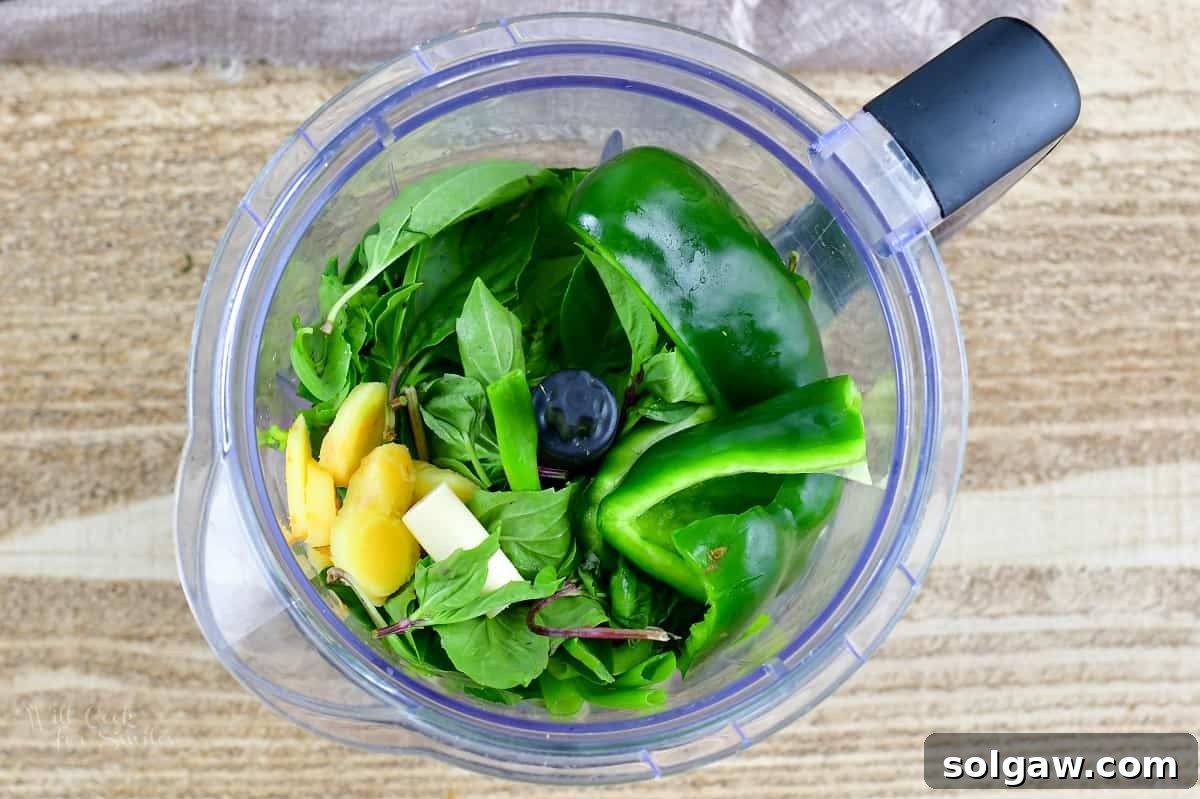
Realistically, for saving time and effort without significant compromise on quality, a powerful blender or food processor is your best friend. It makes the process quick, efficient, and accessible for regular preparation.
The Blending Process
- Start by roughly chopping all your fresh ingredients into smaller pieces. This makes it easier for your blender to process them evenly.
- Place all the chopped ingredients, along with your dry spices, salt, sugar, and peanut oil, into a powerful blender.
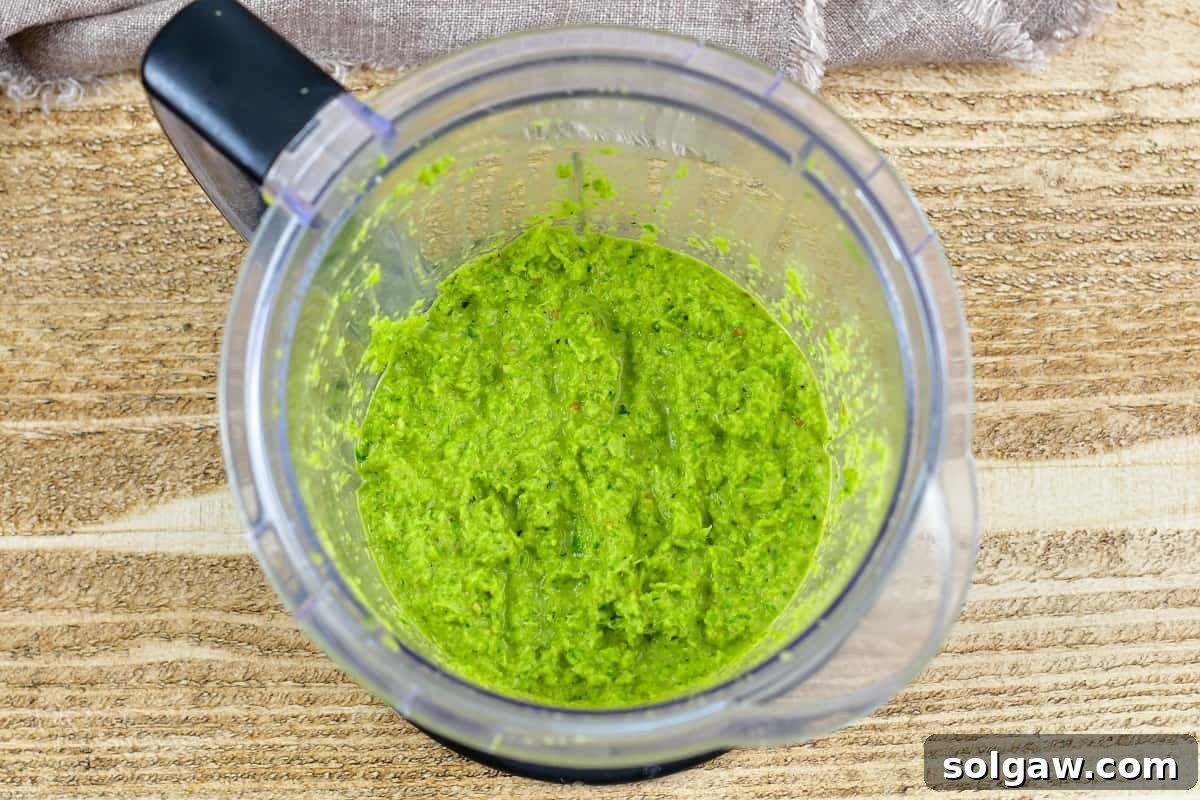
- Pulse the mixture repeatedly. This is a crucial step – you’re aiming for a smooth, cohesive paste, not a watery liquid. You’ll need to stop often to scrape down the sides and bottom of the blender jar with a spatula. This ensures all ingredients are incorporated and blended uniformly.
- Continue pulsing and scraping until a smooth, aromatic paste forms. This may take a few minutes and several stops and starts, especially if your blender isn’t super high-powered. Don’t be afraid to add a tiny bit more oil if the mixture is too dry to blend, but avoid adding water, as it can affect shelf life.
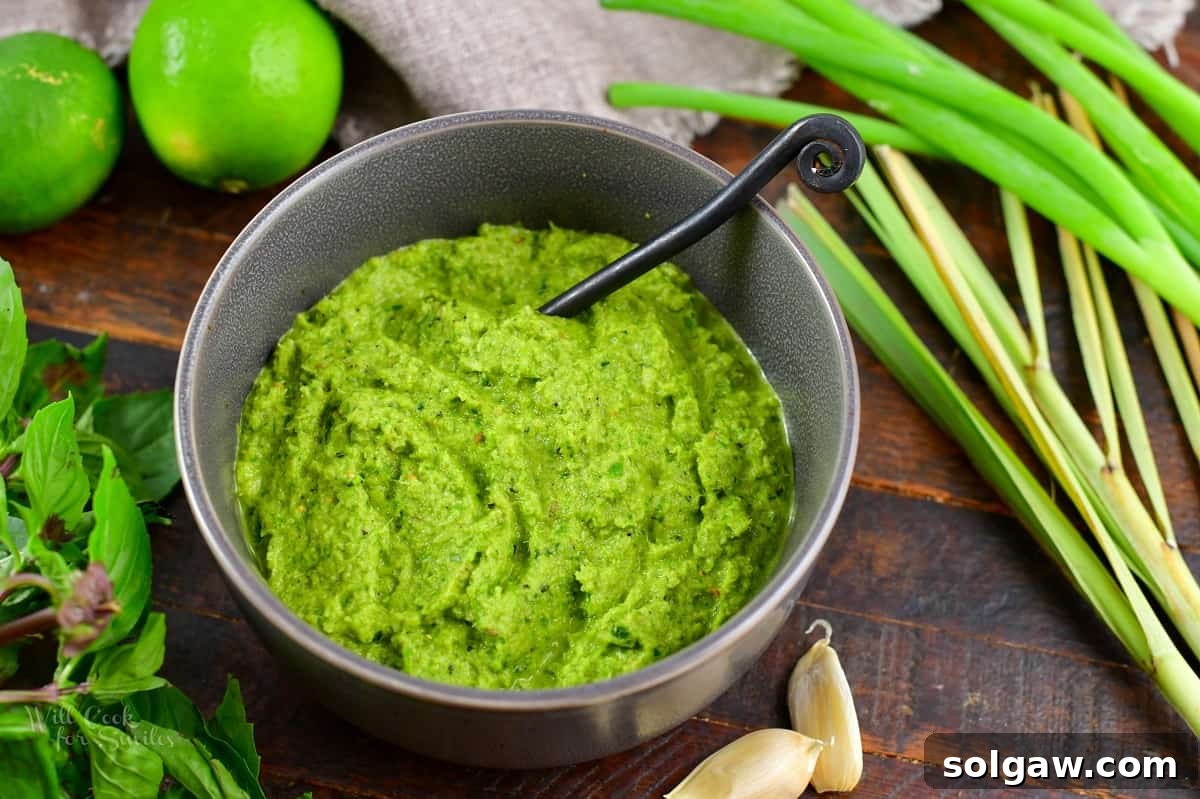
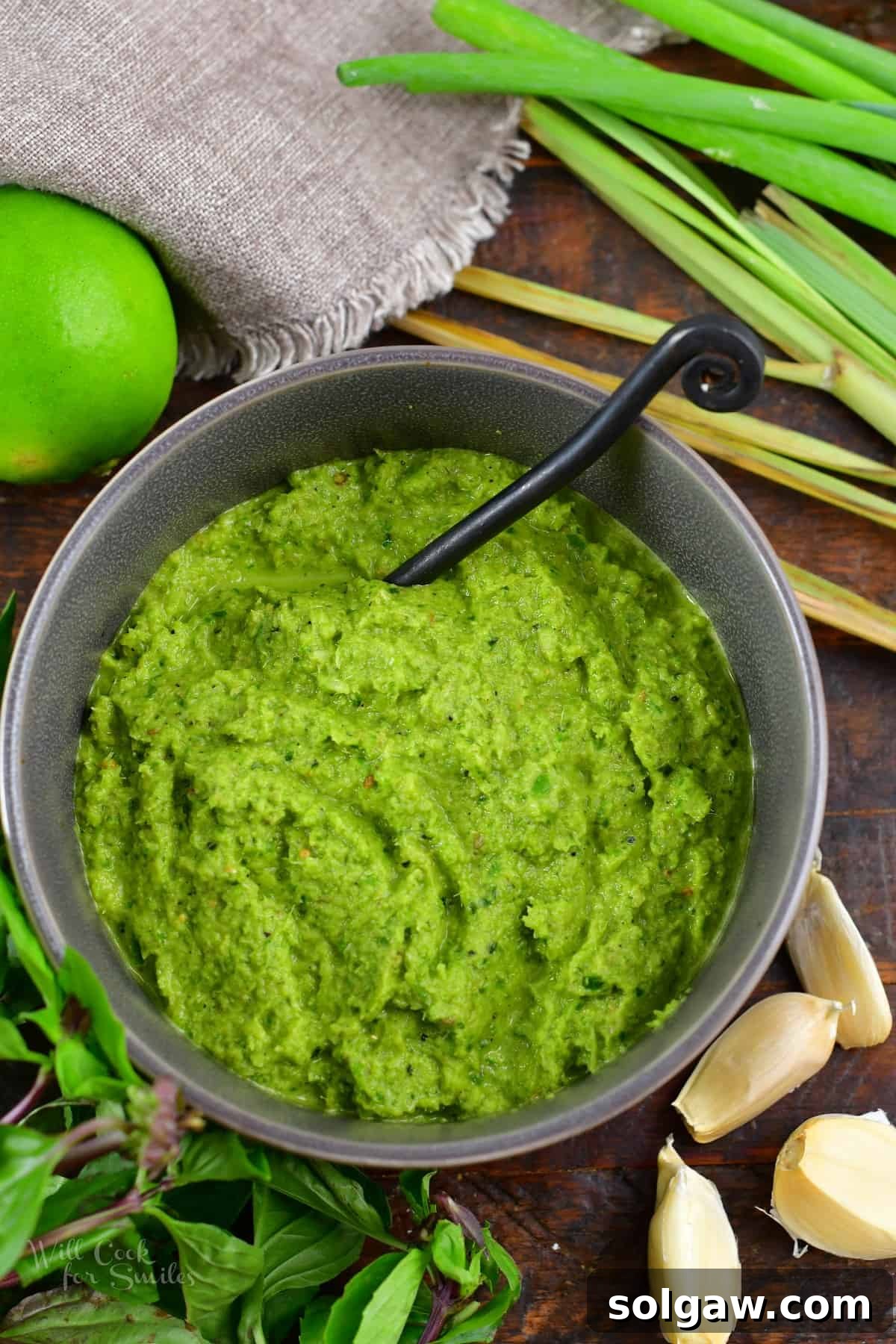
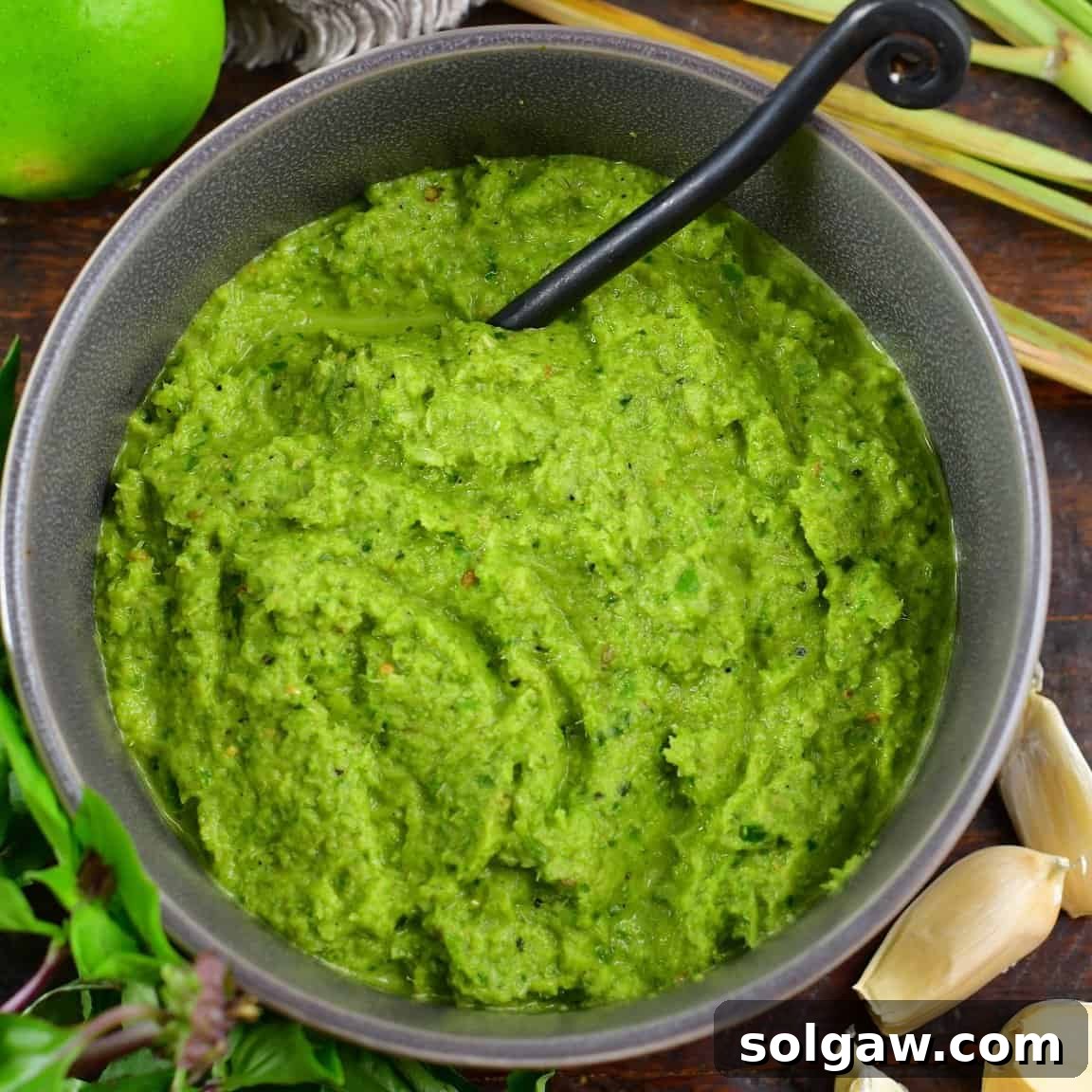
The goal is a thick, homogeneous paste where no large chunks of ingredients remain. The vibrant green color and incredible aroma will tell you you’ve succeeded!
Embracing Tradition: The Mortar and Pestle Method (Optional)
While a blender offers convenience, the traditional method of making curry paste with a mortar and pestle is a truly artisanal experience that aficionados swear by. If you possess the energy, patience, and a high-quality granite mortar and pestle, I highly recommend trying it at least once.
The Traditional Advantage: The primary benefit of using a mortar and pestle is how it breaks down the ingredients. Instead of merely chopping them with blades, a mortar and pestle crushes and grinds the fibers, releasing the essential oils and aromas more intensely. This physical breakdown results in a paste with a deeper, more complex flavor and a finer, more homogenous texture that can be difficult to achieve with a blender.
How to do it:
- Begin with the hardest ingredients first: galangal, lemongrass, and tough chili stems (if using). Pound them thoroughly until they form a coarse paste.
- Add the dried spices (coriander, cumin, peppercorns) and continue to pound until finely ground and integrated.
- Next, incorporate the softer aromatics: shallots, garlic, lime zest, and finally the fresh herbs like Thai basil and cilantro.
- Add the shrimp paste (if using) and a pinch of salt and sugar. Continue pounding, gradually incorporating the peanut oil, until everything is combined into a smooth, fragrant paste.
This process requires dedication and muscle, but the enhanced flavor and aroma are often considered worth the effort for a truly authentic paste.
DID YOU MAKE THIS RECIPE? Please leave a 🌟 star rating! Let me know how you liked it by leaving a 📝 comment below or share and tag me on social media @willcookforsmiles. DON’T FORGET to subscribe to my newsletter!
Green Curry Paste Recipe
Print
Pin
Rate
Ingredients
- 4-6 green Thai chili peppers add a couple more if you want spicier
- 1 poblano pepper*
- 1 inch galangal root
- 3 limes – zest only
- 5 garlic cloves
- 1/2 cup Thai basil leaves
- 2 shallots
- 3 lemongrass stalks, white only
- 3 scallion stalks
- 5-6 cilantro stems
- 1 tsp shrimp paste**
- 2 tsp coriander seeds
- 1/2 tsp coarse salt
- 1 tsp ground cumin
- 1/2 tsp black pepper
- 2 tbsp peanut oil
- 1 tsp white granulated sugar
Instructions
-
Tip for working with spicy peppers: Always remember to wear gloves when handling spicy peppers, and avoid touching your face or eyes. Wash your hands thoroughly afterwards.
-
Chop all ingredients as finely as possible before placing them into a powerful blender or food processor. Smaller pieces will help achieve a smoother paste.
-
Pulse the ingredients to blend until a smooth paste forms. You will need to stop frequently to scrape down the sides and bottom of the blender jar to ensure all ingredients are evenly mixed and ground.
(It may require several pulses and scrapes to achieve the desired consistency.)
Storing Homemade Green Curry Paste:
-
For short-term storage, transfer the curry paste into an air-tight glass container with a lid. It will keep fresh in the refrigerator for 4-5 days.
Freezing for Long-Term Freshness:
-
Homemade green curry paste freezes exceptionally well, allowing you to keep it for several months. I highly recommend making a double batch to portion out. Divide the paste into about 1/3 to 1/2 cup servings. Freeze these portions in air-tight freezer bags (pressing out all air) or freezer-safe containers.
To use frozen paste, always thaw it slowly in the refrigerator overnight to maintain its texture and flavor.
Notes & Tips
For those who love it hot and spicy, stick within the higher range of Thai chili peppers (6-8), and consider adding a couple of serrano peppers for an extra kick.
To achieve a milder paste, reduce the number of Thai chili peppers (aim for 3-4 for a gently spiced paste, up to 5-6 for medium heat). You can also use milder peppers such as poblano, jalapeño, or other mild chili varieties readily available in your region.
Another effective way to reduce heat is to remove the seeds and the white membrane from the chili peppers before blending. These parts contain most of the capsaicin, which is responsible for the spice.
**Shellfish Allergy Considerations: If you or anyone consuming the curry has a shellfish allergy, simply omit the shrimp paste entirely. While it adds a layer of umami, the paste will still be incredibly flavorful due to the abundance of fresh herbs and spices.
Sourcing Ingredients: For the most authentic flavors, visit an Asian market for ingredients like fresh Thai chili peppers, galangal, lemongrass, and Thai basil. If fresh galangal is unavailable, a suitable substitute is ginger, but slightly increase the lime zest to compensate for galangal’s unique citrusy notes.
Optimal Blending: Ensure your blender is powerful. If the mixture is too thick to blend smoothly, add a very small amount of peanut oil (not water) to help it along. Avoid adding too much liquid, as it can make the paste watery and reduce its shelf life.
Nutrition
Delicious Ways to Use Your Homemade Green Curry Paste
Once you have a batch of this vibrant green curry paste, a world of flavorful Thai dishes opens up. Beyond the classic chicken green curry, here are some inspiring ideas to put your homemade paste to delicious use:
- Classic Thai Green Curry with Chicken or Tofu: The most obvious and beloved choice! Sauté your paste, add coconut milk, protein (chicken, shrimp, tofu, or vegetables), bamboo shoots, and a handful of fresh Thai basil for a truly authentic experience.
- Green Curry Seafood: Elevate your seafood dishes by marinating fish, shrimp, or squid in a bit of green curry paste before grilling or adding it directly to a simmering seafood curry.
- Vegetarian & Vegan Curries: The paste is naturally vegetarian (if omitting shrimp paste). Use it with an array of vegetables like eggplant, bell peppers, green beans, potatoes, and mushrooms for a hearty and flavorful meat-free meal. Pair with firm tofu or tempeh for added protein.
- Green Curry Fried Rice: Stir-fry cooked rice with a spoonful of green curry paste, eggs, vegetables, and your choice of protein for a fragrant and spicy fried rice that’s far from ordinary.
- Marinades: Mix green curry paste with coconut milk, a splash of soy sauce, and a touch of sugar to create an incredible marinade for chicken skewers, pork chops, or even firm white fish before grilling or baking.
- Green Curry Noodle Soup: Add a tablespoon or two of paste to your favorite broth with coconut milk, noodles, and fresh herbs for a comforting and aromatic soup.
- Curried Roasted Vegetables: Toss vegetables like cauliflower, broccoli, or sweet potatoes with a little paste and oil before roasting for a flavorful side dish.
Experiment with your homemade paste, and you’ll discover its versatility in adding an authentic Thai flair to countless recipes!
Frequently Asked Questions About Homemade Green Curry Paste
Here are some common questions to help you on your green curry paste journey:
Can I make this paste without a blender?
Yes, traditionally, green curry paste is made with a mortar and pestle. It requires more effort but yields a paste with a finer texture and potentially deeper flavors as the ingredients are crushed, releasing more essential oils. If you have the time and a sturdy mortar and pestle, it’s worth trying.
What if I can’t find fresh galangal or lemongrass?
For galangal, fresh ginger root can be used as a substitute, but increase the lime zest slightly to mimic galangal’s citrusy notes. For lemongrass, look for jarred lemongrass stalks packed in water rather than paste, if possible, as it retains more flavor. Fresh is always best, but these are viable alternatives.
How long does homemade green curry paste last?
In the refrigerator, stored in an airtight container, it will last for 4-5 days. For longer storage, it can be frozen for several months (up to 3-4 months) in airtight freezer bags or containers. Thaw slowly in the refrigerator before use.
Can I make a larger batch?
Absolutely! Doubling or even tripling the recipe is highly recommended, especially since it freezes so well. Having pre-portioned paste ready in your freezer makes weeknight cooking incredibly convenient.
Is this paste gluten-free?
Yes, all the ingredients in this recipe are naturally gluten-free. Always double-check any store-bought ingredients (like shrimp paste, though ours is usually pure) if you are highly sensitive, but generally, homemade green curry paste is a safe choice for a gluten-free diet.
Explore More Authentic Thai Recipes at Home
- Homemade Chicken Satay with Peanut Sauce
- Authentic Thai Basil Chicken (Pad Krapow Gai)
- Savory Pad See Ew (Thai Noodles)
- Flavorful Thai Fried Rice (Khao Pad)
- Classic Pad Thai Noodles