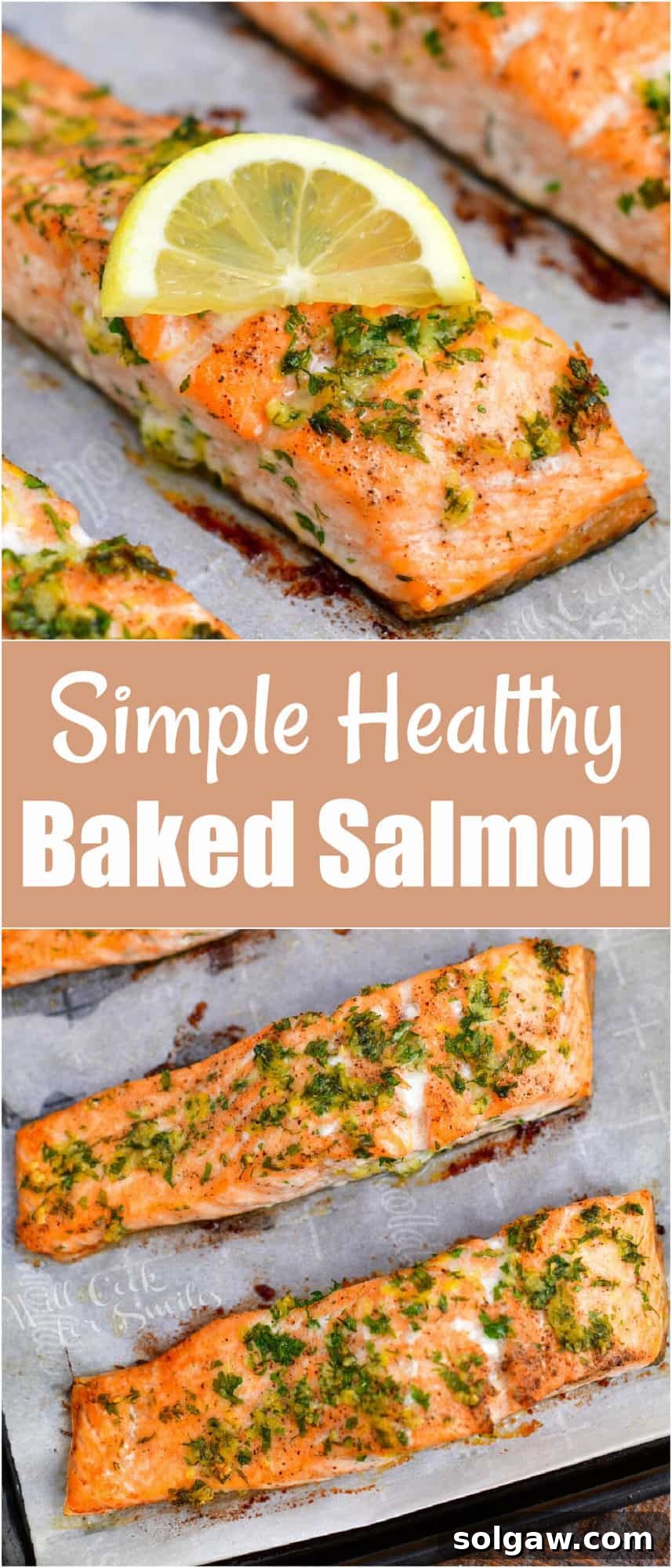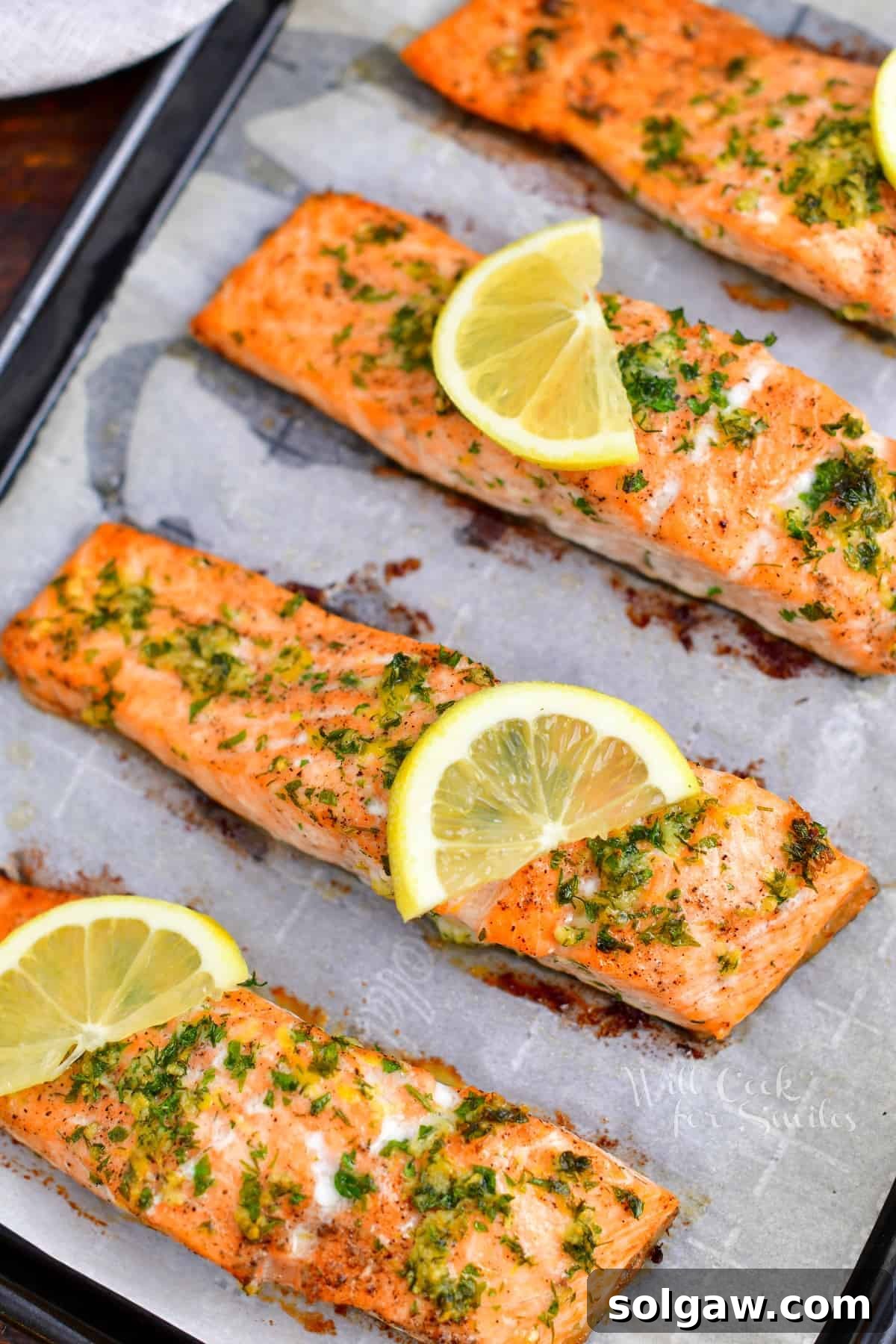
Discover the ultimate healthy baked salmon recipe – incredibly easy to prepare and perfect for any day of the week! Infused with aromatic herbs, bright lemon, and savory garlic, this dish bakes to perfection in just about 20 minutes, offering a simple yet elegant meal solution.
If you’re exploring more delicious and healthy salmon preparations, be sure to try my Sun-dried Tomato Baked Salmon, the flavorful Cajun Baked Salmon, or the satisfying Avocado Salmon Bowl. Each recipe offers a unique twist on this incredibly versatile fish.
Why Salmon Deserves a Spot in Your Weekly Meal Plan
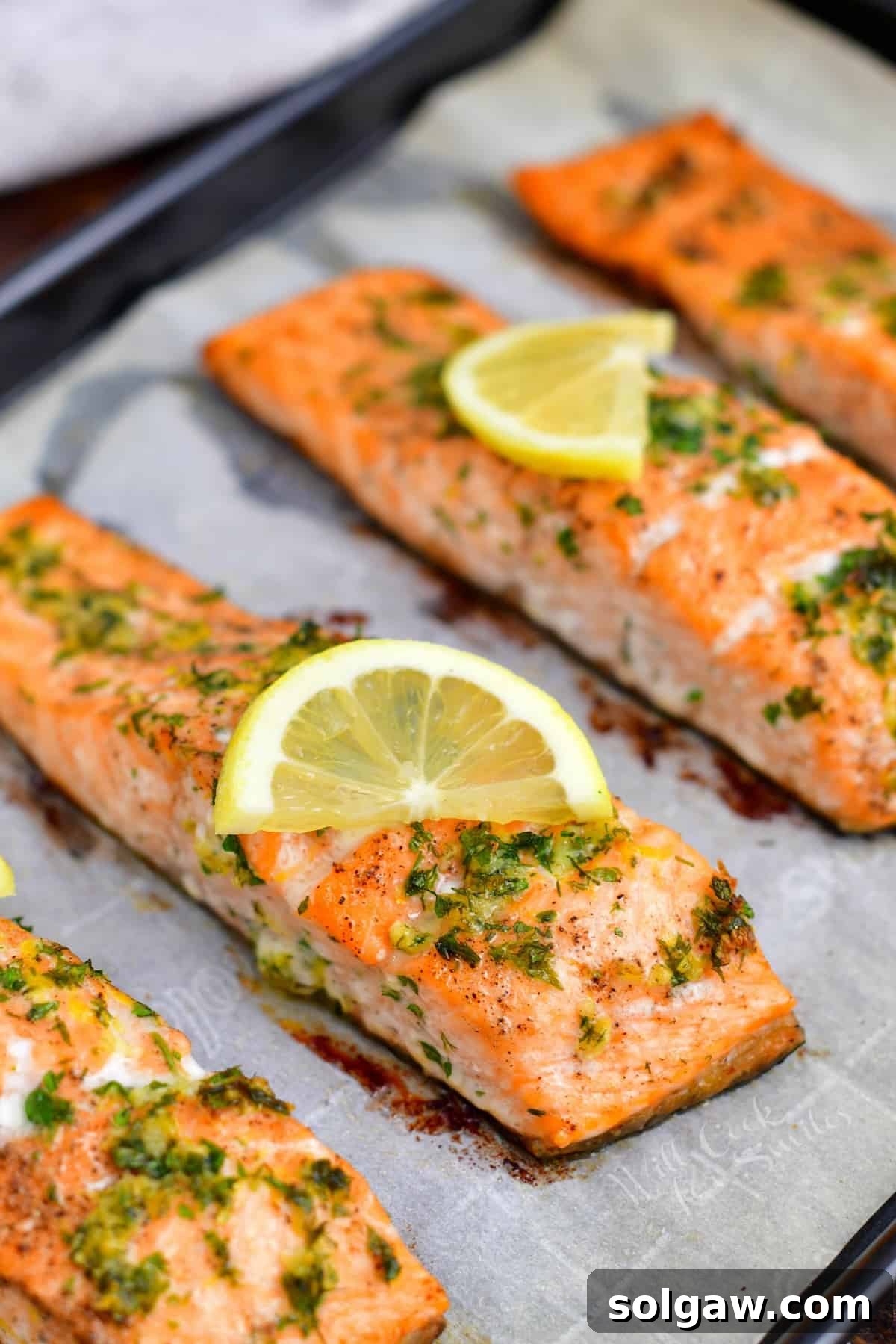
Salmon reigns supreme as one of the most beloved fish worldwide, and for excellent reasons. Its distinctly smooth and mild flavor, combined with a wonderfully flaky yet hearty texture, makes it a culinary delight. Beyond its appealing taste, salmon boasts an impressive array of health benefits and is remarkably simple to cook, even for novice chefs. It’s an incredibly forgiving fish, adaptable to countless flavor profiles and cooking methods, ensuring a delicious result nearly every time.
While my culinary archives are rich with over 25 diverse salmon recipes, this particular healthy baked salmon preparation remains my steadfast favorite. It’s the ultimate no-fail recipe, effortlessly transforming into a delectable dinner any night of the week. The beauty lies in its simplicity; the ingredients are common pantry staples you likely already have on hand, minimizing last-minute grocery runs.
When it comes to enhancing seafood, a timeless trio of flavors always delivers: lemon, garlic, and fresh, mild herbs. Think parsley, dill, or chives – their vibrant notes perfectly complement the richness of salmon without overpowering it. This classic combination forms the foundation of this recipe, guaranteeing a bright and fresh tasting meal every time.
Essential Ingredients for Your Healthy Baked Salmon
Crafting this quick and healthy salmon dish requires just a handful of fresh, high-quality ingredients. Each component plays a crucial role in developing the vibrant flavors that make this recipe a staple.
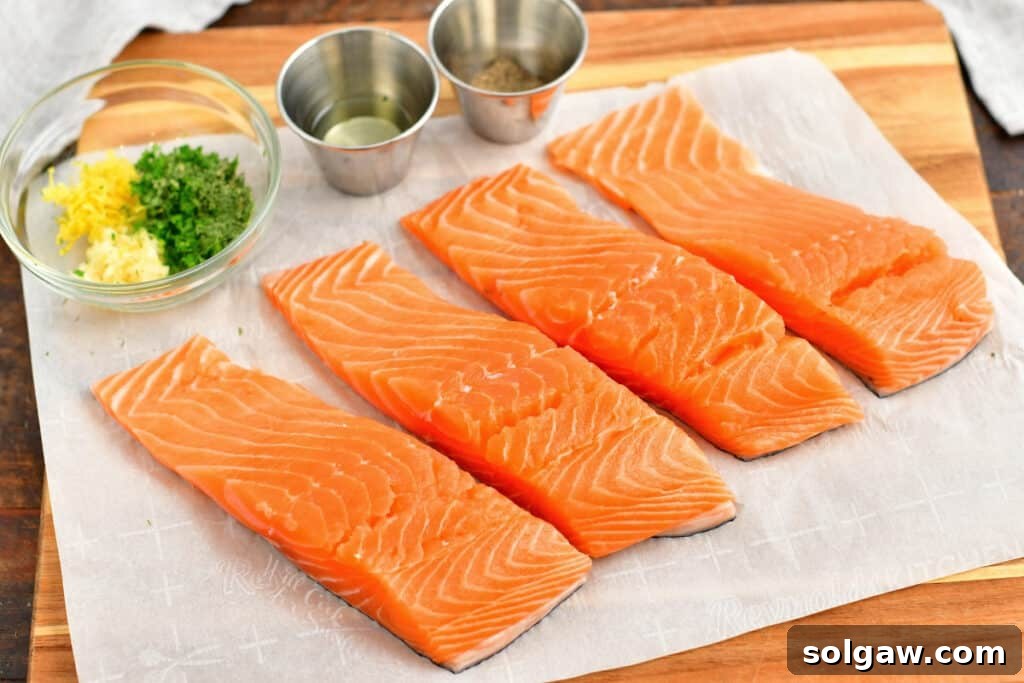
- Fresh Herbs, Zesty Lemon, and Aromatic Garlic: This triumvirate is the cornerstone of exceptional seafood seasoning. For unparalleled flavor, always opt for fresh herbs like parsley and dill weed. The difference in aroma and taste between fresh and dried herbs is significant, elevating your dish considerably. Similarly, zesting a fresh lemon just before use provides a brighter, more potent citrus essence compared to pre-bottled alternatives. And when it comes to garlic, nothing beats freshly minced cloves; their pungent, sweet notes are far superior to the muted flavor of pre-packaged minced garlic. Consider adding a touch of fresh chives for an extra layer of subtle oniony flavor.
- Quality Cooking Oil: The right oil is key to achieving a perfectly cooked, moist salmon. I prefer using canola oil or a light-tasting olive oil. Both are healthy choices with neutral flavors that allow the salmon and herb mixture to shine. Avocado oil is another excellent option due to its high smoke point and mild taste. However, exercise caution with grapeseed oil, as its lower smoke point can lead to unwanted bitterness if cooked at too high a temperature. The oil helps distribute the seasoning evenly and aids in heat transfer during baking, ensuring a beautiful crust and tender interior.
- Salmon Fillets: The star of the show! For this recipe, aim for individual fillets, typically around 6 oz each, ensuring even cooking. The quality and type of salmon you choose will significantly impact the final taste and texture.
Choosing the Best Salmon for Your Dish
Understanding the different types of salmon available and their origins is crucial for both optimal flavor and health benefits. Salmon is primarily categorized into two main groups: wild-caught and farm-raised.
While farm-raised fish often comes at a lower price point, it can raise concerns for some consumers regarding potential health implications. Fish farm environments can sometimes harbor toxins and pollutants like PCBs, and the routine use of antibiotics to prevent disease in farmed fish is a point of contention. Ultimately, the choice between wild and farmed salmon rests with your personal preferences and values regarding sustainability and health.
Here are some of the most common salmon varieties you’ll encounter at your local seafood counter:
- King Salmon (Chinook): Considered the pinnacle of salmon, King salmon is celebrated for its rich, buttery flavor and exquisitely tender texture. It boasts the highest fat content among all salmon species, contributing to its luxurious mouthfeel and making it suitable for any cooking method. Though it’s typically the most expensive and less widely available, finding King salmon is a treat, perfect for special occasions.
- Sockeye Salmon (Red Salmon): Instantly recognizable by its vibrant, deep red flesh, Sockeye salmon offers a robust, full-bodied “salmon” flavor. It’s leaner than King salmon but still wonderfully firm and flaky. Sockeye is more widely available and generally more affordable, making it a popular choice for those who appreciate a bolder fish taste.
- Atlantic Salmon: It might surprise you to learn that virtually all Atlantic salmon found in commercial markets today is farm-raised. Wild Atlantic salmon populations are endangered and no longer commercially harvested. This variety is the most accessible and budget-friendly, characterized by its mild flavor and a good balance of fat. When purchasing farmed Atlantic salmon, it’s wise to investigate its sourcing. Practices vary significantly between farms, and selecting salmon from reputable, sustainably managed aquaculture operations can greatly affect the quality, taste, and environmental impact.
To Skin or Not to Skin: The Benefits of Skin-On Salmon
I consistently recommend purchasing salmon fillets with the skin intact. While some diners prefer not to eat the skin unless it’s crispy, it offers several significant advantages during the cooking process and for your health. The skin itself is perfectly edible and, when prepared correctly, can become wonderfully crisp and flavorful.
More importantly, a rich layer of healthy fats lies directly between the salmon flesh and its skin. This fatty layer is a treasure trove of flavor, natural oils, and many of salmon’s remarkable health benefits. As the fish cooks, these fats slowly render and melt into the meat, basting the fillet from below. This self-basting action infuses the flesh with deeper flavor and, crucially, helps to keep it incredibly moist and tender, preventing it from drying out.
Beyond flavor and moisture, the skin acts as a natural protective barrier. It shields the delicate salmon flesh from direct heat, reducing the risk of overcooking, and prevents the fish from sticking to your baking pan. Even if you choose to discard the skin after cooking, you’ll find it peels away with remarkable ease, leaving behind a perfectly cooked fillet. Considering these benefits—enhanced flavor, increased moisture, cooking protection, and ease of handling—keeping the skin on your salmon is a smart culinary choice.
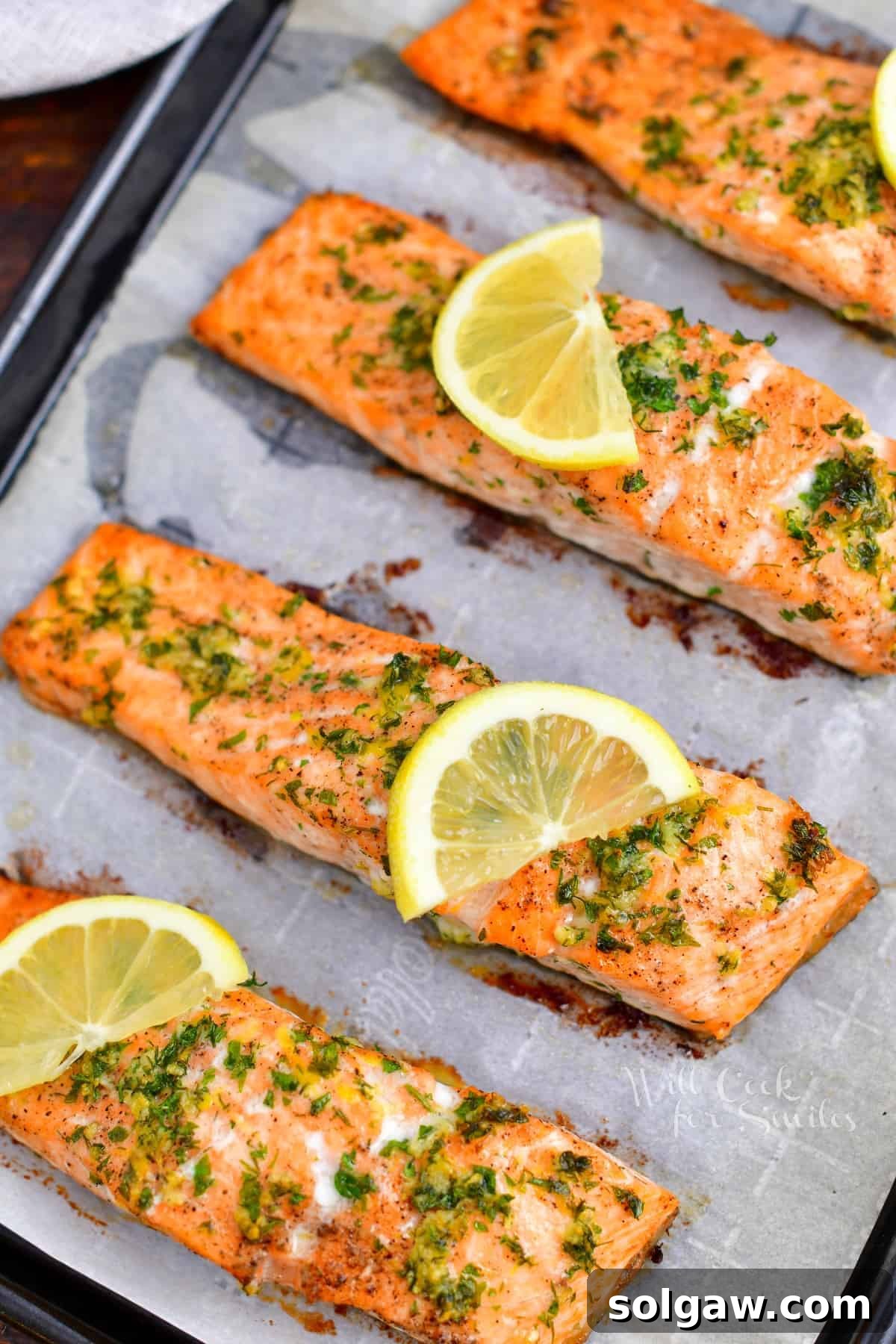
Unlocking the Abundant Health Benefits of Salmon
Beyond its delicious taste and ease of preparation, salmon is a nutritional powerhouse, making it a cornerstone of a healthy diet. It’s an excellent source of lean protein, relatively low in calories, and naturally low in saturated fats. But its true nutritional prowess lies in its wealth of beneficial compounds:
- Rich in Omega-3 Fatty Acids: Salmon is renowned for its high content of Omega-3 fatty acids, specifically EPA (eicosapentaenoic acid) and DHA (docosahexaenoic acid). These essential healthy fats are vital for optimal brain function and cognitive health, playing a critical role in brain development, especially in infants. Regular consumption of Omega-3s has been linked to numerous cardiovascular benefits, including helping to lower blood pressure, reducing triglyceride levels, and decreasing the risk of heart disease. Furthermore, Omega-3s possess potent anti-inflammatory properties, which can help manage chronic inflammation throughout the body and may even contribute to alleviating symptoms of depression.
- Powerful Anti-inflammatory Properties: In addition to Omega-3s, salmon is a fantastic source of selenium, a crucial trace mineral. When combined with the healthy Omega-3 fats, selenium enhances the fish’s natural anti-inflammatory capabilities. This synergy can significantly help in reducing systemic inflammation, which is a common underlying factor in many chronic diseases, and can contribute to better cardiovascular health by mitigating inflammation around the heart.
- Packed with Essential Vitamins and Minerals: Salmon is not just about protein and Omega-3s; it’s also brimming with a spectrum of vital nutrients. It’s an excellent source of B vitamins, including B12, B6, and niacin, all of which are essential for energy production, red blood cell formation, and nervous system health. You’ll also find a good amount of potassium, an electrolyte critical for maintaining fluid balance and blood pressure. Moreover, salmon is one of the few natural dietary sources of Vitamin D, which is crucial for bone health, immune function, and overall well-being.
Simple Steps to Perfectly Baked Healthy Salmon
Achieving a perfectly cooked, moist, and flavorful salmon fillet is surprisingly easy with this straightforward baking method. Follow these steps for a delicious meal:
- Prepare Your Fillets and Baking Sheet:
Begin by removing your salmon fillets from the refrigerator about 15-20 minutes before cooking. This allows the fish to come closer to room temperature, ensuring more even cooking. Using paper towels, thoroughly pat each fillet dry on all sides, especially the skin. This crucial step helps the seasoning adhere better and promotes a crispier skin if you plan to eat it.
Next, prepare your baking pan by lining it with a sheet of parchment paper. Parchment paper is a game-changer for baked fish; it not only prevents sticking effectively but also makes cleanup incredibly easy. This ensures your beautiful salmon fillets remain intact when transferring them from the pan.
- Craft and Apply the Flavorful Seasoning:
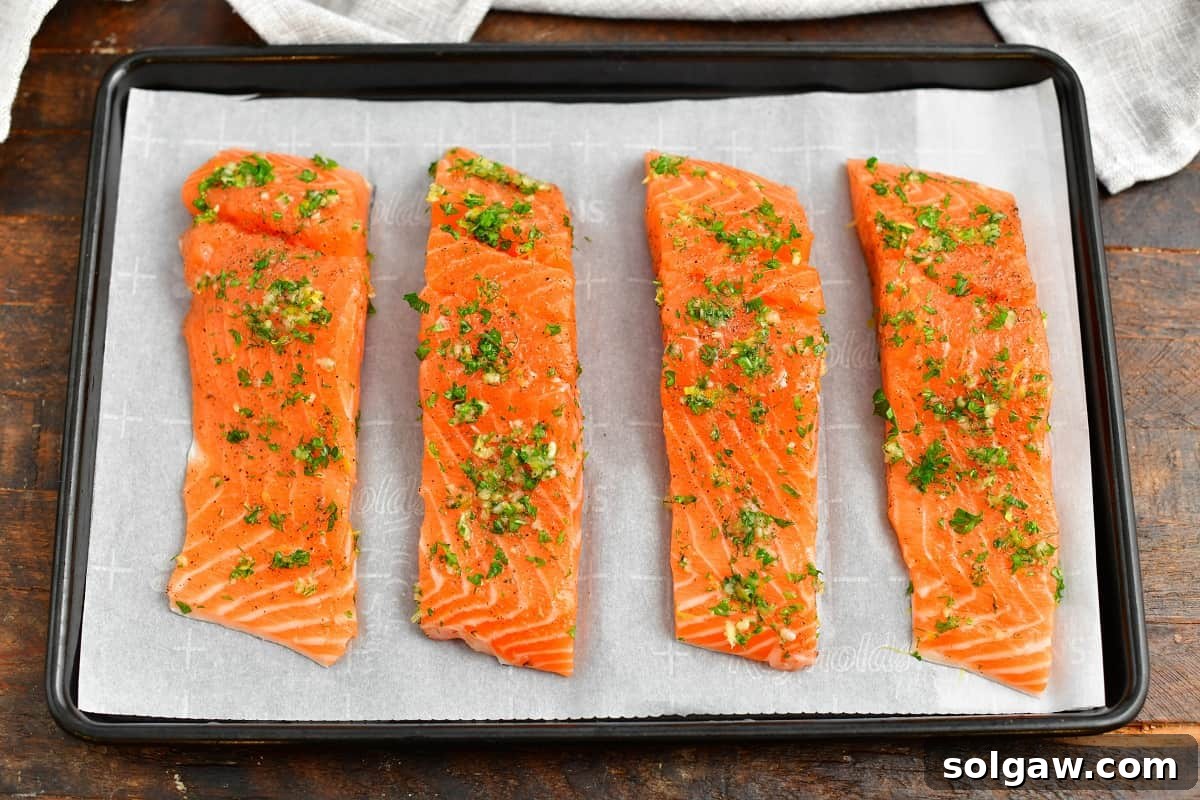
In a small bowl, combine your finely minced fresh herbs (parsley, dill, chives), the bright zest from one lemon (avoiding the bitter white pith), and freshly pressed or minced garlic. Add a teaspoon of your chosen cooking oil (olive, canola, or avocado oil works well) to the mixture and stir until everything is well combined into a fragrant paste. This ensures the flavors meld together beautifully.
Evenly spread this herb, lemon, and garlic mixture over the top and sides of each salmon fillet. Don’t forget to season generously with salt and freshly ground black pepper. Rubbing the seasoning gently helps it adhere to the fish, infusing every bite with flavor.

- Bake to Perfection and Allow to Rest:
Preheat your oven to 425°F (220°C). Once hot, place the prepared baking sheet with the salmon fillets into the oven. Bake for approximately 18-22 minutes. The exact cooking time will vary depending on the thickness of your fillets. Thicker fillets (around 8 oz each) may require a slightly longer baking time, up to 25-28 minutes.
To determine doneness, you can gently press the fish with a fork; it should flake easily. For the most accurate measure, use an instant-read meat thermometer inserted into the thickest part of the fillet. The USDA recommends cooking salmon to an internal temperature of 145°F (63°C) for food safety, at which point it is considered fully cooked. However, many chefs and home cooks prefer salmon at a medium or medium-well temperature, typically ranging from 125°F-130°F (52°C-54°C), as this often results in a more tender and juicy texture. Experiment to find your preferred level of doneness.
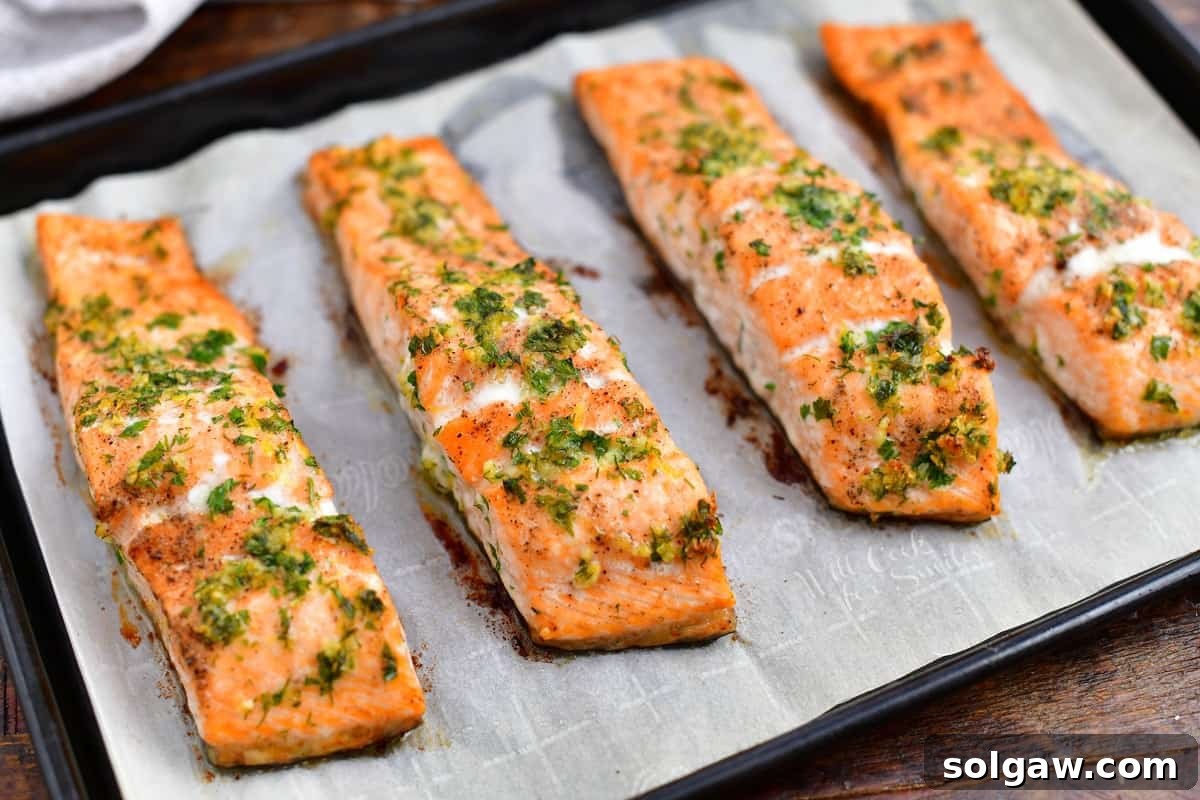
Once baked, remove the salmon from the oven and, crucially, allow it to rest on the baking pan for 5-7 minutes. This resting period is vital. It allows the juices, which have concentrated towards the center during cooking, to redistribute throughout the entire fillet. The result is a healthy baked salmon that is exceptionally soft, beautifully flaky, and bursting with moisture and flavor.
Expert Tips for Flawless Baked Salmon
For an even more successful and enjoyable salmon baking experience, consider these additional tips:
- Check for Pin Bones: Before you season your salmon, gently run your fingers along the flesh to feel for any lingering pin bones. These small, needle-like bones can be a nuisance while eating. Use a pair of clean kitchen tweezers or needle-nose pliers to easily pull out any bones you find. This simple step ensures a more pleasant dining experience.
- Always Line Your Baking Sheet: As mentioned, parchment paper is your best friend when baking salmon. It creates a non-stick surface, guaranteeing that your delicate salmon fillets, especially the skin, won’t stick to the pan. This not only protects the integrity of the fish but also significantly simplifies cleanup. Unlike oil, which can sometimes burn or make the pan greasy, parchment paper provides a consistent, mess-free release.
- How to Confirm Salmon Doneness: Knowing when your salmon is perfectly cooked is key to avoiding dry, overcooked fish.
- Visual Cues: The flesh of cooked salmon will transform from its translucent pink state to a more opaque, paler pink color. As it cooks, you’ll notice white albumin (a protein) seeping out, which indicates the fish is cooking through.
- Fork Test: Gently pierce the thickest part of the fillet with a fork. If it flakes apart easily, the salmon is done. If it still resists or appears raw in the center, it needs more time.
- Touch Test: With practice, you can tell doneness by touch. Gently press the center of the fillet with your finger. Cooked fish will feel firm and spring back slightly. If it feels mushy or too soft, it’s undercooked.
- Meat Thermometer (Most Reliable): The most accurate and recommended method is to use an instant-read digital meat thermometer. Insert it into the thickest part of the salmon fillet. While the USDA recommends 145°F (63°C) for fully cooked salmon, many prefer a slightly lower temperature of 125°-130°F (52°C-54°C) for a more moist, medium-cooked result. Experiment to discover your personal preference.
- The Importance of Resting: Just like with other proteins, allowing your baked salmon to rest for about 5 minutes after removing it from the oven is crucial. During cooking, the muscle fibers contract and push the juices towards the center. Resting allows these juices to redistribute evenly throughout the fillet, resulting in a significantly more tender, moist, and flavorful piece of fish. Skipping this step can lead to a drier texture.
- Storing Raw Salmon: If you’re not cooking salmon immediately, store it in the coldest part of your refrigerator, ideally on a bed of ice or in its original packaging, for no more than one to two days. For longer storage, tightly wrap individual fillets in plastic wrap, then foil, and freeze for up to three months. Thaw frozen salmon in the refrigerator overnight before cooking.
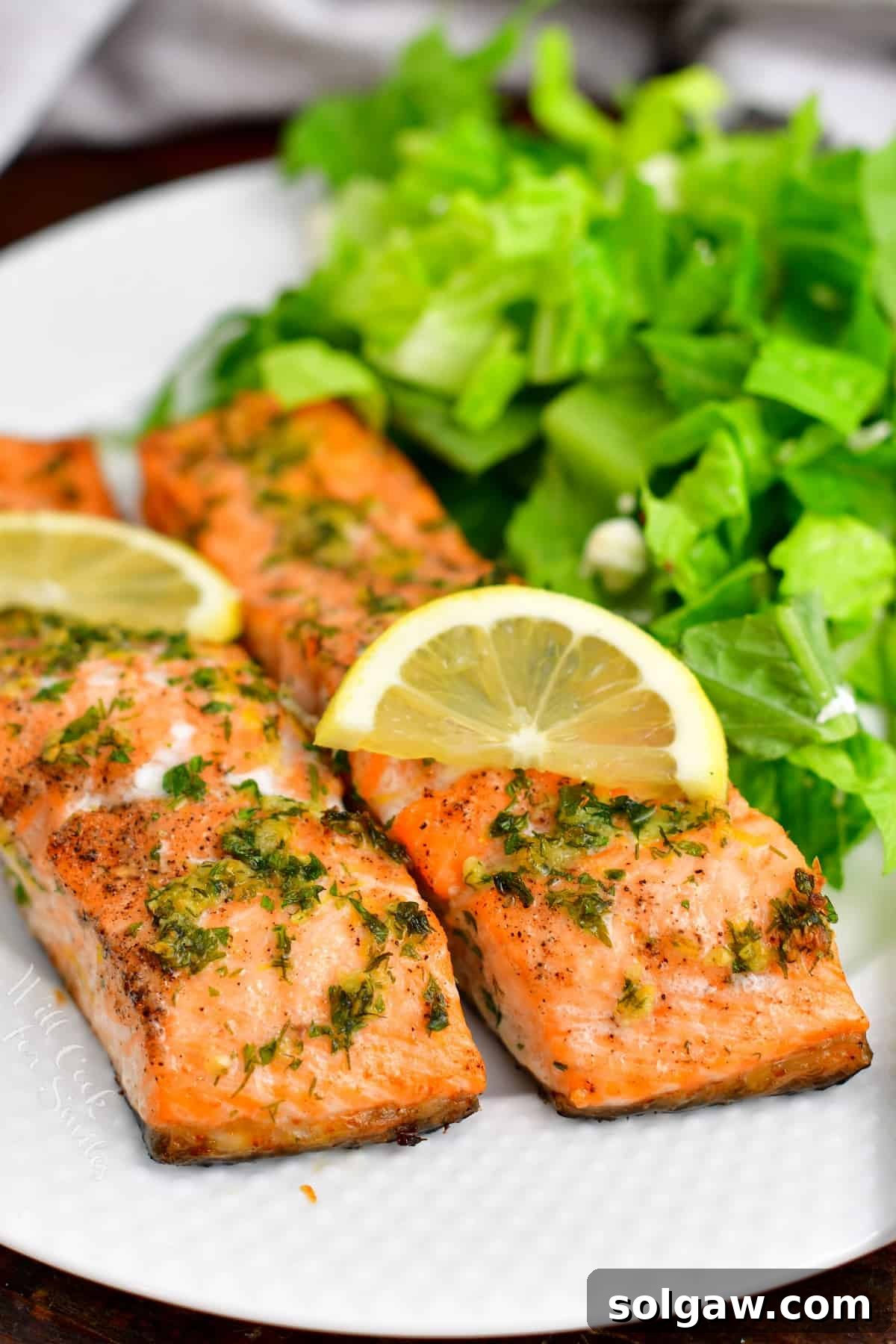
Creative Ways to Serve Your Healthy Baked Salmon
The simple yet vibrant flavors of this herb and lemon-infused baked salmon make it incredibly versatile, pairing beautifully with a wide array of side dishes. Whether you prefer light and fresh or hearty and comforting, there’s a perfect accompaniment for every palate.
For a wholesome and nutrient-rich meal, consider serving your salmon with a variety of vegetables. Options like tender roasted asparagus, savory roasted green beans and mushrooms, grilled zucchini, steamed broccoli, or perfectly roasted cauliflower complement the fish without overpowering its delicate taste. A simple squeeze of fresh lemon over your vegetables can further enhance the overall freshness of the meal.
If you’re seeking more substantial sides, salmon also pairs wonderfully with heartier carbohydrates. Classic choices include fluffy rice (white, brown, or wild), crispy baked potatoes, creamy mashed potatoes, or even a comforting dish of mac and cheese for a more indulgent twist. These options provide a satisfying balance to the lean protein of the salmon.
Fresh salads offer a fantastic light and refreshing counterpoint to the baked salmon. A vibrant simple kale salad dressed with a light vinaigrette or a classic Caesar salad can add a crisp texture and tangy flavor. For an intriguing global touch, try a Shirazi salad – a finely chopped vegetable salad typically featuring cucumbers, tomatoes, and onions, all tossed in a zesty citrus dressing. Adding chickpeas to a Shirazi salad can also boost the protein and fiber content, making it an even more wholesome side.
Storing and Reheating Leftover Salmon
Should you have any delectable leftovers, cooked salmon can be stored in an airtight container in the refrigerator for up to 2-3 days. To reheat, gently warm the salmon in a preheated oven at a low temperature (around 275°F / 135°C) for 10-15 minutes, or until just warmed through, to prevent it from drying out. A microwave can also be used on a low power setting for short bursts, but this method can sometimes compromise the texture. Leftover salmon is also fantastic flaked into salads, sandwiches, or rice bowls for a quick and healthy lunch.
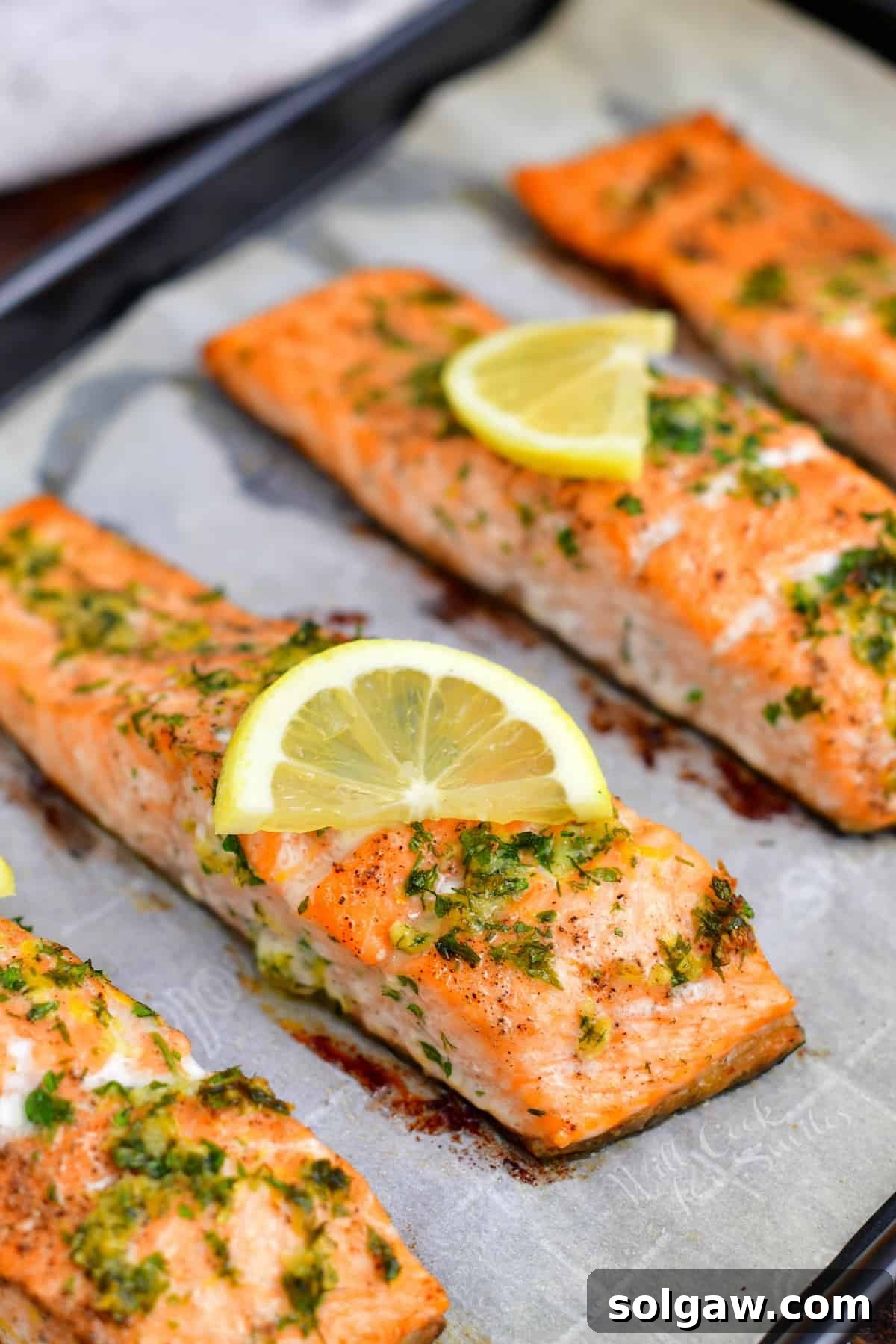
Easy Healthy Baked Salmon Recipe
Print Recipe
Pin Recipe
Main Course
American
10
20
30
4
286kcal
Lyuba Brooke
Ingredients
- 1.5 lbs salmon fillet with skin on (4 x 6 oz. fillets)
- 1 tbsp olive oil
- 3 garlic cloves (minced or pressed)
- 1 lemon – zest only
- 1 1/2 tbsp fresh minced parsley
- 1 tbsp fresh dill weed
- 1 tsp olive oil (to mix into seasoning)
- salt (to taste)
- black pepper (freshly ground, to taste)
Instructions
-
Preheat your oven to 425°F (220°C). Line a baking sheet with parchment paper; this step is essential for easy cleanup and prevents the salmon skin from sticking.
-
Remove the salmon from its packaging and pat each fillet thoroughly dry with a paper towel. Rub each fillet with a small amount of olive oil and place them skin-side down on the prepared baking sheet.
-
In a small bowl, combine the fresh minced herbs, lemon zest, pressed garlic, and one teaspoon of olive oil. Mix these ingredients well to form a fragrant seasoning paste.
-
Evenly coat the top and sides of each salmon fillet with the lemon and herb mixture. Generously season each fillet with salt and freshly ground black pepper to taste.
-
Place the baking sheet into the preheated oven and bake for 18-22 minutes. The cooking time will depend on the thickness of your salmon fillets. Salmon is considered fully cooked when it reaches an internal temperature of 145°F (63°C).
(For a medium or medium-well result, many prefer to cook salmon to an internal temperature of 125°-130°F (52°C-54°C).) Allow the salmon to rest for 5-7 minutes after removing it from the oven for optimal moisture.
Nutrition
Tried this recipe?Mention @willcookforsmiles or tag #willcookforsmiles!