Discovering Pad See Ew: The Ultimate Guide to Thai Stir-Fried Rice Noodles
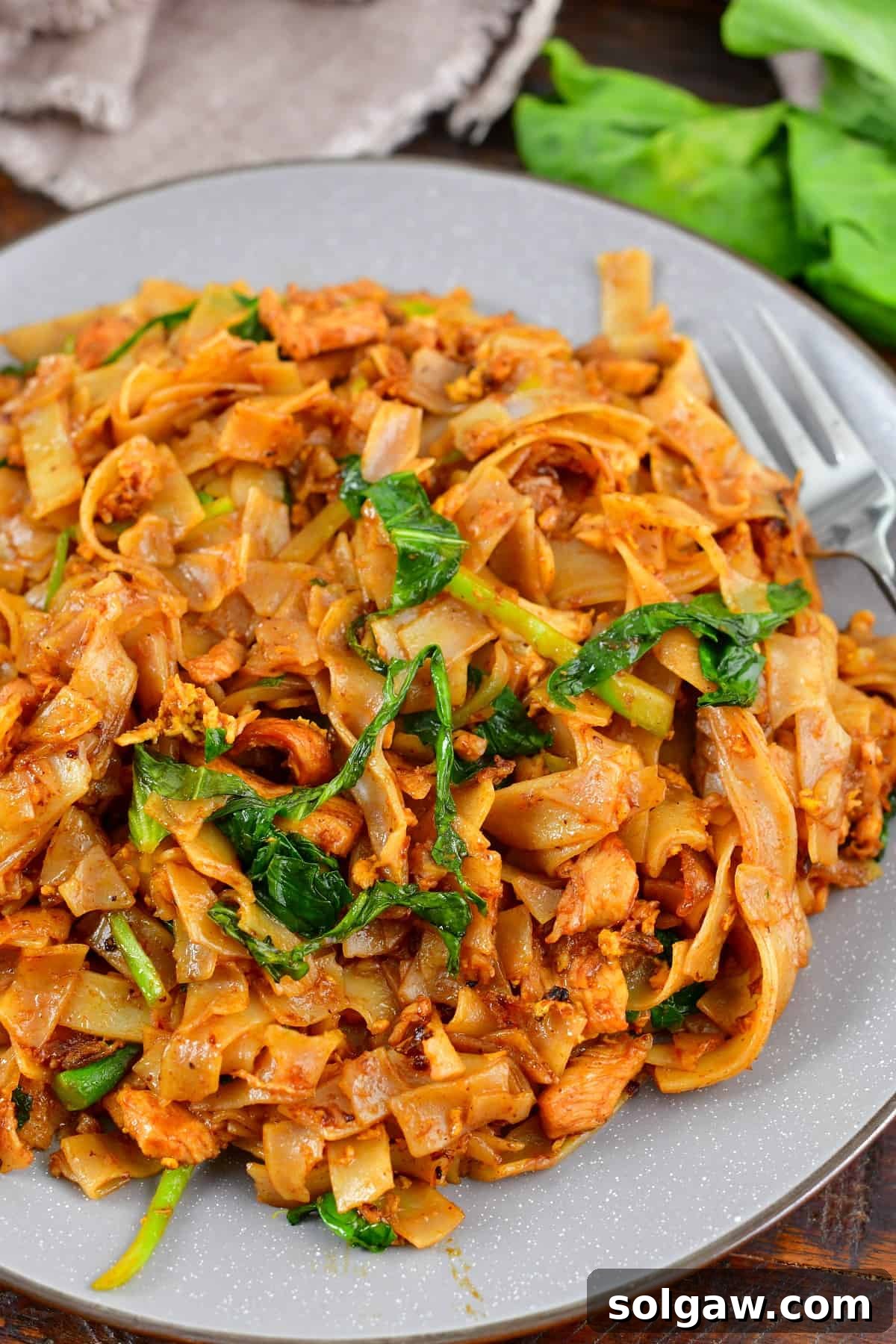
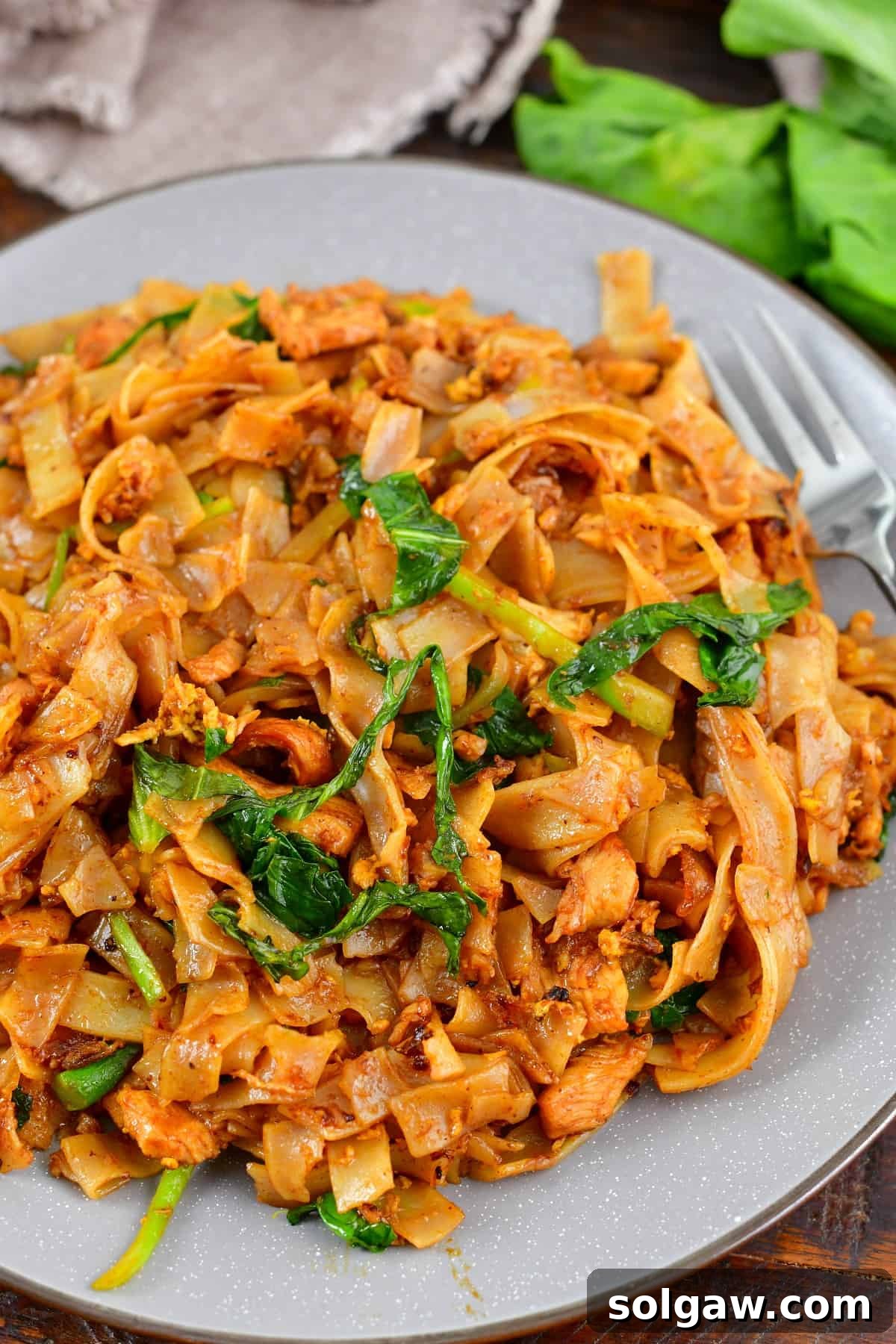
Embark on a culinary journey to Thailand with Pad See Ew, a truly iconic and deeply satisfying stir-fried noodle dish. Often overshadowed by its spicier cousin Pad Thai or the fiery Drunken Noodles (Pad Kee Mao), Pad See Ew stands proudly on its own with a distinct flavor profile that captivates taste buds worldwide. Translating literally to “stir-fried soy sauce noodles” and pronounced “pad see you,” this beloved Thai street food offers a symphony of savory, sweet, and umami notes.
What sets Pad See Ew apart is its reliance on wide, chewy rice noodles (Sen Yai), fresh Chinese broccoli, and perfectly scrambled eggs, all generously coated in a rich, dark soy sauce mixture. Unlike other Thai noodle dishes that might lean heavily on tamarind or chili, Pad See Ew celebrates the profound depth of dark soy sauce as its star ingredient, delivering an irresistible caramelization and a beautiful dark hue to the noodles.
The Flavor Profile: What to Expect from Authentic Pad See Ew
Prepare your palate for a truly delightful experience. Pad See Ew boasts a rich, profound flavor that balances savory depth with a hint of sweetness. It is inherently a non-spicy dish, making it an excellent choice for those who prefer milder Asian cuisine. The prominent flavors come from the harmonious blend of dark soy sauce, which provides a deep, malty, and slightly sweet undertone, complemented by the savory saltiness of fish sauce. Oyster sauce introduces a lovely note of sweetness and umami, further enhanced by a touch of brown sugar for caramelization.
The wide rice noodles absorb this exquisite sauce, offering a tender chewiness that contrasts beautifully with the crisp-tender Chinese broccoli and the soft, fluffy scrambled egg. Each bite delivers a complex yet comforting taste that is both satisfying and incredibly addictive. While traditionally not spicy, you can easily customize the heat level by adding fresh Thai chili peppers when sautéing the garlic, or by serving with chili flakes on the side.
The dish’s appeal lies in its simplicity and the quality of its core ingredients. The ‘wok hei’ or ‘breath of the wok’—a smoky, charred flavor imparted by high-heat stir-frying—is another signature characteristic that elevates Pad See Ew from merely a noodle dish to a culinary masterpiece. This delicate balance of textures and flavors makes it a go-to comfort food and a staple in Thai households and street stalls alike.
Essential Ingredients for Perfect Pad See Ew: Tips for Success
Crafting authentic Pad See Ew at home begins with understanding its key ingredients. Each component plays a vital role in achieving that characteristic flavor and texture. Here’s what you need to know:
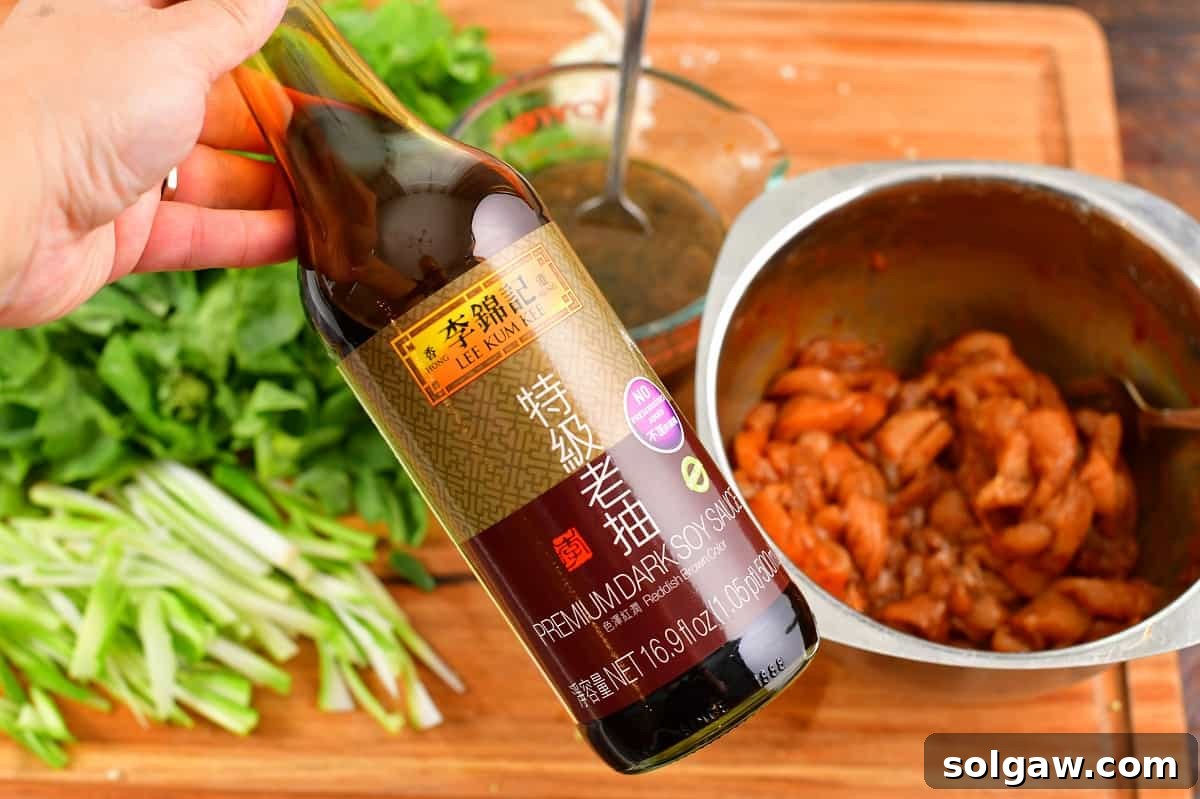
Dark Soy Sauce: The Heart of the Flavor
This is arguably the most crucial ingredient in Pad See Ew. Dark soy sauce is distinctly different from regular or light soy sauce. It is thicker, darker in color, and has a richer, slightly sweeter, and less salty flavor profile. Its primary purpose in this dish is to impart its characteristic deep brown color and contribute to the dish’s unique umami and subtly sweet notes. Do not substitute it with regular soy sauce if you want to capture the authentic essence of Pad See Ew, as it will yield a different color and flavor outcome.
Wide Rice Noodles (Sen Yai): The Perfect Canvas
Traditionally, Pad See Ew is made with fresh wide rice noodles, known in Thai as “Sen Yai.” These noodles are wonderfully chewy and absorb the sauce exceptionally well, providing the perfect texture contrast. Finding fresh wide rice noodles can be challenging outside of well-stocked Asian markets. If you’re lucky enough to find them, they are highly recommended. Otherwise, dried wide rice noodles are a perfectly acceptable alternative. Be sure to cook them according to package instructions until al dente, as they will continue to cook in the wok.
PRO TIP for Fresh Noodles: Fresh wide rice noodles tend to stick together, especially when cold. To prevent them from clumping in the wok, allow them to come to room temperature for at least 30 minutes before cooking. You can also microwave them for a few seconds to gently warm and soften them, making them easier to separate without breaking.
Chinese Broccoli (Gai Lan): The Essential Green
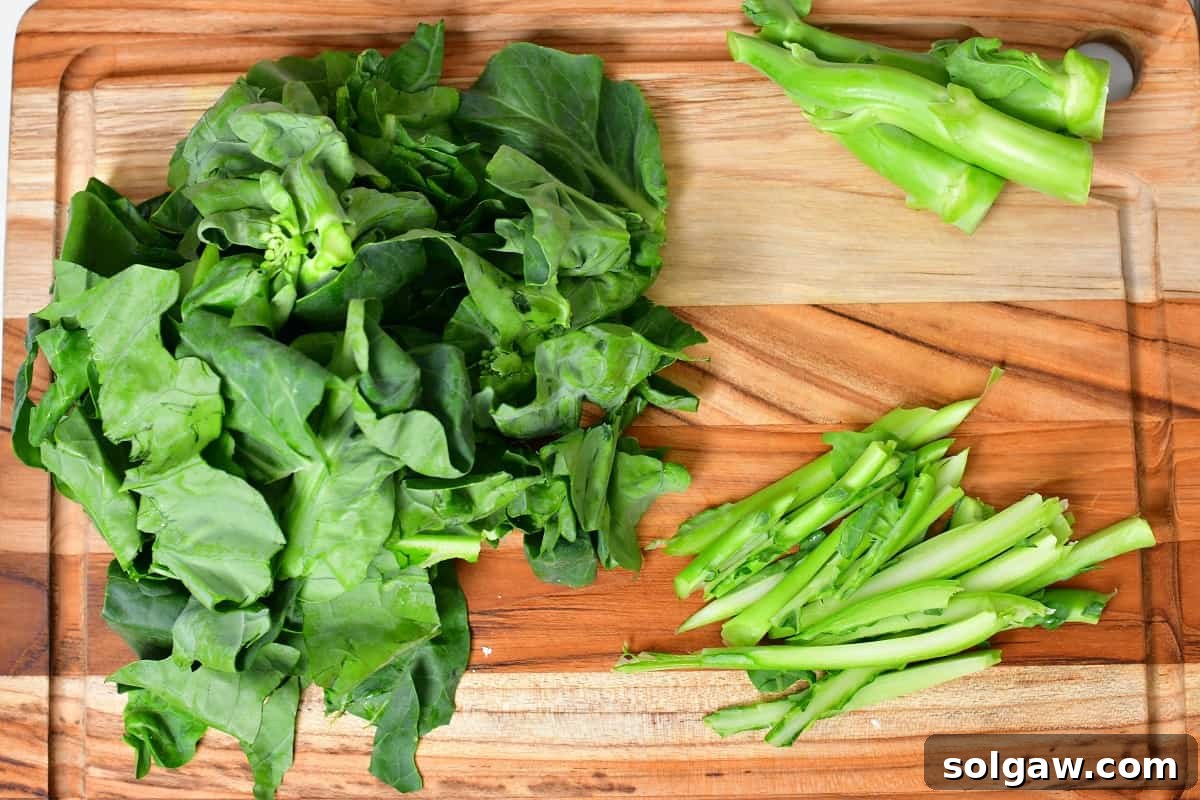
Chinese broccoli, or Gai Lan, is another non-negotiable ingredient. It features thick stems and broad, glossy leaves, offering a slightly bitter, earthy flavor and a satisfying crunch that complements the richness of the noodles. Its texture holds up well to stir-frying. If Chinese broccoli is absolutely unavailable, you could consider regular broccoli florets or even kale, but be aware the flavor profile will shift slightly.
Choosing Your Protein: Customization at its Best
Pad See Ew is incredibly versatile when it comes to protein. Common choices include thinly sliced chicken breast or thigh, tender beef slices (like flank steak or sirloin), shrimp, or even ground pork or turkey. For a vegetarian option, firm tofu works wonderfully. Regardless of your choice, ensure your protein is prepped similarly: thinly sliced or cut into bite-sized pieces for quick and even cooking. Remember that cooking times vary; shrimp, for instance, cooks much faster than chicken or beef. If using tofu, cut it into about ½-inch pieces and sear them until golden on all sides for a delightful textural contrast.
The Dynamic Sauce Blend: Building Layers of Flavor
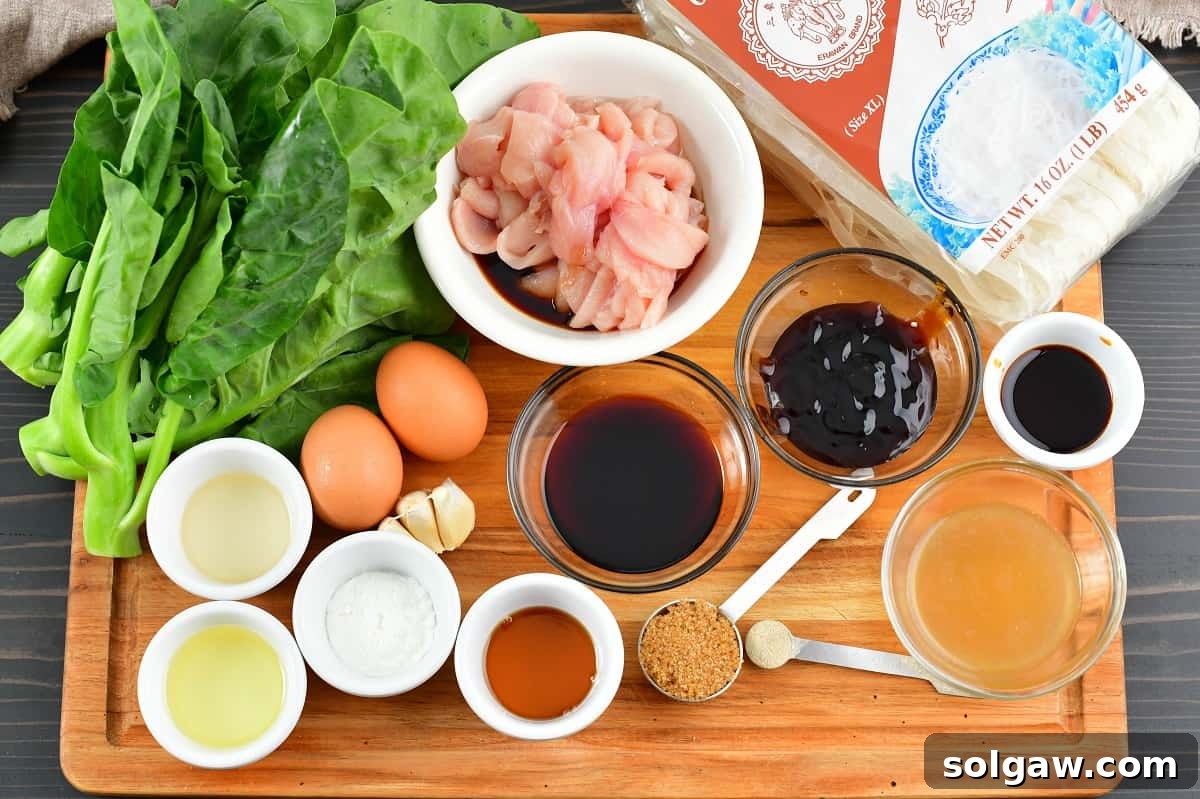
Beyond dark soy sauce, the Pad See Ew sauce typically includes light soy sauce (for saltiness), fish sauce (for umami depth), oyster sauce (for sweetness and richness), brown sugar (for caramelization and balance), white vinegar (for a touch of acidity), and white pepper (for subtle warmth). Pre-mixing all sauce ingredients before you begin stir-frying is crucial for a smooth and efficient cooking process.
Mastering the Wok: How to Make Authentic Pad See Ew at Home
Making Pad See Ew at home is an exciting process that, once mastered, will bring authentic Thai flavors to your kitchen. The key lies in proper preparation and high-heat cooking.
Preparation: The Golden Rule of Stir-Frying (Mise en Place)
- Cook the Rice Noodles: Follow the package instructions for your wide rice noodles, whether fresh or dried. Drain them thoroughly and set them aside. If using fresh noodles, ensure they are at room temperature and separated.
- Prepare the Sauce: Whisk together all ingredients for the sauce in a small bowl. This ensures a quick pour when needed and prevents scorching ingredients in the hot wok.
- Prep the Protein: Slice your chosen protein (chicken, beef, shrimp, or tofu) into thin, bite-sized pieces. Marinate chicken or beef with a tablespoon of dark soy sauce and cornstarch, plus a little oil, to tenderize and protect it during high-heat cooking.
- Mince Garlic and Chop Broccoli: Mince the garlic cloves. For the Chinese broccoli, separate the stems from the leaves. Slice the thicker stems thinly on a bias, and roughly chop the leaves. This ensures even cooking.
- Whisk Eggs: Lightly whisk eggs with a splash of soy sauce for added flavor and color. Set aside.
Cooking Pad See Ew: The High-Heat Dance
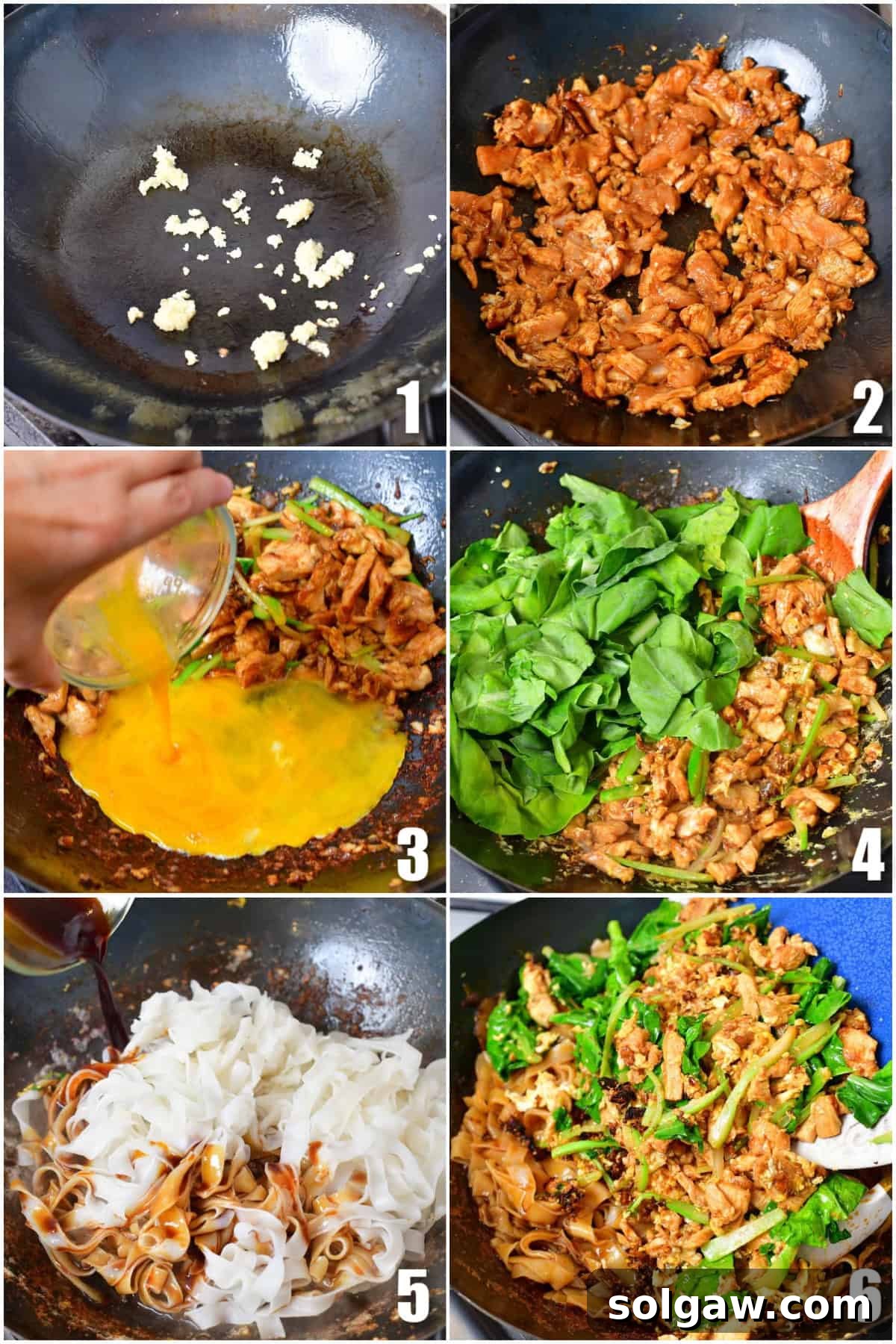
- Heat the Wok: Ensure your wok is properly seasoned and preheated over medium-high heat. Add a tablespoon or two of peanut oil (or other high smoke point oil).
- Sear Garlic: Add minced garlic to the hot oil and stir-fry for a few seconds until fragrant. Avoid burning. If using Thai chili peppers for spice, add them here.
- Cook Protein: Add your prepared chicken (or other protein) to the wok. Spread it out in a single layer and sear for 1-2 minutes until lightly browned.
- Add Broccoli Stems: Incorporate the thinly sliced Chinese broccoli stems. Continue to stir-fry with the protein until the stems begin to soften but still retain some crunch.
- Add Broccoli Leaves and Eggs: Toss in the chopped broccoli leaves and cook until they wilt. Create a space in the center of the wok, add the whisked eggs, and scramble them quickly. Once the eggs are half-cooked, mix them with the protein and vegetables.
- Remove from Wok: Transfer all cooked ingredients (protein, vegetables, eggs) from the wok to a separate plate. This prevents overcooking and frees the wok for the noodles.
Searing the Noodles: The Signature Step
This is the secret to authentic Pad See Ew with its characteristic ‘wok hei’ and slightly charred, irresistible noodles. Searing is your best friend here.
- Reheat Wok to High: Ensure your wok is very hot, over medium-high to high heat. Add a little more peanut oil.
- Add Noodles and Sauce: Add the cooked wide rice noodles to the screaming hot wok. Immediately whisk the prepared sauce one last time and pour it evenly over the noodles.
- Sear and Toss: Toss the noodles to coat them evenly with the sauce. Then, let them rest undisturbed on the hot surface for several seconds (15-30 seconds, depending on your heat) to allow them to sear and develop a slight char. You’ll see parts of the noodles turn a deeper brown.
- Repeat Searing: Toss the noodles again, ensuring different sections make contact with the hot wok, and let them sear for another few seconds. This creates that delicious, smoky flavor and varied texture.
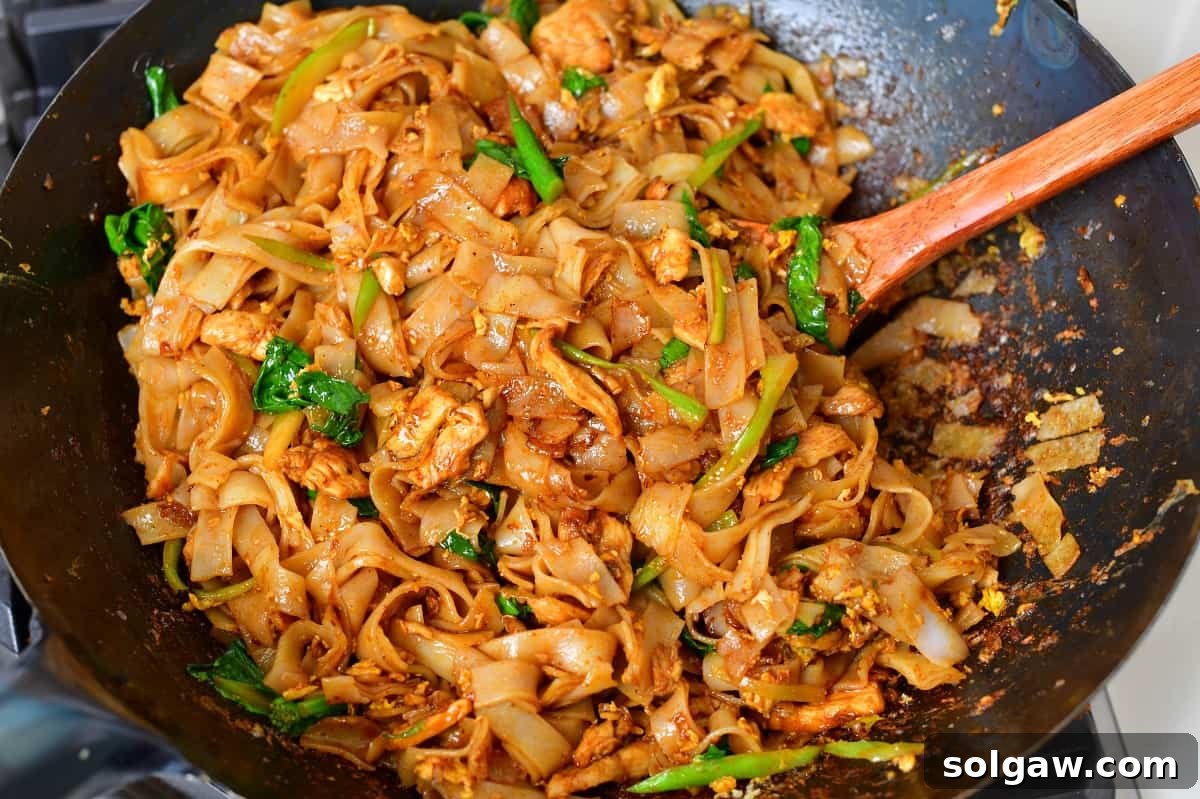
- Combine and Serve: Return the cooked protein, vegetables, and eggs to the wok with the seared noodles. Toss everything together for a final few seconds to ensure all ingredients are well combined and heated through. Remove the wok from heat immediately and serve your freshly made Pad See Ew!
Customizing Your Pad See Ew: Dietary Options and Variations
Pad See Ew is a wonderfully adaptable dish, allowing for various dietary adjustments without compromising on flavor.
Is Pad See Ew Gluten Free?
Traditionally, Pad See Ew is NOT gluten-free because the essential dark soy sauce, and often light soy sauce and oyster sauce, contain wheat. Standard dark soy sauce typically does not have a gluten-free alternative that matches its unique properties. However, you can certainly make a delicious gluten-free version!
To make Pad See Ew gluten-free:
- Soy Sauce: Substitute all dark and light soy sauces with a high-quality gluten-free tamari or a gluten-free soy sauce alternative. While you won’t get the exact deep color of traditional dark soy, the flavor will still be fantastic.
- Oyster Sauce: Ensure you use a certified gluten-free oyster sauce. Many brands offer this option. For a vegan/vegetarian and gluten-free alternative, look for a mushroom-based stir-fry sauce or a specific vegan “oyster” sauce that is also gluten-free.
- Noodles: Wide rice noodles are naturally gluten-free, but always double-check the packaging to be safe.
While the gluten-free version might have a slightly different color and less of that specific deep richness from traditional dark soy, it will still be an incredibly flavorful and satisfying meal.
Vegetarian and Vegan Adaptations
Making Pad See Ew vegetarian or vegan is straightforward:
- Protein: Replace chicken or other meats with extra-firm tofu (pressed and pan-fried until golden), tempeh, or a mix of mushrooms.
- Eggs: Omit the eggs entirely, or use a plant-based egg substitute for scrambling.
- Oyster Sauce: Substitute with a vegetarian mushroom-flavored stir-fry sauce. These sauces mimic the umami and sweetness of oyster sauce without any seafood products.
- Fish Sauce: Replace with a vegetarian fish sauce alternative (available in most Asian markets) or simply add a bit more light soy sauce/tamari and a pinch of salt to taste.
- Chicken Stock: Use vegetable stock instead.
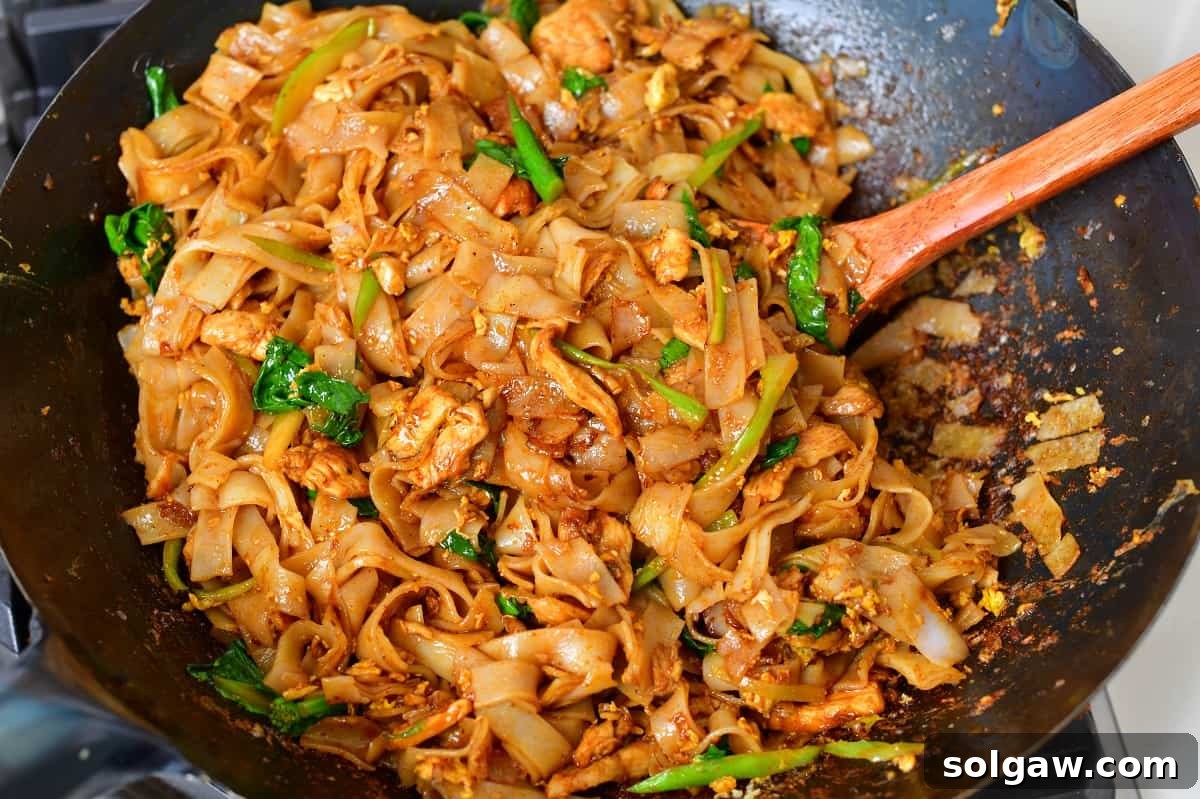
Pad See Ew (Thai Stir-Fried Noodles) Recipe
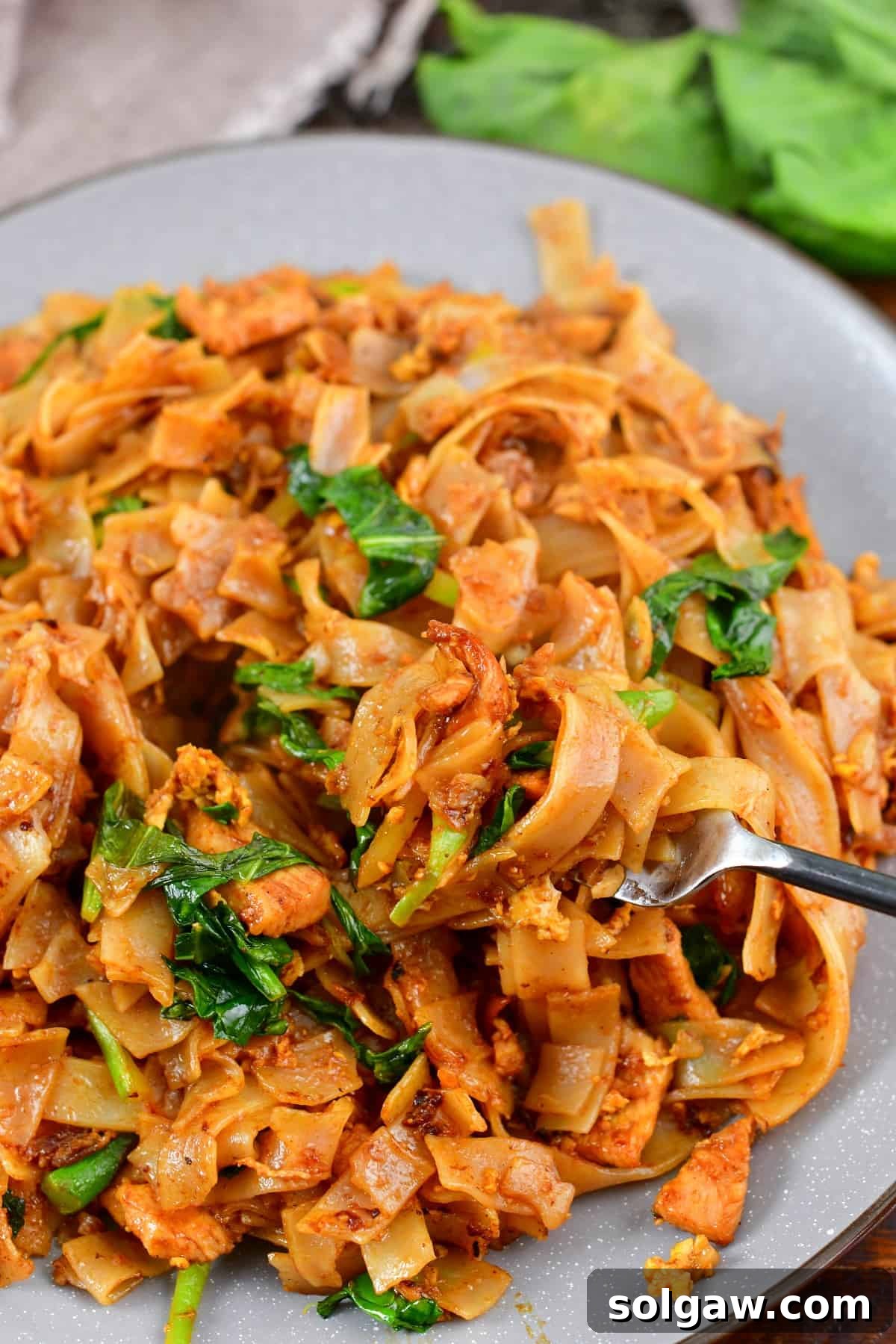
Pad See Ew is a popular Thai street food featuring chewy wide rice noodles quickly stir-fried with egg and Chinese broccoli, all coated in a rich and savory dark soy sauce mixture. You can easily add your favorite protein or keep it meatless!
Print Recipe
Pin Recipe
Rate this Recipe
Find Substitutions
Dietary Options
Cuisine: Thai
Cook Time: 15 minutes
Total Time: 25 minutes
Ingredients
- 8-10 oz chicken breast or thigh meat
- 1 tbsp dark soy sauce
- 1-2 tbsp peanut oil
- 1 tbsp cornstarch
- 3 garlic cloves minced
- 4-5 stalks of Chinese broccoli (fewer for very thick stalks)
- 2 eggs
- 1 lb wide rice noodles
Sauce:
- 3 tbsp dark soy sauce
- 1 tbsp light soy sauce
- 1 tbsp fish sauce
- 4 tbsp oyster sauce
- 3 tbsp chicken stock
- 1 tbsp white vinegar
- 1 tbsp brown sugar
- 2 tbsp peanut oil
- 1/8-1/4 tsp white pepper
Instructions
Preparation:
- Cook rice noodles according to the package instructions, drain and set aside.
- Whisk the ingredients for the sauce together and set aside.
- Slice chicken into thin pieces and mix with cornstarch, dark soy sauce, and a little oil.
- Mince garlic and cut the broccoli. To cut the Chinese broccoli, cut off the leaves off the stem and slice the stem thinly. Roughly chop the broccoli leaves. Whisk the eggs with a touch of soy sauce. Set aside.
Cooking Pad See Ew:
- Make sure your wok is greased or seasoned. Preheat your wok over medium heat and add a little peanut oil. Add in garlic and sear until fragrant.
- Add chicken, spread it around. Start to sear and add broccoli stems after the first toss. Continue to sear until it’s almost done.
- Add in the broccoli leaves and cook until wilted. Move everything to the side and add in the eggs. Start to stir and when eggs are half cooked, mix everything together.
- Take everything out of the wok and set aside.
Searing Noodles:
- Searing is your friend! One of the key aspects of Pad See Ew is that signature sear on the noodles. The way to achieve that is to get your wok hot, hot, hot, before adding the noodles.
- Heat up the wok on medium-high to high heat and add some more peanut oil.
- Then, after you’ve added the noodles, whisk the sauce one more time, and pour it over the noodles. Toss and let them sear for a few seconds before moving. Then, toss and let them sear again. This will give you the irresistible, delicious sear on the noodles!
- Toss again and let them sear while you add everything else back in. Once you get some of that sear on the noodles, which will only take a few seconds at high heat, take the wok off heat and serve your Pad See Ew!
Notes
Protein Options – You can use thinly sliced dark or breast chicken meat, ground chicken, ground pork, ground turkey, thinly sliced beef (steak), chopped firm tofu, or chopped shrimp. As far as preparation, follow the steps in the recipe for preparing chicken but note than some protein will take less time to cook.
Storing – Store leftover stir-fried noodles in an airtight container, in the refrigerator. It should be good for about 2-3 days.
Reheating – I recommend reheating it back in your wok with a little extra peanut oil. (If the noodles seem a little dry, you can add a tablespoon or two of chicken or vegetable stock to re-invigorate them.)
Nutrition
Serving Suggestions: What to Pair with Your Thai Noodles
Pad See Ew is a fulfilling meal on its own, but it can also be part of a larger Thai feast. Here are some complementary dishes and pairings to elevate your dining experience:
- Appetizers: Start your meal with classic Thai appetizers. Thai Spring Rolls (either fresh or fried) offer a delightful crunch and freshness. Alternatively, juicy Chicken Satay with its accompanying peanut sauce makes for a flavorful beginning. For a lighter option, a simple vegetable plate served with a rich Peanut Sauce for dipping can be refreshing.
- Soups: A bowl of tangy Tom Yum Goong (spicy shrimp soup) or creamy Tom Kha Gai (chicken coconut soup) can perfectly complement the savory noodles.
- Fresh Garnishes: Enhance the flavors by serving your Pad See Ew with fresh garnishes. A squeeze of lime juice adds a bright, zesty contrast. A sprinkle of chili flakes or a side of prik nam pla (Thai chili fish sauce) can provide an extra kick for those who enjoy heat. A dash of white pepper is also a traditional addition.
- Drinks: Pair your Pad See Ew with a refreshing Thai iced tea or iced coffee. For alcoholic beverages, a light lager or a crisp white wine can cleanse the palate between bites.
Storing and Reheating Your Pad See Ew Leftovers
Pad See Ew leftovers are delicious and can be enjoyed for another meal. Store any remaining stir-fried noodles in an airtight container in the refrigerator for up to 2-3 days. To reheat, I highly recommend using a wok or a large skillet over medium-high heat with a little extra peanut oil. This method helps to re-crisp the noodles and revive their texture. If the noodles appear a bit dry, add a tablespoon or two of chicken or vegetable stock during reheating to re-invigorate them, stirring until thoroughly heated through.
Frequently Asked Questions (FAQs) About Pad See Ew
Q: What makes Pad See Ew different from Pad Thai?
A: Pad See Ew is less sweet and non-spicy, relying on wide rice noodles and dark soy sauce for its distinct savory, slightly sweet, and umami flavor. Pad Thai typically uses thinner rice noodles, has a prominent sweet-sour-spicy tamarind flavor profile, and often contains peanuts.
Q: Can I use regular broccoli instead of Chinese broccoli?
A: While Chinese broccoli (Gai Lan) is traditional and offers a unique flavor and texture, regular broccoli florets can be used as a substitute. Adjust cooking time as regular broccoli might cook faster or require a slightly different prep for desired tenderness.
Q: What is “wok hei”?
A: “Wok hei” translates to “breath of the wok” and refers to the smoky, slightly charred, and intensely flavorful essence imparted to food cooked rapidly in a very hot wok. Achieving it at home requires high heat, quick movements, and proper layering of ingredients.
Q: Can I prepare the ingredients in advance?
A: Yes, preparing your ingredients (mise en place) in advance is highly recommended for stir-fries. You can chop vegetables, slice protein, and mix the sauce ahead of time, making the actual cooking process very fast and enjoyable.
Q: Is Pad See Ew healthy?
A: Like many stir-fries, Pad See Ew can be a balanced meal. It contains protein, vegetables, and carbohydrates. You can make it healthier by controlling the amount of oil, choosing lean protein, and increasing the vegetable content. The sodium content can be high due to soy and fish sauces, so moderation or reduced-sodium options can be considered.
With this comprehensive guide, you’re now equipped to create a truly delicious and authentic Pad See Ew. Enjoy the process of bringing the vibrant flavors of Thailand into your home!