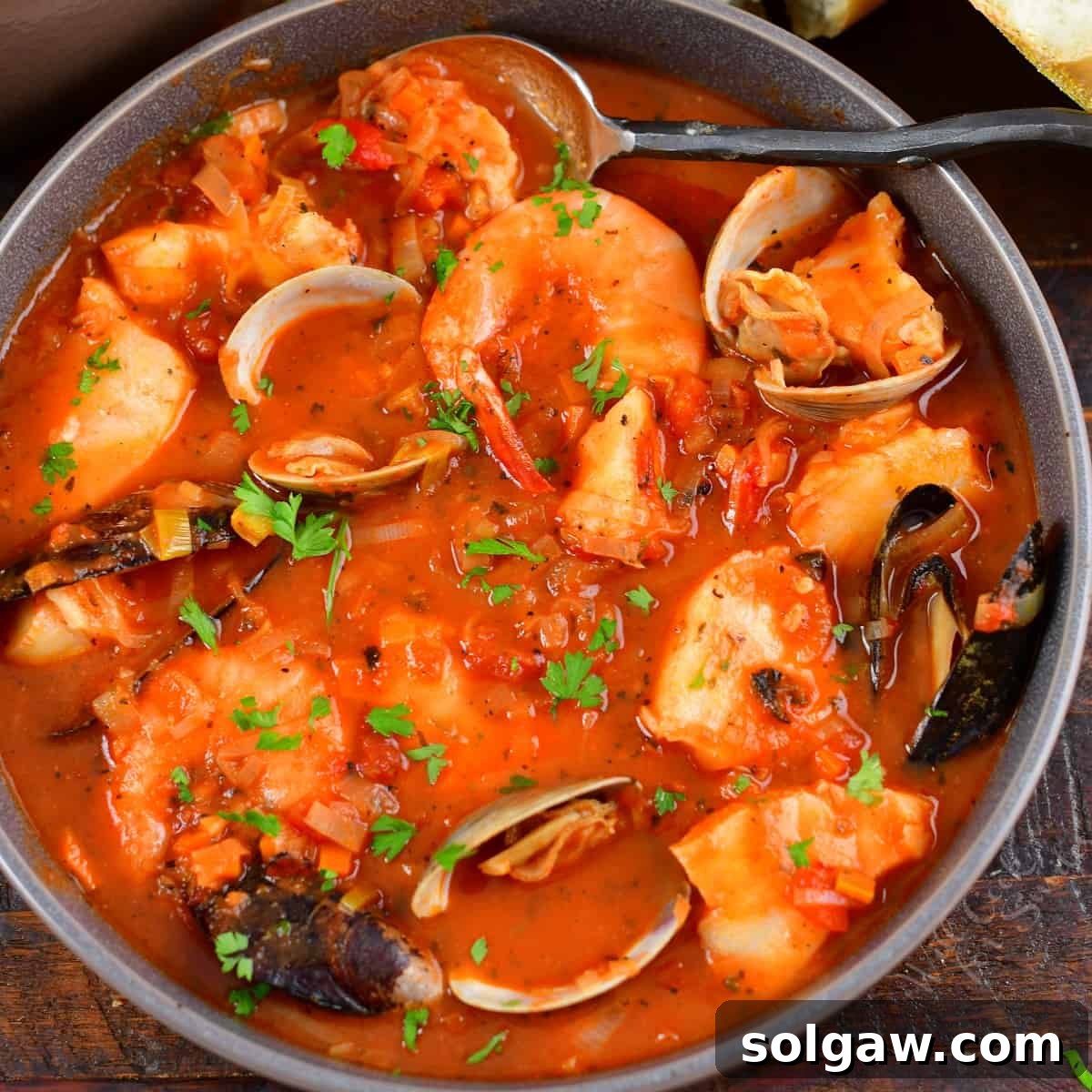
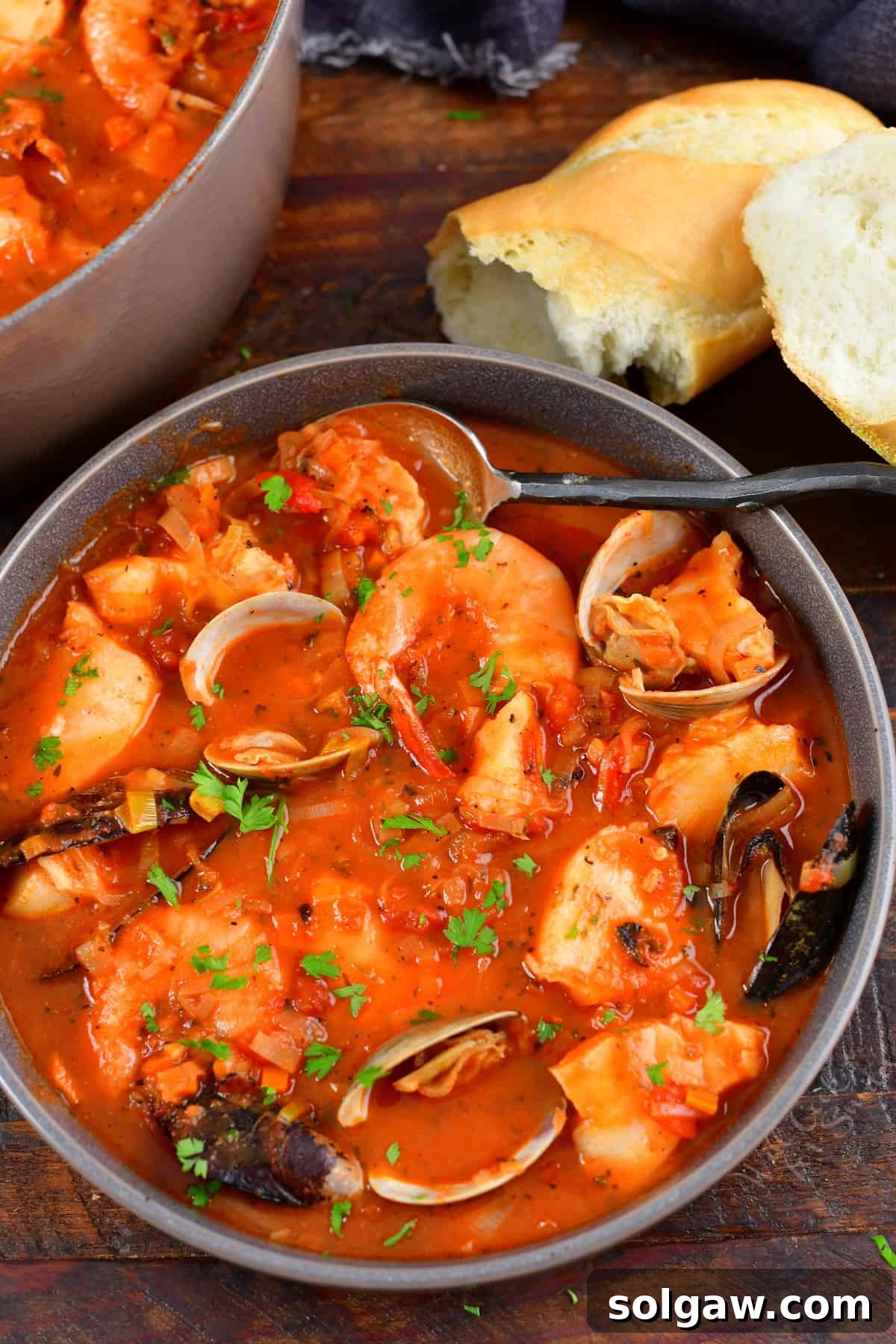
The Ultimate Cioppino Recipe: A Hearty Italian-American Seafood Stew
Embark on a culinary journey to the vibrant coast of San Francisco with this exquisite Cioppino recipe. This robust Italian-American seafood stew is a symphony of flavors, featuring a rich, aromatic tomato base generously laden with an assortment of fresh fish and shellfish. It’s not just a meal; it’s an experience, promising warmth, comfort, and an unforgettable taste that will transport you straight to a bustling Californian wharf.
Cioppino, often hailed as a quintessential San Francisco dish, boasts a fascinating history rooted in the ingenuity of Italian immigrant fishermen. Born in the late 1800s, this stew was originally a resourceful way to utilize the day’s unsold or leftover catch. Rather than discarding their abundant bounty, these resourceful fishermen would combine a medley of whatever seafood was on hand, simmering it in a flavorful tomato broth. The result was a communal, hearty meal that quickly became a beloved staple, embodying the spirit of community and the rich maritime heritage of the city.
Our rendition of this classic stew stays true to its roots while offering a perfected balance of ingredients that ensures a rich, bright, and deeply satisfying flavor profile. We’ll guide you through selecting the freshest ingredients and mastering the simple steps to create a show-stopping seafood masterpiece right in your own kitchen. Prepare to delight your family and friends with a bowl of this magnificent Cioppino – an easy-to-make Italian-American soup that is as authentic as it is delicious.
Essential Ingredients and Clever Substitutions for a Perfect Cioppino
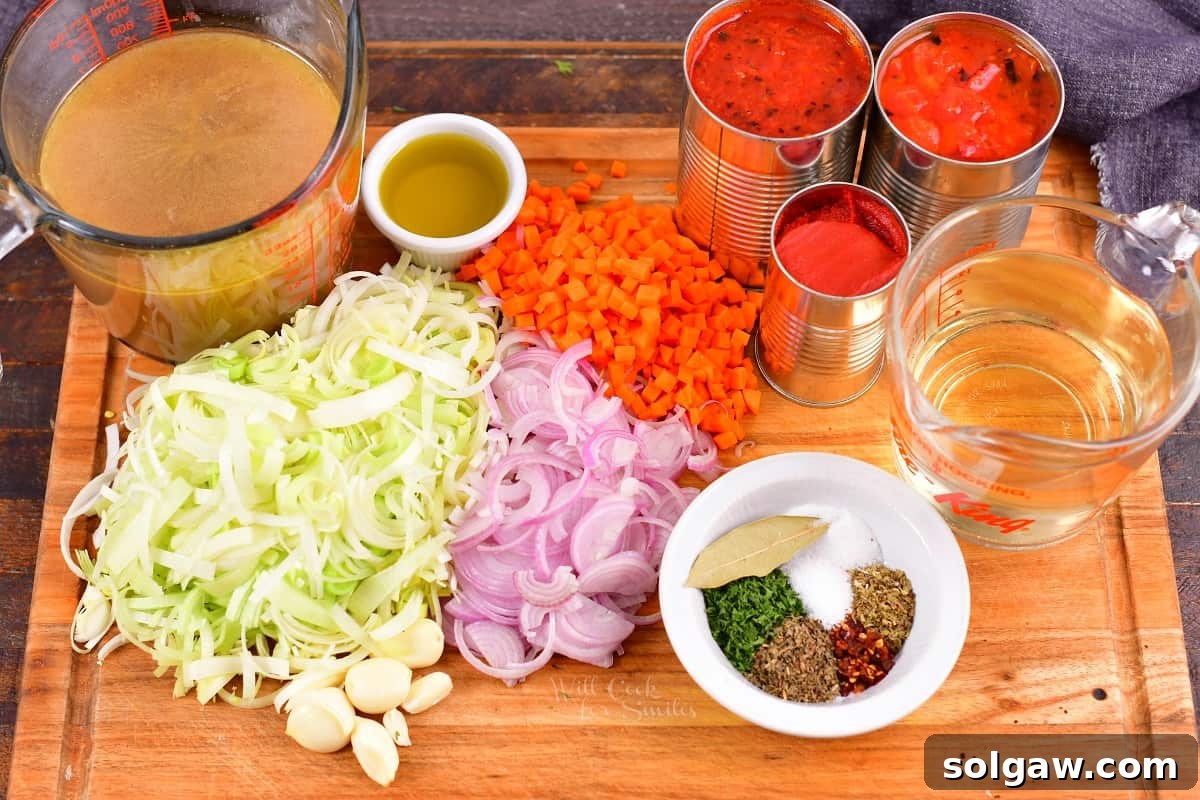
Crafting an exceptional Cioppino starts with understanding the role each ingredient plays. While the seafood takes center stage, the foundational aromatics and liquids are what build the stew’s signature depth and character. Here’s a closer look at the key components and how you can adapt them to your pantry or dietary needs:
- Shallots: The Aromatic Foundation
Shallots are often overlooked but are crucial for a refined flavor. They offer a delicate balance of onion and garlic, with a milder, sweeter, and less pungent taste than a regular onion. This gentle flavor beautifully compliments the seafood without overpowering it. If shallots are unavailable, you can substitute with half a Vidalia onion or a small yellow onion, finely minced. Aim for a quantity that provides aromatic depth without becoming too assertive. - Leeks: Adding Sweetness and Mildness
Leeks contribute a subtle, sweet, and slightly earthy flavor to the broth. When purchasing, you’ll notice a distinct white and green section. For this recipe, we primarily use the white and light green parts, as the darker green tops can be quite tough and fibrous. Important tip: Leeks are notorious for trapping dirt and sand between their layers. After slicing the white portion, thoroughly rinse the pieces under cold running water, fanning out the layers to ensure all grit is removed. The green tops, while not used in the stew itself, are fantastic for making homemade vegetable stock or other broths, making them a zero-waste ingredient. - Canned Tomatoes: The Heart of the Broth
The tomato base is the backbone of Cioppino. We highly recommend using fire-roasted diced tomatoes for an added layer of smoky depth and complexity that elevates the stew’s overall flavor. However, if fire-roasted varieties are hard to find, good quality plain canned diced tomatoes will work perfectly well. You can also experiment with crushed tomatoes for a smoother consistency or a blend of diced and crushed for a richer texture. The quality of your canned tomatoes truly makes a difference here, so choose a reputable brand. - Stock or Broth: Building a Flavorful Base
For a truly authentic and deeply flavored Cioppino, seafood stock or fish stock is the ideal choice as it naturally enhances the taste of the fresh seafood. It creates a harmonious base that ties all the individual flavors together. If seafood stock is not an option, a good quality lobster stock can also be used. In a pinch, vegetable stock can serve as a suitable substitute, though it will impart a slightly different flavor profile. We generally advise against using chicken or beef broth, as their strong flavors can clash with the delicate seafood. - Dry White Wine: A Touch of Acidity and Aroma
Dry white wine is a non-negotiable ingredient for authentic Cioppino, contributing essential acidity, depth of flavor, and a subtle fruity note that brightens the entire stew. Choose a dry, crisp white wine like Sauvignon Blanc, Pinot Grigio, or a dry Vermouth. Avoid sweet wines, as they will alter the stew’s intended flavor. If you prefer to avoid alcohol for medical or religious reasons, you can substitute the wine with an equal amount of additional fish or vegetable stock, and add a splash (about one tablespoon) of white wine vinegar or lemon juice to mimic the acidity. - Garlic: The Pungent Perfection
Garlic is another essential aromatic, providing a pungent, savory kick that is classic in Italian-American cuisine. Freshly minced garlic is always best. Be careful not to overcook the garlic; it should be fragrant but not browned, as burnt garlic can turn bitter and ruin the flavor of your stew. - Herbs and Spices: The Flavor Boosters
Beyond the core ingredients, a thoughtful blend of herbs and spices is vital. Dried parsley, oregano, thyme, and garlic powder provide classic Mediterranean warmth. Red pepper flakes are essential for a subtle (or not-so-subtle, depending on your preference) kick of heat that balances the richness of the tomatoes and seafood. A bay leaf adds an underlying herbaceous note. And a touch of sugar helps to balance the acidity of the tomatoes, creating a well-rounded and harmonious broth. Remember to taste and adjust the seasonings as you go!
What Seafood Can I Use In a Cioppino? Customizing Your Catch
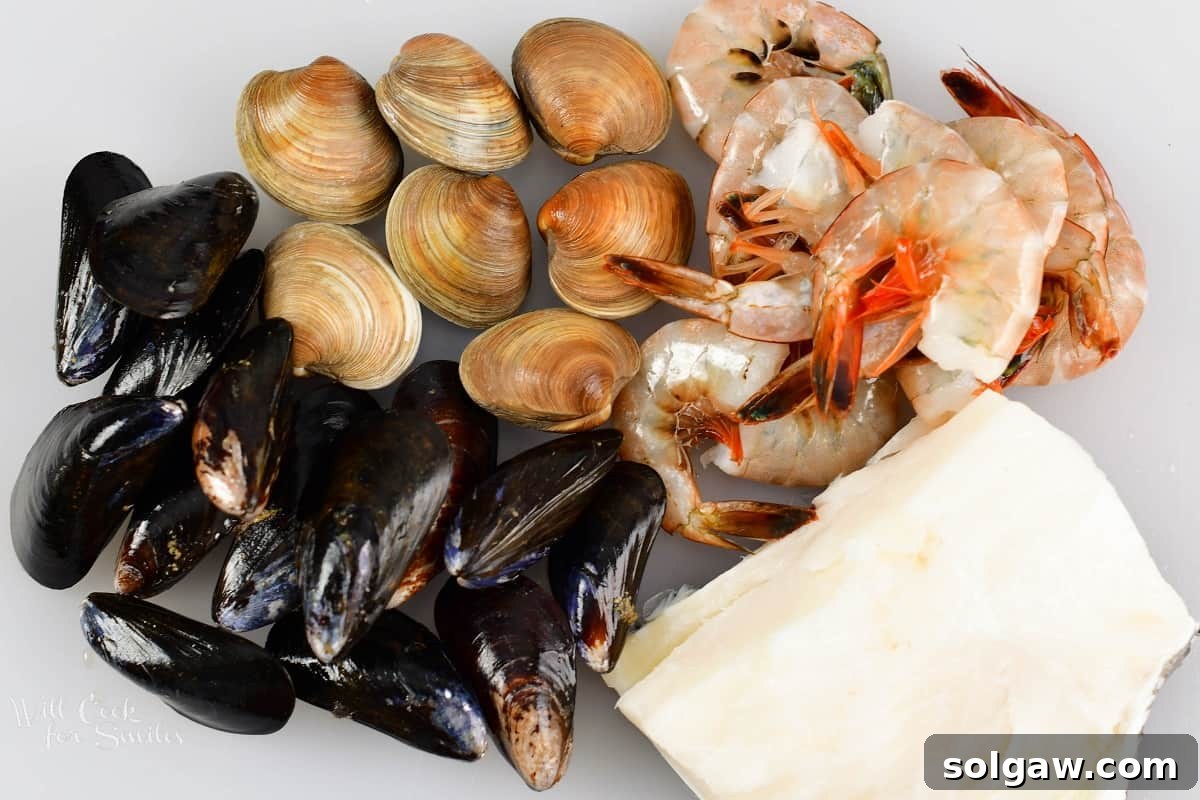
The beauty of Cioppino lies in its versatility and its “fisherman’s stew” origin, meaning you can customize the seafood to your preference and what’s fresh and available. A traditional Cioppino typically features a delightful combination of white fish, various shellfish, and mollusks, creating a diverse texture and flavor profile in every spoonful.
Here are some popular and recommended seafood choices:
- Mussels: These add a briny sweetness and wonderful texture. Look for fresh, tightly closed mussels. Discard any that are open and don’t close when tapped. Make sure to scrub them clean and de-beard them before cooking.
- Clams: Manila or littleneck clams are excellent choices, offering a tender bite and a burst of savory sea flavor. Your local market’s selection will often dictate the best variety available. Littleneck clams are generally considered the tastiest, but other types like steamers or even cockles can be used. Just like mussels, ensure they are tightly closed and scrubbed clean.
- Shrimp: Jumbo shrimp are perfect for Cioppino. They cook quickly and absorb the flavors of the broth beautifully. You can choose to leave the shells on for extra seafood flavor in the broth, or remove them for easier eating. Always devein shrimp for a cleaner taste and presentation.
- White Fish: The white fish component provides a flaky, tender contrast to the shellfish. Excellent options include cod, halibut, sea bass, snapper, grouper, or even tilapia. Choose a firm, white-fleshed fish that will hold its shape during simmering. Cut the fish into 1-2 inch chunks for even cooking.
- Optional Additions for Extra Luxury:
- Crab: Dungeness crab is a classic San Francisco addition, often served cracked in sections. King crab or snow crab legs can also be used for an indulgent touch.
- Scallops: Large sea scallops can be added for a sweet, succulent element.
- Calamari (Squid): Sliced calamari rings can add a tender, chewy texture, but be careful not to overcook them as they can become rubbery.
- Lobster: For an extra special occasion, lobster tail meat can be a magnificent addition.
Expert Tip for Seafood Selection: The key to a truly fantastic Cioppino is using the freshest seafood possible. Visit your local fishmonger and inquire about their daily catches. Don’t hesitate to mix and match; a diverse selection of 3-4 types of seafood typically yields the most exciting results. Remember, this list is fully customizable to suit your personal preferences and what’s available seasonally!
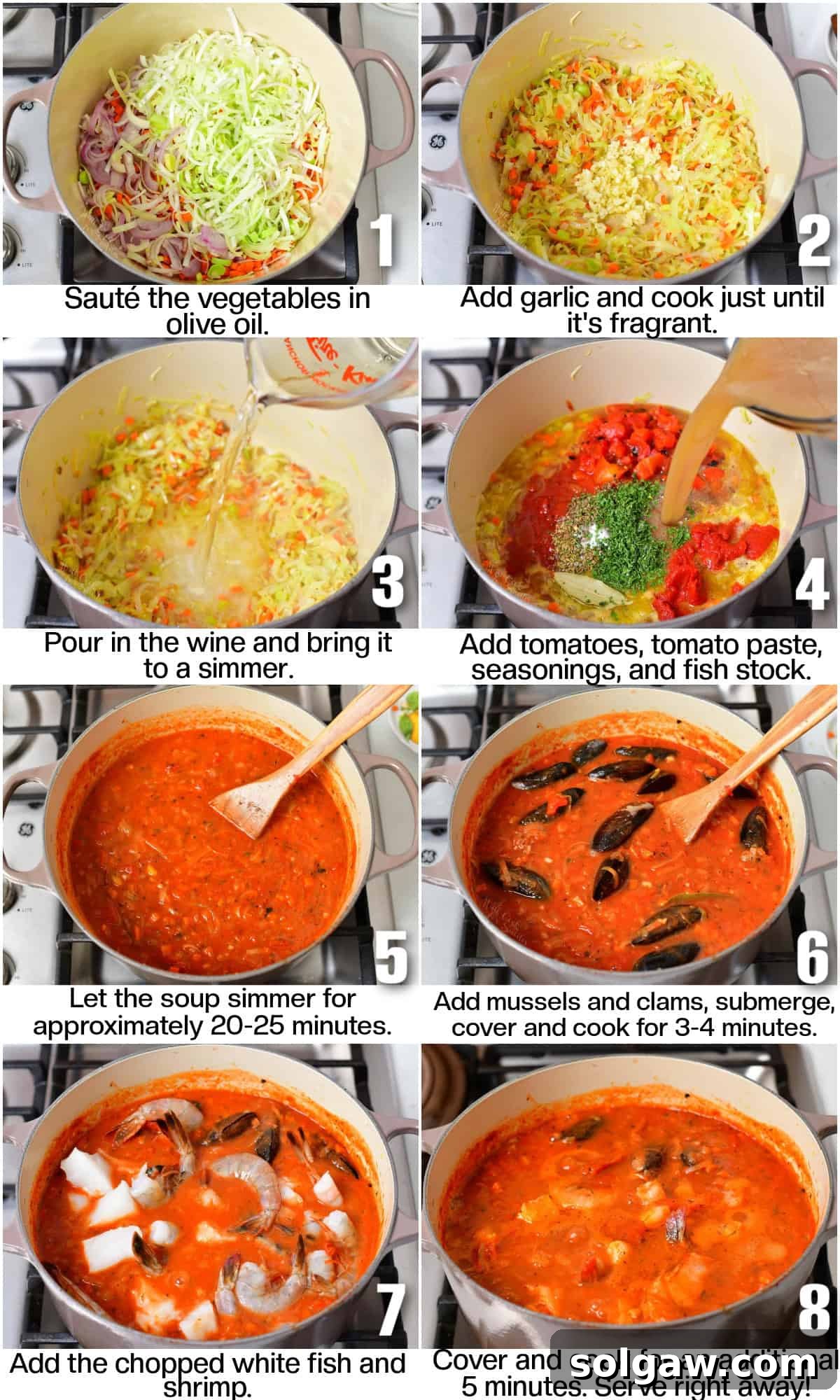
How to Make Cioppino: A Step-by-Step Guide to Culinary Perfection
Making Cioppino is a relatively quick process once you start cooking, which means thorough preparation, also known as “mise en place,” is crucial. Having all your ingredients prepped and ready before you turn on the stove will ensure a smooth and enjoyable cooking experience.
Preparation Pointers: Ensure your shrimp are deveined. If you opt to keep the shells on for extra flavor, you can still devein them by making a shallow cut along the back. Additionally, always remember to thoroughly scrub mussels and clams under cold running water to remove any dirt or sand from their shells before adding them to the stew.
- Sauté the Aromatics: Begin by heating olive oil in a large Dutch oven or a heavy-bottomed pot over medium heat. Add your finely diced shallots, sliced leeks (white and light green parts only), and carrots. Sauté these vegetables gently, stirring occasionally, until they soften and begin to develop a golden-brown hue. This step is vital as it caramelizes the vegetables, building a deep, savory foundation for your stew through the Maillard reaction.
- Infuse with Garlic: Once the vegetables are tender and slightly golden, add your minced garlic to the pot. Sauté for just about 30-60 seconds, or until the garlic becomes fragrant. It’s important not to overcook the garlic, as it can quickly turn bitter when browned.
- Deglaze with Wine: Pour in the dry white wine, increasing the heat slightly to bring it to a gentle simmer. As the wine heats, use a wooden spoon to scrape any browned bits from the bottom of the pot. This process, known as deglazing, incorporates all those delicious caramelized flavors back into your broth, adding incredible depth. Let the wine simmer for about a minute to allow some of the alcohol to evaporate, leaving behind its wonderful essence.
- Build the Broth: Next, add the canned diced tomatoes (fire-roasted if possible), tomato paste, fish or seafood stock, bay leaf, red pepper flakes, dried parsley, dried oregano, dried thyme, garlic powder, and sugar. Stir everything together thoroughly to combine all the ingredients. Bring the mixture to a simmer, then reduce the heat to medium-low. Allow the broth to gently simmer for approximately 20-25 minutes. This simmering time is crucial for the flavors to meld and deepen, creating a rich and complex base. Remember to taste the broth as it simmers and adjust seasonings, adding more salt, pepper, or red pepper flakes as needed to suit your palate.
- Add the Mollusks: Once the broth has simmered and its flavors have developed, carefully add the scrubbed mussels and clams to the pot. Submerge them gently into the hot broth. Cover the pot with a tight-fitting lid and cook for 3-4 minutes. The steam trapped inside will help them open. Discard any mussels or clams that do not open after this cooking time.
- Introduce Fish and Shrimp: Finally, add the chopped white fish and deveined shrimp to the stew, making sure they are fully submerged in the broth. Cover the pot once more and continue to cook for an additional 5 minutes, or until the white fish is opaque and flakes easily, the shrimp are pink and cooked through, and any remaining clams and mussels have opened. Be careful not to overcook the seafood, as it can become tough and rubbery.
- Serve Immediately: Remove the bay leaf before serving. Ladle the hot Cioppino into large bowls, ensuring each serving gets a generous portion of the flavorful broth and a medley of seafood. Serve immediately with crusty bread, sourdough slices, warm biscuits, or dinner rolls for dipping into the exquisite broth. A sprinkle of fresh parsley for garnish adds a vibrant touch.
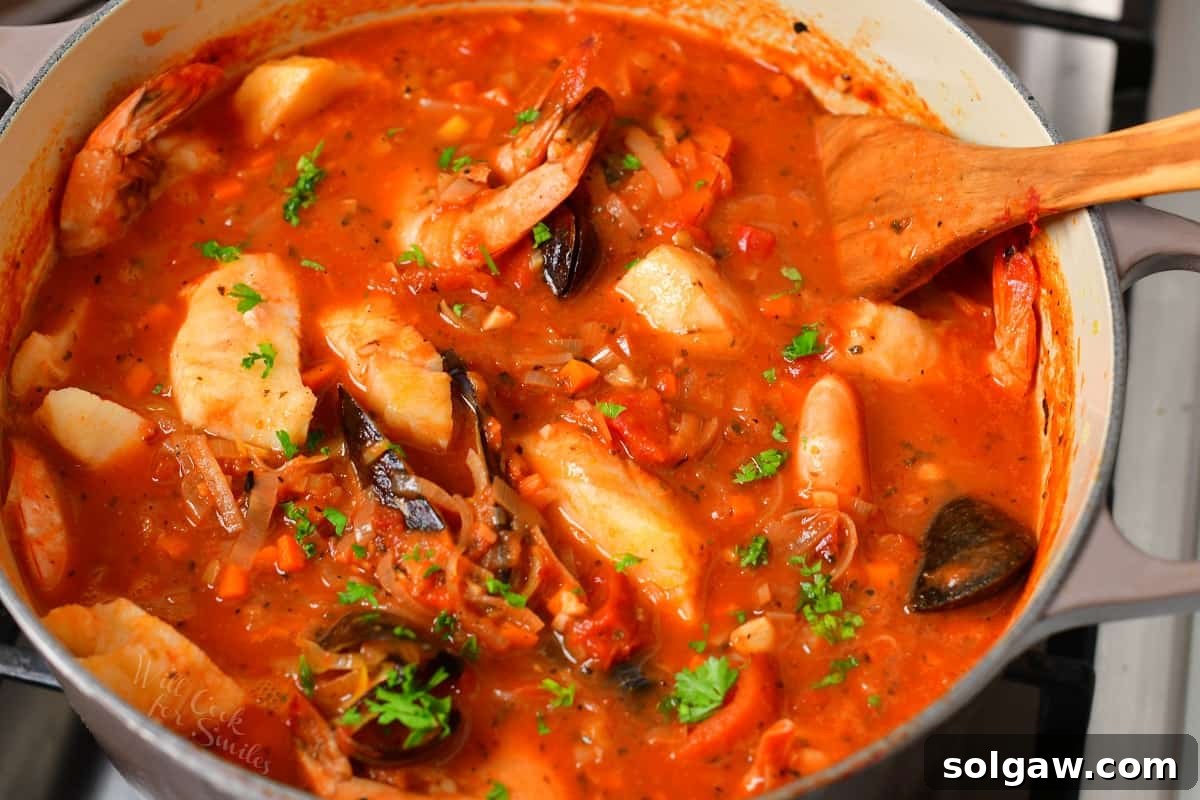
Top Tips for the Best Cioppino Every Time
To ensure your homemade Cioppino is nothing short of spectacular, keep these expert tips in mind:
- Prioritize Fresh Seafood: The fresher your seafood, the better your Cioppino will taste. Visit a reputable fishmonger or a seafood market. If using frozen seafood, ensure it is properly thawed before cooking. For frozen fish and shrimp, always thaw them completely in the refrigerator overnight. Frozen clams or mussels can sometimes be cooked from frozen, but they might require a few extra minutes to open.
- Safe Thawing Practices: The safest way to thaw frozen seafood is slowly in the refrigerator overnight. Avoid thawing seafood at room temperature or in a sink of warm water, as this can lead to bacterial growth and health risks. If you need to quick-thaw, place sealed seafood in a bowl of cold water, changing the water every 30 minutes, but still, refrigeration is preferred.
- Thoroughly Clean Shellfish: Mussels and clams often contain sand or grit. Before cooking, scrub their shells vigorously with a stiff brush under cold running water. You can also “purge” them by soaking them in a bowl of cold, salted water for about 20-30 minutes, which encourages them to expel any sand.
- Shells On or Off for Shrimp: This is a matter of preference. Leaving the shells on your jumbo shrimp during cooking will impart a deeper, more pronounced seafood flavor to the broth. However, removing the shells beforehand makes the stew significantly easier to eat, especially for guests. If you choose to remove them, consider saving the shells to make a quick shrimp stock for future use or to fortify your main broth.
- Don’t Skip the White Wine: As mentioned, dry white wine is a traditional ingredient and plays a crucial role in the stew’s flavor development, adding acidity and complexity. If alcohol is an issue, remember to use stock with a splash of white wine vinegar or lemon juice as a substitute.
- Master Seafood Timing: Different types of seafood cook at different rates. To prevent overcooking and ensure tender results, it’s important to add them in stages. Mollusks (clams and mussels) and shrimp with shells on generally take slightly longer than delicate white fish and peeled shrimp. Always add the seafood that requires more cooking time first, then follow with the quicker-cooking varieties.
- Taste and Adjust Seasoning: Throughout the cooking process, particularly after the broth has simmered, taste your Cioppino. Adjust salt, pepper, and red pepper flakes to achieve your desired flavor balance and level of spice.
- Serving Suggestions: Cioppino is best served immediately, piping hot, with a generous portion of crusty bread for dipping into the rich broth. A garnish of fresh chopped parsley not only adds color but also a fresh herbaceous note. A wedge of lemon on the side allows for a bright squeeze of citrus, enhancing the seafood flavors.
Storing and Reheating Your Cioppino
Proper storage and reheating are key to enjoying your leftover Cioppino without sacrificing its delicious flavor or texture:
- Storing Leftovers: Any leftover Cioppino can be safely stored in the refrigerator for up to 4 days. Transfer it to an airtight food storage container or, if cooking in a Dutch oven, simply ensure the pot has a tightly fitting lid. Allow the stew to cool slightly before refrigerating to prevent condensation build-up.
- Reheating for Best Results: We strongly recommend reheating Cioppino on the stove in a sauce pot rather than using a microwave. Microwaves can easily overcook seafood, turning it rubbery and unappetizing. To reheat, place the desired amount of stew in a small sauce pot over medium-low heat. Stir gently and heat until the soup is just warmed through. Avoid boiling or vigorous simmering, which can also lead to overcooked seafood. If the broth has thickened too much, you can add a splash of fish stock or water while reheating.
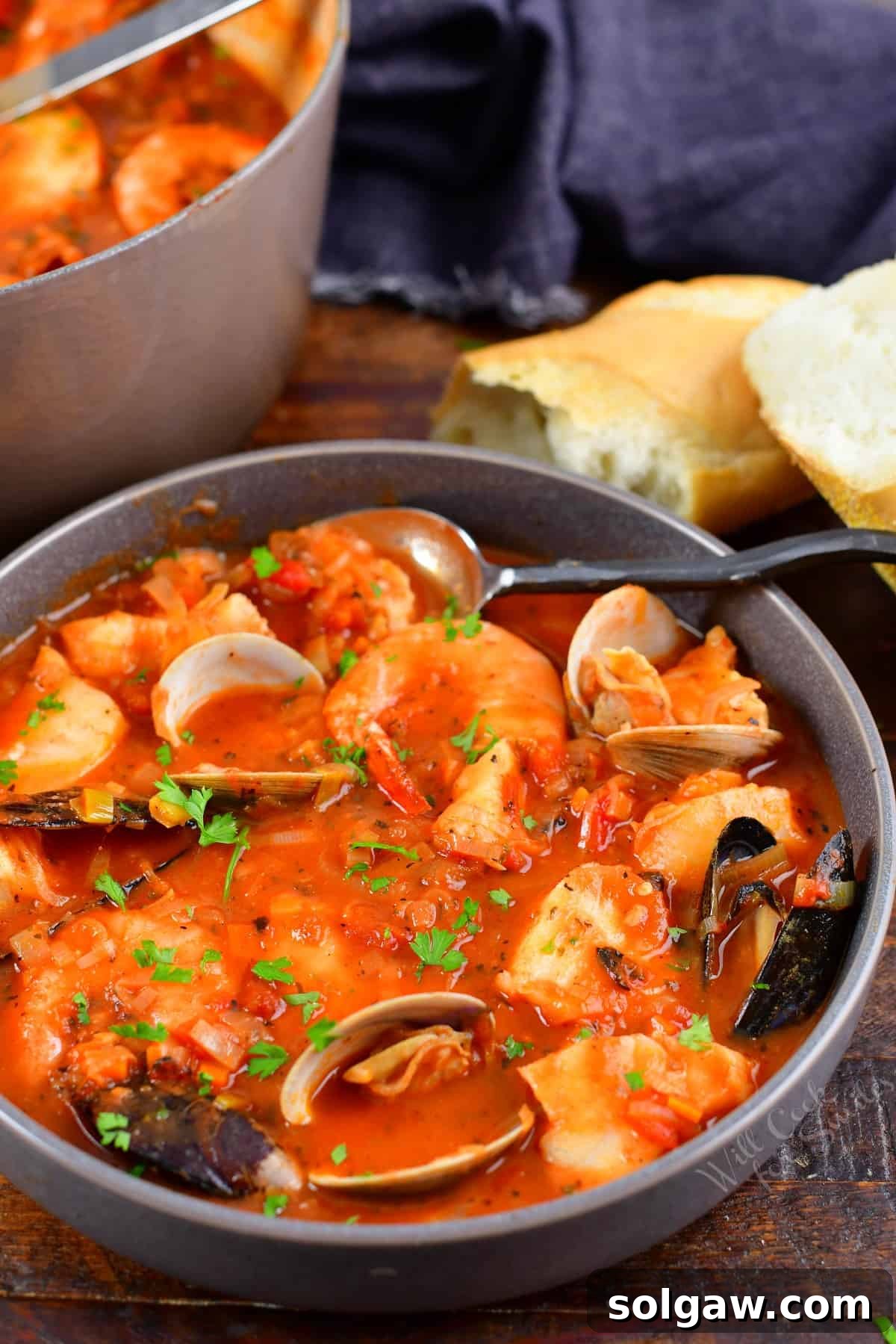
More Delightful Seafood Recipes to Explore
- Creamy Spinach and Peas Seafood Pasta
- Lobster Pasta
- Family Favorite Paella
- Shrimp Roll
- Pecan Crusted Salmon
PIN THIS RECIPE FOR LATER
Did you make this recipe?
PLEASE leave a 🌟 star rating! Let me know how you liked it by leaving a 📝 comment below or share and tag me on social media @willcookforsmiles. DON’T FORGET to subscribe to my newsletter!
TikTok
Youtube
Threads
Subscribe
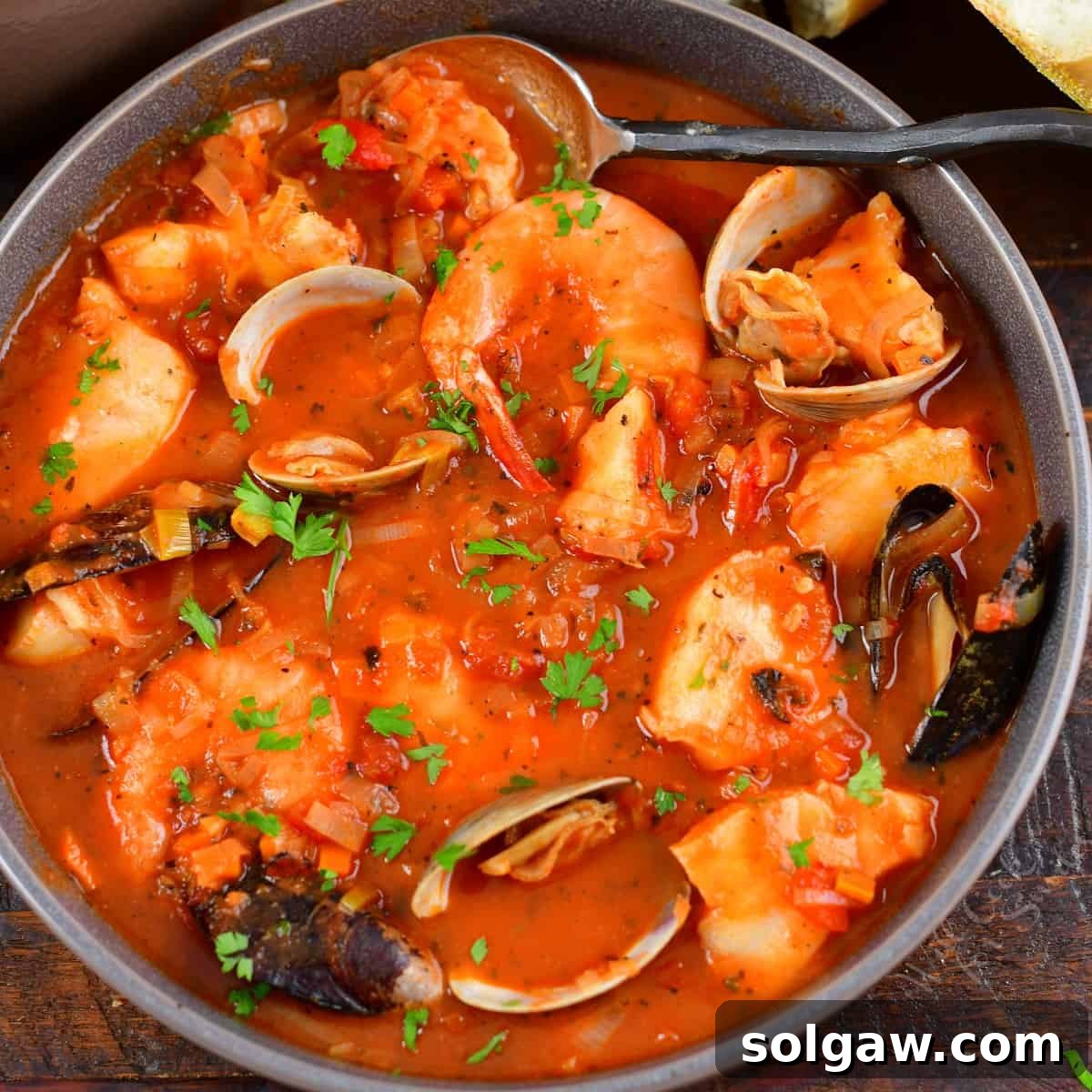
Cioppino (Seafood Stew) Recipe
Cioppino is a delicious Italian-American seafood stew with a rich tomato base, generously loaded with all your favorite seafood like white fish, clams, mussels, and shrimp. This is an easy seafood soup to make right at home!
Rating: 5 out of 5 stars (from 3 votes)
Print Recipe |
Pin Recipe |
Watch Video |
Rate This Recipe
- Course:
- Main Course
- Cuisine:
- American, Italian
- Diet:
- Gluten Free
- Prep Time:
- 10 minutes
- Cook Time:
- 50 minutes
- Total Time:
- 1 hour
- Servings:
- 6
- Calories:
- 338 kcal
- Author:
- Lyuba Brooke
Ingredients
- 3 tbsp olive oil
- 2 shallots, diced
- 2 medium carrots, diced
- 2 small leeks or 1 large leek, white and light green parts sliced and rinsed
- 4-5 garlic cloves, minced
- 1 1/2 cups dry white wine
- 2 (14.5 oz) cans fire roasted diced tomatoes
- 4 oz tomato paste
- 2 1/2-3 cups fish stock or seafood stock
- 1 bay leaf
- 1 tsp red pepper flakes (more or less to taste)
- 1 tbsp dried parsley
- 1 tsp dried oregano
- 1 tsp dried thyme
- 1 tsp garlic powder
- 2 tsp sugar
- 1 tsp salt (more or less to taste)
- 1/2 lb mussels, scrubbed and de-bearded
- 1/2 lb manila clams or littleneck clams, scrubbed
- 1 lb jumbo shrimp, deveined (in shell when possible for more flavor)
- 1 lb white fish of choice (e.g., cod, halibut, sea bass), cut into 1-2 inch chunks
Instructions
- Prepare Ingredients: Before starting, dice and slice all vegetables, measure liquids and seasonings, and thoroughly scrub the clams and mussels.
- Sauté Vegetables: Preheat a large Dutch oven or heavy-bottomed pot over medium heat. Add olive oil, then add shallots, leek, and carrots. Sauté until the vegetables soften and begin to brown, about 5-7 minutes.
- Add Garlic and Deglaze: Add the minced garlic to the pot and sauté for about 30-60 seconds, or just until fragrant. Pour in the dry white wine and bring it to a simmer, scraping the bottom of the pot to deglaze and incorporate any browned bits. Let it simmer for 1 minute.
- Build the Broth: Stir in the diced tomatoes, tomato paste, fish stock (or seafood stock), bay leaf, red pepper flakes, dried parsley, dried oregano, dried thyme, garlic powder, and sugar. Mix everything thoroughly and taste for salt, adjusting if needed.
- Simmer Broth: Reduce heat to medium-low and let the soup simmer for 20-25 minutes, allowing the flavors to meld. Taste again and adjust seasonings, adding more red pepper flakes if you prefer more spice.
- Cook Mussels and Clams: Add the scrubbed mussels and clams to the broth, submerging them. Cover the pot with a lid and cook for 3-4 minutes, until they open. Discard any shellfish that remain closed.
- Add Fish and Shrimp: Finally, add the chopped white fish and shrimp to the broth, ensuring they are submerged. Cover and cook for another 5 minutes, or until the fish is opaque and flaky, the shrimp are cooked through and pink, and all remaining clams and mussels have opened. Be careful not to overcook the seafood.
- Serve: Remove the bay leaf. Serve the Cioppino immediately, garnished with fresh parsley and accompanied by crusty sourdough bread or your bread of choice for dipping.
Video
For a visual guide, watch the recipe video here!
Notes
- Storage: Store leftover Cioppino in an airtight container in the refrigerator for up to 4 days.
- Reheating: For best results, reheat in a sauce pot on the stove over medium-low heat until just warmed through, avoiding the microwave to prevent rubbery seafood.
Nutrition
- Calories:
- 338 kcal
- Carbohydrates:
- 18g
- Protein:
- 33g
- Fat:
- 10g
- Saturated Fat:
- 2g
- Polyunsaturated Fat:
- 2g
- Monounsaturated Fat:
- 6g
- Trans Fat:
- 1g
- Cholesterol:
- 140mg
- Sodium:
- 1463mg
- Potassium:
- 881mg
- Fiber:
- 3g
- Sugar:
- 7g
- Vitamin A:
- 4524IU
- Vitamin C:
- 12mg
- Calcium:
- 146mg
- Iron:
- 4mg
Tried this recipe?
Mention @willcookforsmiles or tag #willcookforsmiles!
Originally published on Will Cook For Smiles in October 2021.