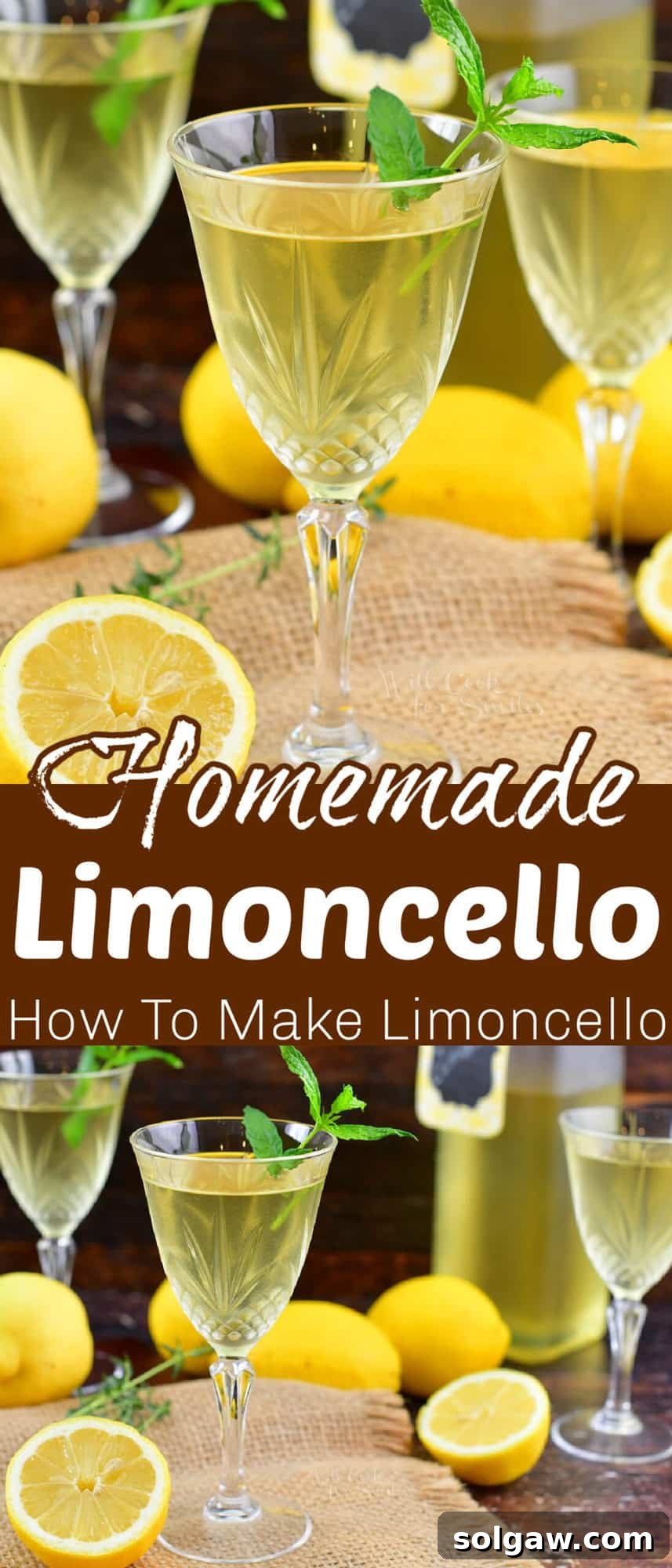
Homemade Limoncello: Crafting the Perfect Italian Lemon Liqueur
Limoncello, a vibrant and sweet Italian lemon liqueur, is a true taste of sunshine. Surprisingly simple to create at home, this exquisite digestivo requires just four ingredients and a dash of patience. Dive into the delightful process of making your own batch of this golden elixir.

What is Limoncello? The Nectar of the Gods
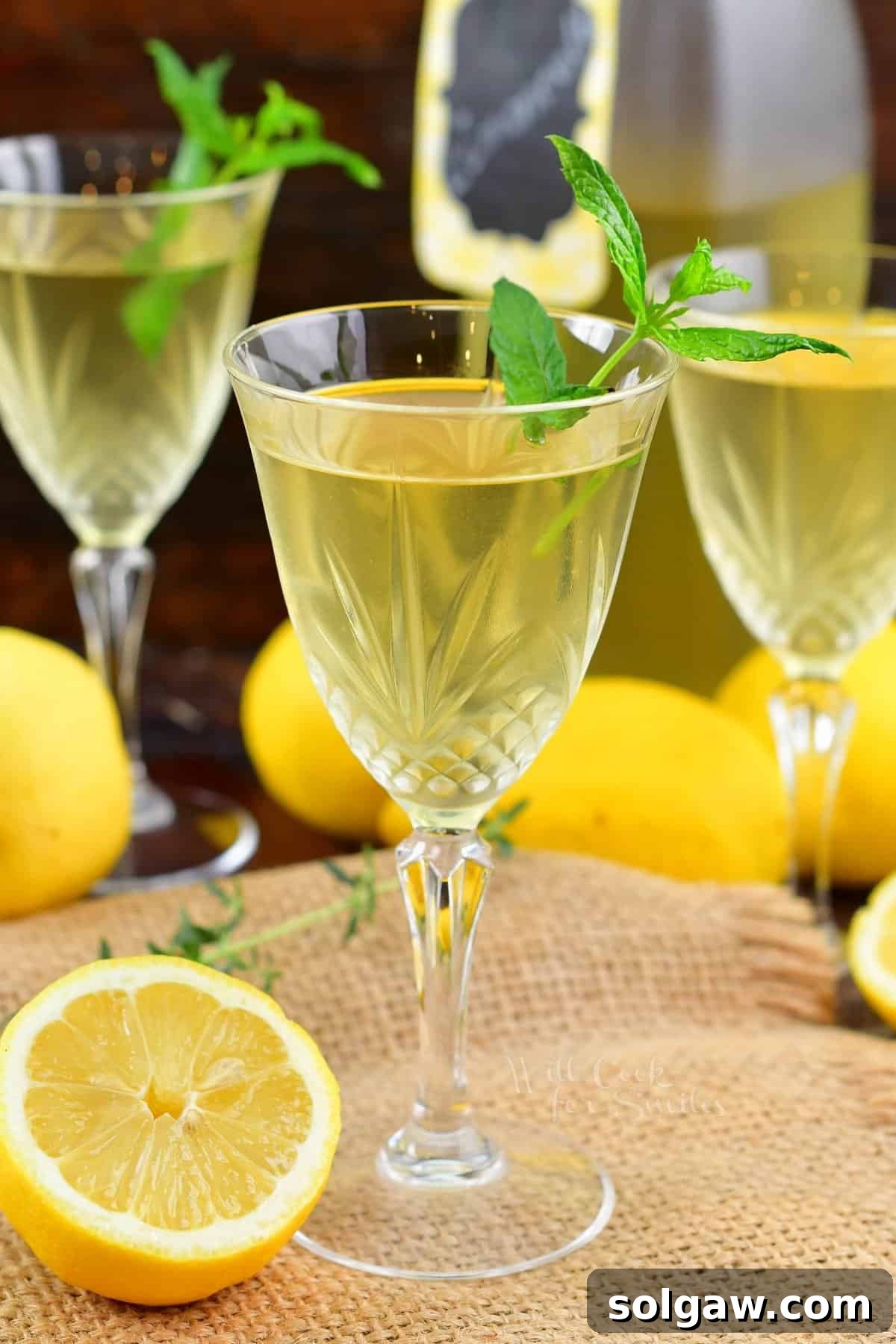
If you haven’t yet discovered the pure joy of this delightful Italian dessert liqueur, now is the perfect time to introduce your palate to its wonders. Often referred to as “the nectar of the Gods,” Limoncello genuinely lives up to this lofty title. It is an iconic Italian lemon liqueur, traditionally crafted by infusing the intensely aromatic oils from fresh lemon peels into high-proof vodka. This infusion process, which can take several days or even weeks, is key to developing its distinctive, bright lemon flavor.
Following the infusion, the potent lemon-infused vodka is masterfully blended with a precisely balanced simple syrup. The result is a smooth, sweet, and wonderfully flavorful digestivo, typically enjoyed as a sipping treat after a long, satisfying family dinner. Despite its significant alcohol content, Limoncello’s sweetness and vibrant taste make it incredibly easy to sip and savor. For many, including myself, it stands as one of the most cherished indulgences to round off a lavish meal, especially when prepared with care and attention to detail.
Beyond its taste, Limoncello embodies a rich family tradition across Italy, with each household often boasting its own cherished, secret recipe. The beauty of making Limoncello at home is its complete customizability. You have the freedom to adjust both its sweetness and alcohol strength to perfectly match your personal preferences. While this recipe offers a harmonious balance of both elements, feel free to experiment and fine-tune the proportions to create your ultimate homemade Limoncello, making it truly your own special tradition.
Crafting Perfection: Essential Limoncello Ingredient Notes
Choosing Your Lemons: The Heart of Your Limoncello
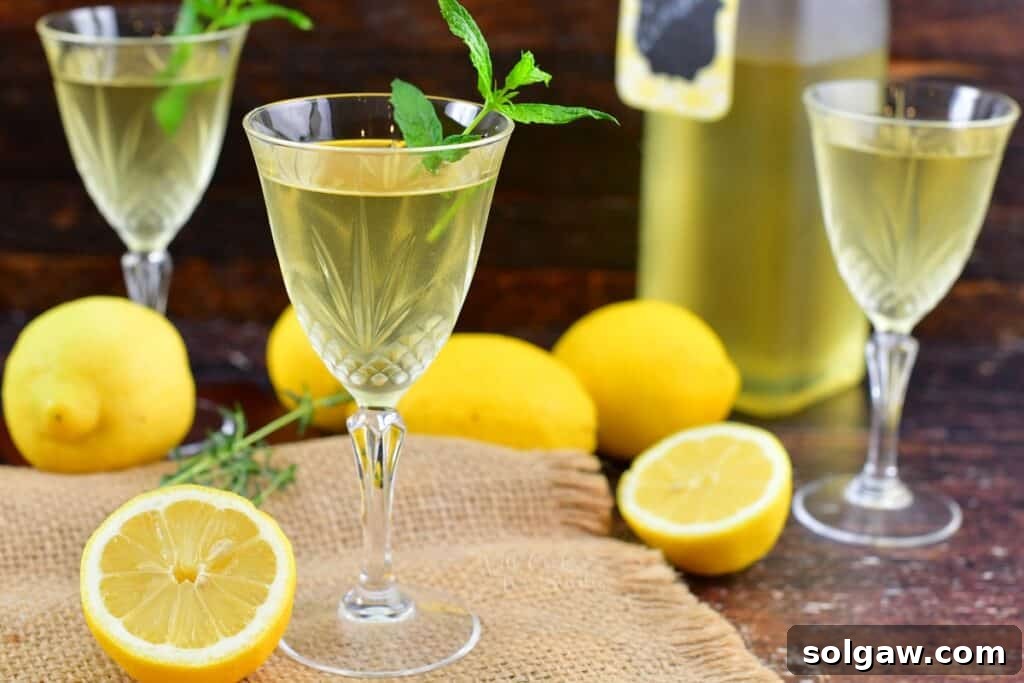
The essence of exceptional Limoncello lies in the quality of its lemons. Historically, this beloved liqueur was exclusively made with the renowned Amalfi lemons, cultivated in the sun-drenched southern regions of Italy. These particular lemons thrive in unique climatic conditions, yielding extraordinarily thick skins bursting with fragrant essential oils. As Limoncello’s popularity spread globally, home cooks began adapting recipes to utilize lemons readily available in their local markets.
When selecting lemons for your homemade Limoncello, a paramount recommendation is to **opt for organic lemons**. Since the recipe relies solely on the lemon zest, which is the outermost layer of the peel, using organic fruit significantly reduces your exposure to pesticides and waxes often found on conventionally grown lemons. Always thoroughly wash and dry your lemons before peeling.
Consider trying **Meyer lemons** as a fantastic alternative. Meyer lemons are a hybrid fruit, a cross between a lemon and a mandarin orange, giving them a sweeter, less acidic flavor profile and a slightly more floral aroma compared to common Eureka or Lisbon lemons. Their exquisite flavor and fragrant oils translate beautifully into Limoncello, resulting in a slightly softer, more nuanced liqueur. Due to their generally smaller size and thinner rinds, you might need to use a few extra Meyer lemons to achieve the desired amount of zest and flavor intensity.
The Spirit Base: Selecting the Right Vodka
The choice of alcohol is crucial for extracting the maximum flavor from your lemon peels and for the overall strength and smoothness of your Limoncello. I strongly recommend using a **100 proof (50% alcohol by volume) or even 120 proof (60% ABV) vodka**. High-proof alcohol acts as a superior solvent, efficiently drawing out the vibrant essential oils from the lemon zest during the infusion period. This results in a more intensely flavored and aromatic liqueur.
While 100 proof vodka is widely accessible, you might also consider neutral grain spirits like Everclear, available in even higher proofs (up to 190 proof/95% ABV). Using such high-proof alcohol maximizes extraction, yielding a remarkably potent lemon essence. If you’re concerned about the final alcohol content, remember that you can always dilute the finished Limoncello by adding more water or simple syrup to achieve your preferred strength.
Important Note: For those with dietary restrictions, it’s worth noting that you can easily find **gluten-free 100 proof vodka** brands. Additionally, Everclear, being a pure grain alcohol, is also typically gluten-free. Always check product labels to confirm. When choosing your spirit, opt for a good quality, neutral-tasting vodka that won’t impart any unwanted flavors to your delicate lemon liqueur.
Disclosure: Please be aware that certain proof levels of spirits like Everclear may be illegal or restricted in some states or regions. Always check your local laws and regulations before purchasing.
Balancing Sweetness and Strength: Your Custom Simple Syrup Ratio
This is arguably the most personalized aspect of making Limoncello, allowing you to tailor the liqueur precisely to your taste. The ratio of water to sugar directly impacts both the sweetness and the overall “booziness” of the final product. Do you prefer a bolder, more alcoholic kick, or a sweeter, smoother sipping experience? Your personal preference truly makes all the difference here.
My own ideal Limoncello strikes a balance: somewhat boozy, yet not overwhelmingly sweet. For this, I typically use a ratio of 3 cups of water to 1.5 to 2 cups of sugar. This creates a beautifully balanced liqueur that’s both flavorful and refreshing.
When I prepare Limoncello as a thoughtful gift, I often lean towards a slightly sweeter profile, using 3 cups of water with a full 2 cups of sugar. However, for personal enjoyment, I reduce the sugar, opting for 3 cups of water and only 1 to 1.5 cups of sugar. This flexibility allows for a range of preferences. You can experiment with ratios up to 4 cups of water and up to 3 cups of sugar, but **please be advised**: a ratio incorporating 3 cups of sugar will result in a very sweet Limoncello, best suited for those with a pronounced sweet tooth or for mixing into cocktails where other elements balance it out. The key is to find your perfect harmony between the bright lemon, potent alcohol, and delightful sweetness.
How to Make Limoncello: A Step-by-Step Guide
Making homemade Limoncello is a rewarding experience that transforms simple ingredients into a golden masterpiece. Follow these detailed steps for a perfect batch:
Peel and Infuse the Lemons: Unleashing the Flavor
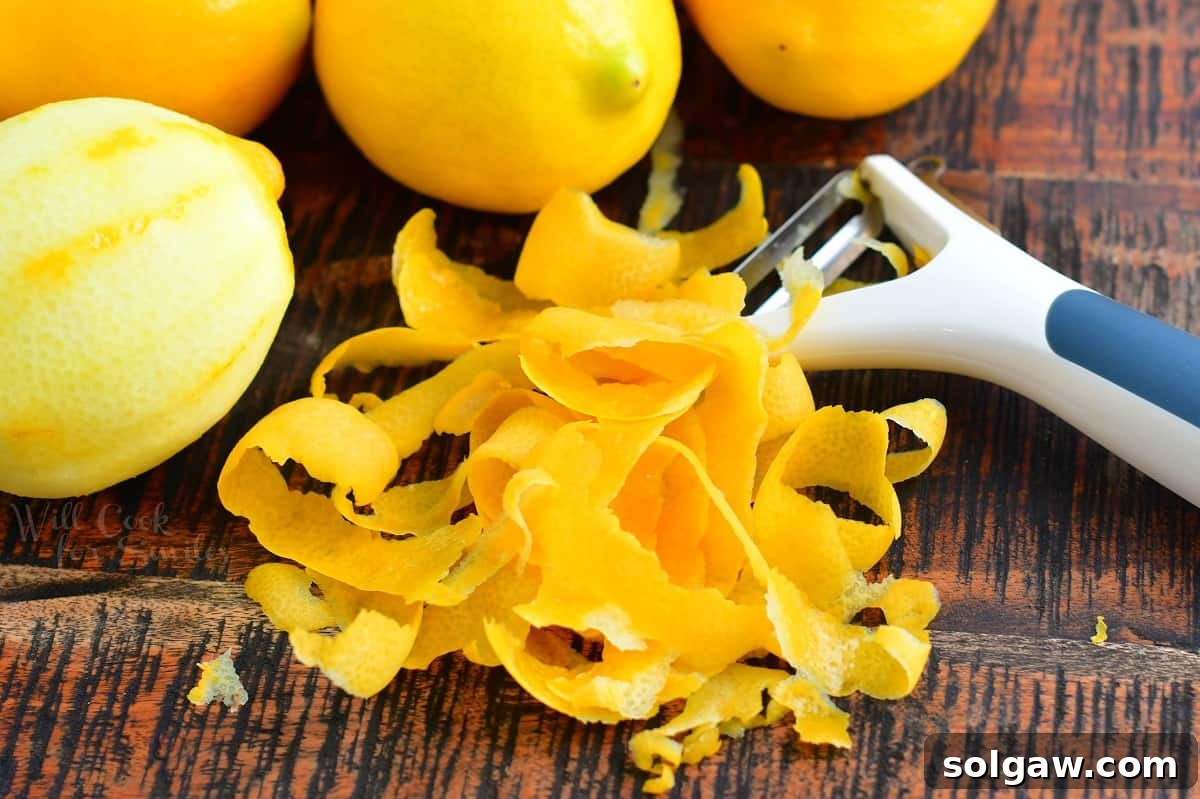
The journey begins with carefully peeling your fresh, organic lemons. For best results, I highly recommend using a Y-shaped vegetable peeler or a sharp, fine citrus peeler. The critical goal here is to remove only the bright yellow zest – the outermost layer rich in essential oils – while meticulously avoiding the white pith underneath. The pith, though seemingly innocuous, contains bitter compounds that can negatively affect the exquisite flavor of your Limoncello. Take your time to peel thin, beautiful strips of zest, ensuring no white remains.
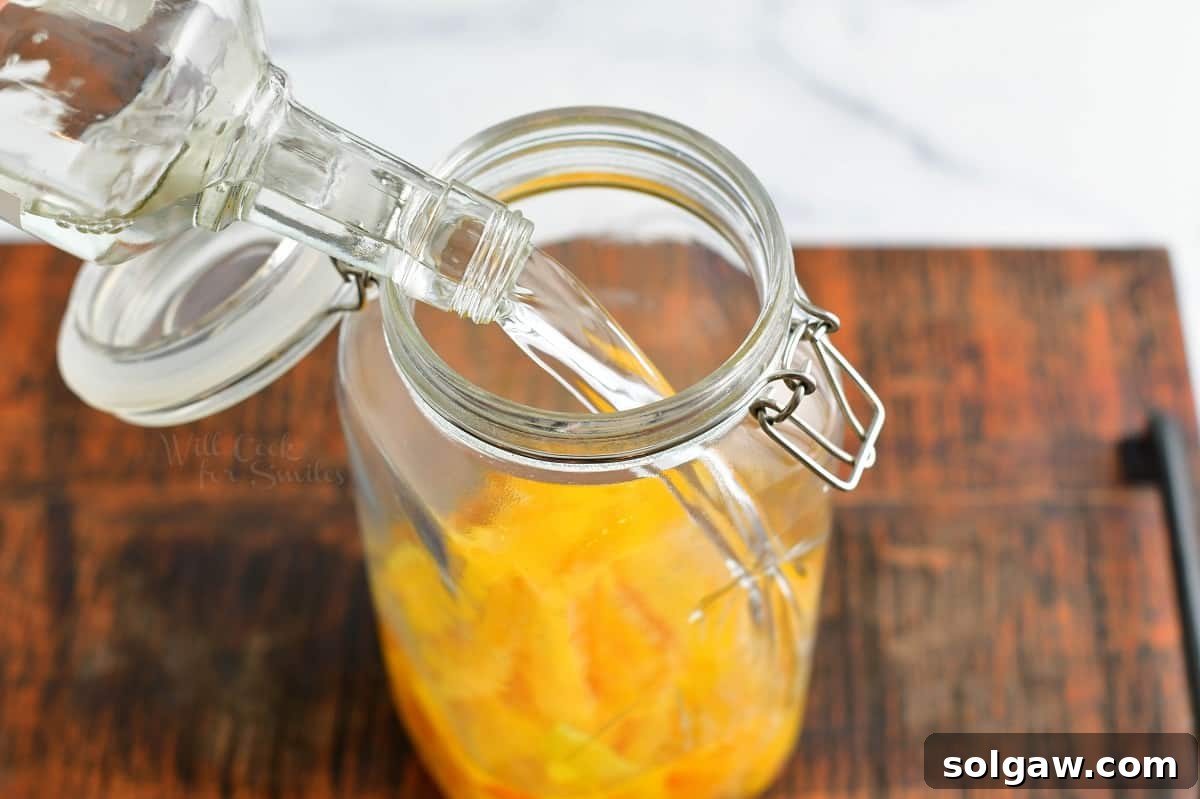
Once you have collected all your fragrant lemon peels, transfer them into a large, clean glass container. This could be a mason jar or a similar glass vessel with an airtight lid. Pour your chosen high-proof vodka over the lemon peels, ensuring they are fully submerged. Securely close the container with its lid to prevent any alcohol evaporation.
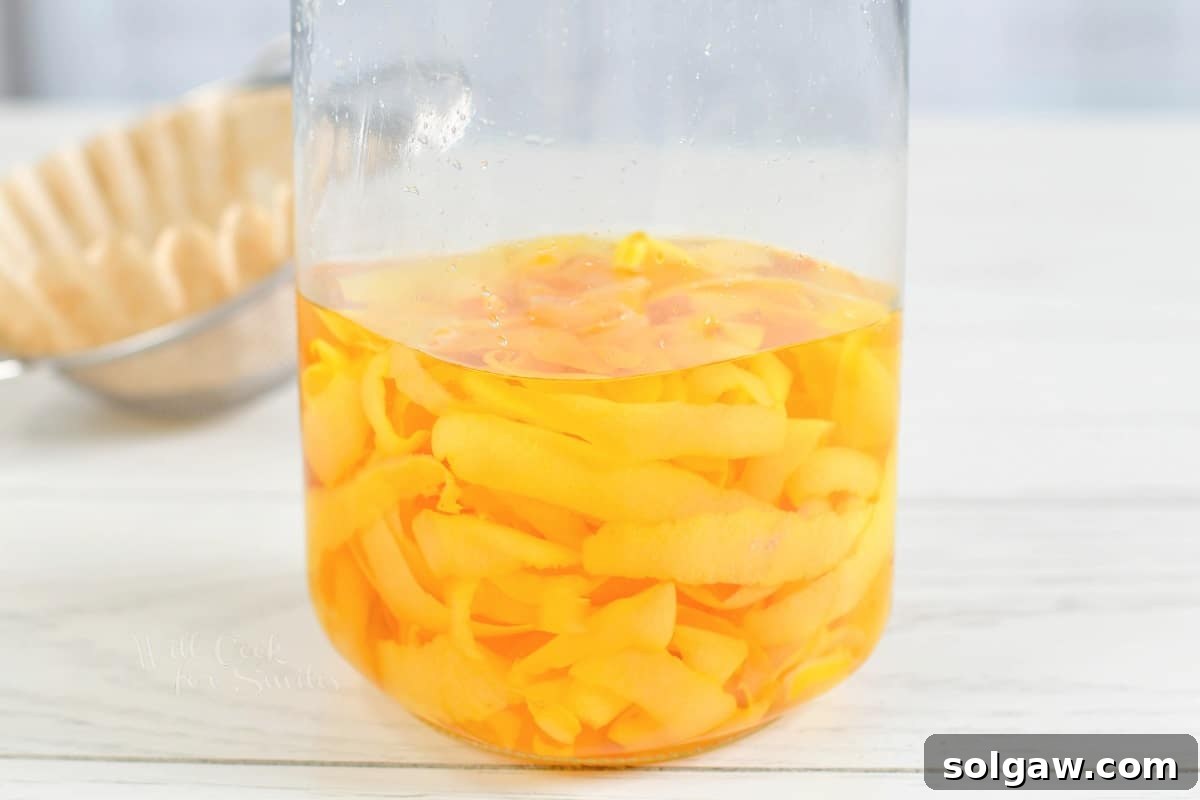
Now comes the waiting game, the infusion period. Place your sealed container in a cool, dark place away from direct sunlight, maintaining a consistent room temperature. Allow the lemon peels and vodka to infuse for approximately **4 weeks**. During this crucial time, the alcohol will slowly extract all the vibrant essential oils and intense lemon flavor from the zest. To aid in this process and ensure even distribution of the oils, gently shake or swirl the container every few days.
Strain the Infusion: Achieving Crystal Clarity
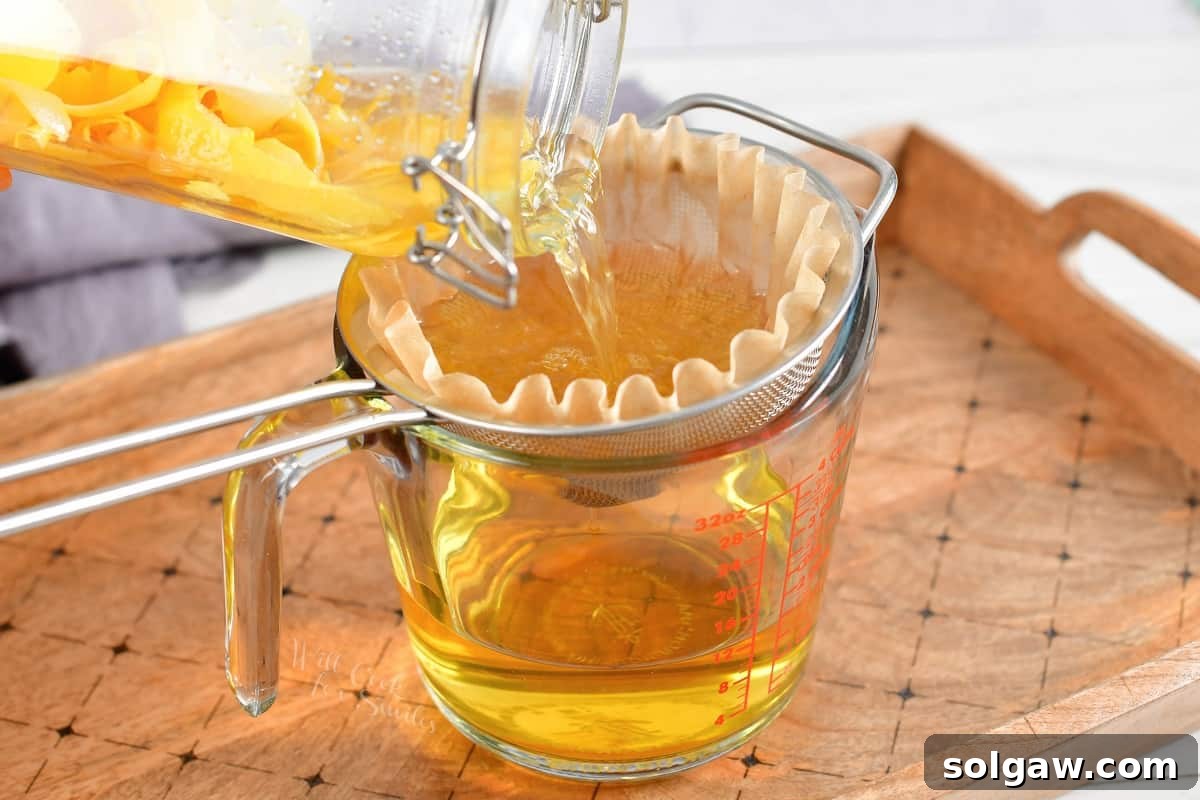
After the patient waiting period, your lemon-infused vodka will have developed a beautiful golden hue and an intoxicating aroma. It’s now time to separate the liquid from the spent lemon peels. To achieve a perfectly clear Limoncello, I recommend setting a fine-mesh strainer over a large 4-cup measuring cup or another suitable container. For an even more refined result, line the mesh strainer with a clean coffee filter or a double layer of cheesecloth. This extra step captures any tiny particles of zest, ensuring your Limoncello is brilliantly clear.
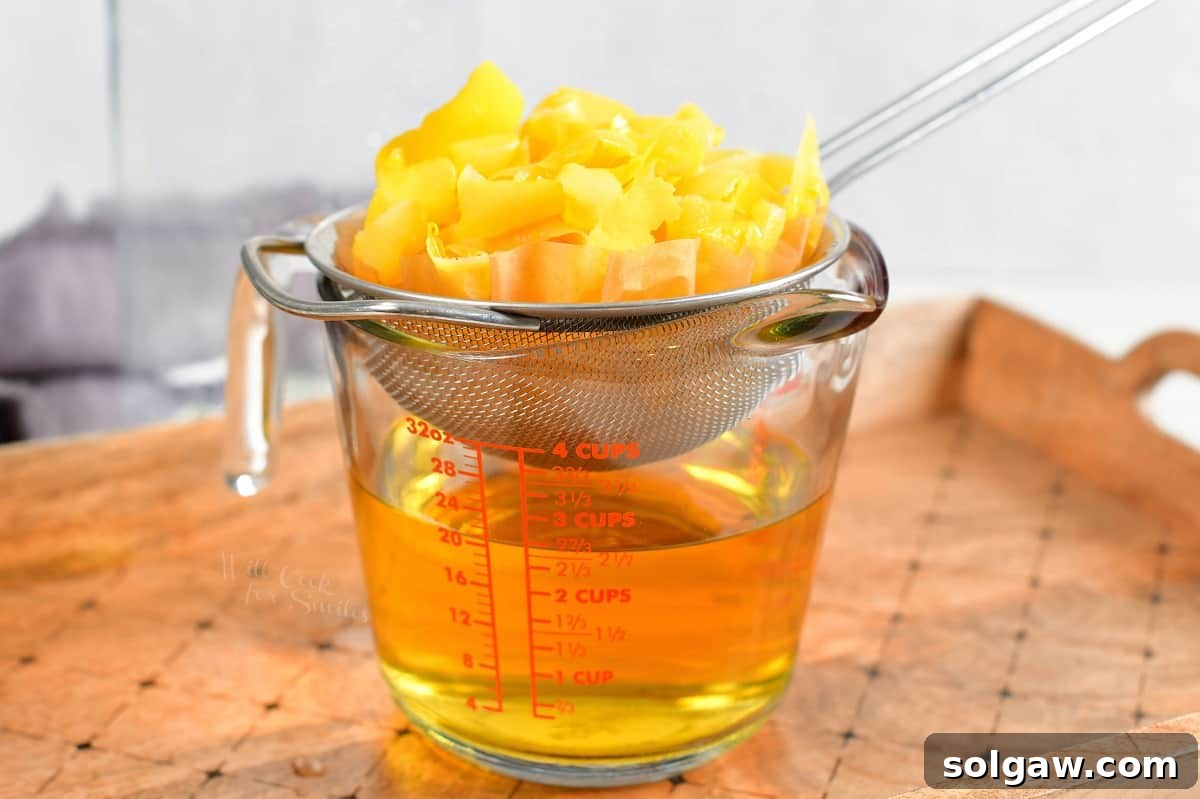
Carefully pour the infused vodka through the prepared strainer. Allow it to drain completely. Once all the liquid has passed through, you can discard the lemon peels; their work is done.
Crafting the Simple Syrup: Sweetening the Elixir
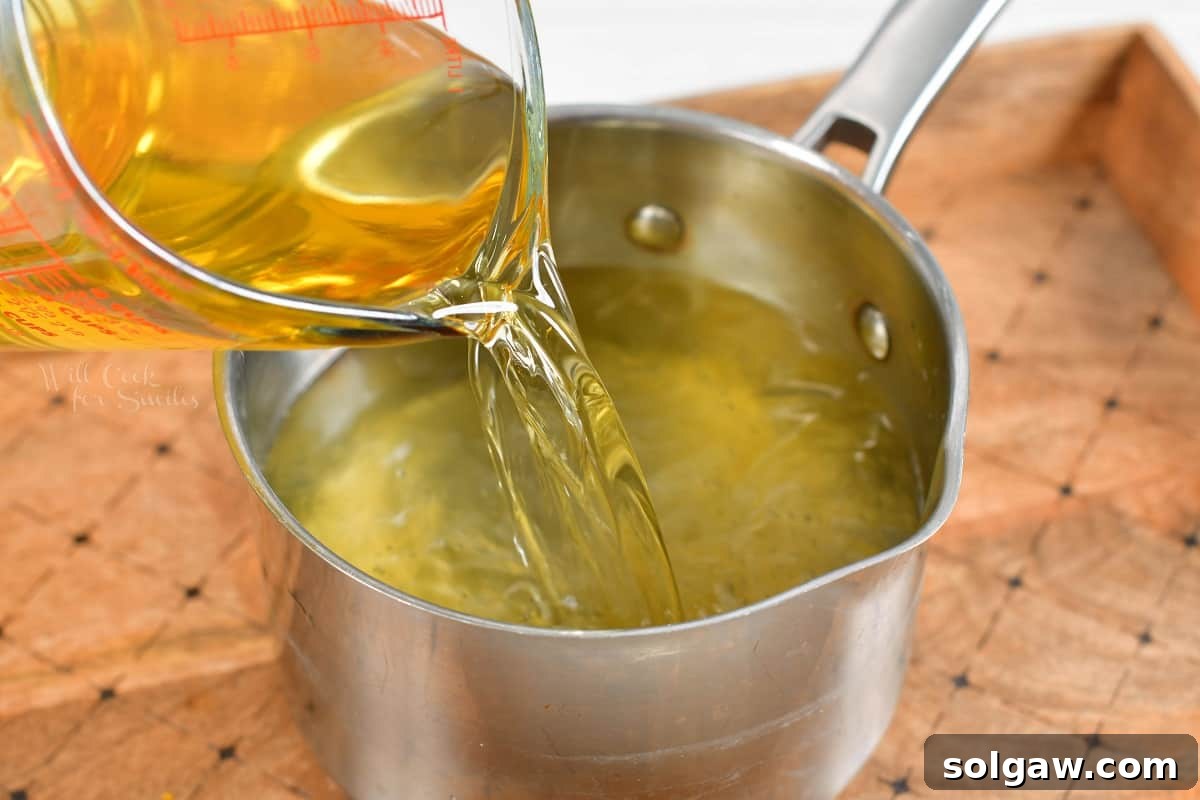
The next step is to prepare the simple syrup, which will balance the potent lemon-infused vodka with its essential sweetness. In a saucepan, bring the measured water to a gentle simmer. Once it reaches a simmer, remove the saucepan from the heat immediately. Stir in the granulated white sugar, mixing continuously until the sugar is completely dissolved and no granules remain at the bottom of the pan.
This part is critical: allow the simple syrup to cool down completely to **room temperature** before you combine it with your lemon-infused vodka. **Never add hot simple syrup to the infused vodka**, as the heat can cause the alcohol to evaporate and diminish the delicate lemon flavors you worked so hard to extract.
Once both the infused vodka and the cooled simple syrup are ready, gently combine them in a large mixing vessel. Stir thoroughly to ensure the sweetness is evenly distributed throughout the Limoncello. This is your opportunity to taste and adjust the sweetness if desired, by adding a little more cooled simple syrup or a touch more water.
Bottling Your Homemade Limoncello: Storage and Enjoyment
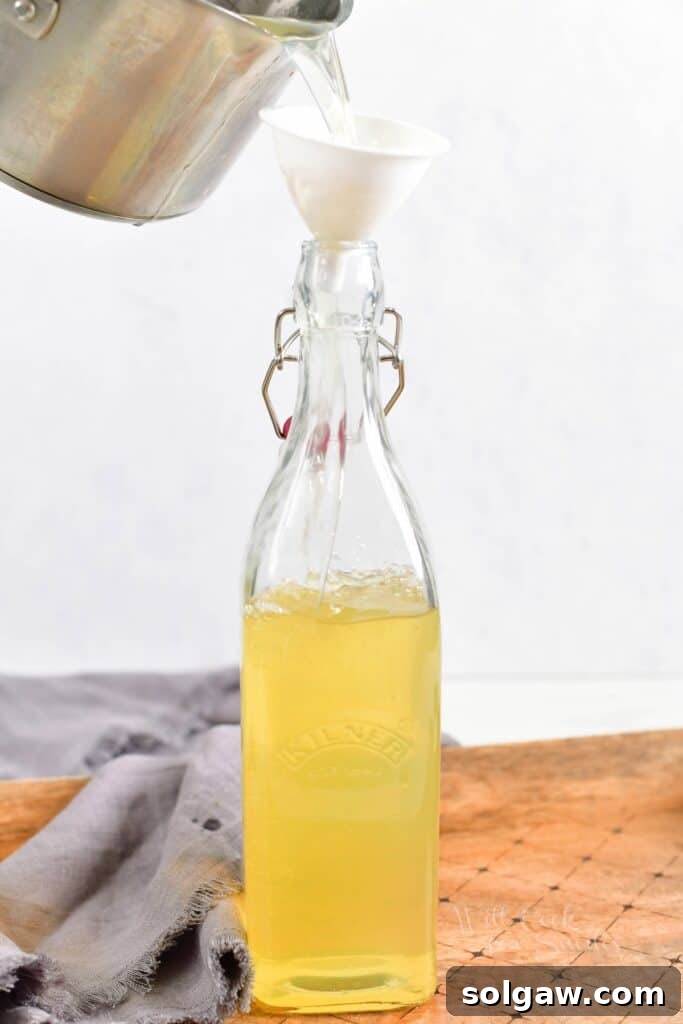
With your Limoncello perfected, it’s time for bottling. Gather several clean glass bottles with airtight seals. For optimal presentation and longevity, it’s advisable to sterilize your bottles before use. Divide the freshly made Limoncello evenly among these bottles, filling them almost to the brim but leaving a small headspace, especially if you plan to store them in the freezer. Securely close each bottle with its lid.
Your exquisite homemade Limoncello can be stored in either the refrigerator or the freezer. For freezer storage, ensure you use tempered glass bottles or containers specifically designed to withstand freezing temperatures, and fill them only about three-quarters full to allow for any slight expansion. This golden elixir tastes best when served thoroughly chilled, straight from the fridge or freezer.
Frequently Asked Questions About Limoncello
How to Properly Store Homemade Limoncello?
To preserve the fresh, vibrant flavor of your homemade Limoncello, proper storage is key. Always use resealable glass bottles that can create an airtight seal. You have two excellent options for storing your Limoncello: the refrigerator or the freezer.
If you choose to store it in the freezer, which is highly recommended for the best serving experience, make sure to use tempered glass bottles or containers that are freezer-safe. Crucially, only fill these bottles approximately three-quarters full. This precaution accounts for any potential slight expansion of the liquid as it chills, preventing the bottles from cracking. Due to its significant alcohol content, Limoncello will not freeze solid. Instead, it will develop a delightfully thick, slushy consistency that is perfect for serving.
In the refrigerator, homemade Limoncello will maintain its optimal quality for up to 3 months. When stored in the freezer, it can remain excellent for up to a year, offering a long-lasting taste of Italy’s sunshine.
How to Serve Limoncello: Beyond the Digestivo
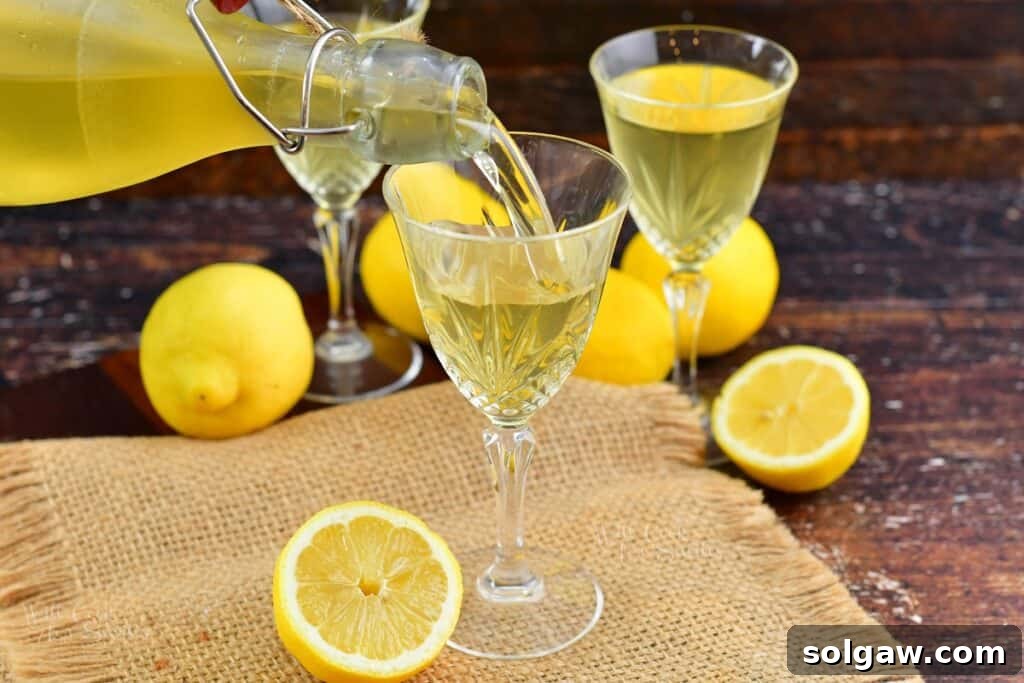
Limoncello is incredibly versatile, gracing tables both as a traditional digestivo and as a lively cocktail ingredient. Traditionally, Limoncello is served at the conclusion of a meal as a digestivo, an after-dinner drink intended to aid digestion and cleanse the palate. It should always be served ice-cold, either straight in small chilled glasses or over a single large ice cube. The intense chill brings out its refreshing qualities and mellows its sweetness.
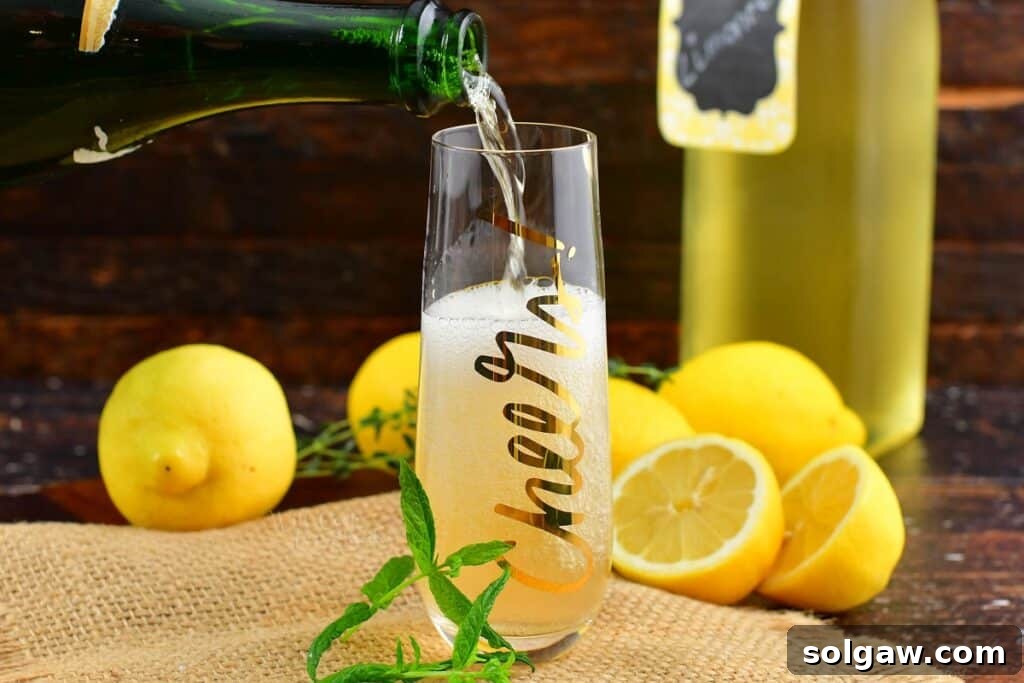
Beyond its traditional role, Limoncello shines as a star ingredient in a myriad of cocktails. Its bright lemon flavor makes it a fantastic base for citrus-forward drinks such as elegant **martinis**, zesty **mules**, and refreshing **spritzers**. I’ve personally experimented with various combinations, finding it exceptional when mixed with soda water and prosecco for a bubbly Limoncello Spritz, or paired with spicy ginger beer to create a vibrant Limoncello Mule. Each variation offers a unique and delightful way to enjoy this beloved liqueur.
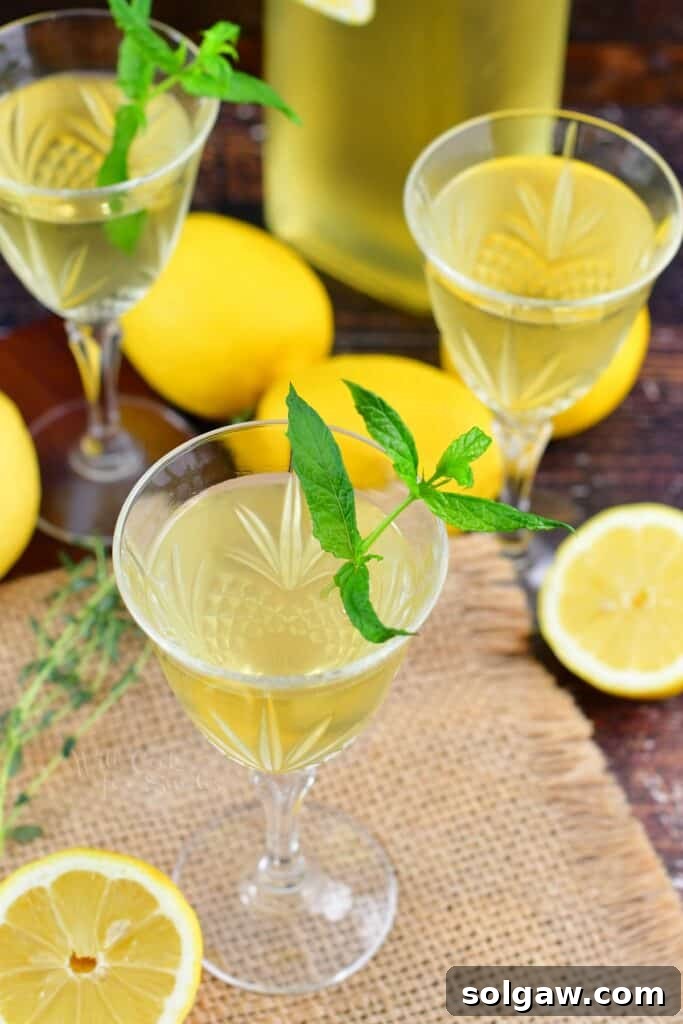
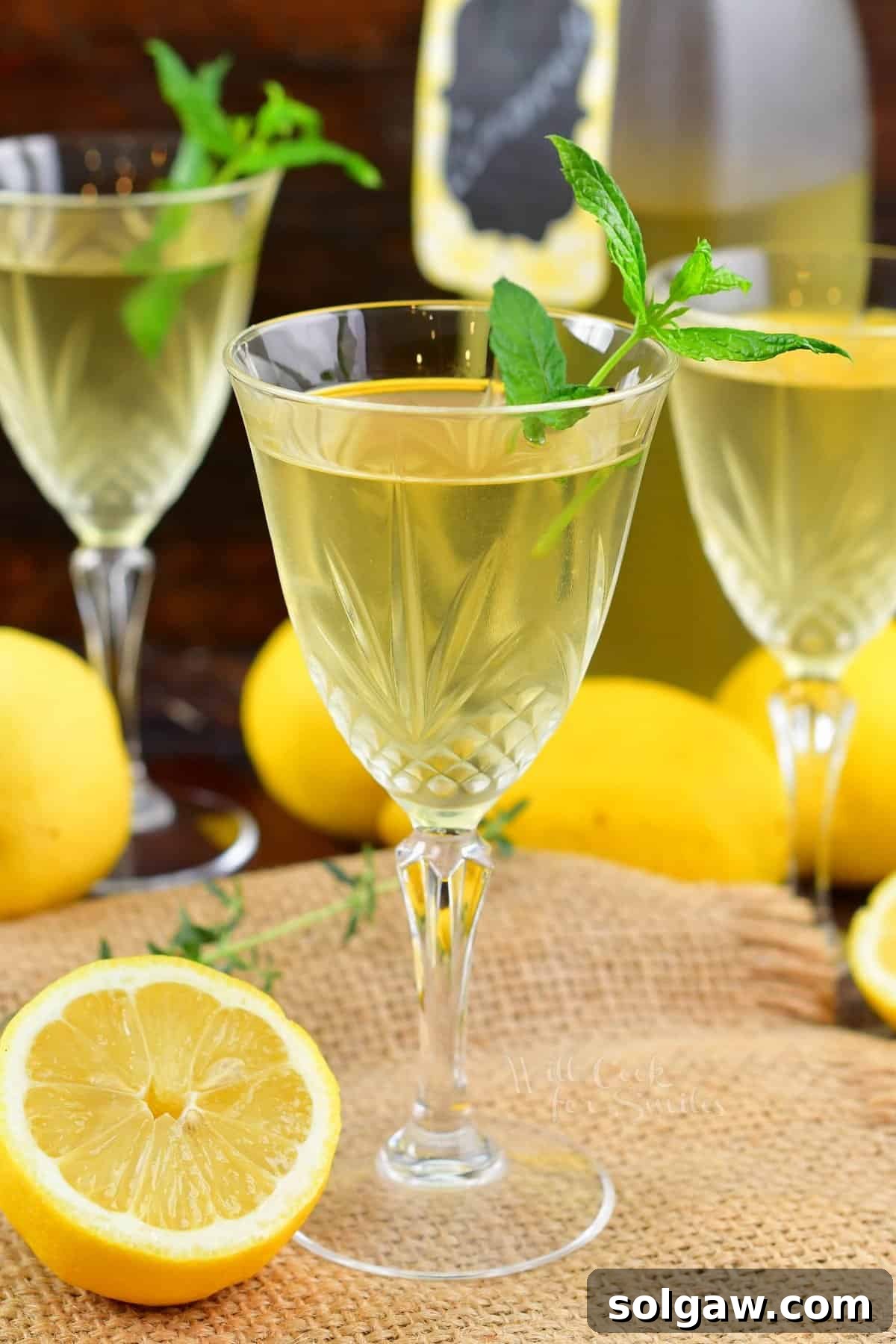
Consider incorporating Limoncello into desserts too! It can elevate cakes, tiramisu, or sorbets with its distinct lemon kick. Garnish your Limoncello or cocktails with a fresh lemon twist or a sprig of mint for an extra touch of elegance and aroma.
Explore More Delicious Dessert Cocktails:
If you’re a fan of sweet sips and delightful dessert drinks, you’ll love these other enticing options that complement any celebratory meal:
- Grasshopper Cocktail: A classic minty indulgence, this sweet cocktail blends Crème de Menthe, Crème de Cocoa, vodka, and creamy ice cream for a dessert in a glass.
- Red Wine Hot Chocolate: A cozy and sophisticated hot cocktail, perfect for cooler evenings, combining rich red wine with luxurious homemade hot chocolate.
- Lemon Drop Martini: For another vibrant citrus kick, this classic martini features just four essential ingredients: quality vodka, fresh lemon juice, orange liqueur, and a touch of sweetener.
- Strawberry Shortcake Martini: A truly decadent and fruity dessert drink made with cake-flavored vodka, sweet strawberry liqueur, strawberry kiwi juice, and a splash of whipped cream vodka for a creamy finish.
Limoncello Recipe
Limoncello is a vibrant and sweet Italian lemon liqueur, infused with intense lemon flavor over time. This classic digestivo is surprisingly easy to make at home, requiring just 4 simple ingredients and a bit of patience.
Rating: 5/5 from 1 vote
Print Recipe | Pin Recipe | Rate This Recipe
Course: Dessert, Drinks
Cuisine: Italian
Prep Time: 1 hour
Infusing: 30 days
Total Time: 30 days 1 hour
Servings: 28 (makes about 6-7 cups)
Calories: 117 kcal
Author: Lyuba Brooke
Equipment
- Zester or fine citrus peeler
- Large glass container with airtight lid (e.g., mason jar)
- Fine-mesh strainer
- Clean coffee filter or cheesecloth
- 4-cup measuring cup (or large bowl)
- Saucepan
- Clean glass bottles for storage
Ingredients
- 12-15 organic lemons (or organic Meyer lemons for a sweeter, floral note)
- 750 ml 100 proof vodka (or higher proof neutral grain spirit)
- 3 cups water*
- 1.5-2 cups white granulated sugar*
*Refer to notes below for guidance on adjusting sugar and water for personal preference.
Instructions
1. Peel Lemons:
- Using a Y-vegetable peeler or fine citrus peeler, carefully remove only the yellow zest from the lemons. Ensure no white pith is included, as it can impart bitterness.
- Place all the lemon peels into a large glass container with an airtight lid.
2. Infusing:
- Pour the entire 750 ml bottle of vodka into the glass container with the lemon peels and seal the lid tightly.
- Gently swirl the container to combine. Store it in a cool, dark place away from direct sunlight at room temperature for approximately **4 weeks**. Swirl the bottle gently every few days to aid infusion.
3. Strain:
- After 4 weeks, set a fine-mesh strainer lined with a clean coffee filter (or cheesecloth) over a 4-cup measuring cup or large bowl.
- Carefully strain the lemon-infused vodka through the filter, collecting the clear liquid. Discard the spent lemon peels.
4. Prepare Simple Syrup:
- In a saucepan, bring the measured water to a simmer.
- Turn off the heat and stir in the granulated sugar until it is completely dissolved.
- Allow the simple syrup to cool completely to room temperature before proceeding. Do not combine hot syrup with the infused vodka.
- Once cooled, combine the sweet water and the lemon-infused vodka in a large vessel and stir well to fully incorporate.
5. Bottle and Store:
- Divide the finished Limoncello among clean, sterilized glass bottles with airtight lids.
- Seal bottles tightly. Store your homemade Limoncello in either the refrigerator or the freezer. If freezing, use freezer-safe bottles and fill them about 3/4 full.
Notes
The sugar-to-water ratio is highly customizable to your taste. For a moderately boozy and not-too-sweet Limoncello, use 3 cups of water to 1.5-2 cups of sugar. For a slightly sweeter gift, use 3 cups of water and 2 cups of sugar. For personal use, I sometimes reduce sugar to 1-1.5 cups per 3 cups of water. You can go up to 4 cups of water and 3 cups of sugar, but be aware that 3 cups of sugar will result in a very sweet liqueur.
Nutrition Facts (per serving)
Calories: 117 kcal | Carbohydrates: 15g | Protein: 1g | Fat: 0.2g | Saturated Fat: 0.02g | Polyunsaturated Fat: 0.04g | Monounsaturated Fat: 0.01g | Sodium: 3mg | Potassium: 64mg | Fiber: 1g | Sugar: 12g | Vitamin A: 10IU | Vitamin C: 25mg | Calcium: 13mg | Iron: 0.3mg
Tried this recipe? Mention @willcookforsmiles or tag #willcookforsmiles!