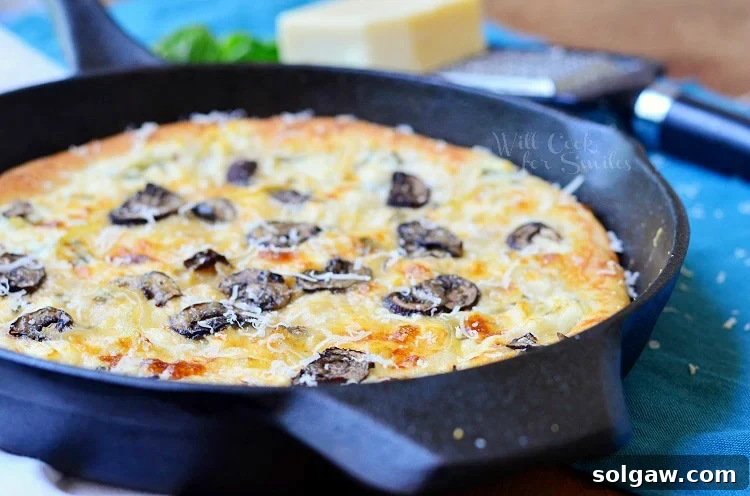
Welcome, fellow food enthusiasts and cast iron aficionados! Today, I’m thrilled to share a truly spectacular and effortlessly gourmet recipe that will transform your weeknight meals: the Asiago Mushroom & Onion White Skillet Pizza. This isn’t just any pizza; it’s a celebration of rich flavors, creamy textures, and the unparalleled magic of cooking in a cast iron skillet. Beyond this delightful recipe, we’ll also delve into why cast iron skillets are an indispensable tool in any kitchen, offering essential tips, care instructions, and insights into why so many, myself included, have fallen in love with cooking in these timeless pieces of cookware.
The Enduring Allure of Cast Iron Skillets
You might have noticed my increasing enthusiasm for cast iron skillet recipes lately, and there’s a good reason for it: I am completely smitten with my skillet! For years, I found myself intimidated by these heavy, rustic pans. I distinctly remember my grandmothers using them constantly, effortlessly whipping up delicious meals. As a child, the sheer weight and perceived complexity of cast iron cooking felt daunting, leading me to stick with conventional non-stick pans. I suppose for an 11-year-old, the idea of wrestling a heavy cast iron pan might seem like a Herculean task!
However, I eventually embraced the challenge, and I can confidently say I’ll never look back. My cast iron skillet has become an essential part of my culinary journey, bringing a unique quality to my cooking that no other pan can replicate. If you’ve been on the fence about acquiring one, or if you own one but haven’t fully explored its potential, allow me to share why a cast iron skillet is truly a kitchen treasure for everyone.
Why Every Kitchen Needs a Cast Iron Skillet: Unlocking Culinary Versatility
The benefits of cooking with cast iron are numerous and compelling, making it a favorite among home cooks and professional chefs alike. Here’s a closer look at what makes these skillets truly exceptional:
- Virtually Indestructible & Built to Last Generations: Unlike modern cookware that often degrades over time, a properly cared-for cast iron skillet can literally be passed down through generations. Its robust construction means it can withstand incredibly high temperatures and general wear and tear, making it an investment that pays dividends for decades. Minor rust or wear can almost always be remedied, ensuring a lifetime of use.
- Naturally Non-Stick (When Properly Seasoned): Forget about synthetic coatings that can chip or scratch. A well-seasoned cast iron skillet develops a natural, durable non-stick surface. This seasoning—a layer of polymerized oil—builds up with each use, creating a smooth, slick finish that prevents food from sticking. The more you cook, the better your seasoning becomes, often surprising newcomers with its effectiveness.
- Superior Heat Retention and Even Cooking: Cast iron excels at retaining and distributing heat uniformly across its surface. This means no more hot spots and consistent cooking results every time. Whether you’re searing a steak, baking cornbread, or simmering a stew, your cast iron skillet will maintain an even temperature, leading to perfectly cooked food with beautiful browning.
- Incredible Versatility for Any Dish: This is perhaps my favorite feature. A cast iron skillet is a multi-functional powerhouse. You can use it to sear meats to perfection, sauté vegetables, fry crispy chicken, bake delicious pizzas and desserts, roast vegetables in the oven, or even cook over an open campfire. From breakfast to dinner, sweet to savory, there’s virtually nothing a cast iron skillet can’t handle.
- Chemical-Free Cooking & Potential Health Benefits: Unlike some non-stick pans that can release chemicals at high temperatures, cast iron is a natural and safe cooking surface. Additionally, cooking with cast iron can actually add small amounts of dietary iron to your food, which can be a beneficial boost for some individuals. It’s a simple, robust, and healthy way to prepare your meals.
And, of course, in a pinch, it makes for a fantastic prop or a formidable self-defense tool, much like Rapunzel’s trusty frying pan!
Mastering Cast Iron Care: Seasoning Your Skillet
The secret to a successful cast iron cooking experience lies in proper seasoning. This process creates a natural, non-stick surface and protects your skillet from rust. While many new skillets come pre-seasoned, giving them an initial seasoning at home, and repeating the process periodically, ensures optimal performance and longevity. Think of it as developing a protective, smooth patina that improves with every use.
Step-by-Step Guide to Seasoning
Before using your cast iron skillet for the first time, or if it needs a refresh, follow these steps to build a robust seasoning layer:
- Preheat Your Oven: Start by preheating your oven to 450°F (232°C). This high temperature is crucial for the oil to polymerize and bond with the cast iron.
- Prepare the Skillet: Ensure your skillet is clean and completely dry. If it’s new, a quick wash with warm water and a scrub brush is usually sufficient. If it’s an old skillet you’re re-seasoning, you might need to give it a more thorough cleaning to remove any rust or old, flaky seasoning.
- Apply a Thin Layer of Oil: Using a paper towel, apply a very thin, even layer of a high smoke point oil to the entire surface of the skillet – inside, outside, and the handle. Vegetable oil, sunflower oil, canola oil, flaxseed oil, or grapeseed oil are excellent choices. The key here is *thin*; you want the pan to be dry to the touch but shiny with oil, not greasy. Excess oil will lead to sticky, uneven seasoning.
- Bake Upside Down: Place the oiled skillet upside down on the middle rack of your preheated oven. Place a sheet of aluminum foil on the rack below to catch any potential oil drips.
- Bake and Cool: Bake for about 30 minutes. After 30 minutes, turn off the oven but leave the skillet inside to cool down completely to room temperature. This slow cooling helps the seasoning bond properly and prevents thermal shock to the iron.
- Repeat for Best Results: For the best and most durable seasoning, you can repeat this process 2-3 more times. Each layer contributes to a stronger, more non-stick surface. You can also re-season your skillet as often as needed, especially after a deep clean or if food starts to stick.
Cleaning and Drying Your Cast Iron Skillet: Essential Maintenance
Proper cleaning and drying are vital for maintaining your cast iron skillet’s seasoning and preventing rust. While there are many myths, caring for cast iron is surprisingly simple once you know the basics.
Daily Cleaning Tips
For routine cleaning after cooking, the process should be quick and efficient to preserve the seasoning:
- Warm Water and Soft Scrubber: Wash your skillet immediately after use, while it’s still warm (but not scorching hot). Use warm water and a soft sponge, nylon brush, or a plastic scraper to remove food residue. For stubborn bits, you can use a small amount of mild dish soap – contrary to popular belief, a little soap won’t ruin your seasoning, especially on a well-established pan. Just avoid harsh detergents.
- Avoid Soaking and Dishwashers: Never soak your cast iron skillet or run it through the dishwasher! Soaking will strip the seasoning and almost guarantee rust. Dishwashers are too harsh and will cause significant damage.
- Thorough Drying: This is arguably the most crucial step. After washing, dry your skillet *immediately and thoroughly*. You can towel dry it, but for absolute dryness, place it on the stovetop over low heat for a few minutes until all moisture has evaporated. You’ll see the surface change as it dries completely.
- Light Oil Rub: Once completely dry, rub a very thin layer of cooking oil (like vegetable oil) over the entire cooking surface. Wipe off any excess with a clean paper towel. This adds a protective layer and helps build up your seasoning with each use.
Deep Cleaning & Rust Removal
If your skillet develops rust or the seasoning becomes uneven, don’t despair! Cast iron is incredibly resilient. For deep cleaning and rust removal, excellent resources like “How To Clean A Cast Iron Skillet” and “Best Way To Dry A Skillet” from reputable culinary sites can guide you through restoring your pan to its former glory.
Recipe Spotlight: Asiago Mushroom & Onion White Skillet Pizza
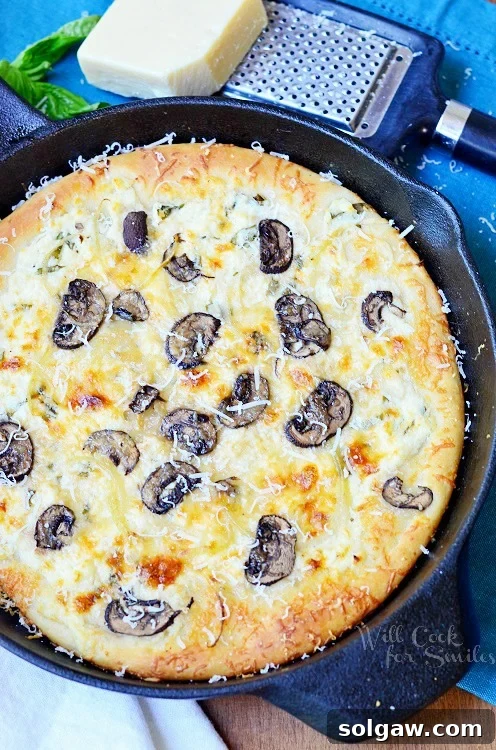
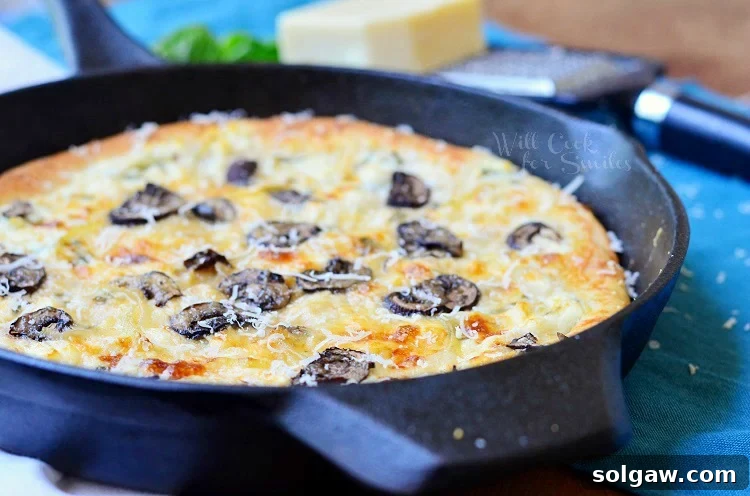
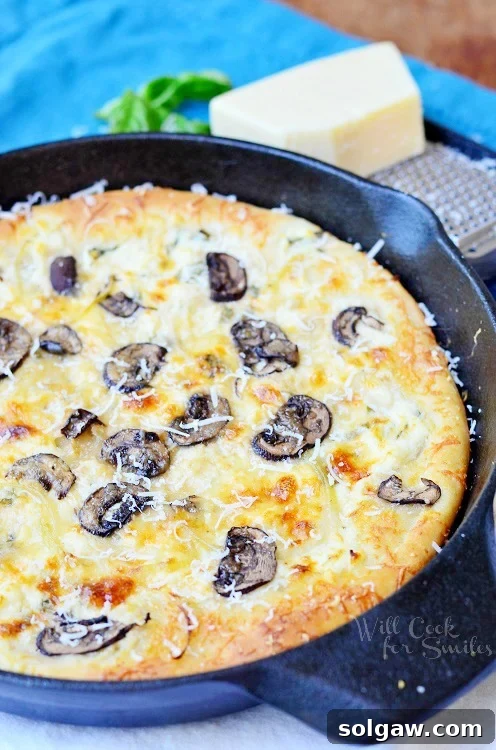
Now that we’ve covered the essentials of cast iron cooking, it’s time for the main event: a truly exquisite Asiago Mushroom & Onion White Skillet Pizza. This is the ultimate “gourmet pizza at home” experience, perfect for a cozy night in or sharing with someone special. The beauty of this recipe lies in its simplicity and the depth of flavor it achieves. It utilizes a rich, homemade or store-bought pizza dough as its base, topped with a creamy ricotta mixture, fragrant fresh basil, and an generous amount of nutty Aged Asiago cheese, complemented by earthy mushrooms and delicate shallots. This combination creates a harmonious flavor profile that is both sophisticated and incredibly comforting. You can even prepare the dough ahead of time and store it in the fridge for 2-3 days, making this an incredibly convenient option for a quick, impressive meal.
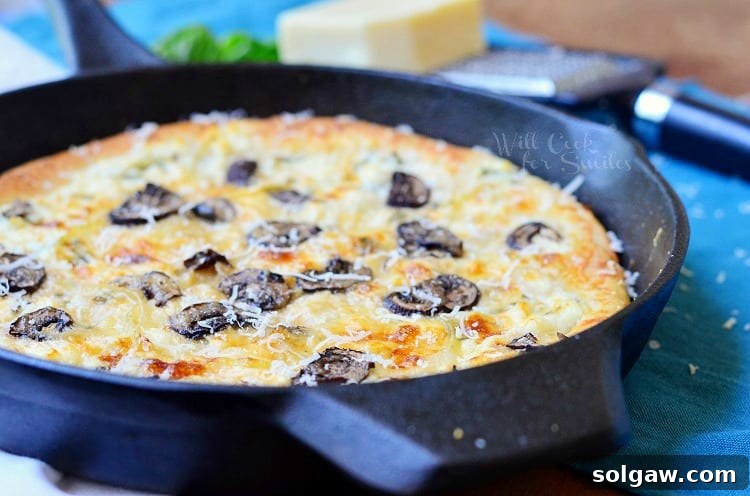
Asiago Mushroom and Onion White Skillet Pizza
A creamy, savory white pizza featuring Asiago cheese, fresh mushrooms, and sweet shallots, baked to perfection in a cast iron skillet.
Rating: 5 out of 5 stars (from 2 votes)
Print Recipe
Pin Recipe
Course: Dinner, Main Course | Cuisine: American
Prep Time: 15 minutes | Cook Time: 20 minutes | Total Time: 35 minutes
Servings: 4 | Author: Lyuba Brooke
Ingredients
- 1/2 lb prepared pizza dough (you can find this in the deli section of most grocery stores)
- 2/3 cup ricotta cheese
- 2 Tbsp fresh grated Asiago cheese (for the ricotta mixture)
- 1 tsp minced fresh basil
- Salt to taste (remember, cheese is already salty, so adjust accordingly)
- 1/2 cup fresh grated Asiago cheese (for topping, add more if you desire)
- 3-4 baby bella mushrooms, thinly sliced
- 1/2 medium shallot, thinly sliced
- A little more fresh grated Asiago for finishing
Instructions
- Preheat your oven to 425°F (220°C). Lightly rub your cast iron skillet with vegetable oil, ensuring a thin, even layer covers the bottom and sides. This helps to crisp the crust and continue building your seasoning.
- On a lightly floured surface, roll out your pizza dough to match the size of your skillet (typically 10 inches for a standard skillet). If you’re using a 12-inch skillet, you can use more dough for a thicker crust or spread the same amount thinner.
- Carefully place the rolled-out dough into the prepared cast iron skillet, gently pressing it to fit the contours of the pan.
- In a small mixing bowl, combine the ricotta cheese, 2 tablespoons of Asiago cheese, minced fresh basil, and salt. Mix thoroughly until all ingredients are well combined and the mixture is smooth.
- Evenly spread the ricotta cheese mixture over the pizza dough in the skillet, leaving a small border for the crust.
- Generously sprinkle the 1/2 cup of fresh grated Asiago cheese over the ricotta layer.
- Arrange the thinly sliced mushrooms and shallots uniformly over the cheese layer, ensuring good coverage across the pizza.
- For an extra layer of flavor and a beautiful golden finish, grate a little more Asiago cheese over the top of the mushrooms and shallots.
- Bake the pizza in the preheated oven for 20-23 minutes, or until the crust is golden brown and the cheese is bubbly and melted. If you prefer a slightly more golden and crispy top, you can turn on the broiler for about 45 seconds at the very end. However, stay vigilant and do not step away from the oven, as broilers can brown very quickly.
- Once baked, carefully remove the skillet from the oven. Allow the pizza to cool for a few minutes before slicing and serving directly from the skillet. Enjoy your homemade gourmet pizza!
Nutrition
Calories: 275kcal | Carbohydrates: 30g | Protein: 15g | Fat: 11g | Saturated Fat: 6g | Polyunsaturated Fat: 1g | Monounsaturated Fat: 3g | Cholesterol: 31mg | Sodium: 1267mg | Potassium: 135mg | Fiber: 1g | Sugar: 4g | Vitamin A: 301IU | Vitamin C: 0.3mg | Calcium: 267mg | Iron: 2mg
Tried this recipe? Mention @willcookforsmiles or tag #willcookforsmiles!
_________________________________________________________
Join Our Culinary Community!
If you’ve enjoyed learning about cast iron cooking and are eager to explore more delicious recipes, make sure to stay connected! You can follow me through your favorite blog reader (like Bloglovin’), subscribe to my email newsletter for direct updates, or join my growing community on social media. I regularly share new recipes, helpful cooking tips, and insights into making your kitchen adventures more enjoyable and flavorful. Don’t miss out on upcoming culinary inspiration!
_______________________________________________________