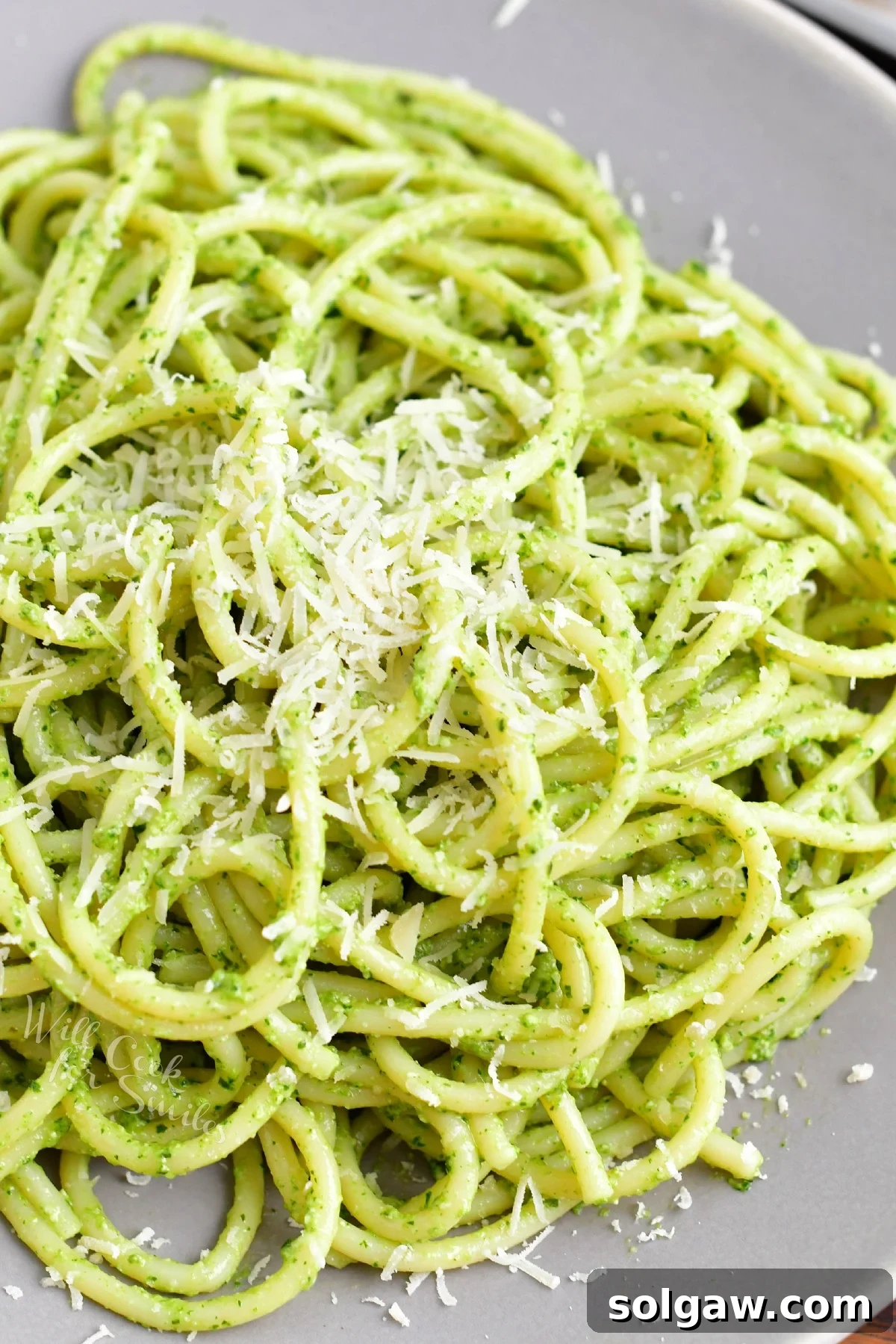
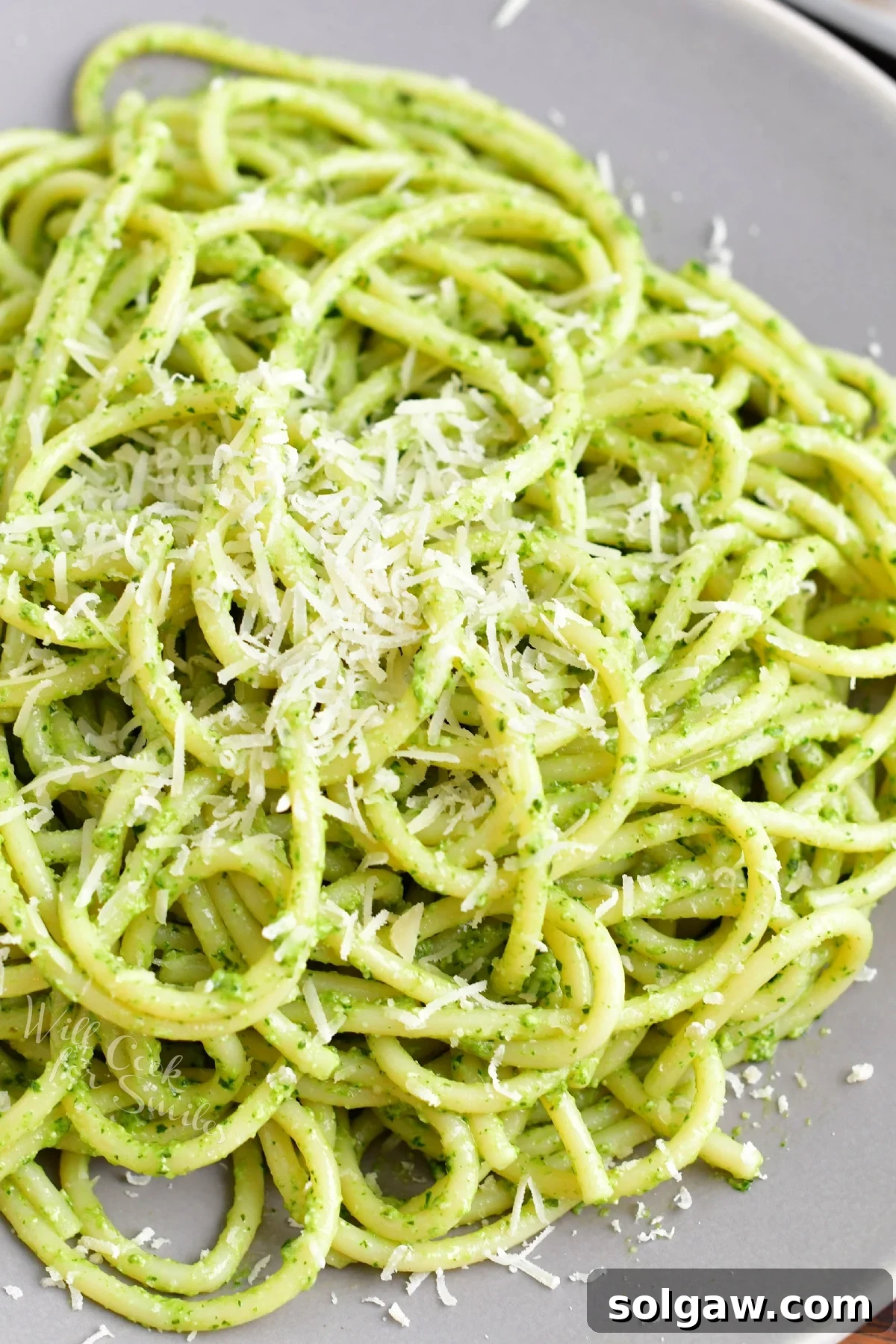
The Best Creamy Pesto Pasta Recipe: Your Ultimate Guide to a Quick & Flavorful Meal
Pesto pasta isn’t just a meal; it’s a culinary journey that evokes memories of sun-drenched Italian kitchens and vibrant, fresh flavors. For years, this has been my absolute favorite, a recipe I perfected since my college days when I first started cultivating fresh basil on my balcony. There’s something incredibly satisfying about transforming humble ingredients into a dish that’s both comforting and gourmet. This guide will walk you through creating the most delicious, perfectly creamy pesto pasta you’ve ever tasted, all in under 30 minutes, using just a few simple components—plus one crucial, often overlooked, secret ingredient that truly elevates the entire dish!
Pesto Pasta: A Quick Culinary Overview
Before diving into the full recipe, here’s a snapshot of what makes this pesto pasta stand out and why it’s a perfect choice for any occasion:
- The ultimate secret to a lusciously creamy and never-dry pasta sauce lies in a very simple addition: pasta cooking water. This starchy liquid is pure gold for emulsifying sauces and preventing your dish from becoming anything less than perfect.
- You have the flexibility to either craft your own fresh homemade pesto (which I highly recommend for unparalleled flavor and freshness!) or use your favorite high-quality store-bought option for ultimate convenience.
- When opting for store-bought pesto, pay attention to its consistency. Some brands can be quite thin, which might require slight adjustments to the amount of pasta water used to achieve the desired richness and cling.
- This recipe is incredibly versatile and easily adaptable to your pantry and preferences. Feel free to customize ingredients such as the type of nuts in your pesto (pine nuts are classic, but walnuts or almonds work beautifully), your preferred pasta shape (spaghetti, fusilli, penne, or even tortellini), or the variety of hard Italian cheese (Parmesan is standard, but Pecorino Romano adds a sharper note).
- From prep to plate, this delightful dish comes together in less than 30 minutes, making it a perfect solution for busy weeknights, last-minute gatherings, or when you simply crave a burst of fresh flavor without spending hours in the kitchen.
Unlocking Creaminess: The Magic of Starchy Pasta Water
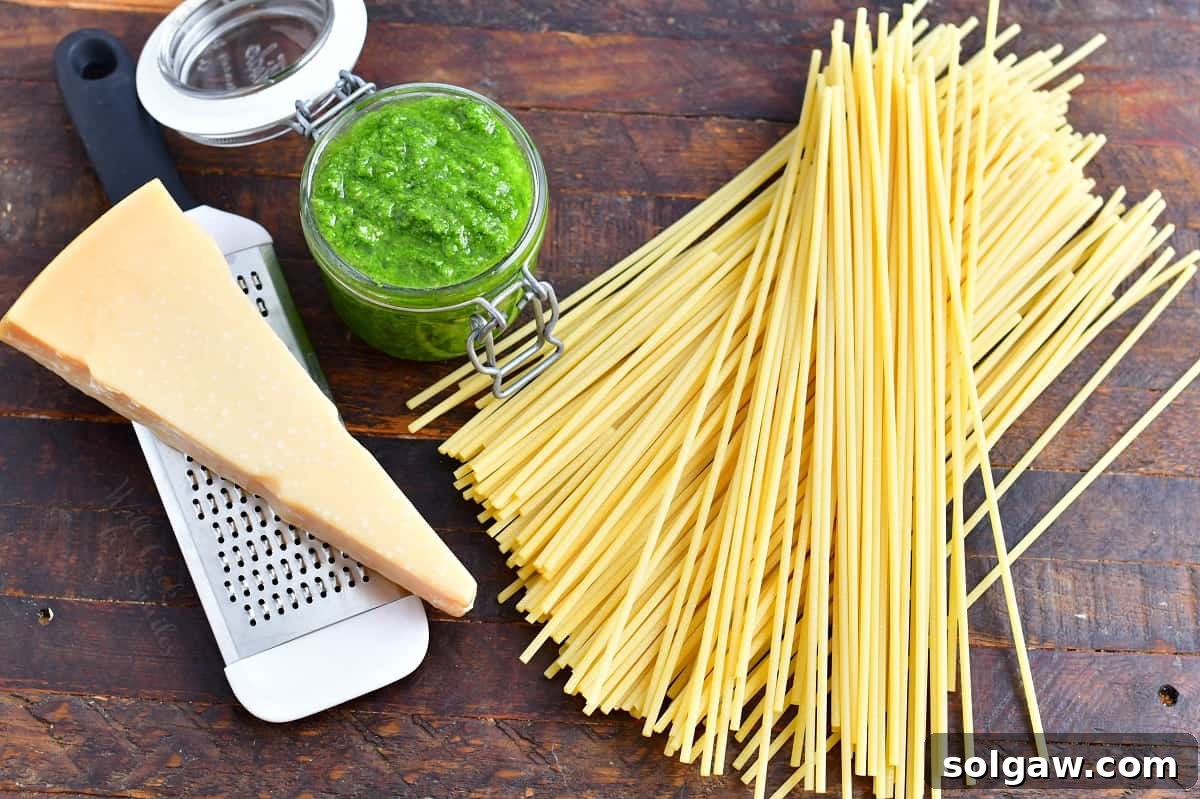
Have you ever had pesto pasta that felt a little… dry? Or perhaps the sauce seemed to separate, leaving a less-than-appetizing finish on the plate? The solution to this common culinary dilemma is brilliantly simple and truly transformative: starchy pasta water. This unassuming liquid, often discarded without a second thought, is a chef’s best-kept secret for achieving silky, restaurant-quality pasta sauces right in your home kitchen.
When pasta boils, it releases starches into the cooking water. This starchy water acts as a natural emulsifier, meaning it helps to bind and thicken sauces, especially oil-based ones like pesto. It creates a creamy, cohesive texture that ensures the pesto clings beautifully to every strand of pasta, preventing it from being too oily or too thin. Without it, your pesto can struggle to properly coat the pasta, resulting in a dish that lacks that desired lusciousness and depth of flavor. This technique is not exclusive to pesto; it’s a cornerstone of many classic Italian pasta dishes, lending its magic to creations like Shrimp Pesto Pasta, the deceptively simple yet profoundly flavorful Cacio e Pepe, and even light Zucchini Pasta.
The high starch content in the cooking water is what provides its exceptional **thickening and binding** properties, turning a good sauce into a truly great one. Always remember to reserve a generous amount before draining your pasta—it’s the key to unlocking an unbelievably creamy, glossy, and flavorful experience that will have everyone asking for your secret.
Essential Pesto Pasta Cooking Tips for Perfection
Crafting the perfect pesto pasta is remarkably simple, but incorporating a few expert tips can ensure your dish is consistently outstanding, packed with vibrant flavor and ideal texture every single time. Follow these guidelines to elevate your pesto pasta from good to unforgettable:
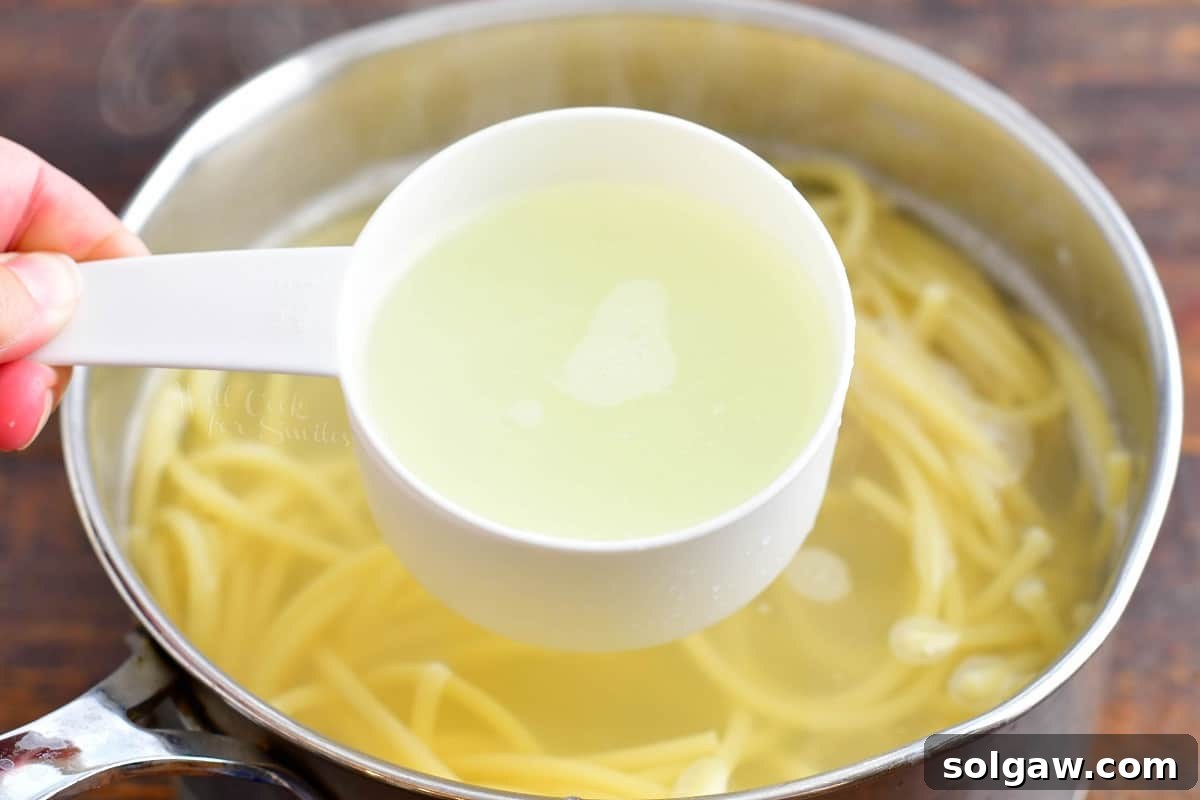
- Multitask for Maximum Efficiency: To dramatically cut down on preparation time and make this a true 30-minute meal, strategically make your homemade pesto while the pasta is boiling. This allows for excellent time management, ensuring your fresh, vibrant pesto is ready almost simultaneously with your perfectly cooked noodles. Homemade pesto is surprisingly fast to prepare—it typically takes just about 5 minutes from start to finish. Simply combine all the required pesto ingredients in a food processor and pulse until a smooth, well-blended sauce forms.
- Salt Your Pasta Water Generously: This cannot be stressed enough: always season your pasta cooking water with salt. The water should taste like the sea. This is your only opportunity to flavor the pasta itself from the inside out, ensuring it’s delicious and not bland when combined with the pesto.
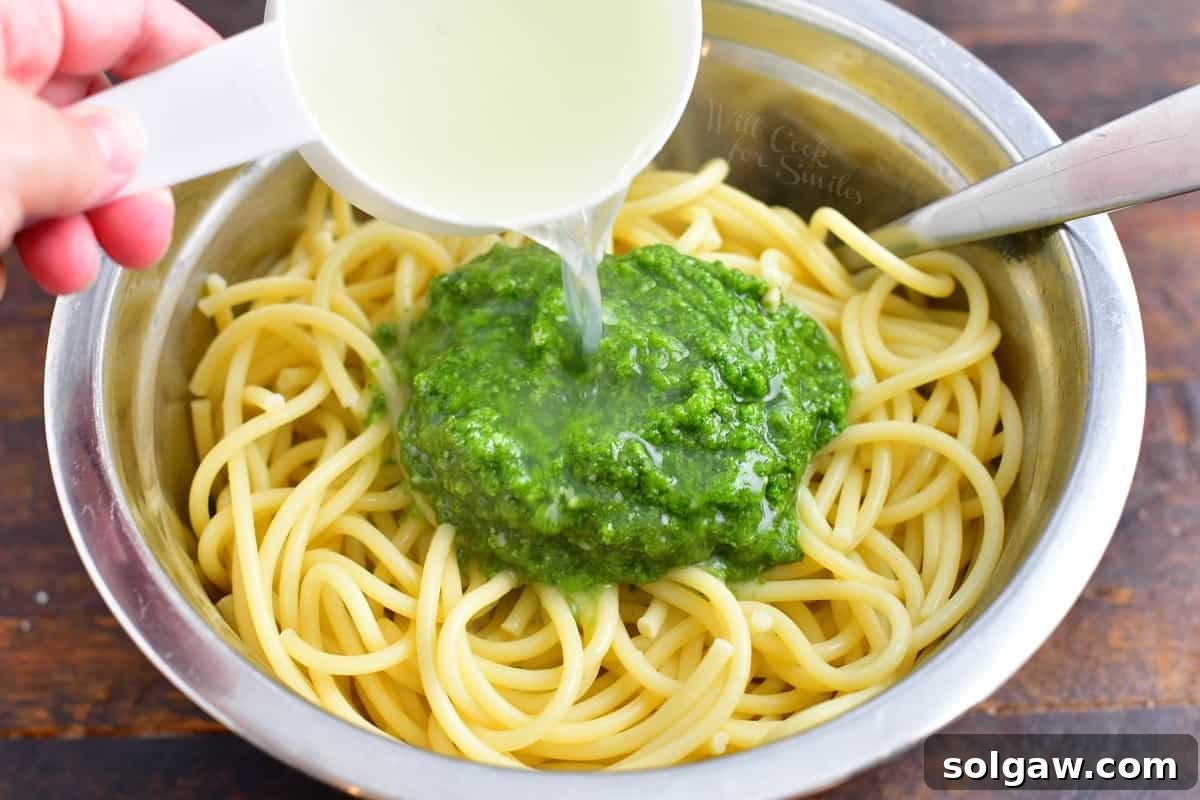
- The Crucial Step: Reserve Pasta Water: Before you drain your cooked pasta, make sure to carefully scoop out and reserve about 1 cup of the starchy cooking water. This is a non-negotiable step for achieving that creamy, restaurant-quality sauce! A helpful trick to avoid forgetting this vital step is to place a heat-proof measuring cup directly in the sink when you start cooking the pasta. This way, you’ll have it ready and waiting to scoop out that liquid gold just before straining.
- Avoid the Hot Pot Trap: Once the pasta is drained, immediately transfer it to a large mixing bowl, rather than tossing it directly back into the still-hot cooking pot. Adding fresh pesto to a very hot pot can cause the delicate basil to oxidize and turn an unappetizing black or brown color, diminishing its vibrant green hue and fresh, herbaceous flavor. The residual warmth in a separate mixing bowl is usually sufficient to gently warm the pesto without cooking it too much.
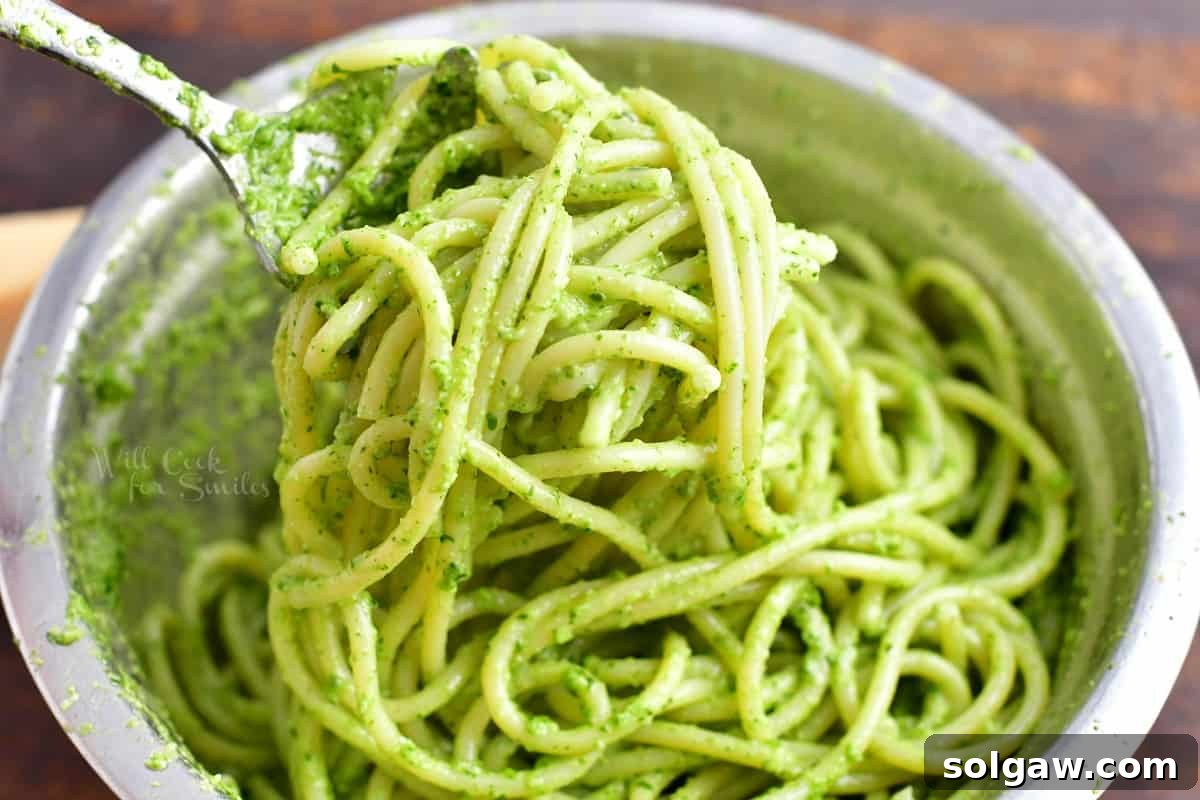
- Mastering the Sauce Consistency: Begin by adding about 1/2 to 2/3 cup of your reserved pasta water to the pesto and cooked pasta. Toss everything vigorously. The starches in the water will work their magic, helping the oil-based pesto emulsify and thicken beautifully. If the sauce still seems too thick or dry, or if you prefer a looser consistency, gradually add more pasta water, a tablespoon at a time, until you achieve your desired creamy and luscious coating.
- Pro Tip for Leftovers: If you anticipate having leftovers, it’s wise to save an additional 1/4 to 1/2 cup of the starchy cooking water separately in an airtight container. This extra liquid will be your best friend when reheating the pasta, helping to restore its creamy texture and prevent it from drying out, making your leftovers just as enjoyable as the fresh meal.
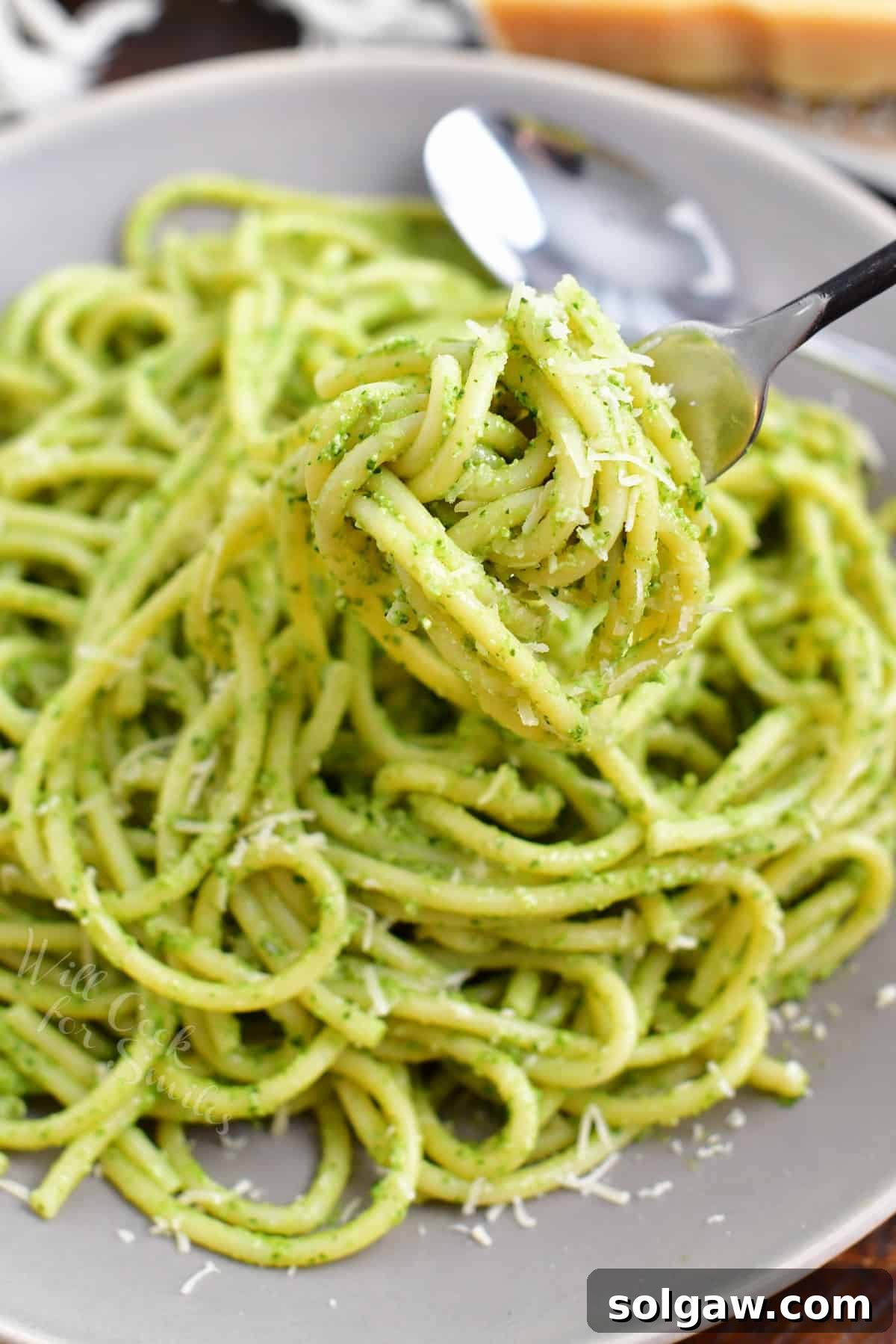
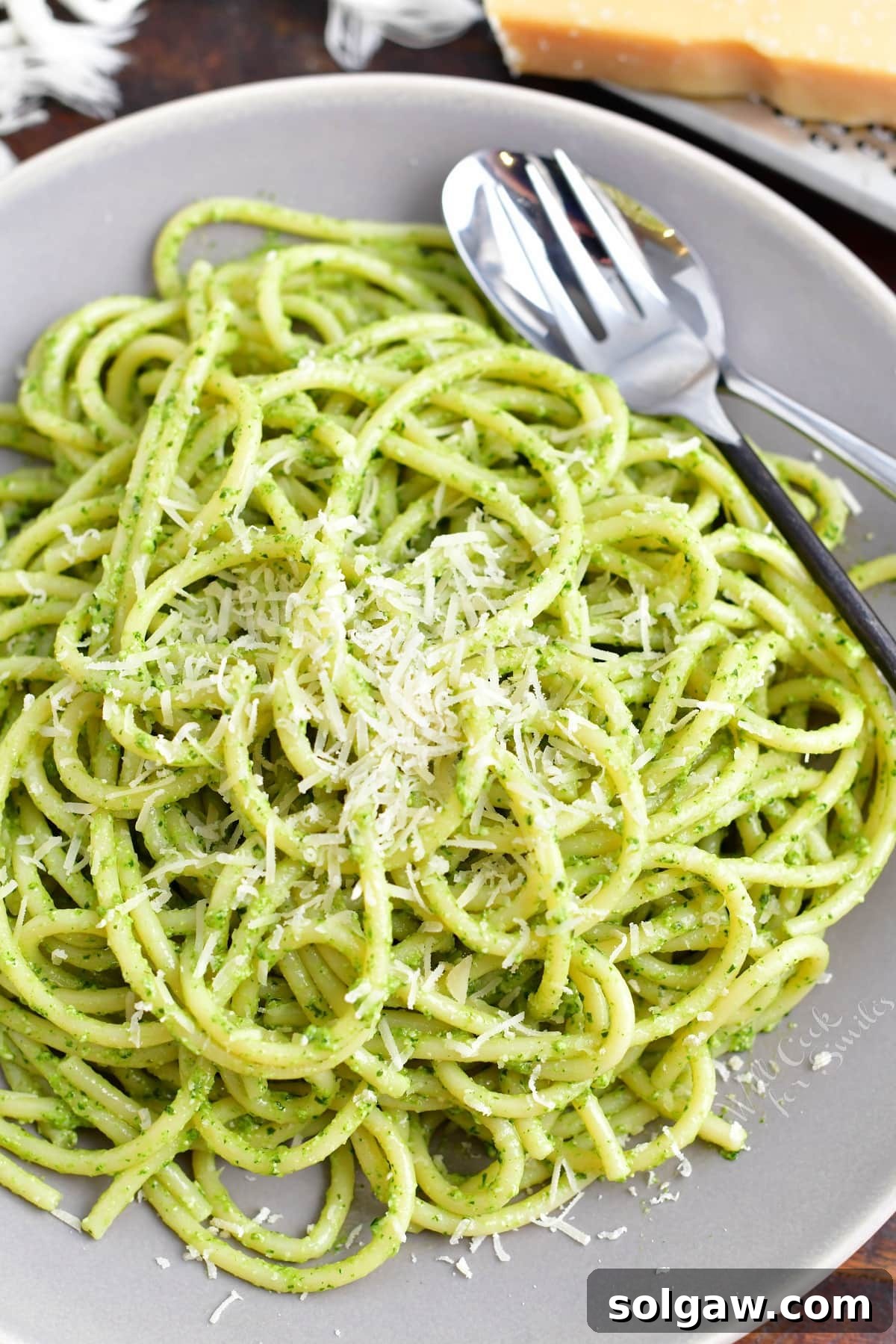
- Elevate Your Serving Experience: For an enhanced flavor profile and a delightful textural contrast, finish your plated pesto pasta with a generous sprinkle of freshly grated Parmesan cheese and a few lightly toasted nuts (like pine nuts or walnuts). The fresh cheese adds depth, while the nutty crunch provides a wonderful counterpoint to the soft pasta and smooth sauce, amplifying the overall culinary experience.
Elevate Your Meal: Adding Protein to Pesto Pasta
While pesto pasta is a satisfying and complete dish on its own, incorporating a protein can transform it into an even heartier, more substantial, and nutritionally balanced meal. Chicken is a fantastic and popular choice, and it complements the bright, herbaceous flavors of pesto beautifully. Here’s how to prepare it:
- Perfectly Marinated Chicken: My favorite method involves marinating boneless, skinless chicken breasts for maximum flavor. A simple yet incredibly effective marinade consists of a good quality olive oil, a touch of balsamic vinegar for tang, salt, freshly ground black pepper, garlic powder, and a blend of dried herbs like basil, oregano, and parsley. Allow the chicken to marinate for at least a couple of hours in the refrigerator, or even better, overnight, for the deepest flavor infusion.
- Cooking the Chicken to Perfection: Once marinated, simply pan-cook the chicken breasts over medium-high heat for about 5-7 minutes per side, or until they are beautifully golden brown on the exterior and thoroughly cooked through to the center. The exact cooking time will naturally vary depending on the thickness of the chicken pieces. To ensure safety and ideal doneness, always check the internal temperature with a meat thermometer; it should register 165°F (74°C).
- Seamless Assembly and Time-Saving Flexibility: After cooking, allow the chicken to rest for a few minutes before slicing it into bite-sized pieces or elegant strips. Gently fold these flavorful chicken pieces into your finished pesto pasta. A fantastic time-saving tip for busy schedules is to cook or even marinate the chicken in advance, allowing for even quicker meal assembly on hectic days.
- Exploring Other Protein Ideas: Don’t limit yourself to chicken! Cooked shrimp makes a wonderful, quick-cooking alternative that pairs exquisitely with pesto. Sautéed Italian sausage, flaked salmon, or even plant-based proteins like grilled halloumi cheese, roasted chickpeas, or white beans can add a delicious twist and extra sustenance to your pesto pasta, catering to various dietary preferences.
Storing and Reheating Pesto Pasta Like a Pro
One of the beauties of pesto pasta is its ability to be enjoyed later, making it an excellent candidate for meal prep or delicious leftovers. However, reheating it correctly is crucial to maintain its delicious texture and vibrant flavor. Here are the best ways to store and reheat your pesto pasta, ensuring every bite is as good as the first:
- Smart Storage for Optimal Freshness: If you know beforehand that you won’t consume the entire batch of pasta you’ve cooked (for example, a whole pound), it’s a smart strategy to only toss the portion you plan to eat immediately with pesto and a splash of reserved cooking water. Store the remaining plain cooked pasta and pesto separately in airtight containers in the refrigerator. This method keeps the basil in the pesto vibrant and prevents the pasta from becoming soggy or absorbing too much oil. Separately stored pasta and pesto will last for up to 3-4 days.
- Reheating Plain Pasta & Fresh Pesto: When you’re ready for another serving of the separately stored components, simply reheat the plain cooked pasta with some of the separately saved cooking water (or a fresh splash of broth or water if you didn’t save any extra). Once the pasta is hot, toss it with a fresh dollop of pesto. This ensures the pesto retains its bright color and flavor.
- Reheating Already-Tossed Pesto Pasta: If you’ve already combined all your pasta with pesto, don’t worry! You can still reheat it beautifully without losing much quality. The key here is gentle, slow warming to prevent the pesto from overcooking (which can dull its color and flavor) and the pasta from drying out.
- The Best Method: Oven Reheating:
- Prepare the Oven: First, preheat your oven to 350°F (175°C), then immediately turn it off. This creates a warm, gentle environment ideal for reheating without overcooking.
- Transfer to Dish: Transfer your leftover pesto pasta into an oven-safe baking dish.
- Rehydrate: Generously toss the pasta with the extra starchy cooking water you smartly saved (or a tablespoon or two of fresh olive oil or broth if you didn’t save any). This step is vital as it rehydrates the pasta and helps reform the creamy sauce, bringing it back to life.
- Cover and Warm: Cover the baking dish tightly with aluminum foil to trap moisture.
- Gentle Heat: Place the covered dish into the warm, turned-off oven for about 15-20 minutes, or until the pasta is warmed through to a pleasant eating temperature. The residual heat will gently warm the pasta without cooking the pesto too aggressively.
- Microwave (Use with Caution): For super quick reheating of a single serving, the microwave can be used, but proceed with care. Place a portion in a microwave-safe bowl, add a tablespoon of reserved pasta water (or a tiny splash of water/broth), cover, and heat in short bursts (30-60 seconds at a time) stirring between each burst, until just warm. Overheating in the microwave can make pesto turn dull and pasta tough.
This pesto pasta recipe is a cherished staple in my kitchen, and I sincerely hope it becomes one in yours too! The undeniable combination of simplicity, speed, and incredible flavor makes it an absolute winner for any occasion. Whether you’re whipping it up for a quick and satisfying weeknight dinner, preparing a delightful lunch, or sharing it with friends and family, its fresh, vibrant taste is sure to impress and leave everyone craving more.
DID YOU MAKE THIS RECIPE? Please share your culinary creations! I love seeing your dishes. Leave a 🌟 star rating to let me know how you enjoyed it, and feel free to leave a 📝 comment below with your thoughts or any customizations. You can also share your photos and tag me on social media @willcookforsmiles. And don’t forget to subscribe to my newsletter for more delicious, easy-to-make recipes delivered straight to your inbox!
PIN THIS RECIPE FOR LATER
Pesto Pasta Recipe
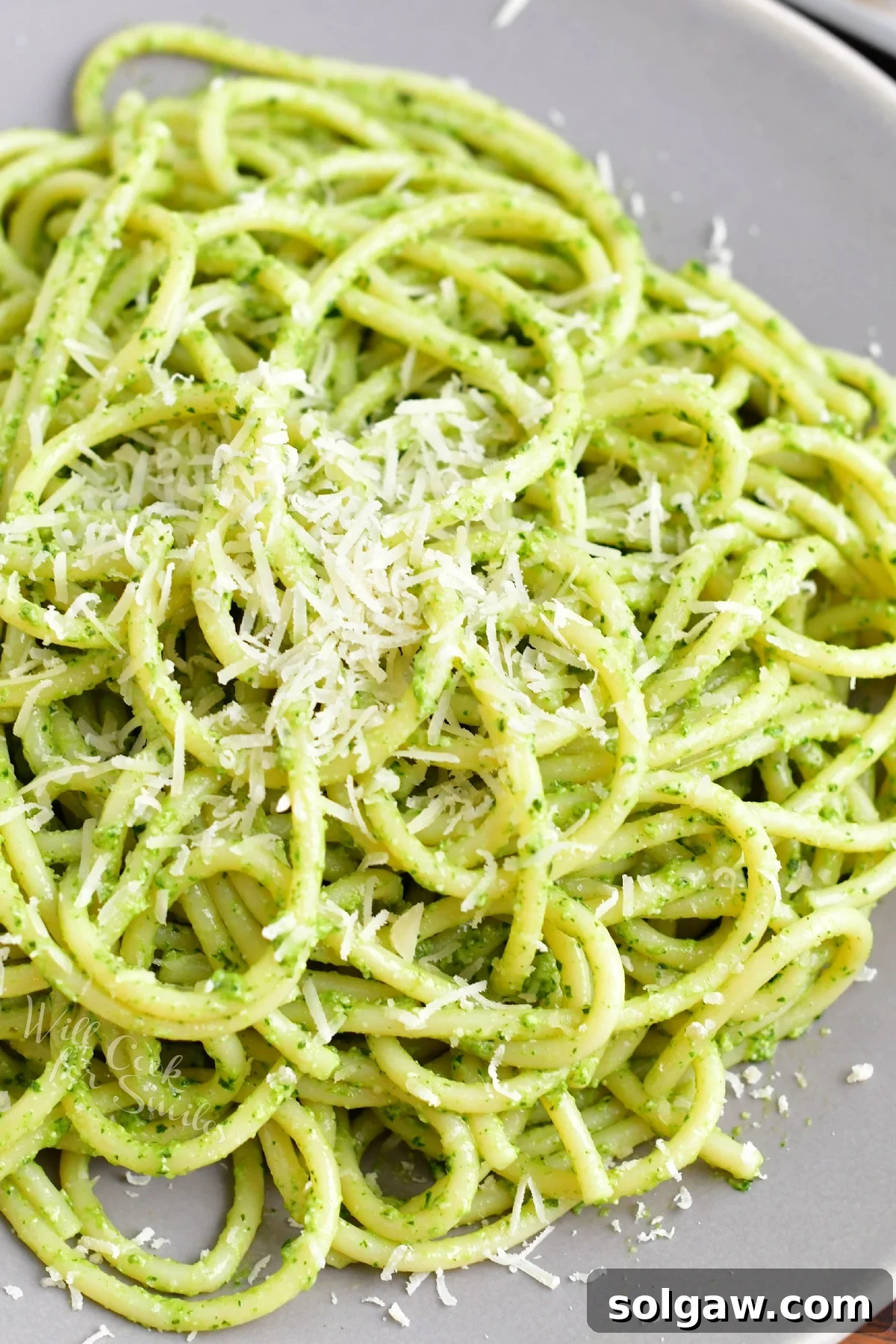
This quick and easy pesto pasta recipe, ready in under 30 minutes, delivers unbelievably creamy and flavorful results. It features vibrant homemade pesto, your choice of pasta, and a generous sprinkle of Parmesan cheese. Don’t miss the secret ingredient below that ensures perfect texture every time!
Pin Recipe |
Rate This Recipe
Ingredients
Pesto:
- 2 oz fresh basil leaves
- 2 garlic cloves
- 2 oz Parmesan cheese (shaved or shredded)
- 3 oz pine nuts (lightly toasted for best flavor)
- 1/2 cup (+2 tablespoons) extra virgin olive oil
- Salt (to taste)
Pasta:
- 1 lb pasta of choice (e.g., spaghetti, fettuccine, penne)
- 1/2-2/3 cup reserved pasta cooking water (plus extra for reheating)
- Parmesan cheese (for topping)
- Optional garnishes: fresh basil leaves, toasted pine nuts
Instructions
Homemade Pesto:
- Begin by adding approximately half of the extra virgin olive oil into your food processor.
- Next, add the fresh basil leaves, pine nuts (toasted if desired), Parmesan cheese, garlic cloves, and a pinch of salt to the food processor. Pour the remaining olive oil over the top.
- Pulse the ingredients several times to start blending. Scrape down the sides of the food processor bowl with a spatula, then pulse a few more times. Repeat scraping and pulsing until all ingredients are well combined and the pesto reaches your desired consistency – smooth or slightly chunky. Taste and adjust salt if needed.
Pesto Pasta Assembly:
- Cook your chosen pasta according to the package directions in generously salted boiling water until al dente. Just before draining, carefully scoop out and reserve about 1 cup of the starchy cooking water. (This includes the amount needed for the current dish and a little extra for potential reheating later.)
- Drain the pasta thoroughly, then immediately transfer it to a large mixing bowl. Add the freshly made (or store-bought) pesto and gradually pour in about 1/2 to 2/3 cup of the reserved pasta cooking water.
- Toss the pasta vigorously with the pesto and pasta water until every strand is beautifully coated and the sauce achieves a creamy, emulsified consistency. If the sauce appears too thick, add more pasta water, a tablespoon at a time, until it reaches your preference.
- Portion the pesto pasta onto plates. Garnish generously with freshly grated Parmesan cheese and, if desired, a few extra toasted pine nuts or fresh basil leaves for a final touch of flavor and visual appeal. Serve immediately and enjoy!
Notes
- Gluten-Free Option: To easily make this dish gluten-free, simply substitute traditional pasta with your favorite gluten-free pasta variety. Ensure any store-bought seasonings or pestos are certified gluten-free, though homemade pesto is naturally gluten-free.
- Storage & Reheating:
- For optimal freshness and texture when storing, if you don’t plan to eat all the pasta, toss only the portion you’ll consume immediately with pesto and pasta water. Store plain cooked pasta and pesto separately in airtight containers in the refrigerator for up to 3-4 days. When reheating plain pasta, add a splash of reserved cooking water before tossing with fresh pesto.
- If all pasta is already mixed with pesto, gently reheat in a preheated (then turned off) 350°F (175°C) oven. Place pasta in a covered baking dish with a few tablespoons of reserved pasta water (or olive oil/broth) for 15-20 minutes, or microwave in short bursts with a splash of liquid.
- Pesto Variations: Experiment with different nuts like walnuts or almonds in place of pine nuts. You can also add a squeeze of fresh lemon juice to the pesto for an extra bright flavor, or a pinch of red pepper flakes for a subtle kick.
Nutrition
Carbohydrates: 89g |
Protein: 23g |
Fat: 47g |
Saturated Fat: 7g |
Cholesterol: 10mg |
Sodium: 237mg |
Potassium: 441mg |
Fiber: 5g |
Sugar: 4g |
Vitamin A: 865IU |
Vitamin C: 3mg |
Calcium: 224mg |
Iron: 3mg
Tried this recipe? Mention @willcookforsmiles or tag #willcookforsmiles!
More Irresistible Pesto Recipes to Explore
If you’ve fallen in love with the vibrant and versatile flavors of pesto, there’s a whole world of culinary possibilities waiting for you to discover. Pesto is incredibly adaptable and can elevate countless dishes beyond pasta, adding a burst of fresh herbs and savory goodness. Here are some more delightful pesto-infused recipes to spark your inspiration and broaden your cooking horizons:
- Pesto Grilled Cheese: A gourmet and intensely flavorful twist on a classic comfort food, perfect for a quick and satisfying lunch.
- Cheesy Pesto Chicken Stuffed Shells: A hearty and incredibly flavorful casserole that’s ideal for family dinners, combining tender chicken, rich cheese, and vibrant pesto.
- Pesto Alfredo Tortellini: Combining two beloved Italian sauces for an unbelievably rich, creamy, and satisfying meal that’s both indulgent and easy to make.
- Pesto Roasted Potatoes, Carrots, and Asparagus: A simple yet elegant side dish that brings fresh, herbaceous notes and a beautiful color to roasted vegetables, making it a perfect accompaniment to almost any main course.
- Italian Three Cheese Chicken Salad: A light, refreshing, and incredibly flavorful salad bursting with vibrant Italian flavors, perfect for meal prep, sandwiches, or a light lunch.
- Beyond the list: Don’t stop there! Consider spreading pesto on sandwiches, mixing it into scrambled eggs, using it as a vibrant base for pizza or flatbreads, stirring it into soups, or even drizzling it over roasted chicken or fish. Its versatility is truly endless and limited only by your imagination!
This recipe was originally published on Will Cook For Smiles in May 2021, and has since been updated and enhanced with additional tips and details to bring you the very best pesto pasta experience possible.