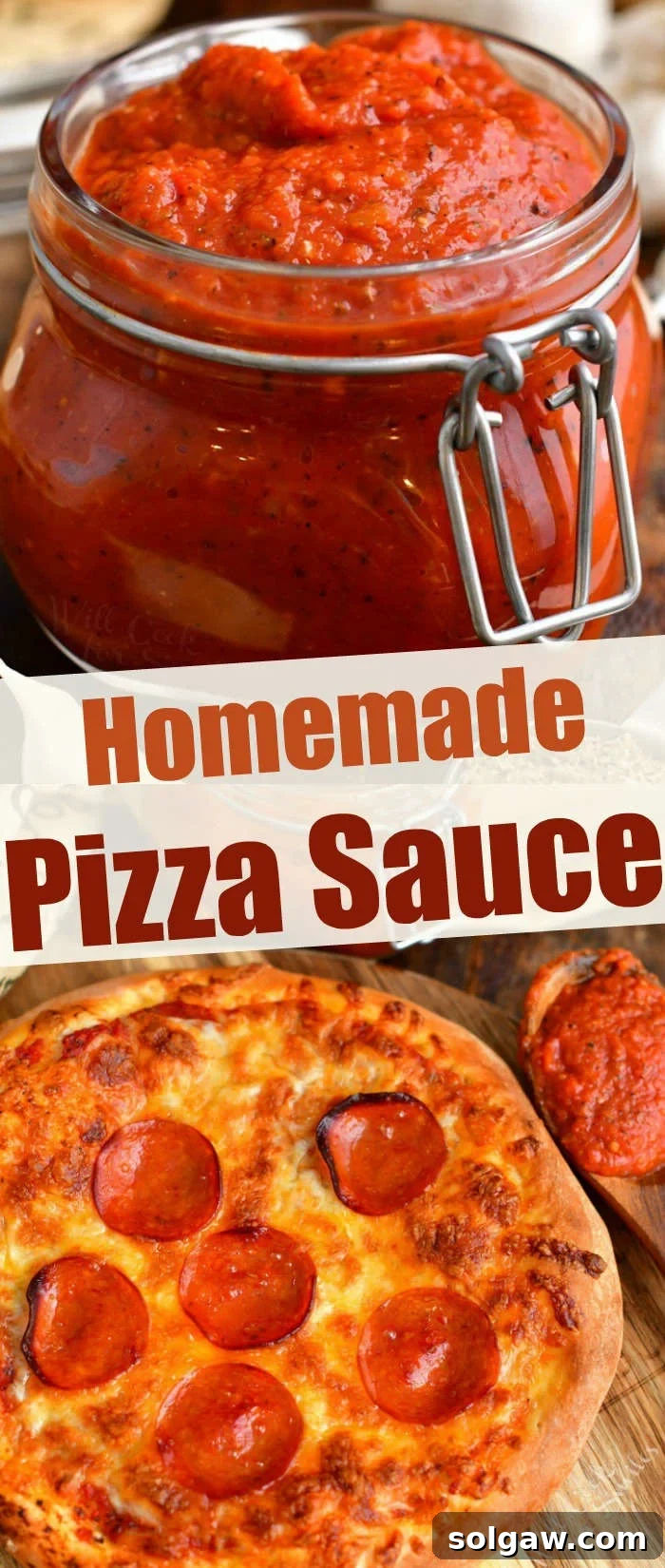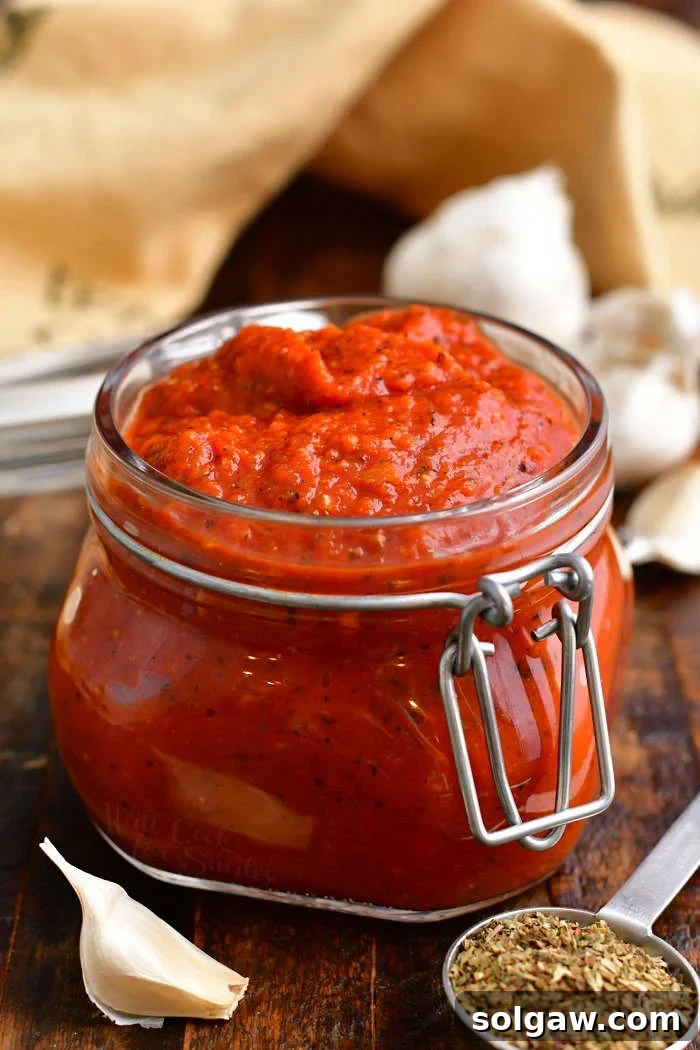
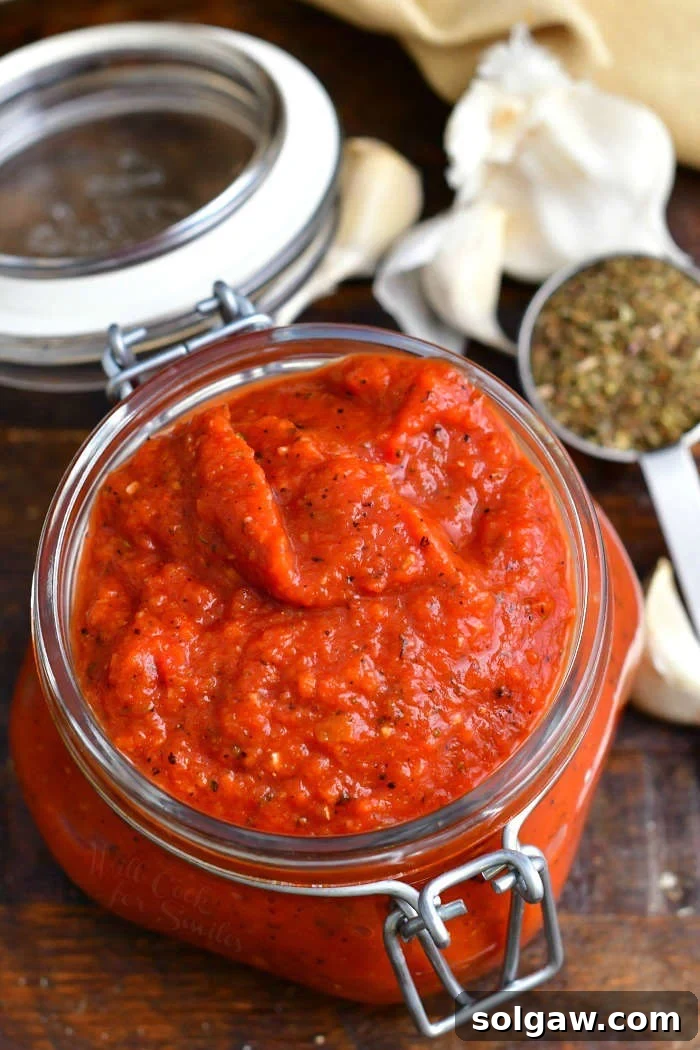
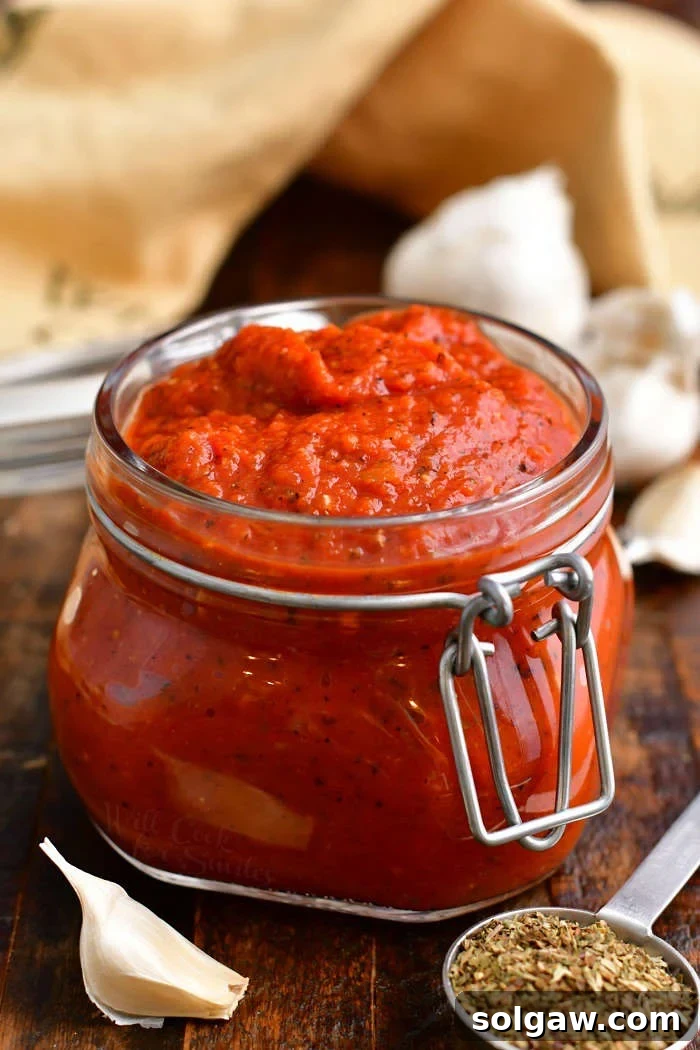
Homemade pizza sauce is incredibly simple to prepare, and its vibrant flavor far surpasses anything you’d find in a store-bought jar! Elevate your flatbreads and pizzas to an exceptional level with this easy, delicious sauce. Crafted in just 5 minutes using common pantry staples, this recipe is a game-changer for any pizza enthusiast.
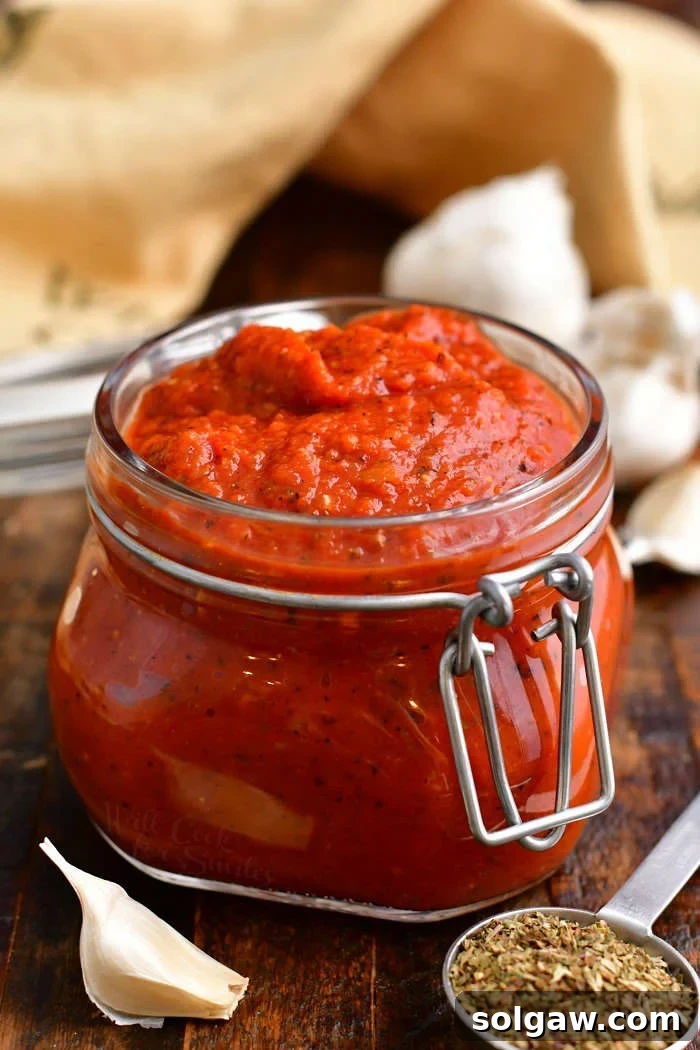
If pizza night is a beloved tradition in your household, then this homemade pizza sauce recipe is about to transform your culinary routine. As a parent, I cherish pizza night as much as my children do, primarily because of how effortlessly this sauce comes together, allowing everyone to customize their own pizzas. Whether you’re using flatbread, naan, fresh homemade dough, or a pre-made crust, the combination of this rich sauce and your favorite cheese guarantees an exceptional meal every time.
Imagine creating a fresh, restaurant-quality sauce in a mere 5 minutes! Not only does it taste significantly better than any canned alternative, but it’s also remarkably more cost-effective. Ditching the processed, often sugar-laden, store-bought options for a wholesome, homemade version is a choice your taste buds and wallet will thank you for.
Why Choose Homemade Pizza Sauce?
There are numerous compelling reasons to ditch the store-bought varieties and embrace the simplicity and superiority of a homemade pizza sauce:
- Unmatched Freshness and Flavor: Store-bought sauces often contain preservatives, artificial flavors, and excessive sugar, leading to a flat or overly sweet taste. Our homemade recipe uses fresh ingredients that burst with natural tomato flavor, enhanced by aromatic herbs and spices.
- Cost-Effective: Making your own sauce from pantry staples is significantly cheaper than repeatedly buying pre-made jars. You can often make a larger batch for the same price as a small store-bought one.
- Customizable: Have a preference for a sweeter sauce? Add a pinch more sugar. Love a bit of heat? A dash of red pepper flakes works wonders. Homemade sauce allows you to tailor the flavor profile to your exact liking.
- No Unwanted Additives: You control every ingredient, ensuring your sauce is free from high-fructose corn syrup, artificial colors, and unnecessary stabilizers.
- Quick and Easy: Forget lengthy simmering! This recipe comes together in just 5 minutes, making it ideal for busy weeknights when you still crave that authentic Italian taste.
Beyond its primary role as a pizza base, this sauce boasts incredible versatility. Its rich, savory profile makes it suitable for a variety of other delicious applications. Think beyond the pie – you can use it to craft savory snacks like pizza pinwheels for game day or as a delightful dipping sauce for golden fried cheese sticks. It pairs beautifully with Italian Sub Pinwheels, or fragrant Parmesan Garlic Herb breadsticks. Spread it generously on hot sandwiches and subs for an added layer of flavor. It also shines in hearty dishes like pizza pasta casseroles and as a vibrant topping for grilled or baked chicken. On occasion, I even use it to deepen the flavor and thicken Italian-style tomato-based soups, especially when I’m short on tomato paste.
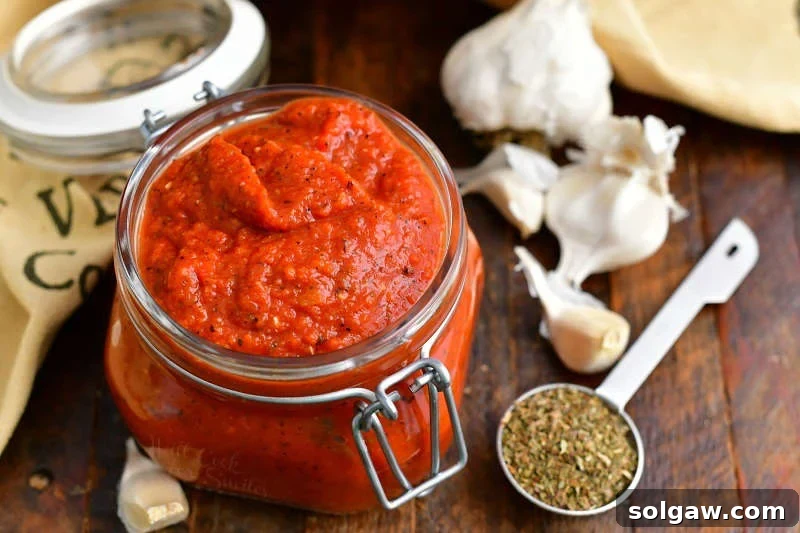
Key Ingredients for the Perfect Homemade Pizza Sauce
The beauty of this pizza sauce lies in its simplicity and the quality of a few essential ingredients. Each component plays a vital role in creating a balanced and robust flavor profile.
Ingredient Notes and Smart Substitutions
NOTE: This is a curated list of key ingredients and potential substitutions. For the comprehensive list with precise measurements, please refer to the complete recipe card provided at the bottom of this article.
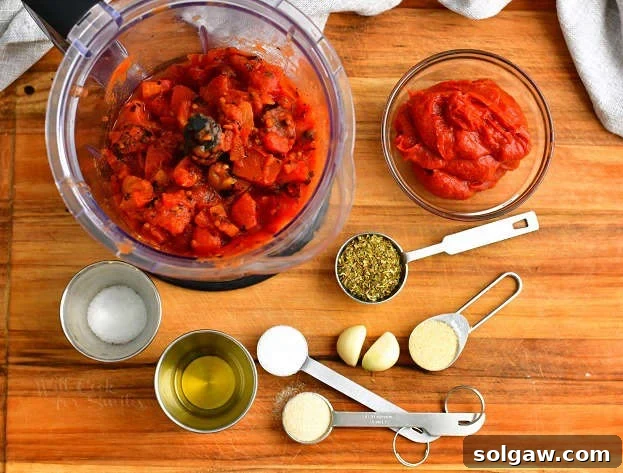
Fire-roasted tomatoes – These are a secret weapon for adding an unparalleled depth of rich, smoky flavor to your sauce. The roasting process caramelizes the natural sugars in the tomatoes, imparting a complexity that canned regular diced tomatoes simply can’t match. If fire-roasted tomatoes aren’t readily available, you have a couple of options: you can either follow a recipe to make homemade fire-roasted tomatoes, or opt for good quality Italian-style diced tomatoes as a straightforward substitute.
Olive oil – A good quality extra virgin olive oil forms the foundation of this sauce, adding a smooth mouthfeel and a subtle fruity note. If you prefer, or if olive oil isn’t on hand, any neutral-flavored oil will work perfectly. Excellent alternatives include avocado oil, vegetable oil, or canola oil, all of which won’t overpower the delicate tomato and herb flavors.
Fresh garlic – Don’t underestimate the power of fresh garlic! Blending raw garlic directly into the sauce might sound intense, but trust me, the taste is far from overwhelming. Instead, it provides a bright, pungent kick that elevates the entire sauce, adding a layer of aromatic freshness that is crucial for an authentic Italian flavor. Avoid using pre-minced garlic for the best results, as fresh garlic offers superior flavor.
Tomato paste – I consistently include tomato paste in my homemade pizza sauce for two primary reasons: it significantly enhances the richness of the tomato flavor and contributes to a wonderfully thick, concentrated consistency. This ensures your sauce doesn’t make your pizza crust soggy. If you find yourself without tomato paste, it’s surprisingly easy to create a substitute. Simply reduce tomato sauce or tomato puree over medium-low heat until it thickens considerably. As a general guide, 12 ounces of tomato sauce or puree will cook down to approximately 6 ounces of rich tomato paste. Store any unused homemade tomato paste in a covered container in the refrigerator and aim to use it within a couple of weeks for optimal freshness.
Choosing the Best Canned Tomatoes for Pizza Sauce
The quality of your tomatoes is paramount when crafting a superior pizza sauce. When you head to the grocery store, keep an eye out for San Marzano tomatoes. These exceptional tomatoes, grown in the fertile volcanic soil of Italy, are renowned for their sweet, balanced flavor, lower acidity, and delicate texture. While they may carry a slightly higher price tag, the difference in taste is truly remarkable and well worth the investment for Italian-inspired recipes such as this pizza sauce or classic pasta sauces like vodka sauce and spaghetti sauce. For authentic Italian dishes, I firmly believe that the unparalleled quality of San Marzano tomatoes elevates the entire culinary experience above any other canned variety. Of course, if San Marzano tomatoes are unavailable or outside your budget, don’t fret – any high-quality brand of diced or crushed tomatoes will still yield a fantastic homemade sauce.
Essential Kitchen Tools You’ll Need:
Gathering the right tools beforehand makes the sauce-making process even smoother:
- Food processor or high-speed blender: This is crucial for achieving a smooth, consistent sauce texture in minutes.
- Fine mesh strainer: Essential for draining excess liquid from canned tomatoes, preventing a watery sauce.
- Measuring spoons and cups: For accurate ingredient proportions.
- Wooden spoon or mixing spatula: Useful for general handling and scraping.
- Glass storage jars with lids, or resealable plastic food storage bags: For convenient storage in the refrigerator or freezer.

How to Make Homemade Pizza Sauce: A 5-Minute Masterpiece
Creating this flavorful pizza sauce is an incredibly quick and straightforward process, requiring minimal effort for maximum taste. By utilizing a food processor or a high-speed blender, you can transform simple ingredients into a gourmet sauce in just minutes. Once prepared, you can use it immediately for your pizza creations, or easily store it in the refrigerator or freezer for future meals, making meal prep a breeze.
Preparing Your Artisanal Sauce: Step-by-Step Guide
Follow these simple steps to craft your perfect pizza sauce:
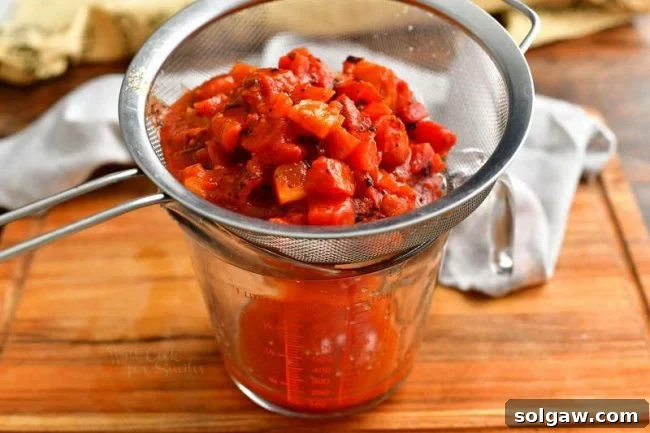
1. Drain the Tomatoes Thoroughly. Begin by straining most of the excess juice from the can of diced tomatoes. This critical step prevents your sauce from becoming too watery, ensuring a richer, more concentrated flavor and ideal consistency for your pizza. You can either discard the drained liquid or, for a zero-waste approach, save it to add a boost of tomato flavor to other dishes like traditional spaghetti sauce or a hearty Bolognese sauce.
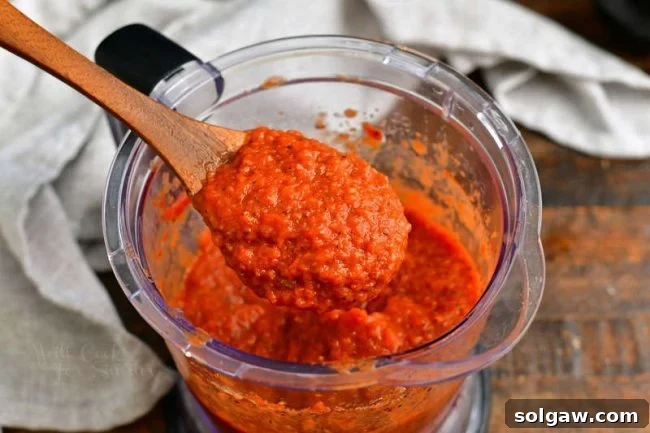
2. Blend All Ingredients to Perfection. Transfer the drained diced tomatoes, along with the tomato paste, olive oil, fresh garlic cloves, dried oregano, sugar, garlic powder, onion powder, and salt, into the bowl of your food processor or high-speed blender. Pulse the mixture several times, or run it on a low speed until all ingredients are thoroughly combined and the sauce reaches your desired smoothness. Be mindful not to over-process the sauce; blending for too long can make it excessively thin, compromising its texture. A slightly chunky sauce can be delightful, but a perfectly smooth one is also achievable with careful blending.
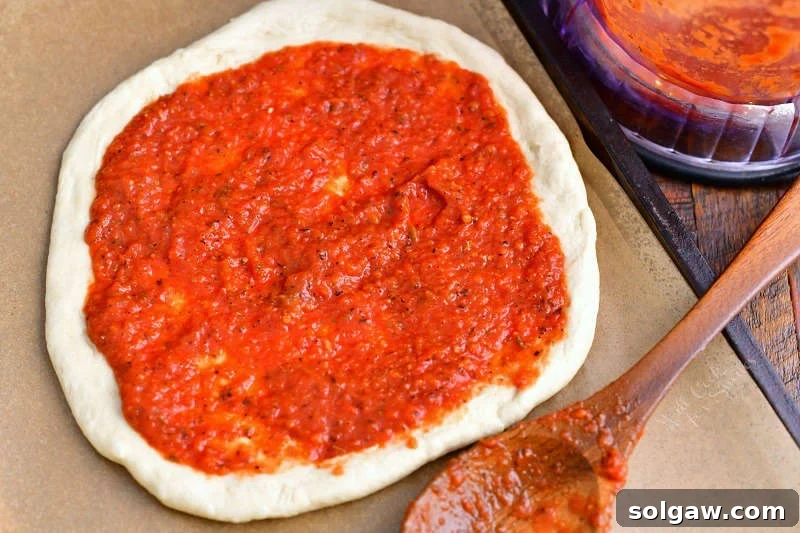
3. Use Immediately or Store for Later. Your homemade pizza sauce is now ready! Spread it generously on your favorite pizza crust, flatbread, or use it in any of the versatile applications mentioned earlier. If you’re not using it all at once, proceed to the storage instructions below to keep it fresh for future culinary adventures.
Storing and Freezing Instructions for Maximum Freshness
This homemade pizza sauce is excellent for making ahead, allowing you to have a delicious base ready whenever a pizza craving strikes.
Refrigerator Storage: To store your pizza sauce in the refrigerator, transfer it into a clean glass jar with an air-tight lid. Properly stored, this fresh pizza sauce will maintain its peak quality and flavor for up to 2 weeks. Always remember to use a clean spoon each time you retrieve sauce from the jar to prevent contamination and extend its shelf life.
Freezing for Long-Term Preservation: For longer storage, freezing is an excellent option. Portion the blended pizza sauce into zip-top freezer bags. To maximize freshness and prevent freezer burn, try to press out as much air as possible from the bags before sealing them. Don’t forget to label each bag with the date. Frozen pizza sauce can be kept for up to 3 months without compromising its quality. When you’re ready to use it, simply transfer a bag from the freezer to the refrigerator and allow it to thaw overnight. Once thawed, it’s ready to enhance your next pizza or meal.
Frequently Asked Questions About Homemade Pizza Sauce
Here are answers to some common questions you might have about making your own pizza sauce:
- Can I use fresh tomatoes instead of canned? Absolutely! If you have ripe, flavorful fresh tomatoes (like Roma or San Marzano varieties), you can blanch, peel, and seed them before blending. This will require a bit more prep time but yields a truly exceptional fresh sauce.
- My sauce is too thin/thick. How can I adjust it? If your sauce is too thin, you can simmer it gently on the stovetop over low heat until some of the excess moisture evaporates and it thickens. If it’s too thick, you can thin it out with a little water or vegetable broth, adding a tablespoon at a time until you reach the desired consistency.
- How can I make this sauce spicier? For a subtle kick, add a pinch of red pepper flakes when blending the ingredients. For more intense heat, finely mince a fresh jalapeño or serrano pepper and blend it in, or add a dash of cayenne pepper.
- Can I add other herbs? Yes! Fresh basil leaves are a classic addition to pizza sauce. You can blend them in with the other ingredients or stir them in at the very end for a brighter flavor. A touch of dried thyme or marjoram can also add complexity.
- Is it necessary to cook the sauce? For this particular recipe, no, it’s a no-cook sauce designed for quick preparation. The flavors meld beautifully as the pizza bakes. However, if you prefer a deeper, more mellow flavor, you can gently simmer the blended sauce on the stovetop for 15-20 minutes after preparation.
- Why add sugar to tomato sauce? The small amount of sugar helps to balance the acidity of the tomatoes, creating a more well-rounded and palatable flavor profile without making the sauce sweet. You can adjust the amount to your personal preference.
Making your own pizza sauce from scratch is not just about the incredible flavor; it’s about the joy of creating something delicious and wholesome for your family. This 5-minute recipe proves that gourmet taste doesn’t require hours in the kitchen. So, gather your ingredients, fire up your blender, and get ready to transform your pizza nights!
Homemade Pizza Sauce
Print
Pin
Rate
Main Course
American, Italian
5 minutes
5 minutes
8 (makes about 4 cups)
78
kcal
Lyuba Brooke
Ingredients
- 28 oz can fire roasted diced tomatoes
- 6 oz tomato paste
- 2 tbsp olive oil
- 2 garlic cloves
- 1 tbsp dried oregano
- 1 tsp white granulated sugar
- 1 tsp garlic powder
- 1 tsp onion powder
- 1 1/2 tsp salt more or less to taste
Instructions
-
Strain off most of the liquid from canned diced tomatoes.
-
Combine diced tomatoes, tomato paste, olive oil, garlic, and seasonings in a food processor or a blender. Pulse until completely blended.
-
Use to make pizza right away or store for later.
Storing:
-
Store pizza sauce in the refrigerator, in a glass jar with an air-tight lid.
-
In the refrigerator, pizza sauce can last up to 2 weeks. Make sure to use a clean spoon each time when you need to scoop out some sauce.
Freezing:
-
Portion blended pizza sauce into zip-top freezer bags. Try to get as much air out as you can, seal, and label the bags. Freeze pizza sauce for up to 3 months.
-
To use, simply pull a bag out of the freezer and place it into the refrigerator. Let it thaw overnight.
Nutrition
Calories:
78
kcal
|
Carbohydrates:
10
g
|
Protein:
2
g
|
Fat:
4
g
|
Saturated Fat:
1
g
|
Sodium:
758
mg
|
Potassium:
228
mg
|
Fiber:
2
g
|
Sugar:
5
g
|
Vitamin A:
732
IU
|
Vitamin C:
7
mg
|
Calcium:
49
mg
|
Iron:
1
mg
Tried this recipe?
Mention @willcookforsmiles or tag #willcookforsmiles!
Connect with Will Cook For Smiles!
Be sure to click below and follow me on my social media, so you never miss a recipe.
Don’t forget to sign up for email updates, so you won’t miss any new recipes.
PIN THIS RECIPE