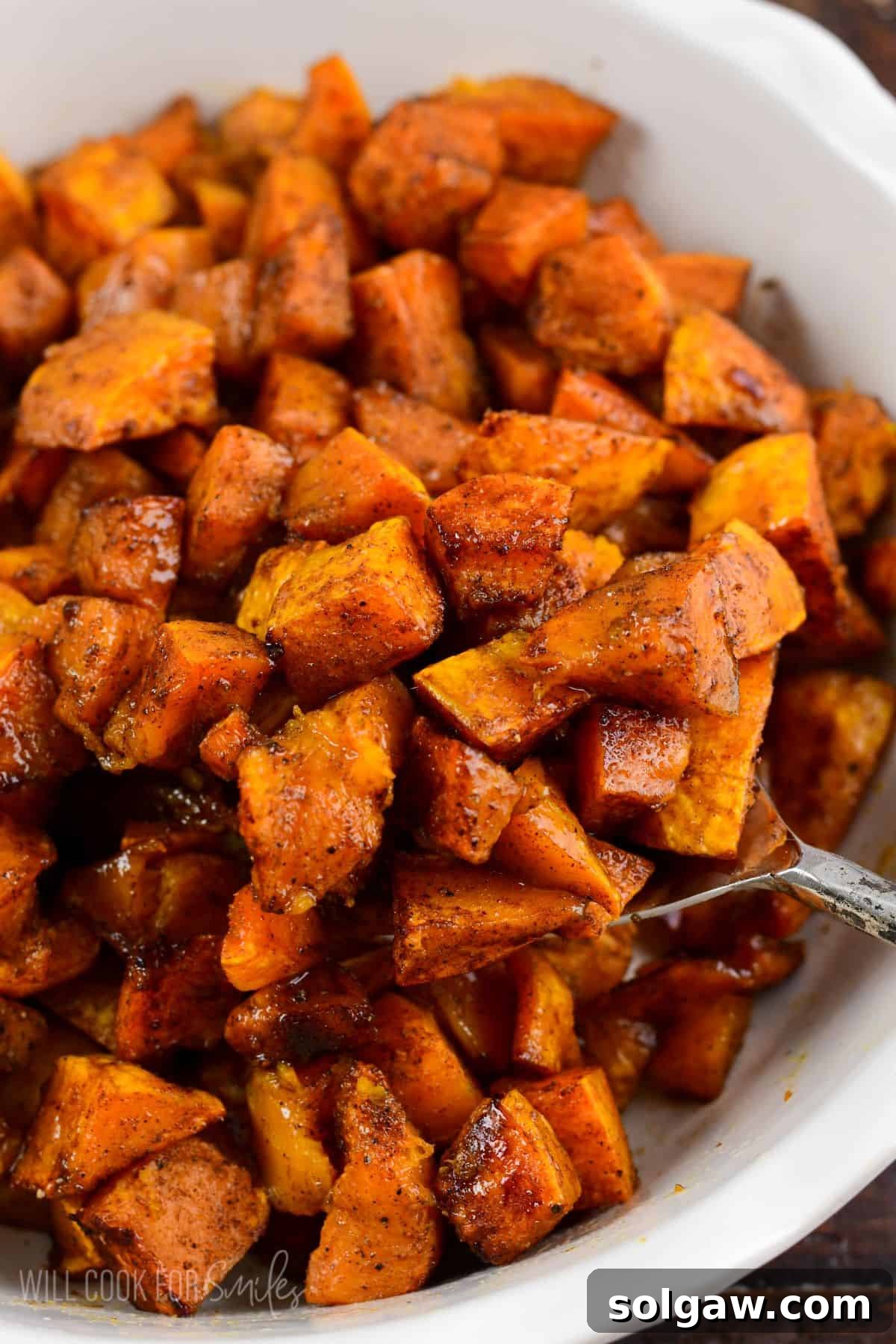
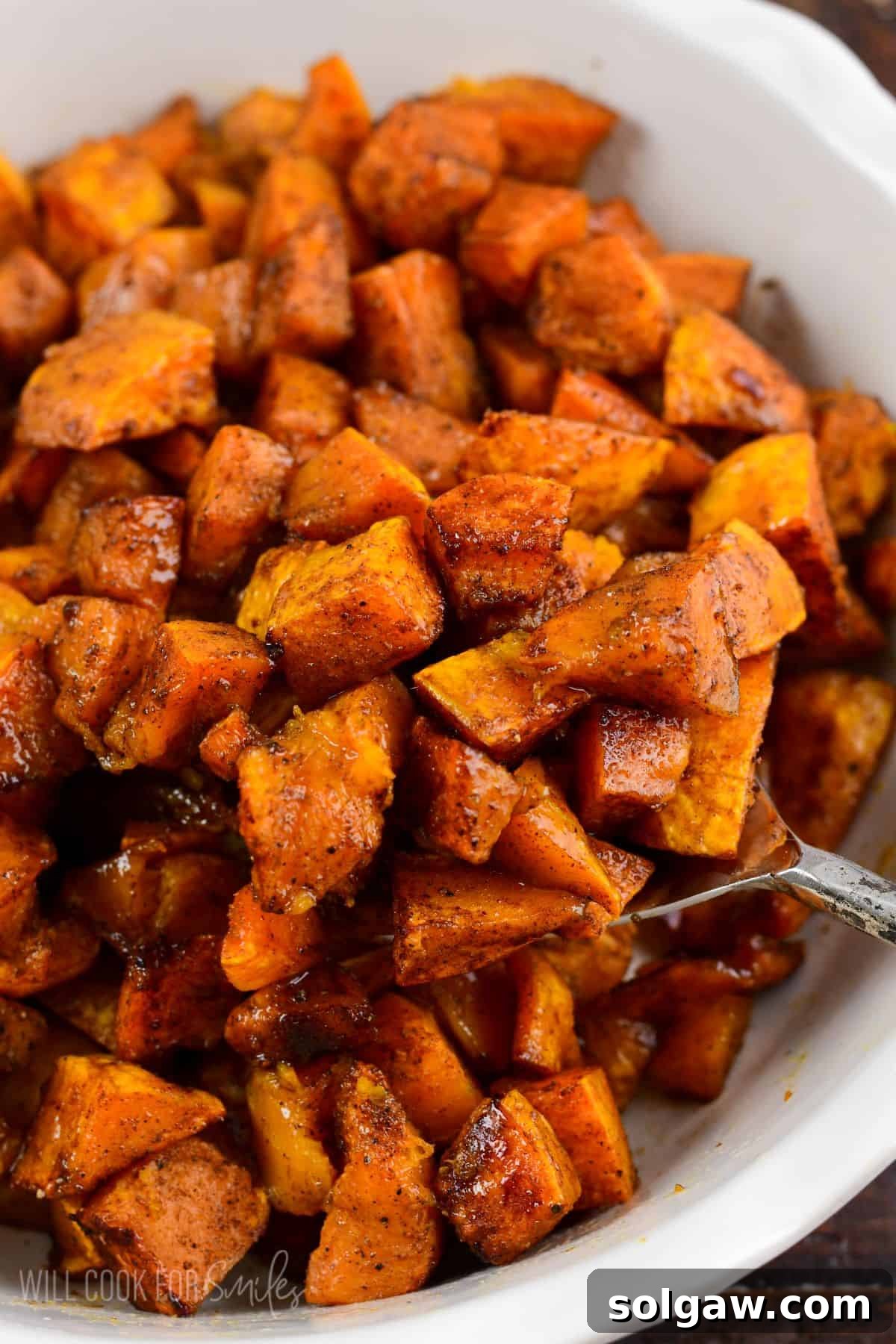
Spiced Roasted Honeynut Squash Recipe: A Delightful Fall Side Dish
Embrace the vibrant flavors of autumn with this incredibly easy and aromatic spiced roasted honeynut squash recipe. Perfect as a healthy and flavorful side dish for any meal, especially during the fall holidays, this recipe transforms humble honeynut squash into a culinary masterpiece. Seasoned with an inviting blend of cinnamon, cumin, coriander, and ginger, it’s a dish that promises to tantalize your taste buds and fill your home with a cozy, inviting aroma. Ready in under 45 minutes, it’s a testament to simple ingredients yielding extraordinary results.
Honeynut squash, a relatively new star in the culinary world, offers a sweeter, more tender alternative to its popular cousin, the butternut squash. Its petite size, darker skin, and intensely orange flesh not only make it visually appealing but also a dream to work with in the kitchen. This guide will walk you through everything you need to know, from selecting the perfect squash to roasting it to golden perfection, and even offer creative serving suggestions to elevate your dining experience.
What is Honeynut Squash?
Honeynut squash is a remarkable vegetable that has rapidly gained popularity since its introduction to the market. Developed through selective breeding, it is a cultivated hybrid of butternut squash and buttercup squash, designed to offer superior flavor and texture in a more convenient size. While it shares a similar bulbous shape to butternut squash, honeynut squash is significantly smaller, typically fitting in the palm of your hand, making it ideal for individual servings or smaller families.
Distinguished by its deeper orange flesh and thinner, darker skin, honeynut squash boasts a naturally sweeter profile than butternut, often described as having hints of hazelnut and butter. This inherent sweetness intensifies beautifully when roasted, caramelizing its sugars to create a rich, profound flavor. Beyond its delectable taste, honeynut squash is also a nutritional powerhouse. It’s rich in beta-carotene (which converts to Vitamin A in the body, essential for vision and immune function), Vitamin C, and dietary fiber, making it a healthy addition to any diet. Its thin skin is also edible, eliminating the need for peeling and preserving valuable nutrients found just beneath the surface.
Buying and Selecting the Best Honeynut Squash
As honeynut squash becomes more widely recognized for its delightful qualities, it’s increasingly available, particularly during the peak fall season and leading up to the holiday months. You can often find it in well-stocked grocery stores, specialty food markets, and, of course, local farmer’s markets, where you might even learn directly from the growers about its unique characteristics.
When selecting honeynut squash, there are a few key indicators to look for to ensure you’re choosing ripe, flavorful specimens. First and foremost, aim for squashes with minimal to no green spots on their skin. A uniformly dark tan or deep orange skin signifies ripeness, indicating that the squash has fully developed its sweet, nutty flavor. Green patches suggest it was harvested too early and might lack the desired sweetness.
Beyond color, feel the squash. It should feel heavy for its size, which usually means it has a dense, moist flesh. The skin should be firm and free from any soft spots, blemishes, or mold, which could indicate spoilage. A firm skin also means it will store better. While honeynut squash is generally smaller, look for ones that are well-formed and have a smooth surface. Trust your senses: a good honeynut squash will feel substantial and look healthy, promising a delicious outcome for your roasted dish.
Key Ingredients and Flavor Variations
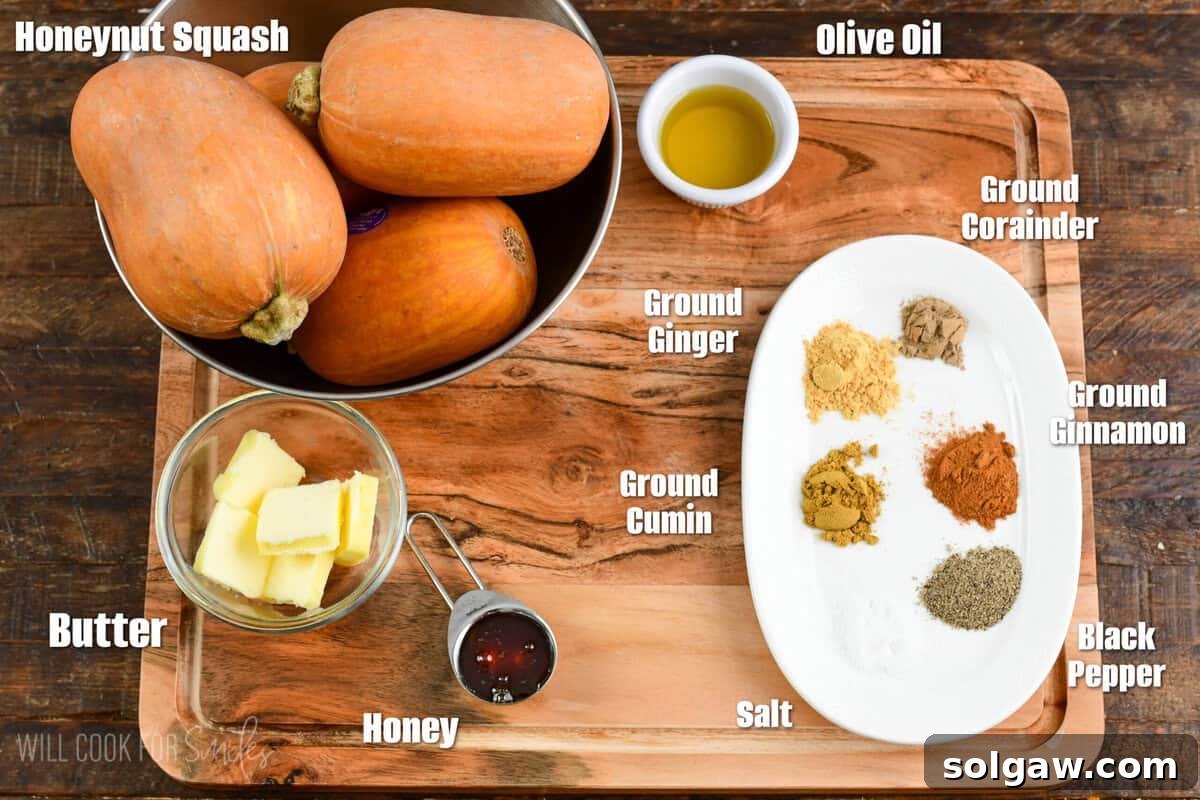
This spiced roasted honeynut squash recipe celebrates simple, high-quality ingredients that come together to create a symphony of flavors. Here’s a closer look at the components and how you can adapt them:
- Honeynut Squash: The star of our show. Its naturally sweet and tender flesh is perfect for roasting. If honeynut squash is unavailable, you can substitute it with butternut squash. Remember that butternut squash has a much thicker and tougher skin, so you will need to peel it completely before cubing. Adjust roasting time slightly as butternut squash may take a few minutes longer to become tender.
- Aromatic Spice Blend: This recipe uses a harmonious blend of fall spices that evoke warmth and comfort:
- Cinnamon: Adds a sweet, woody warmth, quintessential for autumn dishes.
- Cumin: Provides an earthy, slightly smoky depth that balances the sweetness.
- Coriander: Contributes a citrusy, floral note, brightening the overall flavor.
- Ginger: Offers a spicy, pungent kick that adds warmth and complexity.
This quartet creates a beautiful fall flavor profile, making it an ideal side dish for Thanksgiving or any autumnal feast. For variations, consider adding a pinch of nutmeg for extra warmth, a touch of smoked paprika for a subtle smoky undertone, or a dash of allspice for a more complex sweetness.
- Butter: Unsalted butter is highly recommended. Using unsalted butter allows you to control the overall saltiness of the dish, ensuring it’s seasoned to perfection. Butter not only adds a rich, creamy flavor but also helps the spices adhere to the squash and contributes to a lovely caramelized crust during roasting. For a dairy-free or vegan option, feel free to substitute with a good quality olive oil or a plant-based butter alternative.
- Honey: Honey beautifully complements the natural sweetness of the honeynut squash, adding a luscious glaze. If you prefer, maple syrup is an excellent alternative, offering a slightly different, equally delightful sweetness and depth. Both enhance the caramelization process and add a lovely sheen to the roasted squash. Adjust the amount of sweetener to your personal preference.
- Olive Oil, Salt, and Pepper: Essential staples for roasting. Olive oil helps in even cooking and browning, while coarse salt and freshly ground black pepper are crucial for seasoning, bringing out the best in all the flavors.
Mastering Squash Preparation: Cutting and Safety Tips
Cutting hard, oddly shaped vegetables like squash can seem daunting, but with a few simple techniques and safety precautions, it becomes much easier and safer. Follow these tips to expertly prepare your honeynut squash:
- Always Remove the Stem First: The stem on all winter squashes, including honeynut, is incredibly tough and fibrous. Trying to cut through it can cause your knife to get stuck or slip, leading to potential injury. Gently but firmly pop off the stem by hand or use a sturdy paring knife to carefully cut around its base.
- Work with a Sharp Knife: This is perhaps the most critical safety tip in any kitchen. A dull knife is far more dangerous than a sharp one because it requires more force to cut, increasing the likelihood of slipping and causing a serious injury. A sharp knife, on the other hand, glides through ingredients with minimal effort, offering greater control. Make sure your knife is sharpened before you start.
- Use an Abrasive/Textured Cutting Board: To prevent the squash from sliding around, always use a cutting board with some grip. Wood or textured plastic cutting boards are ideal. You can also place a damp paper towel or a non-slip mat underneath your cutting board for extra stability.
- Stabilize the Squash: Before making any major cuts, create a flat, stable surface. For honeynut squash, you can often cut a small slice off one side, allowing it to sit flat on the cutting board without rolling. This significantly reduces the risk of accidental slips.
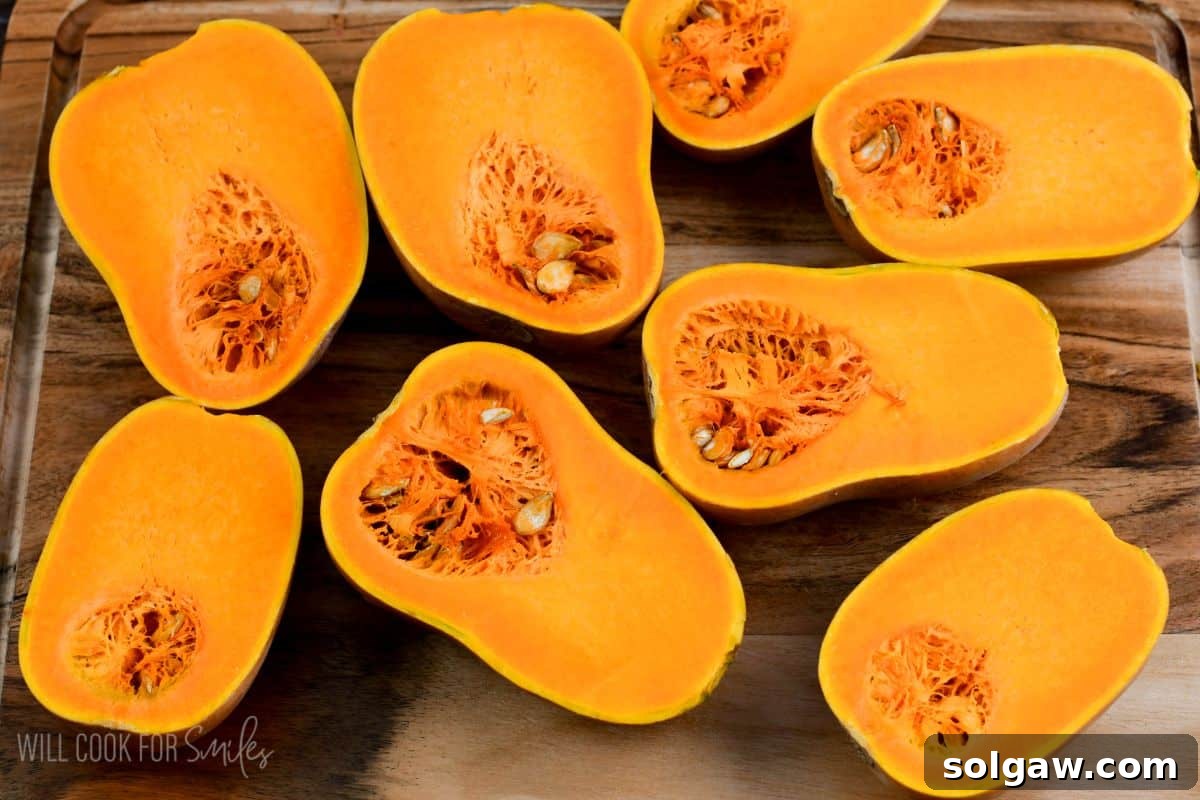
- Halving and Seeding: Once stabilized, carefully cut the squash in half lengthwise. A sturdy chef’s knife works best for this. After halving, use a sturdy spoon (a soup spoon or ice cream scoop works well) to scrape out the seeds and stringy membrane from the cavity. Don’t discard the seeds; they can be roasted for a delicious snack!
- Cubing Evenly: Place the squash halves cut-side down on your cutting board. This flat surface makes it easier and safer to cut them into even slices, and then into uniform cubes. While it’s impossible to get every piece exactly the same, try to keep the size as consistent as possible. This ensures that all the squash pieces cook at roughly the same rate, preventing some from being overcooked while others are still hard.
Do I Have to Peel Honeynut Squash Before Cooking?
One of the fantastic benefits of honeynut squash is its wonderfully thin and tender skin. Unlike its larger counterpart, the butternut squash, there is absolutely no need to peel honeynut squash before cooking it. This is a game-changer for convenience and also helps preserve valuable nutrients that are concentrated just beneath the skin.
The skin cooks down beautifully, becoming tender enough to eat and blending seamlessly with the soft flesh. In fact, leaving the skin on can actually be advantageous for the dish’s texture. When honeynut squash is peeled and then roasted, it tends to become softer and can lose some of its structural integrity when scooped or served. By keeping the skin on, the cubes maintain a slightly firmer shape, making for a more appealing presentation and easier handling.
I’ve personally tested this recipe both ways, and while both methods yield delicious results, keeping the skin on offers a slight edge in terms of structure and, undoubtedly, saves you a step in preparation. So, feel free to skip the peeler and enjoy the ease and nutritional benefits of cooking honeynut squash whole.
How To Roast Spiced Honeynut Squash to Perfection
Roasting honeynut squash is an incredibly straightforward process that yields maximum flavor with minimal effort. Follow these steps for perfectly spiced and tender squash every time:
- Prepare Your Oven and Baking Sheet: Begin by preheating your oven to 425°F (220°C). This high temperature is crucial for achieving tender squash with beautifully caramelized edges. Line a large baking sheet with parchment paper. Parchment paper prevents sticking and makes cleanup a breeze, ensuring your squash releases easily from the pan.
- Clean and Cut the Squash: First, gently pop off the stem from each honeynut squash. Then, give the squashes a good wash under running water and thoroughly dry them. This ensures any dirt or residue is removed and helps the olive oil and spices adhere better. Carefully cut each squash in half lengthwise. Using a sturdy soup spoon or an ice cream scoop, remove all the seeds and fibrous membrane from the center of each squash cavity.
- Cube the Squash: Place the squash halves cut-side down on your cutting board. This creates a stable base for slicing. Cut each half into even, bite-sized cubes. Aim for pieces that are roughly 1-inch in size for consistent cooking. Uniformity in size is key for ensuring all pieces cook through at the same time, resulting in an evenly tender batch.
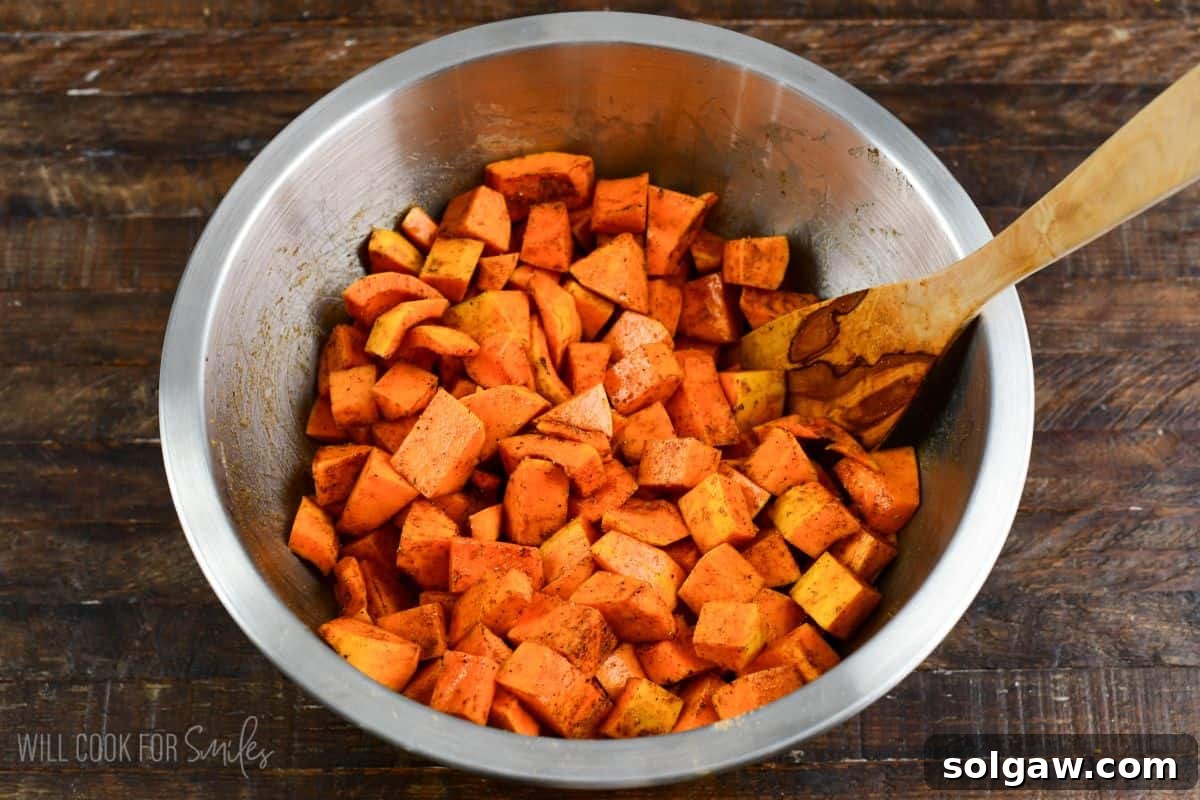
- Season Generously: Transfer the cut honeynut squash cubes into a large mixing bowl. Drizzle them with olive oil, ensuring every piece is lightly coated. Then, sprinkle in your aromatic spice blend (cinnamon, cumin, coriander, and ginger), along with coarse salt and black pepper. Toss everything together thoroughly until the squash cubes are evenly coated with the oil and spices. Take your time with this step to ensure there are no clumps of seasoning and every piece is infused with flavor.
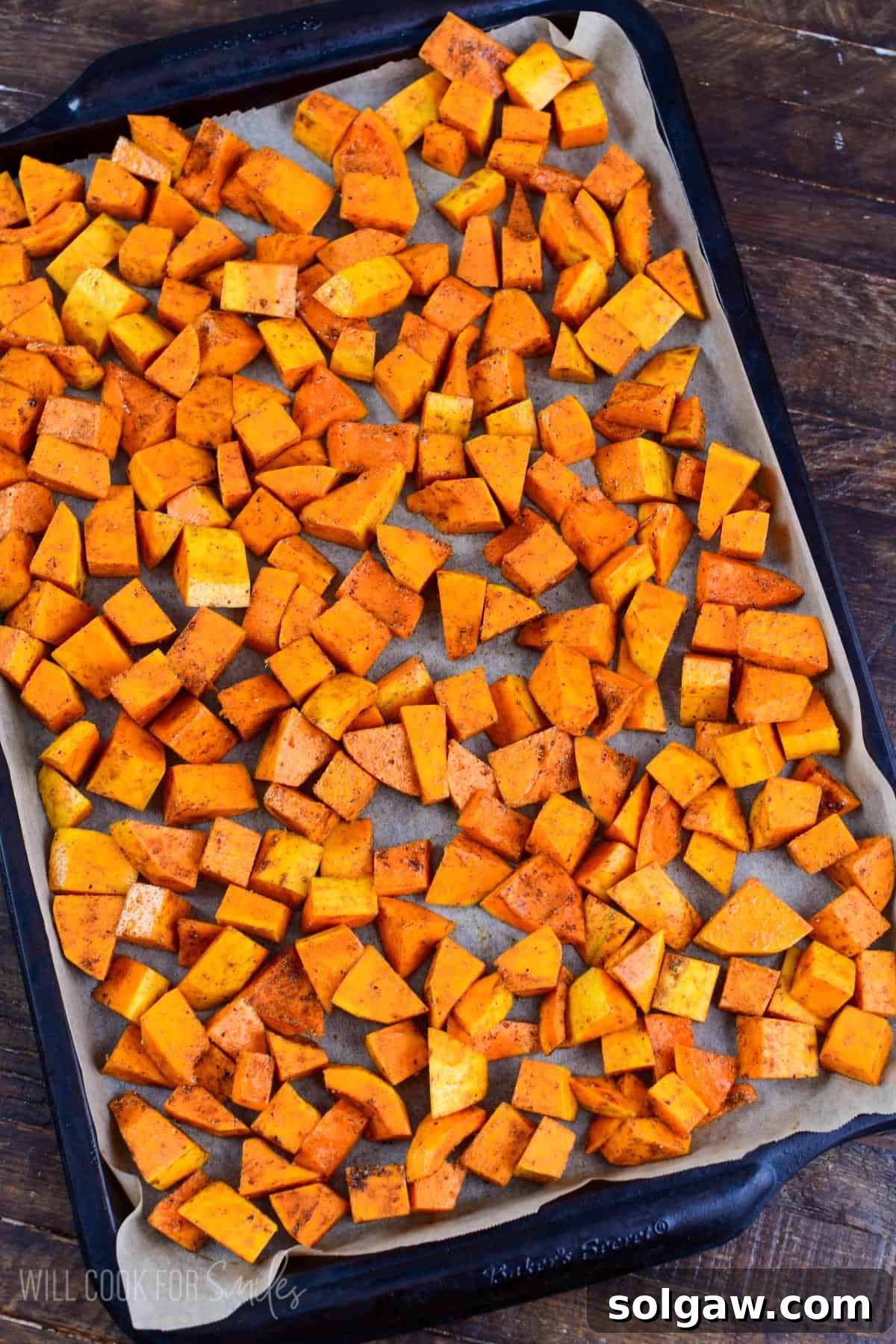
- Spread on Baking Sheet: Arrange the seasoned squash cubes on the prepared baking sheet. It is absolutely essential to spread them in a single, even layer, without overcrowding or overlapping. If the squash pieces are too close together, they will steam instead of roast, resulting in a soft, mushy texture rather than the desired golden, caramelized exterior. If you have a lot of squash, use two baking sheets to give them enough space.
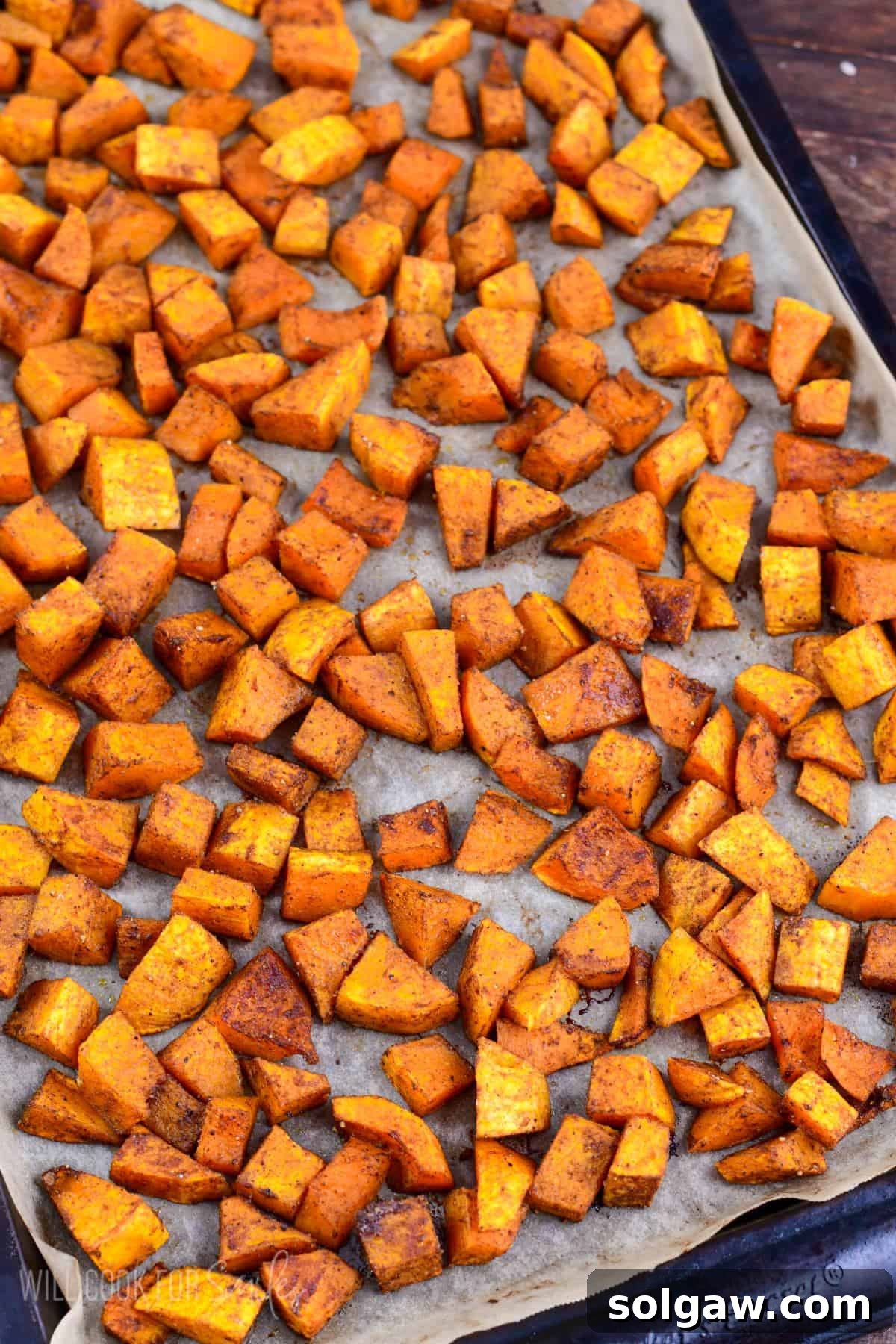
- Roast Until Tender and Golden: Place the baking sheet in the preheated oven and roast for approximately 20-25 minutes. The exact time may vary slightly depending on your oven and the size of your squash cubes. Look for the squash to be fork-tender and beautifully golden brown around the edges, indicating delicious caramelization.
- Prepare Honey Butter Glaze: While the squash is roasting and almost done, melt the unsalted butter in a small saucepan or microwave-safe bowl. Whisk in the honey until well combined, creating a simple yet luxurious glaze.
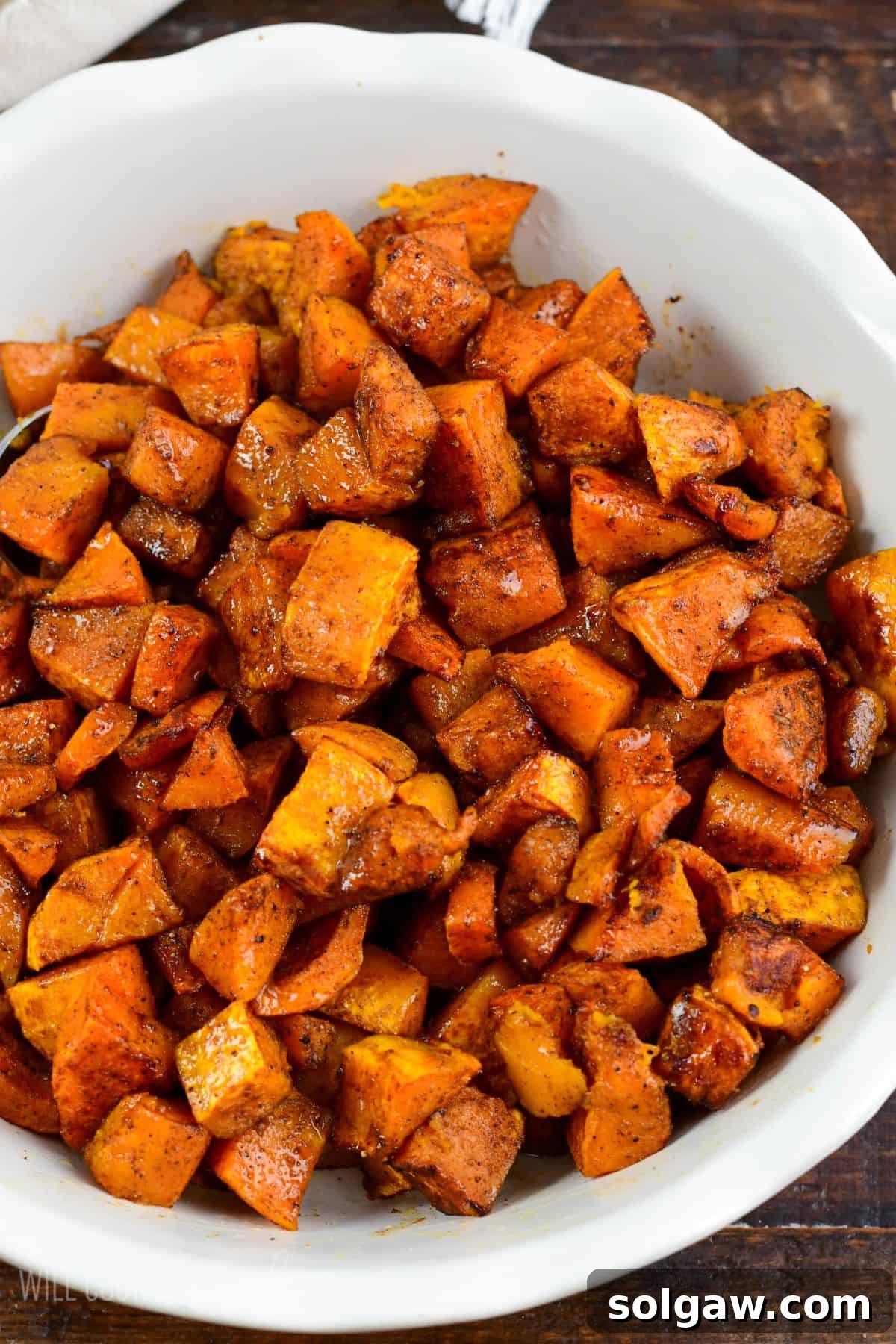
- Glaze and Serve: Once the squash is perfectly roasted, remove it from the oven. Drizzle the melted honey butter mixture generously over the warm squash. Gently toss or stir the squash right on the baking sheet as you transfer it to your serving dish. This allows the honey butter to coat all the pieces evenly. A gentle touch is key here, as the cooked squash will be very tender and can easily break apart if handled too vigorously. Serve immediately and enjoy the warm, spiced sweetness!
Tips for the Best Roasted Honeynut Squash
- Don’t Overcrowd the Pan: As mentioned, this is crucial. Give your squash space to breathe and roast properly.
- Evenly Sized Cubes: This ensures consistent cooking. Takes a little extra time, but it’s worth it!
- Adjust Seasoning: Taste a small piece after roasting and adjust salt, pepper, or spices as needed. Sometimes a little more salt or a fresh sprinkle of cinnamon can make a big difference.
- Caramelization is Key: Don’t be afraid of those slightly browned, almost charred edges. That’s where a lot of the flavor comes from!
- Air Fryer Option: For an even quicker method, you can roast honeynut squash in an air fryer. Toss the seasoned squash in a similar manner, then cook at 375°F (190°C) for 15-20 minutes, shaking the basket halfway through, until tender and golden.
Storing and Reheating Recommendations
Proper storage ensures you can enjoy the fresh taste of honeynut squash and its roasted deliciousness for days to come:
- Storing Uncooked Whole Honeynut Squash: Whole, uncooked honeynut squash should be stored in a cool, dark, and dry place at room temperature. A pantry or a cool corner of your kitchen is ideal. Under these conditions, it can typically last for about a week. For the best flavor and texture, it’s always recommended to cook it within 7-10 days of purchase. Avoid storing it in the refrigerator before cooking, as this can degrade its texture.
- Storing Leftover Roasted Squash: Once cooked, any leftover spiced roasted honeynut squash should be transferred to an airtight food storage container and refrigerated. It will keep well in the refrigerator for 3-4 days.
- Reheating Leftover Roasted Squash: There are a couple of excellent ways to reheat this delicious side dish, depending on your preference for texture:
- Microwave: This is the quickest and easiest method. Simply place the squash in a microwave-safe dish and heat on high for 1-2 minutes, or until warmed through. Be aware that microwaving will make the squash very tender and you won’t achieve any crispness.
- Stovetop (for a slight crisp): If you prefer to regain a little crispness on the exterior, reheating on the stovetop is your best bet. Preheat a cooking pan or cast-iron skillet over medium heat. Add a small amount of olive oil or butter to the pan. Once hot, add the leftover squash and sear for a few minutes, stirring occasionally, until it’s warmed through and slightly caramelized again. This method helps to restore some of the delightful roasted texture.
Versatile Serving Suggestions
This spiced roasted honeynut squash is incredibly versatile and makes an outstanding side dish for a wide variety of main courses. Its bright, bold, and sweet-savory seasoning allows it to stand out while complementing simply seasoned meats beautifully.
- With Seafood: It pairs wonderfully with salmon dishes. Imagine it alongside crispy skin salmon, where the rich fish meets the sweet squash, or with pecan crusted salmon for an extra layer of nutty flavor.
- With Pork: Pork and squash are a classic combination. Serve this roasted honeynut squash with savory pork cutlets or a succulent garlic pork loin. The sweetness of the squash cuts through the richness of the pork, creating a perfectly balanced meal.
- Holiday Feast Essential: This dish truly shines during holiday gatherings. Its festive flavors make it an ideal accompaniment for roasted chicken, flavorful spatchcock chicken, and, of course, the star of many holiday tables, turkey. It adds a pop of color and a burst of fall-inspired taste that guests will adore.
- Beyond the Main Course: Don’t limit this delicious squash to just being a side! It’s fantastic when repurposed in other dishes. I personally love mixing some of this leftover squash into hearty **quinoa bowls** or **rice bowls** for a quick and nutritious lunch. It also makes a wonderful addition to fall salads, adding warmth and sweetness, or can be blended into a creamy soup for an extra depth of flavor.
Spiced Roasted Honeynut Squash Recipe
This spiced oven-roasted honeynut squash recipe is incredibly easy to make, seasoned with an aromatic combination of fall spices like cinnamon, coriander, cumin, and ginger. It takes about 35-45 minutes total to make and comes out incredibly flavorful and aromatic.
Rated 5 out of 5 stars based on 1 review.
Print Recipe | Pin Recipe
Course: Side Dish | Cuisine: American | Diet: Gluten Free
Prep Time: 10 minutes | Cook Time: 25 minutes | Total Time: 35 minutes
Servings: 6
Calories: 163 kcal | Author: Lyuba Brooke
Ingredients
- 3 lbs honeynut squash
- 2 tbsp olive oil
- 1.5 tsp coarse salt (more or less to taste)
- 1 tsp black pepper
- 1 tsp ground cumin
- 1 tsp ground cinnamon
- 1 tsp ground ginger
- 1/2 tsp ground coriander
- 2 Tbsp unsalted butter
- 2 tsp honey
Instructions
- Preheat the oven to 425℉ and line a large baking sheet with parchment paper.
- Pop the stem off each honeynut squash, wash them, and dry well.
- Cut each squash in half, lengthwise. Use a big spoon to scoop out the seeds and membrane from the inside of squash cavity.
- Place the squash halves cut side down on the cutting board and cut each one into 1-inch cubes.
- Place the cubes into a large mixing bowl and toss it with olive oil until evenly coated.
- Sprinkle in the seasonings (coarse salt, black pepper, ground cumin, ground cinnamon, ground ginger, ground coriander) and toss until all squash is evenly coated and no clumps of seasoning remain.
- Spread the seasoned squash cubes on the prepared baking dish, making sure to arrange them in one even layer without overlapping.
- Roast in the oven for 20-25 minutes, or until the squash is completely tender and golden brown at the edges.
- While the squash is roasting, melt butter and whisk it with honey in a small bowl or saucepan.
- Take squash out of the oven and drizzle the melted honey butter mixture over the roasted squash. Gently slide the roasted squash into the serving dish; the transfer motion will help to evenly mix the glaze. Serve warm.
Notes
- Storing Leftovers: Store any leftover roasted squash in an airtight container in the refrigerator for 3-4 days.
- Peeling or not peeling the honeynut squash: There’s no need to peel honeynut squash. Its skin is thin and cooks tender, making it perfectly edible. Leaving the skin on also helps the squash maintain some structure during cooking and serving.
Nutrition Information (per serving)
Calories: 163kcal | Carbohydrates: 22g | Protein: 2g | Fat: 9g | Saturated Fat: 3g | Polyunsaturated Fat: 1g | Monounsaturated Fat: 4g | Trans Fat: 0.2g | Cholesterol: 10mg | Sodium: 592mg | Potassium: 815mg | Fiber: 4g | Sugar: 7g | Vitamin A: 3224IU | Vitamin C: 28mg | Calcium: 75mg | Iron: 2mg
Tried this recipe? Mention @willcookforsmiles or tag #willcookforsmiles!
More Delicious Dishes to Try
If you’re a fan of the comforting flavors of squash and roasted vegetables, you’ll love exploring these other delightful recipes:
- Hearty Squash Soups: For a cozy and nutritious meal, definitely try making soups like the rich and satisfying Butternut Squash Potato Soup, a beloved reader and personal favorite. Or, for a quicker option, whip up an Instant Pot Butternut Squash Soup that’s ready in a flash.
- More Roasted Vegetable Favorites: If you enjoy the simplicity and flavor of roasted vegetables, expand your repertoire with these other fantastic options:
- Parmesan Roasted Zucchini: A quick and cheesy side that’s always a crowd-pleaser.
- Maple Bacon Roasted Sweet Potatoes: The perfect blend of sweet and savory for an indulgent side.
- Italian Roasted Asparagus: A simple yet elegant vegetable dish seasoned with classic Italian flavors.
These recipes offer more ways to incorporate wholesome, flavorful vegetables into your diet, perfect for any season!