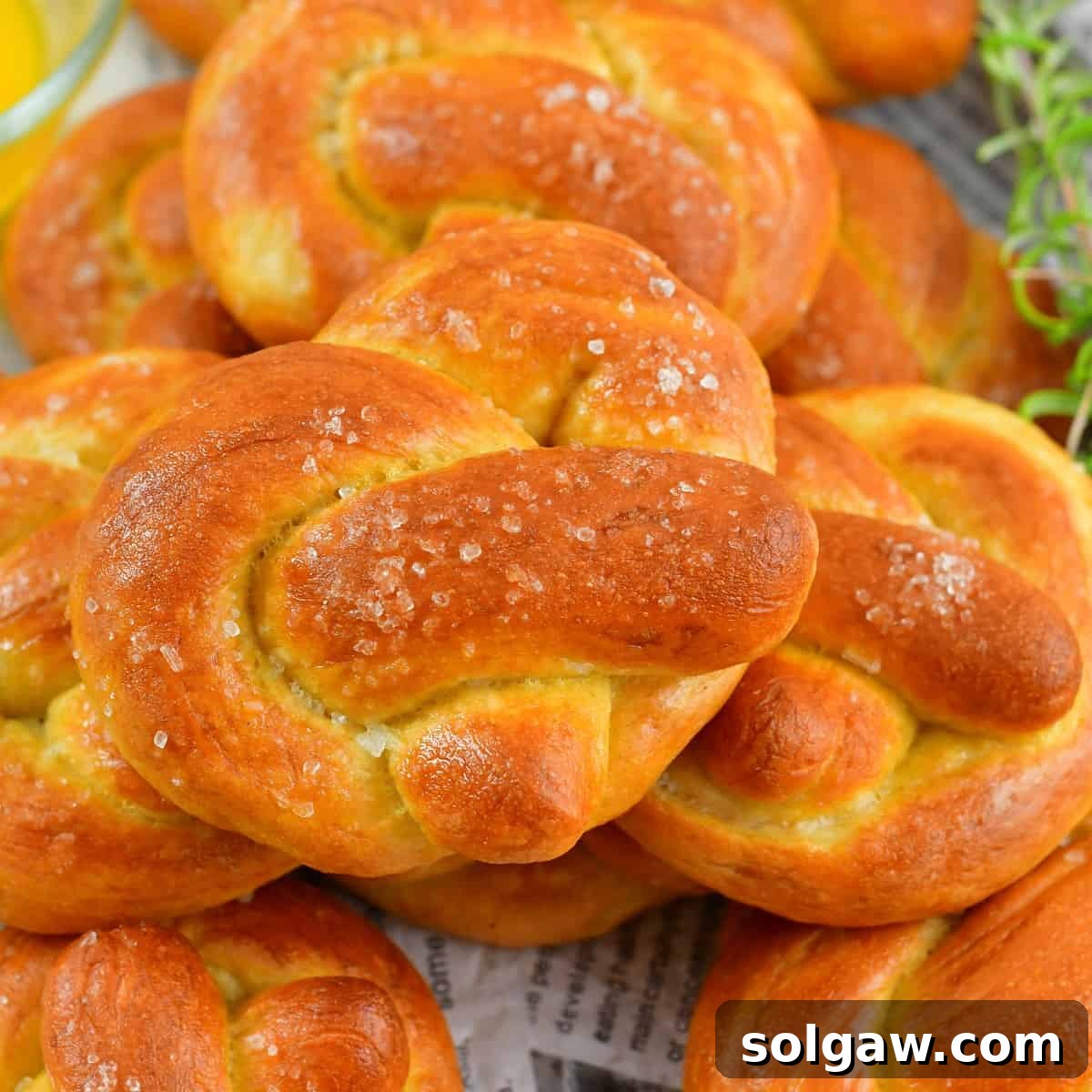
Mastering Homemade Soft Pretzels: Your Ultimate Guide to Chewy Perfection
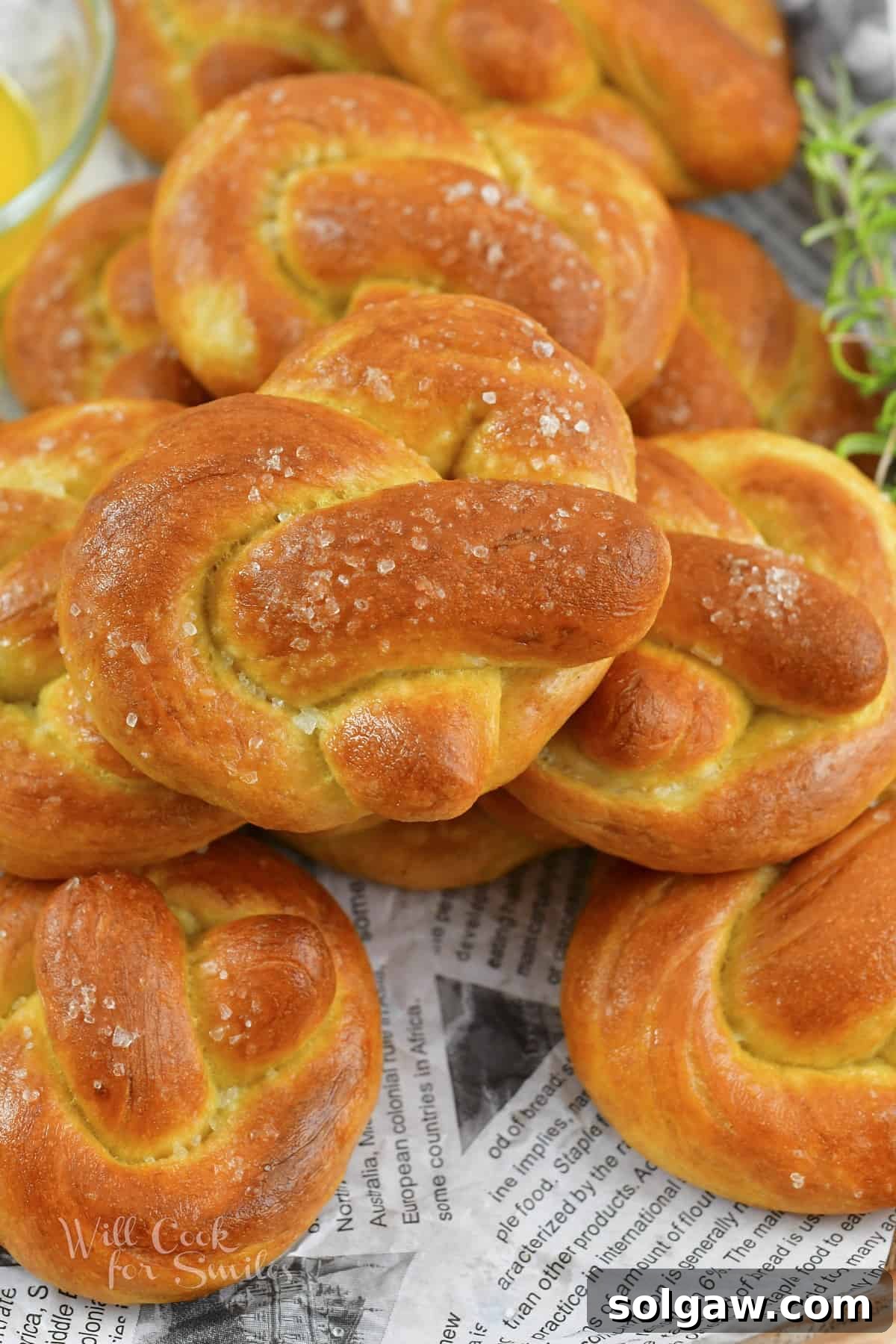
There’s nothing quite like the comforting aroma and distinct taste of freshly baked Homemade Soft Pretzels. With their signature buttery crust, a delightful chewy interior, and a perfectly salty finish, these iconic snacks are a treat for any occasion. Don’t let the thought of making pretzels from scratch intimidate you; this comprehensive guide will break down every step, making the process surprisingly easy and enjoyable. Whether you prefer them with a rich beer cheese dip, a tangy mustard, or simply alongside your favorite beverage, a warm soft pretzel is always a welcome indulgence.
Pretzels are a universally beloved snack, perfect for game days, family gatherings, or simply a cozy evening at home. Imagine the joy of pulling a batch of warm, golden pretzels straight from your oven, ready to be devoured. This recipe promises perfectly crafted pretzels every time, whether you crave a sweet, salty, cheesy, or plain version.
One common hurdle for aspiring pretzel makers is the twisting process. Many find it daunting, but rest assured, it’s easier than it looks! Even if your first few attempts aren’t perfectly symmetrical, they’ll still taste incredible, and practice makes perfect. Don’t be afraid to experiment; you can always reshape the dough. Once you get into the rhythm, twisting pretzels becomes a fun and satisfying part of the baking experience.
Making soft pretzels can be a wonderful family activity. Kids especially love getting their hands in the dough and shaping their own creations. Encourage them to make unique forms like hearts or even cartoon characters – it’s a fantastic way to engage their creativity and foster a love for baking.
Beyond the twist, the perceived complexity of multiple steps can seem intimidating. However, each step is straightforward and builds upon the last, leading to a truly rewarding result. From preparing the yeast dough to shaping, boiling, and finally baking, you’ll discover that making homemade soft pretzels is a journey of simple, manageable actions. The effort is absolutely worth it for the incredible taste and texture of a freshly made pretzel.
In essence, it’s a three-stage process: dough preparation, shaping, and cooking. Follow these easy steps, and you’ll soon master this classic snack, making it your go-to recipe for parties, events, or simply satisfying a craving for something warm, soft, and utterly delicious.
Essential Ingredients: Notes and Tips
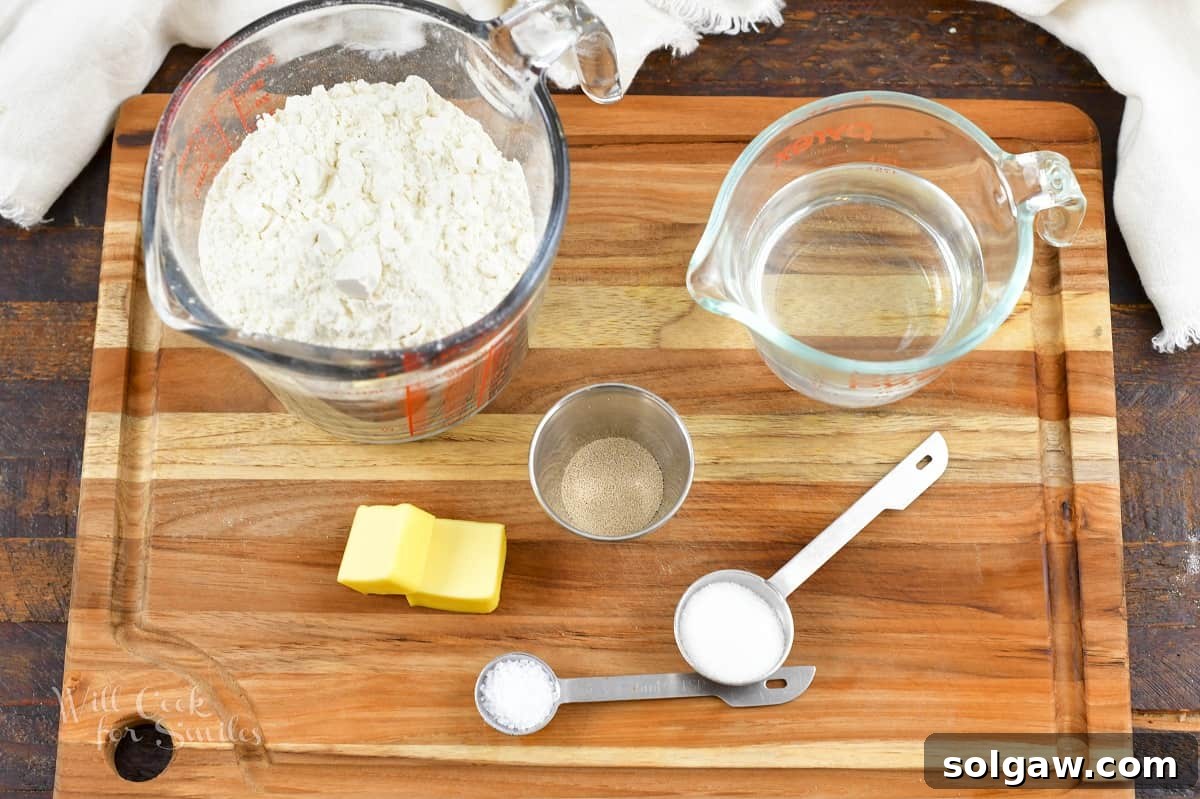
Achieving the perfect soft pretzel begins with understanding your ingredients. Here’s a deeper look into the components that make these pretzels so exceptional:
Active Dry Yeast: This is the star of our dough, responsible for its airy texture and rise. Active dry yeast requires “blooming” – rehydrating it in warm water with a bit of sugar – for about 5-10 minutes. This step confirms the yeast is alive and active before it’s incorporated into the flour, ensuring a successful rise. If you’re considering using rapid-rise or instant yeast, please refer to our FAQ section for necessary modifications.
Salt: For the dough, regular fine salt works well. However, for that iconic pretzel topping, coarse kosher or sea salt is highly recommended. Its larger crystals adhere beautifully to the buttered surface, providing bursts of savory flavor and a satisfying crunch with every bite.
Sugar: Simple white granulated sugar is all you need. It serves a dual purpose: it feeds the yeast, helping it to activate and multiply, and it also contributes to the dough’s overall flavor and browning during baking.
Warm Water: The temperature of your water is crucial for activating the yeast. Aim for a temperature between 100-110°F (38-43°C). Water that is too cold won’t activate the yeast, while water that is too hot can kill it, preventing the dough from rising. A thermometer is your best friend here!
All-Purpose Flour: Standard all-purpose flour provides the ideal balance of gluten for a chewy yet tender pretzel. While bread flour can be used for an even chewier texture, all-purpose flour is generally sufficient and more readily available.
Unsalted Butter: Using unsalted butter allows you to control the exact amount of sodium in your pretzels. The butter adds richness, tenderness, and flavor to the dough, creating that irresistible melt-in-your-mouth quality. Ensure it’s softened to room temperature for easier incorporation into the flour.
For a complete list of precise ingredients and quantities, please refer to the recipe card below.
Crafting the Perfect Pretzel Dough
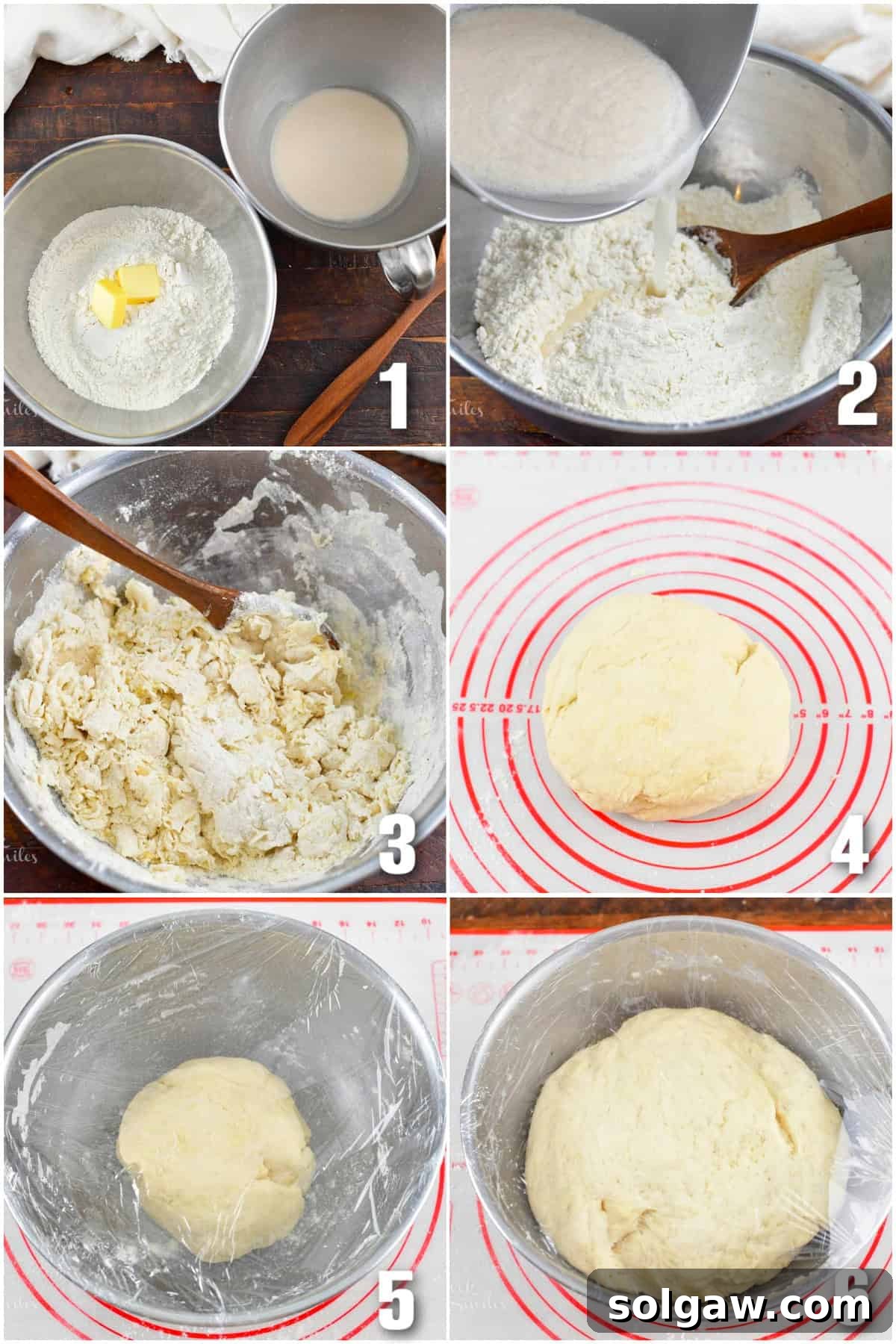
Making the yeast dough for soft pretzels is a straightforward process that lays the foundation for your delicious snack. Follow these detailed steps for a perfectly risen, pliable dough:
- Activate the Yeast: In a medium mixing bowl, combine the active dry yeast, a pinch of salt, sugar, and warm water. Gently whisk these ingredients together until the sugar completely dissolves. Allow this mixture to sit undisturbed for about 5-10 minutes. During this time, the yeast will begin to foam and bubble, indicating that it’s active and ready to work its magic. This blooming process is crucial for a good rise.
- Prepare the Flour and Butter: In a separate, larger bowl, combine the all-purpose flour and softened unsalted butter. Use a pastry cutter to efficiently cut the butter into the flour. Work until the mixture achieves a texture that resembles coarse crumbs. This method ensures the butter is evenly distributed, creating pockets of richness within the dough.
- Combine Wet and Dry Ingredients: Slowly pour the activated yeast mixture over the flour and butter crumbs. Begin stirring with a sturdy wooden spoon to initially bring the ingredients together.
- Knead the Dough: Once the dough starts to come together in the bowl, transfer it to a lightly floured surface. Continue kneading by hand until the dough transforms into a smooth, elastic, and no longer sticky consistency. This usually takes a few minutes of dedicated kneading, developing the gluten necessary for the pretzel’s characteristic chew.
- First Rise (Proofing): Place the kneaded dough into a clean bowl. Cover the bowl tightly with plastic wrap to prevent a skin from forming. For optimal rising, gently poke a few small holes in the plastic wrap; this allows any gasses produced by the yeast to escape, preventing over-proofing or collapsing. Position the bowl in a warm spot in your kitchen – a sunny window, near a warm oven, or even a proofing drawer if you have one – and let it rise for approximately 2 hours, or until it has visibly doubled in size.
PRO TIP: Ensuring a warm environment is key for the dough to rise effectively. A good indication of a successful rise is when the dough has expanded significantly and feels light and airy to the touch. Don’t rush this step, as proper proofing contributes directly to the pretzel’s soft texture.
The Art of Twisting Pretzel Dough
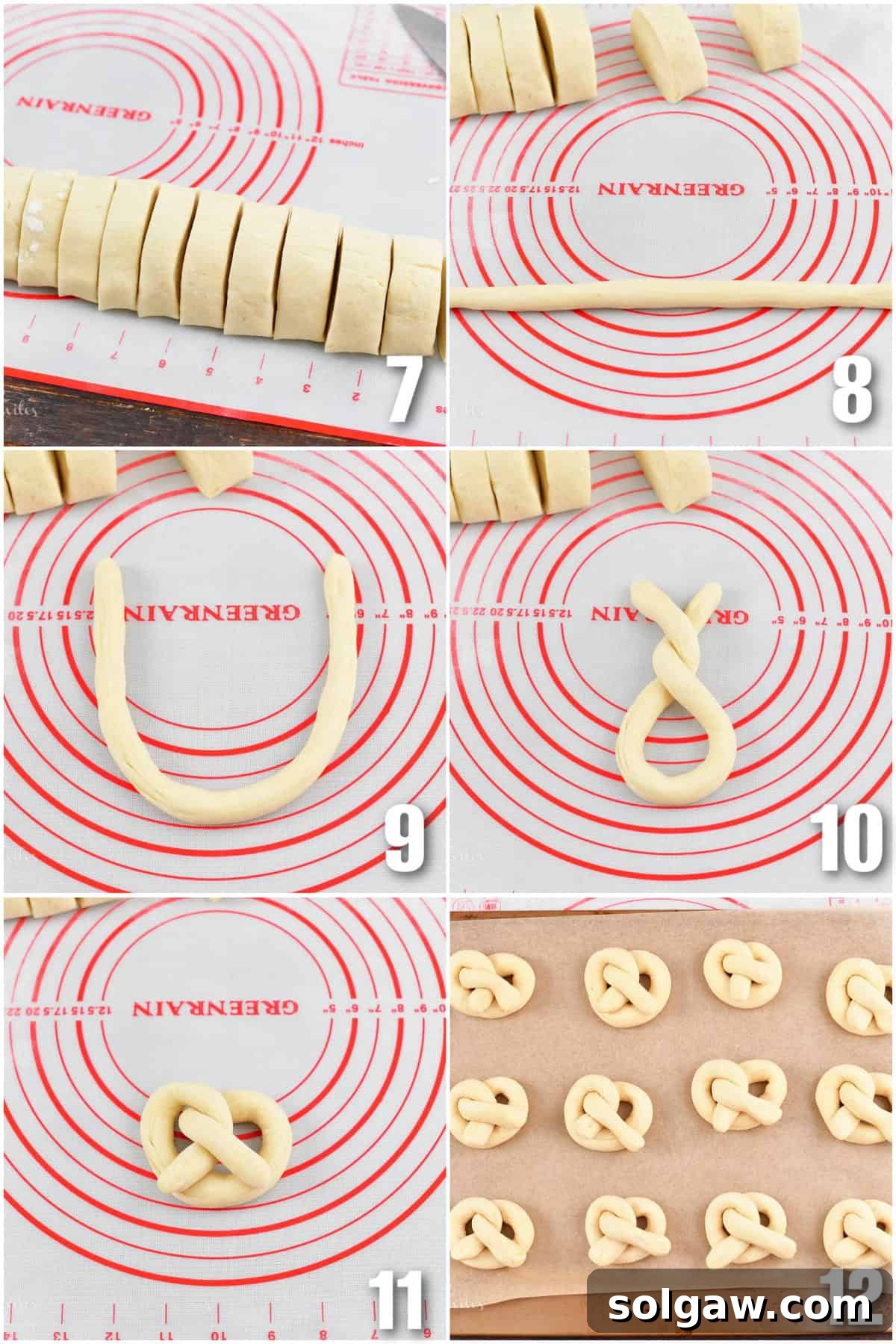
Twisting the dough into the classic pretzel shape is often considered the most intimidating part, but it’s a skill easily mastered with a little patience. You have the flexibility to create either 12 smaller pretzels or 6 larger ones; the baking time will remain largely similar, as you’ll simply bake them until they reach a deep golden brown.
- Portion the Dough: Once your dough has completed its first rise, gently turn it out onto a very lightly floured surface. Divide the dough into 12 equal pieces for standard-sized pretzels. For larger pretzels, divide it into 6 pieces. Aim for even sizes to ensure uniform baking.
- Roll into Ropes: Take one piece of dough and roll it between your hands and the work surface to form a long, thin rope. For standard pretzels, aim for a rope that is approximately 14-16 inches long. The longer and thinner you roll it, the more defined your twists will be.
- Form the U-Shape: Lay the dough rope on your work surface to form a “U” shape, with the open ends pointing away from you.
- Twist the Ends: Take the two ends of the “U” and cross them over each other twice, creating a tight double twist. This forms the central knot of the pretzel.
- Fold and Seal: Carefully fold the twisted section backward, bringing it down towards the bottom curve of the “U” shape. Gently press the ends of the dough rope onto the pretzel’s base to securely seal them in place. Don’t worry if the seal isn’t absolutely perfect at this stage; they will adhere better during the second rise.
- Second Rise: As you finish shaping each pretzel, place it onto a baking sheet lined with parchment paper. Leave enough space between each pretzel to allow for expansion. Once all pretzels are shaped and on the baking sheet, cover them with a clean kitchen towel. Place the baking sheet in a warm area and let the pretzels rise for a second time, for about 45-60 minutes, until they appear slightly puffed. This second rise contributes to their soft, airy texture.
The Boil and Bake Method for Authentic Soft Pretzels
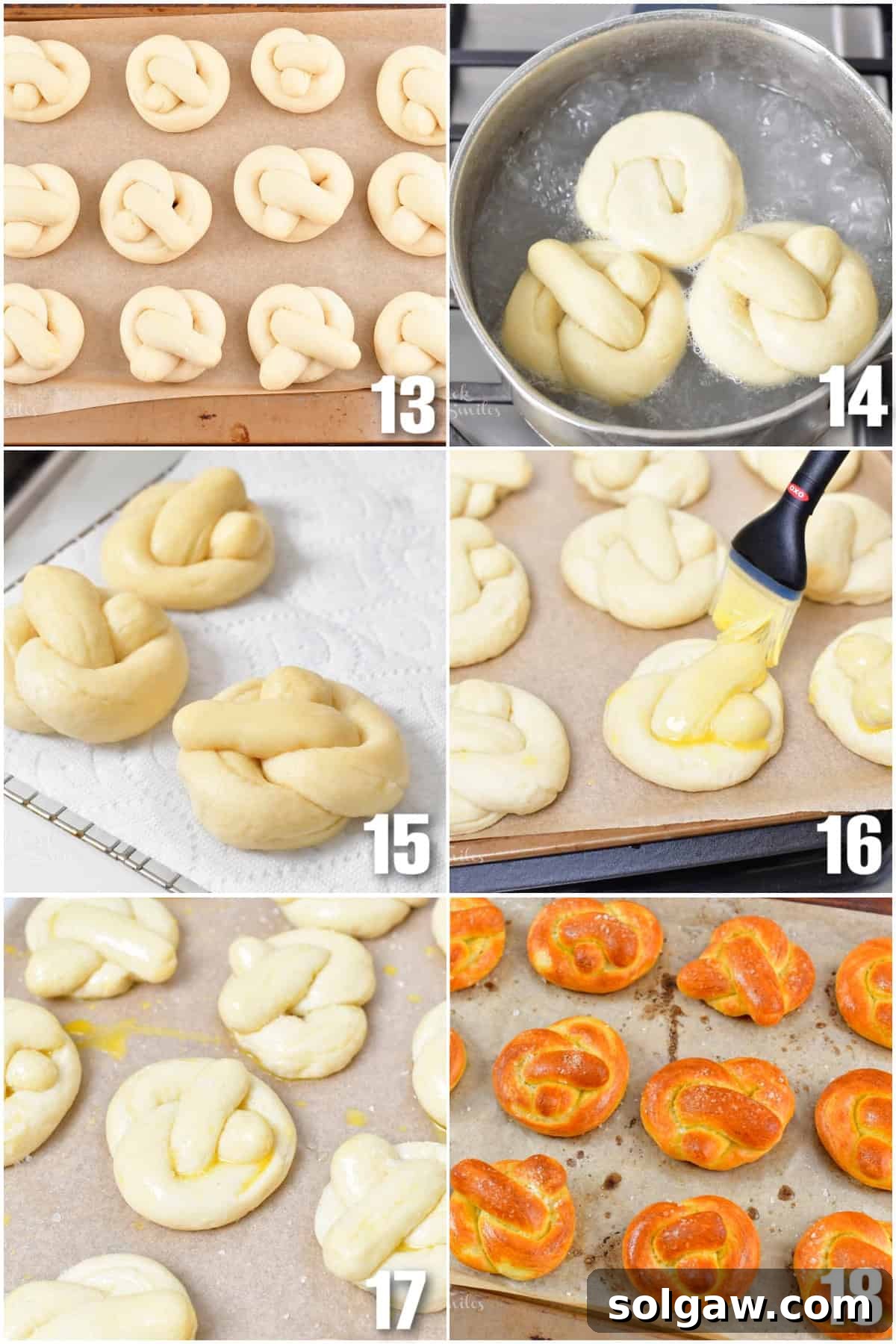
The unique texture and deep golden-brown crust of soft pretzels come from a crucial step: a quick bath in boiling water with baking soda before baking. This alkaline bath is what sets soft pretzels apart from other bread products. Here’s how to master this technique:
- Preheat and Prepare: Begin by preheating your oven to 450°F (232°C). Line a wire rack with a few layers of paper towels; this will be used to drain the pretzels after their water bath. Next, bring a wide pot of water to a rolling boil. It’s important to use a wide pot to accommodate a few pretzels at a time without overcrowding. Once boiling, carefully stir in the baking soda. Be cautious, as the water may foam up considerably.
- The Baking Soda Bath: Gently add the risen pretzels to the boiling water, one or two at a time, depending on the size of your pot. Avoid overcrowding the pot, as this can lower the water temperature and affect the texture. Boil each pretzel for only 45 seconds to 1 minute per side. The pretzels will swell slightly and develop a distinct shine. This brief boil is critical for achieving the signature chewy exterior and helping them brown beautifully in the oven.
- Drain and Transfer: Using a slotted metal spatula or a spider, carefully remove the pretzels from the boiling water. Place them onto the prepared wire rack to drain and dry slightly. As one batch boils, the previous batch can dry. Once dry, transfer them to a clean baking sheet lined with parchment paper, ensuring they are not touching.
- Butter and Salt: Once all the pretzels have completed their baking soda bath and are on the baking sheet, brush each one generously with melted unsalted butter. Immediately after buttering, sprinkle them liberally with coarse salt. This step is essential for that classic salty pretzel flavor and helps create an appealing glossy finish.
- Bake to Perfection: Place the baking sheet into the preheated oven. Bake for approximately 7-9 minutes, or until the pretzels are beautifully puffed and deeply golden brown. Keep a close eye on them, as baking times can vary slightly depending on your oven.
Remove from the oven, allow to cool slightly, and enjoy your perfectly crafted homemade soft pretzels warm!
Frequently Asked Questions About Soft Pretzels
Can I Use Instant Yeast?
Yes, you can use instant yeast with a couple of minor adjustments to the recipe. Firstly, instant yeast does not require the initial “blooming” step. You can simply whisk it directly into your dry ingredients (flour, salt, sugar) before adding the butter. Then, proceed by pouring in the warm water and mixing the dough as instructed. Secondly, instant yeast typically works faster than active dry yeast, so your dough will likely need less time for its initial rise. Begin checking on the dough after about 45-60 minutes; it should have doubled in size.
Can I Make the Dough Ahead of Time?
Absolutely! Preparing the dough in advance is a great way to spread out the work. However, you must allow the dough to complete its initial rise first. Follow the recipe instructions for making the dough and let it rise fully. Once it has completed its initial rise, gently punch down the dough, shape it into a ball, and transfer it to a lightly floured, large zip-top bag, ensuring you press out as much air as possible before sealing. Alternatively, you can refrigerate the dough in the same bowl, ensuring it’s tightly covered with plastic wrap. The dough can be refrigerated for up to 24 hours. When you’re ready to bake, remove the dough from the refrigerator and let it warm up on the counter for 30-45 minutes before proceeding with the shaping steps.
Can I Freeze Pretzel Dough?
Yes, freezing pretzel dough is a convenient option! Just like with refrigerating, it’s essential to let the dough complete its initial rise before freezing. After the dough has risen for about two hours, gently deflate it. Transfer the dough into an airtight, freezer-friendly zip-top gallon bag, removing as much air as possible. Label the bag with the date and freeze for up to 3 months. When you’re ready to use it, remember to thaw the dough slowly in the refrigerator for up to 24 hours. Once thawed, remove it from the bag (if applicable) and allow it to sit on the counter to warm up for about 30-45 minutes before shaping and baking.
Storing Homemade Pretzels
To keep your baked soft pretzels fresh, store them in an airtight container at room temperature for a couple of days. If you live in a particularly humid climate, or wish to extend their freshness, storing them in the refrigerator for up to a week is recommended. While they are best enjoyed fresh and warm, proper storage will help maintain their deliciousness.
Reheating is simple and quick. For a few minutes in the oven, place them at 350°F (175°C) for about 5 minutes until warmed through. If using an air fryer, reheat them at 375°F (190°C) for approximately 2-3 minutes. For an extra touch of flavor and moisture, you can always brush them with a little melted butter and add a fresh sprinkle of coarse salt before reheating.
Freezing Homemade Pretzels for Later Enjoyment
Freezing baked soft pretzels is an excellent way to have a delicious snack ready whenever a craving strikes. Ensure the pretzels are completely cooled to room temperature after baking before freezing them. Place the cooled pretzels on a cutting board or baking sheet in a single layer and transfer them to the freezer for about 1-2 hours, until solid. This “flash freezing” prevents them from sticking together. Once frozen solid, transfer the pretzels into one or more freezer-friendly zip-top bags. Squeeze out as much air as possible, label with the date, and freeze for up to 3 months.
When you’re ready to enjoy a frozen soft pretzel, you can warm them up using various methods. In a conventional oven, reheat them at 300°F (150°C) for about 10 minutes. For a faster option, an air fryer works wonderfully; reheat them at 320°F (160°C) for about 3 minutes. A toaster oven can also be used, set to 350°F (175°C) for 4-5 minutes. As a final flourish, consider brushing them with melted butter and adding a sprinkle of coarse salt after reheating for that fresh-baked taste.

More Delicious Recipes You May Love
If you loved making these classic soft pretzels, you’ll surely enjoy exploring other creative pretzel variations. They are a fantastic project to tackle with kids, offering both fun and a delicious reward!
- For those who enjoy a bit of spice and sweetness, try our Sriracha Honey Soft Pretzel Knots.
- If savory and creamy is more your style, these Pretzel Twists with Creamy Buffalo Dipping Sauce are a must-try.
- And for a unique sweet treat, our Snickerdoodle Pretzels offer a delightful twist on a classic cookie flavor.
Related Recipes:
- Homemade Soft Pretzel Twists with Creamy Buffalo Sauce
- Homemade Soft Pretzels with Beer Cheese Dip
- Pretzel Crusted Parmesan Turkey Meatballs
PIN THIS RECIPE TO USE LATER
DID YOU MAKE THIS RECIPE? Please leave a 🌟 star rating! Let me know how you liked it by leaving a 📝 comment below or share and tag me on social media @willcookforsmiles. DON’T FORGET to subscribe to my newsletter!
Soft Pretzels Recipe
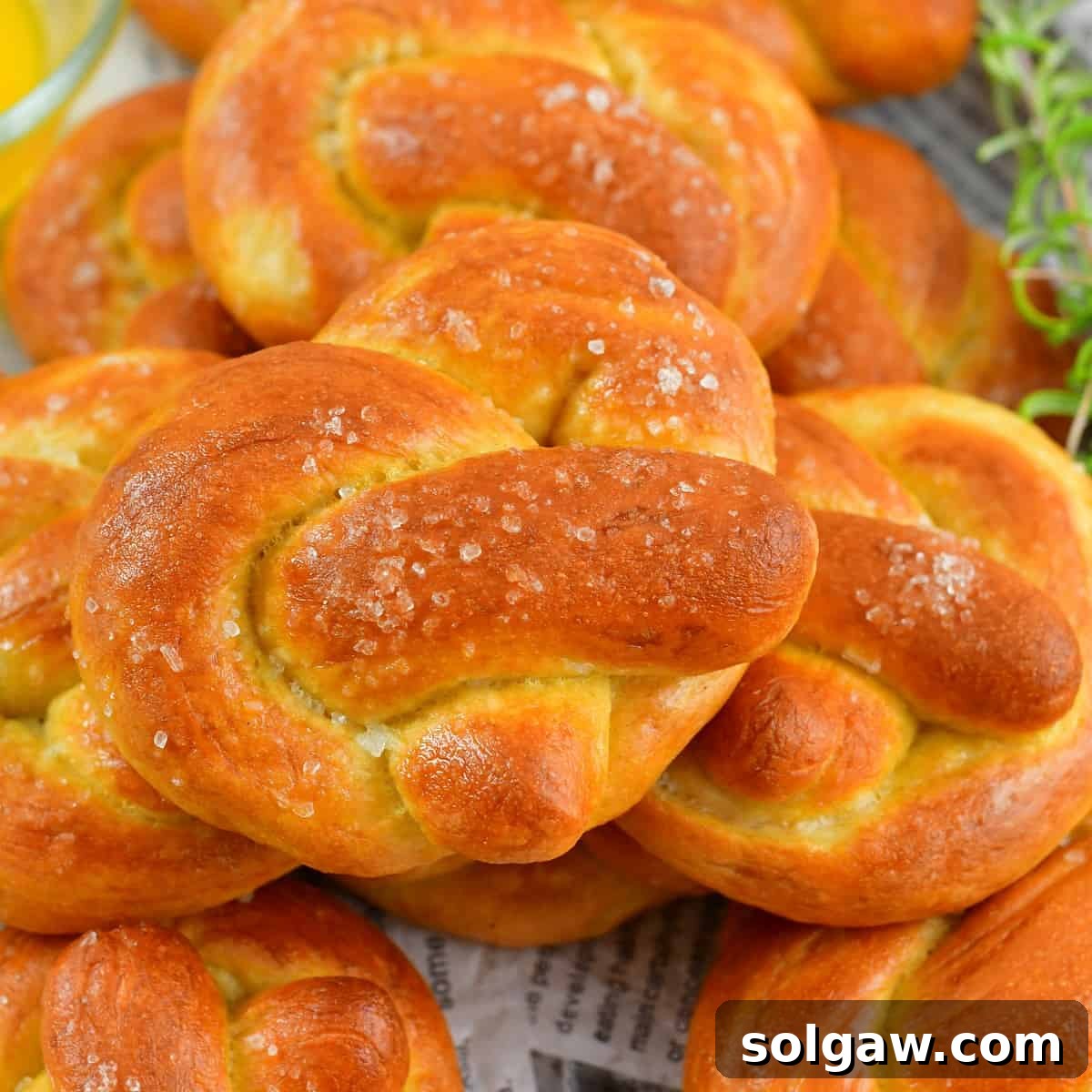
Homemade Soft Pretzels are the ultimate snack and the best dipping option for your favorite cheesy dips! There is no bad way to enjoy a soft, warm, iconic Soft Pretzel!
Course: Appetizer, Snack
Cuisine: American
Prep Time: 30 minutes
Cook Time: 15 minutes
Time for dough to rise: 3 hours
Total Time: 3 hours 45 minutes
Servings: 12 pretzels
Author: Lyuba Brooke
Ingredients
For the Dough:
- 1/4 oz active dry yeast (approximately 1/4 ounce packet)
- 1/2 tsp coarse salt
- 2 tsp sugar
- 1 cup warm water (100°-110°F / 38-43°C)
- 3 cups all-purpose flour (plus a little more for dusting the surface)
- 2 tbsp unsalted butter, softened
To Boil:
- 3 tbsp baking soda
- 2-2.5 quarts water, in a wide pot
Topping:
- 2 tbsp unsalted butter, melted
- 1 tbsp coarse salt (or more, to taste)
Instructions
Prepare the Dough:
- In a small bowl, mix the yeast, coarse salt, sugar, and warm water. Whisk gently until the sugar dissolves. Let the mixture stand and bloom for about 5-10 minutes, until foamy.
- In a large bowl, combine the all-purpose flour and softened unsalted butter. Using a pastry cutter (or a stand-up electric mixer on a “stir” setting), cut the butter into the flour until the mixture resembles coarse crumbs.
- Slowly pour the bloomed yeast mixture over the flour and butter mixture, stirring to combine. Begin kneading the dough with a wooden spoon and then switch to your hands.
- Once the dough mostly comes together, turn it out onto a lightly floured surface. Knead until it is no longer sticky and is smooth and elastic, usually a few minutes. Place the dough into a clean bowl, cover tightly with plastic wrap, and let it rise in a warm place for about 2 hours, or until doubled in size. Poke a couple of small holes in the plastic wrap to allow gasses to escape.
Twist the Pretzels:
- Gently remove the dough from the bowl and place it onto a very lightly floured surface.
- Cut the dough into 12 even pieces (for smaller pretzels) or 6 pieces (for larger pretzels). Roll each piece into a 14-16 inch rope.
- Form a “U” shape with one rope. Twist the ends together twice. Fold the twisted portion backward along the center of the “U” shape to form the classic pretzel circle, then gently press the ends of the rope onto the dough to seal.
- Place the twisted pretzels onto a baking sheet covered with parchment paper. Continue shaping all the pretzels. Cover the baking sheet with a clean towel and let the pretzels rise in a warm spot for another 45-60 minutes.
Cooking Pretzels:
- Preheat your oven to 450°F (232°C). Line a wire rack with a few paper towels. Bring a wide pot of water to a boil and carefully stir in the baking soda (be cautious as it may foam).
- Add pretzels to the pot in batches (a few at a time, depending on pot size). Boil pretzels until they are puffed and slightly shiny, about 45 seconds to 1 minute per side.
- Using a slotted metal spatula, remove the boiled pretzels and place them onto the prepared wire rack to dry. Once dry, transfer them to a clean, parchment-lined baking sheet.
- Once all pretzels have been boiled, brush them generously with melted butter and sprinkle each pretzel with coarse salt.
- Bake for about 7-9 minutes, or until deeply golden brown and cooked through.
Nutrition
Calories: 152kcal | Carbohydrates: 25g | Protein: 4g | Fat: 4g | Saturated Fat: 2g | Polyunsaturated Fat: 0.3g | Monounsaturated Fat: 1g | Trans Fat: 0.2g | Cholesterol: 10mg | Sodium: 1509mg | Potassium: 40mg | Fiber: 1g | Sugar: 1g | Vitamin A: 117IU | Vitamin C: 0.002mg | Calcium: 12mg | Iron: 1mg
Originally published on Will Cook For Smiles in December 2014.