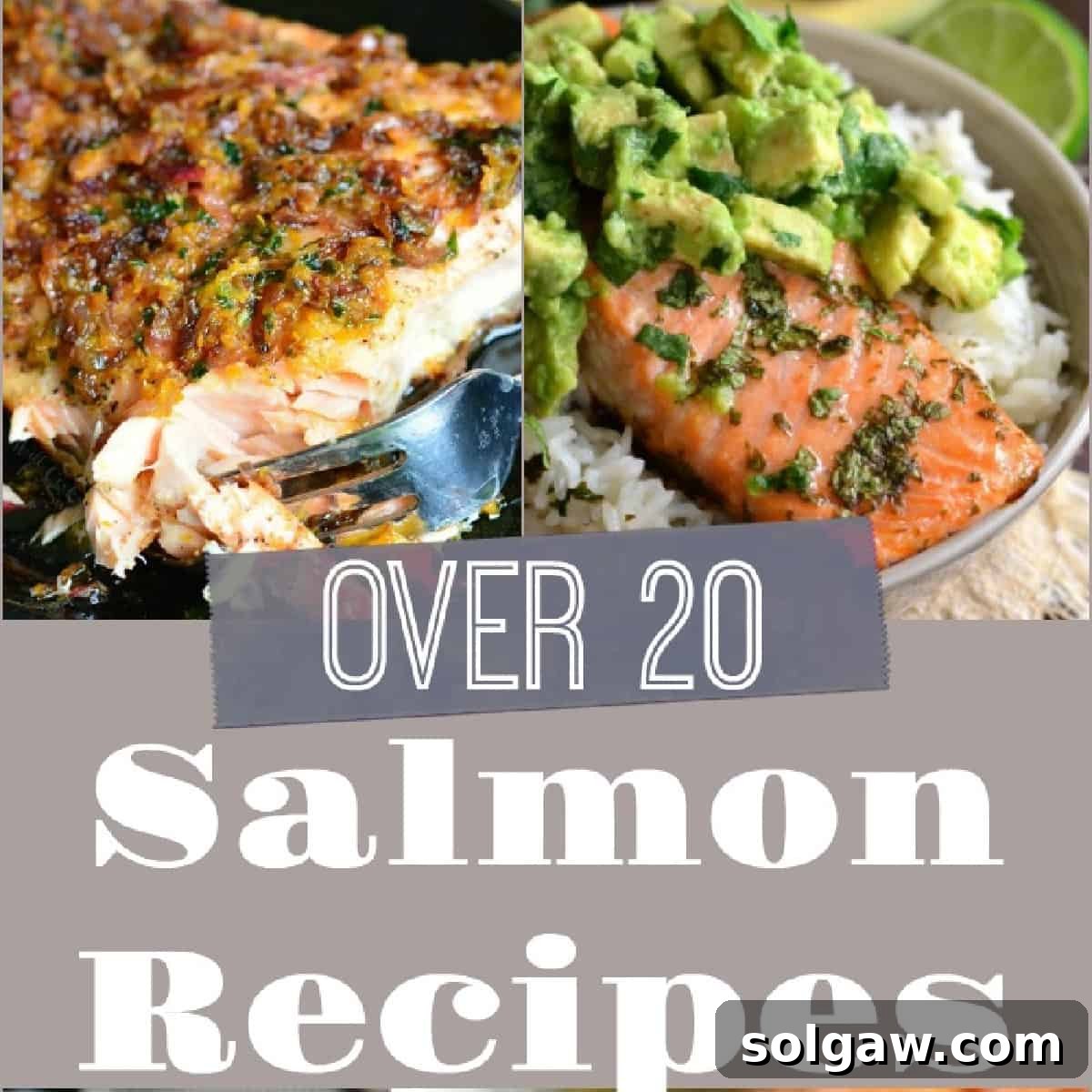
Salmon stands out as an exceptional choice for dinner, offering a perfect blend of ease, flavor, and incredible health benefits. Known for its succulent, moist, and tender flesh, it adapts beautifully to a myriad of cooking methods and global flavors. This comprehensive guide and recipe collection is designed to transform your weeknight dinners, proving that creating a restaurant-quality salmon meal can be both simple and swift, with many recipes ready in 30 minutes or less. Dive into a world of culinary possibilities with this versatile and nutritious fish.
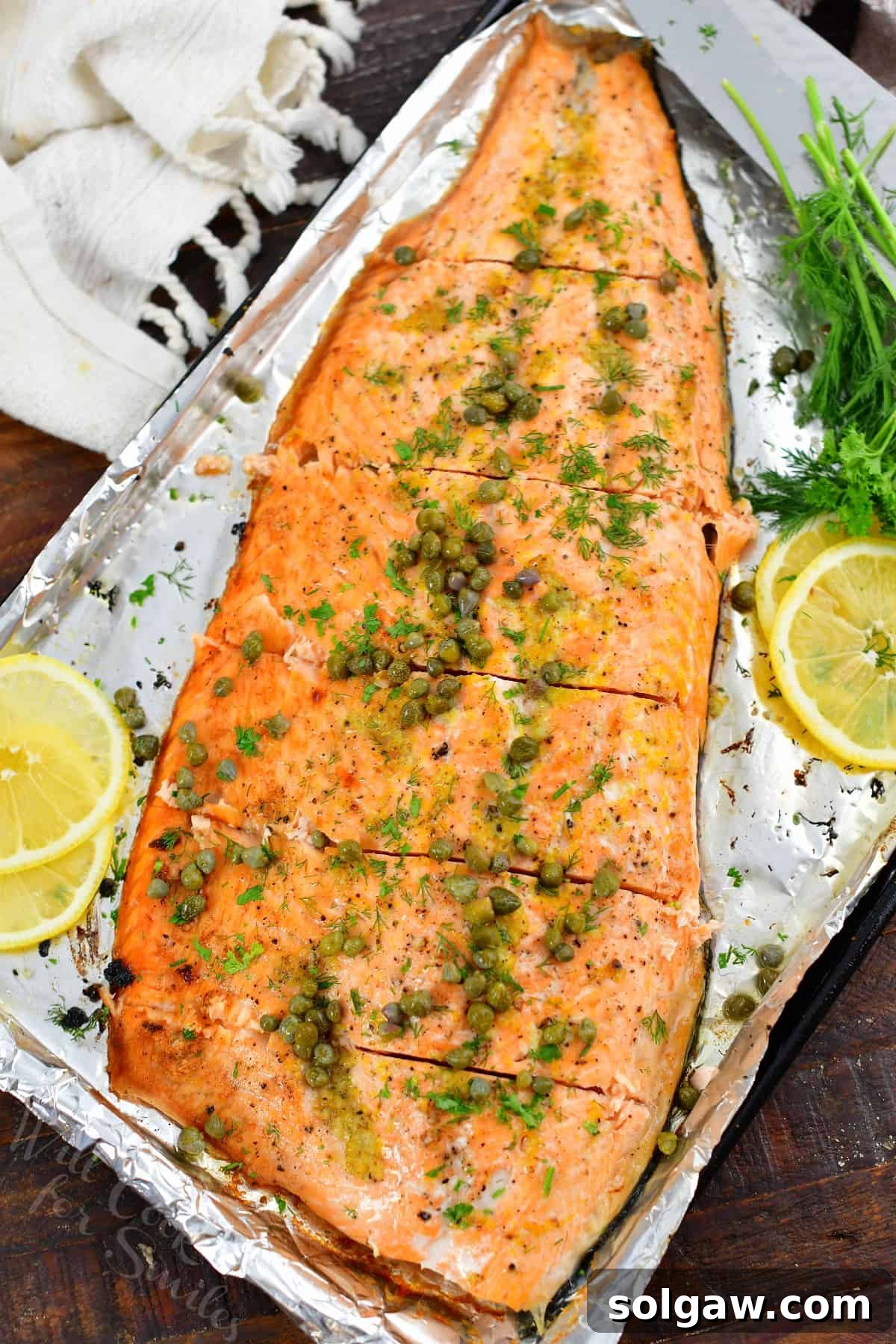
Delicious Salmon Recipes: Your Ultimate Guide to Cooking This Versatile Fish
Salmon has long been a culinary staple, cherished by home cooks and professional chefs alike for its mild, rich flavor and firm, flaky texture. It’s my absolute go-to fish for a reason: its incredible versatility. Whether you prefer it baked, grilled, pan-seared, air-fried, or even poached, salmon holds its shape and flavor beautifully, making it remarkably forgiving for various cooking methods. Its natural richness pairs exquisitely with a wide range of seasonings, sauces, and side dishes, allowing for endless creative culinary explorations.
The moderately dense, thick, and meaty flesh of salmon is precisely what makes it so robust. Unlike more delicate fish like flounder or trout, which can easily fall apart or dry out, salmon maintains its integrity and moisture during cooking. This inherent density, coupled with a good amount of natural fat, contributes to its consistently juicy and flavorful outcome, provided you don’t overcook it. In fact, salmon’s unique composition makes it less prone to overcooking compared to leaner, denser fish such as mahimahi, which can become dry if not handled with precision. Aiming for a perfect medium or medium-well doneness will ensure the best texture and juiciness.
The Remarkable Health Benefits of Salmon
Beyond its delightful taste and culinary adaptability, salmon is a powerhouse of nutrition, making it an excellent addition to a health-conscious diet. It is famously rich in Omega-3 fatty acids, specifically EPA and DHA, which are crucial for optimal health. These essential fats are celebrated for their profound impact on brain function, supporting cognitive health, memory, and even helping to alleviate symptoms of depression and anxiety. Regular consumption of Omega-3s is also linked to lowering blood pressure, reducing inflammation throughout the body, and promoting overall cardiovascular well-being, thus decreasing the risk of chronic diseases.
But the nutritional bounty of salmon doesn’t stop there. It’s also an exceptional source of high-quality protein, vital for muscle repair, growth, and satiety. Furthermore, salmon provides a significant amount of B vitamins (including B12, B6, niacin, and riboflavin), which are essential for energy production and metabolism. It’s one of the few natural food sources of Vitamin D, a critical nutrient for bone health, immune system support, and mood regulation. Trace minerals like selenium, known for its antioxidant properties, and potassium, important for blood pressure control, further enhance salmon’s nutritional profile. Incorporating this fantastic fish into your weekly menu is a simple yet powerful step towards a healthier lifestyle, and this collection of recipes is here to inspire you.
Choosing and Preparing the Best Salmon
To ensure the most delicious salmon dishes, selecting high-quality fish is paramount. When purchasing salmon, look for fillets that are bright in color, whether vibrant orange-red for wild varieties or paler pink for farmed, with a moist, not dry, appearance. The flesh should be firm to the touch and spring back when gently pressed. Avoid any fish that smells overly “fishy”; fresh salmon should have a mild, clean ocean scent.
Wild-Caught vs. Farmed Salmon
- Wild-Caught Salmon: Varieties like Sockeye, Coho, and King (Chinook) salmon offer a deeper, richer flavor and firmer texture due to their natural diet and active lifestyle. They typically have a lower fat content and a more intense color.
- Farmed Salmon: Primarily Atlantic salmon, these are more widely available and often more budget-friendly. They tend to have a higher fat content, which can result in a more buttery texture. Look for sustainably farmed options.
Once you have your fresh salmon, proper preparation can elevate your cooking. Always pat the salmon fillets thoroughly dry with paper towels before seasoning. This step is crucial, especially for pan-searing or grilling, as it helps create that desirable crispy skin. Season simply with salt and pepper, or explore more complex flavors with marinades, rubs, or fresh herbs like dill and parsley.
How to Achieve Perfectly Cooked Salmon Every Time
Knowing when salmon is perfectly cooked is key to enjoying its full potential. Overcooked salmon can quickly become dry and less flavorful, while undercooked fish can be unappetizing.
The Touch Test:
With experience, you can often tell if salmon is done by simply touching it. Gently press on the thickest part of the fillet with your finger. If it flakes easily with slight pressure and the flesh separates, it’s likely cooked through. The more firm it feels to the touch, the more done it will be. For a medium-rare to medium finish, it should still feel slightly soft in the center.
The Thermometer Method (Most Accurate):
For the most precise results, especially if you’re new to cooking salmon, a digital instant-read thermometer is your best friend. Insert the thermometer into the thickest part of the fillet, avoiding the bone if present.
- USDA Recommendation: The U.S. Department of Agriculture recommends cooking salmon to an internal temperature of 145°F (63°C) for food safety. At this temperature, the salmon will be fully opaque and flake easily.
- Chef’s Preference: Many chefs and home cooks prefer salmon cooked to a medium or medium-well doneness, which typically ranges between 125°F (52°C) and 135°F (57°C). At these temperatures, the salmon will still be incredibly juicy and tender with a slightly translucent center. Personally, I aim for around 135°F for that ideal balance of flakiness and moisture.
After cooking, allow the salmon to rest for a few minutes off the heat. This allows the juices to redistribute throughout the fillet, ensuring a more moist and flavorful outcome.
Effortless Baked Salmon Recipes
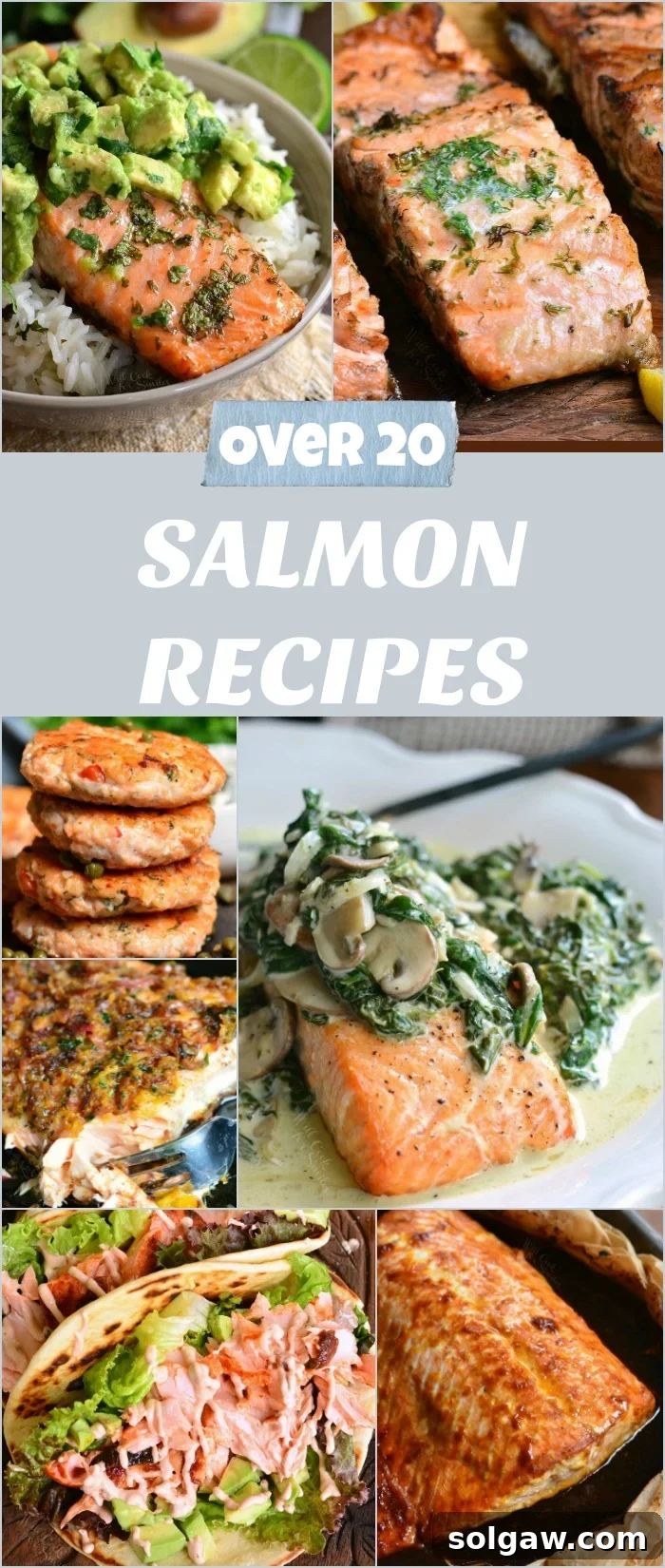
Baking salmon is one of the simplest and most foolproof ways to cook this delicious fish. It requires minimal active time, making it perfect for busy weeknights, and results in tender, flaky fillets every time. Whether you’re looking for a vibrant rice bowl or a rich Florentine, these baked salmon recipes are sure to impress.
Check out this recipe
Check out this recipe
Check out this recipe
Check out this recipe
Check out this recipe
Check out this recipe
Check out this recipe
Check out this recipe
Check out this recipe
Check out this recipe
Perfectly Pan-Seared Salmon Recipes
Pan-searing is a fantastic method for cooking salmon, especially when you want that irresistible crispy skin and a tender, moist interior. It’s a quick technique that delivers impressive results, making it ideal for weeknight dinners when time is of the essence.
Check out this recipe
Check out this recipe
Check out this recipe
Check out this recipe
Check out this recipe
Check out this recipe
Sizzling Grilled Salmon Recipes
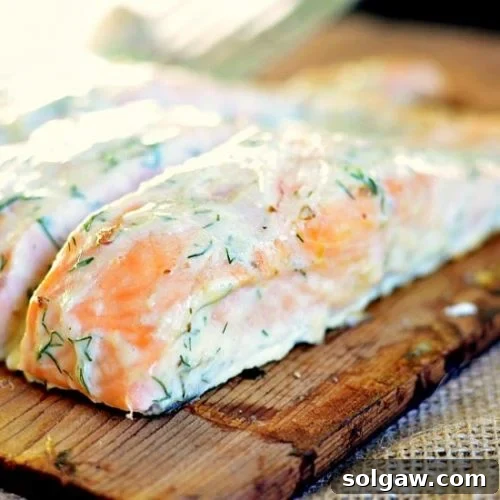
Grilling salmon infuses it with a beautiful smoky flavor and a delightful charred exterior while keeping the interior moist and flaky. It’s a fantastic option for outdoor cooking and adds another dimension to your salmon repertoire. Remember to oil your grill grates well to prevent sticking!
Check out this recipe
Check out this recipe
Check out this recipe
Check out this recipe
Check out this recipe
Serving and Storage Tips for Salmon
Once your salmon is cooked to perfection, the possibilities for serving are endless. It pairs wonderfully with a variety of sides, from simple roasted vegetables like asparagus or broccoli to grains like quinoa or rice. Fresh salads, creamy mashed potatoes, or even a light pasta dish can beautifully complement its rich flavor. Don’t forget a squeeze of fresh lemon or a drizzle of a complementary sauce, such as a lemon-dill cream, garlic butter, or a vibrant fruit salsa, to elevate the experience.
For storing leftovers, ensure cooked salmon is cooled quickly and refrigerated in an airtight container within two hours. It will remain fresh for 2-3 days. To reheat, gently warm in an oven at a low temperature (around 275°F / 135°C) for 10-15 minutes, or briefly in a microwave on a lower power setting, to prevent it from drying out. A splash of water or broth and covering the dish can help retain moisture. Uncooked salmon should be stored in the coldest part of your refrigerator and cooked within 1-2 days of purchase, or frozen for longer storage (up to 2-3 months).
Conclusion: Embrace the World of Salmon
Salmon is truly a remarkable fish that offers so much to the home cook: ease of preparation, incredible versatility, and a wealth of health benefits. From quick weeknight dinners to elegant special occasion meals, there’s a salmon recipe for every taste and skill level. We hope this guide and collection of delicious recipes inspire you to explore the many wonderful ways to enjoy this fantastic fish, making it a regular and cherished part of your culinary rotation. Happy cooking!