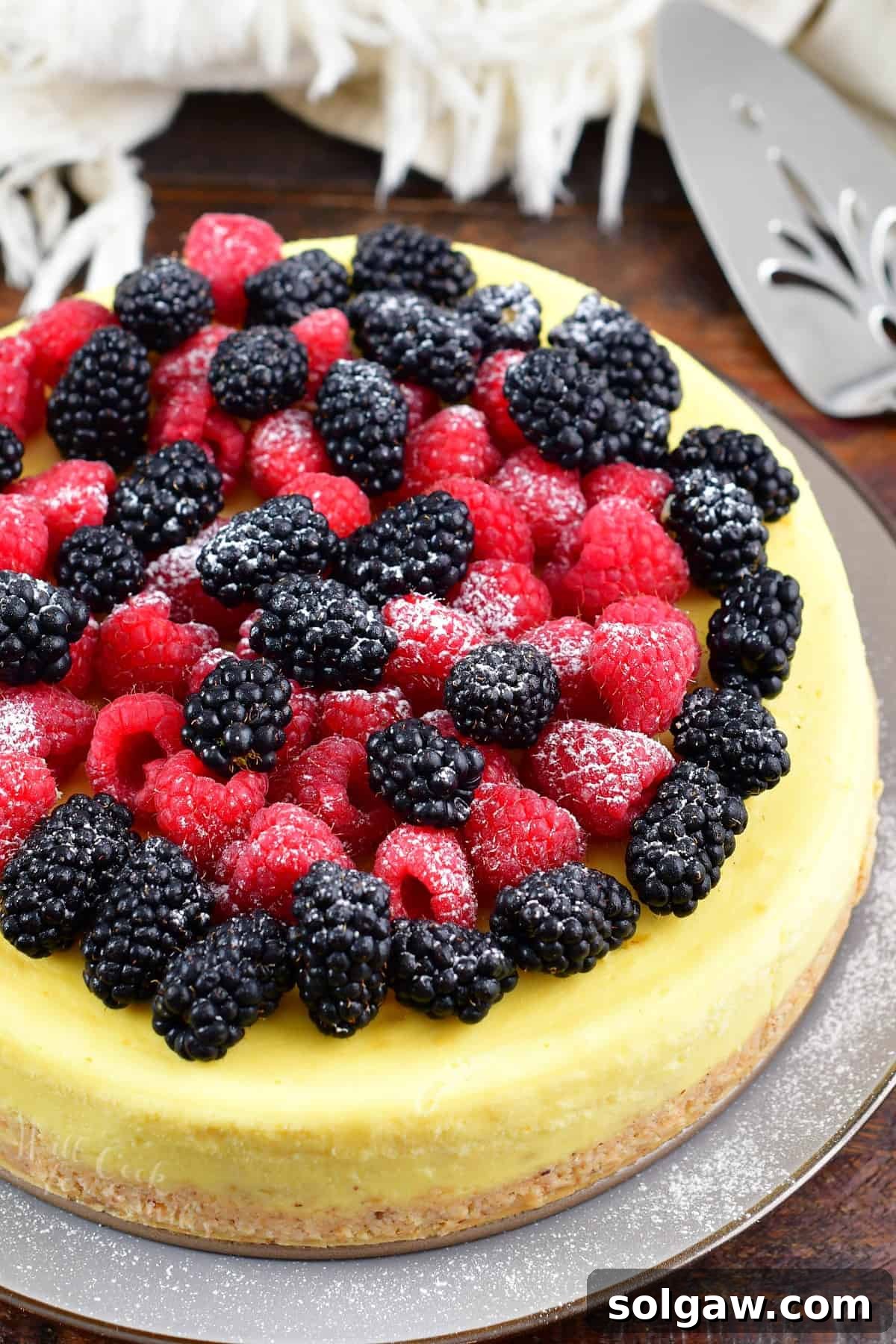
Irresistibly Creamy Ricotta Cheesecake with Biscotti Crust
Prepare to impress your guests and delight your family with this extraordinary Homemade Ricotta Cheesecake. Far from your average dessert, this Italian-inspired masterpiece offers a symphony of sophisticated flavors and an incredibly dreamy texture that will leave everyone craving more. It’s the ideal finale for any dinner party, holiday gathering, or simply a special treat to elevate your everyday.
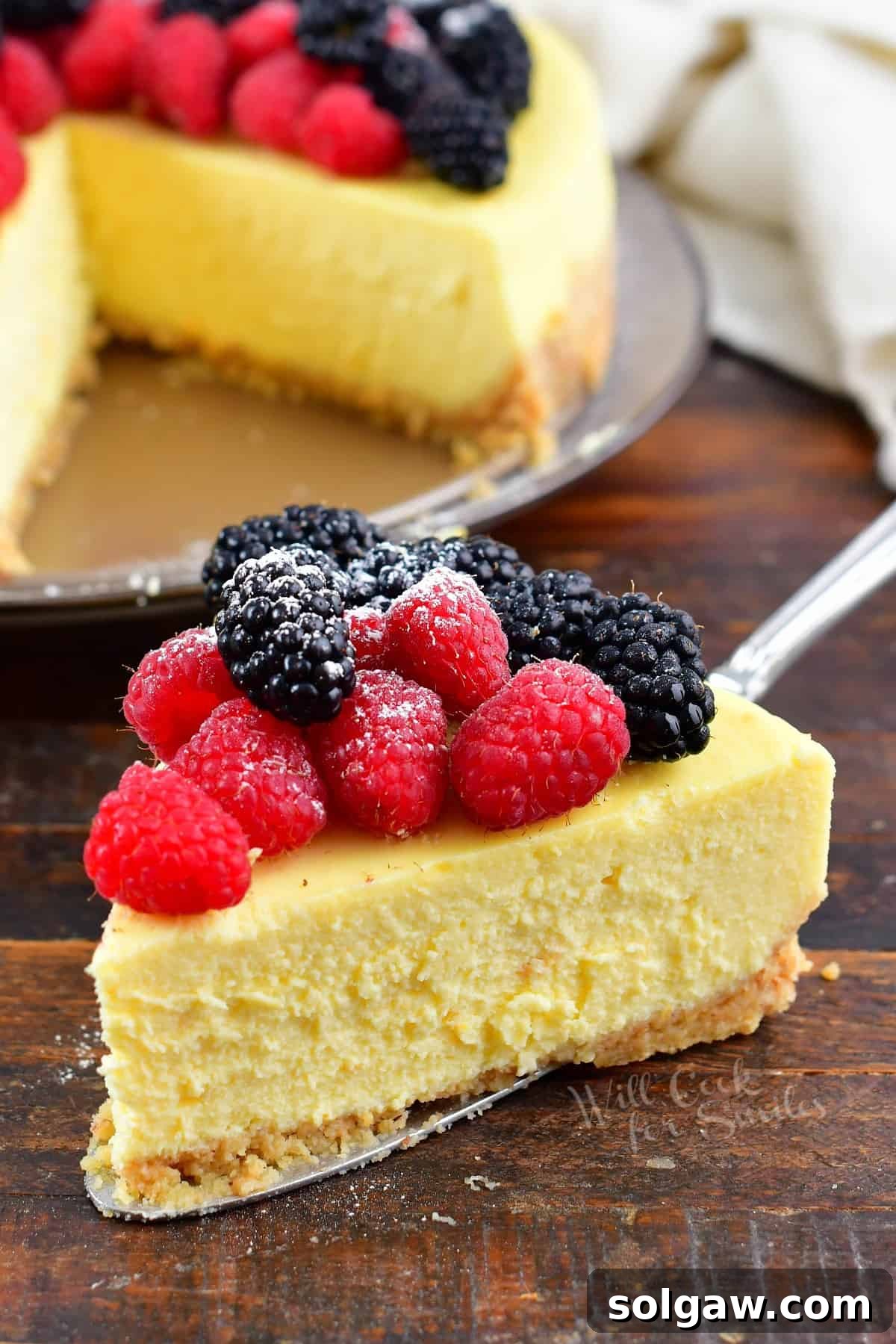
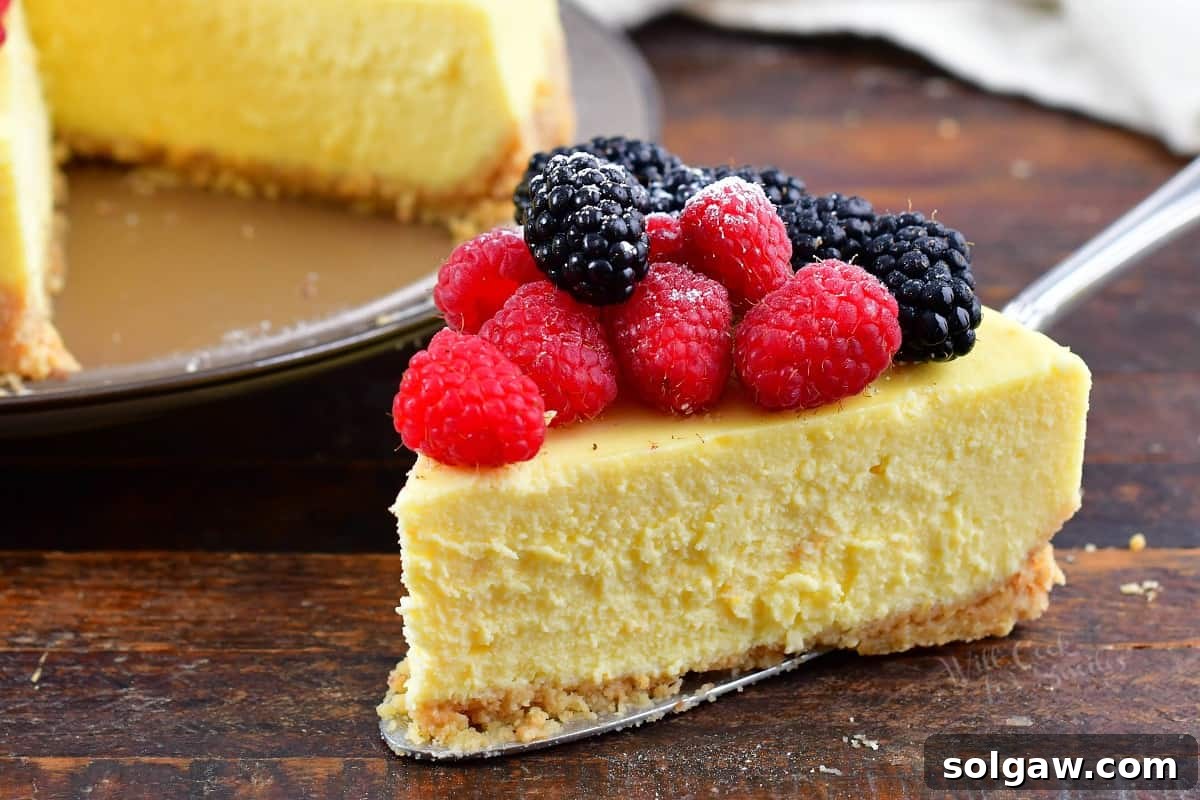
What sets this Ricotta Cheesecake apart? It’s a harmonious blend of sweet, tangy, and subtly nutty notes, achieved through the freshest orange zest and a hint of warm amaretto. While it exudes an air of elegance, its universally appealing taste makes it remarkably kid-friendly and a guaranteed crowd-pleaser. Forget dry, crumbly cheesecakes; our recipe promises a lusciously moist, super soft, and delightfully fluffy consistency that truly melts in your mouth. Many compare its smooth, rich quality to the finest cannoli filling, but in a grand, shareable format.
For those new to baking, the thought of creating a homemade cheesecake might seem daunting. However, this recipe is meticulously crafted with clear, concise, and easy-to-follow instructions, ensuring a successful bake even for novice home chefs. Plus, the ingredient list is refreshingly straightforward, featuring items readily available at your local grocery store. No exotic or hard-to-find components here—just pure, wholesome ingredients coming together to create an unforgettable dessert experience. The effort is minimal, but the reward is immense: a show-stopping dessert you’ll be incredibly proud to serve on any occasion.
Why This Ricotta Cheesecake Stands Out
This isn’t just another cheesecake recipe; it’s an experience designed to captivate your senses. Here’s why our Italian Ricotta Cheesecake recipe deserves a spot in your baking repertoire:
- Unmatched Texture: Unlike denser, heavier cheesecakes, this version boasts a uniquely light, airy, and incredibly moist crumb. The combination of ricotta and mascarpone cheese creates a velvety smooth filling that’s reminiscent of traditional Italian desserts like cannoli, but in a baked form.
- Exquisite Flavor Profile: A delicate balance of sweetness is enhanced by bright, aromatic orange zest and the warm, nutty undertones of amaretto. These subtle notes elevate the cheesecake beyond simple sweetness, adding layers of complexity that make each bite intriguing and satisfying.
- Simple, Wholesome Ingredients: You won’t find a long list of obscure ingredients here. We focus on quality, fresh components that are easy to source, ensuring a pure and authentic taste.
- Effortless Elegance: While the end result looks and tastes sophisticated, the step-by-step instructions are designed to be accessible for bakers of all skill levels. With a little planning, you can create a dessert that appears professional-grade.
- Versatile for Any Occasion: Whether it’s a casual family dinner, a festive holiday celebration, or an elegant dinner party, this ricotta cheesecake adapts beautifully. It’s a dessert that consistently earns rave reviews.
- The Perfect Biscotti Crust: Moving beyond traditional graham cracker crusts, our buttery biscotti crust offers a delightful crunch and a complementary almond flavor that perfectly supports the creamy filling. It’s a textural and flavor highlight that completes the dish.
Once you try this homemade ricotta cheesecake, you’ll understand why it quickly becomes a cherished favorite, a recipe you’ll return to again and again.
Key Ingredients for the Best Ricotta Cheesecake
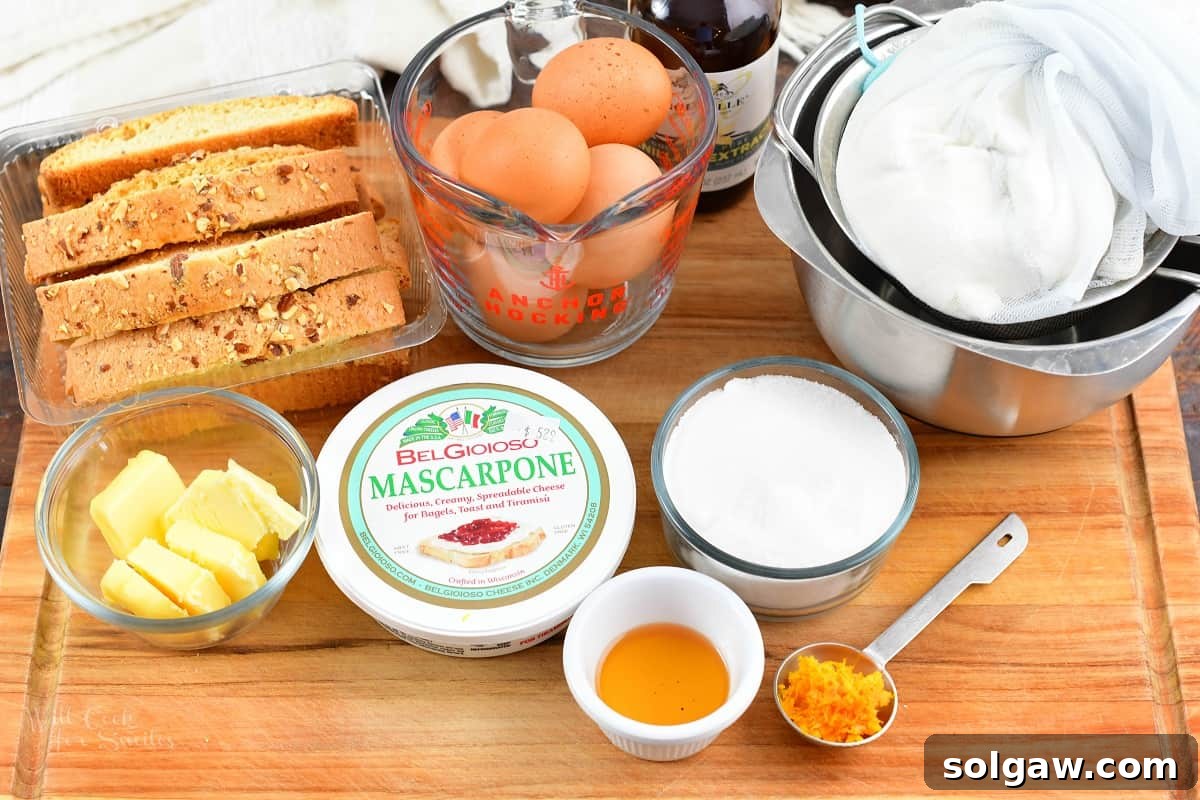
Crafting the perfect Ricotta Cheesecake begins with understanding and selecting the right ingredients. Each component plays a vital role in achieving that coveted creamy texture and balanced flavor. Here’s a closer look at the stars of our recipe:
Biscotti: This Italian cookie forms the foundation of our unique crust, offering a delightful crunch and subtle sweetness that perfectly complements the creamy filling.
- Flavor Choice: You can opt for classic almond biscotti to enhance the nutty notes, or a plain original flavor if you prefer.
- Dietary Alternatives: For those with dietary restrictions, gluten-free biscotti works beautifully. Alternatively, any dense, crunchy cookie (like shortbread or amaretti) can be crushed and used as a substitute, adjusting butter quantities if needed to achieve the right consistency for the crust.
Ricotta Cheese: The heart and soul of this Italian cheesecake. The quality and preparation of your ricotta are paramount.
- Full Fat is a Must: Always use full-fat ricotta cheese. The higher fat content contributes significantly to the cheesecake’s rich flavor and creamy texture. Low-fat or part-skim ricotta will result in a drier, less luxurious cheesecake.
- Crucial Draining: This is perhaps the most important step! Ricotta cheese contains a lot of excess liquid, which can make your cheesecake watery and prevent it from setting properly. It is essential to drain off all excess liquids well in advance. Plan to start the draining process at least a few hours, or even overnight, before you intend to bake. Detailed instructions for draining are provided below to ensure your cheesecake is perfectly smooth and firm.
Mascarpone Cheese: This luxurious Italian cream cheese is a game-changer for the cheesecake’s texture and richness.
- Velvety Smoothness: Mascarpone cheese adds an unparalleled velvety smoothness and a delicate, slightly sweet flavor. It’s significantly lighter in texture and consistency than traditional American cream cheese, contributing to the cheesecake’s characteristic airy yet rich feel.
- No Substitutions: While tempting, do not substitute mascarpone with cream cheese. Cream cheese has a different fat content and a tangier, denser profile that will drastically alter the texture and flavor of this specific Italian Ricotta Cheesecake. Mascarpone is key to achieving that authentic, dreamy consistency.
All-Purpose Flour: A small amount of flour helps stabilize the cheesecake filling, preventing cracks and ensuring a smooth, even bake.
- Standard Use: All-purpose flour works perfectly for this recipe.
- Gluten-Free Option: If you require a gluten-free version, a good quality gluten-free all-purpose flour blend can be used as a direct substitute.
Amaretto: This almond-flavored Italian liqueur adds a wonderful depth and nutty aroma to the cheesecake, enhancing its Italian heritage.
- Flavor Enhancement: Just a tablespoon of amaretto infuses the filling with a subtle yet distinct nutty warmth.
- Non-Alcoholic Alternative: For a non-alcoholic option, use 1/2 to 1 teaspoon of almond extract. Start with 1/2 teaspoon, as almond extract is quite potent, and add more to taste if desired. This ensures you still get that lovely almond essence without the alcohol.
Fresh Orange Zest: Bright, fragrant orange zest cuts through the richness of the cheeses, adding a refreshing citrus note.
- Lifting the Flavors: The zest from one orange provides a vibrant aroma and a hint of tang that beautifully balances the sweetness and creaminess of the cheesecake. Always use fresh zest for the best flavor; dried zest simply won’t compare.
By paying attention to these key ingredients and their preparation, you’ll be well on your way to creating a truly unforgettable Ricotta Cheesecake.
How To Craft Your Exquisite Ricotta Cheesecake
Creating this stunning Italian Ricotta Cheesecake is a rewarding process that yields incredible results. Follow these detailed steps carefully to ensure a perfectly baked, incredibly moist, and utterly delicious dessert. Remember, preparation is key for a flawless cheesecake!
Pre-Baking Preparations:
Before you begin the mixing and baking, it’s crucial to take a few preparatory steps.
- Drain the Ricotta: Ensure your full-fat ricotta cheese has been thoroughly drained of all excess liquids. This step cannot be stressed enough, as it directly impacts the cheesecake’s final texture and stability. Ideally, begin draining the ricotta several hours or even the day before you plan to bake.
- Room Temperature Ingredients: Bring all cold ingredients (mascarpone, eggs, etc.) to room temperature. This helps them combine smoothly and evenly, preventing lumps and ensuring a uniform batter.
- Oven Preheat: Preheat your oven to 325°F (160°C).
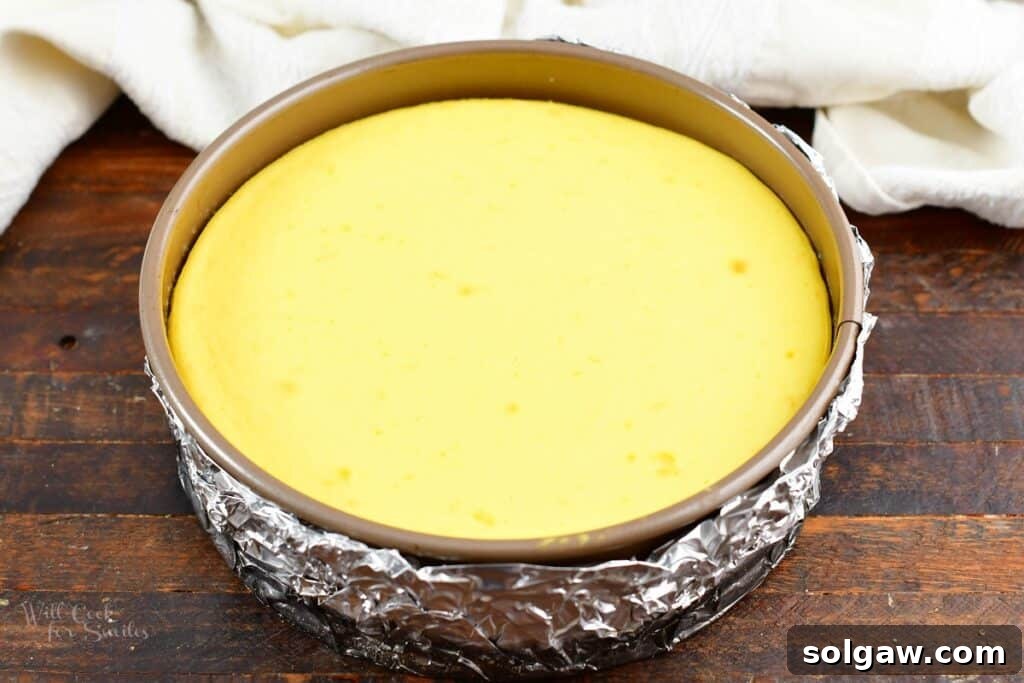
- Prepare the Springform Pan: Lightly grease a 9-inch springform pan. If you’re concerned about water leakage during the water bath, wrap the outside of the springform pan tightly with heavy-duty aluminum foil. Use a wide foil sheet to cover the bottom and extend high up the sides to create a protective barrier. While a small amount of water might sometimes leak in, it generally won’t ruin the cheesecake. This protective wrapping is best done before adding the crust and filling.
- Water Bath Setup: You’ll need a large roasting pan that is bigger and longer than your springform pan. This will house the cheesecake during baking and create a crucial water bath.
Step 1: Create the Buttery Biscotti Crust
The unique biscotti crust provides a wonderful texture and a complementary flavor to our creamy ricotta filling.
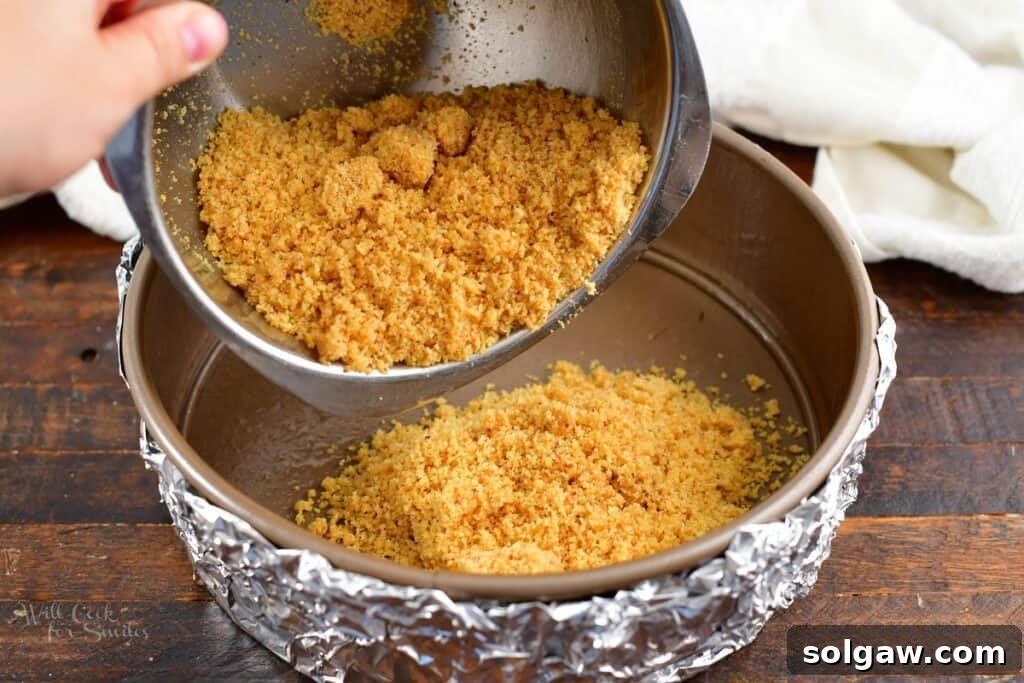
- Crush the Biscotti: In a food processor or high-speed blender, pulse the biscotti until it is reduced to fine, even crumbs. Avoid over-processing, which can turn it into a paste.
- Combine Ingredients: Transfer the biscotti crumbs to a bowl. Add the melted unsalted butter and vanilla extract. Mix thoroughly until the crumbs are evenly moistened and resemble wet sand.
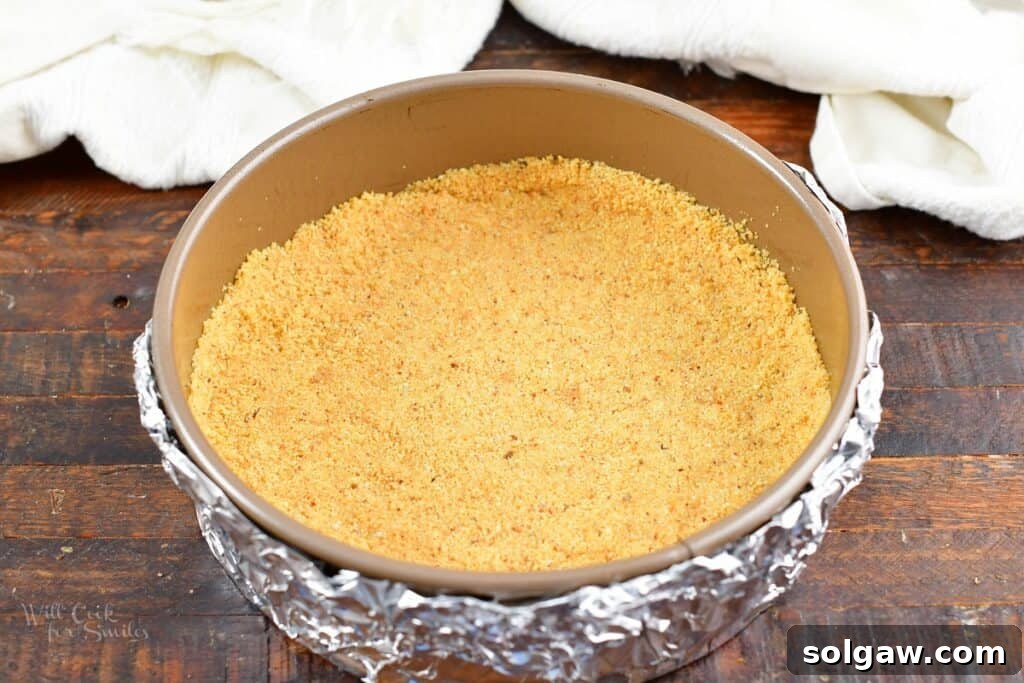
- Press into Pan: Evenly spread the biscotti mixture into the bottom of the prepared 9-inch springform pan. Using the back of a spoon or your fingertips, firmly press the mixture across the entire bottom and about halfway up the sides of the pan. This creates a sturdy, flavorful base for your cheesecake.
Step 2: Prepare the Luxurious Cheesecake Filling
This is where the magic happens, combining the rich cheeses with delicate flavorings to create a smooth, airy batter.
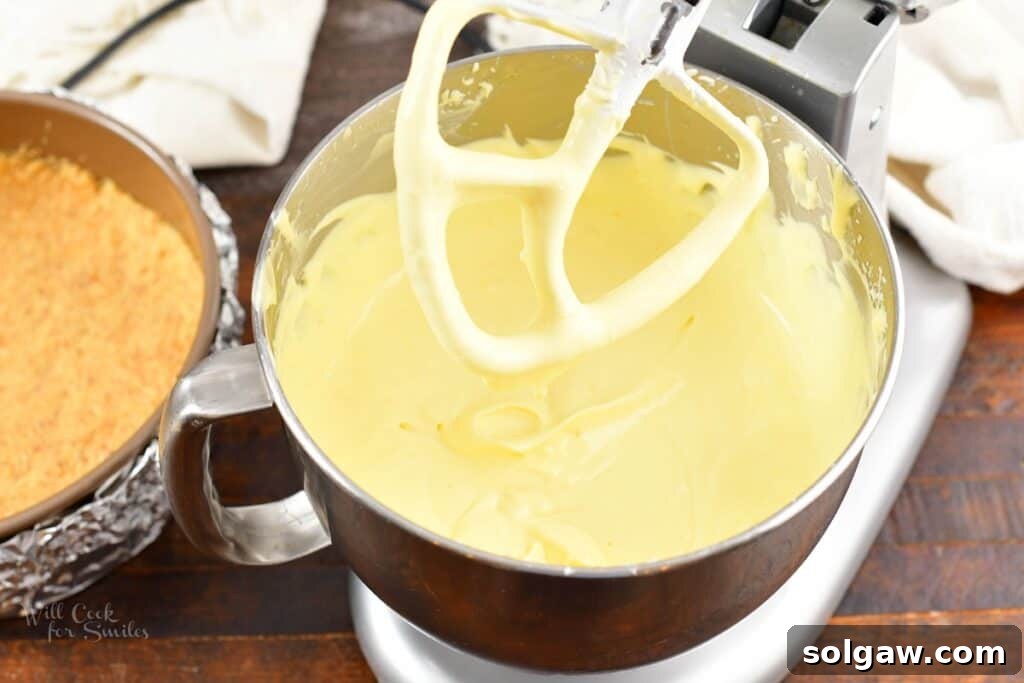
- Whip Mascarpone and Sugar: In the bowl of an electric stand mixer fitted with the paddle attachment (or using a hand mixer), beat the softened mascarpone cheese on medium-high speed. Gradually add the white granulated sugar, beating until the mixture is light, fluffy, and well combined. Scrape down the sides of the bowl as needed to ensure everything is incorporated.
- Add Ricotta and Flavorings: Reduce the mixer speed to low. Add the well-drained ricotta cheese, fresh orange zest, vanilla extract, and amaretto. Beat until the mixture is completely smooth and no lumps of ricotta remain. The batter should appear fluffy and have a lighter color. Stop and scrape the bottom and sides of the pan once more to ensure thorough mixing.
- Incorporate Flour and Eggs: With the mixer still on low speed (to avoid a cloud of flour), gradually add the all-purpose flour until just combined. Increase the speed to medium-high and add the eggs, one at a time. Beat for only a few seconds after each egg addition, just until it’s fully incorporated into the batter. Overmixing the eggs can incorporate too much air, which can cause the cheesecake to crack during baking.
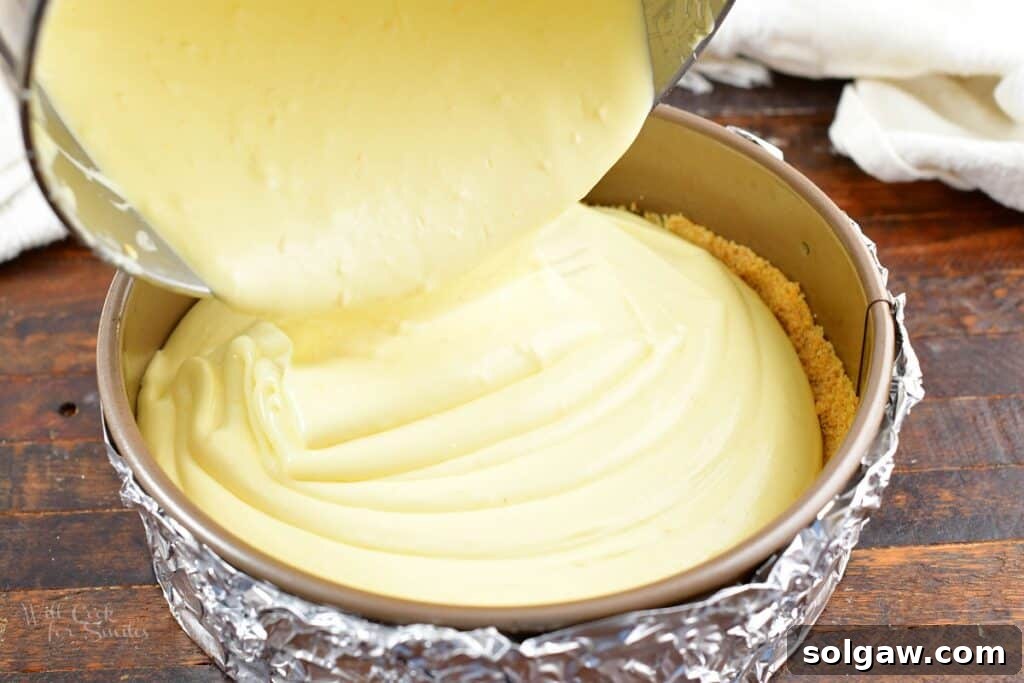
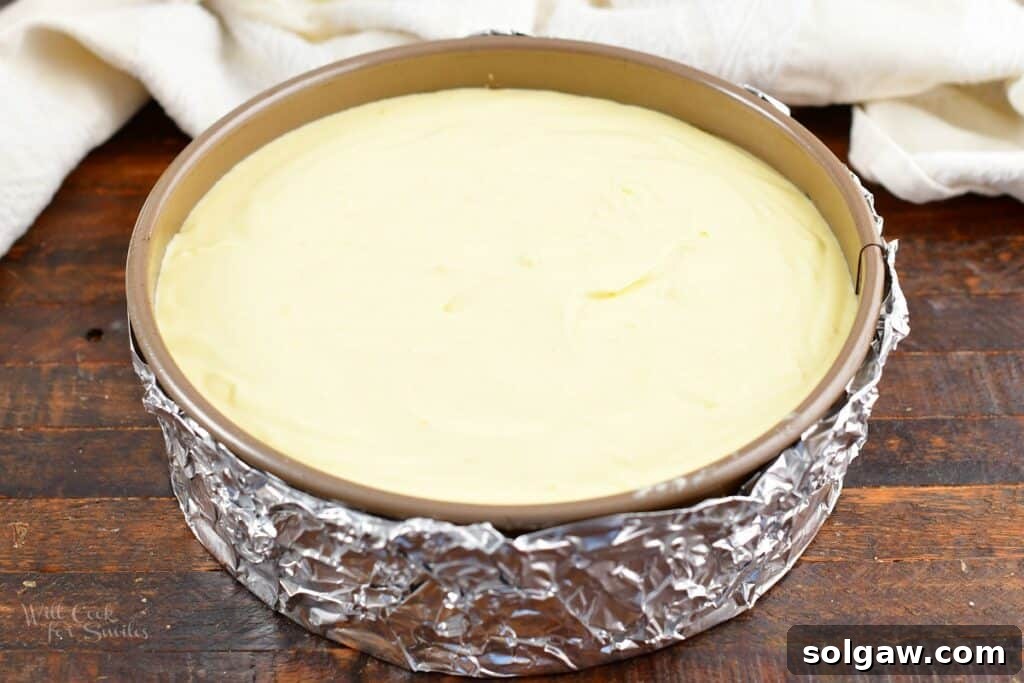
- Transfer to Pan: Once the batter is smooth and homogeneous, carefully transfer it into the prepared springform pan, spreading it evenly over the biscotti crust. Gently tap the pan on the counter a few times to release any trapped air bubbles.
Step 3: Baking and Cooling the Ricotta Cheesecake
The baking and cooling process is critical for achieving a perfectly set cheesecake with a smooth, uncracked surface.
- Prepare Water Bath: Carefully place the cheesecake-filled springform pan into the larger roasting pan already positioned in your preheated 325°F (160°C) oven. Carefully pour hot water into the roasting pan, ensuring the water comes about halfway up the sides of the springform pan. Be cautious not to splash water into the cheesecake batter. The water bath provides moist heat, which helps the cheesecake bake evenly and prevents cracking.
- Bake: Bake the cheesecake for 85 minutes. The center should still have a slight wobble when gently shaken, but the edges should be set.
- Slow Cool in Oven: Once the baking time is complete, turn off the oven. Crucially, open the oven door halfway. Allow the cheesecake to rest in the gradually cooling oven for approximately 10-30 minutes. This slow cooling process is vital for preventing drastic temperature changes that can cause the cheesecake to crack. A gentle touch to the center should show it springs back slightly, not ripple excessively.
- Counter Cooling: Remove the cheesecake from the oven and carefully lift it out of the water bath. If you wrapped your springform in foil, remove it now. Place the cheesecake on a wire rack to cool at room temperature for at least one hour. Do not attempt to refrigerate a warm cheesecake, as this can lead to improper cooling and moisture accumulation on the surface.
- Chill Thoroughly: Once completely cooled to room temperature, cover the springform pan tightly with plastic wrap or aluminum foil, ensuring an airtight seal. Refrigerate the cheesecake for a minimum of 6 hours, or ideally overnight, before serving. Chilling allows the cheesecake to fully set, firm up, and develop its optimal flavor and texture.
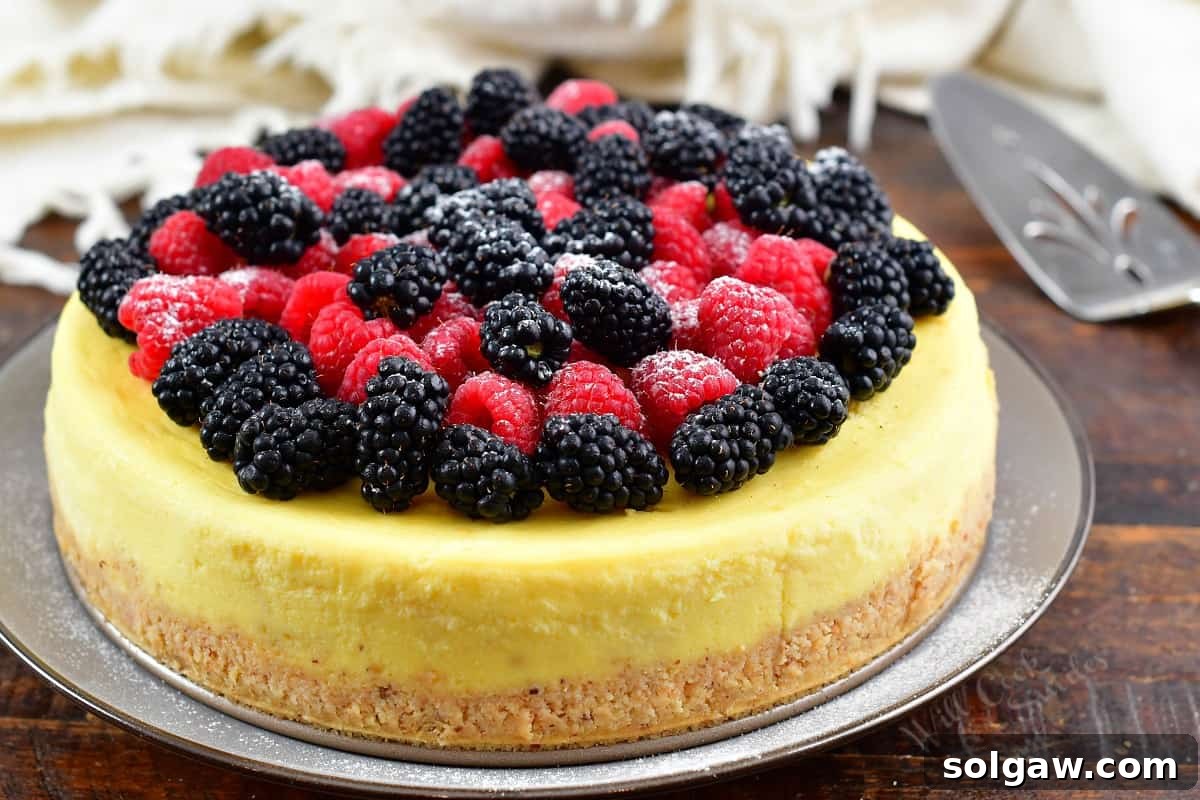
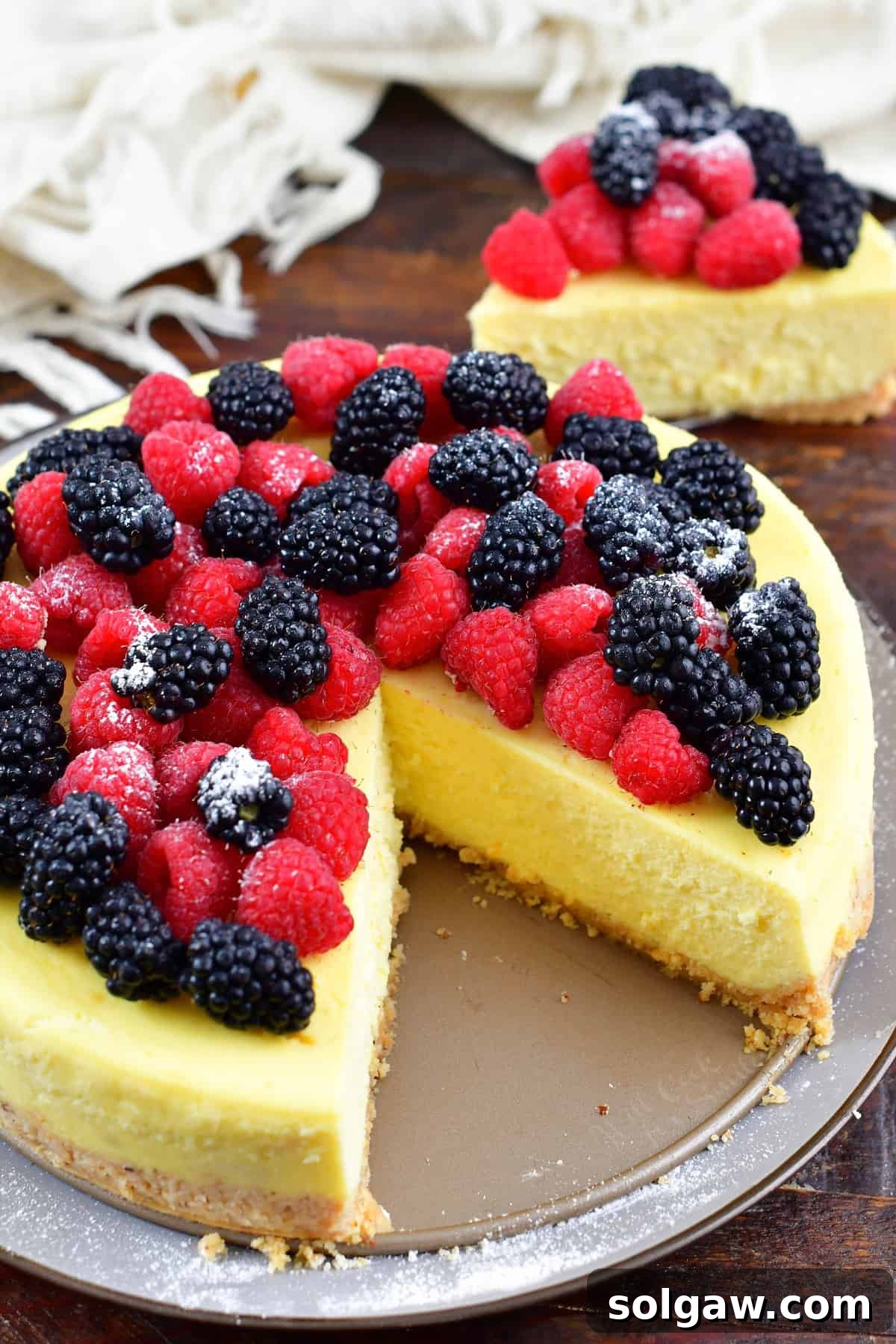
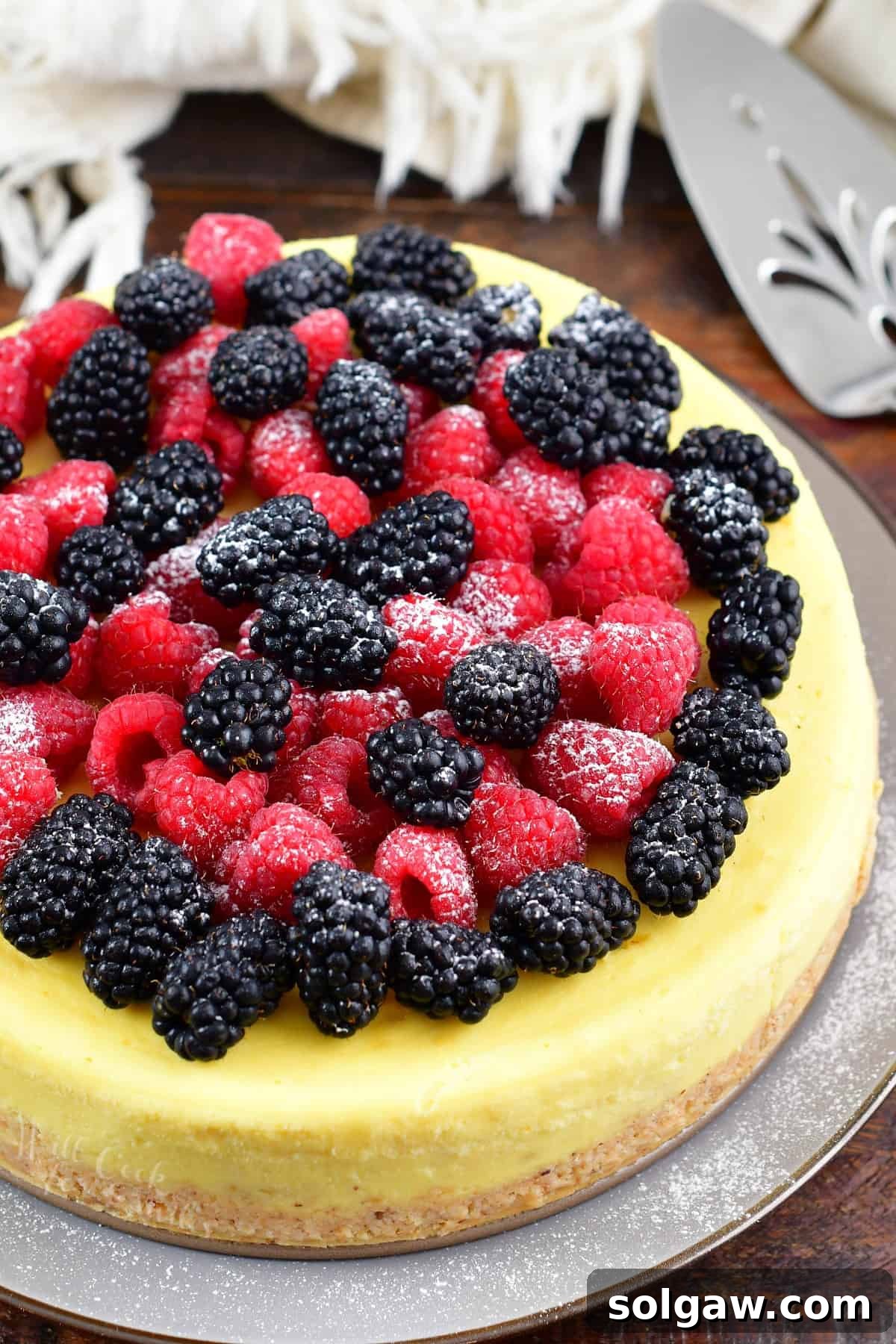
- Serving Preparation: Before releasing the cheesecake from the springform pan, run a thin, greased butter knife carefully along the edge of the cheesecake. This helps separate it from the pan sides cleanly and prevents sticking. Garnish with fresh berries, a dusting of powdered sugar, or a dollop of whipped cream for an elegant presentation.
What is the Best Way to Drain Ricotta Cheese?
Draining ricotta cheese is a critical step for a dense, creamy, and perfectly set cheesecake. Skipping this can lead to a watery filling and a cheesecake that doesn’t hold its shape. Here’s the most effective method:
- Gather Your Tools: You will need a fine-mesh strainer, a large bowl (that the strainer can sit in without touching the bottom), and a doubled-over piece of cheesecloth (or a clean, thin kitchen towel).
- Set Up the Draining Station: Line the fine-mesh strainer with the doubled cheesecloth. Place the lined strainer over the bowl. The bowl is essential to catch the excess liquid that will drain from the ricotta.
- Add the Ricotta: Spoon the full-fat ricotta cheese into the cheesecloth-lined strainer. Gently bring the edges of the cheesecloth together to loosely cover the ricotta.
- Refrigerate and Drain: Place the entire setup (bowl, strainer, ricotta) into the refrigerator. Allow the ricotta to drain for a minimum of 2-3 hours. For best results and the driest ricotta, draining overnight (8-12 hours) is highly recommended. As it drains, you’ll see a significant amount of yellowish liquid accumulating in the bowl below.
- Final Check (Optional Squeeze): Before incorporating the drained ricotta into your cheesecake batter, you can give the cheesecloth a gentle squeeze to release any remaining liquid. The ricotta should be noticeably thicker and drier, resembling a firm paste rather than a wet cottage cheese.
This process ensures your ricotta cheesecake will have that rich, dense, and lusciously creamy texture without any unwanted moisture.
Storing Instructions for Ricotta Cheesecake
Proper storage is essential to maintain the freshness, texture, and flavor of your delicious Ricotta Cheesecake. Here’s how to keep it at its best:
- Refrigeration is Key: Cheesecake is a dairy-based dessert and must be stored in the refrigerator. After cooling completely at room temperature, it should be chilled.
- Airtight Covering: Whether you store it in the springform pan it was baked in or transfer it to another container, ensure it is covered airtight. Use plastic wrap, aluminum foil, or a cake dome to prevent it from absorbing odors from other foods in the refrigerator and to keep it from drying out.
- Longevity: When properly stored in an airtight container in the refrigerator, your homemade ricotta cheesecake will remain fresh and delicious for up to 5 days.
- Serving Tip: For the best flavor and texture, allow slices of cheesecake to sit at room temperature for about 15-20 minutes before serving, as this can enhance the creaminess.
Can I Freeze Ricotta Cheesecake?
Absolutely! Ricotta cheesecake freezes exceptionally well, making it a fantastic make-ahead dessert or a way to enjoy leftovers for an extended period. Here’s a detailed guide to freezing and thawing your cheesecake:
- Cool Completely: After baking, ensure the cheesecake has completely cooled to room temperature, then chilled in the refrigerator according to the recipe instructions. This firming-up period is important before freezing.
- Prepare for Freezing:
- Remove Springform Side: Once chilled, carefully remove the side of the springform pan.
- Keep Bottom: You can freeze the cheesecake directly on the bottom part of the springform pan. This provides a sturdy base and makes handling easier. Alternatively, you can carefully transfer it onto a cardboard cake round of the same size. Attempting to transfer it without a solid base can be challenging and risk damage.
- Initial Freeze (Open Air): Place the cheesecake (on its springform bottom or cake round) onto a cutting board or baking sheet. Transfer this to the freezer and allow the cheesecake to freeze uncovered for 2-3 hours. This “flash freeze” step helps firm up the outer layer, preventing the plastic wrap from sticking to the surface and damaging it. Set a timer so you don’t forget it!
- Wrap for Protection: Once the cheesecake is solid and firm, remove it from the freezer.
- Plastic Wrap: Wrap the cheesecake tightly in at least one layer of plastic wrap, ensuring all surfaces are covered.
- Aluminum Foil: Follow with one or two layers of heavy-duty aluminum foil. This double layer protects against freezer burn and helps maintain moisture.
- Optional Freezer Bag: For even greater protection, place the wrapped cheesecake into a large freezer-safe plastic bag.
- Label and Store: Label the package with the date and type of cheesecake. Store in the freezer for up to 2 months for optimal quality. Beyond this, it’s still safe to eat but might experience a slight decline in texture.
- Thawing Instructions: When you’re ready to enjoy your frozen cheesecake:
- Remove Outer Layers: Take the cheesecake out of the freezer. Remove the plastic bag (if used) and one layer of aluminum foil.
- Slow Thaw: Place the partially unwrapped cheesecake in the refrigerator. Allow it to thaw slowly for a minimum of 12-24 hours. Slow thawing helps maintain the cheesecake’s creamy texture and prevents condensation.
- Serve: Once thawed, unwrap completely, garnish as desired, and serve.
Freezing this ricotta cheesecake is a fantastic way to enjoy a delicious homemade dessert on demand, making it perfect for entertaining or unexpected cravings.
Classic Italian Ricotta Cheesecake Recipe
Print
Pin
Video
Rate
Dessert
American, Italian
15 minutes
1 hour 25 minutes
8 hours
9 hours 40 minutes
10
429
kcal
Lyuba Brooke
Ingredients
Crust:
- 10 to 12 oz almond or original Biscotti crushed
- 4 tbsp unsalted butter melted
- 1 tsp vanilla extract
Filling:
- 32 oz whole milk ricotta cheese drained
- 8 oz mascarpone cheese
- 1 cup white granulated sugar
- 6 eggs
- 2 tbsp all purpose flour
- 1 tsp vanilla extract
- 1 tbsp Amaretto
- 1 orange – zest only
Topping options:
- berries
- powdered sugar
- whipped cream
Instructions
-
Expert tip: plan to start draining the ricotta either a few hours before starting the cheesecake or even the day before!
Draining Ricotta (Few hours or a Day before):
-
Place a doubled over cheese cloth into a strainer and place the strainer over a bowl to catch the drippings. Add the ricotta cheese to the cheese cloth, and bring the edges of the cloth together to cover the cheese. Let it drain for a couple of hours in the refrigerator. (You can also do it overnight.) Give it a gentle squeeze before adding to the batter if ricotta still seems to have too much liquid.
Before Baking:
-
Preheat the oven to 325°F (160°C) and grease a 9-inch springform pan.
You will need a large roasting pan that’s bigger and longer than the springform pan to create a water bath. (You can even use disposable aluminum foil roasting pans).
If you are not sure about your springform holding up in water, you can wrap the outside of the springform pan in heavy-duty aluminum foil from bottom up to the sides. Try to use a wide kind of foil so you would only need to use 1 solid sheet. (I recommend wrapping the outside of the springform in foil before adding the crust and cheesecake batter.)
Although, there is a chance that a small amount of water will leak in, this will NOT ruin the cheesecake.
Crust:
-
Pulse biscotti in a food processor until it turns to fine crumbs.
-
Combine the biscotti crumbs with melted butter and vanilla extract until thoroughly combined and resembles wet sand.
-
Lightly spray the inside of the springform pan with cooking spray, ensuring to cover the sides too.
-
Spread the biscotti mixture evenly in the bottom of the prepared springform, pressing it firmly over the bottom and about half way up the sides to form a compact crust.
Ricotta Cheesecake Filling:
-
In a bowl of an electric mixer, start beating mascarpone over high speed and gradually pour in the sugar. Beat for a few more seconds until the mixture is light and fluffy. Scrape down the sides of the bowl.
-
Add in the drained ricotta cheese, orange zest, vanilla extract, and Amaretto. Beat until completely combined and smooth, making sure no lumps of ricotta remain. You’re looking for a fluffy mixture with a lighter color.
-
Lower the mixer speed to low and add the flour, mixing until just combined. Increase the speed back to medium-high and add eggs, one at a time, beating for only a few seconds after each addition until just incorporated. Do not overmix once the eggs are added. Ensure all ingredients are well incorporated and the batter is nice and smooth.
-
Transfer the batter into the prepared springform pan and spread it evenly over the crust. Gently tap the pan on the counter to release any air bubbles.
Baking the Cheesecake:
-
Place a large roasting pan into the preheated 325°F (160°C) oven. Carefully place the cheesecake springform inside the roasting pan. Gently add hot water to the roasting pan, filling it about half way up the side of the springform.
-
Bake for 85 minutes. After baking, turn off the oven and open the oven door halfway. Let the cheesecake rest for 10-30 minutes in the oven. (You can gently touch the center of the cheesecake to ensure it springs back up and is not too squishy. If it ripples out, the center is not fully cooked through.)
-
Take the cheesecake out of the oven. If foil-wrapped, carefully remove the foil from the pan. Allow it to cool for an hour on a wire rack at room temperature on the counter.
-
Cover the pan with an air-tight wrap and refrigerate for about 6 hours or overnight before serving. Thorough chilling is essential for the cheesecake to fully set and achieve its best texture.
-
Before taking it out of the springform, run a thin, greased butter knife along the inner edge of the cheesecake to separate it cleanly from the pan.
-
Decorate your beautiful cheesecake with fresh berries, a dusting of powdered sugar, or a dollop of whipped cream, as desired.
Video
Video content for this recipe would typically be embedded here.
Notes
Nutrition
Calories: 429kcal
|
Carbohydrates: 25g
|
Protein: 15g
|
Fat: 29g
|
Saturated Fat: 18g
|
Polyunsaturated Fat: 1g
|
Monounsaturated Fat: 5g
|
Trans Fat: 1g
|
Cholesterol: 179mg
|
Sodium: 127mg
|
Potassium: 139mg
|
Fiber: 1g
|
Sugar: 21g
|
Vitamin A: 1009IU
|
Vitamin C: 2mg
|
Calcium: 238mg
|
Iron: 1mg
Tried this recipe?
Mention @willcookforsmiles or tag #willcookforsmiles!
More Delicious Recipes to Explore
If you loved this Ricotta Cheesecake, you might enjoy these other delightful recipes from our kitchen:
- Fluffy Ricotta Pancakes Recipe
- Classic Baked Ziti (Italian Casserole)
- Cheesy Pesto Chicken Stuffed Shells
- Perfect Amaretto Sour Cocktail
- Hearty Classic Stuffed Shells Recipe