Featured Comment
“We absolutely adore this incredibly easy and delicious rice pilaf recipe! The jasmine rice adds such a wonderful aroma and texture. Highly recommend trying this one!” ~Lynne
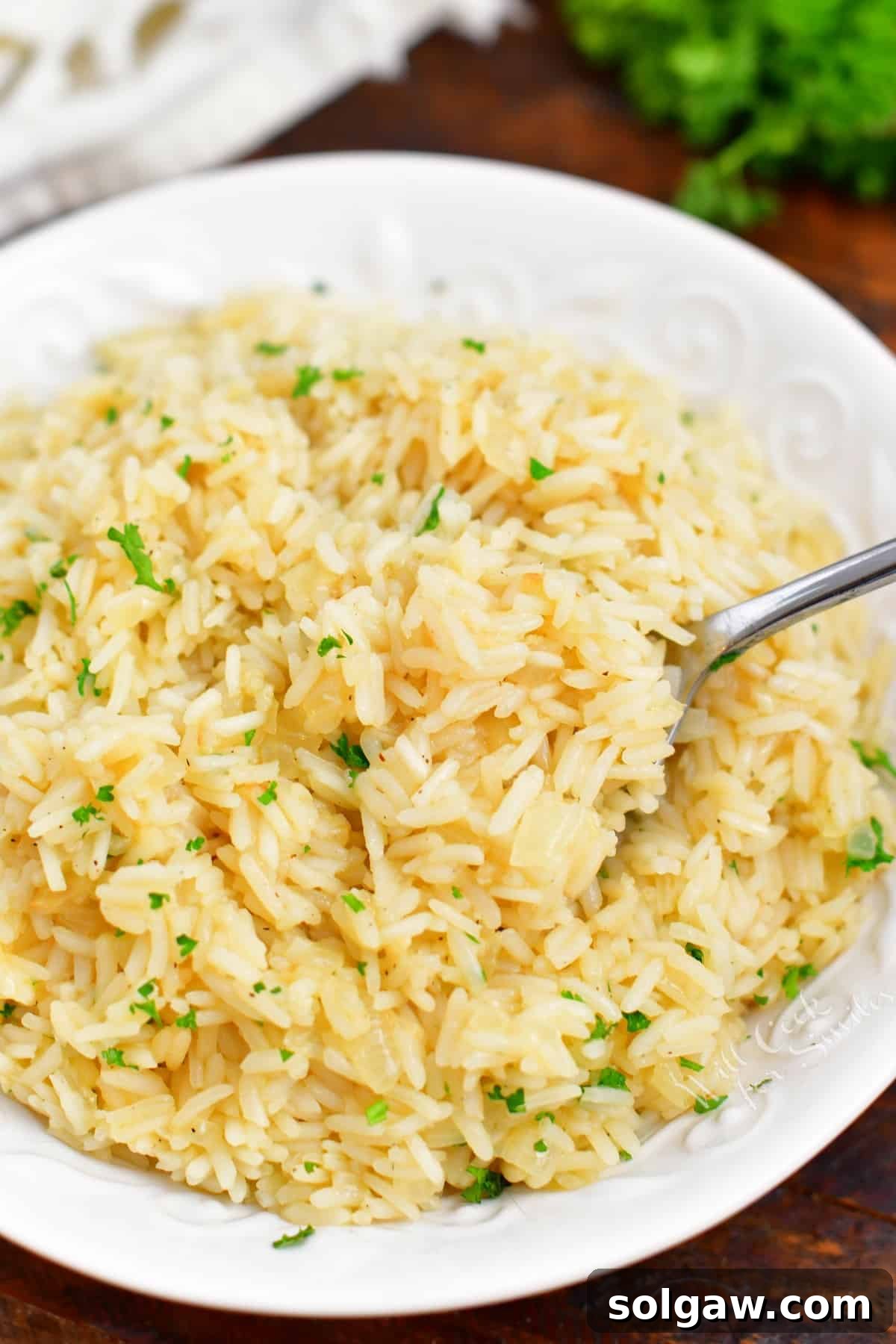
Easy Rice Pilaf: Your Go-To Recipe for Fluffy, Flavorful Grains
Transform your dinner table with a classic, incredibly easy, and undeniably delicious rice pilaf. This versatile side dish, renowned for its light, fluffy texture and rich flavor, comes together in under 30 minutes with just a handful of everyday ingredients. Whether you’re a seasoned chef or a beginner in the kitchen, this recipe guarantees perfect results every time, making it an essential addition to your culinary repertoire. Say goodbye to sticky, bland rice and hello to a side dish that beautifully complements a wide array of main courses.
What Exactly is Rice Pilaf? A Culinary Staple Explained
At its core, rice pilaf is a simple yet sophisticated rice dish where grains are sautéed with aromatics like onion and garlic in butter or oil before being simmered in a flavorful broth until tender and fluffy. Originating from the Middle East and South Asia, pilaf has traveled across cultures, adapting to local ingredients and culinary traditions, making it a beloved staple worldwide. The technique of toasting the rice before adding liquid is crucial; it helps prevent the grains from sticking together, ensuring that signature separated, fluffy texture we all crave.
While the basic preparation involves just rice, aromatics, and broth, the beauty of pilaf lies in its adaptability. You can keep it elegantly simple, allowing the subtle flavors of butter, onion, garlic, and stock to shine through. Or, you can elevate it with additional ingredients such as toasted nuts, dried fruits, fresh herbs, or other vegetables like peas, carrots, or mushrooms. This particular recipe focuses on creating a perfect, simple rice pilaf that serves as an ideal canvas for customization or a delightful dish on its own. Its straightforward flavor profile makes it an excellent companion to virtually any entrée, from roasted chicken to grilled fish or hearty stews. The magic truly lies in its simplicity and the ability to enhance any meal.
Essential Ingredients for Your Perfect Rice Pilaf
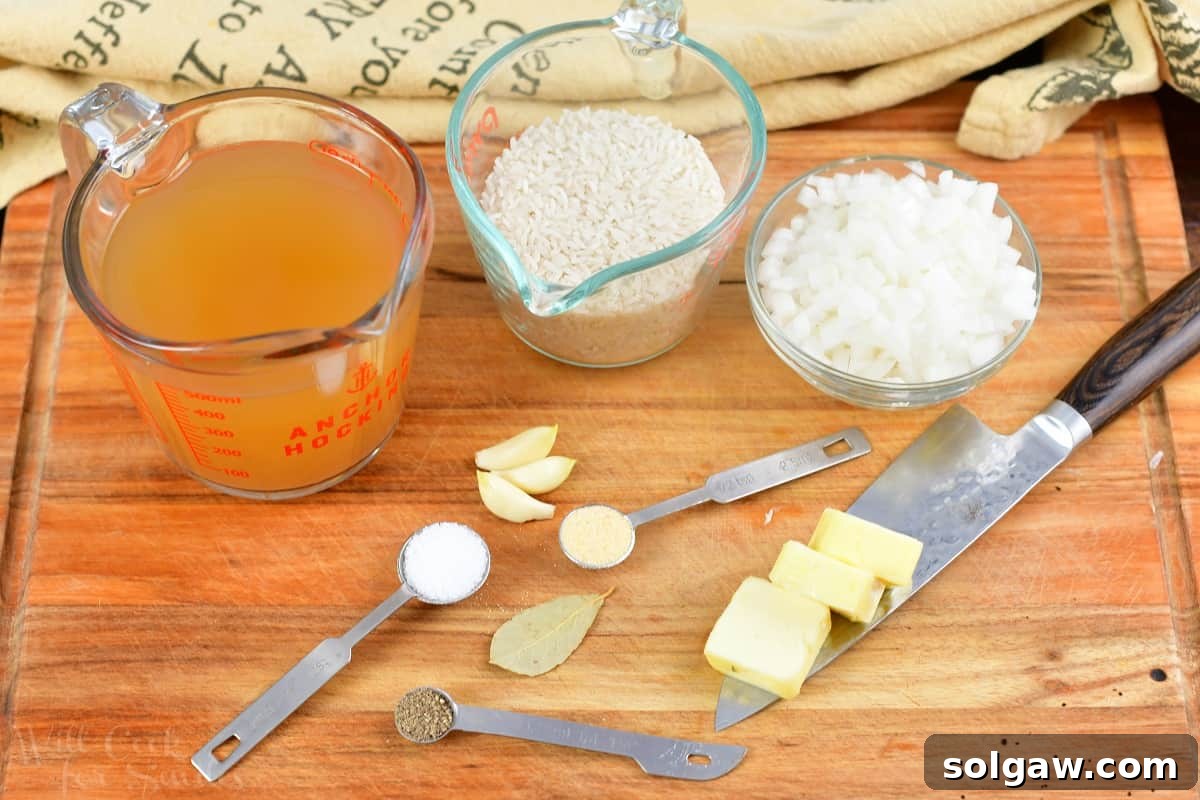
Crafting the best rice pilaf starts with selecting the right ingredients. This recipe prides itself on its simplicity, proving that often, less is truly more when it comes to flavor and texture. Here’s a detailed look at the core components:
- Unsalted Butter: The foundation of our pilaf’s rich flavor. Using unsalted butter gives you precise control over the saltiness of your dish, allowing you to adjust seasoning to your preference without worrying about excess sodium from the butter itself. It also helps in achieving that beautiful golden toast on your rice.
- Yellow Onion: Diced yellow or white onions are paramount for building the aromatic base of the pilaf. Sautéing them until golden-brown sweetens them and releases a depth of flavor that infuses every grain of rice.
- Garlic: Freshly minced garlic is non-negotiable for its pungent, aromatic qualities that are central to the pilaf’s taste. While garlic powder can be a substitute in a pinch, fresh garlic offers a superior, vibrant flavor.
- Long Grain White Rice: This is the star of the show and crucial for achieving the characteristic fluffy, separated grains of traditional pilaf. Long grain rice varieties, such as regular long grain white rice or basmati, have a lower starch content compared to medium or short grain rice, which helps prevent stickiness. Avoid arborio or sushi rice, as they are designed to be creamy and sticky, yielding a completely different result.
- Chicken or Vegetable Stock: This is where your pilaf gets its deep, savory flavor. It’s essential to use stock, not broth. Stock is typically richer and has a more profound flavor profile due to being cooked with bones (for chicken/beef stock) or a longer simmer time with vegetables, providing a robust base that broth often lacks. For a truly authentic taste, consider using homemade chicken stock or homemade vegetable stock.
- Salt and Black Pepper: Essential seasonings to enhance all the flavors. Adjust to taste.
- Bay Leaf: A single dried bay leaf adds a subtle, herbaceous note that deepens the overall aroma of the pilaf. Remember to remove it before serving!
Step-by-Step Guide: Crafting Your Perfect Rice Pilaf
Making a truly exceptional rice pilaf is simpler than you might think. The process can be broken down into three fundamental stages: sautéing the aromatics and rice, simmering the rice in broth, and finally, allowing it to rest and fluff. Follow these steps for consistently perfect results:
- Prepare Your Ingredients: Begin by thoroughly preparing and measuring all your ingredients before you start cooking. This “mise en place” strategy will significantly reduce stress and ensure a smooth cooking process. Dice your yellow onion, mince your garlic, and measure out your rice, butter, and stock.
- Heat the Stock: In a separate small saucepan or microwave-safe bowl, gently heat your chicken or vegetable stock. Stir in the salt, black pepper, and bay leaf. Warming the stock beforehand helps maintain a consistent temperature when it’s added to the rice, promoting more even cooking.
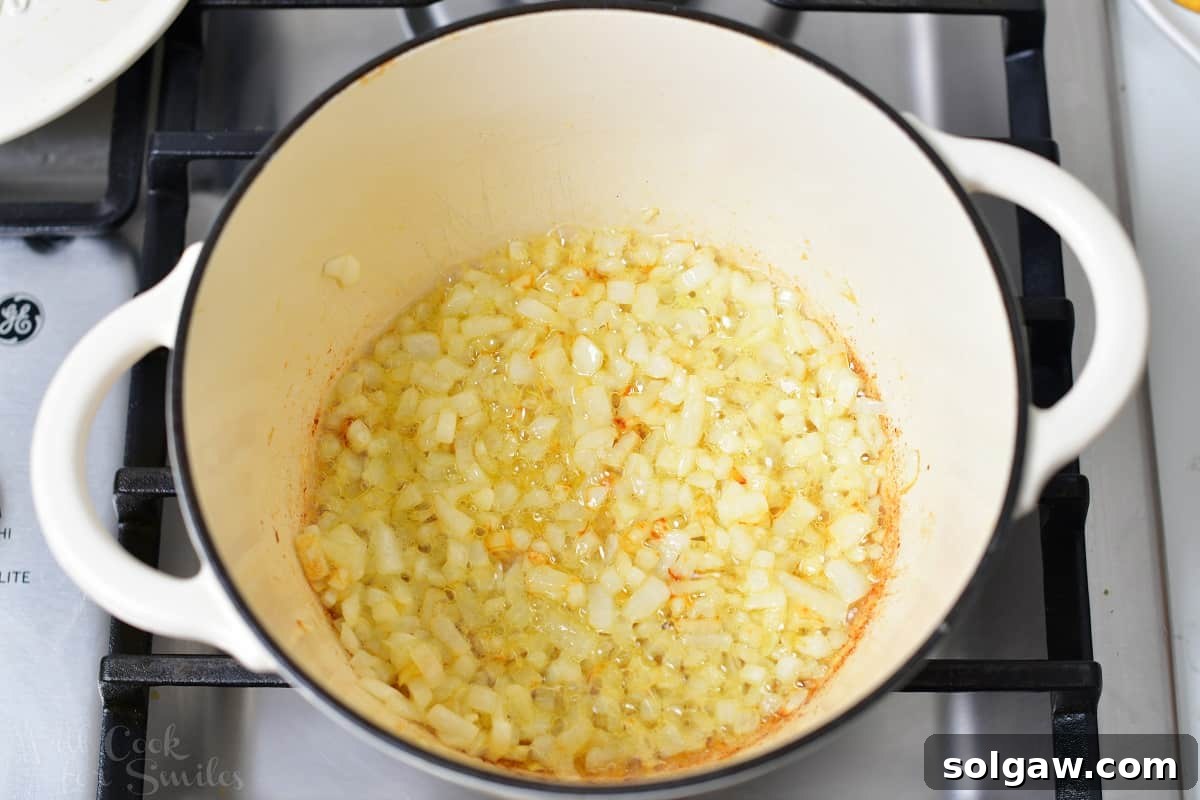
- Sauté Aromatics: Select a heavy-bottomed pot or Dutch oven with a tight-fitting lid. Preheat the pot over medium heat, then add the unsalted butter and allow it to melt completely. Add the diced yellow onion and sauté, stirring occasionally, until the onion softens and begins to turn a beautiful golden-brown color. This step is crucial for developing deep flavor.
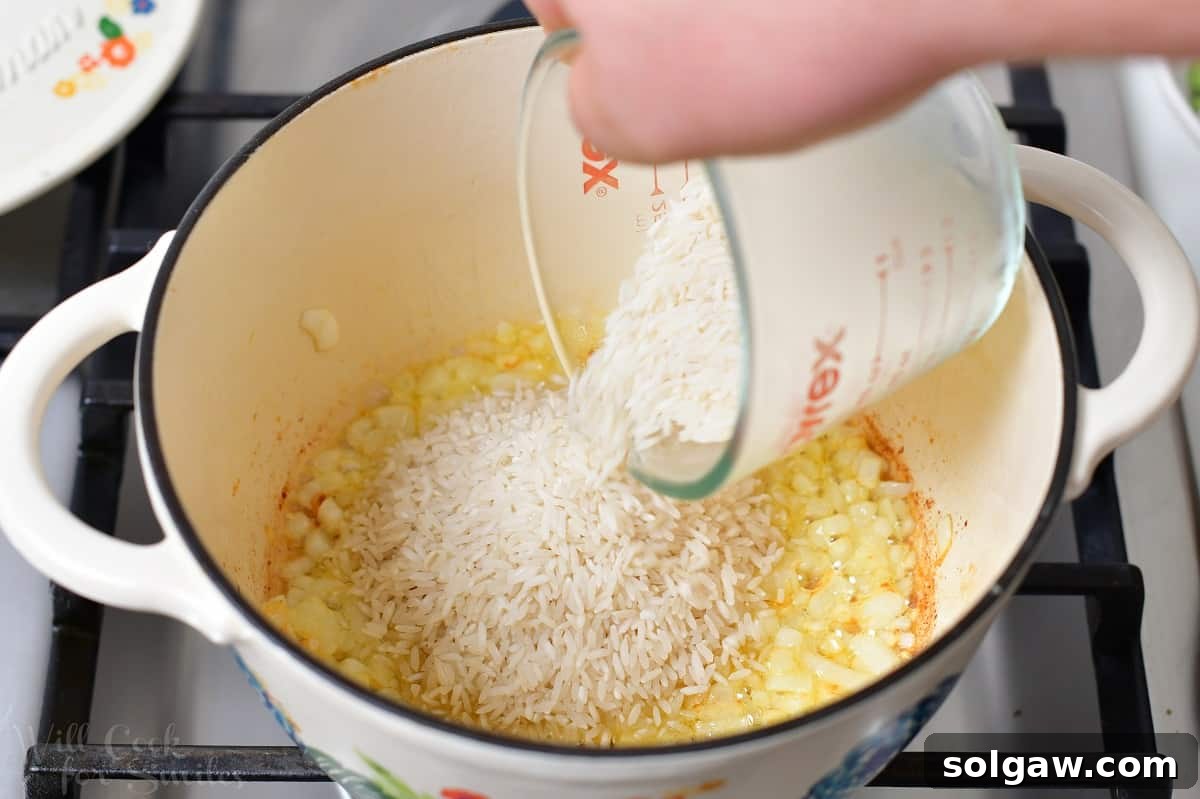
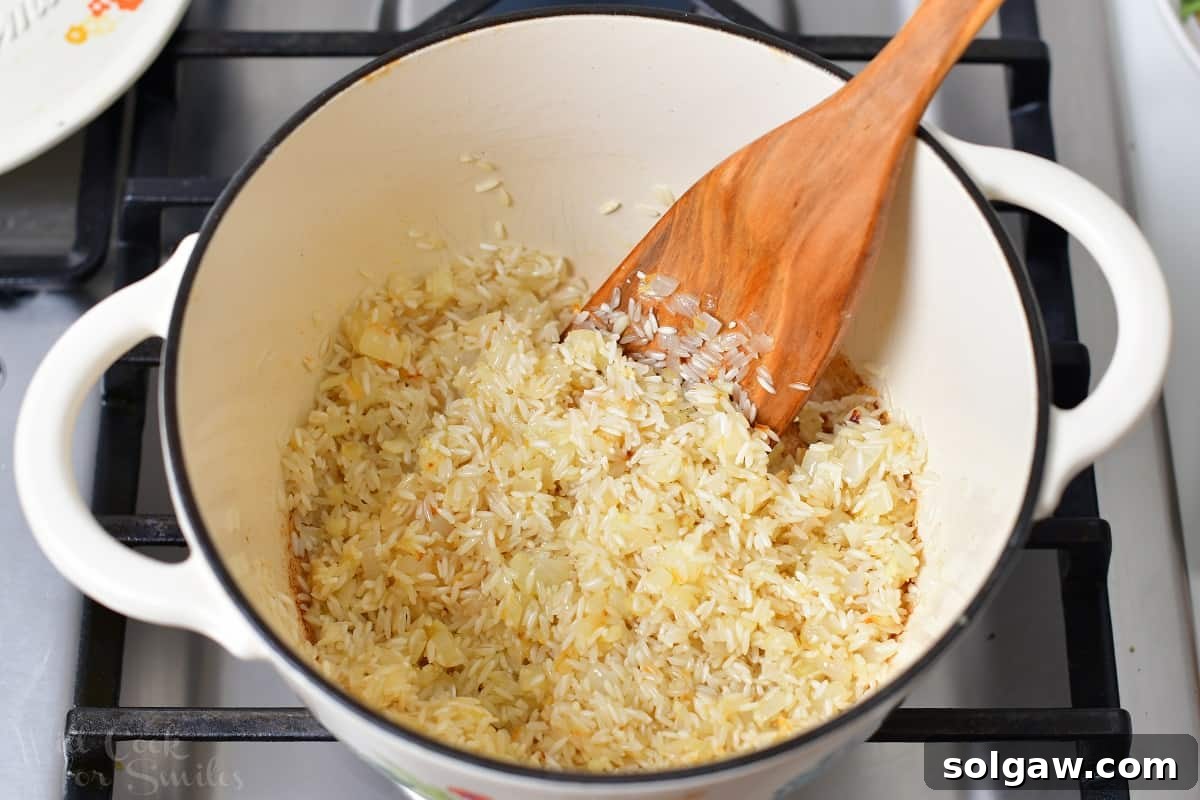
- Add Garlic and Toast Rice: Stir in the minced garlic and cook for just about 30 seconds until it becomes fragrant. Be careful not to burn the garlic. Immediately add the long grain white rice to the pot. Stir the rice continuously for 2-3 minutes, allowing it to “toast” in the hot butter and aromatics. This toasting process is vital for coating each grain with fat and beginning to seal its exterior, which prevents stickiness and promotes a fluffy texture.
- Simmer to Perfection: Carefully pour the warmed stock mixture into the pot with the rice. Give it one or two gentle stirs to ensure everything is evenly distributed. Do not stir excessively, as this can release starches and lead to sticky rice. Once stirred, cover the pot tightly with its lid and reduce the heat to low.
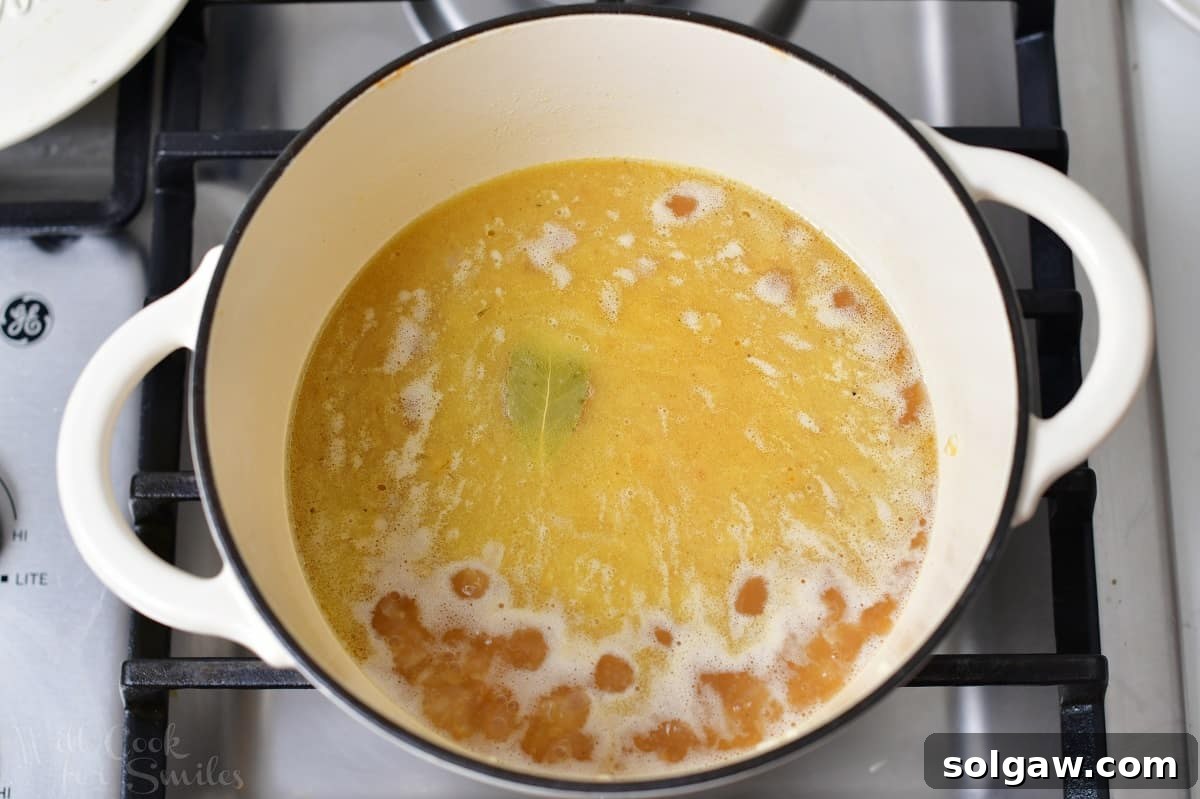
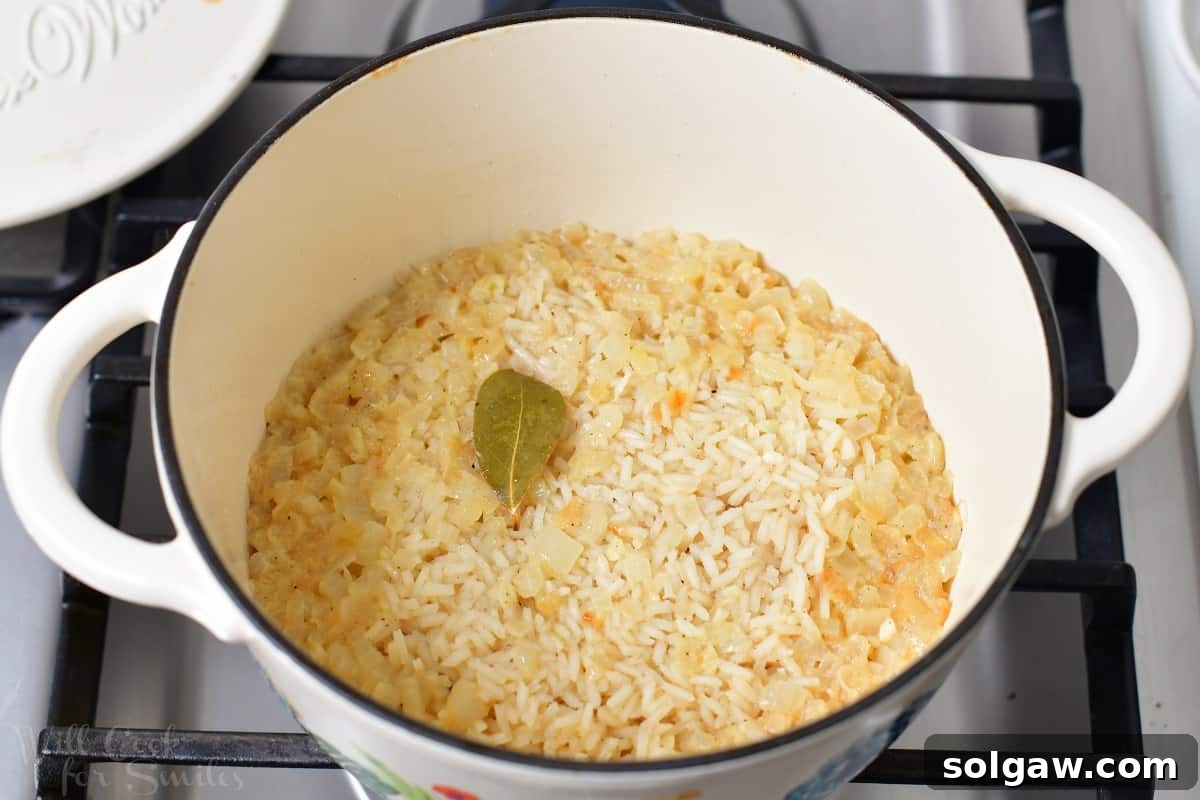
- Undisturbed Cooking: Allow the rice to simmer undisturbed for approximately 17-18 minutes. It is critical not to lift the lid during this time, as doing so releases steam, which is essential for proper cooking. The rice needs that consistent, trapped heat and moisture to absorb the liquid evenly.
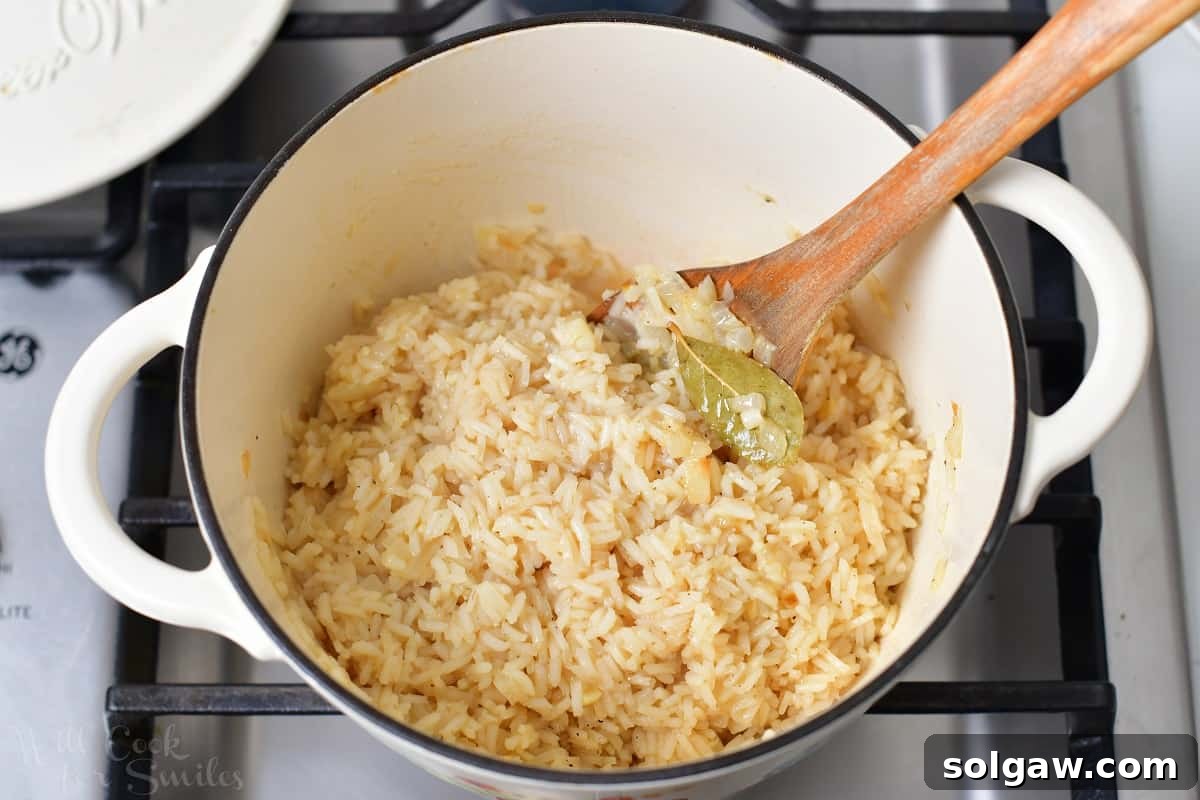
- Rest and Fluff: Once the simmering time is complete, remove the pot from the heat. Without stirring, immediately fluff the rice gently with a fork. Close the lid once more and let the rice rest for about 5 minutes off the heat. This resting period allows the steam to redistribute, further separating the grains and making them even fluffier.
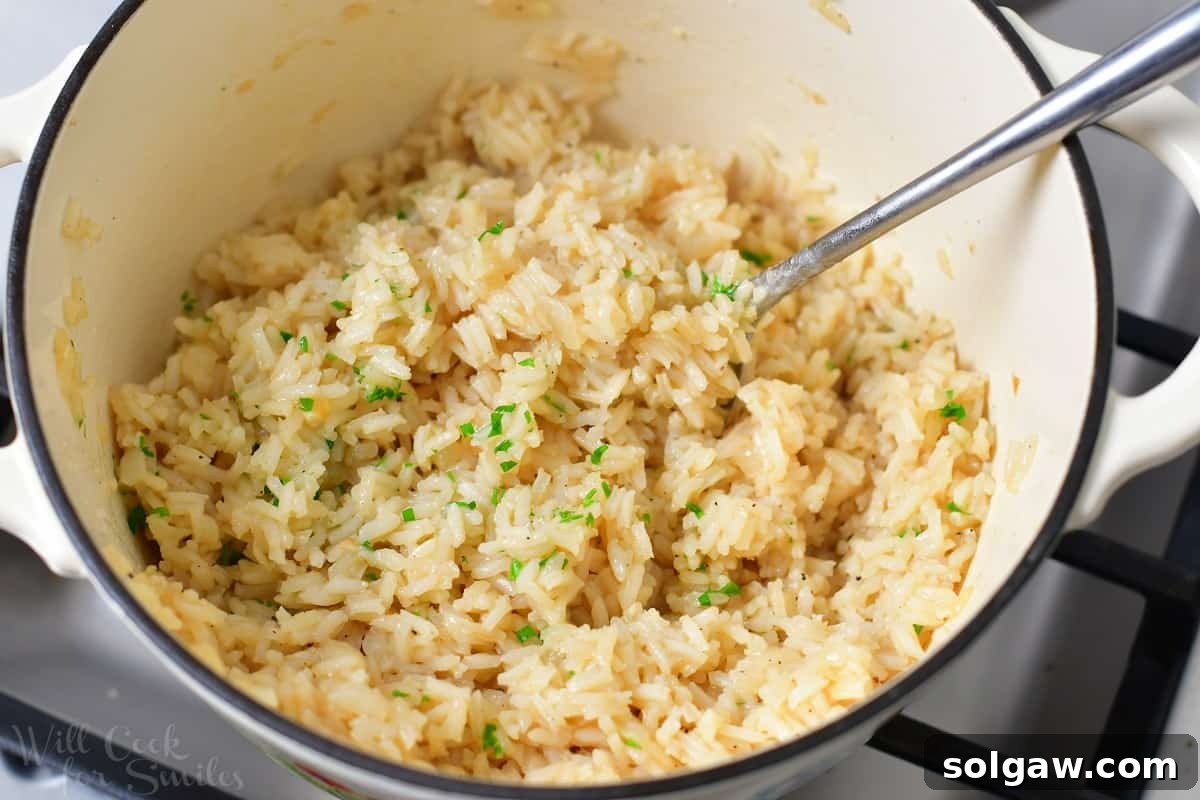
- Serve and Enjoy: If desired, sprinkle some fresh chopped parsley on top as a garnish for a burst of color and freshness. Serve this delectable rice pilaf alongside your favorite main dishes and savor every bite!
Lyuba’s Expert Tips for Unbeatable Rice Pilaf
Achieving restaurant-quality rice pilaf at home is entirely possible with a few key techniques. These expert tips from Lyuba will help you master this classic dish and ensure perfect results every time:
- Sauté Onions Until Golden-Brown: Don’t rush this step! Sautéing the diced onion first until it achieves a beautiful golden-brown color is crucial for developing a rich, complex flavor base for your pilaf. This caramelization process, known as the Maillard reaction, adds a depth of sweetness and savoriness that simple translucent onions cannot provide.
- Toast the Rice Thoroughly: After adding the rice to the pot, let it sauté for a few minutes with the butter and onions over medium heat. This “toasting” step is paramount for the texture of separated grains. The heat and fat help to dry out the exterior of each grain and remove excess surface starch, preventing them from clumping together during cooking. You’ll notice the grains become slightly translucent around the edges.
- Do Not Disturb the Rice! Once you’ve added the warmed liquid and given it one gentle stir to combine, resist the urge to lift the lid or stir the rice while it’s simmering. The steam trapped inside the pot is essential for cooking the rice evenly and allowing it to absorb the liquid properly. Too much stirring will release starches, resulting in a sticky, mushy texture rather than the desired fluffy, distinct grains.
- Embrace the Rest Period: After the designated 17-18 minutes of cooking time, promptly remove the pot from the heat. Quickly fluff the rice with a fork, cover the pot tightly with its lid again, and let it rest undisturbed for about 5 minutes. This crucial resting period allows the residual steam to continue cooking the rice gently and evenly, helping the grains plump up and become perfectly separated and fluffy.
- Use a Tight-Fitting Lid: A good, tight-fitting lid is essential to trap all the steam during the simmering and resting phases. If your lid isn’t perfectly sealed, you might lose precious moisture, leading to undercooked or dry rice. If needed, you can place a layer of aluminum foil under the lid to create a tighter seal.
Storing & Reheating Your Delicious Rice Pilaf
One of the many benefits of this rice pilaf recipe is how wonderfully it stores and reheats, making it excellent for meal prep or enjoying leftovers. Proper storage also ensures food safety, especially with cooked rice.
- Storage: To maintain its freshness and flavor, store any leftover rice pilaf in an airtight container in the refrigerator. It will keep beautifully for 3-4 days. Ensure the rice cools down relatively quickly before refrigerating to prevent bacterial growth. Divide large batches into smaller, shallow containers to speed up cooling.
- Reheating: Rice pilaf reheats fabulously in the microwave or on the stovetop. When reheating, add a tablespoon or two of extra stock or water to the rice. This replenishes any lost moisture and helps keep the grains from drying out. If using a microwave, reheat the rice covered with a microwave-safe lid or another dish to trap steam. On the stovetop, heat over medium-low heat, covered, stirring occasionally until warmed through.
- Freezing: Cooked rice pilaf freezes exceptionally well, making it a fantastic option for easy meal prep. For convenience, freeze it in individual serving sizes. Once completely cooled, transfer the rice into zip-top freezer bags (pressing out as much air as possible) or freezer-safe food storage containers. Label with the date and freeze for up to 3 months. Thaw in the refrigerator overnight before reheating.
Common Questions About Rice Pilaf
Absolutely! Freezing cooked rice is a fantastic way to prepare meals in advance and minimize waste. For best results and easier future use, freeze your rice pilaf in smaller, portioned servings. Once cooled completely, transfer the rice into airtight zip-top freezer bags or freezer-safe containers. Press out any excess air, label with the date, and freeze for up to 3 months. When ready to use, simply thaw in the refrigerator overnight or reheat directly from frozen with a splash of liquid.
While you can technically use brown rice, it will yield a significantly different texture than traditional rice pilaf. The goal of pilaf is light, fluffy, and separate grains of white rice. Brown rice, with its outer bran layer, tends to be chewier, absorb more liquid, and can become mushier or stickier, making it challenging to achieve that classic pilaf consistency. If you prefer brown rice, be aware of these textural differences and adjust cooking times and liquid amounts accordingly (brown rice generally requires more liquid and longer cooking). However, for an authentic pilaf experience, long grain white rice is highly recommended.
For the quintessential fluffy and separated grains of rice pilaf, long grain white rice is the superior choice. Varieties like basmati or jasmine rice also work wonderfully as excellent substitutes due to their stable starch content and natural fragrance. These rice types are less prone to releasing excess starches during cooking, which helps achieve the desired light and distinct grain texture. Avoid shorter grain or sticky rice varieties, which are not suitable for pilaf.
For plain steamed long grain rice, a 1:2 rice to liquid ratio (e.g., 1 cup rice to 2 cups liquid) is often recommended on packaging. However, for the best rice pilaf results, where the rice is first toasted in fat, a slightly lower liquid amount is preferred to ensure fluffy, not mushy, grains. I generally recommend using approximately 1 3/4 cups of stock for every 1 cup of long grain rice. The initial toasting in butter helps protect the grains from over-absorption. Always check your specific rice packaging, but this reduced ratio often works best for pilaf, allowing for perfect absorption without overcooking.
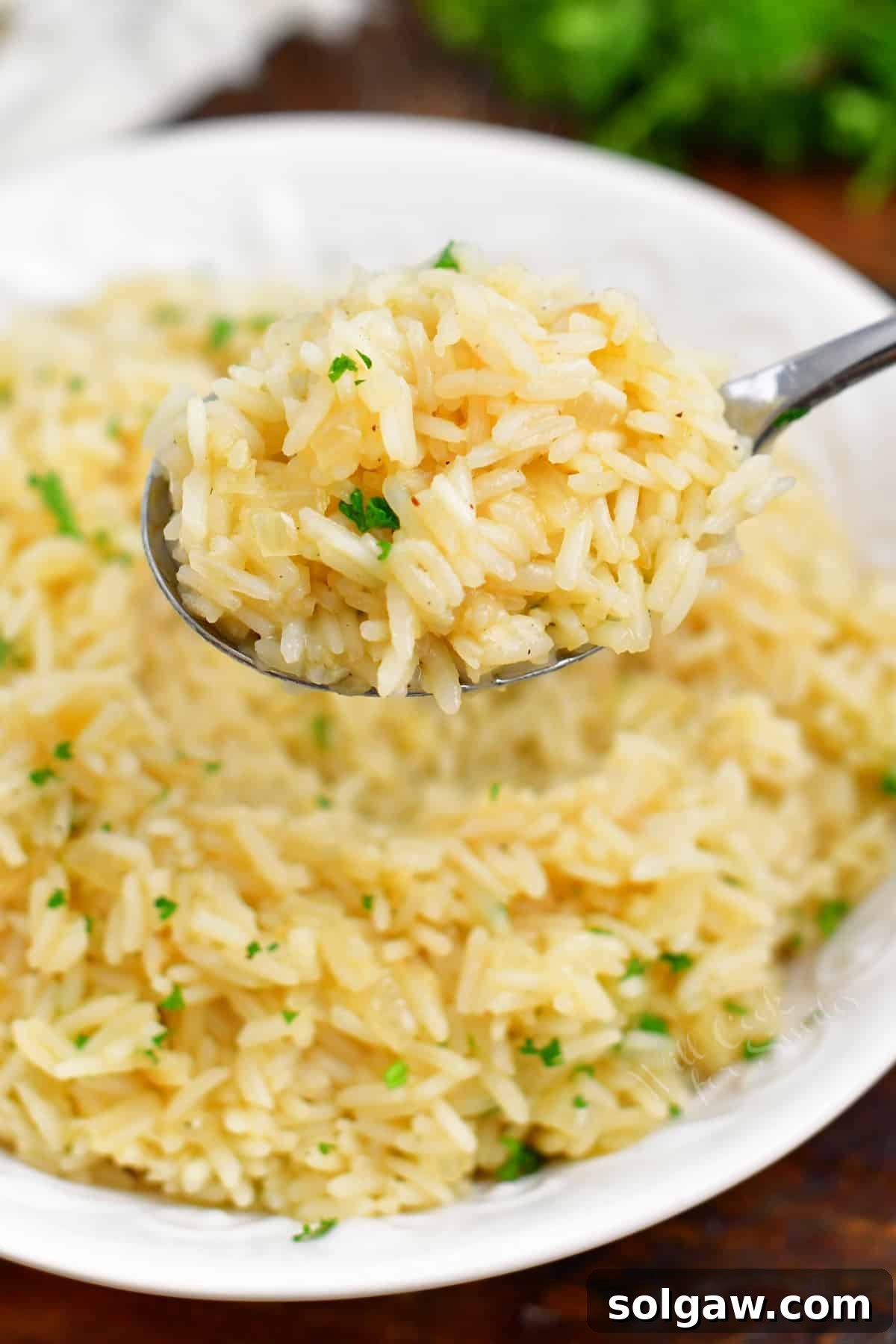
Explore More Irresistible Rice Side Dishes
If you’re a fan of flavorful rice dishes, you’re in good company! Beyond this classic pilaf, there are countless ways to enjoy rice as a spectacular side or even a main course. In our household, we particularly love creamy parmesan rice, and we also regularly enjoy these other delightful rice recipes:
- Coconut Rice – A rich and slightly sticky dish made with fragrant jasmine rice, unsweetened coconut cream, coconut water, and a refreshing hint of fresh lime. Perfect with Asian-inspired mains.
- Spanish Rice – This fluffy long grain rice is expertly browned and cooked in a savory, tomato-flavored broth, infused with diced tomatoes, onions, and garlic for a robust and vibrant side.
- Chicken Fried Rice – Skip the takeout and make this homemade version! It’s incredibly satisfying, packed with tender chicken, fresh vegetables, and savory seasonings.
- Khao Pad (Thai Fried Rice) – An amazing and easy Thai fried rice dish featuring jasmine rice, richly flavored with fragrant garlic, fresh ginger, umami-rich fish sauce, and oyster sauce for an authentic taste.
DID YOU MAKE THIS RECIPE? Please leave a 🌟 star rating! Let me know how you liked it by leaving a 📝 comment below or share and tag me on social media @willcookforsmiles. DON’T FORGET to subscribe to my newsletter!
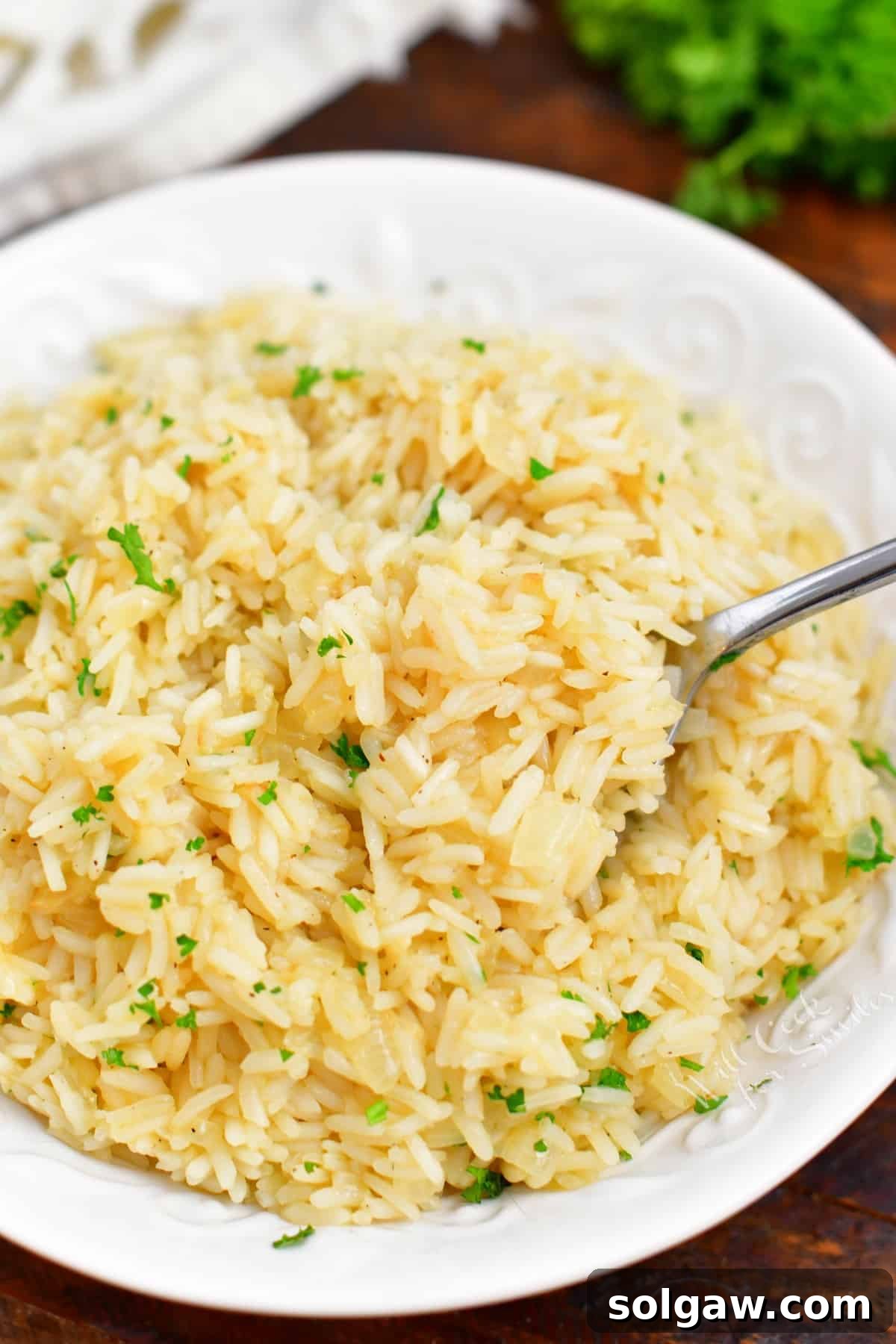
Classic Rice Pilaf Recipe
Print
Pin
Ingredients
- 3 tbsp unsalted butter
- 1/2 yellow onion diced
- 2 garlic cloves minced
- 1 cup long grain white rice
- 1 3/4 cups chicken or vegetables stock +1-2 tbsp more if needed
- 1 dried bay leaf
- 1 tsp coarse kosher or sea salt to taste
- 1/4 tsp black pepper to taste
Instructions
-
Prepare and measure all ingredients before starting to cook.
-
Combine stock with salt, pepper, and bay leaf and heat it up either in a separate sauce pot or in a microwave. Set aside.
-
You can use a cooking pan with a fitted lid, a small Dutch oven, or a sauce pot with a lid to prepare the rice.
-
Preheat the pot over medium heat and melt butter. Add diced onion and sauté until onion is softened and starts to brown.
-
Add minced garlic and sauté just until fragrant (about 30 seconds).
-
Stir in rice and let it sauté for a couple of minutes to toast the grains.
-
Pour in warmed stock mixture, stir just once or twice, cover the pot with a lid, and lower the heat to low.
-
Simmer rice for 17-18 minutes without lifting the lid.
-
Take the pot off heat and fluff the rice gently with a fork. Close the lid and let rice rest for about 5 minutes away from heat before serving.
Notes
- Storage: Store rice pilaf in an airtight container in the refrigerator for up to 3-4 days.
- Freezing: Freeze in portioned containers for up to 1 month. Thaw in the refrigerator before reheating.
- Reheating: Add a splash of water or broth to keep the rice from drying out. Reheat in the microwave (covered) or on the stovetop over medium-low heat until warmed through.
- Make it your own: Add vegetables like peas, carrots, mushrooms, or bell peppers. Mix in shredded chicken, sausage, or chickpeas for a heartier dish. Stir in toasted almonds or fresh herbs like parsley for extra flavor.
- Helpful tip: Fluff the rice with a fork before serving to keep it light and separate.