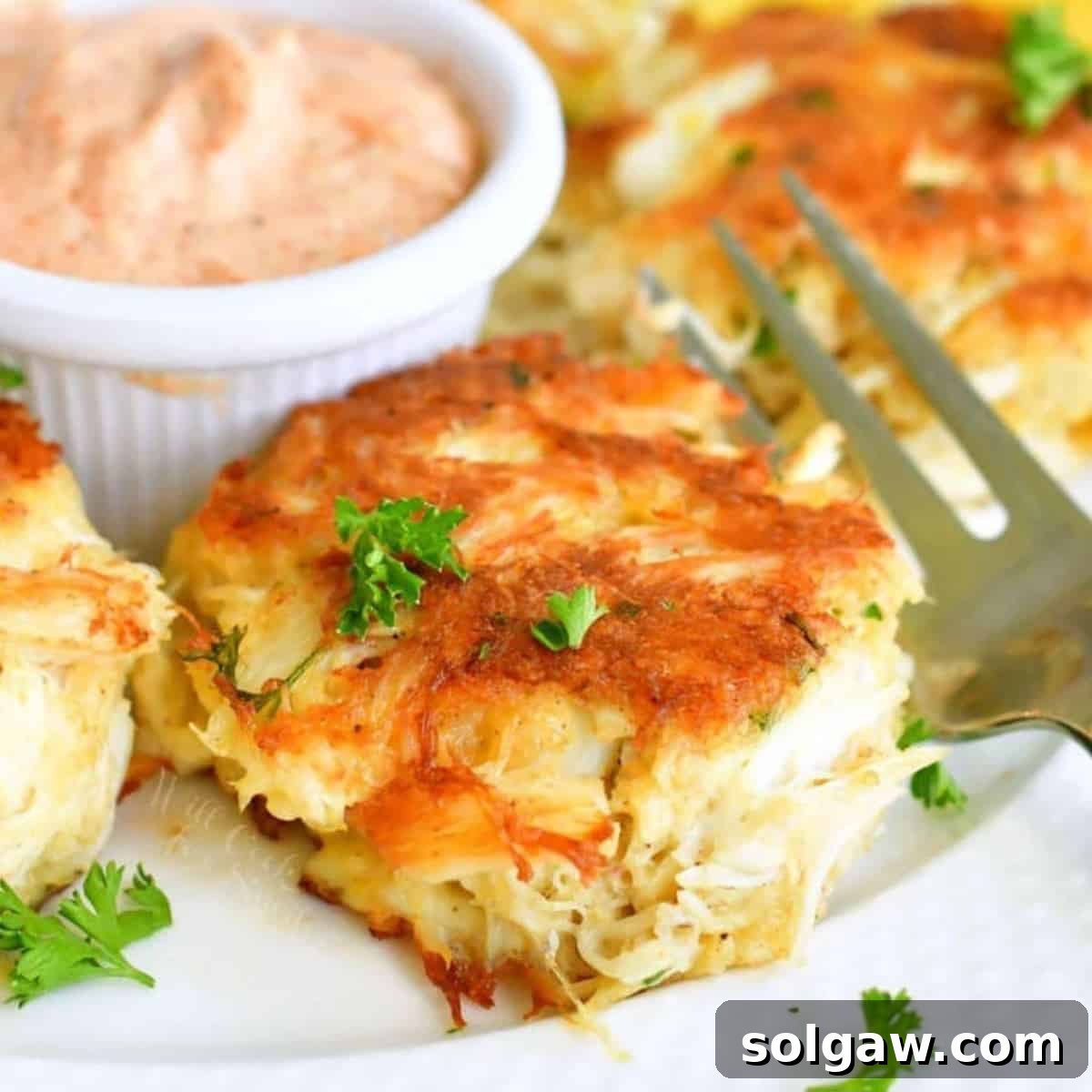
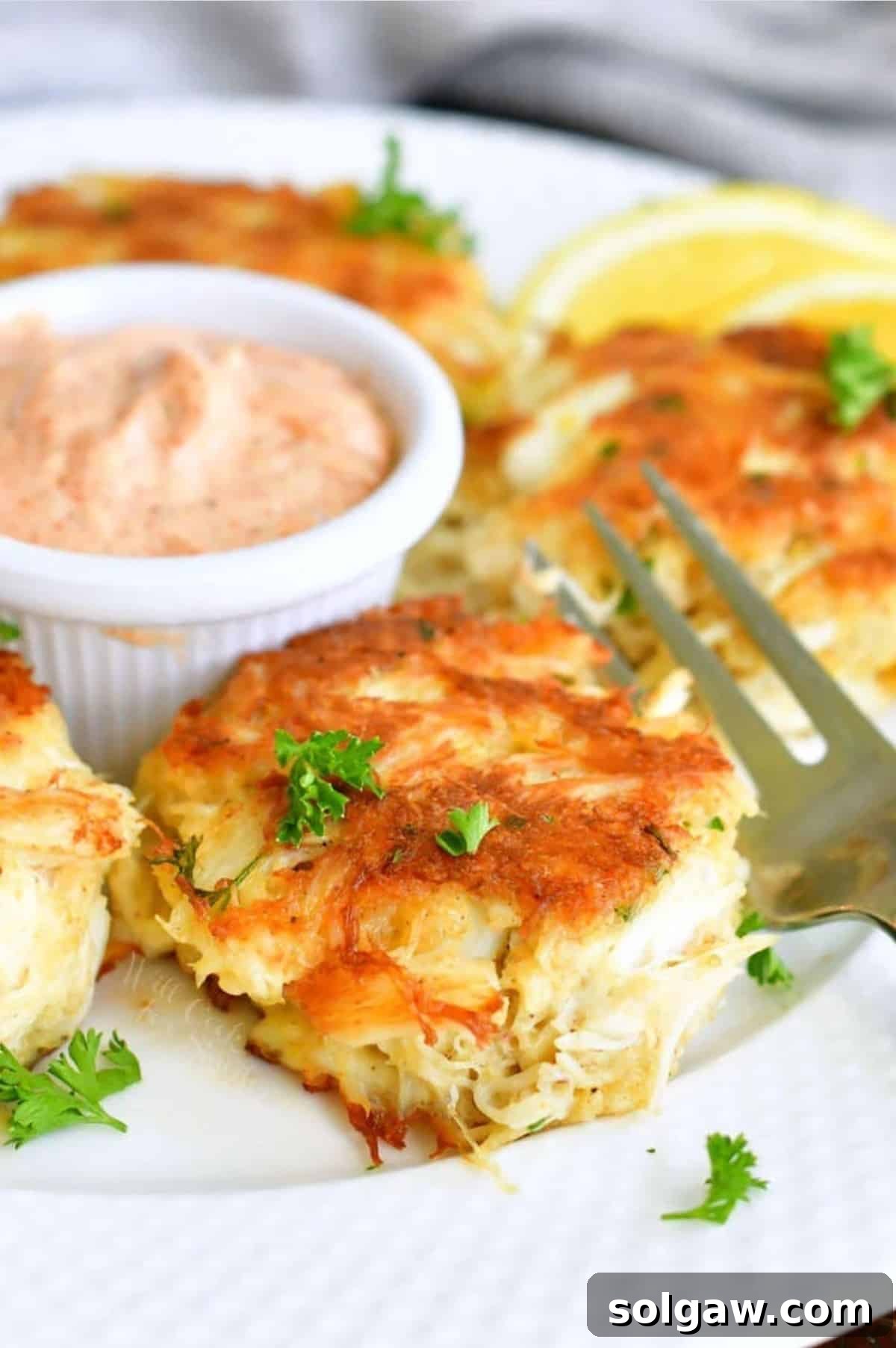
As a professionally trained chef, my culinary journey has always been driven by a passion for creating truly exceptional dishes. Among my absolute favorites, the humble crab cake holds a special place. For years, I found myself frequently disappointed by the offerings in restaurants – often overpriced and lacking that authentic, rich crab flavor I craved. This frustration sparked a mission: to develop a homemade crab cake recipe that is not only easy to prepare but also consistently delivers gourmet, restaurant-quality results right in your kitchen. This simple, stress-free recipe has been meticulously tested and refined to ensure each crab cake is perfectly golden and crispy on the outside, tender and flavorful on the inside, and most importantly, holds together beautifully without crumbling. Get ready to elevate your home dining experience with the best crab cakes you’ll ever make!
Featured Comment
“This was a terrific recipe—easy to make, great flavor. Everyone loved them and will make again. Thank you.” ~ Sash
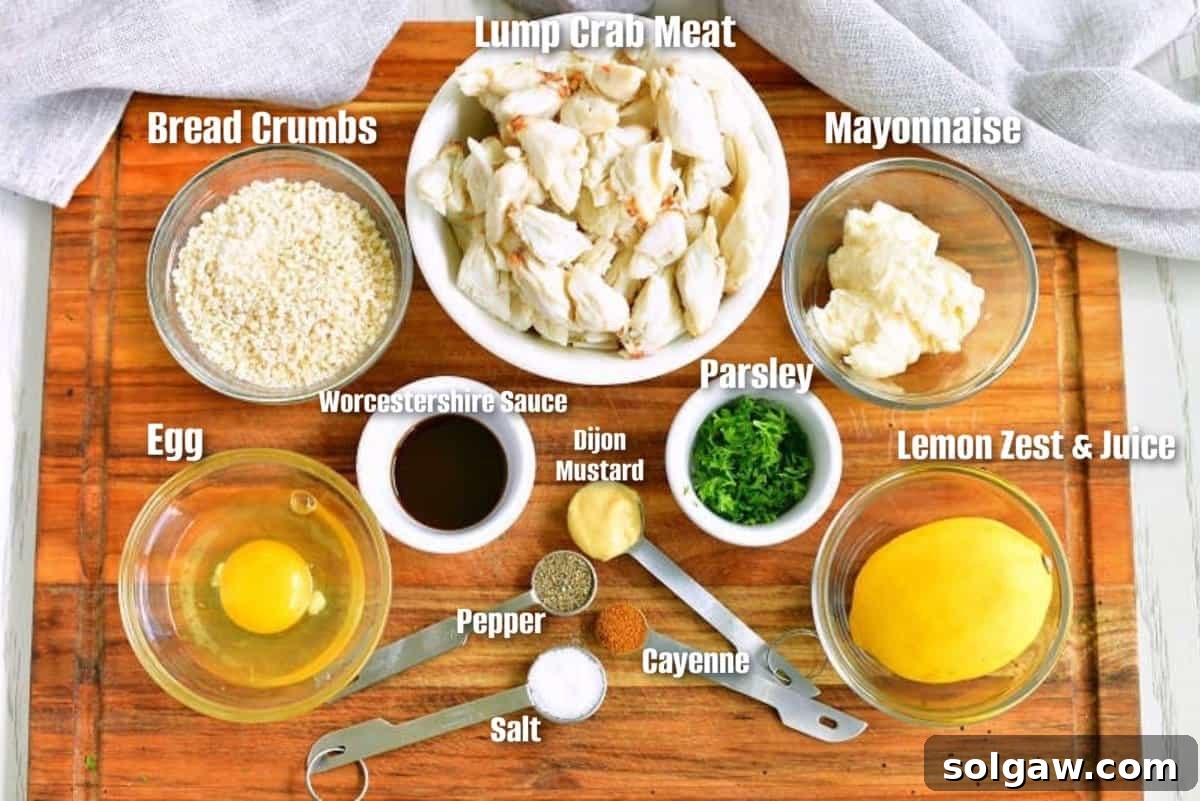
The Essence of Maryland-Style Crab Cakes: All About the Crab
The true secret to making exceptional crab cakes, especially those boasting an authentic Maryland style, lies unequivocally in the quality and type of crab meat you choose. This isn’t just a detail; it’s the foundation of the dish, dictating its texture, sweetness, and overall flavor profile. Prioritizing fresh, high-quality crab meat ensures that the delicate, natural taste of the sea shines through, making every bite a luxurious experience.
Jumbo Lump Crab: The Premier Choice
- For the ultimate crab cake experience, jumbo lump crab meat is the undisputed king. Sourced from the largest muscles of the crab, these impressive, whole lumps of white meat offer an unparalleled sweet, delicate flavor and a succulent texture. Using jumbo lump ensures your crab cakes are beautifully chunky and brimming with genuine crab goodness. While it is the most expensive option, the superior taste and texture are well worth the investment for a truly gourmet crab cake.
Backfin or Lump Crab: A Versatile Alternative
- Backfin crab meat is another excellent choice, providing a more budget-friendly option without sacrificing too much quality. This type is a delightful mix of smaller jumbo lump pieces and delicate flakes of special grade meat. Still white in color, backfin offers a lovely sweet flavor and a good texture that works wonderfully in crab cakes. It’s also incredibly versatile, performing beautifully in other crab-centric dishes like creamy crab dip or savory crab puffs.
Claw Meat: Best for Other Dishes
- While considerably more affordable, claw meat, with its darker hue and stronger, less sweet flavor, is generally not recommended for crab cakes. Its robust taste can easily overpower the delicate balance of a classic crab cake. Save this flavorful meat for heartier preparations such as rich soups, deeply savory dips, robust sauces, or hearty stews where its distinct character can truly shine.
Crab Meat to Avoid
- Imitation crab meat should be avoided entirely if you’re aiming for authentic crab cake flavor and texture. It lacks the natural sweetness and fibrous texture of real crab. Furthermore, canned crab meat that is not refrigerated is typically too watery and lacks the fresh taste essential for premium crab cakes. If canned is your only resort, opt for refrigerated canned crab found in the seafood section of your grocery store, as it generally retains more flavor and a better texture.
Crafting Flavor: Key Ingredients and Their Role
Each ingredient in this homemade crab cake recipe has been carefully selected to enhance the natural sweetness of the crab and contribute to a perfect texture without overpowering the main event. Minimal filler ensures maximum flavor, creating a harmonious blend that truly highlights the fresh crab.
The Perfect Binder: Panko Breadcrumbs
- Panko breadcrumbs are crucial for achieving the ideal texture. Unlike traditional breadcrumbs, Panko’s unique light and airy structure provides an effective binder that holds the crab cakes together without making them dense or heavy. This allows the crab meat to remain the star, ensuring a delicate and crisp exterior when cooked.
Zesty and Tangy: Dijon Mustard and Lemon
- Dijon mustard offers a sharp, complex, and intense flavor profile that is distinctly different from yellow mustard. It provides a subtle tang and depth that complements the crab beautifully. If Dijon is unavailable, whole grain mustard makes a good substitute, adding a similar complexity with a slightly different texture.
- Lemon zest and juice are indispensable for brightening the rich flavors of the crab and mayonnaise. The zest provides aromatic citrus notes, while the juice adds a crucial acidic lift, cutting through the richness and leaving a fresh, vibrant finish.
Richness and Structure: Mayonnaise and Egg
- Mayonnaise, being egg-based, serves as an excellent binder, contributing to the creamy texture and richness of the crab cake mixture. It works in tandem with the egg to keep everything perfectly cohesive. I advise against substituting with sour cream or yogurt, as they can alter the flavor profile and may not bind as effectively.
- Egg acts as a primary binding agent, ensuring the crab mixture holds its shape during cooking without the need for excessive filler. This allows the integrity of the crab meat to be preserved, preventing the cakes from falling apart.
Freshness & Heat: Herbs and Cayenne Pepper
- Fresh parsley introduces a bright, herbaceous, and aromatic note that beautifully complements seafood. While fresh is always preferred for its vibrant flavor, dried parsley can be used at half the quantity if fresh isn’t accessible.
- Cayenne pepper or hot sauce adds a gentle warmth and subtle kick that enhances the crab’s natural sweetness without overwhelming it. Start with a small pinch and adjust to your preferred level of heat, ensuring it remains a background note rather than a dominant flavor.
Gluten-Free Options
- For those requiring a gluten-free option, gluten-free breadcrumbs are an ideal substitute for Panko. Many brands offer a light, airy texture similar to Panko, ensuring your crab cakes maintain their perfect consistency. My personal favorite, 4C Bread Crumbs, works wonderfully for this purpose.
Can I add Old Bay Seasoning?
While Old Bay Seasoning is a classic choice for many seafood dishes, I intentionally omit it from my signature crab cake recipe. The reason is simple: Old Bay, while flavorful, can be quite potent and tends to mask the delicate, sweet nuances of fresh lump crab meat. When you’ve invested in high-quality crab, you want its natural flavor to be the star. However, if you’re a devout fan of that iconic seasoning, feel free to add a touch to your mixture – just be mindful not to let it overshadow the exquisite taste of the crab.
Elevate Your Meal with Homemade Remoulade Sauce
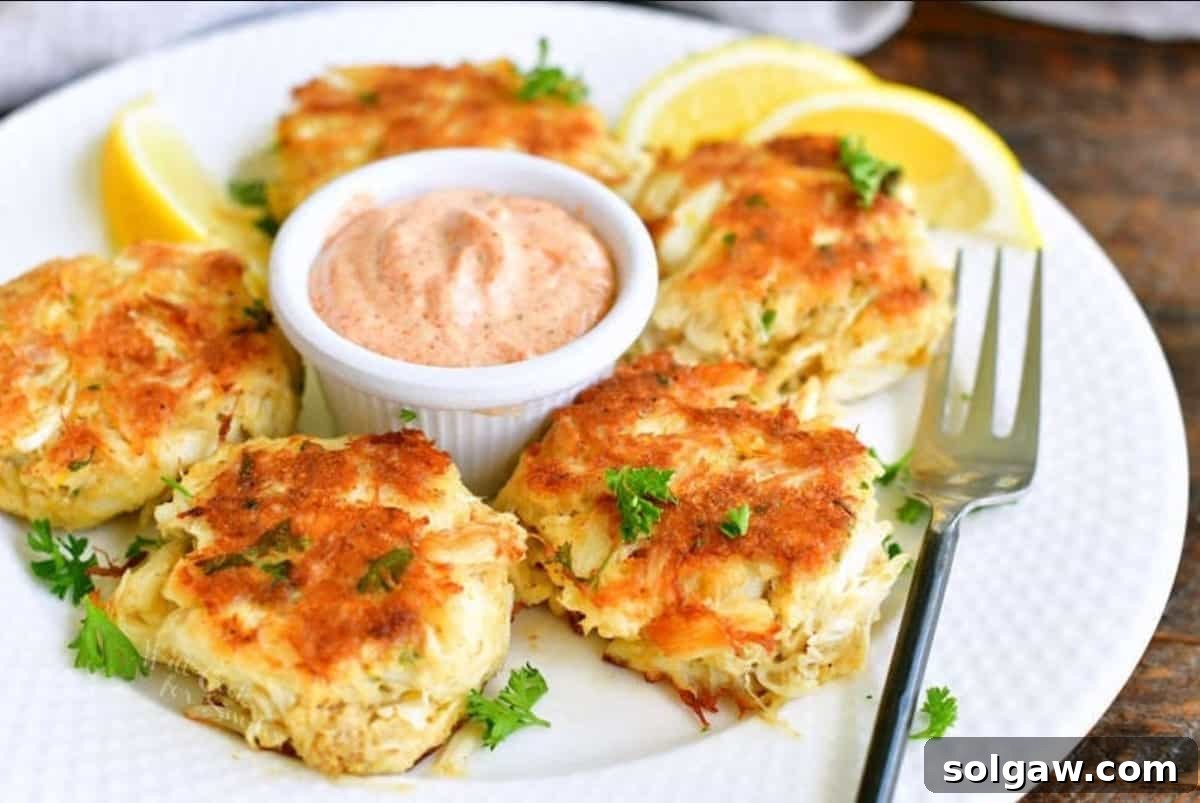
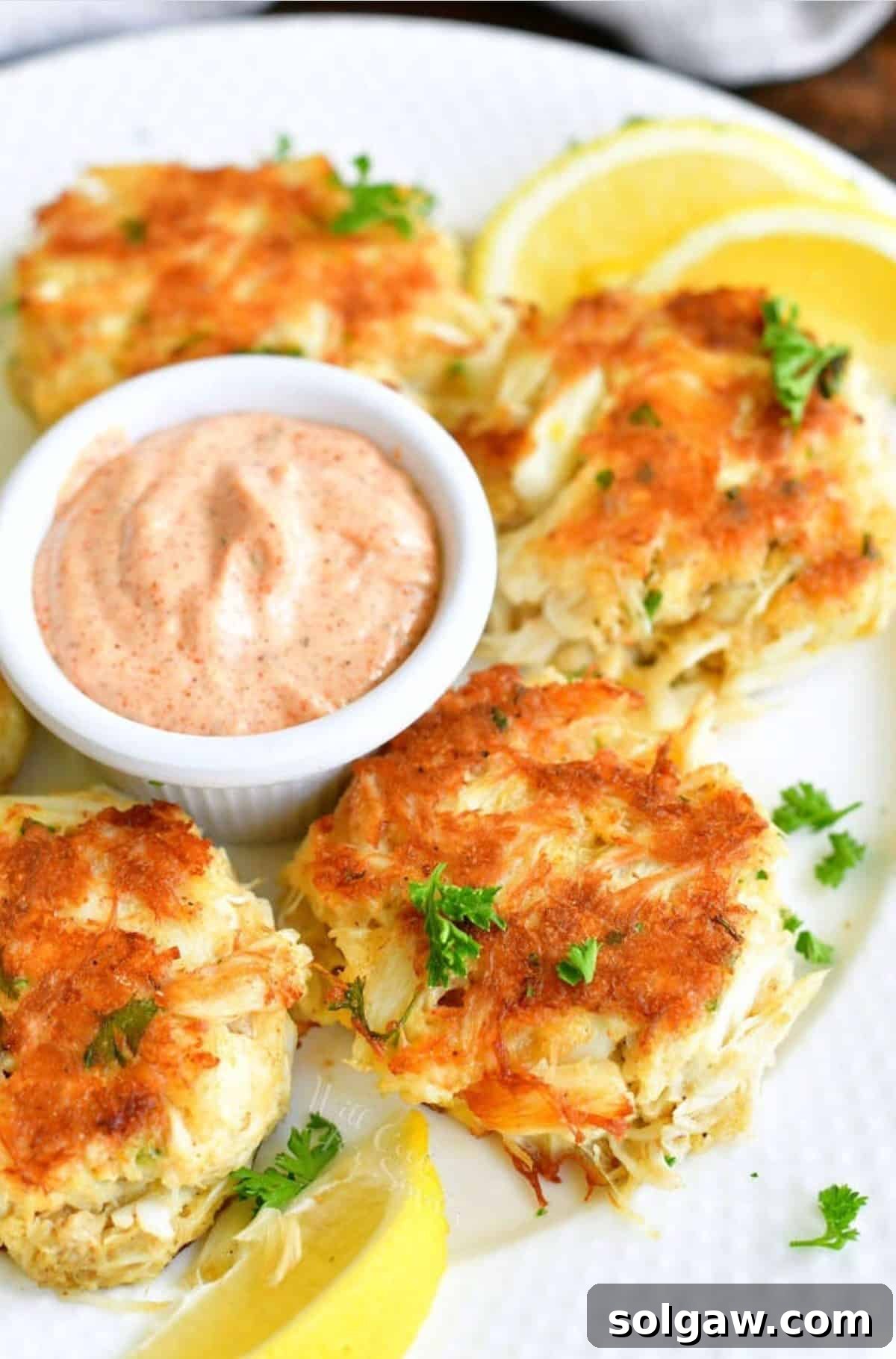
No crab cake experience is complete without the perfect accompanying sauce. This homemade remoulade is designed to be creamy, tangy, and subtly zesty, providing a beautiful counterpoint to the rich crab cakes without competing for attention. It’s incredibly easy to whisk together and truly elevates the dish.
Remoulade Ingredients Explained
- Mayonnaise: Forms the creamy, luxurious base of the sauce, providing richness and body.
- Spicy Mustard: (or gourmet mustard) Brings a smooth, sharp kick that awakens the palate.
- Whole-Grain Mustard: Adds a delightful textural element and a mild, earthy heat.
- Lemon Juice: Essential for balancing the creamy and spicy notes, infusing the sauce with a bright, refreshing tang.
- Garlic: Fresh minced garlic clove contributes depth of flavor and a subtle spicy bite.
- Capers: Provide a wonderful burst of briny, salty flavor that perfectly complements seafood and cuts through the richness of the base.
- Hot Sauce: A dash of hot sauce introduces a gentle acidity and heat, harmonizing all the flavors without making the sauce overtly spicy.
- Paprika: Rounds out the sauce with a subtle warmth, a hint of earthy sweetness, and a lovely color. Use sweet or classic paprika for best results.
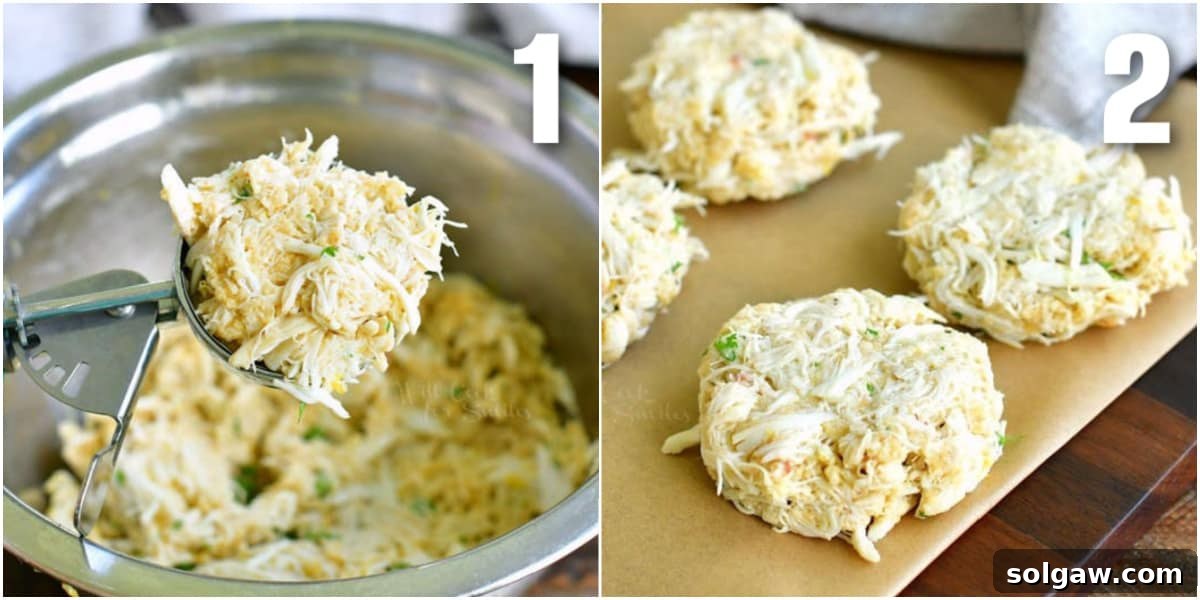
Mastering the Art: Tips & Tricks for Flawless Crab Cakes
Crafting perfect crab cakes requires a few simple yet crucial techniques that guarantee they remain intact, beautifully browned, and incredibly flavorful. Follow these expert tips for success every time.
Prepping Your Crab Meat
Sift Through The Crab Meat! This step is non-negotiable for an enjoyable eating experience. Carefully check every lump of crab meat by gently feeling for any stray shell fragments. You don’t need to break apart the delicate lumps of jumbo crab; just inspect around them. Finding a piece of shell in a crab cake can be a highly unpleasant surprise, so take your time with this important inspection.
Texture Tip: For an optimal texture that offers both tender flakes and substantial chunks, I recommend breaking up some of the larger crab lumps while leaving others whole. This creates a delightful contrast in every bite.
Shaping Your Crab Cakes for Success
When forming the crab cakes, I find that an ice cream scoop is an invaluable tool. It helps ensure consistent portion sizes, leading to even cooking. An average scoop typically yields crab cakes approximately 3 inches in diameter and about ¾ inch in thickness, an ideal size for a satisfying bite. When shaping the patties, avoid pressing them too tightly. Gentle pressure, just enough to form a cohesive patty, is all that’s needed. Over-compacting them can lead to a dense, rubbery texture. Once shaped, arrange all the patties on a parchment paper-lined baking sheet before moving to the next crucial step.
The Importance of Chilling
For best results, refrigerate! This is a critical step for preventing your crab cakes from falling apart during cooking. Cover the shaped crab cakes tightly and refrigerate for at least 30 minutes, or up to a couple of hours (even overnight if preparing ahead). The chilling process allows the binders (egg, mayonnaise, breadcrumbs) to set and the breadcrumbs to absorb moisture, which significantly firms up the patties and ensures they hold their shape beautifully in the pan.
Cooking Methods: Pan-Frying, Baking, and Air Frying
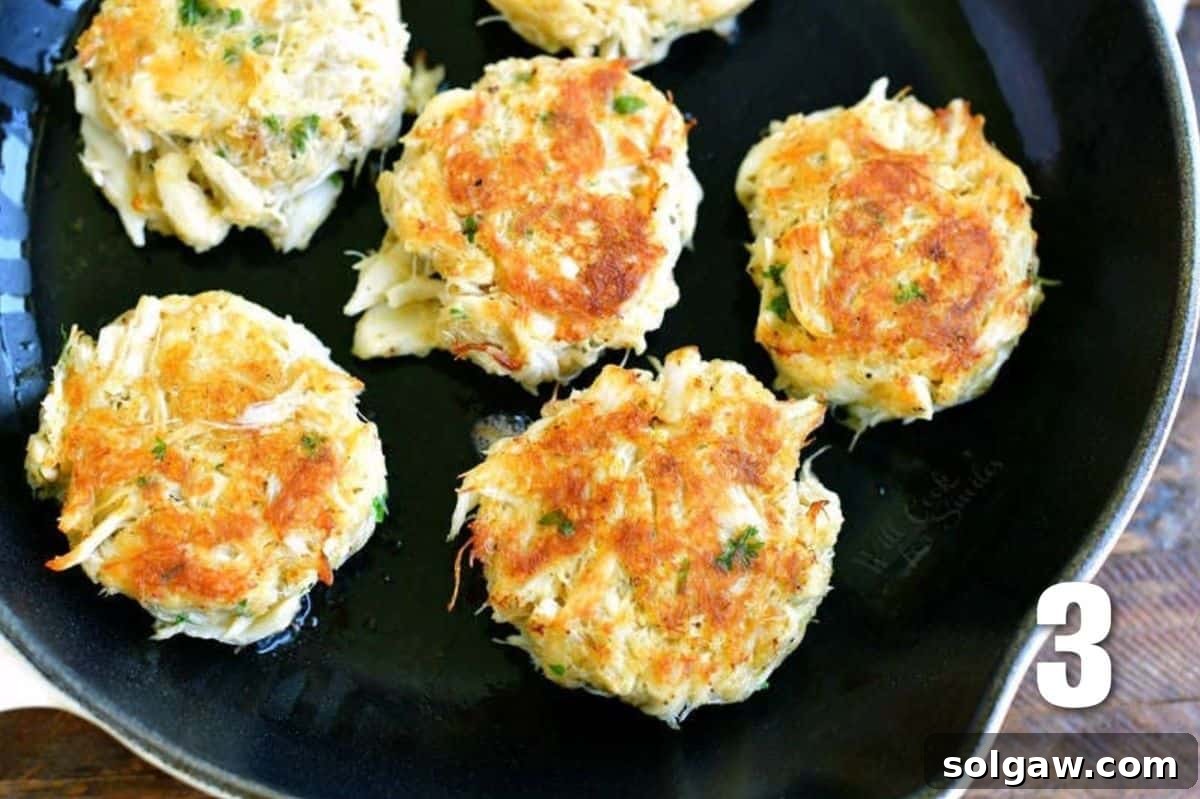
Pan-Frying for a Golden Crust: When cooking on the stovetop, avoid overcrowding the pan. Give each crab cake a little space to ensure proper browning and easier flipping. Preheat your pan over medium to medium-high heat, then add the oil. Let the oil get hot before placing the crab cakes. Once they are in the pan, resist the urge to move or adjust them until they are ready to flip. Less handling means less chance of breakage and a superior sear. Cook for about 4-5 minutes per side, until they are beautifully golden-brown with crispy edges and feel firm to the touch in the center.
Baking for a Lighter Option: If you prefer baked crab cakes, preheat your oven to 425°F (220°C). Place the chilled crab cakes on a parchment paper-lined baking sheet, ensuring some space between each. Bake for 15-20 minutes, or until they achieve a gorgeous golden-brown hue. For an even more golden and slightly crispier top, you can broil them for an additional 1-2 minutes, watching carefully to prevent burning.
Prepare Remoulade Ahead: For optimal flavor, make your homemade remoulade sauce ahead of time. This allows the ingredients to meld and marinate, developing a richer, more complex taste. You can also adjust the heat level by starting with a small amount of hot sauce and adding more to taste.
Storing and Reheating Your Delicious Leftovers
Proper storage and reheating are key to enjoying your crab cakes beyond the initial meal. With a few simple steps, you can savor these delectable treats for days or even transform them into new, exciting dishes.
Storing Cooked Crab Cakes: Once cooked, allow your crab cakes to cool completely to room temperature. Then, transfer them to an airtight food storage container and refrigerate promptly. When properly stored, cooked crab cakes will maintain their freshness and flavor for 3-4 days in the refrigerator.
Creative Leftover Ideas: Don’t let a single crab cake go to waste! Leftover crab cakes are incredibly versatile. Try crumbling them over a fresh green salad, like a crisp Caesar salad or a vibrant Greek salad, for an added layer of protein and flavor. Alternatively, gently incorporate the crumbled crab meat into a cheesy crab and artichoke dip for an easy and impressive appetizer the following day.
Reheating for Best Results: To bring your cooked crab cakes back to life, reheating them gently is crucial to preserve their texture and flavor.
- Stovetop: The best method is typically on the stovetop. Heat a cooking pan over medium to medium-low heat with a little oil or butter. Reheat the crab cakes for a couple of minutes on each side until warmed through and the exterior regains some crispness.
- Air Fryer: For a quick and crispy reheat, use your air fryer. Place crab cakes in a single layer in the basket and air fry at 350°F (175°C) for 2-3 minutes.
- Oven: You can also reheat them in the oven. Preheat to 350°F (175°C). Place the crab cakes on a baking sheet, covered with foil for the first 10 minutes to prevent drying, then uncover for an additional 2-3 minutes to crisp up the edges.
Planning Ahead: Making Crab Cakes in Advance
Prepping crab cakes ahead of time is a fantastic strategy for entertaining or for quick weeknight meals. You have two main options for storing uncooked crab cakes:
Refrigerator Storage for Uncooked Crab Cakes
You can prepare the crab cake mixture and shape the patties in advance. To store them in the refrigerator, line a large airtight food storage container with a sheet of wax or parchment paper. Place several shaped crab cakes in a single, even layer, ensuring they don’t touch. Add another layer of parchment paper on top and stack more crab cakes if needed. Seal the container tightly and refrigerate for 1-2 days before you plan to cook them. This allows the flavors to meld further and the binders to firm up, making them even more robust for cooking.
Freezing Uncooked Crab Cakes for Later
For longer storage, it’s always best to freeze crab cakes before cooking them. This preserves their fresh texture and prevents them from becoming mushy upon thawing. Prepare the crab cake mixture and shape the patties according to the recipe instructions. Place the raw patties on a parchment paper-lined cutting board or baking sheet, ensuring they are not touching. Freeze them for approximately 2 hours, or until solid. Once frozen, individually wrap each crab cake tightly in plastic wrap. Then, transfer the wrapped patties into a freezer-safe zip-top bag or an airtight freezer storage container. Don’t forget to label and date the container. Frozen uncooked crab cakes can be stored for 2-3 months, offering incredible convenience for future meals.
Cooking Frozen Crab Cakes
Cooking crab cakes directly from frozen is entirely possible and yields delicious results, though cooking times will be slightly longer. There’s no need to thaw them first for air frying or baking!
- Air Fryer: Place frozen crab cakes in the air fryer basket in a single layer, making sure they don’t overlap. For easier cleanup and to ensure even airflow, I highly recommend using special perforated air-fryer parchment paper liners that fit your basket. Lightly brush the frozen crab cakes with a little oil. Cook at 350°F (175°C) for 12-15 minutes, or until they are golden brown and an internal temperature of 165°F (74°C) is reached. (Note: Air fryer performance can vary, so adjust times as needed.) If you thaw them first, cook at 380°F (195°C) for 8-10 minutes.
- Baking: Preheat your oven to 400°F (200°C). Place the frozen crab cakes on a parchment paper-lined or well-greased baking sheet. Bake for about 14-15 minutes, then carefully flip each one. Continue baking for another 4-6 minutes, or until golden brown and cooked through. If thawed, bake for 8 minutes on one side and 3-4 minutes on the other.
- Stovetop: For pan-frying, I find it’s best to thaw the crab cakes first. Thaw them overnight in the refrigerator, then proceed to cook them on the stovetop as instructed in the main recipe, ensuring a beautiful sear and even cooking.
Common Questions & Answers (FAQs)
Can I use imitation crab in this recipe?
While my recipe is designed for fresh lump crab meat to achieve that authentic Maryland-style flavor, some readers have successfully tried it with imitation crab as a budget-friendly alternative. Keep in mind that imitation crab will significantly change the taste profile; its sweet, milder flavor will differ from the rich, delicate taste of classic lump crab cakes. The texture will also be different. If you choose to use it, ensure it’s well-drained and shredded for the best consistency.
Why do my crab cakes fall apart when flipping?
Crab cakes typically fall apart for a few common reasons. The most frequent culprits are insufficient binding, inadequate chilling time, or improper handling during cooking.
- Binding: Ensure you have enough binders like egg, mayonnaise, and Panko breadcrumbs in your mixture to hold everything together. This recipe is carefully balanced to provide just enough binder without masking the crab.
- Chilling: Letting the formed crab cakes chill in the refrigerator for at least 20-30 minutes (or longer) is crucial. This step allows the binders to set and the mixture to firm up, making the patties much more resilient when handled.
- Handling: Use a sturdy, thin-edged spatula for flipping. Ensure your pan is adequately preheated with enough oil (or is non-stick) to create a golden crust on the bottom. Once placed in the pan, resist the urge to move them until the first side is truly golden and a crust has formed. A confident, careful flip will prevent breakage.
Why did my crab cakes not brown properly?
If your crab cakes aren’t achieving that beautiful golden-brown crust, it usually points to an issue with heat or overcrowding.
- Pan Temperature: Make sure your pan is adequately preheated to medium to medium-high heat before adding the crab cakes. If the pan isn’t hot enough, the cakes will steam rather than sear, resulting in a pale exterior.
- Oil Quantity: Ensure there’s a sufficient amount of oil in the pan to create that desirable crisp surface. A thin layer is usually enough to coat the bottom of the pan evenly.
- Overcrowding: Avoid putting too many crab cakes in the pan at once. Overcrowding lowers the pan’s temperature and releases too much moisture, preventing proper browning. Cook in batches if necessary, giving each crab cake ample space to breathe and sear effectively. Always let the bottom develop a solid golden crust before attempting to flip for the best color and crunch.
The Perfect Pairing: What to Serve with Crab Cakes
Crab cakes are a star on their own, but pairing them with the right side dishes can transform your meal into a truly unforgettable dining experience. Here are some classic and creative options that beautifully complement the rich, delicate flavor of crab cakes:
- Fresh & Crisp Salads: Light, refreshing salads cut through the richness of the crab cakes. Consider a vibrant coleslaw, a zesty Caesar salad, or a refreshing creamy cucumber and tomato salad. A creamy corn salad also offers a delightful contrast in texture and sweetness.
- Garden Fresh Vegetables: Simple, well-prepared vegetables allow the crab cakes to shine. Try elegant haricot verts (French green beans), savory sautéed green beans with bacon and onions, or perfectly charred grilled corn on the cob.
- Comforting Starches: For a more substantial and comforting meal, starchy sides are always a hit. Fluffy mashed potatoes, a flavorful rice pilaf, or a bowl of creamy cheesy grits (for a delightful Southern-inspired touch) make excellent choices.
PIN THIS RECIPE FOR LATER
DID YOU MAKE THIS RECIPE? PLEASE leave a 🌟 star rating! Let me know how you liked it by leaving a 📝 comment below or share and tag me on social media @willcookforsmiles. DON’T FORGET to subscribe to my newsletter!
Crab Cakes Recipe
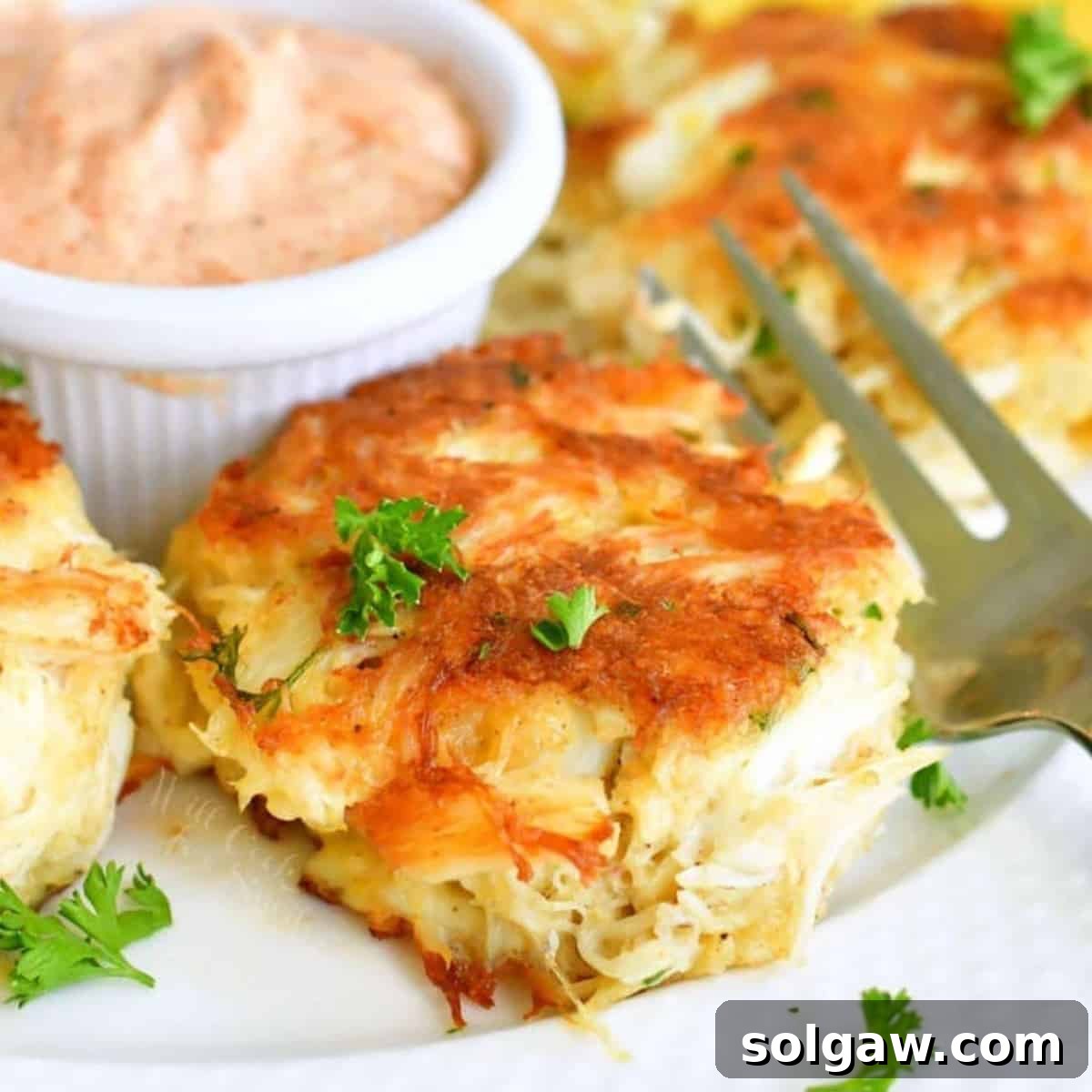
My crab cake recipe is a tribute to fresh crab meat, focusing on minimal filler and maximum flavor! Inspired by classic Maryland-style crab cakes, this dish features juicy jumbo lump crab meat, bright lemon, fresh parsley, and a hint of cayenne pepper for a subtle kick. These delectable crab cakes can be pan-fried in just 10 minutes (with a total prep and cook time of about 25 minutes) or easily baked. This recipe also includes instructions for a homemade remoulade sauce to complete your gourmet meal.
Average Rating: 4.96 from 23 votes
Print Recipe |
Pin Recipe |
Watch Video |
Rate This Recipe
Course: Appetizer, Dinner, Main Course | Cuisine: American, Mediterranean, Seafood | Diet: Gluten Free
Prep Time: 10 minutes | Cook Time: 15 minutes | Total Time: 25 minutes
Servings: 4 (makes 8-9 crab cakes)
Calories: 480 kcal | Author: Lyuba Brooke
Ingredients
For the Crab Cakes:
- 1 lb lump crab meat
- 1/2 cup Panko bread crumbs (use gluten-free if needed)
- 1 egg
- 3 tbsp mayonnaise
- 2 tsp Worcestershire sauce
- 1 tsp Dijon mustard
- 1 tbsp fresh minced parsley
- 1/2 lemon zest
- 1 small lemon – juice only
- 1 tsp salt
- 1/2 tsp black pepper
- 1/4 tsp cayenne pepper
- 2-3 tbsp canola oil (for cooking)
For the Remoulade Sauce:
- 1/2 cup mayonnaise
- 1 tbsp spicy mustard
- 2 tsp lemon juice
- 1 tsp pickle juice (preferably from sweet pickles)
- 1 tsp horseradish
- 1 garlic clove (minced)
- 2 tsp paprika
- 1 tsp Cajun seasoning
Instructions
Preparing the Crab Cake Mixture:
- Carefully check every lump of crab meat by gently feeling for any leftover shell fragments. You don’t need to break it apart, just inspect around the lumps.
- In a bowl, mix all ingredients for the crab cakes except the crab meat. Whisk well until combined.
- Add the crab meat to the mixture. Gently mix it, breaking up some of the lumps while leaving others in larger chunks for varied texture.
- Use an ice cream scoop to spoon out equal amounts of the crab mixture. Gently shape the patties, pressing just enough to form a cohesive patty without compacting them too tightly.
- Place all shaped patties on a parchment paper-lined baking sheet. Cover with plastic wrap or aluminum foil and refrigerate for 30 minutes to a couple of hours (or even overnight) to help firm up the binding and prevent the crab cakes from falling apart during cooking.
Cooking Crab Cakes (Pan-Frying Method):
- Preheat a large pan over medium to medium-high heat and add the canola oil.
- Let the oil heat up until hot. Carefully add the chilled crab cakes to the pan, ensuring not to overcrowd it. Leave a little space between each cake.
- Do not move the crab cakes after placing them in the pan until ready to flip. Cook for 4-5 minutes per side, until beautifully golden-brown with crispy edges.
- While the crab cakes cook, prepare the Remoulade sauce by mixing all its ingredients in a small bowl. Serve the sauce alongside the hot crab cakes. Alternatively, serve with tartar sauce or cocktail sauce.
Alternate Baking Method:
- Preheat the oven to 425℉ (220°C). Line a large baking sheet with parchment paper.
- Place the chilled crab cakes on the prepared baking sheet, leaving a little space between each one. Bake for 15-20 minutes, depending on thickness, until beautifully golden brown. For an even crispier top, you can broil for 1-2 minutes, watching carefully.
Alternate Air-Fryer Method:
- For best results and easier cleanup, consider lining your air fryer basket with specialized perforated parchment paper liners. Alternatively, grease the basket well before adding the crab cakes.
- Place crab cakes into the basket in a single layer, ensuring there’s a little space between each one. Cook at 375℉ (190°C) for 10-12 minutes, flipping them halfway through, until golden and cooked through.
Video
A video demonstrating the preparation of these delicious crab cakes will be shown here.
Notes
- Gluten Free: Gluten-free bread crumbs are a perfect substitution for Panko because they also tend to be light and airy in texture, ensuring the crab cakes maintain their ideal consistency.
- Storing Cooked Crab Cakes: Store any leftover cooked crab cakes in an airtight container in the refrigerator for up to 3-4 days.
- Freezing Uncooked Crab Cakes: It’s best to freeze crab cakes before cooking. Shape the patties as instructed and place them on a parchment paper-lined cutting board. Freeze for about 2 hours, or until solid. Once frozen, wrap each crab cake individually in plastic wrap. Then, place the wrapped patties into an airtight freezer bag or container, label, and freeze for up to 2-3 months.
Nutrition
Carbohydrates: 9g |
Protein: 24g |
Fat: 38g |
Saturated Fat: 6g |
Cholesterol: 105mg |
Sodium: 1955mg |
Potassium: 323mg |
Fiber: 1g |
Sugar: 2g |
Vitamin A: 1044IU |
Vitamin C: 15mg |
Calcium: 78mg |
Iron: 2mg
Mention @willcookforsmiles or tag #willcookforsmiles!
Beyond Crab Cakes: More Crab Recipes to Explore
If you’ve fallen in love with the luscious taste of crab, there’s a whole world of crab-infused dishes waiting to be discovered. Expand your culinary repertoire with these other irresistible recipes that truly celebrate the versatility of crab:
- For a quick, satisfying, and flavor-packed meal, try my Crab Fried Rice, an elevated take on a classic comfort food.
- When you’re craving something rich and comforting, a bowl of my incredibly decadent She-Crab Soup is an absolute must-try.
- As an elegant appetizer or a delightful side dish, these savory Crab Stuffed Mushrooms are always a crowd-pleaser.
- Indulge in the ultimate comfort food with my ultra-creamy Baked Crab Mac and Cheese, a truly luxurious twist on a beloved classic.
- Perfect for parties, special occasions, or just a delightful snack, my always-popular creamy Crab Puffs are light, airy, and bursting with flavor.
Originally published on Will Cook For Smiles in July 2020.