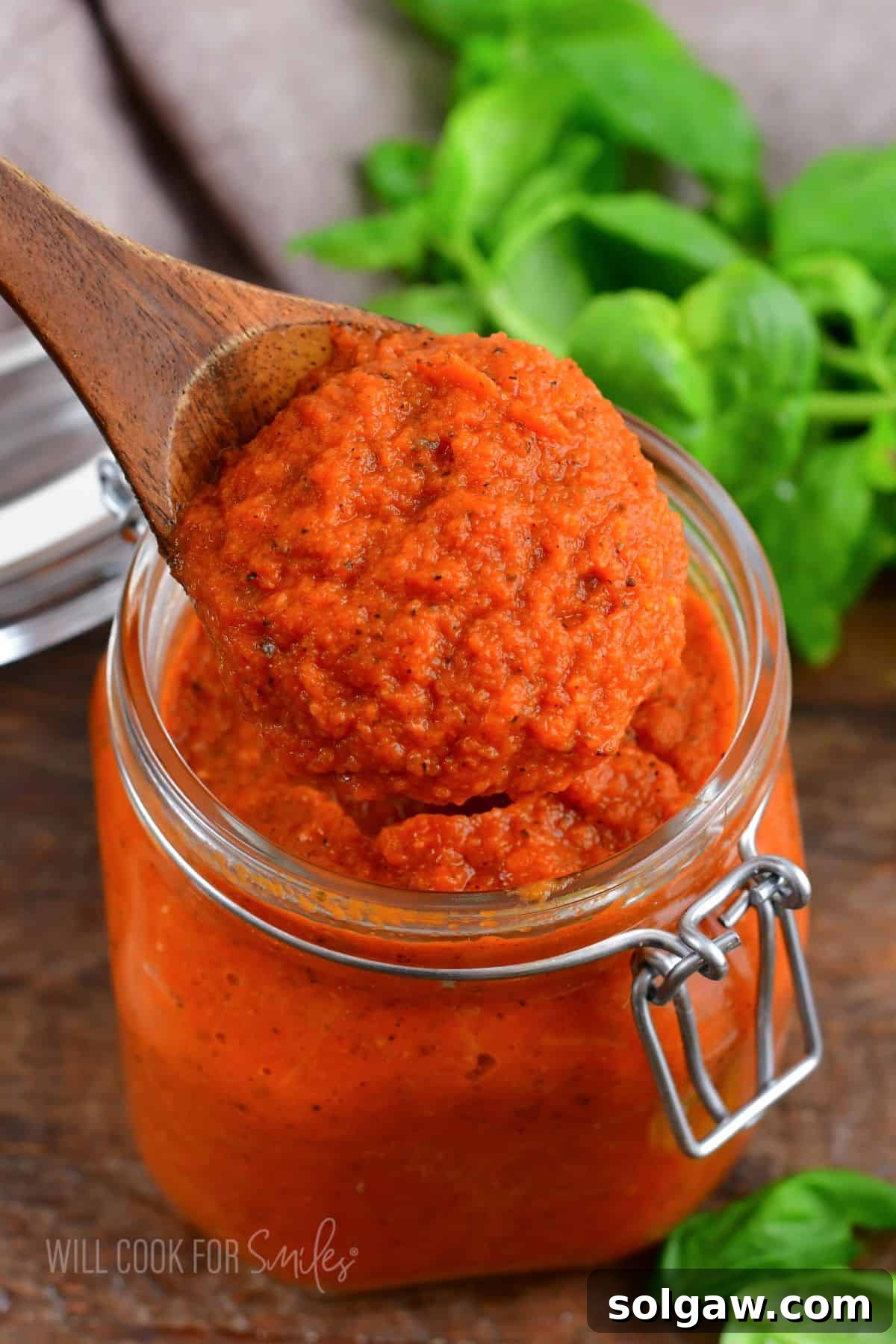
There’s nothing quite like a truly authentic and flavorful homemade spaghetti sauce to elevate any Italian dish. Forget the bland, overly acidic jars from the grocery store – this recipe for Homemade Spaghetti Sauce is a game-changer! Crafted with simple, fresh ingredients in just one pot, it promises a rich, deeply satisfying taste that’s incredibly easy to achieve. Whether you’re a seasoned chef or a beginner in the kitchen, this classic tomato sauce is designed to be both straightforward to prepare and incredibly versatile, allowing for easy modifications to suit any culinary creation.
For years, this has been my go-to tomato spaghetti sauce recipe, refined over countless batches to perfection. The secret to its widespread popularity isn’t just its incredible depth of flavor, but also its perfectly balanced acidity. Many people find traditional tomato sauces can be too sharp or acidic, causing discomfort. I’ve discovered a simple, natural method to keep those acidity levels pleasantly low without sacrificing any of the classic, robust flavors you expect from a premium Italian sauce. Once you taste the difference, you’ll wonder how you ever settled for anything else.
My unique approach relies on two incredibly simple yet powerful ingredients that expertly balance the inherent acidity of tomatoes: carrots and a subtle hint of sugar. Carrots provide natural sweetness and an earthy depth, while sugar rounds out the flavors, creating a harmonious and smooth sauce that is simply irresistible. This combination results in a remarkably delicious and comforting sauce that’s far superior to any store-bought alternative. The best part? It only takes about 10 minutes of active prep to toss everything into a pot, then just an hour of simmering to let the magic happen.
If you’ve previously shied away from making homemade spaghetti sauce due to concerns about high acidity, I wholeheartedly encourage you to try my recipe. It’s designed to deliver a wonderfully smooth and rich experience that will convert even the most skeptical palates. Prepare to fall in love with a spaghetti sauce so good, you’ll never want to go back to the jarred stuff!
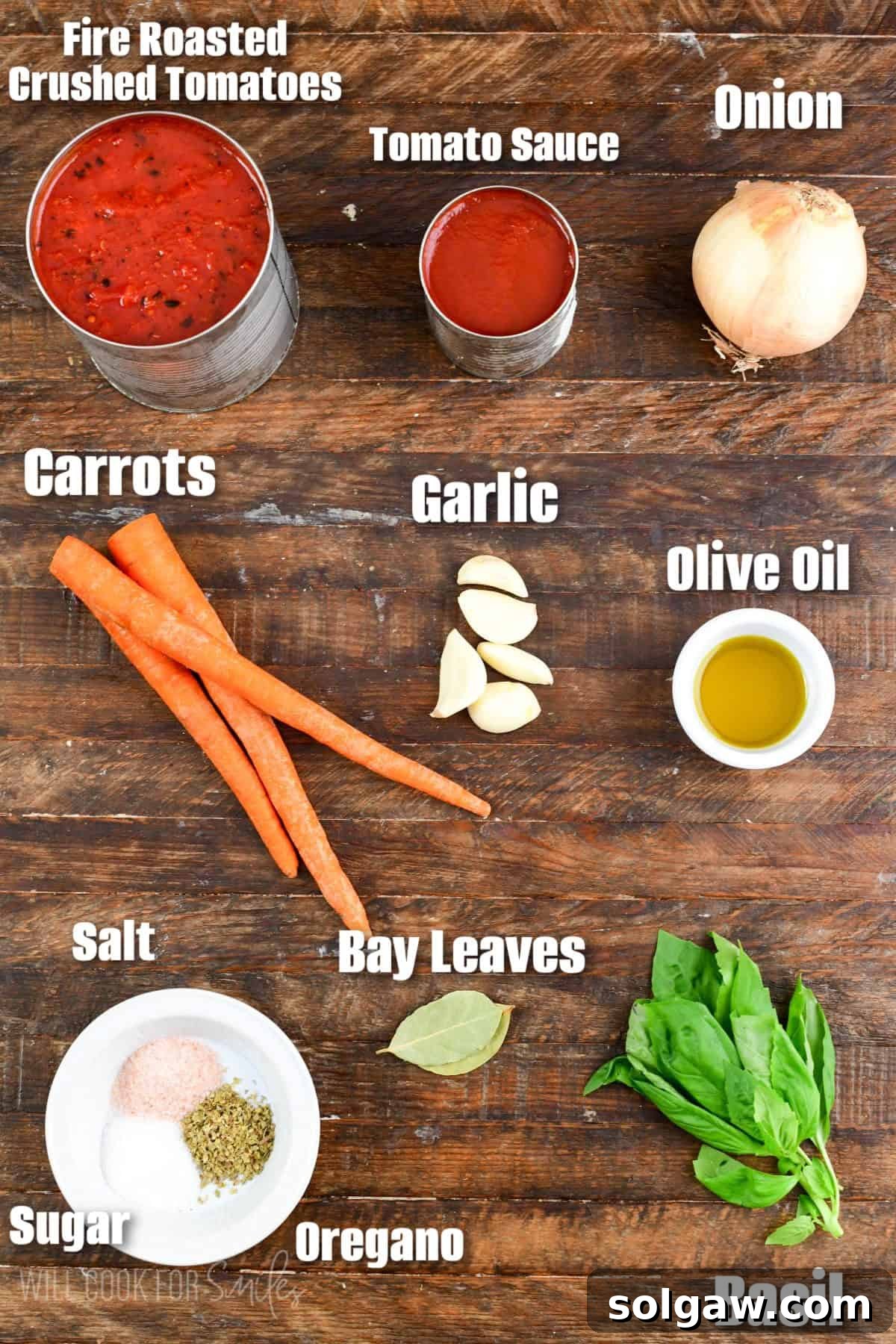
Key Ingredient Notes and Must-Haves for the Best Spaghetti Sauce
Achieving a truly exceptional homemade spaghetti sauce starts with selecting the right ingredients. Here’s a closer look at the essential components and why they are crucial for a perfectly balanced and flavorful sauce:
Carrots – These unassuming vegetables are your secret weapon for a low-acidity tomato sauce. Beyond adding essential vitamins and a subtle layer of complexity, carrots contribute a beautiful natural sweetness. As they slowly cook down with the tomatoes, their natural sugars caramelize, effectively neutralizing the tomatoes’ tartness. This not only balances the high acid but also enriches the overall flavor profile, adding a depth that feels both sophisticated and comforting. Plus, it’s a fantastic way to sneak more healthy vegetables into your family’s meals!
Garlic – For an authentic Italian flavor that truly shines, fresh garlic cloves are non-negotiable. While pre-minced garlic might seem convenient, it simply doesn’t compare to the pungent aroma and sharp taste of freshly crushed or minced cloves. I recommend using approximately 5-6 large cloves to strike the perfect balance, providing a robust garlicky foundation without overpowering the other ingredients. However, feel free to adjust this quantity based on your personal preference – some might prefer a milder hint, while others crave a bolder garlic presence.
Tomatoes – The heart of any great spaghetti sauce lies in its tomatoes. For this recipe, canned crushed tomatoes are the ideal choice. Specifically, I highly recommend using fire-roasted crushed tomatoes. These tomatoes offer a smoky depth and a slightly sweeter profile due to the roasting process, which significantly enhances the sauce’s complexity. If fire-roasted varieties are unavailable, plain crushed tomatoes are a good substitute, but always avoid those with added flavorings or herbs, as they can clash with the fresh herbs you’ll be adding. Quality here makes a noticeable difference.
Herbs – A blend of fresh and dried herbs is crucial for achieving that quintessential Italian aroma and taste. Fresh basil provides a vibrant, peppery sweetness, while dried oregano adds an earthy, slightly bitter undertone that is characteristic of Mediterranean cuisine. Dried bay leaves contribute a subtle, almost minty herbal note that slowly infuses into the sauce during simmering, adding an invaluable layer of flavor. Expert note: Pay attention to your bay leaves. If they appear large and bright green, they are generally less dried and more potent. In such cases, using just one leaf will suffice to prevent an overly strong herbal flavor.
Sugar – This is a critical ingredient for effectively balancing the sauce’s acidity. Just a small amount of granulated white sugar can transform a sharp tomato sauce into a mellow and rich one. Start with 1 to 2 teaspoons, tasting after each addition to reach your desired sweetness and balance. While white granulated sugar is preferred for its neutral flavor, you can experiment with raw sugar or turbinado sugar, though I haven’t tested these substitutes personally, so results may vary.
Olive Oil – Use a good quality extra virgin olive oil to sauté your aromatics. It provides a rich base flavor and helps to gently cook the vegetables, bringing out their natural sweetness.
Salt – Essential for seasoning and enhancing all the flavors in the sauce. Add to taste throughout the cooking process.
What Are The Best Tomatoes to Use for Spaghetti Sauce?
When it comes to crafting the absolute best spaghetti sauce, the choice of tomatoes is paramount. While there are many options, some stand out for their superior flavor and texture.
For an authentic and deeply flavorful sauce, fire-roasted canned crushed tomatoes are a top recommendation. The fire-roasting process imparts a subtle smoky note and a natural sweetness that elevates the entire sauce. This caramelization adds a layer of complexity that is hard to replicate otherwise.
However, the gold standard for Italian tomato sauces remains the San Marzano tomato. These plum tomatoes, traditionally grown in the volcanic soil near Mount Vesuvius in Italy, are renowned for their distinct sweetness, balanced acidity, and fewer seeds. They have a thicker flesh and a beautiful, vibrant red color, which contributes significantly to the sauce’s overall quality and appearance. Look for cans explicitly labeled “San Marzano” at your local grocery store – often they will carry a D.O.P. (Protected Designation of Origin) certification, guaranteeing their authenticity.
What about fresh tomatoes? While fresh tomatoes are wonderful for many culinary applications, traditional spaghetti sauce is fundamentally designed to be made with canned tomatoes, complemented by a medley of aromatics and herbs. Canned tomatoes are picked at their peak ripeness and processed immediately, locking in their intense flavor. Using fresh tomatoes, especially out of season, can result in a watery or less flavorful sauce. A sauce made primarily with fresh tomatoes is actually a different Italian classic known as Pomodoro Sauce. “Pomodoro” literally translates to “tomato” in Italian, giving this fresh, often lighter sauce its name. Both are delicious, but for a rich, slow-simmered spaghetti sauce, canned is truly the way to go.
How to Make the Best Homemade Spaghetti Sauce (Step-by-Step)
Making this incredible spaghetti sauce is surprisingly simple. It’s a straightforward, one-pot process that mostly involves chopping a few vegetables, combining ingredients, and letting it simmer to perfection. You truly can’t mess this up!
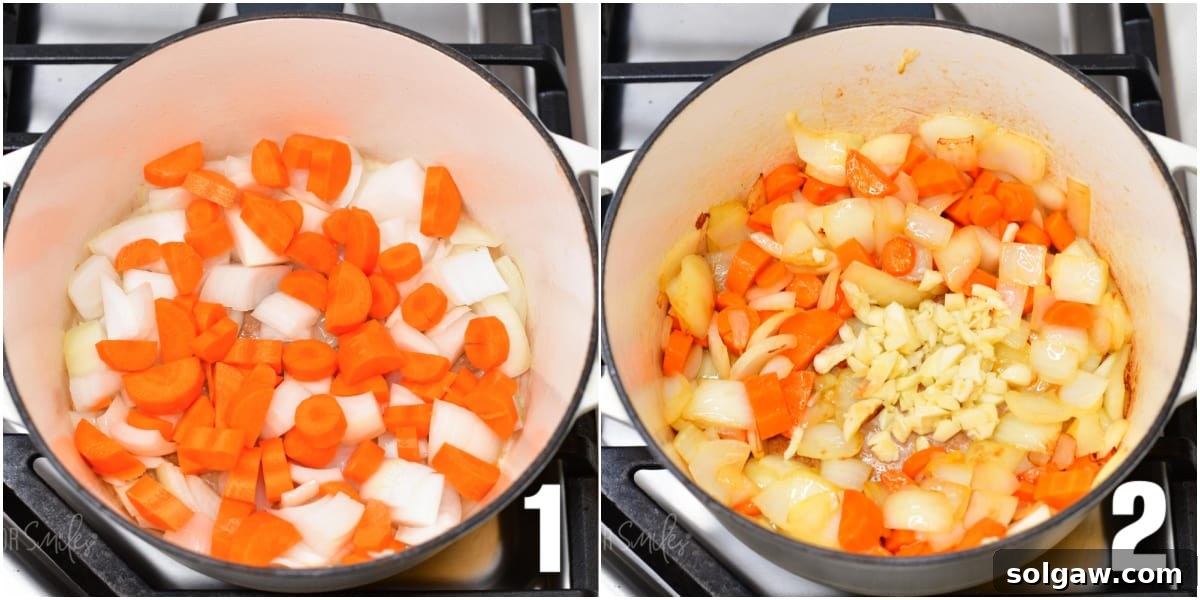
- Prepare Your Ingredients: Begin by washing and chopping your onions and carrots. Peel your garlic cloves and finely mince the fresh basil. Don’t stress too much about achieving perfectly uniform cuts for the onions and carrots, as the sauce will be blended to a smooth consistency later. This step focuses on getting everything ready to go into the pot.
- Sauté the Aromatics: Place a 3-quart heavy-bottomed pot or Dutch oven over medium heat. Once hot, add the olive oil. Add your chopped onions and carrots to the pot and sauté them for about 5-7 minutes. Stir occasionally until the onions become translucent and begin to soften. This gentle cooking allows their natural sugars to develop, building a foundational layer of flavor. Next, smash your peeled garlic cloves – this releases their aromatic oils – and add them to the pot with the softening vegetables.
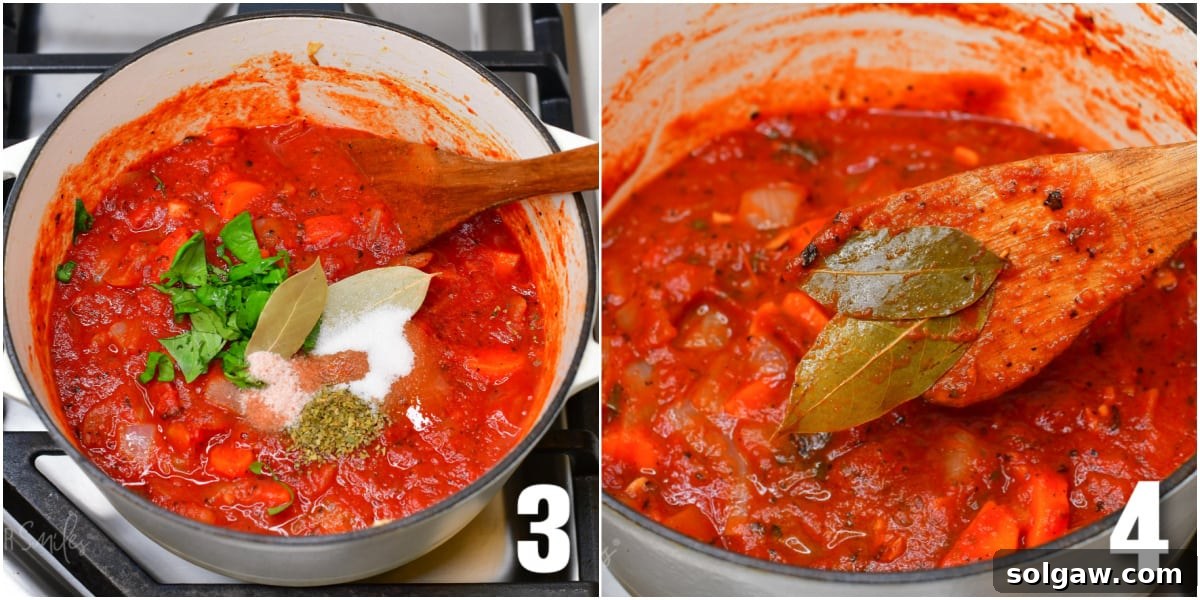
- Add Remaining Ingredients and Simmer: Continue to sauté the garlic for just another minute until it becomes fragrant – be careful not to burn it, as burnt garlic can taste bitter. Immediately pour in the entire can of crushed tomatoes (and the 8 oz can of tomato sauce if using, as per recipe card). Add the bay leaves, dried oregano, sugar, half of the minced fresh basil, and salt to taste. Stir everything thoroughly to combine. Cover the pot with a lid, but leave a small crack or slightly offset the lid to allow steam to escape. This helps the sauce to thicken and reduces excess moisture while preventing splatters.
- Continue Cooking and Prepare for Blending: Let the sauce simmer gently for about 30 minutes, allowing the flavors to meld. After this initial simmer, stir in the remaining fresh basil leaves. Continue to cook for another 30 minutes, or until the sauce has thickened to your desired consistency and the vegetables are very tender. The total cooking time will be around 1 hour to 1 hour 10 minutes. Before proceeding to the blending step, it’s absolutely crucial to remove and discard the bay leaves from the pot. They have imparted their flavor and are not meant to be consumed or blended into the sauce.
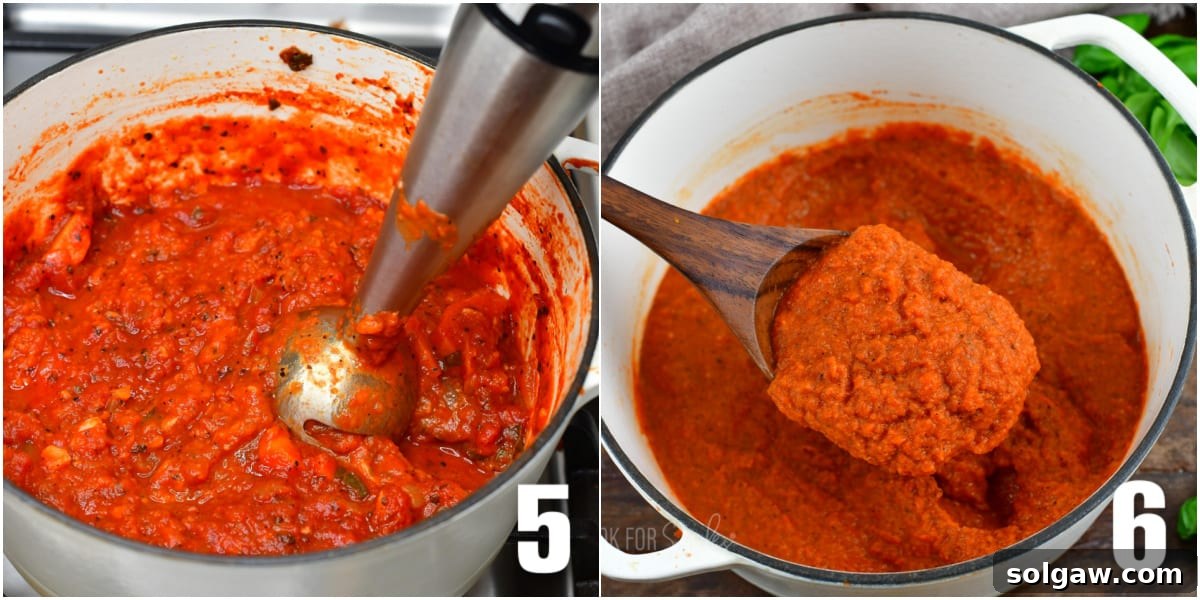
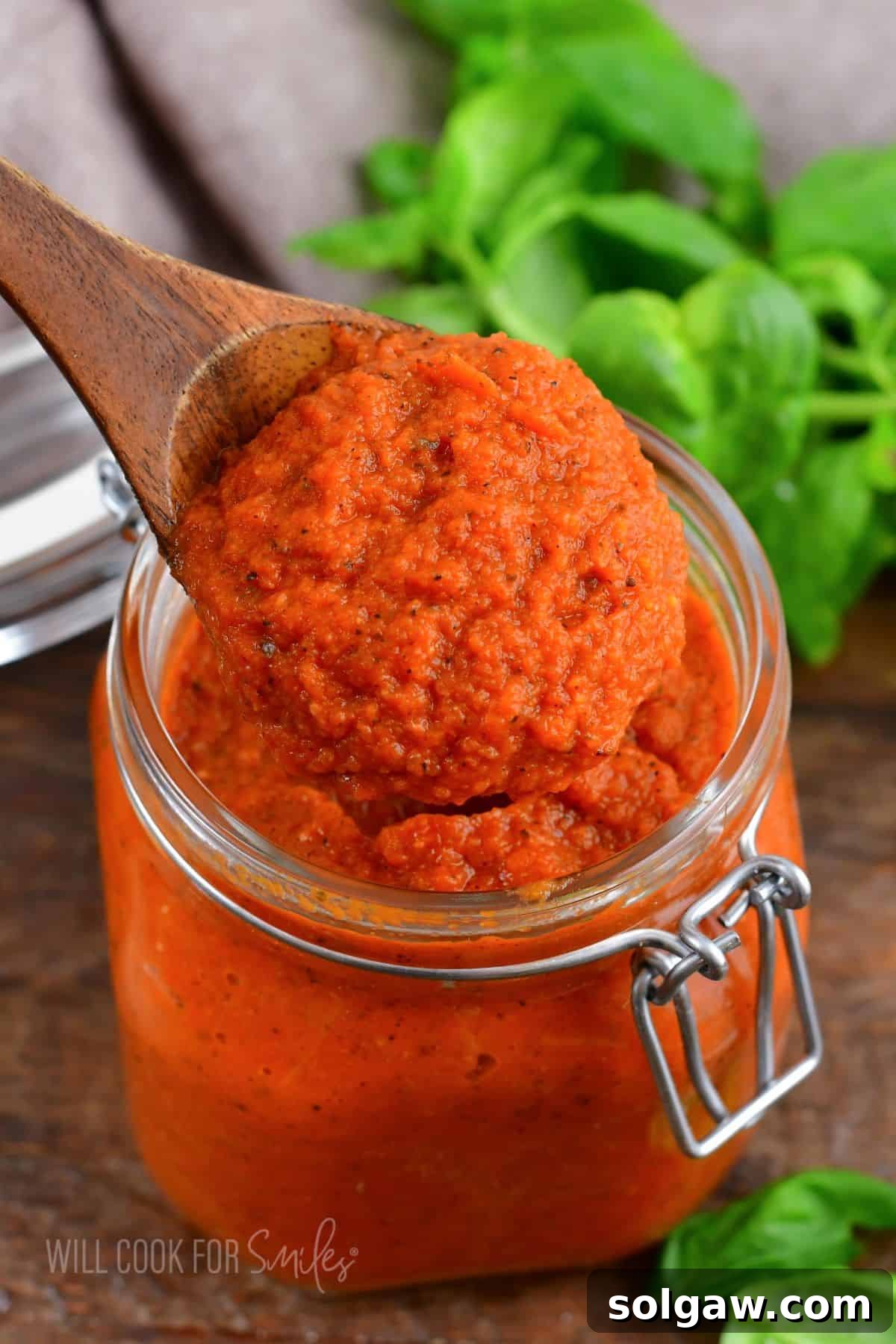
- Blend to Smooth Perfection: Once the bay leaves are removed and the sauce has cooked, it’s time to achieve that silky-smooth texture. You can either carefully transfer the hot sauce to a stand blender or, for ultimate convenience, use an immersion blender directly in the pot. If using a stand blender, ensure it is rated for hot liquids and do not fill it more than halfway. Always remove the small cap from the blender lid to allow steam to escape while blending, and hold the lid down firmly. Blend until the sauce is completely smooth, with no noticeable chunks of vegetables remaining. Be very cautious when blending hot liquids to prevent burns.
PRO TIP: When blending hot sauces, safety is key. If you are transferring the sauce to a standard blender, always verify that your blender model is safe for use with hot liquids, as steam can build pressure. Consider investing in a heavy-duty blender specifically designed for hot and cold ingredients, like the one I prefer to use: a hot and cold Blender.
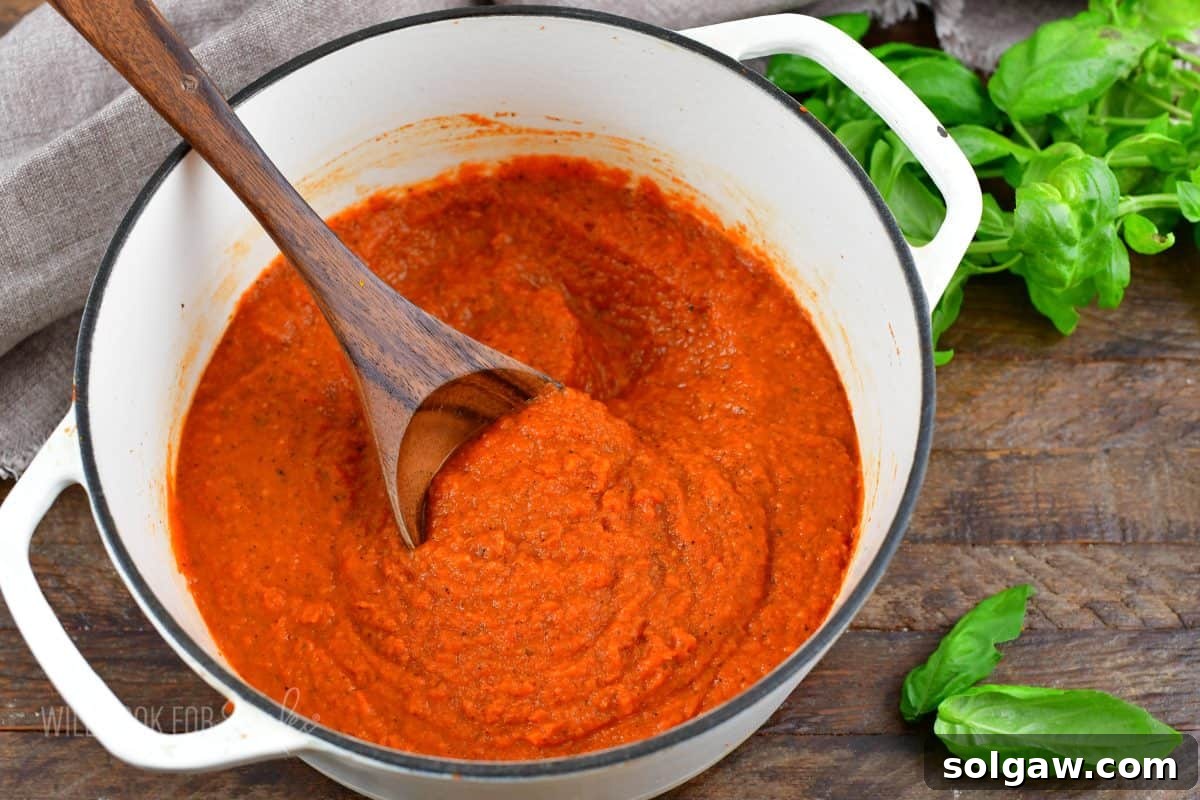
Versatile Ways to Enjoy Your Homemade Spaghetti Sauce
While the most obvious and undeniably delicious use for this rich, homemade spaghetti sauce is tossed with your favorite pasta for a classic dinner, its versatility extends far beyond that! This sauce is a fundamental building block in countless Italian-inspired dishes, transforming everyday meals into extraordinary culinary experiences. Here are some of the best ways to incorporate this flavorful sauce into your cooking:
- Classic Pasta Dishes: Serve it simply over spaghetti, linguine, or fettuccine for a satisfying meal. It’s also fantastic in baked pasta dishes like a hearty Instant Pot spaghetti dinner, making weeknight meals a breeze.
- Baked Pasta Favorites: Elevate your oven-baked creations! This sauce is the star of my favorite spaghetti and meatballs bake, creating an easy yet impressive dinner. It’s also indispensable for layering in traditional Italian comfort foods such as the ultimate lasagna, creamy manicotti, or savory stuffed shells recipe. Each bite bursts with homemade flavor.
- Hearty Sandwiches and Subs: Transform your sandwiches! Use this sauce generously to make mouth-watering meatball subs, or add a delicious Italian flair to dishes like a chicken parmesan burger. It’s even perfect for an Italian Sub, adding a gourmet touch.
- Main Courses: Impress everyone with homemade chicken Parmesan, where the sauce perfectly complements the crispy chicken. For a delectable meatless entrée, use it in the best eggplant Parmesan, creating a rich and satisfying vegetarian option.
As you can see, the culinary possibilities with this homemade spaghetti sauce are truly limitless. From quick weeknight dinners to elaborate holiday meals, this sauce provides a delicious foundation for creativity in the kitchen.
PRO TIP: This recipe yields a generous amount, typically around 4.5 to 5 cups of sauce. This quantity is generally sufficient for a standard 9×13 inch lasagna with a little extra leftover, making it perfect for preparing larger family meals.
Can I Make Homemade Spaghetti Sauce Ahead of Time?
Absolutely! One of the many advantages of making your own spaghetti sauce from scratch is its excellent meal-prep potential. Preparing the sauce in advance can be a huge time-saver, especially if you’re planning to make more elaborate dishes like Lasagna, Manicotti, or any other recipes that require a bit more assembly time. Having a batch of this flavorful sauce ready to go in the refrigerator or freezer will significantly streamline your cooking process.
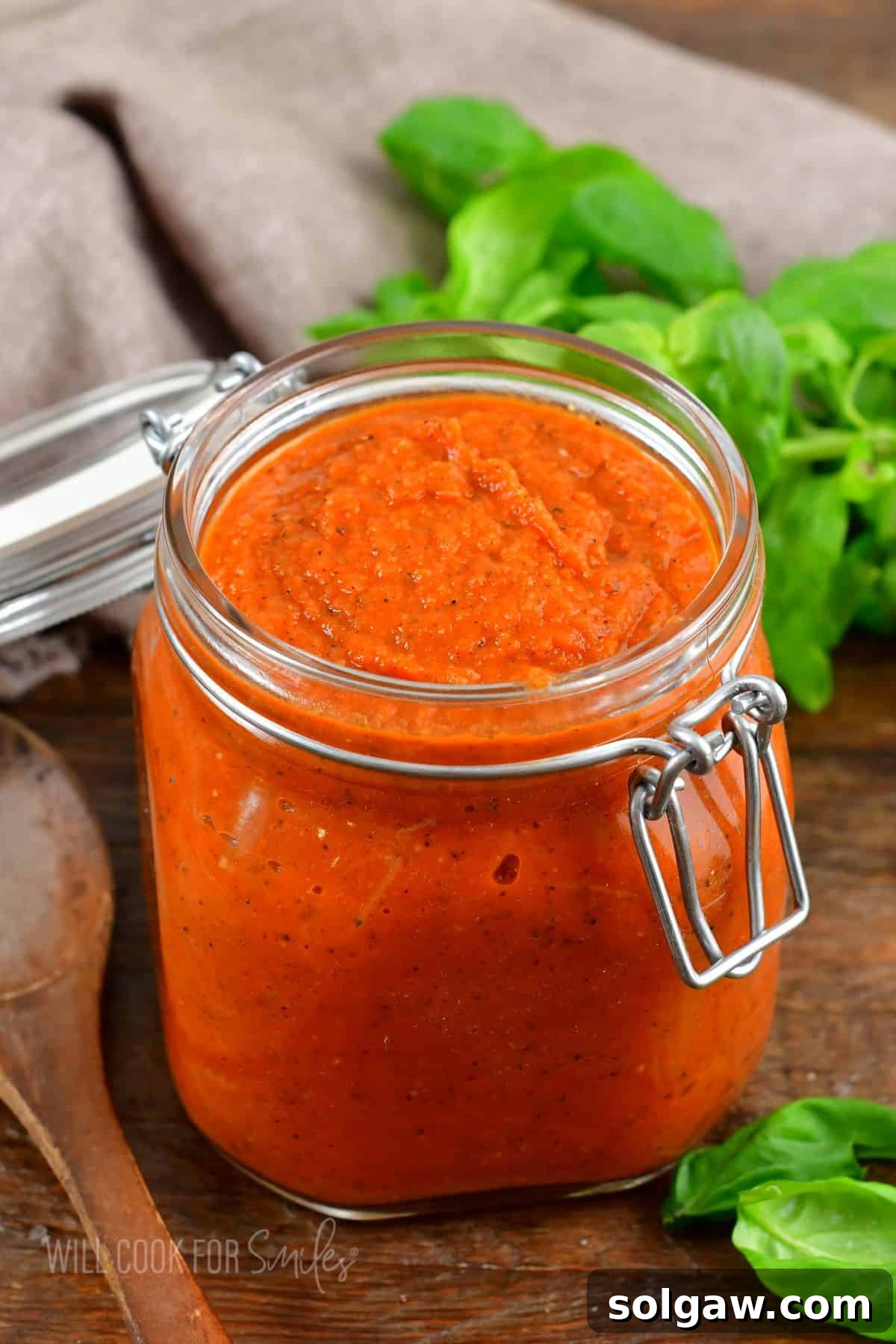
To make the sauce ahead of time, simply prepare it according to the recipe instructions. Once cooked, it’s crucial to cool the sauce down quickly to prevent bacterial growth and maintain its freshness. Once completely cooled, transfer it to a glass jar with an air-tight lid and store it in the refrigerator. Expert tip: When selecting a storage jar, I highly recommend using one with a coated lid. This prevents the sauce from coming into direct contact with metal, which can react with the acids in the tomatoes and potentially alter the flavor or even corrode the lid over time.
Making the sauce ahead not only saves time but often enhances the flavor, as the ingredients have more time to meld and deepen. It’s a smart strategy for efficient and delicious home cooking!
Delicious Variations to Try with Your Spaghetti Sauce
This homemade spaghetti sauce is wonderfully adaptable, serving as a perfect base for a variety of flavor profiles. Depending on the specific dish you plan to use it in, you can easily introduce different ingredients to customize its taste and texture. Here are some exciting variations to explore:
- Add More Cheeses: For an extra layer of savory richness and complexity, consider stirring in some grated or shredded cheeses. Fantastic options include Parmigiano-Reggiano for its salty, umami kick, sharp Asiago, nutty Pecorino Romano, or creamy Fontina. Add them towards the end of the cooking process or stir them into individual servings.
- Create an Easy Bolognese: Transform this basic tomato sauce into a hearty Bolognese with minimal effort. Simply cook about 1 pound of ground beef (or a mix of beef, pork, and veal) until thoroughly browned, draining any excess fat. Then, add this prepared spaghetti sauce to the cooked ground meat and simmer for a few minutes, allowing the flavors to combine. This makes for a incredibly robust and satisfying meat sauce. (For a deeper dive, learn more about authentic Bolognese sauce in my dedicated post)!
- Infuse with Roasted Garlic Flavor: For a milder, sweeter, and more complex garlic note, incorporate roasted garlic into your spaghetti sauce. Roasting garlic mellows its pungency and brings out a delightful sweetness. Simply smash the roasted cloves and stir them into the sauce before blending, or even after for a chunkier texture.
- Make it Spicy: If you enjoy a bit of heat, it’s easy to make this sauce spicy. Stir in a pinch or two of crushed red pepper flakes during the sautéing stage, or add some dried chili pepper powder. Start with a small amount and adjust to your personal spice tolerance, tasting as you go to achieve the perfect level of warmth.
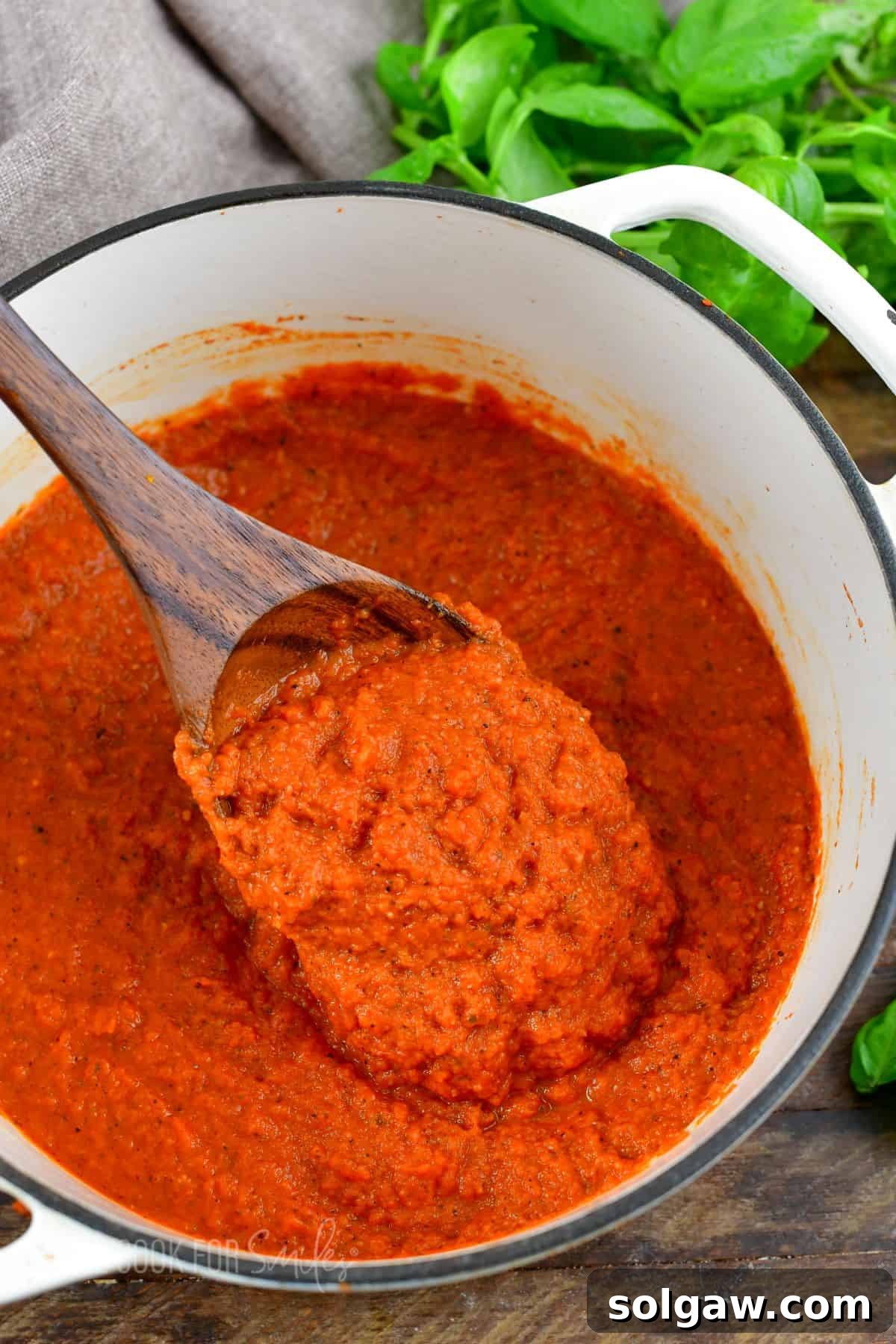
Storing Your Homemade Spaghetti Sauce
Proper storage is essential to maintain the freshness and quality of your homemade spaghetti sauce. If you’re not planning to use the sauce immediately, ensure it’s cooled down as quickly as possible before transferring it to the refrigerator. This minimizes the risk of bacterial growth and preserves its delicious flavor.
- For optimal results, expedite the cooling process by transferring the hot sauce to a shallow container or placing the pot in an ice bath. Once it reaches room temperature, it’s ready for refrigeration.
- Transfer the cooled sauce into clean, airtight glass jars. Stored properly in the refrigerator, the sauce will keep beautifully for 4 to 7 days. Ensure the lid creates a tight seal to prevent air exposure and maintain freshness.
- To further prolong freshness and prevent potential contamination, avoid dipping used utensils directly into the jar of sauce. Instead, pour out the desired serving portion. Using multiple smaller jars for storage can also be highly effective; this way, one jar can remain unopened and untouched while another is in active use.
Freezing Instructions for Long-Term Storage
This homemade spaghetti sauce is wonderfully freezer-friendly, making it an excellent candidate for batch cooking and meal prepping. Having portions of this delicious sauce stashed in your freezer means you’re always just a quick thaw away from a gourmet Italian meal.
- Prepare the spaghetti sauce according to the recipe instructions. Just as with refrigeration, the most important step before freezing is to cool the sauce down as quickly as possible. Rapid cooling helps to maintain the sauce’s quality and ensures food safety.
- To cool the sauce quickly and safely, an ice bath is an incredibly effective method. Fill a larger bowl or sink with ice and a little water, then place your pot of sauce into it, stirring occasionally until cooled.
- Once the sauce has completely cooled, portion it into freezer-safe zip-top bags or rigid freezer containers. If using bags, squeeze out all excess air before sealing them tightly. For containers, ensure there’s about an inch of headspace to allow for expansion during freezing.
- Label each bag or container with the contents (“Homemade Spaghetti Sauce”) and the date it was prepared. This helps you keep track of freshness.
- For bags, lay them flat on a baking sheet or cutting board in the freezer until they are solid. Once frozen, you can remove the board and stack the flat bags, which saves significant freezer space. The sauce can be safely frozen for up to 3 months for best quality.
- To thaw, simply transfer a frozen portion to the refrigerator overnight, or use the defrost setting on your microwave. For quicker thawing, you can place a sealed bag of frozen sauce under cold running water. Reheat gently on the stovetop over medium-low heat, stirring occasionally.
PIN THIS RECIPE FOR LATER
DID YOU MAKE THIS RECIPE? Please leave a 🌟 star rating! Let me know how you liked it by leaving a 📝 comment below or share and tag me on social media @willcookforsmiles. DON’T FORGET to subscribe to my newsletter!
Spaghetti Sauce Recipe
Spaghetti Sauce is a beloved staple in nearly every household. This classic pasta sauce is incredibly easy to prepare at home using crushed canned tomatoes, onions, carrots, garlic, and a blend of aromatic herbs. It’s simple, deeply comforting, and tastes significantly better than any store-bought alternative!
Print Recipe
Course: Main Course
Cuisine: Italian
Diet: Gluten Free
Prep Time: 10 minutes
Cook Time: 1 hour 10 minutes
Total Time: 1 hour 20 minutes
Servings: 10 (makes 4.5-5 cups)
Calories: 96kcal
Author: Lyuba Brooke
Ingredients
- 3 tbsp olive oil
- 1 large Vidalia onion
- 6 oz carrots (2-3 small carrots)
- 1 oz garlic cloves (5-6 large garlic cloves)
- 28 oz can crushed tomatoes
- 8 oz tomato sauce
- 1/4 cup minced fresh basil
- 1 tsp oregano
- 2 tsp white granulated sugar (a little more if needed to taste)
- 2 bay leaves
- Salt to taste
Instructions
- Chop onions and carrots, peel garlic, and mince basil. (Don’t worry about the exact size of the cut since the sauce will be blended.)
- Preheat a 3-quart Dutch oven over medium heat and add olive oil.
- Add onions and carrots to the pot. Saute for a few minutes until onion begins to soften.
- Smash garlic and add it to the pot. Saute until fragrant and add tomatoes.
- Add bay leaves, oregano, sugar, and salt. Stir well, cover with a lid but leave a crack for steam to escape.
- Cook for about 30 minutes and add minced basil leaves. Stir and cook for another 30 minutes or so.
- Before blending the sauce, make sure to remove the bay leaves.
- Blend sauce in the blender (or using an immersion blender) until smooth. Make sure to open the little tab so the steam can escape while blending. (Be careful, you are dealing with scalding-hot sauce. Make sure to use a blender that is meant for hot foods as well.)
- If not using right away, keep in the refrigerator, in a glass jar with a lid for 4-7 days.
- (Check the post for storing and freezing instructions.)
Video
Watch the step-by-step video for making this delicious spaghetti sauce!
Notes
- Storing: Store spaghetti sauce in a glass jar (or two jars) with a lid for 4-7 days. Keep it in the refrigerator.
- Reheating: You can reheat individual portions in a microwave for about 30 seconds at a time, stirring in between. If you want to reheat all the sauce at the same time, do so in the sauce pot over medium-low heat. Keep the sauce pot covered with a lid to help with splatter. Remember, you can always mix in some cold sauce with hot pasta to cool down the pasta and heat up the sauce at the same time.
- Freezing: Portion cooled sauce into zip-top bags, lay flat and freeze. Stack the bags once frozen and keep in the freezer for up to 3 months.
Nutrition
Mention @willcookforsmiles or tag #willcookforsmiles!
More Delicious Sauce Recipes to Try
- Instant Pot Spaghetti Sauce
- Homemade Marinara Sauce
- Homemade Basil and Roasted Garlic Baked Penne
- Mushroom Sauce
- Homemade Alfredo Sauce
- Vodka Sauce
Originally published on Will Cook For Smiles in September, 2018.