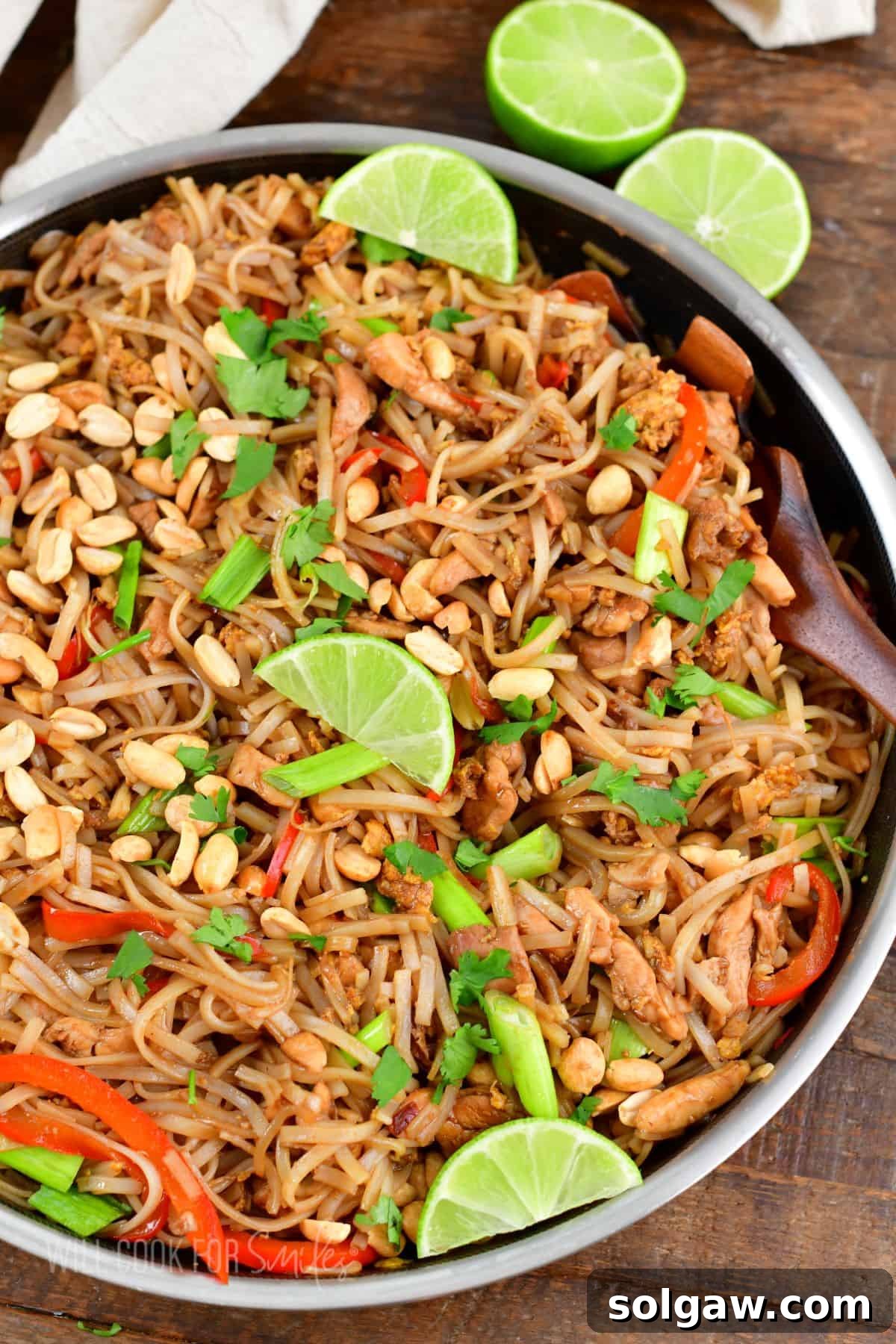
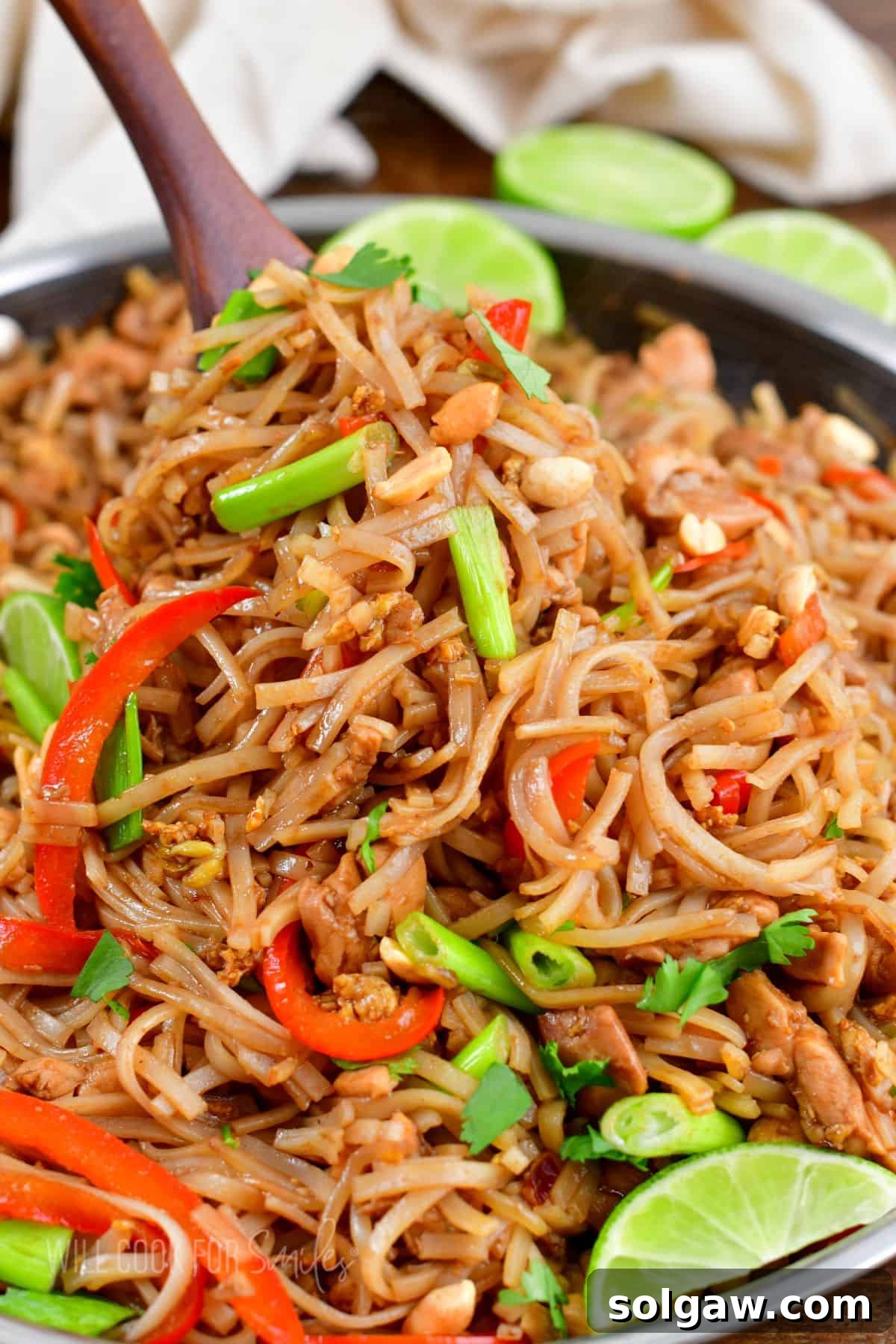
Craving the vibrant, complex flavors of Thailand? Look no further than Pad Thai, a dish that has captivated taste buds worldwide and stands as a true icon of Thai cuisine. While often enjoyed in bustling street markets across Thailand or in your favorite local Thai restaurant, mastering this flavorful rice noodle stir-fry in your own kitchen is surprisingly achievable. This comprehensive guide will walk you through creating an authentic, incredibly tasty homemade Pad Thai, ensuring every bite bursts with its signature sweet, sour, and savory harmony. Forget the mediocre takeout; prepare to unlock the secrets to a truly unforgettable Pad Thai experience right at home.
If you’re seeking more delicious Thai flavors, explore my easy recipes for Khao Pad (Thai Fried Rice) and Pad See Ew!
What Is Pad Thai?
Pad Thai isn’t just a dish; it’s a culinary journey and arguably Thailand’s most recognizable national treasure. Originating as a quick, nutritious street food, it has become synonymous with Thai gastronomy, celebrated for its perfect balance of tastes and captivating textures. Here in the United States, it reigns supreme as the most popular item on virtually every Thai restaurant menu. At its heart, Pad Thai is a Thai rice noodle stir-fry, a masterpiece built upon a foundation of readily available ingredients that, when combined, create something truly extraordinary.
Common components include delicate rice noodles, scrambled eggs, a protein of choice such as succulent chicken, shrimp, or traditional tofu, aromatic garlic, crisp bean sprouts, crunchy crushed peanuts, zesty lime wedges, fresh cilantro, and, most crucially, its irresistible signature sauce. This sauce is the true soul of Pad Thai, delivering the authentic sweet, tangy, and salty profile that makes it so addictive. The interplay of soft noodles, tender protein, crunchy peanuts, and fresh herbs, all coated in that magnificent sauce, creates a dining experience that is both comforting and exhilarating. Despite its seemingly complex flavor profile, this dish is surprisingly straightforward to prepare, promising big, bold flavors with every forkful.
The key to the vibrant flavors of Pad Thai is the sauce. When crafting your homemade Pad Thai, make sure to include tamarind paste, fish sauce, and some sugar (traditionally palm sugar). This trio delivers the sauce’s signature sweet, tangy, and salty taste. Beyond just flavor, Pad Thai offers a pleasant combination of textures that perfectly complement its complex sweet, sour, and salty profile. Note the delightful crunch from crushed peanuts, the light crispness of fresh bean sprouts, and the tender texture of cooked onions and bell peppers. Though there are many ingredients, this dish remains easy to prepare with truly bold and memorable flavors.
Mastering Your Ingredients: Tips for a Flawless Pad Thai
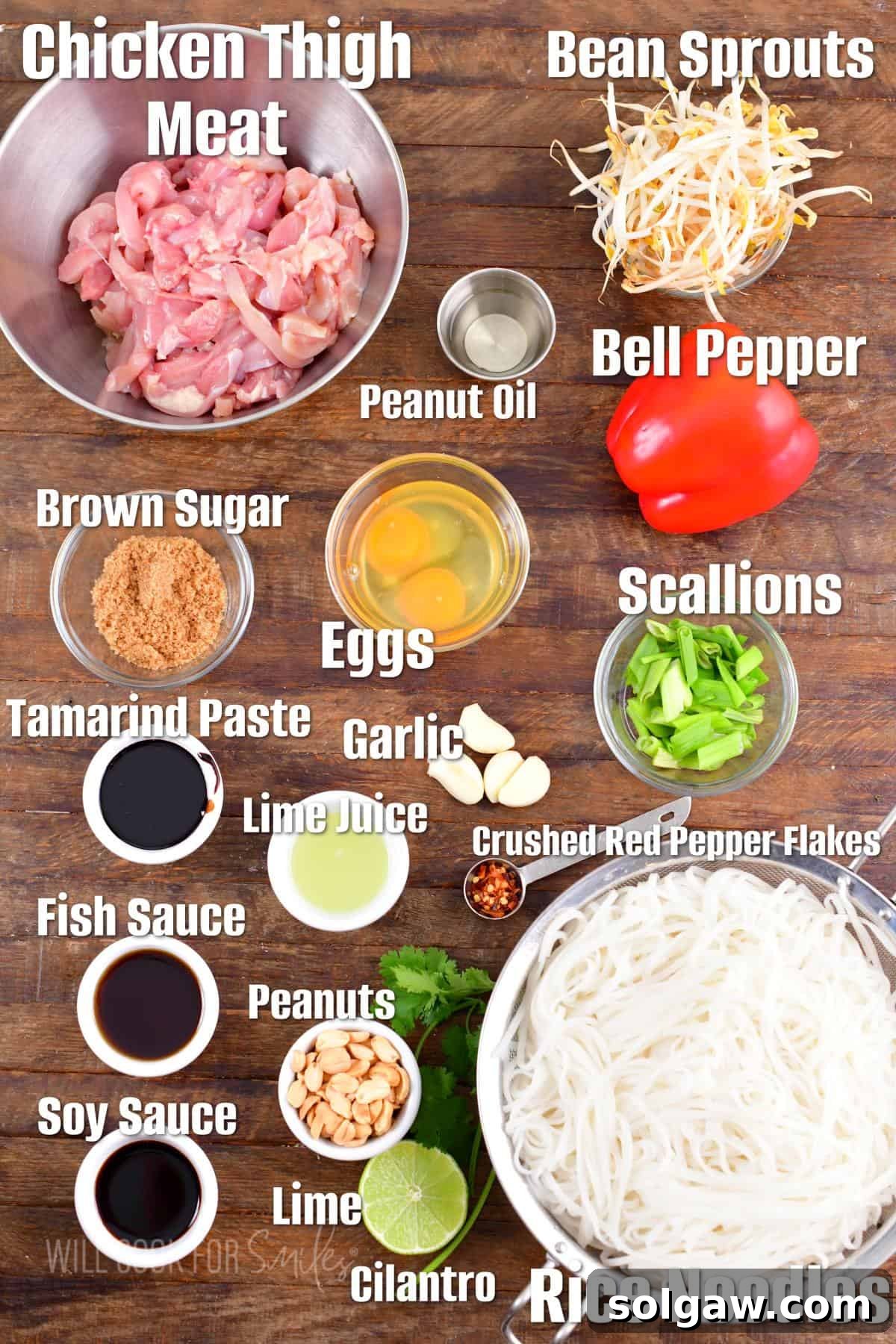
Crafting the perfect Pad Thai starts with understanding its components and knowing how to adapt them to your preferences or what’s available.
- Protein Power: While tofu is considered the most traditional protein in authentic Thai street food Pad Thai, Western palates often gravitate towards chicken or shrimp. Boneless, skinless chicken thigh meat, diced into bite-sized pieces, cooks up tender and absorbs flavors wonderfully. For a quicker cooking time and a lighter option, shrimp adds a delightful seafood essence. If you prefer a vegetarian version, extra-firm tofu, pressed and cubed, is an excellent choice, soaking up all the savory sauce. Feel free to mix and match or use your favorite protein.
- The Noodle Foundation: Thai rice noodles are paramount. Look for flat, dried rice noodles, typically about 1/4 inch wide. They are widely available in most grocery stores’ Asian aisles. The key to perfect noodles is to under-cook them slightly according to package directions before stir-frying. They should still be firm, even a little chewy, as they will continue to cook in the hot pan with the sauce. Overcooked noodles will become mushy and break apart, ruining the dish’s texture. If exact Thai rice noodles aren’t available, other flat rice noodle varieties can work, but always follow their specific cooking instructions and err on the side of al dente.
- Fresh Vegetables for Flavor and Crunch: Garlic, bell peppers (especially red for color and sweetness), green onions, and crisp bean sprouts are the quintessential vegetables in Pad Thai, each contributing unique elements. Beyond these, don’t hesitate to experiment! Thinly sliced carrots add sweetness and color, shredded cabbage offers extra crunch, and broccoli florets or sliced mushrooms can boost the nutritional content and texture. For a low-carb alternative, spiralized zucchini (zoodles) can even be incorporated, though they will alter the traditional texture.
- Cilantro: The Fresh Finish: Fresh cilantro is a hallmark of Thai cuisine, offering a bright, herbaceous note that cuts through the richness of the stir-fry. It’s often used as a garnish, adding both flavor and visual appeal. However, if you’re among those who find cilantro tastes soapy, feel absolutely free to omit it. There’s no suitable substitute that captures its unique essence, so it’s best to leave it out rather than force an unappealing flavor.
- Gluten-Free Adaptations: The classic Pad Thai recipe, as written, is generally not gluten-free due to the presence of regular soy sauce. However, making it gluten-free is incredibly simple! Easily substitute the low-sodium soy sauce with gluten-free soy sauce, tamari, or coconut aminos. Ensure all other ingredients, like fish sauce, are also certified gluten-free if strict adherence is required. These alternatives provide a similar savory depth without the gluten, allowing everyone to enjoy this incredible dish.
The Essential Pad Thai Sauce: Unlocking Authentic Flavor
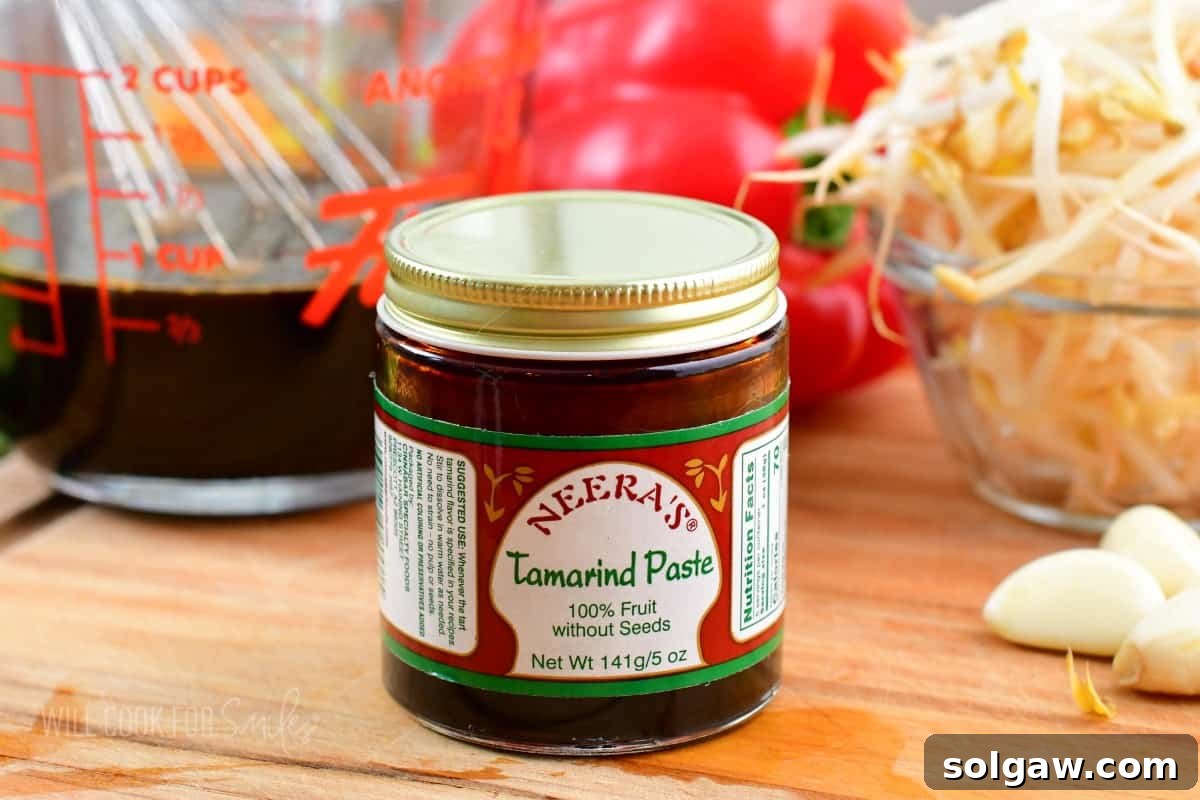
The secret to a truly authentic and incredibly tasty Pad Thai lies almost entirely in its vibrant, complex sauce. This homemade sauce is what elevates the dish from good to unforgettable, providing the signature sweet, tangy, and salty taste that defines Pad Thai. Three core ingredients are absolutely non-negotiable for achieving this balance: tamarind paste, fish sauce, and a touch of sugar (traditionally palm sugar).
Of these, **tamarind paste is the absolute key**. Do not be tempted to skip it or substitute it with other sour agents. Tamarind paste is the concentrated pulp of the tamarind fruit, a staple in many Indian and Asian cuisines. It imparts a unique sour and tangy flavor with a subtle sweetness that cannot be replicated. Unlike lemon or lime juice, tamarind offers a deeper, more earthy tang that is crucial for the authentic profile. You’ll often find tamarind paste (or puree) in Asian markets or even well-stocked grocery stores like Whole Foods, and it’s readily available online. While tamarind concentrate also exists, the paste form is generally easier to use, requiring no prior dilution. Remember, tamarind is not salty, so it beautifully complements the salty notes from the fish sauce and the sweetness from the sugar, creating a harmonious blend. Never substitute tamarind with more soy sauce; soy sauce is primarily salty and lacks the distinct tangy-sweet complexity of tamarind.
A Pro Tip on Fish Sauce: When preparing the sauce, you might notice that the fish sauce, when raw, has a potent, somewhat unappetizing aroma. Trust the process! Once cooked into the dish, this aroma transforms into a deeply savory, umami-rich flavor that is utterly delicious and essential to Pad Thai’s character. Do not smell the raw mixture directly if you are sensitive, but be assured it will taste incredible in the final dish.
How to Make Homemade Pad Thai: A Step-by-Step Guide
Creating authentic Pad Thai at home is a swift and rewarding process, especially when you have all your ingredients prepared beforehand. The beauty of stir-frying lies in its speed, so ‘mise en place’ (everything in its place) is key.
- Prepare the Rice Noodles: Begin by cooking your rice noodles according to the package instructions, but aim for a slightly undercooked, al dente texture. They should still have a good bite to them. Drain them immediately and rinse briefly with cold water to prevent them from sticking, then set them aside. This step can often be done while you prepare other ingredients.
- Mise en Place: This is crucial for stir-fries. Slice your bell pepper into thin strips, finely mince the garlic, dice the green onions, and make sure your bean sprouts are rinsed and ready. Dice your chosen protein (chicken, shrimp, or tofu) into uniform, bite-sized pieces. In a separate bowl, whisk your eggs until just combined. Finally, whisk together all the Pad Thai sauce ingredients in a bowl until thoroughly blended. Having everything prepped and within arm’s reach will make the cooking process smooth and stress-free.
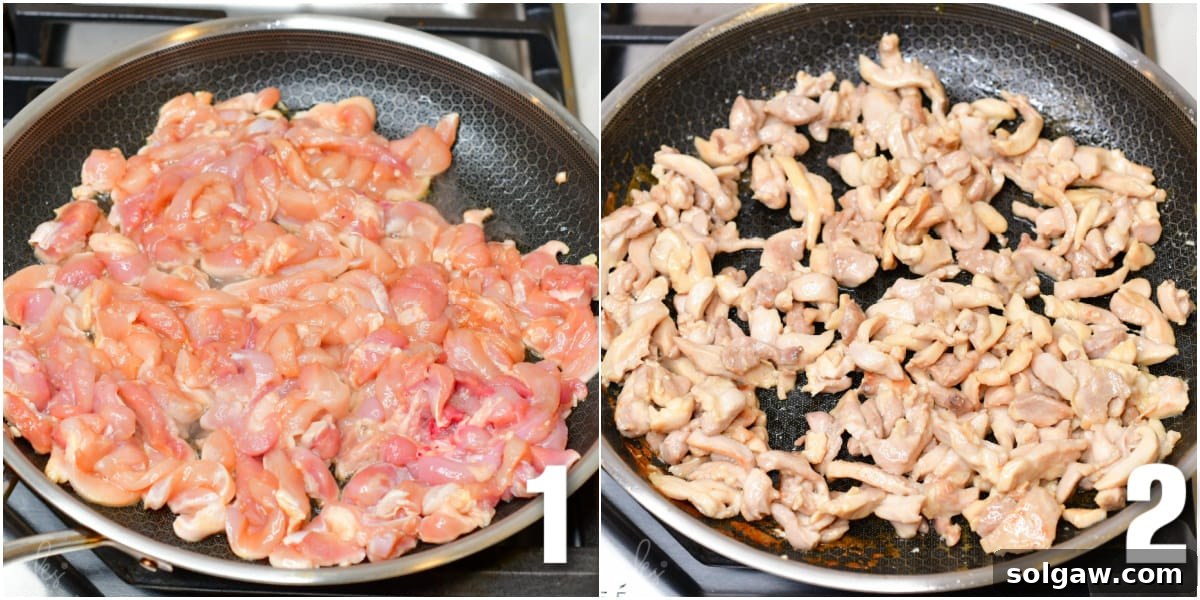
- Cook the Protein: Heat a large wok or a heavy-bottomed pan over medium-high heat. Add 2 tablespoons of peanut oil. Once shimmering, add your seasoned chicken thigh meat (or shrimp/tofu). Sauté until it’s just cooked through and lightly browned. Avoid overcooking, especially with chicken or shrimp, to keep it tender. Remove the cooked protein from the pan and set it aside.
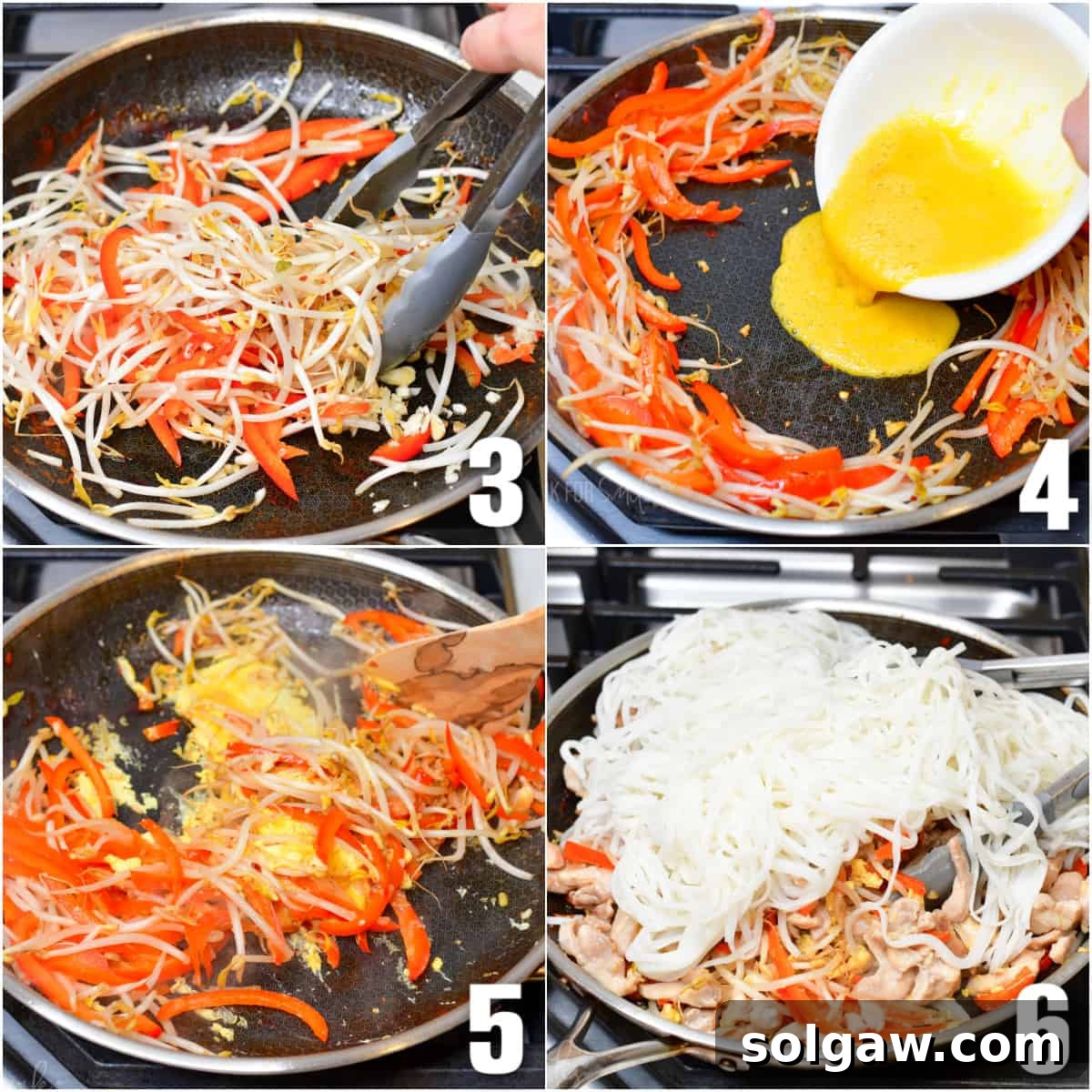
- Sauté the Vegetables: Add a little more peanut oil to the pan if needed. Introduce the sliced bell peppers and sauté them for a few minutes until they begin to soften but still retain a slight crispness. Next, add the minced garlic, red pepper flakes (if using for a touch of heat), and the rinsed bean sprouts. Stir-fry for just a couple of minutes – you want the sprouts to be lightly crisp, not soggy. Once the vegetables are mostly cooked, push them to the sides of the pan, creating a clear space in the center.
- Scramble the Eggs: Pour the whisked eggs into the cleared center of the pan. Let them set for a moment, then gently scramble them until cooked through. Once scrambled, mix the eggs into the sautéed vegetables.
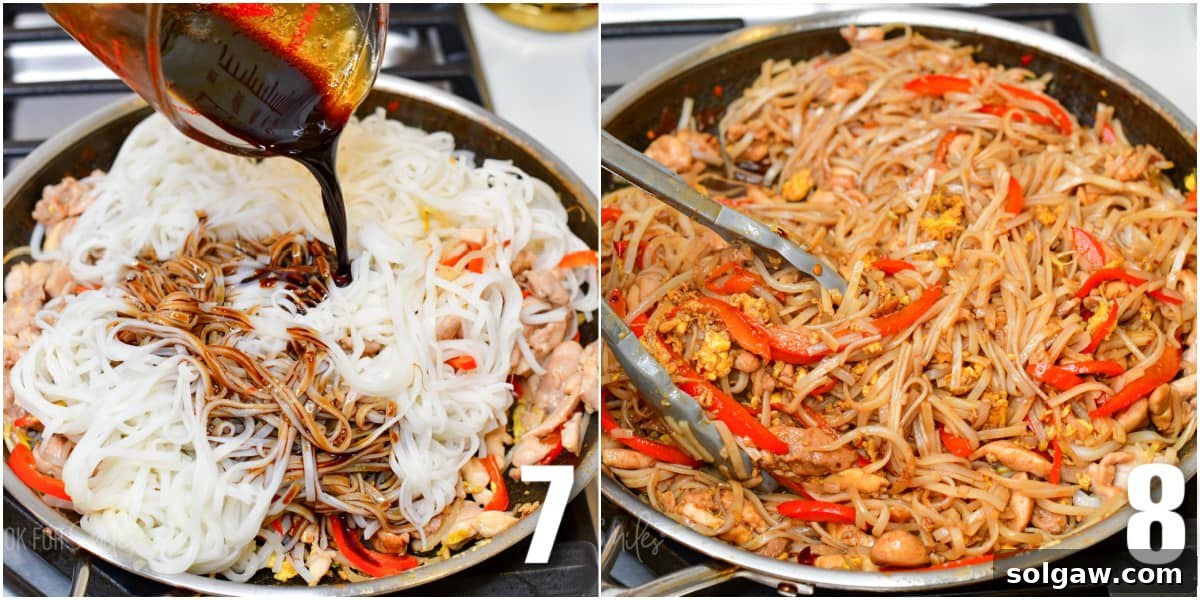
- Combine and Sauce: Return the cooked chicken (or other protein) to the pan. Add the prepared, slightly undercooked rice noodles. Pour the homemade Pad Thai sauce mixture evenly over all the ingredients.
- Final Stir-Fry: Using tongs or spatulas, toss everything together vigorously to ensure the noodles, protein, and vegetables are thoroughly coated with the sauce. Continue to stir-fry for an additional 2-3 minutes, allowing the noodles to absorb the sauce and heat through. Finally, stir in the chopped green onions just before removing from heat, preserving their fresh bite.
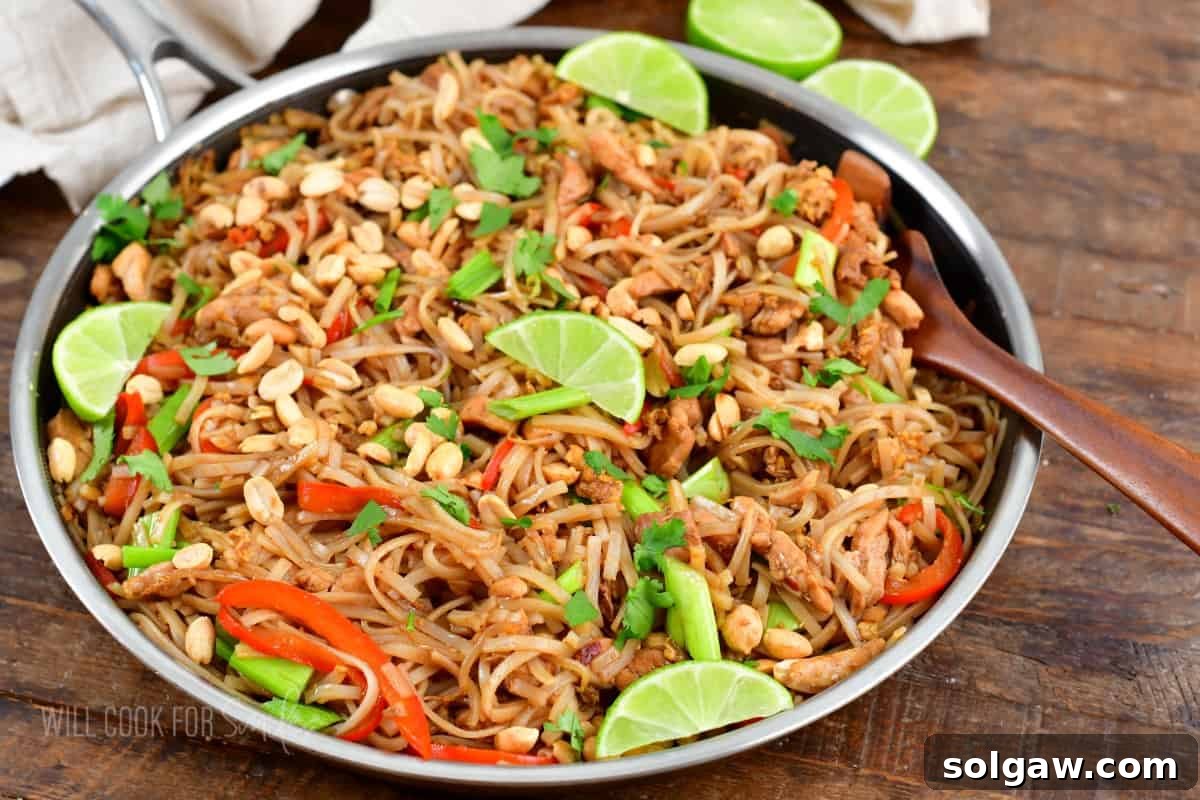
- Garnish and Serve: Transfer the Pad Thai to serving plates. Generously sprinkle with crushed peanuts, a handful of fresh minced cilantro, and serve with fresh lime wedges on the side for an extra squeeze of bright, tangy flavor. Mix and serve immediately for the best experience!
Storing and Reheating Your Pad Thai
Pad Thai is undeniably best enjoyed fresh, straight from the wok. However, if you find yourself with delightful leftovers, proper storage and reheating can ensure they remain delicious. Store any leftover Pad Thai in an airtight container in the refrigerator for up to 3 days. While it’s safe to eat for longer, the noodle texture tends to degrade beyond this point.
Reheating Pad Thai can be a bit tricky because rice noodles, like many pasta dishes, tend to dry out and become stiff or sticky in the refrigerator. The secret to revitalizing them lies in adding a touch of moisture and heat. The best method I’ve found is to reheat it in a pan on the stovetop with a little liquid. Add a little oil to the pan first, before adding cold noodles. Drizzle a couple of tablespoons of chicken broth (or vegetable broth for a vegetarian option, or even just water) over the noodles. The amount of broth will depend on the quantity of Pad Thai you’re reheating – use more for a larger portion. Toss everything gently but consistently, ensuring the noodles separate and absorb the broth. Continue to heat through for several minutes, until the noodles are soft and pliable again, and the entire dish is warmed thoroughly. Avoid high heat, as it can cause the noodles to stick and dry out further. This gentle reheating method will bring your Pad Thai back to life, making it almost as good as freshly cooked.
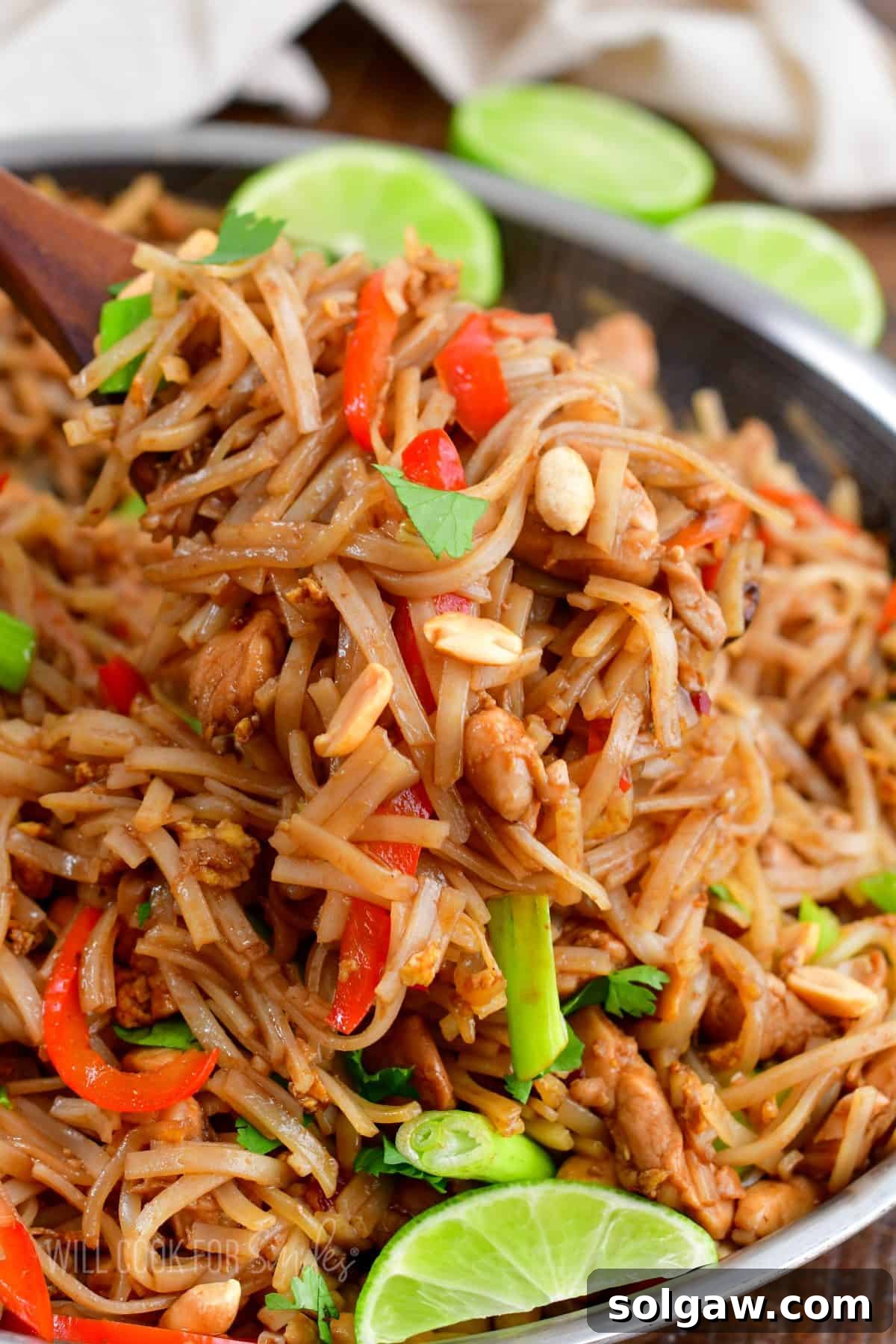
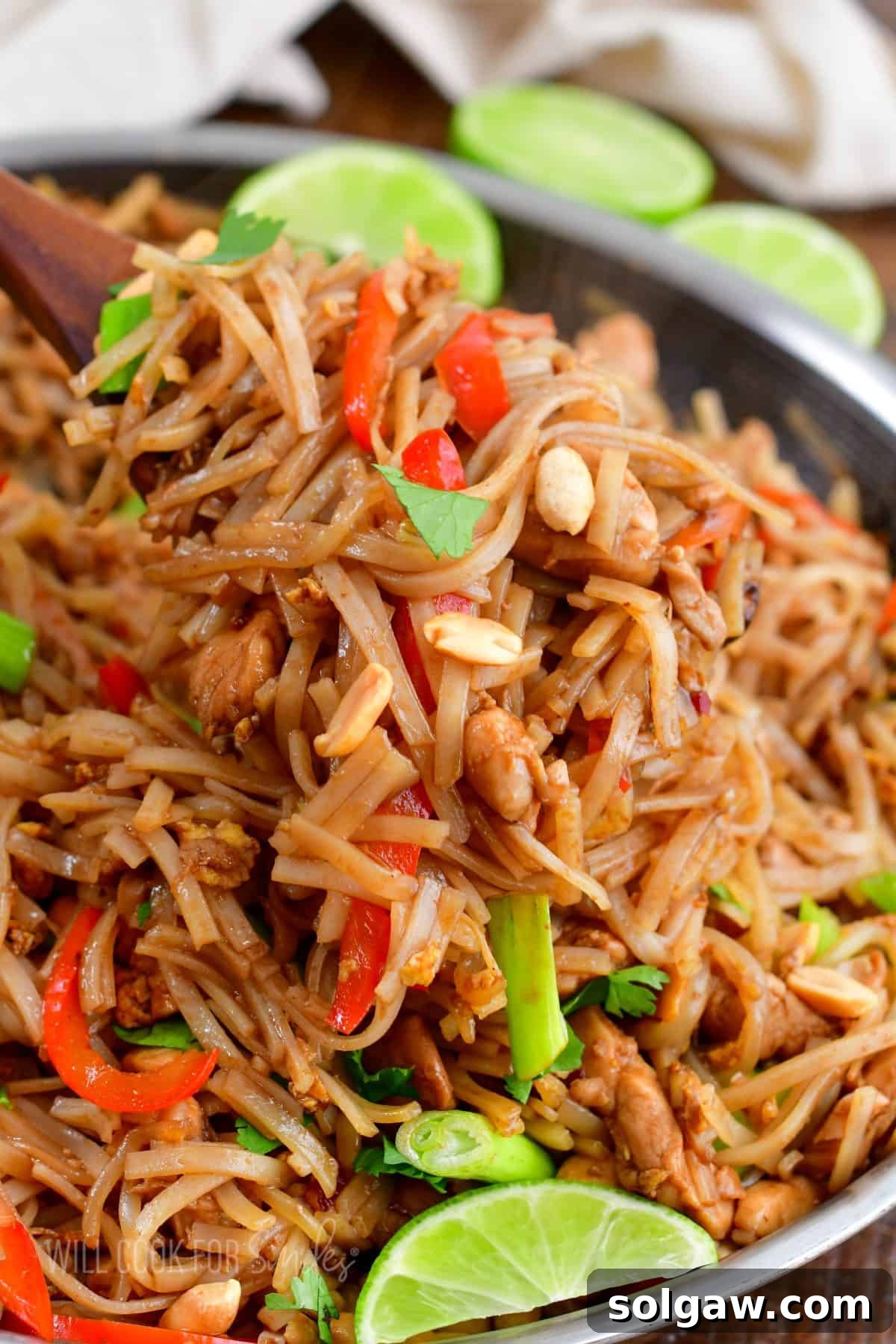
Homemade Pad Thai Recipe
Pad Thai is a delicious rice noodle dish you can make at home in about 30 minutes. It’s made with chicken, rice noodles, vegetables, eggs, peanuts, cilantro, and an irresistible homemade Pad Thai sauce. This homemade sauce is the key to making this whole dish incredibly tasty!
Course: Main Course
Cuisine: Thai
Prep Time: 15 minutes
Cook Time: 20 minutes
Total Time: 35 minutes
Servings: 4
Calories: 938 kcal
Author: Lyuba Brooke
Ingredients
Rice Noodles:
- 14 oz rice noodles
Chicken:
- 2 tbsp peanut oil
- 1.5 lbs boneless, skinless chicken thigh meat
Vegetables:
- 2 tbsp peanut oil
- 1 large red bell pepper
- 6 oz bean sprouts
- 4 large cloves of garlic
- 1/2 tsp red pepper flakes
- 1/4 cup chopped green onion
Eggs:
- 2 eggs
Pad Thai Sauce:
- 1/4 cup tamarind paste
- 1/4 cup fish sauce
- 3 tbsp low sodium soy sauce (use gluten-free if needed)
- 2 tbsp lime juice
- 1/4 cup brown sugar
- 1/2 tsp minced dried chili peppers (optional, adjust to personal preference)
Toppings:
- 1/2 cup crushed peanuts
- 2-3 wedges of limes (for juice)
- 2 tbsp minced fresh cilantro
Instructions
Rice Noodles:
- Cook rice noodles according to package instructions but under-cook them slightly. Drain water and set aside. (While noodles cook, prepare other ingredients.)
Before Cooking:
- Prepare all ingredients before starting to cook: Place bean sprouts in a bowl of cold water to soak (remove and shake off excess water before adding to pan). Slice bell pepper, smash and mince garlic, and dice green onions. Dice chicken and set aside. Whisk eggs in a bowl and set aside. Combine all ingredients for the sauce, whisk, and set aside.
Cooking Pad Thai:
- Preheat a large pan over medium-high heat. Add 2 tbsp. of peanut oil and sauté diced chicken thigh meat in the pan until just done. Remove the chicken from the pan and set aside.
- Add a little more oil to the pan and sauté bell peppers until they start to soften. Add garlic, red pepper flakes, and bean sprouts. Stir and sauté for just a couple of minutes, then move veggies to the sides of the pan.
- Pour whisked eggs into the center of the pan. Let them cook a little, then scramble and mix with vegetables.
- Add chicken back in and add cooked rice noodles to the pan.
- Pour in the sauce mixture and toss everything together to combine. Stir in green onions and cook for a couple more minutes.
- Sprinkle crushed peanuts, cilantro, and squeeze a couple of lime wedges over the noodles. Mix and serve!
Notes
- Gluten Free Notes: This dish is not gluten-free as it comes because of the soy sauce. However, you can easily substitute the soy sauce for gluten-free soy sauce, tamari, or coconut aminos.
- Tamarind paste: This is the pulp of the tamarind fruit, used in Indian and Asian cuisines. It tastes sour, tangy, and a little sweet, but is not salty. Do not substitute it for more soy sauce, as it has a distinctly different flavor profile. Check local Asian markets or well-stocked grocery stores; it keeps very well closed in the refrigerator once opened.
- Using shrimp: If using shrimp, sear them first over medium-high heat until opaque on one side, then flip. Cook just until opaque on the other side and set them aside, similar to the chicken. Shrimp cook much faster than chicken, so be careful not to overcook.
- Reheating Notes: The best way to reheat Pad Thai is in a pan with a little chicken broth (or vegetable broth/water) to reinvigorate the noodles. Add a little oil to the pan first, then cold noodles, drizzle broth, toss, and heat through over medium heat.
Nutrition
Calories: 938 kcal | Carbohydrates: 113g | Protein: 48g | Fat: 33g | Saturated Fat: 6g | Cholesterol: 243mg | Sodium: 2276mg | Potassium: 933mg | Fiber: 6g | Sugar: 22g | Vitamin A: 1404IU | Vitamin C: 51mg | Calcium: 106mg | Iron: 5mg
More Amazing Asian-Inspired Recipes
- Thai Spring Rolls
- Drunken Noodles (Pad Kee Mao)
- Thai Fried Rice – Khao Pad
- Thai Basil Chicken (Pad Krapow Gai)
- Thai Basil Fried Rice
- Shrimp Fried Rice
This recipe was originally published on Will Cook For Smiles on April 17, 2013, and has been updated for clarity and comprehensiveness.