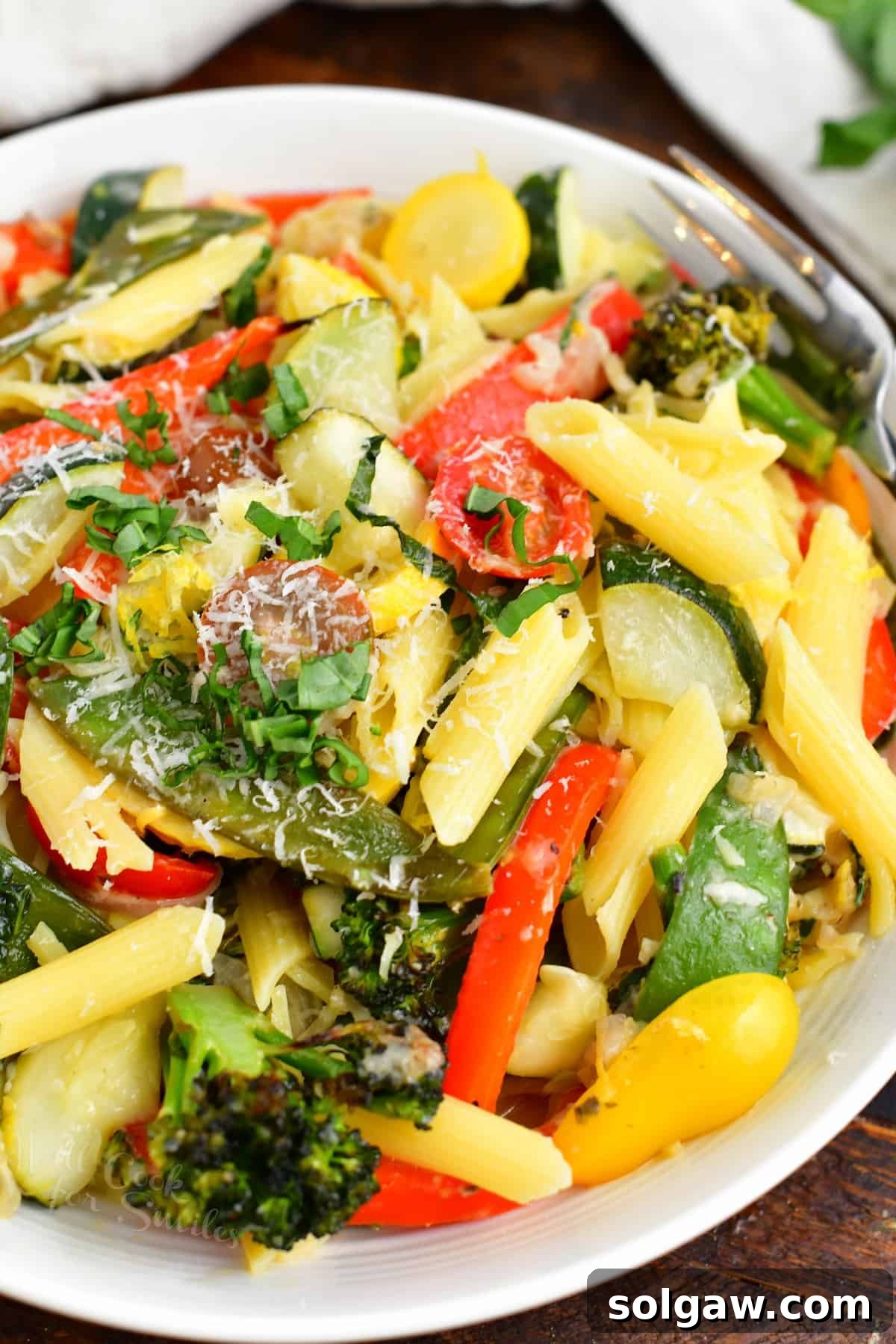
Fresh and Flavorful Pasta Primavera: A Vibrant Seasonal Delight
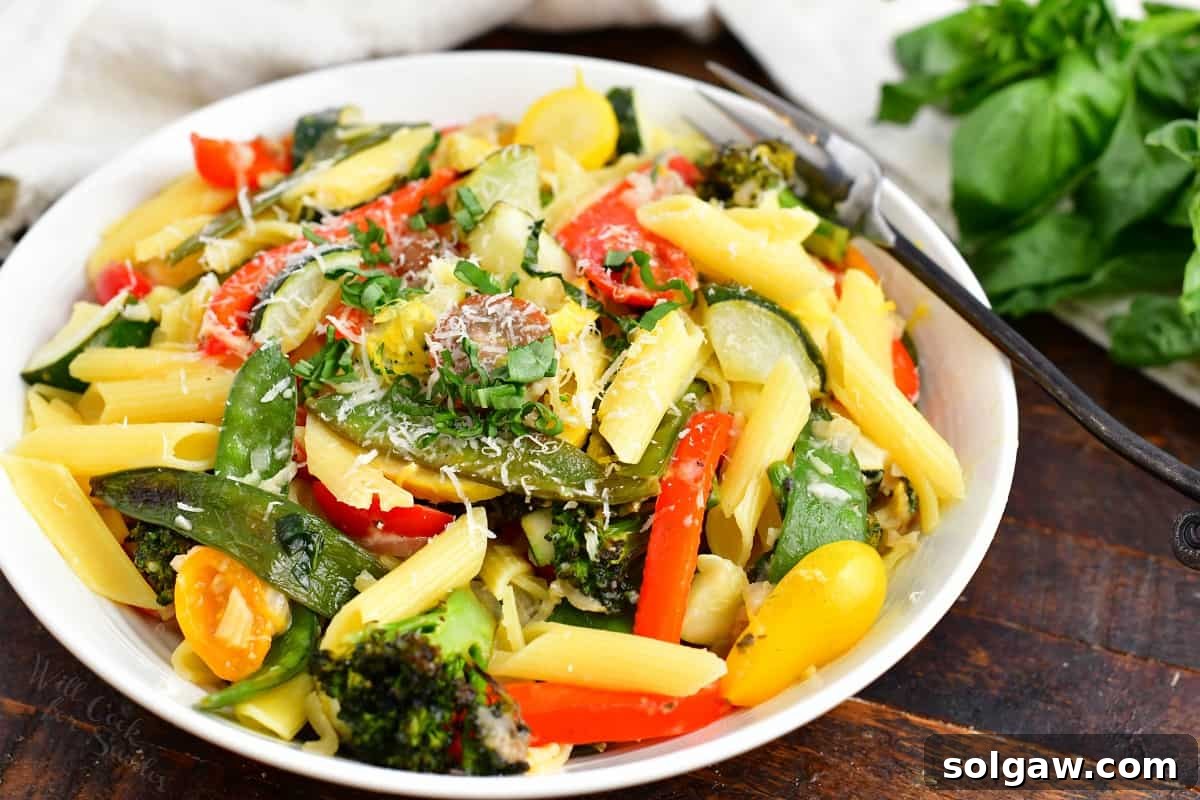
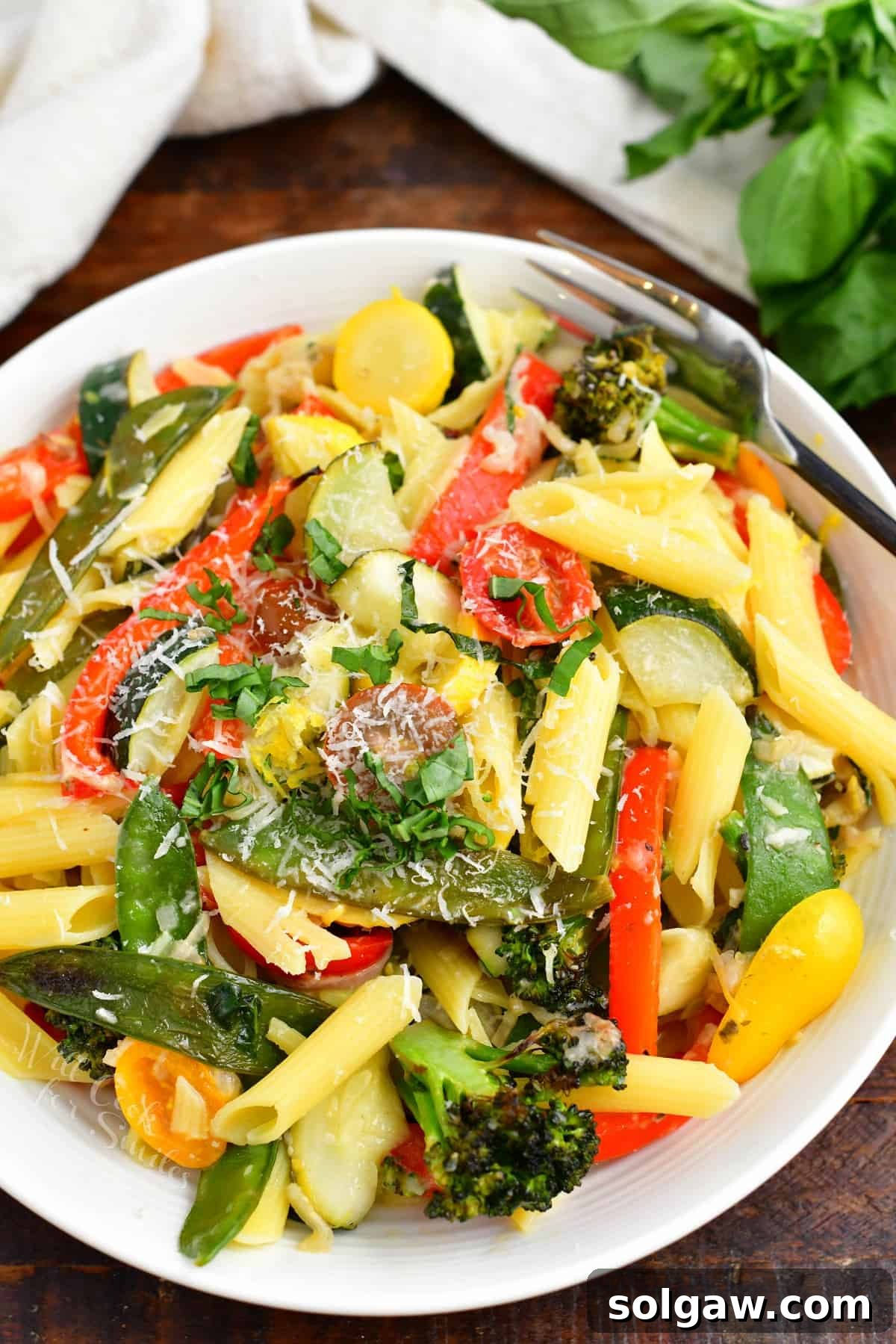
This fresh, delicious Pasta Primavera dish is a celebration of seasonal bounty, loaded with vibrant, roasted vegetables like tender summer squash, crisp broccoli, juicy ripe tomatoes, all harmoniously blended with bright lemon, aromatic basil, and savory Parmesan cheese. It’s a nutritious and endlessly customizable pasta recipe, easily adapted for dietary needs, including gluten-free options.
For those who love light and fresh pasta creations, be sure to explore my Mediterranean Orzo Salad and classic Pasta with Pomodoro Sauce for more inspiring meals.
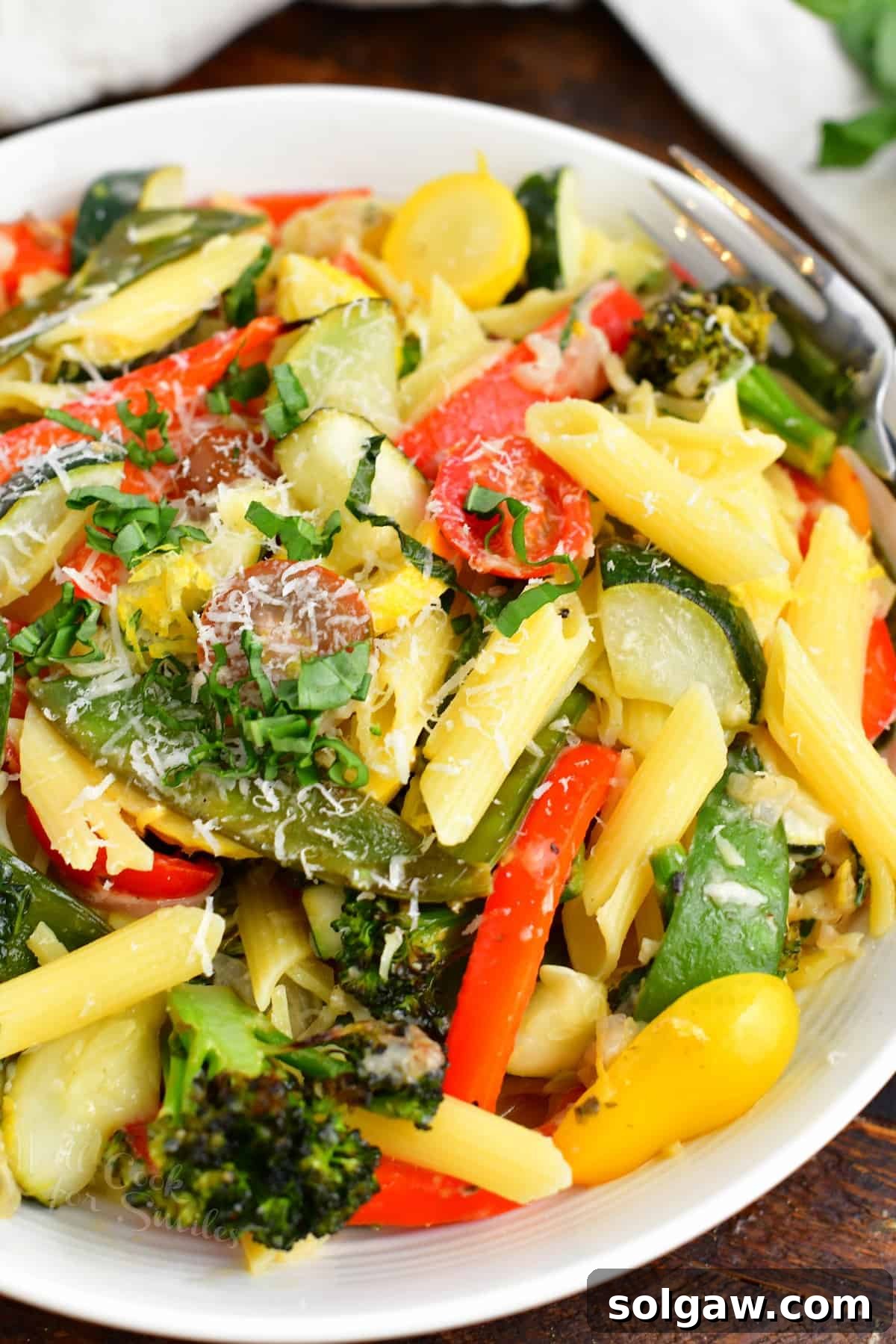
As the warmer, sunnier months arrive, there’s no better way to welcome the change of seasons than with a light and invigorating pasta dinner. Pasta Primavera, with its emphasis on fresh, perfectly ripe vegetables, is an absolute favorite in my kitchen. It embodies the essence of spring and summer, offering a dish that is both satisfying and incredibly fresh.
What Is Pasta Primavera?
“Primavera” is the Italian word for “spring,” and fittingly, Pasta Primavera is a dish that celebrates the abundance of beautiful spring vegetables. This delightful pasta dish is characterized by its medley of fresh, seasonal vegetables tossed with pasta in a light, often lemon-herb or garlic-infused sauce. Unlike heavier, cream-based pasta dishes, Primavera focuses on highlighting the natural flavors and vibrant colors of the produce, making it an ideal choice for a refreshing meal.
The Intriguing History of Pasta Primavera
While its name is Italian, the history of this beloved dish holds a surprising twist: Pasta Primavera was not first created in Italy! Its origins trace back to an Italian restaurant in Manhattan in the 1970s. This unexpected American birthplace adds a unique chapter to the story of a dish that has since become a global favorite.
The dish first gained acclaim at the iconic New York City restaurant Le Cirque. For several years, it remained an unlisted, “off-menu” item, a special creation enjoyed by those in the know. However, its irresistible appeal couldn’t be kept secret for long. In 1977, a rave review in the New York Times propelled Pasta Primavera into the spotlight, leading to its rapid rise in popularity across the United States and beyond. The combination of freshly cooked spring vegetables, perfectly al dente pasta, and a delicate, homemade Italian-inspired sauce captured the hearts and palates of food lovers everywhere. We truly have Le Cirque to thank for this wonderful culinary invention!
The beauty of Pasta Primavera lies in its versatility and its ability to showcase the freshest ingredients available. It’s more than just a recipe; it’s an ode to seasonal eating, encouraging cooks to embrace whatever vegetables are at their peak. Whether you’re a seasoned chef or a home cook looking for a healthy and satisfying meal, this dish offers endless possibilities for culinary creativity.
Essential Ingredients for Perfect Pasta Primavera
The Pasta
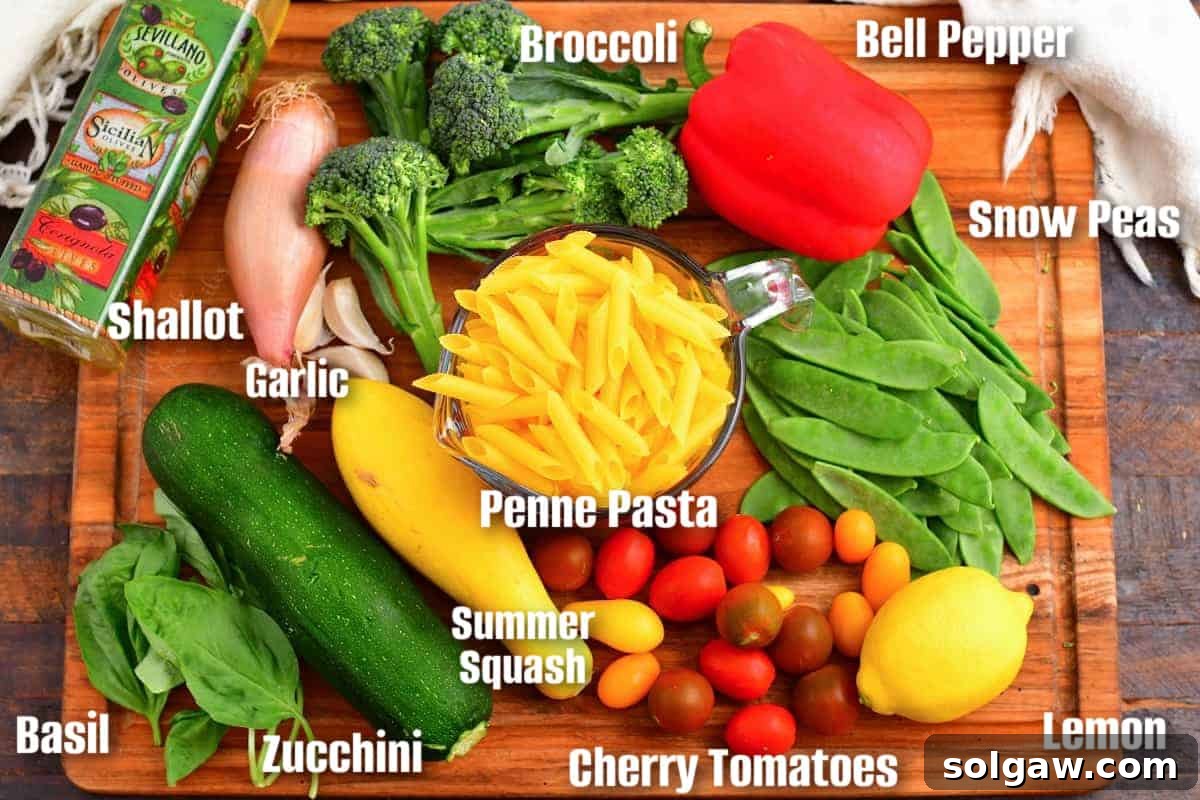
Penne Pasta: This classic tube-shaped pasta is ideal for Primavera because its ridges and hollow interior are perfect for “grabbing” and holding onto the light sauce and small bits of vegetables. If penne isn’t available or you prefer a different texture, excellent substitutes include bowties (farfalle), rotini, or bucatini. These pasta shapes also boast excellent sauce-holding capabilities, ensuring every bite is flavorful.
The Vegetables
A vibrant mix of fresh, seasonal vegetables is the heart of Pasta Primavera. Our recipe features a delightful blend that roasts beautifully to bring out their natural sweetness and tenderness:
- Zucchini & Summer Squash: These delicate squashes add a subtle sweetness and a tender texture when roasted. Cut them into uniform, bite-sized pieces for even cooking.
- Bell Peppers: Any color bell pepper works wonderfully, adding a pop of color and a crisp-tender crunch. Red, yellow, or orange peppers are typically sweeter than green.
- Broccoli (or Broccolini): Broccoli florets roast beautifully, developing a slight crispness and deep flavor. Broccolini offers a slightly milder, more delicate alternative.
- Snow Peas (or Snap Peas): These add a delicate sweetness and a satisfying snap. Add them to the roasting pan for just the last few minutes to retain their crispness.
- Cherry Tomatoes: Halved cherry tomatoes burst with juicy flavor, especially when added towards the end to maintain their freshness. Their vibrant acidity cuts through the richness of the cheese and olive oil.
The Flavor Enhancers
- Fresh Lemon Juice: The bright, zesty tang of fresh lemon juice is non-negotiable for authentic Primavera flavor. Avoid bottled lemon juice; the difference in freshness and complexity is truly remarkable.
- Olive Oil: Use a good quality extra virgin olive oil that isn’t overly bitter or overpowering. Its fruity notes complement the vegetables beautifully. As an alternative, avocado oil can also be used for a neutral flavor.
- Dried Parsley: Provides an earthy, slightly peppery note. If opting for fresh parsley, remember to double the amount for comparable flavor.
- Unsalted Butter: Crucial for building the sauce base without adding excessive sodium. Unsalted butter allows you to control the seasoning precisely.
- Shallots: These delicate members of the onion family offer a milder, sweeter, and more nuanced flavor than onions, perfectly enhancing the other ingredients in the sauce without overwhelming them.
- Fresh Garlic Cloves: The cornerstone of many Italian-inspired sauces. For a more pronounced garlic flavor, don’t hesitate to add an extra clove or two. Always use fresh garlic for the best aroma and taste.
- Pasta Cooking Water: A secret weapon for emulsifying sauces! Be sure to reserve approximately 3/4 cup of the starchy water after cooking your pasta. It helps bind the sauce to the noodles, creating a silky texture.
- Chicken Stock (or Vegetable Stock): For the deepest flavor, homemade chicken stock is highly recommended. Otherwise, choose a high-quality, low-sodium store-bought variety. For a vegetarian version of this dish, vegetable stock is an excellent choice.
- Lemon Zest: The aromatic oils in the lemon zest add an incredible depth of lemon flavor without the acidity of the juice. Always zest the lemon before juicing it for ease.
- Fresh Basil: The sweet, peppery, and slightly minty notes of fresh basil are indispensable for an authentic Italian spring flavor. Minced fresh basil adds a burst of freshness at the end.
- Crushed Red Pepper Flakes: These offer a gentle warmth and subtle kick, which can be adjusted to your personal preference for spiciness. Start with a smaller amount and add more if desired.
- Parmesan Cheese: Freshly grated Parmesan cheese is key. While Parmesan that has been aged longer offers a more intense flavor, it might not melt as smoothly as younger cheese. Regardless, the flavor contribution will be superb.
Refer to the full recipe card below for exact quantities and detailed instructions.
Step-by-Step Guide to Making Fresh Pasta Primavera
Creating this delightful Pasta Primavera is a straightforward process that yields incredibly satisfying results. By following these steps, you’ll achieve a perfectly balanced dish that bursts with seasonal flavor.
1. Cook the Pasta
Begin by bringing a large pot of generously salted water to a rolling boil. Add your chosen pasta (penne works wonderfully here) and cook according to package directions until it’s perfectly al dente. This typically means it’s tender but still has a slight bite. Crucially, before draining, remember to reserve about 3/4 cup of the starchy pasta cooking water. This water is a fantastic emulsifier for your sauce. Once reserved, drain the pasta and set it aside.
2. Prepare and Roast the Vegetables
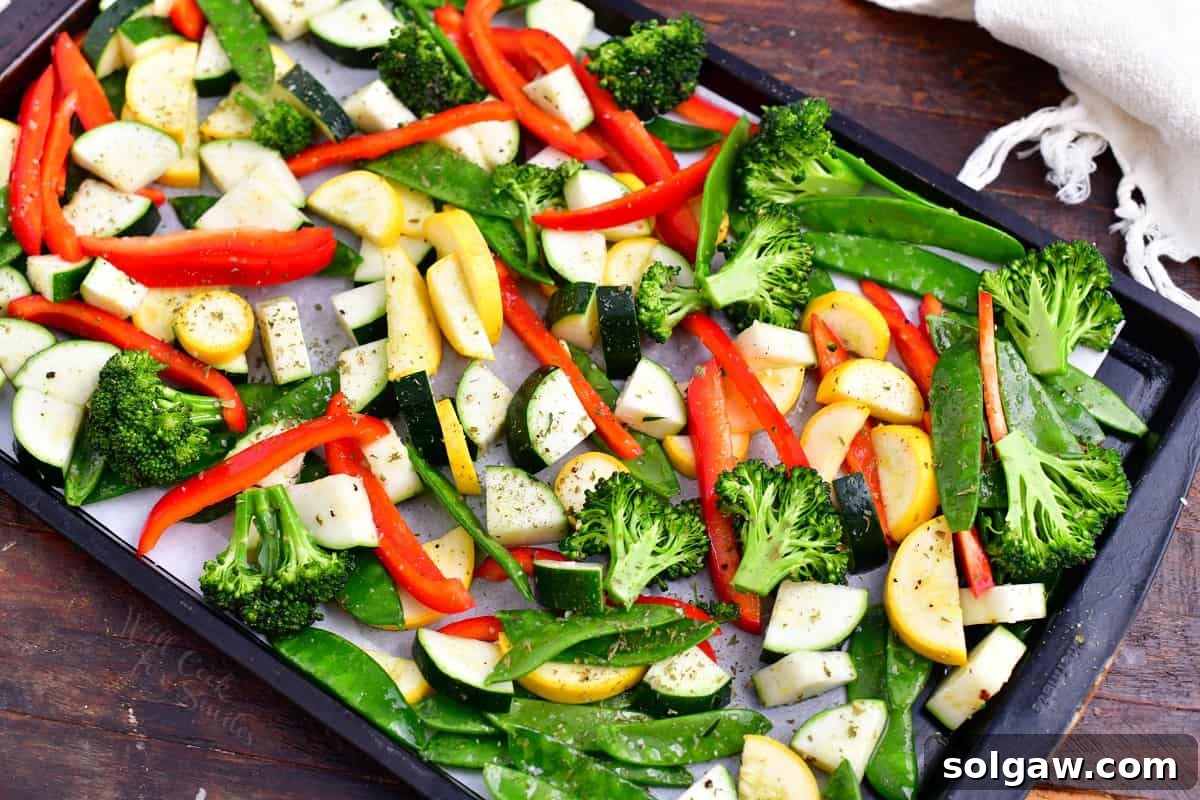
While the pasta is cooking, preheat your oven to 425°F (220°C) and line a large baking sheet with parchment paper for easy cleanup. Chop all your chosen vegetables (zucchini, summer squash, bell peppers, broccoli, snow peas) into roughly uniform, bite-sized pieces. In a large mixing bowl, combine these chopped vegetables. Drizzle them generously with olive oil, fresh lemon juice, dried parsley, salt, and black pepper. Toss everything together until the vegetables are evenly coated with the seasonings. Spread the seasoned vegetables in a single layer on your prepared baking sheet.
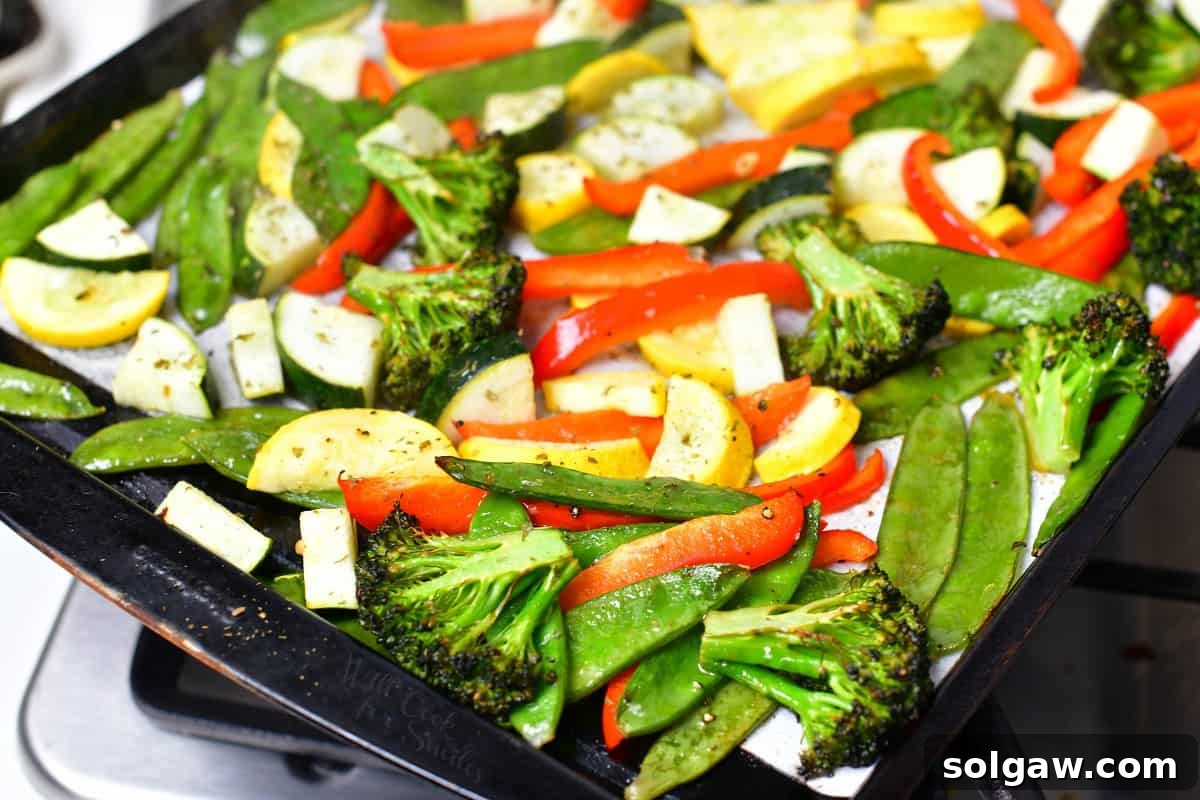
Roast the vegetables in the preheated oven for 10 to 15 minutes. The exact cooking time will depend on how soft you prefer your vegetables and their size. Aim for tender-crisp, with a slight caramelization on the edges. Remove them from the oven and set aside.
3. Craft the Flavorful Sauce
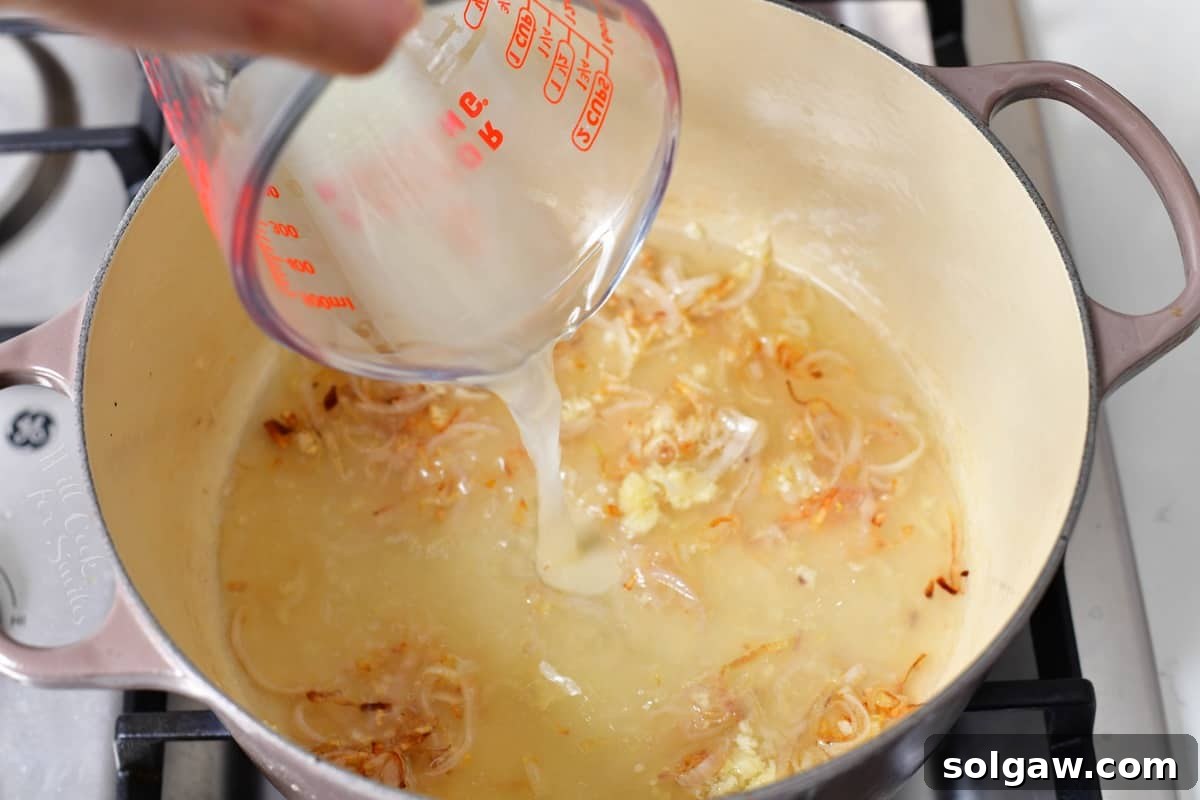
In a large Dutch oven or a deep, wide pot, melt the unsalted butter over medium heat. Add the thinly sliced shallots and sauté them until they are soft and golden brown, about 3-5 minutes. Then, stir in the minced fresh garlic and cook for another minute until it becomes wonderfully fragrant, being careful not to burn it. In a separate bowl, whisk together the reserved pasta water, chicken (or vegetable) stock, and the remaining fresh lemon juice. Pour this mixture into the pot with the shallots and garlic, bringing it to a gentle simmer.
Once simmering, stir in the freshly grated Parmesan cheese. Continue stirring for a few seconds until the cheese begins to melt and seamlessly incorporate into the sauce, creating a slightly creamy texture. Season with a pinch of salt and black pepper to taste, along with the crushed red pepper flakes if you desire a hint of spice.
4. Combine and Serve
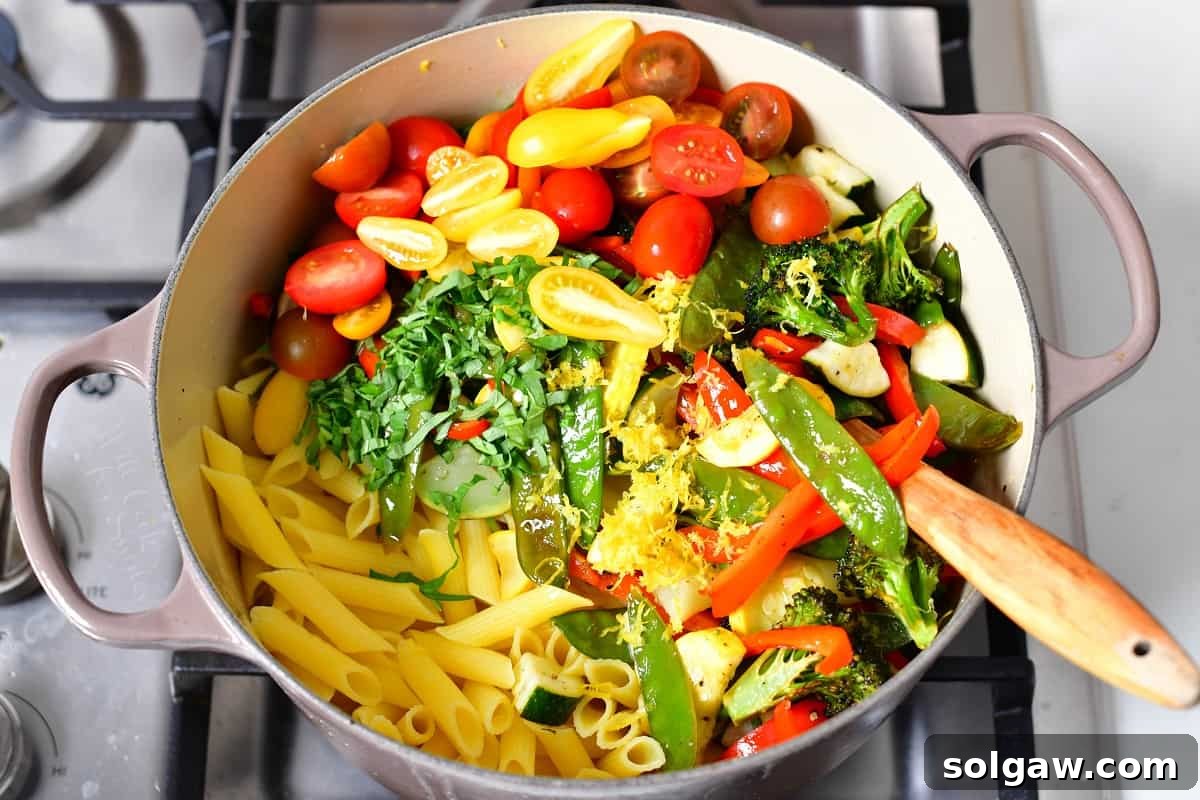
Now for the grand finale! Add the cooked pasta, the beautifully roasted vegetables, the halved cherry tomatoes, minced fresh basil, and fresh lemon zest to the Dutch oven with the sauce. Gently toss all the ingredients together, ensuring the pasta and vegetables are thoroughly coated in the fragrant sauce. Allow everything to cook together for just another two to three minutes over low heat, giving the flavors a chance to meld and deepen.
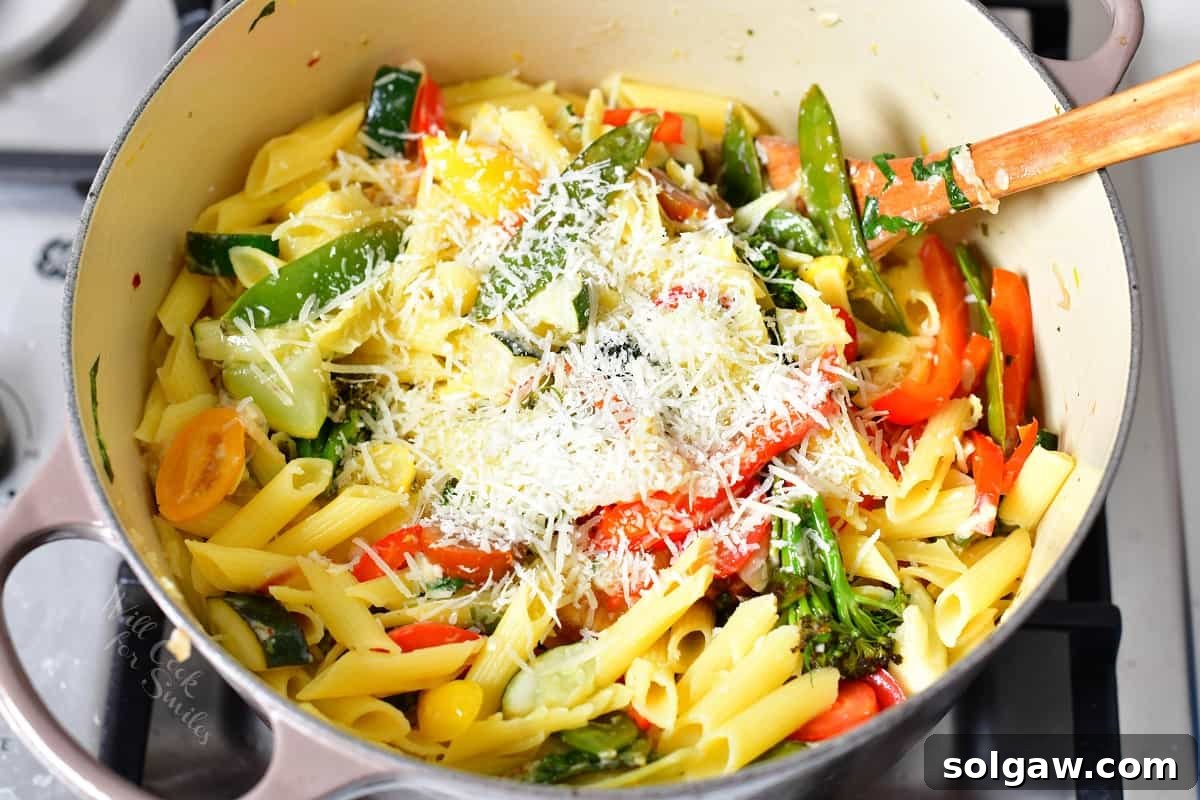
Serve your healthy, delicious, and vibrant Pasta Primavera immediately. For an extra touch of indulgence, feel free to garnish with additional freshly grated Parmesan cheese and a sprinkle of fresh basil before serving. Enjoy this delightful all-in-one meal!
Pasta Primavera Recipe FAQs
Making this dish gluten-free is incredibly simple! Just substitute traditional pasta with your preferred brand of gluten-free pasta. There’s a wide variety available today, including options made from rice, corn, or legumes. Be aware that some gluten-free pasta brands can be more delicate and may break apart more easily during cooking or tossing. This is a common characteristic of certain gluten-free pastas and doesn’t mean you’ve done anything wrong; the taste will still be fantastic!
“Primavera” translates to “spring” in Italian. The dish is aptly named Pasta Primavera because it prominently features the fresh, abundant, and wonderfully ripe vegetables that are characteristic of the spring season. It’s a culinary celebration of nature’s awakening!
Absolutely! To achieve a creamy Pasta Primavera, you’ll want to incorporate cream into the sauce. The best time to add cream is simultaneously with the Parmesan cheese. Ensure that the lemon juice and chicken stock mixture has simmered for at least a minute or two before adding the cream. Adding cream too soon after the lemon juice can sometimes cause it to curdle due to the acidity, so a brief simmer helps stabilize the sauce base.
Leftover Pasta Primavera can be stored in an airtight container in the refrigerator for up to 3-4 days. To reheat, gently warm it on the stovetop over medium-low heat, adding a splash of vegetable stock or water to loosen the sauce and prevent the pasta from drying out. You can also microwave it, stirring occasionally.
Yes, adding protein is a fantastic way to make this dish even more substantial! Cooked shrimp, grilled chicken, crumbled Italian sausage, or even white beans (for a vegetarian option) would all be excellent additions. Add pre-cooked protein during the final step when you combine the pasta and roasted vegetables with the sauce.
Delicious Vegetable Variations for Primavera
One of the joys of Pasta Primavera is its incredible adaptability. While our recipe features a classic blend, there are countless other vegetables you can incorporate to personalize your dish or adapt it to what’s fresh and available. Here are some of my favorite additions:
- Leafy Greens (Kale, Spinach, Arugula): For a boost of nutrients and a slightly earthy flavor, stir in a handful of finely chopped kale, fresh spinach, or peppery arugula. Add these delicate greens along with the chopped basil and tomatoes at the very end, allowing them to wilt slightly from the residual heat of the pasta and sauce.
- Peas (Frozen or Fresh): Sweet green peas are a classic addition to many spring dishes. If using frozen peas, there’s no need to thaw them beforehand; simply add them directly to the sauce a few minutes before serving to warm through. Fresh peas can be blanched briefly before adding.
- Asparagus: A quintessential spring vegetable, asparagus is wonderful in Pasta Primavera. Chop the asparagus spears into bite-sized pieces and roast them alongside the other vegetables. Their slightly nutty and earthy flavor pairs beautifully with the lemon and garlic.
- Mushrooms: Sliced cremini or button mushrooms can be sautéed with the shallots and garlic or roasted with the other vegetables. They add an umami depth that complements the brighter flavors.
- Artichoke Hearts: Canned or jarred (packed in water, not oil) artichoke hearts, quartered, can be added with the tomatoes for a briny, tender addition.
- Fava Beans or Edamame: For a unique texture and subtle sweetness, consider adding blanched fava beans or shelled edamame to your primavera.
Feel free to experiment with combinations that suit your taste and the season. The key is to cut them into similar sizes for even cooking and to embrace the freshness!
More Delightful Pasta Dishes to Explore
If you’re a fan of the versatility and comfort that pasta dishes bring to the table, you’re in for a treat! Here are some other fantastic pasta recipes that are sure to become family favorites:
- Pasta Primavera Skillet: A convenient one-pan version of this classic!
- Pasta with Garlic Parmesan Cream Sauce, Tomatoes, and Basil: Rich, creamy, and bursting with aromatic flavors.
- Our Favorite Pasta Salad: A perfect side dish or light lunch for picnics and gatherings.
- Pasta with Mushroom Sauce: Earthy and savory, a comforting dish for any time of year.
- Pesto Pasta: A quick and incredibly flavorful dish highlighting fresh basil pesto.
PIN THIS RECIPE FOR LATER
DID YOU MAKE THIS RECIPE? Please share your experience! Let me know how you liked it by leaving a 📝 comment below or share and tag me on social media @willcookforsmiles. DON’T FORGET to subscribe to my newsletter for more delicious recipes!
Pasta Primavera Recipe
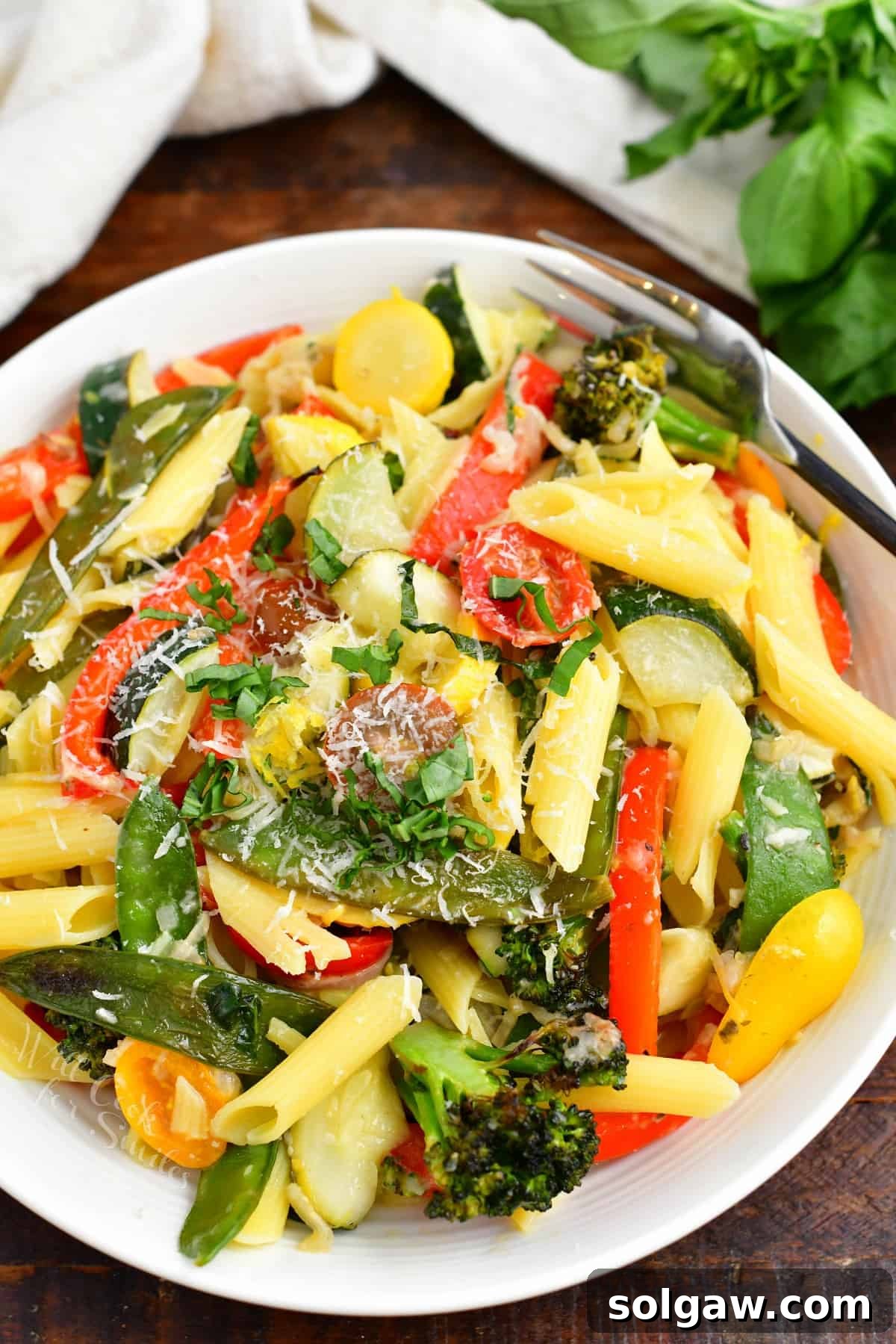
This fresh, delicious Pasta Primavera dish is loaded with roasted vegetables like summer squash, broccoli, juicy ripe tomatoes, lemon, basil and Parmesan cheese flavors.
Rating: 5 out of 5 stars (based on 2 votes)
- Print Recipe
- Pin Recipe
- Watch Video
- Course:
- Main Course
- Cuisine:
- American
- Diet:
- Vegetarian
- Prep Time:
- 15 minutes
- Cook Time:
- 30 minutes
- Total Time:
- 45 minutes
- Servings:
- 4
- Calories:
- 749 kcal
- Author:
- Lyuba Brooke
Ingredients
Main:
- 1 lb penne pasta (or your favorite pasta shape)
Vegetables:
- 1 medium zucchini, chopped
- 1 medium yellow summer squash, chopped
- 1 bell pepper, chopped (any color)
- 1 bunch of broccoli, cut into florets
- 4 oz snow peas, trimmed
- 6-8 oz cherry tomatoes, halved
- 1 tbsp fresh lemon juice
- 2 tbsp olive oil
- 1 tbsp dried parsley (or 2 tbsp fresh, chopped)
- Salt, to taste
- Black pepper, to taste
Sauce:
- 2 tbsp unsalted butter
- 2 shallots, thinly sliced
- 3-4 garlic cloves, minced
- 3/4 cup reserved pasta cooking water
- 1/2 cup vegetable stock (or low-sodium chicken stock)
- 1 lemon, zested and juiced (1 tbsp juice for sauce)
- 5-6 fresh basil leaves, minced
- 1/2-1 tsp crushed red pepper flakes (adjust to taste)
- 1 cup fresh grated Parmesan cheese
- Salt, to taste
- Black pepper, to taste
Instructions
For the Pasta:
- Cook penne pasta in a large pot of salted boiling water according to package directions until al dente. Reserve 3/4 cup of the starchy cooking water before draining the pasta. Set pasta aside.
For the Vegetables:
- Preheat oven to 425°F (220°C). Line a baking sheet with parchment paper.
- In a large mixing bowl, combine chopped zucchini, summer squash, bell pepper, broccoli, and snow peas (reserve cherry tomatoes for later).
- Toss the vegetables with 2 tbsp olive oil, 1 tbsp lemon juice, dried parsley, salt, and black pepper until evenly coated.
- Spread the seasoned vegetables in a single layer on the prepared baking sheet. Roast for 10-15 minutes, or until tender-crisp and slightly caramelized.
For the Sauce:
- In a large Dutch oven or pot, melt 2 tbsp butter over medium heat. Add sliced shallots and sauté until softened and golden brown, about 3-5 minutes.
- Add minced garlic and cook for another minute until fragrant.
- Pour in the reserved pasta water, vegetable stock, and 1 tbsp lemon juice. Bring the mixture to a gentle simmer and let it cook for a few minutes to slightly reduce.
- Stir in grated Parmesan cheese, crushed red pepper flakes, and a pinch more salt and pepper. Continue stirring until the cheese begins to melt and the sauce is smooth and slightly thickened.
- Add the cooked pasta, roasted vegetables, halved cherry tomatoes, minced fresh basil, and lemon zest to the sauce. Gently toss everything together until well combined and heated through, about 2-3 minutes.
Serve immediately, garnished with extra Parmesan and fresh basil if desired. Enjoy!
Video
A video guide to making delicious Pasta Primavera.
Notes
- Gluten Free: Easily make this dish gluten-free by using your favorite gluten-free pasta. Be mindful that some brands may break more easily during cooking, which is normal.
- Make it creamy: For a richer, creamier sauce, add a splash of heavy cream (about 1/4 to 1/2 cup) along with the Parmesan cheese. Ensure the lemon juice and stock mixture has simmered for a couple of minutes first to prevent curdling.
- Other vegetables to add: Feel free to customize with other seasonal vegetables. Great additions include Kale, Spinach, and Arugula (stir in at the end to wilt), Peas (frozen or fresh, added with pasta), or Asparagus (chop and roast with other vegetables).
Nutrition
Calories: 749kcal | Carbohydrates: 109g | Protein: 32g | Fat: 22g | Saturated Fat: 9g | Trans Fat: 1g | Cholesterol: 32mg | Sodium: 537mg | Potassium: 1332mg | Fiber: 11g | Sugar: 13g | Vitamin A: 3073IU | Vitamin C: 225mg | Calcium: 447mg | Iron: 5mg
Tried this recipe? Mention @willcookforsmiles or tag #willcookforsmiles!