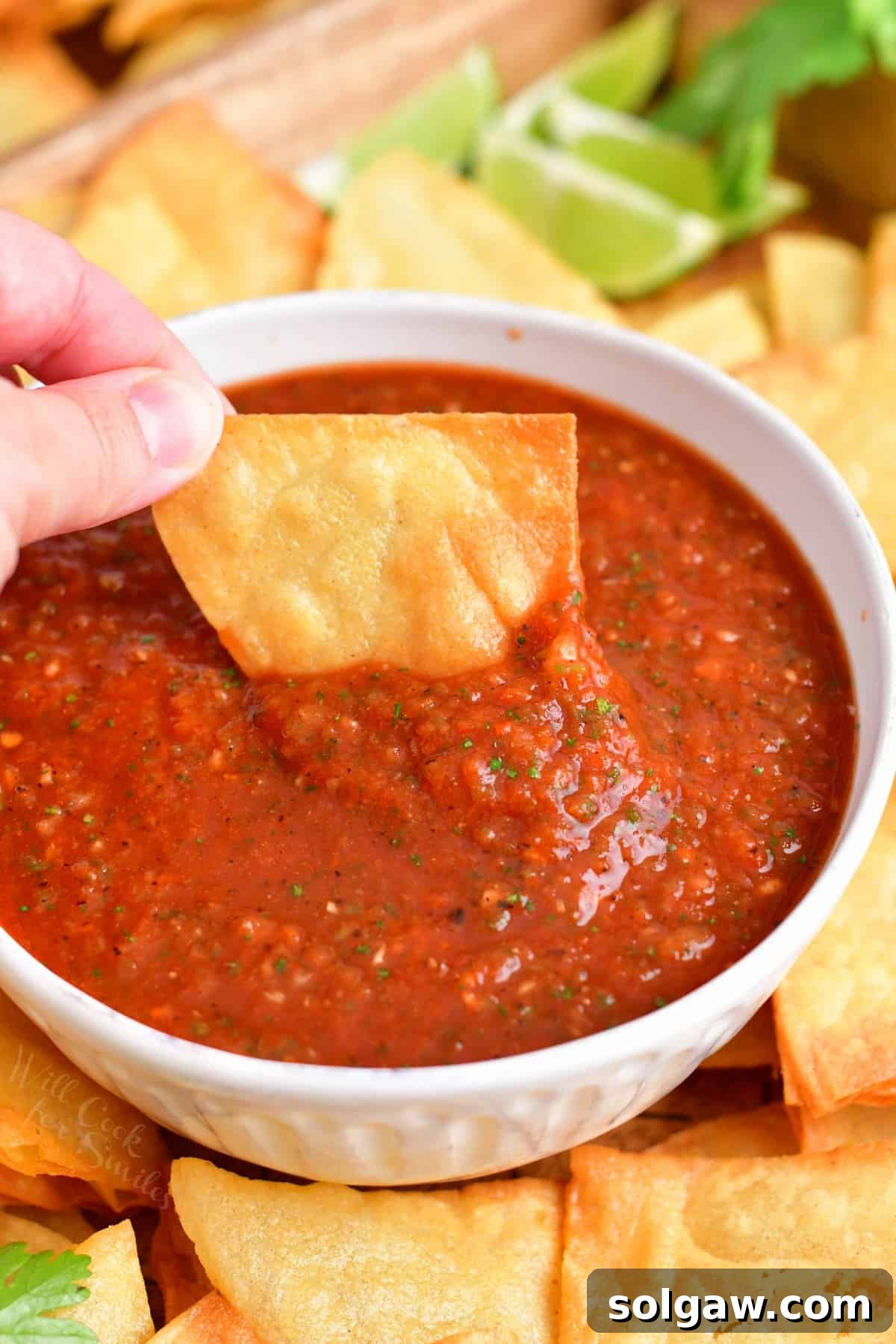
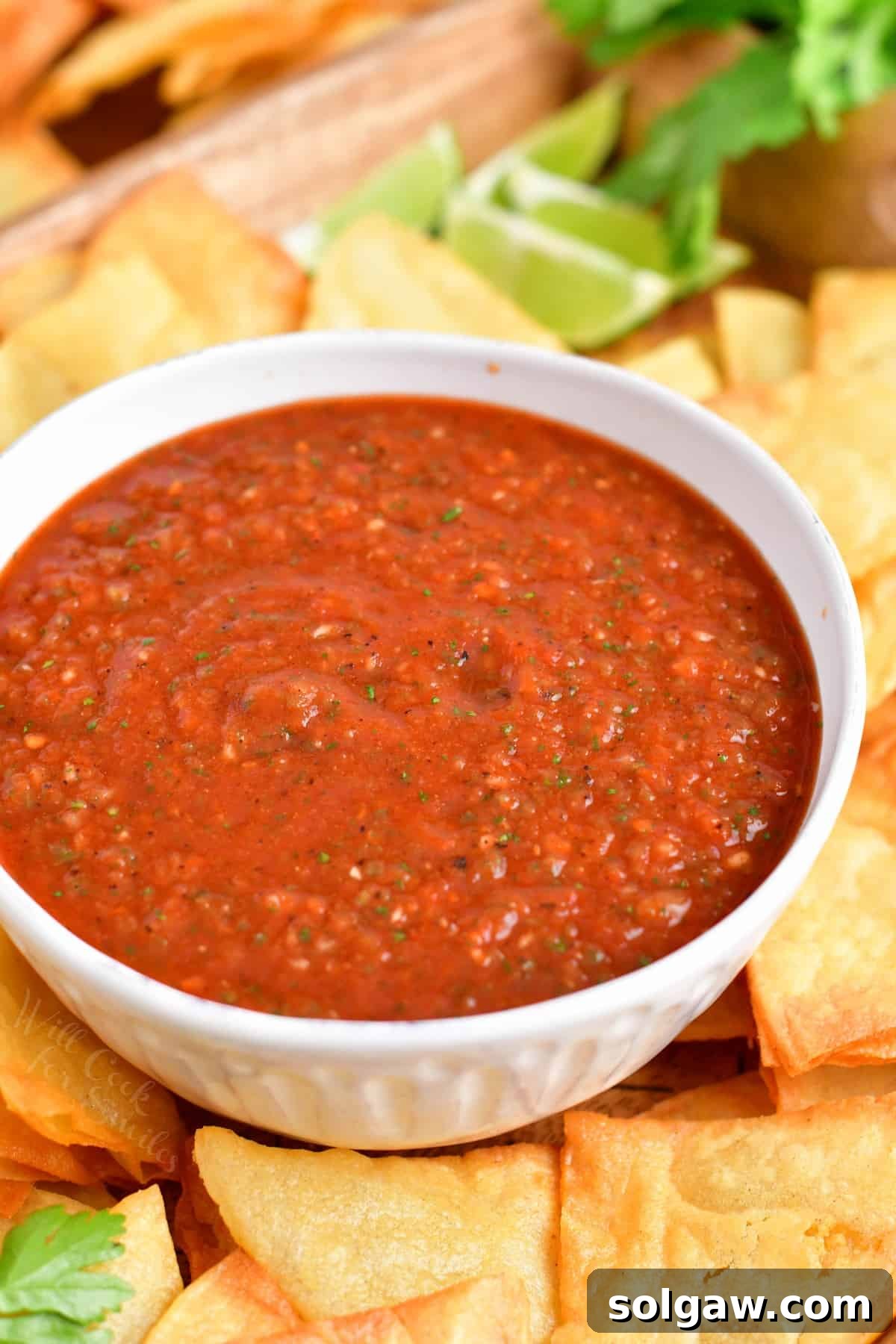
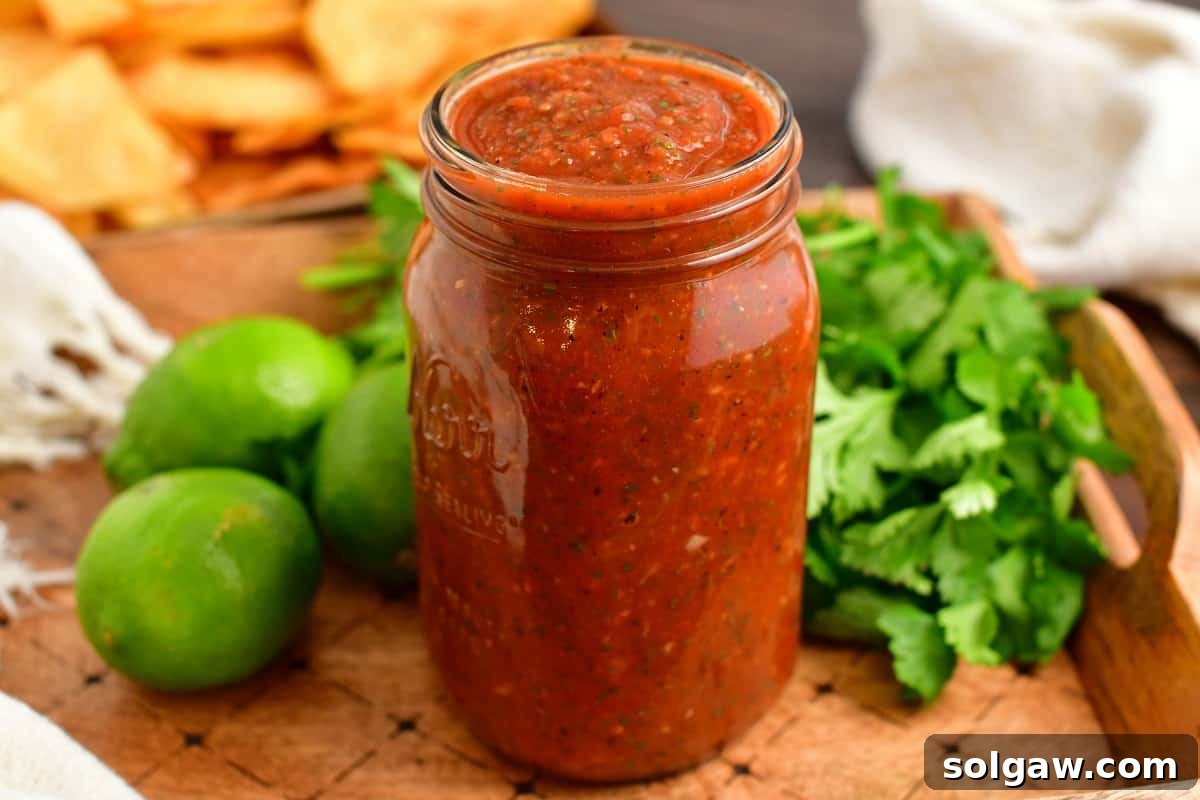
Welcome to the world of authentic Mexican flavors, right in your kitchen! There’s nothing quite like a freshly made bowl of vibrant, zesty salsa to elevate any meal or gathering. In its homeland of Mexico, this beloved condiment is traditionally known as salsa roja, or “red sauce,” and often as salsa de mesa, meaning “table sauce.” This speaks volumes about its omnipresence at every dining experience. The word “salsa” itself simply translates to “sauce” in Spanish, but in culinary terms, it signifies so much more: a burst of fresh ingredients blended into a versatile, flavorful companion to countless dishes.
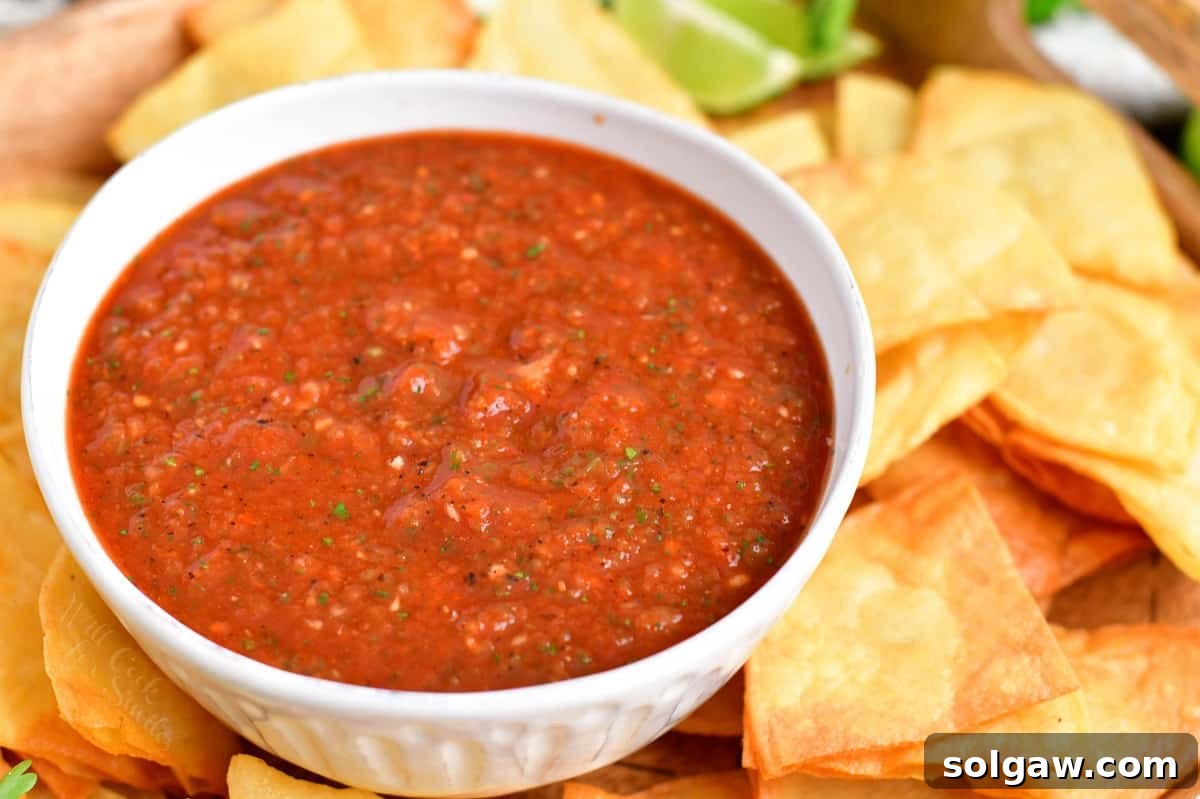
Imagine stepping into your favorite Mexican restaurant, and before you even order, a warm basket of crispy tortilla chips arrives, accompanied by a rich, savory salsa. That irresistible, incredibly addicting flavor is what we aim to recreate – and surpass – with this homemade recipe. This isn’t just any salsa; it’s designed to deliver that authentic, restaurant-quality taste that will have everyone asking for your secret. We focus on packing every spoonful with an explosion of flavor, carefully selecting each ingredient for its unique contribution. Freshness is paramount, as the brightest and most robust flavors come from high-quality, just-picked produce.
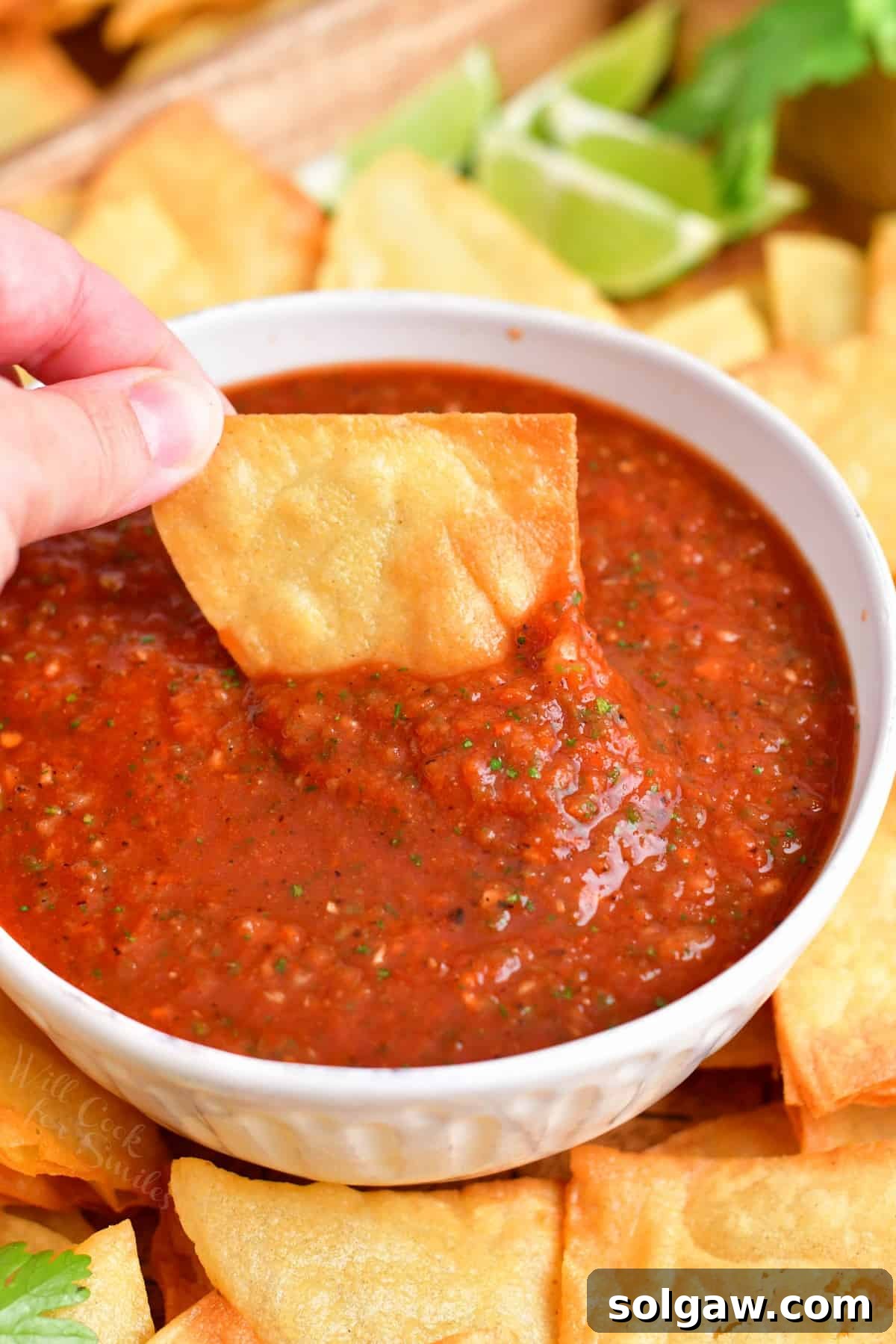
This recipe consistently proves to be a crowd-pleaser, perfect for impressing friends and family. To truly complete the experience, we highly recommend serving this incredible salsa alongside a batch of warm, homemade tortilla chips. Don’t worry, we’ve included easy instructions for making those too! And if you want to create a full Mexican fiesta spread, consider adding other delightful dips like salsa verde, creamy queso dip, and refreshing corn salsa. Because when it comes to delicious salsa, there’s truly no such thing as too much!
Crafting the Perfect Flavor Profile: Ingredient Tips and Adjustments
Achieving that signature restaurant-style salsa involves a thoughtful selection of ingredients. While the process itself is remarkably simple, understanding the role each component plays can elevate your homemade salsa from good to unforgettable. Here are some key tips for selecting and adjusting your ingredients to suit your taste:
The Magic of Fire-Roasted Canned Tomatoes
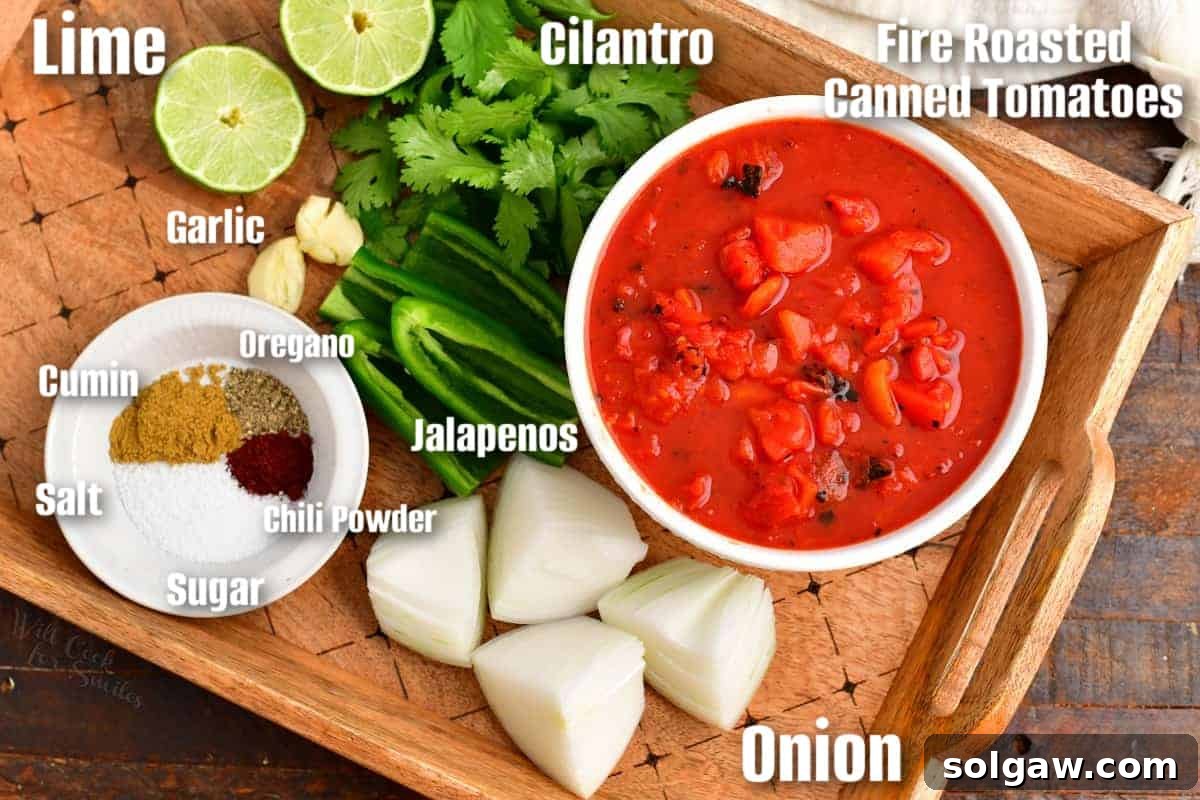
- Fire Roasted Canned Tomatoes are the cornerstone of this recipe’s deep, smoky flavor. The roasting process caramelizes the tomatoes, enhancing their natural sweetness and adding a layer of rich, complex smokiness that is difficult to replicate with fresh tomatoes alone, especially for that authentic restaurant depth. If you absolutely must, you can use plain canned tomatoes, but be aware that your salsa will have a slightly less pronounced and less flavorful profile. For an unparalleled taste that truly captures the essence of a traditional Mexican table salsa, fire-roasted varieties are highly recommended.
Mastering the Heat: Jalapeños and Beyond
- Jalapeños are your primary tool for controlling the spice level in this salsa. For best results and flavor, always opt for fresh jalapeños. Did you know you can actually predict and adjust the spiciness based on the pepper’s appearance?
- Less Spicy: Look for younger jalapeños with smooth, deep green skin. These typically contain less capsaicin, the compound responsible for heat.
- More Spicy: Older jalapeños tend to be spicier. You can identify them by the brown “stretch marks” or veins running along their skin. The more veins, the spicier the jalapeño will be!
Furthermore, the majority of the heat in a chili pepper resides in the seeds and the white pith (membranes) inside. For a milder salsa, carefully remove and discard all seeds and pith. If you crave more heat, feel free to leave some or all of them in.
- Making it Even Spicier: While jalapeños offer a pleasant, mild kick, some palates demand more intensity. To significantly increase the heat, consider substituting jalapeños with spicier chili peppers, such as serrano peppers (which are typically hotter than jalapeños) or even a small amount of habanero for a fiery punch. You can also boost the spice with seasonings by adding a little more chili powder or a pinch of fiery cayenne pepper. Remember to add these in small increments and taste as you go, as a little goes a long way!
The Freshness Factor: Cilantro, Lime, Onion, and Garlic
- Cilantro is absolutely essential for the bright, fresh, and distinctly Mexican flavor of this salsa. Its unique, herbaceous notes are incredibly specific and cannot be truly substituted without altering the salsa’s character. If you’re one of those individuals who find cilantro tastes like soap (a genetic trait!), you might try omitting it entirely. In such a case, you could attempt to compensate with a touch more cumin, but be aware the flavor profile will differ significantly.
- White Onion and Garlic Cloves: These humble ingredients form the aromatic backbone of any good salsa. White onion provides a crisp, slightly sharp counterpoint to the tomatoes, while fresh garlic adds a pungent depth that rounds out the flavors beautifully. Always use fresh for the best results!
- Fresh Lime Juice: A squeeze of fresh lime juice is vital for brightening the entire salsa, adding a tangy acidity that cuts through the richness of the tomatoes and balances the flavors. It’s the final touch that makes the salsa truly pop.
Essential Seasonings
- Salt: Crucial for enhancing all other flavors. Always start with the recommended amount and adjust to your personal preference.
- Cumin: This warm, earthy spice adds a classic Tex-Mex and Mexican aroma and depth.
- Chipotle Chili Powder: Beyond just heat, chipotle chili powder introduces a wonderful smoky, slightly sweet, and earthy flavor. It complements the fire-roasted tomatoes perfectly, contributing to that desired restaurant depth. Adjust to your heat preference.
The Ultimate Accompaniment: How to Make Homemade Tortilla Chips
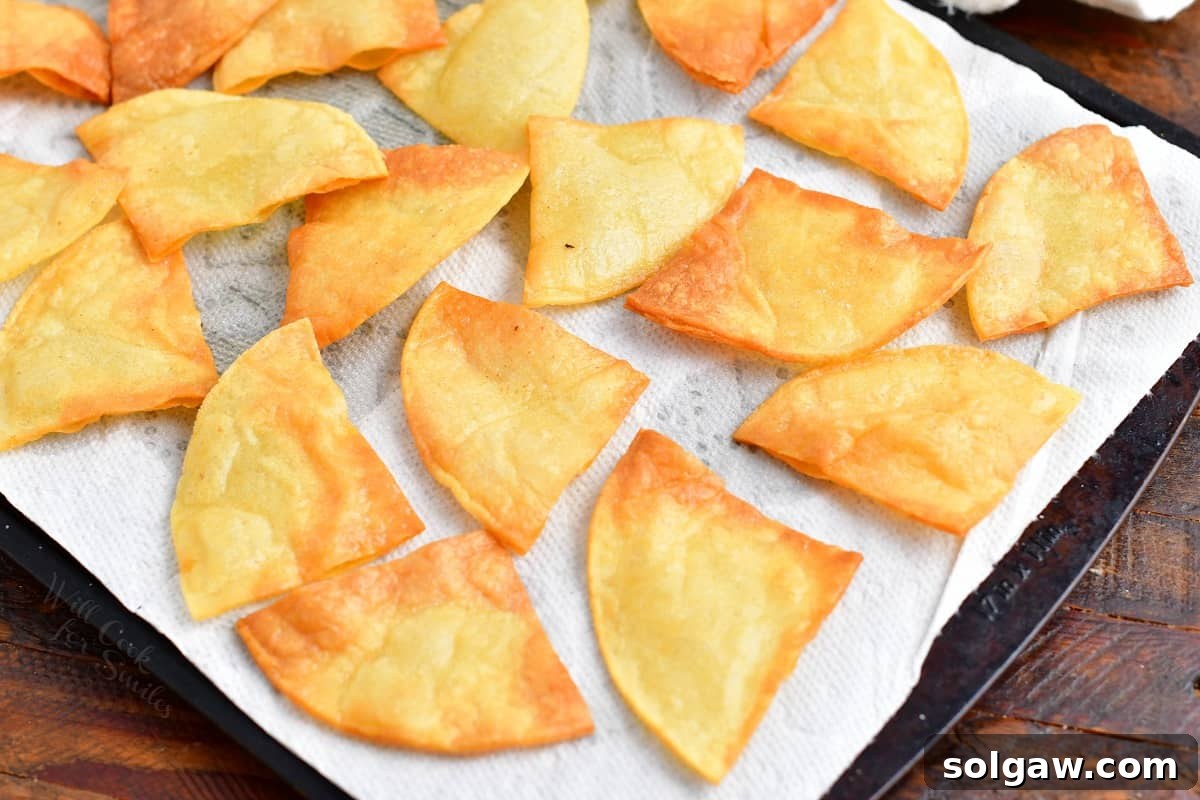
While store-bought tortilla chips are convenient, nothing quite compares to the warm, crispy, perfectly seasoned delight of homemade tortilla chips. They are the ideal vehicle for your incredible homemade salsa and truly complete that restaurant experience right in your home. This step is entirely optional, but we promise, it’s worth the extra effort!
Frying Your Tortilla Chips to Golden Perfection
- Preparation: Start with small taco corn tortillas. Cut each tortilla into quarters, creating classic triangular chip shapes. This size is perfect for dipping.
- Heating the Oil: In a sturdy skillet or a deep pot, preheat about 2 cups of a neutral cooking oil (like vegetable, canola, or corn oil) until it reaches precisely 350°F (175°C). Using a thermometer is crucial for achieving the perfect crispiness without burning.
- Draining Setup: Prepare a baking sheet by lining it with a wire rack. Cover the wire rack with a few layers of paper towels. This setup will allow excess oil to drain efficiently, ensuring your chips remain wonderfully crispy and not greasy.
- Frying Process: Carefully add a few tortilla quarters to the hot oil at a time. Do not overcrowd the pan, as this will lower the oil temperature and result in soggy chips. Fry the tortillas for approximately 2-3 minutes, or until they turn golden brown and become perfectly crispy. Remember to flip them halfway through using metal tongs or a metal spatula to ensure even cooking on both sides.
- Seasoning: As soon as the chips come out of the oil, transfer them to the prepared wire rack and immediately sprinkle them generously with a pinch of fine salt. The salt adheres best while the chips are still hot. Repeat the process with the remaining tortilla pieces.
Baking Tortilla Chips for a Lighter Option
- Preparation: Just like with frying, start by cutting small corn tortillas into quarters.
- Arrangement: Spread the cut tortilla pieces in a single layer on a large metal baking sheet. Ensure they are not overlapping to allow for even baking. You might need to use two baking sheets.
- Baking: Preheat your oven to 350°F (175°C). Bake the tortilla pieces for 5-6 minutes.
- Flipping and Finishing: Carefully flip each tortilla chip to expose the other side. Return the baking sheet to the oven and bake for an additional 6-8 minutes, or until the chips are lightly golden and crisp. Keep a close eye on them to prevent burning, as oven temperatures can vary.
- Seasoning: Once baked, remove from the oven and immediately sprinkle with salt while still warm for the best flavor adhesion.
Fresh Versus Canned Tomatoes in Salsa: Which is Best for Restaurant Style?
This is a common debate among salsa enthusiasts! While the allure of fresh, ripe tomatoes is undeniable, achieving that classic, deep, and complex restaurant-style salsa flavor often points towards using canned tomatoes, especially fire-roasted varieties. Let’s delve into why:
- The Case for Canned Tomatoes: For a true Mexican restaurant-style salsa, canned tomatoes generally outperform fresh. Canned tomatoes, particularly those that are fire-roasted, offer a richer, more concentrated, and deeper tomato flavor profile. They are picked at peak ripeness and processed, locking in intense flavor that fresh, out-of-season tomatoes often lack. This robust flavor is crucial for the salsa’s depth and consistency. Furthermore, salsa made with canned tomatoes tends to have a longer shelf life in the refrigerator compared to salsa made with entirely fresh produce, as the canning process helps preserve them.
- When Fresh Tomatoes Shine: While canned tomatoes are our go-to for this specific recipe, fresh tomatoes are undeniably fantastic for other types of salsa, such as a vibrant and chunky Pico de Gallo. In Pico de Gallo, the raw, bright flavor and crisp texture of fresh tomatoes are exactly what you want. However, if your goal is that smooth, savory, cooked-down Mexican table sauce, canned is the way to go.
- Using Fresh Tomatoes (with a caveat): If you are determined to use fresh tomatoes, it is certainly possible, but it requires an extra step to develop a comparable depth of flavor. You can blend your fresh tomato salsa ingredients and then simmer the mixture with a little cooking oil for approximately 15 minutes. This gentle cooking process helps to concentrate the flavors and mellow out the raw edge of the fresh tomatoes, bringing them closer to the complexity of canned varieties. Keep in mind that even with simmering, the exact flavor may not perfectly match that achieved with fire-roasted canned tomatoes. For the best results when using fresh, aim for about 1.25 to 1.5 pounds of ripe Roma or San Marzano tomatoes, known for their meaty texture and robust flavor.
Homemade Restaurant-Style Salsa Recipe
PIN THIS RECIPE FOR LATER
This easy homemade salsa recipe is bursting with rich, authentic Mexican flavors and takes only minutes to prepare! With a few key ingredients like smoky fire-roasted tomatoes, aromatic seasonings, fresh cilantro, and bright lime juice, you’ll blend up an incredibly delicious, restaurant-quality salsa that’s perfect for dipping, topping, or enhancing any dish.
Recipe Details
- Course: Appetizer
- Cuisine: Mexican
- Diet: Gluten Free, Low Lactose, Vegan
- Prep Time: 5 minutes
- Total Time: 5 minutes
- Servings: 8
- Calories: 33 kcal per serving
- Author: Lyuba Brooke
Ingredients
- 28 oz fire roasted canned tomatoes
- 1/2 medium white onion
- 2 jalapeno peppers
- 2 garlic cloves
- Juice of 1 lime
- 1/3 cup fresh cilantro
- 1/2 tsp white granulated sugar
- 1 tsp salt (more or less to taste)
- 1 tsp cumin
- 1/2 tsp chipotle chili powder (more or less to taste)
Instructions
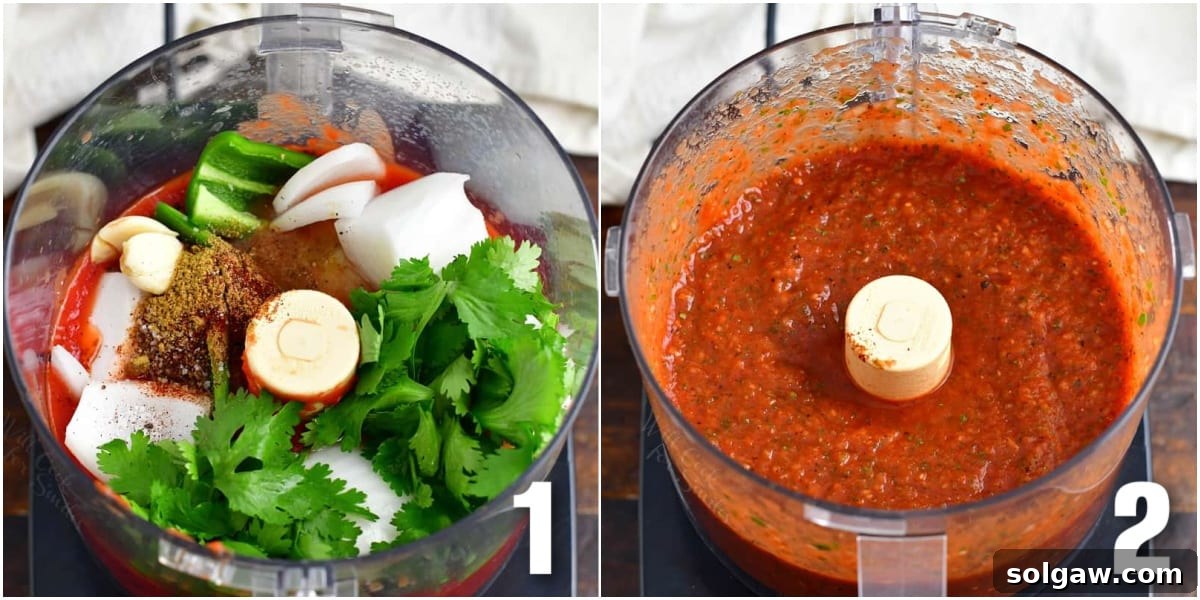
- Combine all the ingredients in a blender or food processor. Pulse a few times until the mixture is blended to small, coarse chunks. Avoid over-blending; you want a rustic texture, not a smooth puree, and certainly don’t want to bite into large pieces of raw garlic or jalapeño.
- Serve immediately with your favorite tortilla chips, or transfer to a glass jar with a lid and refrigerate for later enjoyment.
Optional: Cooking Homemade Tortilla Chips
- Frying Chips: Cut small taco corn tortillas into quarters. Preheat about 2 cups of cooking oil in a skillet to 350°F. Fry a few tortilla pieces at a time until golden and crispy (about 2 minutes), flipping halfway through. Transfer to a wire rack lined with paper towels to drain excess oil, then season immediately with salt.
- Baking Chips: Spread cut tortillas on a large metal baking sheet in a single layer. Preheat oven to 350°F. Bake for 5-6 minutes, then flip each chip and bake for another 6-8 minutes until golden and crisp. Season with salt immediately after baking.
Recipe Notes for the Perfect Salsa
- Need To Use Fresh Tomatoes? While canned tomatoes provide the best restaurant-style salsa experience and are more convenient, you can use fresh tomatoes. If opting for fresh, blend your ingredients and then simmer the salsa with a little cooking oil for about 15 minutes to develop a similar depth of flavor. For optimal results, use approximately 1.25-1.5 lbs of fresh Roma or San Marzano tomatoes.
- Customize the Spice Level: Jalapeños are relatively mild. To increase the heat, choose older jalapeños (identifiable by brown veins on the skin; more veins mean more spice) or leave some of the seeds and white pith in. For a fiery kick, consider substituting with spicier peppers like serrano or habanero, or add extra chili powder or a pinch of cayenne pepper. Always taste and adjust gradually!
- Storage Guidelines: Store your homemade salsa in an airtight glass container in the refrigerator for up to one week to maintain its freshness and flavor.
- Freezing Instructions: Salsa can be frozen, though expect a slightly softer texture upon thawing. Transfer the blended salsa into freezer-safe zip-top bags, flattening them for easy stacking, or portion into several smaller bags. Freeze on a flat surface like a cutting board, then stack once solid.
Nutrition Information (Approximate per serving)
- Calories: 33 kcal
- Carbohydrates: 7g
- Protein: 1g
- Fat: 0.1g
- Saturated Fat: 0.02g
- Polyunsaturated Fat: 0.03g
- Monounsaturated Fat: 0.04g
- Sodium: 447mg
- Potassium: 41mg
- Fiber: 1g
- Sugar: 3g
- Vitamin A: 524IU
- Vitamin C: 9mg
- Calcium: 39mg
- Iron: 1mg
Did you try this amazing homemade salsa recipe? We’d love to hear from you! Please leave a 🌟 star rating and share your thoughts by leaving a 📝 comment below. Don’t forget to share your creations and tag us on social media @willcookforsmiles with #willcookforsmiles. We also invite you to subscribe to our newsletter for more delicious recipes and kitchen tips!
Explore More Salsa Creations
Once you’ve mastered this classic restaurant-style salsa, you might be inspired to explore other vibrant and flavorful salsa recipes to complement a variety of dishes. Expand your culinary horizons with these delicious options:
- Dessert Strawberry Salsa (a sweet and fruity twist!)
- Spicy Mango Salsa (for a tropical and tangy kick)
- Pineapple Salsa (sweet, juicy, and perfect for grilled meats)
- Avocado Salsa (creamy, fresh, and incredibly satisfying)
- Corn Salsa (sweet and crunchy, a great addition to tacos or salads)
This recipe was originally published on Will Cook For Smiles in April 2021, and has been a favorite ever since!