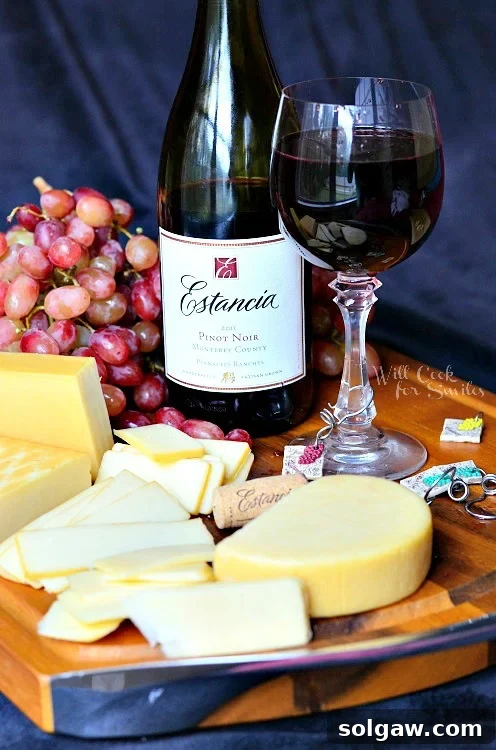
The Ultimate Guide to Wine and Cheese Pairing: Crafting an Unforgettable Experience
Elevate your entertaining with the timeless elegance of a perfectly paired wine and cheese spread. Whether you’re planning an intimate date night, a sophisticated dinner party, or a casual gathering with friends, mastering the art of wine and cheese selection promises a delicious and memorable occasion. This guide will walk you through essential pairing principles, offering simple and affordable suggestions to create a truly delightful experience.
A Personal Journey to the Perfect Spread
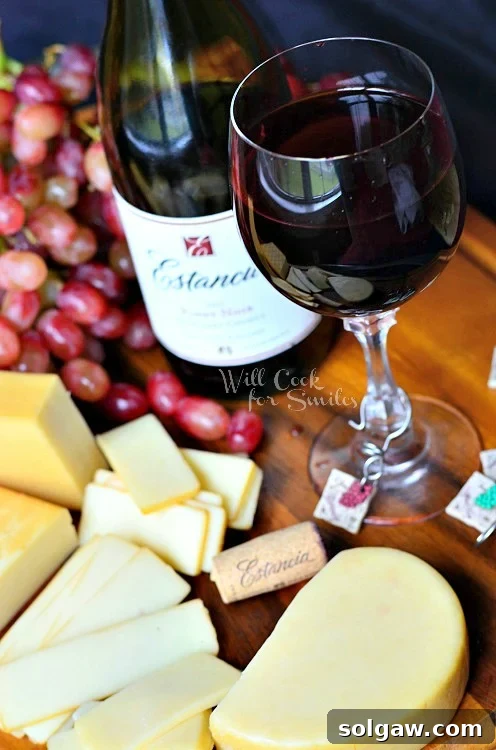
The allure of a beautifully arranged wine and cheese spread has always captivated me. Recently, to celebrate the conclusion of a busy school semester, my partner and I decided to indulge in a special date night at home. It was then that I realized, surprisingly, we had never truly created a dedicated wine and cheese experience. Inspired by weeks of research and a long-held desire to dive into the world of perfect pairings, this felt like the ideal moment to transform that aspiration into a reality.
This particular evening also presented the perfect opportunity to showcase a stunning new serving piece I had acquired. The anticipation of assembling the spread, choosing the perfect wines and cheeses, and presenting it all on this elegant tray added an extra layer of excitement. And I’m thrilled to report, the night was a resounding success, and the spread was absolutely exquisite!
Showcasing Elegance: The Nambé Carve and Serve Station
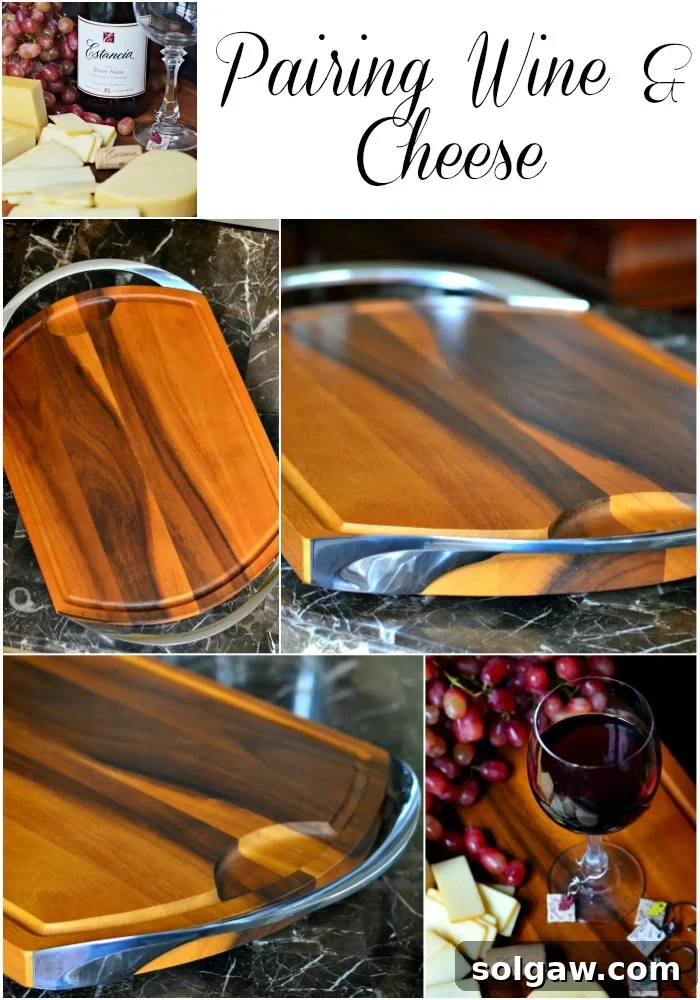
Before we delve into the delectable pairings, allow me to introduce the star of our presentation: the magnificent Carve and Serve station from Nambé. This piece is more than just a serving tray; it’s a versatile classic that truly elevates any gathering. Crafted with both beauty and functionality in mind, it’s an item every host should consider having, especially for special occasions and holidays.
What makes this station truly remarkable is its thoughtful design. The ingenious moat around the edge, for instance, makes it perfectly suited for carving juicy meats of all kinds, ensuring that precious liquids are contained without mess. However, its utility extends far beyond roasts. The polished wood, complemented by the signature Nambé alloy handle design, exudes an undeniable elegance that adds a touch of sophistication to any classy night. Don’t feel confined to using it solely for dinner; this gorgeous serving tray is ideal for showcasing a bountiful array of fresh French bread, vibrant fruits, a selection of artisanal cheeses, and, of course, your chosen wines.
I am utterly captivated by the elegant and sophisticated aesthetic of this Nambé Carve and Serve station. Yet, its beauty belies its robust construction. This station is built to last, made from durable, thick wood and featuring solid, beautifully crafted alloy accents. It’s a testament to Nambé’s commitment to quality, offering both visual appeal and lasting functionality.
The Art and Science of Wine and Cheese Pairing
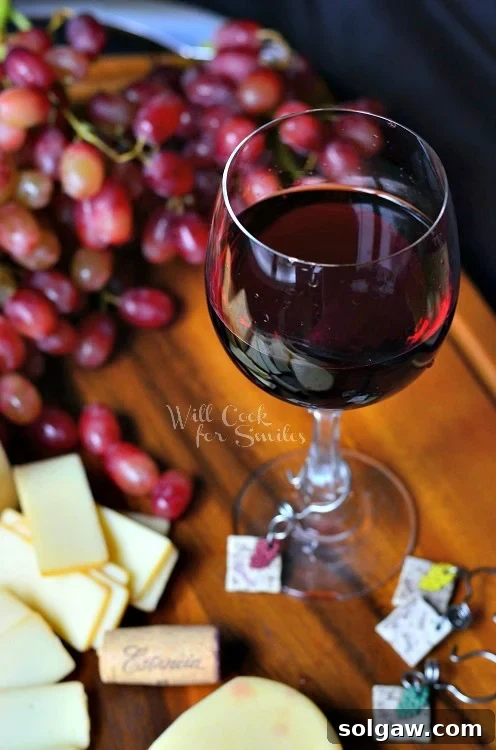
The combination of wine and cheese is a classic for a reason: when paired correctly, it’s an explosion of complementary flavors and textures that tantalize the palate. My extensive research has culminated in this straightforward guide, designed to simplify the process for you. While true wine connoisseurs might find these suggestions basic, they offer an accessible entry point to discovering delightful, affordable combinations.
Understanding the Fundamentals: Key Considerations
Achieving the perfect wine and cheese harmony involves considering several critical factors that influence how they interact on your palate. These elements include texture, acidity, fat content, and tannins. By understanding these components, you can make more informed and satisfying pairing choices.
Texture: The consistency of both the cheese and the wine plays a significant role. Hard, aged cheeses often stand up well to more robust wines, while softer, creamier cheeses might be overwhelmed. Conversely, a delicate wine could be lost against an intensely flavored, crumbly cheese.
Acidity: Wines with higher acidity, such as a crisp Chardonnay or Sauvignon Blanc, are excellent companions for rich, creamy cheeses like Brie. The acidity acts as a palate cleanser, cutting through the fattiness of the cheese and refreshing your taste buds for the next bite. This creates a beautiful balance, preventing either the wine or the cheese from feeling too heavy.
Fat and Richness: Many cheeses are rich in fat, which can coat the mouth. Wines with good acidity or moderate tannins are fantastic at balancing this richness. They provide a refreshing contrast, preventing the experience from becoming cloying and enhancing the overall flavor profile of both components.
Tannins: Tannins are naturally occurring compounds derived from the skins, stems, and seeds of grapes used in wine production. They impart a characteristic drying sensation in the mouth. Generally, tannins are more dominant in younger wines and tend to soften and mellow as wines age. When pairing, it’s important to note that harder, aged types of cheese, with their concentrated flavors and often nuttier profiles, can beautifully handle more tannic wines like a Cabernet Sauvignon. The cheese’s fat and protein can soften the wine’s tannins, creating a smoother, more integrated taste.
Sweetness and Saltiness: This is a classic pairing principle. Sweet wines, such as a Port or a Riesling, find a wonderful counterpart in salty or pungent cheeses, especially blue cheeses. The sweetness of the wine perfectly counteracts the intense saltiness and sharpness of the cheese, creating a delightful contrast that is incredibly satisfying.
Intensity: A general rule of thumb is to match the intensity of the wine with the intensity of the cheese. A delicate, fresh goat cheese would be overwhelmed by a bold, full-bodied red wine, just as a powerful aged cheddar might overshadow a light-bodied white. Aim for balance so that neither element dominates the other.
To add an extra layer of flavor and complexity to your cheese tray, don’t hesitate to experiment with accompaniments. A drizzle of honey over a creamy cheese, for instance, can introduce a delightful sweetness that complements many wines.
*Note: These are merely suggestions and a starting point. Feel free to be adventurous and explore your own unique pairings! The most important rule is to enjoy what you discover.
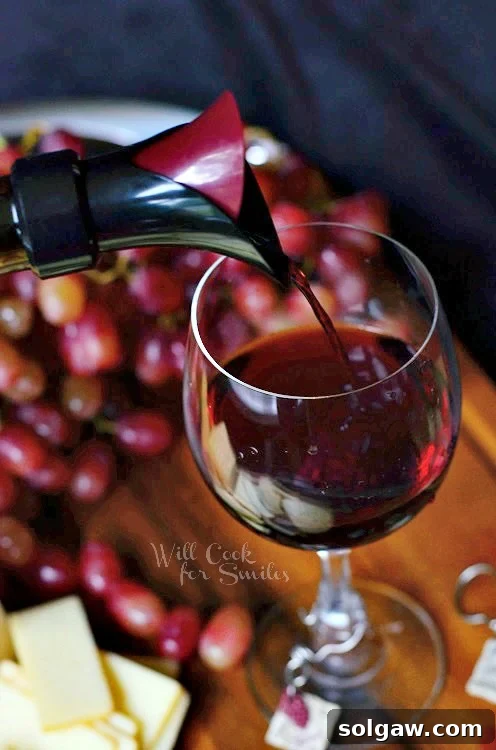
Your Go-To Pairing Guide: Simple and Affordable Options
Here’s a breakdown of accessible wine and cheese pairings, categorized for your convenience. These options focus on widely available and budget-friendly choices, ensuring you can create a fantastic spread without breaking the bank. Remember, these are jumping-off points for your culinary exploration!
By Cheese:
Aged Cheddar– This firm, often sharp cheese with nutty notes pairs wonderfully with robust reds such as Cabernet Sauvignon, Merlot, and Zinfandel. Its strong flavor can handle the tannins in these wines.
Blue Cheese – The pungent, salty, and creamy nature of blue cheese creates an exquisite contrast with sweet wines like Port and Riesling. It also holds its own against a bold Cabernet Sauvignon or various Sweet Wine Blends.
Brie– This soft, creamy, and buttery cheese is best enjoyed with wines that have good acidity to cut through its richness. Think Chardonnay, Pinot Noir, Riesling, Sauvignon Blanc, Sparkling Wine, and Champagne.
Gouda – A versatile cheese, Gouda can range from mild and creamy to firm and nutty when aged. It pairs well with Chardonnay, Cabernet Franc, Pinot Noir, and Rosé.
Gruyere– This semi-hard, nutty, and savory cheese is incredibly versatile. It shines with Beaujolais, Cabernet Sauvignon, Chardonnay, Merlot, Pinot Gris, Pinot Noir, Zinfandel, Riesling, Sauvignon Blanc, and Shiraz.
Parmigiano Reggiano – The hard, granular, and intensely savory profile of Parmigiano Reggiano is a match made in heaven for bold reds like Cabernet Sauvignon, Chianti, Merlot, Prosecco, and various Red Blends.
Monterey Jack – This mild, semi-hard cheese is often enjoyed with versatile reds such as Cabernet Sauvignon and Merlot.
By Wine:
Cabernet Sauvignon – This full-bodied red with firm tannins complements hard, aged, and even some pungent cheeses. Pair it with Aged Cheddar, Colby, Blue, Gorgonzola, Gouda, Parmesan, and Roquefort.
Chardonnay – Often creamy with notes of apple or citrus, Chardonnay (especially oaked versions) excels with Brie, Goat cheese, Gouda, Gruyere, Parmesan, and Provolone.
Merlot – A medium-bodied, fruit-forward red, Merlot is a friendly choice for a range of cheeses including Brie, Cheddar, Gorgonzola, Gouda, Gruyere, Jarlsberg, and Parmesan.
Pinot Noir– This light-bodied, earthy red is wonderfully versatile with Brie, Feta, Gruyere, Monterey Jack, Muenster, Swiss, and Gouda.
Port– The rich, sweet nature of Port makes it an iconic partner for pungent, salty blue cheeses like Blue and Gorgonzola.
Riesling– From dry to sweet, Riesling’s acidity and fruitiness make it adaptable. It pairs beautifully with Brie, Blue, Colby, Edam, Gouda, and Monterey Jack.
Sauvignon Blanc– This crisp, often herbaceous white wine with high acidity is fantastic with Asiago, Brie, Cheddar, Feta, Goat cheese, Gruyere, and Parmesan.
Zinfandel– Known for its bold fruitiness and sometimes spicy notes, Zinfandel is great with Asiago, Blue, Feta, Goat cheese, Gouda, Gruyere, and Muenster.
Beaujolais– A light, fruity red wine, Beaujolais is a delightful choice for soft, fresh cheeses such as Brie and Goat cheese.
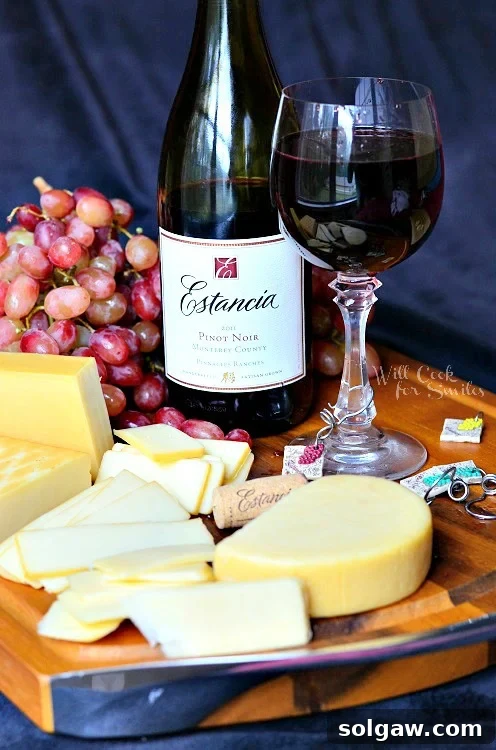
Elevating Your Wine and Cheese Experience with Accompaniments
While wine and cheese form the core of your spread, the right accompaniments can transform a simple board into a lavish feast. These additions provide textural contrast, introduce new flavor dimensions, and enhance the overall enjoyment of your pairings.
Bread & Crackers: Offer a variety of textures – a crusty baguette, artisanal crackers, or even some savory crostini. These serve as perfect vehicles for cheese and help cleanse the palate between different pairings.
Fruits: Fresh and dried fruits bring sweetness, acidity, and textural elements. Grapes (both red and green), figs (fresh or dried), crisp apple slices, ripe pear wedges, and various berries are excellent choices that complement many cheeses and wines.
Nuts: A small bowl of assorted nuts adds a delightful crunch and earthy flavor. Walnuts, almonds, pecans, and pistachios can highlight nutty notes in certain cheeses and provide a satisfying bite.
Savory Bites: Introduce some tang and saltiness with olives, cornichons (small pickled cucumbers), or even some high-quality cured meats like prosciutto or salami. These additions create a more dynamic flavor profile for your board.
Sweet Drizzles & Spreads: As mentioned, honey is a magical touch, especially over a rich, creamy cheese or a salty blue. Fig jam, quince paste, fruit preserves, or a balsamic glaze can also offer a wonderful sweet counterpoint to savory cheeses, inviting new taste sensations.
Presentation Matters: Crafting an Inviting Cheese Board
An aesthetically pleasing cheese board enhances the entire experience. Arrange your cheeses with a mix of textures and colors. Allow cheeses to come to room temperature for about 30-60 minutes before serving, as this unlocks their full flavor and aroma. Provide appropriate cheese knives and spreaders for each cheese. Don’t be afraid to artfully scatter fruits, nuts, and crackers around the cheeses to create a bountiful and appealing display. For larger gatherings, small labels for each cheese and wine can be a helpful touch, guiding your guests through the culinary journey.
Conclusion: Embrace the Journey of Taste
Creating a wine and cheese spread is more than just serving food; it’s about crafting an experience. It’s a delightful exploration of flavors, textures, and aromas that can transform a simple evening into an elegant celebration. With these guidelines for simple and affordable pairings, alongside tips for presentation and accompaniments, you’re well-equipped to design an unforgettable spread. Don’t shy away from experimentation; discover your own perfect combinations and savor every moment.
Disclosure: I received the Nambé Carve & Serve Station at no charge. All opinions and photographs are my own, and I was not compensated for this post.