Featured Comment
“This is absolutely delicious! You must try it for yourself!” ~Donna Neal
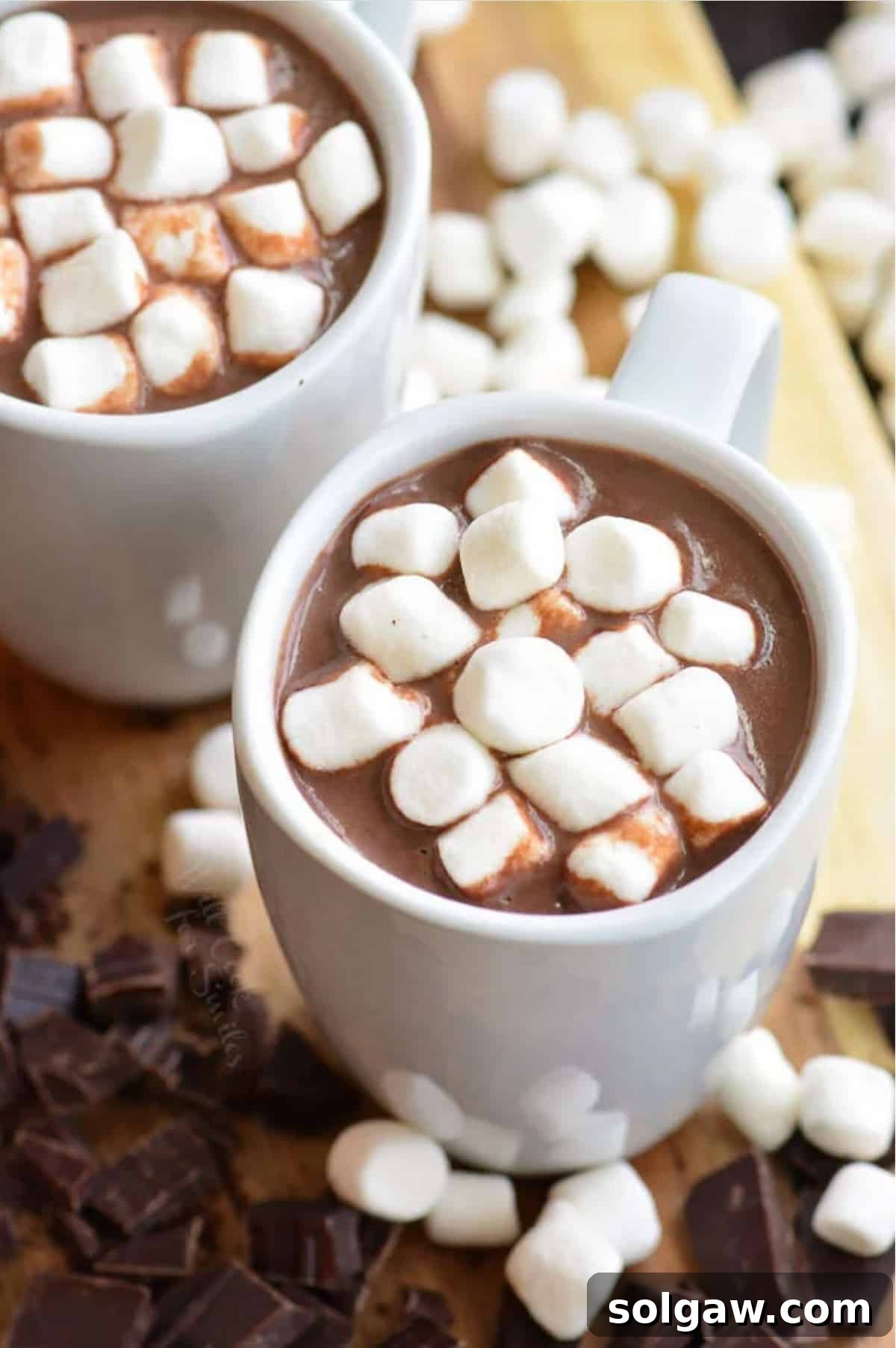
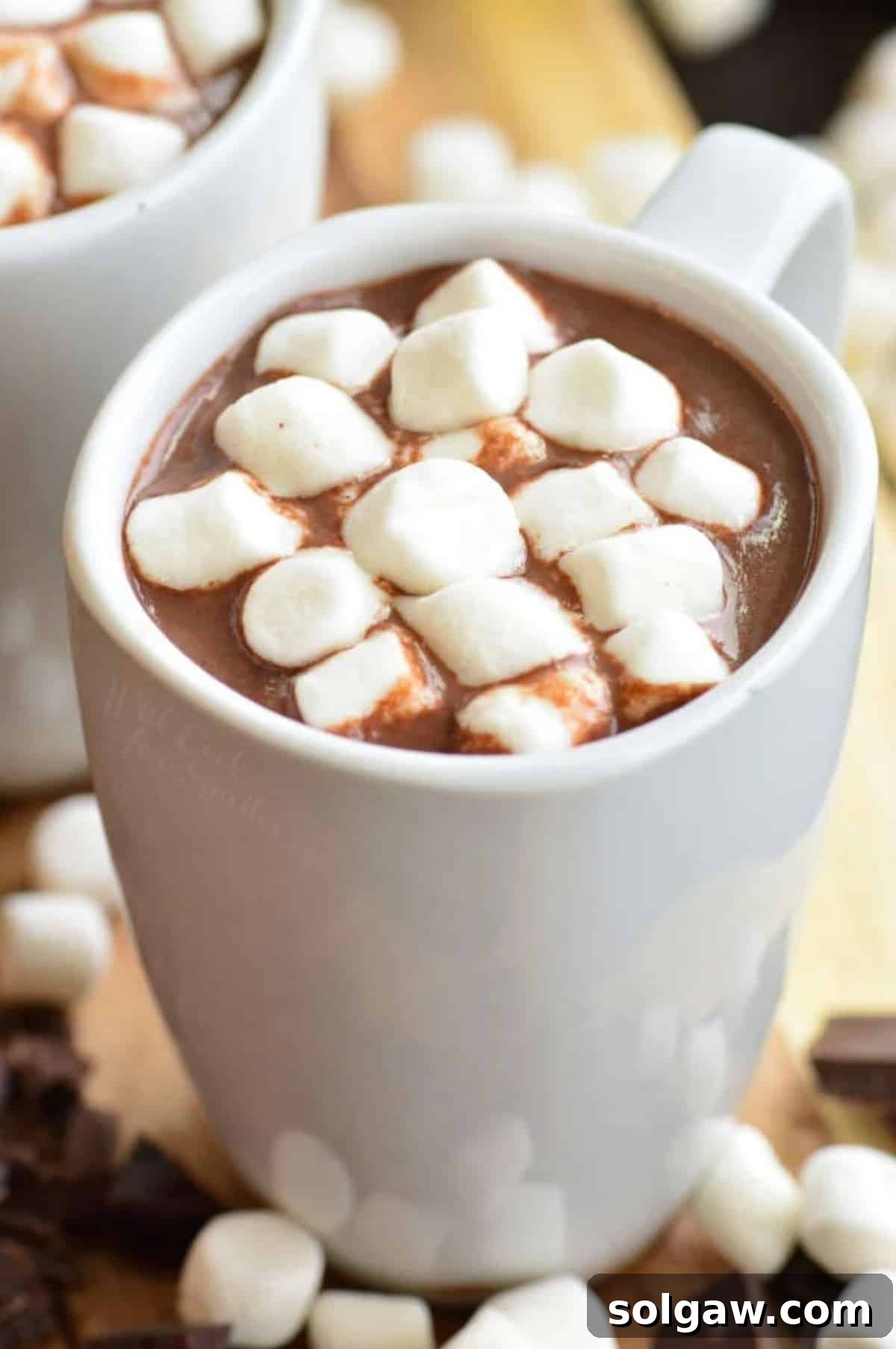
There’s nothing quite like a warm, comforting mug of hot chocolate to chase away the chill of a crisp autumn evening or a frosty winter morning. For years, I’ve been on a personal quest to create what I genuinely believe is the very best homemade hot chocolate recipe. After countless experiments, diligently testing over a dozen variations—each with different chocolate-to-milk ratios, various types of dairy, and diverse preparation techniques—I have finally perfected this recipe. It strikes an exquisite balance of profound richness, comforting sweetness, and velvety creaminess that will tantalize your taste buds and warm your soul.
My rigorous testing phase involved my toughest critics: family and friends. They eagerly volunteered for numerous tasting rounds (who could say no to homemade hot chocolate?). Through their feedback, we quickly eliminated versions made solely with cocoa powder, which often resulted in a thin, somewhat grainy drink lacking depth. Similarly, concoctions with an excessively high chocolate-to-milk ratio proved to be overwhelmingly thick, feeling more like melted chocolate syrup than a drinkable beverage.
The secret to achieving this perfect harmony, we discovered, lies in a strategic combination of finely chopped chocolate and unsweetened cocoa powder. This dynamic duo works in synergy: the chopped chocolate melts into a luxurious, smooth base, contributing a deep, complex flavor and silky texture, while the cocoa powder enhances the overall chocolate intensity without adding excessive thickness. For the chocolate itself, bittersweet chocolate emerged as the undisputed champion, offering a sophisticated flavor profile that elevates the drink beyond mere sweetness.
Equally crucial was the choice of milk. Our extensive trials, involving different milk fat percentages and even a blend with cream, revealed that 2% milk and whole milk (without any added cream) produced the most desirable flavor and texture. Using 2% milk yields a slightly lighter yet incredibly smooth hot chocolate where the chocolate flavor truly shines through. Whole milk, on the other hand, creates a richer, fuller-bodied, and even creamier experience. Both options are superior to skim milk or water, which would dilute the essential creaminess and flavor.
Essential Ingredients and Thoughtful Substitutions
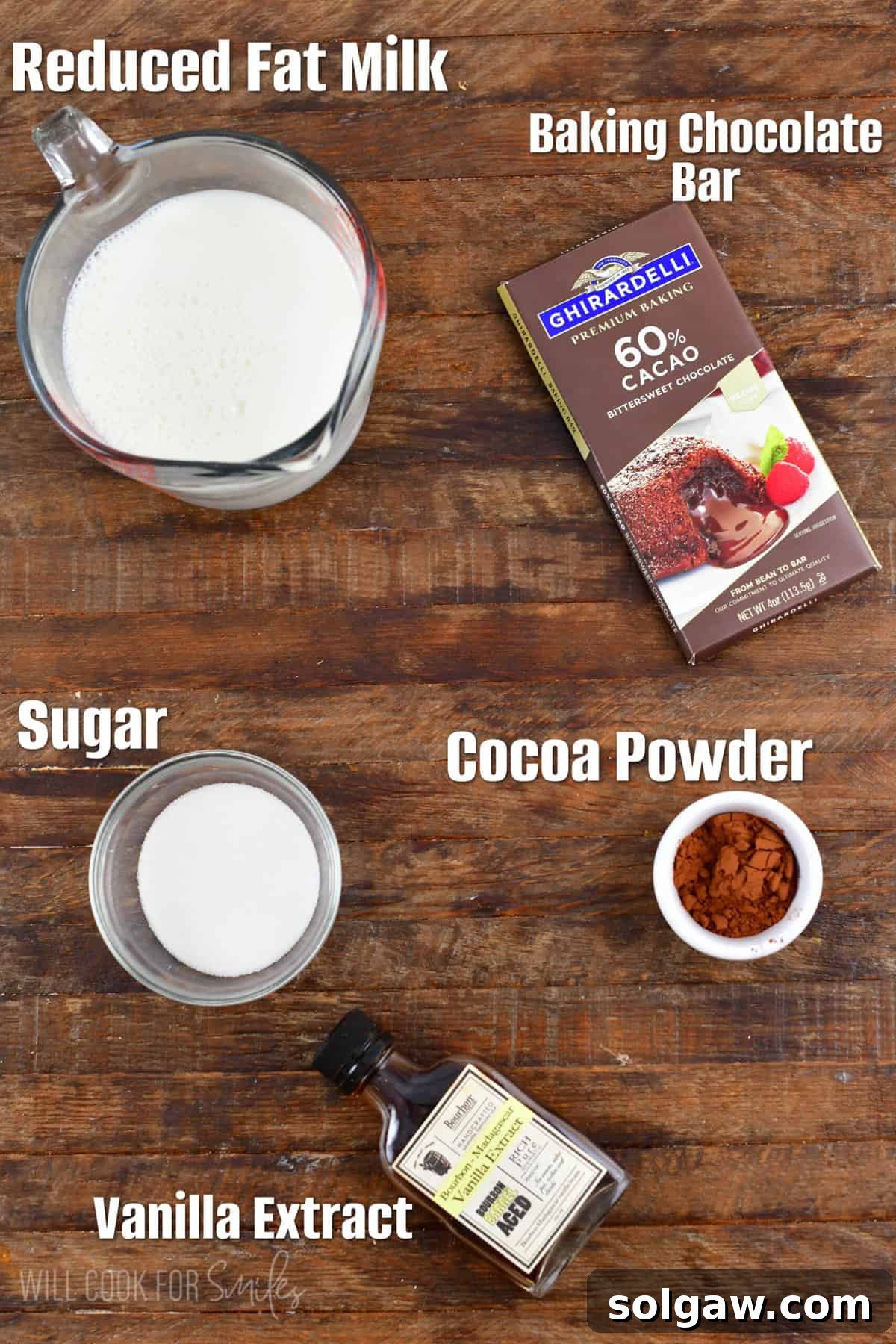
Crafting the perfect cup of hot chocolate begins with selecting high-quality ingredients. Each component plays a vital role in achieving that rich, creamy, and satisfying flavor profile. Here’s a closer look at what you’ll need and how you can adapt the recipe to suit your preferences or dietary needs:
Milk: The Foundation of Creaminess
As our rigorous taste tests confirmed, 2% milk delivers an excellent balance, allowing the rich chocolate flavor to truly stand out with a wonderfully smooth finish. For those who crave an even more indulgent, decadent experience with a richer mouthfeel, whole milk is the perfect choice. While cream might seem like a natural addition for extra richness, we found that it often made the hot chocolate too heavy without significantly enhancing the flavor. Stick with 2% or whole milk for optimal results.
- Dairy-Free Alternatives: For a superb dairy-free hot chocolate, oat milk is highly recommended due to its natural creaminess and neutral flavor that complements chocolate beautifully. Almond milk or soy milk can also work, but oat milk typically provides the closest texture to dairy milk. Always opt for unsweetened varieties to control the sweetness level.
Chocolate: The Heart of the Flavor
The type of chocolate you choose profoundly impacts the final taste. For a well-balanced cup that boasts a deep, authentic chocolate flavor without being overly sweet, I strongly recommend using bittersweet chocolate (typically 60-70% cocoa solids). This provides a nuanced bitterness that perfectly offsets the sugar and milk. If you prefer a bolder, more intense chocolate experience, you can venture into darker chocolates (70%+), but you might want to slightly increase the sugar to balance the increased bitterness. If you find dark chocolate too intense, semi-sweet chocolate (50-60%) is a suitable alternative, though you may want to slightly reduce the added sugar. For those with a stronger preference for sweeter, milder chocolate, milk chocolate can be used, but be aware it will produce a significantly sweeter drink with less chocolate intensity.
- Chocolate Chips vs. Bar: While chocolate chips are convenient, high-quality chocolate bars (chopped) generally melt more smoothly and offer a superior flavor due to their higher cocoa butter content and fewer stabilizers. If using chocolate chips, ensure they are good quality.
Cocoa Powder: Enhancing Depth and Body
Incorporating unsweetened cocoa powder alongside chopped chocolate is crucial for adding complexity and body to your hot chocolate without making it overly thick. But what kind of cocoa powder should you choose?
- Dutch-Processed Cocoa Powder: This type of cocoa powder has been treated with an alkaline solution to neutralize its natural acidity. The result is a darker color, a milder and smoother flavor, and significantly less bitterness. It dissolves beautifully and contributes to a deep, mellow chocolate taste, making it ideal for hot chocolate.
- Natural (Regular) Cocoa Powder: Untreated, natural cocoa powder retains its inherent acidity, giving it a lighter color and a sharper, more intense, and distinctly robust chocolate flavor. While its acidity is crucial for leavening reactions in baking (when combined with baking soda), for hot chocolate, it primarily influences flavor. Natural cocoa will yield a brighter, slightly tangier hot chocolate compared to the deeper, smoother notes of Dutch-processed. Either can be used, but Dutch-processed is often favored for its classic hot chocolate profile.
Sweetener: Achieving the Perfect Balance
Granulated white sugar is the standard choice here, offering clean sweetness. The amount can be adjusted to your personal preference and the sweetness of your chosen chocolate. For alternative sweeteners, maple syrup or honey can be used, but they will impart their own distinct flavor to the hot chocolate.
Vanilla Extract: The Finishing Touch
A splash of pure vanilla extract adds a wonderful aromatic depth and rounds out the chocolate flavors. It’s best added towards the end of cooking to preserve its delicate notes, preventing them from evaporating with prolonged heat. High-quality vanilla makes a noticeable difference.
Crafting Your Perfect Hot Chocolate: A Step-by-Step Guide
Making truly exceptional hot chocolate at home is a simple yet rewarding process. Follow these steps carefully to ensure a smooth, rich, and utterly delicious beverage:
-
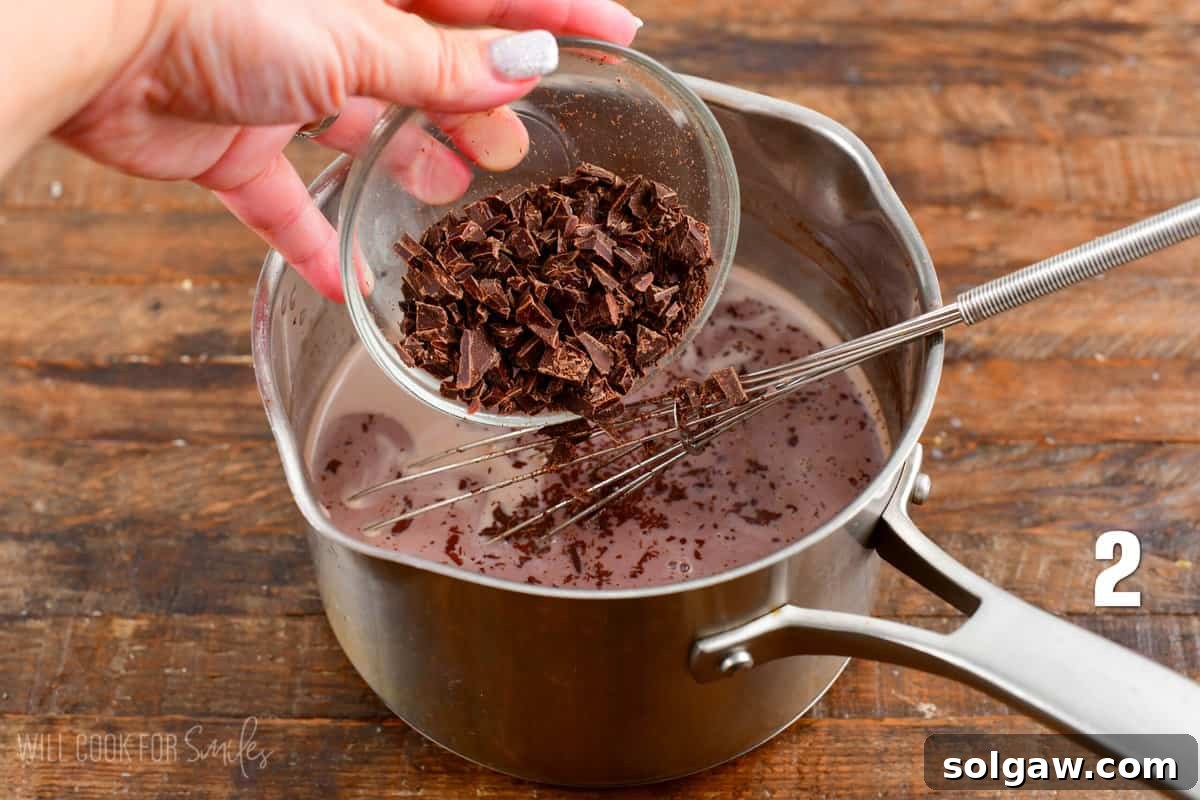
Prepare Your Chocolate: Begin by chopping your bittersweet chocolate bar into very small, uniform pieces. The smaller the pieces, the more quickly and evenly they will melt into the hot milk, preventing any lumps. This is a crucial step for achieving that silky-smooth texture.
-
Gently Heat the Milk: Pour the milk into a medium saucepan. Place it over medium heat (or slightly below medium if your stove tends to run hot). Heat the milk just until it’s hot and steaming, and you begin to see tiny bubbles forming around the edges of the pan. It’s vital that the milk does not come to a full simmer or boil, as this can cause it to curdle or develop an undesirable cooked flavor. Reduce the heat to medium-low as soon as you see the first signs of steam and bubbles.
-
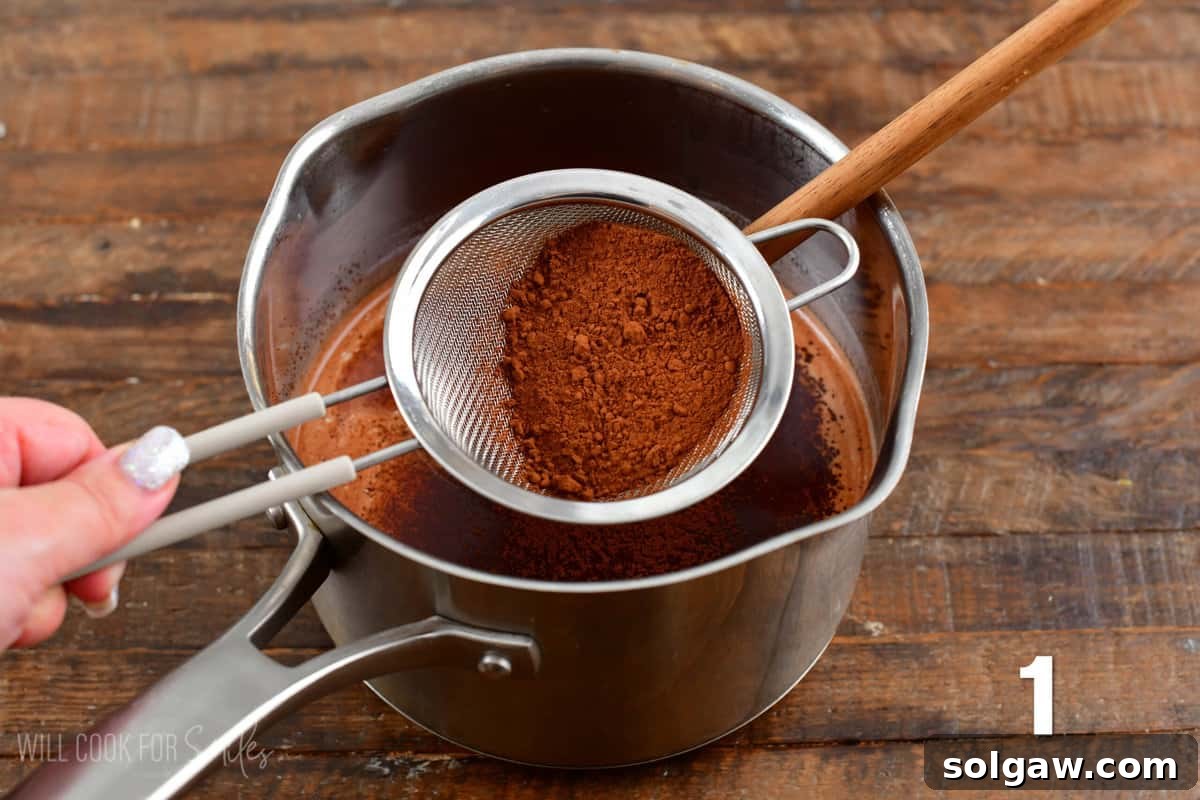
Sift in Cocoa Powder: Once the milk is heated, remove the pan briefly from the heat or keep it on very low. Using a fine-mesh strainer or a mesh sugar shaker, gradually sift the unsweetened cocoa powder directly into the hot milk. Sifting is essential to prevent lumps and ensure the cocoa dissolves perfectly, leading to a smooth, unblemished hot chocolate. Whisk the sifted cocoa powder into the milk until fully incorporated and no visible clumps remain.
-
Melt in the Chocolate and Sugar: Add the finely chopped chocolate and granulated sugar to the saucepan. Continue to whisk gently and slowly as the chocolate begins to melt and blend into the warm milk. Maintain the heat at medium-low to ensure the chocolate melts gradually and smoothly without scorching.
-
Simmer and Stir: Once all the chocolate has melted and the mixture is smooth, continue to cook the hot chocolate over the medium-low heat for just a few minutes (typically 3-5 minutes). This gentle simmering allows the flavors to meld and the hot chocolate to thicken slightly, achieving a luscious, velvety texture that coats the back of a spoon. Remember to stir slowly and frequently to prevent a skin from forming on top and to ensure even heating.
-
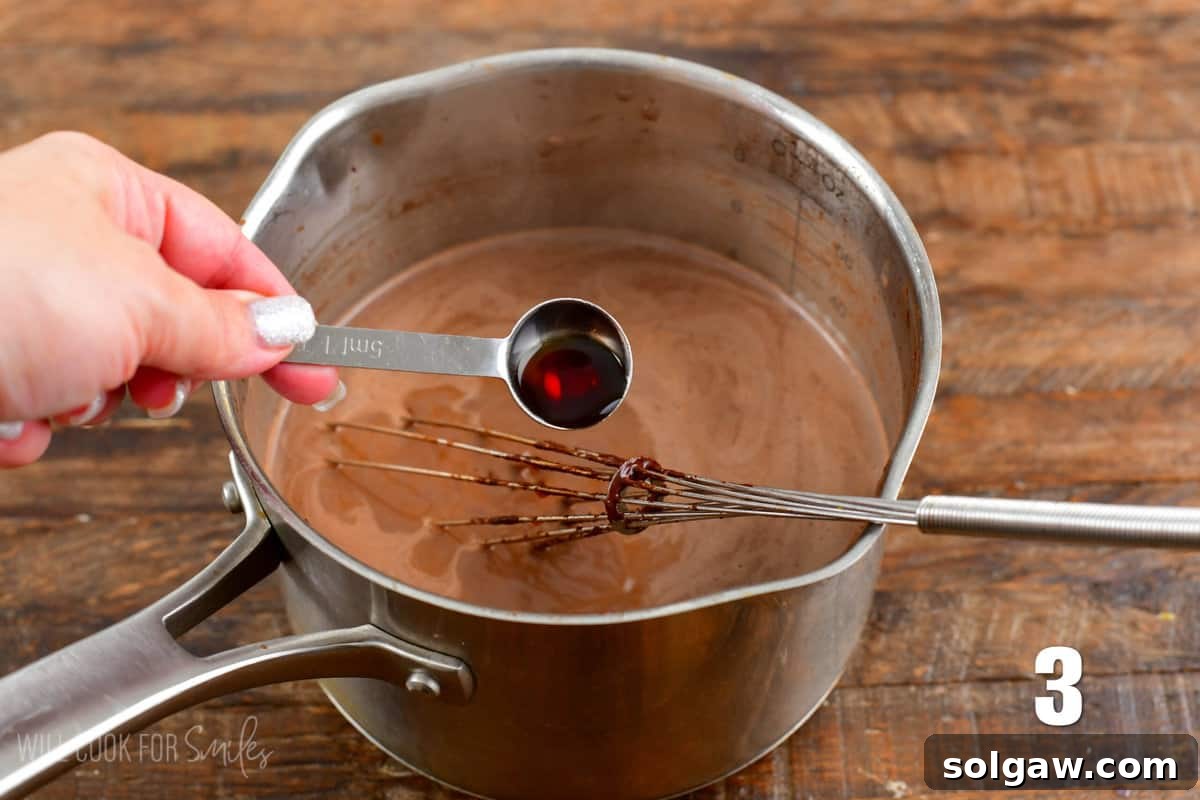
Add Vanilla Extract: Just before removing the hot chocolate from the heat, stir in the vanilla extract. Adding vanilla at this stage ensures its delicate aroma and flavor are preserved and don’t evaporate, maximizing its impact on the finished drink.
-
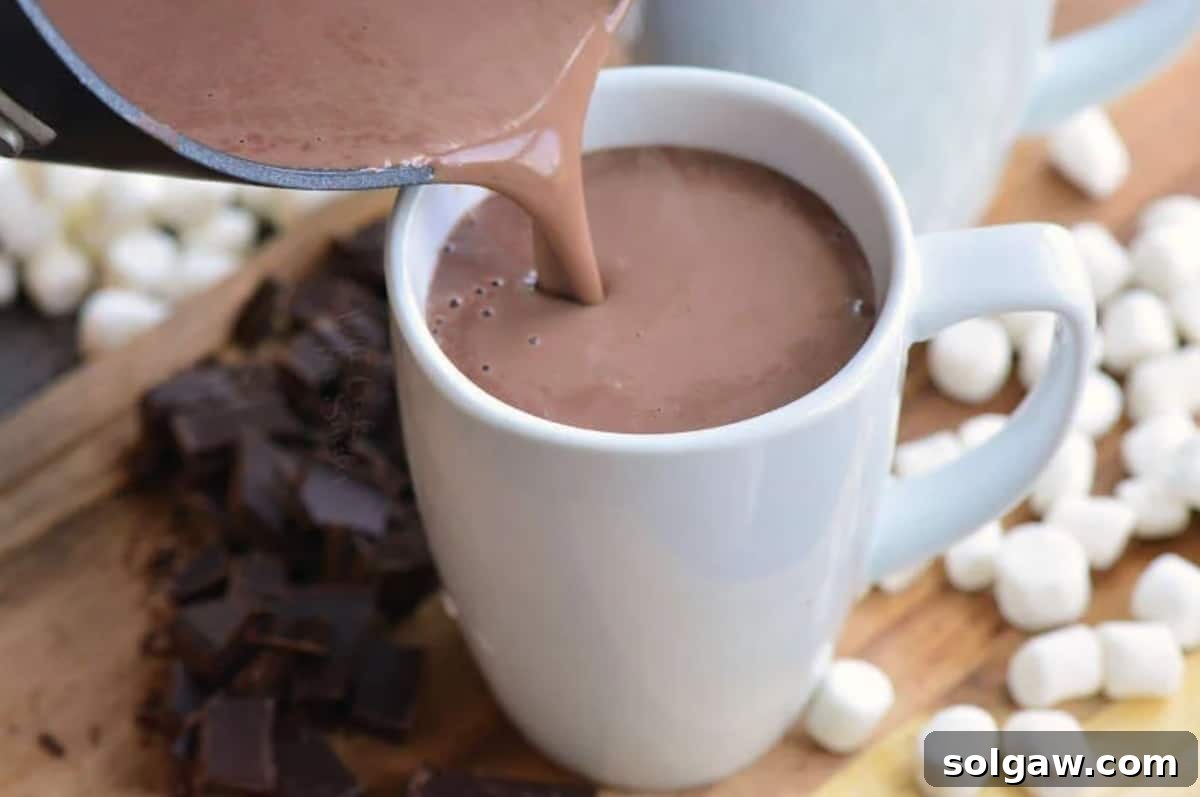
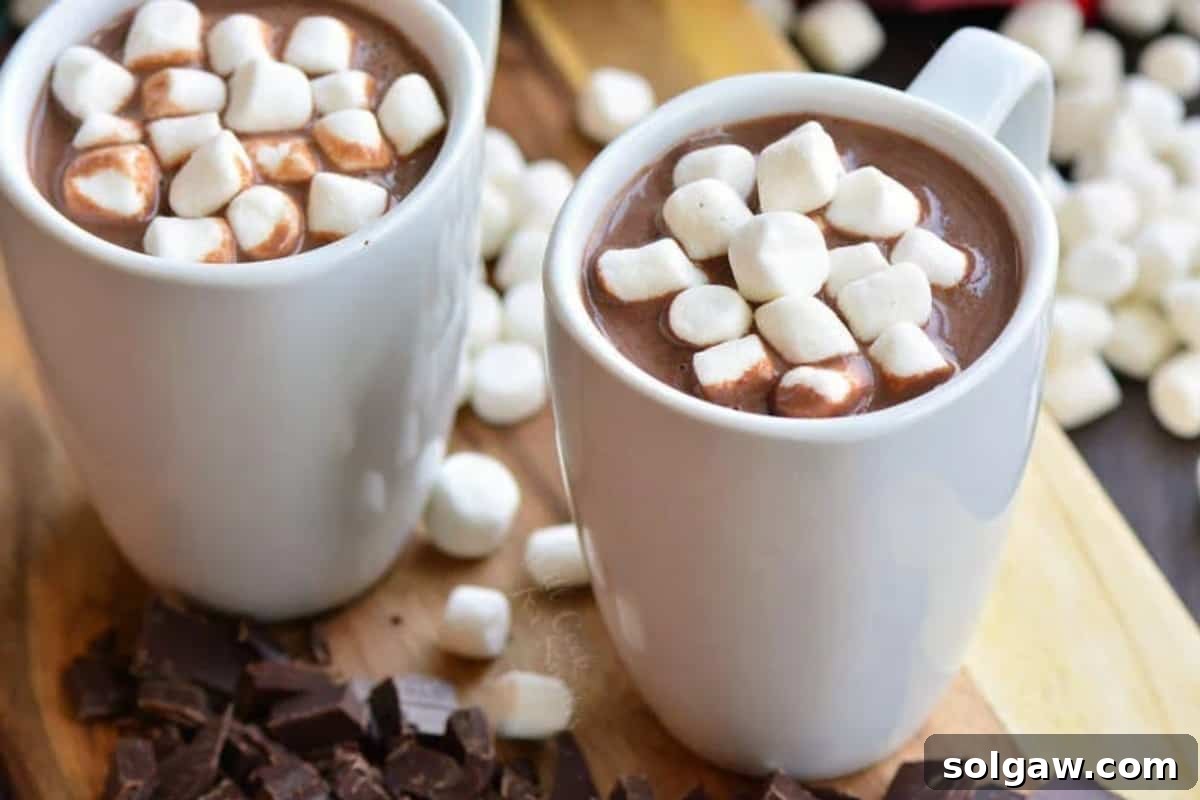
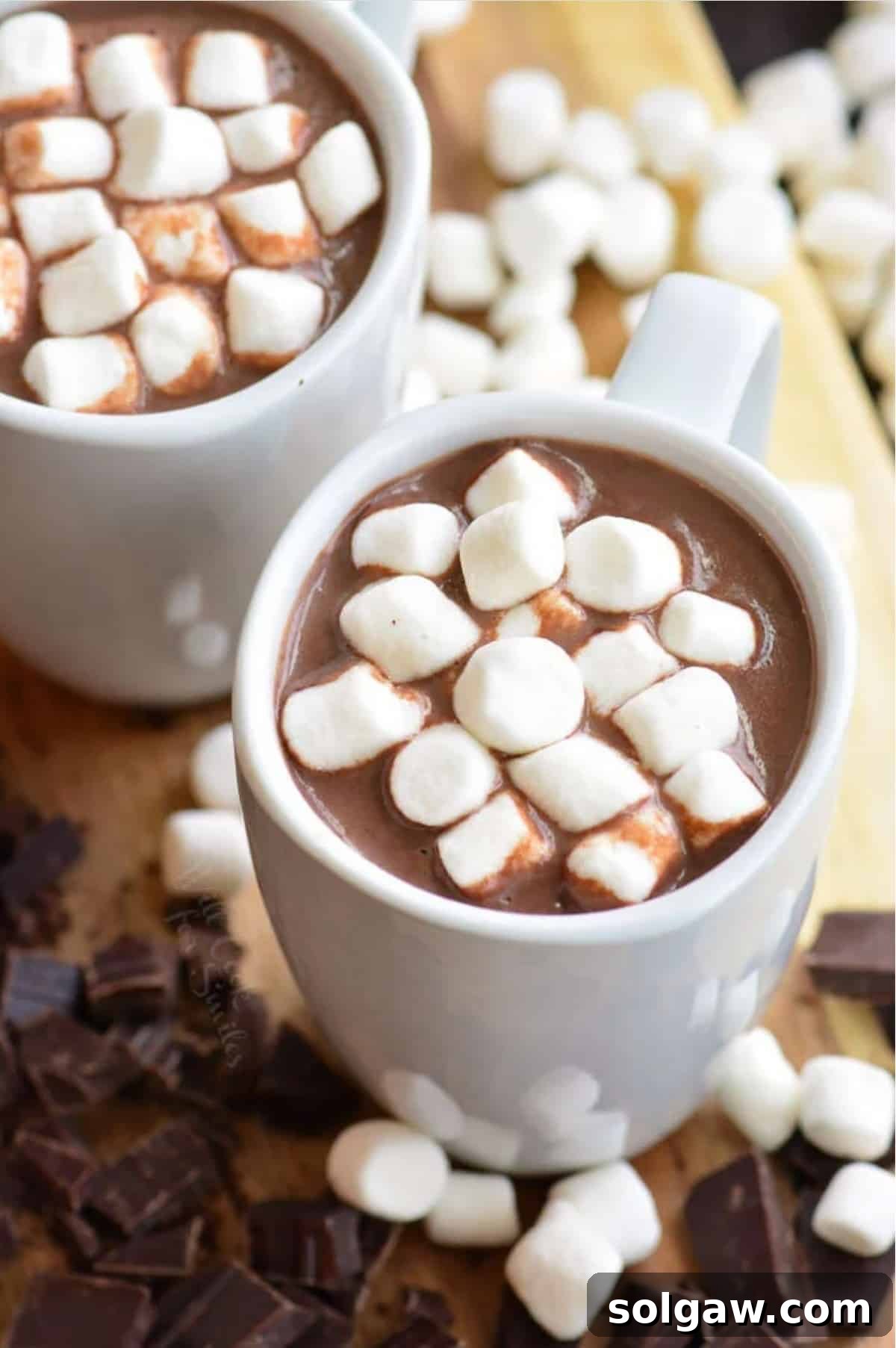
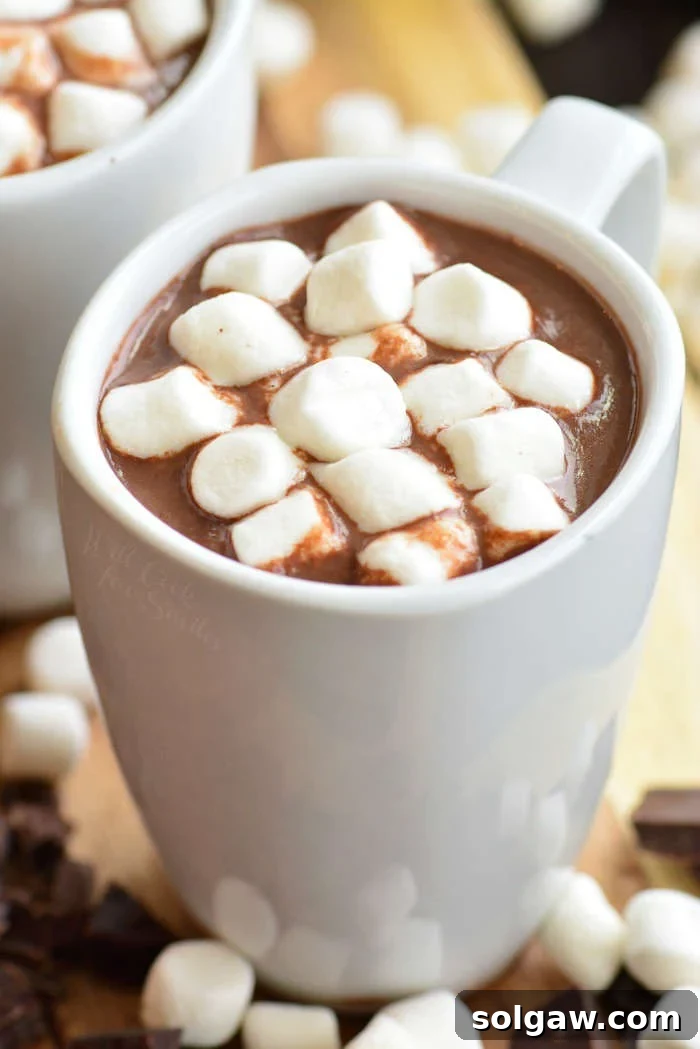
Serve and Enjoy: Remove the hot chocolate from the heat and immediately pour it into your favorite mugs. Top with your preferred garnishes, such as marshmallows, whipped cream, or a dusting of cinnamon or cocoa powder. Serve hot and savor every sip of your perfectly crafted homemade hot chocolate!
Expert Tips for the Ultimate Hot Chocolate Experience
While the recipe itself is straightforward, a few key tips and tricks can elevate your homemade hot chocolate from good to truly extraordinary. Pay attention to these details, and you’ll be consistently rewarded with a perfect cup:
- Maintain Gentle Heat – Never Boil Milk! This is perhaps the most crucial rule. Always cook your hot chocolate over medium to medium-low heat. High heat can easily scorch the milk, resulting in a burnt flavor, or worse, cause the milk to curdle, ruining the smooth texture. Keep the heat low and be patient.
- Embrace the Process – Don’t Rush Perfection: After all ingredients are added, allow the hot chocolate to gently simmer for about 10-15 minutes on medium-low heat. This isn’t just about melting; it’s about allowing the cocoa powder to fully hydrate and dissolve, and for all the flavors to deepen and meld together beautifully. Rushing this step can leave you with a less integrated flavor and a potentially grainy texture.
- Understanding and Preventing Milk Skin (Lactoderm): Milk skin, or lactoderm, is a thin film that forms on the surface of heated milk as liquids evaporate and proteins coagulate. While completely harmless, many find its texture unpleasant. To largely prevent it, stir the hot chocolate slowly and frequently as it cooks. Continue stirring occasionally as it cools in the pot. If a skin does form, simply stir it back into the drink; it will dissolve and disappear.
- Customize Your Sweetness: The amount of sugar in the recipe is a guideline. Taste your hot chocolate after the chocolate has fully melted and adjust the sweetness to your liking. Remember that toppings like whipped cream or marshmallows will add extra sweetness, so factor that in.
- Garnish for Grandeur: Hot chocolate is as much about presentation as it is about taste. Elevate your mugs with an array of tempting toppings. Think classic mini marshmallows, a generous swirl of freshly whipped cream, a dusting of cinnamon or cocoa powder, chocolate shavings, a drizzle of caramel or chocolate sauce, or even a sprinkle of sea salt to enhance the chocolate’s depth.
- Batch It Up for Gatherings: This recipe is easily scalable. If you’re hosting a party or simply want to have hot chocolate on hand, feel free to double or triple the ingredients. A large batch can be kept warm in a slow cooker (see FAQs below) for effortless serving.
- Spice it Up: For an adventurous twist, consider adding a pinch of ground cinnamon, nutmeg, a tiny dash of cayenne pepper for a subtle kick, or a drop of peppermint extract (especially around the holidays) during the final stages of cooking. These additions can transform the flavor profile beautifully.
Recipe FAQs: Your Hot Chocolate Questions Answered
Here are some frequently asked questions about making the best homemade hot chocolate:
What is the difference between natural and Dutch-processed cocoa powder, and which is best for hot chocolate?
At its core, cocoa powder is made from cocoa beans that have been dried, fermented, roasted, and then ground into a fine powder. The key difference lies in how they are processed:
- Natural Cocoa Powder: This is untreated, meaning it retains its natural acidity. It is typically lighter in color and possesses a noticeably more bitter, rich, and sometimes slightly fruity chocolate flavor. Its acidity makes it reactive with baking soda, commonly used in recipes where leavening is desired, such as chocolate cakes and brownies.
- Dutch-Processed Cocoa Powder: This cocoa powder undergoes a process called “Dutching,” where it’s treated with an alkaline solution. This neutralizes its acidity, resulting in a darker, deeper color and a milder, smoother, and less bitter chocolate flavor. Because it’s less acidic, it won’t react with baking soda and is usually paired with baking powder for leavening.
For hot chocolate, either can be used. However, Dutch-processed cocoa powder is generally preferred for its smoother, deeper, and less acidic flavor profile, which contributes to a more classic, mellow hot chocolate. Natural cocoa will yield a brighter, more intense chocolate taste. Since we are not baking and do not require leavening, the choice largely comes down to your desired flavor nuances.
How can I keep hot chocolate warm for a party or gathering?
Keeping a large batch of hot chocolate warm for an extended period is simple with a few smart techniques. The most effective method is to transfer the freshly cooked hot chocolate into a slow cooker (Crockpot). Set it to the “warm” or “low” setting, stirring occasionally to prevent a skin from forming. This keeps it at a perfect serving temperature without scorching or curdling. Remember, always add toppings like marshmallows or whipped cream to individual cups only when serving, not directly into the slow cooker, as they can melt or become soggy. If you notice a darker film on the surface, don’t worry—it’s just concentrated cocoa solids. Give it a good stir, and it will reintegrate.
Can I make this hot chocolate ahead of time?
Absolutely! Homemade hot chocolate is excellent for making in advance. Prepare the recipe as directed, allow it to cool completely, and then store it properly (see “Storing and Reheating” below). This can even allow the flavors to deepen further, making for an even more robust drink when reheated.
What if my hot chocolate is too thick or too thin?
If your hot chocolate turns out too thick, you can easily thin it by whisking in a little more milk (2% or whole milk works best) over low heat until it reaches your desired consistency. If it’s too thin, you can try simmering it gently for a few more minutes to allow it to reduce slightly, which will thicken it. Alternatively, for a richer, thicker consistency, you can dissolve a small amount (1-2 teaspoons) of cornstarch in a tablespoon of cold milk, then whisk this slurry into the hot chocolate while simmering. Cook for another minute or two until it thickens.
Storing and Reheating Your Delicious Hot Chocolate
One of the many advantages of homemade hot chocolate is that it stores wonderfully, allowing you to enjoy a comforting mug whenever the craving strikes.
Storing Leftovers
To store any leftover hot chocolate, first allow it to cool completely to room temperature. Once cooled, transfer it into a clean glass jar with a tight-fitting lid or any other airtight food storage container. Properly stored in the refrigerator, your homemade hot chocolate will remain fresh and delicious for 2-3 days. Make sure the container is sealed well to prevent it from absorbing other odors from the fridge.
Reheating for Continued Enjoyment
When you’re ready for another cup, reheating your hot chocolate is simple. Pour the desired amount into a small saucepan and place it over medium-low heat. The key here is to reheat it slowly and gently, stirring occasionally, just until it is hot through. Avoid bringing it to a boil, as this can degrade the flavor and texture of the chocolate and milk. A slow, gentle reheat preserves the original creaminess and richness, ensuring your second (or third!) cup is just as delightful as the first.
Explore More Hot Chocolate Creations
If this classic, rich hot chocolate has captured your heart, you’re in for a treat with my other exciting hot chocolate variations. Each recipe offers a unique twist on this beloved beverage, perfect for any mood or occasion:
- For a refreshing and festive holiday drink, my Peppermint White Hot Chocolate combines sweet white chocolate with a cool minty kick.
- Seeking warmth with a bit of a zesty edge? The Caramel Spicy Hot Chocolate blends decadent caramel with a hint of chili for an unforgettable flavor experience.
- When you crave ultimate indulgence without the fuss, the Slow Cooker Butterscotch Hot Chocolate is a creamy, sweet delight that’s perfect for feeding a crowd.
- For adults looking for a sophisticated, boozy treat, explore options like the luxurious Red Wine Hot Chocolate, the nutty and rich Spiked Nutella Hot Chocolate, or the ever-popular classic Spiked Hot Chocolate.
Each recipe promises a comforting, flavorful escape, ensuring you can find the perfect cup for any moment.
PIN THIS RECIPE FOR LATER
DID YOU MAKE THIS RECIPE? PLEASE leave a 🌟 star rating! Let me know how you liked it by leaving a 📝 comment below or share and tag me on social media @willcookforsmiles. DON’T FORGET to subscribe to my newsletter!
The Best Homemade Hot Chocolate Recipe
Print
Pin
Video
Rate
Drinks
American
Gluten Free
5 minutes
10 minutes
15 minutes
4
287
kcal
Lyuba Brooke
Ingredients
- 3 cups 2% milk (may also use whole milk)
- 4 oz bittersweet baking chocolate bar chopped
- 2 tbsp unsweetened cocoa powder
- 1/4 cup white granulated sugar
- 1 tsp vanilla extract
Instructions
-
Chop the bittersweet chocolate bar into small, uniform pieces (the smaller the pieces, the faster and smoother they will melt).
-
In a medium saucepan, heat the milk over medium heat until it begins to steam and small bubbles form around the edges (approximately 3–4 minutes). Crucially, do not allow the milk to boil, as this can cause it to curdle.
-
Reduce the heat to medium-low. Using a fine strainer or a mesh sugar shaker, sift the unsweetened cocoa powder directly into the warm milk. Sifting ensures there are no clumps, resulting in a perfectly smooth hot chocolate. Whisk immediately until the cocoa powder is fully incorporated.
-
Add the chopped chocolate and granulated sugar to the saucepan. Continue to whisk slowly and gently as the chocolate melts and thoroughly combines with the milk and cocoa.
-
Maintain the heat at medium-low and continue to cook the hot chocolate for a few minutes (about 3-5 minutes), stirring occasionally. The mixture should become velvety smooth and thick enough to coat the back of a spoon.
-
Just before removing from the heat, stir in the vanilla extract. Adding it at this stage preserves its delicate flavor.
-
Remove the hot chocolate from the heat and serve immediately. Garnish with your favorite toppings and enjoy!
Video
Watch how to make the best homemade hot chocolate! Video coming soon!
Notes
- Milk Alternatives: This recipe is versatile! For those needing lactose-free options, simply use lactose-free milk. If you’re opting for a dairy-free hot chocolate, oat milk is highly recommended due to its natural creaminess and subtle flavor that pairs beautifully with chocolate.
- Choosing Your Chocolate Percentage: For the most luxurious flavor, opt for bittersweet chocolate with 60–70% cocoa solids. This range melts smoothly and yields a rich, balanced taste. If you use semisweet chocolate (50–60% cocoa), consider reducing the added sugar slightly. For very dark chocolate (70%+), you might want to add an extra 1–2 teaspoons of sugar to perfectly balance its inherent bitterness.
- Never Boil Milk! Remember to always cook your hot chocolate over medium to medium-low heat. Boiling milk can cause it to curdle and develop an unpleasant flavor, compromising the smoothness of your drink.
- Patience is Key: Do not rush the process. Allow the hot chocolate to gently simmer for about 10-15 minutes after all ingredients are combined. This crucial simmering time helps the cocoa powder fully integrate and ensures a silky-smooth, well-developed flavor.
- Managing Milk Skin (Lactoderm): Milk skin, a thin film that forms on hot milk, is harmless but can be texturally undesirable. To minimize its formation, stir the hot chocolate slowly and consistently while it cooks. Continue to stir occasionally as it cools in the pot. If it forms, simply whisk it back into the drink; it will dissolve.
- Easy to Double or Triple: This recipe makes 4 servings, but it’s incredibly easy to adjust the quantity. Whether you need a cozy drink for two or a large batch for a holiday party, simply scale the ingredients up or down as needed. It’s perfect for preparing in advance for gatherings.
Nutrition
Tried this recipe?Mention @willcookforsmiles or tag #willcookforsmiles!
Originally published on Will Cook For Smiles in November, 2019.