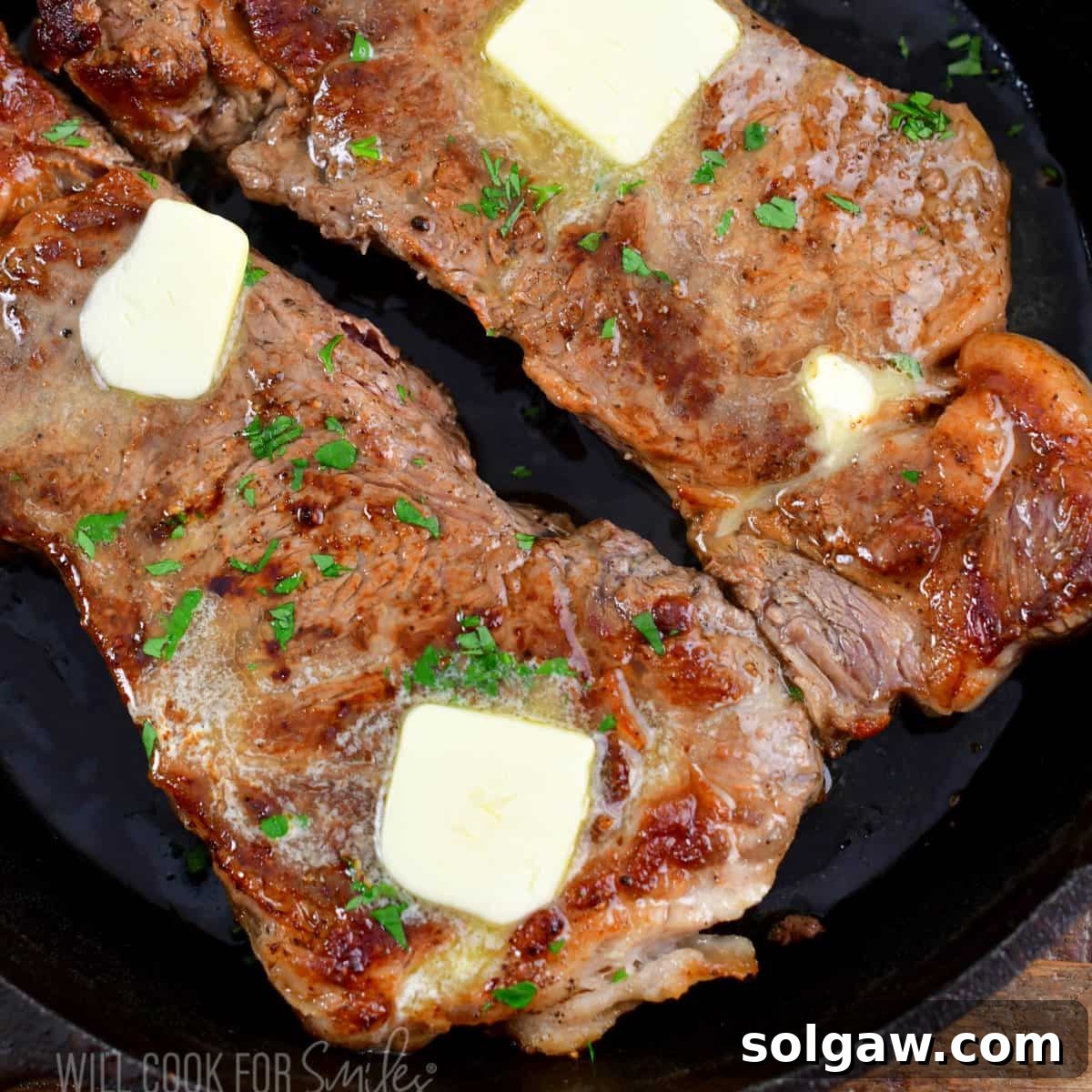
Welcome to the ultimate guide for cooking a perfect steak at home! With countless steaks cooked in professional kitchens and my own home, I’ve gathered invaluable insights into achieving that restaurant-quality sear and tender, juicy interior. Forget the grill and embrace the simplicity and precision of cooking your favorite cut in the oven. This comprehensive guide will empower you to master the art of oven-finished steaks, delivering succulent results every single time. Get ready to impress yourself and your guests with a truly exceptional meal that’s far easier to prepare than you might imagine.
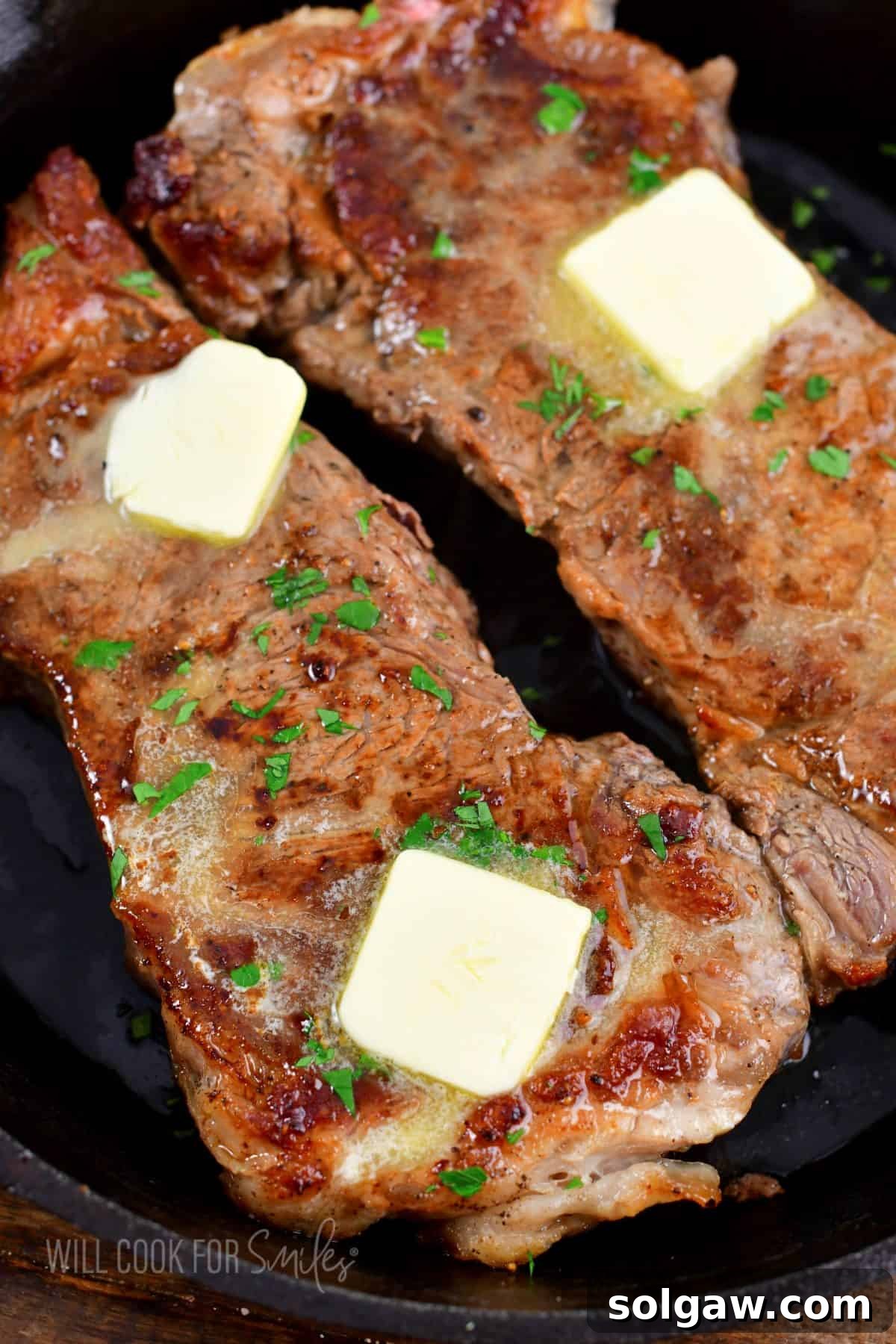
Essential Preparations for Your Steak Journey
Cooking an amazing steak at home doesn’t require hours of effort. With just about 20 minutes of active cooking time, plus some crucial preparation and resting phases, you can achieve perfection. Let’s dive into the foundational steps that ensure success:
- Selecting Your Steak: The Foundation of Flavor
The first and perhaps most critical step in crafting an incredible steak dinner is choosing the right cut of beef. Personal preferences vary widely, and each cut offers a unique flavor and texture profile. Whether you prefer the rich marbling of a Ribeye, the robust flavor and firm texture of a NY Strip steak, the lean versatility of a Top Sirloin steak, or the melt-in-your-mouth tenderness of a perfect Filet Mignon, understanding the characteristics of each will guide your choice. Always aim for USDA Prime or Choice grade beef; remember, quality ingredients are paramount, and you truly get what you pay for in terms of flavor and tenderness. - Optimal Thickness: The Secret to Even Cooking
Once you’ve settled on your preferred cut, pay close attention to the steak’s thickness. For ideal searing and even cooking from edge to edge, select steaks that are between 1 and 1.5 inches thick. Many pre-cut steaks at grocery stores can be too thin, leading to overcooked exteriors before the interior reaches your desired doneness. Don’t hesitate to ask your butcher to cut thicker pieces to your exact specifications. Most butchers are happy to accommodate and can ensure your steaks are also uniform in size, which is vital for consistent results across multiple pieces. - The Art of Marbling: Unlocking Juiciness and Tenderness
Regardless of the cut you choose, look for pieces with extensive and fine marbling of fat distributed throughout the meat. Marbling refers to the delicate streaks of intramuscular fat that weave through the muscle fibers. These fine lines of fat render during cooking, infusing the meat with moisture, flavor, and incredible tenderness. More fine marbling indicates a higher quality steak that will be significantly juicier and more tender. Conversely, avoid cuts with large, concentrated chunks of fat, as these won’t render as evenly and can result in less desirable textures.
Essential Ingredients for a Restaurant-Quality Steak
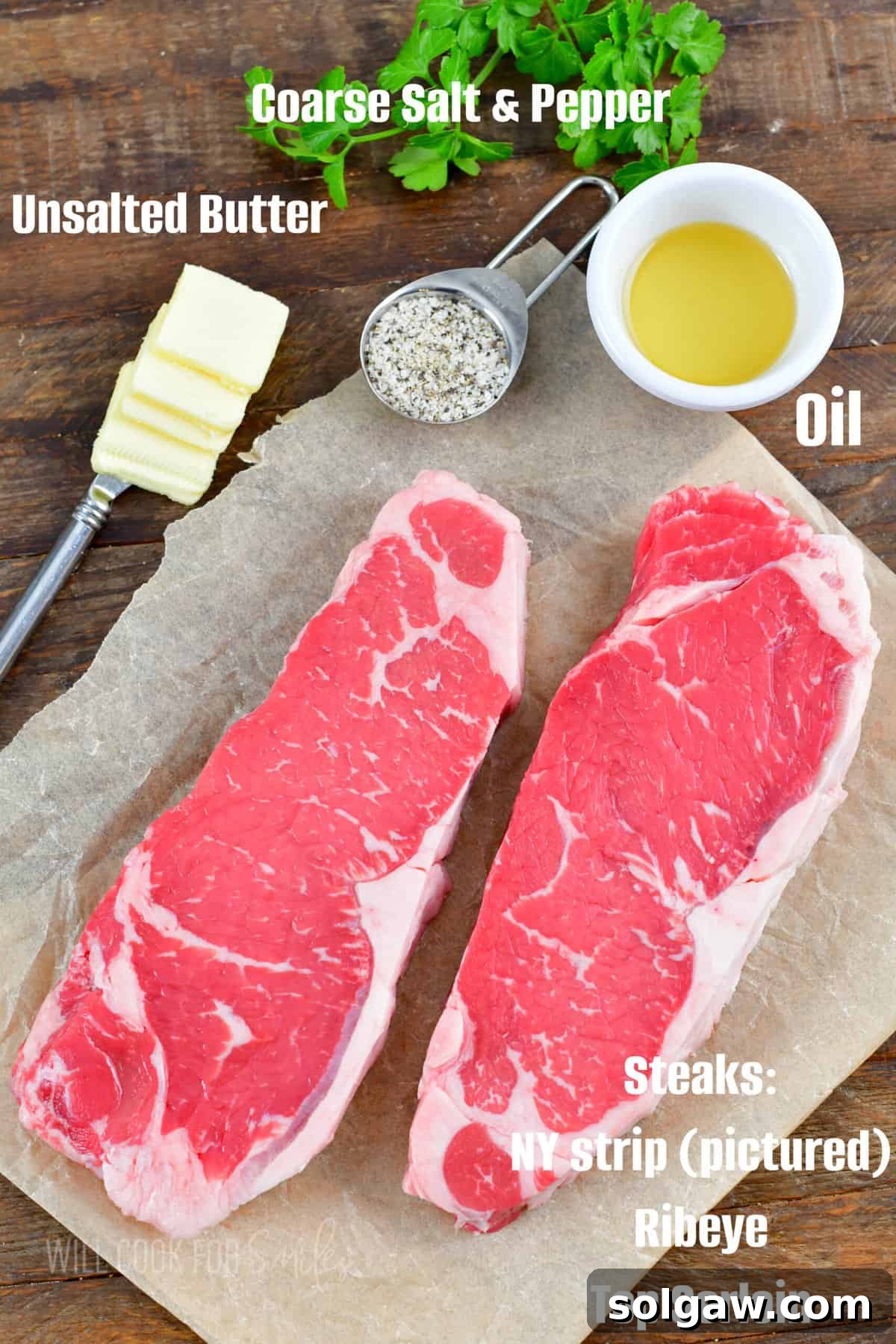
Crafting a truly exceptional steak requires minimal ingredients, allowing the inherent quality of the beef to shine. Here’s what you’ll need to elevate your home-cooked steak:
- High-Quality Steak: As discussed, choose your favorite cut – be it ribeye, NY strip, top sirloin, or tenderloin filet. Focus on steaks with excellent marbling and a thickness of 1 to 1.5 inches for the best results. The grade (Prime or Choice) directly impacts the final taste and texture.
- Simple Seasoning: A truly great steak needs very little adornment. The primary seasonings are simply coarse salt and freshly cracked black pepper. These enhance the natural beefy flavor without overpowering it. Avoid complex spice rubs that can burn during searing or mask the steak’s natural taste.
- Cooking Oil: A high smoke point oil like vegetable oil or avocado oil is essential for searing. It ensures a beautiful crust without burning or imparting off-flavors.
- Finishing Butter: To finish your cooked steaks, you will need a tablespoon or two of butter, whether salted or unsalted. Butter adds incredible richness, a beautiful sheen, and helps create a velvety mouthfeel as it melts over the hot steak during the resting period.
Indispensable Tools for Steak Perfection
Having the right equipment can make all the difference in achieving consistently perfect steaks. These tools are not only practical but also crucial for precise cooking:
- Cast Iron Skillet: A seasoned cast iron skillet is arguably the most important tool for this method. Its ability to retain and distribute heat exceptionally well ensures an even, golden-brown crust (the Maillard reaction) on your steak. Furthermore, its oven-safe nature makes it seamless to transition from stovetop searing to oven finishing. If you don’t own one, any other heavy-bottomed, oven-safe pan can work, but cast iron truly yields superior results.
- Leave-in Meat Thermometer: This is a non-negotiable item for any serious home cook, especially when preparing meats. An instant-read leave-in thermometer, while not overly expensive, is a game-changer. It allows you to monitor the internal temperature of your steak throughout the cooking process without repeatedly opening the oven or cutting into the meat, ensuring precise doneness. If a leave-in thermometer isn’t available, a regular instant-read digital meat thermometer is a good alternative; just be sure to quickly check the temperature and close the oven door to retain heat.
- Metal Tongs: Simple yet essential, sturdy metal tongs are perfect for safely flipping steaks in a hot pan and handling them during transfer. They also come in handy for holding the steak steady when inserting a meat thermometer or slicing against the grain.
Mastering the Art of Oven-Finished Steaks: A Step-by-Step Guide
This method combines high-heat searing with controlled oven roasting, creating a beautifully crusted exterior and a perfectly cooked interior. Follow this visual walkthrough to ensure your steaks are on the right track from raw to perfectly cooked:
- Step 1: Bring Steaks to Room Temperature. Remove your steaks from the refrigerator approximately 30-45 minutes before you plan to cook them. Allowing the steaks to come closer to room temperature prevents the muscle fibers from seizing up when they hit the hot pan, promoting more even cooking and a more tender final product. This crucial step is often overlooked but significantly impacts the quality of your steak.
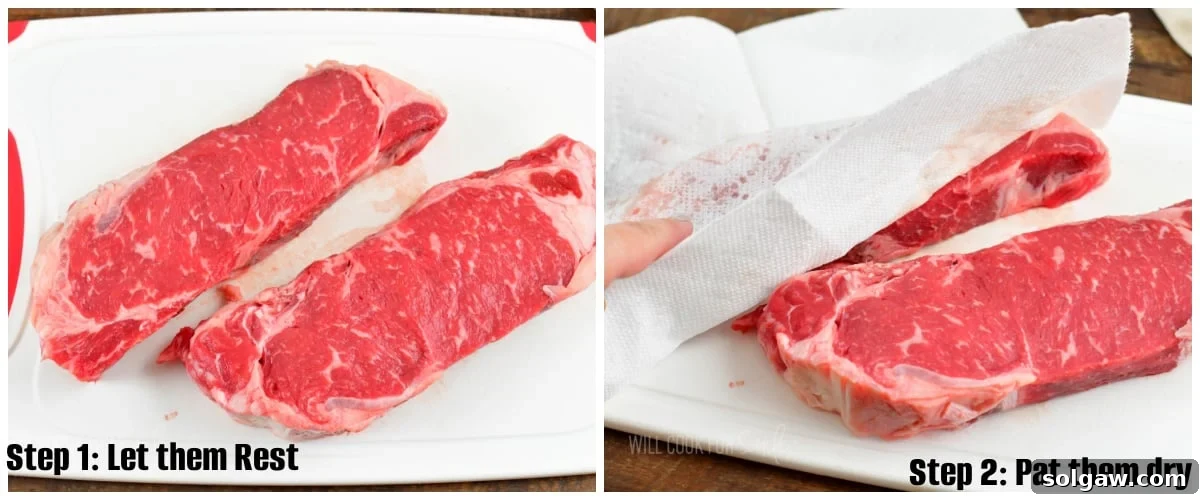
Step 2: Pat Dry & Season Liberally. Using paper towels, thoroughly pat the steaks dry on all sides. Any surface moisture will hinder the browning process, preventing that desirable crust. A dry surface is critical for achieving a superior sear. Immediately before placing them in the preheated skillet, season the steaks generously with coarse salt and freshly cracked black pepper. Seasoning right before cooking helps create a flavorful crust without drawing out too much moisture prematurely.
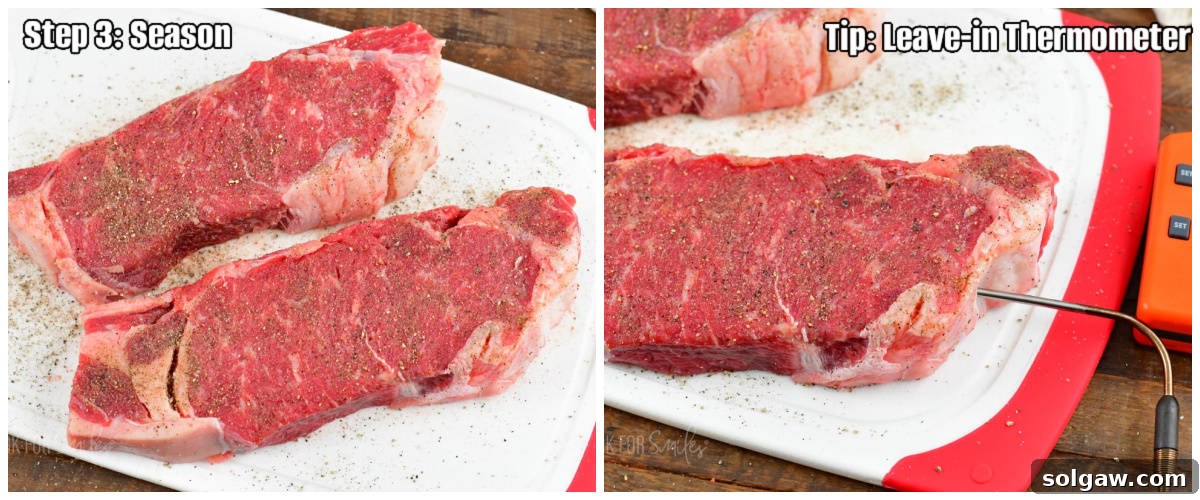
Step 3: Insert the Thermometer (Highly Recommended). If you’re using a leave-in meat thermometer, insert the probe horizontally through the side of the thickest steak, aiming for the very center. This placement ensures the most accurate reading of doneness, eliminating the need to cut into the steak and lose precious juices.
Step 4: Achieve the Perfect Sear in a Hot Skillet. Place your cast iron skillet over slightly above medium-high heat and allow it to preheat for several minutes until it’s smoking slightly. Add a tablespoon or two of high smoke point oil, then carefully place the seasoned steaks into the pan. You should hear an immediate, robust sizzle. Sear the steaks for 45-60 seconds per side. During this stage, you’re looking for:
- A deep, rich golden-brown crust forming on the bottom, indicating the Maillard reaction is taking place.
- The steaks should release easily from the pan once properly seared. If they stick, they likely need more time to form that crust.
- Flip the steaks using tongs and briefly sear the second side for about 20-30 seconds to lock in flavors.
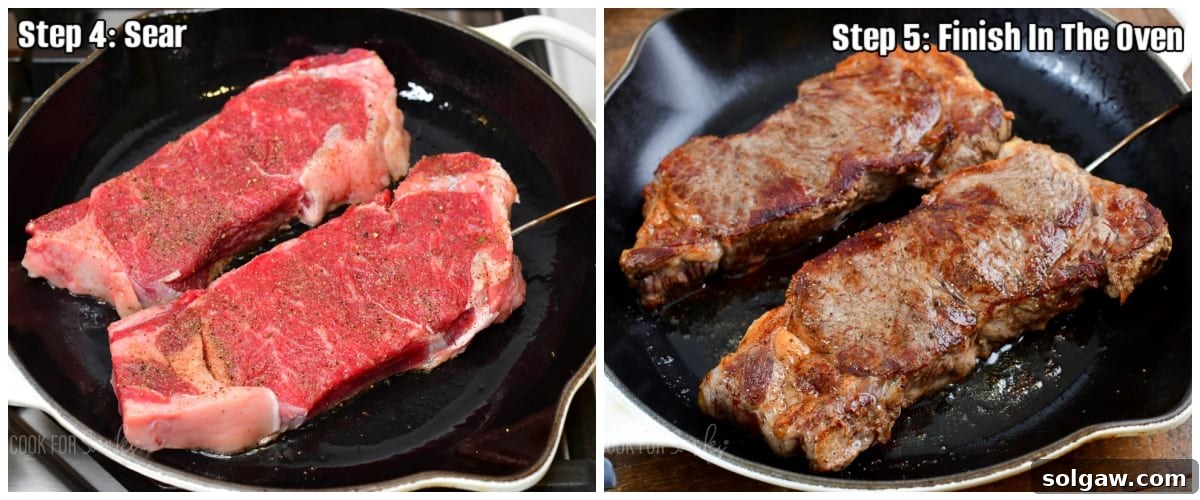
Step 5: Finish Cooking in the Oven. Immediately after searing, transfer the entire cast iron skillet, with the steaks inside, straight into your preheated oven (typically 450°F). The oven provides a consistent, ambient heat that will gently and evenly cook the interior of the steaks to your desired doneness, while the previously seared crust continues to develop without burning. This method ensures a beautiful exterior and a tender, juicy interior.
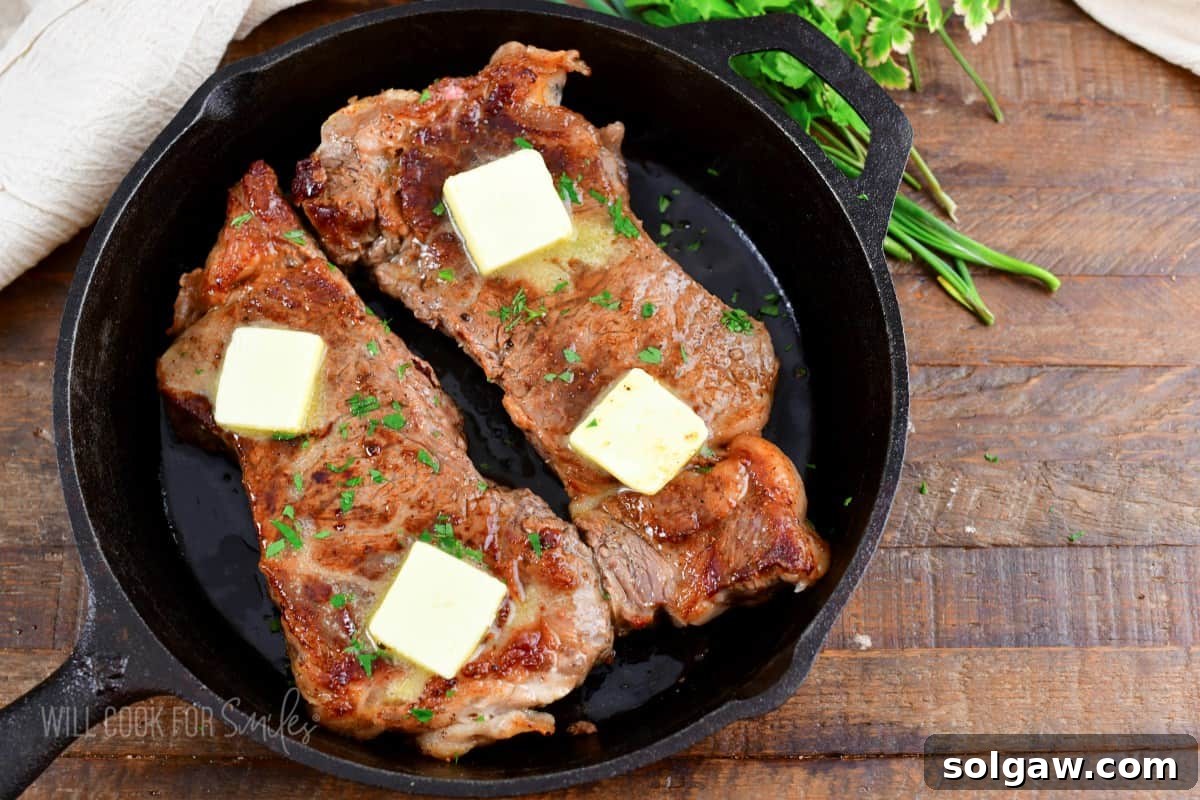
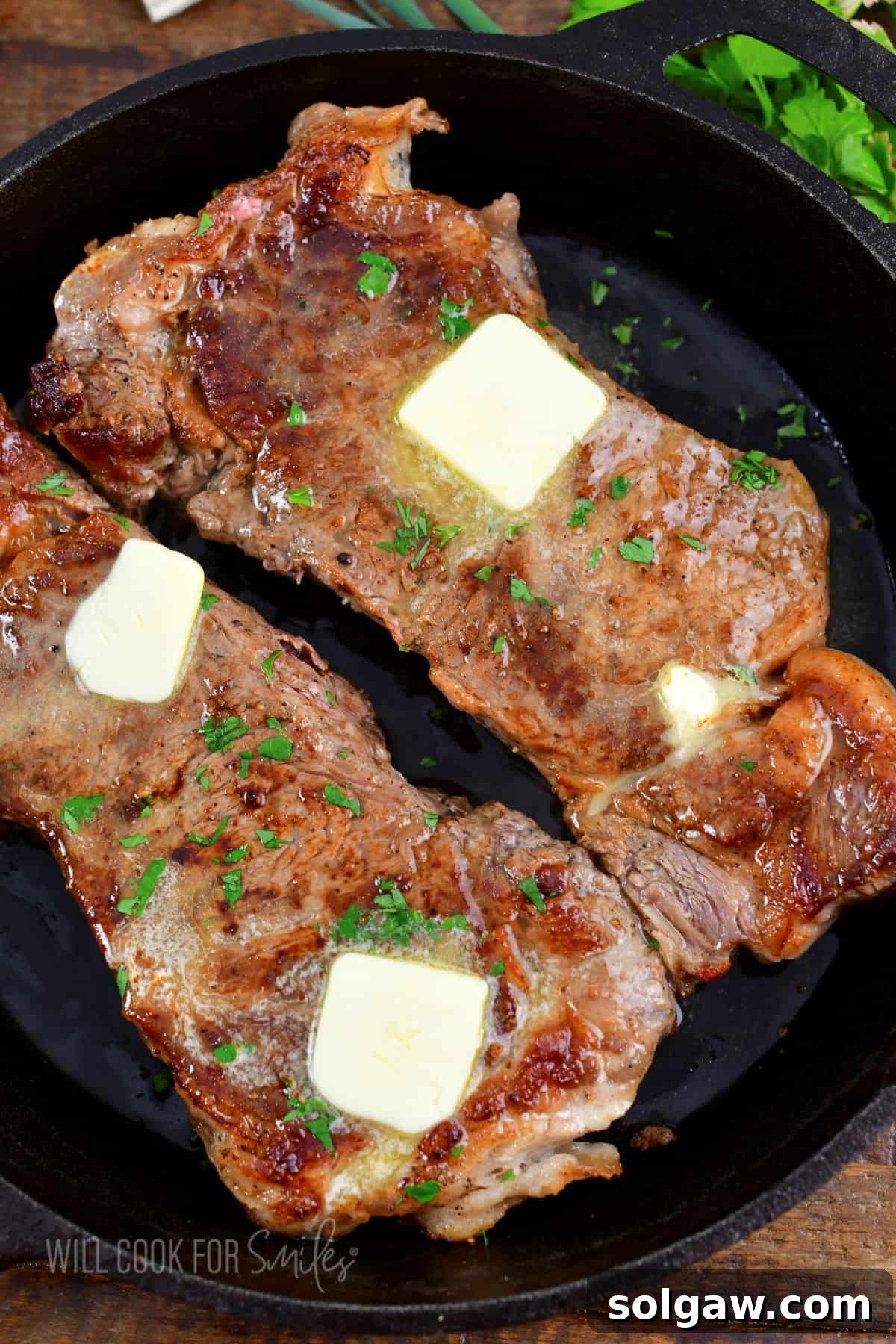
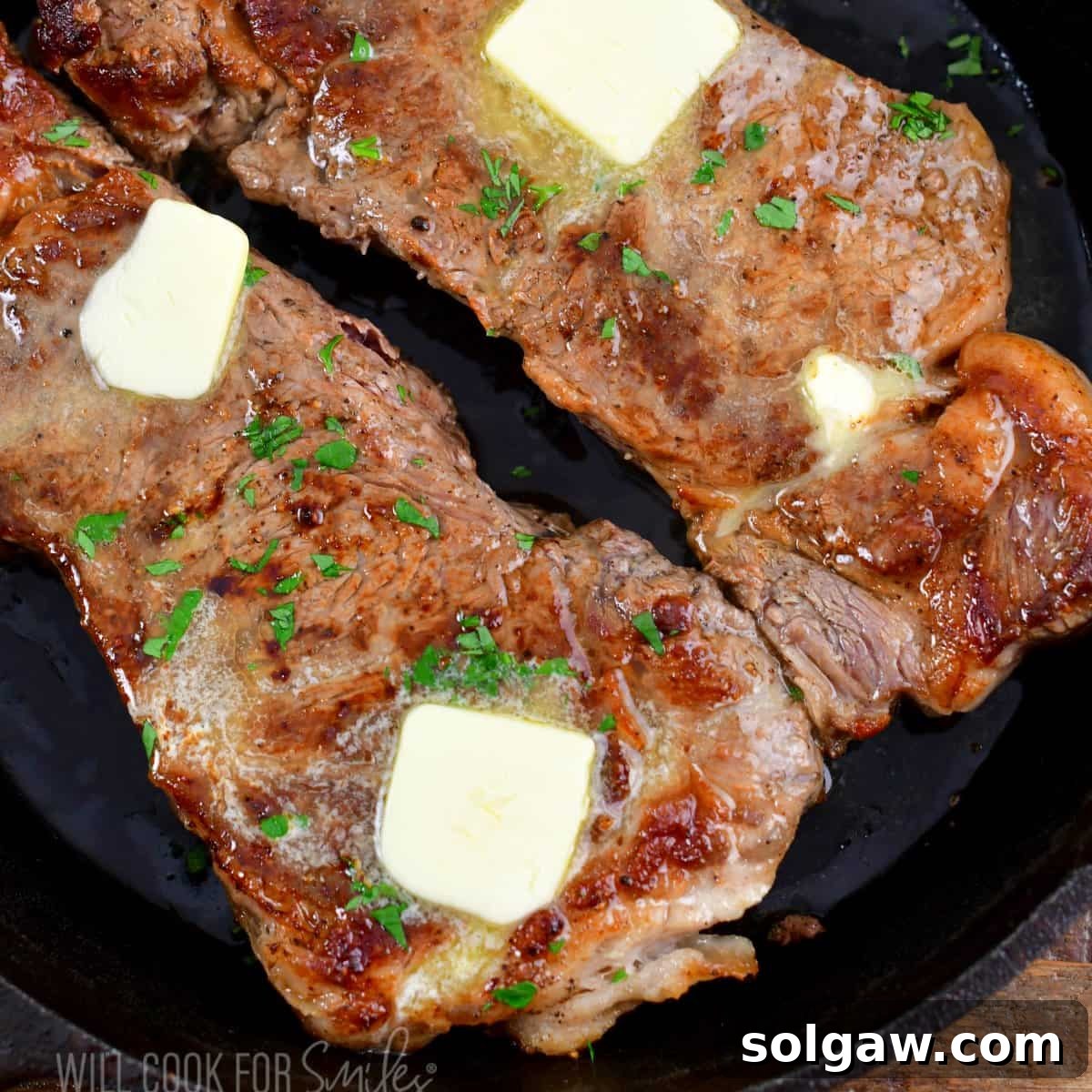
Step 6: The Critical Rest with Butter. Once the steaks reach approximately 5°F below your target internal temperature (remember carryover cooking!), promptly remove the skillet from the oven. Immediately transfer the steaks to a clean plate or cutting board. Crucially, top each steak with a pat of butter. Allow them to rest for 5-10 minutes. This resting period is vital: it allows the muscle fibers to relax and reabsorb the juices that have been pushed to the center during cooking, resulting in an incredibly moist and flavorful steak. The melting butter adds an extra layer of richness.
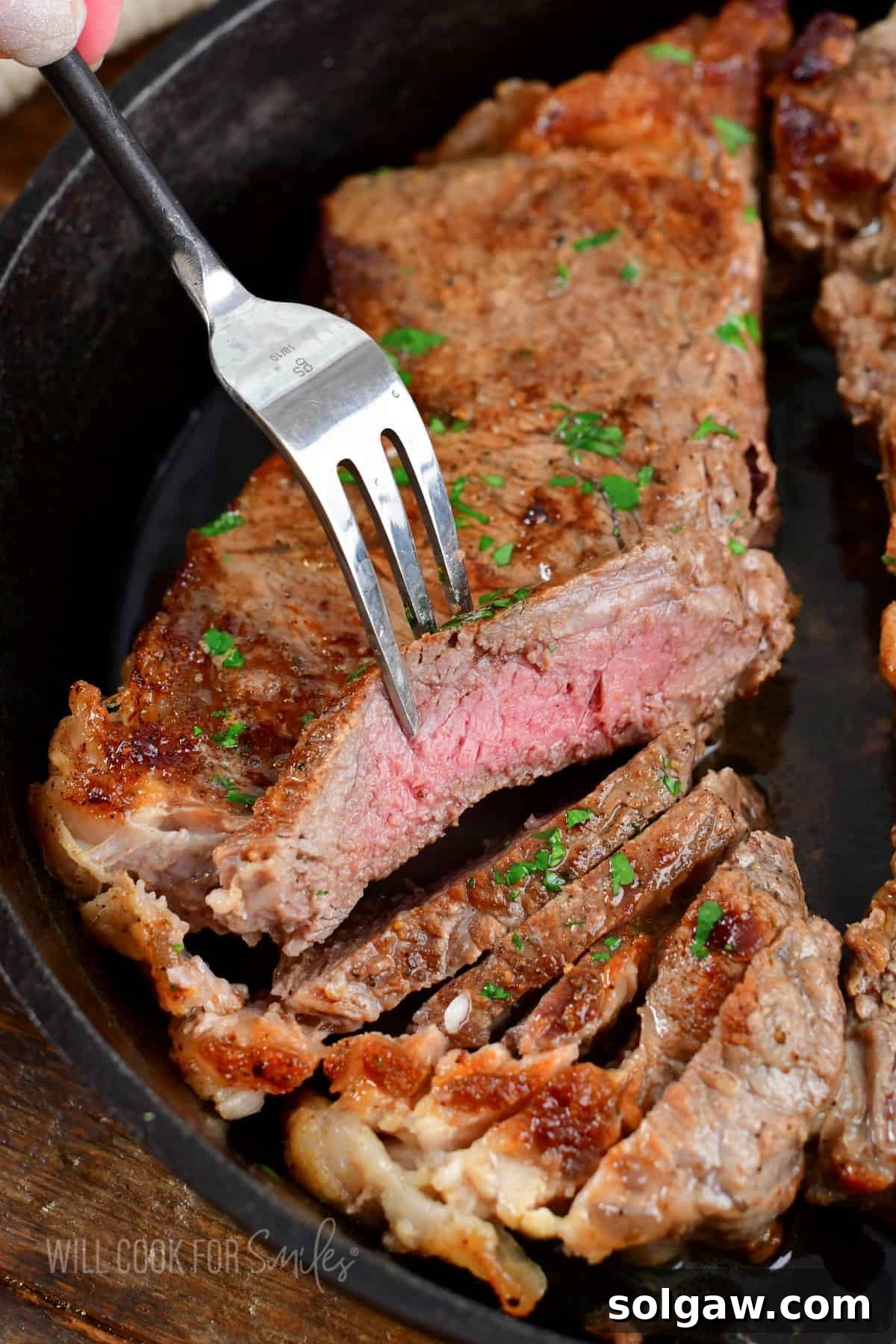
Step 7: Slice & Serve. After resting, slice your steak against the grain. This means cutting perpendicular to the direction of the muscle fibers, which shortens them and makes each bite significantly more tender. Inside, you should see an even color from edge to edge, with a thin, perfectly seared crust on the outside.
Achieving Your Perfect Doneness: A Steak Temperature Guide
PRO TIP: One of the most common questions is, “How long do I cook it?” The truth is, it’s impossible to provide an exact cooking time that applies universally. Every steak is unique in its size, thickness, and even its anatomical structure. Therefore, precise cooking times can vary significantly, ranging anywhere from a quick 5-6 minutes to a longer 15 minutes or more in the oven. The key is to rely on internal temperature, not the clock, to achieve your desired doneness. Use the following guide as your roadmap:
- Rare: 125°-130°F (Warm, red center)
- Medium-Rare: 135°-140°F (Hot, pink-red center – often considered ideal)
- Medium: 145°-150°F (Warm, pink center)
- Medium-Well: 150°-155°F (Slightly pink center)
- Well-Done: 160°-165°F (Little to no pink)
- (*Always remove the steak from the oven when it reaches the first number in the range, allowing for carryover cooking during the rest.)
Estimated Cooking Times for Oven-Finished Steaks
While I emphasize tracking temperature over time, I understand the desire for an approximate timeframe, especially when planning a meal. It’s crucial to reiterate that these are merely estimates. The actual cooking time will be influenced by variables such as the steak’s initial temperature, its exact thickness, its fat content, and even your specific oven’s calibration. Therefore, always use a meat thermometer as your ultimate guide, but these figures can help you anticipate:
REMEMBER: Prioritize tracking the steak’s internal temperature, not the clock! Each cut of beef possesses a unique composition in terms of fat marbling, thickness, and muscle structure, all of which influence how it cooks and reacts to heat. A thermometer is your most reliable tool for achieving perfection.
For Steaks Approximately 1.5 Inches Thick (Oven at 450°F):
- Rare (target 125°F): Sear 2 minutes, then 9-11 minutes in the oven.
- Medium-Rare (target 135°F): Sear 2 minutes, then 13-16 minutes in the oven.
- Medium (target 145°F): Sear 2 minutes, then 16-19 minutes in the oven.
- Medium-Well (target 150°F): Sear 2 minutes, then 18-20 minutes in the oven.
- Well-Done (target 160°F): Sear 2 minutes, then 20-24 minutes in the oven.
For Steaks Approximately 1 Inch Thick or Less (Oven at 450°F):
- Rare (target 125°F): Sear 2 minutes, then 3-4 minutes in the oven.
- Medium-Rare (target 135°F): Sear 2 minutes, then 5-7 minutes in the oven.
- Medium (target 145°F): Sear 2 minutes, then 8-10 minutes in the oven.
- Medium-Well (target 150°F): Sear 2 minutes, then 10-12 minutes in the oven.
- Well-Done (target 160°F): Sear 2 minutes, then 12-15 minutes in the oven.
PRO TIP: Remember that even a small difference in steak thickness will dramatically affect the required cooking time! Always keep your meat thermometer handy.
PIN THIS RECIPE FOR LATER
DID YOU MAKE THIS RECIPE? Please leave a 🌟 star rating and share your feedback by leaving a 📝 comment below! Your experience helps other home cooks discover and enjoy this recipe. Don’t forget to subscribe to our newsletter for more delicious recipes and cooking tips!
Perfect Oven-Baked Steak Recipe
Print Recipe
Pin Recipe
Jump to Video
Rate this Recipe
Equipment
- Cast Iron Skillet
- Leave-in Meat Thermometer
- Metal tongs
Ingredients
- 2 steaks – ribeye, top sirloin, strip steak, or tenderloin filet choose steaks about 1 to 1.5 inches in thickness*
- Coarse salt
- Freshly cracked black pepper
- 1-2 tbsp Vegetable or avocado oil for cooking
- 1 tbsp Unsalted butter
Instructions
Prepare the steak
- Take the steaks out of the refrigerator about 30-45 minutes before cooking. Allowing cold meat to warm up slightly prevents it from seizing when it hits high heat, ensuring more even cooking and optimal tenderness.
- When you’re ready to cook, thoroughly pat each steak dry with paper towels on all sides. This crucial step removes surface moisture, which is essential for achieving a beautiful, crispy sear.
- Season the steaks generously with coarse salt and freshly cracked black pepper on all sides, just before cooking. Insert the probe for a leave-in thermometer through the side of the thickest steak, aiming for the middle to ensure the most accurate temperature reading.
- Preheat your oven to 450°F (230°C).
Sear the steak
- Ensure your cast iron skillet is well-seasoned. Preheat the skillet on the stovetop over medium-high heat until it begins to lightly smoke, then add a tablespoon of cooking oil.
- Carefully place the seasoned steaks into the hot skillet. Sear for 45-60 seconds on one side to develop a deep, golden crust. Flip the steaks using metal tongs, sear for another 20-30 seconds, and then immediately transfer the entire skillet to the preheated oven.
Finish in the oven
- With both sides seared, the skillet moves directly into the preheated oven.
- If using a leave-in thermometer, set it to your desired final temperature to alert you when it’s ready. If using a regular instant-read thermometer, take the skillet out of the oven to check the temperature (close the oven door quickly to keep heat in) by inserting the thermometer through the side into the center of the steak.
- Once the internal temperature reaches approximately 5 degrees below your target doneness (to account for carryover cooking), remove the steaks from the oven. Immediately transfer them from the hot skillet to a clean cutting board or plate. Top each steak with thin slices of butter and let them rest for 5-10 minutes. This resting period is crucial for the juices to redistribute, ensuring a tender and moist steak.
- While the steaks are resting, the butter will melt over them, adding incredible richness and flavor.
- Finally, remember to slice your steaks against the grain for the most tender bite.
Video Tutorial
A video tutorial demonstrating the steak cooking process would be embedded here.
Notes
- Nutrition Note: The nutritional information provided is calculated for a NY strip steak. For other types of steak, please consult the specific steak packaging or a reliable nutrition database.
- *Choosing Steaks: Always opt for prime or choice grade beef for the best flavor and tenderness. Select steaks that are ideally 1 to 1.5 inches in thickness. If you can’t find appropriate cuts on the shelf, don’t hesitate to ask your butcher to cut them for you.
- Steak Temperatures (Internal): Rare = 125°-130°F; Medium-Rare = 135°-140°F; Medium = 145°-150°F; Medium-Well = 150°-155°F; Well-Done = 160°-165°F. Remember to remove the steak a few degrees before your target to account for carryover cooking.
- The resting period of 5-10 minutes after cooking is crucial for a juicy steak. Also, always slice your steaks against the grain for maximum tenderness.
Nutrition Information
Carbohydrates: 1g |
Protein: 47g |
Fat: 47g |
Saturated Fat: 18g |
Cholesterol: 197mg |
Sodium: 169mg |
Potassium: 710mg |
Sugar: 1g |
Vitamin A: 175IU |
Calcium: 52mg |
Iron: 3.3mg
Elevate Your Steak with Complementary Sauces
While a perfectly cooked steak often shines on its own, a well-chosen sauce can beautifully complement its rich flavors. If you’re looking to enhance your steak experience, consider these delightful options, many of which can be whipped up quickly in the same skillet after you remove the steaks:
- Red Wine Steak Sauce: A classic choice, offering a sophisticated and robust flavor that pairs wonderfully with beef.
- Creamy Steak Sauce: For those who enjoy a richer, more indulgent accompaniment, a velvety cream sauce can add a luxurious touch.
- Peppercorn Sauce: A personal favorite, this sauce provides a delightful peppery kick that enhances the natural beefy notes without overwhelming them.
Explore More Steak Recipes & Culinary Adventures
Once you’ve mastered cooking steak in the oven, a world of beef-centric dishes awaits! Broaden your culinary horizons with these inspiring steak recipes:
- Bacon Beef Brisket In The Oven: A savory and hearty dish, perfect for slow-cooked comfort.
- Philly Cheesesteak: A classic sandwich reimagined, bringing big flavors to your kitchen.
- Surf and Turf: Combine the best of land and sea for an elegant and impressive meal.
- Beef Tenderloin with Red Wine Sauce: Elevate a premium cut of beef with a rich, aromatic sauce for a truly gourmet experience.
By following these detailed steps and embracing the nuances of steak preparation, you’re well on your way to cooking memorable and consistently delicious oven-finished steaks at home. Enjoy the process, and savor every tender bite!