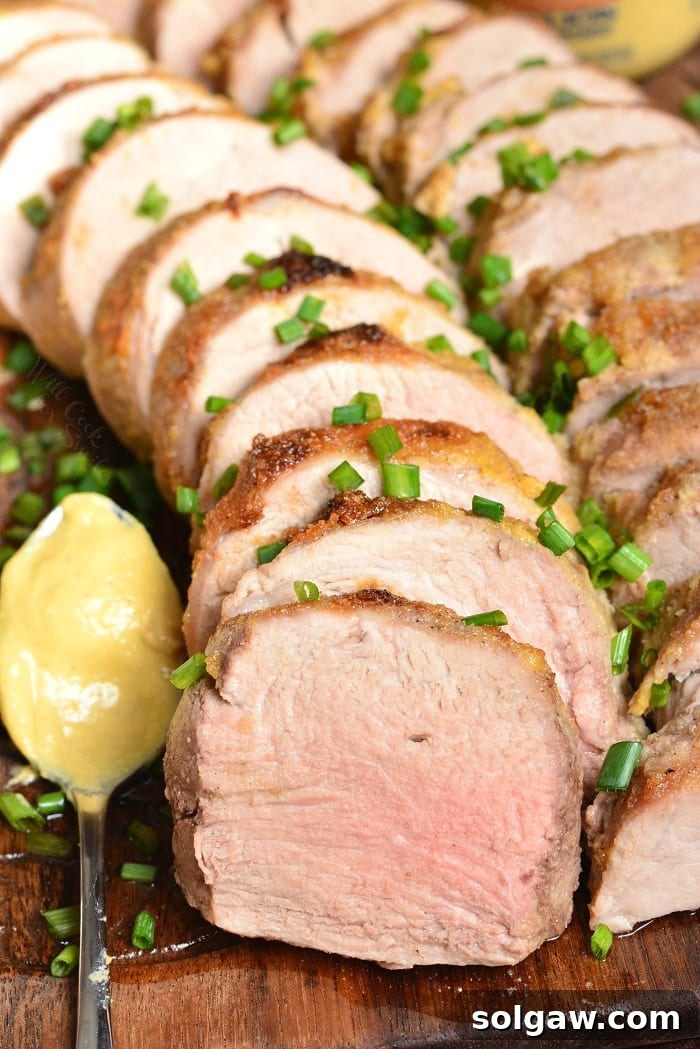
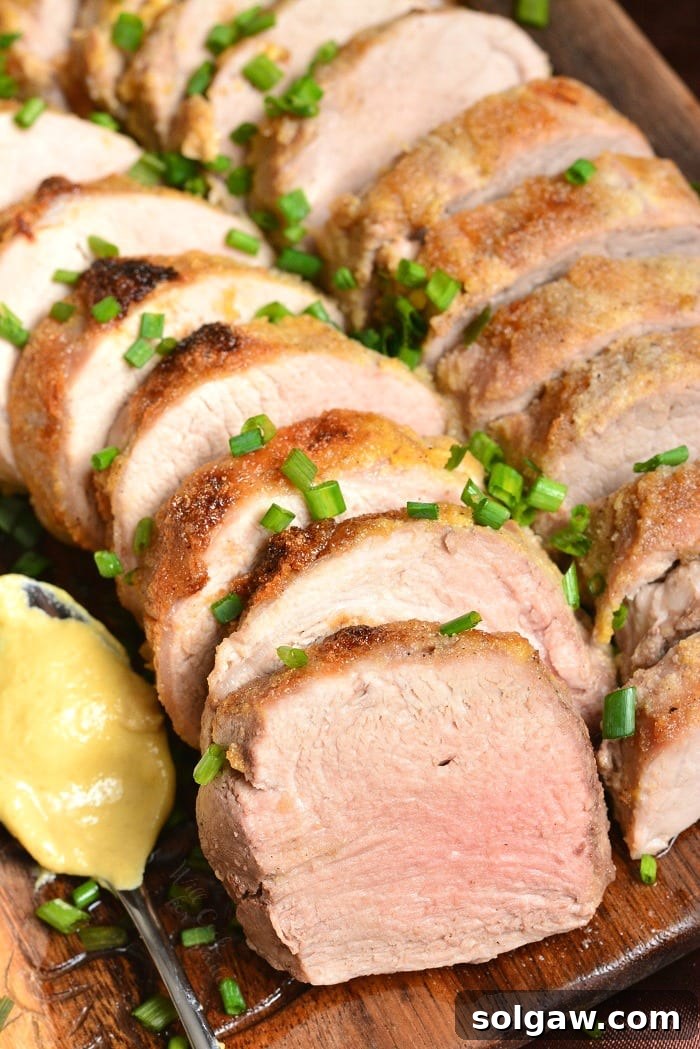
The Ultimate Guide to Perfectly Juicy Brown Sugar Dijon Pork Tenderloin
After many years of perfecting recipes for both bustling restaurant kitchens and my own family table, I can confidently say that pork tenderloin stands out as one of the most remarkable proteins to work with. It’s truly a dream for home cooks: incredibly forgiving, quick to prepare, and its naturally lean, soft, and tender texture guarantees a crowd-pleasing meal when cooked just right. The true genius of pork tenderloin lies in its extraordinary versatility, effortlessly adapting to an endless array of flavor profiles and complementary side dishes.
This recipe celebrates the timeless and beloved combination of brown sugar and Dijon mustard. This pairing isn’t just a classic; it’s a culinary masterpiece that delivers a sublime balance of sweet and tangy notes, ensuring your pork tenderloin emerges from the oven perfectly juicy and packed with flavor every single time. Prepare to transform a simple cut of meat into an unforgettable dining experience with minimal effort.
Key Ingredients for Flavorful Pork Tenderloin
Crafting the perfect brown sugar Dijon pork tenderloin starts with understanding the role of each ingredient. Quality and preparation are paramount to achieving that coveted tender and juicy result.
Pork Tenderloin: The Star of Your Meal
Pork tenderloin is a lean, elongated cut of meat, typically sourced from the muscle running along the backbone of the hog. Renowned for its tenderness and delicate flavor, it’s exceptionally pleasant to eat and remarkably easy to cook. Its low fat content makes it a healthy choice, while its inherent tenderness means it cooks quickly and remains moist if not overdone. When selecting your tenderloin, look for a uniform thickness if possible, as this aids in even cooking. A package typically contains two tenderloins, often weighing around 1 to 1.5 pounds each. Before cooking, always pat the meat dry to encourage a beautiful sear and ensure seasonings adhere properly.
One crucial step for optimal texture is removing the silverskin. This shimmery, white connective tissue, often found on one side of the tenderloin, won’t break down during cooking and can make the meat tough. To remove it, simply slide a sharp, thin knife just under the silverskin, angling it slightly upwards, and carefully slide it along the length of the meat to separate it. This small effort makes a significant difference in the final tenderness of your dish.
Brown Sugar: The Sweet Counterpart
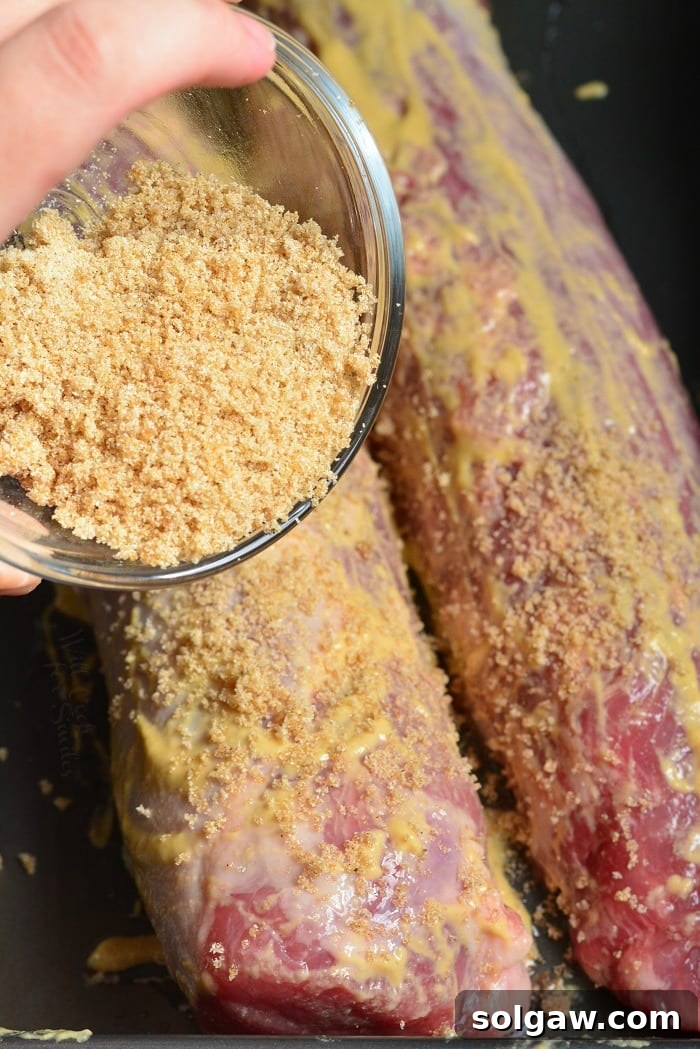
Brown sugar, whether light or dark, brings a wonderful sweetness and a hint of molasses to this dish, which caramelizes beautifully in the oven, creating a delicious crust. While both types work, I generally recommend light brown sugar for a milder, more balanced sweetness that complements the Dijon without overpowering it. Dark brown sugar contains a higher percentage of molasses, offering a deeper, richer, almost toffee-like flavor. Be aware that dark brown sugar is often stickier and clumps more readily, which can make it slightly more challenging to sprinkle evenly over the tenderloins. Whichever you choose, ensure it’s fresh and free-flowing for easy application.
Dijon Mustard: The Tangy Binder
For this recipe, Dijon mustard is absolutely key. I strongly advocate for Dijon over standard yellow mustard because of its distinctively bolder, spicier, and more complex flavor profile. Dijon offers a smoother texture and a more aromatic quality that elevates the dish significantly. It acts not only as a primary flavoring agent but also as an excellent binder, helping the brown sugar and spices adhere uniformly to the pork. The sharp tang of Dijon perfectly cuts through the richness of the pork and balances the sweetness of the brown sugar. If you’re looking for an alternative with a slightly different texture, whole grain mustard can be a fantastic gourmet option, adding a pleasant pop of texture with its visible mustard seeds while still delivering that essential tangy zest.
Essential Seasonings: Garlic Powder, Onion Powder, Salt, and Pepper
Beyond the main flavor powerhouses, a simple blend of garlic powder, onion powder, salt, and freshly cracked black pepper forms the aromatic foundation for our pork tenderloin. Garlic and onion powders provide consistent, savory depth without the moisture of fresh aromatics, ensuring a crisp crust. Salt enhances all the flavors, while fresh cracked pepper adds a touch of warmth and subtle spice. These basic seasonings create a harmonious backdrop, allowing the brown sugar and Dijon to truly shine.
How to Achieve Perfect Oven-Roasted Pork Tenderloin
This recipe is designed for ease and efficiency, relying on the oven to roast the pork tenderloin to succulent perfection. The process is straightforward: prepare the pork, season it generously, and let the oven do the rest. Here’s a detailed breakdown to ensure your success:
Preparation is Key
- Preheat Your Oven: Begin by preheating your oven to 400°F (200°C). A hot oven is crucial for achieving a beautiful caramelized crust while keeping the interior juicy. While the oven is preheating, you can prepare the pork and seasoning mixture.
- Prepare the Roasting Pan: Lightly grease the bottom of a roasting pan. A metal roasting pan is highly recommended because it’s an excellent heat conductor, promoting even cooking and a superior crust.
- Mix the Dry Rub: In a small bowl, combine the brown sugar, garlic powder, onion powder, salt, and freshly cracked black pepper. Mix these ingredients thoroughly until well combined. This ensures every bite is seasoned perfectly.
- Handle the Pork: Remove the pork tenderloins from their packaging. It’s a good practice to transfer a portion of Dijon mustard to a separate small bowl before handling raw meat. This prevents cross-contamination and keeps your main mustard jar clean. Place the tenderloins in the greased roasting pan.
- Pat Dry and Trim: Pat the tenderloins thoroughly dry with paper towels. This step is vital for encouraging browning and helping the seasonings adhere. If any silverskin remains (a white, shimmery connective tissue along the outside), carefully remove it using a sharp, thin knife. Slide the knife under the silverskin and glide it along the meat, trying to remove only the silverskin and not the valuable meat.
Applying the Flavorful Coating
- Rub with Dijon Mustard: Generously rub both tenderloins all over with Dijon mustard, ensuring an even layer covers the top, bottom, and sides. The mustard not only imparts a fantastic tangy flavor but also acts as a “glue” for the dry seasoning, helping it stick perfectly.
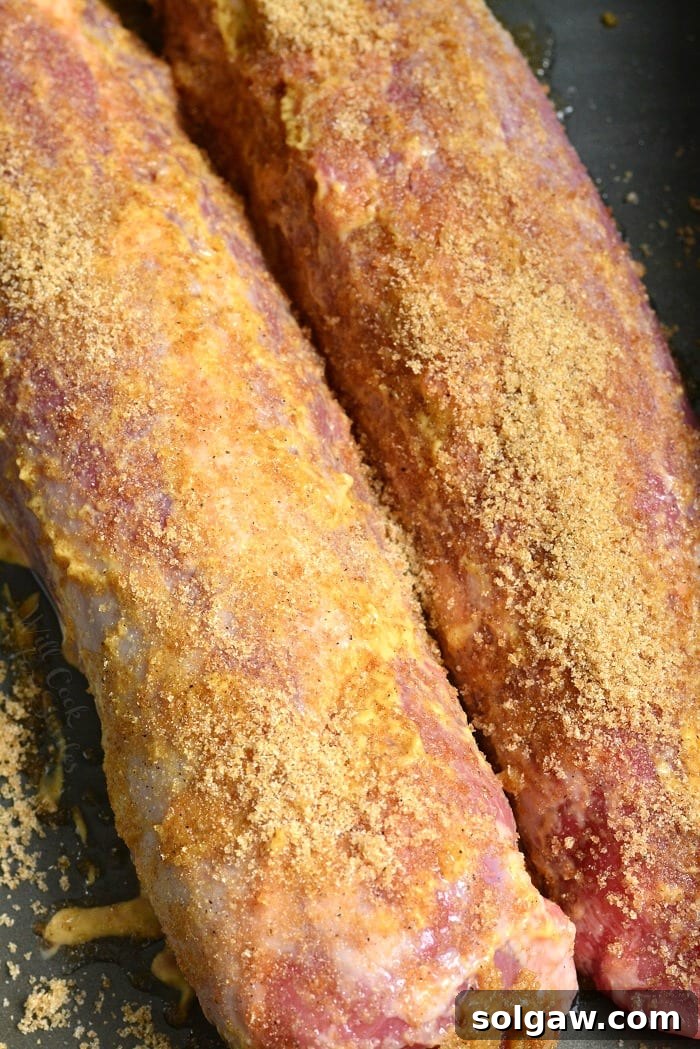
- Apply the Dry Seasoning: Slowly and gently sprinkle the prepared brown sugar and spice mixture evenly over the mustard-coated pork. Take your time to distribute it across all surfaces. Once sprinkled, lightly pat the seasoning into the pork with your hands. Avoid rubbing vigorously, as this can dislodge the mustard and unevenly distribute the spices. The patting motion helps create a cohesive, flavorful crust.
Roasting to Perfection
- Oven Roasting: Place the roasting pan with the seasoned pork tenderloins into the preheated oven. Cook for approximately 18 to 25 minutes. The exact cooking time will vary depending on the thickness and size of your specific tenderloins.
- Monitor Internal Temperature: Having a reliable meat thermometer is crucial for success. Begin checking the internal temperature after 18 minutes. Insert the thermometer into the thickest part of one of the tenderloins, avoiding any bone if present.
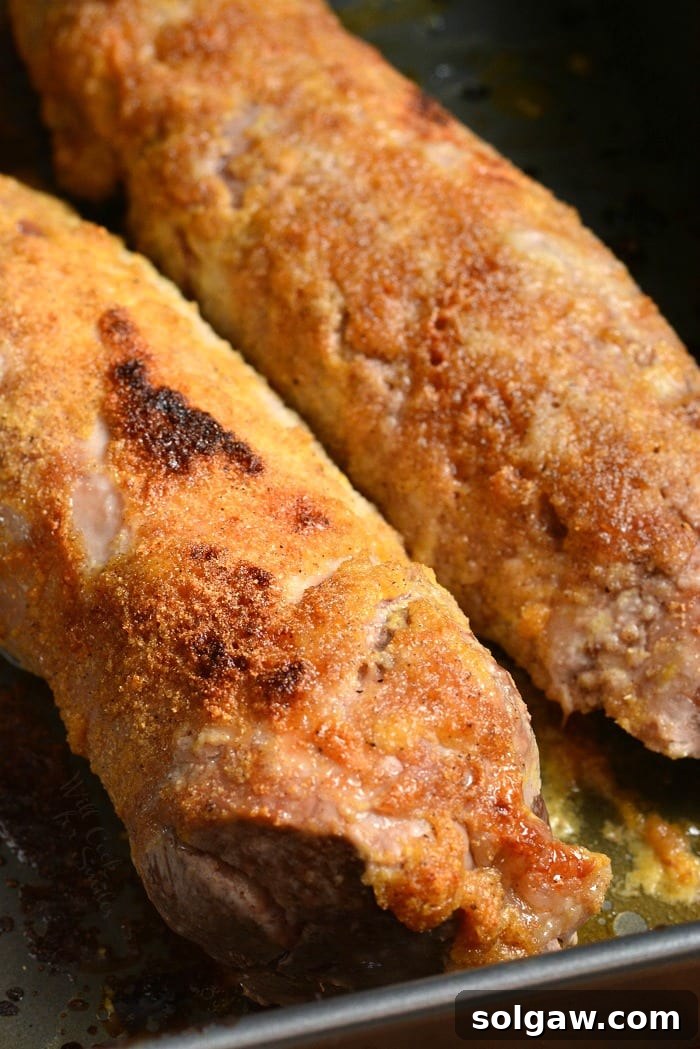
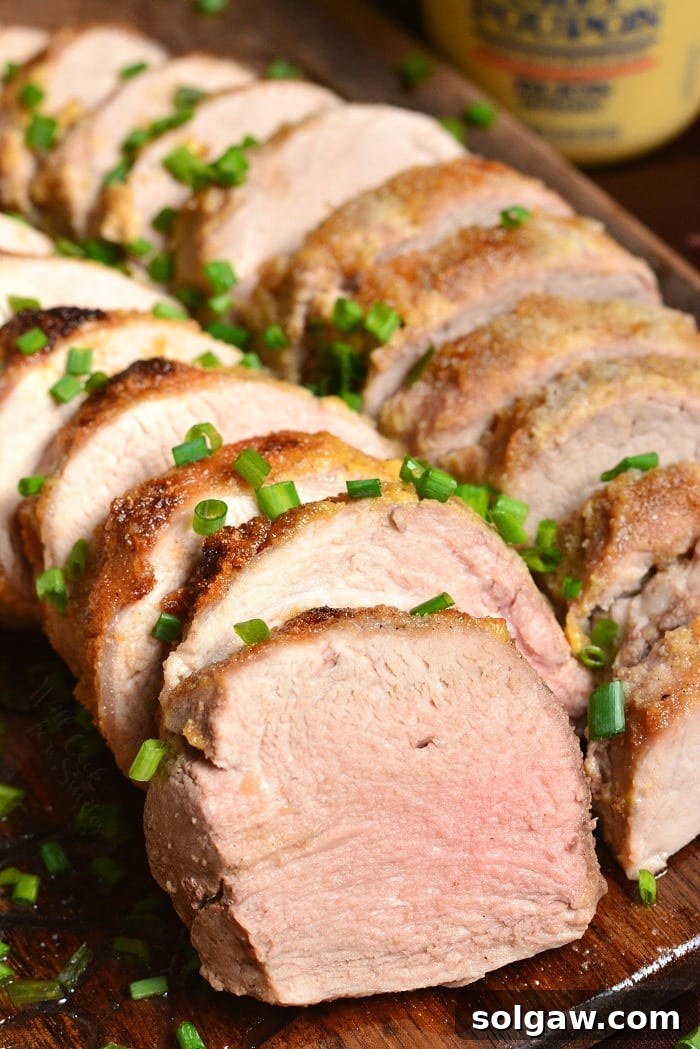
- Avoid Overcooking: For the juiciest pork, it is paramount not to overcook it. Roast the pork until its internal temperature reads 145°F (63°C). Remember that the meat will continue to cook for a few more degrees after it’s removed from the oven (this is called carry-over cooking). A slight pink hue in the center is perfectly normal and a sign of a perfectly cooked, tender, and juicy pork tenderloin.
Resting for Maximum Juiciness
- The Critical Resting Period: Once the pork reaches 145°F, remove the roasting pan from the oven and immediately transfer the tenderloins to a clean cutting board. It is essential to let the pork rest for at least 5 to 10 minutes before slicing into it. This resting period allows the juices, which have condensed towards the center during cooking, to redistribute throughout the entire tenderloin. Skipping this step will result in the juices running out onto your cutting board, leaving you with dry meat. Resting is the key to ensuring every slice is incredibly juicy and tender.
- Slice and Serve: After resting, slice the pork tenderloin into medallions, against the grain, and serve immediately.
Delightful Serving Suggestions and Pairing Ideas
Pork tenderloin is wonderfully versatile when it comes to side dishes, offering a myriad of possibilities to complete your meal. Since this recipe features a delightful sweetness from the brown sugar, it’s best to steer clear of overly sweet sides or those cooked with excessive sugar or honey, aiming for a harmonious balance of flavors.
Hearty Potato Companions
Potatoes are a classic and always welcome accompaniment to pork. You can opt for the timeless comfort of creamy mashed potatoes, or elevate the flavor profile with Instant Pot garlic mashed potatoes for an extra savory kick. For a truly comforting and indulgent experience, consider a rich hashbrown casserole or a decadent loaded cheesy potato casserole. Other fantastic options include crispy roasted potatoes seasoned with rosemary and garlic, or baked sweet potatoes (without added sugar) for a gentle sweetness that complements the pork.
Fresh and Flavorful Vegetables
As for vegetables, the choices are abundant and can add freshness, color, and essential nutrients to your plate. Consider pairing your tenderloin with roasted green beans and mushrooms, a rich green bean casserole, simple sautéed mushrooms, or luxurious creamed spinach. Other excellent vegetable pairings include asparagus spears, broccoli florets (steamed or roasted with a touch of lemon), glazed carrots (use savory herbs, not sugar), or a medley of roasted root vegetables like parsnips and turnips. Ultimately, any vegetables you love can work beautifully, provided their seasoning doesn’t clash with the sweet and tangy pork.
Grain and Salad Options
To round out the meal, consider serving a light grain such as quinoa or a simple rice pilaf. A fresh, crisp green salad with a vinaigrette dressing can also provide a wonderful counterpoint to the rich flavors of the pork.
How Much Pork Tenderloin Per Person?
A general guideline suggests allocating about 1/2 pound of meat per person. However, this can often be reduced to 1/4 pound per person if you are serving particularly hearty and filling side dishes like potato casseroles or substantial pasta dishes. The actual amount your guests will consume largely depends on several factors:
- Type and Quantity of Sides: Filling sides such as potato-based dishes, pasta, and creamy casseroles will reduce the amount of meat needed per person. Lighter sides like green vegetables and salads allow for a slightly larger meat portion.
- Appetite of Guests: Consider the general appetite of your guests. If you anticipate big eaters, it’s always better to err on the side of generosity.
- Leftovers are a Bonus: To be absolutely safe, it’s always better to prepare a little more rather than not enough. Cooked pork tenderloin reheats surprisingly well and makes for fantastic leftovers. Transform them into delicious sandwiches, wraps, or additions to salads the next day. Having too much is far preferable to running out!
Tips for Success & Storage
Making Your Pork Tenderloin Even Better
- Don’t Skip the Dryness: Patting the pork tenderloin thoroughly dry is a simple step that makes a huge difference in achieving a beautiful, golden-brown crust. Moisture on the surface will steam the meat instead of searing it.
- Even Coating: Take the time to ensure the Dijon mustard and seasoning mixture are applied as evenly as possible. This guarantees consistent flavor in every bite.
- Trust Your Thermometer: While cooking times are a good guide, the only way to truly ensure perfectly cooked and safe pork is to use a reliable meat thermometer. It prevents overcooking, which is the most common pitfall with tenderloin.
- Rest, Rest, Rest: We can’t stress this enough! The resting period is crucial for the juices to redistribute, resulting in incredibly moist and tender meat. Be patient!
Storing and Reheating Leftovers
Proper storage ensures your delicious leftovers remain safe and tasty. Allow any leftover pork tenderloin to cool completely to room temperature (within 2 hours) before transferring it to an airtight container. Store it in the refrigerator for up to 3-4 days.
When reheating, gently warm the pork to maintain its tenderness and juiciness. Avoid high heat or prolonged reheating, which can dry it out. You can slice it thin and reheat gently in a pan with a splash of broth or water, or warm it in the oven at a low temperature (around 275°F/135°C) until just heated through. Leftover pork tenderloin is also fantastic cold, sliced thinly for sandwiches or added to salads.
Brown Sugar Dijon Pork Tenderloin Recipe
Print
Pin
Rate
Ingredients
- 2.5 lbs pork tenderloins
- 3 tbsp Dijon mustard
- 2 tbsp brown sugar
- 1.5 tsp garlic powder
- 1.5 tsp onion powder
- 1 tsp fresh cracked black pepper
- salt
Instructions
-
Preheat your oven to 400°F (200°C) and lightly grease the bottom of a roasting pan. For best results and even heat distribution, a metal roasting pan is highly recommended.
-
Scoop out the required amount of Dijon mustard from its main jar into a separate small bowl. This proactive step helps maintain hygiene by preventing contact between raw pork and your main condiment container.
-
In a separate small bowl, combine the brown sugar, garlic powder, onion powder, salt, and black pepper. Stir these ingredients thoroughly until they are well mixed, creating a uniform dry rub.
-
Remove the pork tenderloins from their packaging and place them into the prepared roasting pan. Use paper towels to pat the tenderloins completely dry. Inspect the meat for any silverskin (a tough, shimmery white connective tissue) and carefully remove it by sliding a sharp, thin knife underneath and along its length.
-
Generously rub the entire surface of both pork tenderloins with the Dijon mustard you set aside. Ensure all sides, including the bottom and ends, are coated evenly. This layer will provide both flavor and a base for the dry rub.
-
Evenly sprinkle the brown sugar and spice seasoning mixture over the top and sides of the mustard-coated pork. Once sprinkled, gently pat the seasoning onto the pork with your hands to help it adhere and form a delicious crust. Avoid rubbing, as this can dislodge the mustard.
-
Carefully place the roasting pan into the preheated oven. Roast for 18 to 25 minutes. The precise cooking time will depend on the thickness of your pork tenderloins. Keep a meat thermometer handy and begin checking the internal temperature after 18 minutes.
-
To ensure perfectly juicy pork, it is crucial to avoid overcooking. Continue cooking until the internal temperature of the thickest part of the tenderloin registers 145°F (63°C) on your meat thermometer.
-
Once cooked, remove the tenderloins from the roasting pan and transfer them to a cutting board. Allow the pork to rest for approximately 5-10 minutes before slicing. This essential step allows the juices to redistribute throughout the meat, guaranteeing maximum tenderness and juiciness.
-
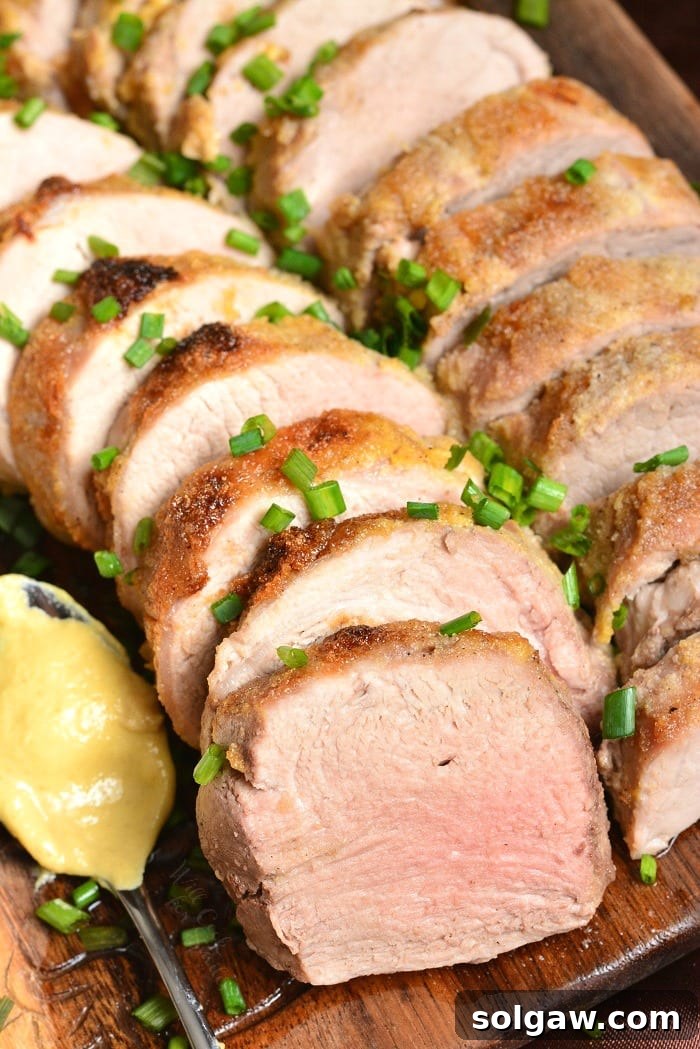
Expert tip: When slicing, it is entirely normal and expected to observe a slightly pink hue in the center of pork cooked to 145°F. This indicates a perfectly safe and wonderfully juicy tenderloin.
Notes
Nutrition
More Delicious Pork Recipes to Explore
Pork is truly one of my favorite proteins to cook with, and pork tenderloin holds a special place due to its elegant simplicity and amazing results. If you loved this recipe, I encourage you to explore more of my favorite pork tenderloin creations. Dive into the comforting flavors of roasted pork and apples, savor the savory indulgence of bacon-wrapped pork tenderloin, try the hearty Italian stuffed pork tenderloin, or keep it classic with roasted pork tenderloin with a special pork rub.
Beyond tenderloin, pork loin is another fantastic cut offering endless culinary possibilities. You can try my flavorful garlic pork loin, the unbelievably tender pot roasted pork loin (the gravy is absolutely divine!), a rich and satisfying stuffed pork loin, or the perfectly balanced apple maple Dijon pork roast. Each recipe offers a unique way to enjoy the incredible versatility of pork, ensuring there’s always something new and delicious to try in your kitchen.