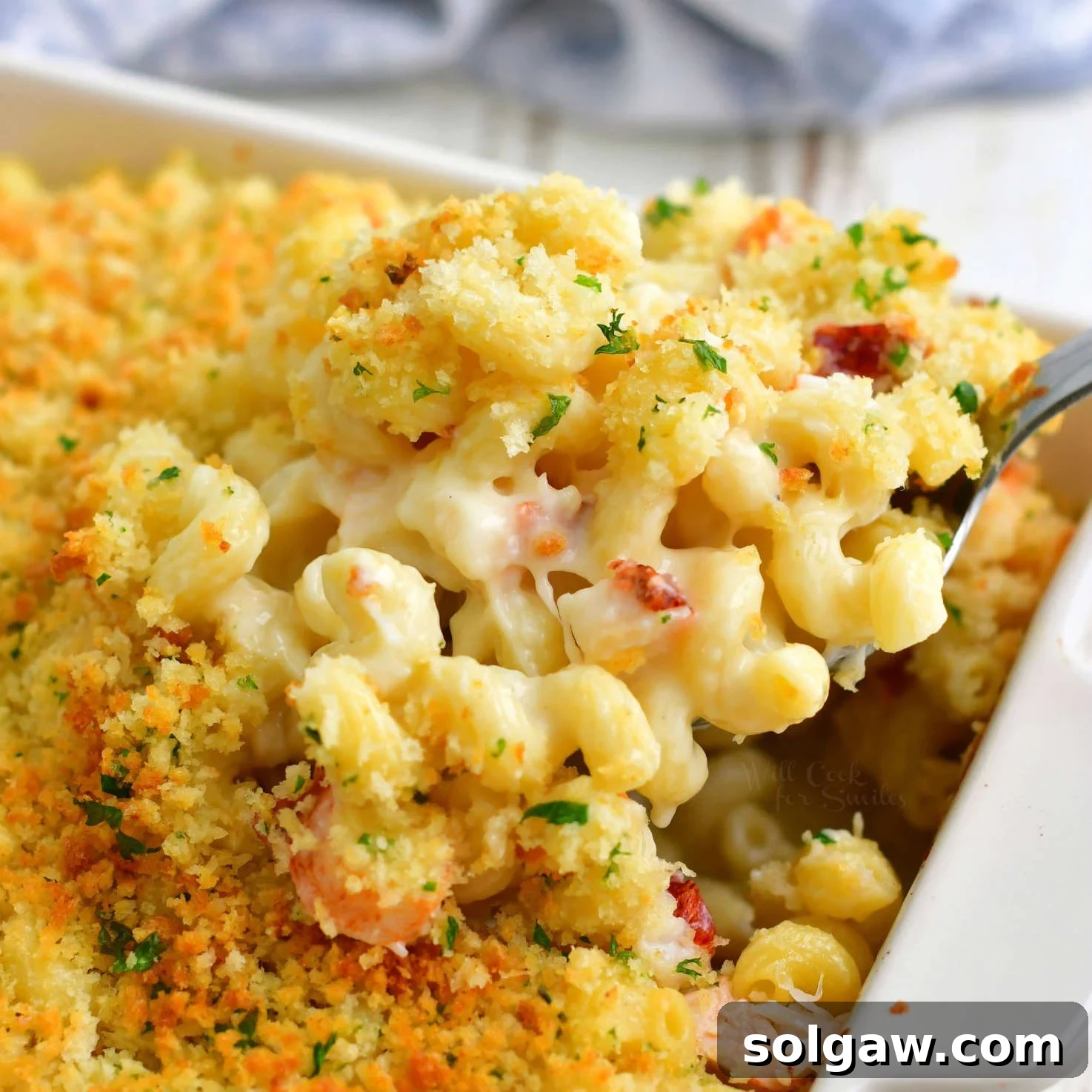
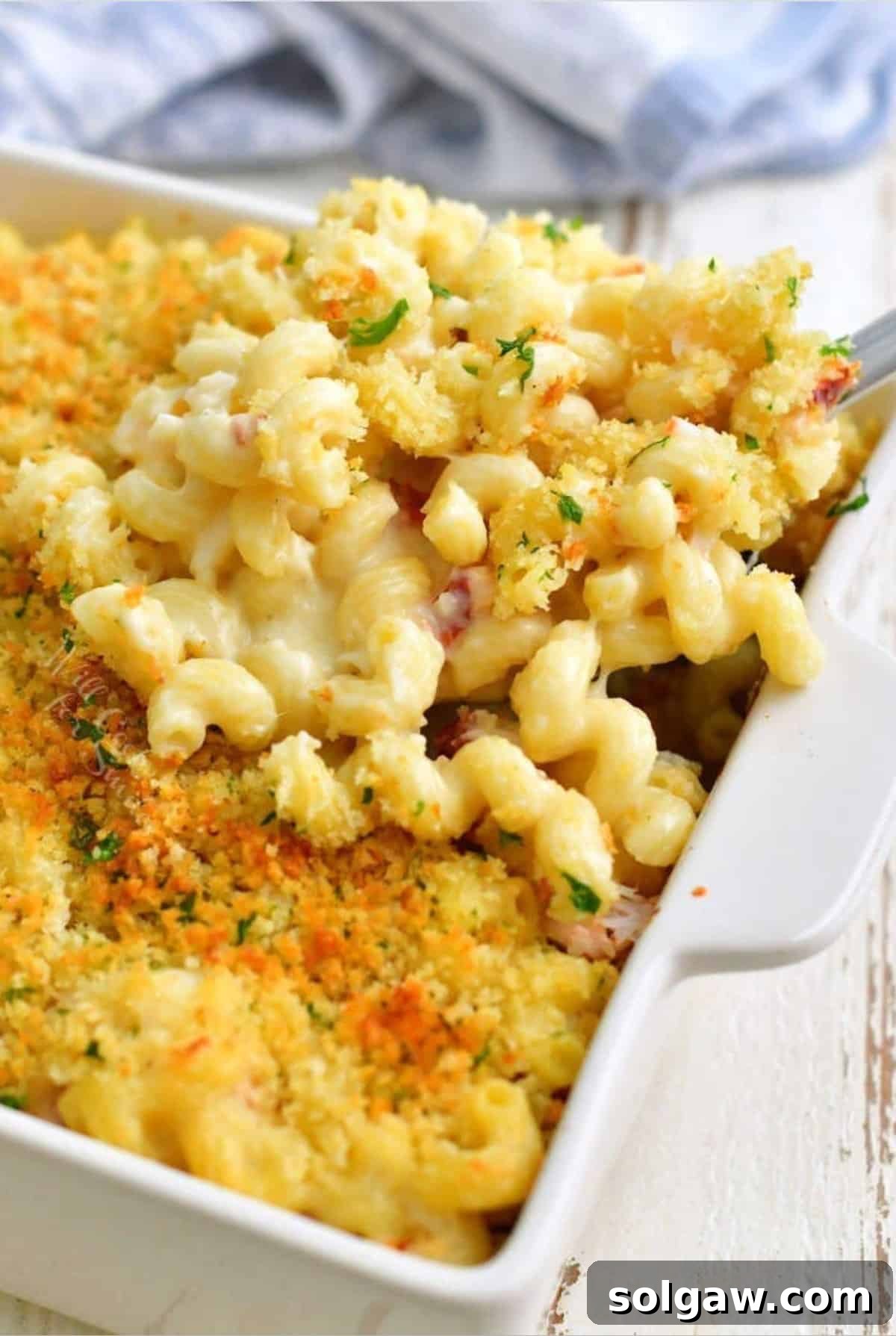
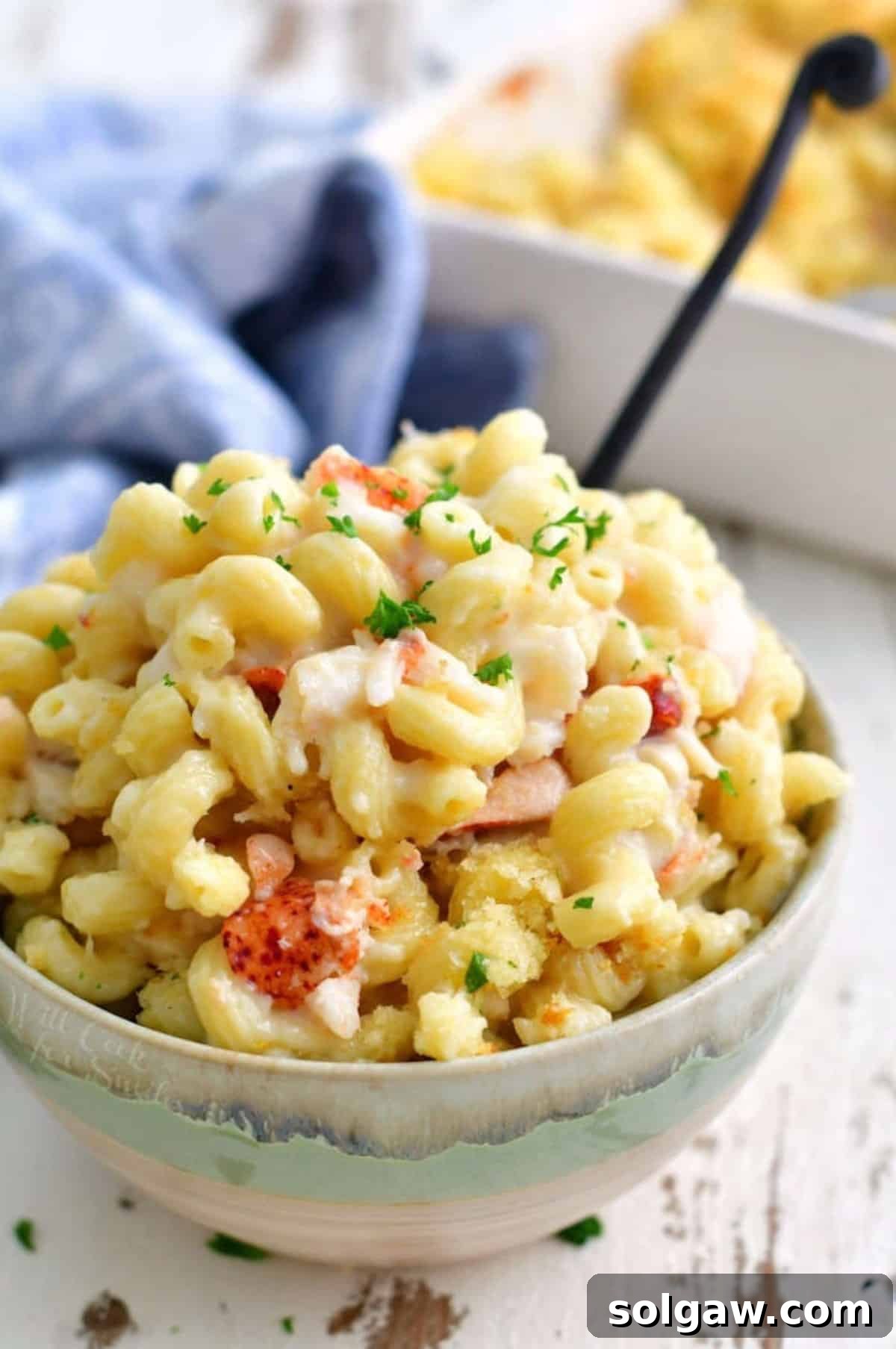
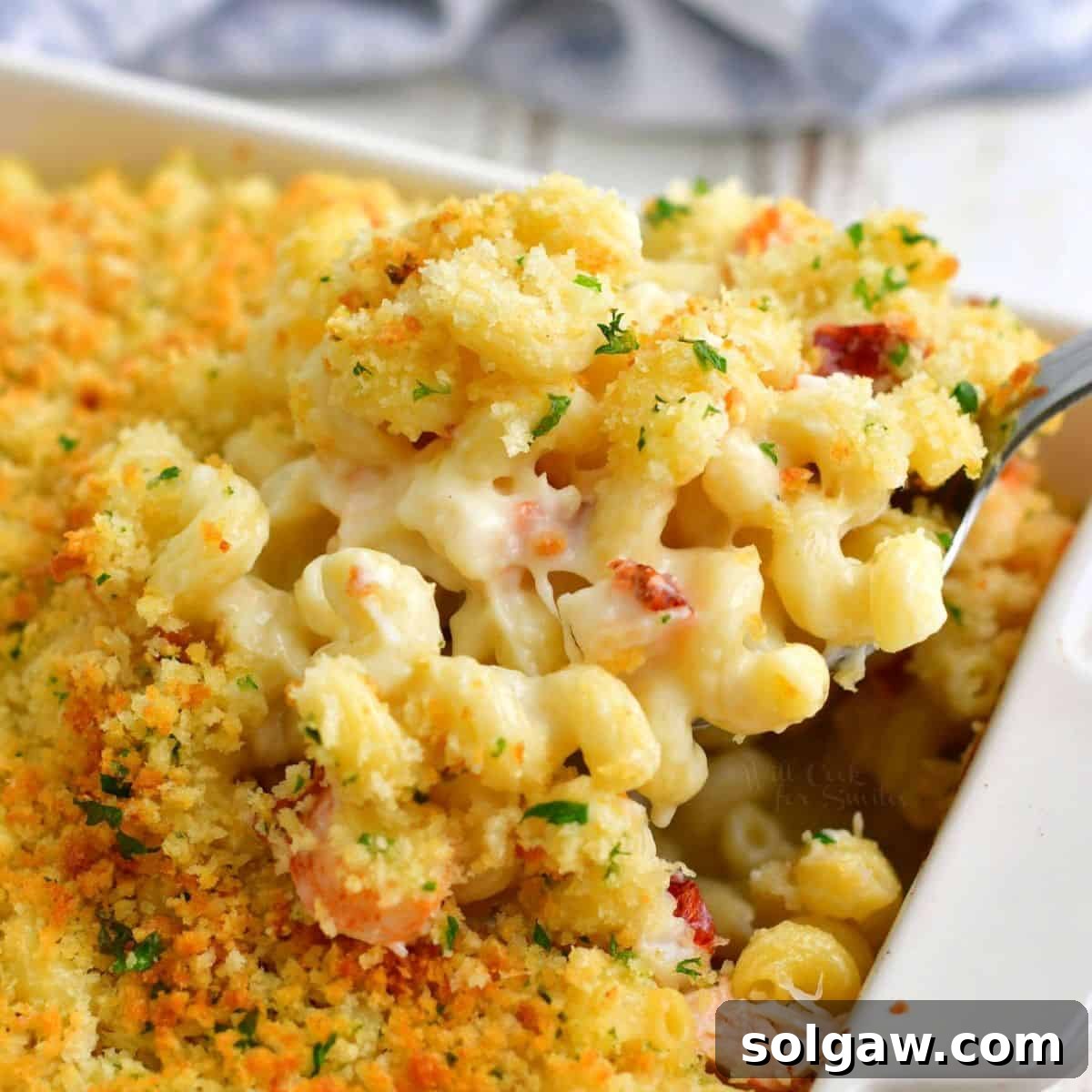
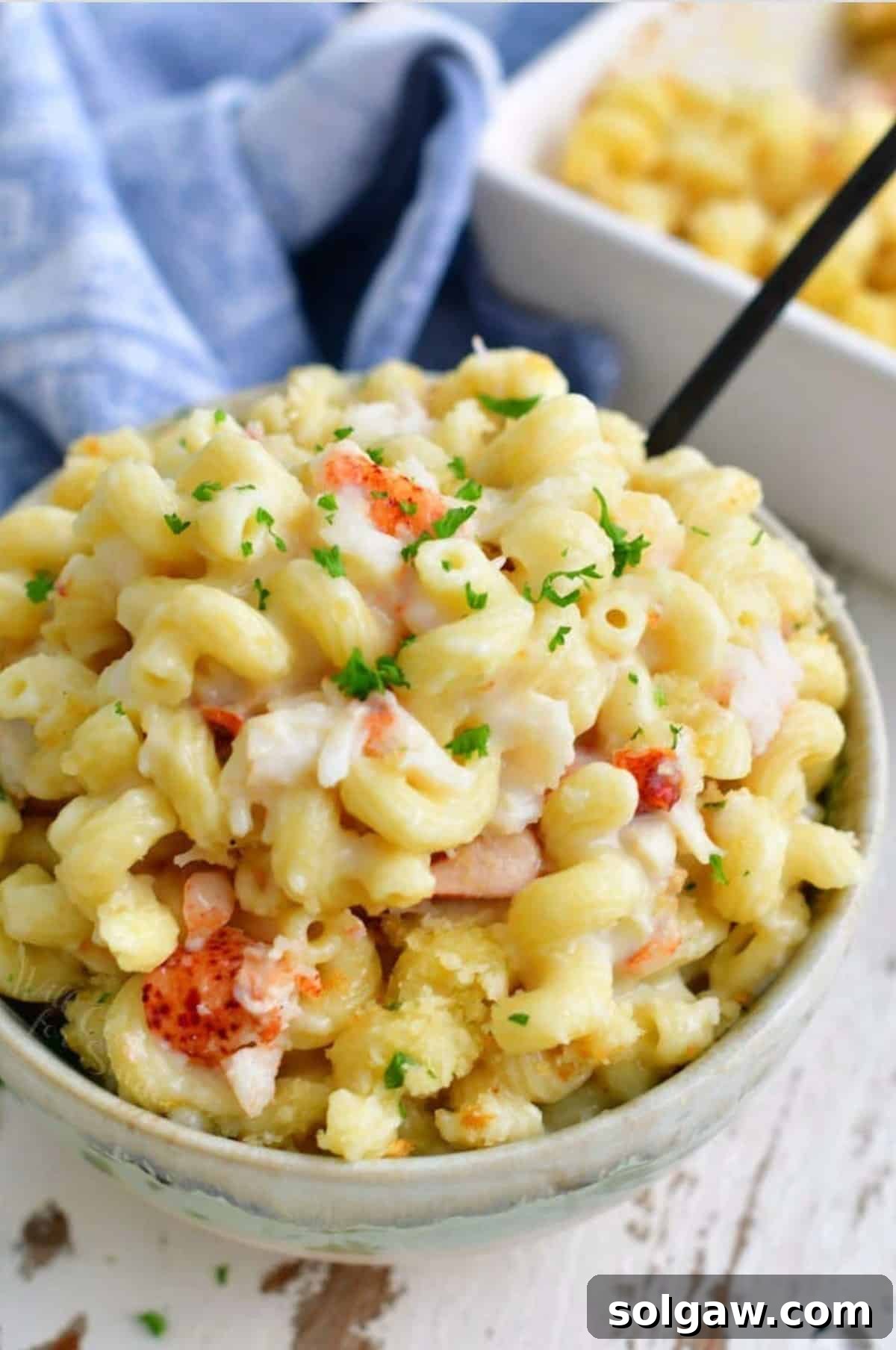
Indulge in the ultimate comfort food experience with our rich and creamy Lobster Mac and Cheese. This isn’t just any macaroni and cheese; it’s a gourmet masterpiece featuring succulent chunks of sweet lobster meat, perfectly cooked macaroni noodles, and an incredibly decadent sauce crafted from three luxurious cheeses. Each spoonful promises an explosion of flavor and a comforting warmth that truly elevates the classic dish.
Imagine the perfect bite: tender pasta, velvety cheese, and a sweet, savory piece of lobster. It’s a dish so profoundly satisfying, you’ll wish you could enjoy it every day. Whether you’re seeking solace on a chilly winter evening or aiming to impress guests with a fancy yet approachable meal, this cheesy, buttery lobster creation guarantees pure joy. The best part? Despite its impressive appearance, making this gourmet spin on baked mac and cheese is surprisingly simple. We’ve packed this guide with detailed tips and tricks to help you master cooking a whole lobster and extracting every precious morsel of meat – because no lobster goes to waste here!
Decadent Lobster Mac and Cheese: A Gourmet Comfort Food Masterpiece
Transform your dinner table with a dish that combines the rustic charm of macaroni and cheese with the sophisticated allure of fresh lobster. Our recipe is designed to be accessible for home cooks while delivering a taste and texture worthy of a high-end restaurant. From selecting the best lobster to crafting a velvety smooth cheese sauce and achieving that irresistible golden-brown topping, we’ll guide you through every step to create a memorable culinary experience.
Choosing Your Lobster Meat: Options for Every Budget and Preference
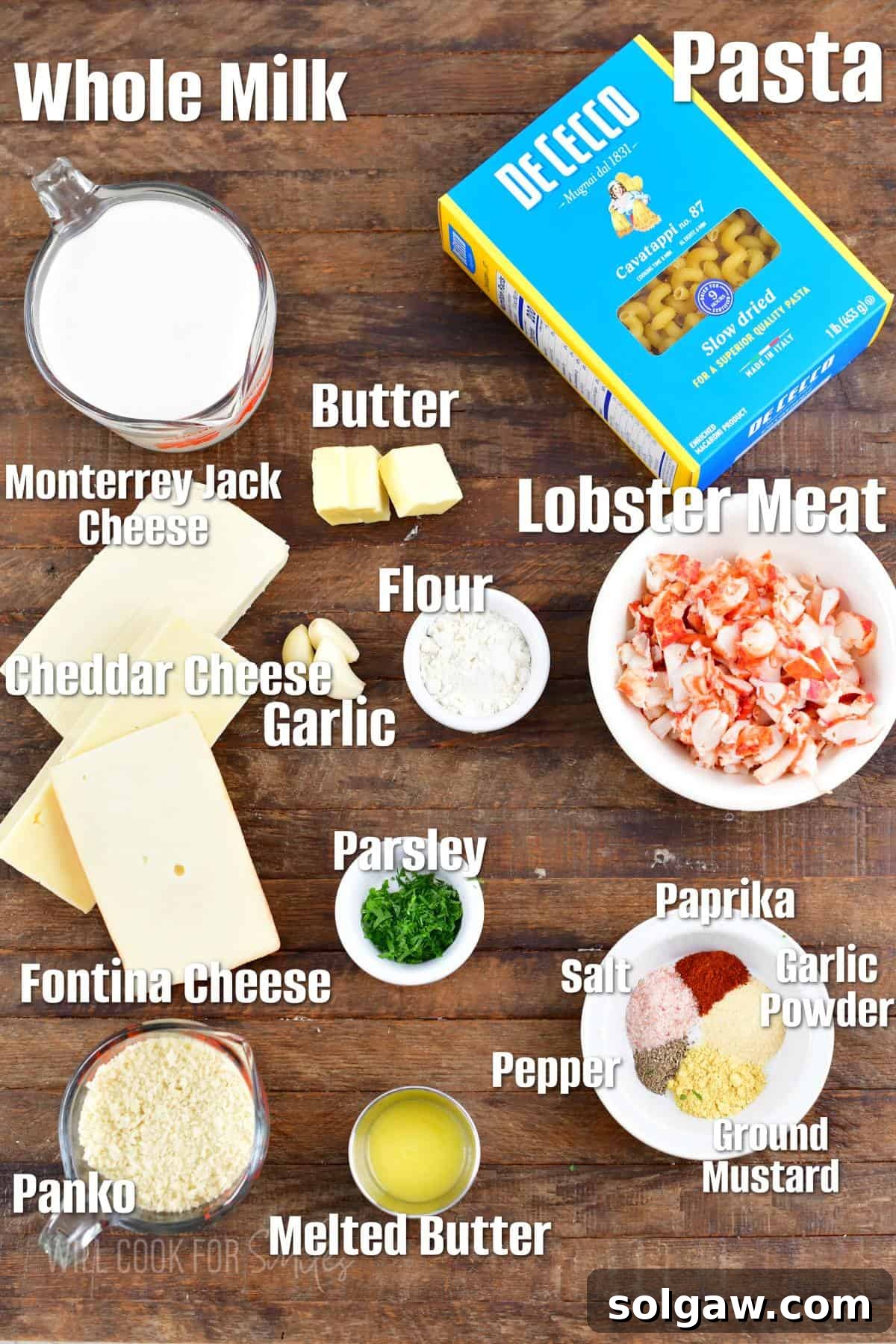
The star of this dish is, undoubtedly, the lobster. Depending on your location, budget, and desired convenience, you have several excellent options for sourcing your lobster meat. Getting the right amount and quality of lobster is key to a truly outstanding lobster mac and cheese.
- Whole Lobster: For the freshest and most flavorful experience, a whole, live lobster is unparalleled. You’ll get meat from the tail, claws, and knuckles, which all offer slightly different textures and sweetness. This option requires a bit more effort in cooking and extraction but is incredibly rewarding. Aim for 4-5 lbs of whole lobster to yield 1 to 1.5 lbs of cooked meat, typically two medium or three smaller lobsters.
- Lobster Tails: More readily available and often more affordable than whole lobsters, lobster tails are a fantastic choice. They’re easier to prepare and yield a good amount of tender tail meat. You’ll need approximately 5 lobster tails for this recipe, depending on their size, to get the desired 1 to 1.5 lbs of meat.
- Cooked Loose Lobster Meat: Many seafood departments or specialty stores offer already cooked and refrigerated lobster meat, either fresh or frozen. This is the most convenient option, saving you significant prep time. While it might be slightly pricier, the convenience factor is a huge plus. Always check for quality and freshness.
- Canned Lobster Meat: As a last resort, canned lobster meat can be used. However, be aware that there’s a noticeable difference in taste and texture compared to fresh or frozen options. It can be a good choice for those with limited access to fresh seafood, but the distinct sweetness and firm texture of fresh lobster are difficult to replicate.
When selecting lobster, always prioritize freshness. Live lobsters should be lively, and frozen products should be well-packaged without signs of freezer burn. If purchasing pre-cooked meat, ensure it comes from a reputable source.
Mastering Your Lobster Preparation: Tips for Perfect Cooking & Meat Extraction
Whether you choose a whole lobster or just the tails, proper cooking is crucial to ensure tender, sweet meat that shines in your mac and cheese. Don’t be intimidated; with these tips, you’ll be a lobster expert in no time.
Cooking a Whole Lobster:
- Boiling Method:
- Bring a large pot of water to a rolling boil. Ensure the pot is large enough for the lobster(s) to be fully submerged.
- Season the water generously with about 2 tablespoons of coarse salt and a tablespoon of whole black peppercorns. This infuses flavor into the lobster.
- Carefully lower the whole lobster(s) into the boiling water. Reduce the heat to medium to maintain a steady boil without overflowing, and cover the pot. Leave a small crack for steam to escape.
- Cook according to weight: A 1 to 1.25 lb lobster needs 10-12 minutes; 1.5 to 2 lb needs 15-18 minutes; 2.5 to 5 lb needs 20-25 minutes. The lobster is done when its shell turns a vibrant, bright red.
- Once cooked, remove the lobster from the water and let it cool slightly until it’s comfortable to handle.
- Extracting the Meat: This is where you get the most out of your investment!
- Tail: Twist off the tail from the body. You might see some greenish-black matter (tomalley), which is harmless but can be rinsed off if desired. Use kitchen shears to cut along the underside of the tail shell, then gently pull the shell apart to reveal the tail meat. Carefully remove any visible dark vein (intestine).
- Claws and Knuckles: Twist off both claws where they meet the body, then twist the claw from the knuckle. Use lobster crackers or a sturdy nutcracker to crack the tough shells of the claws and knuckles. Carefully pry them open and extract the sweet meat.
- Inspection: Go through all extracted meat thoroughly to ensure no small pieces of shell are left behind. Chop the lobster meat into bite-sized pieces for your mac and cheese.
Cooking Lobster Tails:
- Oven Baking Method: This method yields incredibly tender and flavorful lobster tails.
- Preheat your oven to 450°F (232°C). Line a baking sheet with parchment paper for easy cleanup.
- Prepare a flavorful butter mixture: Melt 2-3 tablespoons of unsalted butter. Stir in a pinch of salt, a squeeze of fresh lemon juice, and 2 pressed garlic cloves.
- Butterfly the Lobster Tails: Take each lobster tail and, using sturdy kitchen shears, cut through the top of the hard shell lengthwise, from the wide end down to where it meets the fan-shaped tail. Be careful not to cut through the bottom shell.
- Gently pry the cut shell open. Use your hands to carefully separate the lobster meat from the sides of the shell, lifting it upwards. Don’t pull it completely out; let it rest on top of the shell. If you notice a dark vein (intestine), pull it out.
- Place the butterflied lobster tails on the prepared baking sheet, meat-side up. Liberally brush the lobster meat with your prepared butter mixture.
- Bake for approximately 10 minutes, or until the meat is opaque and cooked through.
- Allow the tails to cool slightly before removing the meat from the shells. Chop into desired pieces.
Crafting the Perfect Cheese Sauce: Silky Smooth & Rich with Flavor
The heart of any great mac and cheese is its cheese sauce. Achieving a smooth, creamy, and flavorful sauce is essential for this gourmet dish. Here are the secrets to a flawless three-cheese sauce:
- Cook Pasta Al Dente: Since your mac and cheese will finish baking in the oven, it’s crucial to cook the pasta only until it’s al dente – slightly firm to the bite. This prevents it from becoming mushy during the baking process. Corkscrew pasta is an excellent choice as its shape holds the creamy sauce beautifully.
- Grate Your Own Cheese: This is perhaps the most vital tip for a smooth cheese sauce. Pre-shredded cheeses often contain anti-caking agents like cellulose or potato starch, which can prevent the cheese from melting smoothly and result in a grainy or clumpy sauce. Always grate your cheese fresh from the block for the best texture and melt.
- Start Medium, Then Lower the Heat: When cooking your cheese sauce, begin on medium heat to melt the butter and cook the roux, then lower the heat to medium-low before adding milk and cheese. Cream and cheese sauces should never be cooked over high heat, as this can cause the dairy to separate or scorch, leading to a broken or curdled sauce.
- Preventing Lumps in Cheese Sauce:
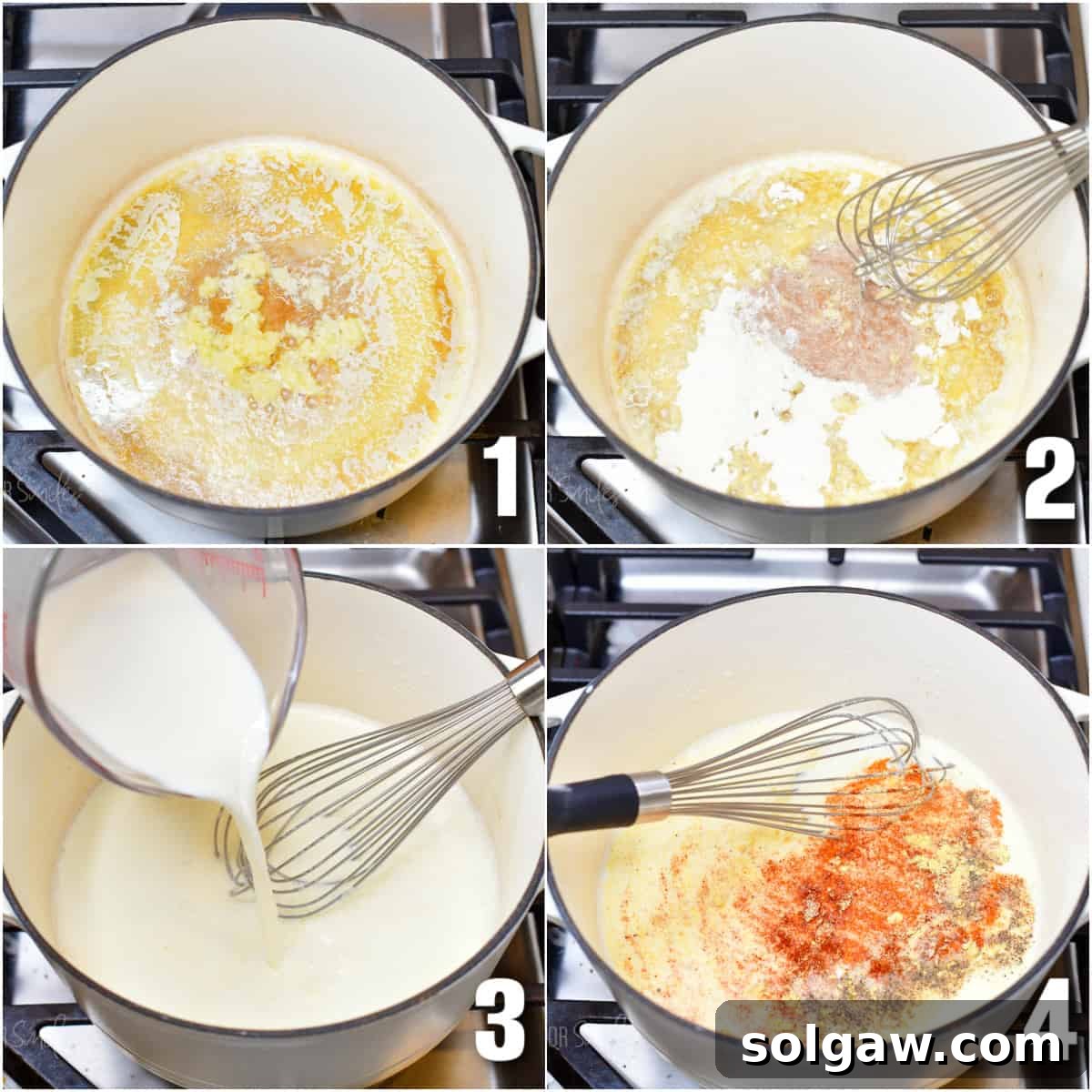
- Begin by whisking the butter and flour together until completely smooth, forming a paste-like roux. Cook the roux for a minute or two to eliminate the raw flour taste.
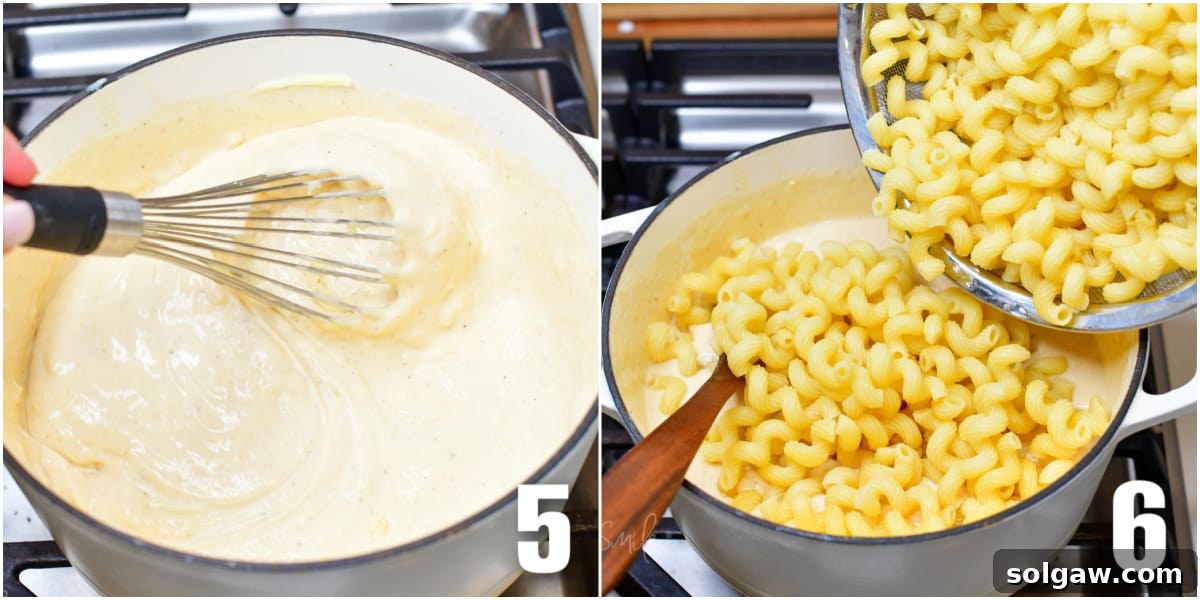
- Gradually, and very slowly, pour in the milk while continuously whisking. This gradual addition and constant agitation are key to preventing lumps. Keep whisking until all the milk is incorporated and the mixture starts to heat through and thicken.
- Add your grated cheeses a handful at a time, continuing to stir slowly until each batch is fully melted and incorporated before adding more. Gentle, continuous stirring ensures a homogenous, silky texture.
- Never Boil the Cheese Sauce: Keep the heat at medium-low. The goal is to gently heat the milk mixture and melt the cheeses, not to boil them. Boiling can cause the cheese to separate and become oily or rubbery, ruining the creamy consistency.
Allergy-Friendly Substitutions: Enjoying Lobster Mac & Cheese Your Way
We believe everyone should be able to enjoy a delicious plate of lobster mac and cheese. Here are some easy substitutions to accommodate common dietary restrictions without sacrificing flavor:
- Gluten-Free: It’s simple to make this dish gluten-free.
- Use a high-quality gluten-free macaroni or corkscrew pasta. Brands like Tinkyada are often praised for their texture in baked dishes.
- Replace regular all-purpose flour with a 1:1 gluten-free all-purpose flour blend when making the roux for the cheese sauce. Ensure it’s specifically designed for baking and thickening.
- Opt for gluten-free bread crumbs for the topping. Look for light, crispy varieties that mimic the texture of Panko crumbs for that ideal crunch.
- Lactose-Free: For those with lactose intolerance, delightful alternatives exist:
- Swap regular milk for lactose-free milk.
- Use your favorite plant-based butter as a direct substitute for unsalted butter.
- When choosing non-dairy milk alternatives, select unsweetened varieties like almond milk, soy milk, or oat milk to ensure the flavor profile remains savory.
- Tip about cheeses: Interestingly, many aged cheeses are naturally low in or free of lactose due to the aging process. Cheeses aged 6 months or longer, such as sharp cheddar, Monterey Jack, Parmesan, and even some mozzarella, typically contain 0g of lactose per serving. This is because the lactose sugars are broken down during aging. Soft cheeses like blue cheese, brie, feta, and cream cheese, however, are generally not lactose-free. Always check the nutritional information label; most brands will explicitly state “contains 0g of lactose per serving” or show 0g of sugar content, which is a good indicator of low lactose.
PIN THIS RECIPE FOR LATER
DID YOU MAKE THIS RECIPE? PLEASE leave a 🌟 star rating! Let me know how you liked it by leaving a 📝 comment below or share and tag me on social media @willcookforsmiles. DON’T FORGET to subscribe to my newsletter!
Lobster Mac and Cheese Recipe
Print
Pin
Rate
Main Course
American
15 minutes
1 hour
1 hour
15 minutes
8
728
kcal
Lyuba Brooke
Ingredients
-
1-1 1/2
lbs
cooked lobster meat* -
1
lb
corkscrew pasta
Cheese Sauce:
-
4
tbsp
unsalted butter -
3
garlic cloves
pressed -
1/3
cup
all-purpose flour -
4
cups
whole milk
or 2% -
3/4
cup
heavy whipping cream
or half and half -
1
tsp
ground mustard -
1
tsp
garlic powder -
1/2
tsp
paprika -
1/2
tsp
black pepper -
1 1/2
tsp
salt
adjust to taste -
8
oz
Fontina cheese
block, grated -
8
oz
sharp white cheddar cheese
block, grated -
6
oz
Monterey Jack cheese
block, grated
Topping:
-
3/4
cup
Panko bread crumbs -
1
tbsp
minced fresh parsley -
1/2
tsp
garlic powder -
2
tbsp
unsalted butter
melted -
salt
to taste
Instructions
Cooking Whole Lobster (If applicable):
-
Bring a large pot of water to a rolling boil. Ensure the pot is spacious enough for lobsters to be completely submerged. Season the water with about 2 tablespoons of coarse salt and 1 tablespoon of whole peppercorns. Lower the heat to medium once boiling to prevent overflow.
-
Carefully submerge the whole lobster(s) into the simmering water and cover with a lid (allowing a small crack for steam release). Cook according to its weight until the shell turns bright red (approx. 10-12 minutes for 1-1.25 lb, 15-18 minutes for 1.5-2 lb, and 20-25 minutes for 2.5-5 lb lobsters).
-
Remove the cooked lobster from the water and allow it to cool sufficiently before handling and extracting the meat.
Extracting Lobster Meat (Whole Lobster):
-
Twist off the tail from the body (you can rinse the tail edge if needed). Twist off both claws from the sides of the body, then separate the claw from the knuckle by twisting.
-
Using kitchen shears, cut along the underside of the tail shell. Pull it apart and carefully remove the tail meat. Use lobster crackers to crack the tough shells of the knuckles and claws. Extract the meat, ensuring no shell fragments remain. Chop all lobster meat into smaller pieces.
Cooking Lobster Tails (If applicable):
-
Preheat oven to 450°F (232°C) and line a baking sheet with parchment paper. Melt 2-3 tablespoons of butter, then mix with salt, a squeeze of lemon juice, and 2 pressed garlic cloves.
-
Butterfly the lobster shell: Cut the hard top shell of each lobster tail lengthwise, from the wide end to the tail fan, using kitchen shears. Carefully crack the softer underside by hand to spread the shell open, being careful not to completely separate it.
-
Gently separate the meat from the sides of the shell with your hands, lifting it to rest on top of the shell. If a dark vein (intestine) is visible, pull it out.
-
Place butterflied lobster tails on the prepared baking sheet, meat-side up, and brush liberally with the butter mixture. Bake for 10 minutes until meat is opaque.
-
Let the cooked lobster tails cool, then remove the meat from the shells, chop, and set aside.
Making the Mac and Cheese:
-
Cook the corkscrew pasta in generously salted boiling water until al dente. While the pasta cooks, grate all your cheeses from the blocks.
-
In a large pot, melt 4 tablespoons of butter over medium heat. Add the pressed garlic and sauté until fragrant, about 30 seconds. Whisk in the all-purpose flour to create a roux.
-
Once the flour and butter are combined into a smooth paste, begin slowly pouring in the milk while continuously and gently whisking. Continue whisking until all the milk is incorporated and the sauce begins to thicken.
-
Stir in the garlic powder, ground mustard, paprika, salt, and black pepper.
-
Reduce heat to medium-low. Add the grated cheeses one handful at a time, stirring slowly until each addition is completely melted and smooth before adding the next. Never let the sauce boil.
-
Once all cheeses are melted and the sauce is smooth, remove the pot from the heat and stir in the al dente pasta until thoroughly combined.
-
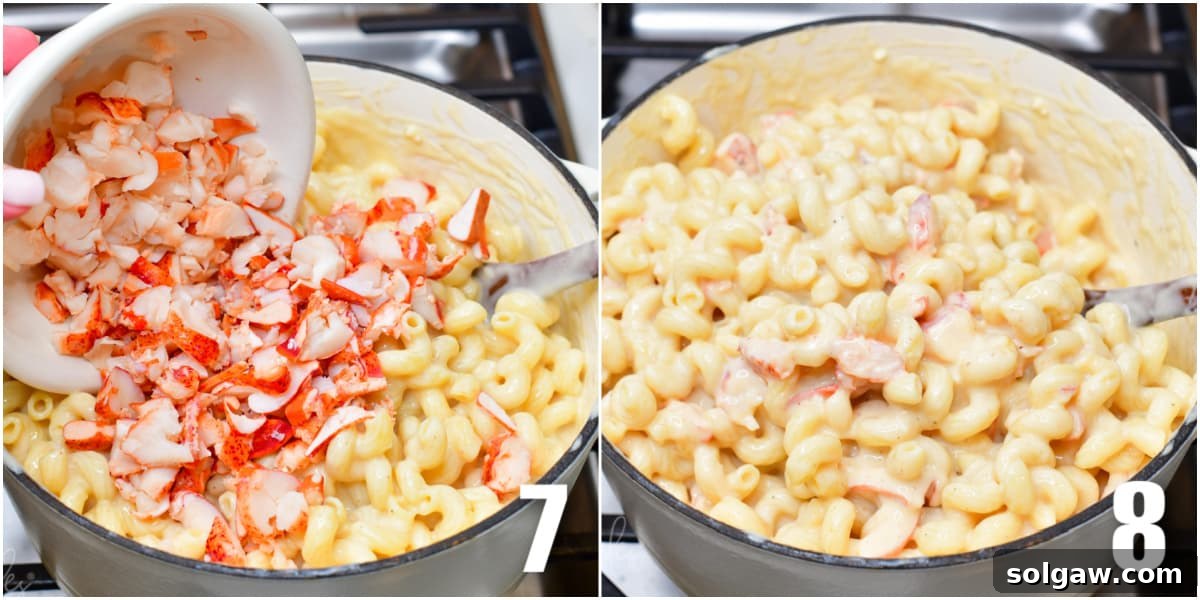
Gently fold in the chopped lobster meat, ensuring it’s evenly distributed throughout the mac and cheese.
-
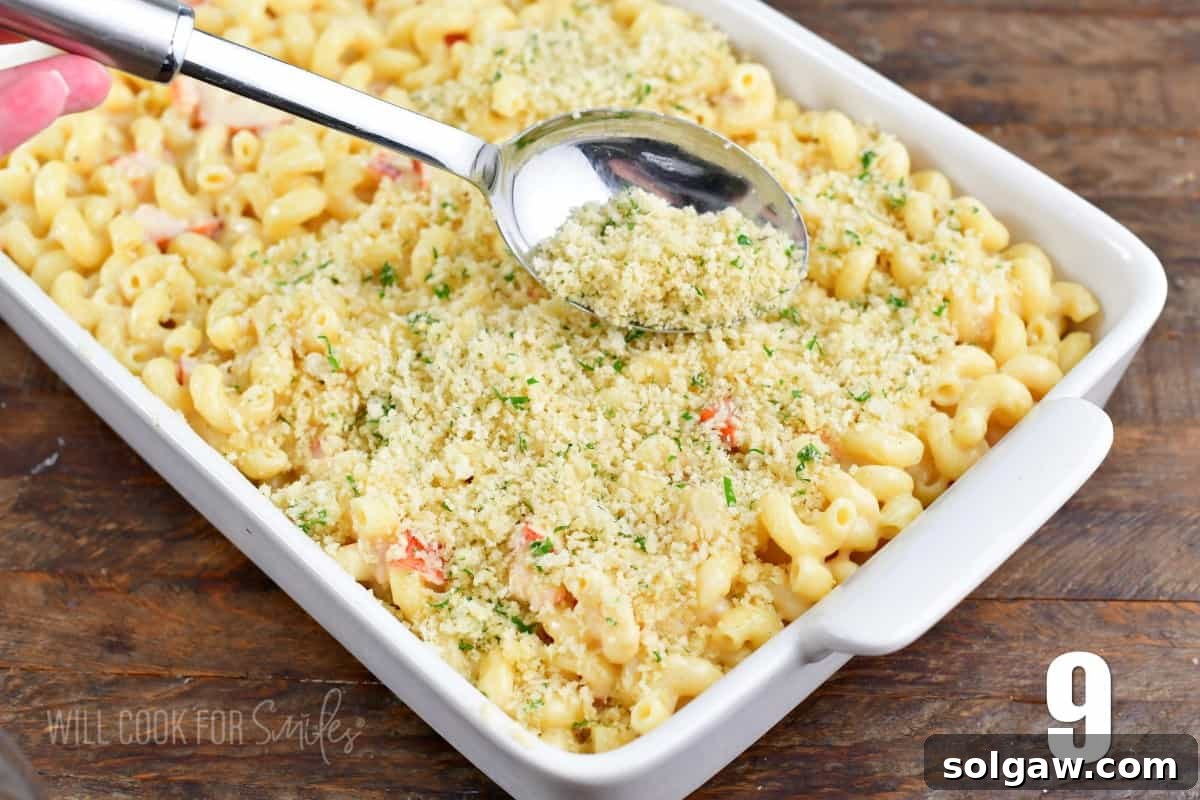
Preheat your oven to 375°F (190°C). Lightly grease a 9×13 inch baking dish and spread the lobster mac and cheese evenly into it.
-
In a small bowl, combine the Panko bread crumbs with minced parsley, garlic powder, and a pinch of salt. Pour in 2 tablespoons of melted butter and toss until the crumbs are thoroughly coated. Spread this topping evenly over the mac and cheese.
-
Bake for approximately 20 minutes, or until the topping is golden brown and the mac and cheese is bubbly.
Notes
- For this dish, you will need approximately 1 to 1.5 pounds of cooked lobster meat.
- Using Lobster Tails: You will typically need about 5 lobster tails, depending on their individual size. This is often a more cost-effective option than whole lobsters.
- Whole Lobster: If opting for whole lobsters, purchase 4-5 lbs of whole, live lobster to yield the required cooked meat. This translates to two medium or three smaller lobsters.
- Whole Lobster Cook Times:
- 1 to 1 1/4 lb. lobster: cook for 10-12 minutes.
- 1 1/2 to 2 lb. lobster: cook for 15-18 minutes.
- 2 1/2 to 5 lb. lobster: cook for 20-25 minutes.
Nutrition
Calories:
728
kcal
|
Carbohydrates:
54
g
|
Protein:
45
g
|
Fat:
36
g
|
Saturated Fat:
22
g
|
Cholesterol:
216
mg
|
Sodium:
1454
mg
|
Potassium:
480
mg
|
Fiber:
2
g
|
Sugar:
6
g
|
Vitamin A:
1163
IU
|
Vitamin C:
1
mg
|
Calcium:
702
mg
|
Iron:
2
mg
Tried this recipe?
Mention @willcookforsmiles or tag #willcookforsmiles!
Make Ahead, Storing, and Reheating: Enjoying Your Lobster Mac & Cheese Anytime
This luxurious dish is wonderful fresh out of the oven, but it’s also possible to prepare parts of it in advance or enjoy leftovers without sacrificing quality. Here’s how to manage your time and savor every bit:
- Storing Leftovers: Any leftover lobster mac and cheese should be stored promptly in the refrigerator. If baked in an oven-safe dish, simply allow it to cool completely to room temperature, then cover it tightly with a lid or plastic wrap. When properly stored, it will remain fresh and delicious for 3-5 days in the refrigerator.
- Reheating for Best Texture: To bring your mac and cheese back to life, reheating gently is key to maintaining its creamy texture.
- Microwave: For individual portions, place the mac and cheese in a microwave-safe bowl. Add a couple of tablespoons of milk (or lactose-free milk) to help rehydrate the sauce. Cover the bowl with a microwave-safe lid or damp paper towel to trap steam. Reheat in 30-45 second increments, stirring well after each interval, until heated through. Avoid overcooking, which can dry out the cheese.
- Oven: For larger portions, transfer the mac and cheese to an oven-safe dish. Add a splash of milk over the top and cover tightly with foil. Reheat in a preheated oven at 300°F (150°C) for 20-30 minutes, or until warmed through. Remove the foil for the last 5-10 minutes if you want the topping to re-crisp.
- Make Ahead Option: You can prepare the entire dish up to the point of adding the Panko topping and baking. Once assembled in the baking dish, cover it airtight and refrigerate for up to 2 days. When ready to bake, pull it out of the refrigerator about 30 minutes before baking to allow it to come closer to room temperature. Add the bread crumb topping and then bake as directed in the recipe.
- Pre-cooking Lobster: The lobster meat can also be cooked and prepared ahead of time. Cook your whole lobster or tails, extract the meat, chop it, and then store it in an airtight container in the refrigerator for up to 2 days. This saves significant time on the day you plan to assemble the mac and cheese.
- Can I Freeze It? Unfortunately, freezing this dish is generally not recommended. Dairy-heavy dishes like mac and cheese, especially those with cream, tend to separate and become grainy or watery upon thawing and reheating. The delicate texture and flavor of lobster meat can also degrade significantly in the freezer. Given the expense of lobster, it’s best to enjoy this dish fresh or from short-term refrigeration.
Serving Suggestions for Your Gourmet Delight
Lobster Mac and Cheese is a showstopper on its own, but pairing it with the right accompaniments can elevate the dining experience even further. Here are a few ideas:
- Green Salad: A light, fresh green salad with a vinaigrette dressing provides a wonderful contrast to the richness of the mac and cheese. The acidity and crispness help cut through the creamy texture.
- Crusty Bread: A warm, crusty baguette or artisanal bread is perfect for soaking up any leftover delicious cheese sauce.
- Roasted Vegetables: Simple roasted asparagus, broccoli, or Brussels sprouts offer a wholesome, slightly bitter counterpoint to the dish’s richness.
- White Wine: A crisp, unoaked Chardonnay, a dry Riesling, or a light-bodied Pinot Grigio would complement the sweet lobster and creamy cheese beautifully.
Frequently Asked Questions About Lobster Mac and Cheese
- What kind of lobster is best for mac and cheese?
For the best flavor and texture, fresh lobster meat from live whole lobsters or fresh lobster tails is preferred. Maine lobster (hard-shell) is often considered ideal for its sweet, firm meat. Cooked loose lobster meat is a good convenience option.
- Can I use frozen lobster?
Yes, frozen lobster tails or pre-cooked frozen lobster meat can be used. Thaw it properly in the refrigerator overnight before cooking or adding to the dish. Be mindful that sometimes frozen lobster can be slightly less tender than fresh.
- Why is my cheese sauce lumpy?
Lumpy cheese sauce is usually due to two main reasons: not whisking the flour and butter thoroughly enough (the roux), or adding the milk/cheese too quickly and at too high a temperature. Always grate your own cheese, whisk continuously, and add liquids/cheese gradually over medium-low heat.
- How do I prevent my mac and cheese from drying out when baking?
Ensure your pasta is cooked al dente, not fully cooked. Also, don’t overbake the dish. The Panko topping should be golden and crispy, and the sauce bubbly, but the interior should remain creamy. Adding a splash of milk if reheating or baking from chilled can also help.
- What other cheeses can I use?
While our three-cheese blend (Fontina, sharp white cheddar, Monterey Jack) is fantastic, you can experiment. Gruyere, Gouda, Parmesan, and even a touch of cream cheese can add wonderful depth and creaminess. Aim for a mix of good melting cheeses and flavorful hard cheeses.
More Delicious Lobster Recipes to Try
- Lobster Pasta
- Lobster Roll
- Lobster Tails Recipe
- Lobster Risotto