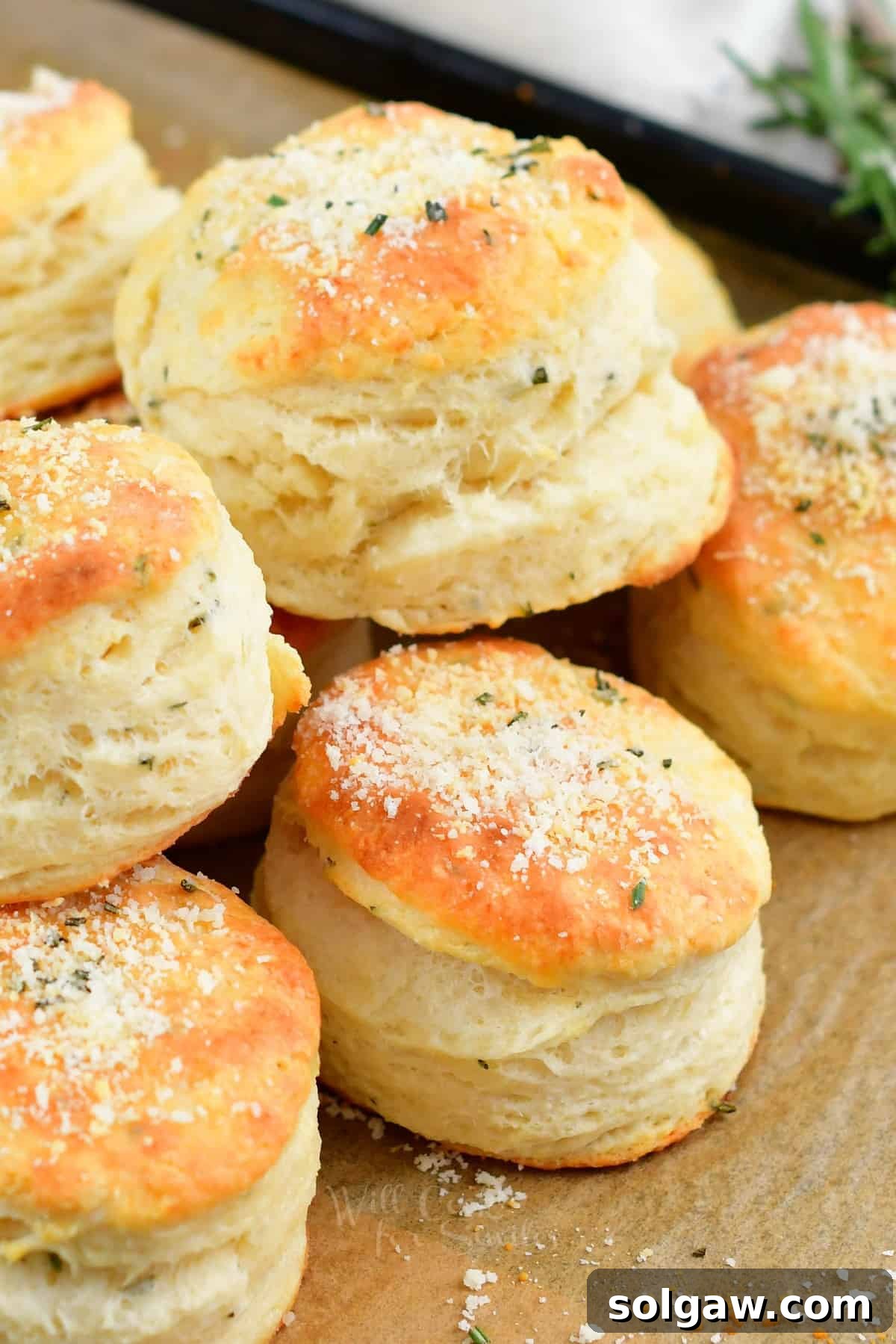
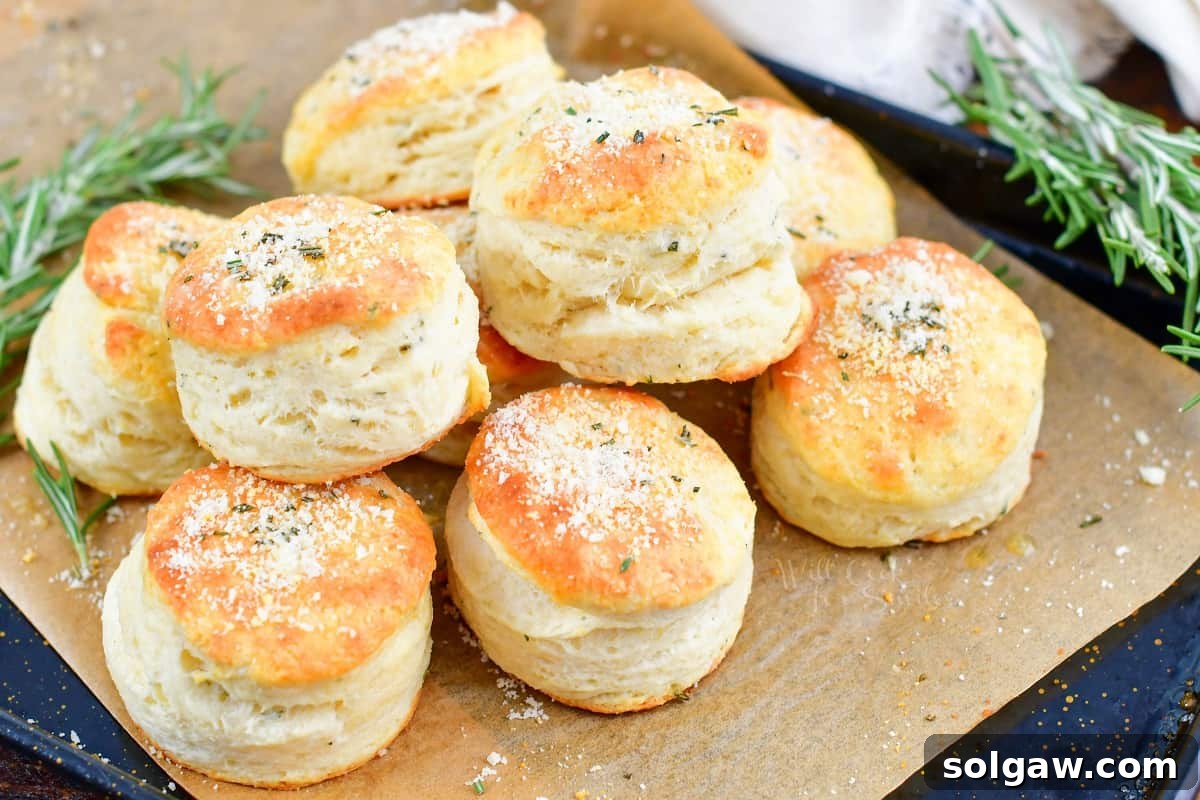
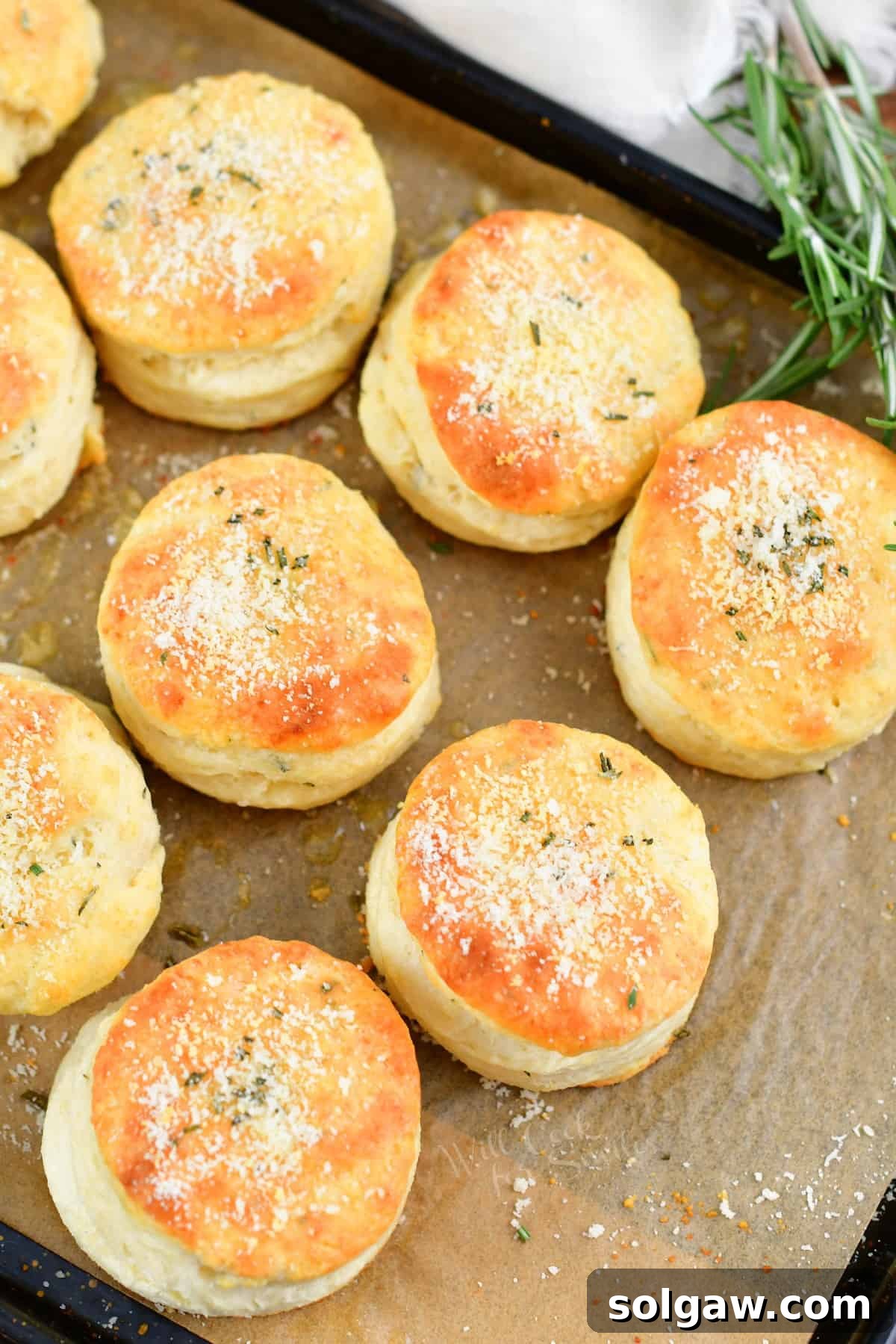
Garlic Butter Parmesan Herb Biscuits are a revelation for anyone seeking an easy yet incredibly flavorful bread to complement any meal. These fluffy buttermilk biscuits are a symphony of taste, generously infused with the savory notes of freshly grated Parmesan cheese and a fragrant blend of aromatic fresh herbs. The experience is perfectly crowned with a warm, glossy drizzle of rich garlic butter, transforming a simple biscuit into an unforgettable culinary delight.
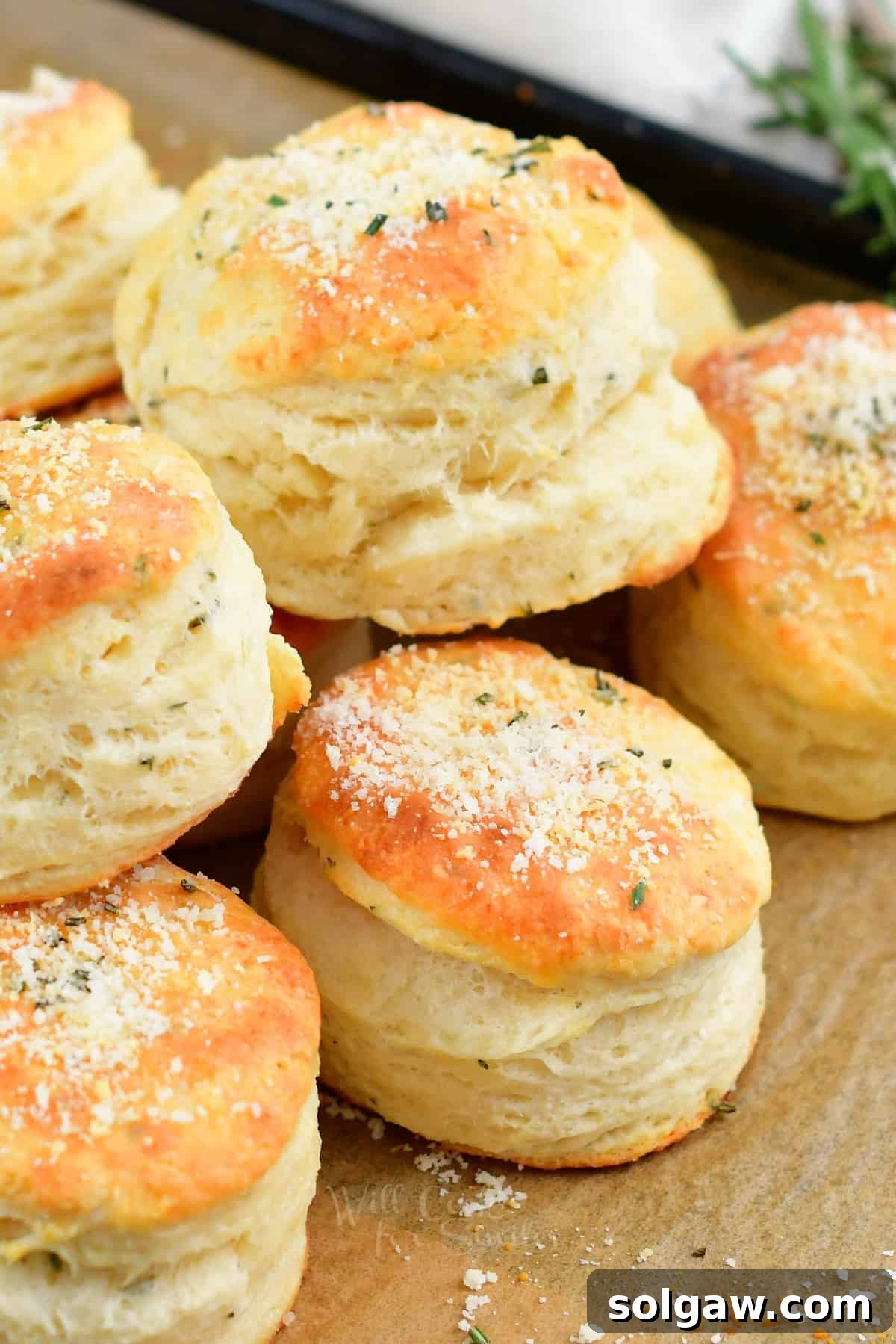
Table of Contents
The holiday season often brings with it the delightful challenge of crafting impressive meals for family and friends. Tables groan under the weight of succulent main courses and an array of delectable sides. Yet, amidst all the culinary hustle, one essential element often gets overlooked or rushed: the bread.
It’s easy to dismiss the bread course when time and energy are precious, or even to simply forget it in the flurry of preparations. However, offering a fresh, homemade bread can truly elevate a meal from good to extraordinary. The simplest solution for serving quick, satisfying bread without the lengthy wait for dough to rise is to turn to the humble yet magnificent biscuit.
But why settle for plain biscuits when you can truly dazzle your guests? Infuse them with irresistible flavors like vibrant fresh herbs, pungent garlic, rich Parmesan cheese, and creamy butter. These incredibly soft and fluffy buttermilk biscuits deliver exactly that! Each bite is a harmonious blend of aromatic herbs, the sharp, nutty essence of freshly grated Parmesan, and a generous coating of warm, savory garlic butter. They are guaranteed to be a crowd-pleaser, satisfying every palate they grace.
In fact, these Garlic Butter Parmesan Herb Biscuits are so utterly delightful, they should come with a friendly warning. Serve them as an appetizer, and you risk your guests indulging a little too much, filling up on these savory treats before the main course even makes its grand appearance! Their irresistible aroma and melt-in-your-mouth texture make them dangerously addictive and utterly perfect for any gathering, big or small.
The Art of Crafting Perfect Garlic Butter Parmesan Herb Biscuits
Preparing Your Ingredients and Oven
Begin your biscuit-making journey by preheating your oven to a robust 425°F (218°C). This high temperature is key to achieving that signature quick rise and golden-brown crust. Line a baking sheet with parchment paper to prevent sticking and ensure easy cleanup. Next, prepare your indulgent garlic butter topping: simply melt the butter and combine it with pressed garlic in a small bowl. Set this aside, allowing the flavors to meld beautifully while you prepare the biscuit dough.
Mixing the Dough for Optimal Flakiness
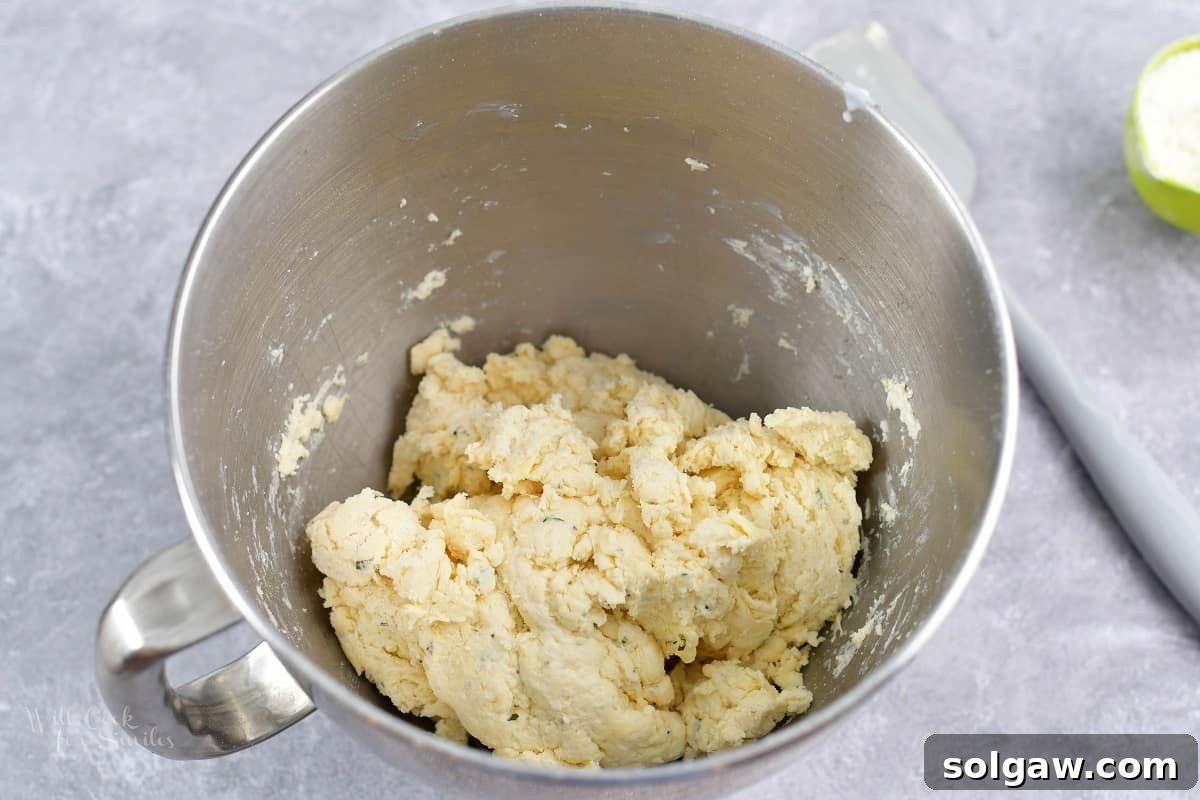
The secret to light and flaky biscuits lies in proper dough preparation. In a large mixing bowl, thoroughly combine all the dry ingredients: flour, baking powder, baking soda, salt, and sugar. This ensures an even distribution of leavening agents and seasoning. Now, introduce your cold unsalted butter, chopped into small, pea-sized pieces. Using a pastry blender, two knives, or even your fingertips, work the butter into the flour mixture until it resembles coarse crumbs. The goal here is to keep the butter as cold as possible, creating pockets of steam during baking that result in those desirable flaky layers. Finally, pour the cold buttermilk into the center of the mixture and gently mix until just combined. Overmixing will develop the gluten in the flour, leading to tough, dense biscuits, so mix until the dough barely comes together.
Shaping and Cutting Your Biscuits
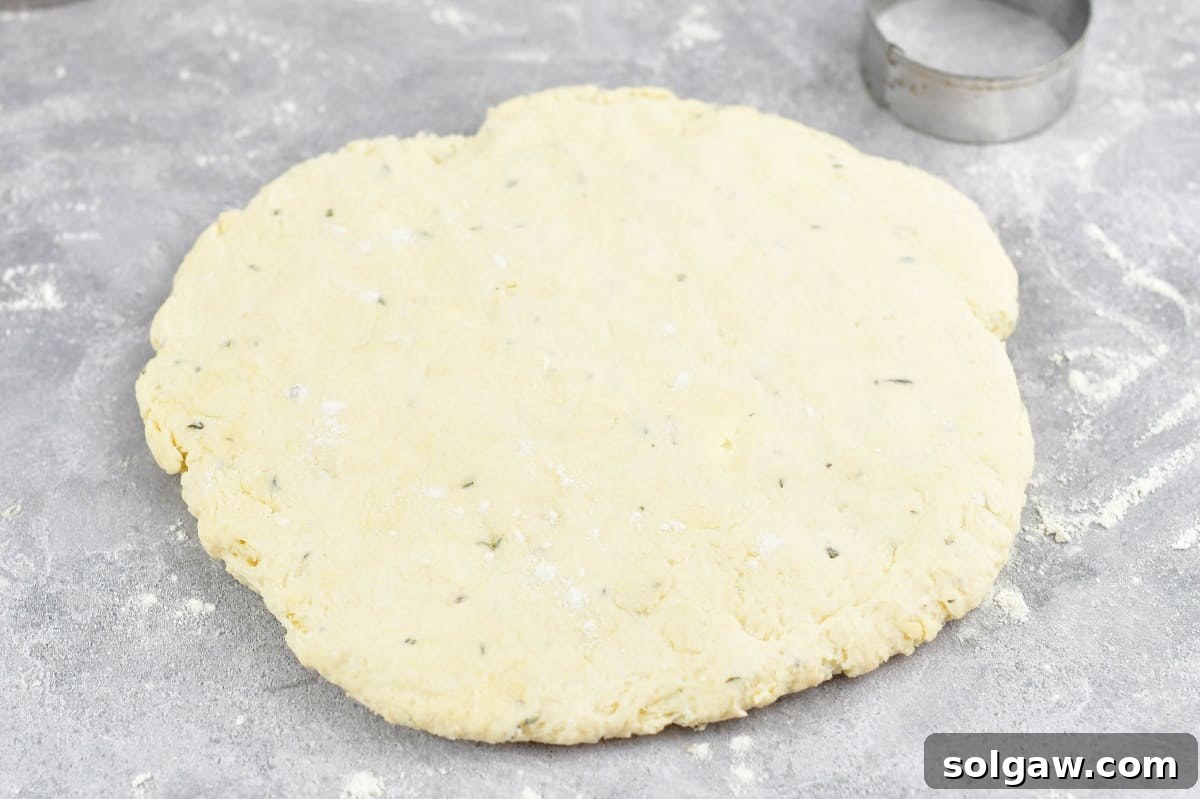
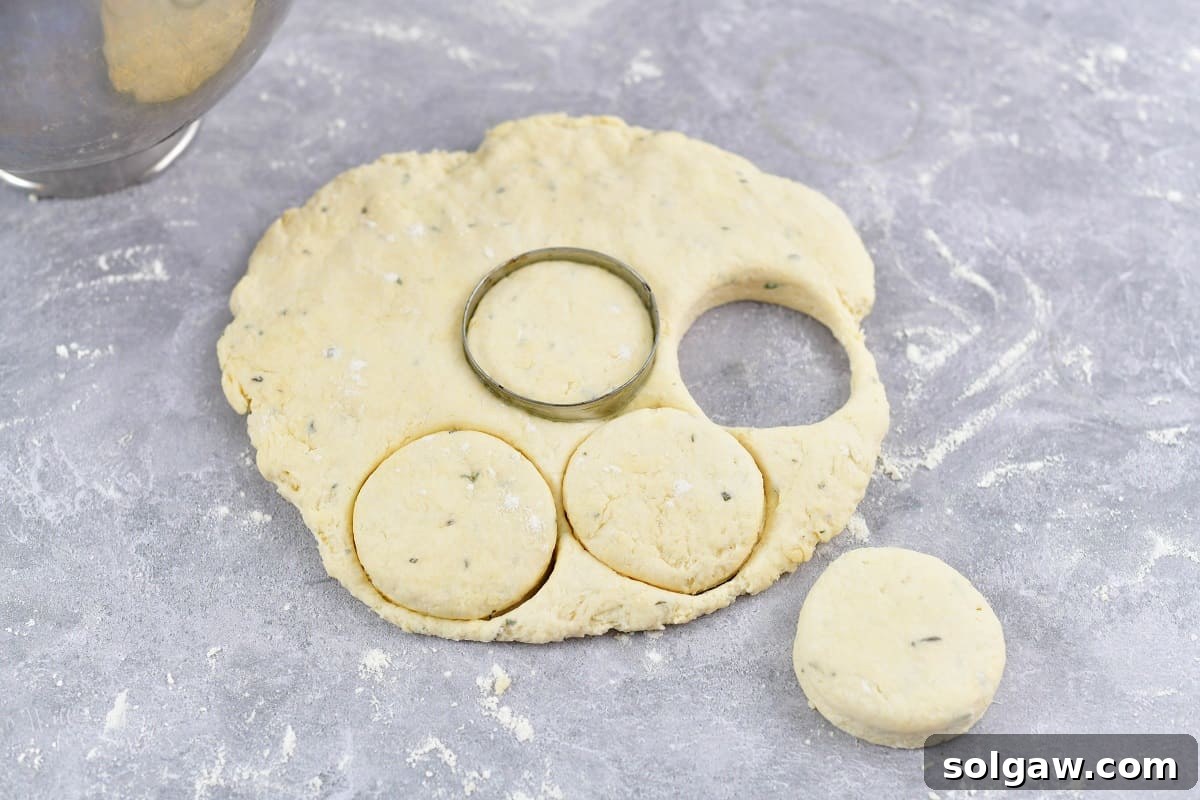
Once your dough is ready, transfer it onto a lightly floured surface. Knead the dough gently just a few times – typically no more than 5-6 folds – just enough to bring it together. Then, pat it into a circular shape, aiming for about a ½-inch thickness. For uniformly sized and beautifully shaped biscuits, use a cookie cutter (approximately 2 to 2 ½ inches in diameter). Remember to press straight down without twisting; twisting can seal the edges and inhibit rising. As you cut, quickly gather any scraps, gently re-work them into a ball, pat them down, and cut out more biscuits until all the dough is used.
Baking to Golden Perfection
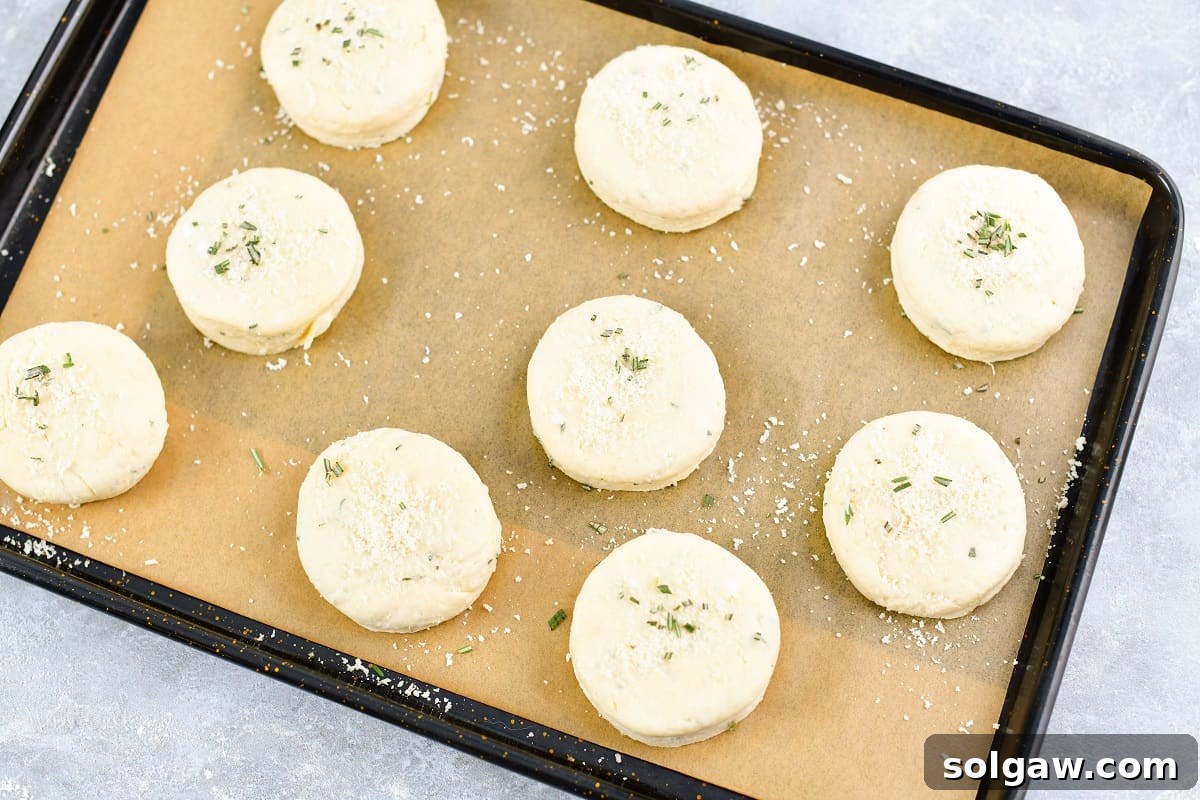
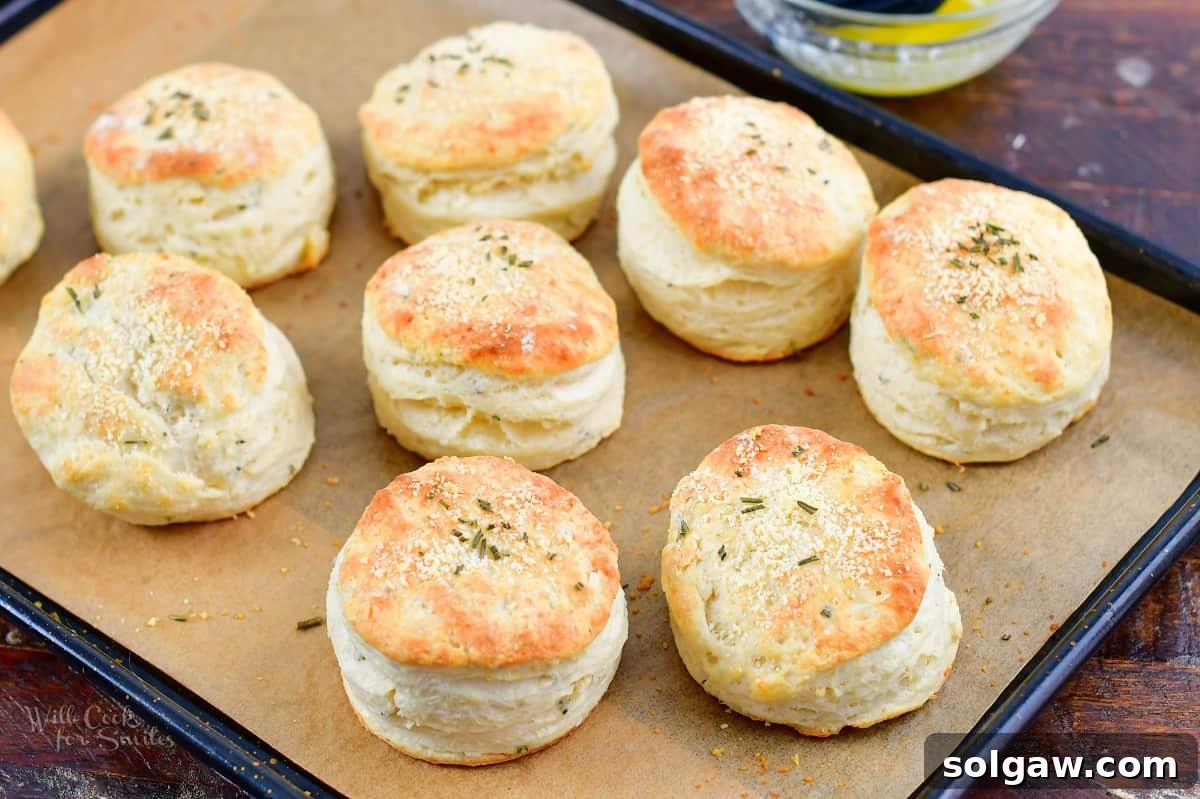
Carefully place your freshly cut biscuits onto the prepared baking sheet, leaving about an inch of space between each one to allow for even baking. Before baking, brush each biscuit generously with your prepared garlic butter and sprinkle them with a little extra fresh herbs and Parmesan cheese. This topping will create a delightful, savory crust. Bake the biscuits for approximately 10-13 minutes, or until they are beautifully golden brown on top and have risen impressively. The aroma filling your kitchen will be incredible!
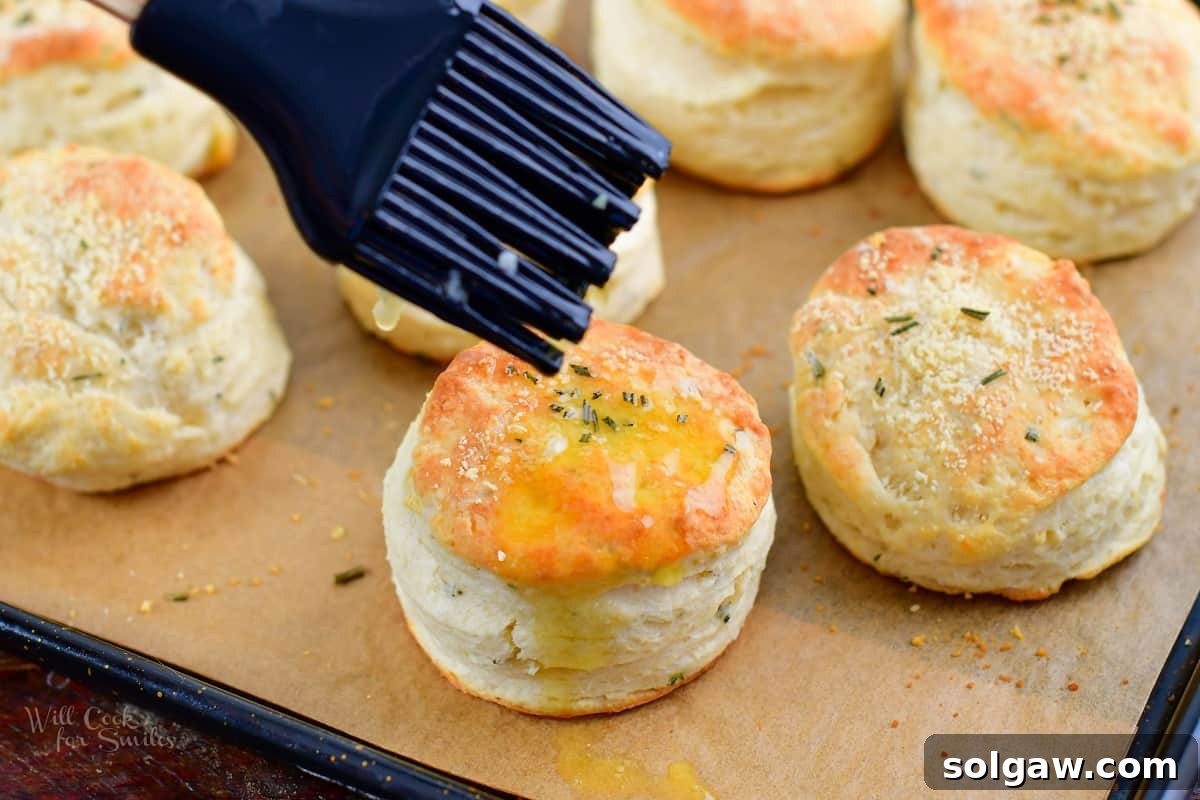
As soon as the biscuits emerge from the oven, still warm and inviting, don’t hesitate to drizzle a final touch of that rich garlic butter over each one. This enhances their flavor and provides an irresistible glossy finish. Serve them immediately and prepare for rave reviews!
Expert Tips for Unbeatable Herb Biscuits
The Importance of Cold Ingredients
- Keep fats cold: This is arguably the most critical tip for light and flaky biscuits. Ensure both your butter and buttermilk are well-chilled. Cold butter creates small pockets within the dough. As the biscuits bake, the water in these butter pockets turns to steam, pushing the layers apart and resulting in that coveted airy, flaky texture. If the butter is warm, it will melt into the flour too quickly, leading to a denser, tougher biscuit.
- Cold buttermilk: Similarly, cold buttermilk helps keep the butter solid and slows down gluten development, contributing to a more tender crumb.
Mastering the Dough: Avoid Overmixing
- Do NOT over-mix the dough! Mix all ingredients just until the dough barely comes together. Once the liquid is added, gluten starts to develop. Excessive mixing will create too much gluten, which can make your biscuits tough and chewy rather than tender and flaky. Knead the dough only a few times (5-6 folds at most) to bring it into a cohesive mass before cutting. Handle the dough as little and as quickly as possible.
Precision in Cutting and Shaping
- Use a cookie cutter to achieve perfectly sized, uniformly shaped biscuits that will bake evenly. If you don’t have a cookie cutter, a narrow drinking glass with a thin rim can work well in a pinch.
- Slightly grease your cookie cutter between cuts to prevent sticking and ensure clean edges.
- Don’t twist the cookie cutter: When cutting biscuits, press the cutter straight down through the dough, then lift it straight up. Twisting the cutter can seal the edges of the biscuit, which will prevent it from rising properly and inhibit those beautiful layers.
Ingredient Spotlight: Quality Matters
- Baking Powder Power: Always check the expiration date of your baking powder. For optimal potency and rise, it should be used within 6 months of opening the container. To test if your baking powder is still active, place a teaspoon in a small bowl and pour about ½ cup of boiling water over it. If it fizzes and bubbles vigorously, it’s good to go! If there’s little to no reaction, it’s time to replace it.
- Flour Measurement: Accurate flour measurement is crucial. Instead of scooping the measuring cup directly into the flour bag, which can compact the flour and lead to too much, spoon the flour into your measuring cup. Then, level off the excess with the back of a knife. This method ensures you have the correct amount, preventing dense biscuits.
- Parmesan Cheese Perfection: For the most vibrant flavor and superior melting, we highly recommend using freshly grated Parmesan cheese. Pre-grated varieties often contain anti-caking agents that can affect both taste and texture.
- Buttermilk Brilliance: For the best soft and moist texture, use low-fat 1% buttermilk, and ensure it is cold. The acidity of buttermilk reacts with the baking soda, creating air pockets for a fluffy interior. While substitutes exist, they rarely achieve the same depth of flavor and tender crumb as real buttermilk.
- Herb Harmony: Fresh herbs will always provide the most aromatic and robust flavor. If fresh herbs are unavailable, you can substitute dried herbs, but remember they are more potent. As a general rule, use about half the amount of dried herbs compared to fresh. For example, if a recipe calls for 2 teaspoons of fresh rosemary, use 1 teaspoon of dried.
Buttermilk Substitutions: When You’re in a Pinch
While low-fat buttermilk remains the absolute best option for achieving the perfect tender and tangy biscuits, there are situations where you might not have it on hand. If you find yourself in a pinch, you can create a reasonable substitute using regular milk and an acidic ingredient. Please note, however, that this substitute will not yield the exact same results in terms of flavor or texture as genuine buttermilk.
To prepare an acidic milk substitute:
- Add 1 tablespoon of either fresh squeezed lemon juice or white vinegar to a 1-cup liquid measuring cup.
- Fill the remainder of the cup (up to the 1-cup line) with cold whole milk or reduced-fat milk.
- Allow the mixture to rest for 5 to 10 minutes. During this time, the milk will begin to curdle slightly, indicating that the acid has reacted with the milk proteins. Once you see small curds forming, your homemade “buttermilk” is ready to use in the recipe.
Remember, this is a convenient hack, but for the most authentic and delicious Garlic Butter Parmesan Herb Biscuits, real buttermilk is always the superior choice.
Serving Suggestions and Delicious Pairings
These Garlic Butter Parmesan Herb Biscuits are incredibly versatile and can elevate almost any meal. Their savory, cheesy, and herbaceous profile makes them an ideal companion for a variety of dishes. Serve them warm alongside a hearty bowl of tomato soup or a rich beef stew. They are a delightful addition to any holiday spread, complementing roasted meats like turkey, chicken, or pork tenderloin beautifully. For breakfast or brunch, they can be enjoyed on their own, or split open and served with scrambled eggs, bacon, or even a savory sausage gravy. Don’t limit them to just main meals; these biscuits also make a fantastic appetizer for parties or a satisfying afternoon snack. Their robust flavor holds up well, ensuring they’ll be a star at any gathering.
Storing Your Homemade Biscuits for Freshness
Proper storage is key to extending the deliciousness of your homemade Garlic Butter Parmesan Herb Biscuits. These biscuits are always best when enjoyed fresh and warm from the oven, but you can certainly save leftovers for later.
For short-term storage, place the cooled biscuits in an airtight container and keep them at room temperature. They will retain their quality and flavor for up to 2 days. If you want to keep them fresh for a bit longer, transfer them to an airtight container and store them in the refrigerator for up to a week. Regardless of where you store them, ensuring the container is truly airtight is crucial to prevent them from drying out and becoming stale. To reheat, a quick warm-up in the microwave (15-30 seconds) or a few minutes in a preheated oven (300°F/150°C) will bring back their comforting warmth.
Make-Ahead and Freezing for Convenience
While biscuits are undeniably at their peak when baked fresh, sometimes convenience calls for advance preparation. If you’re planning a busy morning or hosting a larger gathering, knowing how to make these Garlic Butter Parmesan Herb Biscuits ahead of time can be a lifesaver. However, it’s important to understand that biscuits rise best when baked fresh. If you prepare the biscuit dough and then refrigerate it unbaked, the baking powder can lose a significant amount of its leavening power over time, especially if you’re using a single-acting baking powder. For the best rise and texture when making biscuits ahead, it’s always recommended to prepare the biscuits and freeze them raw.
Freezing Instructions (Step-by-Step):
To freeze your biscuits for later enjoyment:
- Prepare the biscuit dough according to the recipe instructions, but do NOT add the topping (garlic butter, herbs, or Parmesan) at this stage.
- Cut out your biscuits as usual and arrange them in a single layer on a parchment paper-lined baking sheet. Make sure they are not touching.
- Place the entire baking sheet into the freezer and freeze for up to 2 hours, or until the biscuits are solid. Setting a timer is helpful to avoid forgetting them!
- Once frozen solid, transfer the individual biscuits into a heavy-duty, zip-top freezer bag. Squeeze out as much air as possible before sealing and label the bag with the date.
- Frozen raw biscuits can be stored in the freezer for up to 3 months.
Baking Frozen Biscuits:
The beauty of freezing biscuits raw is that you can bake them directly from frozen – no thawing required! This means fresh-baked biscuits whenever the craving strikes.
- Preheat your oven to 425°F (218°C).
- Place the frozen biscuits on a lightly greased baking sheet.
- Brush each biscuit with the prepared garlic butter (which can be melted fresh for this step) and sprinkle with fresh herbs and Parmesan cheese.
- Bake the frozen biscuits for approximately 15-18 minutes. This is typically about 5 minutes longer than the baking time for fresh biscuits, allowing them to cook through and achieve a beautiful golden crust.
Enjoying warm, flaky biscuits has never been easier, even on the busiest of days!
Explore More Biscuit Recipes
- Lemon Thyme Skillet Biscuits
- Biscuits and Gravy
- Honey Butter Biscuits
- Sausage Breakfast Casserole
- Jalapeño Cheddar Buttermilk Biscuits
PIN THIS RECIPE FOR LATER
DID YOU MAKE THIS RECIPE? Please leave a 🌟 star rating! Let me know how you liked it by leaving a 📝 comment below or share and tag me on social media @willcookforsmiles. DON’T FORGET to subscribe to my newsletter!
Garlic Butter Parmesan Herb Biscuits Recipe
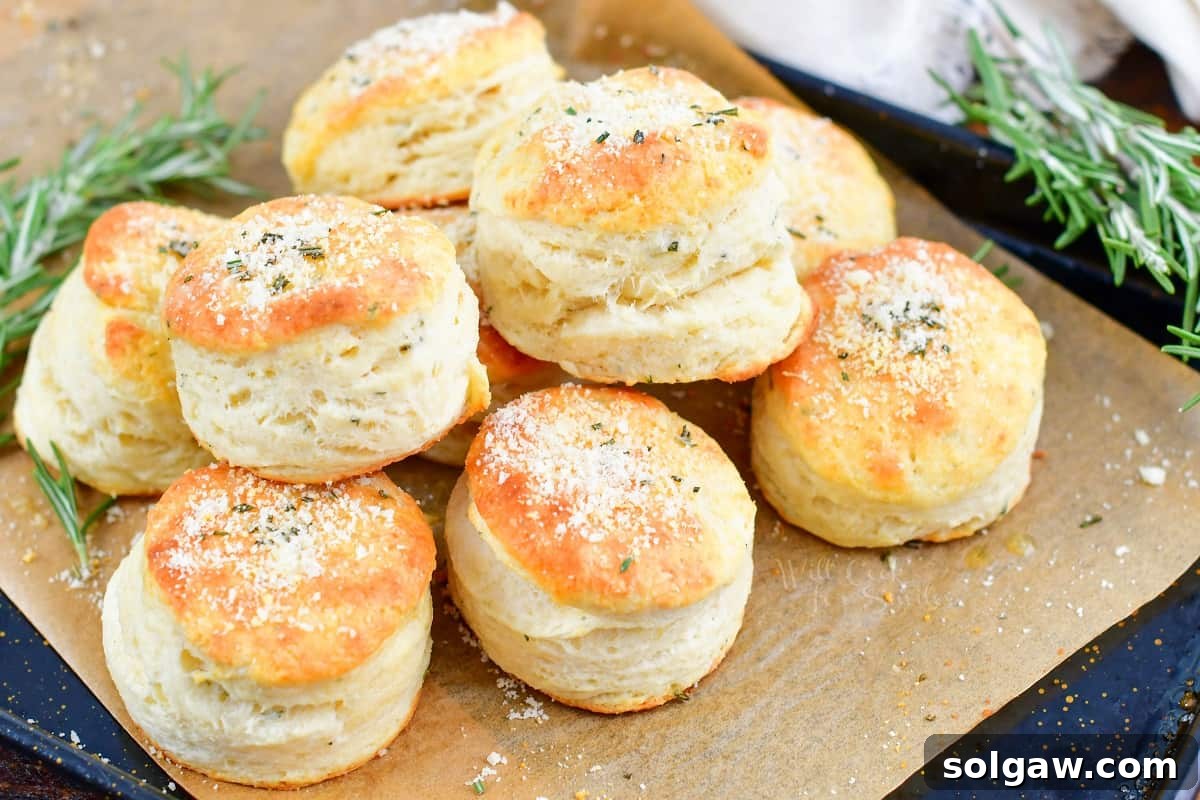
These easy buttermilk biscuits are truly flavorful, incorporating and topped with mouthwatering freshly grated Parmesan cheese and aromatic fresh herbs. A perfect savory accompaniment for any meal.
5 from 2 votes
Pin
Video
Rate
Dietary Options
Cuisine: American
Prep Time: 15 minutes
Cook Time: 12 minutes
Total Time: 27 minutes
Servings: 12
Calories: 178 kcal
Author: Lyuba Brooke
Ingredients
- 2 cups all purpose flour
- 1 tbsp baking powder
- 1/4 tsp baking soda
- 1 tsp coarse salt
- 1 tsp sugar
- 1/2 cup fresh grated Parmesan cheese
- 6 tbsp cold unsalted butter
- 1 cup cold buttermilk
- 2 tsp minced fresh rosemary
- 2 tsp minced fresh thyme
- 2 tbsp unsalted butter, melted (for topping)
- 1 garlic clove, pressed (for topping)
- 2 tbsp fresh grated Parmesan cheese (for topping)
Instructions
- Preheat the oven to 425°F (218°C) and line a baking sheet with parchment paper. Combine 2 tbsp melted butter and pressed garlic in a small bowl and set aside.
- In a large mixing bowl, combine flour, baking powder, baking soda, coarse salt, sugar, 1/2 cup Parmesan cheese, and minced fresh rosemary and thyme. Stir well to combine.
- Chop 6 tbsp cold unsalted butter into small pieces and add it to the flour mixture. Mix on low speed (or use a pastry blender) until the mixture resembles coarse crumbs.
- Pour cold buttermilk into the center of the mixture and mix, still on low speed, until just combined and the dough is sticky. Avoid overmixing.
- Take the dough out onto a lightly floured surface and sprinkle with a little more flour on top. Knead dough 5-6 times, gently folding it on top of itself, then pat it into a ½-inch thick circle. Handle the dough as little and as quickly as you can.
- Use a cookie cutter (about 2 to 2 ½ inches in diameter) to cut out the biscuits. Press straight down and lift up without twisting.
- Gently rework dough scraps into a ball (kneading as little as possible) and reshape into a circle. Cut out more biscuits until all dough is used.
- Place biscuits on the prepared baking sheet, leaving about an inch between each. Brush each biscuit with the garlic butter mixture and sprinkle with the remaining fresh herbs and 2 tbsp Parmesan cheese. Bake for about 10-13 minutes, or until golden brown on top.
- As soon as biscuits are out of the oven, drizzle any remaining garlic butter on top of each biscuit. Serve warm and enjoy!
Video
Video instructions coming soon!
Notes
For detailed tips on ingredients, dough handling, and freezing instructions, please refer to the main article above.
- Keep all fats cold (butter and buttermilk) for flaky biscuits.
- Do NOT over-mix the dough; overmixing leads to tough biscuits.
- Use a cookie cutter and press straight down (no twisting!) for optimal rise.
- Ensure your baking powder is fresh for best leavening results.
Nutrition
Tried this recipe?
Mention @willcookforsmiles or tag #willcookforsmiles!
Originally published on Will Cook For Smiles in March 2022.