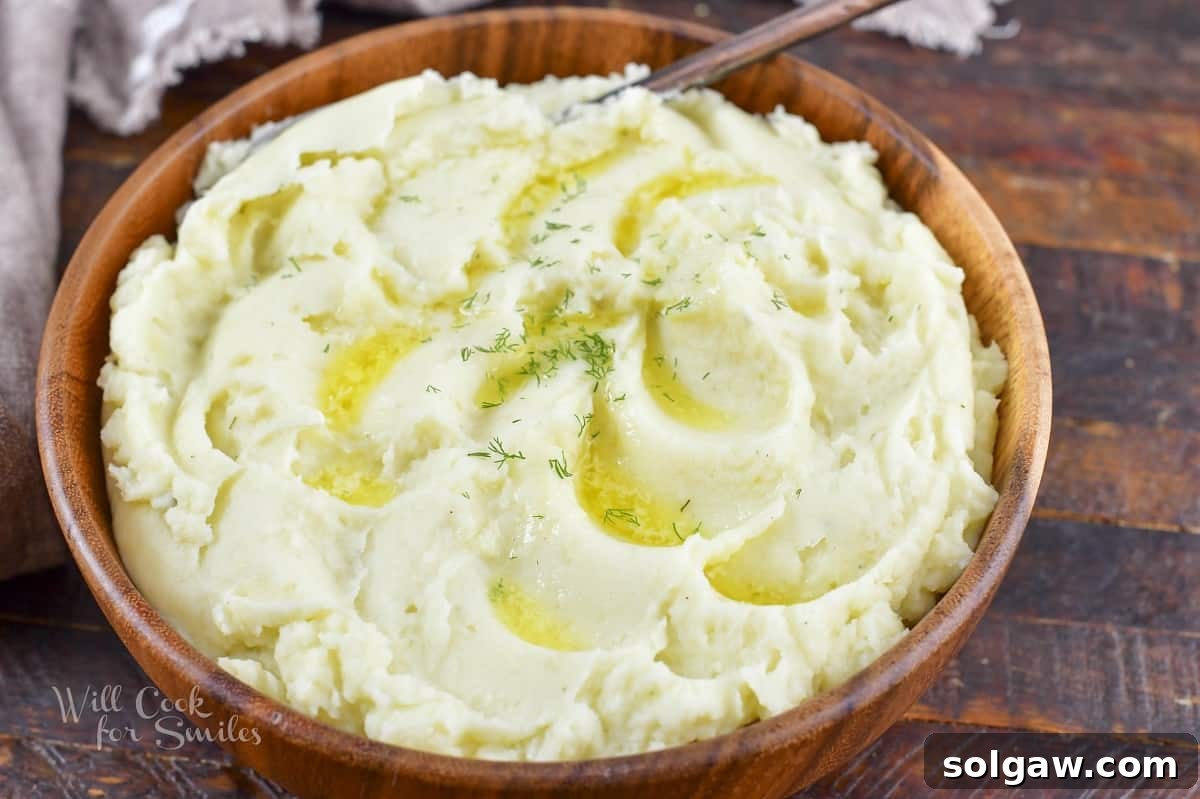
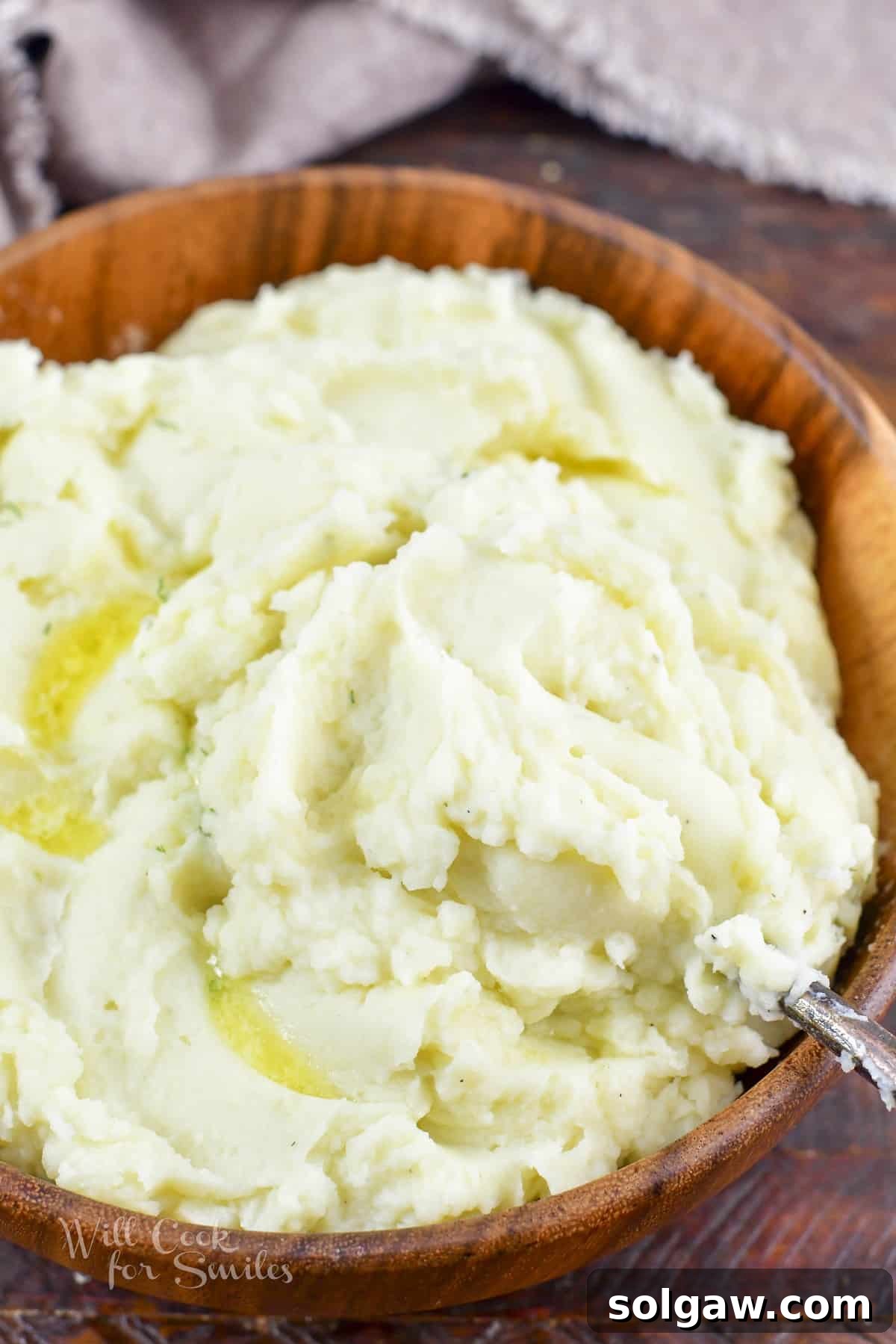
There’s a special magic to certain dishes that transcend mere sustenance, transforming into heartwarming traditions. For me, and countless families worldwide, that magic is found in a generous serving of homemade mashed potatoes. While holiday dinner menus might evolve from year to year, featuring new main courses or exciting desserts, one constant remains – the presence of these wonderfully creamy, perfectly fluffy mashed potatoes. It’s more than just a side dish; it’s a comforting embrace, a taste of home that brings back a flood of cherished memories with every single bite.
This particular recipe for easy mashed potatoes holds an even deeper layer of comfort, steeped in family history and tradition. Passed down through generations, from my grandmother to my mom, and now to me, it carries the essence of countless family dinners. Each spoonful evokes lively conversations, shared laughter, and the cozy warmth of loved ones gathered around the table. My greatest hope is that these mashed potatoes will become a similar centerpiece in your home, creating a warm, inviting atmosphere where your family can forge its own beautiful memories. Discover the secret to achieving that coveted, velvety texture and rich flavor that makes this dish truly unforgettable, making it a beloved staple for both festive occasions and simple weeknight meals.
Why You’ll Adore These Creamy Mashed Potatoes
- Unmatched Texture Every Time: Say goodbye to lumpy, dry, or gluey mashed potatoes. This recipe guarantees perfectly smooth, irresistibly creamy, and wonderfully fluffy mashed potatoes, consistently delivering that melt-in-your-mouth experience everyone craves.
- Classic, Comforting Flavor: Crafted with simple, wholesome ingredients, these mashed potatoes boast a timeless, classic flavor profile that appeals to all ages. It’s the taste of pure comfort, the kind that transports you back to your happiest family gatherings.
- Effortless Side Dish for Any Occasion: Whether you’re planning an elaborate holiday feast or a quick, comforting weeknight meal, these mashed potatoes are incredibly easy to prepare. They take minimal effort for maximum flavor impact, making them a versatile addition to your culinary repertoire.
- Perfect for Meal Prepping: Designed with convenience in mind, these mashed potatoes are wonderfully make-ahead friendly. Prepare them in advance, store them properly, and reheat them to perfection, saving you valuable time on busy days or when entertaining.
- Versatile Pairing Partner: These delightful mashed potatoes are the ideal companion for a wide array of main courses. They complement rich meats like roasted turkey, savory ham, succulent roast beef, and tender chicken dishes beautifully, enhancing every bite.
- Delicious Leftover Creations: Don’t let any leftovers go to waste! These mashed potatoes reheat beautifully on their own, or they can be transformed into exciting new dishes. Try making crispy mashed potato cakes for a fantastic next-day meal.
What Our Readers Are Saying
“Mashed potatoes are a universal favorite in my family, and this recipe absolutely hit it out of the park! They were incredibly creamy and bursting with flavor. Thank you so much for sharing this wonderful recipe! 😊” ~ Paul
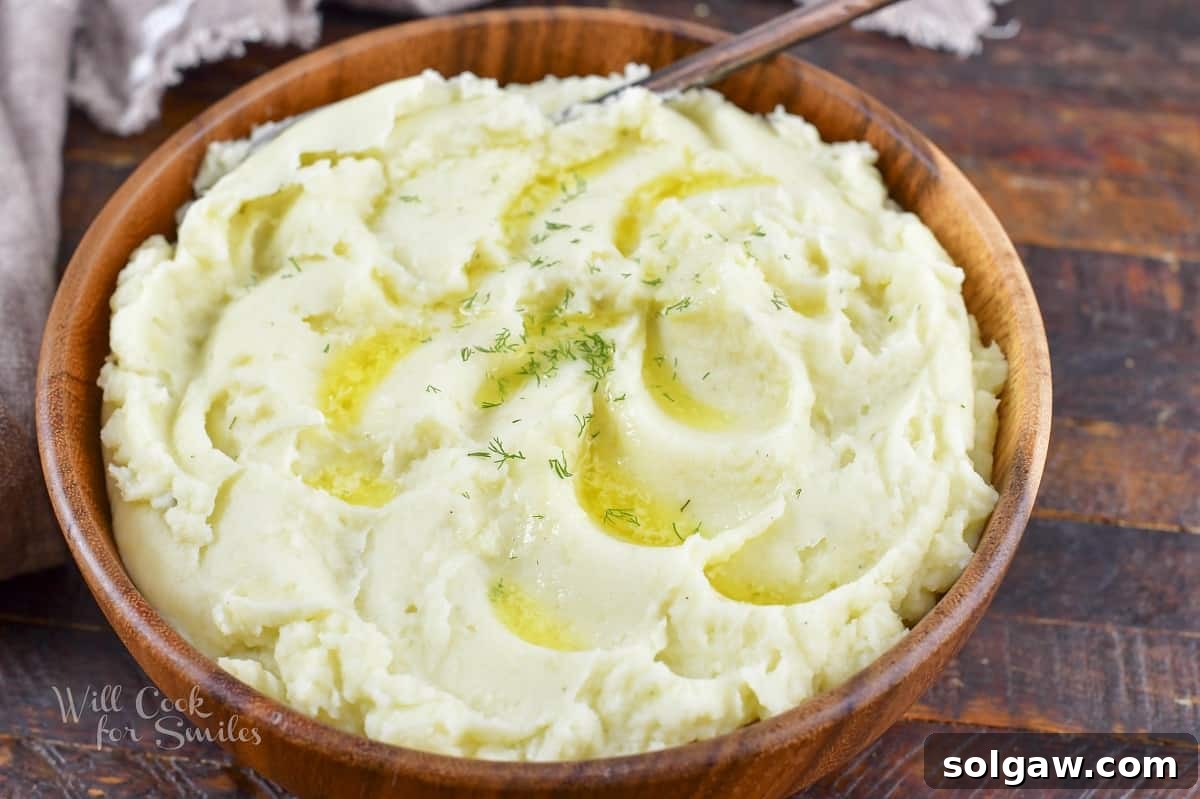
Essential Ingredients for Perfect Mashed Potatoes & Smart Substitutions
Crafting truly exceptional mashed potatoes begins with selecting the right ingredients. Each component plays a vital role in achieving that sought-after creamy, fluffy texture and rich, balanced flavor. Here’s a breakdown of the key players and their potential substitutes:
Potatoes – The foundation of our dish, the choice of potato is paramount. Russet potatoes are consistently the top recommendation for mashed potatoes, and for very good reason. Their high starch content means they break down easily when cooked, resulting in an incredibly soft, fluffy, and smooth mash. This quality makes them ideal for all cooking methods, including delicious Instant Pot mashed potatoes. When mashed, Russets absorb butter and cream beautifully, creating a rich and airy consistency. Substitution: If Russets aren’t available, Yukon Gold potatoes are an excellent second choice. They have a medium starch content, offering a soft texture while still holding a bit more shape than Russets. They also impart a slightly buttery flavor and a lovely yellow hue to the finished dish. Avoid red potatoes as they are waxy and will lead to a gluey texture.
Heavy Whipping Cream – This ingredient is a non-negotiable for achieving the richest, most decadent, and truly creamy texture in your mashed potatoes. The high fat content of heavy whipping cream emulsifies with the potatoes, butter, and sour cream (if using) to create an exceptionally smooth and luxurious consistency that can’t be replicated with lighter dairy options. It provides unparalleled richness and a silky mouthfeel.
Sour Cream – While optional, a touch of sour cream elevates these mashed potatoes to another level. It adds a delightful tang that balances the richness of the butter and cream, preventing the dish from tasting too heavy. Beyond flavor, sour cream contributes to an even creamier consistency, making the potatoes incredibly luscious. Full-fat sour cream is recommended for the best results, but you can also use Greek yogurt for a similar tang with slightly less fat, though the texture might be subtly different.
Butter – The classic companion to mashed potatoes, butter provides essential flavor and richness. For optimal control over the dish’s seasoning, it’s always best to use unsalted butter. This allows you to add salt gradually to taste, ensuring your mashed potatoes are perfectly seasoned without being overly salty. If you only have salted butter, simply reduce the amount of added salt in the recipe.
Dairy and Lactose-Free Substitutes – For those with dietary restrictions, delicious mashed potatoes are still absolutely achievable! If you need a lactose-free option for cream, many brands offer lactose-free half-and-half or heavy cream. Just be mindful that half-and-half will yield a slightly less rich result than heavy cream, so you might need a touch less liquid overall. For truly dairy-free (vegan) options, look for plant-based heavy whipping cream alternatives. If these are hard to find, a good quality plant-based milk (like unsweetened almond milk, soy milk, or cashew milk) can work, but use a little less than the recipe calls for heavy cream to avoid a watery consistency. Be aware that oat milk, while creamy, can sometimes impart a slightly sweeter flavor. For butter, easily swap in any plant-based butter sticks or spreads. For sour cream, simply omit it or use a commercially available plant-based (or lactose-free) sour cream alternative for that characteristic tang.
Expert Tips for the Most Delicious Mashed Potatoes
Achieving perfectly smooth, creamy, and flavorful mashed potatoes isn’t complicated, but a few key techniques can elevate your dish from good to extraordinary. Follow these expert tips for mashed potatoes that will impress every time:
- Always Start with Cold Water: This is a crucial step for even cooking. When preparing potatoes, always start by placing the cut potatoes into a pot of cold water, then bring it to a boil. Adding potatoes directly to hot or boiling water will cause the outside to cook much faster than the inside, resulting in unevenly cooked potatoes and a potentially lumpy mash.
- To Peel or Not to Peel: Whether to leave the potato skins on or remove them is entirely a matter of personal preference and desired aesthetic. Leaving the skins on offers a more rustic texture and appearance, and it also retains a significant amount of the potato’s nutrients and fiber. If you choose to keep the skins, make sure to wash and scrub them exceptionally well to remove any dirt or impurities. If you prefer a silken, entirely smooth mash, then peeling is the way to go.
- Uniform Potato Chunks: Regardless of whether you peel them, ensure you cut your potatoes into roughly 1-inch uniform cubes. This consistency is vital for even cooking. Smaller, evenly sized pieces will cook at the same rate, guaranteeing that all potatoes are perfectly tender simultaneously, leading to a consistent and smooth mash.
- Season While You Cook: Don’t wait until the mashing stage to add all your seasonings. By cooking potatoes with salt and other herbs like bay leaf or dill, the flavors infuse directly into the potatoes as they soften. This creates a deeper, more integrated flavor profile rather than just seasoning the surface. Remember to adjust seasoning again after mashing to taste.
- Remove Bay Leaf: If you’ve included a bay leaf for aromatic depth during cooking, make sure to retrieve and discard it before mashing. Its purpose is to impart flavor, not to be eaten.
- Reserve Cooking Water: This is a game-changer! After cooking, do not drain all the potato cooking water completely. Reserve about 1/2 to 1 cup. This starchy water is your secret weapon for achieving the perfect consistency. It helps to moisten the potatoes without diluting the flavor, and the starch contributes to a creamy texture without making them gluey.
- Mash While Hot: Potatoes are easiest to mash and absorb liquids and fats best when they are hot. As soon as they are drained (and the bay leaf removed), immediately proceed to mash them. If they cool down too much, they can become dense and harder to achieve a smooth texture.
- Add Liquid Gradually: Patience is key when incorporating liquids. Always add your heavy cream, butter, and reserved cooking water a little at a time, while continuously mashing. This allows you to control the thickness and avoid overly runny mashed potatoes. You can always add more liquid, but you can’t easily take it away! Keep mashing until you reach your desired creamy, fluffy consistency.
- Taste and Adjust: The final and most important tip: always taste your mashed potatoes as you cook and mash them. This is the only way to ensure they are seasoned perfectly. You might need to add a pinch more salt, a dash of pepper, or even a bit more butter or cream to reach your ideal flavor and richness.
Step-by-Step Guide to Making the Best Mashed Potatoes
PRO TIP: To save time and boost nutrition, consider leaving the potato skins on for a wonderful rustic feel. If you opt for this, make sure to scrub your potatoes thoroughly clean under cold running water to remove any dirt. For a silken, ultra-smooth texture, peeling is recommended.
Creating these perfect mashed potatoes is straightforward. Follow these simple steps for a truly delightful side dish:
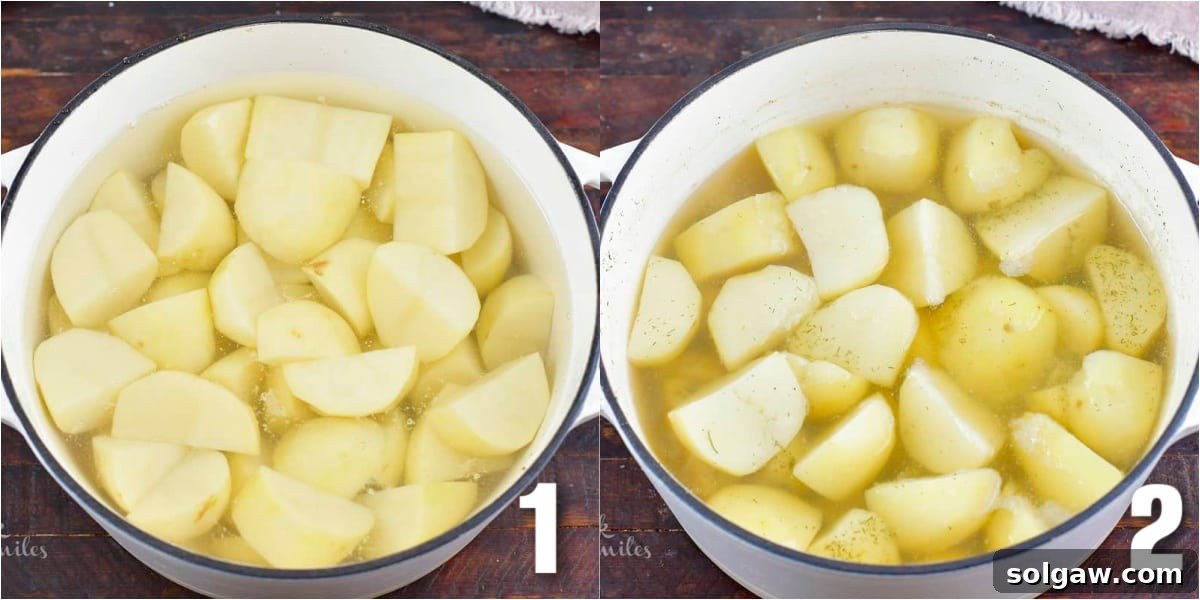
- Prepare the Potatoes: Begin by either peeling your Russet potatoes or scrubbing them meticulously if you prefer to leave the skins on. Cut each potato into uniform 1-inch chunks. This ensures even cooking, which is crucial for a consistent texture. Place the cut potatoes into a large Dutch oven or heavy-bottomed pot.
- Add Water and Seasonings: Pour enough cold water over the potatoes to completely cover them by about an inch. Crucially, add your seasonings now: a bay leaf, a good pinch of salt, half of the black pepper, and the dried dill weed. This allows the flavors to permeate the potatoes as they cook, building a deeper taste.
- Cook Until Tender: Place the pot on the stove over medium-high heat and bring the water to a rolling boil. Once boiling, reduce the heat to medium-low and let the potatoes simmer gently. Continue to cook until the potatoes are completely fork-tender – meaning a fork can be inserted with very little resistance and the potatoes easily fall apart. This usually takes 15-20 minutes, depending on the potato size.
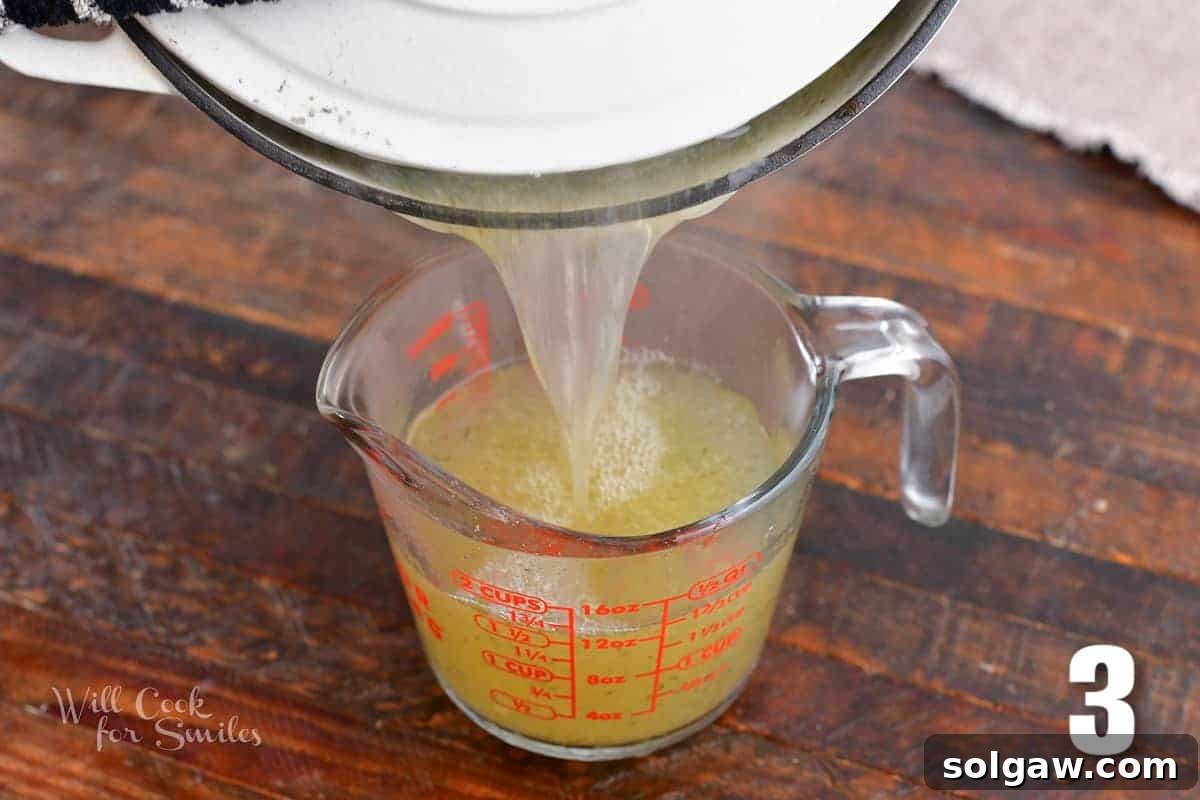
- 4. Drain and Reserve: Carefully drain off most of the cooking water, but remember to reserve about 1/2 to 1 cup of this starchy liquid in a separate cup or bowl. This reserved water is key to achieving the perfect creamy consistency without adding plain water. Remove the bay leaf at this stage.
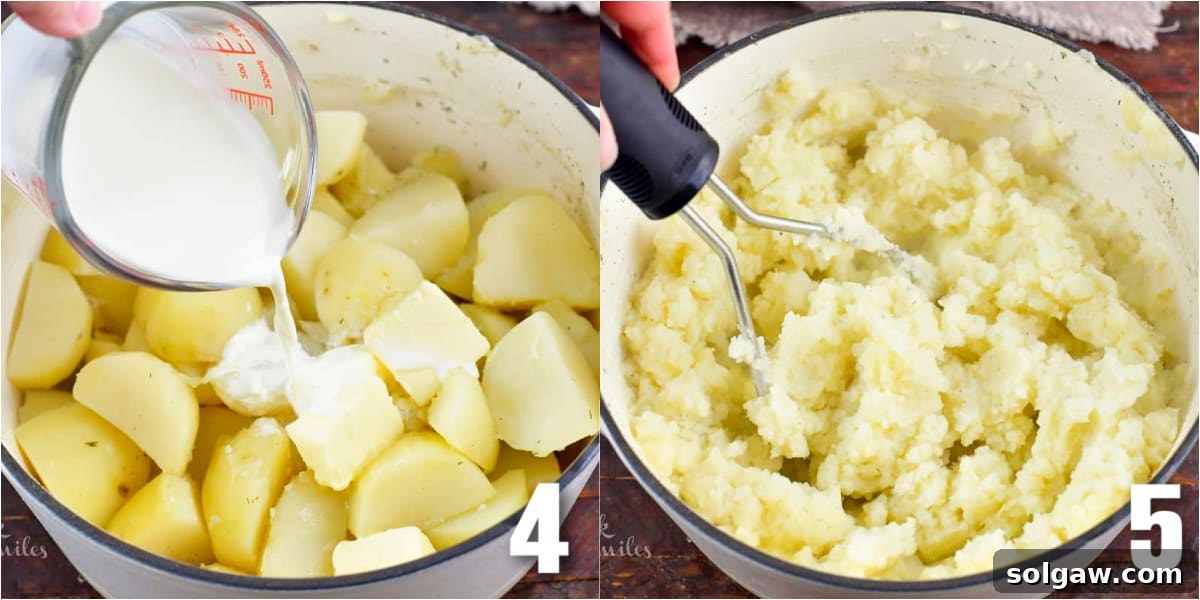
- 5. Mash with Add-ins: Return the hot, drained potatoes to the empty pot. Immediately add the butter, heavy whipping cream, sour cream (if you’re using it), the garlic powder, the remaining black pepper, and about 1/4 cup of the reserved cooking water. Using a potato masher, begin to mash the potatoes.
- 6. Adjust Consistency and Seasoning: Mash until the potatoes are mostly smooth. Assess the consistency: if they appear too thick or dry, gradually add more of the reserved cooking water, a tablespoon or two at a time, mashing thoroughly after each addition until you reach your desired creamy, fluffy texture. Be cautious not to over-mash, as this can lead to a gluey texture. Once smooth, taste the mashed potatoes and adjust seasonings with more salt or pepper as needed to achieve your perfect flavor balance.
Exciting Variations & Flavor Enhancements for Mashed Potatoes
While classic mashed potatoes are undeniably delicious, they also serve as a fantastic canvas for culinary creativity. Don’t be afraid to experiment with these exciting variations to add new dimensions of flavor and texture:
- Caramelized Onion Infusion: For a sophisticated and deeply savory twist, I absolutely adore the rich, sweet, and umami flavor that perfectly caramelized onions add to mashed potatoes. Simply fold in about 1/2 to 1 cup of beautifully browned caramelized onions at the mashing stage for an incredible depth of flavor.
- Garlic & Herb Power: Beyond the initial dill weed, consider adding freshly roasted garlic or a generous handful of finely chopped fresh herbs like chives, parsley, or rosemary during the mashing process. For an even richer garlic flavor, you can roast whole garlic cloves until soft and squeeze them directly into the potatoes before mashing.
- Cheesy Indulgence: Who can resist cheesy mashed potatoes? Stir in about 1/2 to 1 cup of sharp cheddar cheese, Gruyère, Parmesan, or a medley of your favorite cheeses until melted and gooey. For an extra indulgent experience, try our dedicated recipe for cheddar and chive mashed potatoes. The cheese adds a fantastic tang and richness that pairs wonderfully with the creamy potatoes.
- Fresh Green Onions or Chives: For a burst of fresh, mild oniony flavor and a touch of vibrant color, fold in some freshly chopped green onions or chives just before serving. You can also garnish with extra chives for an appealing presentation.
- Crispy Bacon Bits: It’s hard to resist the smoky, salty crunch of crispy bacon! Crumble cooked bacon bits into your mashed potatoes for an irresistible texture and flavor contrast. Our bacon and herb mashed potatoes recipe takes this classic combination to perfection.
- Spicy Kick: For those who enjoy a little heat, consider adding a pinch of cayenne pepper, a dash of hot sauce, or finely diced jalapeños (deseeded for less heat) to your mashed potatoes.
- Truffle Oil Luxury: A drizzle of high-quality truffle oil (white or black) at the very end can transform your mashed potatoes into a gourmet side dish, adding an earthy, luxurious aroma and flavor.
Streamlined Make-Ahead Mashed Potatoes for Easy Entertaining
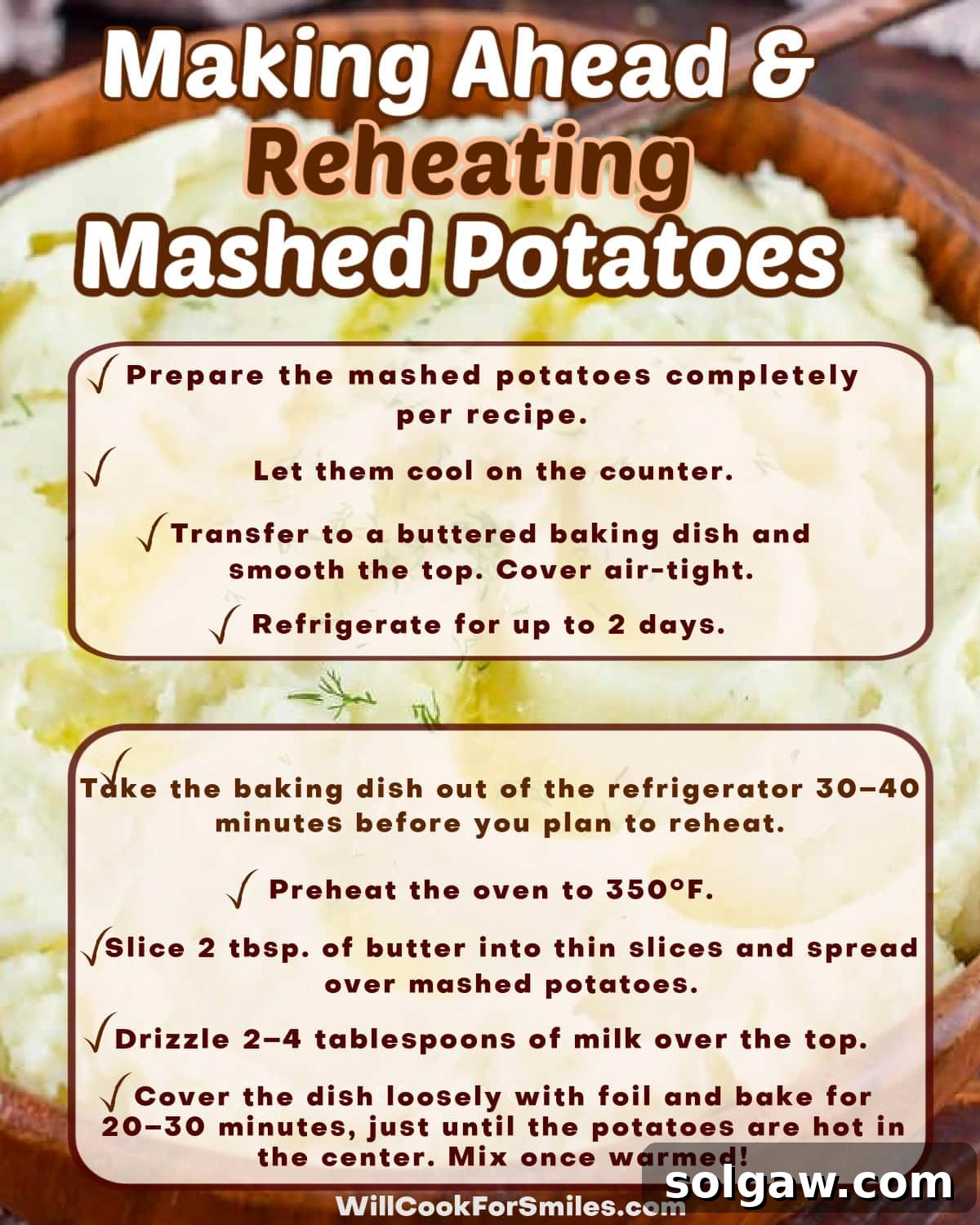
Planning a holiday meal or a busy weeknight dinner? These mashed potatoes are incredibly accommodating and can be prepared 1–2 days in advance, allowing you to reduce stress and focus on other aspects of your meal. Here’s how to do it:
- Initial Preparation & Cooling: Prepare the mashed potatoes completely according to the recipe instructions. Once finished, allow them to cool down to room temperature. This step is crucial before refrigeration to prevent condensation and ensure proper chilling.
- Transfer & Cover: Once cooled, spread the mashed potatoes evenly into a greased baking dish. A light coating of butter or cooking spray will prevent sticking. Cover the dish tightly with an airtight lid or several layers of plastic wrap to prevent them from drying out or absorbing odors from the refrigerator. Refrigerate for up to 2 days.
- Reheating for Perfection: About 30 minutes before you plan to bake, remove the dish from the refrigerator to allow it to come closer to room temperature. Take off the airtight cover. For added moisture and richness, place a few thin slices of butter over the top of the potatoes and drizzle a splash of milk (whole milk or heavy cream works best) evenly over the surface. Cover the dish loosely with aluminum foil to trap steam and prevent the top from drying out.
- Baking: Reheat in a preheated oven at 350°F (175°C) for 20-30 minutes. The exact time will depend on the thickness of your mashed potato layer. Heat until the potatoes are warmed through to the center. For a slightly golden top, you can remove the foil for the last 5-10 minutes of baking.
Storing & Reheating Mashed Potato Leftovers Like a Pro
Proper storage and reheating are key to enjoying your delicious mashed potato leftovers without compromising their texture or flavor. Here’s how to keep them fresh and bring them back to life:
Storing Leftovers: Any leftover mashed potatoes should be transferred to an airtight container and stored in the refrigerator. They will keep well for 3-5 days. It’s worth noting that the type of milk or cream used can sometimes influence shelf life; options with higher fat content tend to keep slightly better, while some plant-based milks might shorten the window to closer to 3 days. Always use your best judgment for freshness.
To Reheat Individual Portions: For single servings, the microwave is your best friend. Place the desired amount of mashed potatoes in a microwave-safe bowl. Add a tablespoon or two of milk (or even a pat of butter) and cover loosely with a microwave-safe lid or plastic wrap. Heat on high for 1-2 minutes, stirring halfway through, until thoroughly heated. Add more liquid if needed for desired consistency.
To Reheat a Larger Batch (Oven Method): For reheating a larger quantity, the oven is ideal as it helps retain moisture and prevents drying out. Spread the cold mashed potatoes evenly in an oven-safe baking dish. Drizzle 2-3 tablespoons of whole milk (or heavy cream) over the top, which helps rehydrate and keep them creamy. Cover the dish loosely with aluminum foil. Reheat in a preheated oven at 350°F (175°C) for about 15-20 minutes, or until hot in the center. Once heated, remove from the oven, mix well, and for an extra touch of indulgence, you can even add a couple of slices of butter on top to melt into the hot potatoes before serving.
Frequently Asked Questions About Mashed Potatoes
Got questions about making the perfect batch of mashed potatoes? We’ve got answers! Here are some common queries and expert advice to ensure your mashed potatoes are always a success:
For the ultimate fluffy, smooth, and creamy mashed potatoes, Russet potatoes (also known as Idaho potatoes) are unequivocally the best choice. Their high starch content ensures they break down beautifully when cooked, resulting in an airy and light texture that readily absorbs butter and cream. This makes them perfect for mashing.
As a strong second choice, Yukon Gold potatoes also perform admirably. They possess a medium starch content, offering a soft texture that’s slightly more forgiving than Russets if you tend to over-mash. Plus, they contribute a naturally buttery flavor and a lovely golden hue to your side dish.
On the other hand, the potatoes I strongly advise against using for mashing are red potatoes or new potatoes. These varieties are waxy rather than starchy, meaning they tend to hold their shape even after cooking. When mashed, they can result in a gluey, pasty, and unappetizing texture that no amount of butter or cream can truly fix.
The most common culprit behind gluey or gummy mashed potatoes is overmixing or over-mashing. Potatoes contain starch cells, and when these cells are broken down too much, they release excessive starch, turning your creamy mash into a sticky, paste-like consistency. To prevent this, always use a traditional potato masher or a ricer – never a blender, food processor, or even an electric hand mixer. These high-speed tools are too aggressive and will quickly overwork the potatoes. Additionally, mash your potatoes while they are still hot, as they are more pliable. Add liquids (cream, butter, reserved cooking water) gradually, incorporating them just until your desired smooth, fluffy consistency is achieved. My personal recommendation from a chef who has cooked countless potatoes in both restaurant and home kitchens over 20 years: stick with a simple potato masher!
While heavy whipping cream provides the richest and most luxurious texture, you can certainly use milk as a substitute. For best results, opt for whole milk or half-and-half, as their higher fat content will yield a creamier result than skim or low-fat milk. Keep in mind that using milk will result in a slightly less decadent and thinner mash, so you may need to adjust the amount added to achieve your desired consistency.
If your mashed potatoes have turned out a bit too runny, don’t despair! There are a few tricks to thicken them up. The simplest method is to add a small amount of instant potato flakes or a tablespoon of cornstarch (mixed with a little cold water to form a slurry first, then stirred into the potatoes over low heat). You can also try adding a bit more plain cooked potato (if you have any left) or a couple of tablespoons of cream cheese or a sprinkle of grated Parmesan cheese, which will not only thicken but also add extra flavor. Gently stir in your chosen thickener until the desired consistency is reached, being careful not to overmix.
What to Serve With Your Perfect Mashed Potatoes
These creamy, fluffy mashed potatoes are a versatile side dish that complements an incredible range of main courses, from elaborate holiday roasts to comforting weeknight dinners. Their rich flavor and smooth texture make them the ideal accompaniment for:
- Holiday Feasts: They are a quintessential pairing for holiday classics like juicy roasted turkey breast with savory herb butter and gravy, elegant Prime Rib, or a beautifully glazed baked ham with orange glaze. Their ability to soak up delicious gravies and sauces is unparalleled.
- Comforting Weeknight Meals: Elevate simple family dinners with these mashed potatoes. They are excellent alongside crispy chicken Milanese, hearty meatloaf, or rich, tender braised short ribs. They also pair wonderfully with grilled steak, pork chops, or even a flavorful mushroom ragu for a vegetarian option.
- Other Delicious Pairings: Don’t limit yourself to just meats! Consider serving them with pan-seared salmon, hearty stews, or even as a base for shepherd’s pie or topped with a fried egg for a comforting breakfast.
More Delicious Holiday Potato & Vegetable Side Dishes to Explore
If you love potatoes as much as we do, or are looking for other comforting sides, be sure to check out these fantastic recipes from our collection:
- Mashed Cauliflower (A lighter, low-carb alternative)
- Instant Pot Garlic Mashed Potatoes (Speedy and flavorful)
- Mashed Sweet Potatoes (A naturally sweet and vibrant option)
- Mashed Potato Cakes (Perfect for transforming leftovers)
- Sweet Potato Casserole (A classic holiday indulgence)
- Scalloped Potatoes (Rich, cheesy, and baked to perfection)
PIN THIS RECIPE FOR LATER
DID YOU MAKE THIS RECIPE? Please leave a 🌟 star rating! Let me know how you liked it by leaving a 📝 comment below or share and tag me on social media @willcookforsmiles. DON’T FORGET to subscribe to my newsletter!
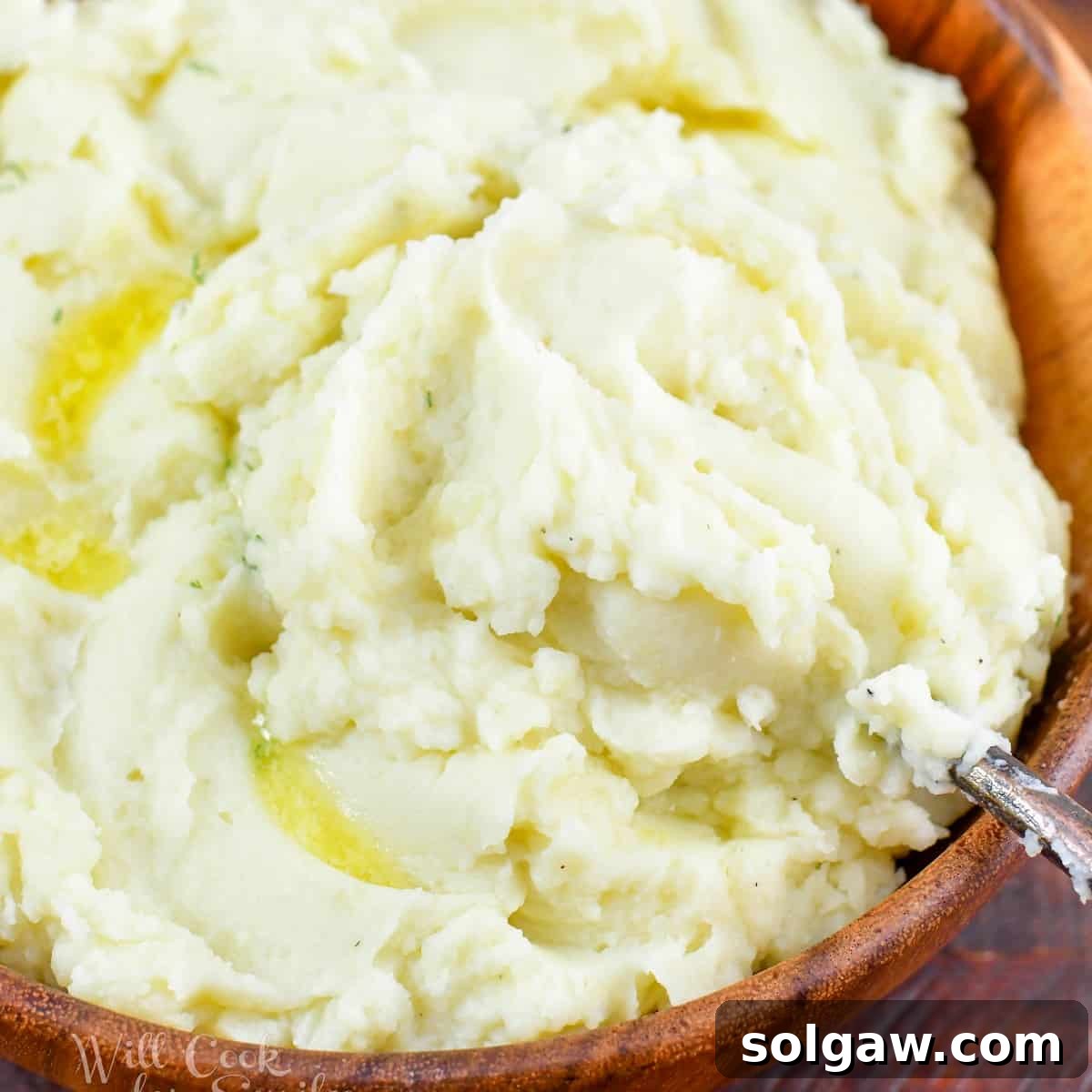
The Perfect Mashed Potatoes: A Family Favorite
Print Recipe
Pin Recipe
Watch Video
Rate Recipe
Ingredients
- 3 lbs Idaho potatoes peeled or not
- 1 bay leaf
- 1 tsp dried dill weed
- salt to taste
- 3 tbsp unsalted butter*
- 1/4 cup heavy whipping cream*
- 1/4-1/2 cups cooking water from cooked potatoes
- 1 tsp garlic powder
- 1 tsp kosher coarse or sea salt to taste
- 1/4-1/2 tsp black pepper to taste
- 3 tbsp sour cream* optional
Instructions
-
1. Prepare Potatoes: Start by thoroughly washing your Idaho potatoes. Decide if you wish to peel them for a perfectly smooth mash, or leave the skins on for a rustic, nutrient-rich option (ensure they are very clean if keeping skins). Cut the potatoes into uniform 1-inch chunks. This even sizing is crucial for consistent cooking, ensuring all pieces become tender at the same time.
-
2. Start Cooking in Cold Water: Place the cut potatoes into a large pot or Dutch oven. Pour in enough cold water to cover all the potatoes by at least one inch. This ensures the potatoes cook evenly from the outside in.
-
3. Season and Boil: Add the bay leaf, an initial generous pinch of salt, about half of the black pepper, and the dried dill weed to the pot with the potatoes and cold water. Bring the water to a boil over medium-high heat. Once boiling, reduce the heat to medium and let the potatoes simmer gently. Cook until the potatoes are completely tender and easily fall apart when pierced with a fork (this is the simplest way to test for doneness). This typically takes 15-20 minutes.
-
4. Drain & Reserve Liquid: Carefully drain the cooked potatoes using a colander. Crucially, save at least 1/2 cup of the starchy cooking water in a heat-proof cup or bowl. This reserved water is essential for achieving the perfect consistency. Remember to remove and discard the bay leaf at this point.
-
5. Mash with Flavorful Additions: Return the hot, drained potatoes to the empty pot. Immediately add the unsalted butter, heavy whipping cream, sour cream (if you are using it for extra tang and creaminess), garlic powder, the remaining black pepper, and start with about 1/4 cup of the reserved cooking water. Begin mashing the potatoes with a sturdy potato masher.
-
6. Achieve Perfect Consistency & Seasoning: Continue mashing until the potatoes are mostly smooth. Check the consistency – if they seem too thick or dry, gradually add more of the reserved cooking water, a tablespoon or two at a time, mashing thoroughly after each addition until you reach your desired creamy, fluffy texture. Be careful not to add too much liquid at once, and avoid over-mashing. Taste the mashed potatoes and adjust seasonings with more salt or pepper as needed to achieve your perfect flavor balance.
-
7. Final Touches & Serve: Mash until your potatoes are beautifully smooth and free of lumps. Before serving, taste one last time and make any final seasoning adjustments. For an elegant presentation and extra richness, you can top the hot mashed potatoes with a small pat of butter or a sprinkle of fresh chopped chives, allowing the butter to melt enticingly before serving. Enjoy your perfect mashed potatoes!
Recipe Video
Recipe Notes & Expert Tips
If you require completely plant-based (vegan) options, you can use plant-based milk substitutes and plant-based butter alternatives. For the creamiest result, look for plant-based heavy cream alternatives. If using plant-based milk, choose one with a neutral flavor profile like unsweetened almond or cashew milk. Be mindful that oat milk, while popular, can sometimes contribute a subtle sweetness to the dish, so adjust your other seasonings accordingly. You can either omit the sour cream or use a plant-based sour cream alternative for a similar tangy effect.
Leaving Skins On for Rustic Appeal & Nutrients: The choice to peel your potatoes or leave the skins on impacts both the texture and nutritional value of your mashed potatoes. Leaving the skins on will give your mashed potatoes a more rustic appearance and a slightly chewier texture, but it also means you retain a significant amount of the potato’s fiber, vitamins, and minerals. If you opt for this method, it is absolutely essential to thoroughly scrub the potatoes clean under cold running water before cutting and cooking to remove any dirt or residues. For an ultra-smooth, traditional mashed potato, peeling is the way to go.
Nutrition Information
Originally published on Will Cook For Smiles in November, 2012, this timeless recipe continues to be a cherished favorite!