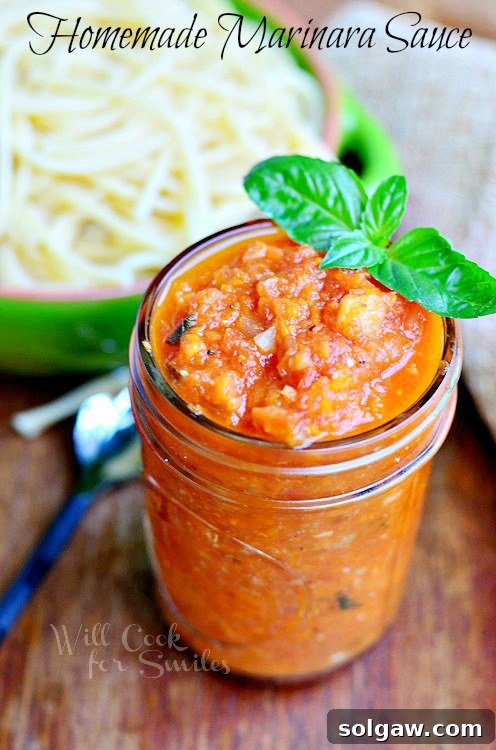
Marinara sauce is a quintessential Italian tomato sauce, forming the flavorful base for countless beloved dishes like Chicken Parmesan, Spaghetti & Meatballs, and lasagna. This recipe guides you through creating a rich, vibrant marinara using only the freshest tomatoes, vegetables, and aromatic herbs.
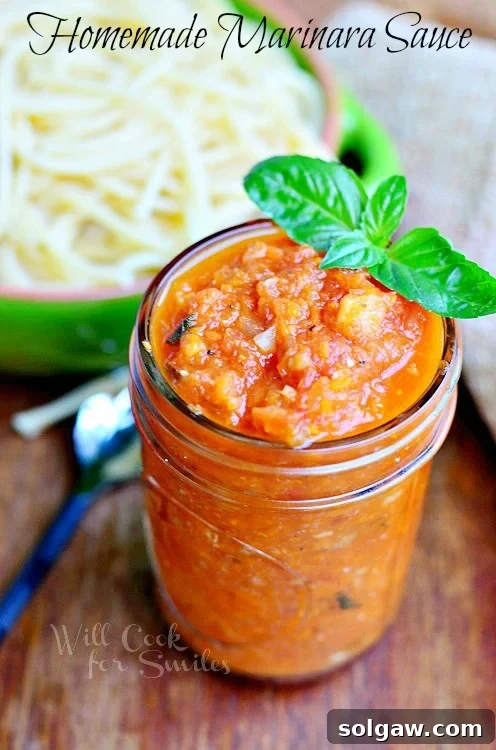
Homemade Marinara Sauce: An Authentic Italian Staple for Your Kitchen
The Heart of Italian Cooking: Why Marinara Matters
Every great home cook understands the power of a versatile, foundational sauce, and authentic marinara is undoubtedly one of the most important. It’s more than just a simple tomato sauce; it’s a celebration of fresh, vibrant ingredients brought together in harmony. For years, I’ve refined my approach to this classic, experimenting with different techniques and ingredient ratios until I landed on a recipe that truly stands out. This homemade marinara isn’t just good; it’s the kind of sauce that will become a cherished part of your culinary repertoire, elevating everyday meals into something special.
The beauty of homemade marinara lies in its simplicity and the quality of its components. Unlike store-bought alternatives that often contain added sugars, preservatives, and artificial flavors, making your own marinara gives you complete control. You decide what goes in, ensuring a healthier, more flavorful result that perfectly suits your taste. It’s this dedication to fresh, wholesome ingredients that truly makes all the difference, transforming humble tomatoes into a rich, aromatic sauce that tastes like it came straight from an Italian nonna’s kitchen.
Crafting Perfection: The Homemade Marinara Advantage
When it comes to marinara, I firmly believe that fresh ingredients yield the most superior flavor. While it might take a little extra time and effort compared to opening a can, the reward is immeasurable. Fresh tomatoes, bursting with natural sweetness and acidity, form the backbone of this sauce, complemented by crisp vegetables and fragrant herbs. This combination not only contributes to an incredibly rich and nuanced flavor profile but also packs your meal with essential vitamins and nutrients. Imagine all the goodness from fresh carrots, onions, garlic, and ripe tomatoes simmering together, creating a sauce that’s not only delicious but genuinely nourishing.
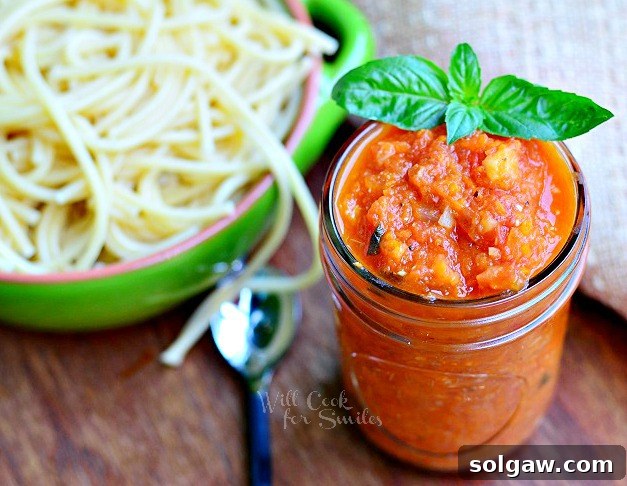
Fresh vs. Canned Tomatoes: A Flavor Deep Dive
The choice between fresh and canned tomatoes is a fundamental one that significantly impacts the final taste of your marinara. My personal preference leans heavily towards fresh tomatoes for their bright, vibrant flavor and superior nutritional content. They offer a delicate balance of sweetness and acidity that canned varieties often can’t replicate. When fresh, ripe tomatoes are in season, they are an absolute must for achieving that truly authentic, garden-fresh taste.
However, I understand that life gets busy, and fresh, high-quality tomatoes aren’t always readily available. In such instances, canned tomatoes can be a perfectly acceptable substitute, especially if you opt for good quality San Marzano tomatoes or crushed tomatoes without added sugar or excessive sodium. Just be aware that canned tomatoes typically have a more robust, sometimes slightly cooked-down flavor profile compared to fresh ones. If you do use canned, you might want to adjust the seasoning, particularly the sugar, to balance the acidity. Regardless of your choice, remember that the goal is always to achieve a perfectly balanced, deeply flavorful sauce.
Beyond the Basics: Mastering Your Marinara Recipe
One of the most appealing aspects of homemade marinara is its incredible adaptability. While the base recipe is fantastic on its own, it also serves as a blank canvas for culinary creativity. You can enjoy it as is, or you can prepare a larger batch and easily transform it into a different sauce each time you serve it. To customize a portion, simply scoop out a few cups into a separate pot and gently simmer it while you add your chosen flavor enhancers.
It’s important to note that homemade marinara, made without the preservatives found in commercial sauces, has a shorter shelf life. Stored properly in an airtight container in the refrigerator, it will typically last for about a week. To maximize its freshness, always pour out the desired amount rather than dipping spoons directly into the main container. For longer storage, I highly recommend portioning the sauce into freezer-safe bags or containers and freezing it. This way, you’ll always have a supply of delicious homemade marinara ready to go, offering convenience without compromising on quality or flavor.
Endless Possibilities: Customizing Your Marinara Sauce
Unlock a world of flavors by experimenting with these delicious additions to your basic marinara sauce:
- Cheesy Delight: Stir in grated Mozzarella, Parmesan, or a robust Italian cheese blend towards the end of cooking. The melting cheese will add a creamy texture and a delightful savory depth, perfect for baked pasta dishes or a simple cheese tortellini.
- Garlic Lover’s Dream: For an intensely aromatic experience, roast whole garlic cloves until tender and sweet before mincing them and adding them to the simmering sauce. Roasted garlic offers a mellow, caramelized flavor far different from raw garlic, adding a sophisticated touch.
- Hearty & Meaty: Elevate your marinara by browning ground beef, pork, Italian sausage, or a combination of meats. Sauté the meat first, drain any excess fat, then incorporate it into the marinara and let it simmer together for at least 30 minutes. This creates a rich, satisfying meat sauce, ideal for robust pasta dishes like rigatoni or pappardelle.
- Garden Fresh Chunks: Introduce more texture and vegetables by sautéing diced zucchini, summer squash, bell peppers, or mushrooms before adding them to the marinara. This not only enhances the nutritional value but also adds a wonderful, rustic chewiness to the sauce.
- Mediterranean Twist: Stir in pitted Kalamata or black olives for a briny, salty kick that brightens the entire sauce.
- Nutty Richness: Add toasted pine nuts for a subtle crunch and a touch of buttery flavor.
- Smoky Bacon Infusion: Crispy crumbled bacon can introduce a delightful smoky, salty element that pairs beautifully with the sweet tomatoes.
- Spicy Kick: For those who love a bit of heat, a pinch of red pepper flakes added during the sautéing stage will infuse the sauce with a pleasant warmth.
- Fresh Herb Boost: Beyond basil, consider fresh parsley or a sprig of rosemary added during the final simmer for an extra layer of herbal complexity.
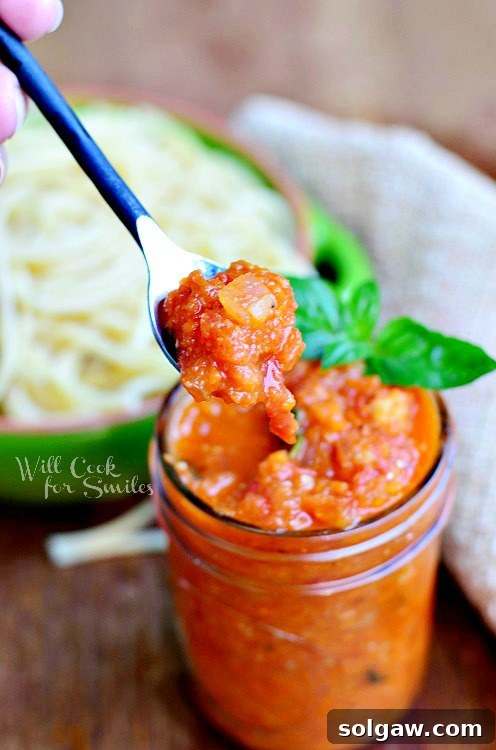
Homemade Marinara Sauce Recipe
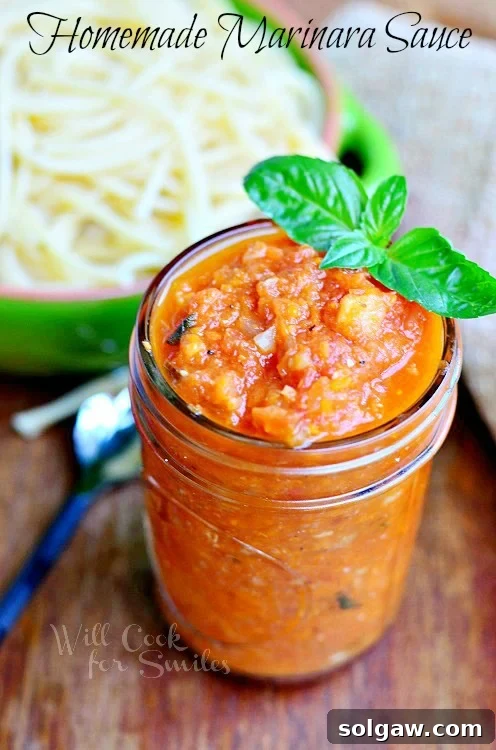
Homemade Marinara Sauce
Print
Pin
Rate
Main Course
Italian
15 minutes
2 hours
2 hours 15 minutes
8 Makes about 4 cups
92kcal
Lyuba Brooke
Ingredients
- 3 Tbsp olive oil
- 1 yellow onion, diced
- 6 garlic cloves minced
- 2 carrots, peeled and finely diced
- 8 large tomatoes peeled and chopped (save all juices)
- 1 large bay leaf
- 1 tsp sugar (to balance acidity, optional)
- salt to taste
- fresh cracked pepper, to taste
- 1 tsp dried thyme
- 1 tsp dried oregano
- 6 fresh basil leaves, roughly chopped or torn
Instructions
-
Prepare the Tomatoes: Begin by removing the skins from your fresh tomatoes. A simple potato peeler works well if your tomatoes are firm. For softer tomatoes, make a small criss-cross cut on the bottom of each tomato. Briefly immerse them in boiling water for about 30-60 seconds, then immediately transfer them to an ice bath. The skins will easily slip off. Once peeled, roughly chop the tomatoes, making sure to collect all their delicious juices, as these will contribute significantly to the sauce’s flavor.
-
Chop Vegetables: Dice your onion and carrots. The size of your dice depends on your preferred sauce texture. If you enjoy a chunky sauce, dice them larger. If you prefer a smoother consistency, a finer dice is better, as you’ll be blending the sauce later. I often recommend a semi-chunky approach: dice your vegetables evenly, and later, use an immersion blender sparingly to achieve a rustic texture without making it completely smooth.
-
Sauté Aromatics and Begin Simmer: In a large, heavy-bottomed pot or Dutch oven, heat the olive oil over medium-high heat. Add the diced onion and carrots and sauté them until they soften and begin to caramelize slightly, about 5-7 minutes. This caramelization develops a sweet, deep flavor that will enrich your sauce. Reduce the heat to medium, then add the chopped tomatoes (with all their juices), a pinch of salt, and the bay leaf. Stir everything together, cover the pot, but leave a small crack for steam to escape. Cook for approximately 15 minutes, stirring occasionally to prevent sticking and ensure even cooking.
-
Add Garlic and Herbs: Now, add the minced garlic, sugar (if using, to balance acidity), fresh cracked pepper, dried oregano, and dried thyme to the pot. Stir well to combine all the aromatic flavors. Cover again, maintaining the slight crack, and continue to cook over medium-low heat for another 30-40 minutes. Remember to stir occasionally, allowing the flavors to meld and the sauce to thicken gently.
-
Final Simmer with Fresh Basil: Mince the fresh basil leaves and stir them into the sauce. Cover the pot once more, leaving a crack for steam, and let it gently simmer for an additional hour. This extended cooking time is crucial for developing a profound depth of flavor and achieving that perfectly tender consistency. Stir the sauce periodically to ensure it cooks evenly and doesn’t stick to the bottom of the pot.
-
Adjust Consistency and Seasoning: Once the sauce has simmered for the full duration, remove the bay leaf. If you prefer a smoother sauce, use a hand-held immersion blender to pulse it a few times, reaching your desired consistency. Be careful not to over-blend if you like some texture. Taste the sauce and adjust the seasoning with additional salt and pepper as needed. The flavors should be balanced and rich.
-
Cool and Store: Remove the pot from the heat and allow the homemade marinara sauce to cool completely to room temperature. Once cooled, transfer it to a clean, airtight jar or container. Store it in the refrigerator for up to a week. For longer storage, portion the sauce into freezer-safe bags or containers and freeze for up to 3-4 months. Thaw in the refrigerator overnight before reheating.
Chef’s Notes & Tips
Tip for Sweetness: The amount of sugar can be adjusted based on the sweetness of your tomatoes and your personal preference. Taste your tomatoes beforehand – if they’re very sweet, you might need less or no added sugar. If they’re on the tart side, a teaspoon can make a big difference in balancing the flavor.
Building Flavor Layers: Don’t rush the sautéing of the onions and carrots. Allowing them to soften and slightly caramelize creates a foundational layer of sweetness and depth that is crucial for a truly remarkable marinara sauce.
Embrace the Simmer: The long, slow simmer is key to developing the rich, complex flavors of authentic marinara. It allows all the ingredients to meld beautifully and the sauce to thicken naturally. Resist the urge to crank up the heat and speed up the process.
Serving Suggestions: This versatile marinara is perfect for more than just pasta. Use it as a base for homemade pizza, a dipping sauce for mozzarella sticks or garlic bread, a rich addition to meatballs and subs, or as a vibrant sauce for chicken and eggplant parmesan. It’s also fantastic as a base for shakshuka or as a flavorful component in hearty vegetable stews.
Nutrition
Carbohydrates: 10g |
Protein: 1g |
Fat: 5g |
Sodium: 17mg |
Potassium: 369mg |
Fiber: 2g |
Sugar: 6g |
Vitamin A: 3590IU |
Vitamin C: 19.6mg |
Calcium: 27mg |
Iron: 0.5mg
Tried this recipe?Mention @willcookforsmiles or tag #willcookforsmiles!
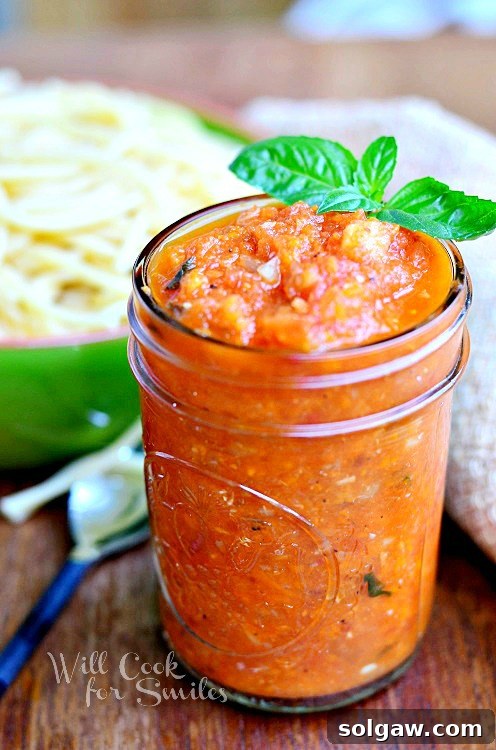
More Delicious Recipes You’ll Love From My Kitchen:
If you enjoyed making this fresh marinara, you’ll surely appreciate these other delightful recipes:
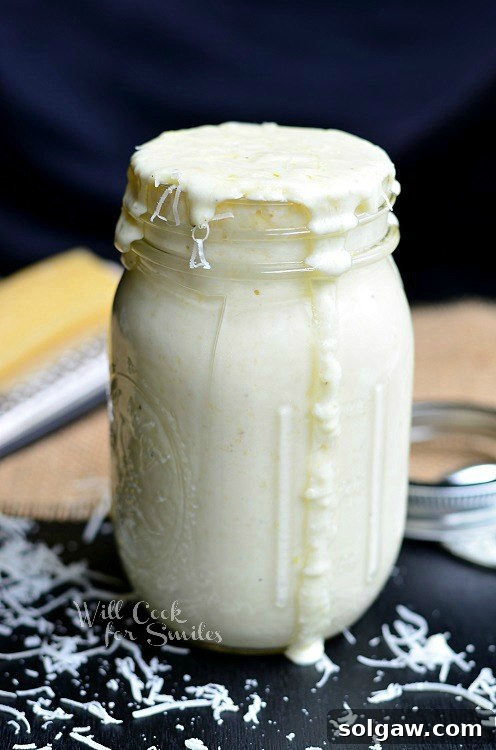
Classic Alfredo Sauce
Indulge in the rich, creamy goodness of a timeless Classic Alfredo Sauce. This recipe is simple to make and perfect for a luxurious pasta night, offering a delightful contrast to the tangy marinara.
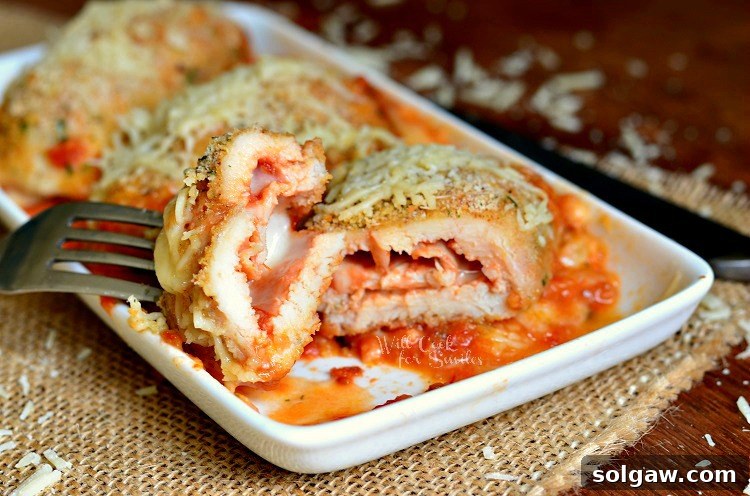
Chicken Parmesan Roll Ups
For a creative twist on a beloved Italian-American classic, try these Chicken Parmesan Roll Ups. They’re an exciting way to enjoy the flavors of chicken parmesan in a fun, elegant, and easy-to-serve format, pairing wonderfully with your homemade marinara.
Originally Posted on Will Cook For Smiles on February 4, 2014.