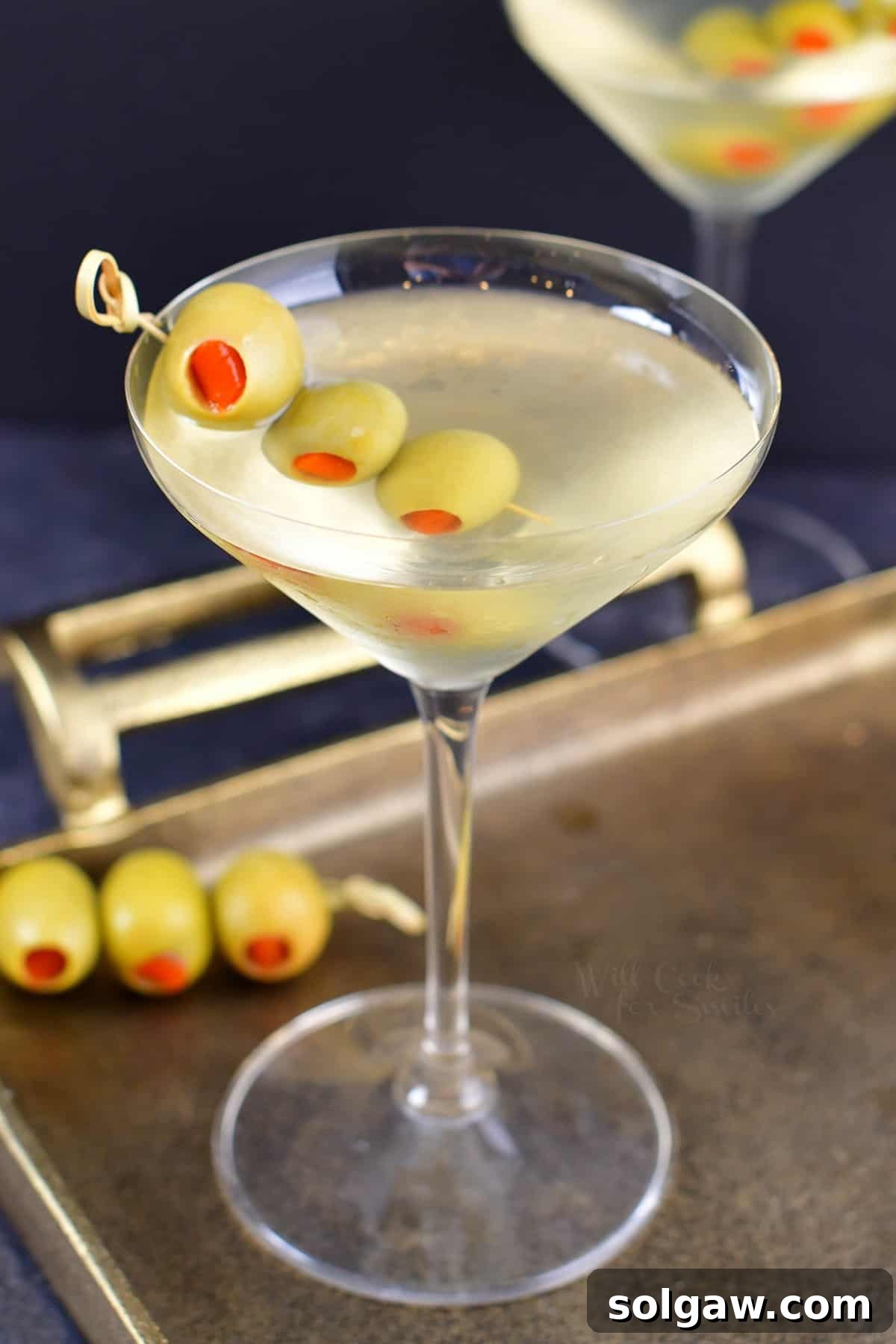
The Dirty Martini stands as a true icon in the realm of classic cocktails, beloved by connoisseurs and casual drinkers alike for its distinctive savory profile. It offers a sophisticated twist on the traditional martini, introducing a briny depth that sets it apart. This timeless libation, typically featuring just a few core ingredients, has graced bars and lounges for decades, solidifying its place as a quintessential drink choice. If you appreciate the elegance and crispness of classic martini cocktails, you might also enjoy exploring other popular variations like the vibrant Cosmopolitan, the zesty Lemon Drop Martini, or the invigorating Espresso Martini.
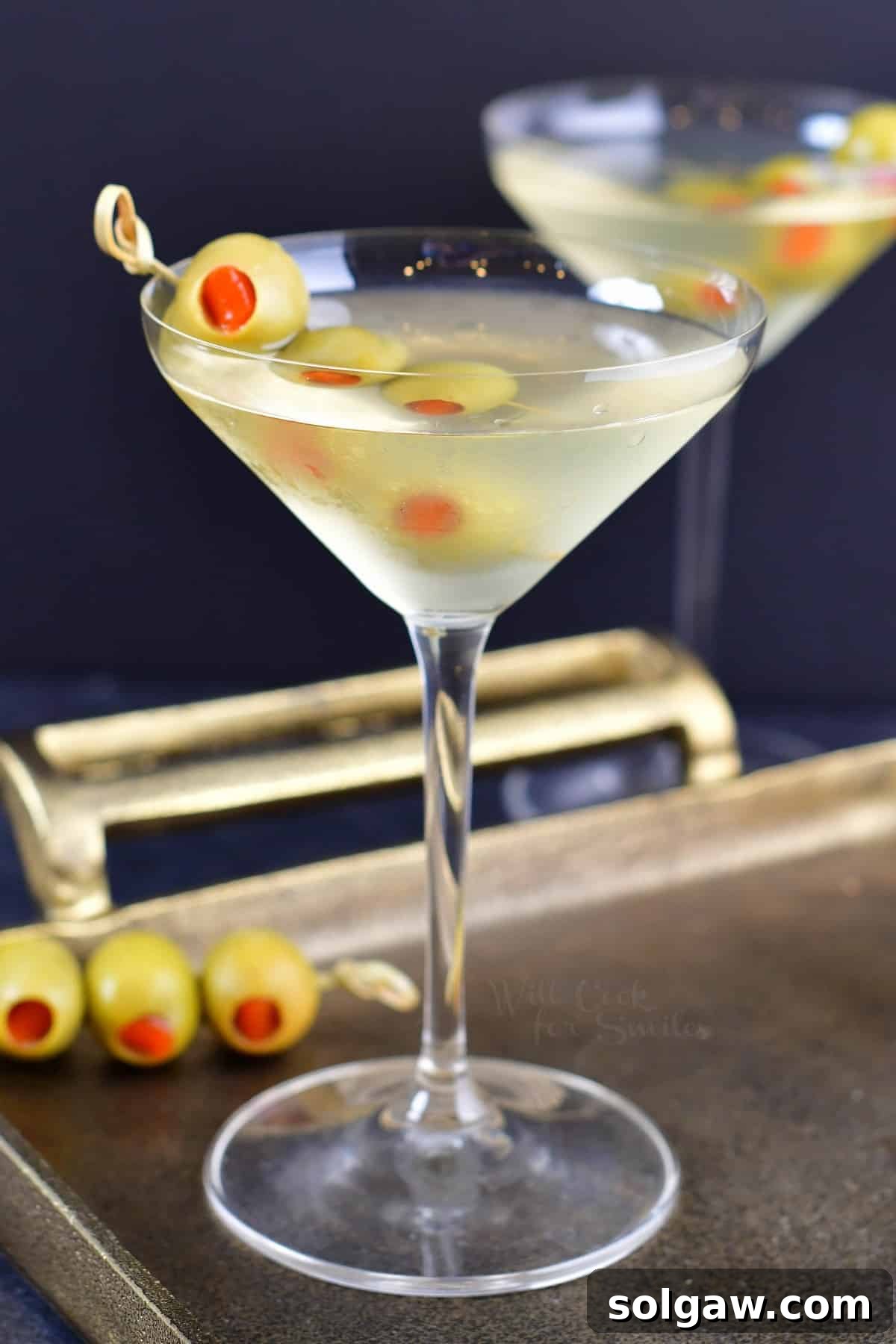
Table of Contents
Dirty Martini: A Timeless Classic
For many, the mention of a "martini" immediately conjures images of sophistication and timeless elegance. And while purists might argue that a true martini is made exclusively with gin, the vodka-based Dirty Martini has carved its own significant niche in cocktail culture, becoming equally iconic and undeniably classic in its own right. Its widespread popularity proves that taste preferences evolve, and a fantastic cocktail transcends strict definitions.
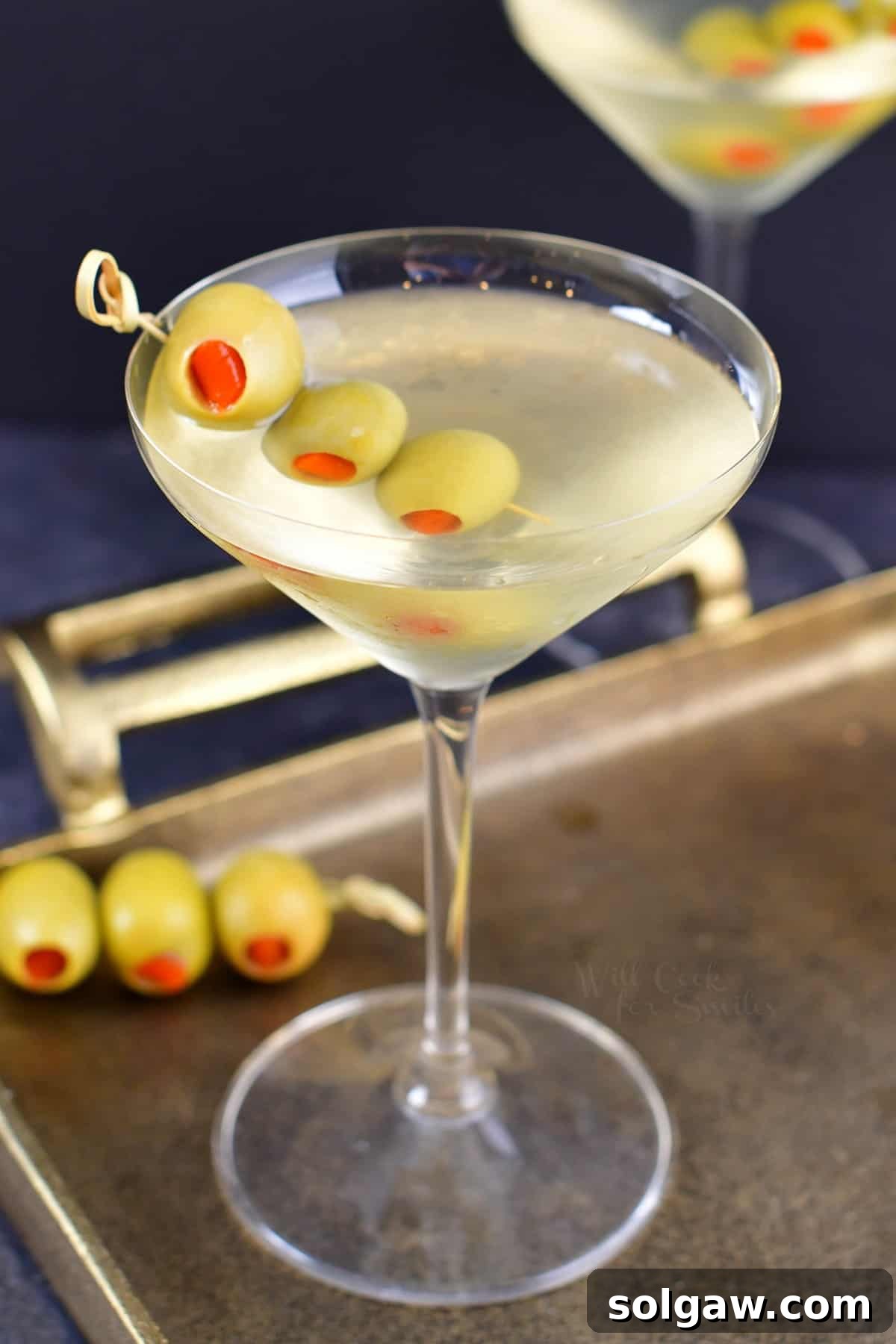
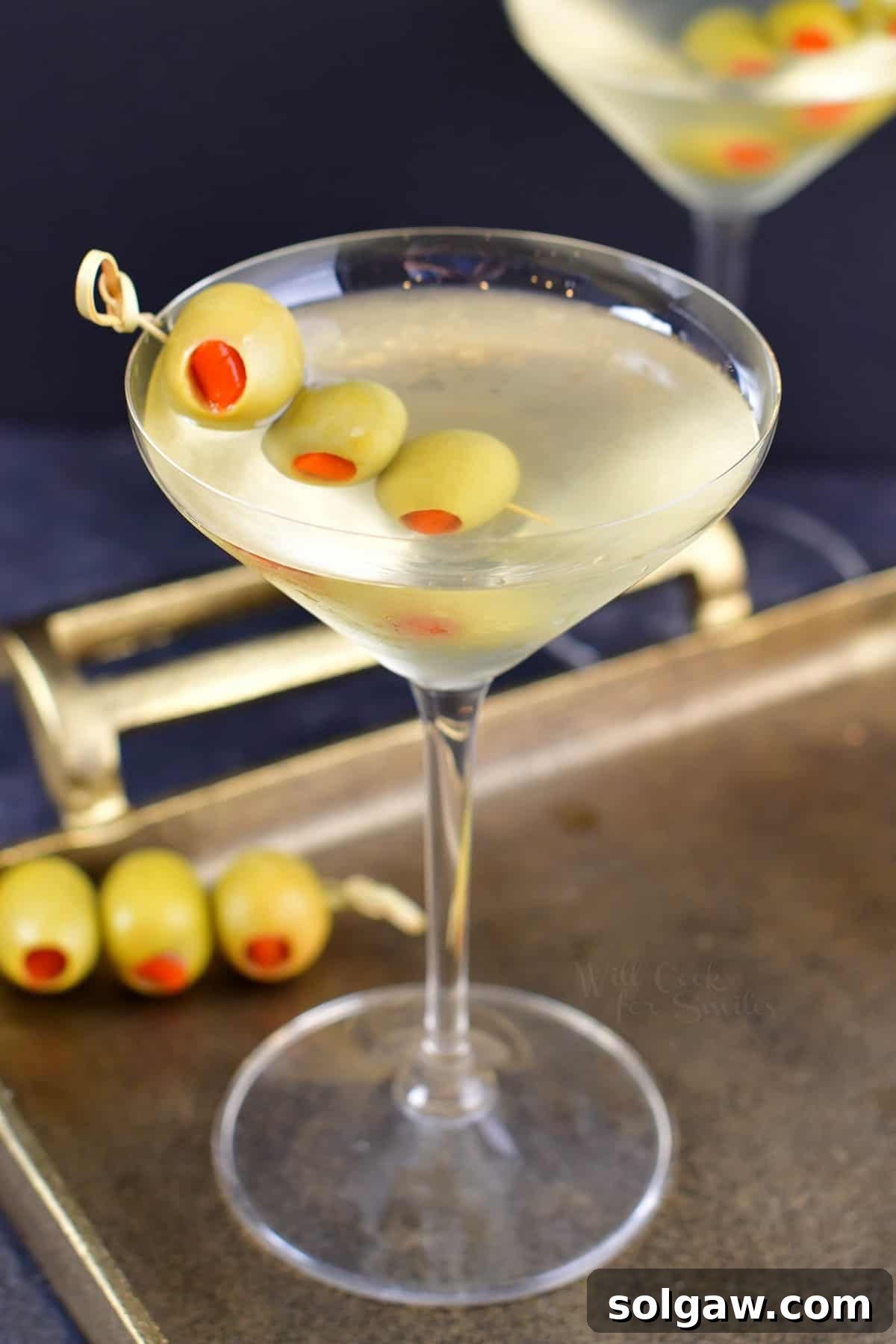
Indeed, whether crafted with gin or vodka, the martini is celebrated as one of the most recognizable and enduring cocktails ever created. The Dirty Martini, in particular, stands out among its many variations for its distinct savory character, making it a highly sought-after choice. Its cloudy appearance and sharp, briny kick offer a refreshing departure from sweeter or more aromatic cocktails. While I certainly appreciate the creative array of dessert martinis the world offers (like a rich Espresso Martini or decadent Chocolate Martini), there's a unique pleasure in preparing and savoring a perfectly executed Dirty Martini, complete with its characteristic olive garnish.
This tried-and-true classic cocktail is remarkably straightforward to prepare at home, requiring only three key ingredients. Its simplicity belies its complex, satisfying flavor. The beauty of making your own Dirty Martini is the freedom to customize it to your liking. So, feel empowered to add an extra olive or two – you'll likely want them to complement that delightful briny essence!
Essential Ingredients for Your Perfect Dirty Martini
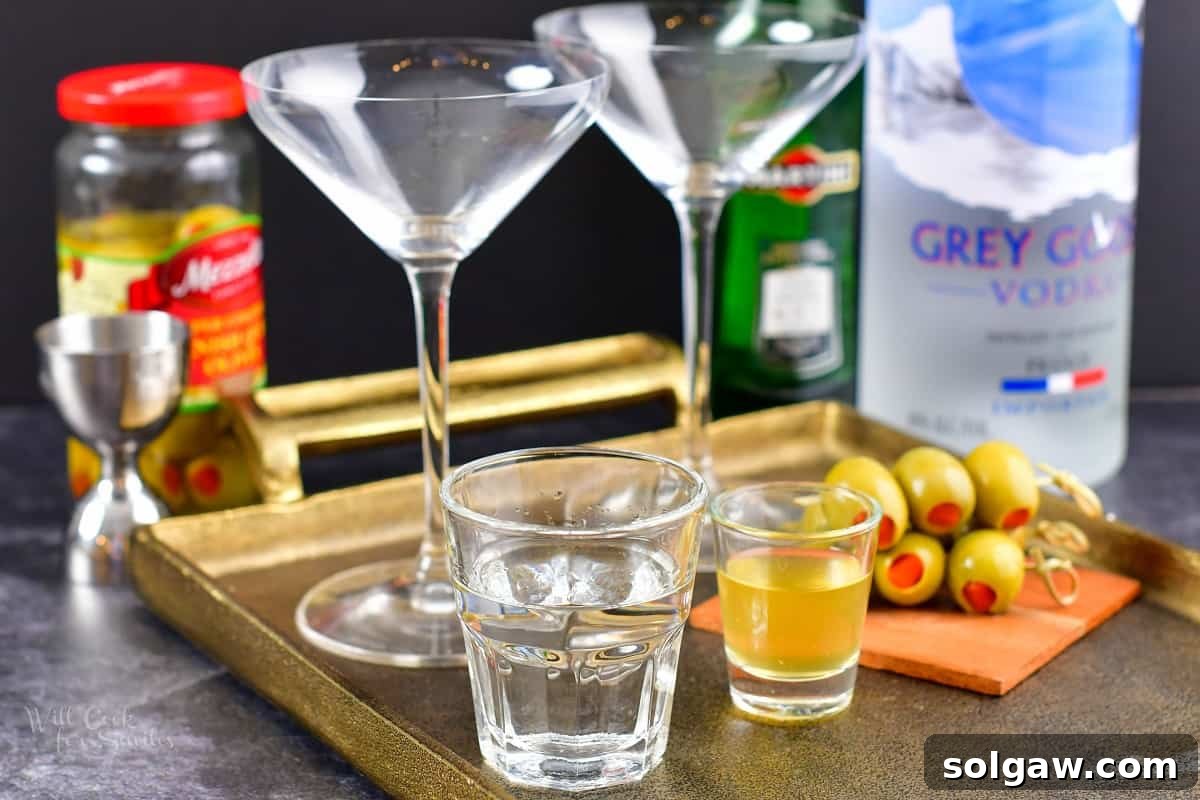
Creating an exceptional Dirty Martini hinges on selecting high-quality ingredients. Each component plays a crucial role in achieving the desired balance of crispness, salinity, and subtle herbal notes.
- Dry Vermouth: This recipe specifically calls for dry vermouth, which is a fortified wine, distinctly different from its sweeter counterpart. Always double-check the label to ensure you have the correct type, as sweet vermouth would drastically alter the cocktail's flavor profile. An old trick taught by seasoned bartenders involves coating the glass with vermouth before adding the other ingredients. This subtle rinse imparts a delicate aromatic layer that enhances the overall drinking experience. While it makes a noticeable difference to the connoisseur, if you find yourself without dry vermouth, the cocktail can technically still be made, though it will lack a layer of its traditional complexity. Remember to store opened vermouth in the refrigerator, as it is wine-based and can spoil over time.
- Vodka: The quality of your vodka is paramount for a Dirty Martini, as it forms the very foundation of the drink. Using a sub-par vodka will quickly detract from the experience, leading to a harsh taste. Invest in a good quality vodka that is smooth and clean, as its flavor will be prominent. Top-shelf options like Grey Goose, Ciroc, Kettle One, or Belvedere are excellent choices for their refined character. For those seeking great value without compromising taste, Tito's or Kirkland Signature (Costco's house brand) are surprisingly smooth and widely recommended. The goal is a neutral spirit that allows the vermouth and olive brine to shine without introducing any unwanted sharpness.
- Olive Brine: The "dirty" element of this martini comes directly from the brine, or liquid, in which olives are preserved. For the best flavor, I highly recommend using brine from a jar of classic green olives, ideally Manzanilla olives, whether they are stuffed with pimentos or unstuffed. These olives provide a clean, consistent, and perfectly salty brine. While you can certainly experiment with different stuffed olives for garnish – such as blue cheese-stuffed or even bacon-infused olives – these specialty brines are often too potent or flavored to be suitable for mixing into the drink itself. The brine's saltiness complements the vodka beautifully, adding a unique umami depth and a pleasant aromatic quality to the cocktail. Adjust the amount of brine to your personal taste, starting with the recommended measure and adding more if you prefer a "extra dirty" martini.
- Olives (for garnish): Beyond the brine, whole olives are essential for garnish. Classic pimento-stuffed or unstuffed green olives are traditional, but feel free to get creative with your garnish. Blue cheese-stuffed olives or even a lemon twist can add another layer of flavor and visual appeal, making each sip a complete sensory experience.
Crafting Your Dirty Martini: A Step-by-Step Guide
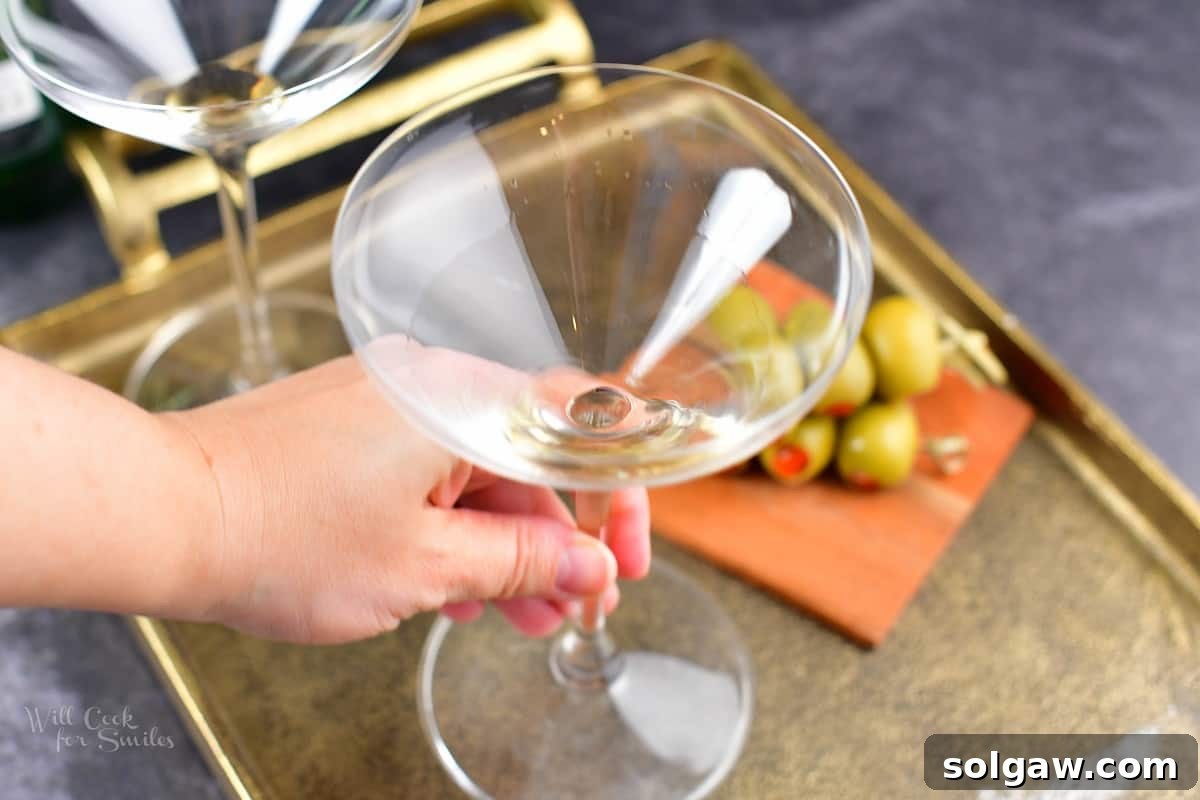
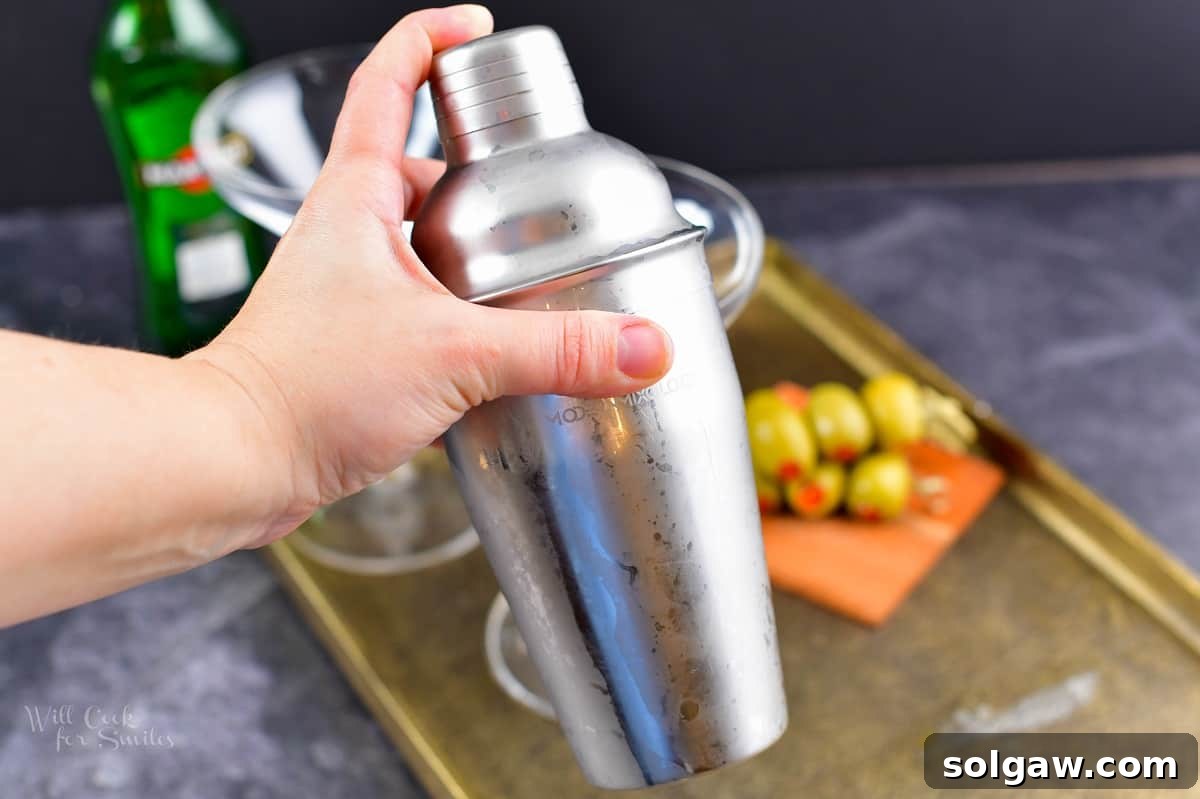
Creating a Dirty Martini is a simple yet satisfying process that requires attention to a few key details to ensure a perfectly chilled and flavorful drink.
Step 1: Prepare the Glass (Crucial for Chill)
For the optimal martini experience, chilling your serving glass is paramount. Begin by adding a few ice cubes to your martini glass, then fill it with cold water. Let the glass sit and chill thoroughly while you prepare the cocktail. This simple step ensures your martini stays colder for longer, preventing rapid dilution and maintaining its crisp, refreshing temperature. A properly chilled glass is a hallmark of a well-made martini.
Step 2: Mix and Shake Your Cocktail
Next, fill a cocktail shaker with fresh ice. Pour in your chosen good quality vodka and the desired amount of olive brine. The ratio of brine to vodka can be adjusted to personal preference – more brine for an "extra dirty" martini, less for a more subtle briny hint. Secure the lid of the shaker tightly to prevent any spills and shake vigorously for approximately 15-20 seconds. This vigorous shaking not only chills the ingredients rapidly but also helps to perfectly combine and slightly aerate the vodka and olive brine, giving the Dirty Martini its characteristic cloudy appearance and well-integrated flavor.
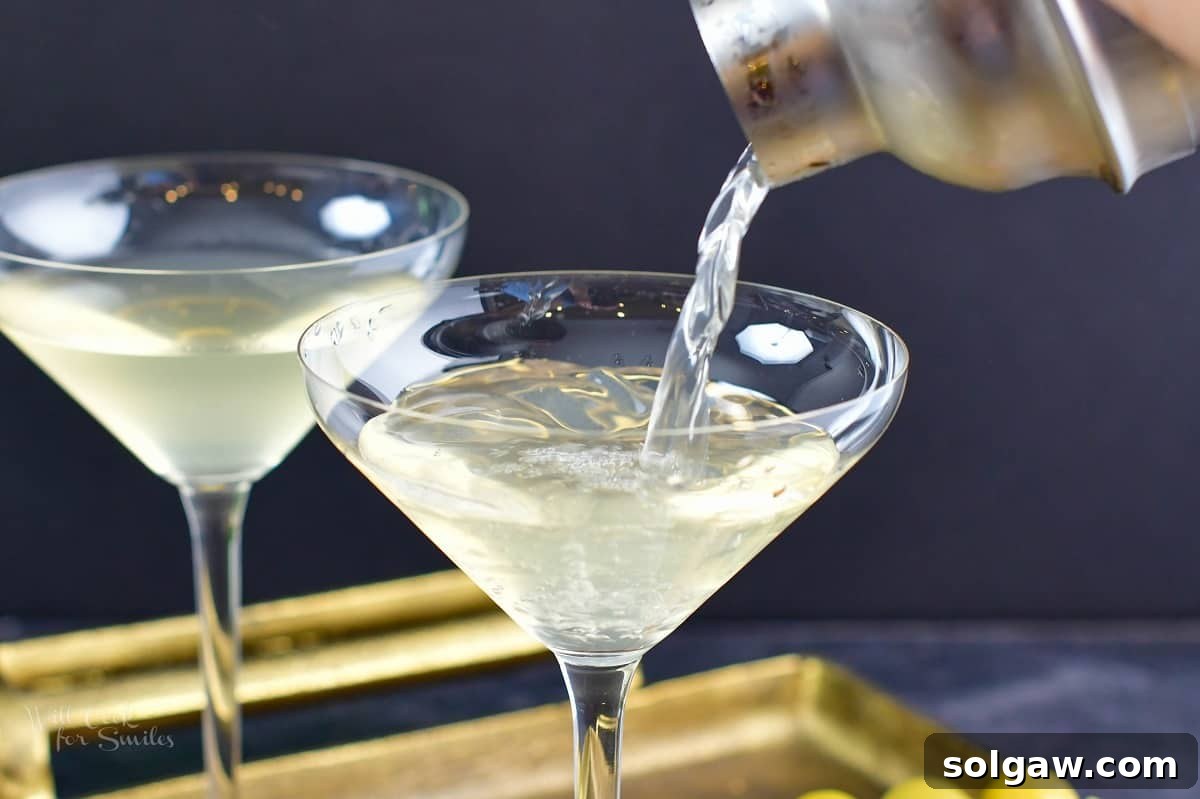
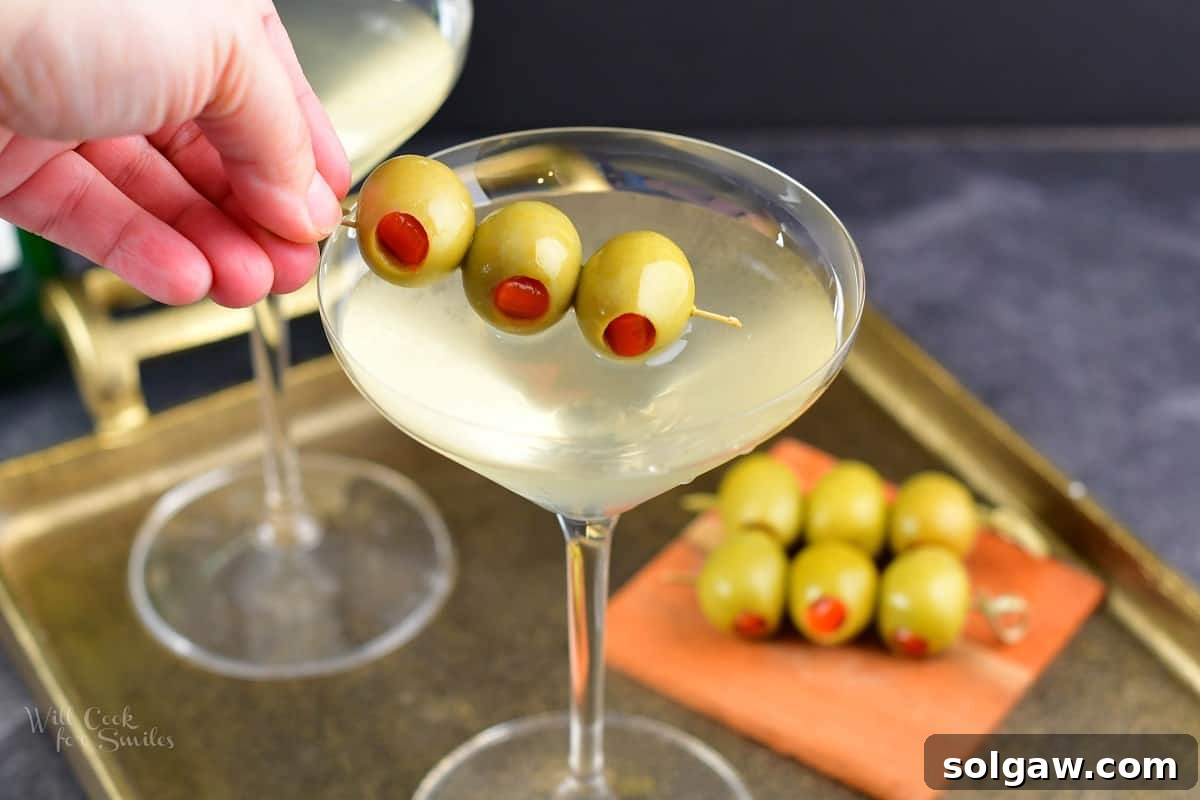
Step 3: The Vermouth Rinse and Final Serve
Once your cocktail is shaken and your glass is well-chilled, discard the ice water from the glass. Add just a splash of dry vermouth to the now empty, chilled glass. Gently swirl the vermouth around the inside of the glass to coat the surfaces, then pour out any excess. This vermouth rinse leaves behind a subtle aromatic essence without overwhelming the drink. Finally, pour the chilled cocktail from the shaker into the prepared glass through a strainer, ensuring no ice shards make their way into your pristine martini. Garnish generously with two or three olives of your choice, speared on a cocktail pick if desired. Your perfectly crafted Dirty Martini is now ready to be savored!
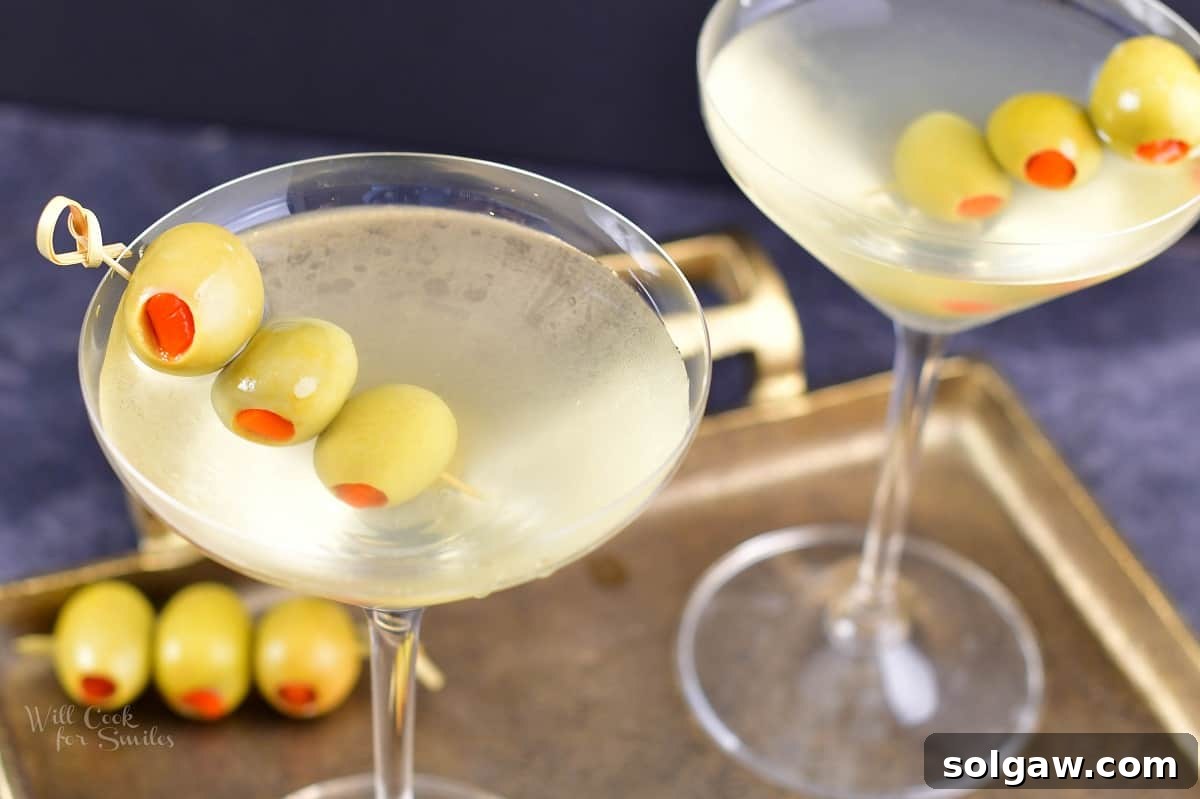
Shaken, Not Stirred? The Martini Method Debate
The question of whether a martini should be shaken or stirred is one of the most enduring debates in the world of cocktails, often popularized by fictional characters like James Bond. While traditionalists staunchly advocate for stirring classic gin or vodka martinis, the method for a Dirty Martini, particularly a vodka-based one, often warrants a different approach.
The distinction lies in the desired outcome. Stirring a cocktail with ice is designed to chill it with minimal dilution and to maintain its clarity. This method is generally preferred for spirit-forward drinks like traditional gin and vodka martinis, as it preserves the delicate aromatic oils and texture of the liquor. Stirring simply chills the liquid without introducing air, resulting in a smooth, viscous drink.
Shaking, conversely, serves multiple purposes. When a cocktail is shaken vigorously, it not only chills the ingredients rapidly but also aerates them, resulting in a frothy texture and a slightly cloudy appearance. This technique also introduces a bit more dilution compared to stirring. For certain cocktails, like an Espresso Martini or any drink containing fruit juices, cream, or egg whites, shaking is essential to emulsify ingredients and create that desirable frothy head.
For a Dirty Martini, where olive brine is a key ingredient, shaking is often recommended, especially when using vodka. The vigorous action helps to thoroughly integrate the brine with the vodka, creating the drink's signature "dirty" or cloudy consistency. It also ensures the savory and salty notes are evenly distributed throughout the cocktail. While a classic gin or vodka martini is typically stirred to maintain its pristine clarity and potency, the inclusion of olive brine in a Dirty Martini means that a little aeration and blending from shaking actually enhances its unique character. Ultimately, while tradition dictates stirring for pure spirit martinis, shaking a Dirty Martini is a perfectly acceptable and often preferred method to achieve its distinct flavor and visual appeal.
The Rich History of the Dirty Martini
The Dirty Martini, with its distinctive cloudy appearance and savory kick, boasts a history as intriguing as its flavor. While the classic martini's origins are somewhat murky, the Dirty Martini's creation is more clearly attributed. It is widely believed that the very first Dirty Martini was concocted in 1901 by a bartender named John E. O'Connor at the renowned Waldorf Astoria in New York City. Initially, O'Connor's innovation involved serving a regular martini with muddled olives, an early attempt to introduce a briny element to the drink.
However, it was his subsequent experimentation that truly birthed the "dirty" variation we know today. By adding olive brine – the liquid from the olive jar – to the cocktail, he created a drink with a noticeably cloudy consistency and a profound salty, savory flavor that instantly inspired its playful and descriptive name. This simple addition transformed the martini, offering a bold new dimension to the classic.
In its early days, this captivating cocktail was often prepared with either gin or an equal blend of gin and vodka. As the 20th century progressed and vodka's popularity surged, the Dirty Martini began to lean more towards a vodka base, becoming the predominant choice for many enthusiasts. The drink quickly gained massive popularity, even becoming a celebrated favorite of prominent figures, including President Franklin D. Roosevelt, further cementing its status in American cocktail culture.
To this day, the Dirty Martini remains one of the most frequently requested martini cocktails at bars worldwide, holding its own against the array of sweeter, fruit-based "tinis" that have emerged over the years. Its enduring appeal lies in its sophisticated blend of saltiness, slight bitterness, and strong spirit. For those who appreciate the botanical notes of gin, trying a Dirty Martini with equal parts gin and vodka, or even just gin, is a fantastic way to experience a different yet equally classic interpretation of this beloved cocktail. The beauty of the Dirty Martini lies in its versatility and its steadfast popularity, ensuring its place as a cornerstone of cocktail menus for generations to come.
Frequently Asked Questions About the Dirty Martini
When it comes to a spirit-forward cocktail like a Dirty Martini, where vodka is a primary ingredient, the quality of your vodka significantly impacts the final taste. You want a smooth, clean spirit that won't overpower the subtle notes of vermouth and olive brine. Some of my favorite premium vodkas that deliver excellent results include Grey Goose, Ciroc, Crystal Head, Ketel One, Belvedere, and Ocean Vodka. These brands are known for their meticulous distillation processes, resulting in a very smooth finish. If you're looking for great taste on a more modest budget, options like Tito's Handmade Vodka are fantastic and widely available. Kirkland Signature vodka from Costco also consistently receives high praise for its quality and affordability, offering a smooth base without breaking the bank. Choosing any of these will ensure your Dirty Martini has a clean, crisp foundation.
The addition of olive brine is precisely what transforms a classic martini into a "dirty" martini, and for many, it's the very best part! The brine introduces a distinctive salty, savory, and slightly umami flavor that beautifully complements the crispness of the vodka or gin. This unique salinity helps to round out the alcohol's edge and adds a complex aromatic element to the cocktail, creating a depth of flavor that is both intriguing and incredibly satisfying. The brine also contributes to the drink's signature cloudy appearance. If you find the taste of olive brine initially overwhelming, you can certainly reduce the amount you add. However, remember that the true essence of a Dirty Martini lies in its delicious, briny character. Experiment with the quantity to find your perfect balance of "dirty" goodness.
Absolutely, yes! While many modern Dirty Martinis are made with vodka, a gin-based Dirty Martini is a completely valid and historically accurate choice. The decision between gin and vodka is based purely on personal preference. Gin introduces complex botanical notes – think juniper, citrus peel, and various herbs – which interact differently with the olive brine compared to the more neutral profile of vodka. Some people adore the marriage of gin's aromatics with the brine's salinity, finding it adds an extra layer of complexity and sophistication. Others prefer vodka for a cleaner, more direct briny flavor. If you're new to gin martinis but curious, a great way to start is by using half vodka and half gin. This creates a smoother, more approachable flavor profile that allows you to experience the gin's character without it being too dominant. Ultimately, there's no wrong answer; experiment to discover your preferred spirit for this classic cocktail.
Beyond the Dirty Martini: Other Classic Cocktails to Explore
Once you've mastered the art of the Dirty Martini, a world of other intriguing cocktails awaits. Expanding your repertoire can introduce you to new flavor profiles and expand your appreciation for mixology. Here are a few more martini-style and classic cocktails worth trying:
- Pear Martini: A delightfully fruity and smooth cocktail, often made with pear vodka or pear nectar, offering a sweet and elegant alternative to traditional martinis. It's a fantastic choice for those who enjoy lighter, more refreshing drinks.
- Lemon Drop Martini: A vibrant, sweet-and-sour cocktail that is both refreshing and invigorating. Made with vodka, lemon juice, and triple sec, it's often served with a sugar-rimmed glass for an extra touch of sweetness.
- Lime Martini: A zesty and tangy green drink that's perfect for citrus lovers. This martini typically combines vodka with fresh lime juice, often with a hint of sweetness, offering a crisp and bright flavor profile.
- Washington Apple Martini: A subtly sweet and fruity cocktail featuring Canadian whisky, green apple schnapps, and cranberry juice. It’s a beautifully balanced drink with a distinct apple flavor, making it a popular choice for many occasions.
- Manhattan Cocktail: While not a martini, this is another true cocktail classic. Made with whiskey, sweet vermouth, and bitters, the Manhattan is a spirit-forward, sophisticated drink known for its rich, complex flavor and warming finish. It's a must-try for any serious cocktail enthusiast.
Each of these cocktails offers a unique experience, from fruity and sweet to strong and savory, proving the vast versatility of the cocktail world.
PIN THIS IMAGE FOR LATER
DID YOU MAKE THIS RECIPE? PLEASE leave a 🌟 star rating! Let me know how you liked it by leaving a 📝 comment below or share and tag me on social media @willcookforsmiles. DON’T FORGET to subscribe to my newsletter!
Dirty Martini Recipe Card
Print
Pin
Rate
Ingredients
- splash dry vermouth
- 3 oz good quality vodka
- 3/4-1 oz olive brine from the jar of olives
- olives as garnish
- ice to shake
Instructions
-
To chill the glass: Add a few ice cubes to a martini glass and then fill it with cold water. Let the glass chill while you prepare the cocktail.
-
Add some ice into the cocktail shaker and pour in vodka and olive brine. Close the shaker well and shake vigorously for a few seconds.
-
Discard iced water from the martini glass and add a splash of dry vermouth to the glass. Swirl the vermouth around the glass and pour it out.
-
Pour the vodka cocktail into the glass through the strainer and garnish with some olives.
Notes
- Dry Vermouth – This recipe calls for dry vermouth, not sweet vermouth. Double check the label before you make your purchase! Remember to store it in the refrigerator after opening.
- Vodka – Use a good quality vodka! A high-quality spirit ensures a smooth drink and won't be masked by the olive brine.
- Olive Brine – I highly recommend using brine from a jar of classic green olives (pimento-stuffed or unstuffed). Avoid flavored brines for mixing.
Nutrition
Originally published on Will Cook For Smiles in April, 2022.