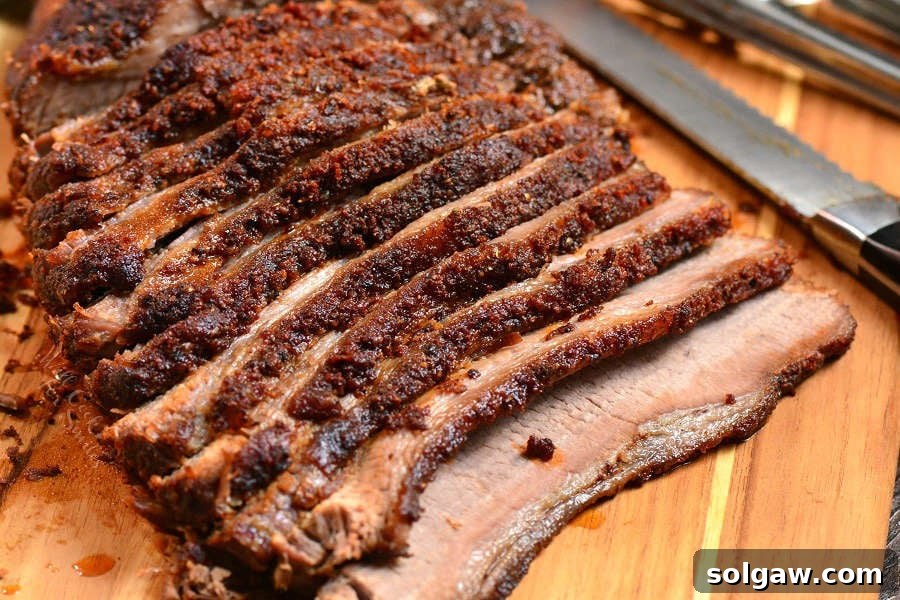
Mastering Oven-Baked Beef Brisket: Your Guide to Tender, Juicy Perfection
Craving that melt-in-your-mouth, fall-apart tender Texas-style smoked brisket but don’t own a smoker? You’re in luck! This comprehensive guide will show you how to achieve an unbelievably juicy and flavorful beef brisket right in your oven. Forget complicated techniques; we’ll focus on a simple yet incredibly effective method, utilizing an amazing dry rub and the power of low-and-slow oven cooking to transform a tough cut of meat into a culinary masterpiece. Get ready to impress your family and friends with a brisket that rivals the best BBQ joints, all from the comfort of your kitchen.
To truly elevate your brisket, a fantastic dry rub is essential. I highly recommend my ultimate Dry Rub recipe – it’s a game-changer for this brisket and many other meats. If you’re a fan of succulent beef, you might also enjoy making corned beef brisket in the oven for a different flavor profile, or explore the rich tastes of my French Onion Beef Brisket. Each offers a unique and satisfying experience, but today, we’re focusing on the classic, irresistible oven-baked brisket.
Understanding Beef Brisket: The Cut and Its Culinary Potential
Beef brisket is a unique and often misunderstood cut of meat, originating from the lower chest or breast section of a cow. This area is heavily muscled, supporting a significant portion of the animal’s weight, which means it contains a substantial amount of connective tissue. This characteristic toughness, while intimidating to some, is precisely what makes brisket so rewarding when cooked correctly. The secret lies in a slow and low cooking process, which gradually breaks down the collagen in the connective tissue, transforming it into rich, gelatinous tenderness. This lengthy cooking method is not just about softening the meat; it’s about unlocking its deep, beefy flavor and creating that signature succulent texture.
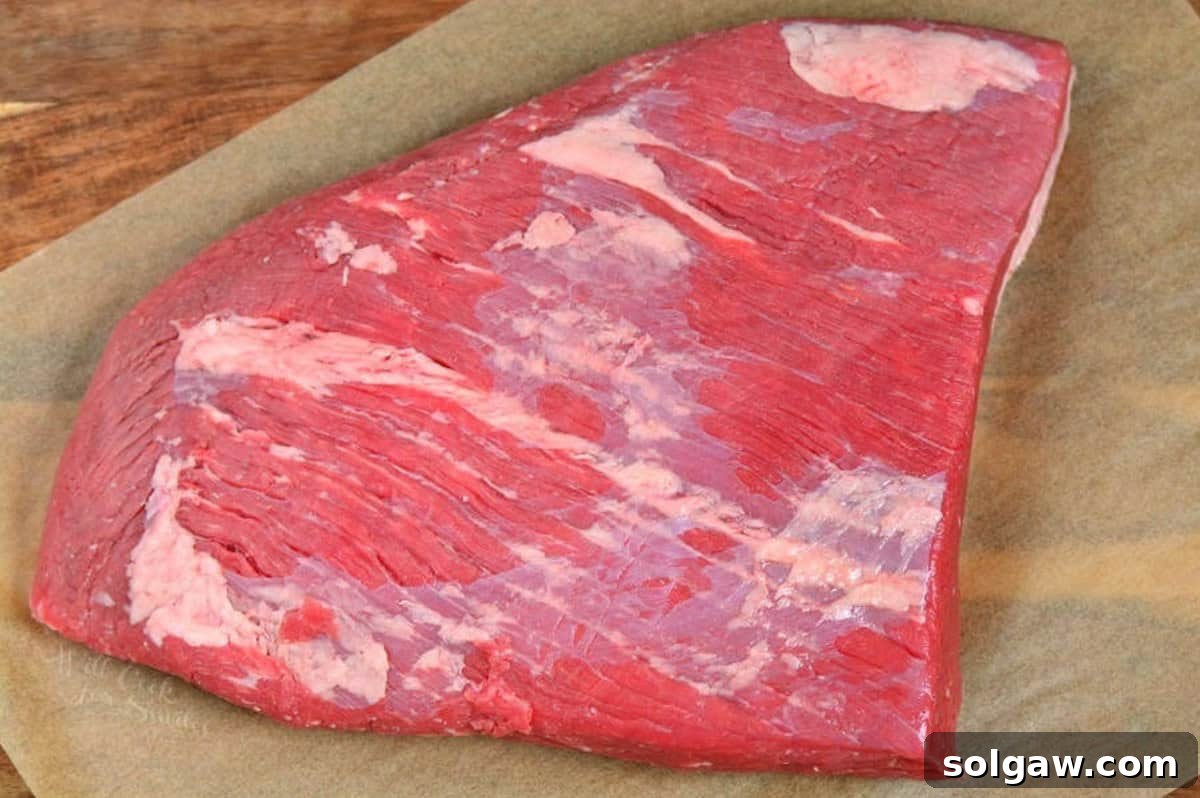
A whole beef brisket is typically comprised of two distinct parts: the “flat” and the “point.” The flat cut, also known as the “first cut,” is leaner, flatter, and more rectangular. It contains very little fat marbled within the meat itself, though it usually has a thin layer of fat on one side, known as the fat cap. This cut is excellent for slicing and is often what you’ll find pre-packaged in most grocery stores.
The “point” cut, or “second cut,” is much fattier and more irregularly shaped. It’s richly marbled with intramuscular fat, giving it incredible moisture and flavor. When cooked as part of a whole brisket, the fat from the point slowly renders and bastes the leaner flat, infusing it with unparalleled juiciness. Unfortunately, obtaining a whole packer brisket (both flat and point together) can be challenging outside of specialty butcher shops or wholesale clubs. Most supermarkets carry only the flat cut due to its versatility and ease of preparation for home cooks.
For this oven-baked recipe, we will primarily focus on preparing the flat cut, as it is the most accessible option. When selecting your brisket flat, aim for one with a decent fat cap still intact. This fat cap is crucial; as it slowly renders in the oven, it bastes the meat, preventing it from drying out and contributing significantly to the brisket’s overall moisture and flavor. While a smoker will always yield the most authentic Texas-style brisket with its characteristic smoke ring and bark, this oven method delivers an incredibly close, equally delicious result that is perfect for any home kitchen. It’s a testament to the fact that you don’t need specialized equipment to achieve extraordinary flavor.
Step-by-Step Cooking Instructions for Incredibly Juicy Oven Brisket
Achieving a perfectly tender and juicy oven-baked brisket requires patience and adherence to a few key steps. The process begins a day before you plan to cook, allowing ample time for the flavors to meld and the meat to tenderize. Trust me, this overnight step is non-negotiable for the best results!
Preparation: The Day Before
The magic of this brisket starts long before it ever sees the inside of your oven. This crucial preparatory stage ensures maximum flavor penetration and sets the stage for unparalleled tenderness.
- **Craft Your Dry Rub:** First, prepare your favorite dry rub. This typically takes just a few minutes and is the backbone of your brisket’s flavor profile. My Ultimate Dry Rub recipe is fantastic, but feel free to use your preferred blend of spices, ensuring it’s well-balanced with salt, pepper, garlic powder, onion powder, paprika, and a hint of chili or cayenne for a kick.
- **Prepare the Brisket:** Carefully remove the brisket flat from its packaging. Lay it on a clean cutting board. Using paper towels, thoroughly pat the entire surface of the brisket dry. This step is vital for ensuring the dry rub adheres properly and creates a delicious crust.
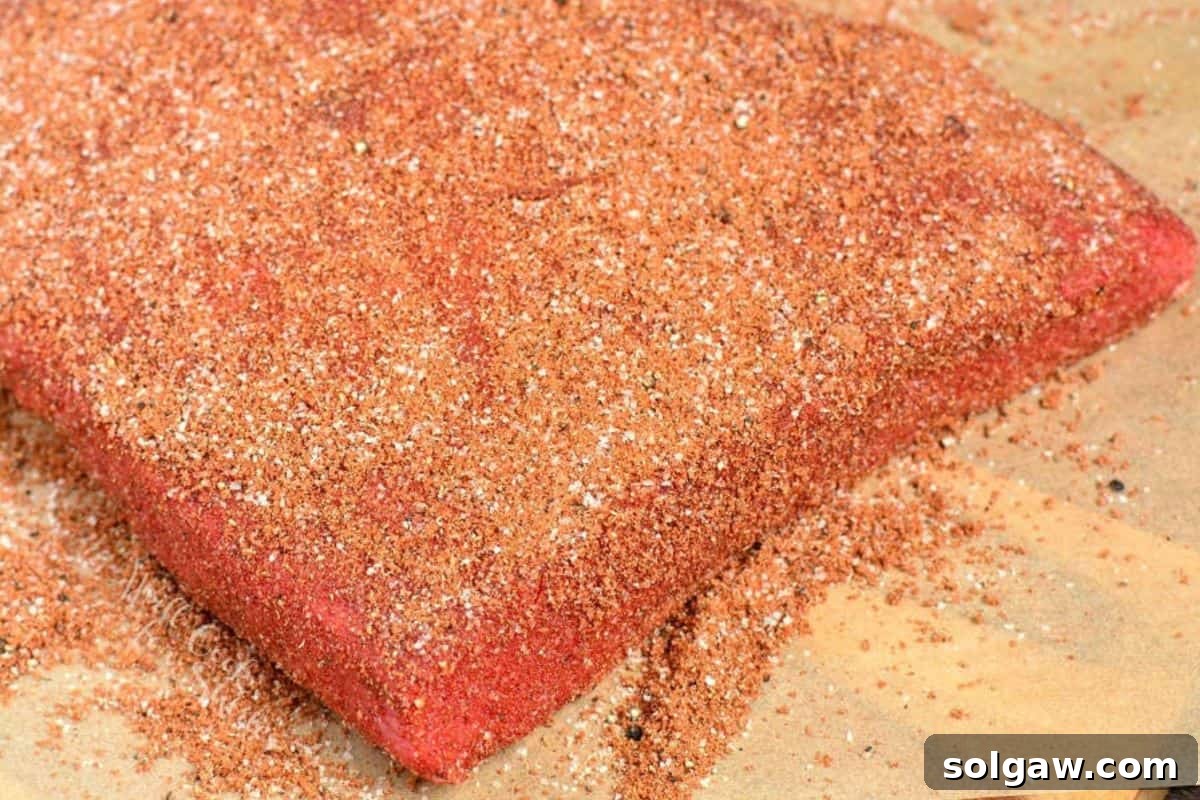
- **Apply the Dry Rub Generously:** Spread a generous, even layer of your dry rub over the top side of the brisket. Don’t be shy – this is where the flavor comes from! Massage the rub into every crevice, ensuring thorough coverage. Flip the brisket over and repeat the process on the other side, and don’t forget the edges. You want a robust, uniform coating of seasoning across the entire cut.
- **Wrap and Refrigerate:** Once fully seasoned, wrap the brisket tightly in a couple of layers of heavy-duty aluminum foil. Ensure it’s sealed securely to prevent any juices from leaking. Place the wrapped brisket in a shallow pan or dish before transferring it to the refrigerator. This catch-all measure prevents any potential drips from messing up your fridge.
- **Overnight Flavor Infusion:** Allow the brisket to marinate in the refrigerator for at least 8 hours, and ideally, overnight or up to 12 hours. This extended period allows the salt and spices to penetrate deep into the meat, breaking down muscle fibers and enhancing both flavor and tenderness.
- **Bring to Room Temperature:** Approximately one hour before you plan to begin cooking, remove the brisket from the refrigerator. Unwrap it and let it rest on the counter to come to room temperature. This step helps the brisket cook more evenly and prevents it from seizing up when it hits the heat of the oven.
Baking the Brisket: Low and Slow Perfection
The cooking phase is all about patience. Low heat and a long cooking time are the keys to a tender, juicy brisket.
- **Preheat Oven and Prepare Roasting Pan:** Preheat your oven to a steady 300°F (150°C). Place an oven rack in the center of a large roasting pan. Lay a couple of long sheets of heavy-duty aluminum foil crisscross over the rack, ensuring there’s enough overhang to loosely tent the brisket later. For easier cleanup, you can also line the bottom of the roasting pan with another layer of foil to catch any drippings.
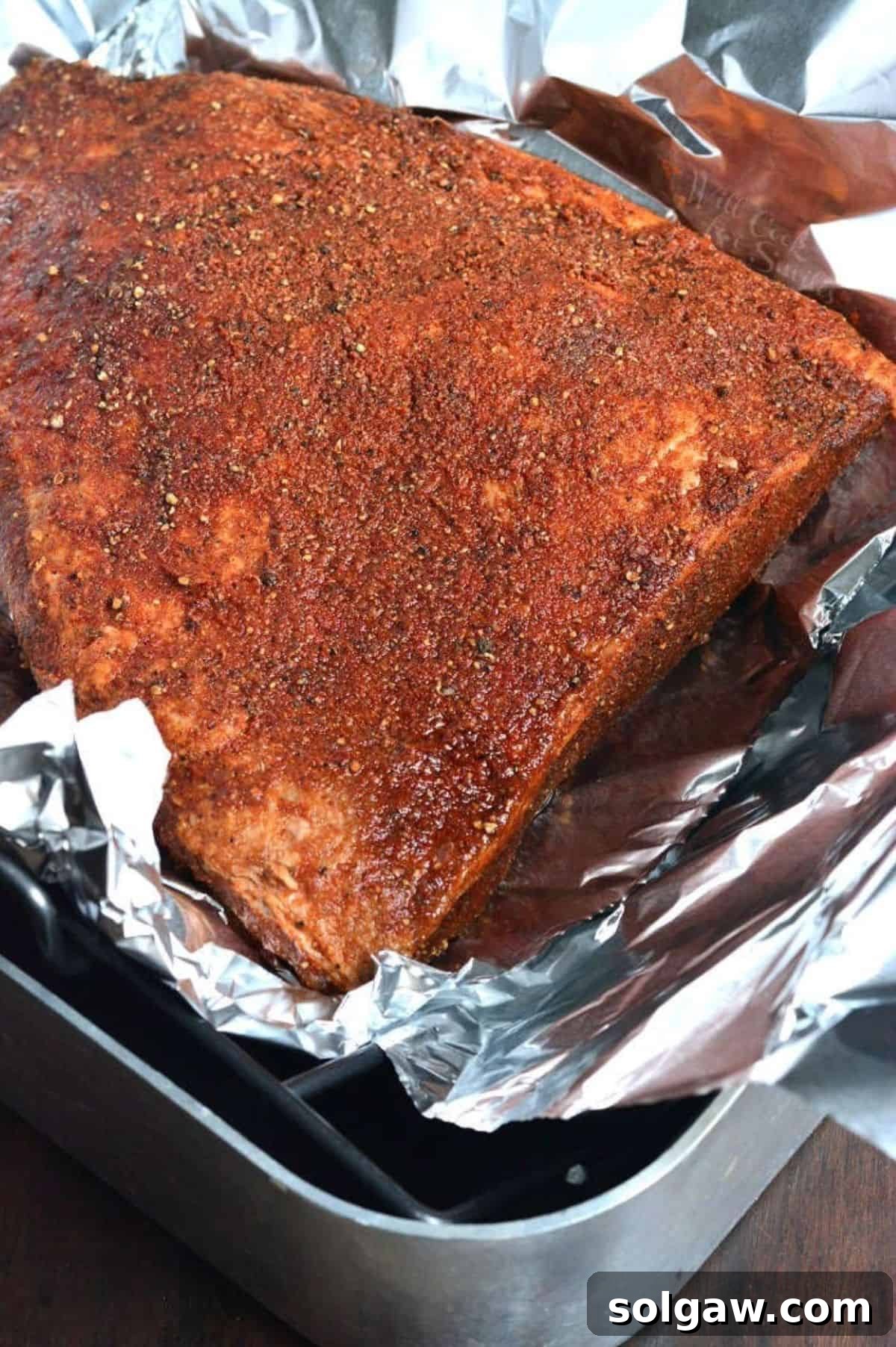
- **Position the Brisket:** Carefully place the brisket, fat cap up, in the center of the foil-lined roasting pan. Bringing the foil sheets together, loosely seal them around the brisket, creating a tent. It’s important not to wrap it too tightly; leave a little space between the foil and the meat for steam and air circulation, which aids in even cooking and rendering.
- **Initial Bake (The Long Haul):** Place the roasting pan in the preheated oven. Bake for approximately 1 hour and 15 minutes per pound of brisket. For example, a 4.5 lb brisket would cook for around 5 hours and 30 minutes. The internal temperature should reach about 180°F (82°C) at this stage. Cooking times can vary significantly based on the brisket’s thickness, fat content, and even oven calibration. To accurately monitor progress without constantly opening the oven, consider using a good quality leave-in meat thermometer. This helps prevent heat loss and ensures the brisket cooks consistently.
- **The “Stall” and How to Overcome It:** During the long cook, your brisket might hit a “stall” – a period where its internal temperature plateaus for an extended time. This is normal, caused by evaporative cooling as moisture leaves the meat. Resist the urge to increase the oven temperature. Patience is key; the temperature will eventually rise again. Using a meat thermometer will help you track this process without guessing.
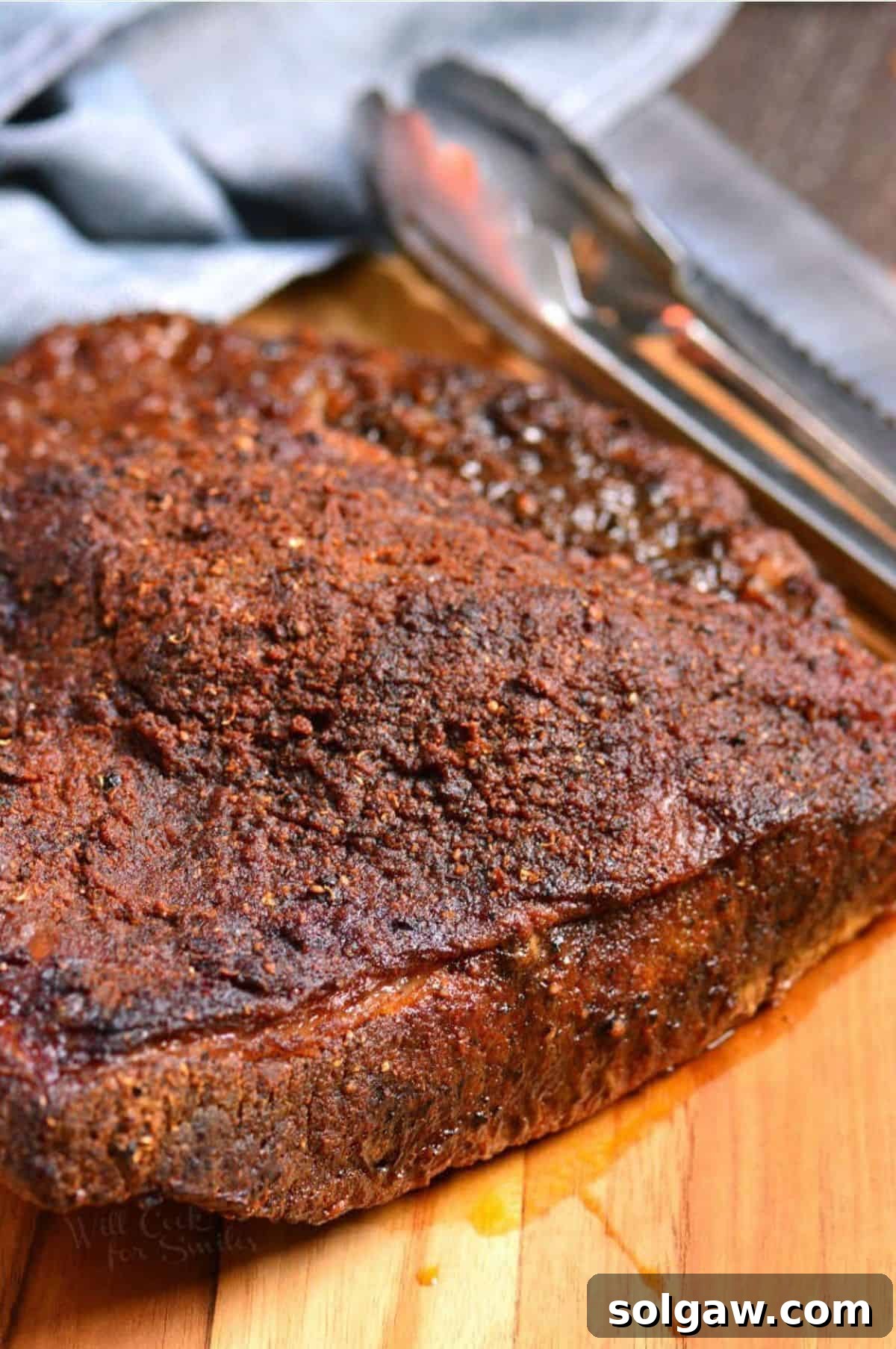
- **Second Bake for Tenderness (and a Hint of Bark):** Once the brisket reaches 180-185°F (82-85°C), carefully open the foil, exposing the top of the brisket. Return it to the oven and continue baking for another 45 minutes to an hour, or until the internal temperature reaches 200-202°F (93-94°C). This final uncovered period helps develop a slight “bark” on the surface, adding another layer of flavor and texture, while ensuring the collagen has fully broken down for ultimate tenderness.
Resting and Slicing: The Perfect Finish
Do not underestimate the importance of these final steps; they are critical for a truly juicy and tender brisket.
- **The Essential Rest:** Once the brisket reaches its target internal temperature, remove it from the oven and transfer it to a clean cutting board. Loosely tent it with a fresh sheet of aluminum foil. Let the brisket rest for at least 30 minutes, or even up to an hour for larger cuts. This resting period allows the muscle fibers to relax and the juices to redistribute throughout the meat, preventing them from Gushing out when sliced and ensuring every piece is incredibly moist.
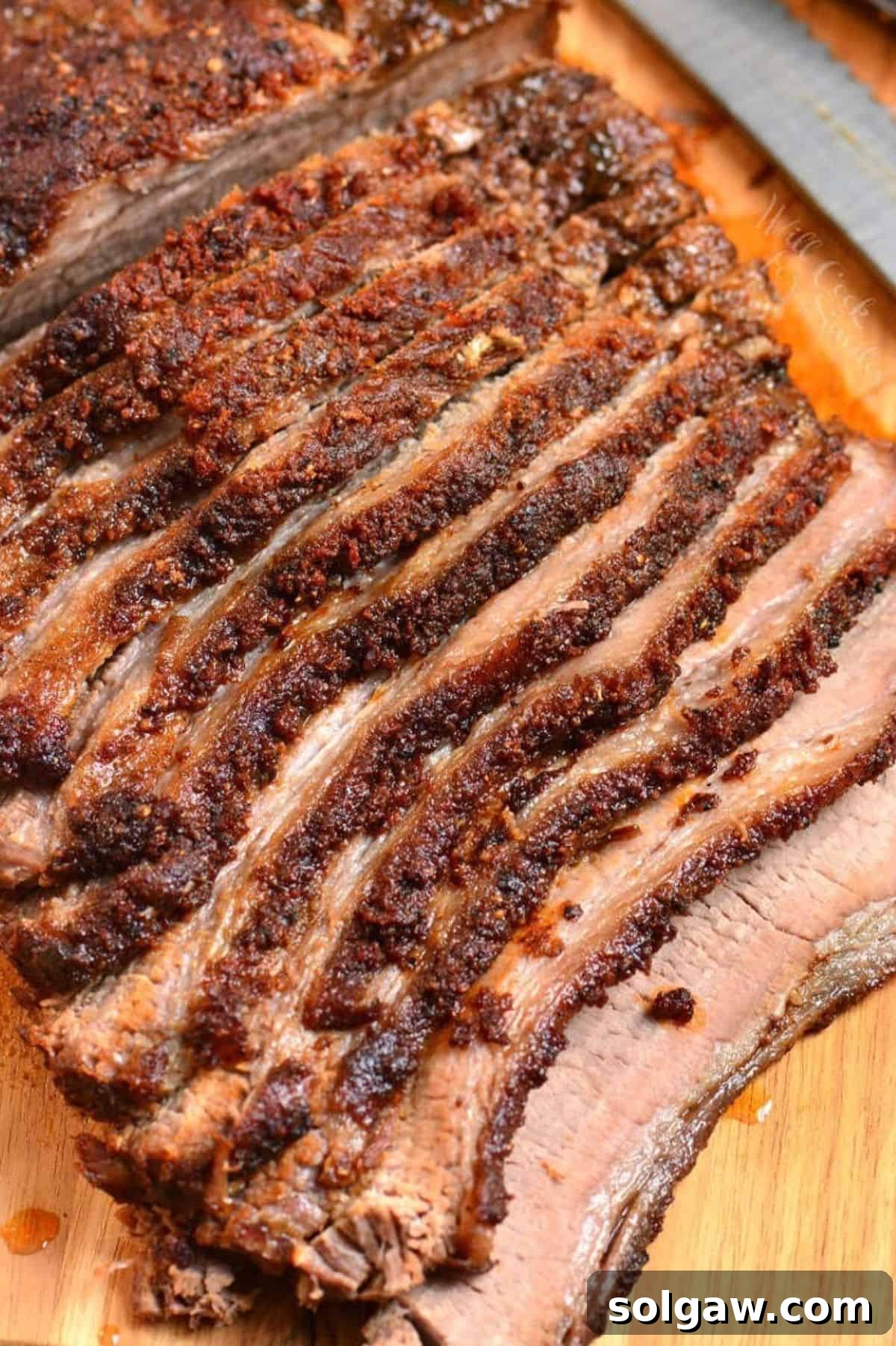
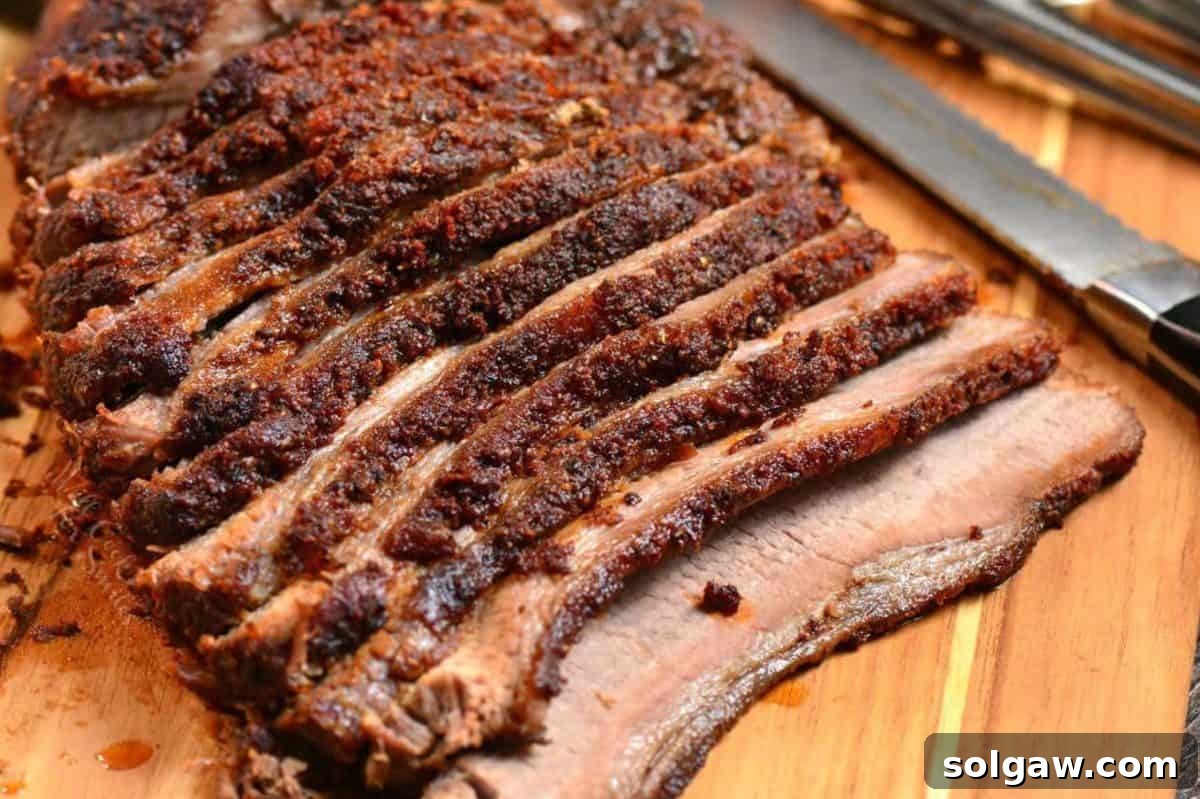
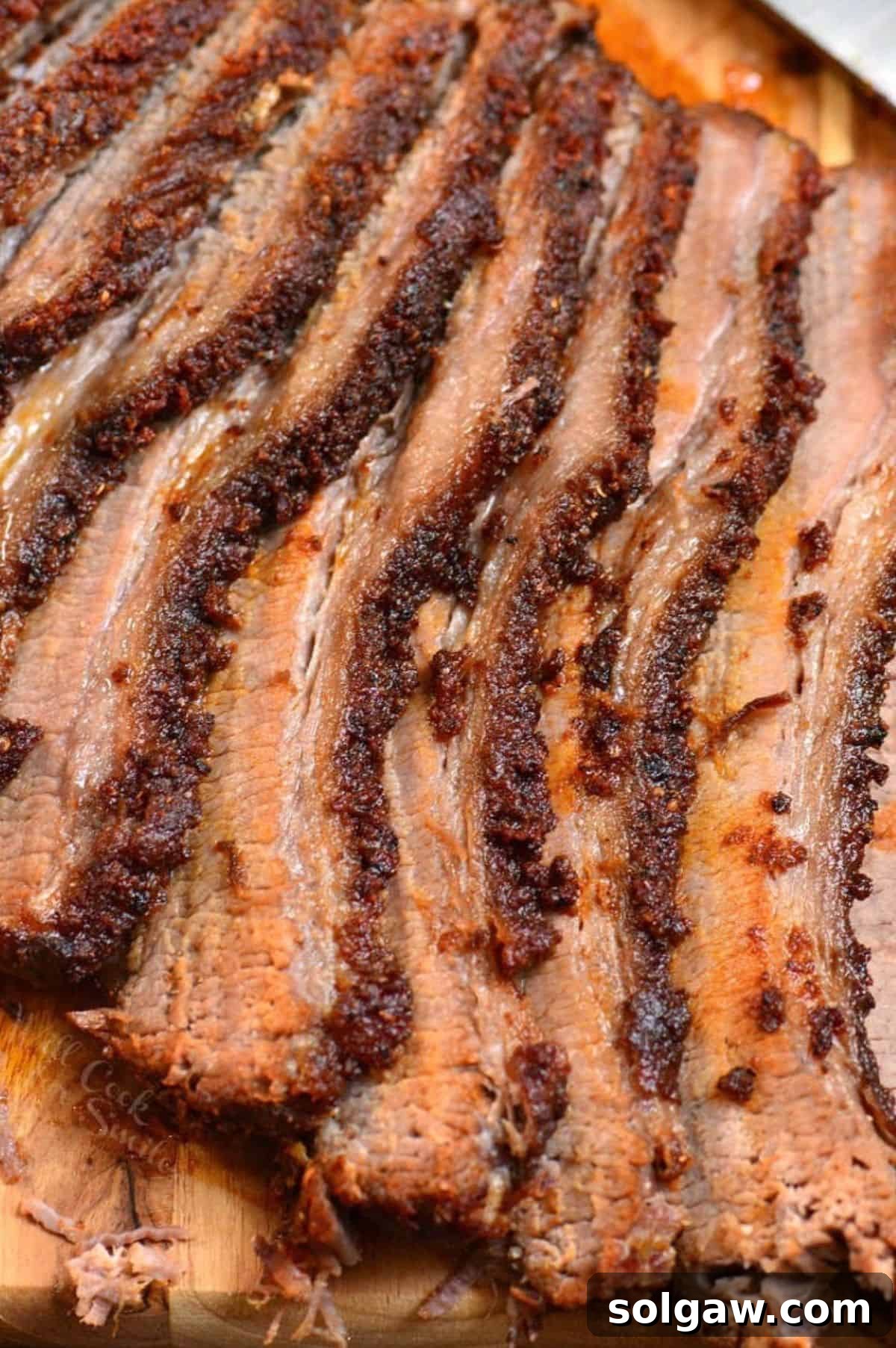
- **Slice Against the Grain:** Before slicing, take a moment to identify the “grain” of the meat – the direction in which the muscle fibers run. It’s crucial to cut the brisket against the grain. Slicing against the grain shortens the muscle fibers, making each bite much more tender and easier to chew. If you slice with the grain, even a perfectly cooked brisket can feel tough. Use a sharp slicing knife for clean, even cuts.
Determining Beef Brisket Serving Sizes and Accompaniments
Planning for a gathering can sometimes be tricky, especially when it comes to estimating how much meat you’ll need. For beef brisket, a general guideline is to plan for approximately 1/2 pound (about 225 grams) of uncooked meat per person. However, this is just a starting point, and several factors can influence the actual amount you’ll need.
The types of side dishes you serve play a significant role. If you’re offering lighter accompaniments like a fresh green salad, coleslaw, or simple grilled vegetables, your guests might eat more brisket. Conversely, if your spread includes hearty, filling sides such as creamy mashed potatoes, macaroni and cheese, baked beans, or cornbread, guests are likely to consume less of the main course. It’s also worth considering the appetite of your guests – a group of hungry adults will undoubtedly eat more than a mixed group with children.
From personal experience, I often find that recommended serving sizes feel a bit conservative. I prefer to err on the side of caution and typically buy an extra pound or two of meat. Having delicious brisket leftovers is always a welcome bonus; they can be transformed into incredible sandwiches, tacos, chili, or even breakfast hash. It’s far better to have a little extra than to run short and leave guests wanting more. When serving, consider slicing some brisket thinly for sandwiches and some thicker for a plate, offering versatility to your guests.
Storing Leftover Brisket for Future Enjoyment
Proper storage is key to preserving the deliciousness of your leftover brisket. After all the effort you’ve put into cooking it, you want to ensure it remains moist and flavorful for subsequent meals.
Once your cooked brisket has cooled to room temperature (this is important to prevent bacterial growth and steaming inside the wrapping), slice it if you haven’t already. The best method for storage is to wrap the slices or larger pieces tightly. Start by wrapping the cooled brisket in a sheet of parchment paper, which helps prevent sticking and maintains moisture. Then, wrap that parchment-wrapped meat in a layer or two of aluminum foil, creating a snug, airtight seal. This double-layer approach helps protect the meat from freezer burn and keeps it from drying out.
Store the tightly wrapped brisket in an airtight container or a heavy-duty freezer bag in the refrigerator. It will keep beautifully for 3 to 5 days. For longer storage, brisket freezes exceptionally well. Follow the same wrapping procedure, then place it in a freezer-safe bag or container, removing as much air as possible. Frozen brisket can be stored for up to 3 months without significant loss of quality. Label and date your packages so you know exactly what you have and when it needs to be consumed.
The Best Method for Reheating Brisket
Reheating brisket without drying it out is an art form. The goal is to bring it back to temperature gently, preserving its tender texture and juicy interior. The oven is undeniably the best tool for the job.
To reheat, preheat your oven to a moderate 350°F (175°C). While the oven is heating, slice your cold brisket (if it isn’t already sliced) into your desired thickness. Arrange the slices, overlapping slightly, and wrap them tightly in aluminum foil, creating a sealed packet. You can even add a tablespoon or two of beef broth or water to the foil packet before sealing to introduce extra moisture and help steam the meat gently, ensuring it stays succulent.
Place the foil-wrapped brisket packets directly on the oven rack or on a baking sheet. Reheat for 15 to 20 minutes, or until the brisket is heated through to your desired temperature. The exact time will depend on the thickness of your slices and the quantity of brisket in each packet. Resist the urge to overheat, as this is the quickest way to dry out your beautifully cooked meat.
A quick note on reheating: While the flavor will still be outstanding, the crispy “bark” or the slightly crunchy fat layer that developed during the initial cook may not retain its original texture after reheating. It will likely soften, but the overall tenderness and taste will remain superb.
Explore More Delicious Beef Recipes
If you’ve enjoyed mastering this oven-baked beef brisket, you’ll love these other fantastic beef recipes:
- Making Corned Beef Brisket In The Oven
- Instant Pot Corned Beef
- Tips for Grilling The Perfect Steak
- Beef Brisket with Balsamic Sauce
- Bacon Wrapped Mustard Beef Brisket
- French Onion Beef Brisket
DID YOU MAKE THIS RECIPE? Please leave a 🌟 star rating! Let me know how you liked it by leaving a 📝 comment below or share and tag me on social media @willcookforsmiles. DON’T FORGET to subscribe to my newsletter!
Beef Brisket Recipe In The Oven
Juicy beef brisket is rubbed with an amazing dry rub and baked in the oven until tender.
Rated 4.49 out of 5 stars by 216 votes.
Print Recipe
Pin Recipe
Jump to Video
Rate This Recipe
- Course:
- Main Course
- Cuisine:
- American
- Prep Time:
- 15 minutes
- Cook Time:
- 6 hours 40 minutes
- Chill in the refrigerator:
- 8 hours
- Total Time:
- 6 hours 55 minutes
- Servings:
- 8
- Calories:
- 408 kcal
- Author:
- Lyuba Brooke
Ingredients
- 4.5 lb beef brisket
- 1/2 cup dry rub
Materials needed:
- aluminum foil
- roasting pan
Instructions
- **NOTE**: Be prepared to start the brisket a day before cooking it. Giving it time to soak up the flavors and tenderize from the dry rub overnight will give you a much better result.
Meat rub and refrigerating:
- Mix dry rub ingredients. (This recipe for dry rub will cover a 6 lb brisket.)
- Take brisket flat out of the package, lay it on a cutting board and pat it dry with a paper towel.
- Spread a generous amount of dry rub on top, flip the brisket over and spread a generous amount of dry rub over that side. Make sure there is a good amount of seasoning and rub it all over all the sides of the brisket. Massage the rub into every nook and cranny and make sure it’s nicely coated all over.
- Wrap rubbed brisket in a couple of layers of foil, covering it tight. Place wrapped brisket in a pan or a dish just in case some juices leak out, so that it doesn’t leak all over the refrigerator.
- Refrigerate the brisket overnight or up to 12 hours. Take the brisket out of the refrigerator an hour before cooking it, unwrap and let it get to room temperature.
Baking the brisket:
- Preheat oven to 300°F and place a rack inside the large roasting pan. Lay a couple of sheets of foil that are long enough to loosely cover the brisket, criss-cross, on top of the rack. (You can layer the bottom of the roasting pan with aluminum foil to catch whatever drippings might leak through.)
- Place the brisket, fat cap up, in the middle of aluminum foil prepared in the roasting pan. Bring the aluminum foil together and close it, covering the brisket loosely, leaving a little space between the brisket and the foil.
- UPDATE: Place in the oven and bake for about 1 hour and 15 minutes per pound, until the brisket reaches about 180°F. Use a meat thermometer to measure the thickest part of the brisket. (My 4.5 lb. brisket takes about 5 1/2 hours but there are many factors that can affect exact time. Meat itself will take different time and brisket can also stall at a certain temperature in the oven much like a smoker. Use a leave-in meat thermometer to monitor the temperature of your brisket and that way you won’t have to keep opening the oven.)
- Open the foil and place it back in the oven. Bake brisket for another 45 minutes to an hour, until internal temperature reaches 200-202°F.
Let it rest:
- Take the brisket out onto the cutting board, tent it with a sheet of foil, and let it rest for 30 minutes.
- Make sure to cut the brisket against the grain.
Video
A video demonstrating this recipe would typically appear here. Check the website for the full video.
Notes
- Plan ahead for best results: For the most flavorful and tender beef brisket, apply the dry rub and refrigerate overnight. This extra time allows the seasoning to penetrate the meat and helps tenderize it.
- Brisket cut matters: This recipe is written for a flat cut of beef brisket. Choose one with a visible fat cap for juicier results. Cooking time may vary depending on thickness and fat content.
- Cook low and slow: Oven temperature and time are key. Brisket should be cooked slowly until it reaches the proper internal temperature, don’t rush it, or it may turn out tough.
- Use a meat thermometer: Brisket is done when it’s tender and reaches the correct internal temperature, not just by time alone. Every brisket cooks a little differently.
- Rest before slicing: Let the brisket rest after baking so the juices redistribute. Skipping this step can cause the meat to dry out.
- Slice against the grain: Always slice beef brisket against the grain for the most tender texture.
- Foil alternatives: Parchment paper can be used instead of aluminum foil if preferred.
- Adjust seasoning to taste: If you’re sensitive to spice, reduce the heat in the dry rub to suit your preference.
- Leftovers & reheating: Brisket reheats best in the oven, wrapped, to maintain moisture and tenderness.
Nutrition
Calories: 408 kcal | Carbohydrates: 2g | Protein: 53g | Fat: 19g | Saturated Fat: 6g | Cholesterol: 158mg | Sodium: 202mg | Potassium: 871mg | Vitamin A: 115IU | Vitamin C: 0.5mg | Calcium: 56mg | Iron: 6.4mg
Tried this recipe?
Mention @willcookforsmiles or tag #willcookforsmiles!