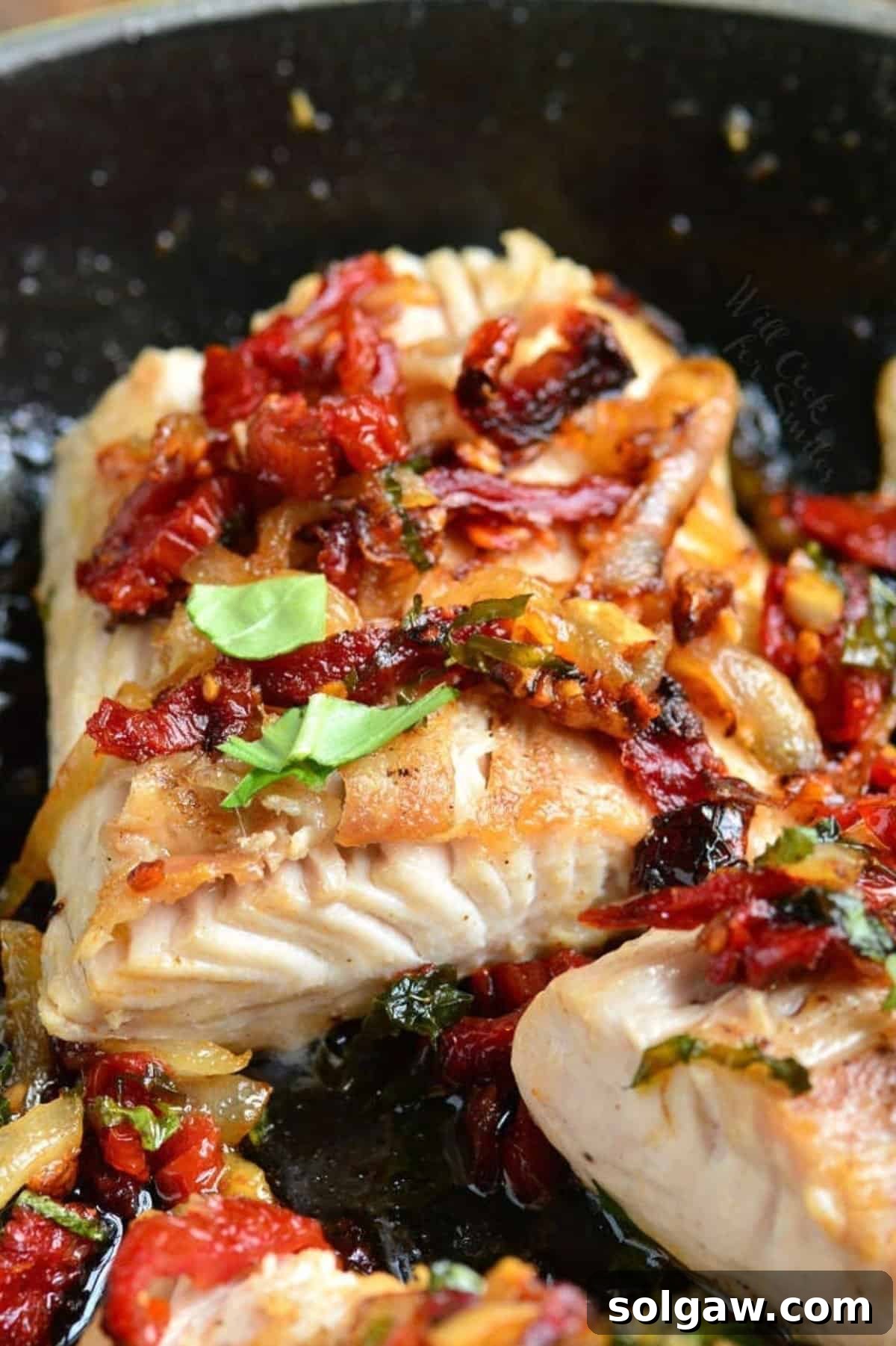
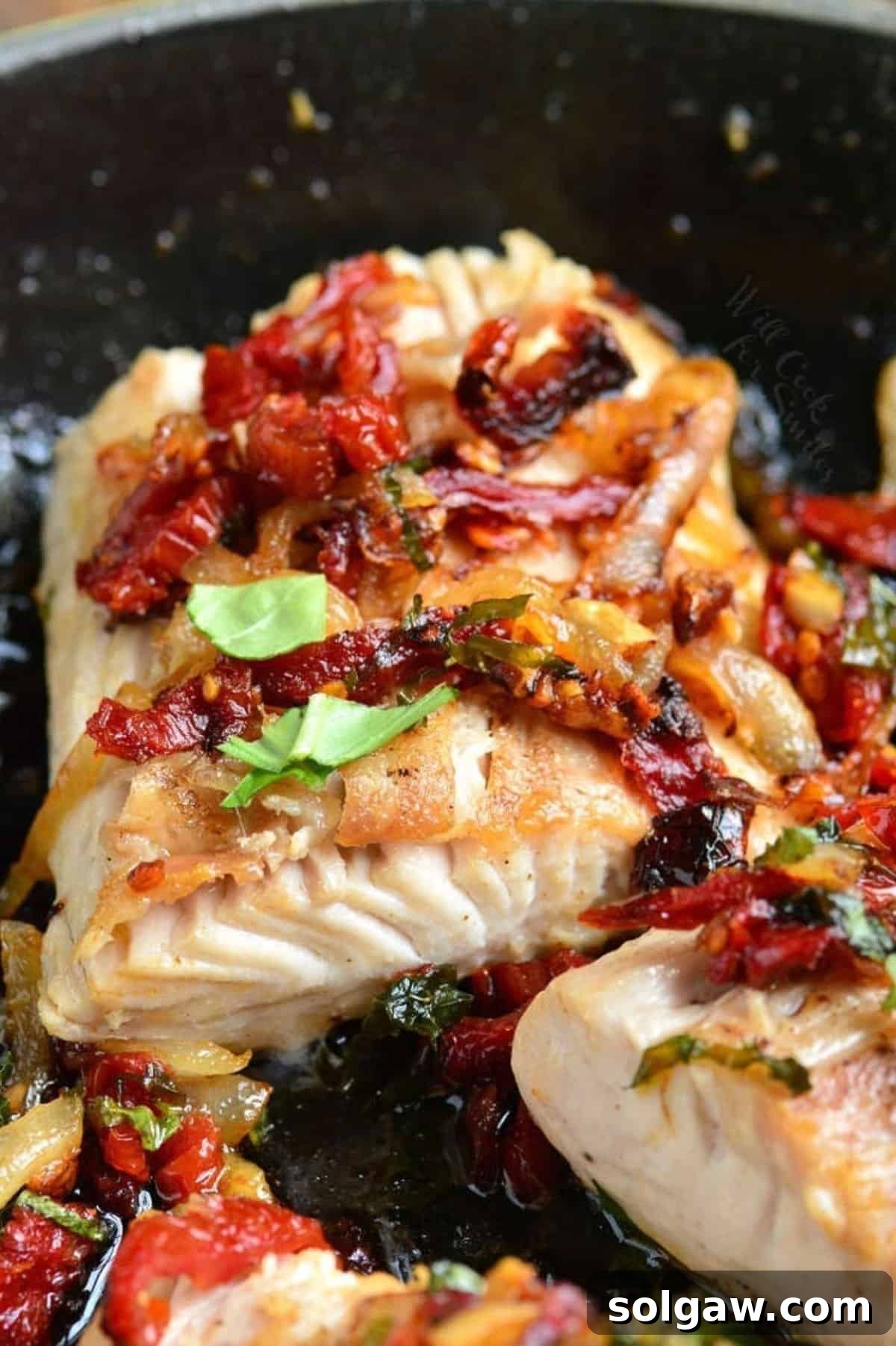
Embark on a culinary journey with pan-seared mahi-mahi, a delightful dish that promises a burst of flavors and a wealth of nutritional benefits. This recipe brings together the lean, flaky goodness of mahi-mahi with the vibrant notes of sun-dried tomatoes, aromatic basil, and savory shallots, all perfectly seared to golden perfection. It’s a quick, elegant, and incredibly satisfying meal that proves healthy eating can be both delicious and effortless. Whether you’re a seasoned seafood lover or new to cooking fish, this guide will help you create a restaurant-quality meal right in your own kitchen in under 30 minutes.
Fish is an indispensable component of a balanced diet, celebrated for its high protein content and an abundance of healthy fats, all while maintaining a remarkably low calorie and carbohydrate profile. Mahi-mahi, in particular, stands out as an exceptionally lean protein source with virtually no carbohydrates, making it an excellent choice for those mindful of their diet. While it may not boast the omega-3 fatty acid levels found in salmon, mahi-mahi is a nutritional powerhouse, generously packed with essential nutrients such as protein, potassium, selenium, and vitamin B12, each playing a crucial role in maintaining overall health and well-being.
Understanding Mahi-Mahi: The “Very Strong” Fish
Mahi-mahi, also known as dolphinfish (though entirely unrelated to marine mammals), translates to “very strong” in Hawaiian, a name that aptly describes its vibrant flavor and robust texture. This firm, meaty fish boasts a mild flavor profile that readily absorbs the essences of the ingredients it’s cooked with, making it incredibly versatile in the kitchen. Its firm flesh holds up beautifully to various cooking methods, from pan-searing and grilling to frying and baking. Beyond a simple fillet, mahi-mahi shines in dishes like fresh ceviche, savory fish tacos, and delectable sandwiches, offering a versatile canvas for your culinary creativity.
Nutritional Highlights of Mahi-Mahi
Beyond its delicious taste and appealing texture, mahi-mahi offers impressive health benefits. It’s an excellent source of lean protein, which is vital for muscle repair, growth, and overall body function. The fish is also rich in potassium, an electrolyte essential for maintaining fluid balance, nerve signals, and muscle contractions. Selenium, another key nutrient found in abundance, acts as a powerful antioxidant, protecting cells from damage and supporting thyroid function. Furthermore, mahi-mahi provides a significant dose of Vitamin B12, crucial for nerve function, red blood cell formation, and DNA synthesis. Incorporating this flavorful fish into your weekly meals is a smart way to boost your nutrient intake and support a healthy lifestyle.
Mastering Pan-Seared Mahi-Mahi: Tips and Step-by-Step Guide
Pan-searing is arguably one of the best ways to cook mahi-mahi, creating a beautifully caramelized crust while keeping the interior moist and tender. The key to success lies in proper preparation and precise timing. Follow these detailed tips and steps to achieve perfectly pan-seared mahi-mahi every time.
Choosing and Preparing Your Fish
- Selecting the Right Fillets: When purchasing mahi-mahi, look for fresh fillets with a firm texture and a clean, mild scent. Ideally, choose fillets that are similar in size and thickness to ensure they cook evenly. This prevents some pieces from being overcooked while others are still underdone.
- Pantry Essentials: Gather your aromatics: shallots, garlic, sun-dried tomatoes, and fresh basil. For this recipe, finely slice the shallots, peel and lightly smash the garlic cloves to release their flavor, and julienne both the sun-dried tomatoes (draining any excess oil) and the basil leaves. Set these ingredients aside; they will come into play once the fish has been seared.
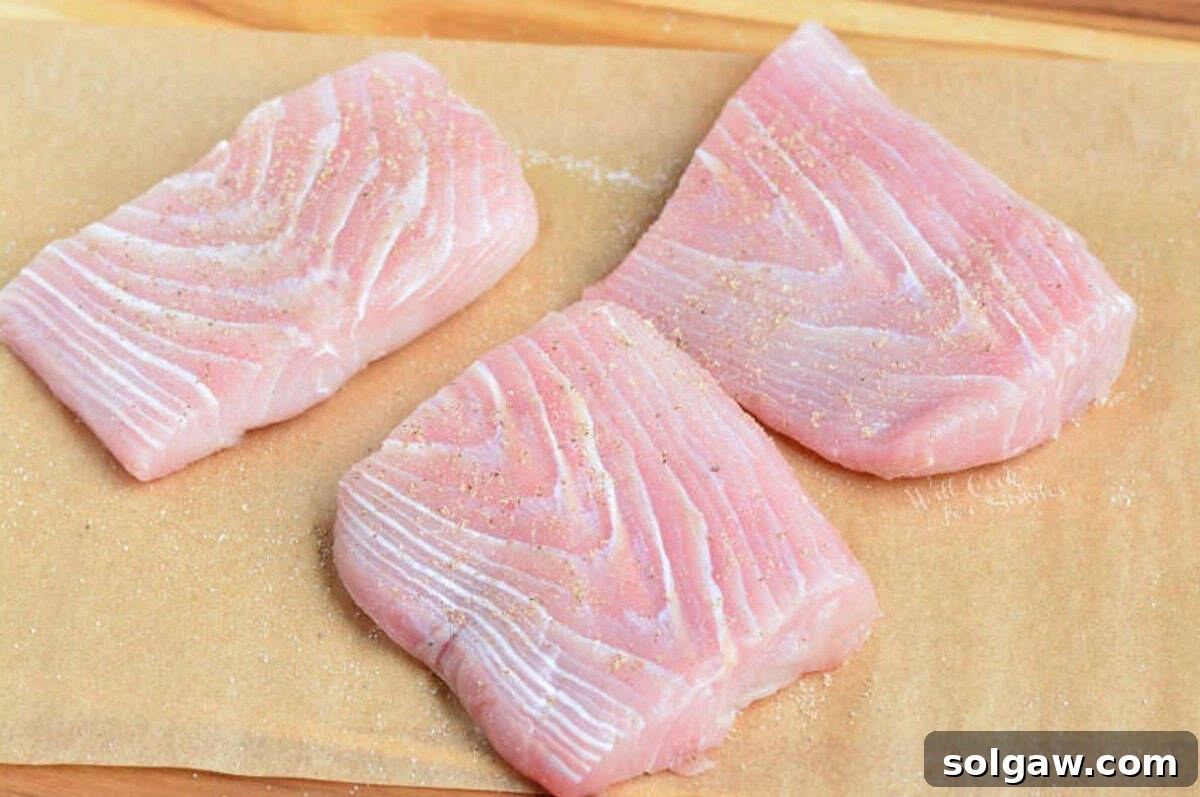
- Prepping the Fish for Searing: Before seasoning, it is crucial to thoroughly pat each mahi-mahi fillet dry with a paper towel. Removing surface moisture is essential for achieving that coveted crispy, golden-brown crust. Once dry, generously season both sides of the fillets with salt and freshly cracked black pepper. For optimal flavor and texture, season the fish just before it hits the hot pan, not too far in advance.
The Searing Process
- Heating the Pan: Start by preheating a heavy-bottomed cooking pan (cast iron or stainless steel works best) over medium to medium-high heat until it’s properly hot. You should be able to feel the heat radiating from the pan when you hold your hand a few inches above it. Add about half of your butter to the hot pan. Once melted, swirl the butter around to evenly coat the entire bottom surface. This ensures even cooking and prevents sticking.
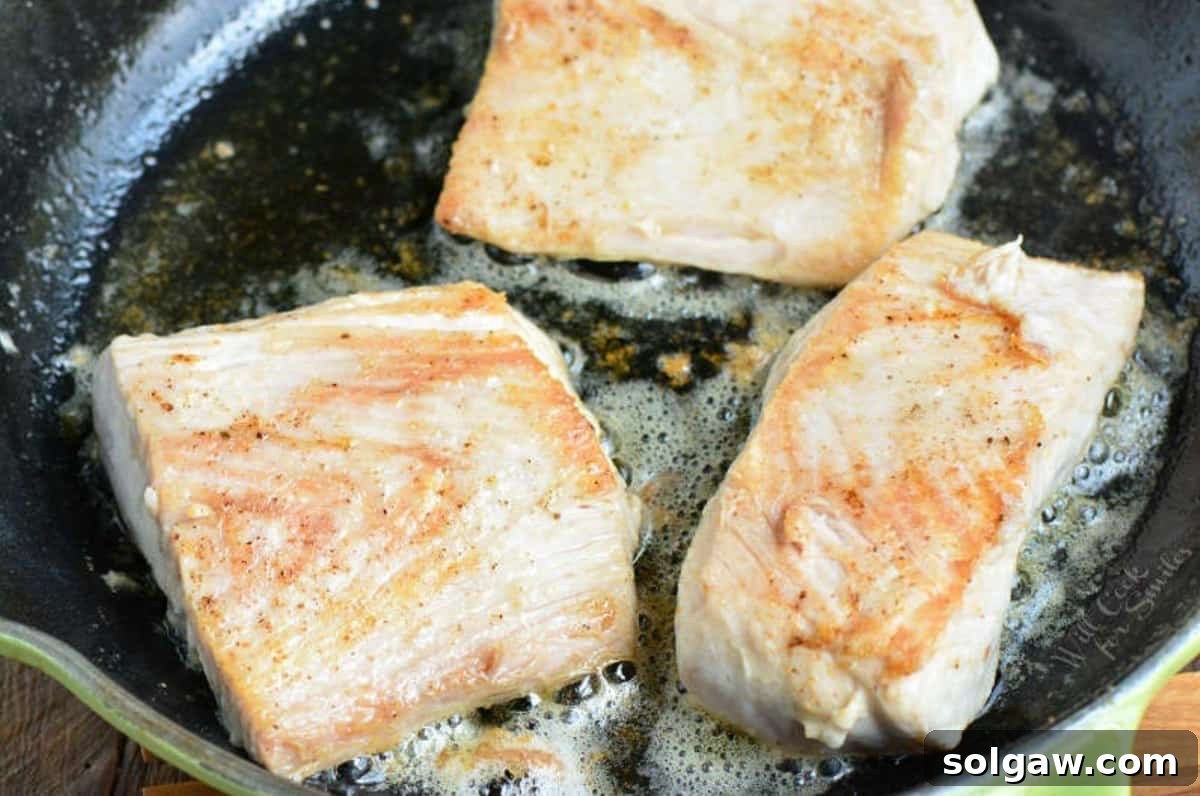
- Searing the Mahi-Mahi: Carefully place the seasoned mahi-mahi fillets into the hot pan, ensuring not to overcrowd it. Cook for approximately 4-5 minutes per side. The exact time may vary based on the thickness of your fillets. During this stage, avoid moving the fish too much, allowing a beautiful crust to form. Use a fish spatula to gently flip the fillets to the other side and sear for another 4-5 minutes. Once seared, remove the fish from the pan and set it aside on a plate while you prepare the topping.
Crafting the Sun-Dried Tomato & Basil Topping
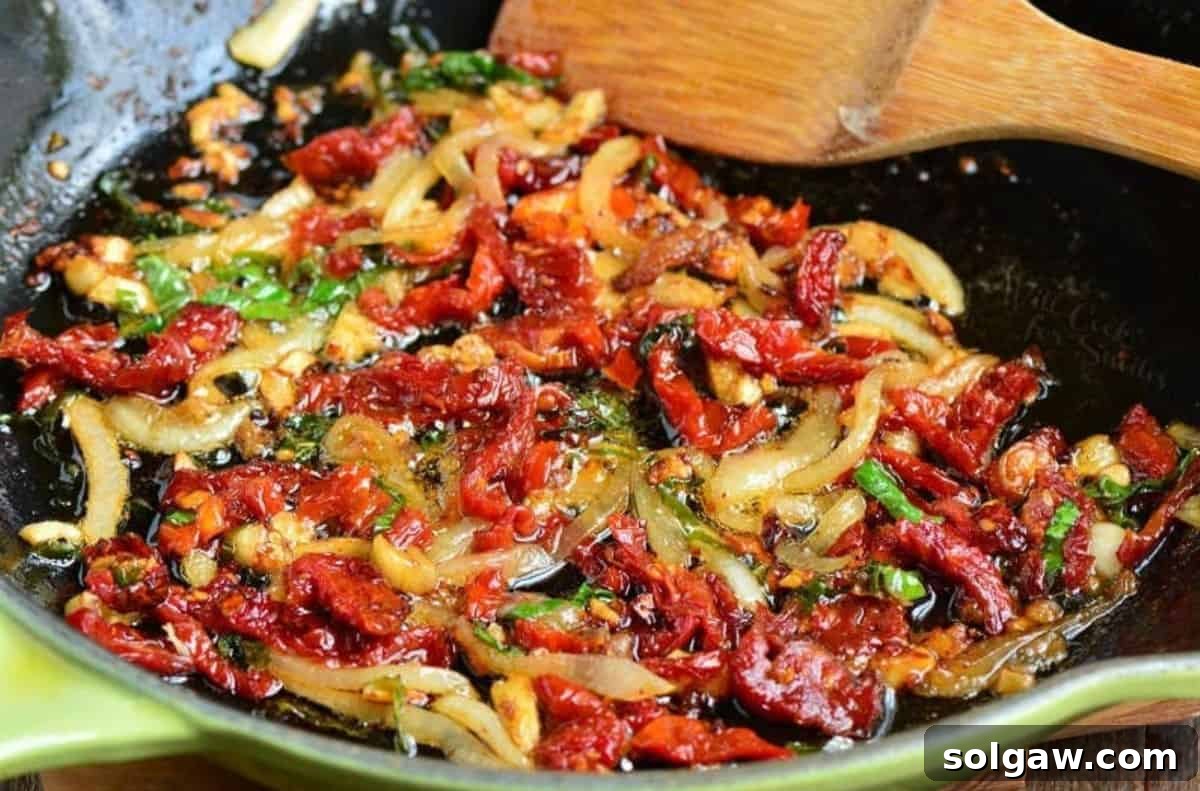
- Sautéing Aromatics: Add the remaining butter to the same pan (no need to clean it, the fond left from the fish adds flavor) and let it melt. Add the sliced shallots and sauté them until they begin to soften and turn a light golden brown. This usually takes a couple of minutes. Next, add the smashed garlic cloves and cook until fragrant, being careful not to burn them (about 30-60 seconds).
- Adding Sun-Dried Tomatoes and Basil: Once the garlic is fragrant, stir in the julienned sun-dried tomatoes. Sauté for another minute or so, allowing their rich, tangy flavor to meld with the shallots and garlic. Finally, add the fresh basil and give it a quick stir, cooking just until it wilts slightly, about 30 seconds.
Finishing Touches
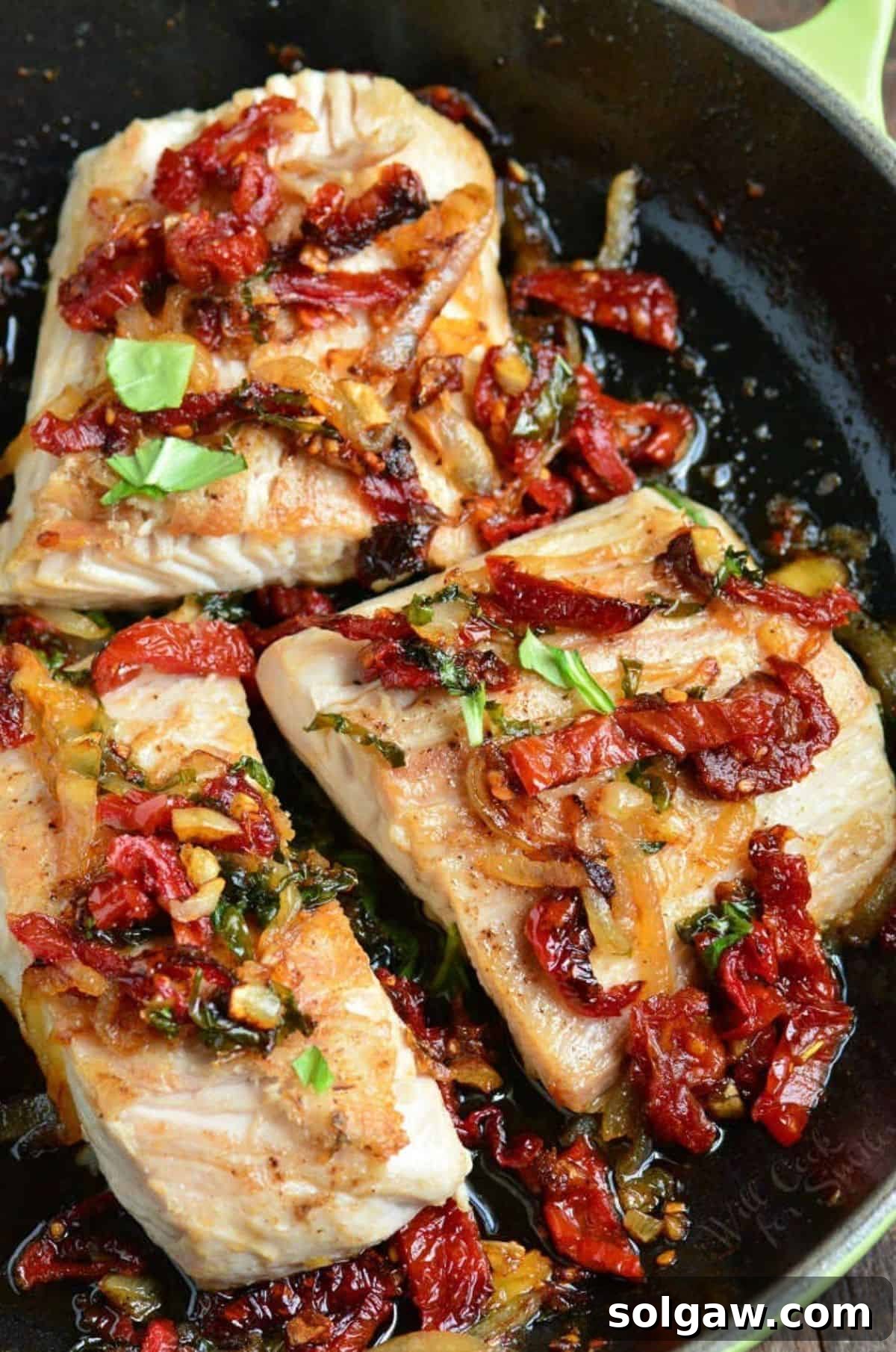
- Combining Flavors: Carefully place the seared mahi-mahi fillets back into the pan, nestling them among the vibrant vegetable mixture. Spoon some of the delicious sun-dried tomato and basil topping generously over the top of each fish fillet. Cook for just another minute or so, allowing the flavors to marry and the fish to gently warm through.
- Immediate Serving: It’s crucial to remove the fish from the pan immediately after this final minute to prevent it from overcooking. Mahi-mahi can dry out quickly if left in residual heat. Serve piping hot with your chosen side dishes.
How To Tell When Mahi Mahi Is Done
Knowing when your mahi-mahi is perfectly cooked is key to enjoying its tender, flaky texture. Overcooked fish can become dry and tough, so pay close attention to these cues:
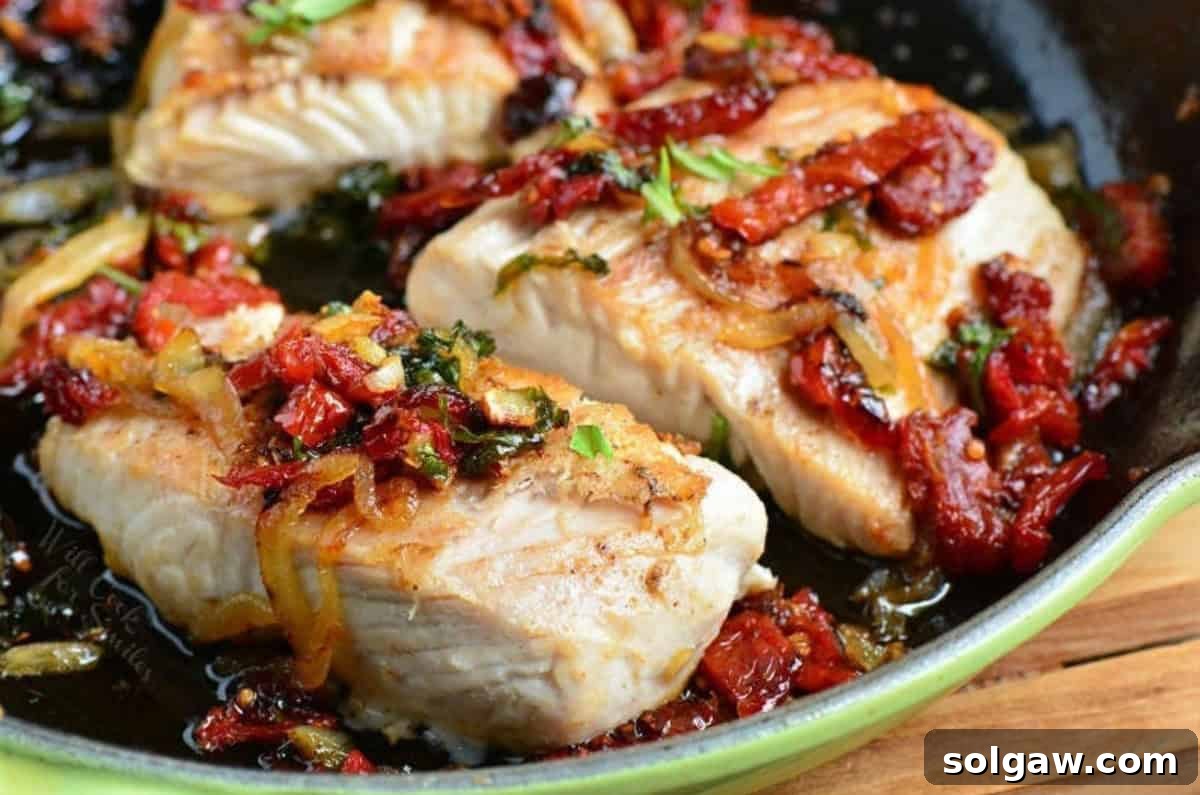
- Visual Cues: Mahi-mahi is done when its flesh turns opaque throughout, transitioning from a translucent, raw appearance to a solid white. You can gently flake it with a fork at its thickest part; if it flakes easily, it’s ready.
- Cooking Time: The cooking time will primarily depend on the thickness and size of your fillets. For pan-seared mahi-mahi, a general guideline is 4-5 minutes per side for average-sized fillets. Adjust as necessary for thinner or thicker pieces.
- Temperature Check: For the most accurate assessment, use a meat thermometer. Insert it into the center of the thickest part of the fish. The USDA recommends a safe internal temperature of 145°F (63°C) for fish. However, many chefs, including myself, find that pulling mahi-mahi out of the pan slightly earlier, around 137°F-140°F (58-60°C), yields a more moist and succulent result, as the fish will continue to cook slightly from residual heat (carryover cooking) after being removed from the pan.
Elevate Your Meal: Serving Suggestions for Mahi Mahi
Pan-seared mahi-mahi with sun-dried tomato and basil topping is a versatile dish that pairs beautifully with a variety of sides, allowing you to tailor your meal to your preference or occasion. Here are some suggestions to inspire your next plate:
- Comforting and Hearty Sides: For a more substantial and satisfying meal, consider classic comfort foods. Creamy mashed potatoes, crispy roasted potatoes, or a flavorful parmesan rice or rice pilaf provide a wonderful base to soak up the delicious juices from the fish and its topping.
- Light and Healthy Options: If you’re aiming for a lighter, health-conscious meal, a medley of roasted vegetables is an excellent choice. Think vibrant roasted asparagus, tender roasted cauliflower, crisp haricot verts (French green beans), or any of your favorite mixed seasonal vegetables. These add freshness, color, and additional nutrients without overwhelming the delicate fish.
- Fresh Salad Creations: For a truly refreshing approach, serve your mahi-mahi atop a bed of fresh spinach salad. Enhance it with juicy cherry tomatoes, creamy avocado slices, thinly sliced red onions, and a tangy tomato vinaigrette. The contrast of warm fish with cool, crisp greens is incredibly satisfying.
- Creative Leftover Ideas: Don’t let any delicious leftovers go to waste! Flake the cooked mahi-mahi and transform it into fantastic fish tacos. Pile it into warm tortillas with sliced avocados, crumbled feta cheese, crisp lettuce, and a squeeze of lime for an easy and flavorful second meal.
- Mahi-Mahi Sandwiches: For a delightful lunch option, turn leftover mahi-mahi into a gourmet sandwich. Serve it on a soft hamburger bun or a rich brioche bun, spread with a zesty lemon aioli or tartar sauce, and garnished with fresh greens.
Storing and Reheating Recommendations
Proper handling of cooked fish ensures its safety and maintains its quality for future enjoyment. Here are the best practices for storing and reheating your pan-seared mahi-mahi:
- Storing Cooked Mahi-Mahi: To keep your cooked mahi-mahi fresh, transfer any leftovers into a clean, air-tight container as soon as it has cooled to room temperature. Stored properly in the refrigerator, it will remain fresh and safe to eat for 3-4 days. It’s best to consume it within this timeframe for optimal flavor and texture.
- Reheating for Best Results: When it’s time to enjoy your leftovers, reheating in a pan is the preferred method to help retain moisture and prevent it from drying out. Place the mahi-mahi in a pan over medium to medium-low heat. Add a splash of water or broth, or a small pat of butter, then cover the pan with a lid. This creates steam that gently warms the fish through, ensuring even heat distribution and locking in moisture. Reheat just until it’s heated through, typically a few minutes, avoiding high heat which can make the fish tough.
PIN THIS RECIPE FOR LATER
DID YOU MAKE THIS RECIPE? Please leave a 🌟 star rating! Let me know how you liked it by leaving a 📝 comment below or share and tag me on social media @willcookforsmiles. DON’T FORGET to subscribe to my newsletter!
Sun Dried Tomato Basil Mahi Mahi Recipe
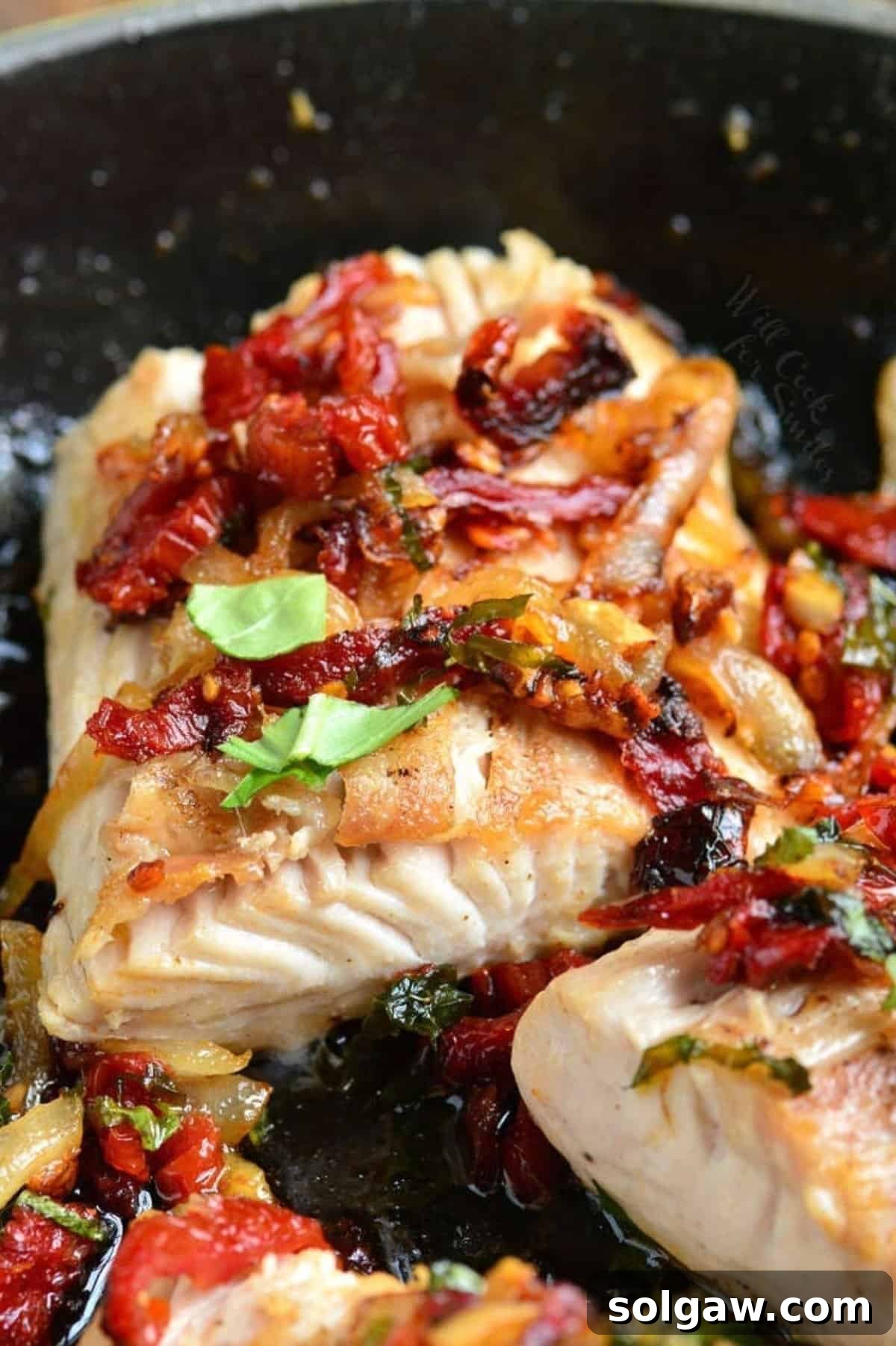
Tender, firm, and flaky pan-seared mahi-mahi fillets cooked with a delicious combination of shallots, sun-dried tomatoes, and fresh basil. This simple recipe uses just a few ingredients and can be prepared in less than 30 minutes, promising a perfectly flavorful bite every time.
5 from 6 votes
Print
Pin
Dinner, Main Course
American
Gluten Free
10
20
30
4
355kcal
Lyuba Brooke
Ingredients
- 1.5 lb mahi-mahi fillets
- salt
- fresh cracked black pepper
- 4 tbsp butter divided
- 3 shallots
- 4 garlic cloves
- 6 oz sun-dried tomatoes in oil (discard oil)
- 5-6 large basil leaves
Instructions
-
Slice shallots, peel and smash garlic, julienne sun-dried tomatoes and basil, and set them aside while preparing the fish.
-
Pat each fish fillet dry with a paper towel and season it with salt and pepper on both sides.
-
Preheat a cooking pan over medium heat until hot and add 2 tbsp. of butter. Once butter is melted, swirl it around to coat the entire bottom of the pan and add fish fillets.
-
Sear mahi-mahi for about 4-5 minutes on each side (use a fish spatula to flip it over). Take all fish fillets out of the pan and set aside.
-
Add remaining butter to the pan and let it melt. Sauté shallots until they start to brown and then add garlic. Once garlic is fragrant, add sun-dried tomatoes and sauté for a minute or so. Add basil and stir.
-
Place seared fillets back into the pan and nestle them among the veggies. Spoon some of the sun-dried tomato mixture over the top of each fish fillet and cook for just another minute or so.
-
Take the fish out of the pan right away so it doesn’t keep cooking, and serve immediately.
Notes
- Storing: Properly stored in an air-tight container, cooked mahi-mahi will last for 3-4 days in the refrigerator.
- Reheating: You can easily reheat it in the pan, over medium to medium-low heat until it’s just heated through. It’s best to reheat fish in the pan covered with a lid to help keep heat uniform and retain moisture.
How To Tell If Mahi Mahi Is Done:
- Mahi-mahi is done when it turns opaque throughout, much like most other seafood.
- Cooking time will depend on the size and thickness, but on average, cooked in the pan, it will take 4-5 minutes on each side.
- You can also use a meat thermometer and insert it into the center of the thickest part of the fish. Safe fish temperature is 145°F (63°C), but many find it a little dry at this temperature. For a juicier result, pull mahi-mahi out around 137°-140°F (58-60°C).
Nutrition
Calories:
355
kcal
|
Carbohydrates:
14
g
|
Protein:
34
g
|
Fat:
19
g
|
Saturated Fat:
8
g
|
Cholesterol:
155
mg
|
Sodium:
367
mg
|
Potassium:
1448
mg
|
Fiber:
3
g
|
Sugar:
2
g
|
Vitamin A:
1235
IU
|
Vitamin C:
45.7
mg
|
Calcium:
61
mg
|
Iron:
3.3
mg
Tried this recipe?
Mention @willcookforsmiles or tag #willcookforsmiles!
More Delicious Fish Recipes to Explore
- Grilled Salmon with Garlic Butter
- Avocado Salmon Rice Bowl
- Lemon Garlic Baked Cod
- Blackened Tilapia
- Blackened Fish Tacos
Originally published on Will Cook For Smiles on July 9, 2019.